1. Section Off the Front Pieces
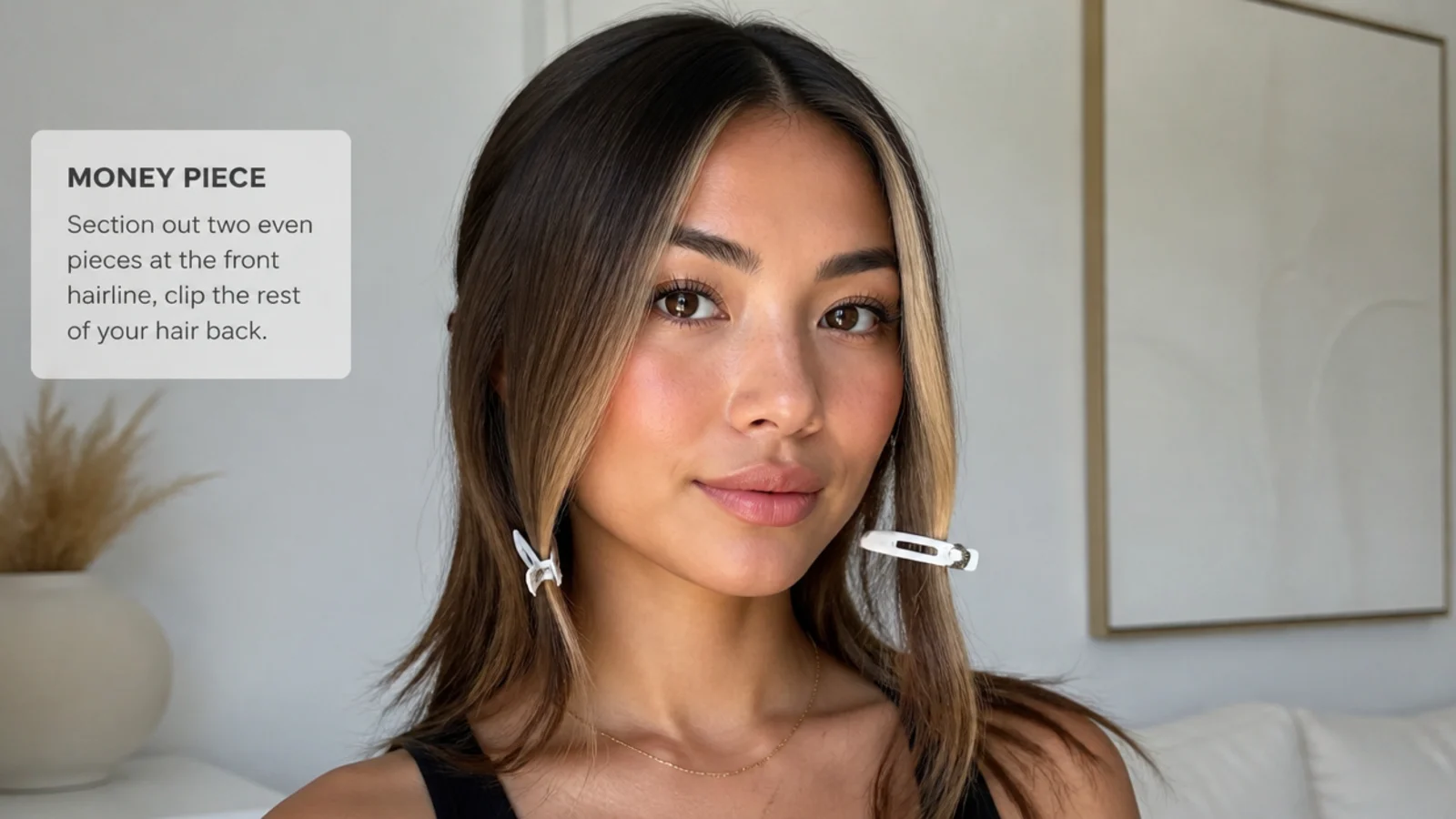
Part your hair down the middle and clip away everything except the front sections that frame your face - usually the pieces from your part to just behind your ears. Make the two sides even and symmetrical.
Common mistake: Taking sections too thin or too far back, so the money piece disappears once your hair is down.
Pro tip: Style your hair how you normally wear it first, then section the pieces that actually frame your face.
2. Mix the Lightener
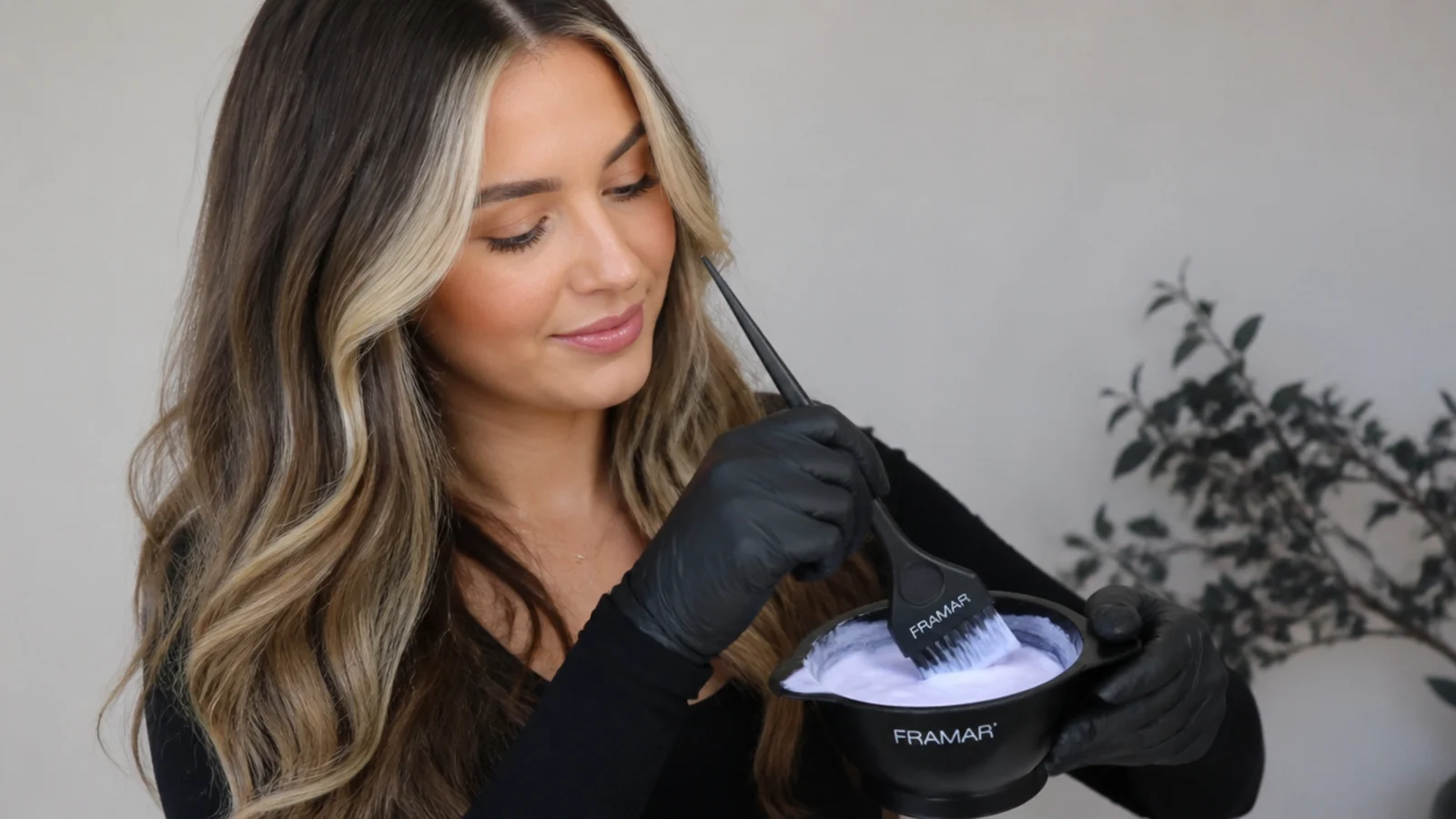
Mix your lightener with the developer exactly to the ratio on the packet. Use the lowest developer volume that will get you there - 20 volume is plenty for a subtle lift and is gentler than 30 or 40.
Common mistake: Reaching for a high-volume developer to go faster, which causes damage and uneven lift.
Pro tip: Do a strand test on a hidden piece first to check timing and tone before touching the front.
3. Apply to the Front Sections
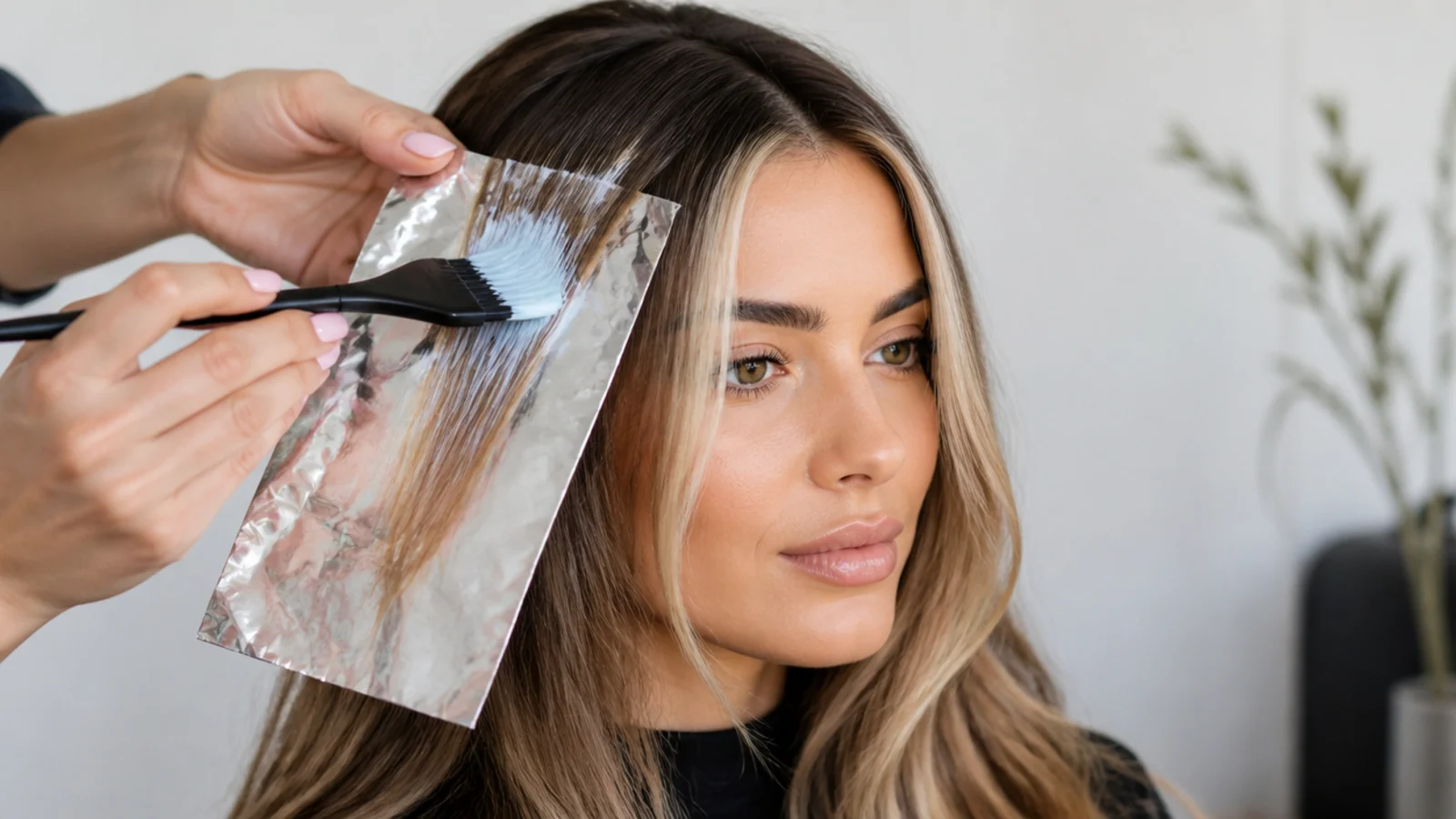
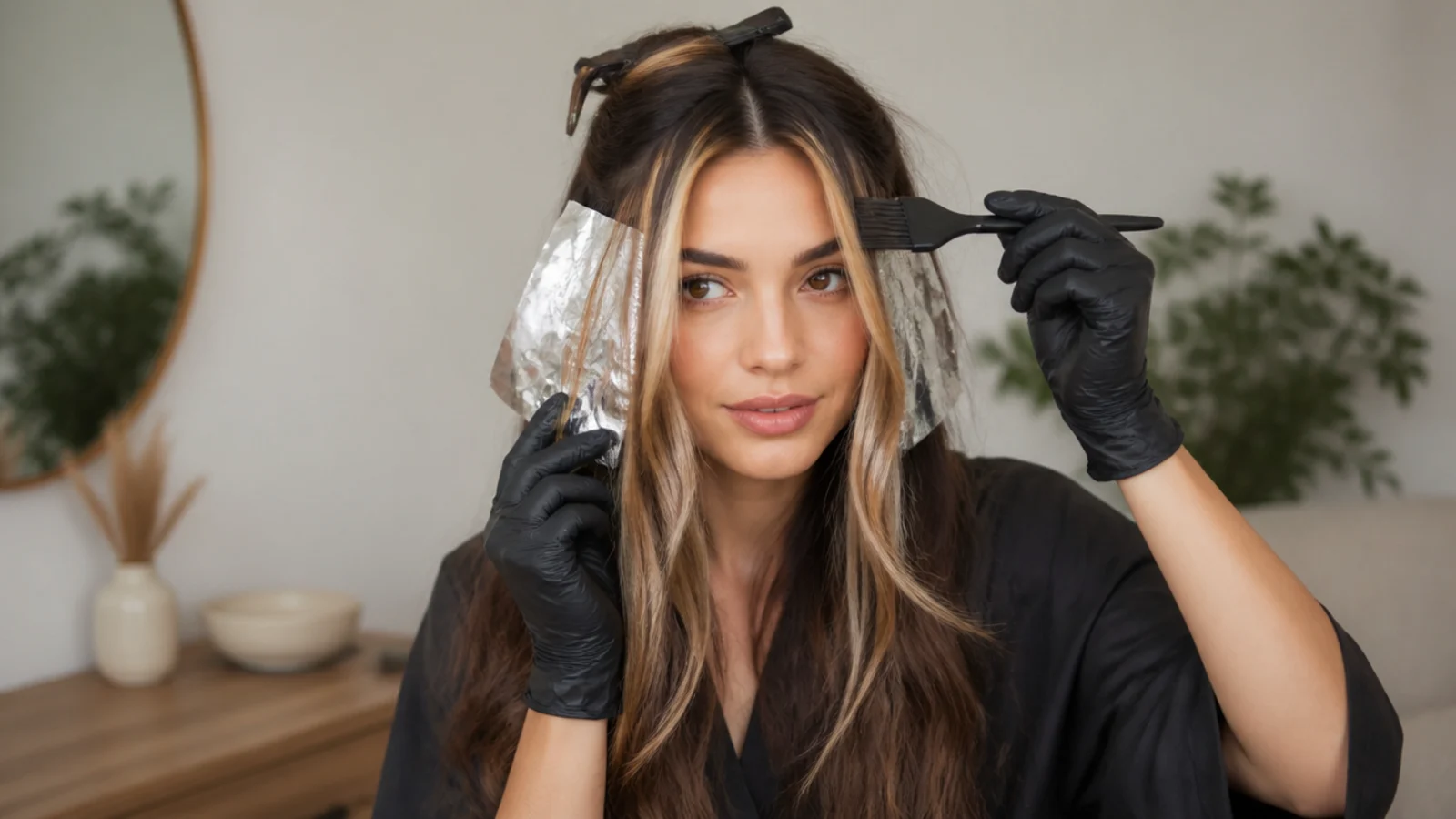
Paint the lightener onto the front sections, starting a little below the root and working to the ends, then wrap each piece in foil. Keeping the very root slightly darker gives a softer, more natural grow-out.
Common mistake: Saturating right at the scalp, which lifts faster from body heat and creates a harsh line.
Pro tip: Apply thicker product toward the ends, which are older and lift more slowly.
4. Process and Check
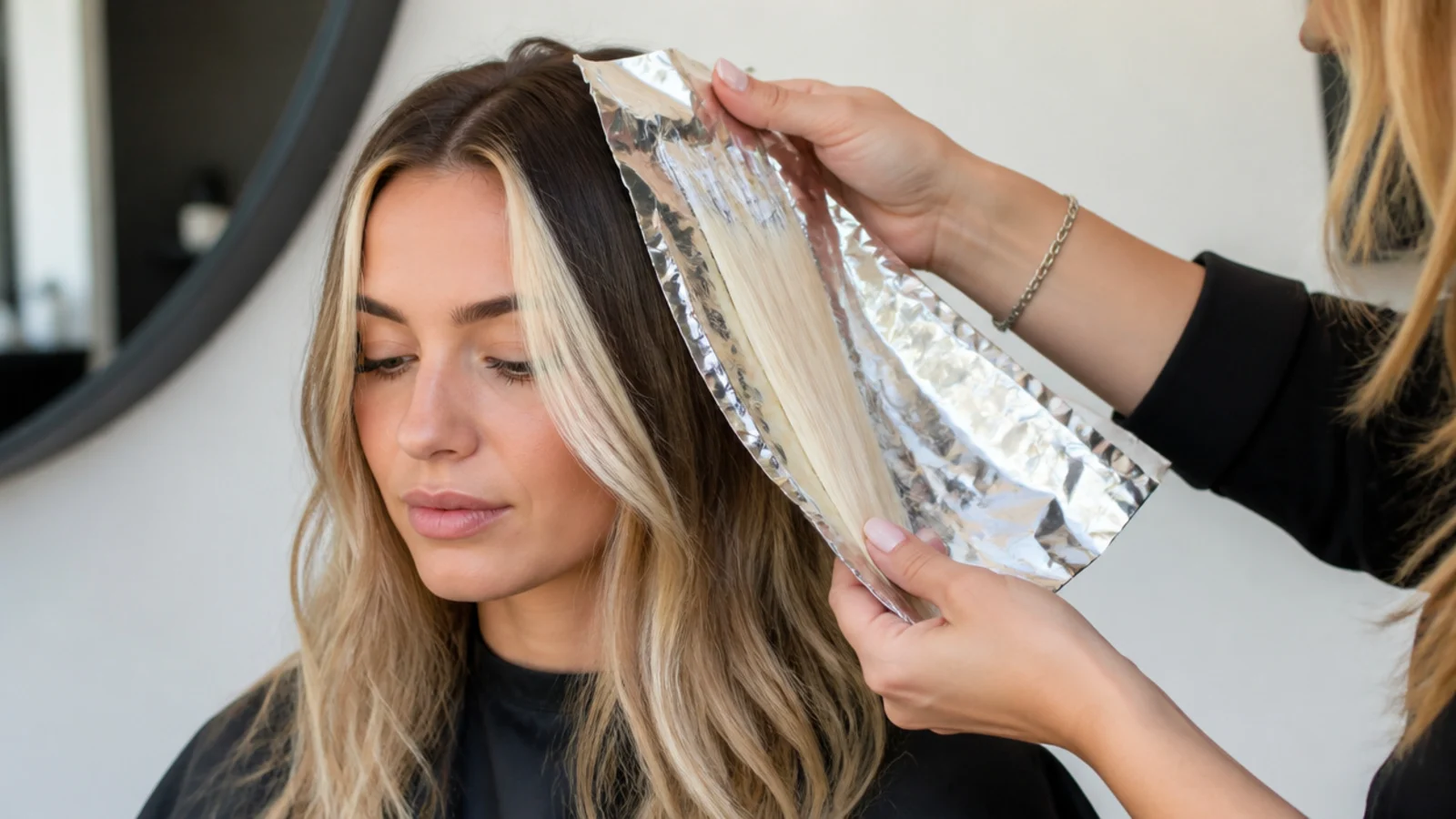
Follow the timing on the packet and check the lift every few minutes by wiping a small area. Stop when the pieces reach a pale yellow - it will look warm now and tone cooler in the next step.
Common mistake: Leaving lightener on too long chasing white; over-processing is what causes breakage.
Pro tip: Set a timer and never exceed the maximum time on the instructions.
5. Rinse, Tone and Condition
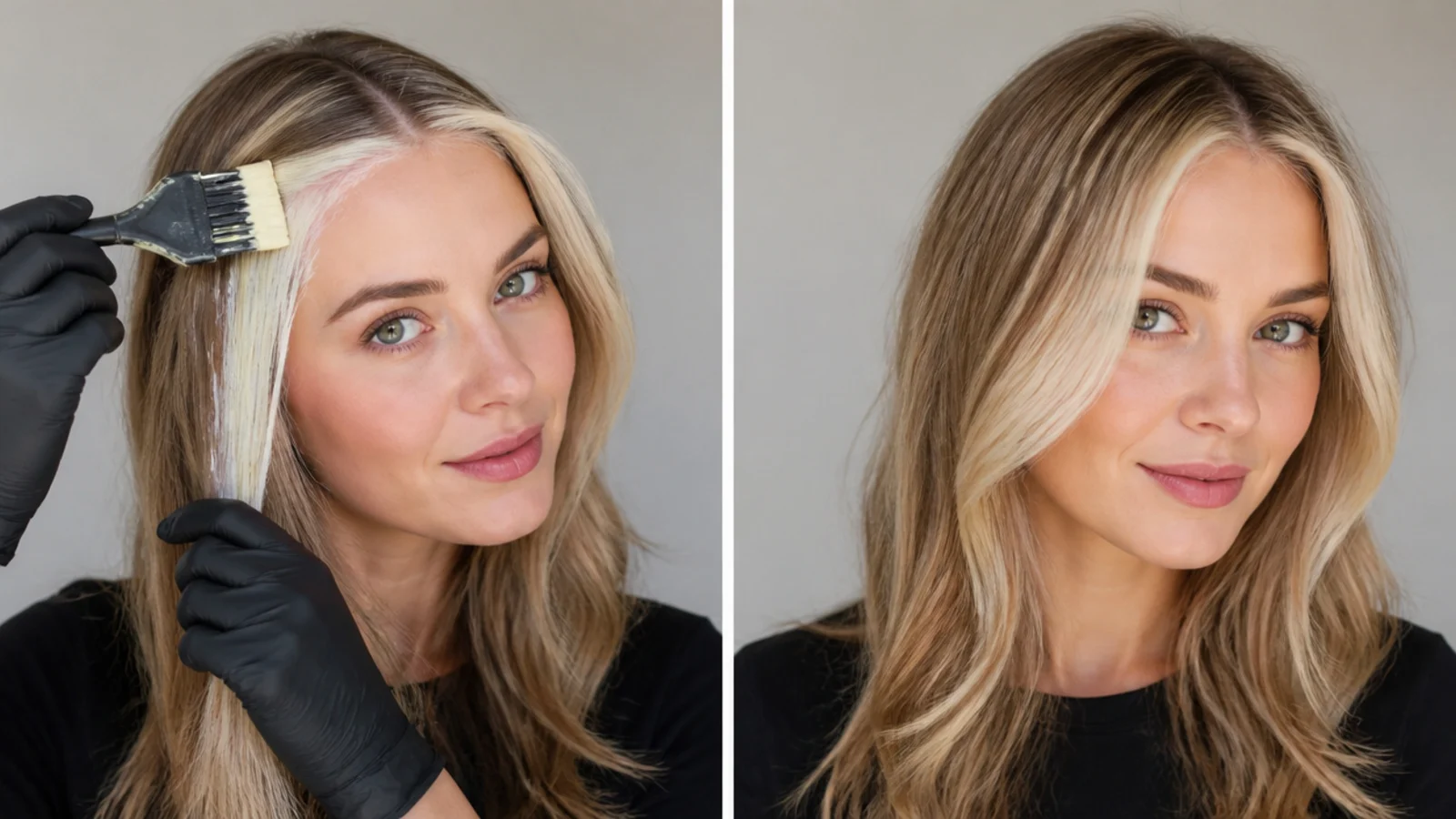
Rinse thoroughly, then apply a toner or purple treatment to neutralize any brassy warmth, following its timing. Finish with a deep bond-building conditioner to restore the lightened pieces.
Common mistake: Skipping toner, which leaves the money piece looking orange or yellow.
Pro tip: Keep a purple shampoo in your routine to maintain the tone between refreshes.
Best Variations to Try
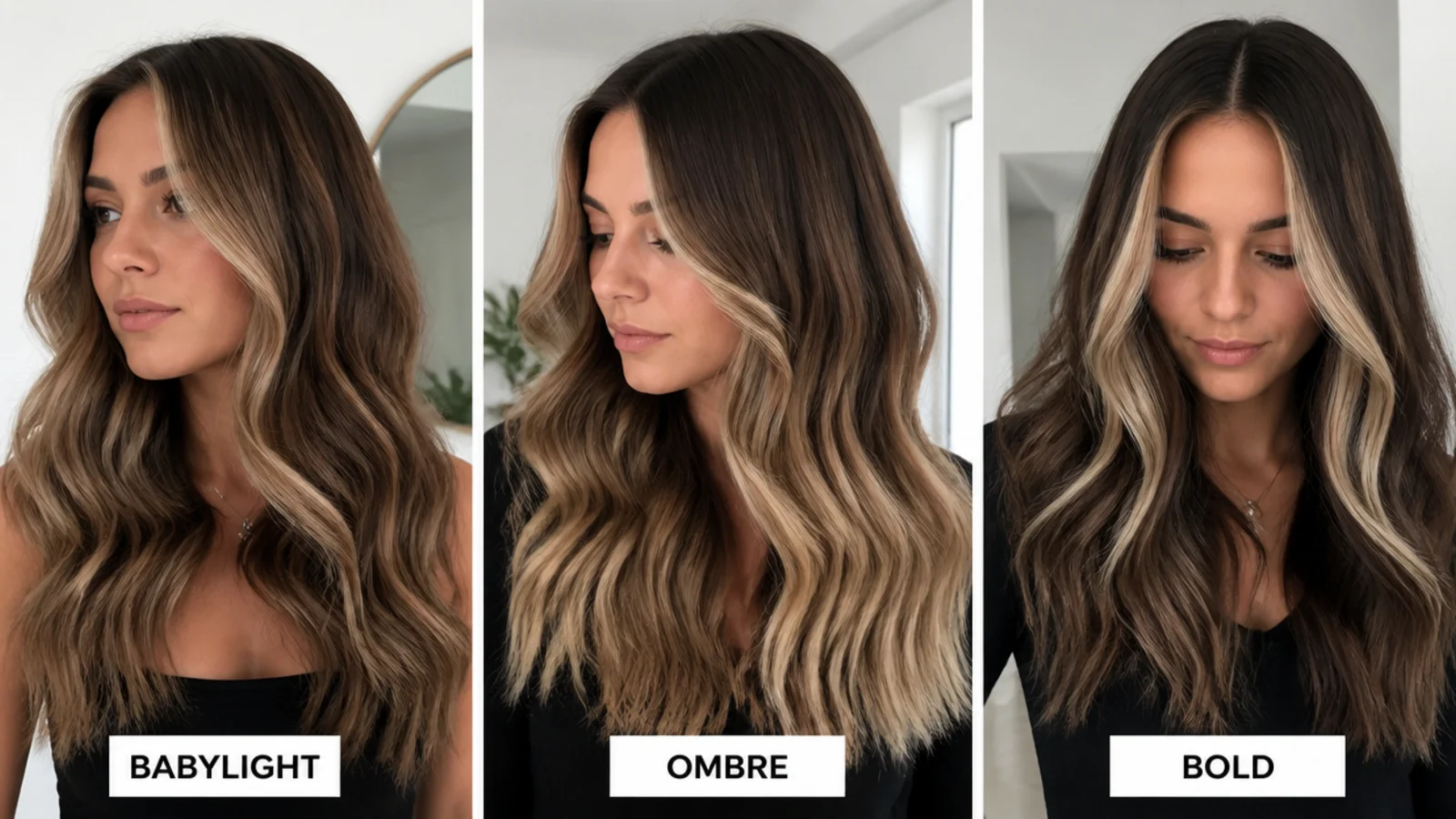
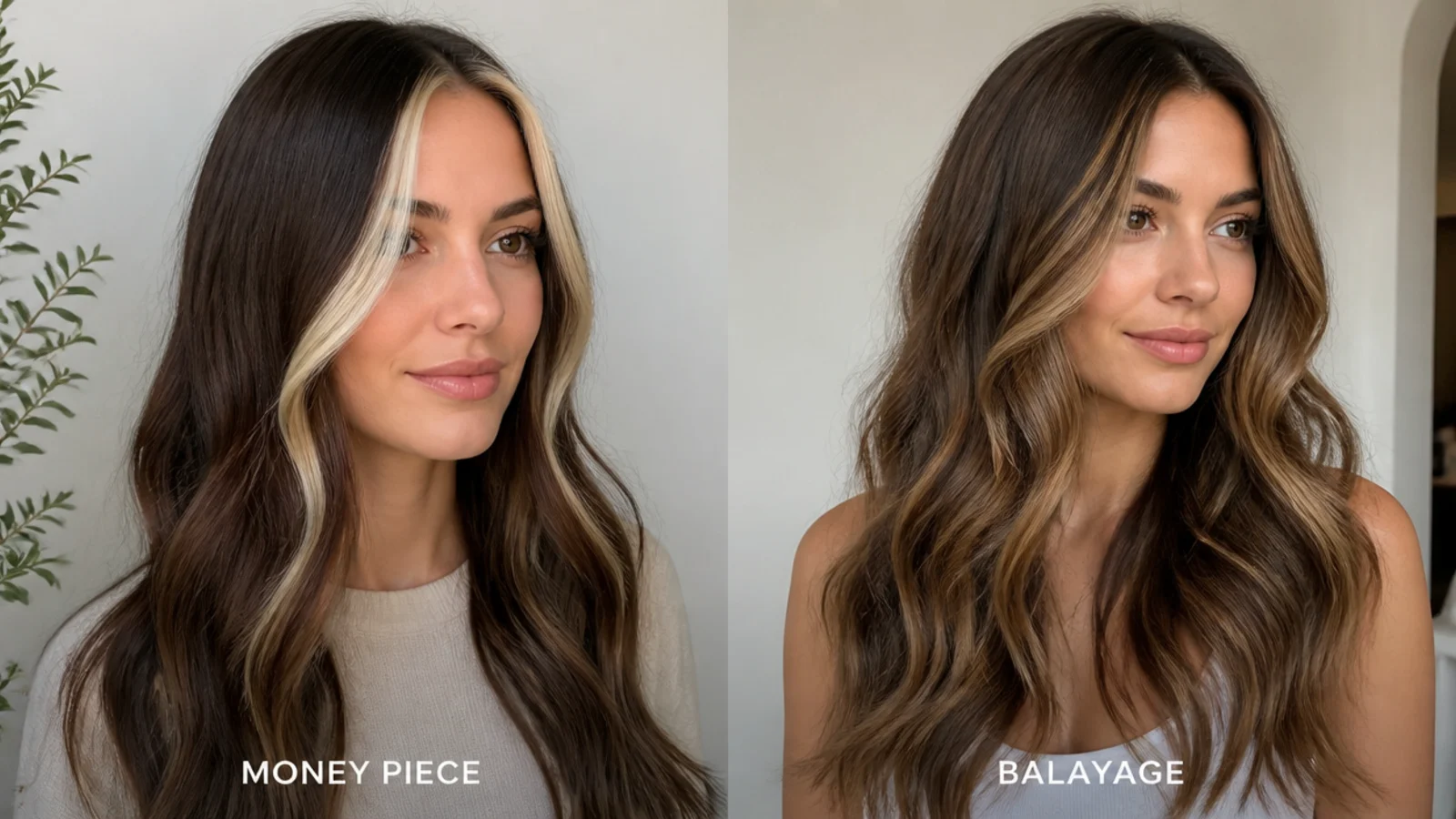
Once you are comfortable with the basic method, try a softer babylight version by taking finer, more scattered pieces, or an ombre money piece by keeping the root darker and only lightening from the mid-lengths down. If you want more contrast, widen the sections slightly - just know that bolder, brighter pieces need more toning and more careful aftercare.
How to Make It Last

Wash with a sulfate-free, color-safe shampoo and avoid over-washing, which strips toner fast. Use a purple or blue toning product weekly to keep the pieces from going brassy, and a bond-building mask to keep them strong. Because only the front is lightened, you can stretch a full re-lighten to every 8-12 weeks and just refresh the toner in between.
Frequently Asked Questions
Can you really do a money piece at home?
Yes, a subtle money piece is one of the easier at-home color projects because you only lighten the front sections. Big lifts on dark or color-treated hair are safer with a professional.
What developer should I use for an at-home money piece?
For a soft, subtle lift, 20 volume developer is usually plenty and is gentler than 30 or 40. Always follow the instructions on your specific lightener and do a strand test first.
How do I stop my money piece turning brassy?
Tone it right after lightening and keep a purple or blue toning shampoo in your weekly routine. Brassiness happens when the warm underlying pigment is not neutralized or the toner has faded.
Will an at-home money piece damage my hair?
Any bleaching causes some stress. Using the lowest effective developer, not over-processing, and following up with a bond-building treatment keeps damage to a minimum. Fragile or previously colored hair is safer in a salon.
How do I fix a patchy at-home money piece?
Small unevenness can often be blended with a gloss or toner, but significant patchiness is best corrected by a professional colorist rather than re-bleaching at home, which risks breakage.
Bleaching at home carries a real risk of damage and uneven color, especially on dark or previously colored hair. Do a strand test first, never leave lightener on longer than the instructions say, and see a professional colorist for big changes or color correction.
Which money piece hair look are you saving?
Done patiently, an at-home money piece can look genuinely salon-worthy - the secret is going slow, toning properly and protecting the lightened pieces afterward. Start subtle; you can always lift a little more next time, but you cannot un-bleach hair. Save this guide and pair it with a good bond-building treatment for the healthiest result.