Hobbies & Self-Care
How to Stay Healthy as an Online Student
Jan 14
2026
How to stay healthy as an online student — small, sustainable habits to look after your body, mind, and energy when school happens at your kitchen table.
Online college is, structurally, hostile to physical health. The commute is gone. The walks between classes are gone. The natural sunlight of crossing campus is gone. The student living through her degree in a single room with a single laptop has to build the equivalent infrastructure herself — and most aren't told this is even necessary until they're four months in and starting to feel genuinely terrible.
This article is the honest framework. The specific habits that keep online students physically, mentally, and emotionally well across a degree.
Save this. Pick three habits. Watch what happens inside a fortnight.
The Foundation Four
The four habits that, more than any other, determine your physical wellbeing as an online student.
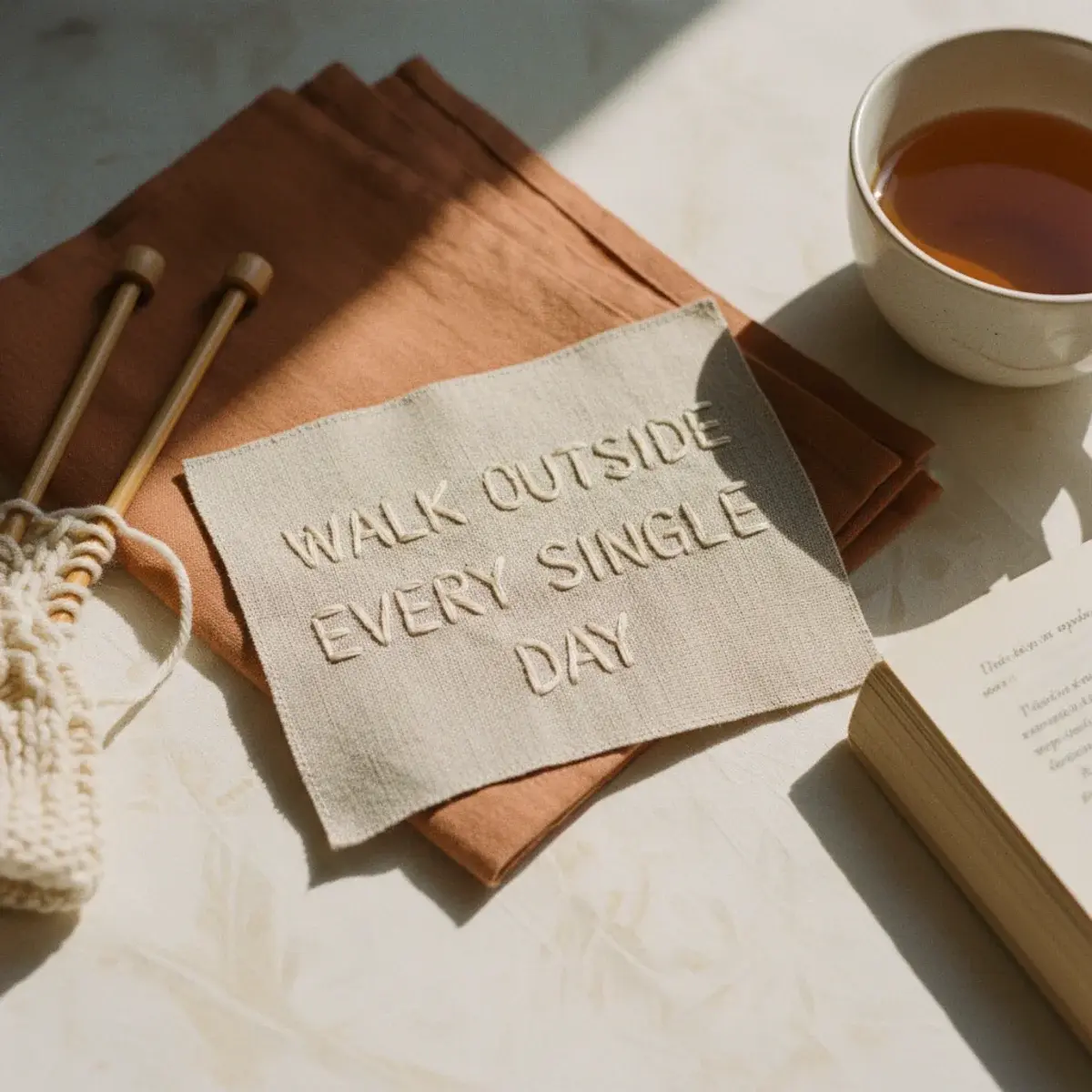
1. Walk Outside Every Single Day
Twenty minutes minimum. Even when it's raining. Even when you don't feel like it. The walk does three things at once: fresh air, natural light (critical for sleep), and the implicit commute that in-person students get for free.
The single most consequential habit on the entire list. Skip everything else; do not skip this.
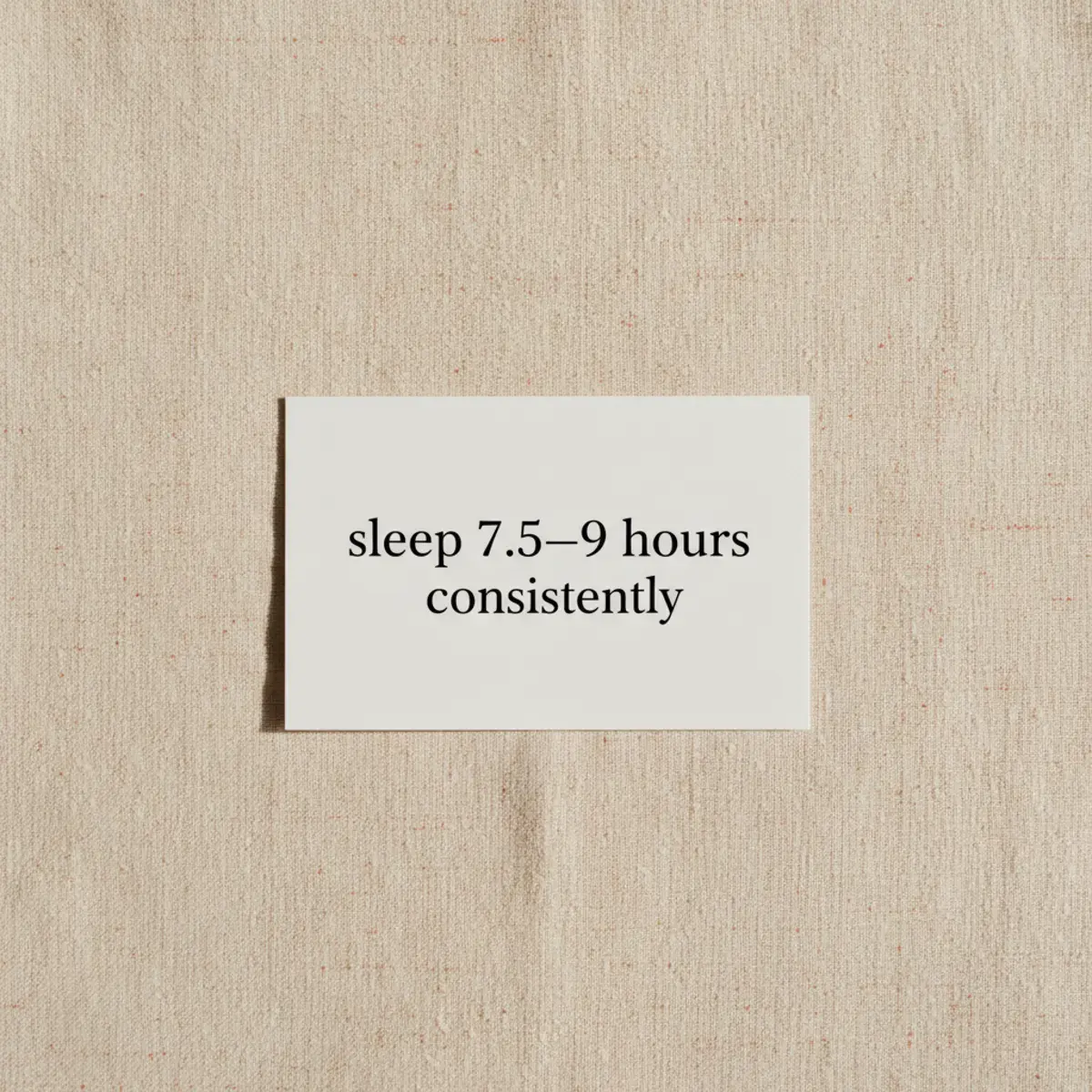
2. Sleep 7.5–9 Hours Consistently
The non-negotiable. Fixed bedtime. Fixed wake-up time. Even on weekends. The brain runs on circadian rhythm; consistency builds the rhythm.
3. Eat Three Real Meals at Real Times
Not grazing at the laptop. Real meals, at the table, eaten away from the screen. Three a day. The structure itself is restorative.
4. Drink 2 Litres of Water a Day
A 1-litre water bottle on your desk, refilled twice. Dehydration is the silent killer of focus, mood, and energy in students living indoor lives.
The Movement Habits
The deliberate physical activity that the missing commute used to provide.
5. 20 Minutes of Movement Daily (Beyond the Walk)
Yoga, pilates, a free YouTube workout. Yoga with Adriene is the universal recommendation. Twenty minutes, three to five days a week. Combined with the daily walk, this is enough to stay genuinely well.
6. Stand Up Every 60 Minutes
The single most underused desk-health habit. A timer on your phone. Every hour: stand up, stretch, walk to the kitchen, refill water, return. The cumulative effect on your back over a term is enormous.
7. Get Direct Sunlight Within an Hour of Waking
The single most-evidenced sleep intervention. Ten minutes of natural light in your eyes within an hour of waking sets your circadian rhythm for the day. Open the curtains while you make coffee. Walk to the corner shop. Stand on your balcony.
The Mental Health Habits
The interior wellbeing that the missing social life of in-person school used to provide.
8. Talk to One Human Being a Day, In Person
Even briefly. The barista. The shopkeeper. A neighbour. The single most overlooked mental-health habit of the online student. Texting doesn't count; the in-person interaction is what your nervous system needs.
9. Have One Real Conversation a Week
Beyond the small talk. A friend, a parent, a sibling — someone who knows you. A 30-minute phone call counts. The deep conversation prevents the slow loneliness that ambushes online students by week six.
10. Limit Doom-Scrolling
Specifically: no phone for the first hour of the morning and the last hour of the evening. These two boundaries protect more mental health than any meditation app.
For the framework, see The Best Morning Routine for College Students.
The Workspace Habits
The physical setup that prevents long-term injury.
11. Sit at a Real Desk, Not in Bed
The single biggest workspace mistake of online students. The bed-as-office produces worse sleep, worse posture, and worse focus. Even a folding desk in the corner is dramatically better.
12. Adjust Your Screen Height
Your laptop screen should be at eye level — which means most students need a laptop stand or a stack of books underneath. Looking down at a screen for hours causes neck and shoulder pain that compounds over years.
13. Use Natural Light Where Possible
Position your desk near a window. Daylight is genuinely better for your eyes, your mood, and your circadian rhythm than any indoor lighting. Open the blinds during the day, even when it's cloudy.
The Eating Habits (Without Being Restrictive)
Specific food habits that support cognitive function and steady energy.
14. Eat Protein at Every Meal
The single best dietary lever for steady energy. Eggs at breakfast. Beans or chicken at lunch. Tofu or fish at dinner. Protein keeps blood sugar steady, which keeps focus steady.
15. Don't Skip Breakfast
The student who skips breakfast and runs on coffee until 1pm is the student whose afternoon focus collapses. Real food. Real meal. Within 90 minutes of waking.
16. Keep Real Snacks at Your Desk
A small bowl of almonds. A piece of fruit. A small piece of dark chocolate. Real fuel within arm's reach prevents the 3pm petrol-station-snack disaster.
The Final Three (Underrated)
The habits that quietly matter more than people think.
17. Have a Plant on Your Desk
The published research is genuine: a plant in your workspace measurably lowers stress hormones and improves focus. A pothos, a snake plant, a small succulent — £6. The cheapest mental-health intervention you can buy.
18. Take Vitamin D in Winter
For students in northern climates: a daily Vitamin D supplement October-March (£5 for six months from any chemist). The single most-evidenced supplement for indoor-dwelling people in winter.
19. Schedule a Real GP Appointment Once a Year
Just to check in. Most students avoid the doctor entirely until something goes wrong. A 15-minute annual check-up catches problems early and is genuinely worth the small inconvenience.

How to Start
Don't try to install all 19 at once. The plan:
- Week 1: the four foundation habits (walk, sleep, three meals, water).
- Week 2: add 20 minutes of movement and the morning-light habit.
- Week 3: add the workspace adjustments.
- Week 4: add the mental-health habits.
By the end of a month, you have a complete health infrastructure for online student life.
When to Get Real Help
A genuine note: if you've been doing all the habits in this article — the walking, the sleeping, the eating, the movement — and you still feel persistently unwell, anxious, or low, please talk to a healthcare professional.
The framework above prevents most of the slow erosion of online-student life. It doesn't replace medical or psychological care when those are needed. The two work together, not as substitutes.
Most universities have free counselling services and access to a GP. The single best investment you can make in a hard term is the 15-minute appointment that gets you proper support early.
A Word on Comparison
The single most-corrosive online-student health pattern: comparing yourself to the seemingly-effortless Instagram student who appears to be thriving in her perfect routine.
The honest truth: most of those students are also struggling. The Instagram version is curated. The behind-the-scenes is closer to yours than you think.
The right comparison point is not other students. It's you, last week. Are you sleeping better, walking more, eating more real food, talking to more humans? Then you're winning. The Instagram student is irrelevant.
A Note on Persistence
Building these habits takes 6-8 weeks before they feel automatic. The first two weeks are hardest — the discipline is constant, the rewards aren't yet visible. Push through. The compound effect arrives somewhere in week three or four.
By week eight, you have a sustainable health infrastructure. The habits run themselves. The version of you that emerges in month three of doing this is genuinely different from the version of you that started — physically, mentally, and in the small daily quality of your life.
Final Thoughts
The health problem of online college is structural, not personal. The missing infrastructure has to be rebuilt deliberately. The students who do this within their first term graduate without the slow physical and mental erosion that quietly takes down their peers.
Pick the four foundation habits. Install them this week. The rest follows naturally.
You are worth taking care of. Especially when nobody else is watching.
More from this category



Leave a Reply
Want to write back? Comments aren't open yet — but you can reply to this article on Pinterest, save it to a board, or share it with a friend.