Study Tips & Skills
10 Things to Do on a Short Pomodoro Break

Jan 13
2026
10 things to do on a short Pomodoro break — small, restorative five-minute activities that actually reset your brain between study sessions.
The five-minute Pomodoro break is the most-wasted five minutes in modern student life. Most students spend it on their phones — which is not a break, but a context shift into a different kind of cognitive load. The break that actually restores you, that makes the next twenty-five minutes more productive, is a deliberately different category of activity.
This article is the honest list. Ten things to do on a short Pomodoro break that actually reset your brain — and three things you should explicitly avoid.
Save this. The break is the secret half of the Pomodoro technique.
Why the Break Matters
The Pomodoro technique works because of the alternation between work and rest. A 25-minute focus block followed by a real break extends your usable focus capacity across the day; the same focus block followed by a phone-scroll break depletes you.
The break is not a guilty interruption to the work. It is part of the work — the recovery that makes the next block possible.
The Ten Things That Actually Work
1. Stand Up and Walk to a Different Room
The single most underrated break activity. Stand up. Leave the chair. Walk to the kitchen, the front door, even just the hallway. Sixty seconds. The simple change of physical location resets your nervous system in a way nothing else does.
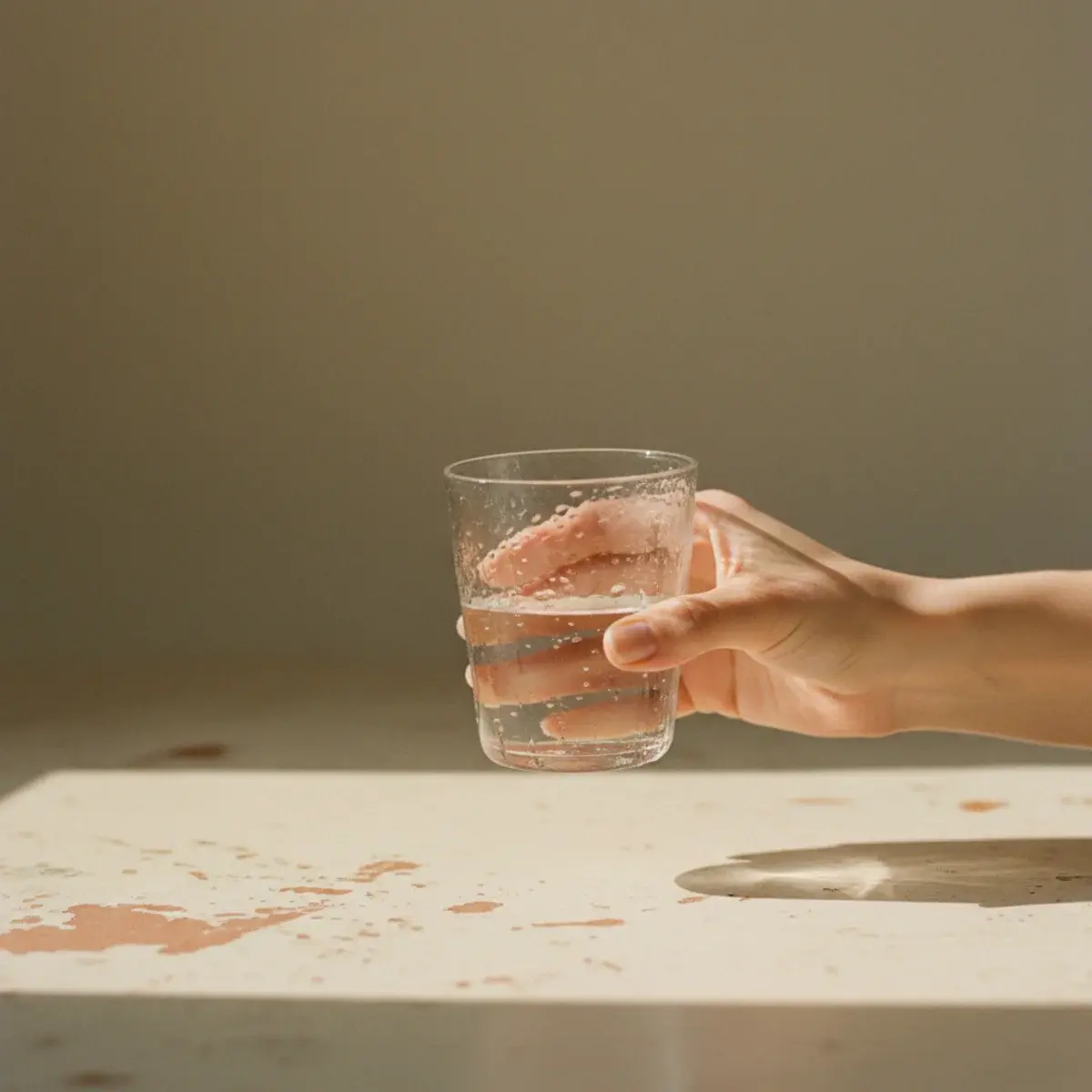
2. Drink a Glass of Water Slowly
Not gulped. Drunk over the full five minutes. Dehydration is the most common cause of low afternoon focus, and most students under-drink without realising. The break is the natural moment to top up.
3. Look Out a Window for Two Full Minutes
The single best eye-rest exercise. Two minutes of focusing on something at a distance — a tree, a building across the street, the sky — relaxes the eye muscles that have been locked at screen distance for twenty-five minutes. Reduces headaches, improves focus.

4. Stretch for the Whole Five Minutes
A simple sequence: shoulder rolls, neck rolls, a forward fold, one cat-cow, one downward dog. Hold each pose for thirty seconds. The five minutes is plenty for a mini routine that genuinely counteracts the desk posture.
5. Make a Cup of Tea Slowly
Specifically: make it slowly. The boiling kettle, the warming pot, the timed steep. The act of making something gives the brain a small project to focus on that isn't the work. The hot drink that arrives at the end is a bonus.
6. Tidy a Single Small Area
Empty the dishwasher one rack. Put away the items on your desk that don't belong there. Fold a single basket of laundry. Five minutes of light physical movement plus the small satisfaction of one completed micro-task.
7. Go Outside for Even 60 Seconds
If you have a balcony, a garden, a front step, or even a window you can fully open. Sixty seconds of fresh air does more for mental clarity than five minutes of any indoor activity. The cold-or-fresh air on your face is itself a nervous-system reset.
8. Do Five Deep Breaths
Box breathing: four seconds in, four seconds hold, four seconds out, four seconds hold. Five complete cycles. The simplest, most-evidenced anxiety reset in modern psychology. Genuinely transformative on a stressful study day.
9. Eat a Small Snack Deliberately
A piece of fruit, a small handful of nuts, a square of dark chocolate. Eaten away from the desk, with full attention. Real food, real fuel, real mindful eating.
10. Write Down a Distracting Thought
If the work has stirred up errand-thoughts, things-to-do, mental notes — write them on a small piece of paper next to your desk. Not to act on now. Just to capture them so the brain can let go. The capturing prevents the same thoughts from interrupting the next block.
The Three Things to Absolutely Avoid
The activities that look like breaks and aren't.
Don't Check Your Phone
The single biggest break-mistake of student life. The phone is not a different kind of cognitive load — it's a harder one. The dopamine spike from social media fragments the focus pattern you've just spent 25 minutes building.
The five-minute phone break reliably turns into a twelve-minute phone break which fragments the rest of the study session. The phone stays away during the whole study block.
Don't Start a Different Task
A new task is not a break. Don't use the five minutes to "quickly answer an email" or "just send one text". The break is recovery; a new task is more work.
Don't Eat Mindlessly
The five-minute snack done while scrolling is barely registered by your body. You haven't really eaten and you haven't really rested. Eat the snack or take the break — don't try to do both simultaneously.
What to Do on the Long Break (15-30 Minutes)
After every four Pomodoros, take a real long break. The list above scales up:
- A real walk outside — twenty minutes, ideally in green space.
- A real meal — eaten away from the desk, with no screen.
- A real phone conversation — call a friend, your mum, anyone.
- Twenty minutes of a hobby — reading, sketching, knitting.
The long break is where deeper recovery happens. Treat it as carefully as the work itself.

The Hidden Benefit of Real Breaks
Beyond the immediate refresh, there's a longer-term benefit to taking your breaks deliberately: you build focus stamina over a term.
The student who takes real breaks can sustain 8-10 high-quality Pomodoros across a day. The student who phone-scrolls every break sustains maybe 4-5. The difference compounds across a term into measurable academic difference.
The breaks are not the optional part of the technique. They are the training part — the rest that makes the work sustainable across weeks, not days.
Build Your Break Defaults
The single most useful next step: pick three break activities from the top ten and rotate them deliberately. Don't try to do a different break activity every time — that's another small cognitive load.
The three I rotate between:
- Stretching (for the physical reset)
- Window-staring + water (for the mental reset)
- A walk to the kitchen and back (for the change of scene)
After two weeks of rotating these three, they become automatic. The break starts on schedule and ends on schedule without any willpower involved.
What to Do When the Break Doesn't Feel Like Enough
Sometimes, after 4-6 Pomodoros, the 5-minute break genuinely isn't enough. You feel mentally fogged, physically stiff, emotionally drained.
That's a signal you need a longer break — 30-45 minutes off completely. Not a Pomodoro break; a real intermission. Make a proper lunch. Walk outside for half an hour. Read a book.
The longer break is part of the technique too. The strict 4-Pomodoro-then-30-minute rule exists for exactly this reason. Honour it. The day's total output will be higher, not lower.
A Note on Snacking During Breaks
A small subcategory worth its own note: how to use breaks for refuelling without falling into mindless snacking.
Prep your break snacks before the session begins
A small bowl of almonds. A piece of fruit. A small piece of dark chocolate. Set them out before the first Pomodoro. The decision is pre-made; the break can be eating-without-deciding.
Don't combine snacking with anything else
Don't eat while checking your phone. Don't eat while looking at notes. Just eat — slowly, with attention, for the full minute or two it takes. The mindful eating is itself restorative.
Hydrate with the snack
Pair every snack with water. The hydration is itself half of why the break works.
The Single Best Five-Minute Routine
After two terms of testing, the five-minute routine that worked best for me:
- Minute 1: stand up, walk to the kitchen.
- Minute 2: drink a full glass of water.
- Minute 3: stretch — neck, shoulders, lower back.
- Minute 4: stand at a window and look outside.
- Minute 5: walk back to the desk, sit down, breathe deeply twice, restart the timer.
Total: zero phone time. Total cost: zero pounds. Total impact on the next 25 minutes of focus: enormous.
Use this routine. Adapt it once you've tested it. Make the next break the first one that genuinely works.
Final Thoughts
The Pomodoro technique works because of the alternation. The break is not the part you skip — it's the part that makes the next focus block possible. Five minutes, used well, returns you to your desk genuinely refreshed.
Pick three break activities from the top ten. Use them in rotation. Watch how much longer your study days sustain when the breaks are real.
The work that gets done in eight Pomodoros of real focus beats the work that gets done in twelve fragmented hours of phone-interrupted attempts. The break is the secret. Use it well.
More from this category


Leave a Reply
Want to write back? Comments aren't open yet — but you can reply to this article on Pinterest, save it to a board, or share it with a friend.