College & Student Life
The Essential Online College School Supplies List

Feb 19
2026
The essential online college school supplies list — every notebook, gadget, and small comfort that has actually made online school easier.
Most online college supplies articles list fifty-eight "must-haves" — most of them branded mugs, decorative pillows, and ring lights you don't need. This is not that article.
This is the honest list. The things I actually used during two years of online college. The things the women I've spoken to since have told me they wish they'd bought sooner. The things that quietly turn a kitchen table into a workspace and an Amazon order into the small structural changes that make remote learning sustainable.
There are six categories — desk hardware, stationery, organisation, comfort, tech, and the cheap-but-genuinely-magical tier — and within each, only what you actually need. No filler. No affiliate-bait. No £80 LED desk panel that ships in three weeks and breaks in two months.
Save this list before back-to-school season. Buy the items in priority order — the first five matter ten times more than the rest.
The Non-Negotiable Five (Buy These First)
If your budget for the entire term is under £150, these are the five that come first. Skip everything else on this list before you skip any of these.
1. A Real Desk (Or a Dedicated Desk-Sized Surface)
Not your bed. Not your sofa. Not the kitchen table that doubles as everything else. A surface — even a small one — that exists for studying and nothing else.
If you can't fit a real desk into your room, a folding desk you set up in the morning and put away at night also works. The £40 IKEA Linnmon tabletop on a pair of trestles is the bare minimum. The £75 Bekant corner desk is the upgrade.
The single biggest difference between thriving and struggling online students is whether they have a dedicated workspace. This is the most boring expensive recommendation on the entire list and the one I'd defend most strongly.
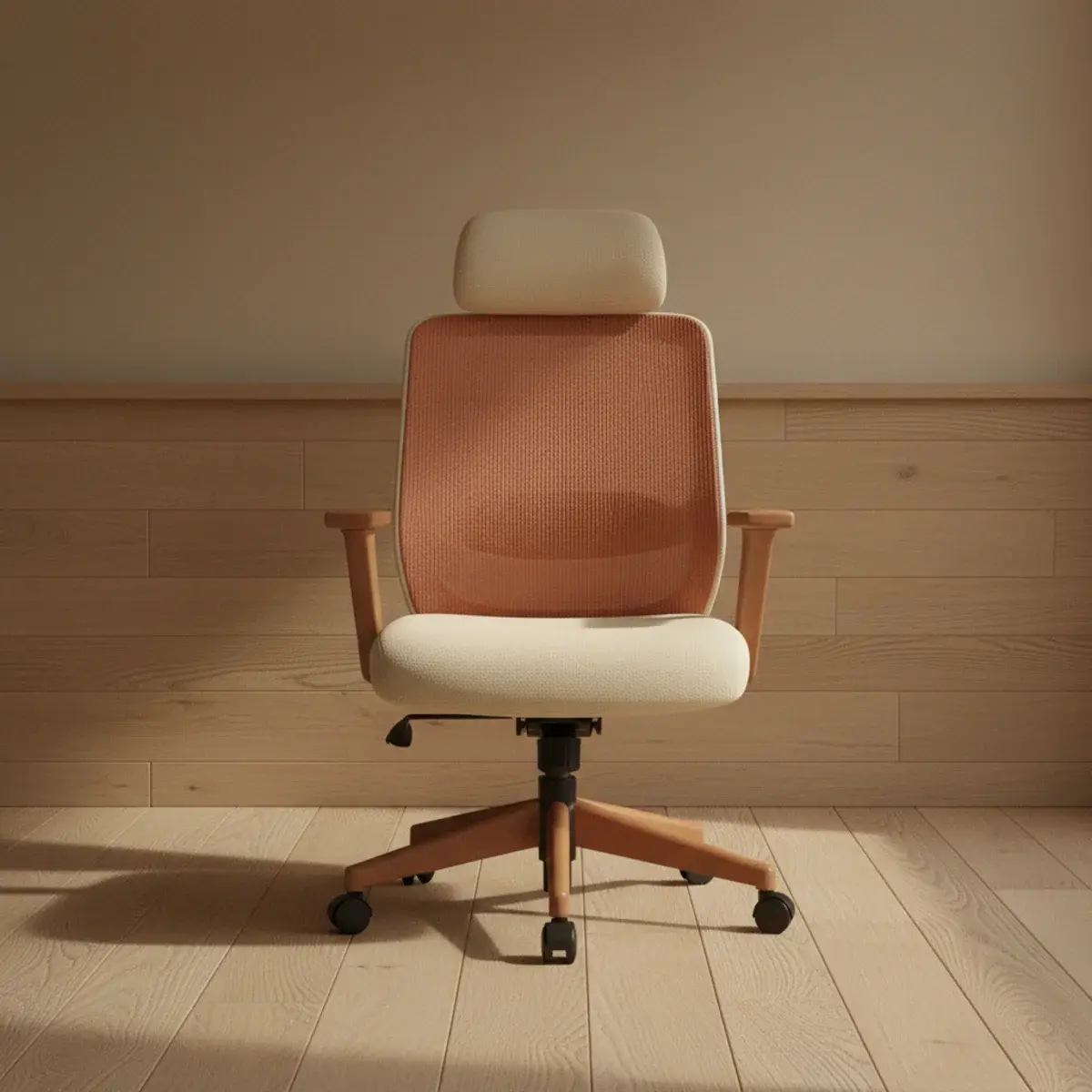
2. A Real Office Chair
Hear me out. The £20 metal folding chair feels fine for a forty-minute lecture. By the third lecture of the day, your lower back is in agony. By week six of the term, you have actual posture damage.
The £40-60 mid-range office chair from Argos, IKEA's Markus (£199 but transformative), or any second-hand option from Facebook Marketplace will pay itself back inside two months in saved chiropractor visits and saved attention. Adjustable height, lumbar support, breathable mesh back. That's all you need.

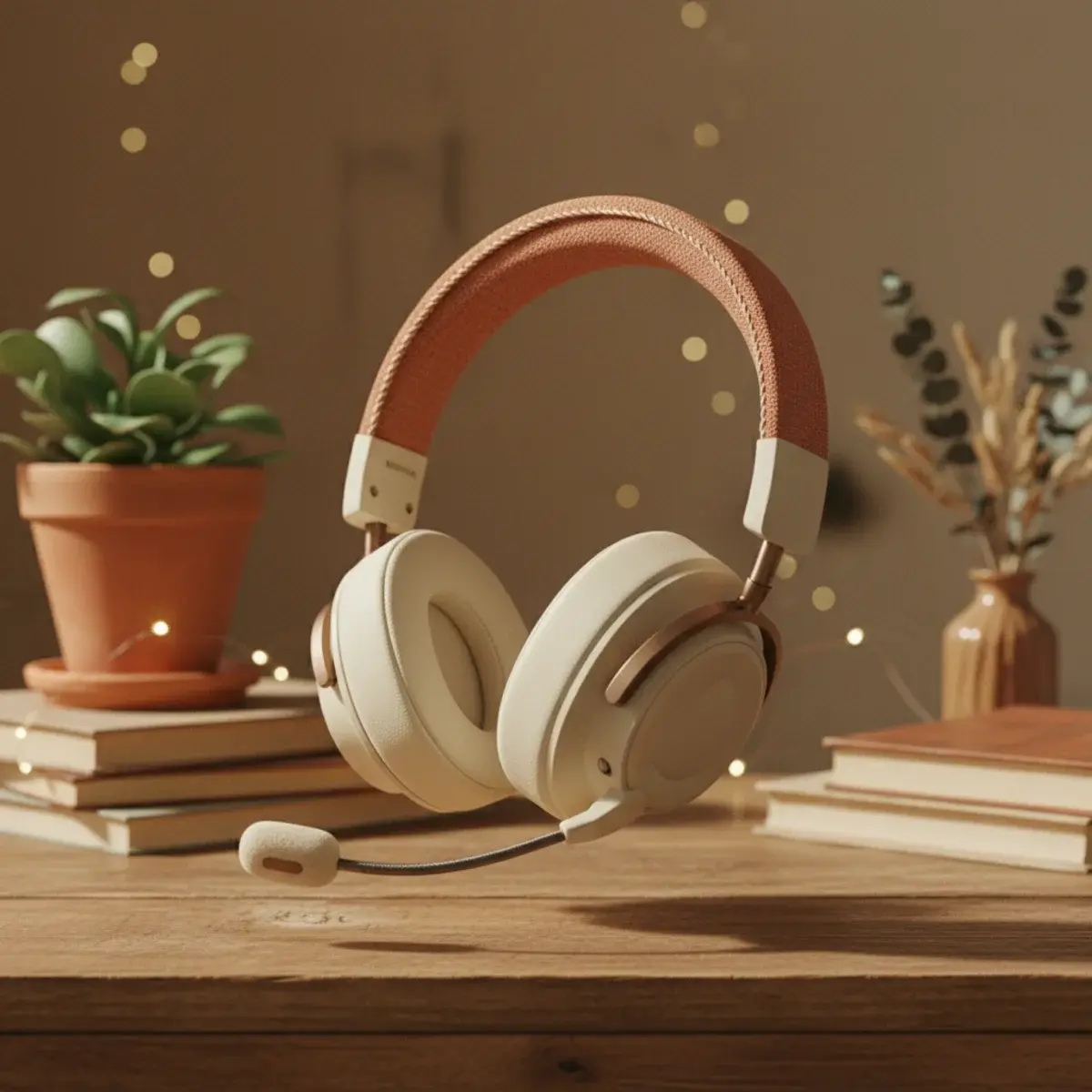
3. Real Over-Ear Headphones with a Built-In Microphone
Cheap earbuds will give you a headache by week three of a four-hour-a-day video class schedule. They also pick up your room's audio with terrible quality and make you sound bad to your professors and classmates.
A pair of over-ear closed-back headphones with a built-in microphone — Logitech H390 for £25, Jabra Evolve 30 for £55, or the Bose QC25 second-hand from eBay for £70 — solves both problems. Crucially: the closed-back design means your housemates aren't hearing your lectures, and your microphone isn't picking up the kettle boiling in the next room.
If you can afford the £150 Bose QuietComfort with active noise cancellation, do it. Noise-cancelling headphones are the single biggest focus upgrade of the modern student era.
4. A Second Monitor
The most productivity-changing hardware purchase a student can make. A 24-inch monitor from Argos for £80, or a second-hand monitor from Facebook Marketplace for £40, doubles your usable screen space and ends the constant tab-switching that destroys deep work.
The setup: lecture or video on the second monitor, notes on the laptop. Or PDF on the second monitor, essay on the laptop. The cognitive load drop is genuinely measurable — I tracked my study time before and after and it was about 20 minutes saved per study session.
5. A Reliable Notebook System
A pile of beautiful loose papers is not a system. A pile of half-filled notebooks is not a system. One notebook per subject, clearly labelled, used consistently — that is a system.
Three workable approaches:
- All-analogue: five hardback Leuchtturm or Muji notebooks, one per module. £40 total. Most tactile, most memorable.
- All-digital: a free Notion or Obsidian workspace with a page per lecture. £0. Most searchable.
- Hybrid (recommended): hand-write during lectures (better retention), digitise the most important notes weekly (better searchability).
Stationery That Earns Its Place
The minimum viable stationery kit. Beautiful but functional.
6. One Fountain Pen + One Reliable Ballpoint
A £20 Lamy Safari fountain pen for note-taking and for handwriting practice. A £4 pack of Uniball Eye rollerballs (or the Muji 0.38 gel pens) for fast writing and quick annotations.
The fountain pen forces you to write slower, which improves comprehension and retention. The rollerball is for when you need to write quickly without thinking about it.
7. A Set of Coloured Pens (4-5 Maximum)
Not the 36-pack of Stabilo points. Four or five colours, used systematically. My system: black for the lecture, blue for examples, red for important, green for connections to other modules, and one highlighter colour reserved for genuine exam material.
The single biggest mistake of colourful note-taking is using too many colours. Two-to-three colours used systematically beats eight colours used randomly every time.
8. A Single Highlighter in a Soft Colour
Pastel highlighters changed the note-taking world in about 2019 and they were right. Zebra Mildliners (£8 for a six-pack) are the universal favourite. The soft pastel pigment doesn't bleed through paper, doesn't make your eyes hurt, and looks beautiful in note photographs.
One highlighter is enough. Two if you genuinely use a two-colour system. Anything more is buying stationery to feel like a student rather than to be one.
9. Sticky Notes (Two Sizes)
Small 38×51mm sticky notes for tabbing pages in textbooks and PDFs. Larger 76×76mm for actual notes you'll move around as you organise.
The cheap supermarket ones work fine. The pretty pastel ones from Muji or Paperchase are £4 instead of £2 and you'll genuinely enjoy using them. This is a small luxury worth paying for.
10. A Real Paper Planner
Counterintuitive in a digital degree, and yet — the act of writing your week out by hand on a Sunday evening is psychologically different from typing it into Google Calendar. The hand-written planner becomes a small ritual that anchors the whole week.
The two best paper planners for online students:
- Hobonichi Techo Cousin (A5, day-per-page) for the maximalist. £40.
- Muji Monthly + Weekly Planner for the minimalist. £12.
Buy the one whose aesthetic you actually like. The right planner is the one you'll open.
Organisation That Saves You From Yourself
The systems that prevent the slow chaos of an unmanaged digital semester.
11. A Single Filing Box
A real cardboard or wicker filing box that lives on or under your desk. £8 from Wilko or Muji. Inside: a folder for each module, plus one folder marked "admin" (for the financial aid letters, the IT password resets, the academic-calendar print-outs). The single folder per module rule. Don't overcomplicate.
The filing box is for the paper-only items — the rare letters, the rare physical assignments. Most of college is digital now, which is exactly why the physical items get lost when you don't have a place for them.
12. A Document-Naming Convention (Free, But Mandatory)
Not a thing you buy, a thing you decide on day one and never deviate from. My system, which has worked for years:
MODULE-CODE_YYYY-MM-DD_assignment-name.docx
So: BIOL201_2026-03-14_essay-cell-respiration.docx
The naming convention means every document sorts itself alphabetically into chronological order in your folder. Searching for old work takes two seconds. The chaos of "essay_final_FINAL_v3.docx" never happens.
13. Cloud Backup (Free for Students, Mandatory for Everyone)
Google Drive, OneDrive, or iCloud. Pick one. Set every important document to autosave. Most universities give students 1TB of cloud storage for free as part of their email account — use it.
Three friends I know have lost an entire dissertation to a laptop dying the week before submission. None of them had cloud backup. All of them now do. Don't be that person.
14. A Physical Whiteboard (£15, Surprisingly Transformative)
A small whiteboard above your desk, with three things permanently visible:
- This week's deadlines (top)
- Today's three priority tasks (middle)
- A single inspiring quote (bottom)
The whiteboard does what no app does: it stays visible while you work. The deadlines don't get lost in a notification. The day's priorities are physically in your line of sight. £15 from Ryman or Amazon. Easily one of the highest-impact small purchases on the list.
Comfort Items (The Soft Infrastructure)
Studying for hours requires you to keep your body and mind comfortable. This category gets dismissed and is, in my experience, one of the highest-leverage areas of investment.
15. A Reusable Water Bottle You Actually Like
A 1-litre bottle on your desk, refilled twice a day. The single biggest energy and focus driver of every study session is hydration, and the single biggest driver of hydration is whether your water bottle is somewhere convenient.
The £18 Chilly's bottle keeps water cold for 24 hours. The £25 Stanley Quencher is the TikTok-famous one. The £6 Decathlon flask works just as well. Pick one. Use it.
16. A Single Soft Throw or Cardigan
The "study cardigan" — a single oversized soft cardigan or chunky throw that you only put on when you sit down at your desk. Like the candle, like the studying perfume, the cardigan becomes a sensory cue for focus mode.
A £30 oversized cardigan from H&M or Uniqlo. A £25 wool throw from Ikea (the Polarvide). One specific garment. Don't share it with the "watching TV in the evening" cardigan. The whole point is the dedicated association.
17. A Small Plant
A pothos. A snake plant. A small monstera. Any plant that survives low light and infrequent watering. A £6 plant on your desk lowers stress hormones (the research is genuinely there) and gives you a small living thing to look at when your brain needs a five-second reset.
18. A Desk Lamp with Warm Light
I covered this in the online college tips article, and it earns a second mention here. The £20 IKEA Hektar in cream. The £25 Tertial with adjustable angle. Both with a 2700K warm LED bulb. The single most consequential lighting change you can make. Avoid cold-white "daylight" bulbs in the evening — they actively suppress melatonin.
Tech That Earns Its Place
The digital tools and devices worth your money. The ones that aren't.
19. Your Laptop (Honest Spec Recommendations)
For online college, you do not need the most expensive laptop. You need a reliable laptop with good battery life and a comfortable keyboard. Specifications that actually matter:
- RAM: 8GB is the minimum, 16GB is the future-proof option.
- Storage: 256GB SSD is fine if you use cloud storage. 512GB is comfortable.
- Battery: look for genuine 8+ hour battery life — your campus and library life depends on this.
- Weight: under 1.5kg if you carry it daily.
Brands that consistently deliver this in the £700-1000 range: MacBook Air M2 (the best long-term value), Dell XPS 13, Lenovo ThinkPad T-series (refurbished). Avoid the very cheapest sub-£400 laptops — they slow down within a year and you'll spend the saved money on coffee fixing the frustration.
20. A Wireless Mouse
Touchpads are fine for short tasks. For three-hour writing sessions, a real mouse changes everything. £15 for a Logitech M185. £45 for the Logitech MX Anywhere. The wrist-and-shoulder savings are real over a year.
21. A USB Hub (£15) — Genuinely Underrated
If your laptop has one or two USB-C ports, a hub turns it into a real desk computer. Plug in your second monitor, mouse, USB stick, headphones, and charger all at once. Anker, Ugreen, and Baseus all make reliable models for £15-25.
This is the boring purchase that quietly removes the daily friction of plugging and unplugging things. Don't skip it.
22. A Subscription to Notion (£0 for Students)
Notion gives students the full Plus tier for free with a .edu or .ac.uk email address. Take the free upgrade on day one. Build one workspace with: a page per module, a master deadlines table, a notes archive, and a personal projects section. Six months later, you'll wonder how you ever organised without it.
Obsidian is the offline-first alternative if you prefer markdown and local files. Either works. Pick one and commit.
23. An Anti-Blue-Light Pair of Glasses (£10)
You're staring at a screen for six-plus hours a day. A £10 pair of blue-light-filtering glasses from Amazon reduces eye strain and helps your evening sleep. The fancier £80 Felix Gray ones do the same job. The £10 ones are fine.
The Cheap-but-Magical Tier
The under-£10 items that punch above their weight. Buy these last, but don't skip them.
24. A Small Box of Loose-Leaf Tea
A drawer of three or four loose-leaf teas — Earl Grey, jasmine green, rooibos for the evening — and a small ceramic teapot or infuser mug. £15 for the whole setup. The hot drink ritual is one of the most consistent focus-anchors I know.
25. A Single Beautiful Mug
Specifically: a mug you only use at your desk. Not the one from the kitchen cabinet. A small ritual object that lives on your study table and signals now we are working.
A £8 stoneware mug from a small ceramicist on Etsy. A £6 vintage one from a charity shop. The mug doesn't matter as much as the dedication. Same mug, same desk, same tea — the consistency builds focus.
26. A Wireless Phone Charger
A small wireless charging pad that sits on the edge of your desk. £12 from Amazon. The reason this matters: when your phone is on a charger, it's not in your hand. The friction of picking it up is just enough to break the doomscroll instinct.
27. A Single Candle (You Knew This Was Coming)
A small candle in a scent you only burn during study sessions. £6-8 from M&S Apothecary, Aldi (yes, really — their candles are excellent), or any local craft maker. The smell becomes a focus trigger within ten sessions.

28. A Cork Pinboard (£10)
A small cork pinboard above your desk for your week's deadlines, your one inspiring quote, and (importantly) the physical photographs of people you love. A degree is emotionally taxing. Looking up to see the people who love you doing well in the world is its own quiet medicine.
29. A Pomodoro Timer (Physical, £6)
A small wind-up tomato timer from Amazon for £6. Not a phone app — a physical timer that lives on your desk. The wind-up motion is itself a ritual. The countdown is unignorable. The single biggest external-locus-of-control improvement to your focus you can buy for under a tenner.
30. A Small Notebook for Errant Thoughts (£3)
A specific notebook for the thoughts that interrupt you while studying. The errand you remembered. The text you need to send. The thing you wanted to Google. Don't act on them — write them in the notebook and keep studying. Process the notebook at the end of the session.
This single habit has done more for my deep-work capacity than any productivity app. The thoughts aren't the problem. The acting on them mid-session is.
What I Would Not Buy
Three categories that get recommended endlessly and that I have never found genuinely useful.
The ring light. Unless you're recording video content, you do not need a ring light for Zoom classes. Good window light or a single warm desk lamp is enough. Save the £40.
The aesthetic colour-coordinated stationery set. Beautiful in a photograph, mostly redundant in real use. One good notebook, one good pen, five coloured pens you'll actually use. The £80 "starter pack" advertised in September is upsell.
Every productivity app on the App Store. Notion (or Obsidian) plus a paper planner plus Forest covers 95% of cases. The fourteenth app for habit tracking and the fifteenth for mood logging and the sixteenth for time blocking is procrastination dressed up as preparation.
How to Buy This List Without Going Bankrupt
If you bought every item on this list at full price, you'd spend roughly £900. Here's how to spend £300 instead:
- The non-negotiable five (~£250 if you buy mid-range): Desk, chair, headphones, second monitor, notebook system.
- Buy used wherever possible. Facebook Marketplace, eBay, charity shops, and graduating students selling their dorms. Every monitor, every desk, and every chair on this list is available second-hand at 30-50% of retail.
- Spread the purchases over the first month, not the first day. Buy the desk and chair in week one. Headphones and monitor in week two. Stationery in week three. Comfort items in week four.
- Use the student discount everywhere. UNiDAYS, Student Beans, and the Apple Education store offer 10-15% off most items on this list. Always check before buying anything new.
Final Thoughts
The right online college setup is not the most expensive one. It's the one that quietly removes friction from your daily life so that you can spend your attention on the actual work of being a student. Everything on this list earns its place by removing some small piece of friction — bad lighting, bad sound, lost notes, lost time.
Pick the non-negotiable five first. Add the rest as your budget and your term unfold. Resist the urge to buy the aesthetic version of any of it before you have the functional version. Beautiful and functional is the goal — but functional alone is enough.
You'll graduate with a degree, not a stationery collection. Buy the things that help you graduate.
More from this category



Leave a Reply
Want to write back? Comments aren't open yet — but you can reply to this article on Pinterest, save it to a board, or share it with a friend.