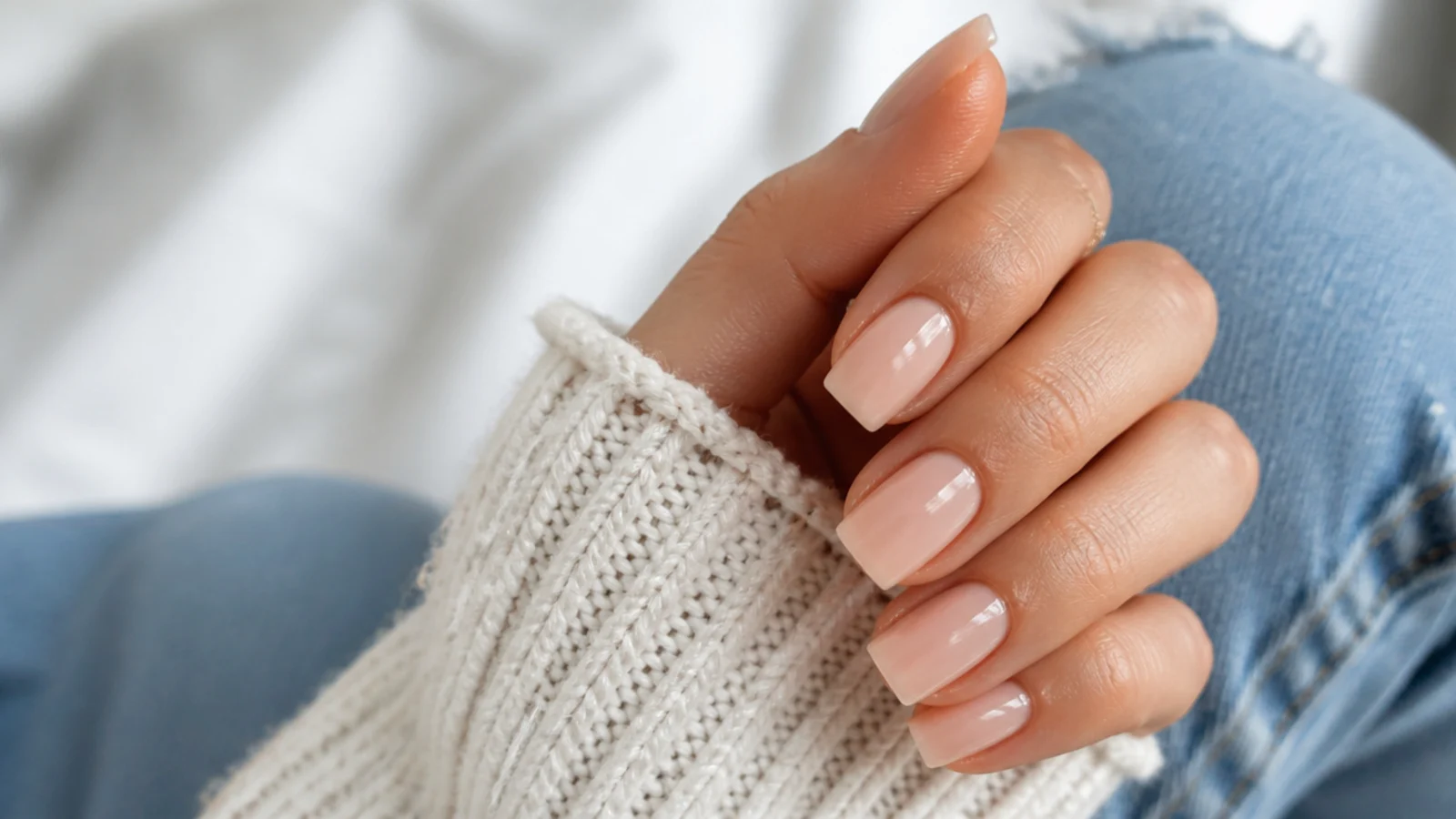
Quick Comparison
| Short Coffin (3-5mm) | Long Coffin (8mm and up) | |
|---|---|---|
| Shape clarity | Clear taper from about 3mm; obvious by 4mm | Unmistakable, with a long dramatic taper |
| Breakage risk | Low; the stress point sits close to the finger | High; the flat tip concentrates force at the narrowest point |
| Typing and phone use | Full speed within a day, pads still reach keys | Two-week adjustment period, typing with the flat tip |
| Best base system | Natural nail or gel overlay | Acrylic or hard gel; natural nails rarely hold it |
| Salon cost | About 40 to 70 dollars for gel | About 60 to 120 dollars and up for a full acrylic set |
| Wear time | Gel 2-3 weeks, acrylic 3-4 weeks with fills | 3-4 weeks with fills, sooner if one breaks |
| Nail art capacity | One or two small motifs per nail | Full scenes, florals and multi-element art |
| Office suitability | Passes in almost any dress code | Reads as a statement in conservative settings |
| Maintenance effort | Low; grows out neatly, fill at 2-3 weeks | High; apex upkeep and rebalancing at every fill |
1. Micro French Tip Short Coffin Nails
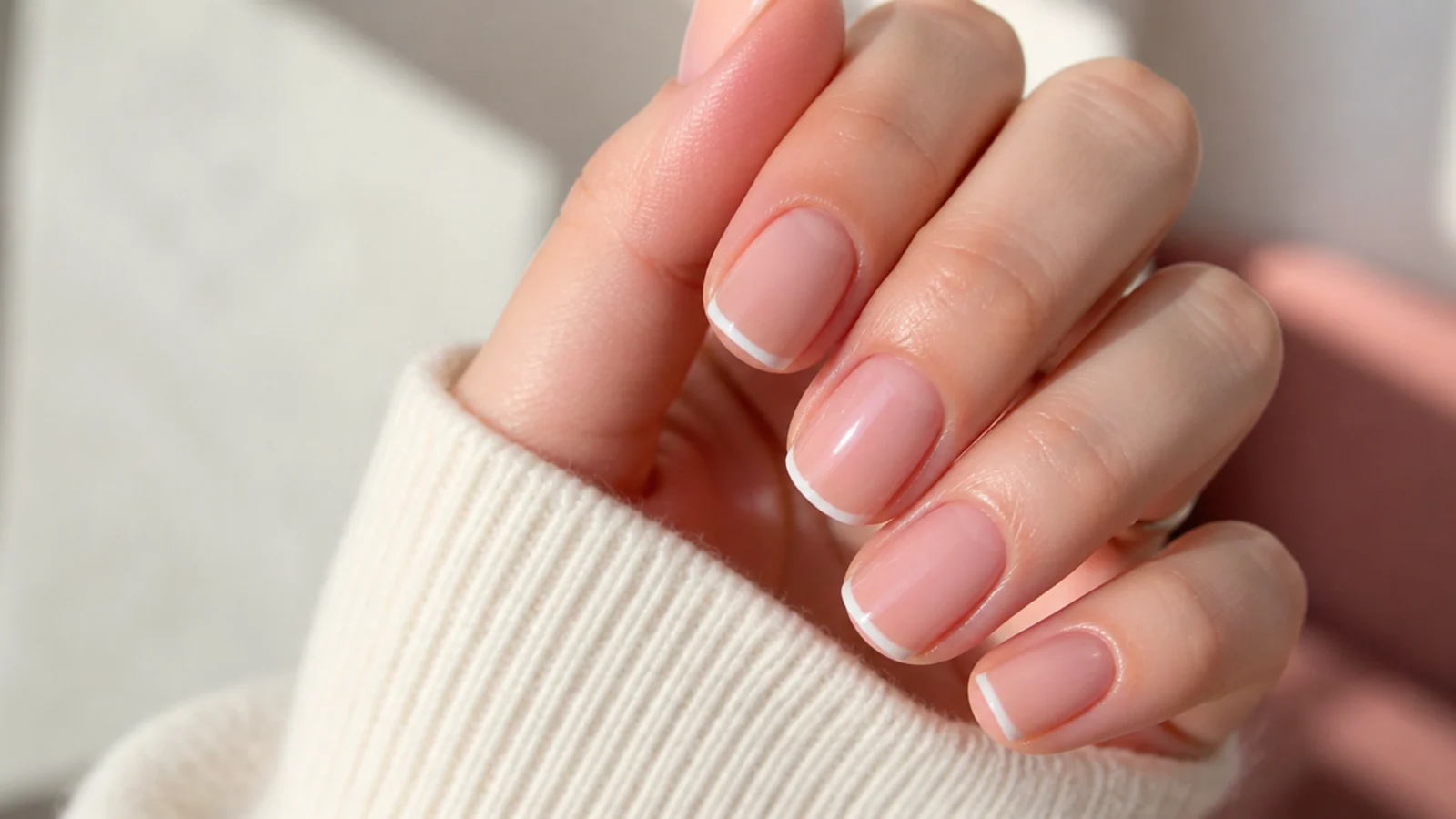
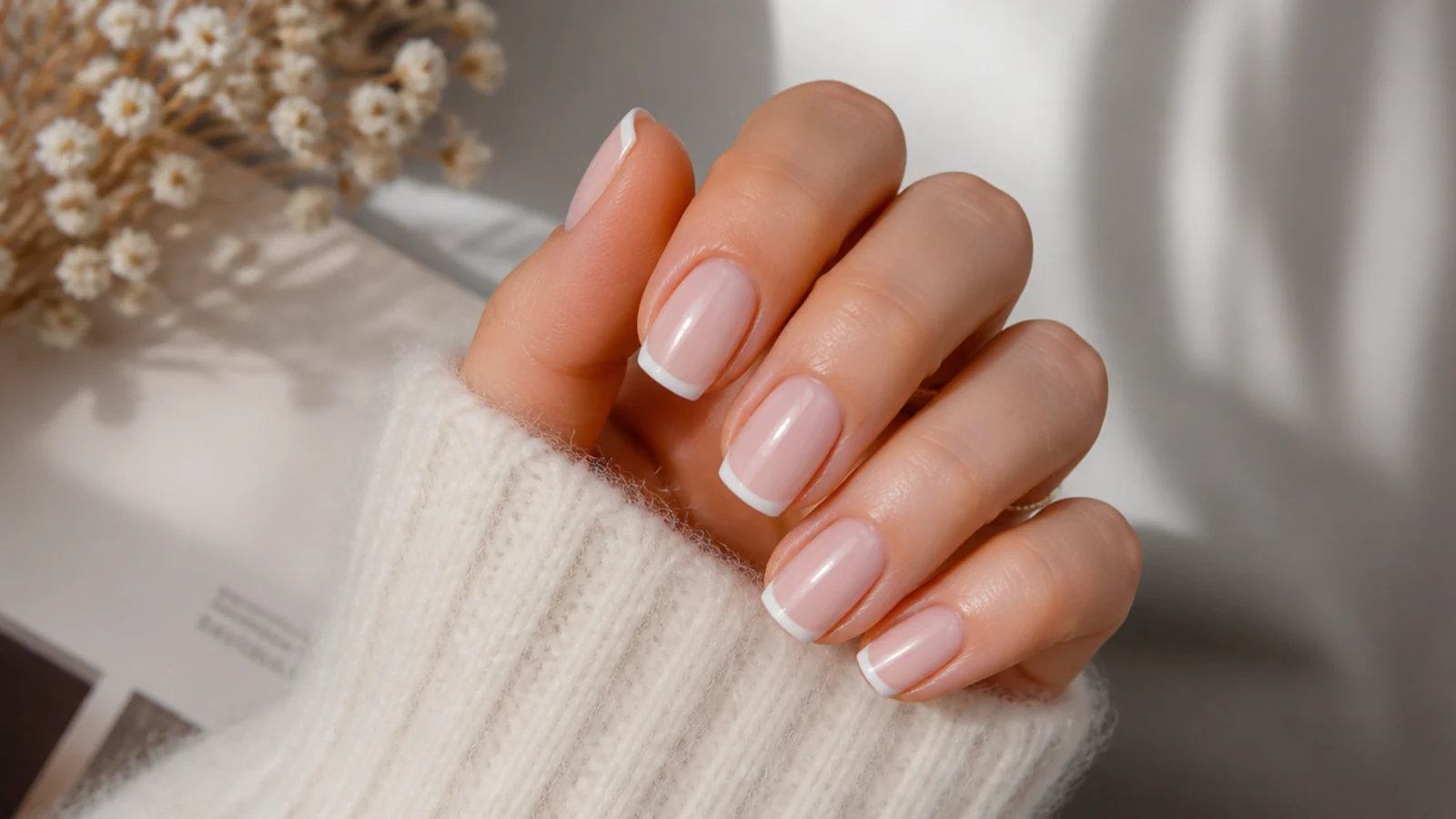
A hairline white tip, barely 1mm deep, painted along the flat edge of a short coffin nail over a sheer pink base. The coffin tip is the reason this beats a round micro French: the smile line runs straight across a flat edge instead of curving, so the stripe stays perfectly even and architectural. Use a striping brush and a well-pigmented white gel in two thin passes, capping the free edge so the line does not wear off at the corners. It works because it reads as groomed rather than decorated, which is exactly what makes it survive a client meeting.
Who it suits: Anyone wanting the most office-safe short coffin set.
Tip: Ask for the tip line to follow the flat edge, not a curve, or it will look like a square French.
2. Sheer Base Graphic Line Short Coffin
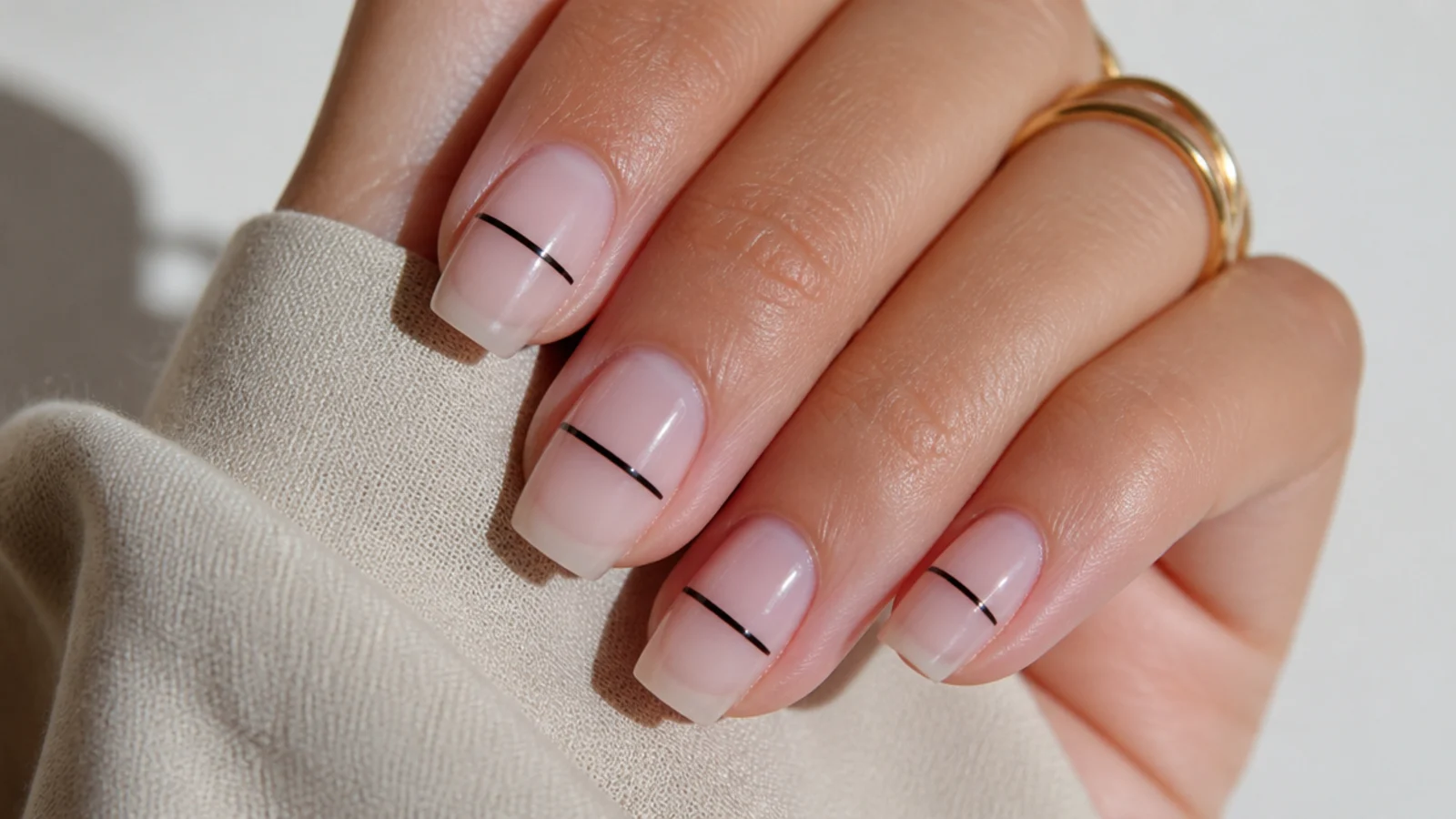
One thin line, drawn in black or chocolate gel, running diagonally across a nearly clear base. On short coffin the nail plate is small, so a single stroke fills it without crowding, and the flat tip gives the line a clean place to end. Draw it wet-on-cured with a long liner brush in one continuous pull, because stopping mid-stroke leaves a visible thickening. Vary the angle across the five fingers so the hand looks composed rather than stamped. It works because a sheer base keeps the whole set weightless while the line does all the styling.
Who it suits: Minimalists who find full color too much on short nails.
Tip: Thin the gel with a drop of slip solution so the liner drags a fine, even line.
3. Black Minimalist Dot Short Coffin Nails
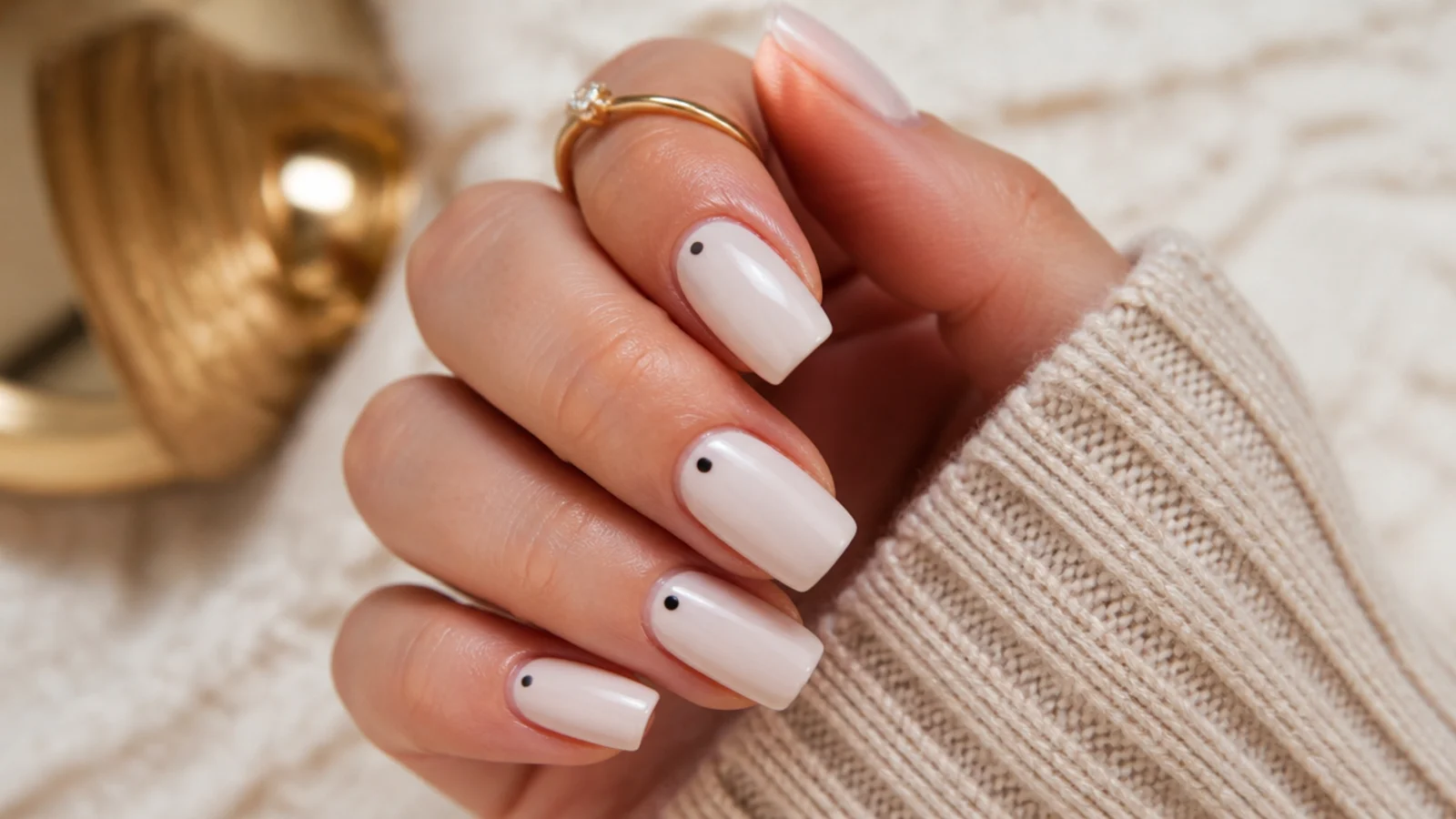
Two or three small black dots placed near the cuticle on a bone-nude base, leaving the tapered walls and flat tip bare. Keeping the art at the cuticle end is deliberate on short coffin, because it draws the eye up the nail and makes the free edge look longer than its 4mm. A dotting tool and black gel gets it done in under a minute per nail. Pair it with the same graphic restraint you see in black matte nail designs. It works because the negative space does more elongating than any color could.
Who it suits: Anyone with short nail beds wanting length illusion.
Tip: Place dots in the top third of the nail; centered dots make the plate look shorter.
4. Negative Space Short Coffin Nails
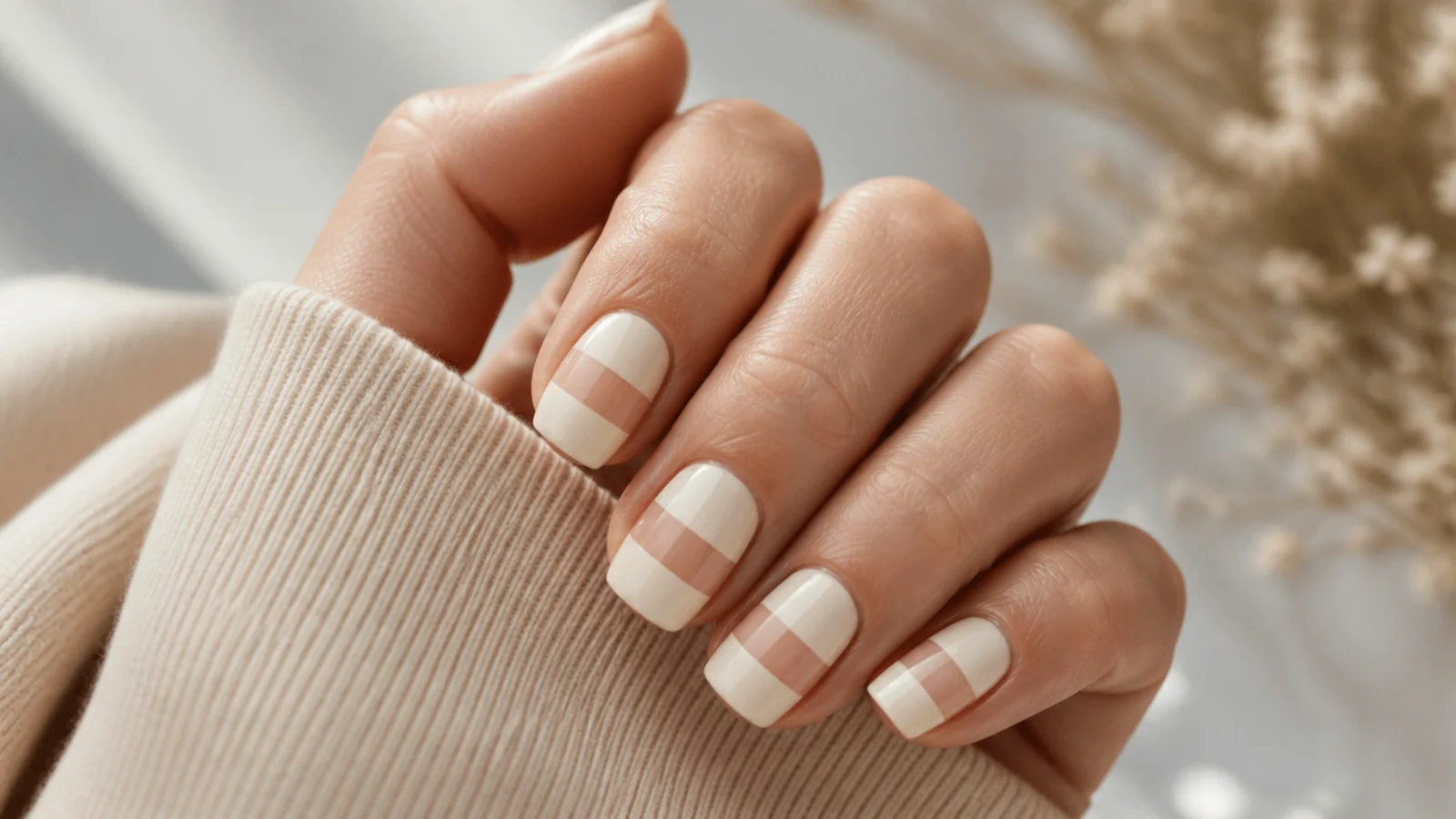
A bare channel of natural nail left unpainted between two blocks of cream or terracotta gel. The coffin taper gives the design straight guide lines to follow, which is why negative space looks sharper on this shape than on almond. Buff and dehydrate the exposed strip properly, then cover the whole nail in clear top coat so the bare section stays glossy and does not stain. It works because you are decorating with the shape itself, and on a short nail that is the most efficient thing you can do with limited surface.
Who it suits: Anyone who wants nail art that does not look busy.
Tip: Ask for the bare channel to run parallel to the tapered sidewall, not straight up the middle.
5. White Chrome Short Coffin Nails
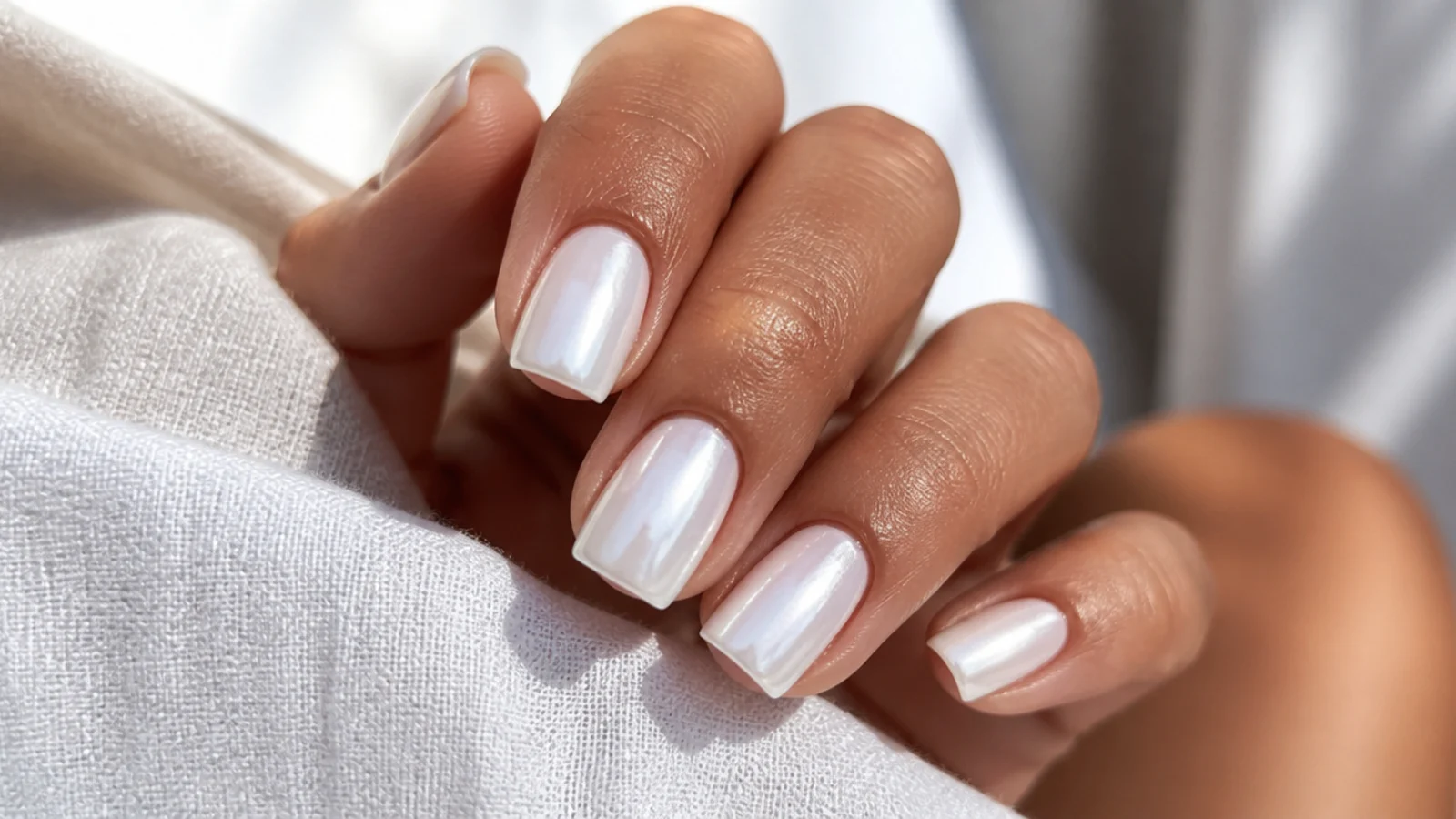
Pearl chrome powder buffed over a milky white base for that glazed, lit-from-within finish, cut into a short coffin. The flat tip is the star here because chrome shows every ripple, and a straight edge makes an uneven file line obvious in a way an almond curve hides. Have your tech refine the tip with 180 grit before the chrome goes on. See the full treatment in short white chrome nails and milky white chrome nails. It works because chrome plus a crisp flat tip looks expensive at any length.
Who it suits: Anyone wanting a high-shine set that stays neutral.
Tip: Ask for the tip to be refined before chroming; powder magnifies a wavy edge.
6. Burgundy Glossy Short Coffin Nails
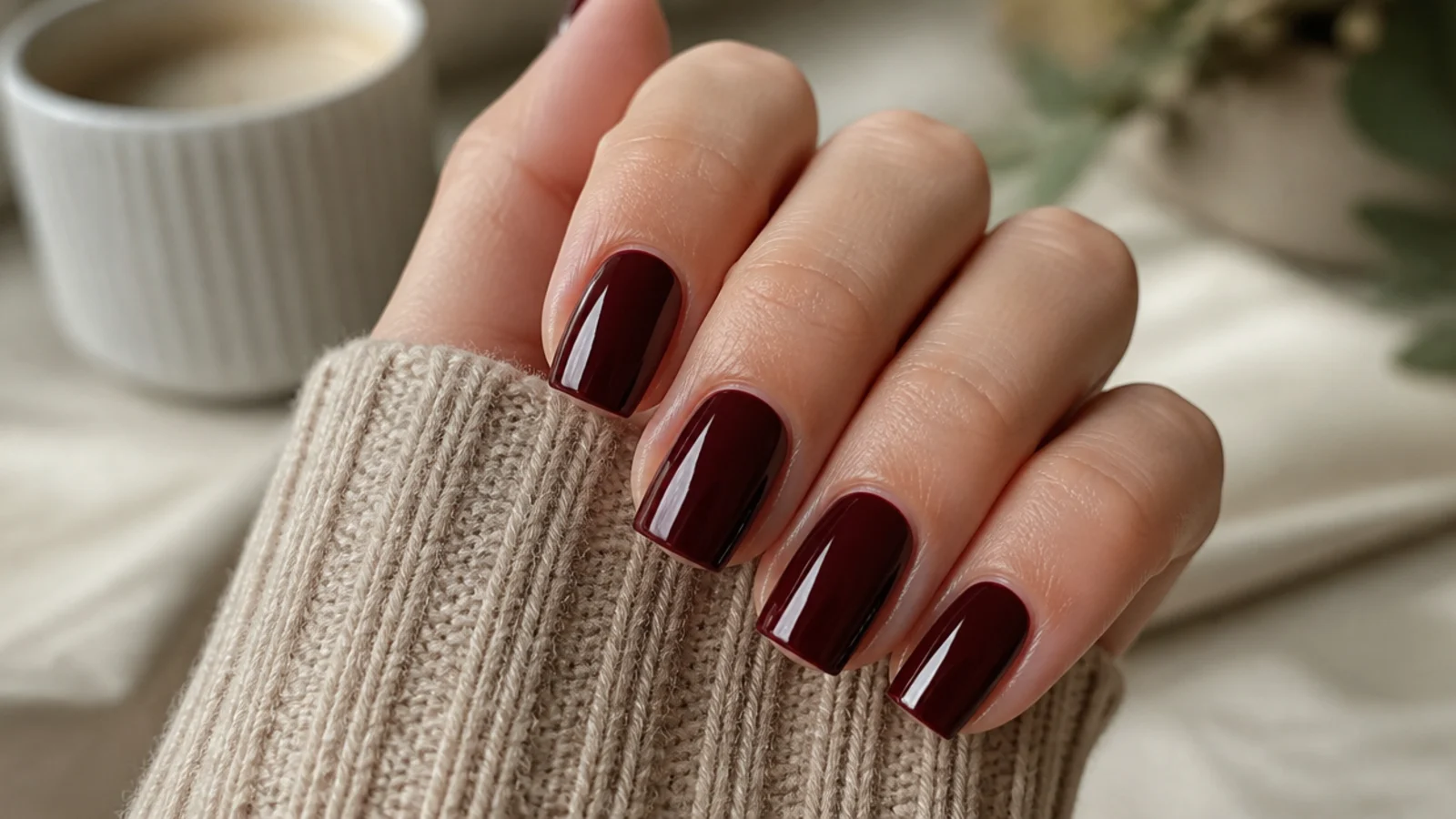
Deep burgundy in a high-gloss gel, two coats, nothing else. Dark single tones are the strongest argument for short coffin: the same shade on a 10mm nail reads dramatic, but at 4mm it reads polished and grown-up. The flat tip also gives the color a clean stopping point, so there is no thin curved edge where the pigment goes streaky. Cap the free edge on every coat, and see the brighter end of the family in red coffin nail ideas. It works because burgundy flatters cool, olive and deep skin tones and pairs with navy tailoring or a white tee.
Who it suits: Anyone who wants one shade to carry a whole season.
Tip: Two thin coats beat one thick one; dark reds pool at the sidewalls when overloaded.
7. Chocolate Brown Short Coffin Nails
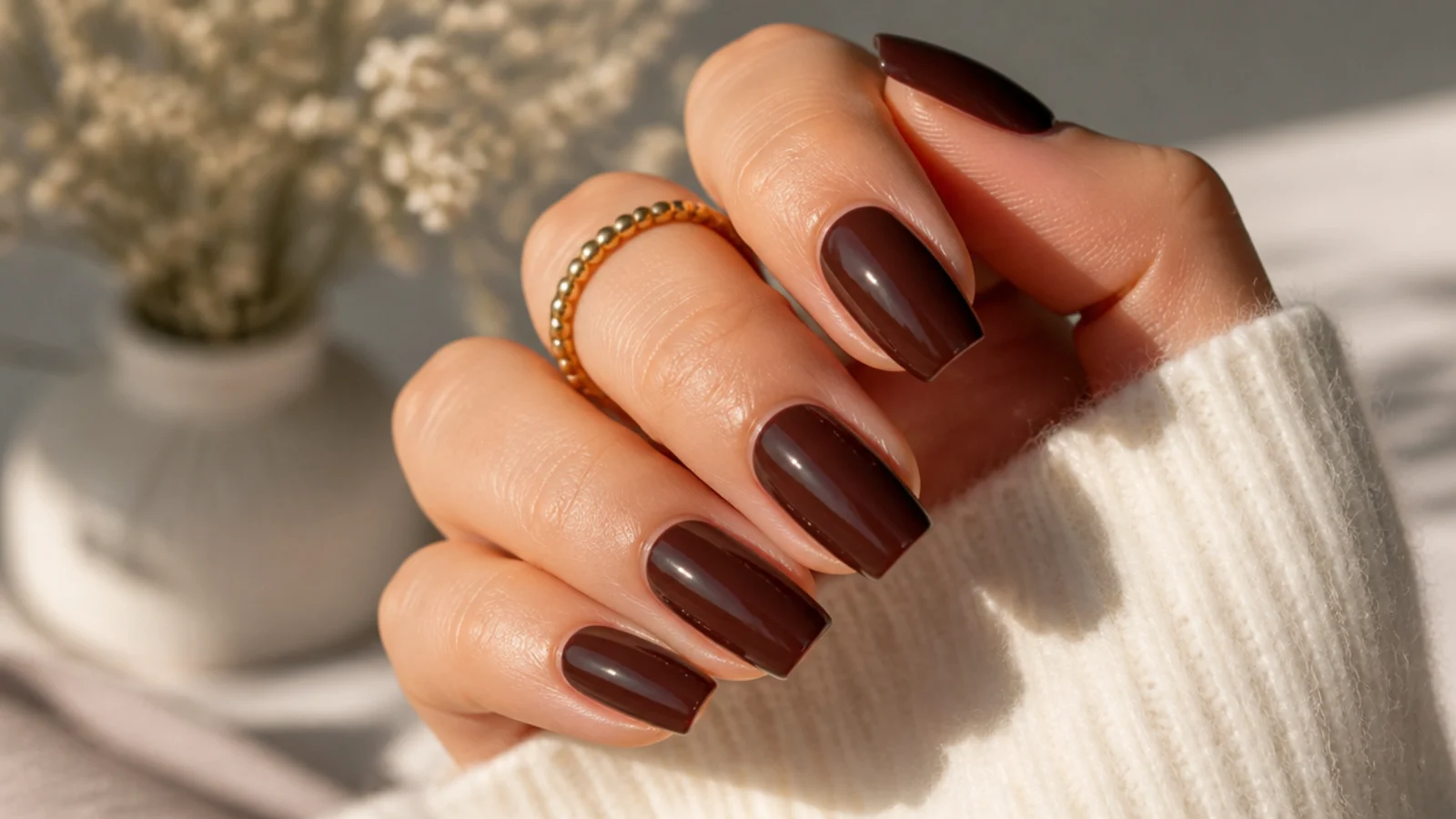
An espresso brown with warm red undertones, glossy, filed to a short coffin with sharply defined walls. Brown is the quiet alternative to black and it flatters warm and olive undertones that cool grays wash out. On short coffin it looks especially deliberate because the flat tip stops the color cleanly rather than tapering to a point. Use a base coat with a slight pigment block underneath so the brown does not stain the natural nail. It works because it is dark enough to look intentional and neutral enough for any dress code.
Who it suits: Warm and olive undertones who find black too harsh.
Tip: Apply a proper base coat first; deep browns stain the nail plate within one wear.
8. Forest Green Short Coffin Nails
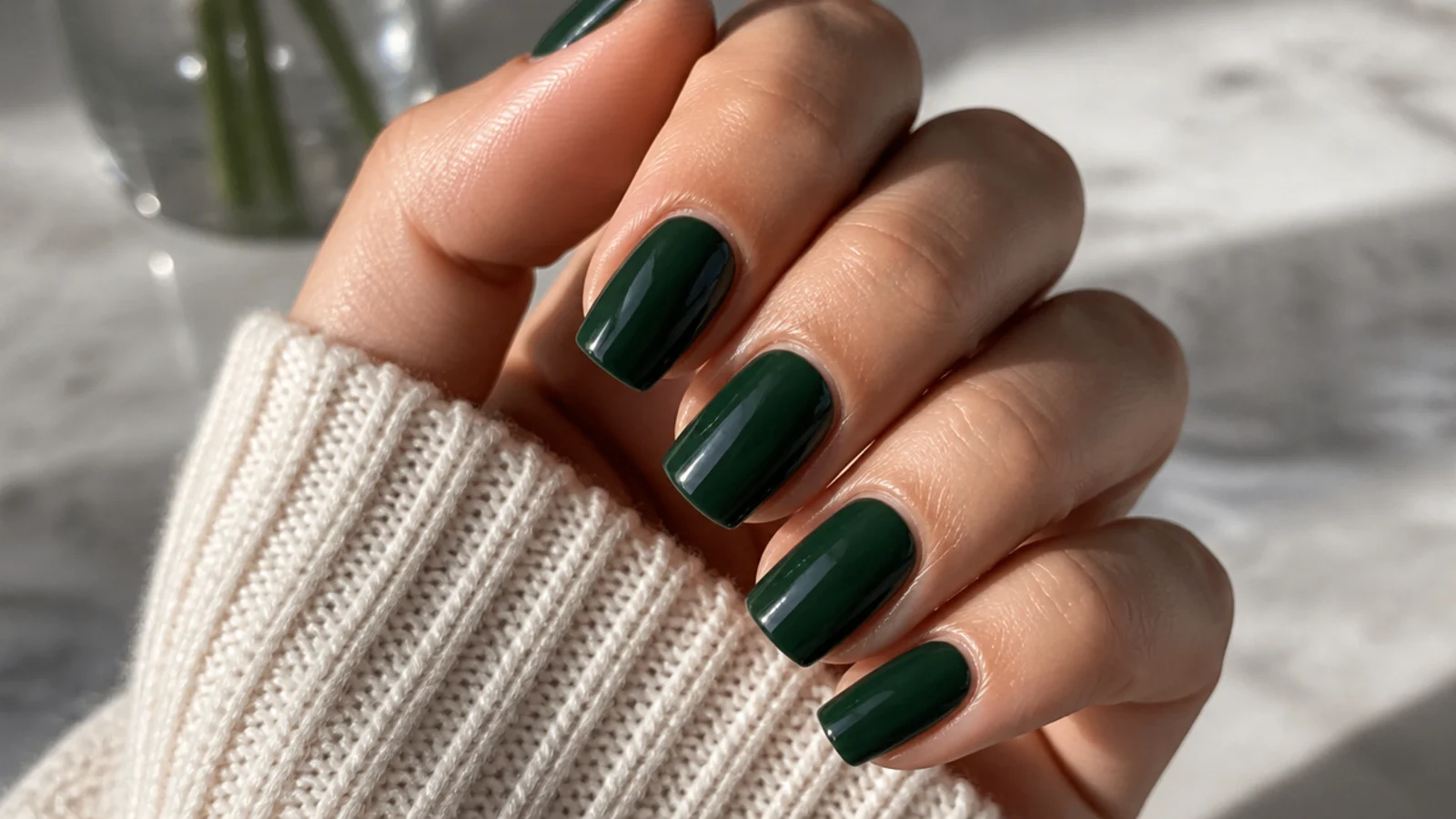
A deep, blue-leaning forest green in full-coverage gel across all ten short coffin nails. Green in this depth behaves like a neutral, which is why it works for the office when a brighter emerald would not. The narrow tip of the coffin concentrates the color and keeps the set looking sleek rather than heavy. Two coats over a white-tinted base gets true depth without going opaque black in low light. Compare shades in dark forest green nails and dark green chrome nails. It works because it is unexpected without being loud.
Who it suits: Anyone wanting a dark shade that is not black or burgundy.
Tip: Ask for a glossy top coat; matte flattens forest green into something muddy.
9. Navy Blue Short Coffin Nails
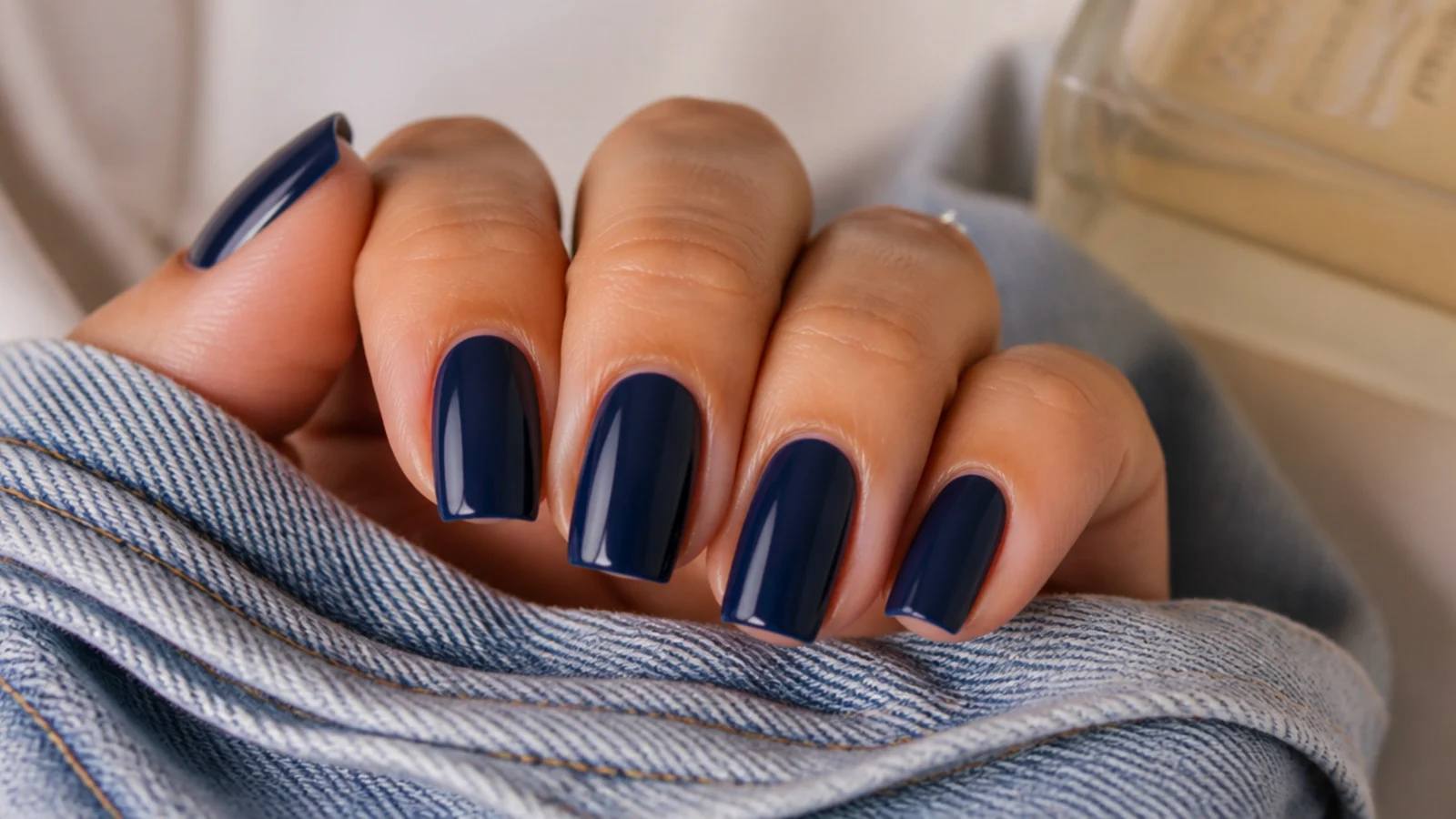
A true navy, not royal, laid down in two glossy coats on a 4mm coffin. Navy is the most work-appropriate dark blue because it reads as a wardrobe color rather than a nail color, and short coffin keeps it from tipping into costume. Blue pigment is among the hardest to remove cleanly, so a good base coat matters more here than with any other family. See the brighter route in short royal blue nails. It works because navy suits every undertone and never looks seasonal.
Who it suits: Anyone wanting dark nails in a corporate setting.
Tip: Always base coat under blue; the free edge stains fastest and shows on a flat tip.
10. Cherry Red Short Coffin Nails
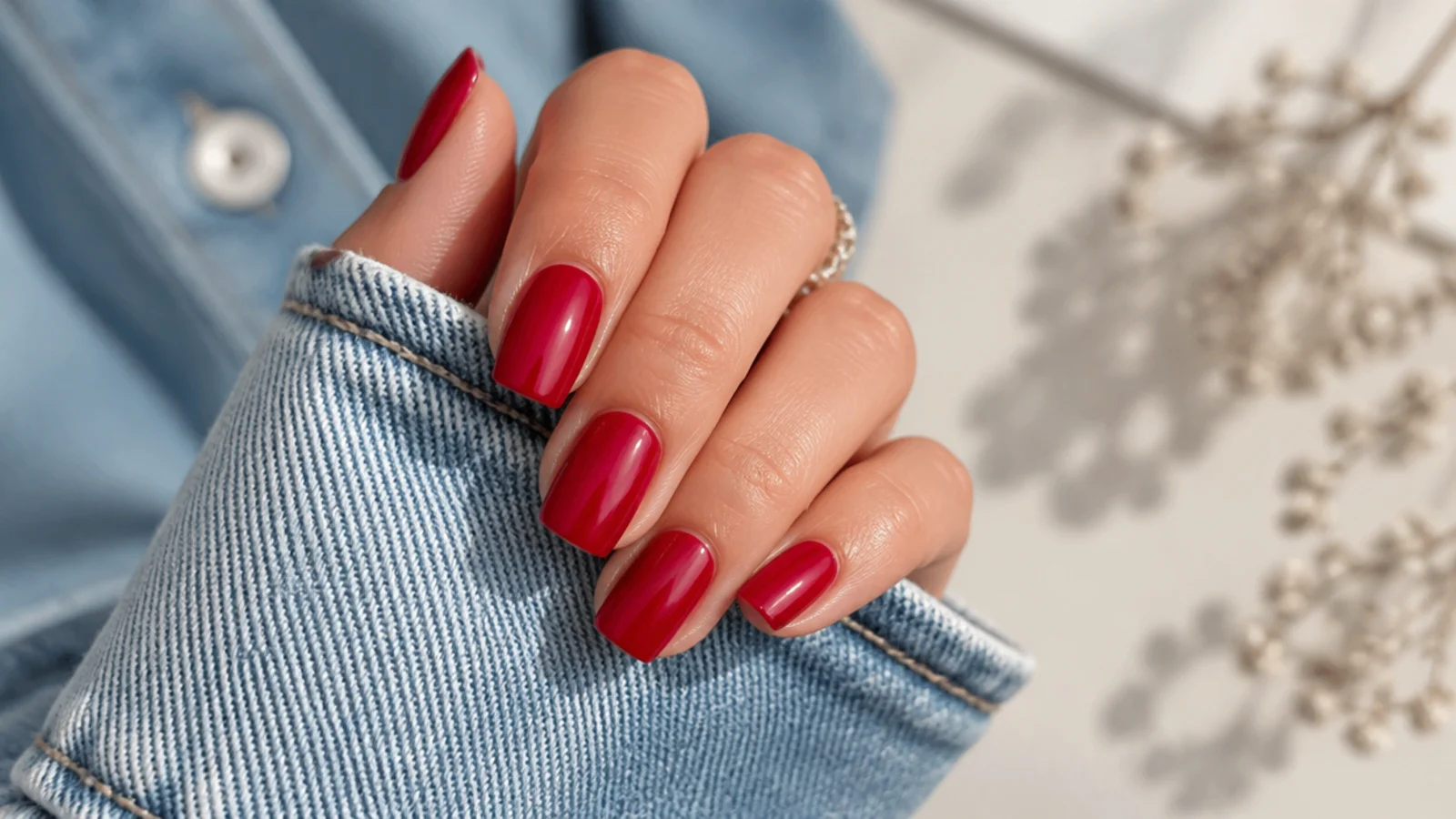
A blue-based cherry red, high gloss, on a short coffin with well-defined walls. Blue-based reds flatter cool and deep skin tones and stay crisp, while orange-based tomato reds warm up olive and tan skin. The flat coffin tip shows streaks more than a curved tip does, so red needs two genuinely thin coats and a cured base rather than one heavy pass. More depth in dark feminine red nails. It works because a short red coffin is the most classic non-French manicure you can wear.
Who it suits: Anyone wanting a timeless red that is not high-maintenance.
Tip: Pick blue-based cherry for cool tones, orange-based tomato for warm and olive.
11. Milky White Short Coffin Nails
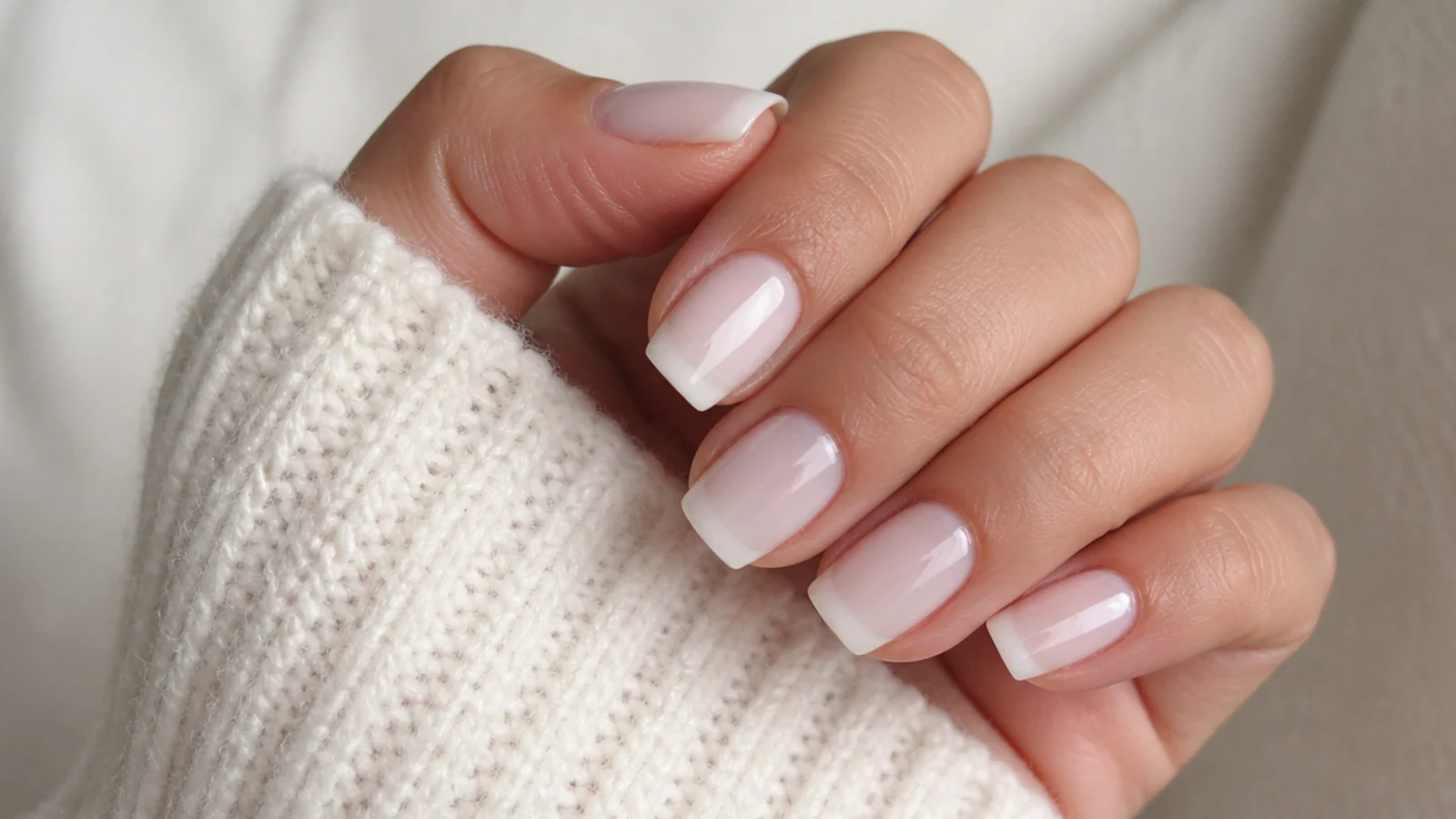
A translucent milky white built in three sheer coats so the natural nail still shows faintly through the middle of the plate. On short coffin the effect is best at the tip, where the free edge is thinnest and the milk goes almost opaque. Build it in thin layers and cure each, because one thick coat cures cloudy and streaked. It works because milky white is the most photographed short-nail finish going and it makes the coffin shape read soft rather than severe, which is what most people actually want from an everyday set.
Who it suits: Anyone wanting a clean-girl set on short nails.
Tip: Three sheer coats, cured between; one thick coat streaks and looks chalky.
12. Nude Pink Ombre Short Coffin Nails
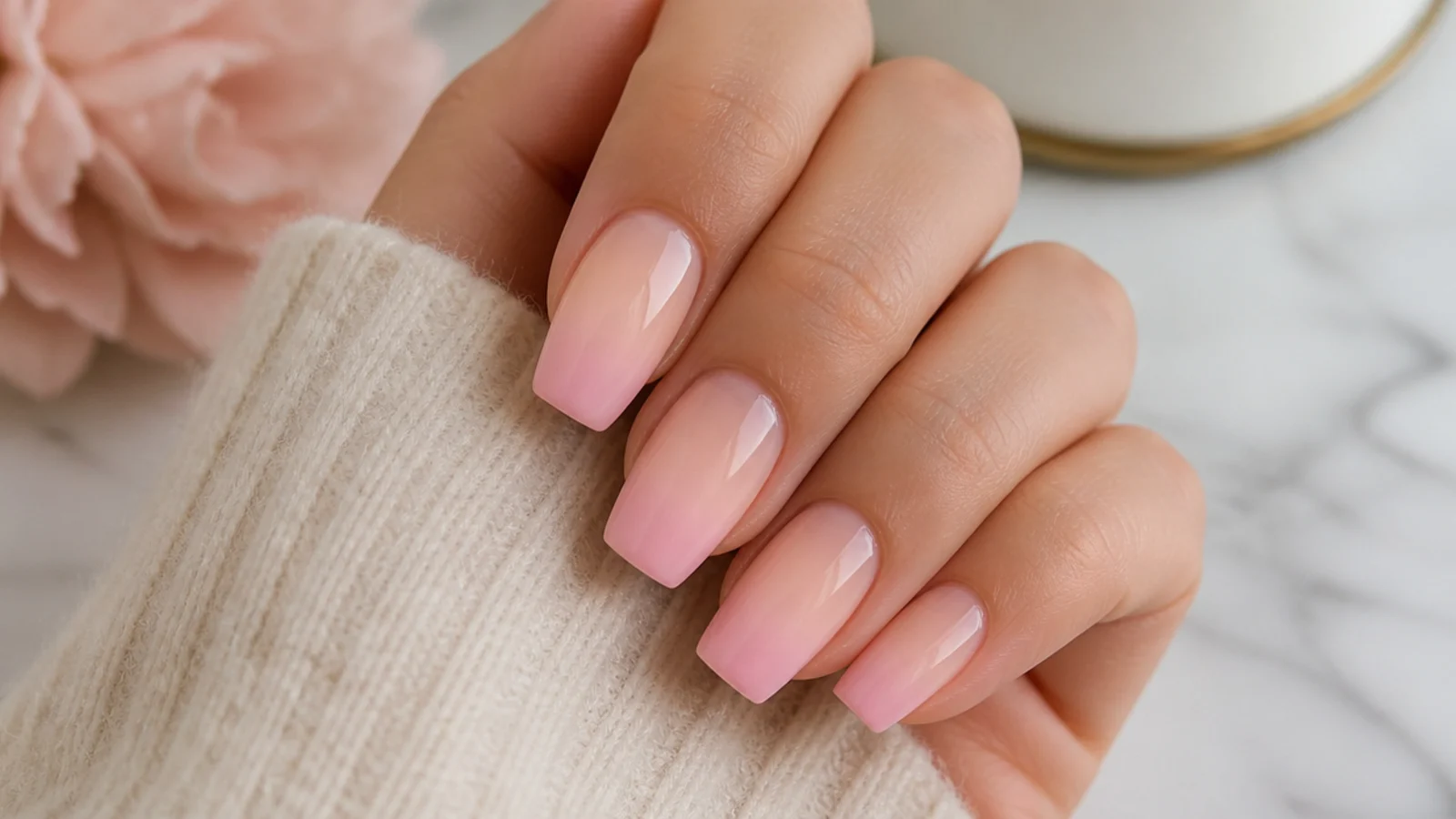
A soft gradient running from a nude cuticle to a pale pink flat tip, sponged and buffed until the join disappears. Ombre is often called a long-nail look, but the vertical fade is exactly what makes a short nail bed look longer, so it earns its place at 4mm. Ask for the fade to sit in the top half of the nail. Related shades live in matte pink nails and pink coffin nail ideas. It works because it gives dimension without a single line of nail art.
Who it suits: Short nail beds wanting a lengthening effect.
Tip: Ask for the darker shade at the tip, not the cuticle, or it shortens the nail visually.
13. Matte Nude Short Coffin Nails
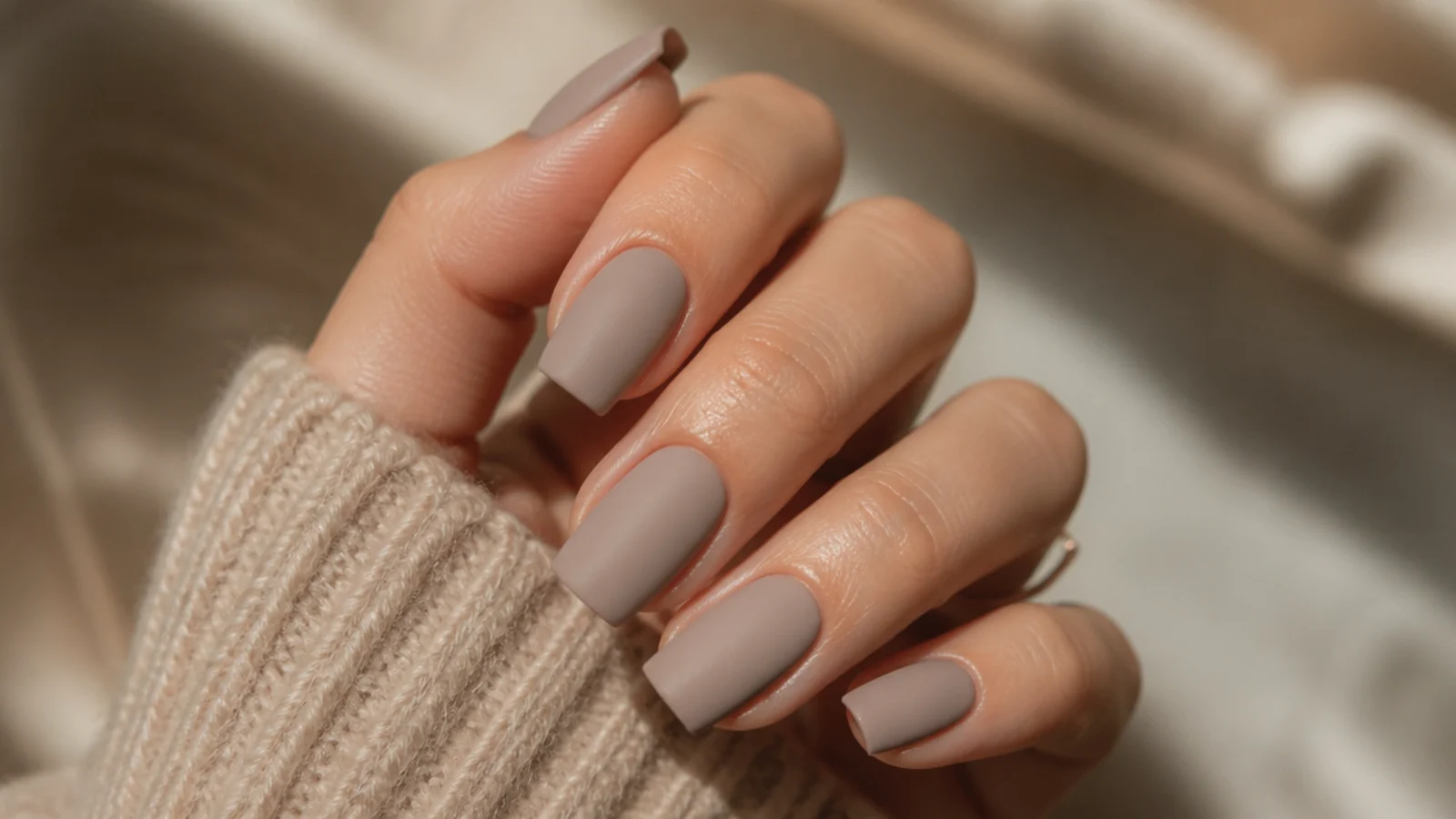
A greige nude sealed under a matte top coat, so the finish reads like suede. Matte exaggerates shape, which is a genuine advantage here: the tapered walls and flat tip show far more clearly without gloss reflections blurring the outline. It is also the least forgiving finish for filing, so the shape has to be right first. See the shade family in matte nude nails. It works because matte on short coffin is the cleanest way to prove the shape is actually a coffin and not a squoval.
Who it suits: Anyone who wants the coffin shape to be obvious.
Tip: Reapply matte top coat at day 10; hand cream slowly buffs it back to satin.
14. Glazed Soap Nail Short Coffin
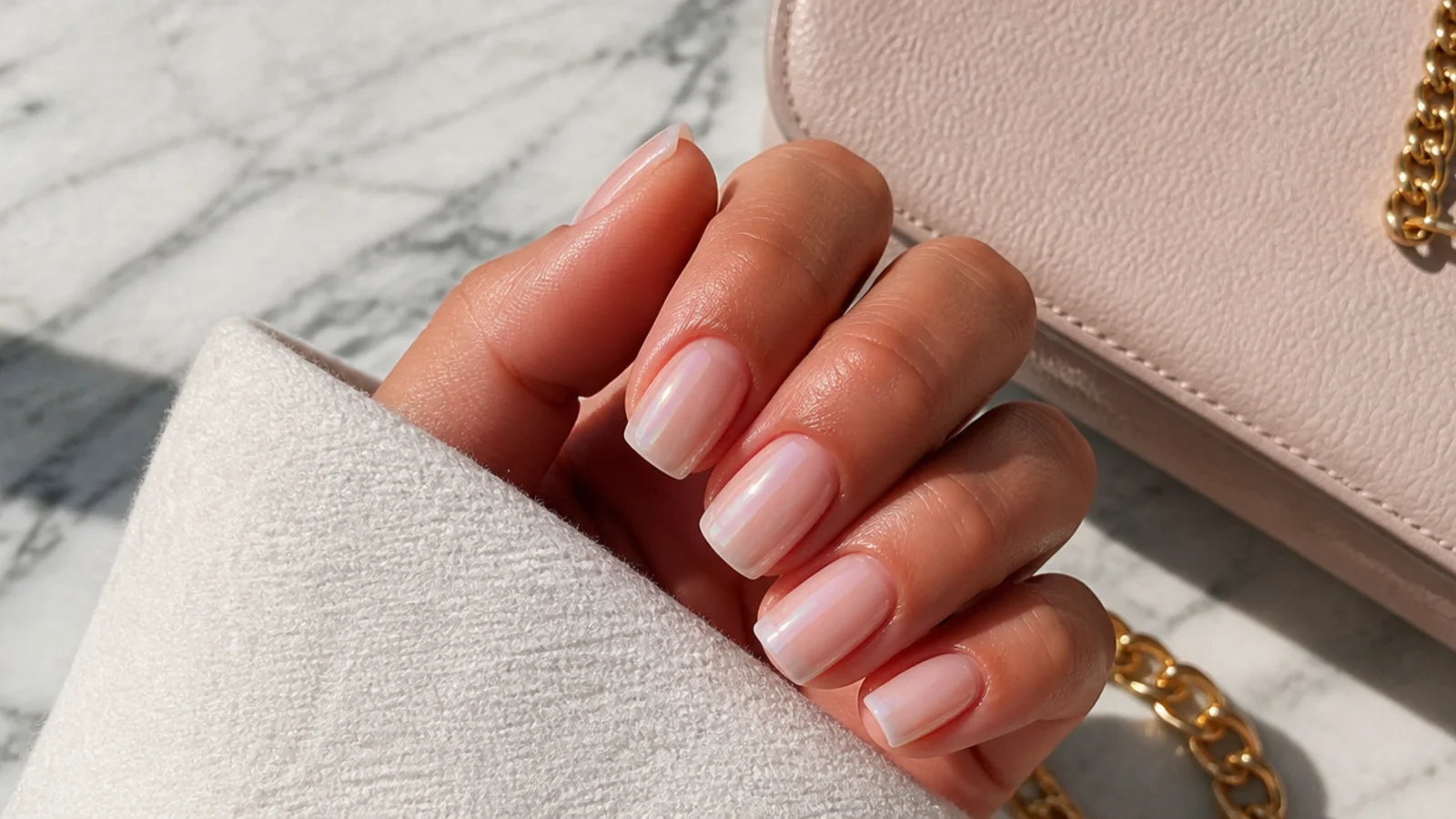
The soap nail finish, a barely-there wash of sheer pink or lilac under a very glossy top coat, on a short coffin. It looks like a clean nail caught in good light, which is why it has become the default for people who do not want visible polish at work. On coffin the flat tip catches the shine in a straight band across the edge. Full method in short soap nails. It works because the entire look is grooming rather than color, so it grows out invisibly.
Who it suits: Anyone who wants their nails to look bare but better.
Tip: Ask for a no-wipe gloss top coat; a satin finish kills the whole effect.
15. Lavender Cream Short Coffin Nails
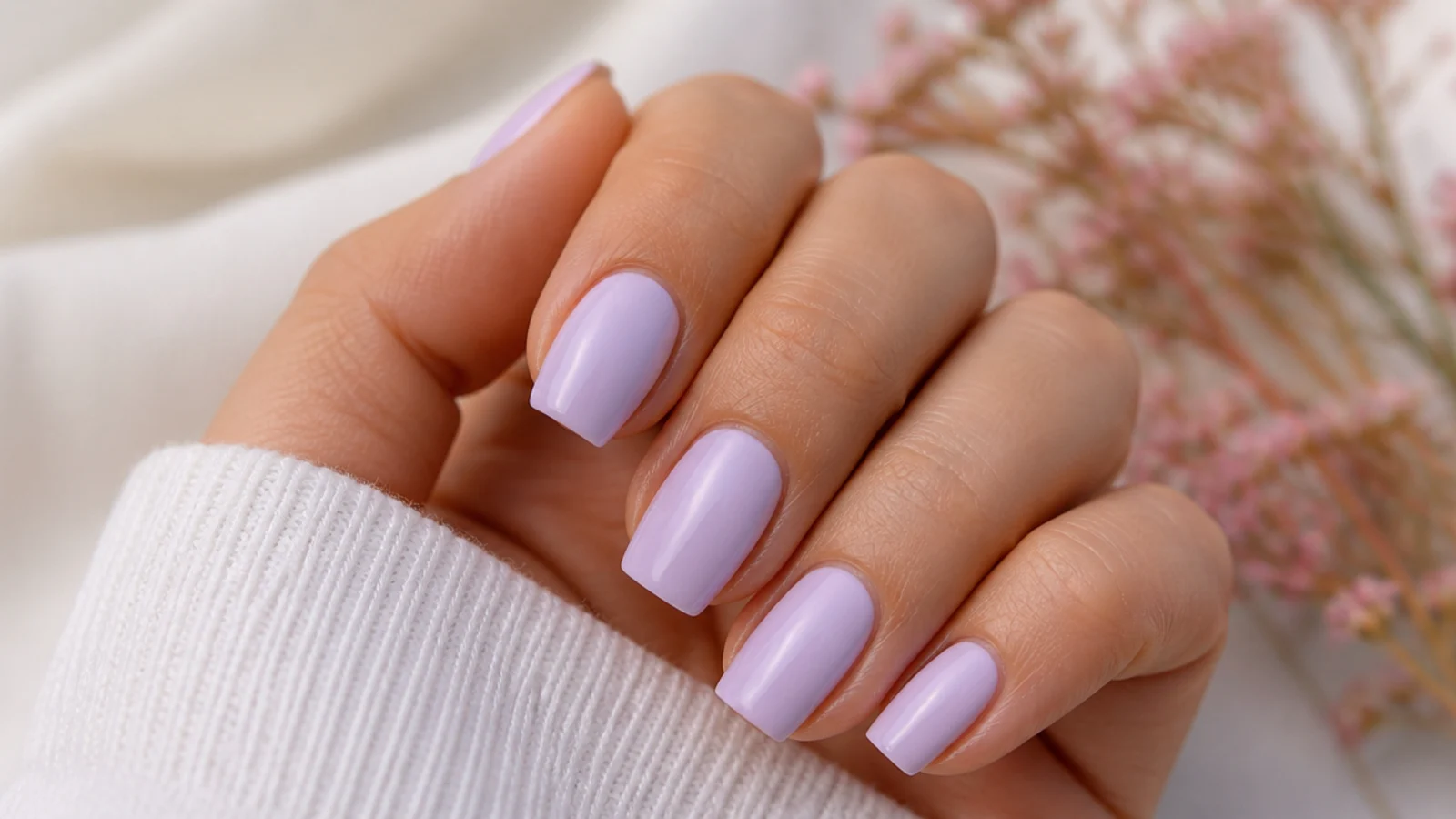
An opaque, slightly gray-leaning lavender cream, two coats, glossy. Pastels can look juvenile on long coffin because the surface area is so large, but at 4mm a lavender cream reads soft and modern instead. The gray in the shade is what keeps it adult. Compare with milky lavender nails and lavender chrome nails. It works because it is the easiest color to wear when you want something that is clearly not a neutral but still passes at work.
Who it suits: Anyone wanting color without commitment to a bold shade.
Tip: Choose a gray-leaning lavender; a pure violet pastel reads much younger.
16. Gold Foil Accent Short Coffin Nails
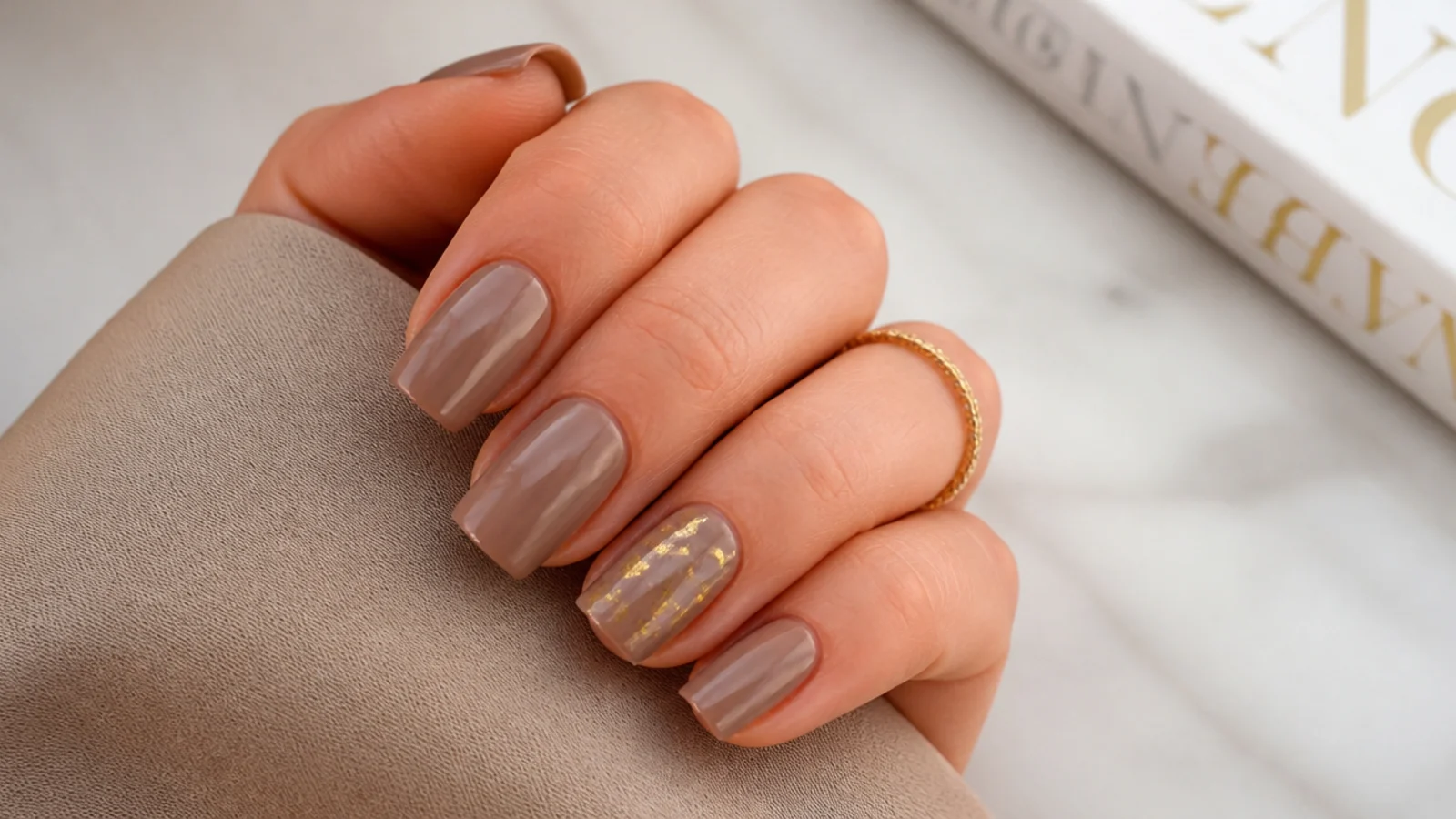
Torn gold leaf pressed into a taupe or bone base on one or two nails, sealed flat under top coat. Foil is the highest-impact art you can add to a short nail because it needs no drawing skill and no space, just placement. Keep it to the ring finger and one thumb so the hand stays balanced. Press the flakes into uncured gel, then cure and float two top coats over to level the texture. It works because it adds visible luxury without adding a millimeter of length or a single fussy line.
Who it suits: Anyone wanting a party set that still works Monday.
Tip: Ask for two leveling top coats over foil so it does not catch on knitwear.
17. Tortoiseshell Short Coffin Nails
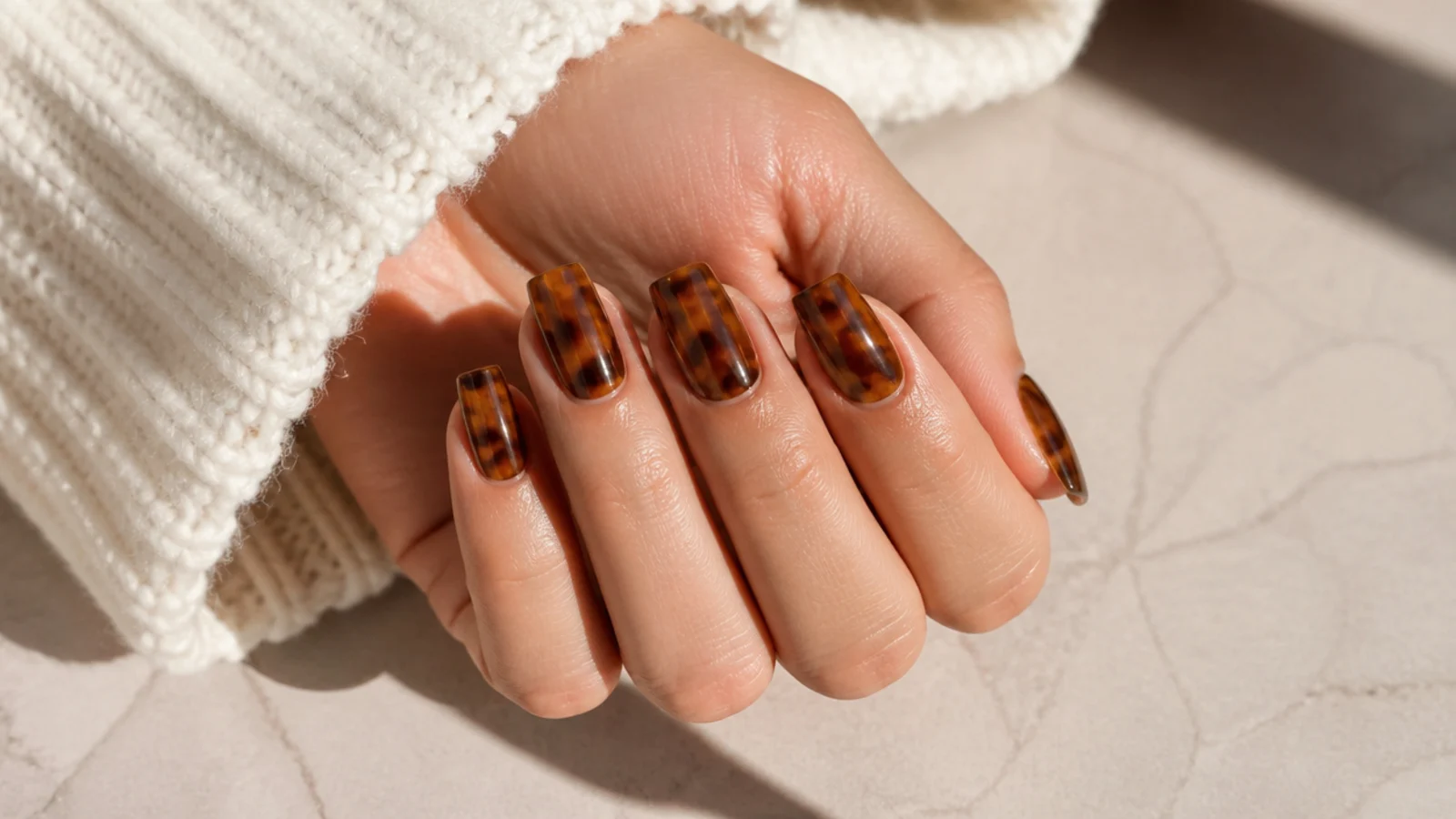
Amber, caramel and dark brown blurred together into a tortoiseshell pattern over a honey base. The technique is dots of dark brown gel dropped onto a wet amber layer and softened with a clean brush, so the edges bleed the way real tortoiseshell does. On short coffin you get two or three markings per nail, which is the right density; long nails need five or six and often end up muddy. It works because the pattern is warm, seasonal and reads far more expensive than it costs to execute.
Who it suits: Warm undertones wanting fall nails that last past October.
Tip: Ask your tech for two or three markings per nail, not a full pattern; short nails crowd fast.
18. Blush Aura Short Coffin Nails
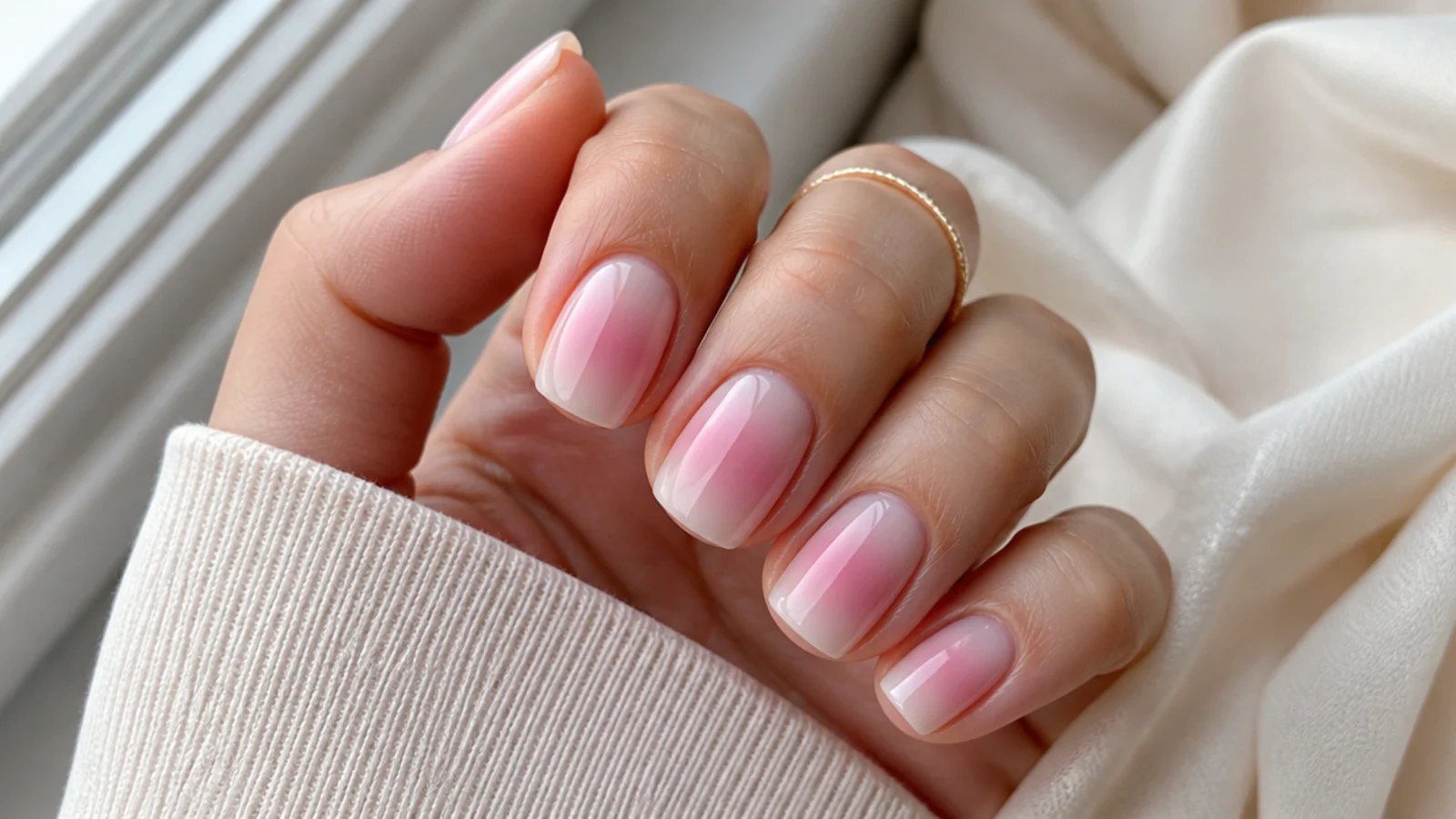
A pale nude base with a brighter blush halo diffused at the center of each nail, so the color appears to float. Aura is a fingerprint-scale design, which makes it one of the few art styles that actually improves on short nails: the glow fills the plate instead of getting lost. Built with an airbrush or a sponged gel and softened with top coat. It works because the round halo softens the hard geometry of the coffin taper, giving you a shape that is architectural at the edge and soft in the middle.
Who it suits: Anyone wanting soft-glam nails at a wearable length.
Tip: Center the halo slightly high on the plate so the flat tip stays clean.
19. Cat Eye Short Coffin Nails
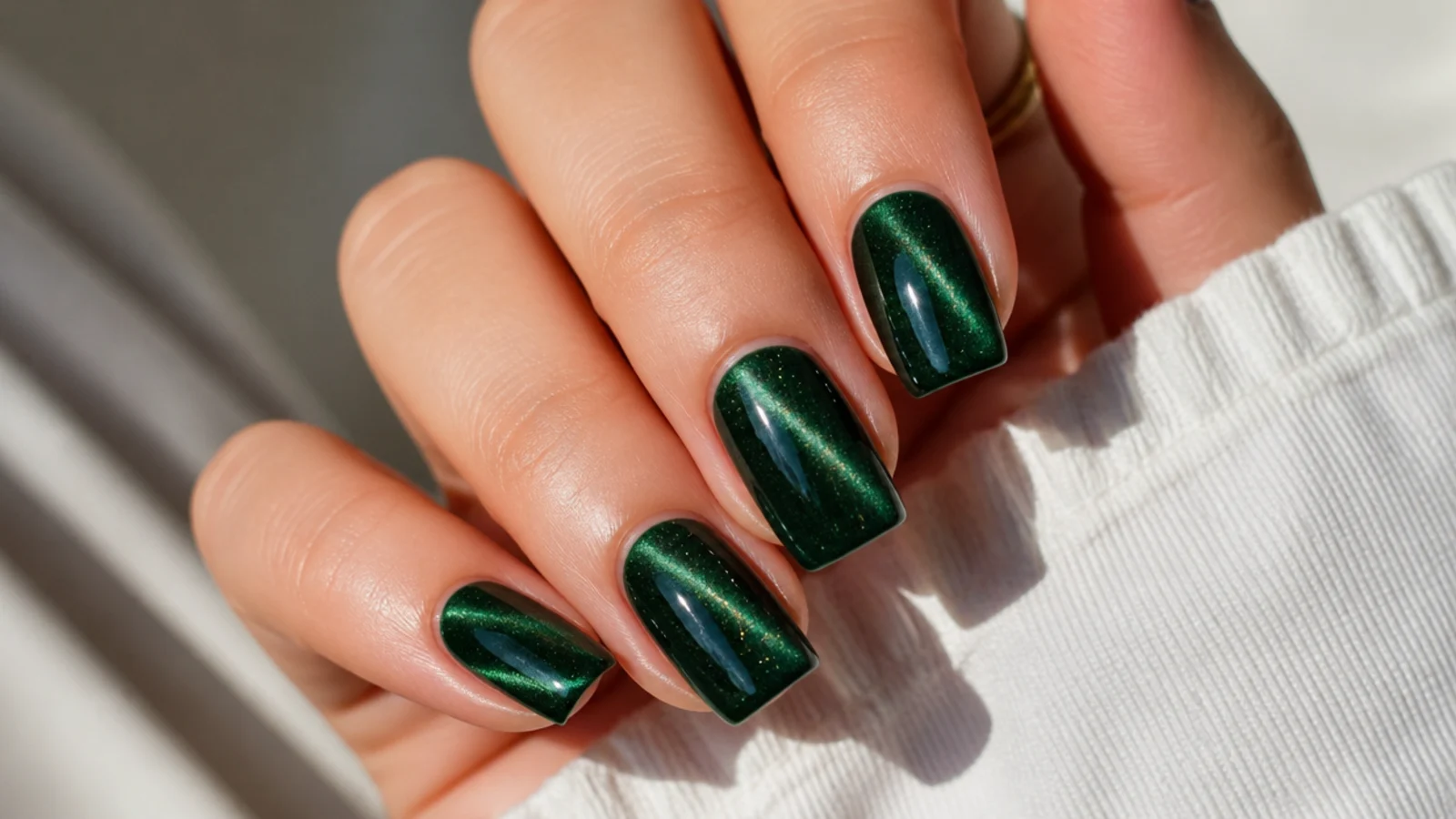
Magnetic cat eye gel in navy, plum or deep green, pulled with a magnet so a single bright strip of shimmer runs across each nail. Short coffin suits cat eye better than most shapes because the flat tip lets you run the light band straight across the edge for a clean horizontal shine. Hold the magnet close for three to five seconds per nail before curing. See it applied to French tips in square cat eye French tip nails. It works because it looks like a gemstone for the price of a single gel color.
Who it suits: Anyone wanting depth and movement on a small nail.
Tip: Ask for the magnetic strip pulled horizontally; a diagonal band shortens the nail.
20. Tiny Star Short Coffin Nails
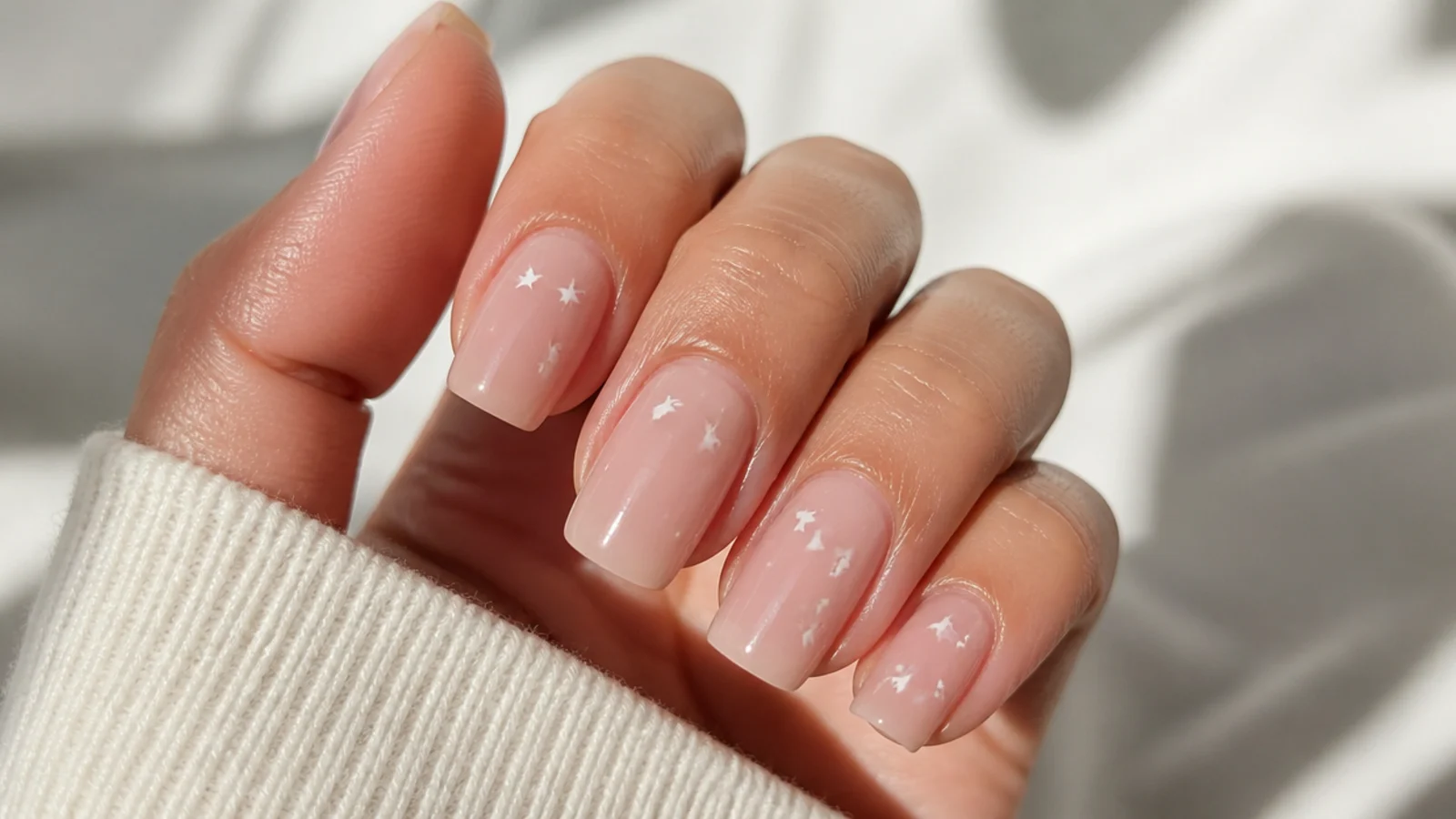
Two or three pinpoint white stars scattered across a sheer nude base, hand-painted with a fine liner or pressed as tiny decals. This is the cheapest upgrade on the list, usually five dollars per accent nail at a salon, and it is the design that survives a grown-out week best because the stars sit mid-plate rather than at the cuticle line. Keep them under 2mm across. Similar restraint appears in simple boho nails. It works because small motifs scale correctly to a short nail while large ones never do.
Who it suits: Anyone wanting art that still looks good at week three.
Tip: Keep stars under 2mm and place them away from the cuticle so regrowth stays invisible.
How Short Can Coffin Nails Be? The Length Ladder
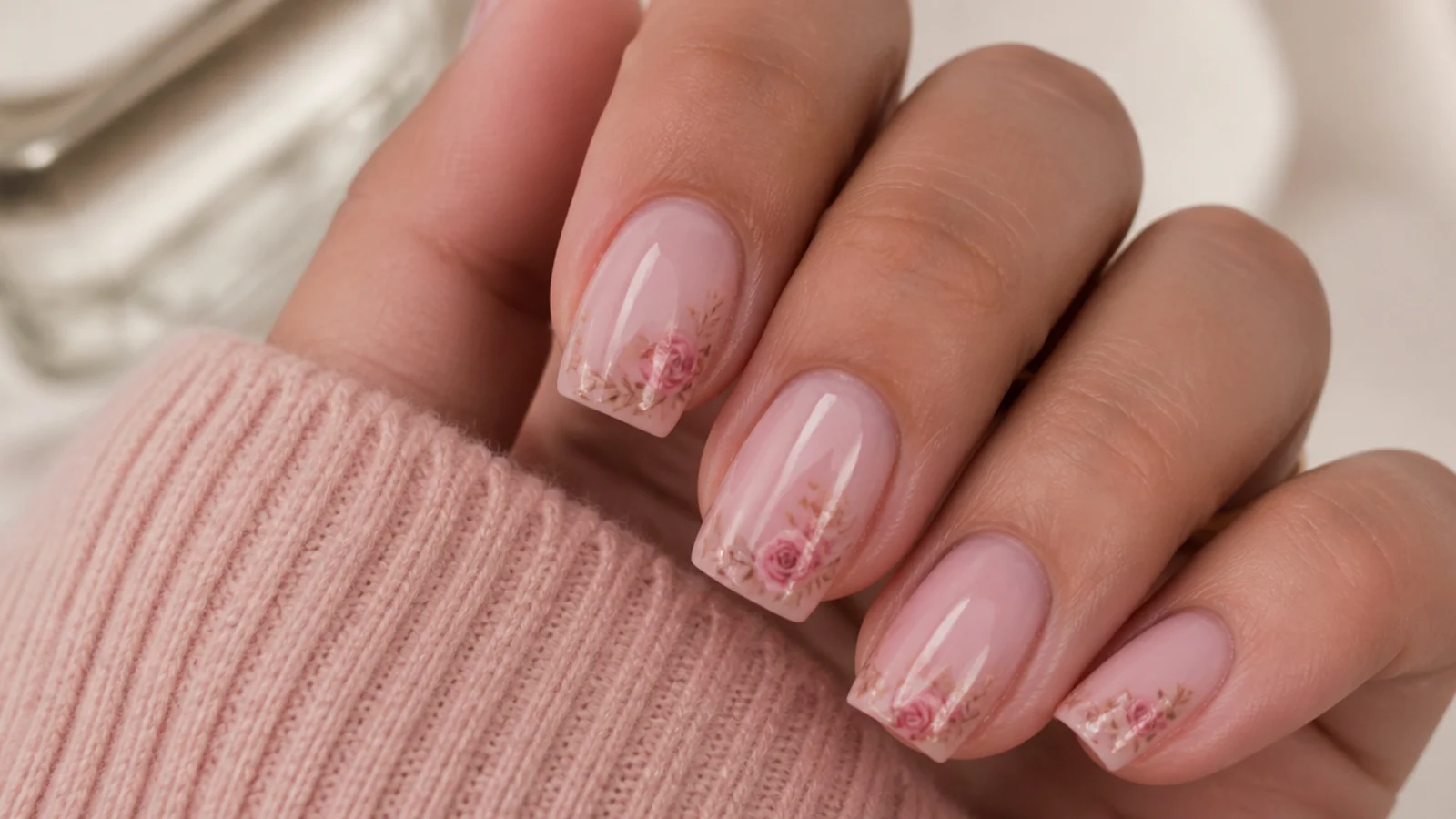
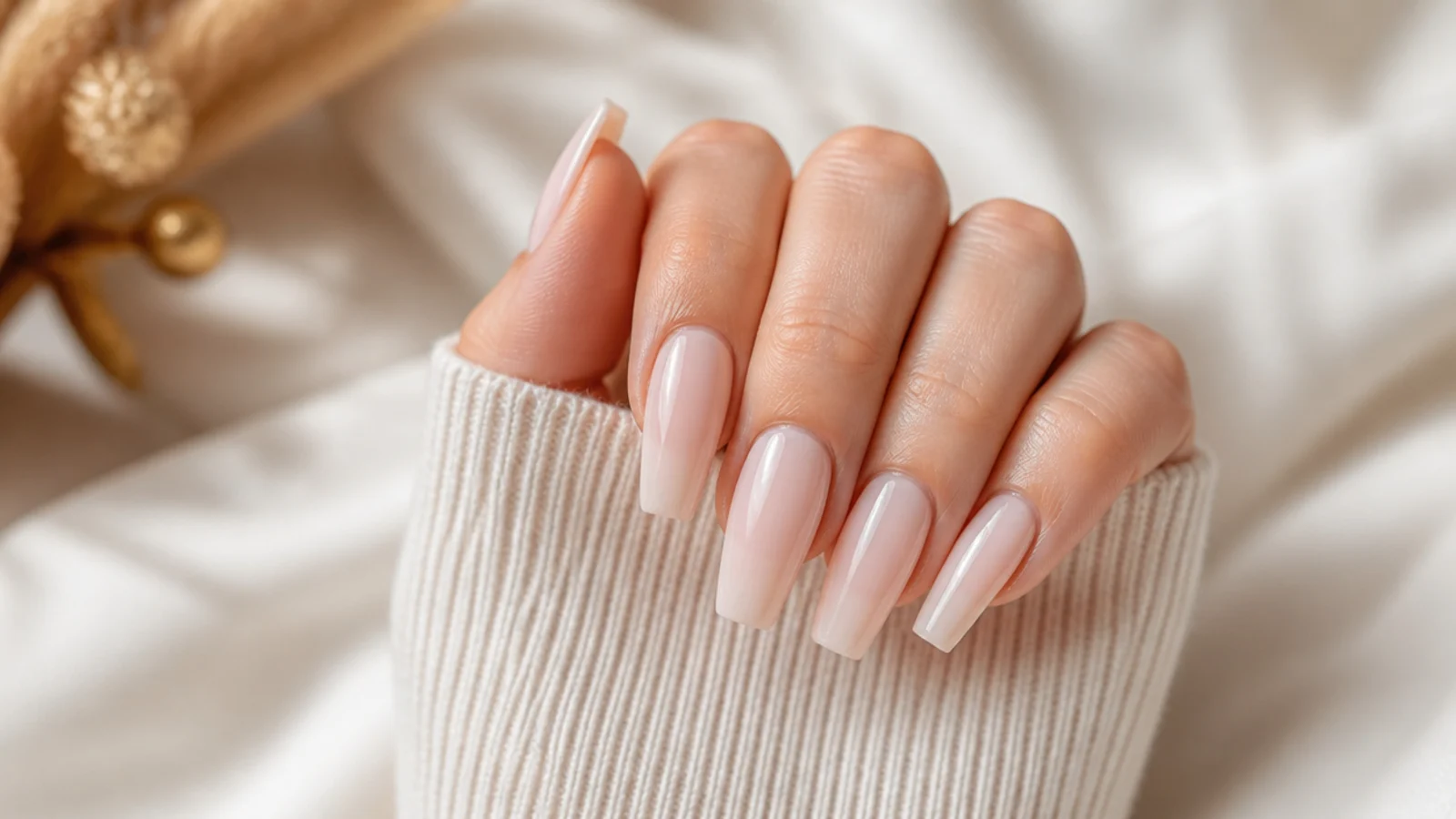
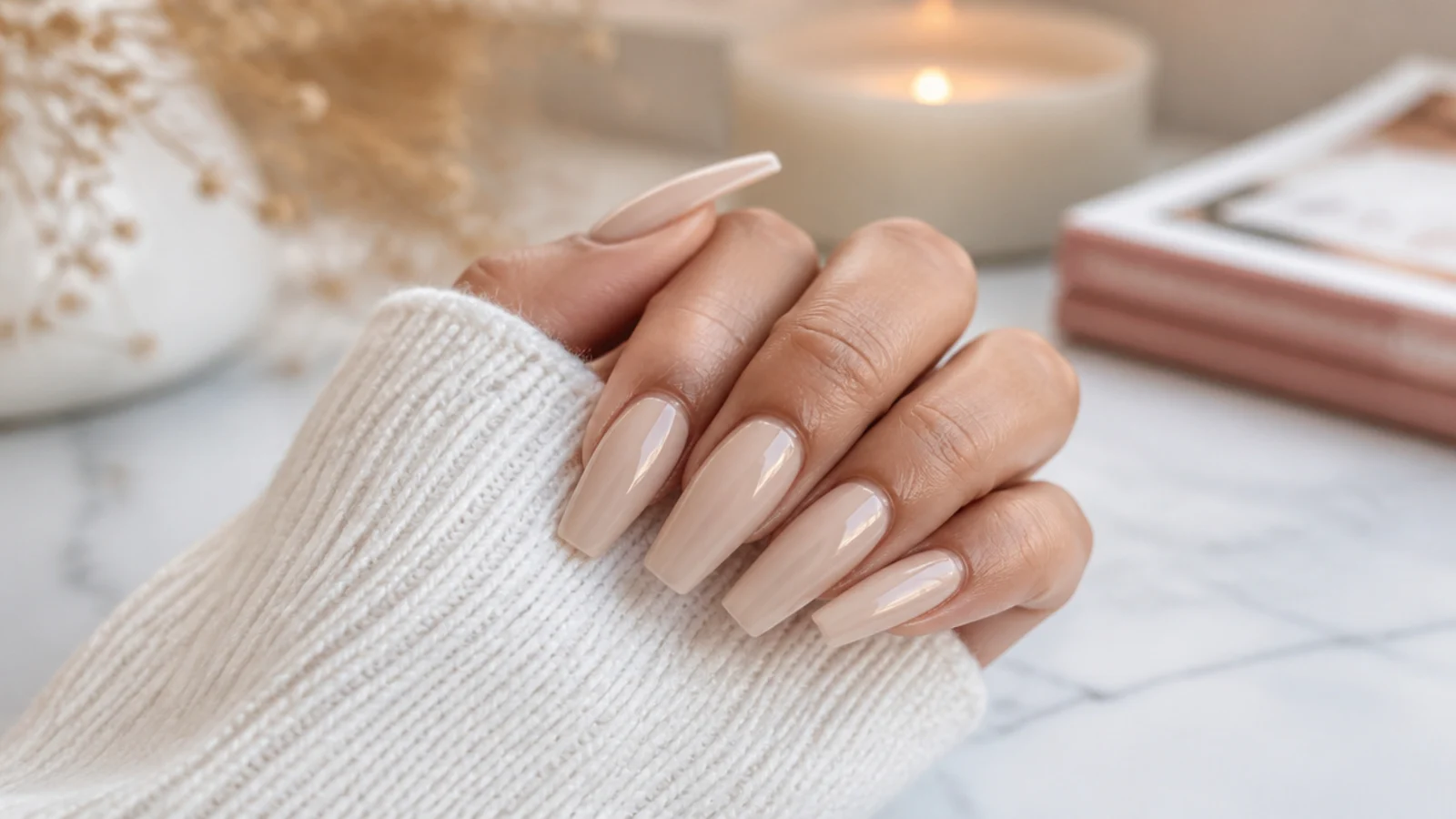
The coffin shape is made by tapering the sidewalls inward and filing the tip flat, and that taper needs free edge to happen in. At natural length, with no white showing past the fingertip, there is nothing to taper and you are filing a square. At 2mm the sides can angle in very slightly, but the result reads as a narrow square to almost everyone looking at it. At about 3mm the taper becomes visible and the shape genuinely starts to read as coffin. Between 3mm and 5mm you get a clear coffin that still types, buttons a shirt and does not catch on hair. At 6mm and up you are into medium coffin, where the shape is unmistakable but daily tasks start to change, which is the territory covered in long coffin nail ideas. So the honest floor is roughly 3mm and the everyday sweet spot is 4mm. If your nail beds are wide, sit at the top of that range, because a wide plate needs more length before the walls look like they converge.
Short Coffin vs Square, Almond and Ballerina
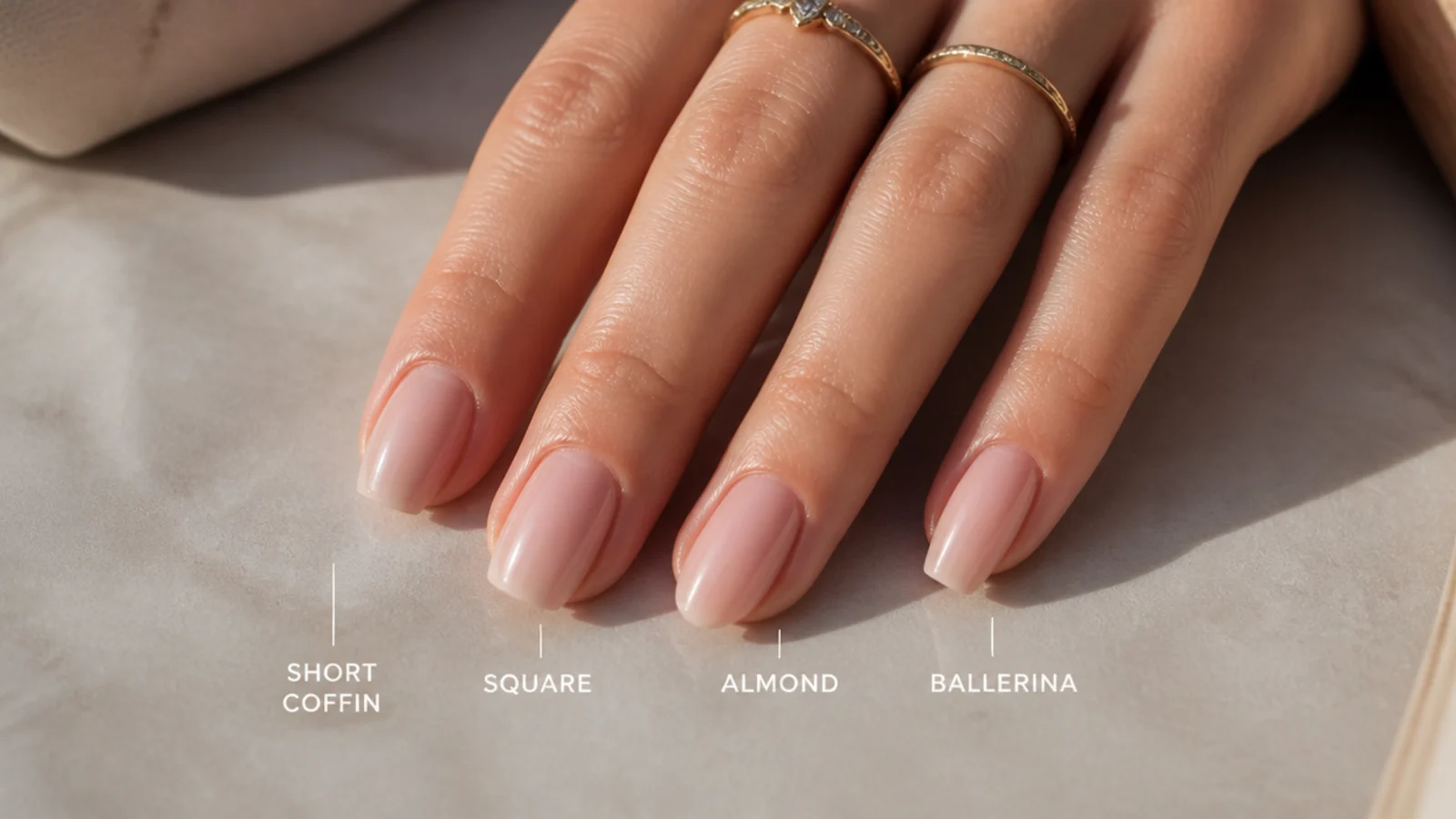
Coffin and ballerina are the same shape under two names: tapered sidewalls, flat tip, like a ballet pointe shoe seen from above. Most salons say ballerina; most people search coffin. Square keeps the sidewalls parallel and files the tip straight across, so it has no taper at all, and that is exactly the shape a too-short coffin collapses into. Almond curves the walls in to a rounded point, which needs more length than coffin to look right and snaps less because the curve distributes force. Stiletto takes the almond taper to a sharp point. The practical difference for short nails is this: square looks wider, almond looks longer, and coffin sits between them by narrowing the tip while keeping a flat edge you can still use. If you like the flat-tip look but have under 3mm of edge, wear a proper short square instead, such as a dark feminine square set, and revisit coffin once you have grown out another week.
Which Nail Beds Suit Short Coffin
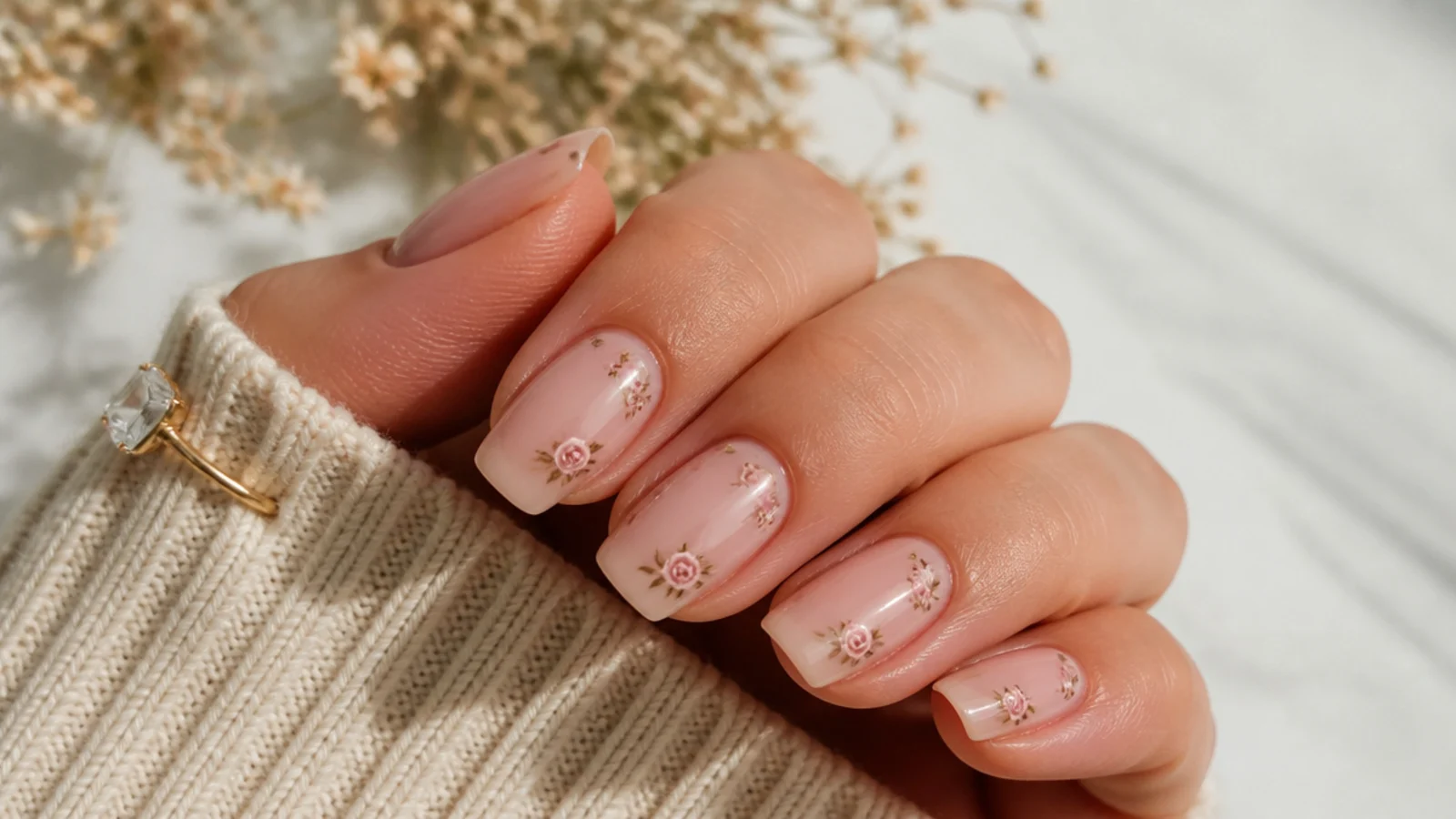
Nobody on the search results tells you whether coffin suits your hands, so here it is. Long narrow nail beds are the easiest fit: the walls already run close together, so a small taper reads as coffin immediately, and 3mm of edge is enough. Wide nail beds need more free edge, closer to 5mm, because the sidewalls start far apart and a shallow taper on a wide plate just looks like a slightly filed square. Short nail beds are the trickiest, since the visible plate is small and the eye reads the whole nail as stubby. The fix there is vertical design rather than more length: a nude-to-pink ombre, a cuticle-end dot cluster, or leaving a bare channel up the plate all stretch the eye. Very curved nails, the ones with a strong C-curve, hold coffin well because the arch supports the flat tip. If your natural nails split at the sidewall, get a gel overlay before filing coffin, as the taper thins exactly where you are already weak.
Work Appropriate Short Coffin Nails

Short coffin is the version of the shape that passes in a conservative office, and the rules are simple. Stay at 3-5mm, because past 6mm a flat tip starts making an audible click on a keyboard and looks deliberate rather than groomed. Keep the finish glossy or matte rather than heavily glittered. Colors that pass almost anywhere: milky white, greige nude, sheer soap-nail pink, navy, chocolate brown and deep burgundy. Colors to think twice about in a client-facing role: neon, full chrome on every nail and anything with 3D charms that catch on documents. Art is fine if it is small and low-contrast, which is why the micro French, the single line and the pinpoint stars sit at the top of this list. For honest wear reports on which simple sets survived a full month, see the cute coffin designs I tried. Practically, at 4mm you type at full speed within a day and still open a can tab with the side of your thumb. That is the whole argument for going short.
What to Ask For at the Salon, and What It Costs
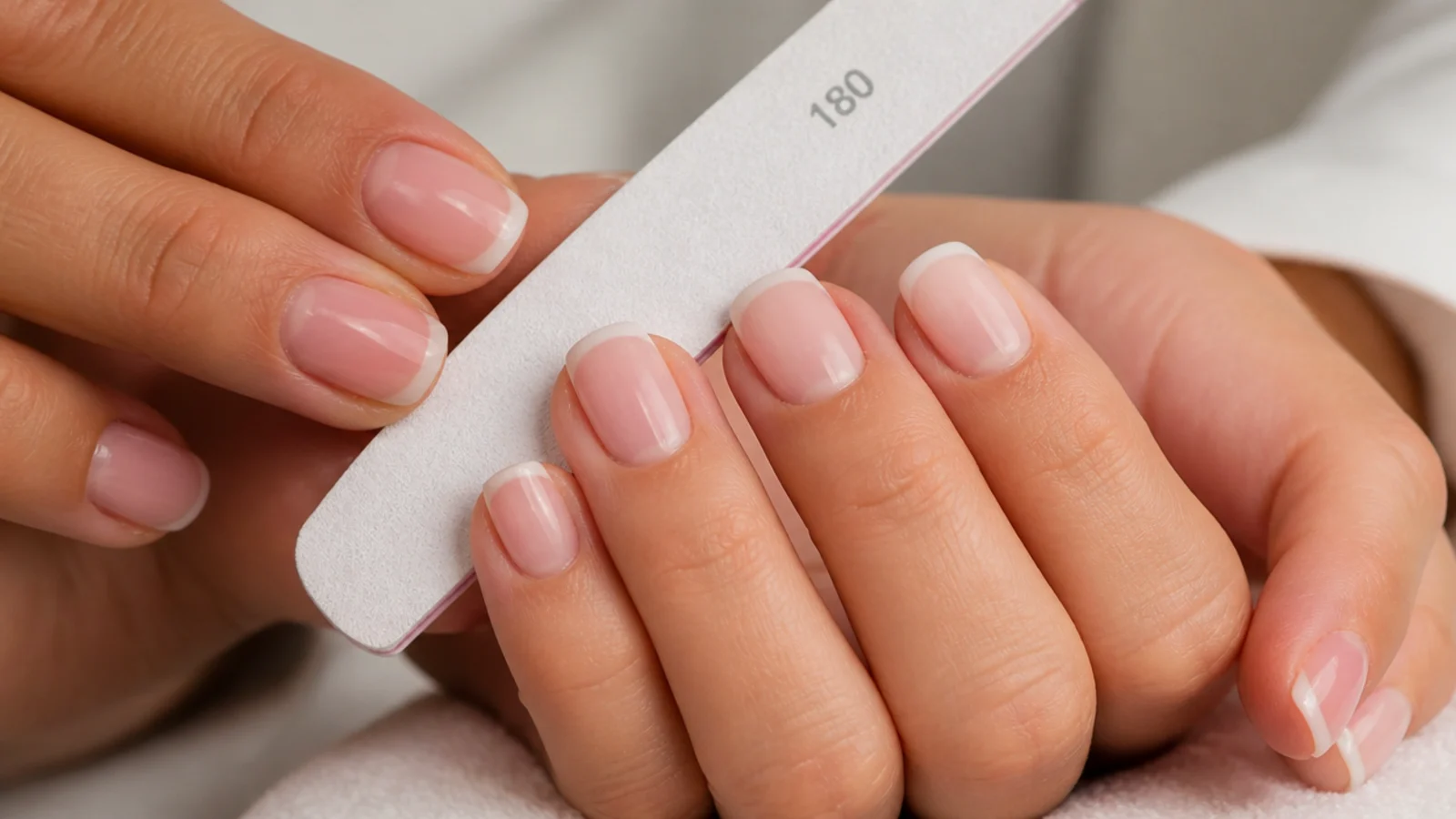
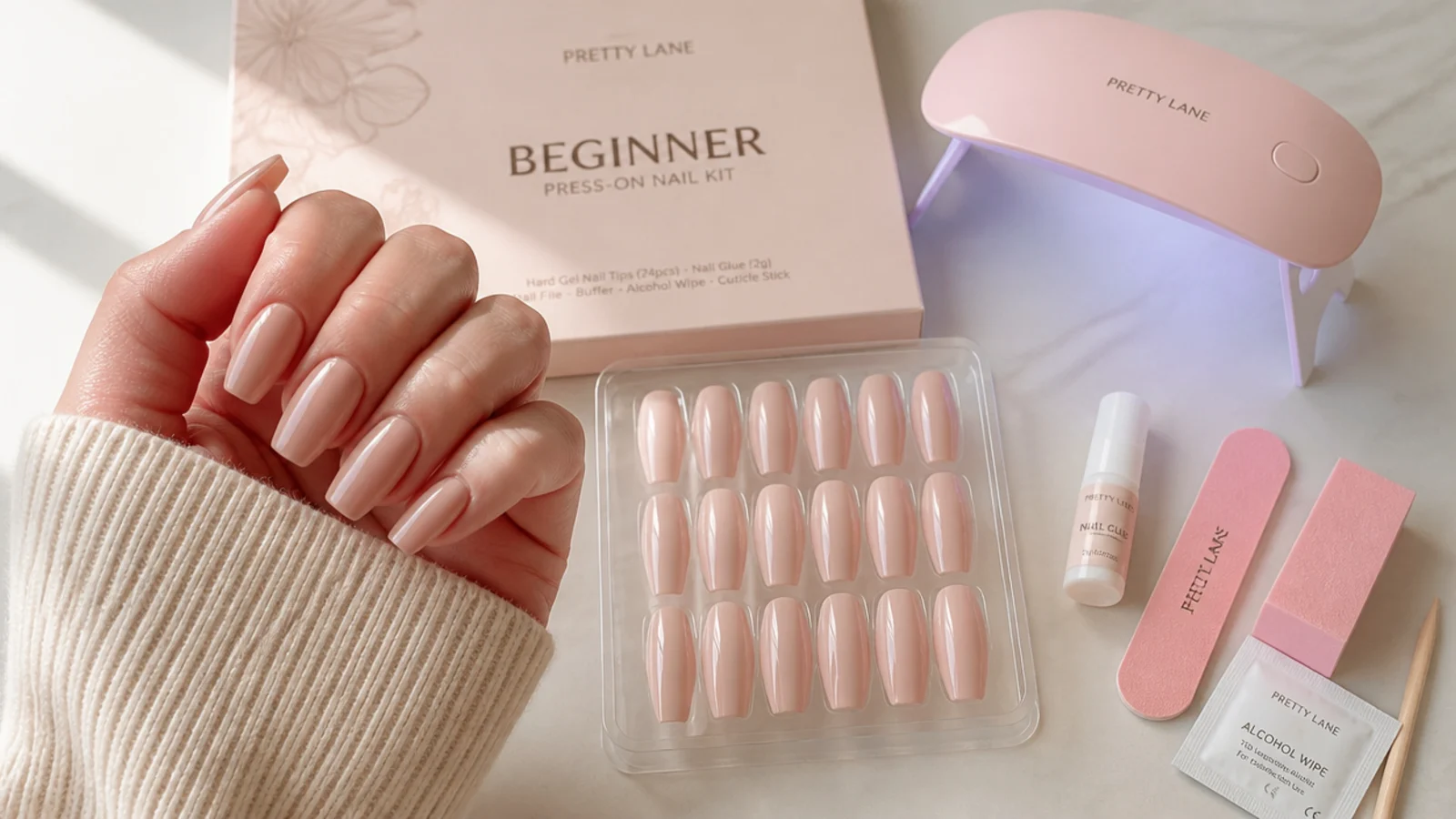
Say this: short coffin, about 4mm of free edge, tapered sidewalls with a flat tip, please keep the tip genuinely straight. That last clause matters, because techs working fast often soften the flat edge into a slight curve, which turns your coffin into a squoval by the time you get home. Ask them to check the shape at eye level from the fingertip, and to mirror the stroke count on both sidewalls so the nail is symmetrical. On price, a gel manicure with short coffin shaping runs roughly 40 to 70 dollars depending on the market, and a full acrylic set is about 60 to 120 dollars and up. Gel holds 2-3 weeks, acrylic 3-4 weeks with fills every two to three weeks, and regular polish only 5-7 days. Removal is acetone and foil for 10-15 minutes on soft gel, longer on acrylic. If you want to do it yourself instead, start with a beginner coffin kit rather than freehand filing.
Short Coffin Nail Problems and How to Fix Them
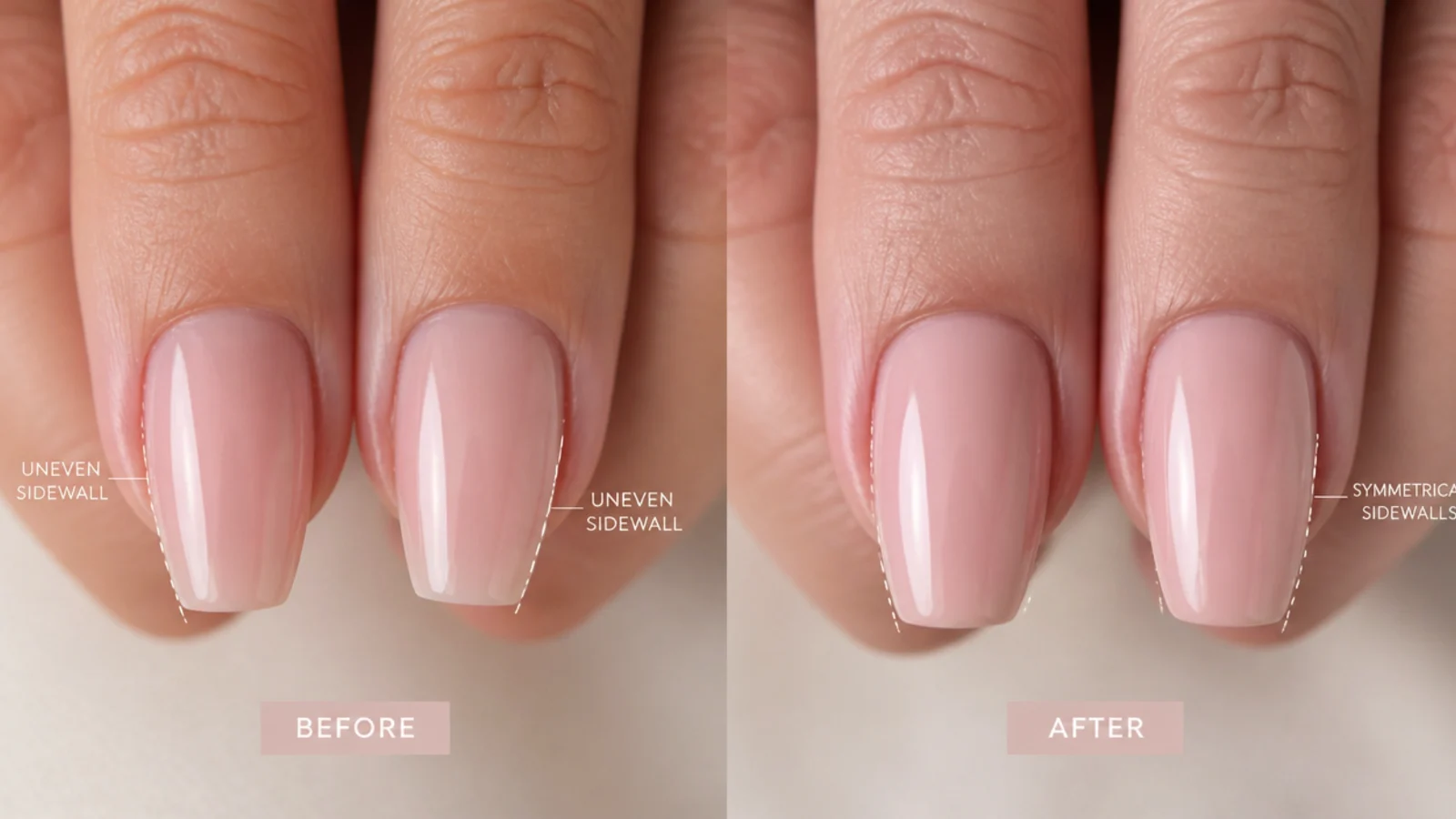
Four things go wrong with short coffin, and all four are fixable. If it reads square, the free edge is under 3mm; grow out one more week rather than filing the walls harder, because over-tapering a short nail thins the corners and invites a split. If the tip looks curved, the file drifted; correct it by filing straight across the free edge with the file held flat and perpendicular, not rocked. If the sides are asymmetric, stop filing and count strokes, doing the same number on each wall and checking from the fingertip at eye level every four or five strokes. If a corner keeps chipping, the sidewall was tapered too aggressively near the stress point, so ask for a slightly wider tip next time and cap the free edge on every gel coat. Use a 180-grit file for shaping and 240 to refine, and always file in one direction on natural nails to avoid peeling. Full filing method lives in the coffin nail ideas guide.
Frequently Asked Questions
How short can coffin nails be?
You need roughly 3mm of free edge for the taper to be visible. Below that the sidewalls have nowhere to angle in and the nail simply reads as a narrow square. The everyday sweet spot is about 4mm, and 5mm if your nail beds are naturally wide, since a wide plate needs a little more length before the walls look like they converge.
Do short coffin nails just look square?
Only if they are too short or the tip was filed with a curve. At 3mm and above with genuinely tapered sidewalls and a flat, straight tip, the coffin shape reads clearly. The two things that cause the square look are under 3mm of free edge and a tech softening the flat edge into a slight curve while filing quickly.
Are short coffin nails work appropriate?
Yes, at 3-5mm they pass in almost any dress code. Stick to milky white, greige nude, navy, chocolate brown or deep burgundy in a glossy or matte finish, and keep any art small and low-contrast. Past about 6mm the flat tip starts clicking on a keyboard and reads as a statement rather than grooming.
Do short coffin nails break easily?
Far less than long coffin. Breakage on coffin nails happens because the flat tip concentrates force at the narrowest part of the taper, and that point sits close to the finger on a short set, so it gets very little leverage. If a corner still chips, the sidewalls were tapered too aggressively, so ask for a slightly wider tip next time.
Are coffin and ballerina nails the same?
Yes, they are two names for one shape: sidewalls tapered inward with the tip filed flat, like a ballet pointe shoe viewed from above. Ballerina is the term most salons and techs use, while coffin is what most people type into a search bar. Ask for either and you will get the same result.
Can you do short coffin nails on natural nails?
Yes, and short is the length where natural nails hold coffin best. Grow to about 3-4mm of free edge, file with a 180-grit file in one direction to avoid peeling, and refine with 240. If your nails split at the sidewalls, get a gel overlay first, because the taper thins the nail exactly where it is already weak.
How much do short coffin nails cost?
A gel manicure with short coffin shaping runs roughly 40 to 70 dollars depending on your market, and a full acrylic set costs about 60 to 120 dollars and up. Hand-painted art typically adds around five dollars per accent nail. Doing it at home with a beginner kit costs far less across a year.
How long do short coffin gel nails last?
Soft gel holds about 2-3 weeks before regrowth flattens the shape at the cuticle, acrylic runs 3-4 weeks with fills every two to three weeks, and regular polish lasts only 5-7 days. Removal is a soak in acetone under foil for 10-15 minutes on soft gel, longer for acrylic. Never peel it off.
Can you type with short coffin nails?
At 3-5mm, yes, at full speed within a day, because your fingertip pads still reach the keys. Past 6mm you start typing with the flat edge instead of the pad and there is a genuine adjustment period. That practicality is the main reason people choose short coffin over the long version in the first place.
Which coffin nails look are you saving?
If you take one thing from this list, make it the length ladder: ask for about 4mm of free edge and a genuinely flat tip, and your short coffin will read as coffin instead of drifting into a squoval by week two. Everything else is color, and short nails are forgiving there, so the deep burgundies and chocolate browns that look heavy on long sets sit perfectly here. Bring a photo, and book your fill at two to three weeks before regrowth flattens the shape. Browse the rest of the coffin nail ideas hub next, or start with the main 25 coffin nail ideas roundup if you are still deciding on length.