Study Motivation
How to Build a Study Aesthetic Vision Board for the Semester
Jan 12
2026
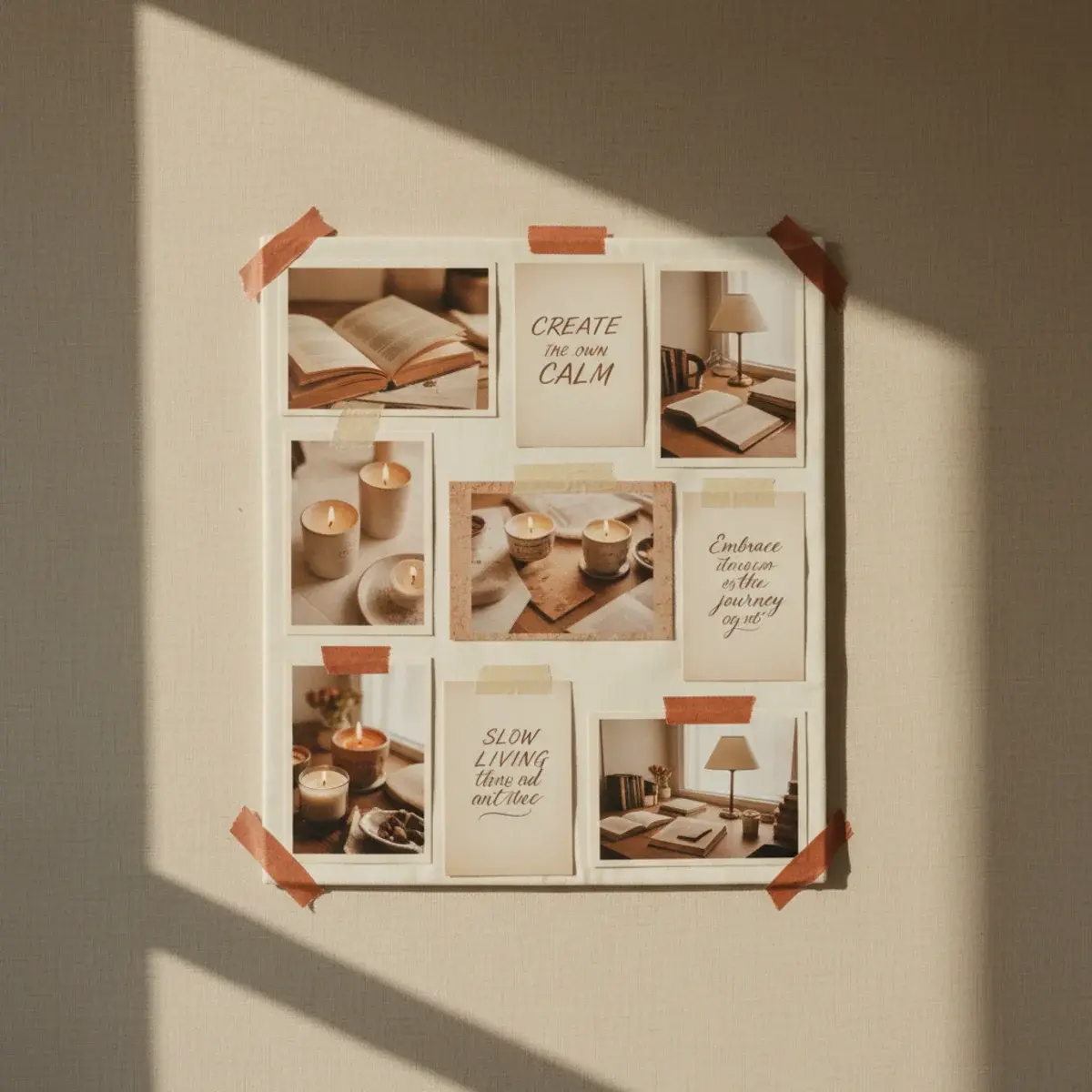
How to build a study aesthetic vision board for the semester — a simple, beautiful practice to align your goals with how you actually want this term to feel.
Late August. Early January. Either way, the same Sunday afternoon: the new term ahead of you feels too big to think about clearly, and the temptation is either to over-plan (and burn out by week three) or to under-plan (and drift). A study-aesthetic vision board is the small third option — a slow, deliberate hour spent answering the question what do I want this term to feel like? before answering what do I need to do?
This article is the practical how-to. Not the Pinterest-influencer version. The grown-up, genuinely-useful one. Plus the small psychological mechanism that makes vision boards work when they work.
Save this. Make one before your next term begins. Watch the difference.
Why Vision Boards Actually Work
The mainstream framing is woo-woo: visualise it and the universe will deliver. The honest science is much smaller and much more interesting.
Vision boards work because they're a form of attentional priming. The images you spend an hour selecting and arranging become a small mental filter that shapes what you notice in the weeks ahead. The aesthetic of the term becomes the lens you see the term through.
It's not magic. It's neuroscience. And it's genuinely effective when done well.
What to Put on a Study Aesthetic Vision Board
The six categories that make a board genuinely useful.
1. Three to Five Images of Study Spaces You Aspire To
Library carrels. Sunlit kitchen tables. Café desks. The specific physical environments you want your studying to happen in. The images train your eye to recognise — and seek out — these spaces in real life.
2. Two to Three Images of Stationery and Notebooks
The notebook you want to fill. The pen you want to write with. The specific stationery aesthetic of the term. These images set the bar for the small physical details that compound over the term.
3. One Image of an Inspiring Person Studying
Someone real or imagined — a historical figure at a desk, a fictional character in a library, a friend's photograph of her own beautiful study setup. The inspiring person becomes a quiet exemplar.
4. Two to Three Words or Quotes
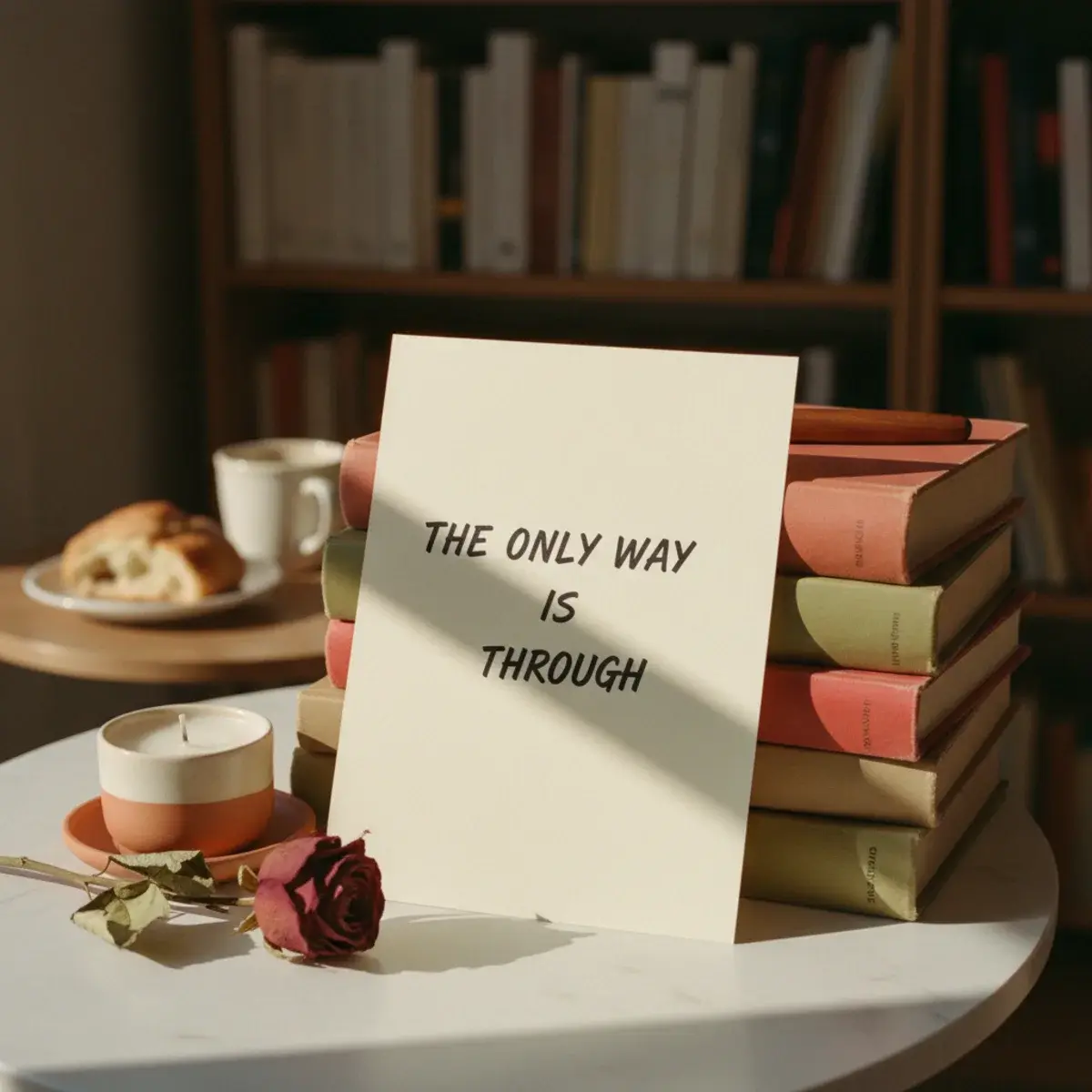
Hand-lettered onto small cards. Slow and steady. I am becoming. The work is the gift. Whatever phrases you want to carry into the term.
5. Two to Three Outcomes or Results
A printed image of the grade you want. A photograph of a graduation cap. A small image of the dissertation cover you imagine submitting. The end-of-term version of the work.
6. One Small Surprise
Something off-theme. A photograph of a place you'd love to travel to after the term ends. A small image of a hobby you want to keep alive alongside the studying. The reminder that the term is a means to a larger life.
The Materials You Need
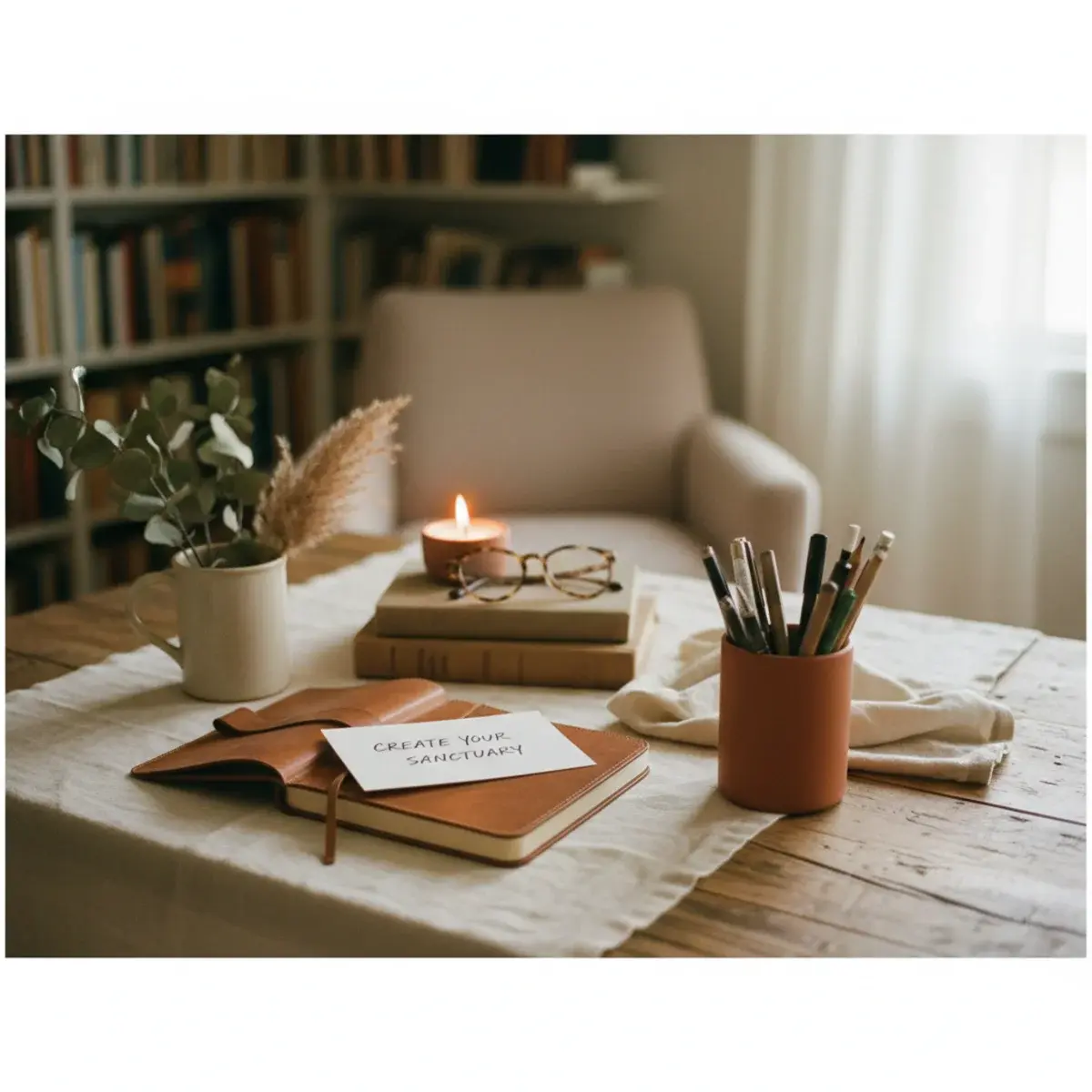
The honest kit. Don't overspend.
The base
A cork pinboard (£10-15 from Wilko or Amazon), a piece of stiff card (£3), or — most beautifully — a length of natural linen pinned to the wall as a soft tackboard (£8).
The images
Pinterest, magazines, your own printed photos. Print them at home or at the library at A6 size (roughly postcard-sized). Most images cost a few pence to print.
The pins or tape
Brass thumbtacks (£3) for cork. Washi tape (£4 for two rolls) for cardboard or linen.
The handwritten elements
Cream cardstock cut into small rectangles, hand-lettered with a fine black pen or a Tombow brush pen. The handwritten phrases land harder than printed ones.
Total cost: under £25 for a board that lasts the whole year.
How to Make It (The Actual Hour)
The single Sunday-afternoon ritual.
Step 1: Set the scene (10 minutes)
Clear a kitchen table. Light a candle. Make a real cup of tea. Put on a single album of instrumental music. This is itself part of the ritual — the vision board needs the quality of attention it asks for.
Step 2: Select the images (25 minutes)
Open Pinterest, scroll through your phone's saved images, flick through magazines. Pull out anything that speaks to you about the term ahead. Don't overthink. Trust the instinctive yes.
You'll usually end up with 15-20 candidates. Be ruthless. The final board should have 10-12 elements maximum.
Step 3: Arrange and pin (15 minutes)
Lay everything out on the table first. Move things around. Let the composition emerge. Don't pin until you've found the arrangement that feels right.
When you pin, do it slowly. The act of pinning is itself a commitment to each image.
Step 4: Write the words (10 minutes)
Hand-letter the two or three phrases. Use a fine pen, take your time, do them on small rectangles of cream card. Pin them where they'll be visible from your desk.
Where to Put It
The most important question. The answer: somewhere you'll see it daily without having to seek it out.
The best locations:
- Above your desk — visible during every study session.
- On the wall opposite your bed — first thing you see in the morning.
- Inside your wardrobe door — visible while you get dressed, hidden from guests.
The worst location: anywhere it becomes invisible from familiarity. The trick is to move it slightly every six weeks — change one or two images, adjust the position. The novelty refreshes the priming effect.
What Vision Boards Don't Do
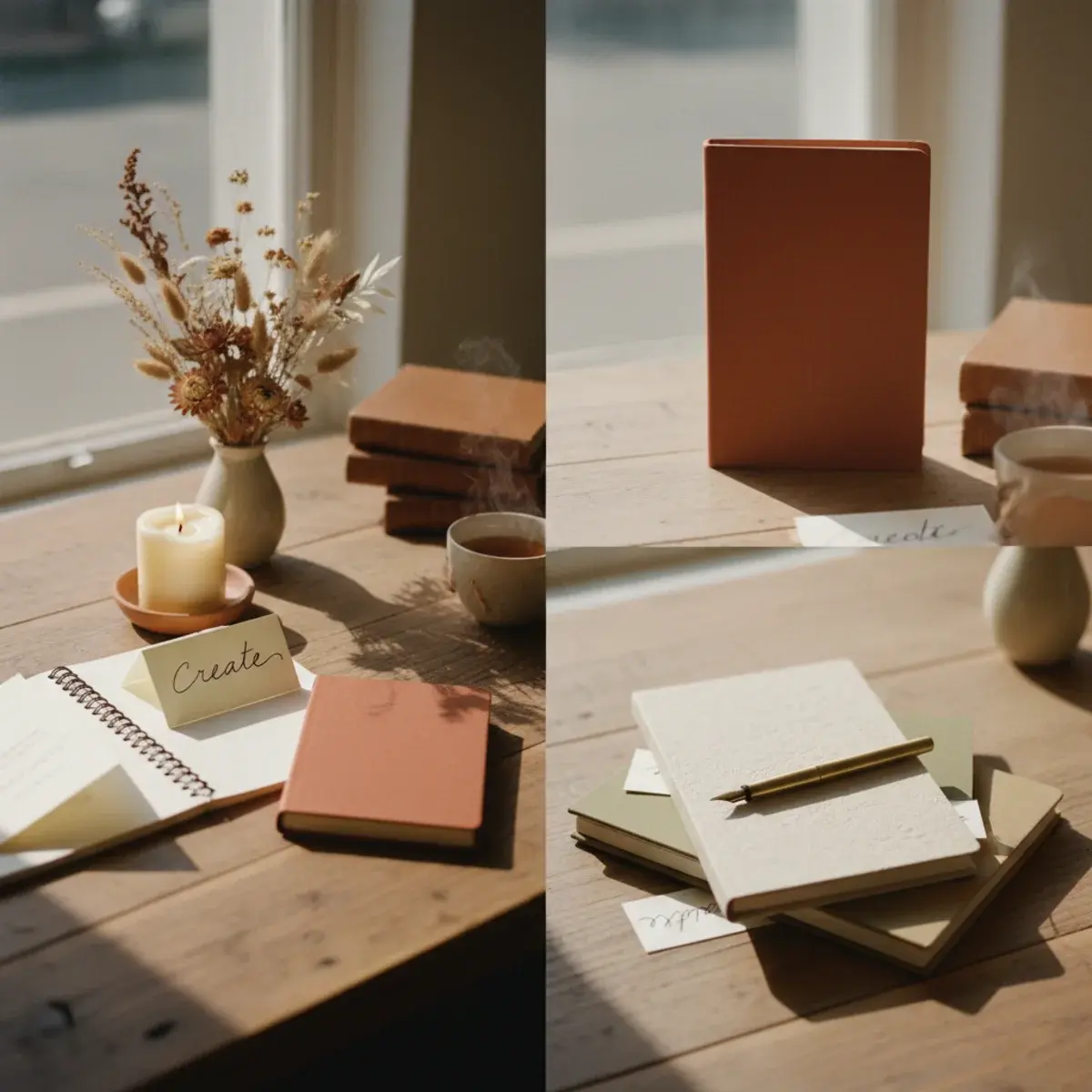
Three honest caveats.
They don't replace planning. The vision board sets the feel of the term. A separate document — a real planner, a goal sheet, a project plan — sets the work. You need both.
They don't work without consistency. Looking at the board once and forgetting about it produces nothing. The board has to be seen — daily, casually, repeatedly — to function as priming.
They don't manifest things you don't pursue. The board is a lens, not a magic spell. The first-class grade on your vision board materialises through actual studying, not the image alone.
What to Refresh After Six Weeks
The single biggest factor in whether a vision board keeps working: refreshing it periodically. Otherwise, it becomes invisible from familiarity.
The six-week refresh ritual (twenty minutes):
-
Remove one or two images that no longer feel current. Maybe the season has changed, or your goals have shifted slightly, or one image just isn't landing anymore.
-
Add one or two new images. What's resonating with you now? Find one new image that captures it.
-
Move the whole board slightly. Different wall, different angle, different position above the desk. The novelty refreshes the attention you give it.
-
Re-letter one phrase. Replace one hand-written card with a new one. The fresh ink itself is part of the magic.
The refresh keeps the board functional as priming. Skip it and the board becomes wallpaper.
A Note on Digital Vision Boards
Pinterest boards, Notion mood pages, phone wallpapers — the digital version of vision boards genuinely works less well than the physical version.
The reason: digital content is hidden behind the same screens you check for everything else. The board becomes one notification among thousands. The physical board, by contrast, exists in your peripheral vision constantly. The intervention works because of the physical presence, not the images themselves.
If you want to make a digital vision board too, do it as a supplement — not a replacement. The physical board is the one that does the work.
When Vision Boards Don't Work
Three honest situations where the vision board won't help:
When you don't actually want what's on it. A board full of "should-want" images (the impressive degree, the perfect grades, the prestigious job) you don't really care about does nothing. The board has to reflect what you genuinely want.
When you're not pursuing the vision. The board primes attention; it doesn't create action. If the studying doesn't happen, the board can't make it.
When the rest of your life is in crisis. A vision board is a layer on top of a functioning baseline. If your sleep, your eating, your relationships are in serious trouble, fix those first. The board is a complement to a working life, not a substitute for one.
Final Thoughts
A study-aesthetic vision board is a small, deliberate Sunday-afternoon ritual that costs £25 and an hour and shapes the next twelve weeks of your studying in measurable ways. Not because of any mystical mechanism, but because what you look at every day shapes what you notice every day.
Make one before the next term begins. Put it where you'll see it. Move things around when the term shifts.
The term becomes more like the images. Quietly, accumulatively, week by week.
More from this category
Leave a Reply
Want to write back? Comments aren't open yet — but you can reply to this article on Pinterest, save it to a board, or share it with a friend.