Quick Comparison
| Bobby Pins Alone | Spin Pins Plus Bobby Pins | |
|---|---|---|
| Best for hair type | Fine to medium long hair | Thick, heavy or waist-length long hair |
| How many you need | 10 to 20 pins for a full chignon | 2 spin pins plus 6 to 10 bobby pins |
| Holding power | Good if pinned correctly and generously | Excellent; each spin pin replaces 3 to 5 bobby pins |
| Time to build | 3 to 5 minutes placing individual pins | 2 to 3 minutes; spin pins set the base fast |
| Comfort all day | Comfortable if spread wide, achy if clustered | Very comfortable; load spreads across the coil |
| Learning curve | Easy; most people already own bobby pins | One try to learn the screwing motion |
| Risk of failure | Slides if under-pinned or laid flat | Rarely fails once the twist direction is right |
| Cost | A few dollars for a card of pins | About 6 to 9 dollars for a pair of spin pins |
| Best use | Everyday buns on lighter long hair | All-day hold on genuinely heavy long hair |
1. Low Chignon Secured With 14 Bobby Pins
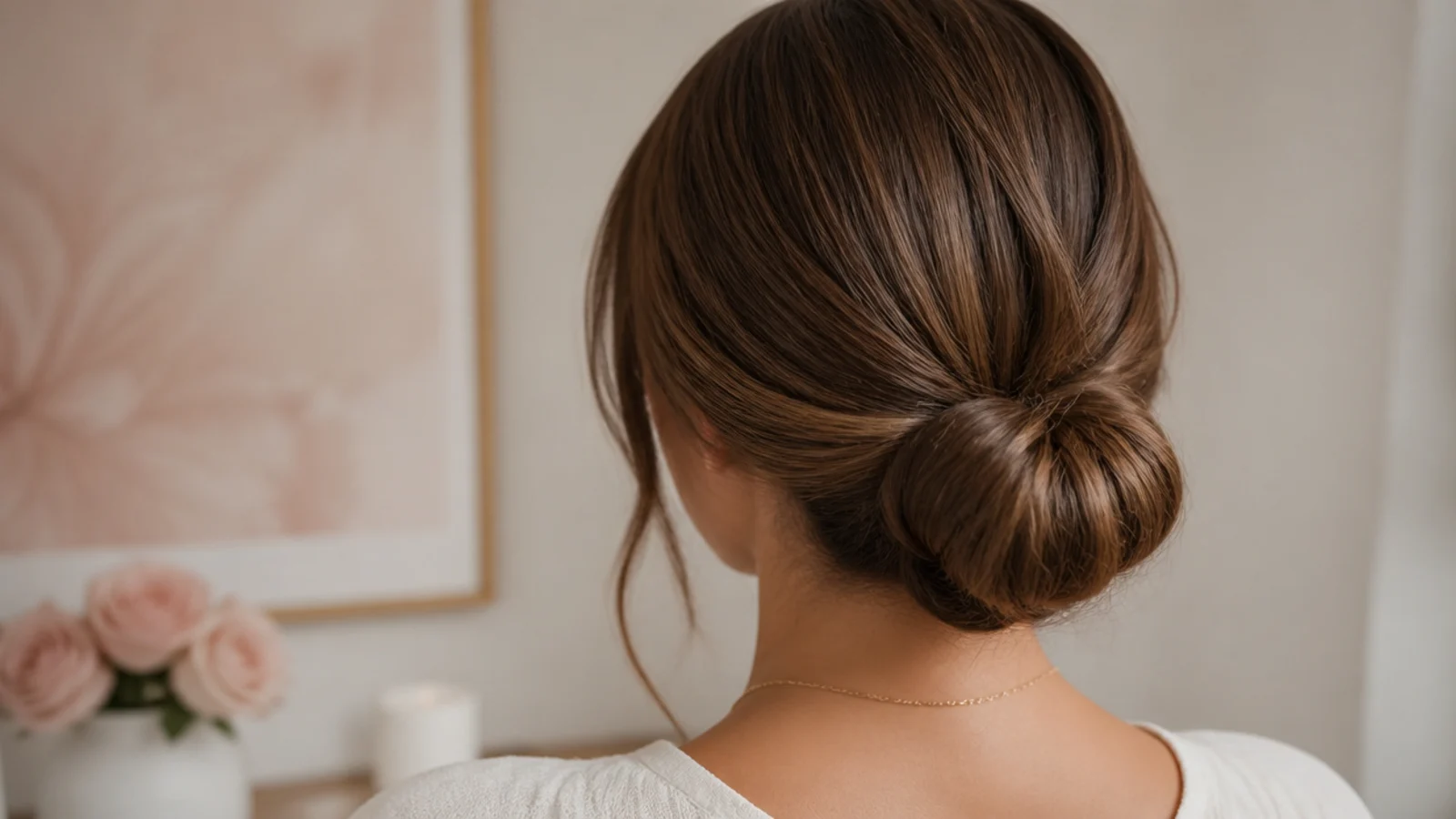
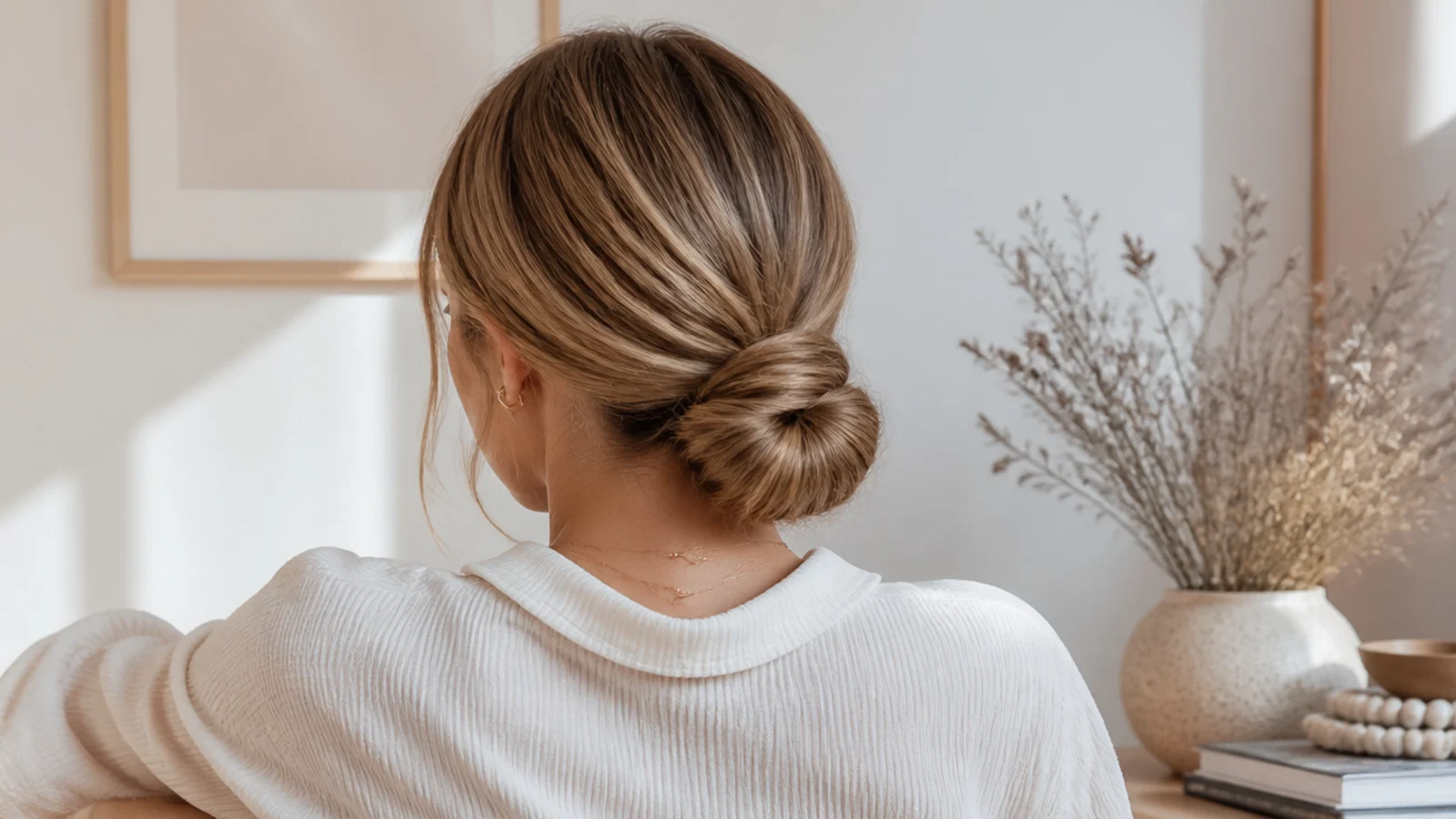
The low chignon is the most reliable long-hair updo because the nape carries the weight. Gather a low ponytail at the occipital bone, twist the length into a rope, coil it into a flat knot and pin the underside into your scalp hair. On thick long hair this genuinely takes 12 to 16 bobby pins, not the four you see online. Anchor a pair of spin pins first, then fill in around the base. It reads polished enough for work and holds a full day without a single re-pin.
Cross two bobby pins into an X at the heaviest point of the coil so the knot cannot rock loose.
2. Twisted Bun With a Pair of Spin Pins
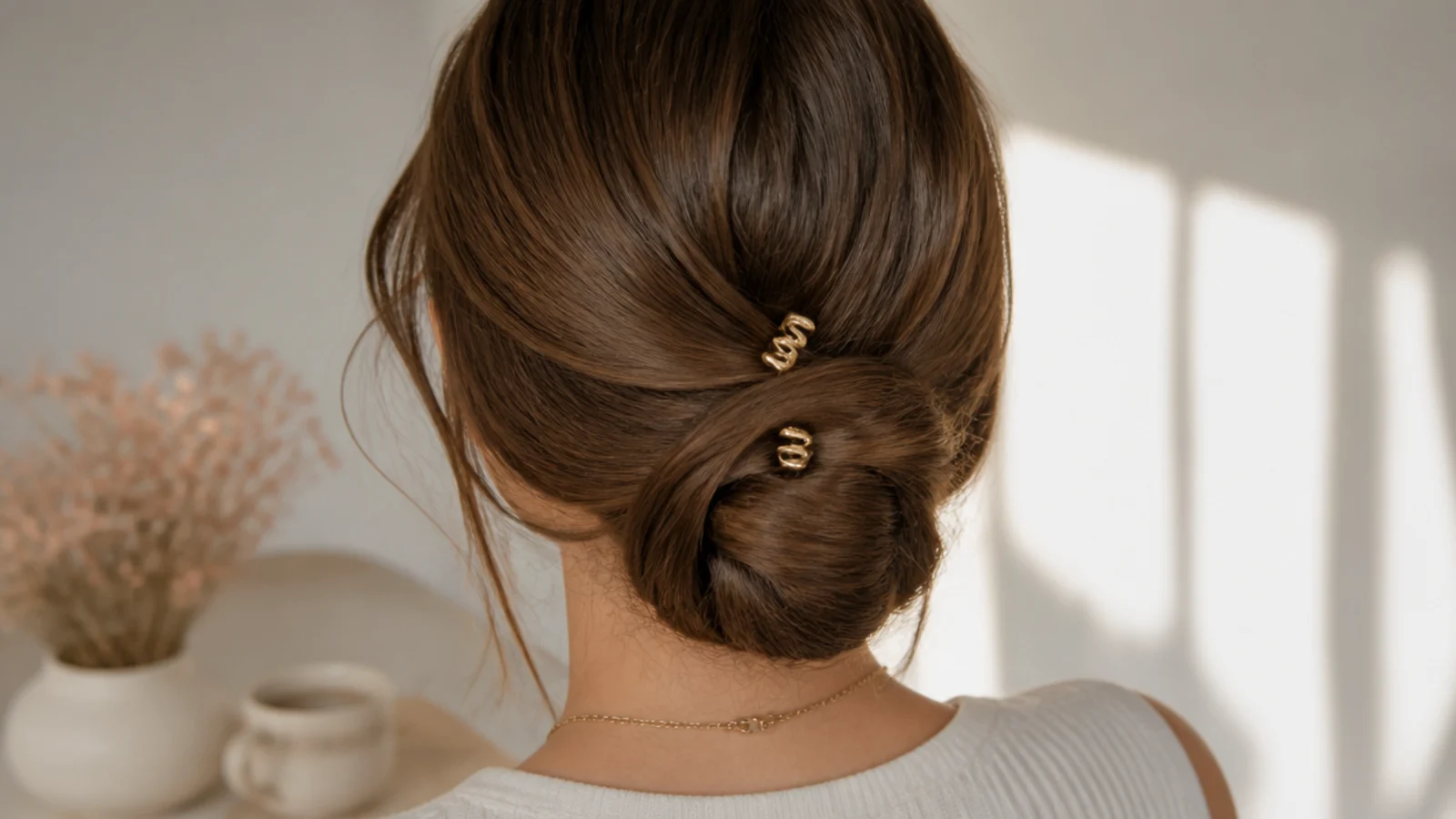
Spin pins are the single best upgrade for long hair that keeps falling. Each corkscrew pin replaces three to five bobby pins and threads through the coil like a screw, so one pair often holds a whole twisted bun. Twist a low ponytail, wrap it into a bun, then screw one spin pin down from the top and one up from the bottom in opposite directions. They lock against each other. This is the fastest all-day updo for thick, heavy long hair that a single elastic cannot hold.
Screw them in following the direction of your twist, not against it, or they loosen the coil.
3. Messy Bun for Thick Long Hair
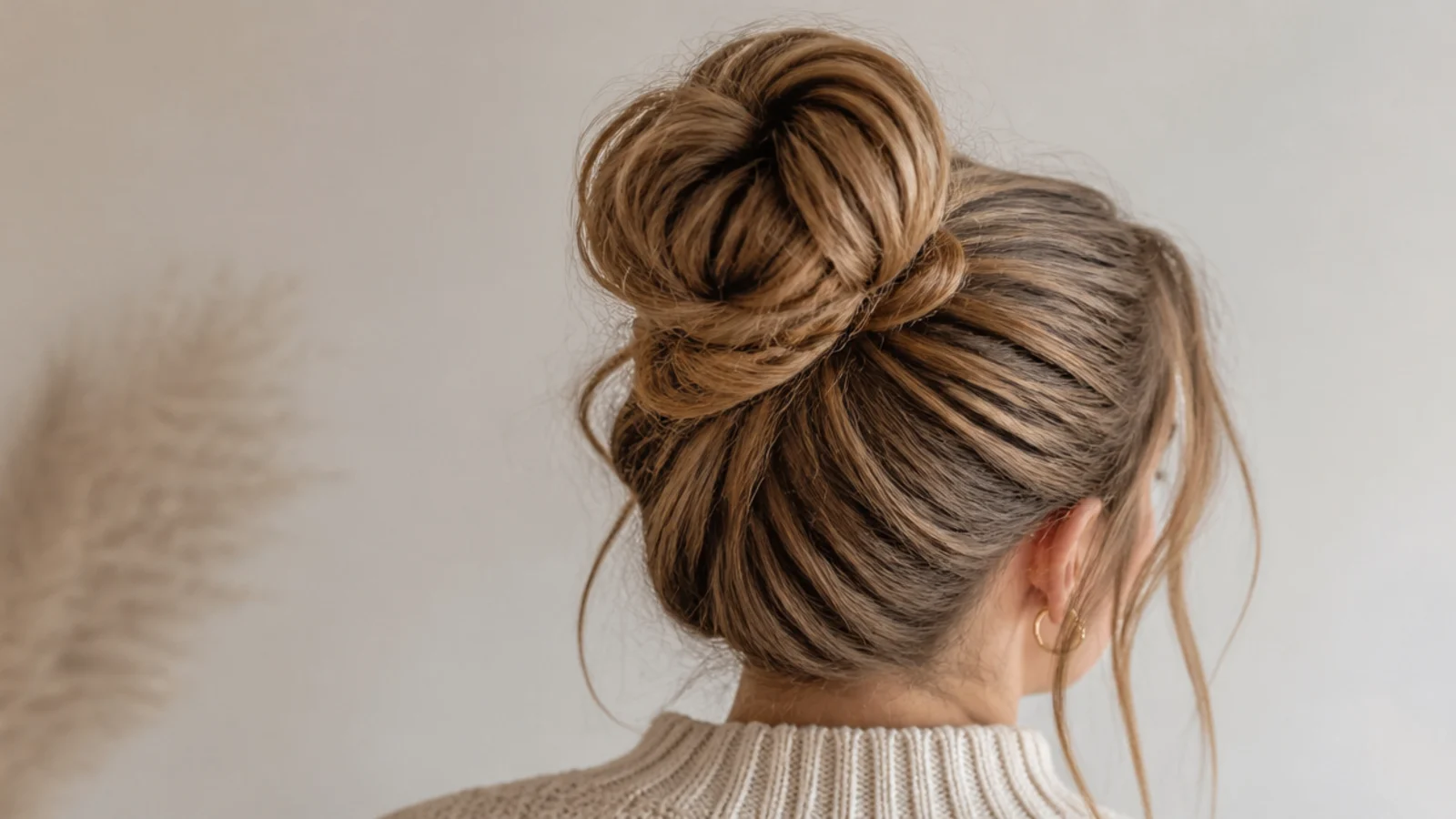
A messy bun for thick long hair fails when you wrap all the weight into one rope. Split the ponytail in two, twist each half loosely, and wrap them around the base in opposite directions so they brace each other. Secure with a strong elastic plus 8 to 12 bobby pins under the bun. Pancake it gently for that full, undone look without loosening the core. It stays put through a workday and pairs well with the easy looks in cute hairstyles that last all day.
Leave two face-framing pieces out before you start so the finish looks soft, not severe.
4. Sleek Ballerina Bun
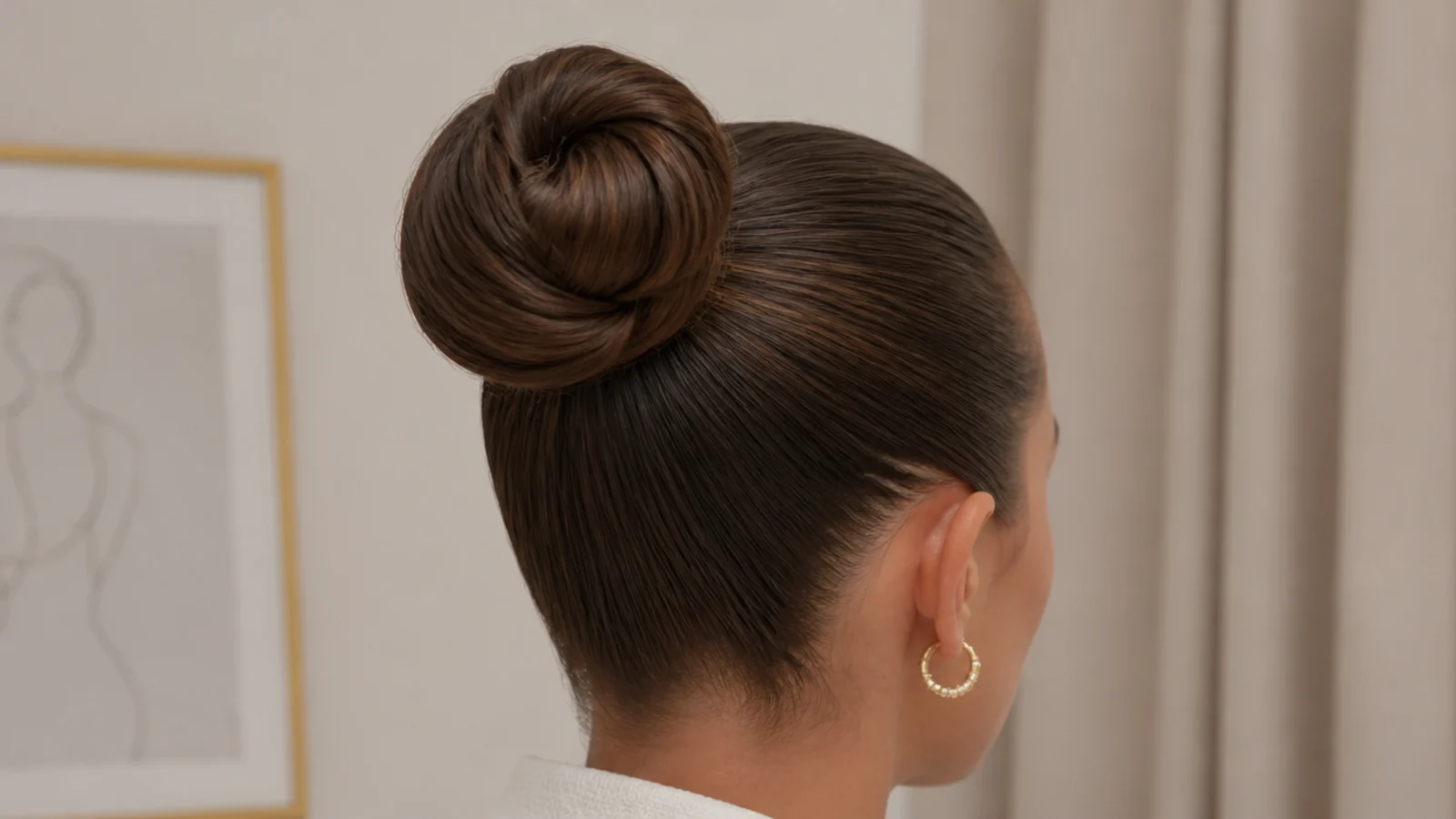
The sleek ballerina bun is the polished option, but on long hair it needs structure to survive. Smooth a mid-height ponytail with a little gel, wrap the length around a hair donut sized to your thickness, and pin the ends under all the way around. The donut carries the bulk so your roots do not. Keep it just at or below the crown, never sky-high, or the weight will nag your scalp by afternoon. It holds through a long day and dresses up instantly.
Choose a donut that matches your hair color so any gaps in very long hair disappear.
5. Braided Wrap Bun
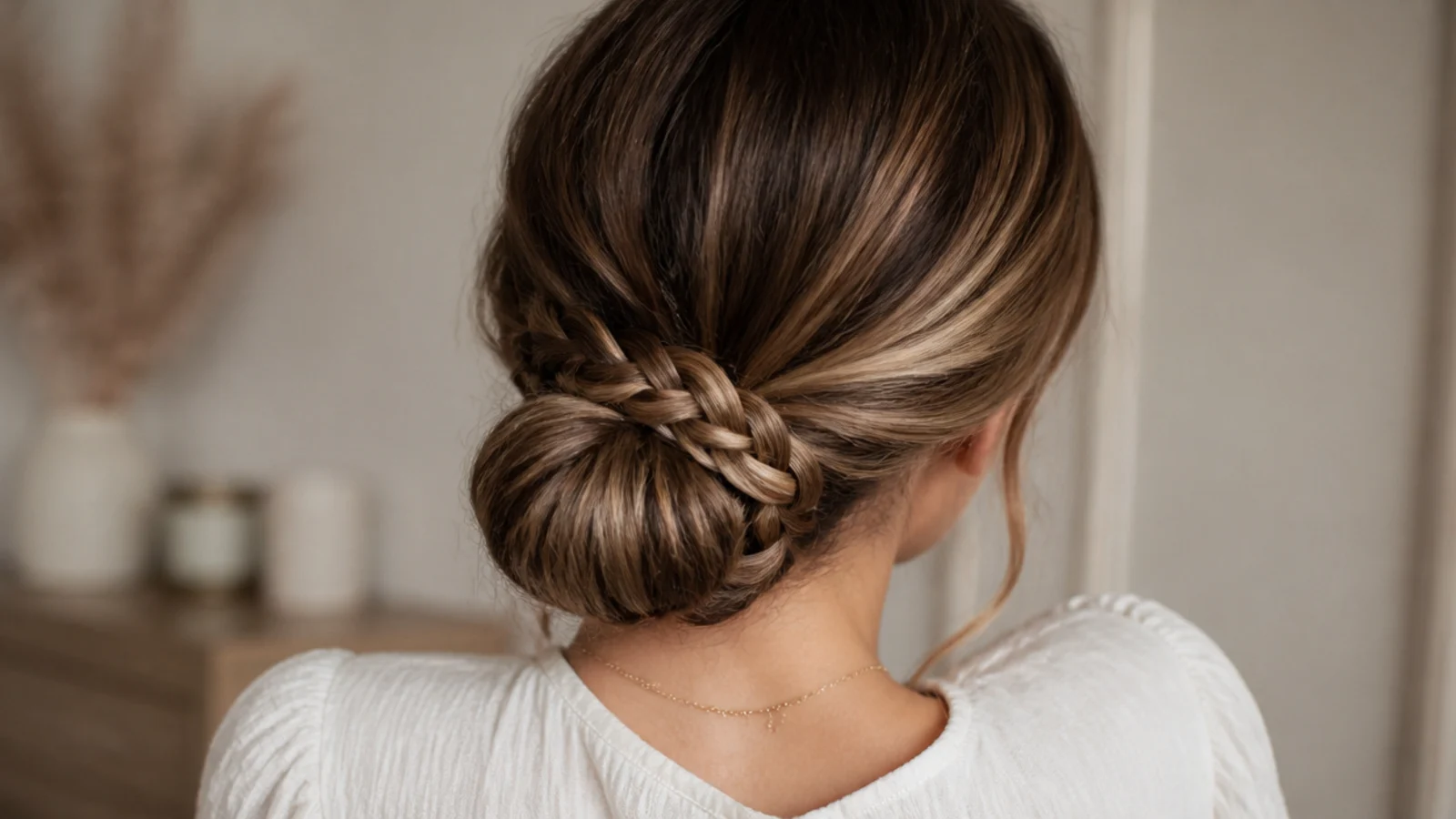
Braiding the length before you coil it gives long hair extra grip, so a braided wrap bun holds longer than a smooth one. Braid a low ponytail into a simple three-strand plait, then wind the braid around its base and pin. The braid texture stops the coil from slipping the way slick hair does, and it looks intricate for almost no extra skill. This is a strong pick for fine long hair that usually slides out of a plain bun by lunch.
Tug the braid a little wider before wrapping so the finished bun looks fuller and hides the base.
6. Half Up Bun for Long Hair
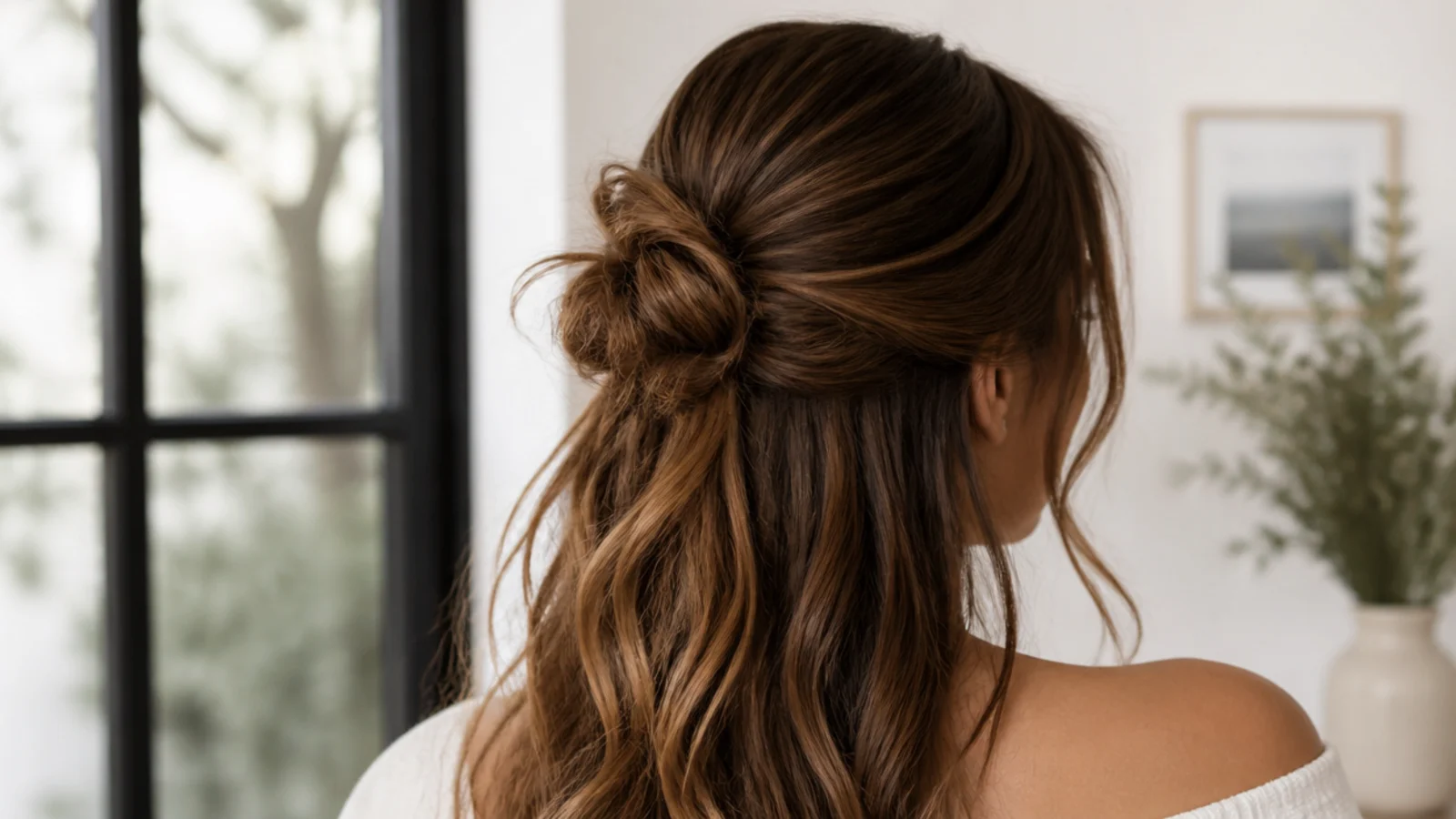
A half up bun for long hair keeps your length flowing while lifting the top away from your face, and it dodges the weight problem entirely because only the top section goes up. Take the crown and temple sections, twist them back, and coil into a small bun secured with an elastic and four to six bobby pins. Because it carries so little weight, it holds effortlessly all day. It is the most failproof style here for anyone whose full updos keep sagging.
Add a little height at the crown by pinching and lifting before you pin for a flattering shape.
7. Half Up Claw Clip Twist
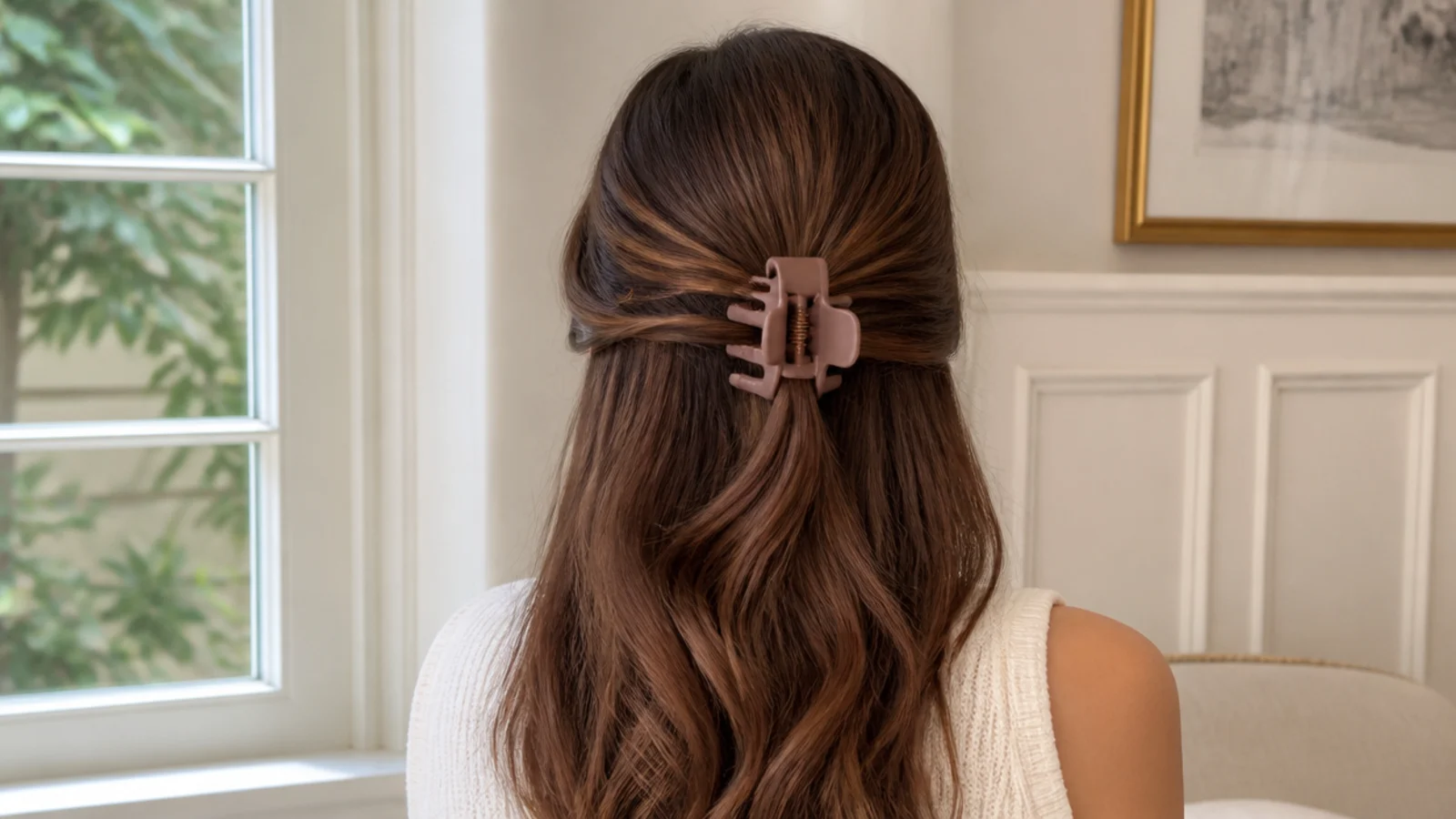
The half up claw clip twist takes ten seconds and, unlike a full claw clip updo, it actually holds on long hair because the clip only carries the light top section. Gather the crown, twist it once, fold the tail up and clamp a medium claw clip over the fold with the teeth biting into your scalp hair. The rest of your length hangs free. It is the effortless everyday option, close cousin to the quick styles in a 5-minute everyday hairstyle.
Pick a claw clip sized to your density; a clip that is too small pops open under thick hair.
8. Braided Crown (Milkmaid)
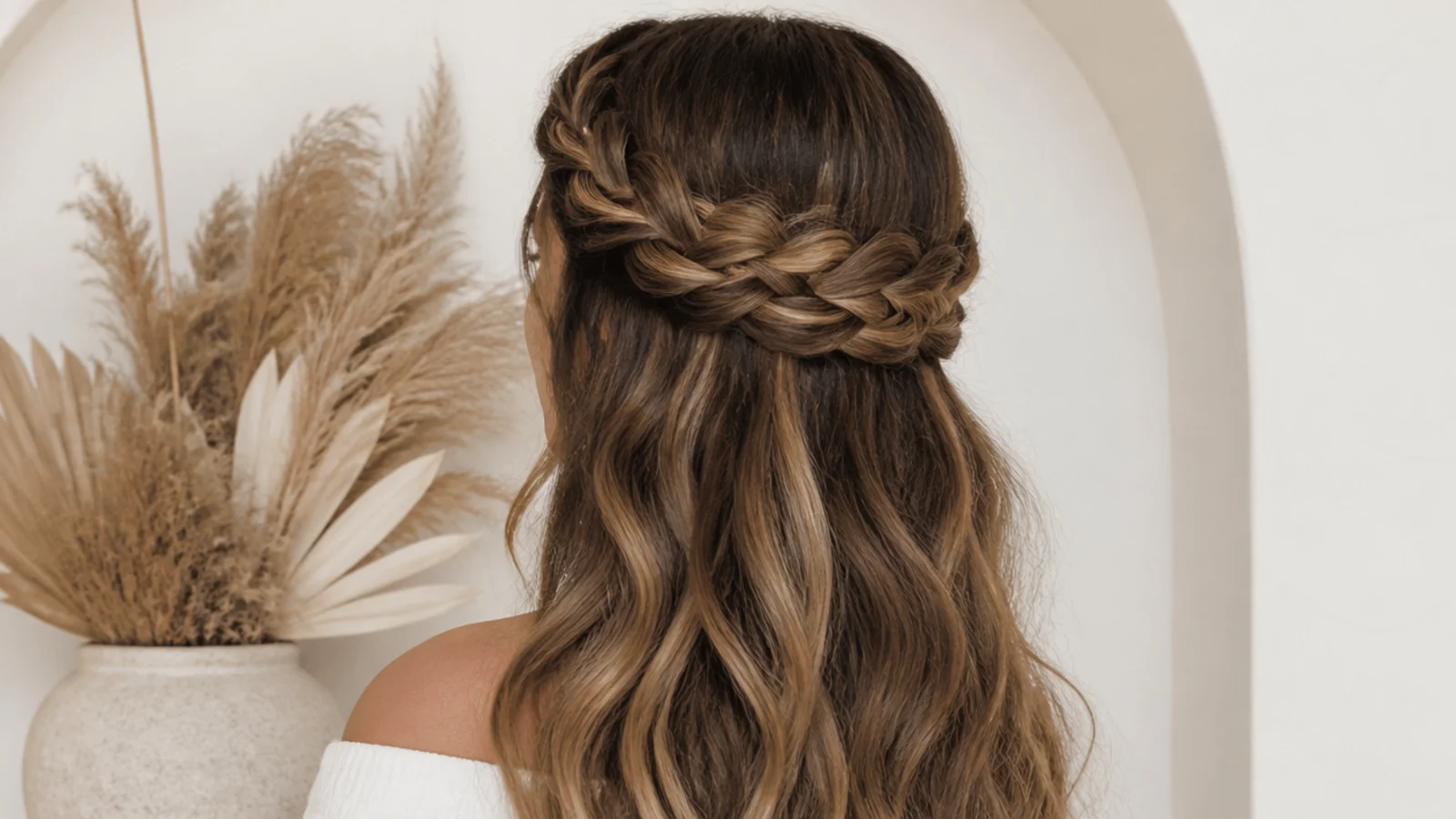
The milkmaid braid turns long hair into a crown that stays put because the braids are pinned flat to your head, not hanging under their own weight. Part down the middle, braid each side into a three-strand plait, then cross them over the top of your head and pin the tails underneath on the opposite side. Long hair is an advantage here; you need the length to reach across. It holds all day and keeps every strand off your neck in heat.
Pin each braid down every couple of inches, not just at the ends, so the crown does not droop.
9. French Braid Into a Low Bun
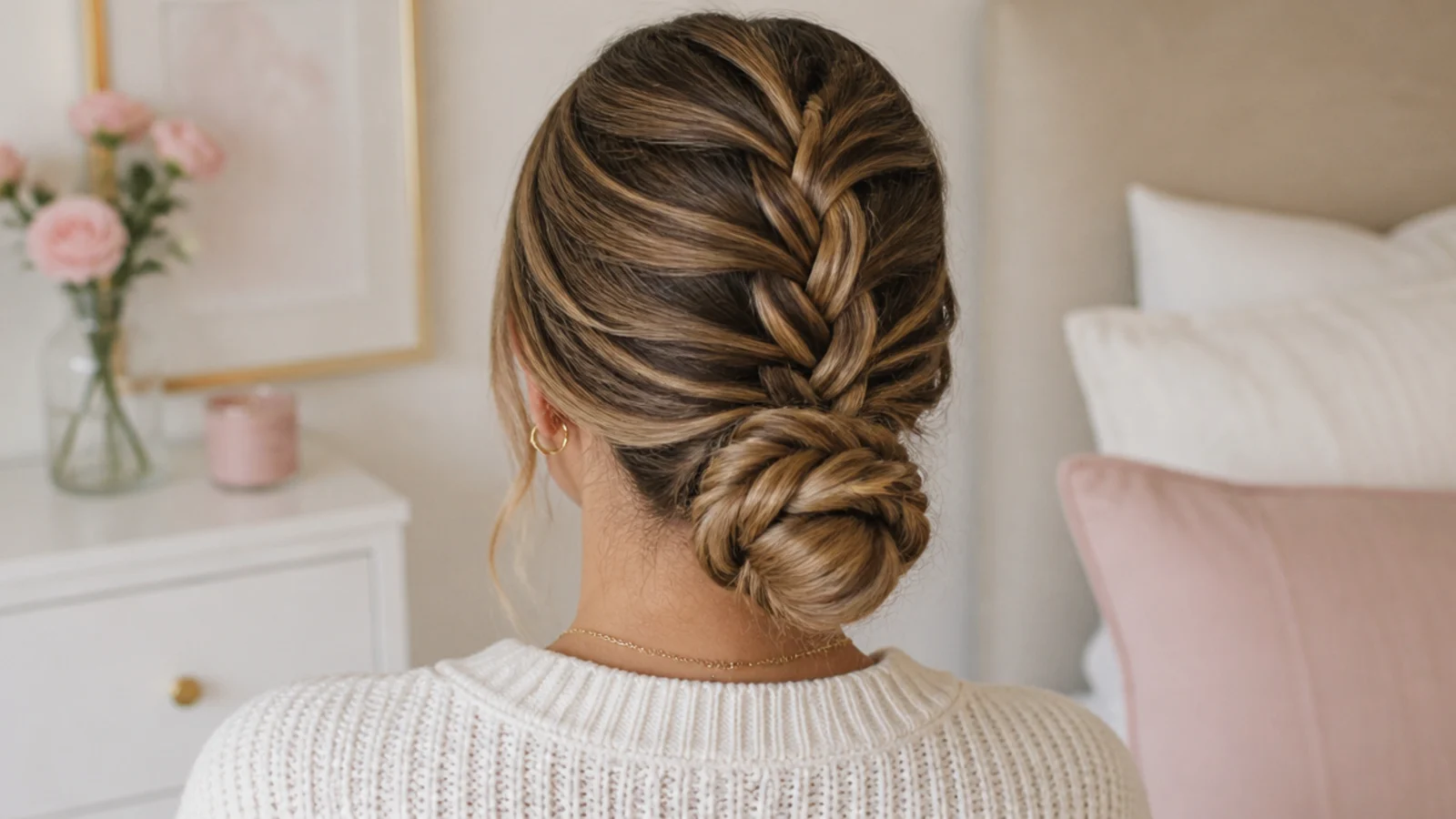
Starting with a French braid anchors an updo to your whole head, so a French braid into a low bun is one of the most secure styles for long hair. Braid from the crown down to the nape, then coil the remaining ponytail into a low bun and pin it. Because the braid grips the scalp along its length, the base cannot slide, and the bun only has to hold the tail. It survives a busy day and looks put-together for the office.
Braid slightly loosely so it looks soft and does not pull tight enough to ache by afternoon.
10. Fishtail Braid Updo
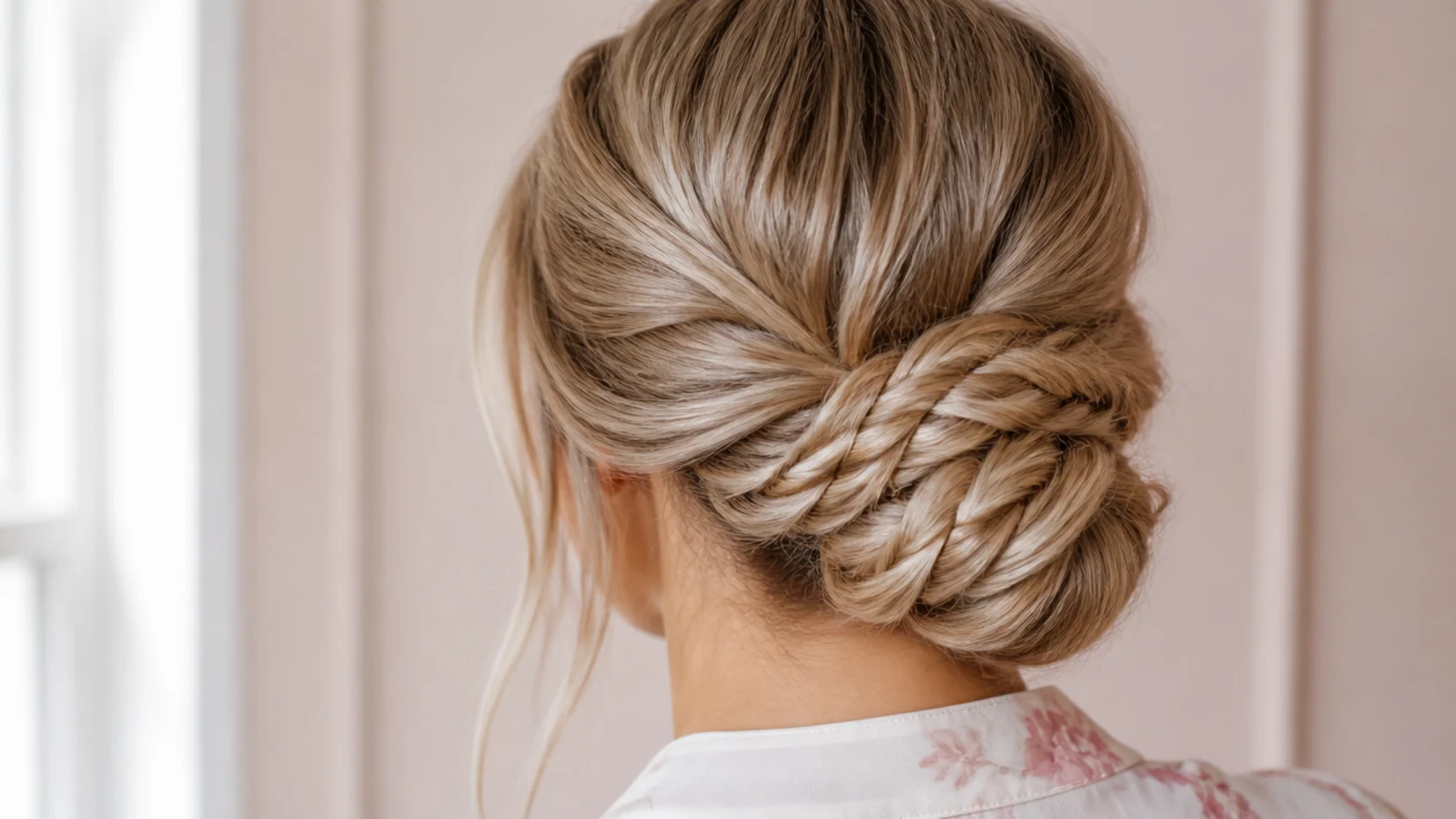
A fishtail braid uses long length beautifully and, tucked up, becomes a textured updo that holds all day. Fishtail a low ponytail, gently widen the braid, then fold it up on itself and pin it into a soft roll at the nape. The tight fishtail weave resists unraveling far better than a three-strand braid, so even fine long hair stays intact. It looks far more elaborate than the effort it takes and dresses up for events.
Mist the finished braid with light hairspray before you fold it so the texture stays crisp.
11. Dutch Braid Wrapped Bun
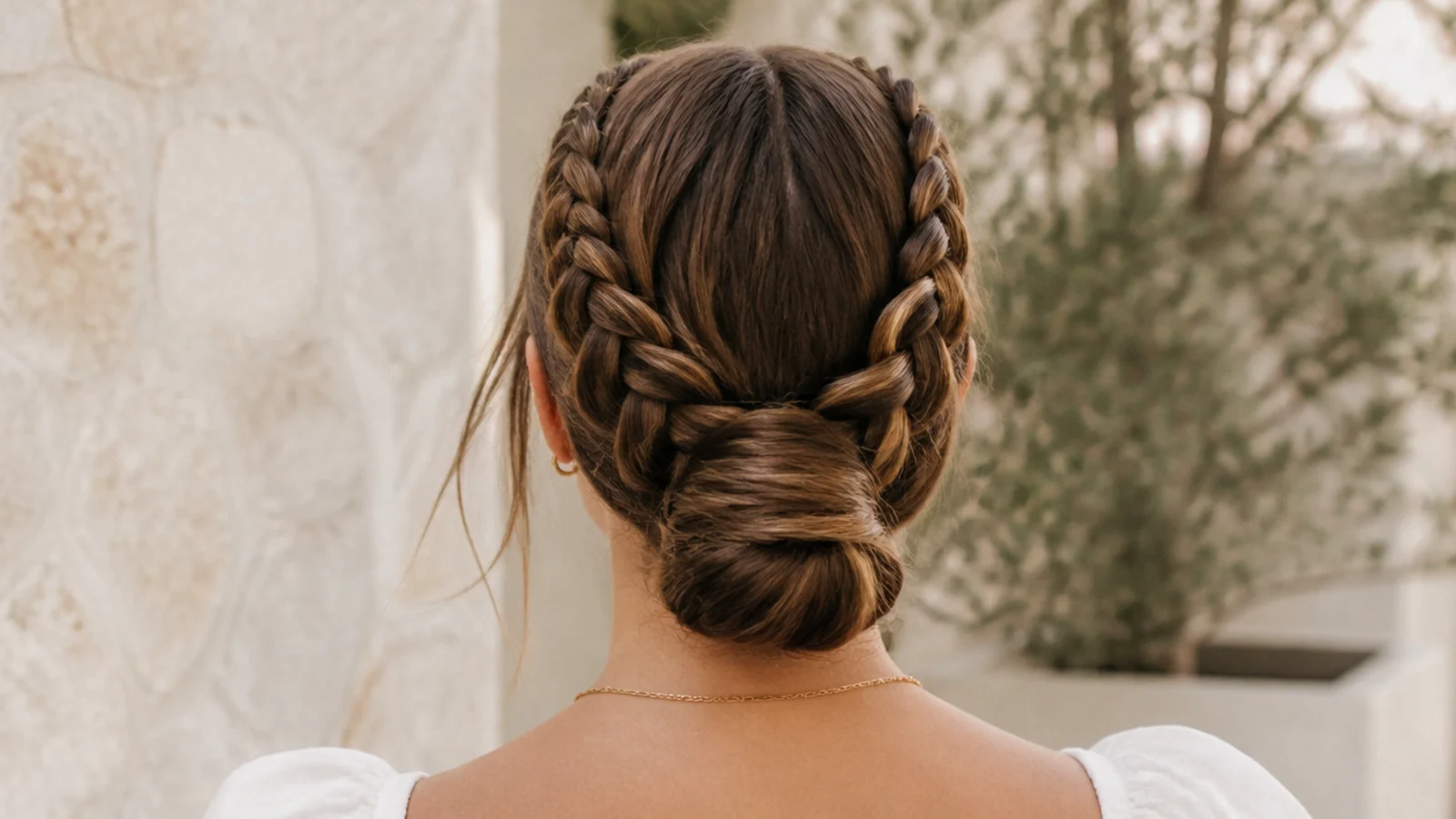
Two Dutch braids running back into a single low bun give long hair a sporty updo that will not budge through the gym or a long shift. The raised Dutch braids sit on top of the hair and grip the scalp firmly, so nothing works loose at the front. Braid each side to the nape, join into a ponytail, then wrap and pin into a bun. It keeps every strand controlled and off your face during activity, unlike the everyday looks over on /hairstyles.
Braid close to the scalp and pick up even sections so the braids stay tight all the way down.
12. French Twist (Vertical Roll)
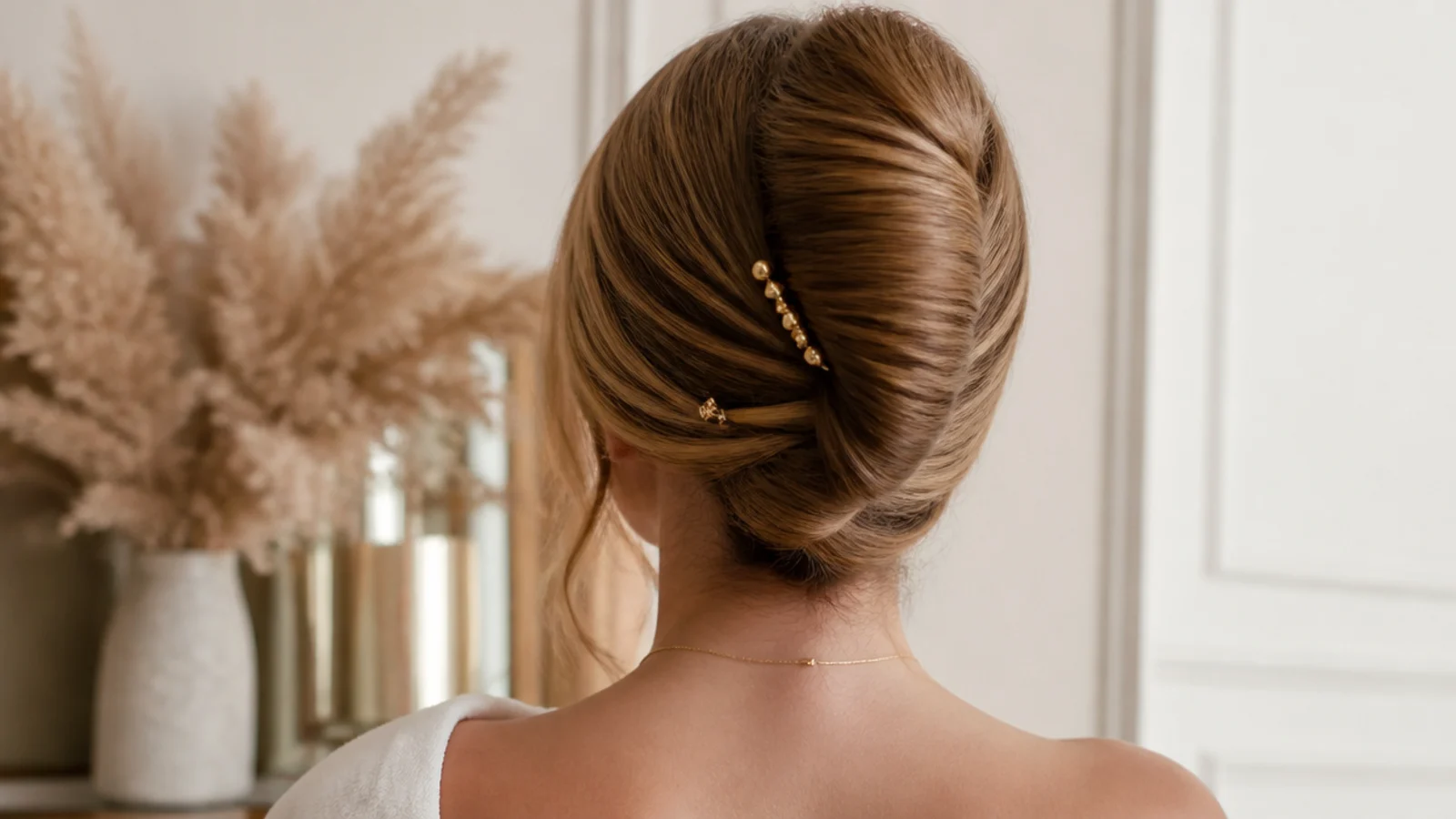
The French twist is the classic long-hair updo, and long hair actually rolls more easily than short because there is enough length to tuck fully. Gather the hair to one side, twist it upward into a vertical roll, fold the ends down inside, and pin along the seam with the pins hidden inside the fold. On thick hair use a fine-tooth comb tucked into the seam for extra anchoring. It is elegant, keeps your neck bare, and holds through a formal evening.
Pin into the twist, catching a little scalp hair, so the whole roll locks to your head.
13. Gibson Tuck (Roll and Tuck)
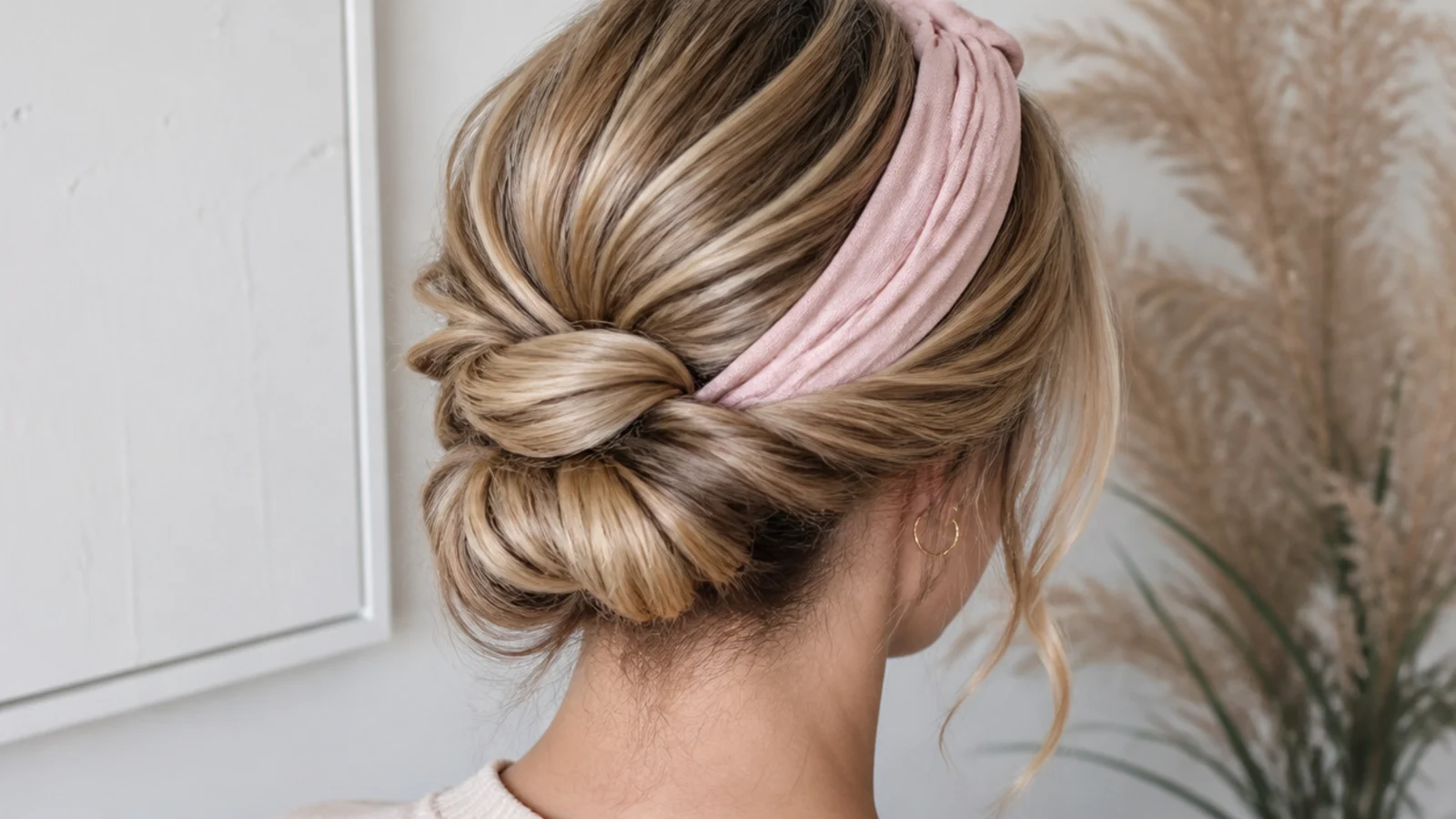
The Gibson tuck is the gentlest all-day updo because it barely uses tension. Slip a soft elastic headband over your head, make a low loose ponytail, then roll the length up and tuck it over and behind the band all the way around. The band, not tight pins, holds it, which makes this a top choice if updos usually give you a headache. It looks romantic and vintage and stays soft against your scalp for hours.
Loosen the tuck outward once finished so it looks full and relaxed rather than tightly wound.
14. Rolled Chignon Over a Hair Donut
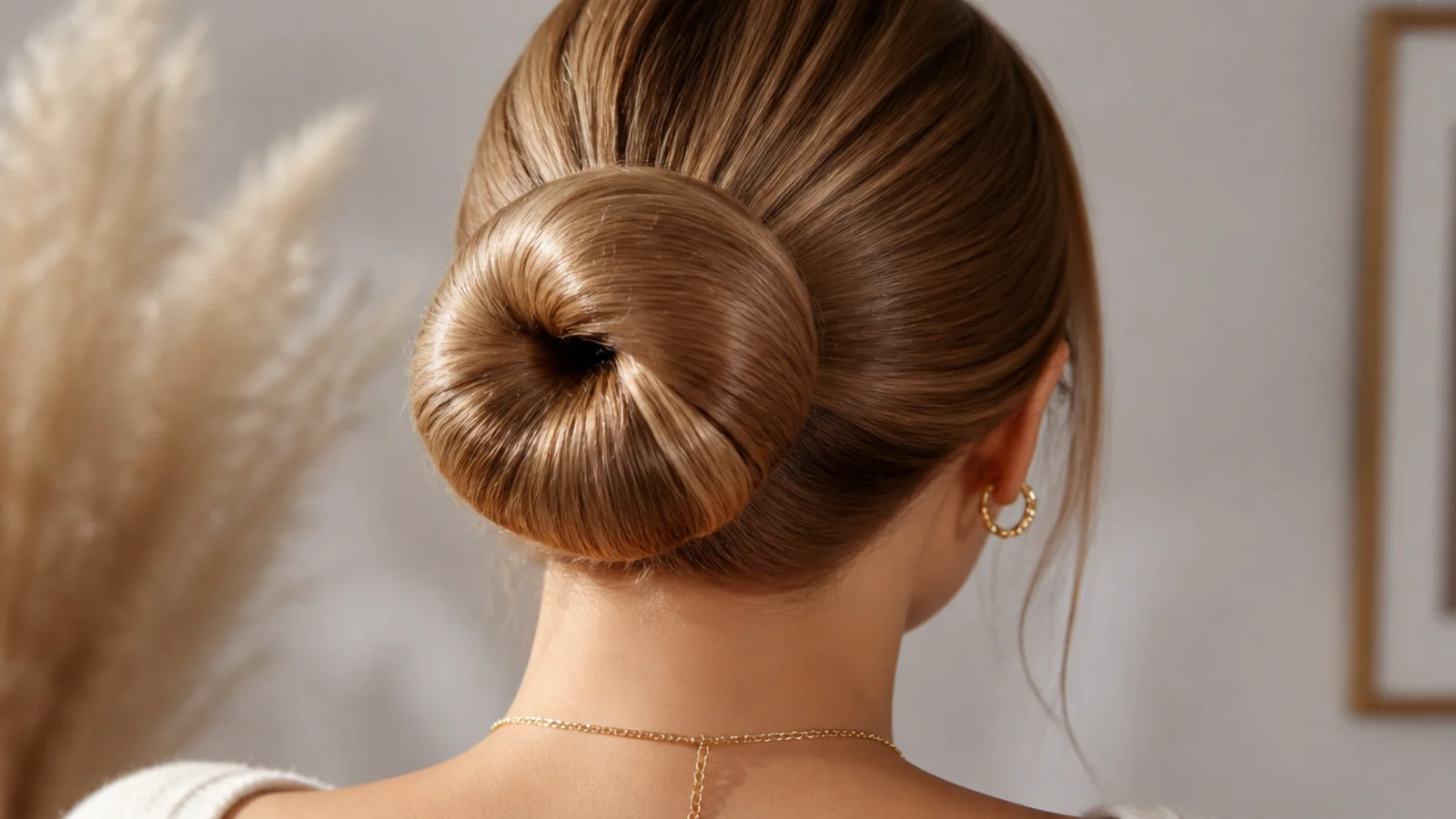
A hair donut solves the weight problem by giving long hair something light to wrap around instead of piling all the mass into one heavy knot. Pull a low ponytail through the donut, spread the length over the ring, tuck a small elastic over it, then wrap the loose ends around the base and pin. The foam ring carries the bulk, so your roots stay comfortable all day. It creates a full, smooth chignon that fine long hair could never build alone.
Match the donut to your hair color and size it to your thickness so it stays completely hidden.
15. Double Twisted Bun (Weight-Split)
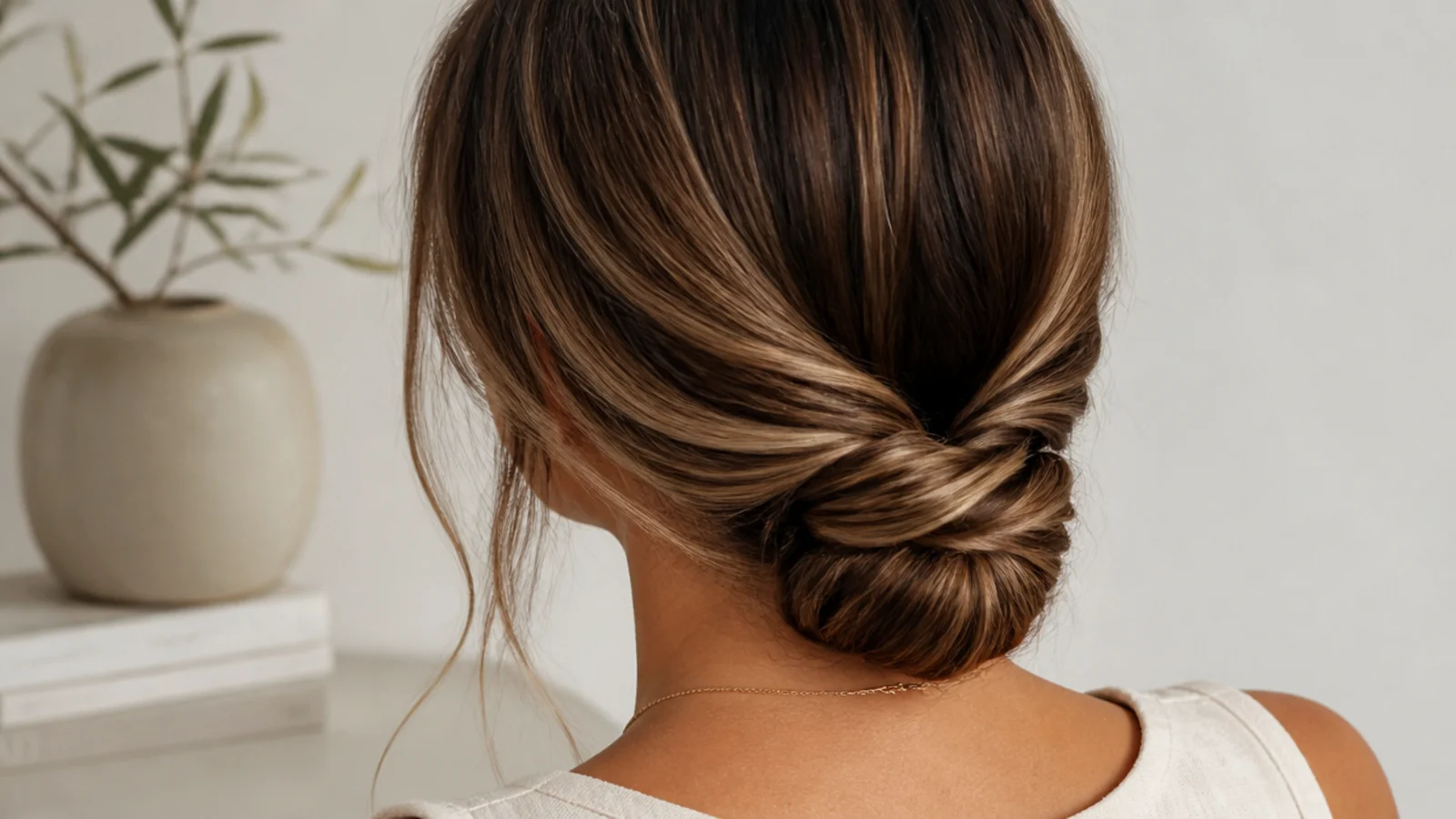
This is the weight-split trick as a finished style, and it is the answer for very long or very thick hair that unwinds every normal bun. Split a low ponytail into two equal parts, twist each into a rope, then wind them around the base in opposite directions and pin. Two coils spread the load across a wide base so no single point gets overloaded. It holds dramatically longer than one thick knot and looks like a deliberately textured bun.
Pin the seam where the two twists meet so they cannot rotate apart during the day.
16. Low Knotted Bun With Under-Pins
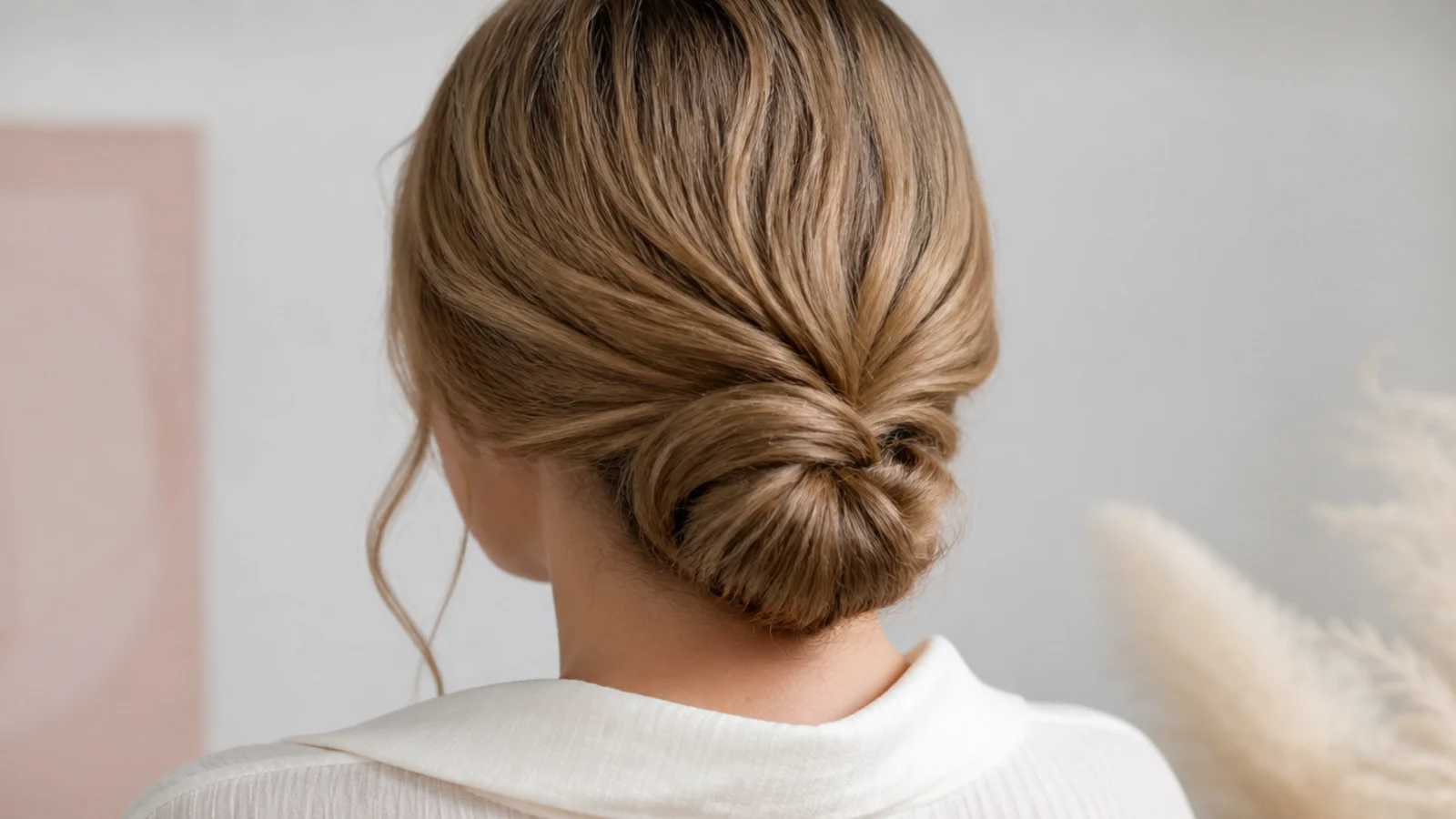
Knotting the hair before you pin it adds friction that keeps long, slippery hair from sliding loose. Split a low ponytail in two, tie the sections in a simple knot the way you start a shoelace, tie a second knot with the remaining length, then wrap the tails around and pin underneath. The knots do half the holding work, so you need fewer pins than a plain coil. It is a quiet, professional updo that lasts through the longest day.
Snug each knot down toward the scalp before pinning so the base sits flat and low.
17. Banana Clip Updo for Thick Hair
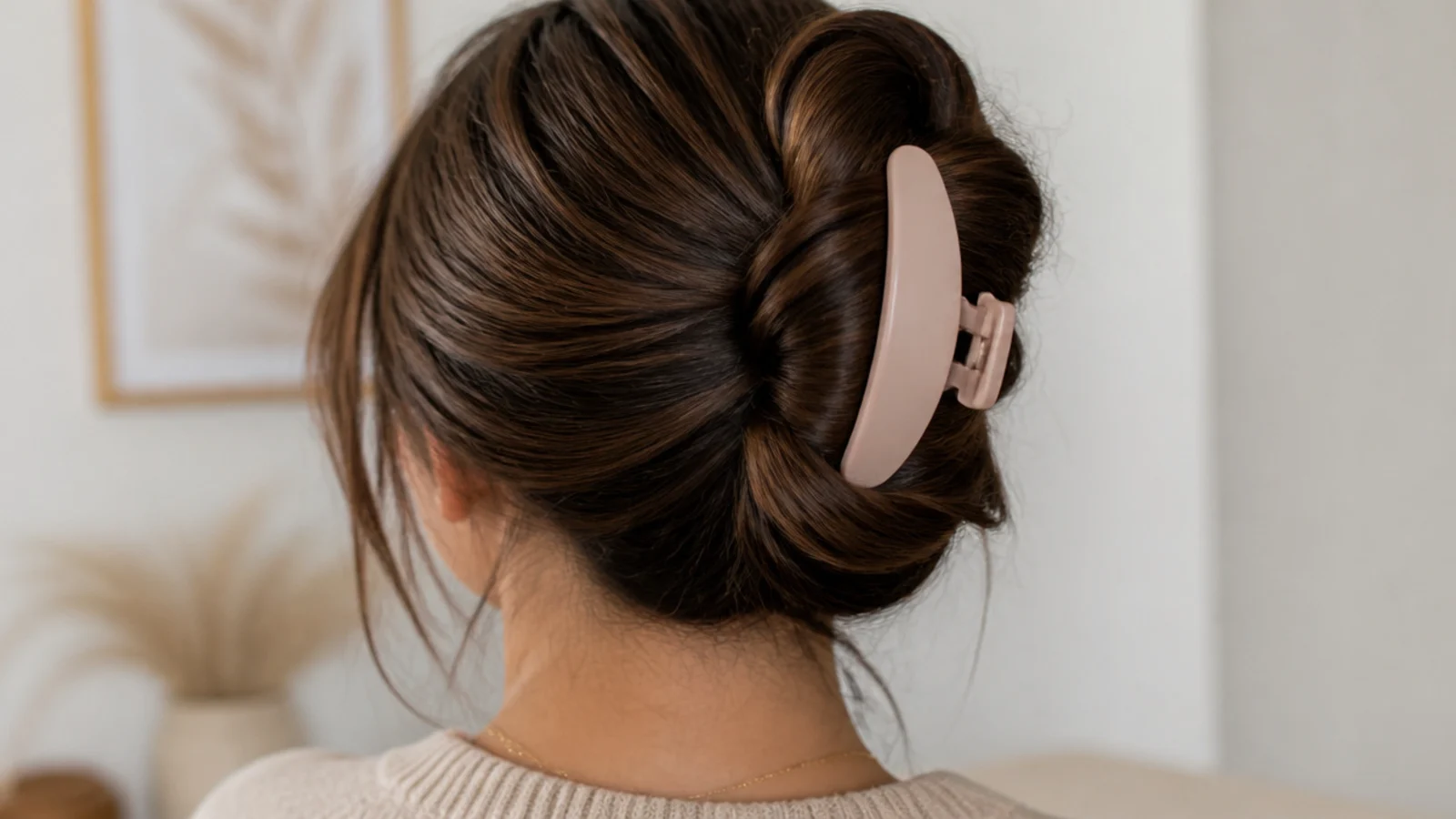
A banana clip is the underrated tool for thick long hair because it grips a wide vertical band of hair instead of one squeezed point. Flip your head, gather the length up the center of your head, and snap the curved clip closed so it hugs the scalp. It holds a lot of weight comfortably and distributes tension across the whole clip, so it rarely aches. Fold the tail up and pin it for a cleaner finish or leave it out for a soft cascade.
Buy a clip rated for thick hair; a flimsy one springs open under real long-hair weight.
18. Claw Clip Updo That Actually Holds
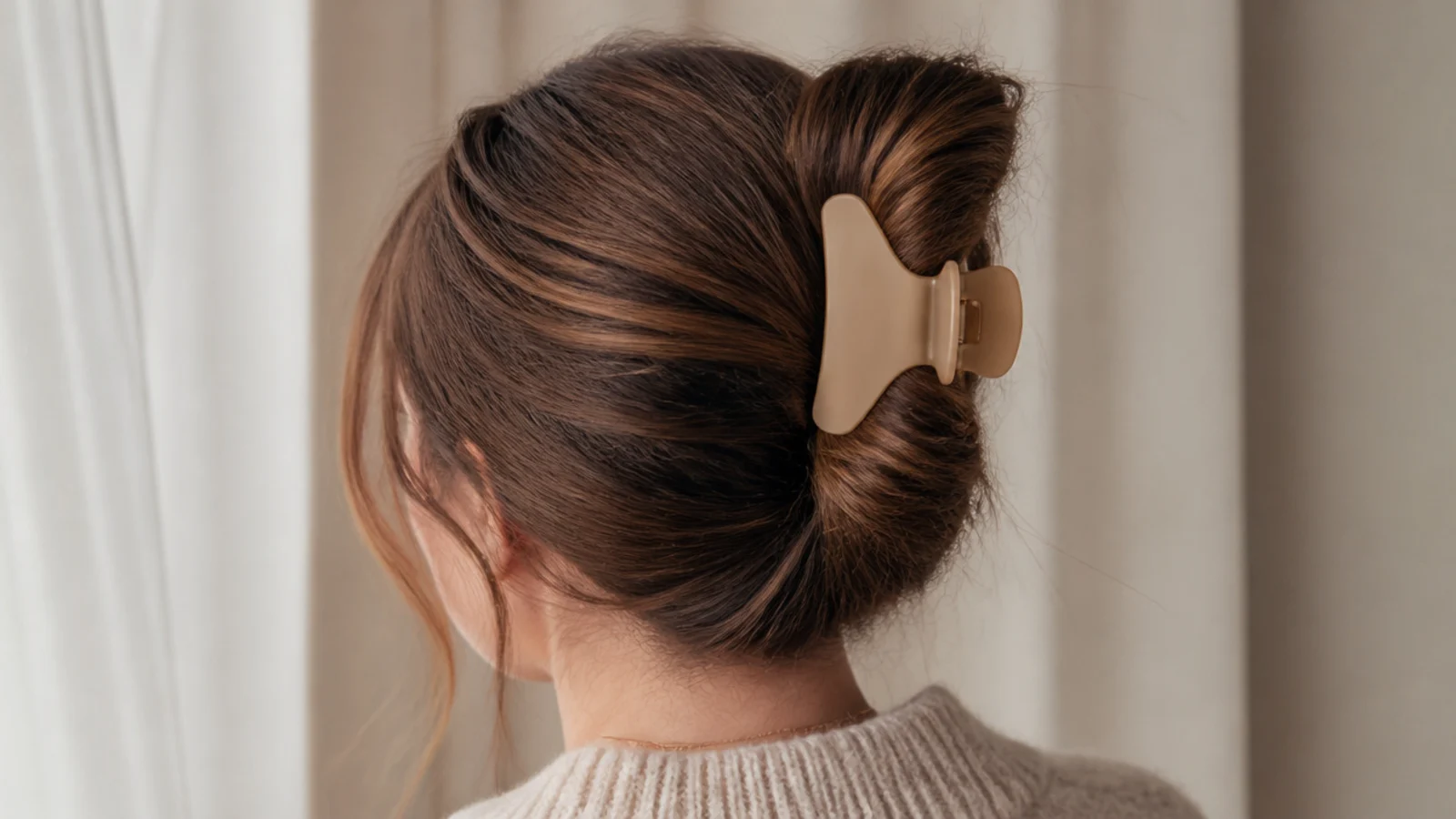
The claw clip updo is the most failure-prone style on long hair, but there is a way to make it hold. The mistake is clamping a smooth ponytail; the clip has nothing to bite. Instead, twist the full length into a rope, fold it up against your head, and clamp the clip so its teeth dig into the twist and catch a little scalp hair at the base. Use a large clip sized to your density. Done this way it holds for hours instead of sliding out in minutes.
Add one bobby pin under the clip on very thick hair as insurance against the afternoon slide.
1. Prep on Day-Two Hair With a Little Grip
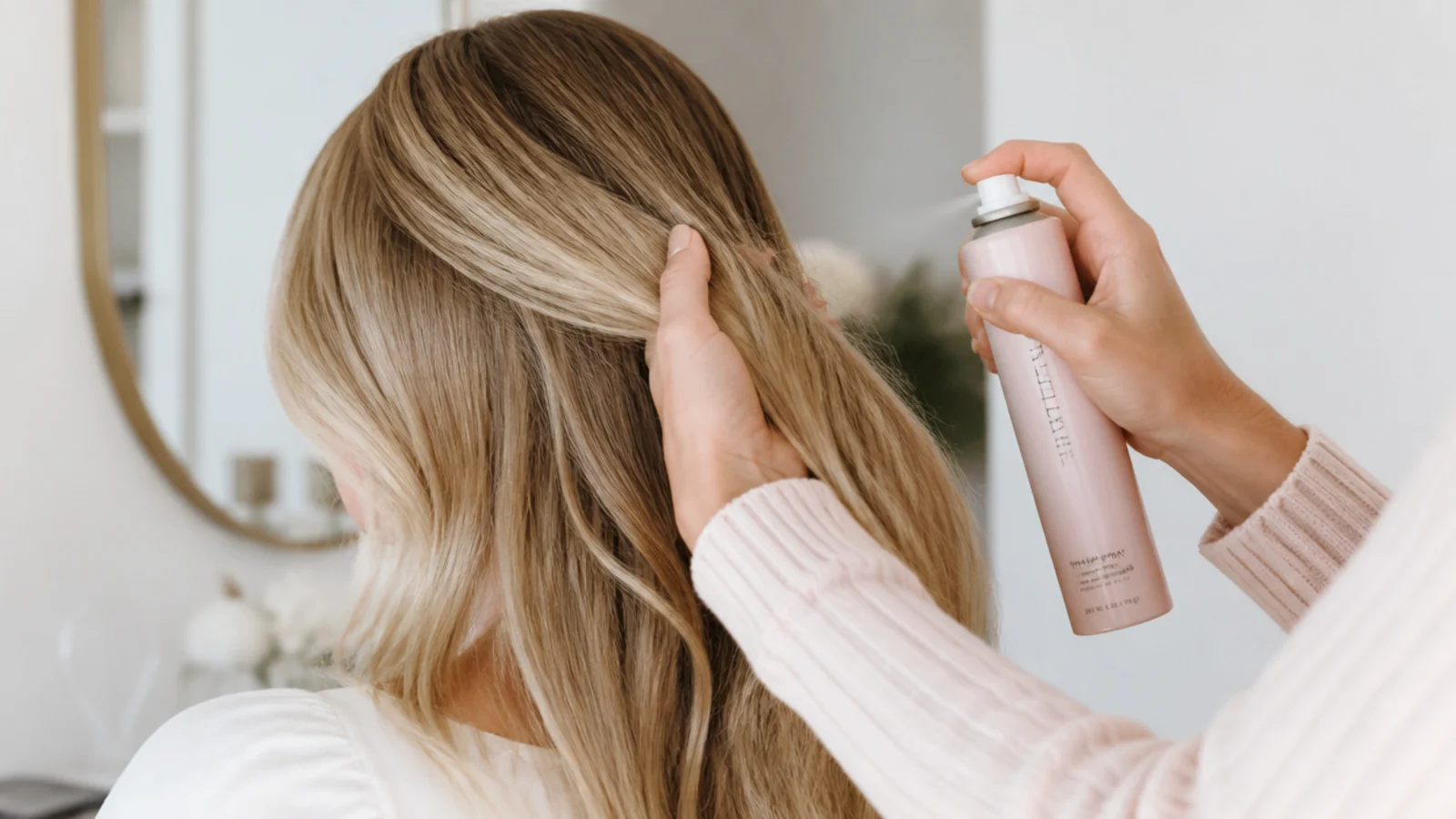
Freshly washed long hair is slippery, and slippery hair slides out of every updo by noon. If your hair is clean, mist texture spray or a light dry shampoo through the mid-lengths and roots and scrunch it in, or work in a pea of styling cream. Day-two hair already has the grip you want. Brush out tangles so the length moves as one piece, not as clumps that shift and loosen the base.
Common mistake: Building an updo on soft, slick, just-washed hair, which has nothing for pins to bite into.
Pro tip: A boar-bristle brush distributes natural oil down the length so it grips without looking greasy.
2. Set the Anchor Low, Never High and Tight
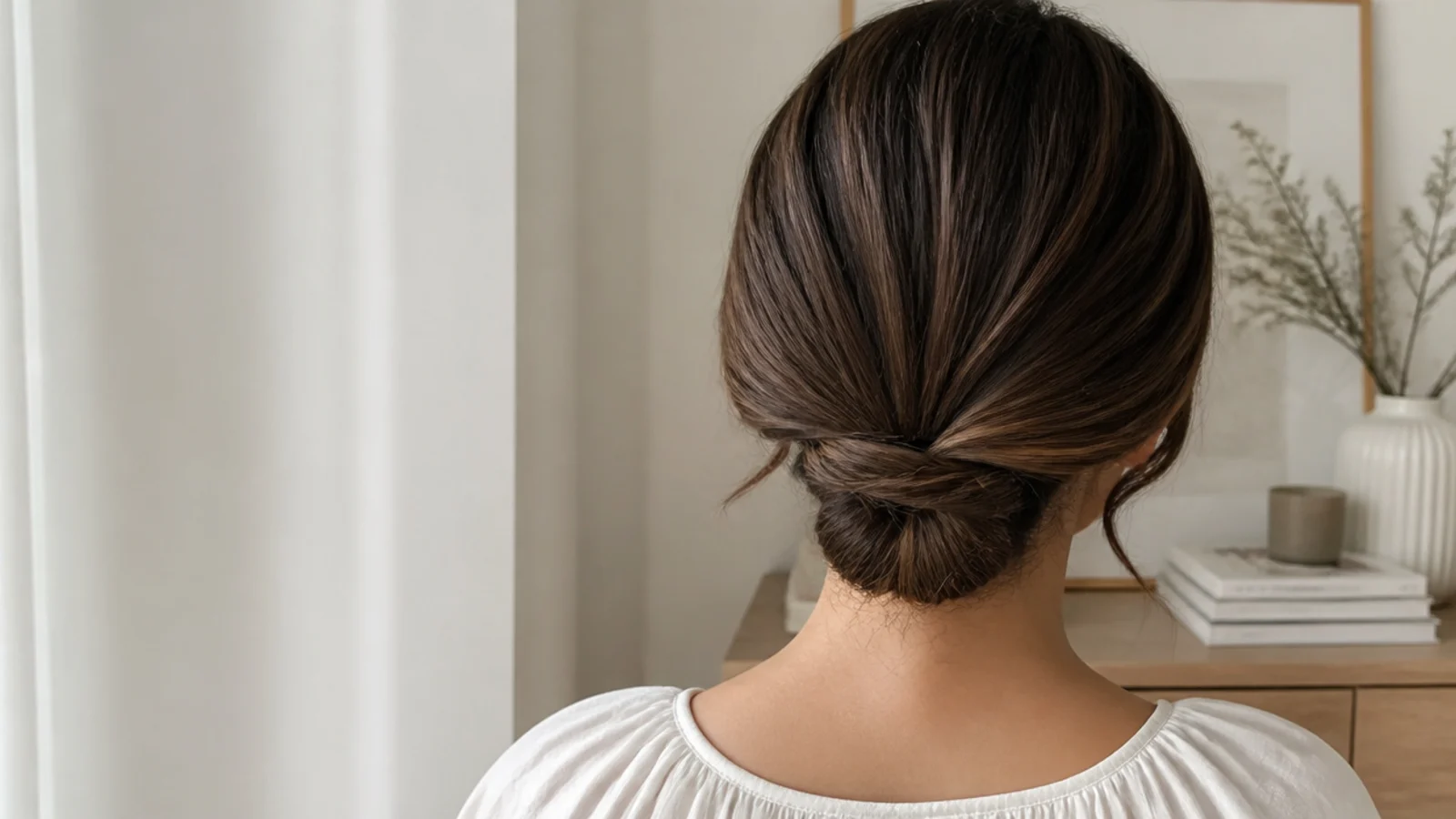
Decide where the bun or twist will sit and keep it at or below the occipital bone, the round ridge at the back of the skull. A low anchor lets the skull carry the weight instead of the elastic dragging on your roots all day. Gather the hair there with your fingers, not a tight brush-back, leaving a little softness at the hairline so the style does not pull.
Common mistake: Yanking everything into a high, tight base, which is the number-one cause of the afternoon updo headache.
Pro tip: If your scalp aches within an hour, the anchor is too high or too tight; take it down and redo it lower.
3. Split Heavy Length Into Two Sections
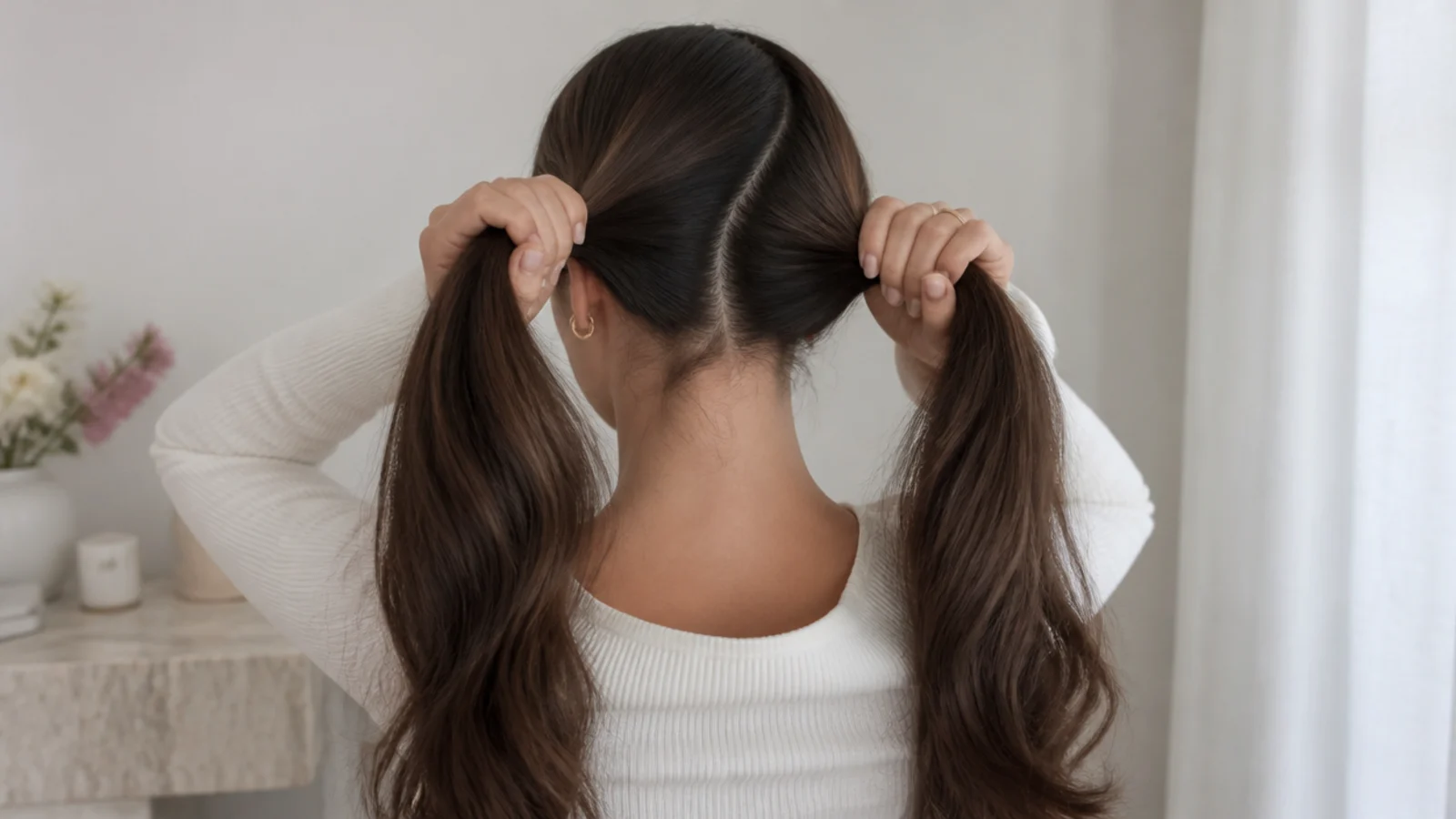
For thick or very long hair, do not twist all of it into one rope; the weight will unwind itself. Split the ponytail into two equal sections and twist each one separately before wrapping. Two smaller coils distribute the load across a wider base and hold far longer than one heavy knot fighting a single elastic.
Common mistake: Wrapping one thick rope into a bun, which pops the elastic or sags within the hour under its own weight.
Pro tip: Cross the two twists in opposite directions as you wrap so they lock against each other.
4. Wrap and Pin From Underneath
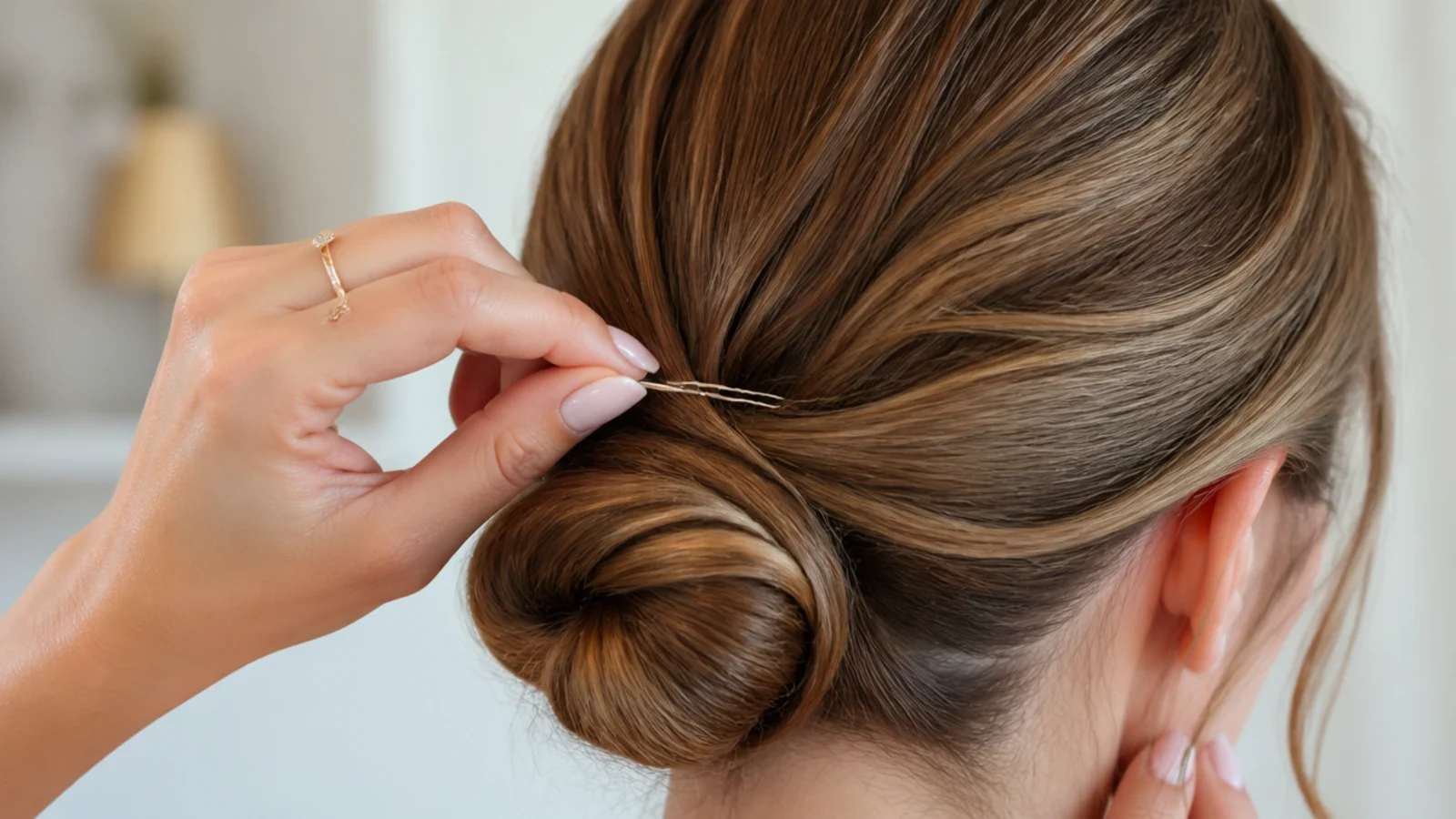
Wrap the twisted length around the base and pin the underside first, catching a bit of the scalp hair with each pin so the pin anchors into your head, not just into the bun. Push each open bobby pin in ridged-side-down, aiming the tip toward your scalp, then rock it flat. Pins that only grab the bun will lift out the moment the weight shifts.
Common mistake: Sliding pins in flat along the surface, where they hold the bun to itself but not to your head.
Pro tip: Cross two pins into an X at the heaviest point for a lock that outlasts a dozen single pins.
5. Use the Right Number of Pins for Your Density
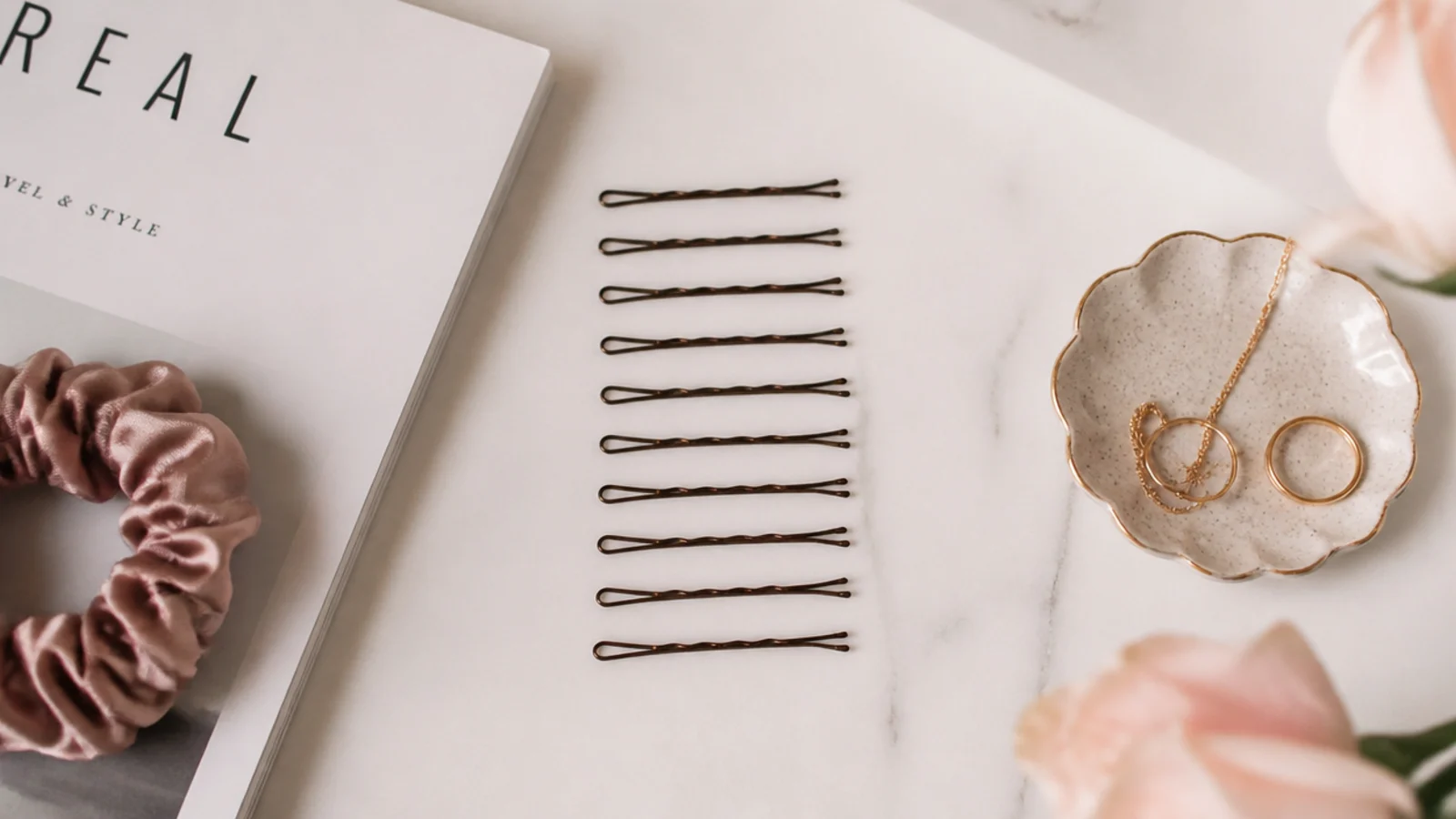
Fine long hair holds a chignon on 6 to 10 bobby pins; medium takes 10 to 14; thick or waist-length needs 14 to 20, plus a pair of spin pins as the main anchor. Under-pinning is why buns fall. Place pins around the whole base, not clustered on one side, and add two at the crown of the bun to stop the top from flopping forward.
Common mistake: Copying the four-pin tutorial, which was filmed on short, fine hair and will not hold your length.
Pro tip: Match pin color to your hair so you can use as many as the weight needs without them showing.
6. Lock the Base and Tame Flyaways
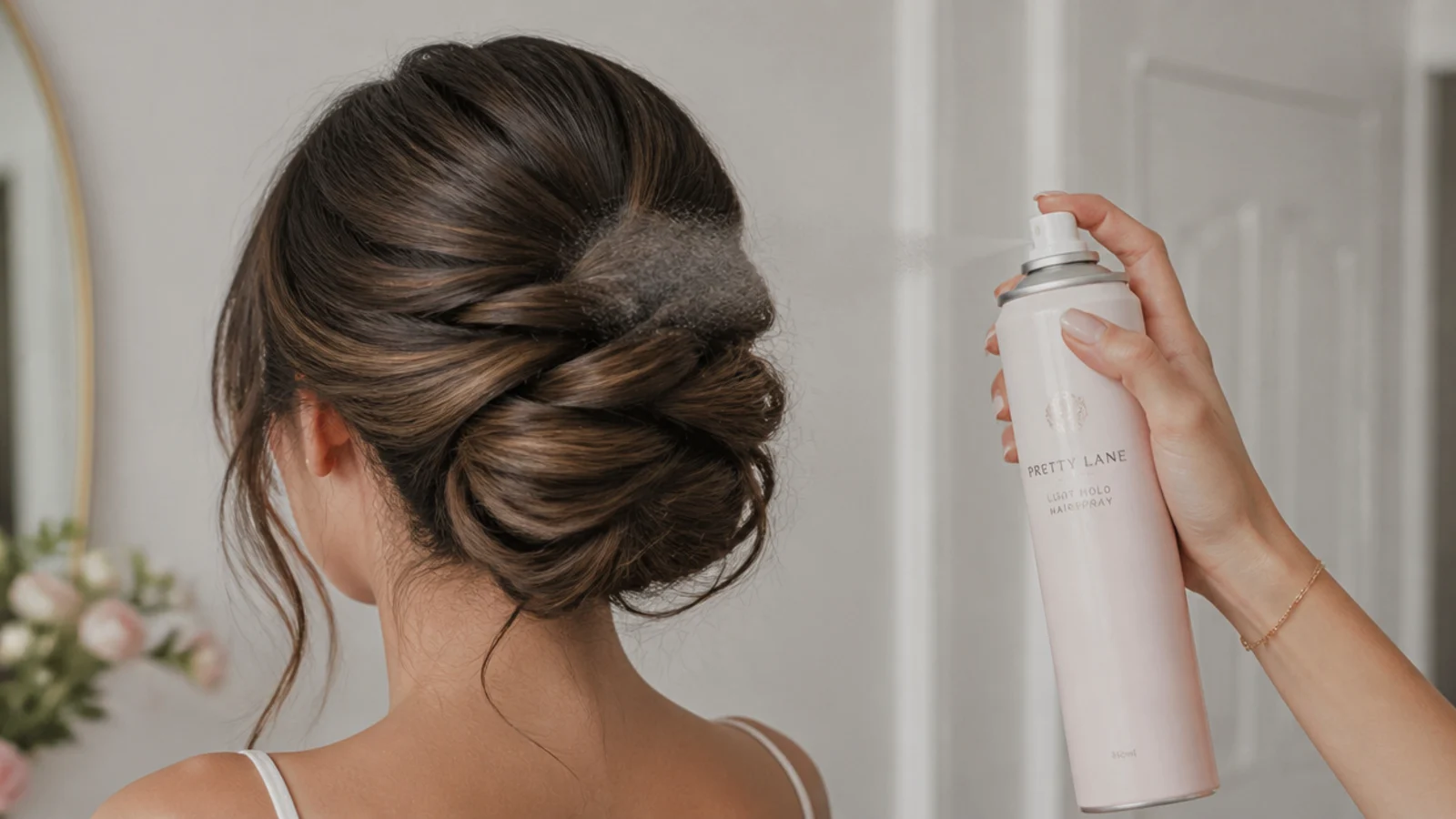
Mist light-hold hairspray over the whole base and lightly at the hairline, then smooth flyaways with a clean mascara wand or a drop of oil on your palms. Give it thirty seconds to set before you touch it again. A flexible hold keeps the shape without the crunchy helmet that makes an updo look dated.
Common mistake: Drowning the style in stiff hairspray, which looks brittle and still fails because it never fixed the base.
Pro tip: Hairspray the bobby pins before you insert them and they grip noticeably better all day.
7. Do a Movement Test Before You Leave
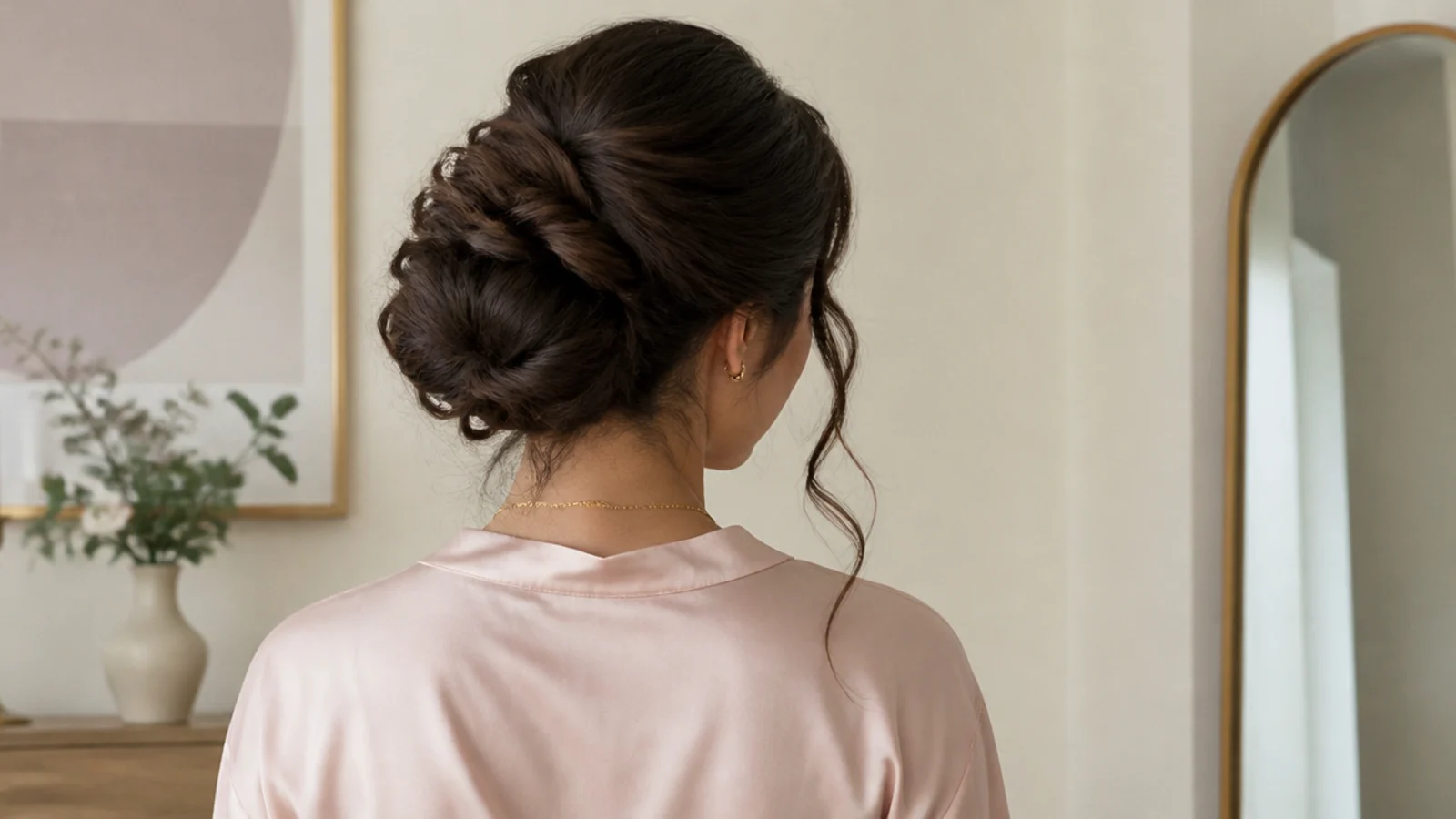
Shake your head gently, turn side to side, and tip forward once. Anything that shifts loose you want to find now, not at 3pm. If a section drops, add a crossed pin there. If the whole bun sinks, your anchor was too low or the elastic too loose; tighten and re-pin. A ten-second test saves a midday redo.
Common mistake: Trusting a bun you never stress-tested, then discovering it was loose only after it has already fallen.
Pro tip: Keep two spare bobby pins and a small elastic in your bag for a five-second fix if anything slips.
How Many Bobby Pins a Chignon Actually Takes
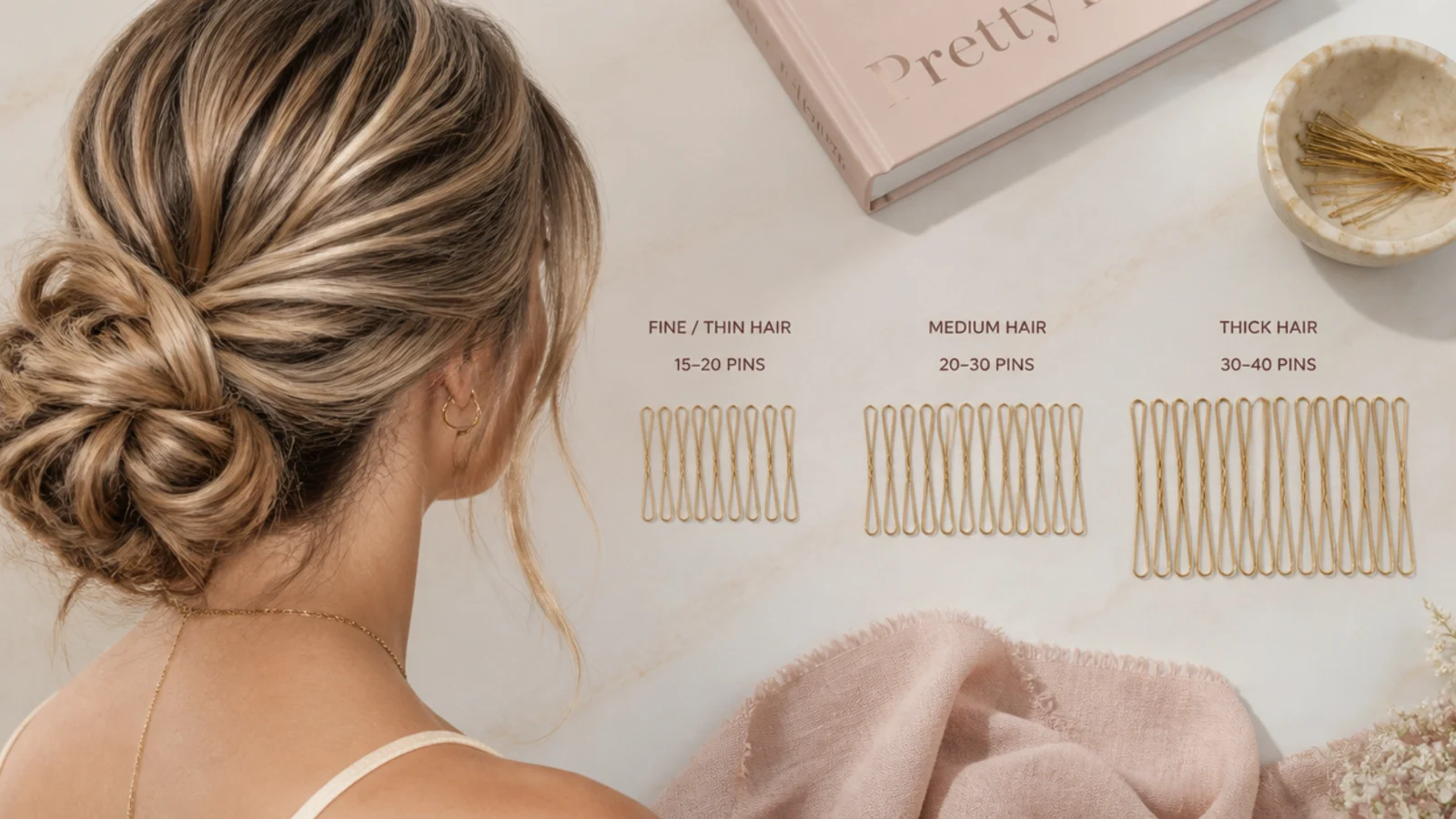
The four-pin tutorial is a lie for long hair. Those videos are filmed on short, fine hair, and long hair weighs far more, so it needs far more anchoring. As a working rule, fine long hair holds a chignon on 6 to 10 bobby pins, medium takes 10 to 14, and thick or waist-length hair needs 14 to 20, ideally with a pair of spin pins doing the heavy structural work first. The reason is simple physics: each pin can only hold so many grams before the weight levers it out, so you add pins until the load is shared. Place them evenly around the entire base rather than clustering them on one side, and slide each one in ridged-side-down so the wavy edge bites the scalp hair. Do not ration your pins to make it look neat; match your pin color to your hair and use as many as the weight actually needs. Under-pinning, not bad technique, is the single most common reason a long-hair chignon collapses by lunch.
Why Your Updo Gives You a Headache and How to Fix It
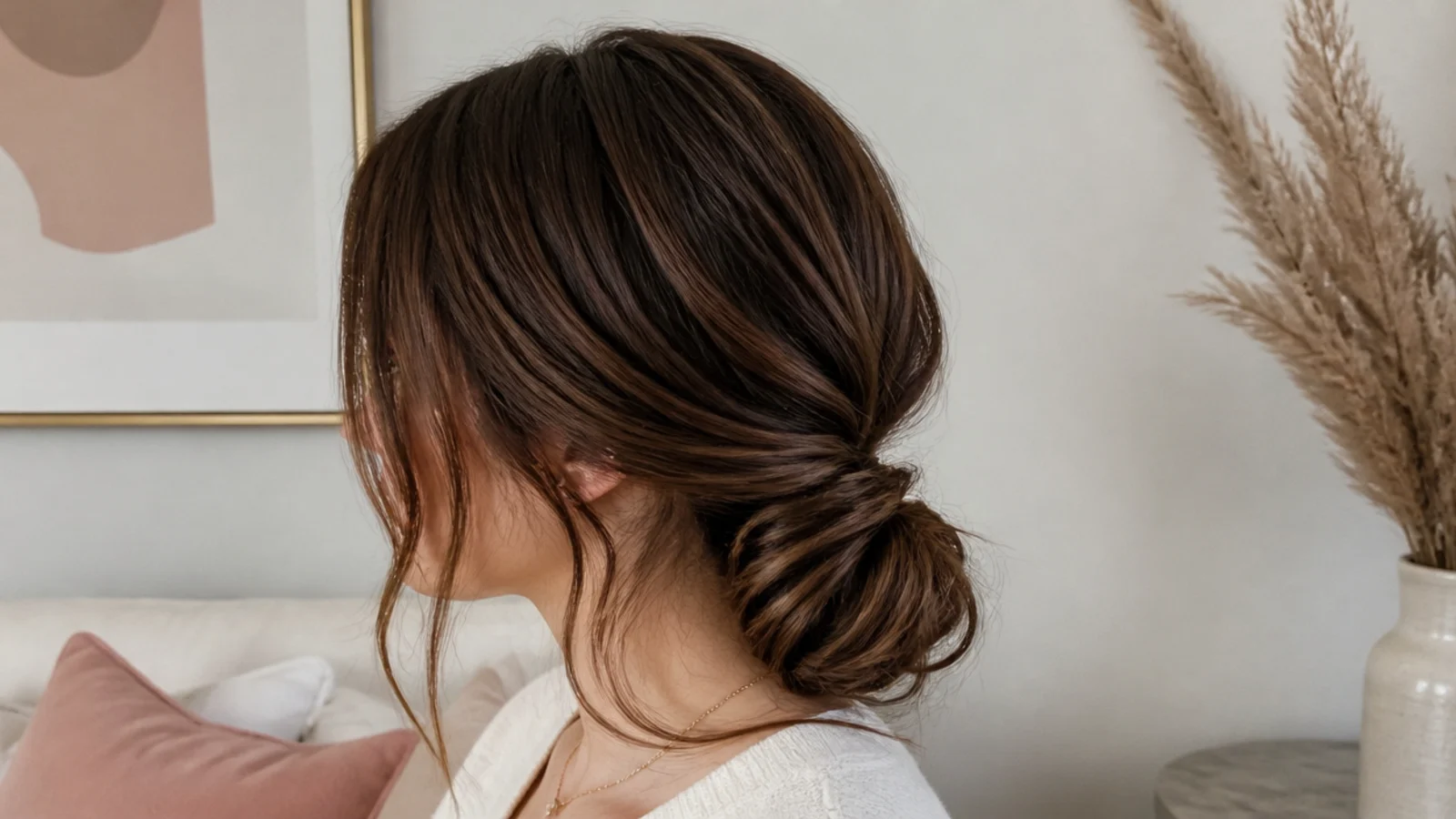
An updo headache is a real tension headache, caused by hundreds of hairs pulling on the nerve-rich scalp all at the same angle for hours. Two things cause it: an anchor point that sits too high, so the full weight of your long hair hangs and drags, and a base pulled so tight that the follicles themselves are under strain. The fix is to lower and loosen. Drop the bun to the nape or the occipital bone so the skull carries the weight instead of your roots. Gather the hair with your fingers rather than raking it tight with a brush, and leave a little softness at the hairline. Use more pins spread wide rather than one savagely tight elastic, since distributed hold aches far less than a single pressure point. Styles like the Gibson tuck and a soft low chignon are the gentlest options. If your scalp is sore within an hour, that is your signal to take it down and rebuild it lower - the ache never improves on its own.
The Weight Problem: Keeping Thick Long Hair Up All Day
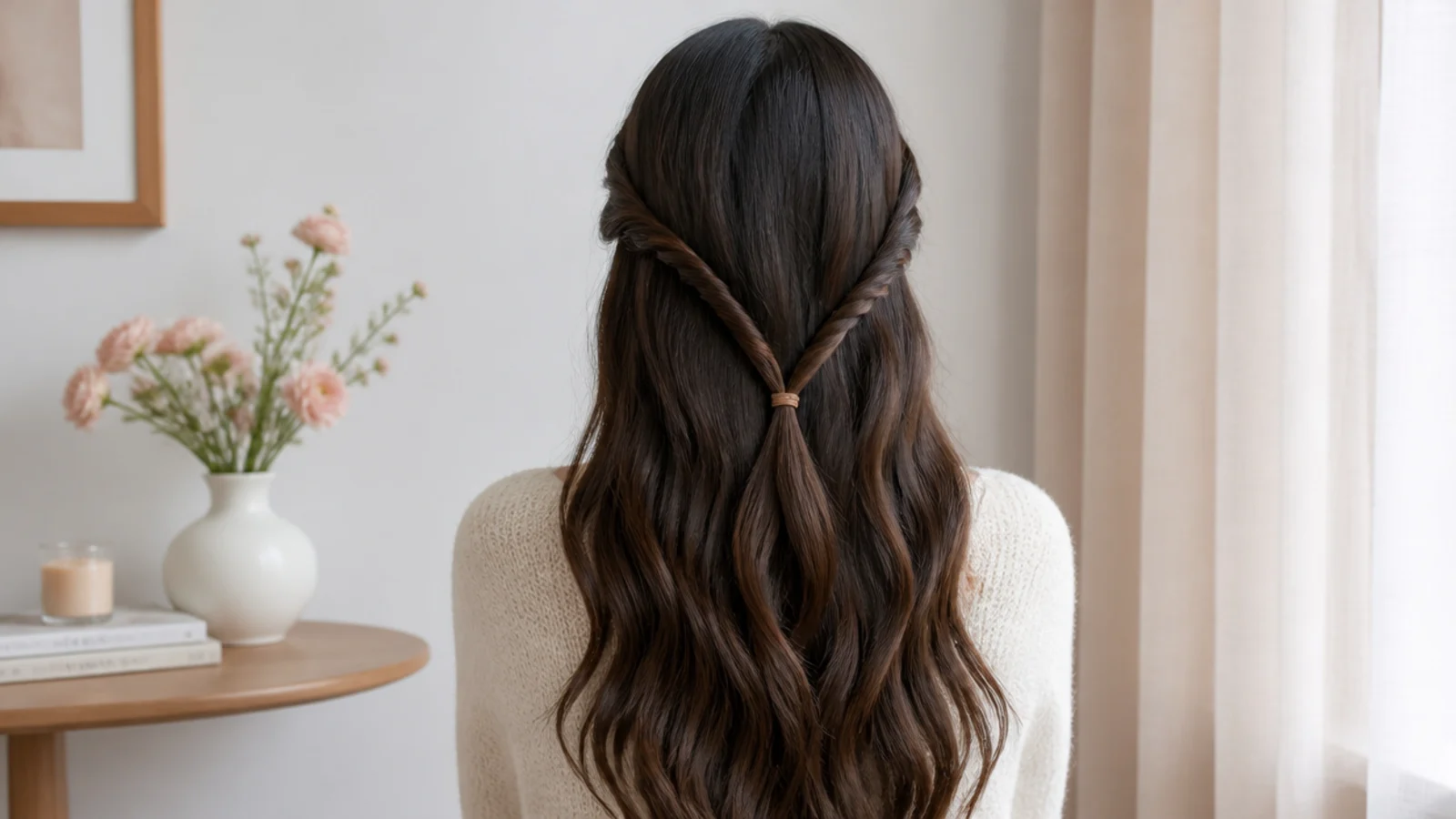
Long thick hair fails updos for one reason: mass. A single coil concentrates all that weight at one point, and the moment you move, gravity levers the whole knot downward until the elastic slips or the pins pop. The professional fix is to split the weight. Divide the length into two or more sections, twist or braid each separately, and wrap them around the base in opposite directions so they brace against one another across a wide anchor. Every extra section spreads the load. Tools that carry bulk help too: a hair donut or a foam roll gives the hair something light to wrap around instead of stacking mass on itself, and a banana clip grips a wide vertical band rather than one squeezed point. Braiding before you coil also adds friction that resists slipping. If you have genuinely heavy hair, treat one elastic as never enough and always back it with 12 or more pins or a pair of spin pins. The double twisted bun style above is built entirely around this principle.
Fine vs Thick Long Hair: Different Pin Strategies
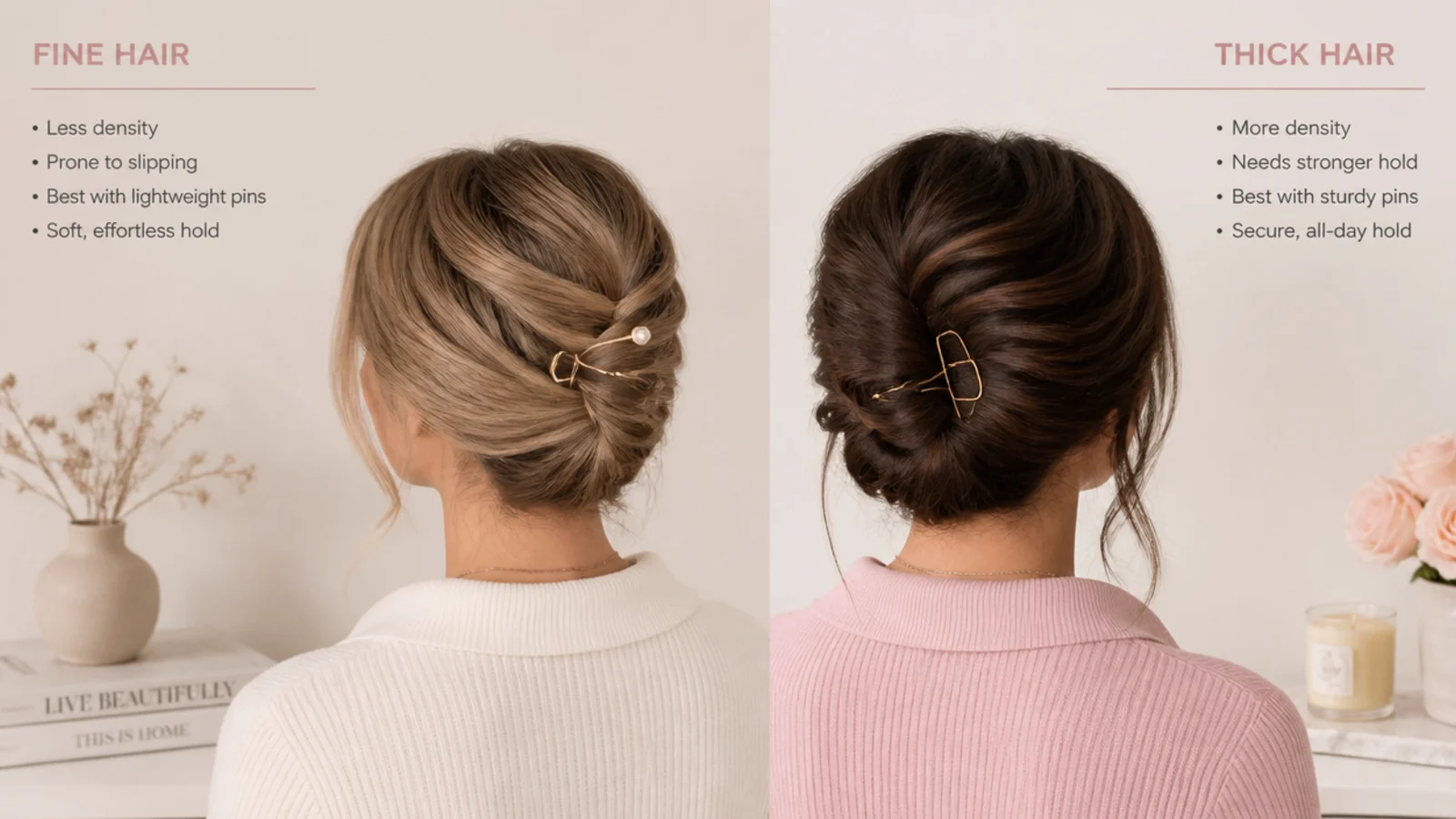
Fine and thick long hair fail updos in opposite ways, so they need opposite strategies. Fine long hair is light but slippery; it does not overload pins, it simply slides out from under them because there is nothing to grip. The fix for fine hair is texture and friction: build on day-two hair, add texture spray or dry shampoo for grip, braid or knot before coiling, and use a hair donut to fake fullness. You need fewer pins than you would guess, but they must catch scalp hair to hold. Thick long hair is the reverse: it grips fine but the weight overwhelms any single anchor. The fix there is distribution: split the weight, use spin pins and banana clips built for density, and never trust one elastic. A claw clip that holds thick hair will slide straight out of fine hair, and a pin count that secures fine hair will leave thick hair sagging. Know which problem you have before you pick a style, and half the battle is already won.
Troubleshooting: Slipping, Sagging and Flyaways
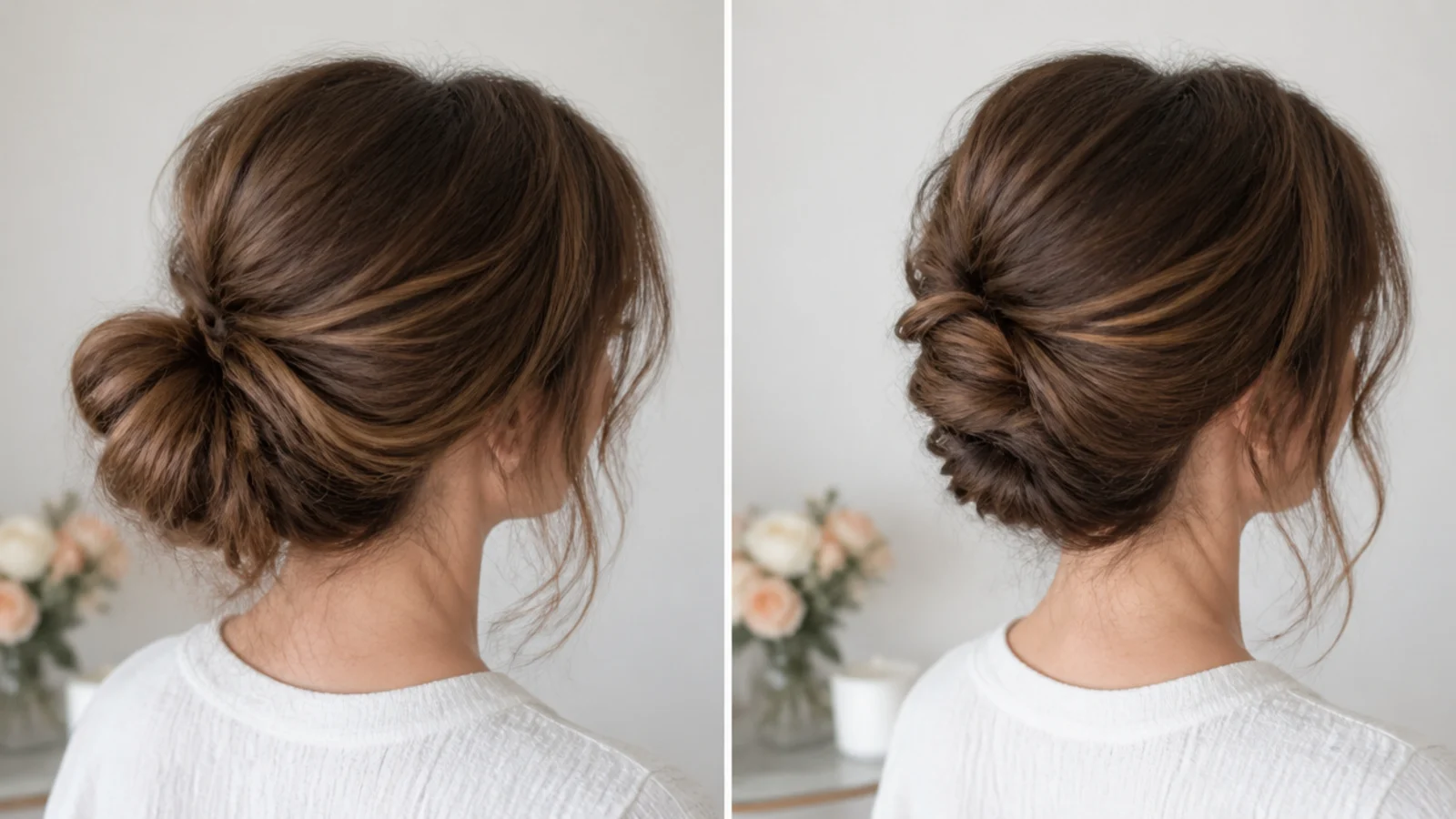
Most long-hair updo failures trace to four causes. Slipping out within an hour means the hair was too clean and slick, or the pins were laid flat instead of pushed toward the scalp; prep with texture and re-pin ridged-side-down catching scalp hair. Sagging to the neck by afternoon means the anchor was too high and the weight dragged it down, or a single elastic could not hold the mass; lower the base and split the weight into two twists. The whole bun rotating loose means the seam where sections meet was never pinned; add a crossed X of pins at that seam. Flyaways and a fuzzy halo by lunch usually mean dry, staticky hair; smooth them with a clean mascara wand and a whisper of oil or light hairspray, not more tension. The universal insurance is a movement test before you leave the house and two spare bobby pins in your bag. Almost every midday collapse was predictable and preventable at the mirror that morning.
Frequently Asked Questions
How many bobby pins do you need for a chignon on long hair?
Fine long hair holds a chignon on 6 to 10 bobby pins, medium takes 10 to 14, and thick or waist-length hair needs 14 to 20, ideally with a pair of spin pins as the main anchor. Place them evenly around the whole base and push each one ridged-side-down into the scalp hair. Under-pinning is the top reason a long chignon falls.
Why does my updo give me a headache?
It is a tension headache from the weight of long hair pulling on the scalp at one angle for hours, made worse by a high, tight anchor. Lower the bun to the nape so your skull carries the weight, gather with your fingers instead of raking it tight, and spread the hold across more pins rather than one tight elastic.
How do I get a messy bun to hold in thick long hair?
Split the ponytail into two sections, twist each separately, and wrap them around the base in opposite directions so they brace each other. Secure with a strong elastic plus 8 to 12 bobby pins pushed under the bun into your scalp hair. Splitting the weight across two coils is what keeps a thick messy bun from sagging by lunch.
How do you do a half up bun for long hair?
Take just the crown and temple sections, twist them back, and coil into a small bun secured with an elastic and four to six bobby pins. Because only the top section goes up, it carries almost no weight and holds effortlessly all day. It is the most failproof style here for long hair that keeps sliding out of full updos.
Why does my bun fall down by lunchtime?
Usually one of three things: your hair was freshly washed and too slippery to grip, you anchored the bun too high so the weight dragged it down, or you used too few pins for your length. Prep on day-two hair or add texture spray, drop the anchor lower, and use as many pins as the weight actually needs.
Do spin pins really work better than bobby pins?
For thick or heavy long hair, yes. Each corkscrew spin pin threads through the coil like a screw and replaces three to five bobby pins, so a single pair often holds a whole bun that would need a dozen bobby pins. Insert them following the direction of your twist, one from the top and one from the bottom, and they lock together.
How do I make an updo last all day on long hair?
Build on day-two or textured hair, anchor low so the skull carries the weight, split heavy length into two twists, and pin ridged-side-down catching scalp hair. Set the base with light hairspray and do a movement test before you leave. Carry two spare pins for a quick fix. Those habits take an updo from noon to dinner.
What updo is best for very long or heavy hair?
The double twisted bun and the spin-pin twisted bun are the most reliable because they distribute the weight across a wide base instead of one overloaded knot. A hair donut chignon and a banana clip updo also work well by carrying the bulk. Avoid a single high, tight coil, which is exactly what heavy long hair pulls loose fastest.
How do I stop flyaways in a long-hair updo?
Smooth the hairline with a clean mascara wand carrying a trace of hairspray, or press a drop of lightweight oil between your palms and skim it over the surface. Use a light-hold spray rather than a stiff one, since brittle hold cracks and frizzes. Flyaways are usually dry, staticky hair, so a little moisture calms them better than more tension.
Which long-hair updo are you securing first?
If you change one habit, stop anchoring high and tight. Drop the base of your updo to the nape or the occipital bone, split a heavy length across two twists or a pin-and-elastic combo, and secure with open bobby pins pushed ridged-side-down toward the scalp. That single shift is the difference between a bun that quits at noon and one that is still holding at dinner. Prep on day-two hair, set it with a little hold, and you are done. Save the styles that fit your length, then browse more cute hairstyles that last all day or the whole hairstyles hub for your next look.