Study Tips & Skills
3 Summer Study Schedules to Help You Focus AND Have Fun

Feb 12
2026
3 summer study schedules to help you focus while still actually enjoying summer — balanced templates for morning, evening, and weekend study.
Summer study is its own particular challenge. The structure of term-time is gone. The weather is conspiring against you. Your friends are at the beach. And yet — the deadline, the retake, the prep for next term, the dissertation, the qualifying exam — is still waiting.
The solution isn't more discipline. The solution is a better schedule — one that respects that this is summer, not January. One that builds study around the parts of summer worth keeping, not against them.
This article is three honest summer study schedules, each tested over a real summer, each designed for a different kind of study goal. Plus the framework for adapting them to your own life.
Save this article. Pick the schedule that fits the work you actually have to do.
Why Summer Study Is Different (And Needs Its Own Plan)
The instinct, when you have summer studying to do, is to apply your term-time schedule to a summer week. This almost always fails. Three reasons:
The days are longer. A 10pm finish in July still leaves four hours of daylight. Your nervous system wants to be outside. Fighting it produces resentful, low-quality study.
The structure is missing. Term-time has lectures, deadlines, study groups, and library hours. Summer has none of these. You have to build the structure yourself or it doesn't exist.
The motivation is different. Term-time motivation is external (everyone's studying, grades are coming). Summer motivation is internal (you, alone, choosing). The schedule has to do more of the motivational work.
The three schedules below each handle these three challenges differently. Pick the one that fits your situation.
Schedule 1: The Morning Block (For Most Summer Goals)
The schedule I'd recommend by default. It honours the fact that it's summer while still getting serious work done.
The framework
- 7:00am — Wake, hydrate, fifteen minutes of stretching
- 7:30am — Make a proper breakfast, no phone
- 8:00am — Study block 1 (Pomodoro: 25 on, 5 off, four cycles)
- 10:00am — Break, walk outside, second coffee
- 10:30am — Study block 2 (Pomodoro: same structure, four cycles)
- 12:30pm — Stop studying for the day. Real lunch.
- 1:30pm — Summer
- 8:00pm — Optional 60-minute light review (reading notes, not new work)
The whole study day is four hours of high-focus work, done before 12:30pm. The afternoon is genuinely free.
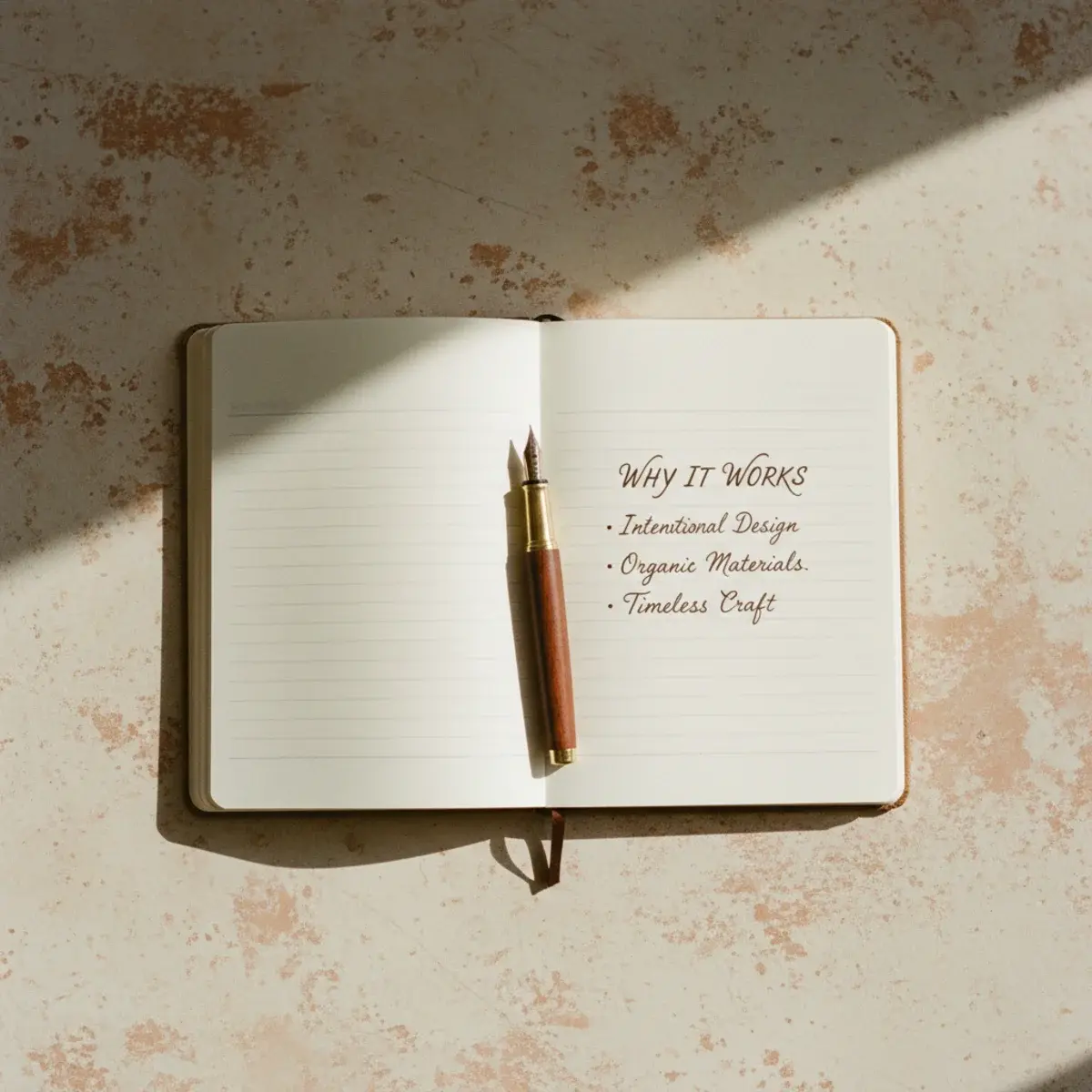
Why it works
You finish before the heat. You finish before social plans happen. You finish before your willpower is depleted by a long day of decisions. The morning brain is the focused brain — particularly in summer when the body has slept properly in a cool dark room.
The 8pm review is optional but transformative if you can do it. Reading over the morning's notes for an hour the same evening triples your retention.
What it's good for
- Dissertation writing
- Pre-term reading
- Light retake preparation
- Any project where 4 hours/day is genuinely enough

Schedule 2: The Split Day (For Heavy Workloads)
For the summers where 4 hours/day genuinely isn't enough — the qualifying exam, the second-attempt retake, the major thesis project. Six to seven hours of study a day, split to avoid burnout.
The framework
- 7:00am — Wake, hydrate, twenty minutes of yoga or walking
- 7:30am — Real breakfast
- 8:00am — Morning study block (3 hours, three Pomodoro cycles)
- 11:00am — Stop. Real lunch. Long break.
- 2:00pm — Outside time — walk, swim, errand, friend coffee
- 4:00pm — Afternoon study block (2 hours)
- 6:00pm — Stop. Dinner. Evening properly off.
- 8:00pm — Optional 60-90 minute light review
Why it works
Five hours of high-quality work, plus an optional review, with the heat of the day spent doing something restorative. The split lets you sustain higher daily volume without burning out by week two.
The trick is to fully detach during the 11am-4pm window. Not "I'll just check my emails" — actually closed laptop, away from desk, doing something completely different. The afternoon block works because the morning brain is rested by it.
What it's good for
- Major exam preparation (bar exams, medical boards, professional qualifications)
- Dissertation final-push months
- Catch-up summers (failed module retakes that require real coverage)
Schedule 3: The Flexible Evening (For the Working Summer)
For the students who are working a summer job and trying to squeeze in serious study around it. The hardest schedule on this list. Honest about the constraint.
The framework
- 6:30am — Wake, get ready for work
- 7:00am — Pre-work study block (45 min, one focused session)
- 8:00am — Work
- 5:00pm — Finish work, decompress (30 min walk, real dinner)
- 7:00pm — Evening study block (2 hours, two Pomodoro cycles)
- 9:00pm — Stop. Evening off.
- Weekends — One serious 4-hour study session, Saturday morning
Why it works
It honours the work without sacrificing the study. The 45-minute morning block protects the cognitive prime-time when you're fresh. The 2-hour evening block does the bulk of the work. The Saturday morning block compensates for missed weekday capacity.
Total study time: ~14 hours/week. Not a lot — but real, consistent, and sustainable over a 10-12 week summer. By the end, you've done 140-170 hours of focused work while holding down a job. That's a real summer's worth of preparation.
What it's good for
- Pre-reading for the next academic year
- Side-skill development (a language, coding, a certification)
- Slow dissertation progress
- Bar/professional exam prep over a longer timeline
How to Customise Either Schedule to You
The three schedules above are starting points, not commandments. Here's the framework for adapting them.
Step 1: Know your peak focus window
Most people have a 3-4 hour daily window of peak cognitive function. For most, it's 8am-12pm. For some, it's 7am-11am. For night-owl types (genuinely rare), it can be 9pm-1am.
Find your window. Schedule the hardest work — new learning, writing, problem-solving — inside it. Everything else can be reviewed at any time.
Step 2: Account for the deliberate-recovery hours
A study schedule without explicit rest is a study schedule that fails by week three. Build in the non-study time as deliberately as the study time. Long walks. Real meals. Time outside. The 6pm-8pm window completely off.
Recovery is part of the work. Don't treat it as the part you skip.
Step 3: Use a weekly cycle, not a daily one
Single-day schedules feel rigid. Weekly schedules give you flexibility. The week should average 4-6 hours/day; an individual day can be 8 hours one day, 2 hours the next, as long as the weekly total holds.
The Sunday-evening planning ritual: look at the week ahead. Block in non-study commitments first (work, social, appointments). Block in study around them. Aim for the weekly hours total, not perfect daily consistency.
Step 4: Schedule one full day completely off
Every week. No exceptions. The student who works six days and rests one for ten weeks beats the student who works seven days for ten weeks every single time. The rest day isn't "wasted study time" — it's the structural support that makes the other six days sustainable.
For most students, Sunday is the natural rest day. Pick yours. Protect it.
The Environment That Makes Summer Study Possible
The schedule is half the battle. The environment is the other half.
Study in the coolest room you have
The single largest productivity factor in summer studying is room temperature. The brain doesn't focus well above 24°C. Find the coolest room in the house — usually the one on the shaded side, often the bathroom or a north-facing room — and study there even if it's slightly less aesthetic.
A small fan helps. Drawn blinds in the morning help. A glass of iced water always within reach helps. The £15 of summer cooling investments pay for themselves in cognitive output by week one.
Move outside in early morning or late afternoon
A 90-minute study session on a shaded balcony at 8am or 5pm is one of the most underrated summer study experiences. The fresh air helps. The change of scenery helps. The vitamin D helps.
Bring a paper notebook (laptop screens glare badly outdoors), a thermos of cold coffee or iced tea, and a real timer. Studying outside in summer is genuinely a different category of pleasant.
Hydrate aggressively
Dehydration is the single biggest source of poor summer-study performance. A 1-litre water bottle on your desk. Refill at every Pomodoro break. Aim for 2-3 litres a day in genuinely warm weather.
The signs of dehydration (mild headache, mild brain fog, irritability) feel identical to the signs of "I just can't focus today". Drink water first. Diagnose the focus problem second.
What Not to Do (Three Anti-Patterns)
The all-or-nothing summer. The student who plans 8 hours/day from June 1st and is doing 0 hours/day by June 15th. The cure is starting smaller. 4 hours/day, sustained for ten weeks, beats 10 hours/day sustained for ten days by an enormous margin.
The "I'll study after a few weeks off" trap. The break that turns into the summer. If you have summer study to do, start in the first week of summer, not the last. The momentum of starting matters far more than the length of the break.
The compare-to-peers spiral. Your Instagram feed is showing you the student who's already done 200 hours of bar prep by mid-June. She may be lying. She may be heading for burnout. She is, almost certainly, not your reference point. Your reference point is the woman you were last week. Are you ahead of her? Good.

The One Habit That Matters More Than the Schedule
The single most important variable in a successful summer of study is not which of the three schedules you pick. It is the Sunday-evening planning ritual.
Twenty minutes. Pen and paper. The same time each Sunday. Three steps:
- Look at the week behind. What went well? What didn't? Honest, fast, no self-flagellation.
- Look at the week ahead. Block in non-study commitments. Block in the daily study hours. Block in the rest day.
- Pick the three priority tasks for the week. Not ten. Three. The three things that, if done, would make the week a success.
Twenty minutes. Every Sunday. Ten weeks of summer. The students who do this finish summer with their study goals genuinely met. The students who don't show up to September unsure what they actually did.
Final Thoughts
A summer of study isn't lost summer. The student who studies four hours a day every morning still has twelve hours of summer left, every single day, every day for ten weeks. That is a real summer. That is the beach, the garden, the friends, the long evenings, the slow weekends — all of it, mostly intact, with the work done quietly in the morning.
The students who burn out are the ones who try to do everything at once or nothing at all. The students who finish summer feeling proud are the ones who picked a schedule, committed to it, protected the rest, and trusted the cumulative arithmetic.
Pick your schedule. Start it on the next Monday. Hold it for ten weeks. Watch what you can do.
More from this category


Leave a Reply
Want to write back? Comments aren't open yet — but you can reply to this article on Pinterest, save it to a board, or share it with a friend.