Study Tips & Skills
The Ultimate List of Library Study Essentials
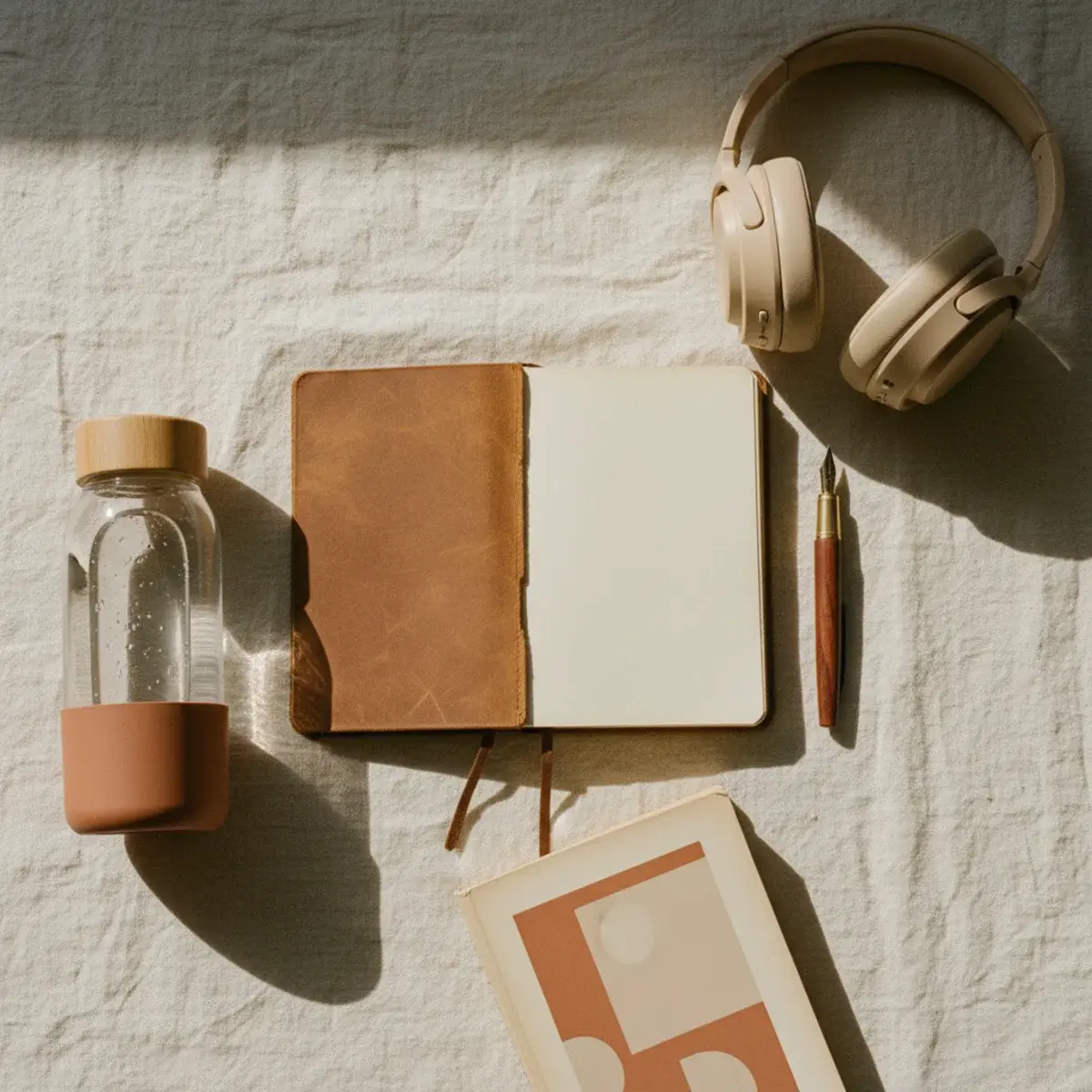
Feb 11
2026
The ultimate library study essentials list — every notebook, pen, and small comfort to pack so your library study session is actually productive.
Packing a small bag for a long library day is one of the quiet pleasures of being a student. The right notebook. The pens that won't bleed. The thermos of strong coffee. The cardigan for when the air conditioning is too aggressive. The pair of headphones for when the woman next to you starts whisper-arguing on a phone call.
A good library bag is the difference between a productive four-hour session and a session you abandon after eighty minutes because you didn't bring water and your back hurts. This article is the complete kit — the things actually worth packing, the things you genuinely don't need despite Pinterest's enthusiasm, and the small additions that make a library day feel less like work and more like a small monastic retreat.
Save this article. Print the checklist. Pack the bag the night before — never the morning of.
The Foundation Kit (Pack These Every Time)
The non-negotiable items. The ones that, if you forget any single one, the day is harder than it should be.
1. A Notebook That Lies Flat
The single biggest stationery improvement to a library day: a notebook with a binding that lies flat without you having to hold it open. The Leuchtturm1917 hardback (£18) does this. The Muji A5 dotted notebook (£8) does this. Most spiral-bound notebooks do this.
What doesn't lie flat: cheap glued-spine notebooks. Avoid them. The constant fight with the page is the difference between an hour of easy writing and an hour of mild low-grade frustration.
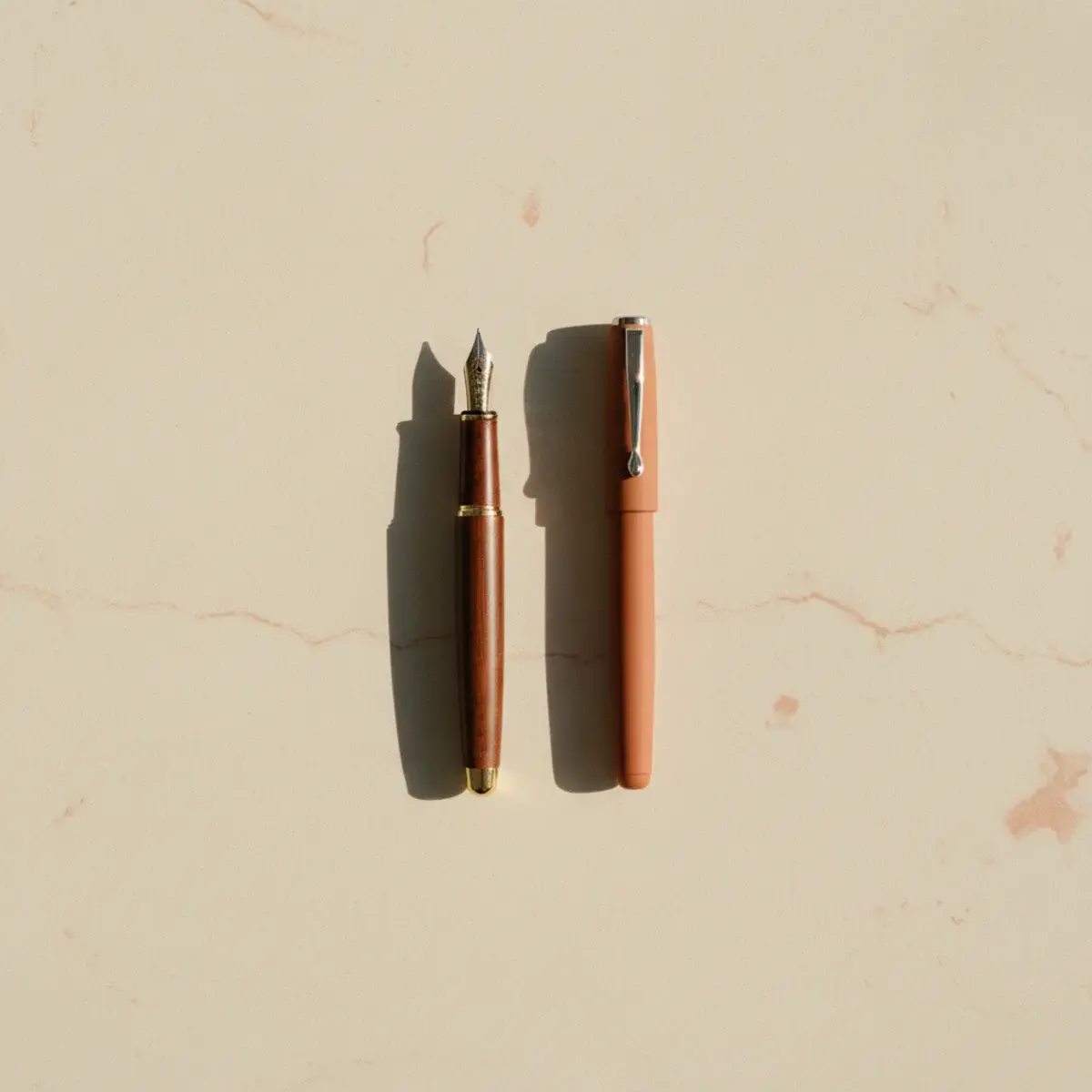
2. Two Pens (One Reliable, One Beautiful)
A single pen is one too few. Two is the right number. My usual kit:
- The reliable one: a Muji 0.38 gel pen (£1.20). Survives anything. The backup.
- The beautiful one: a Lamy Safari fountain pen (£20). The one you write your important notes with.
If you only own one pen, make it the reliable one. The beautiful pen is the upgrade for the day you want studying to feel a bit more like a ritual.
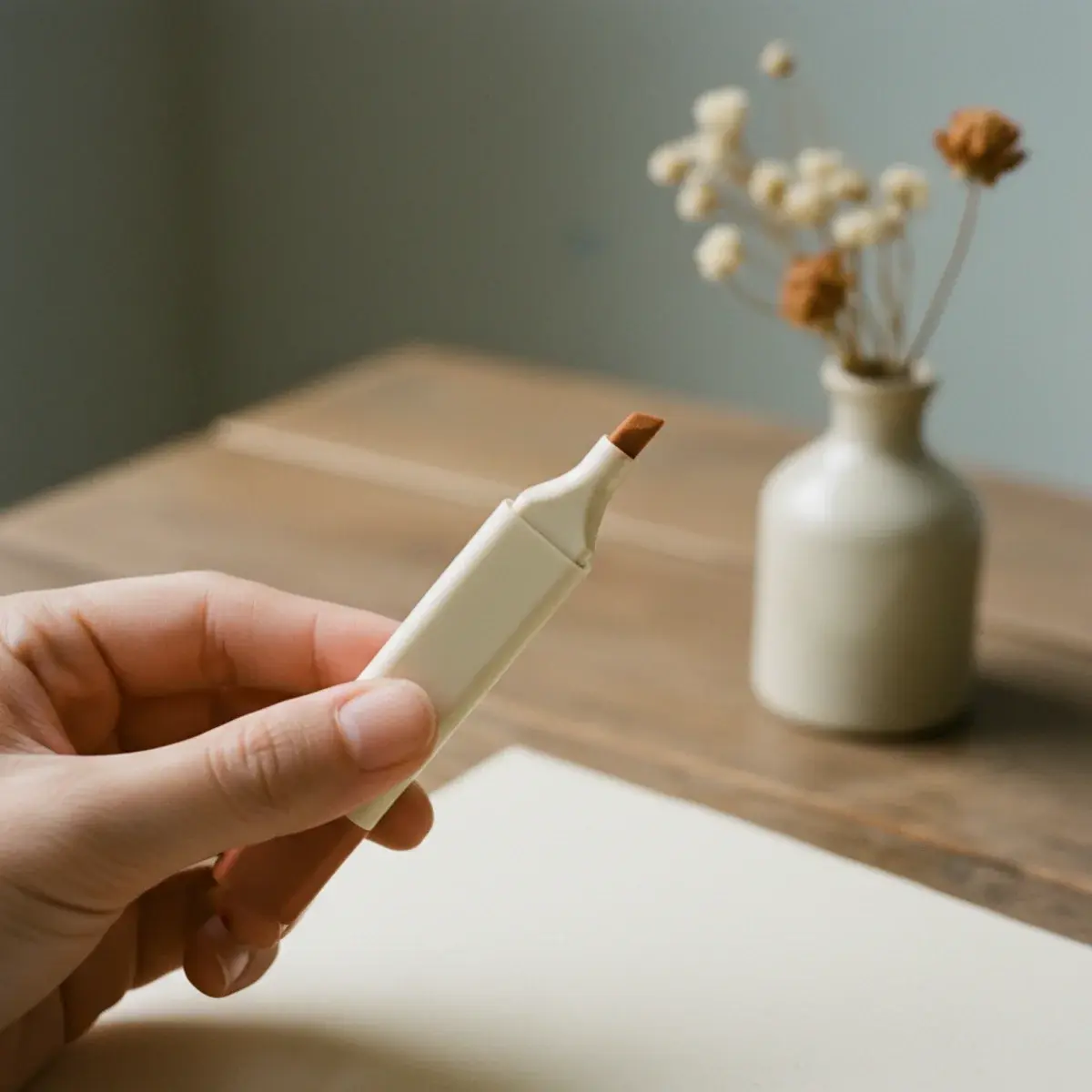
3. A Highlighter (One, Maximum Two)
A Zebra Mildliner in a soft pastel (£4 for a two-pack). The pastel pigment doesn't bleed through library-textbook paper and looks beautiful in note photographs.
One highlighter colour is enough. Two if you have a genuine two-system reason. Anything more is buying stationery for the feeling rather than the function.
4. Reusable Water Bottle (1 Litre Minimum)
The single biggest contributor to a good library session — proper hydration. A 1-litre bottle that fits in your bag. Refill at the library tap. Drink the whole thing across a 4-hour session.
The £20 Chilly's 1L is the universal recommendation. The £6 Decathlon one does the same job. The exact bottle matters less than the having one.
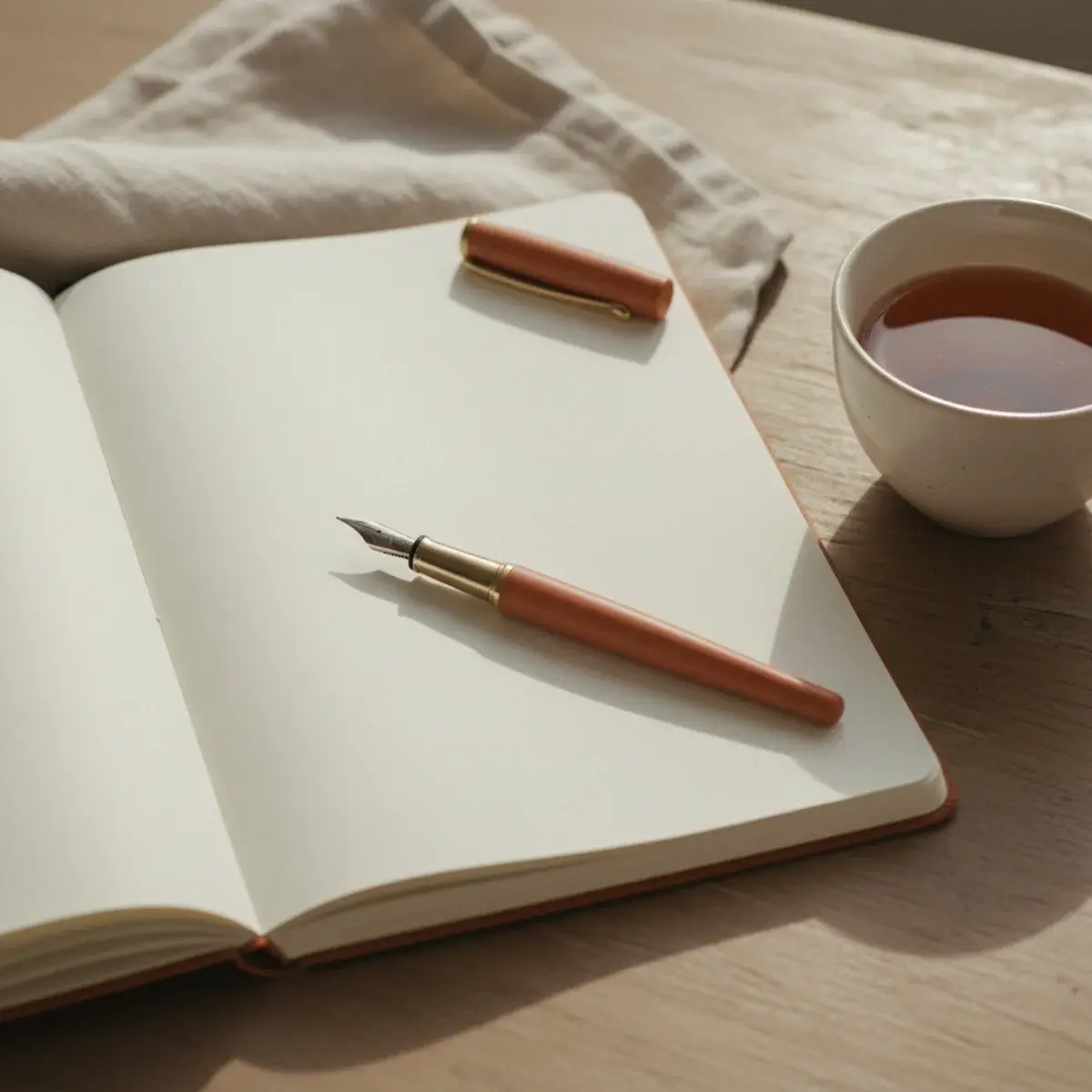
5. Real Over-Ear Headphones
Earbuds are for walking. For library sessions, over-ear closed-back headphones do two things earbuds can't: block ambient noise, and signal to the world that you are not available for casual interruption.
The £25 Logitech H390 is the budget option. The £150 Bose QuietComfort with active noise cancellation is the upgrade. Both genuinely transformative compared to earbuds.
The Comfort Kit (Pack These for Sessions Over 3 Hours)
The items that turn a productive session into a sustainable session.
6. A Cardigan or Scarf
Library temperature is wildly unpredictable. The cold-air-conditioning library in summer. The over-heated library in winter. A single packable layer solves both.
I keep an oversized cream cardigan in my library bag year-round. £20-30 from Uniqlo or H&M. The single most-used item in my library kit.
7. A Thermos of Coffee or Tea
The library cafe coffee is £3.50 and disappointing. A thermos from home is £0.30 and delicious. The maths is obvious.
The 500ml Klean Kanteen (£25) keeps coffee hot for 8 hours. The £8 Argos thermos does the same job slightly less well. Either is the right answer.
8. A Small Snack
Three to four hours into a library session, your brain runs out of glucose. A small protein-rich snack is the answer.
What works: a handful of almonds, a single banana, a small homemade flapjack, a slice of cheese on a cracker. What doesn't: anything that crinkles loudly, anything fragrant enough to irritate neighbours.
9. Lip Balm and Hand Cream
The library's recycled air is dehydrating. A small tin of lip balm and a small tube of hand cream are the small comforts that prevent the slow physical discomfort that erodes focus.
£3-5 each. Live in the side pocket of the bag permanently.
10. A Small Bag of Tissues
Not optional. The library that doesn't have someone with a runny nose in it has not been invented. Be the one who brought their own.
The Tech Kit
The minimum tech for a serious library day.
11. Your Laptop and Charger
Obviously. But specifically: a laptop with at least four hours of battery, and the charger, in the bag. Library plug sockets are unreliable. The battery is your insurance.
12. A Power Bank
A small 10,000mAh power bank (£20-25) for the phone, and for the laptop in emergencies. Charges phone three times. Saves the session when the library outlet you'd planned to use is occupied.
13. Wired Headphones (As a Backup)
Bluetooth headphones die. Wired ones don't. A second pair of cheap wired earbuds (£8 Apple-style) in the bag means you're never silenced mid-session by a low battery.
14. A Small Plastic Sleeve for Loose Papers
Library handouts, printed PDFs, the lecture notes you printed at home. A clear A4 plastic sleeve keeps them organised and uncrushed.
£2 for a pack of ten from any stationer. The simplest organisational tool in the bag.
The Mental-State Kit
The items that aren't about doing the work, but about being in the state to do the work.
15. A Single Inspirational Card or Bookmark
A small physical object — a beautiful postcard, a hand-lettered quote card, a bookmark with a meaningful sentence — that lives in the notebook. Open it at the start of every session. Read it before you begin.
The ritual is the magic. The card is just the prop.
16. A Small Plant or Object (Optional but Lovely)
A tiny dried bouquet of lavender in a small jar. A small ceramic dish for paperclips. A miniature wooden frame with a photograph of someone you love. One small object that travels with you and sits on the desk for the session.
This is the line between studying and romanticising studying. Cross it deliberately. The thirty seconds it takes to set up the object signals to your brain that the next four hours are special.
17. A To-Do List Written Before You Arrive
Not a list of everything. The three things you intend to do in this session. Written on a separate page, the night before, in the notebook you're bringing.
Open to the page. Read the list. Start with item one. The single most underrated mental-state intervention I know.
For more, see How to Use the Pomodoro Technique for Studying.
What Not to Pack (The Anti-List)
Five things Pinterest tells you to pack that you don't actually need.
A second monitor. No library lets you bring one in. The fantasy of recreating your desk setup at the library is just that — a fantasy. The library is a different mode of working. Embrace it.
A full pencil case of coloured pens. Two pens, one highlighter. Anything else is decoration. The hour you spend reorganising your pen case is the hour you weren't writing essays.
A noise machine or white-noise device. Closed-back headphones with a brown-noise playlist do the same thing without rustling other students. The headphones do double duty.
Three different snacks. One is enough. The decision-cost of "which snack now" is the kind of micro-distraction that fragments focus. Pack one. Eat one.
A scented candle (you cannot light it). Yes, this is a real Pinterest recommendation. No, you cannot light open flames in libraries. The scent comes from the candle at home before you leave.
The Bag Itself
The single biggest variable in whether you actually go to the library: whether the bag is easy to carry.
What works
A medium-sized tote bag (canvas or leather) with a single internal pocket for the laptop. The Cuyana classic structured leather tote, the Baggu reusable tote, or the Daunt Books canvas tote — all under £40-£90 depending on tier.
The criteria: must fit a 14-inch laptop, must have one secure pocket for valuables, must close at the top (open totes spill in rain), must be comfortable on the shoulder for a 20-minute walk.
What doesn't work
A backpack (looks like school, not study). A small handbag (laptop doesn't fit). A laptop sleeve only (no room for the rest of the kit). A trendy mini-bag (impractical, you'll resent it by week two).
How to Actually Use the Library Productively
The kit is half the battle. The behaviour is the other half.
Arrive at the same time each day
The brain learns rhythms quickly. A library session that starts at 9am on Tuesday, Wednesday, and Thursday becomes a default state by the second week. The morning brain knows where you're going. The arrival is half-automatic by week three.
Sit in the same area
Not the same exact seat — that's territorial. But the same general area. The third floor by the window. The corner near the philosophy section. The single deep-armchair area. The brain learns the place and slips into focus mode faster each time.
Take real breaks (away from the desk)
Every 90-120 minutes, stand up and leave the desk for 10 minutes. Walk to the café for water. Stretch in the corridor. Look out a window for two full minutes. The break is not the time you check your phone — it is the time you reset your nervous system.
Set a hard end time
The single biggest mistake of library days: staying too long. A four-hour high-focus session beats a seven-hour low-focus session every time. Set the alarm. When it goes off, close the laptop and leave.
Going home tired but with quality work done is the goal. Going home exhausted with mediocre work done is the failure mode.
A Final Word on the Library Itself
Pick the right library. Most students default to their university's central library because it's expected — but the right library for you depends on what you need.
The big main library is best for: serious deep-focus solo work, the feeling of being surrounded by other studying people, access to physical books and journals.
A smaller subject library is best for: subject-specific resources, quieter atmosphere, fewer distractions, more comfortable chairs.
A public library (not university) is best for: weekends, holidays, the genuine luxury of a quieter, less stressed-out atmosphere full of pensioners reading newspapers. Often the best calm.
A national library (British Library, Bodleian, your country's equivalent) is best for: special occasions, when the gravity of the building is itself part of the work, dissertation chapters that feel important.
Try all of them at least once. Pick the one you love. Make it your studying home for the term.
Final Thoughts
A good library day is not just the work you got done — it is the experience of a slow, focused, beautifully kitted-out four hours that you'd happily repeat. The kit is what makes that experience reliable instead of accidental.
Pack the bag tonight. Set the alarm. Walk in tomorrow morning, set up your small monastic kit on the desk, and begin. The library has been quietly waiting.
More from this category
Leave a Reply
Want to write back? Comments aren't open yet — but you can reply to this article on Pinterest, save it to a board, or share it with a friend.