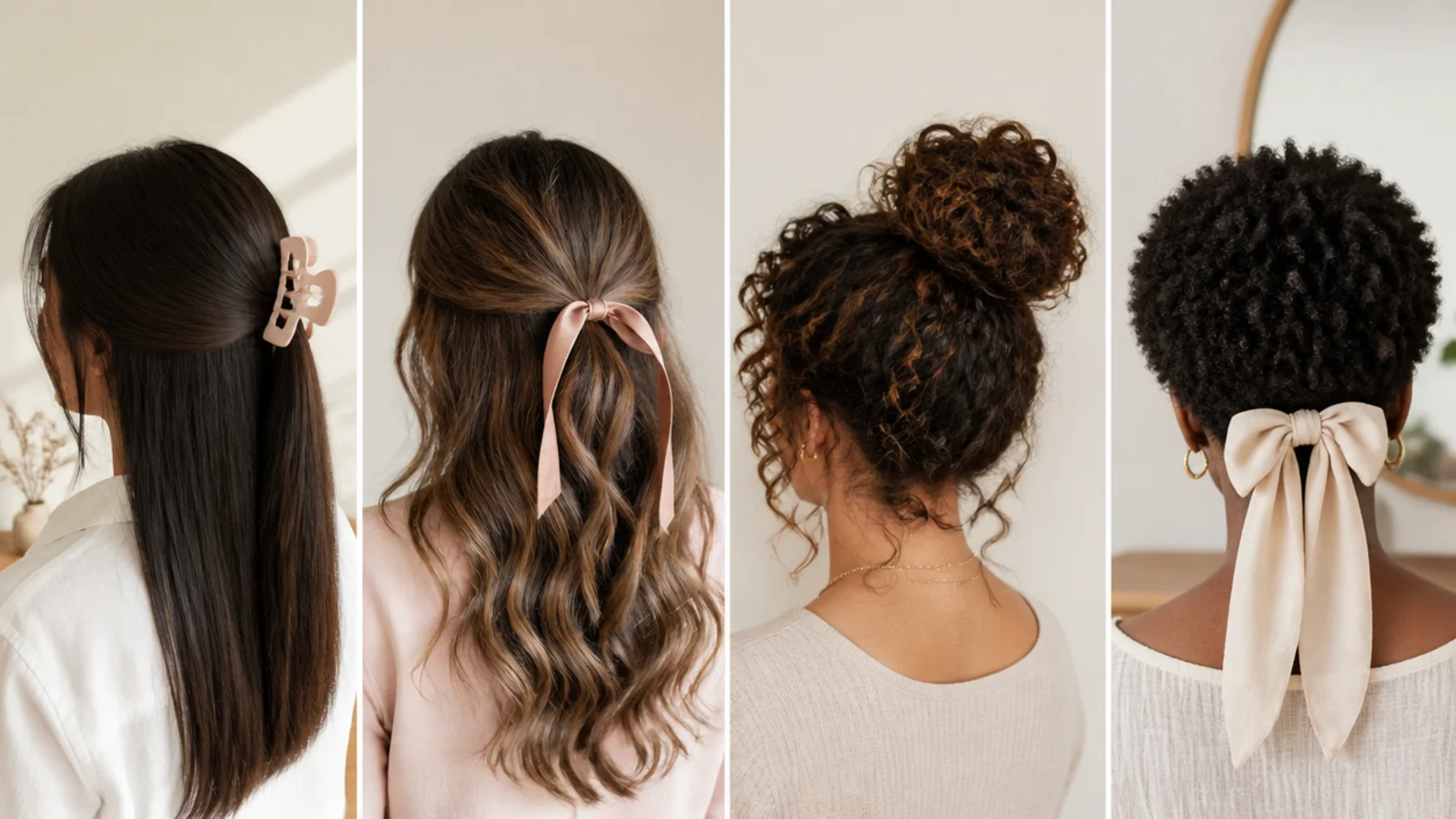
Quick Comparison
| Fine or Low-Density Hair | Thick or High-Density Hair | |
|---|---|---|
| Best cut shape | Blunt bob, textured pixie, one-length lob for the illusion of fullness | Long layers, shags and lobs that remove weight and stop bulk |
| Best everyday style | Claw-clip volume, textured pixie, half-up with a spin pin | Sleek high ponytail, low messy bun, full milkmaid braid |
| Product to reach for | Lightweight mousse, texturizing spray, matte clay | Curl cream, light oil on ends, strong-hold gel |
| Product to avoid | Heavy oils and shine serums that flatten and expose the scalp | Volumizing powders that make already-thick hair unmanageable |
| How to secure it | Spin pins and clips over a twist; a plain elastic slides out | Double-stacked elastics for weight; single soft ties are fine |
| Main failure mode | Style slips, falls flat and shows scalp by afternoon | Style feels heavy, pulls at the crown and gives a headache |
| Volume strategy | Root lift, backcombing and blunt ends that read as more hair | Not needed; the goal is controlling bulk, not adding it |
| Best braid approach | Loose, larger sections and low tension to avoid breakage | Any braid holds; chunky braids show off the density |
| Time to a polished look | 60 seconds with the right clip, longer if fighting slippage | 2 to 3 minutes; the weight does the holding for you |
1. Sleek Low Bun for Straight Fine Hair
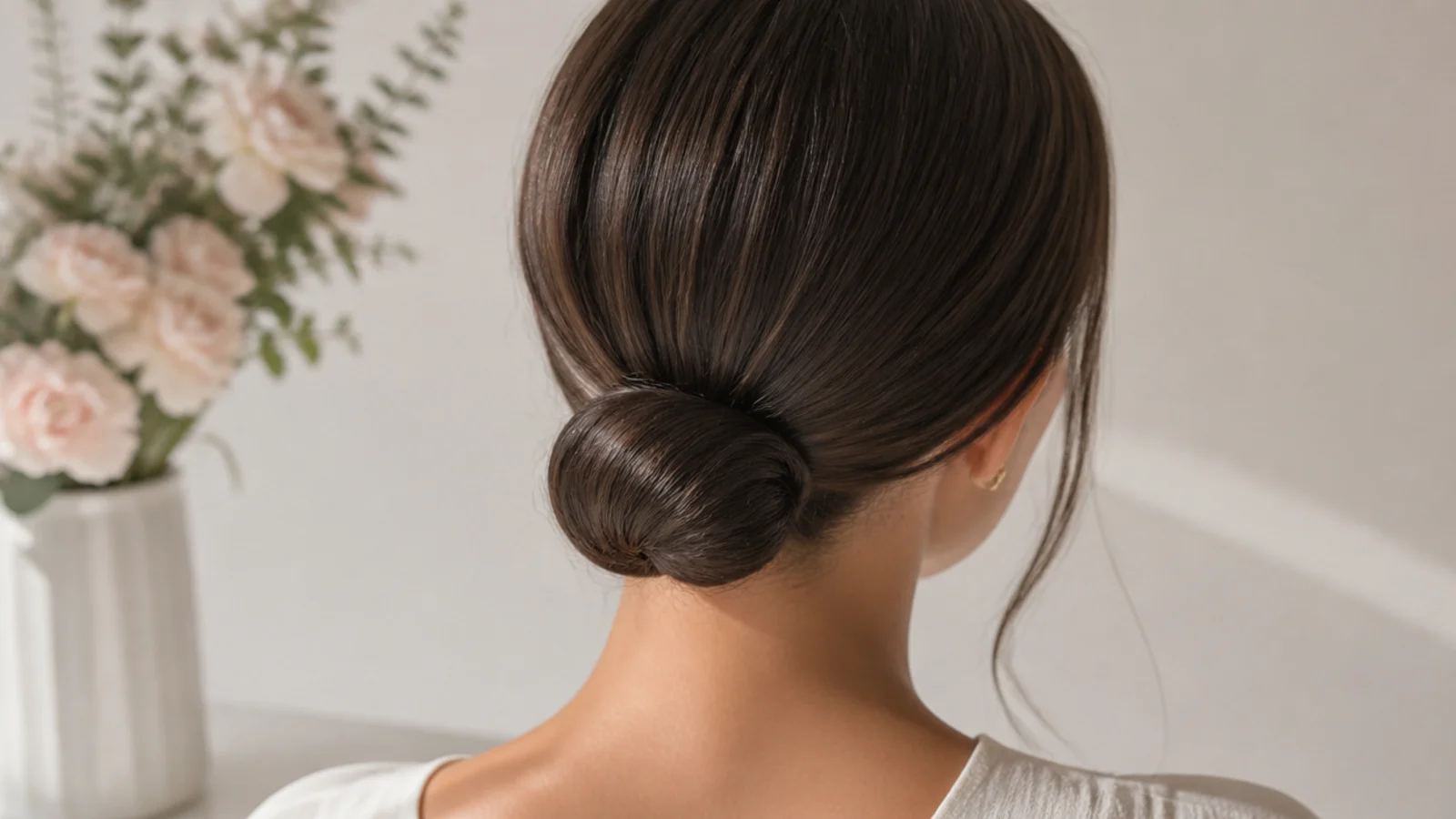
Type 1 straight fine hair reads flat when slicked, so the trick is a low bun with volume left at the crown rather than a fully scraped-back look. Brush the sides smooth with a wet-look gel at the hairline only, leave the crown untouched, then twist into a bun at the nape and secure with a spin pin, which grips fine hair far better than a thick elastic that slides. Takes about 3 minutes, holds a full workday. On fine hair a spin pin is the single biggest upgrade. For more short fine styling see how to style short fine hair.
Mist the elastic with dry shampoo before wrapping; the grit stops fine strands from slipping the band.
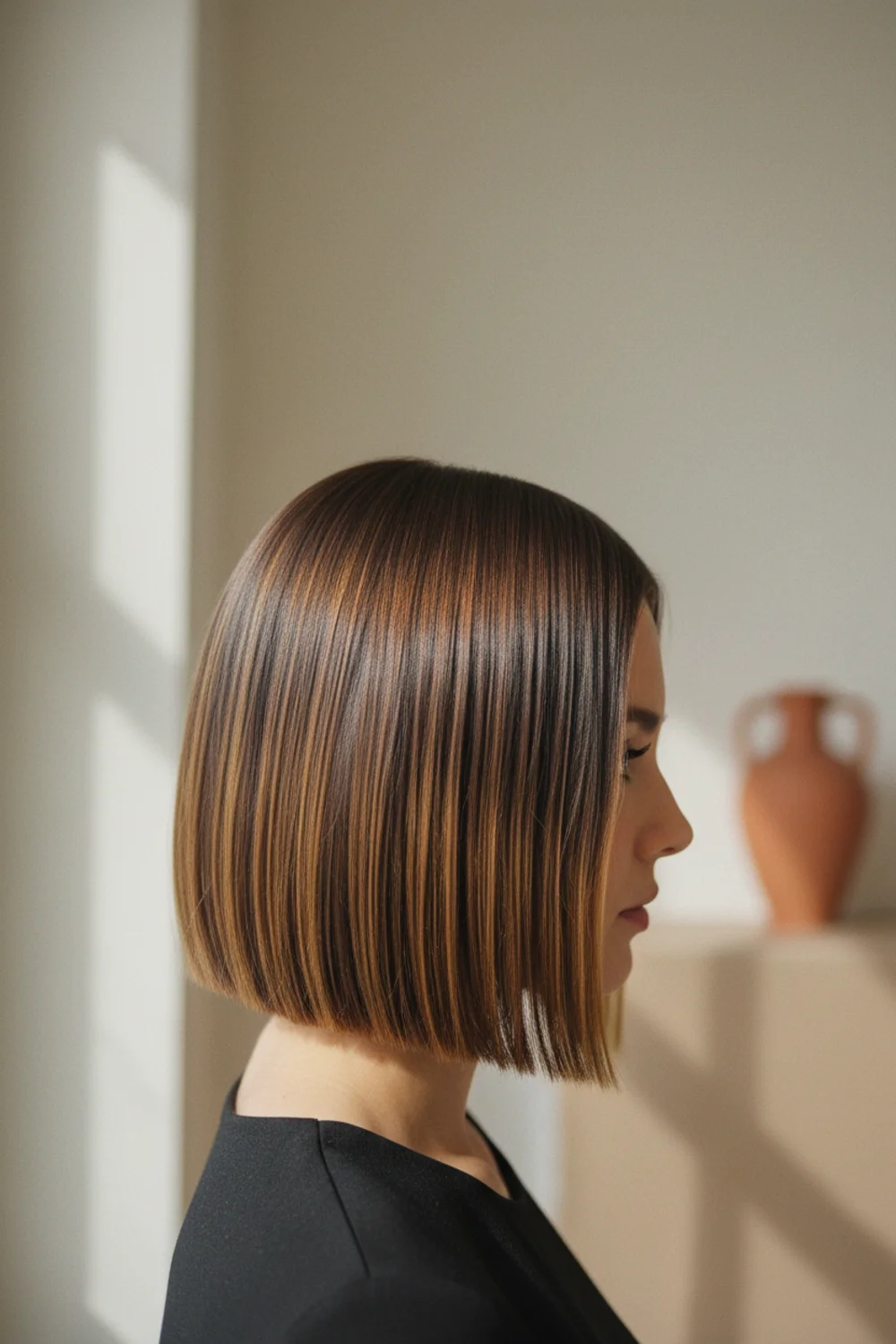
2. Blunt Chin Bob for Straight Fine Hair
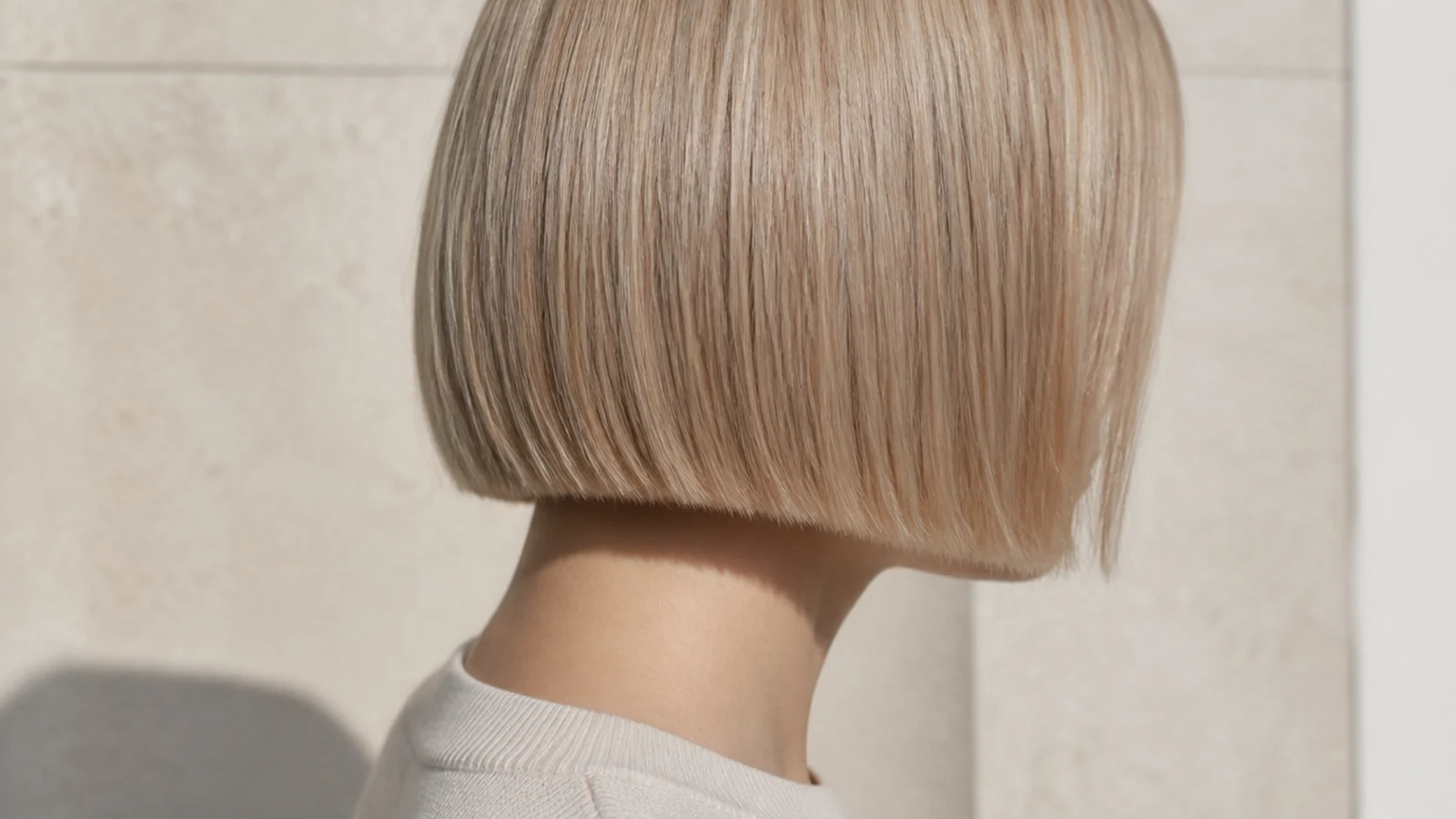
The single most flattering cut for straight fine low-density hair is a blunt chin-length bob, because a heavy uninterrupted line at the ends reads as more hair, while long layers thin it out further. Style it with a round brush turned under at the tips and a mist of texturizing spray at the roots for lift. No heat styling holds all day at this length. This is a cut decision more than a daily style, so it belongs with the classic short shapes in modern bob haircuts. Best on 2 to 4 inches below the ear, fine to medium density.
Ask for one-length or a soft graduated bob, never long face-framing layers, which flatten fine hair.
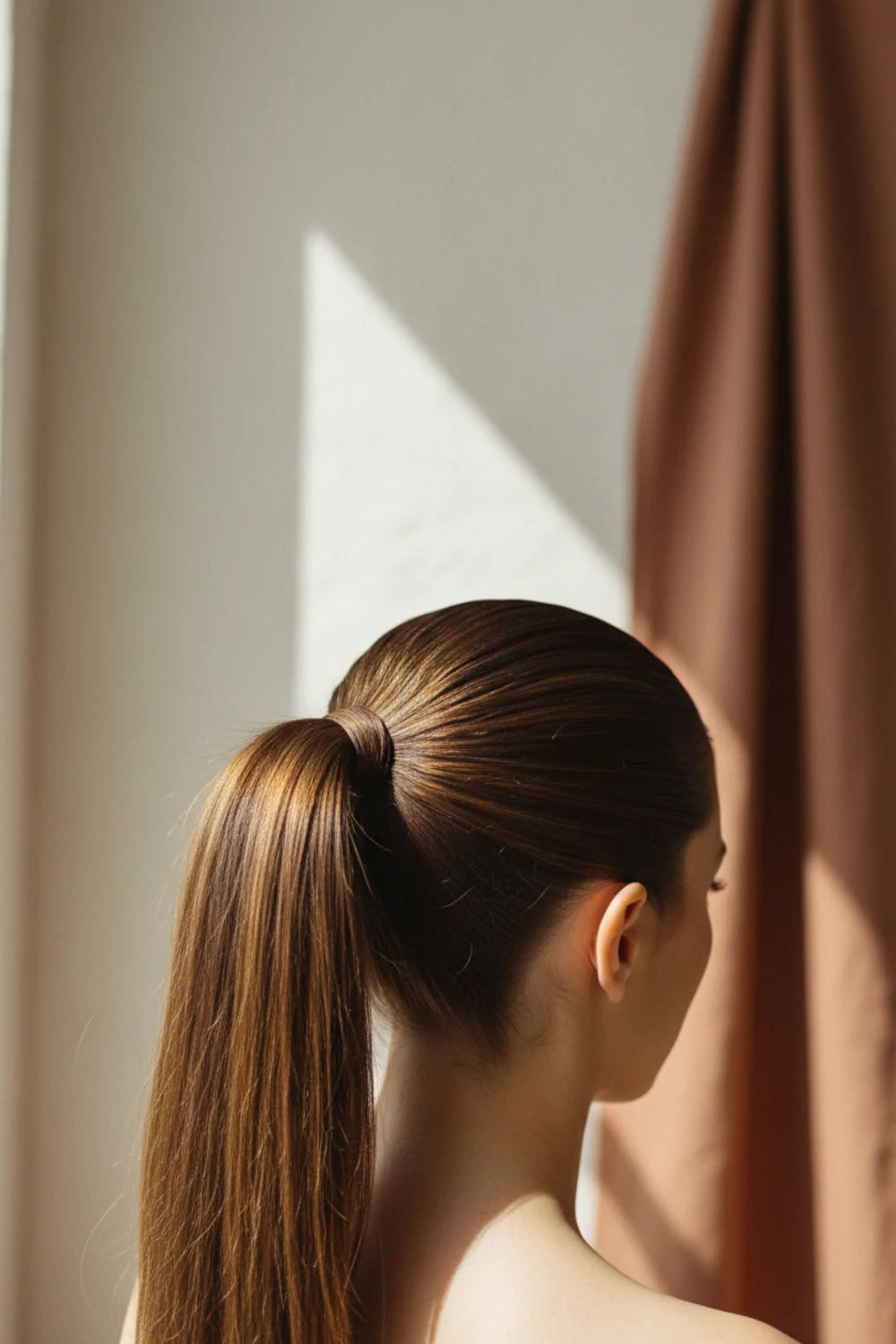
3. High Sleek Ponytail for Straight Thick Hair
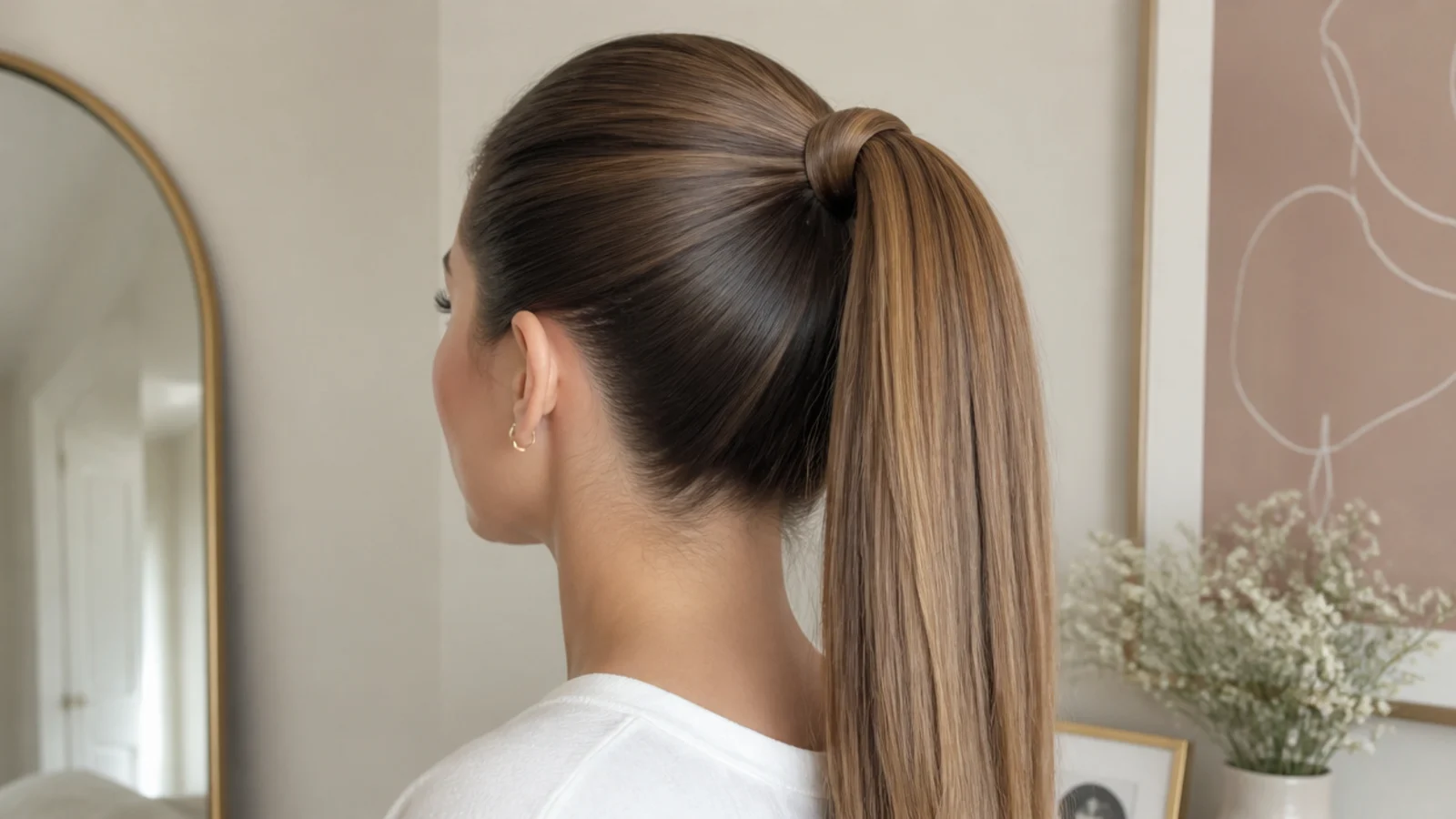
Straight Type 1 hair with high density is the one texture that can carry a genuinely sleek, high ponytail without looking sparse, because there is enough hair to fill it. Brush everything up to the crown, secure with two elastics stacked for a base that will not droop under the weight, then wrap a strand around to hide the band and pin it underneath. Takes 4 minutes, holds all day if you use a strong band. This is the polished, high-density version; the fuller range is in sleek ponytail styles. Thick hair needs the double elastic or the weight pulls it down by noon.
Tilt your head back while gathering so the pony sits high; brushing with the head level drops it.
4. Half-Up Claw Clip for Straight Medium Hair
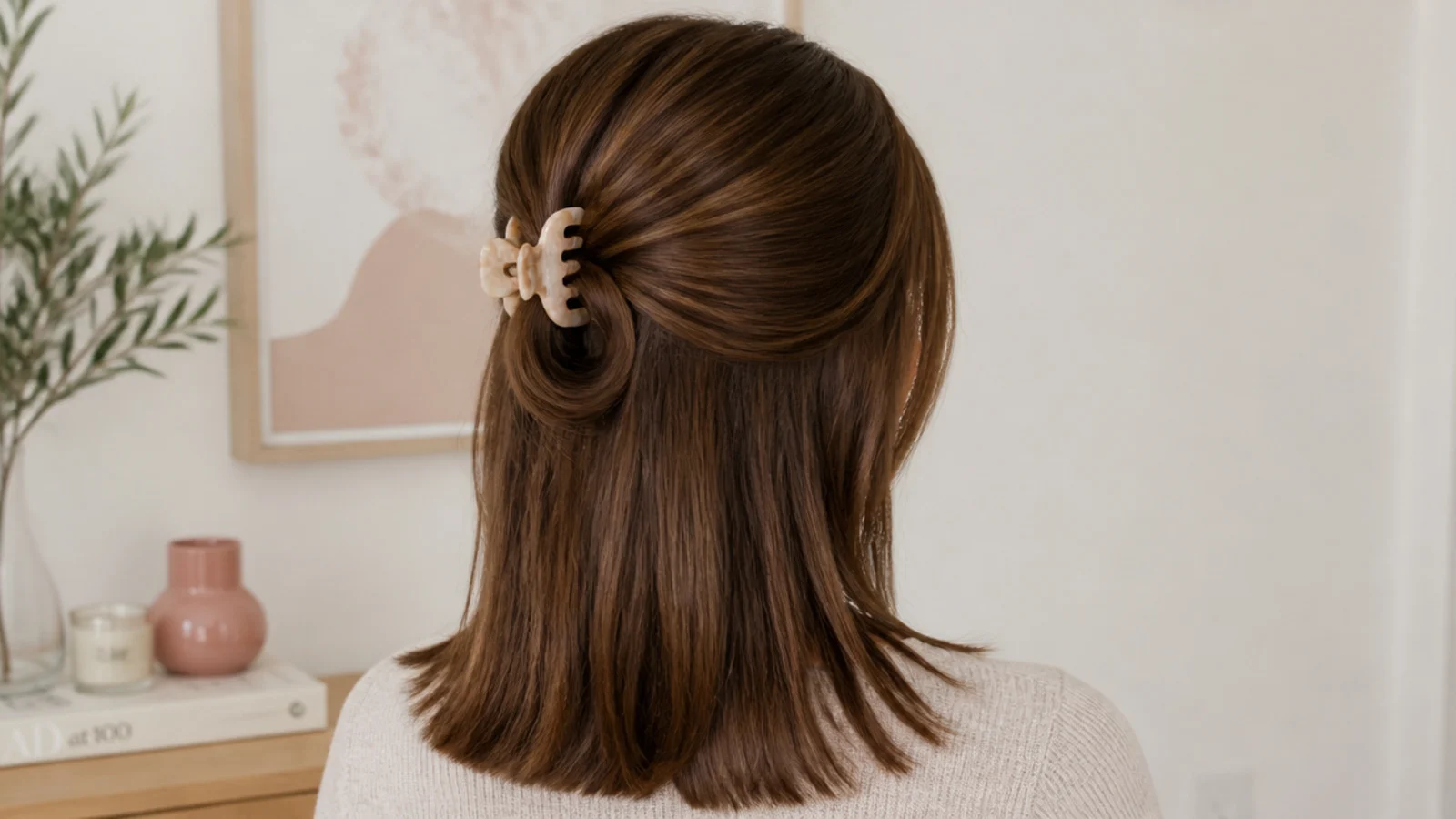
The fastest polished look for straight medium hair of any density: gather the top half, give it one half-twist so the section has something to grip, then clamp a medium claw clip vertically so the teeth bite into the twist rather than flat hair. On straight fine hair a flat clip slides straight out, which is why the twist matters. Takes 60 seconds, holds several hours. If it still slips, you have too much hair in the clip, not too little. This is the everyday default across textures. More claw-clip failure fixes sit in the troubleshooting section below.
Choose a clip with deep, widely spaced teeth; fine flat teeth cannot hold straight hair.
5. Textured Pixie for Straight Fine Low-Density Hair
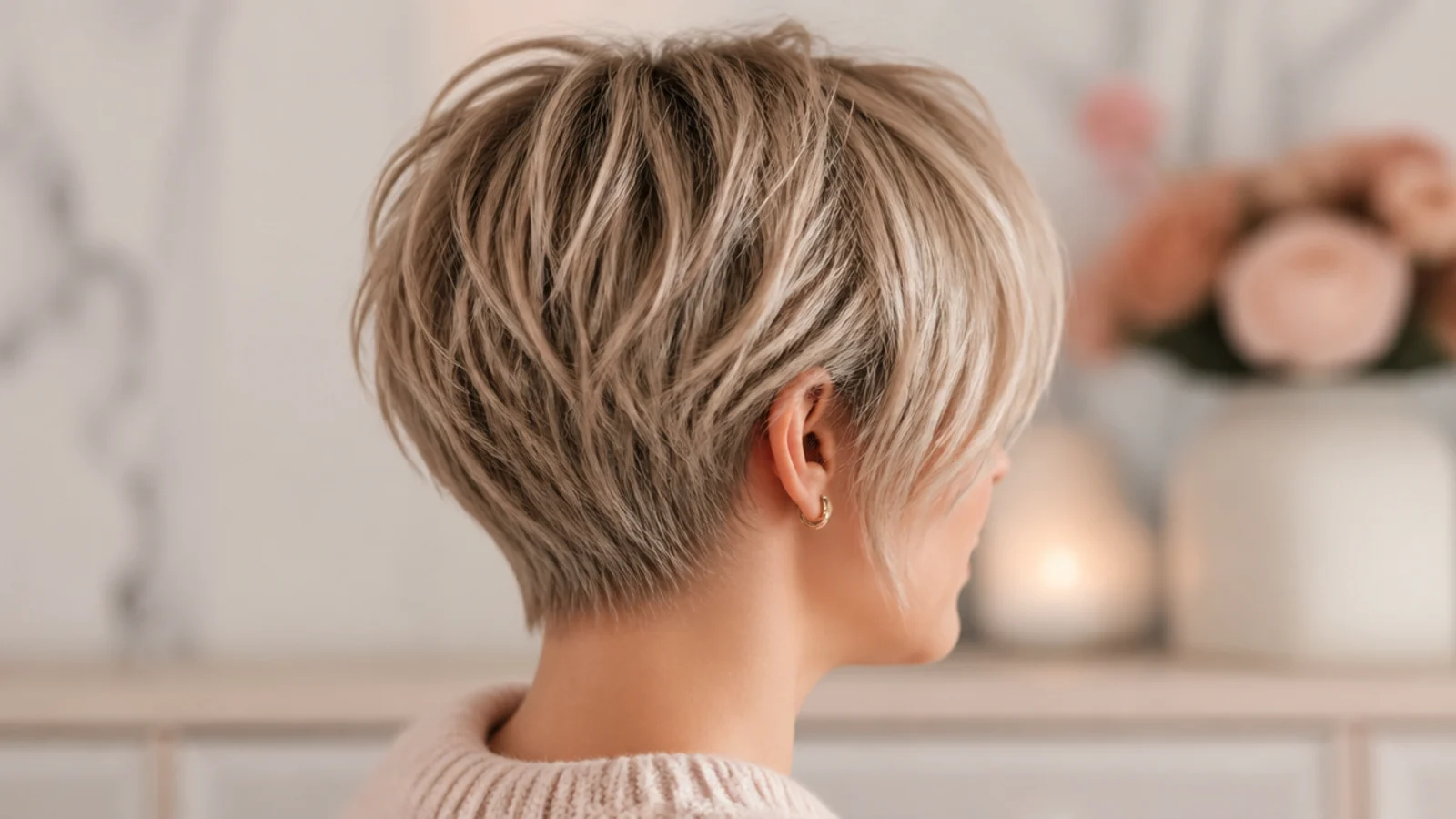
For straight fine hair with genuinely low density, a textured pixie is the highest-impact answer, because short hair stands up on its own and a piecey cut reads as intentional volume rather than thinness. Work a pea-sized amount of matte clay through dry hair with fingertips, pushing pieces up and forward. Takes 2 minutes once dry, holds all day since there is no length to fall. Ask for a cut with graduated layers and a textured, point-cut fringe, not a smooth uniform crop, which lies flat. This is one of the strongest fine-hair moves. Daily fine-hair styling is covered in how to style short fine hair.
Use matte clay, never a shine serum; shine flattens fine hair and makes the scalp show through.
6. Sleek Middle Part for Straight Long Hair
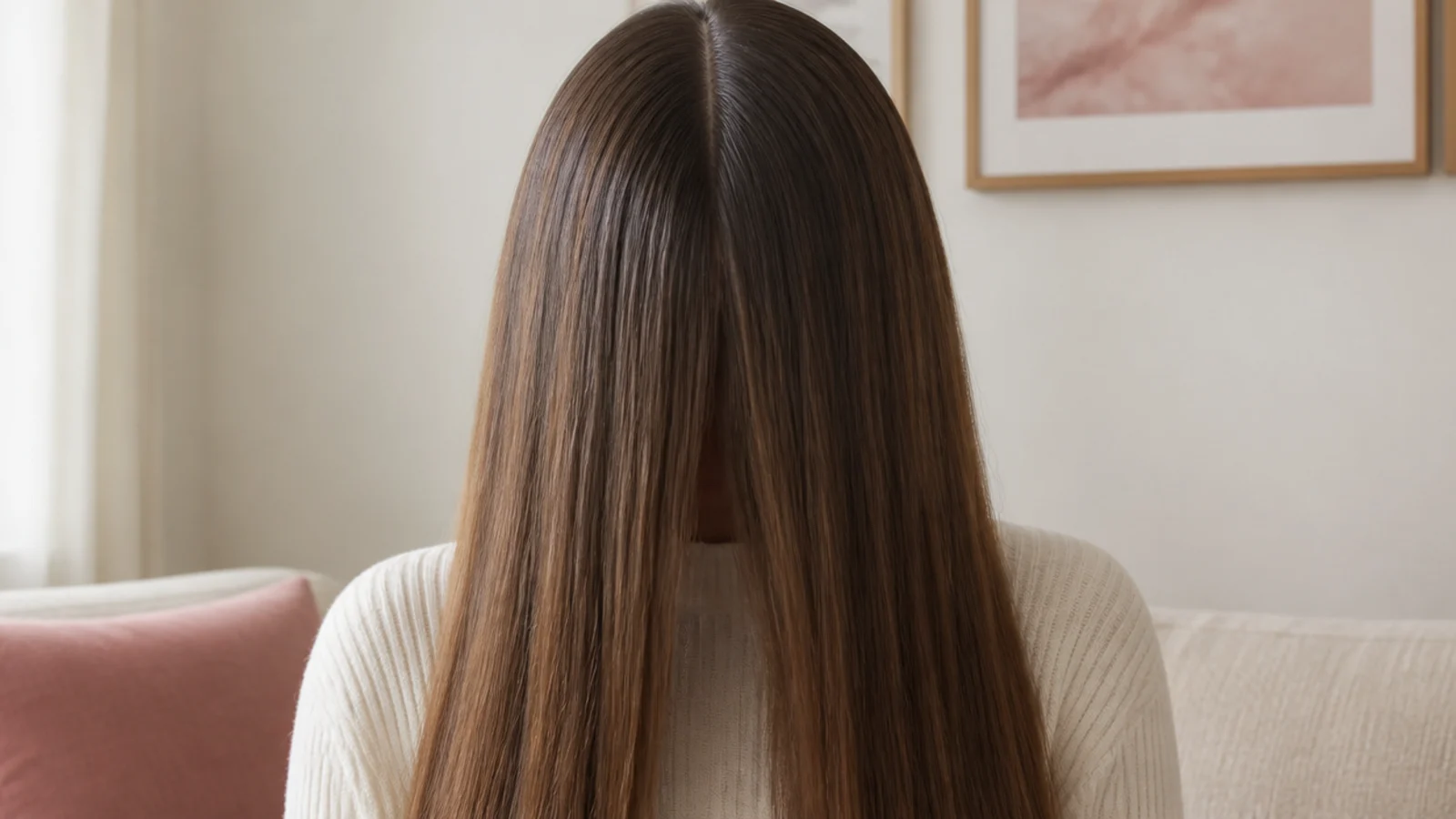
Long straight hair worn down lives or dies on the part, and a clean center part with the lengths left loose is the quiet-luxury version. Comb the part with the pointed end of a rat-tail comb, smooth a drop of lightweight oil through the mid-lengths and ends only, and leave the roots matte so it does not go greasy. Takes 3 minutes, lasts as long as the weather cooperates. Best on 12 inches or longer, medium to thick density; fine long hair needs a texturizing spray instead of oil or it goes limp and stringy by afternoon.
Keep oil off the roots entirely; long fine hair reads dirty the moment product touches the scalp.
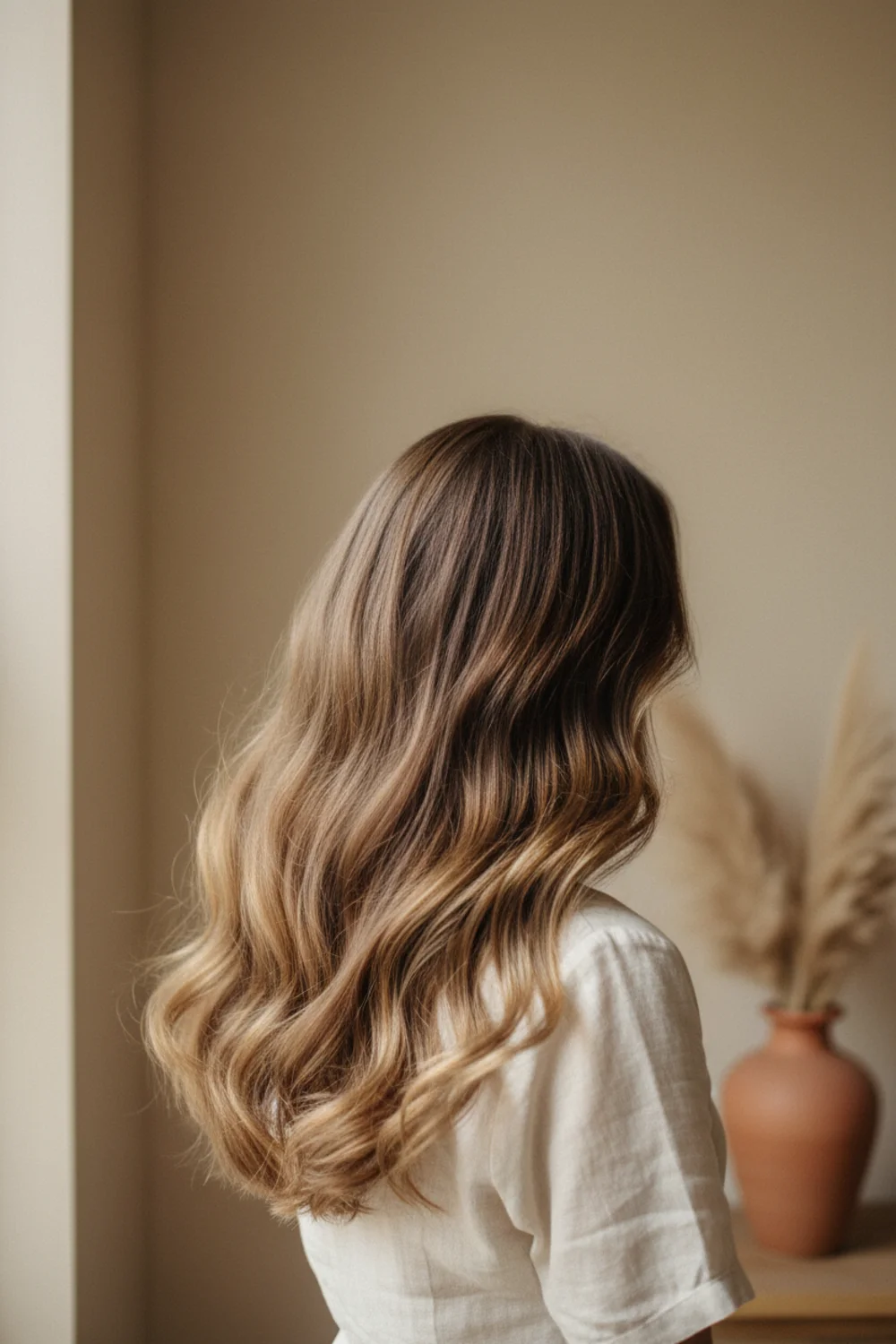
7. Salt-Spray Beach Waves for Wavy 2A Hair
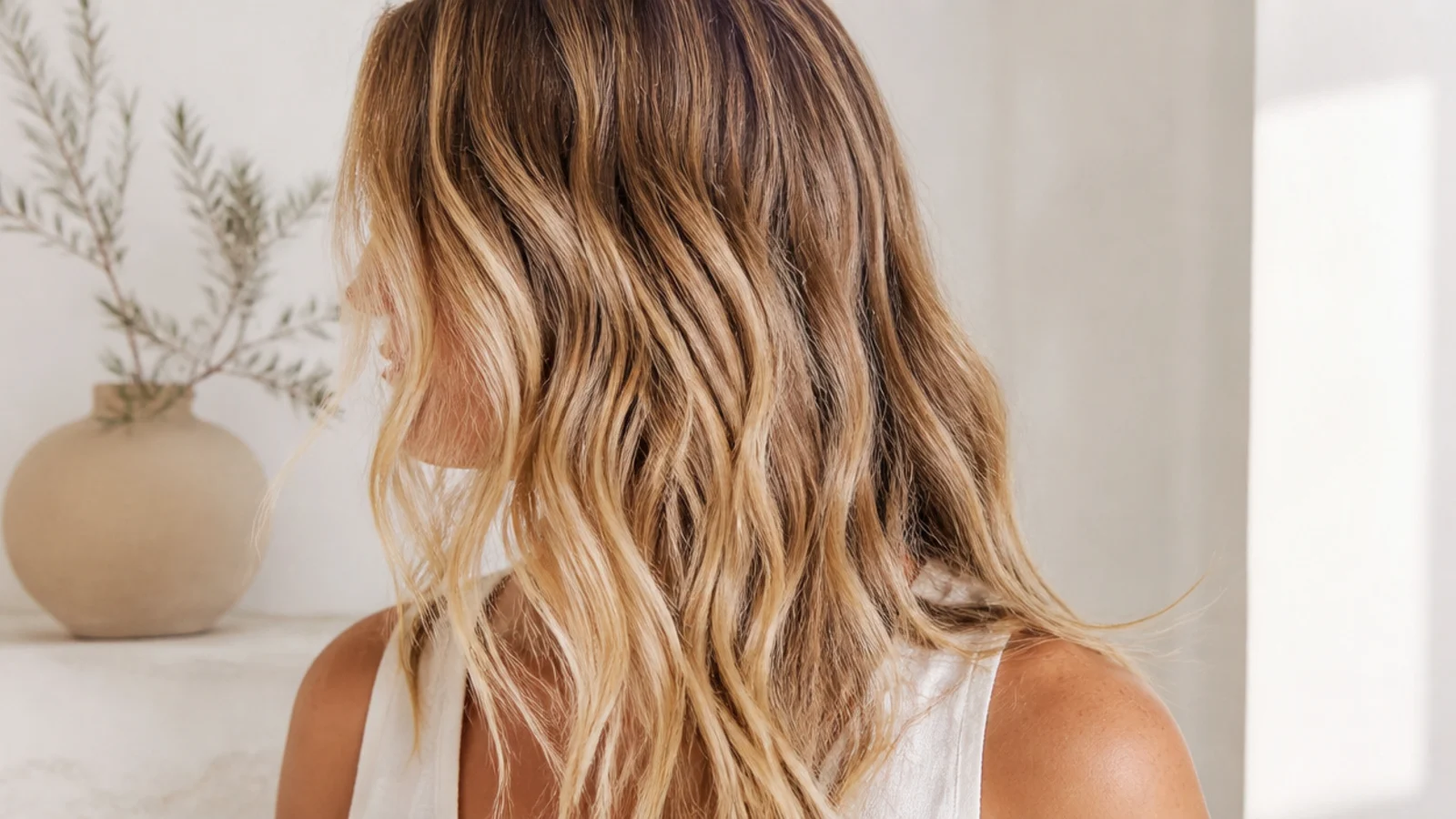
Type 2A hair has a soft, barely-there S-wave that a salt spray amplifies without heat. On damp hair, scrunch a sea-salt spray upward toward the scalp in sections, then let it air-dry or diffuse on low. The salt swells the cuticle and locks the natural bend. Takes 5 minutes of application, then air time, and the wave lasts until your next wash. 2A is the finest wave pattern, so use a light salt spray, not a heavy gel, which drags the loose wave straight. This is the no-heat everyday version; the full range is in effortless beach-wave hairstyles.
Do not touch it while it dries; handling wavy hair mid-dry breaks the wave into frizz.
8. Balayage Lob for Wavy 2B Hair
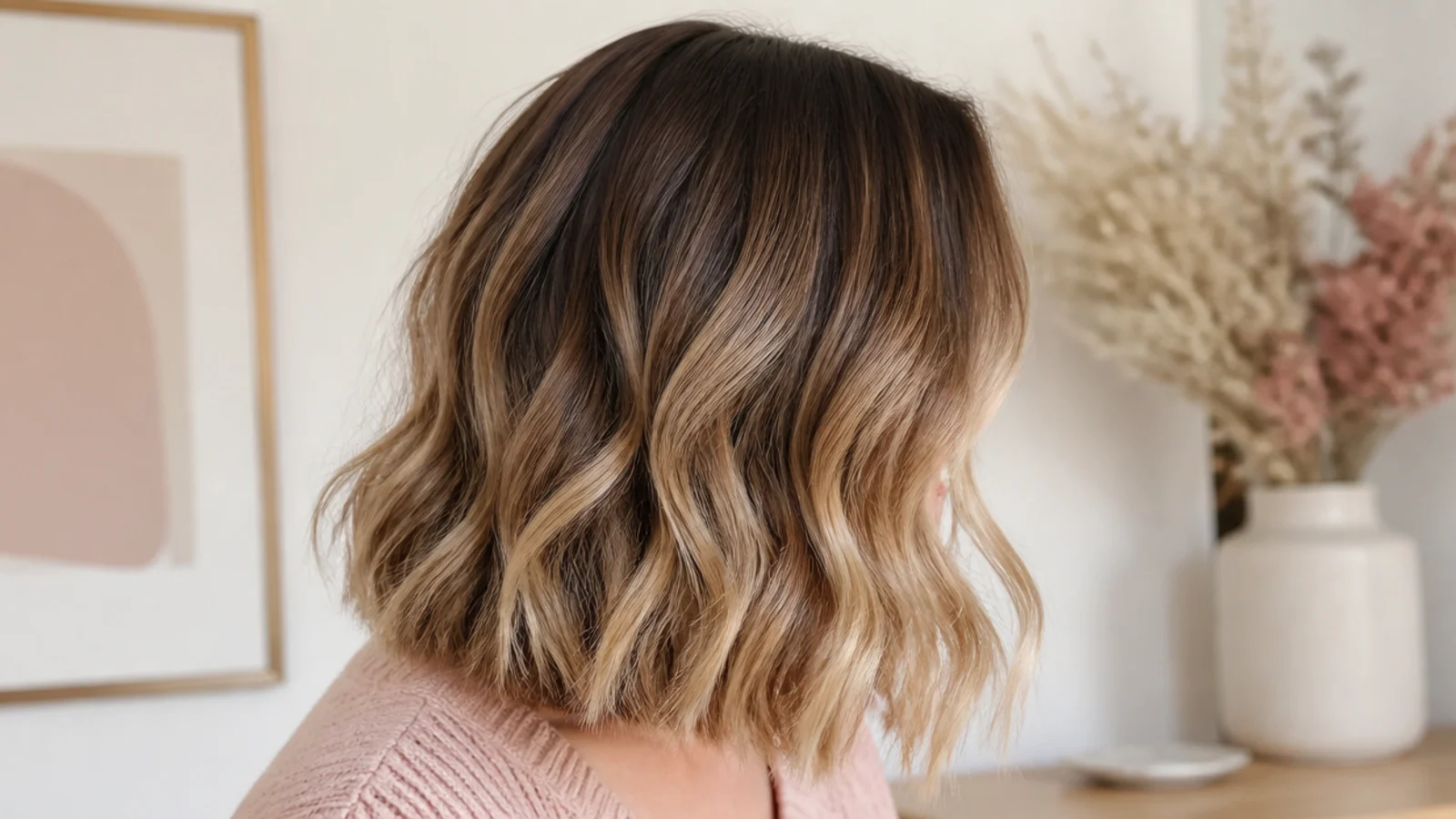
The named recommendation for Type 2B, the defined mid-wave, is a shoulder-length lob with balayage, because painted-on color adds visual depth that makes an already-textured wave look richer and more dimensional. The lob length keeps the wave springy instead of weighing it down, which is what happens to 2B past bra-strap length. Air-dry with a curl cream scrunched in. Cut is the decision here, styling is minimal. Best on medium density; the color technique itself is covered in soft balayage brunette ideas. A lob hits between the chin and the collarbone.
Ask for balayage placed mid-length to ends, not at the roots, so grow-out stays invisible for months.
9. Twisted Half-Up for Wavy Medium Hair
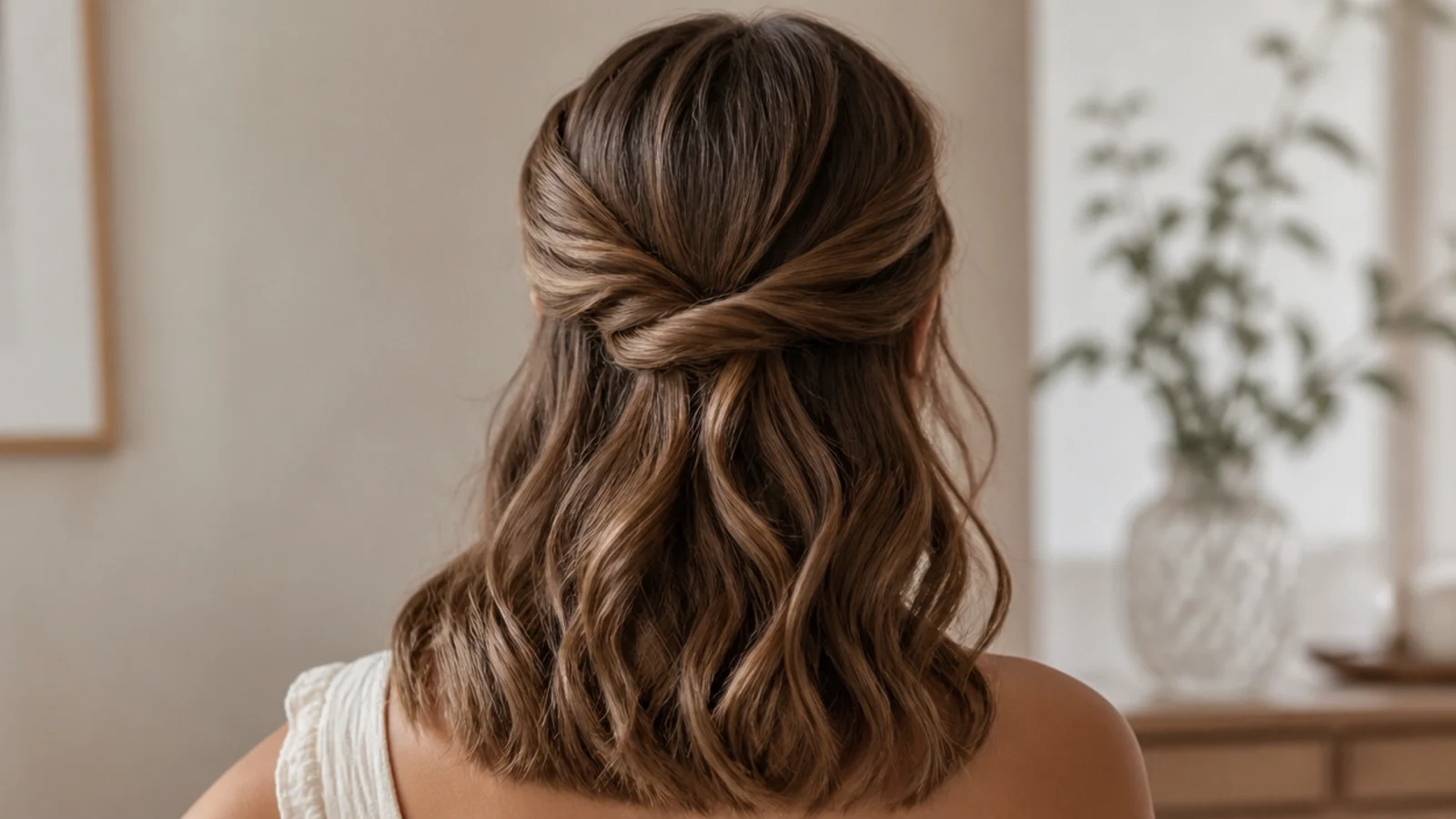
Wavy medium hair grips itself well, which makes a twisted half-up one of the most reliable no-slip styles for Type 2. Take a section above each ear, twist each toward the back, and join them with a small elastic or a clear jaw clip at the crown. The natural wave texture stops the twists from sliding the way they do on straight hair. Takes 2 minutes, holds most of the day. This is the everyday half-up that actually survives on textured hair. Works from 2A through 2C, chin length or longer, any density above genuinely fine.
Twist away from your face on both sides so the sections mirror each other and sit flat.
10. Low Messy Bun for Wavy Thick Hair
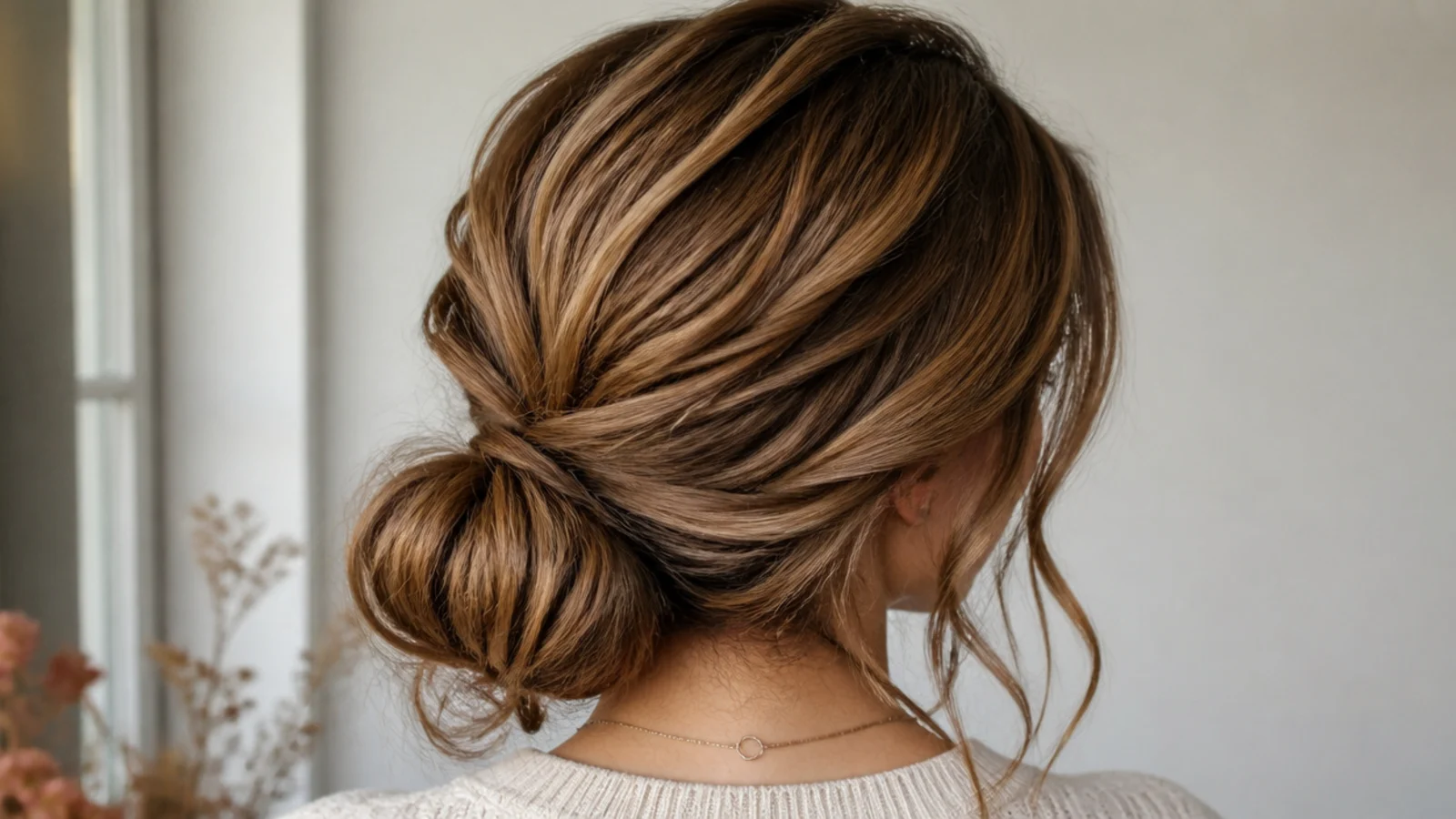
Thick wavy hair has the volume and grip to hold a genuinely effortless low bun, the style that looks impossible on fine hair. Gather into a low ponytail, twist loosely, coil into a bun and secure with two crossed bobby pins plus one elastic; the wave texture fills any gaps so it never looks sparse. Pull a few face-framing pieces free. Takes 3 minutes, holds all day thanks to the natural friction. Thick hair is the ideal density here; fine hair needs a hair donut for the same fullness. A brilliant end-of-day option that hides second-day texture.
Do not brush it smooth first; brushed-out wave loses the grip that makes the messy bun hold.
11. Wavy Shag for 2C Medium Hair
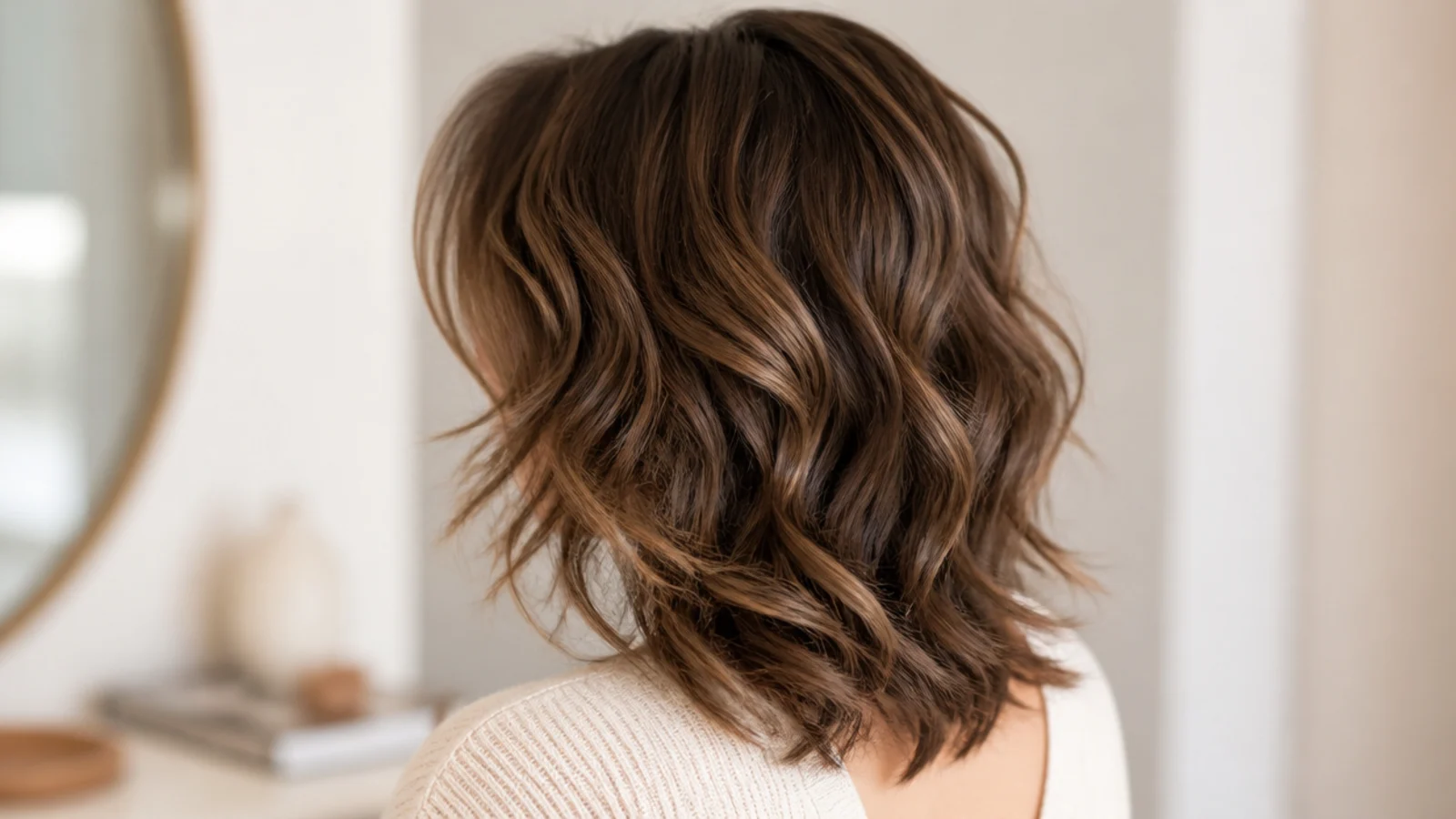
Type 2C sits at the border of wavy and curly, with a defined deep wave that a shag cut is built for. The heavy layering removes bulk and lets each wave spring, while curtain bangs frame the face without heat. Scrunch a curl cream into damp hair, plop in a microfiber towel for ten minutes, then air-dry. Takes 5 minutes of handling. Best on medium to thick 2C; the shag's layers make fine 2C look scraggly, so fine textures should stay closer to one length. This is the cut that finally works with, not against, a strong wave.
Scrunch upward and hold for a few seconds, do not rub, or 2C waves shred into frizz.
12. Wash-and-Go for Curly 3A Hair
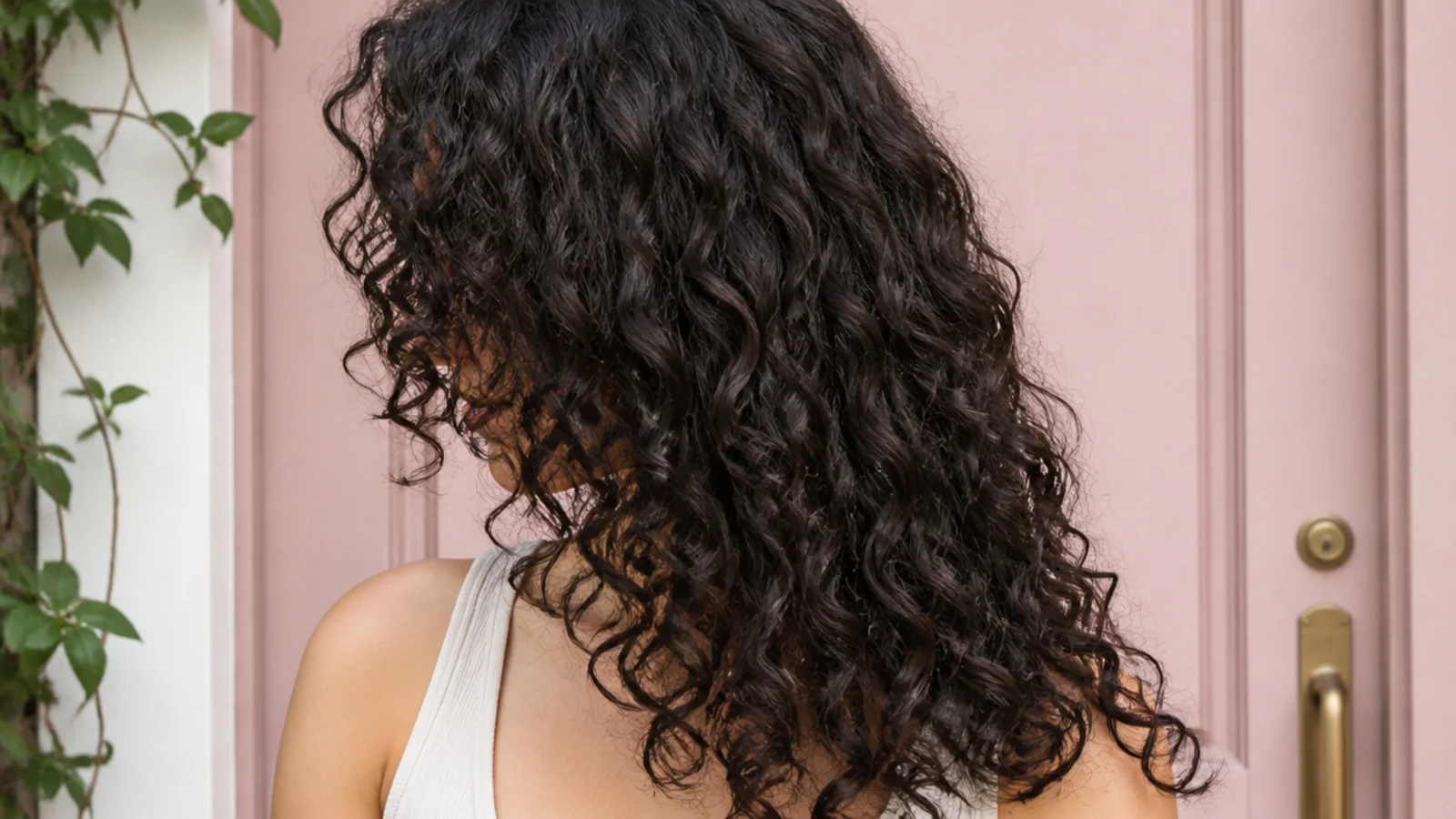
Type 3A has a loose, loopy curl about the width of a wine cork, and it defines beautifully in a simple wash-and-go. On soaking-wet hair, rake a curl cream through, then scrunch in a light gel and let it cast a firm shell as it dries. Scrunch out the crunch once fully dry for soft, defined curls. Takes 5 minutes wet, then air time, and lasts 2 to 3 days if you sleep on satin. 3A is loose enough that heavy products weigh it down, so keep the gel light. This is the foundation style for Type 3 everyday wear.
Apply everything to dripping-wet hair; 3A curls only clump and define while fully saturated.
13. Pineapple Updo for Curly 3B Hair
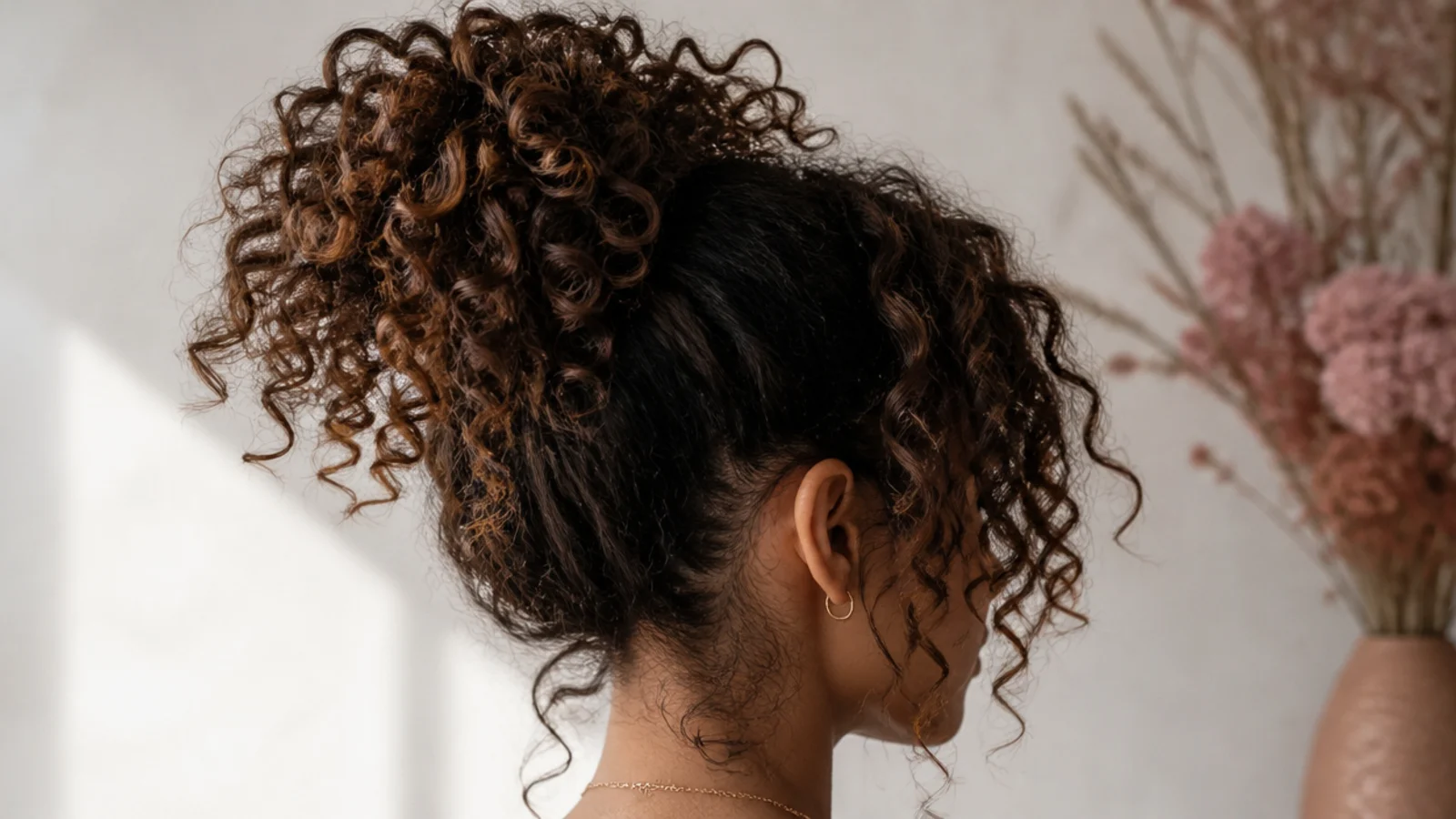
The pineapple is both an overnight curl-saver and a genuine daytime updo for Type 3B, the springy ringlet about the width of a marker. Flip your head forward, gather all the curls into a very loose, high ponytail at the very top of the head with a soft scrunchie, and let the curls cascade forward. It preserves curl definition by keeping the lengths off the pillow or the collar. Takes 60 seconds, refreshes second and third-day 3B curls perfectly. Use a satin scrunchie, never a tight elastic, which leaves a dent and snaps curls.
Set the base loose and high; a tight or low pineapple crushes the crown curls into a flat patch.
14. Loose Side Braid for Curly Long Hair
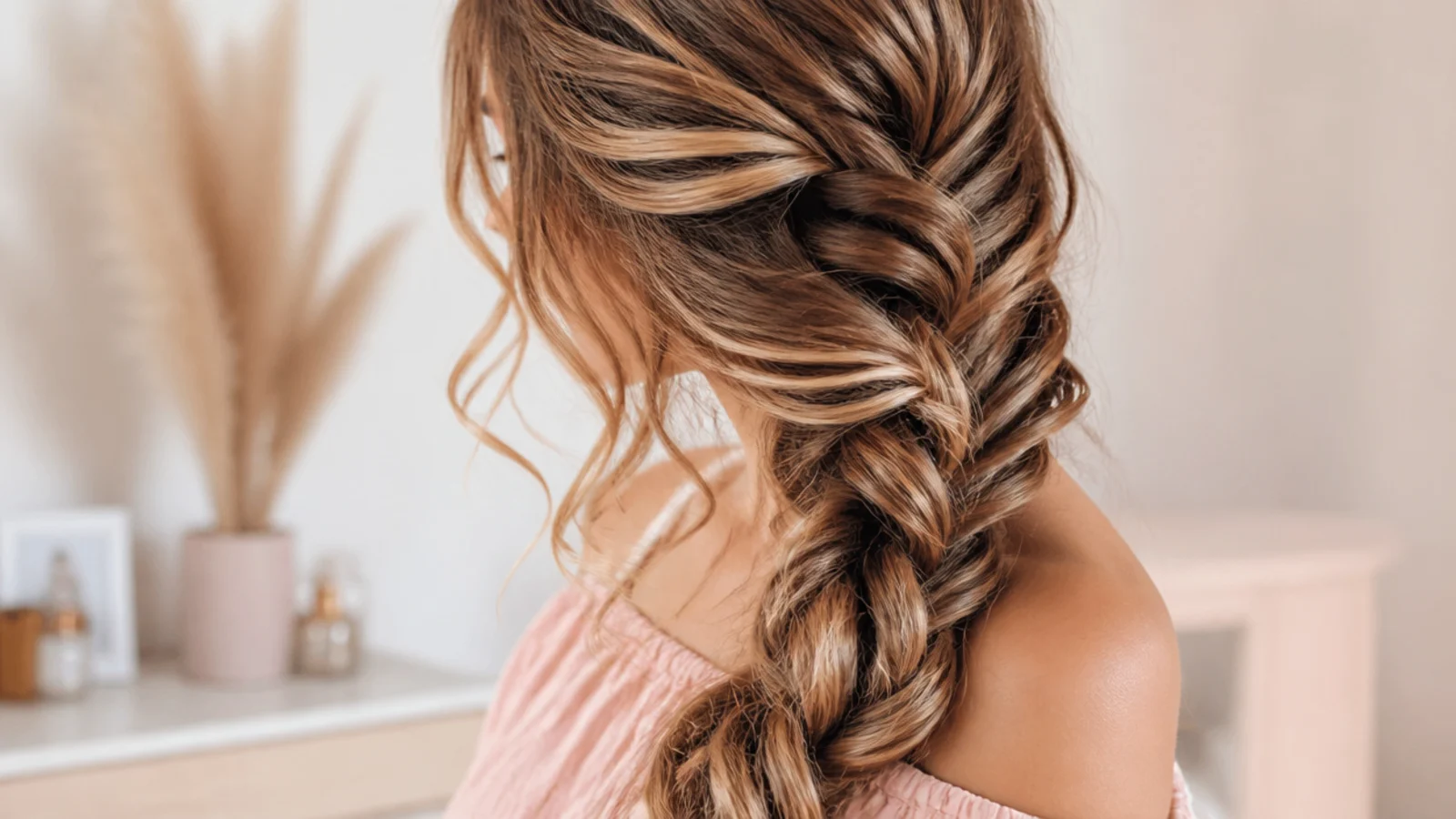
Long curly hair, 3A through 3C, makes a chunky, textured side braid that fine straight hair can only fake. Gather the curls over one shoulder and loosely three-strand braid, keeping it slack so the curl volume shows between the sections, then gently pull the edges wider for a fuller braid. Takes 3 minutes, holds all day and doubles as a next-morning wave-stretcher when unraveled. Best from collarbone length down; the curl texture grips itself so the braid needs only a soft elastic at the end. A relaxed, romantic option that keeps curls off your face.
Braid on dry, second-day hair; freshly washed curls are too slippery and the braid loosens.
15. Curly Faux Hawk for 3C Short Hair
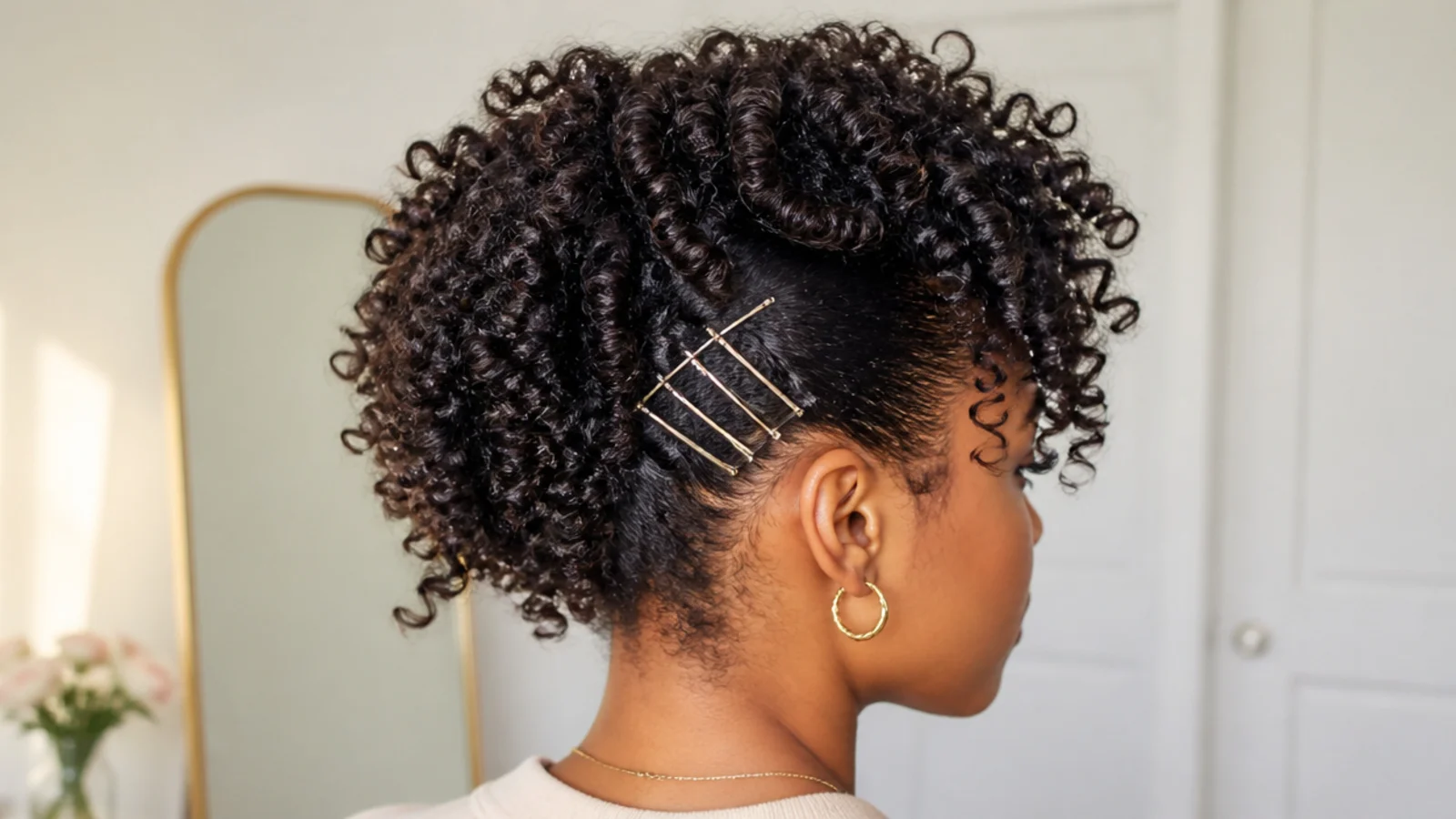
Type 3C, the tight corkscrew about the width of a pencil, is dense enough at short length to build a striking curly faux hawk. Pin the sides back and up with bobby pins tucked underneath, and let the crown and center curls stand tall for height down the middle. Fluff with a pick at the roots for lift. Takes 4 minutes, holds all day. This works because 3C has the density and spring to hold structure that looser curls cannot. Best on short to medium 3C; longer lengths lose the sharp shape. A bold, low-maintenance style with real presence.
Pin the sides against the direction of curl growth so the pins disappear and the hold is stronger.
16. Half-Up Curly Puff for Curly Medium Hair
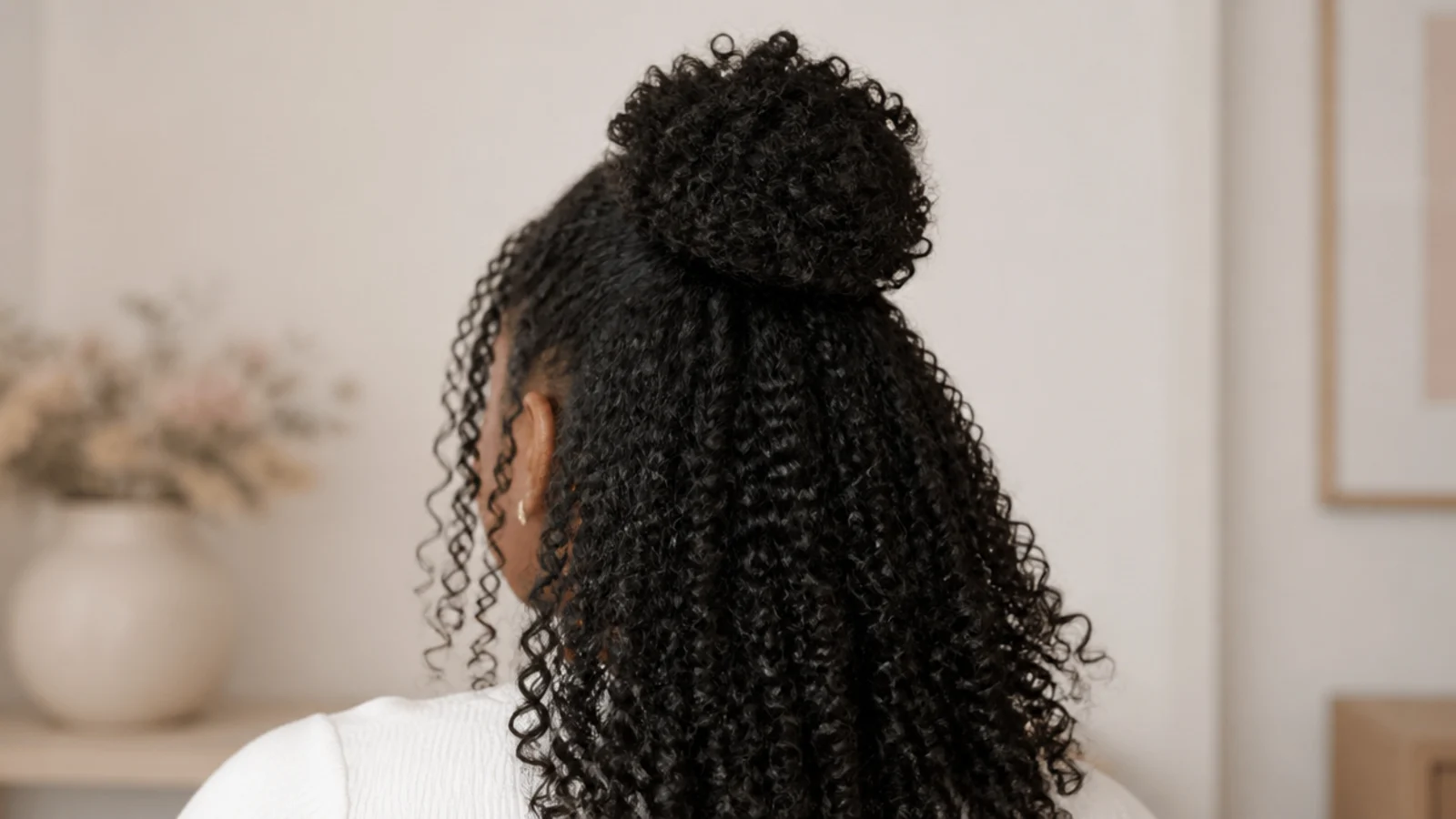
The half-up puff keeps curls out of your face while showing off the length, and it suits all of Type 3 at medium length. Gather the top half of the curls up to the crown, smooth the front with a little edge control or curl cream, and secure with a loose spiral hair tie into a rounded puff, leaving the bottom curls down. Takes 2 minutes, holds all day. This is the everyday go-to that never crushes the curl pattern. A spiral or coil tie is essential; a standard elastic snags and breaks curly hair at the gather point.
Do not brush the puff smooth; finger-fluff it so the curl definition stays intact at the crown.
17. Defined Wash-and-Go for Fine 3A Low-Density Hair
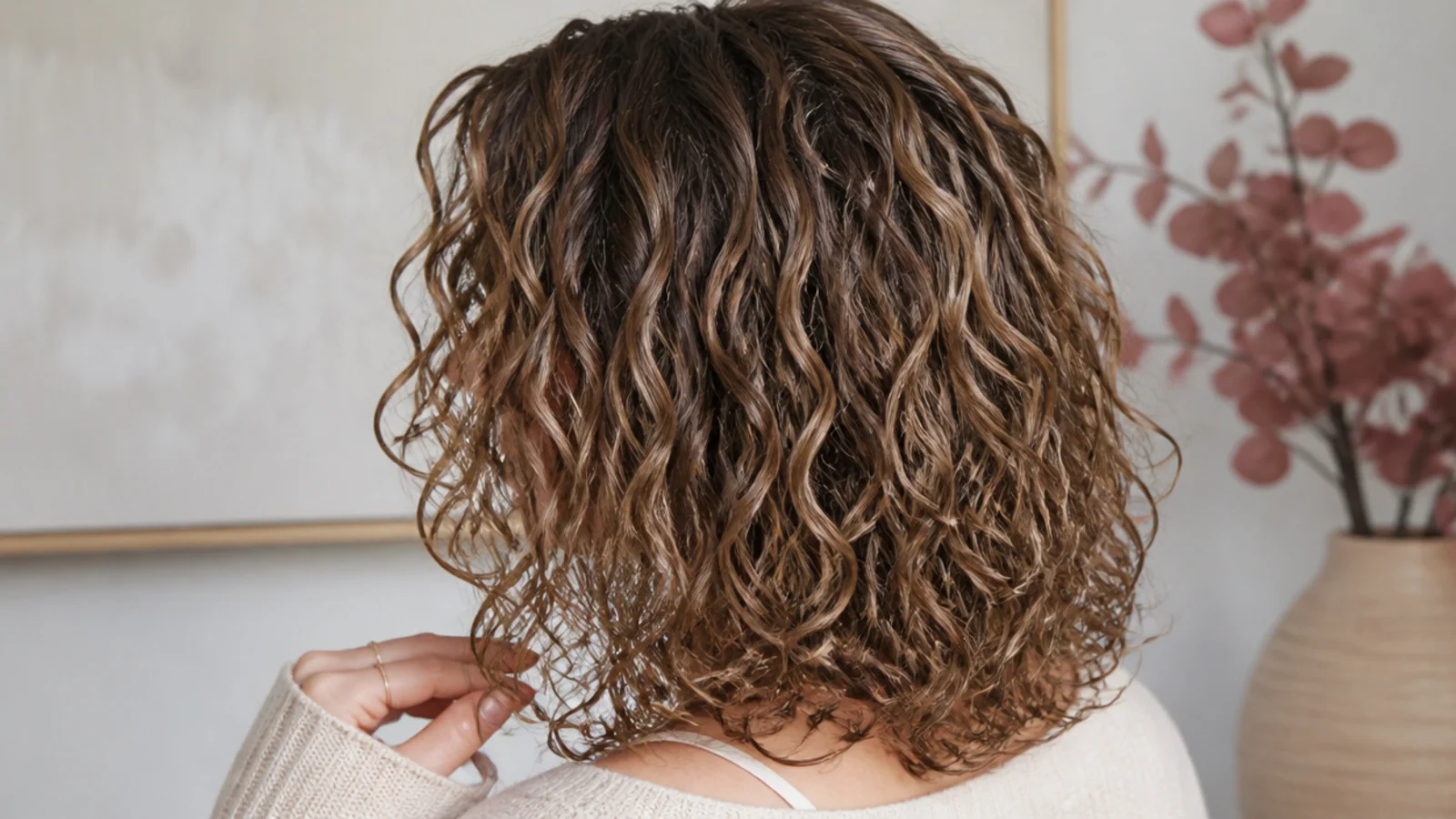
Fine low-density curls are their own case: the curl pattern is there but heavy creams flatten it and reveal the scalp. The fix is a stripped-back wash-and-go using only a lightweight mousse or foam, scrunched into soaking-wet hair, diffused on low heat to build root lift the curls cannot make on their own. Takes 6 minutes, lasts 2 days. The mistake fine curly hair makes is layering the same rich products thick curls need; less product plus root diffusing is the whole answer. This bridges the fine-hair and curly playbooks better than any single-axis guide.
Diffuse upside down and cup curls into the bowl at the roots; that is where fine curls need volume.
18. Two-Strand Twists for Coily 4A Hair
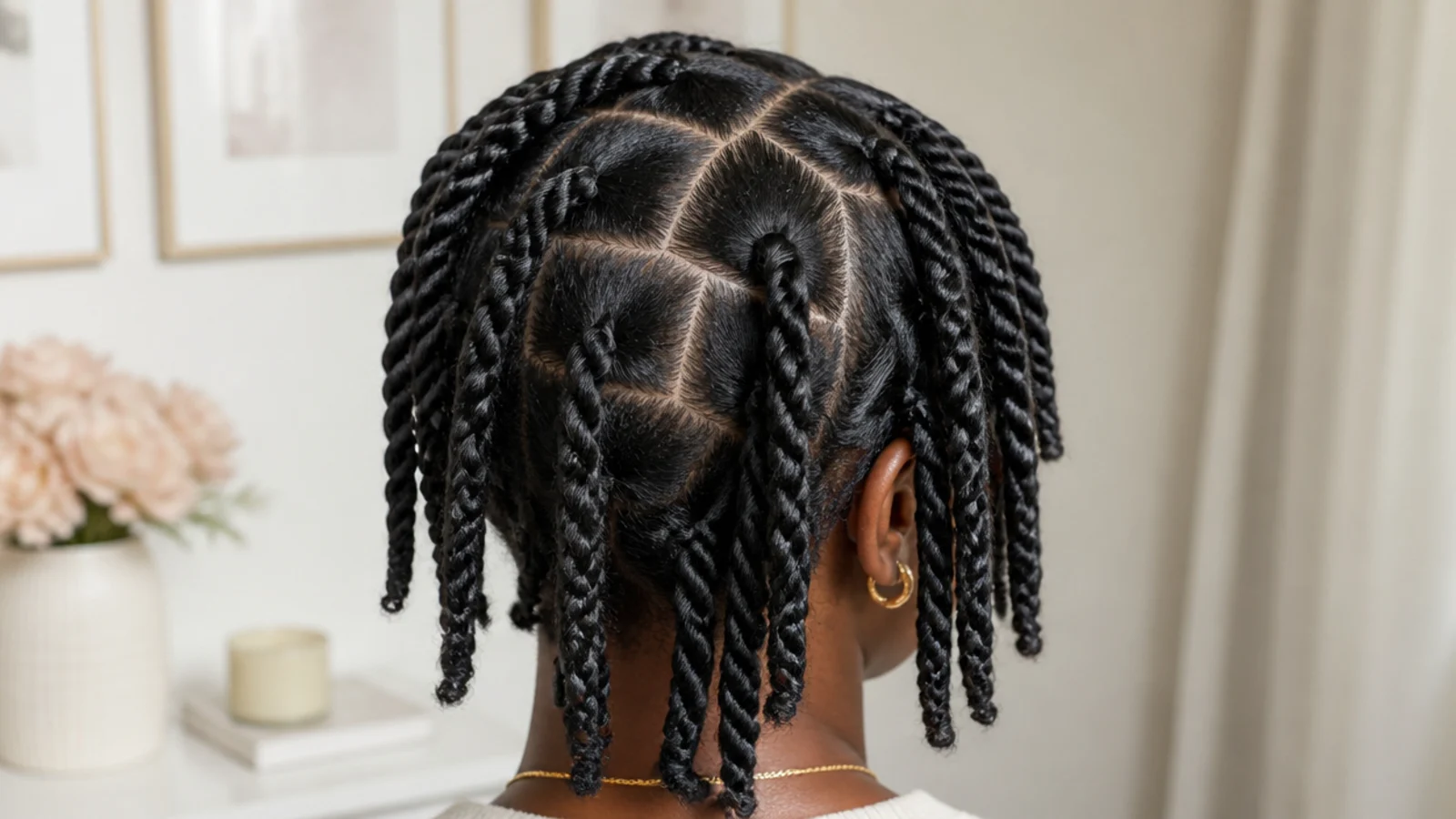
Type 4A has a tight, springy coil about the width of a crochet needle, and two-strand twists are the everyday protective style that keeps it moisturized and low-manipulation. On damp, moisturized hair, part into sections, split each into two strands and wind them around each other to the ends. Takes 30 to 45 minutes for a full head, then lasts 5 to 7 days worn as twists, or unravel for a twist-out. This reduces daily handling, which is what keeps 4A healthy. A cornerstone of natural hair styling. More protective options are gathered in easy braided hairstyles for everyday.
Twist on damp, not soaking, hair; too wet and the twists take all day and unravel as they dry.
19. Bantu Knots for Coily 4B Hair
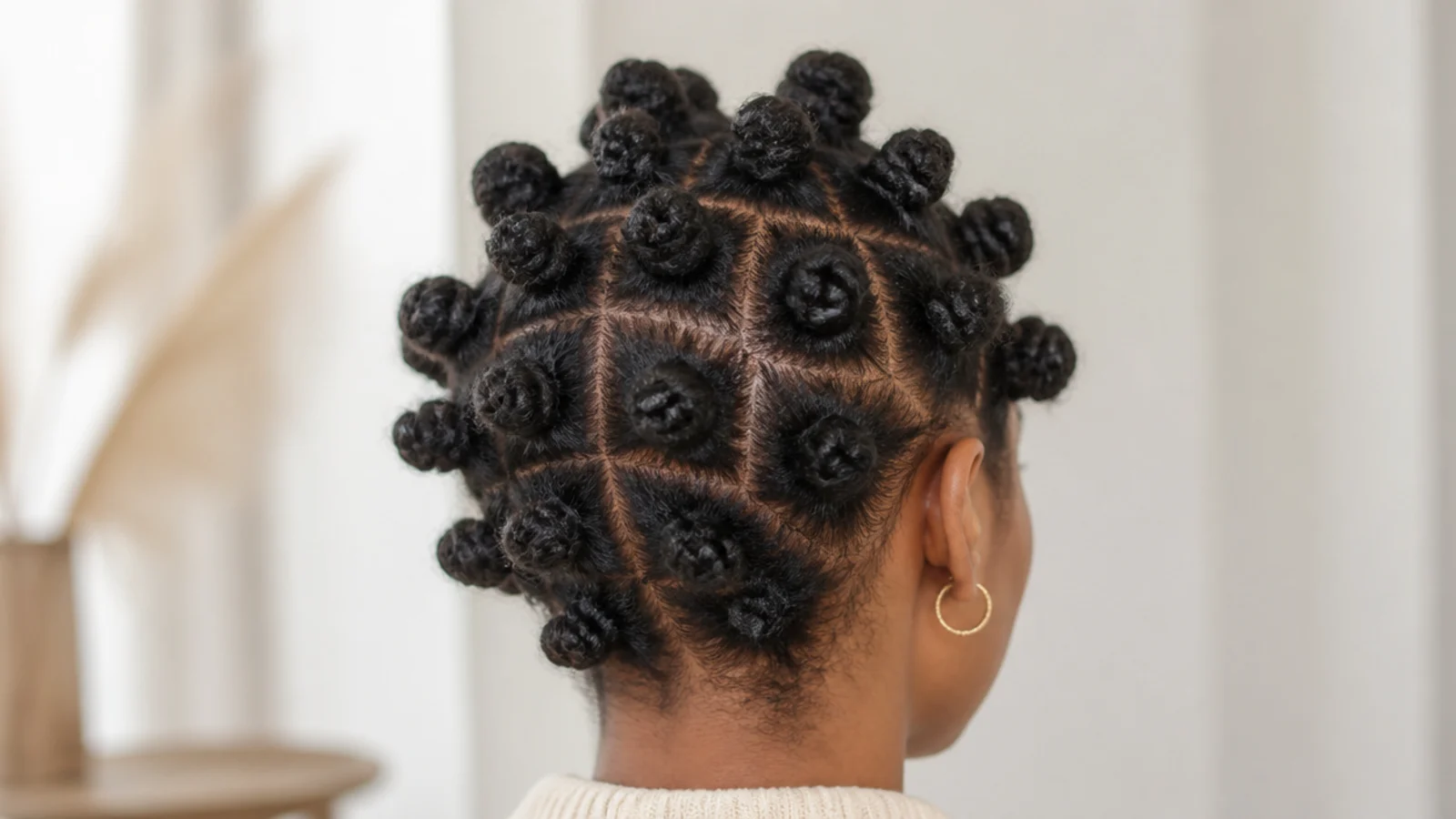
Type 4B bends in sharp Z angles rather than coils, and bantu knots suit it as both a finished style and a heatless curl set. Part into a grid, twist each section into a rope, then wind it around its own base into a tight knot and tuck the end. Takes 30 to 40 minutes, worn as knots for a few days or unraveled into a bantu knot-out for defined spiral volume. 4B benefits from the stretch this gives its tight pattern. Keep the sections even so the knots sit uniformly. A versatile two-in-one that works styling and prep at once.
Smooth each rope with a little gel before knotting, or 4B frizzes and the knots will not stay wound.
20. Knotless Box Braids for Coily 4C Hair
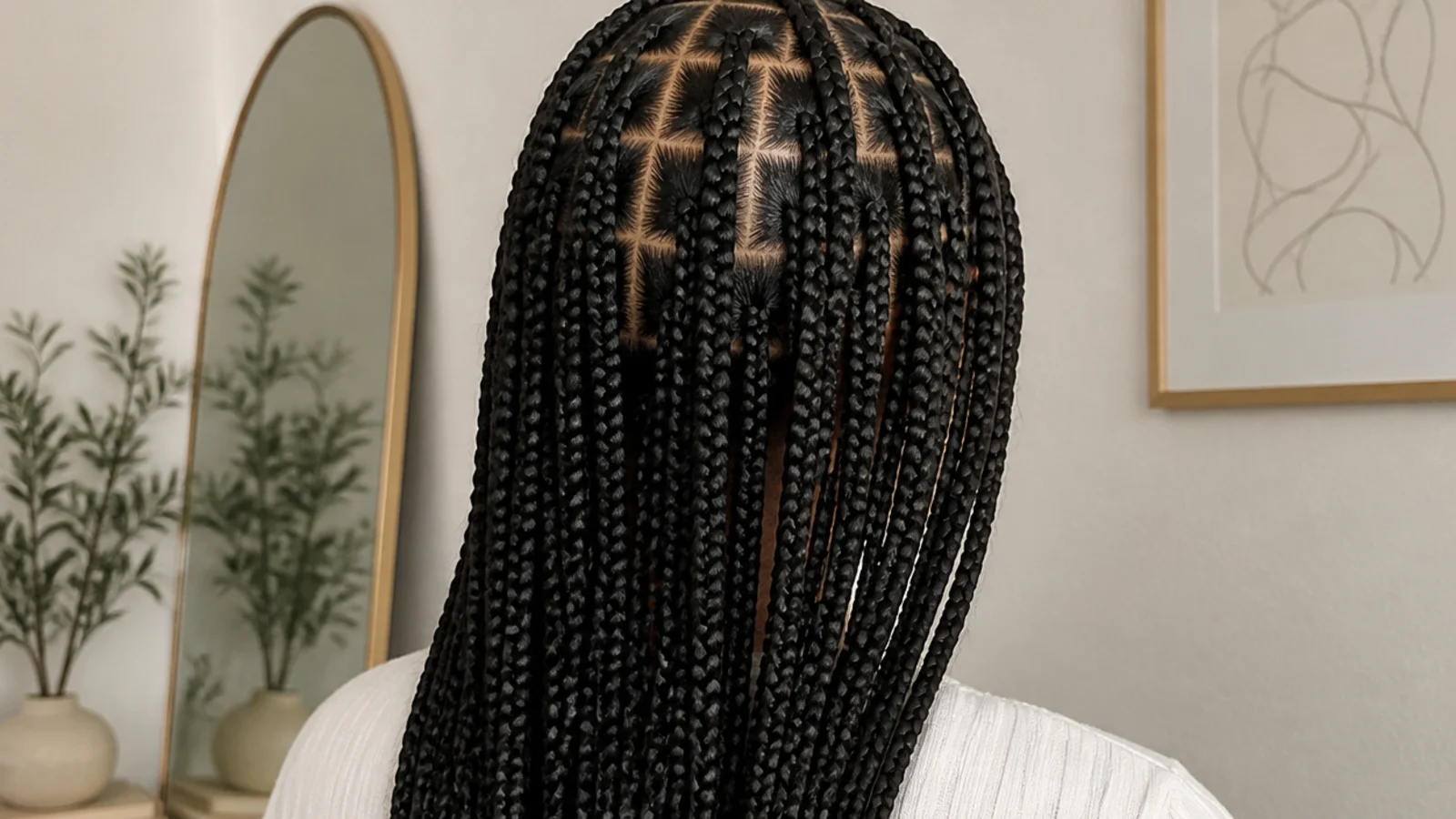
Type 4C is the tightest pattern with the most shrinkage, and knotless box braids are the long-wear protective style that lets it rest for weeks. Unlike traditional box braids, the knotless method feeds the extension hair in gradually, so there is no tight knot pulling at the root, which is gentler on 4C edges. Takes 4 to 8 hours to install, then lasts 6 to 8 weeks. The payoff is minimal daily manipulation for nearly two months. Always choose knotless over knotted for 4C to protect the hairline from tension. The everyday braid range is in easy braided hairstyles for everyday.
Do not let the braids be installed too tight; if it hurts at the salon, it is causing tension damage.
21. High Puff for Coily Medium Hair
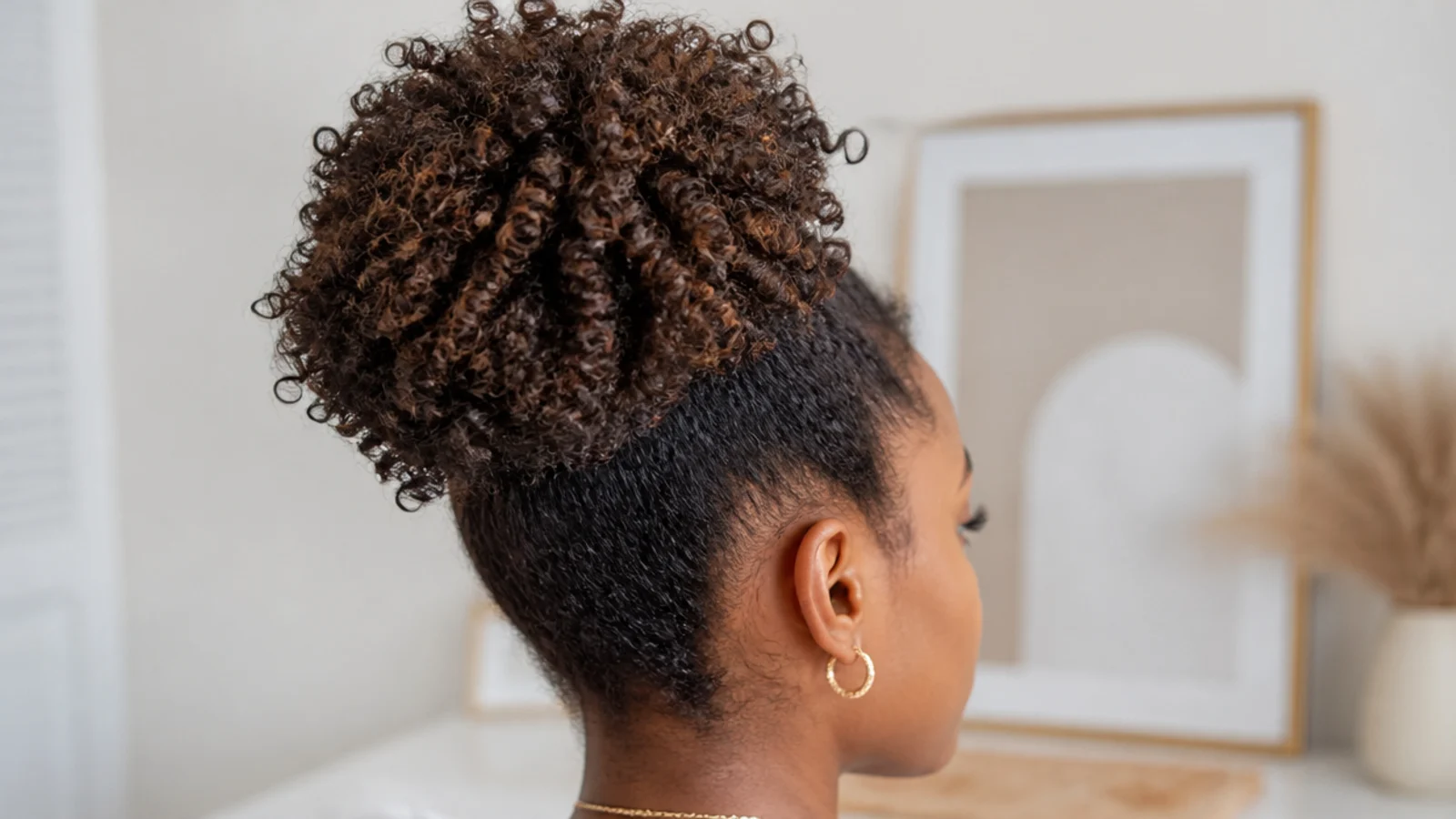
The high puff is the fastest everyday style for all of Type 4 at medium length: gather the coils up to the crown, smooth the edges with edge control and a soft brush, and secure with a loop of stretchy fabric or a hair tie over a scarf to avoid snapping strands. Takes 3 minutes, holds all day. It shows off volume while keeping hair off the neck. The key is anchoring over fabric rather than a bare elastic, which cuts into coily hair. A reliable, protective-adjacent style for busy mornings. Great when a full braid set is not an option.
Wrap a thin scarf strip under the tie; a bare elastic on 4 hair snaps coils at the gather line.
22. Flat Twists for Fine 4C Low-Density Hair
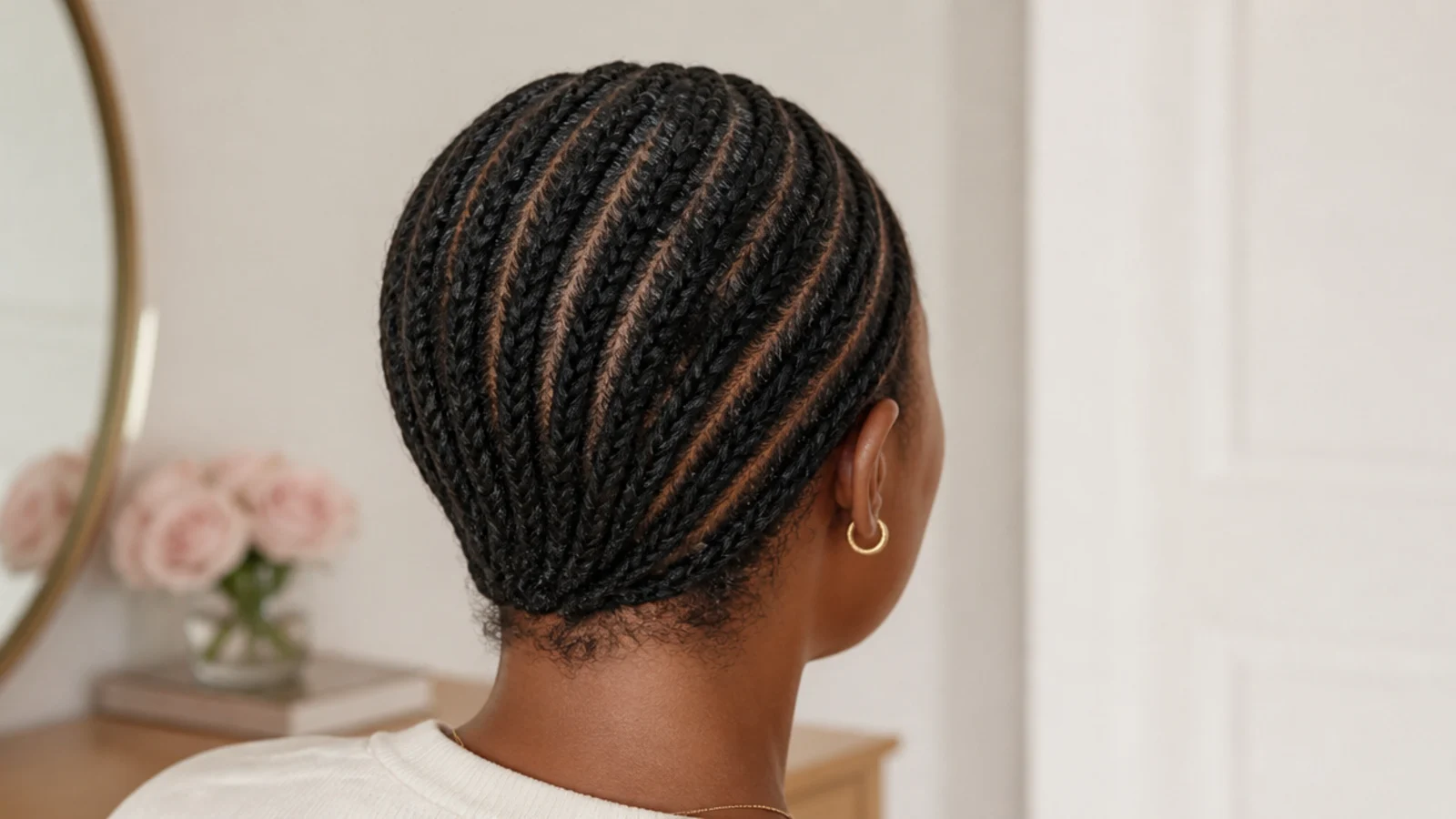
Fine 4C with low density needs protective styling that adds no tension, because heavy braids and tight installs cause the exact breakage this hair can least afford. Flat twists, which lie flat against the scalp like cornrows but use two strands instead of three, are low-tension and spread the weight. Keep sections larger and the twists loose. Takes 30 to 45 minutes, lasts up to a week and unravels into a soft twist-out. This is the single most important pairing on the chart for anyone told only about box braids. The niche fine-coily playbook it belongs to also lives in the protective-styles guides.
Keep twists loose and sections generous; tight small twists on fine 4C are what cause tension loss.
23. Bantu Knot-Out for Coily Short Hair
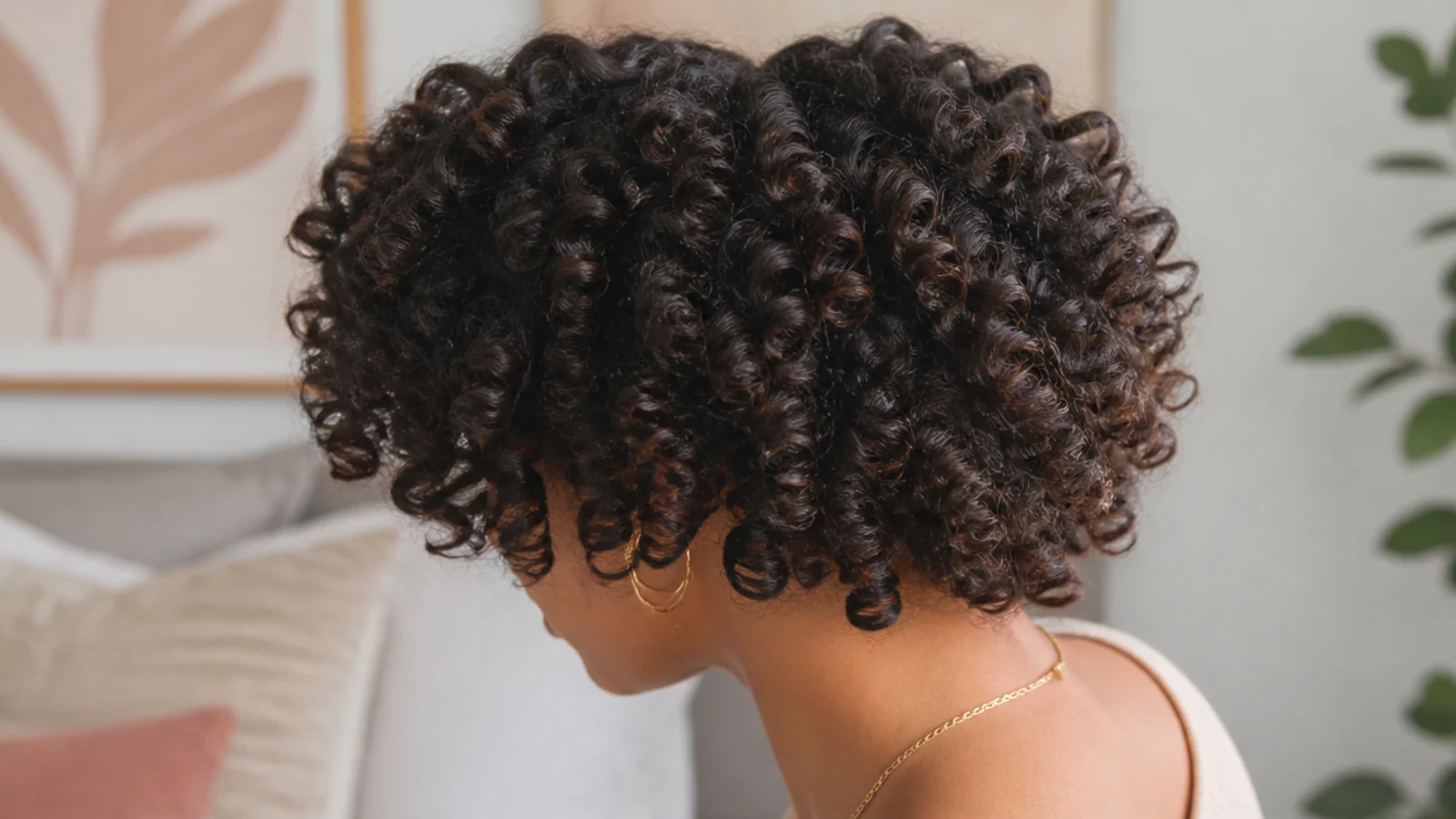
For short coily hair, the bantu knot-out delivers defined spiral volume that a wash-and-go cannot at that length. Set small bantu knots on damp, product-smoothed hair at night, sleep in a satin bonnet, and unravel in the morning for springy, uniform curls with real height. Takes 30 minutes to set, then holds the definition 2 to 3 days. Short coily hair especially benefits because the knots stretch the shrinkage into visible length and shape. Unravel gently with oiled fingers so the definition stays crisp. A brilliant way to get curl definition without heat on the tightest textures.
Make sure the knots are bone-dry before unraveling; damp knot-outs frizz instantly and lose the pattern.
24. Milkmaid Braid for Long Hair, Any Texture
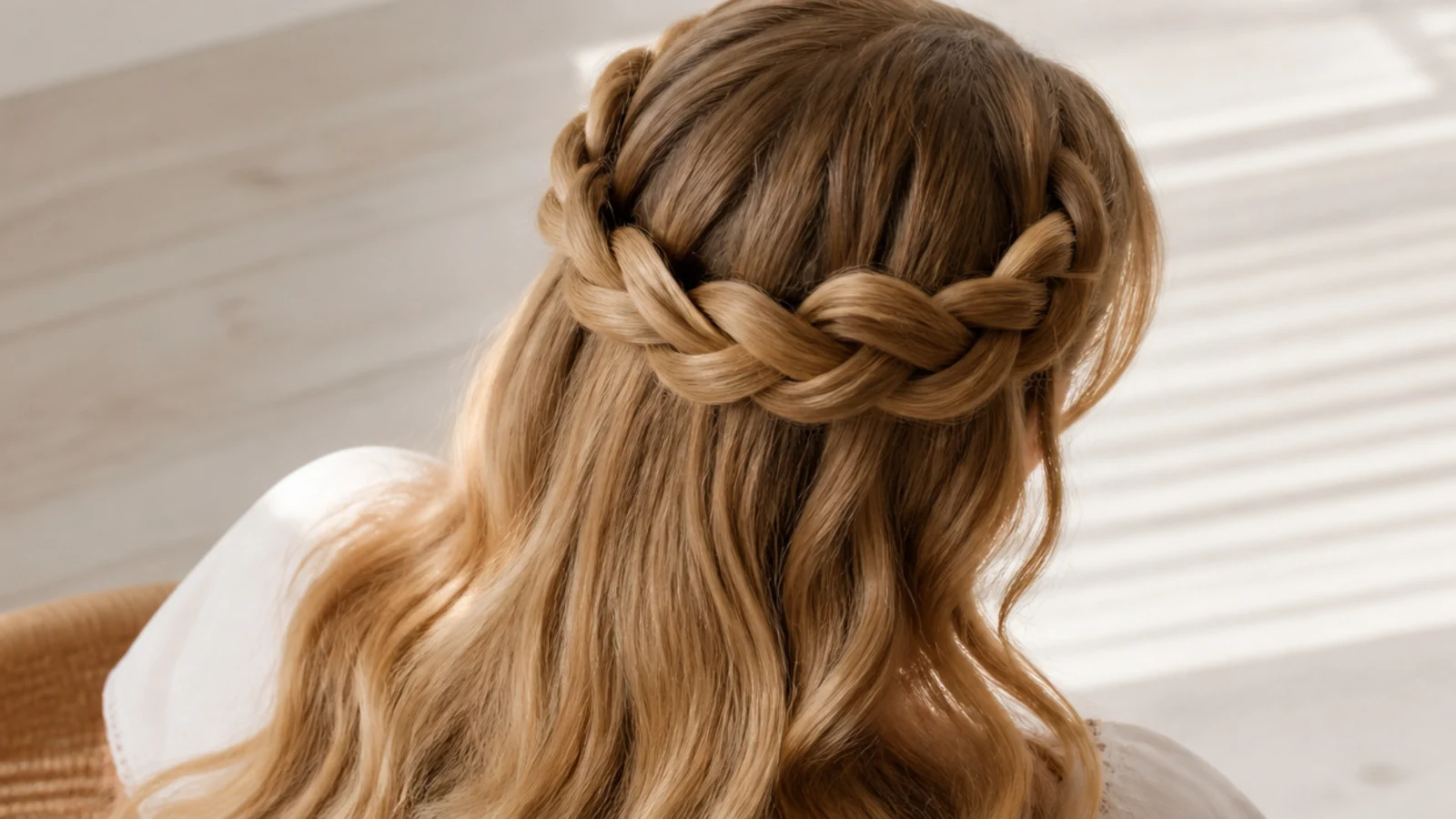
The milkmaid braid is the rare style that works across every texture at long length, because braiding neutralizes curl pattern. Split hair down the middle, braid each side, then wrap each braid up and over the crown and pin it to the opposite side. Takes 5 minutes, holds all day. Straight fine hair needs the braids backcombed slightly for grip; curly and coily hair grips itself and holds effortlessly. Best from bra-strap length or longer, since the braids must reach across the head. A genuinely universal updo that suits weddings and grocery runs alike.
Anchor each braid-end with two crisscrossed bobby pins under the opposite braid, not one straight pin.
25. 5-Minute Claw Clip Updo for Medium Hair, Any Type
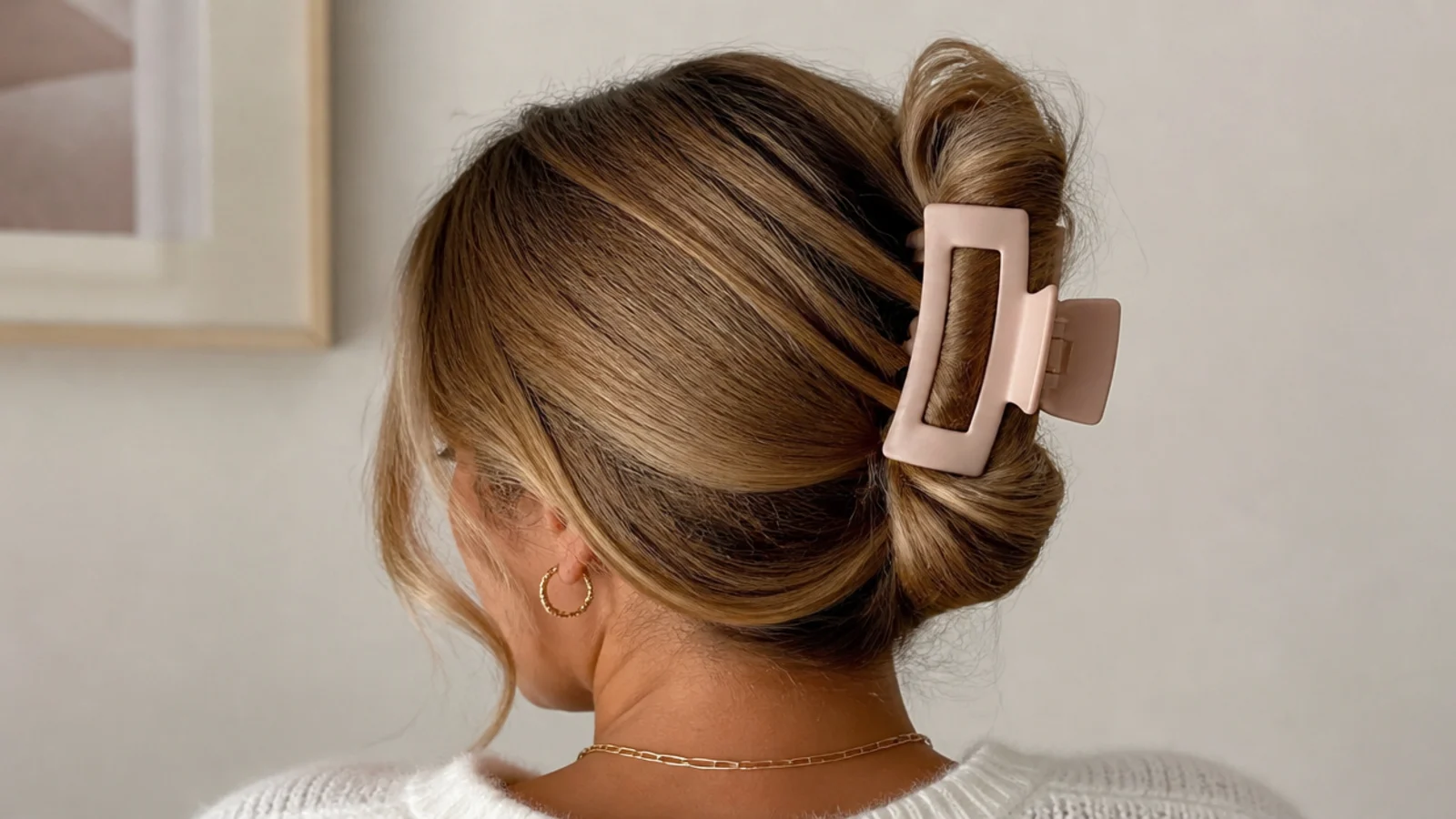
The full claw-clip updo is the everyday workhorse for medium hair across all four types, and the trick that makes it hold is twisting the whole ponytail into a rope first, folding it up toward the crown, and clamping the clip over the folded base so the teeth grip the twist. On fine straight hair, add a pinch of dry texture spray first; on curly and coily hair, the natural grip carries it. Takes 60 seconds, holds several hours. This is the easiest polished updo for beginners on the whole list, which is why it opens most morning routines.
Clamp the clip while pushing the hair up toward the crown; clipping downward is why it slides out.
How the Hair Type 1 2 3 4 Chart Actually Works
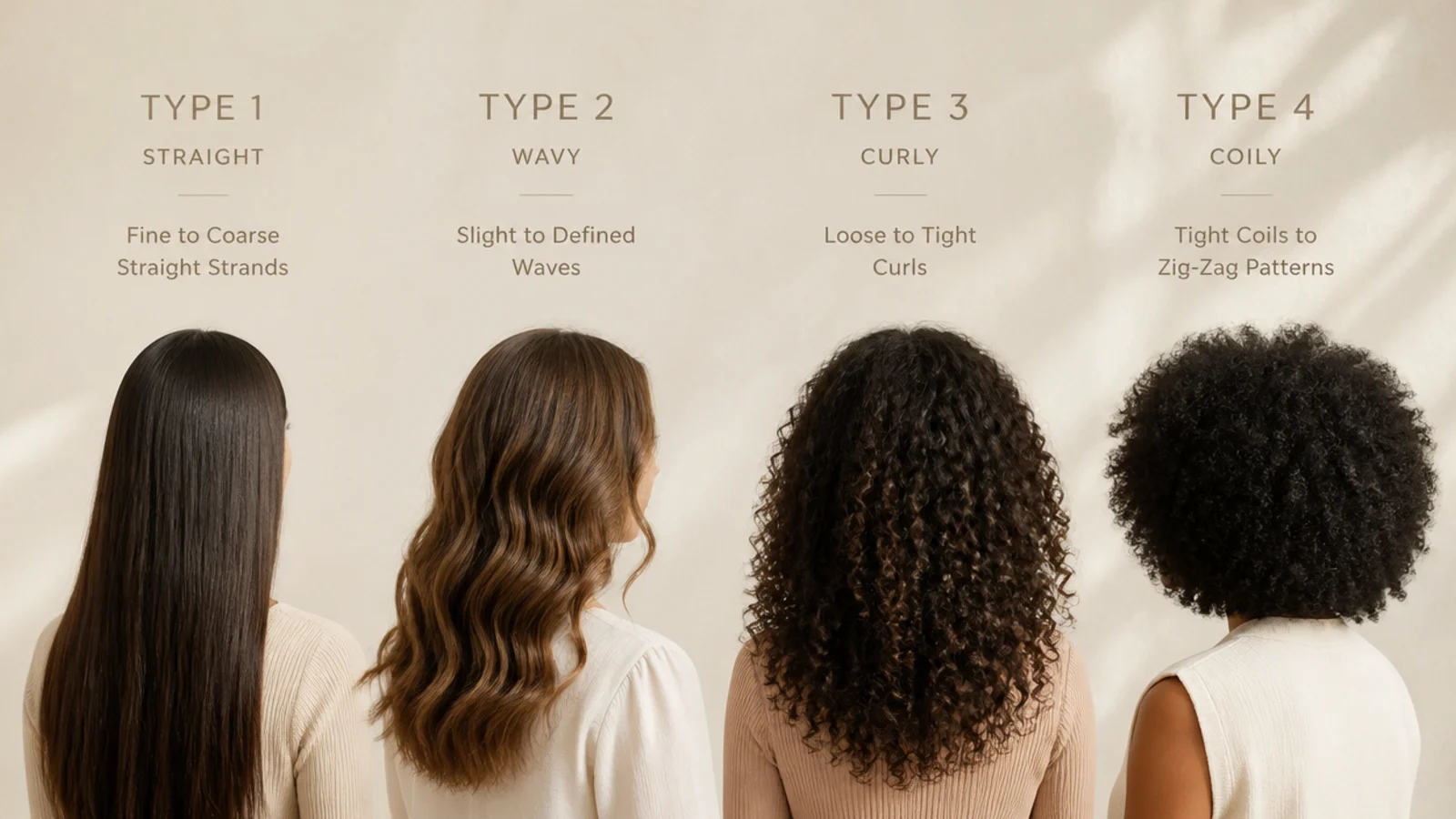
The 1 to 4 system describes one thing only: the shape of your curl when hair is wet and product-free. Type 1 is straight with no bend. Type 2 is wavy, and splits into 2A, a loose barely-there S, 2B, a more defined wave that starts at the mid-length, and 2C, a deep wave bordering on curl. Type 3 is curly, from 3A loose loops the width of a wine cork, to 3B springy ringlets the width of a marker, to 3C tight corkscrews the width of a pencil. Type 4 is coily, from 4A soft tight coils, to 4B sharp Z-shaped bends, to 4C the tightest pattern with the most shrinkage. The number tells you how the strand bends, which decides how it holds a style, catches light and reflects moisture. What it does not tell you is how much hair you have or how thick each strand is, which is why the chart alone never gives you a style that actually works. That is the next axis, and the one every generic guide skips.
Density vs Texture: Why Fine Hair Is Not the Same as Thin Hair
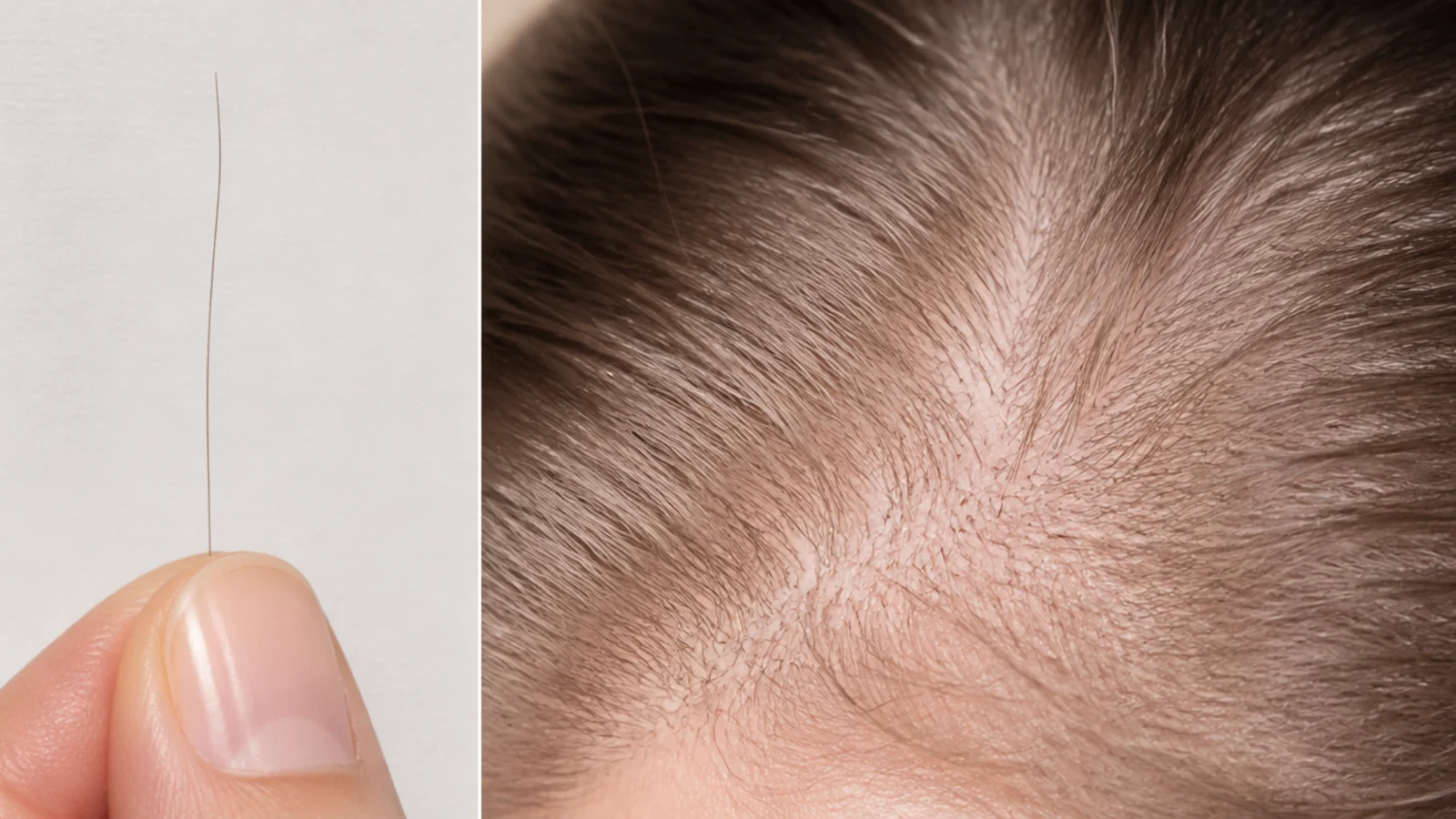
These two words get used interchangeably everywhere, and mixing them up is why so much advice misfires. Fine describes the diameter of one strand, how thick the individual hair is, from fine through medium to coarse. Thin, more accurately called low density, describes how many strands you have per square inch of scalp. You can have fine strands but high density, meaning lots of thin hairs, which looks full. You can have coarse strands but low density, which can still look sparse at the part. The two are separate dials, and they change the rulebook completely. Fine strands need lightweight product and blunt shapes; heavy oils and long layers flatten them. Low density needs volume at the roots and styles that do not expose the scalp, like claw-clip volume over a scraped-back bun. When a style fails, ask which dial is the problem: is the strand too fine to hold the product, or is there too little hair to fill the shape? The fix is different for each, and the daily routine for fine hair sits in how to style short fine hair.
Matching a Hairstyle to Your Hair Length
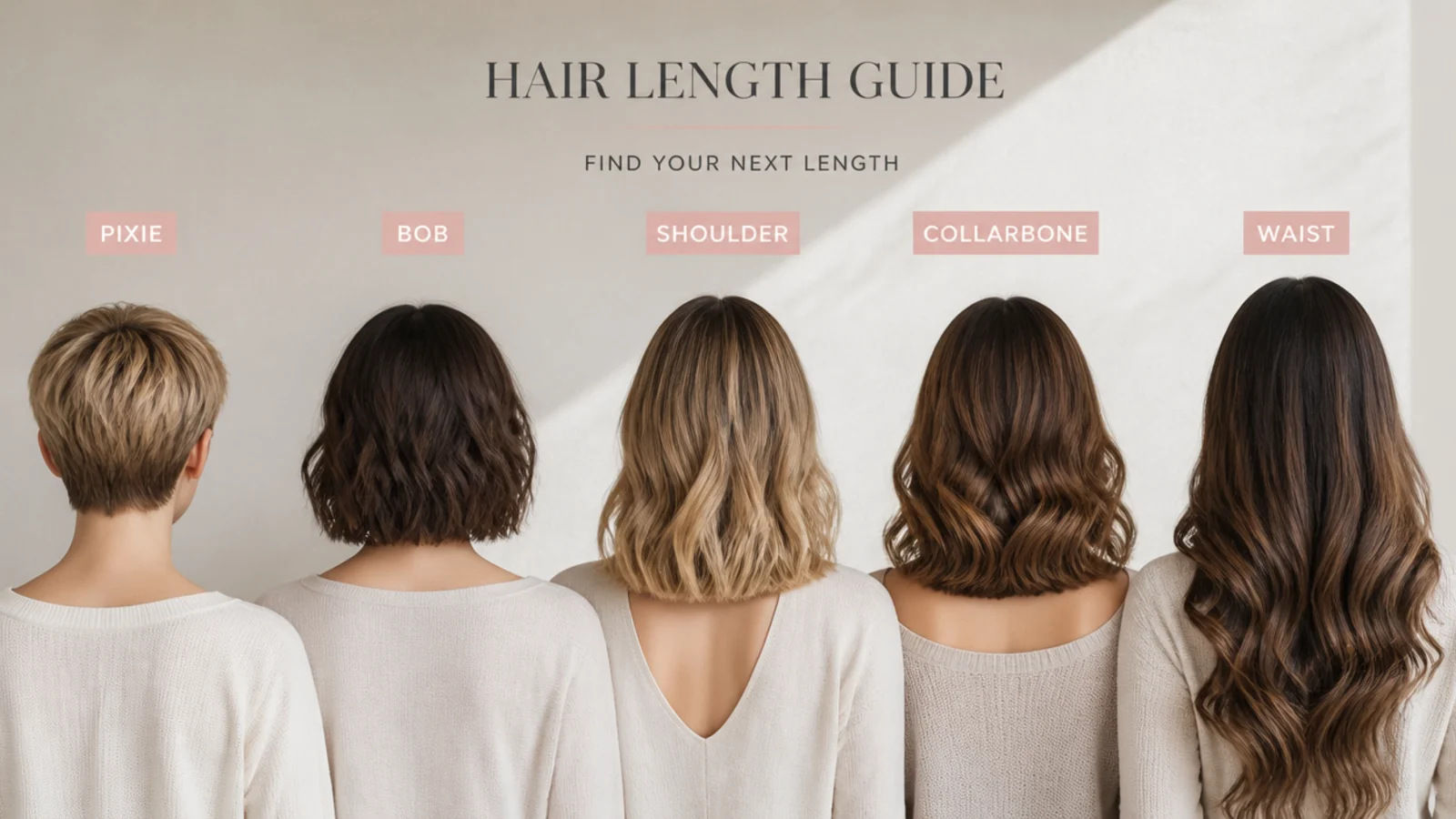
Length is the first filter, before texture, because it decides what is physically possible. Pixie and very short hair, under three inches, cannot be tied up, so the style lives in the cut and a texturizing product; this is where fine low-density hair often does best. Chin to shoulder length, the bob and lob range, unlocks half-up styles, small claw clips and the shorter braids, but not a full high bun. Shoulder to collarbone is the most versatile band, holding almost every style on this list. Collarbone to bra-strap and beyond opens milkmaid braids, full updos and long braids, but adds the problems of weight: long hair drags styles down within an hour, and heavy updos pull at the crown. Measure honestly before you save a look, because a waist-length inspiration photo will never work on a lob, and a pixie style is impossible to force onto long hair. Length first, then narrow by texture. The classic short shapes are in modern bob haircuts.
Matching a Hairstyle to the Time You Actually Have
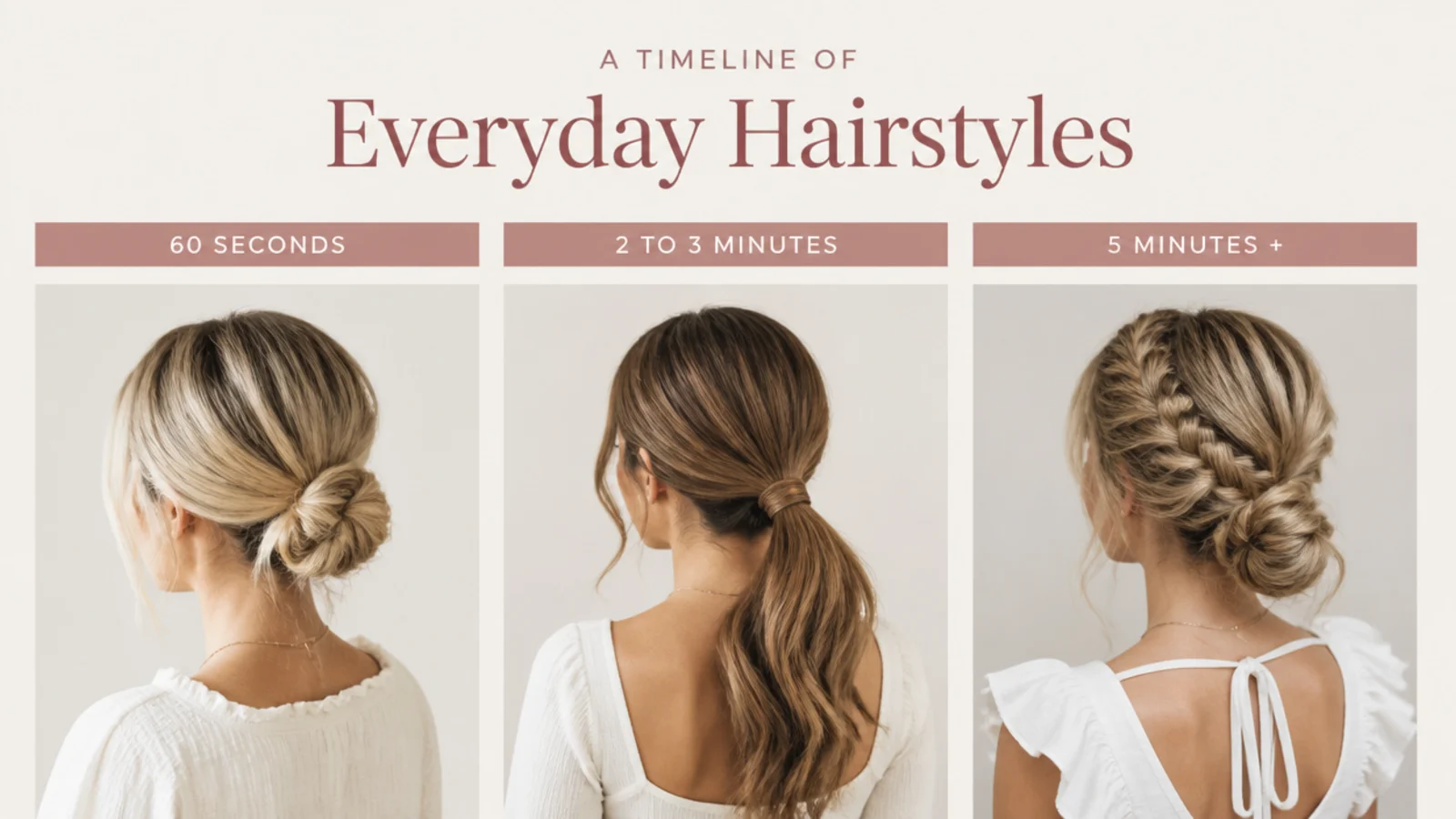
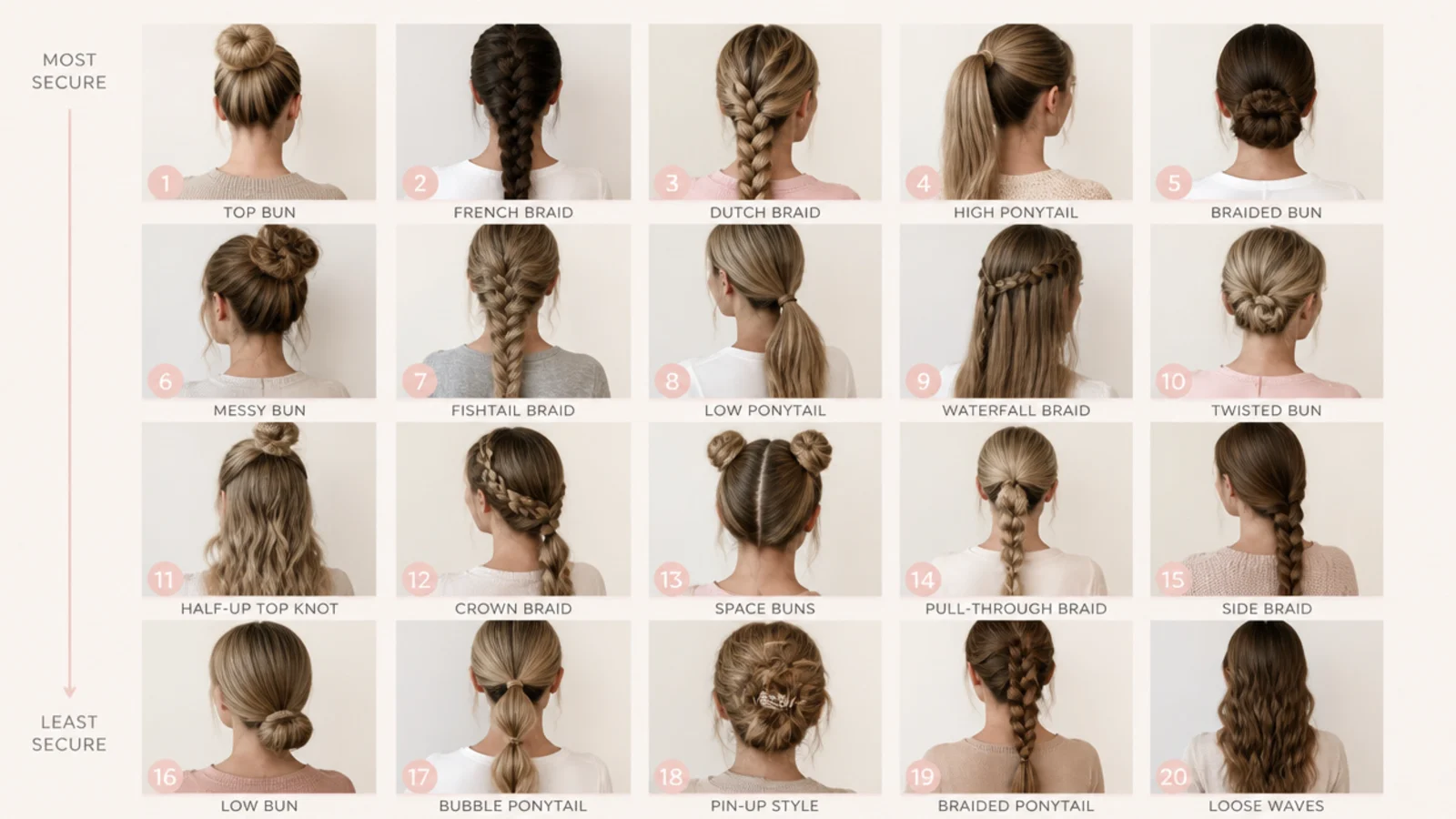
Every look here is tagged with a time cost, because the honest question most mornings is not what is prettiest but what fits before you leave. The 60-second tier is the half-up claw clip, the full claw-clip updo, the pineapple and the high puff: one gathering motion and one anchor. The 2 to 3 minute tier covers the sleek low bun, the twisted half-up, the low messy bun, the loose side braid and the half-up puff, which add one twist or braid step. The 5-minute-plus tier is the wash-and-go, the wavy shag, the milkmaid braid and the salt-spray waves, where product application and drying, not styling, eat the time. Protective styles like twists, bantu knots and box braids are a separate category entirely, costing 30 minutes to several hours up front but then buying you days or weeks of near-zero morning effort. Pick your tier first on a given day, then choose within it, and you stop starting styles you do not have time to finish. The fastest looks are gathered in sleek ponytail styles.
Troubleshooting: Why Your Style Slips, Falls or Goes Lumpy
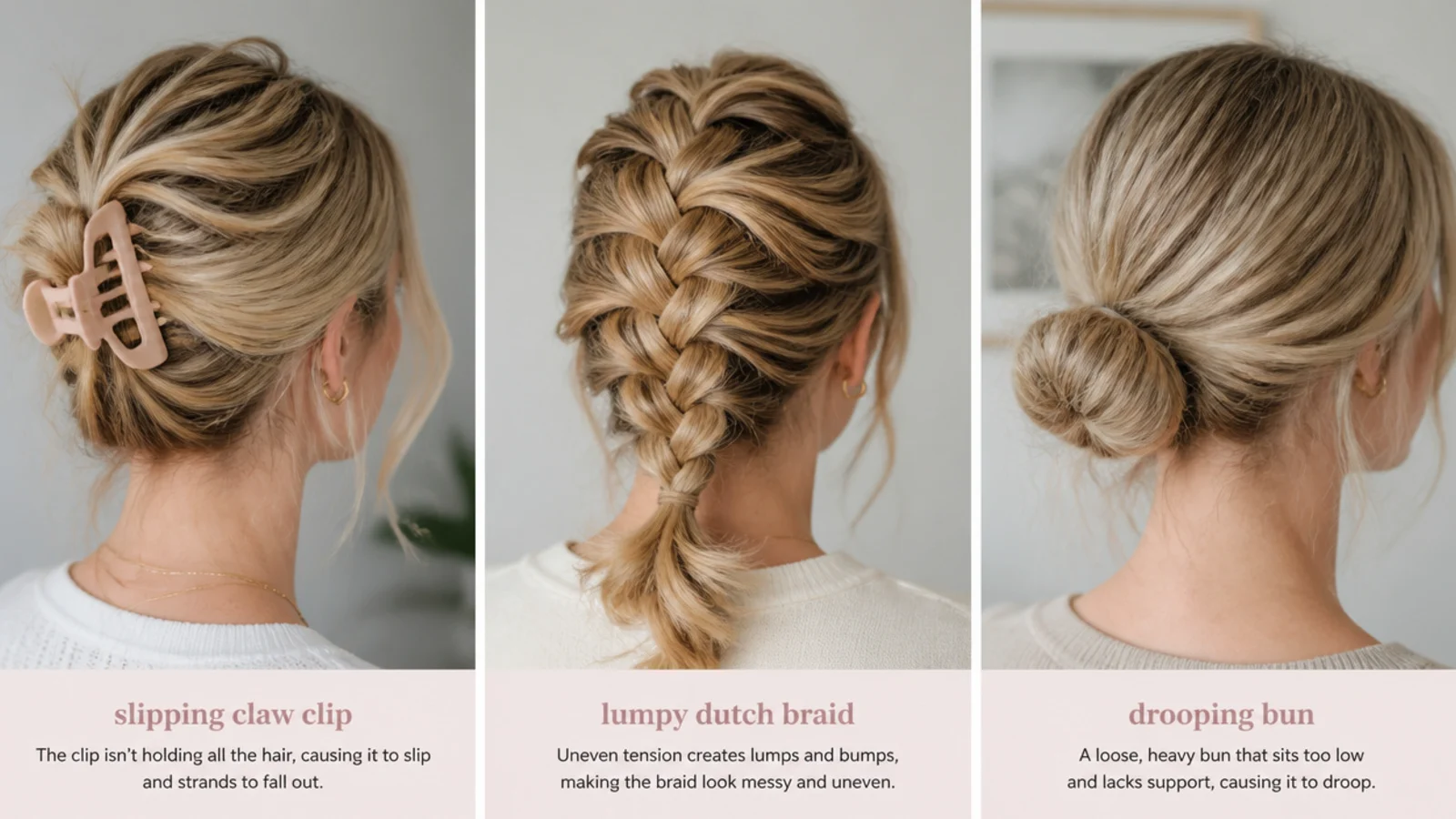
Five failures, five fixes, and almost none of them are about skill. If the claw clip slides out, you either clamped it over flat hair instead of a twist, or you overloaded it; fine and freshly washed hair needs a twist for the teeth to bite and a pinch of dry texture spray for grit. If a bun or ponytail droops by noon, the weight of long or thick hair beat a single soft elastic; stack two elastics or use a spin pin, and set it higher than looks right since it will settle. If a Dutch or French braid goes lumpy, your three sections are uneven or you added hair in different amounts each pass; keep pickups small and equal. If heatless curls or waves drop out by afternoon, the hair was too clean and slippery or dried too warm; work on second-day hair and let it cool fully before releasing. And if a fine-hair style just looks flat and scalpy, you used a shine product where you needed a matte texturizer. Match the fix to the texture and most problems vanish. More fixes for the finest hair are in how to style short fine hair.
Frequently Asked Questions
How do I know if my hair is type 1, 2, 3 or 4?
Wash out all product, let a single strand air-dry, and look at its shape against a plain wall. Straight with no bend is Type 1, any S-wave is Type 2, defined loops are Type 3, and tight coils or Z-bends are Type 4. Check a strand from both the crown and the nape, since many people are looser on top and tighter underneath.
What is the difference between fine hair and thin hair?
Fine describes the diameter of a single strand, how thick each hair is. Thin, or low density, describes how many strands you have per square inch of scalp. They are separate: you can have fine strands packed densely, which looks full, or coarse strands spread sparsely, which looks thin. Fine strands need lightweight product; low density needs root volume and styles that hide the scalp.
What is the easiest hairstyle for beginners?
The full claw-clip updo. Twist your whole ponytail into a rope, fold it up toward the crown, and clamp a large claw clip over the folded base so the teeth grip the twist. It takes about 60 seconds, works on every hair type at medium length, and needs no braiding skill. On fine hair, add a pinch of dry texture spray first so the clip holds.
What is the easiest hairstyle to take care of?
For curly and coily hair, a protective style like two-strand twists, flat twists or knotless box braids, because they last from several days to several weeks with almost no daily handling. For straight and wavy hair, a blunt bob is lowest maintenance, since the cut holds its shape with just a texturizing spray and needs no daily styling to look intentional.
How can I make my hairstyle look polished in under 5 minutes?
Pick from the 60-second and 2-minute tiers and secure them correctly. A half-up claw clip over a twist, a twisted half-up, or a sleek low bun with a spin pin all read polished fast. The polish comes from the anchor, not the time: a spin pin on fine hair, stacked elastics on thick hair, and a twist before any clip so it grips instead of sliding.
What tools are essential for easy hairstyling?
Fewer than you think. A large claw clip with deep teeth, a couple of spin pins, a pack of matching bobby pins, soft or spiral hair ties, and a rat-tail comb for clean parts cover almost every style here. Add one product matched to your texture: lightweight mousse for fine, curl cream for curly and coily. Satin scrunchies protect curls better than elastics.
Can I create easy hairstyles without heat?
Yes, and most looks here are heatless by design. Salt-spray waves, the wash-and-go, bantu knot-outs and braid-outs all build texture with product and air-drying, not irons. For curls without heat, set bantu knots or braids on damp hair overnight and unravel in the morning. Heatless styling is also gentler on fine and coily hair, both of which damage easily under high heat.
How do I make my easy hairstyle last all day?
Match the hold to your hair. On fine or clean hair, add grit with dry texture spray and secure over a twist, never flat. On thick or long hair, use stacked elastics or a spin pin and set the style higher than it should sit, because weight drags it down. For heatless curls, work on second-day hair and let everything cool completely before you release it.
Which hairstyle for your hair type are you trying first?
If you take one rule from this, take this: pick for your length first, your texture second, and the minutes you have third, and most of the frustration disappears. Fine low-density hair wants blunt shapes and claw-clip volume, not sleek weight. Curly and coily hair wants stretched or protective styles that cut down daily handling. And nearly every slip is a grip problem you can fix with the right clip, a pinch of dry texture, or an anchored bobby pin. Start with the one look tagged for your type, then branch out. When you are ready for more, the short fine hair routine is at how to style short fine hair, and the rest of the looks live in the hairstyles hub.