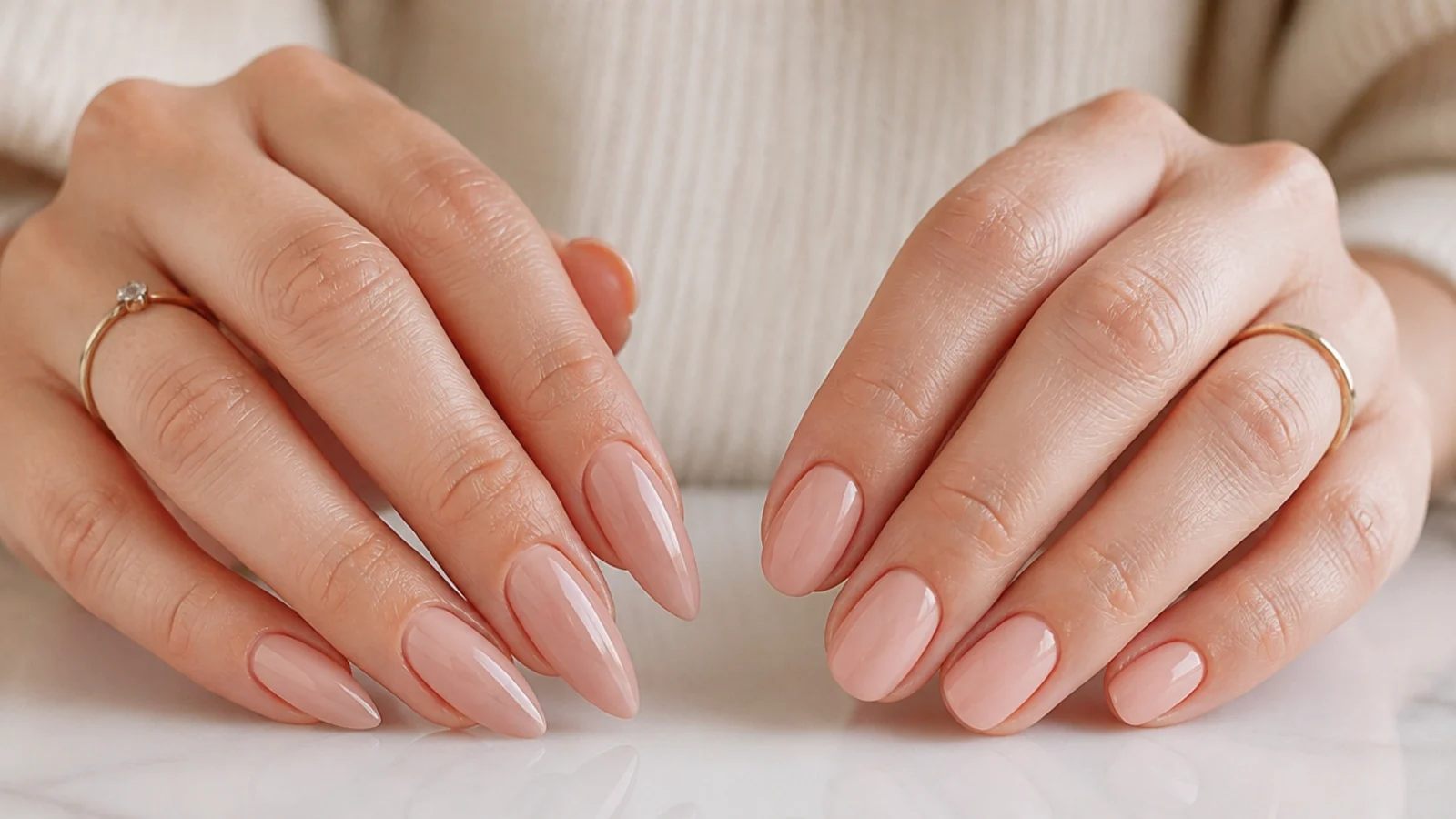
Quick Comparison
| Almond Nails | Oval Nails | |
|---|---|---|
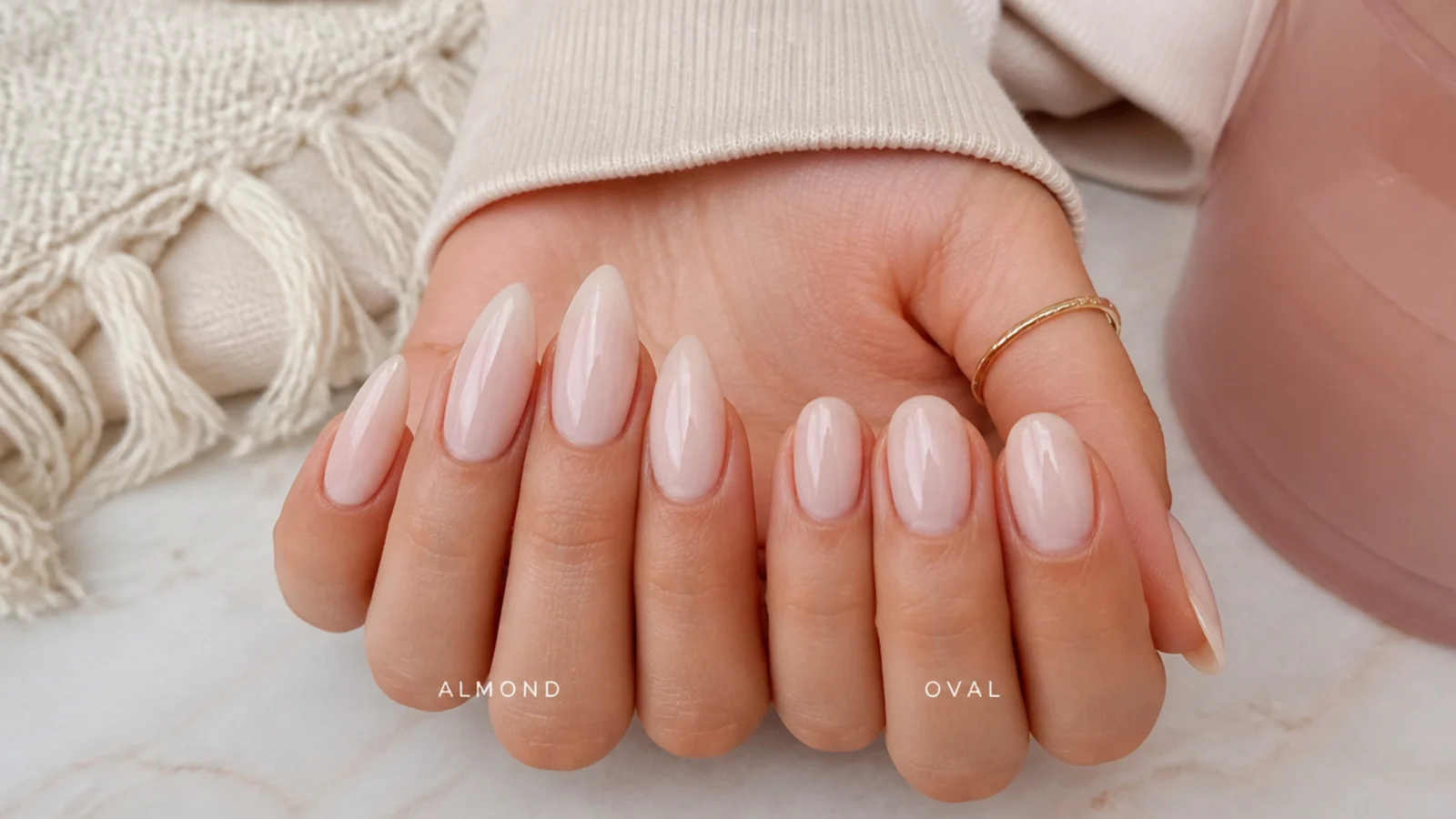
| Tip outline | Tapers past the sidewalls into a soft point | Curves into a rounded dome, a shallow U |
| Minimum free edge | 3 to 4mm before the taper reads as almond | About 2mm before the curve reads as oval |
| Breakage risk on natural nails | Higher; the point concentrates impact | Lower; the dome spreads impact across a curve |
| Wide nail beds | Needs length to work; filing the sides is a temporary fix | Most flattering shape; narrows the bed visually |
| Short fingers | Can read as borrowed length | Extends the finger line in proportion |
| Typing and daily use | Tilts the fingertip; snags on knits and hair | Flat contact, minimal snag |
| French tip line | Pulls into a V that follows the taper | One continuous arc parallel to the tip |
| Reshape frequency | Every 2 weeks; regrowth blunts the point | Every 3 to 4 weeks; the dome survives growth |
| Salon cost | Gel 35 to 60 dollars, acrylic 50 to 90, plus a shaping surcharge at some salons | Gel 35 to 60 dollars, acrylic 50 to 90 dollars |
1. Tip Shape: Rounded Dome vs Tapered Point
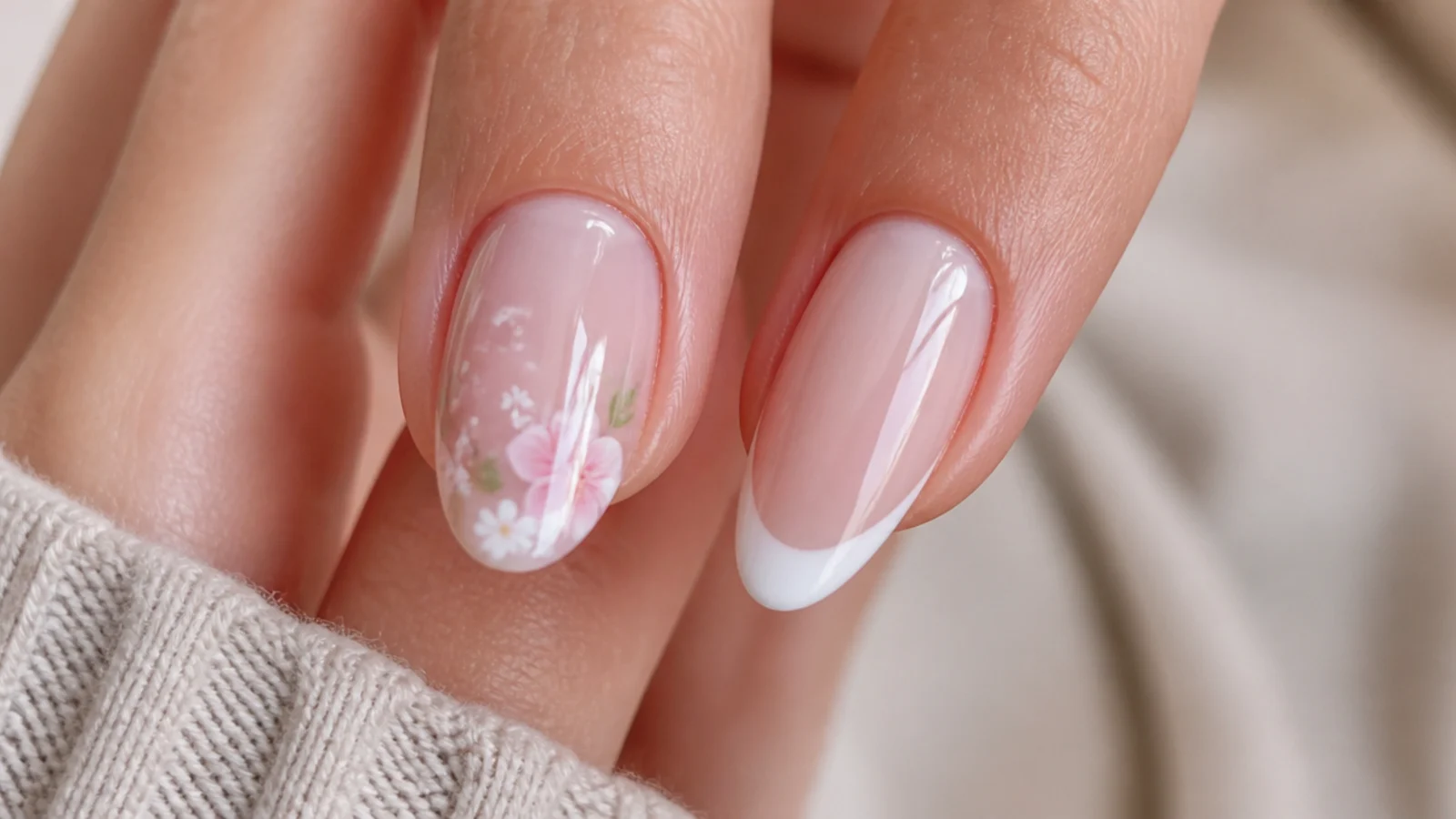
This is the only real difference, and every other factor follows from it. Both shapes are filed identically from the cuticle up: sidewalls kept straight, no corner left at the tip. They diverge in the final few strokes. Oval rounds off into a shallow U, so the widest part of the tip is roughly two thirds the width of the nail bed. Almond keeps the file angled inward until the two sides meet in a soft peak, so the tip is closer to one third of the bed width. If your tech takes more than the last 3mm to start curving, you are getting oval no matter what you asked for. The technique fork is covered in how to shape almond and oval nails.
Who it suits: Anyone who has ever asked for one shape and walked out with the other.
Tip: Say soft point for almond and rounded tip for oval; the words dramatic and natural mean nothing to a file.
2. Minimum Free Edge Length Required
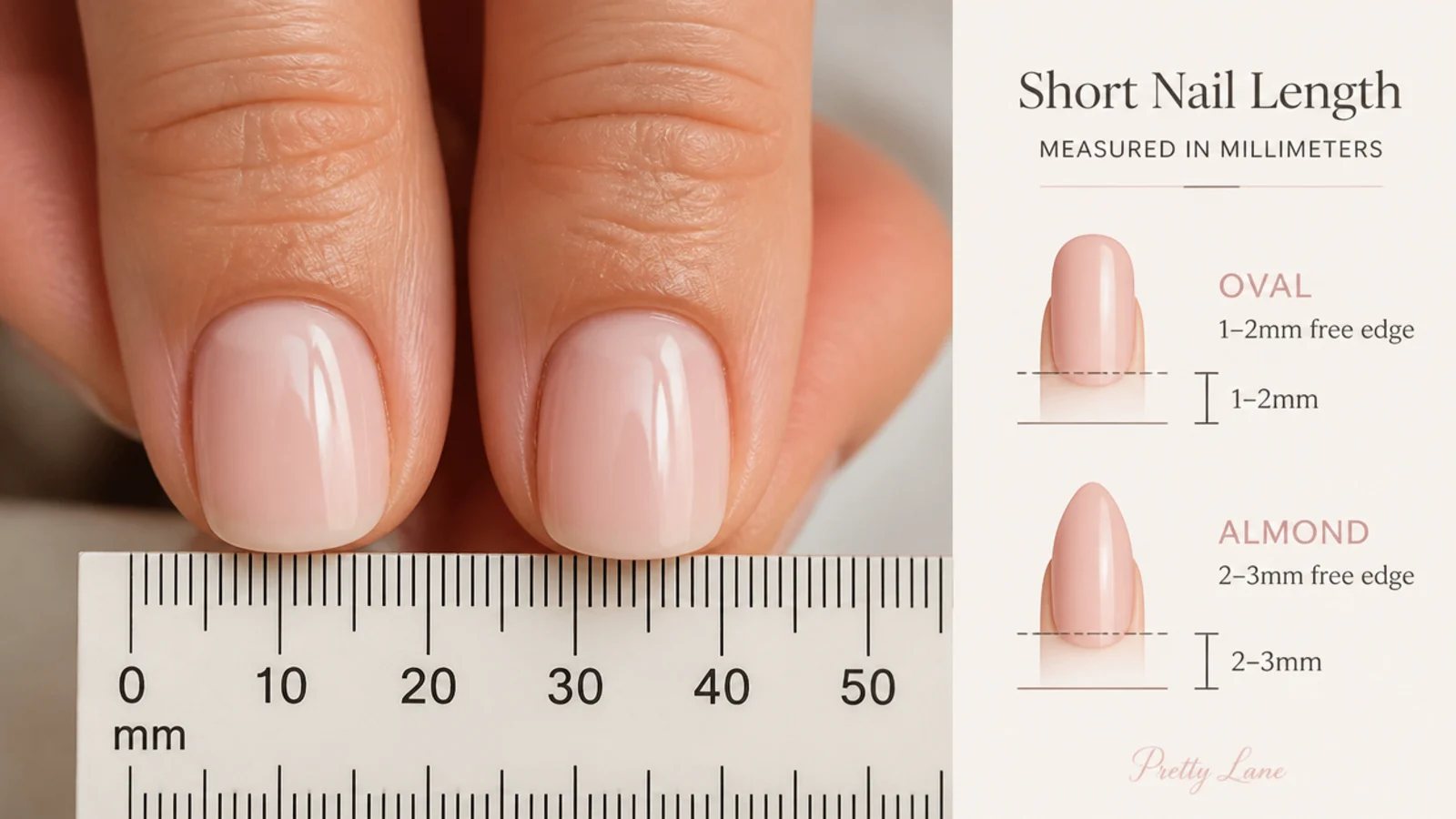
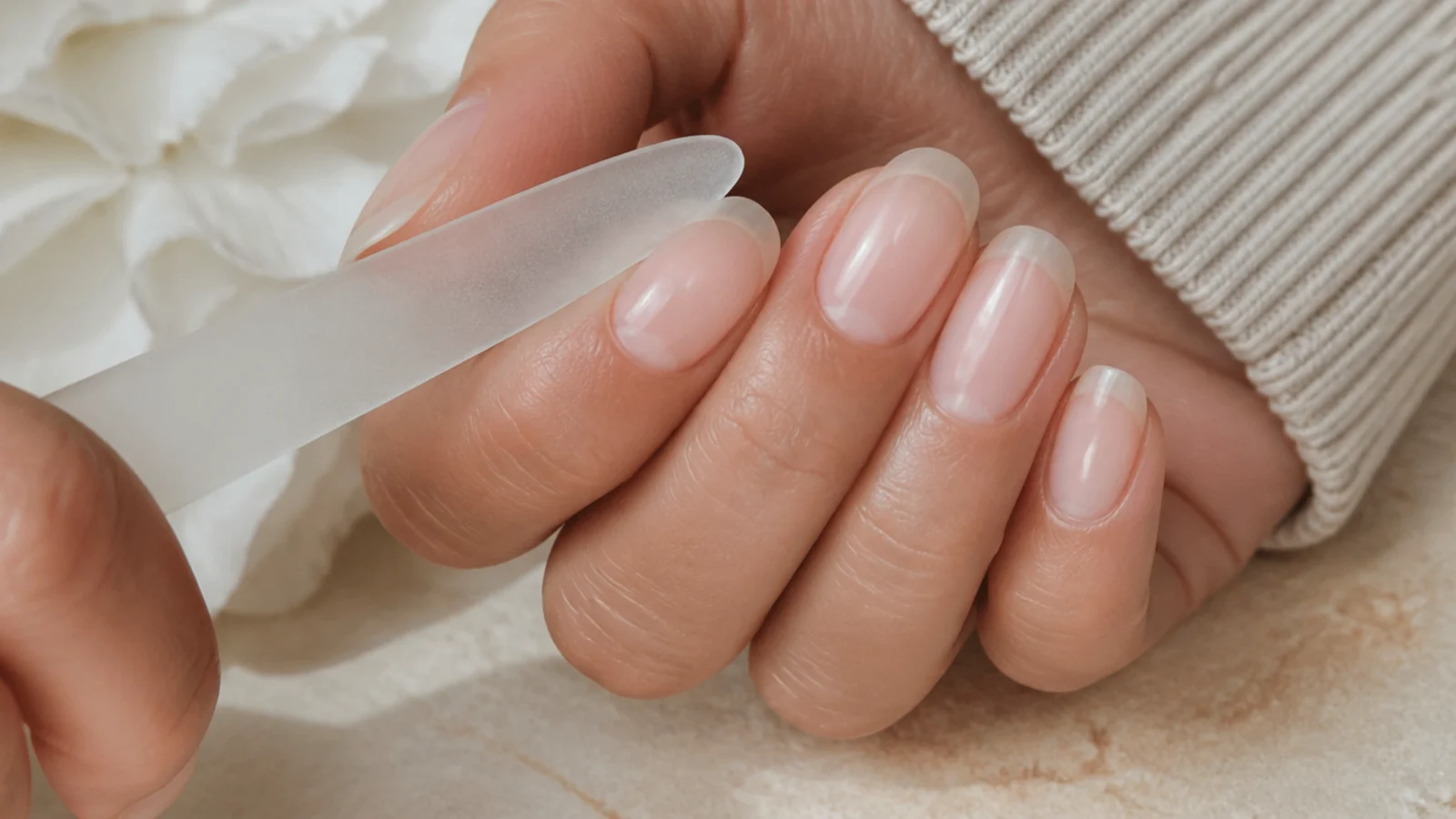
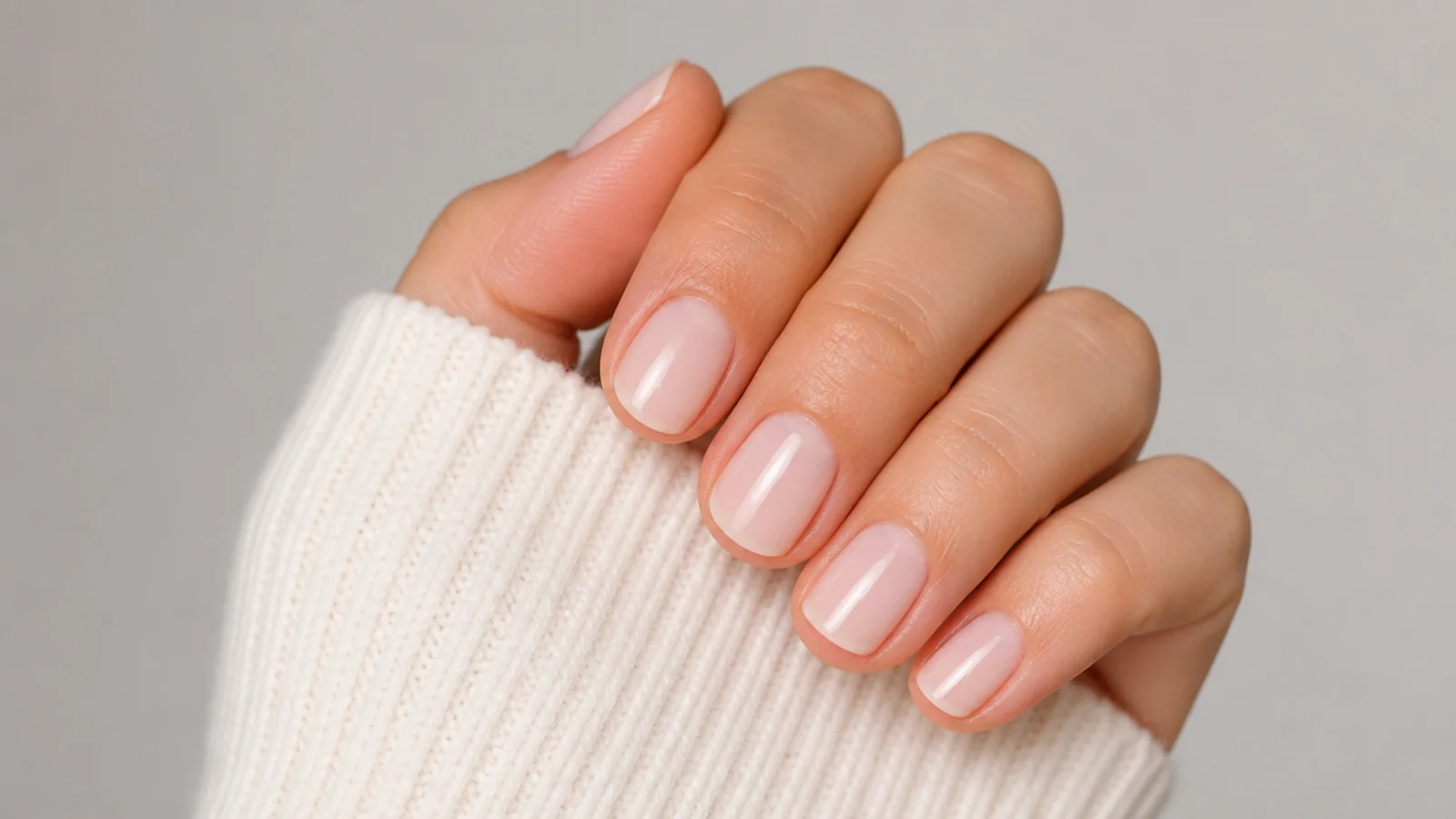
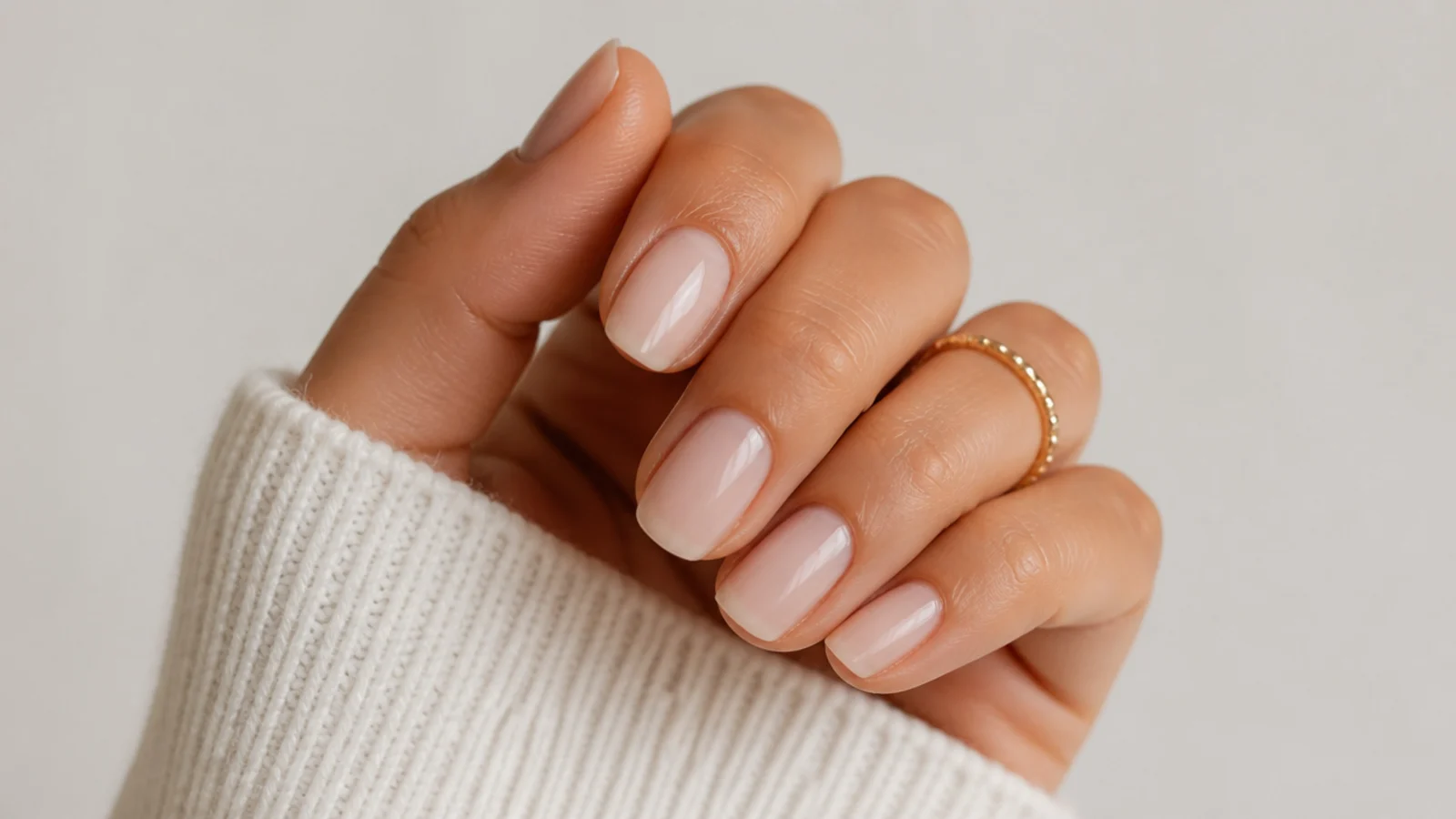
Almond has a hard floor of about 3 to 4mm of free edge, roughly two to three weeks of growth past your fingertip. Below that there is not enough nail to build a taper, so the point flattens and you end up with an oval that looks accidental. Oval only needs about 2mm, one week of growth, because a dome takes less length to read. This one number rules out almond for most people with natural short nails, and it is why every short almond set in a gallery is either an extension or a soft almond hybrid. If you are working under 3mm, start at short oval nails rather than forcing the taper, and see what the shape can do at the shorter end in short almond nails.
Who it suits: Anyone deciding whether to grow their nails out or file what they have.
Tip: Grow 4mm before booking almond; a tech asked to make a 2mm nail almond will just file into your sidewalls.
3. Durability and Breakage Risk
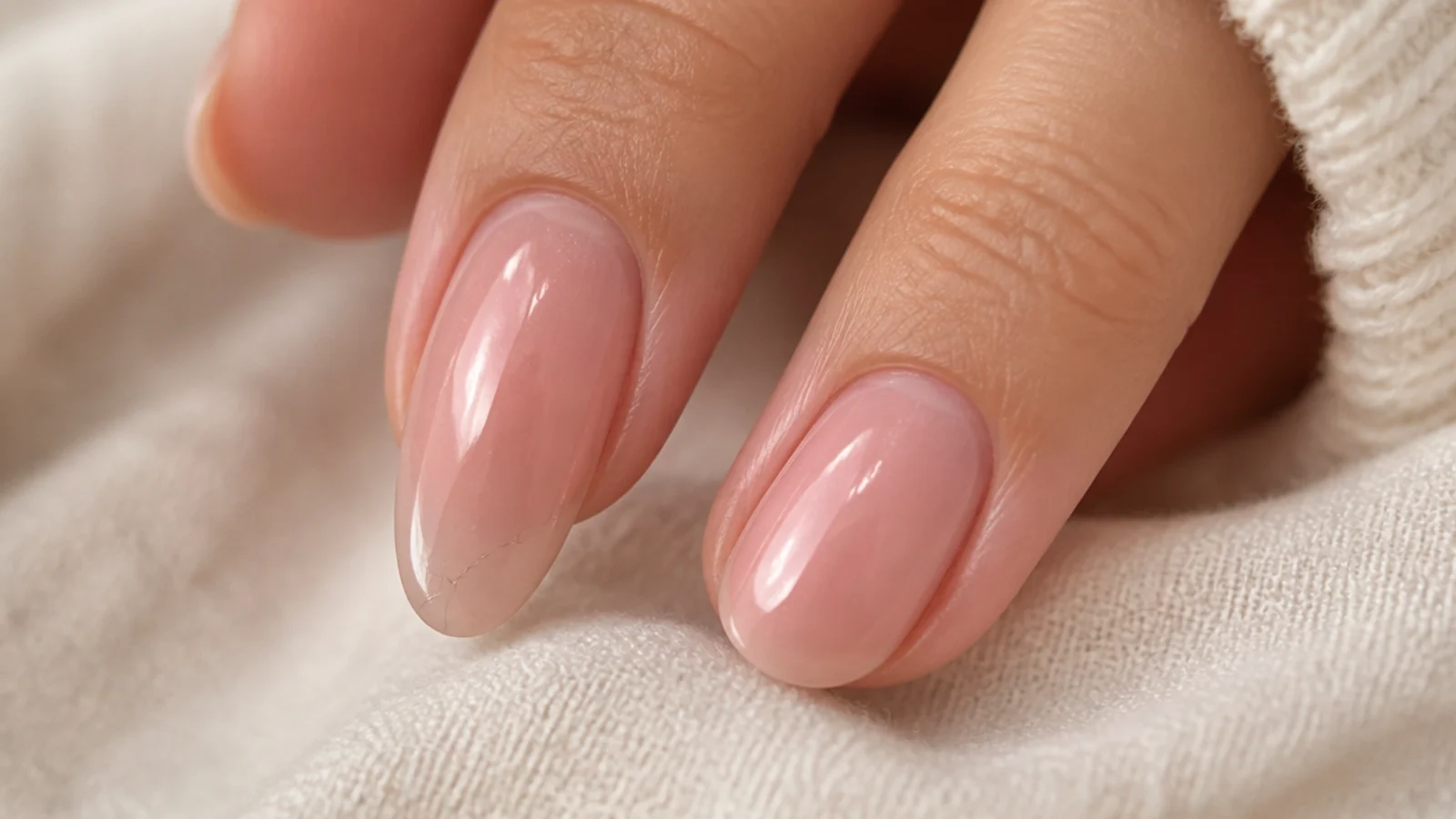
Oval breaks less, and the reason is mechanical rather than aesthetic. When a nail catches, the force has to travel through whatever is at the tip. On an oval, the dome spreads it across a broad curve. On an almond, the taper concentrates it into a narrow point with less material behind it, so the crack starts at the peak and runs down toward the stress area. Almond also has thinner sidewalls near the tip because you filed them inward, which is the second failure point. On natural nails the difference is significant; under acrylic or a builder gel overlay it narrows, because the product carries the load instead of your nail plate. Length multiplies the gap, as covered in long almond and oval nails.
Who it suits: Anyone who has broken a nail in the last month and is tired of it.
Tip: If you want almond on natural nails, ask for a builder gel overlay; without it the point is the weak spot.
4. Nail Bed Width and Wide Fingers
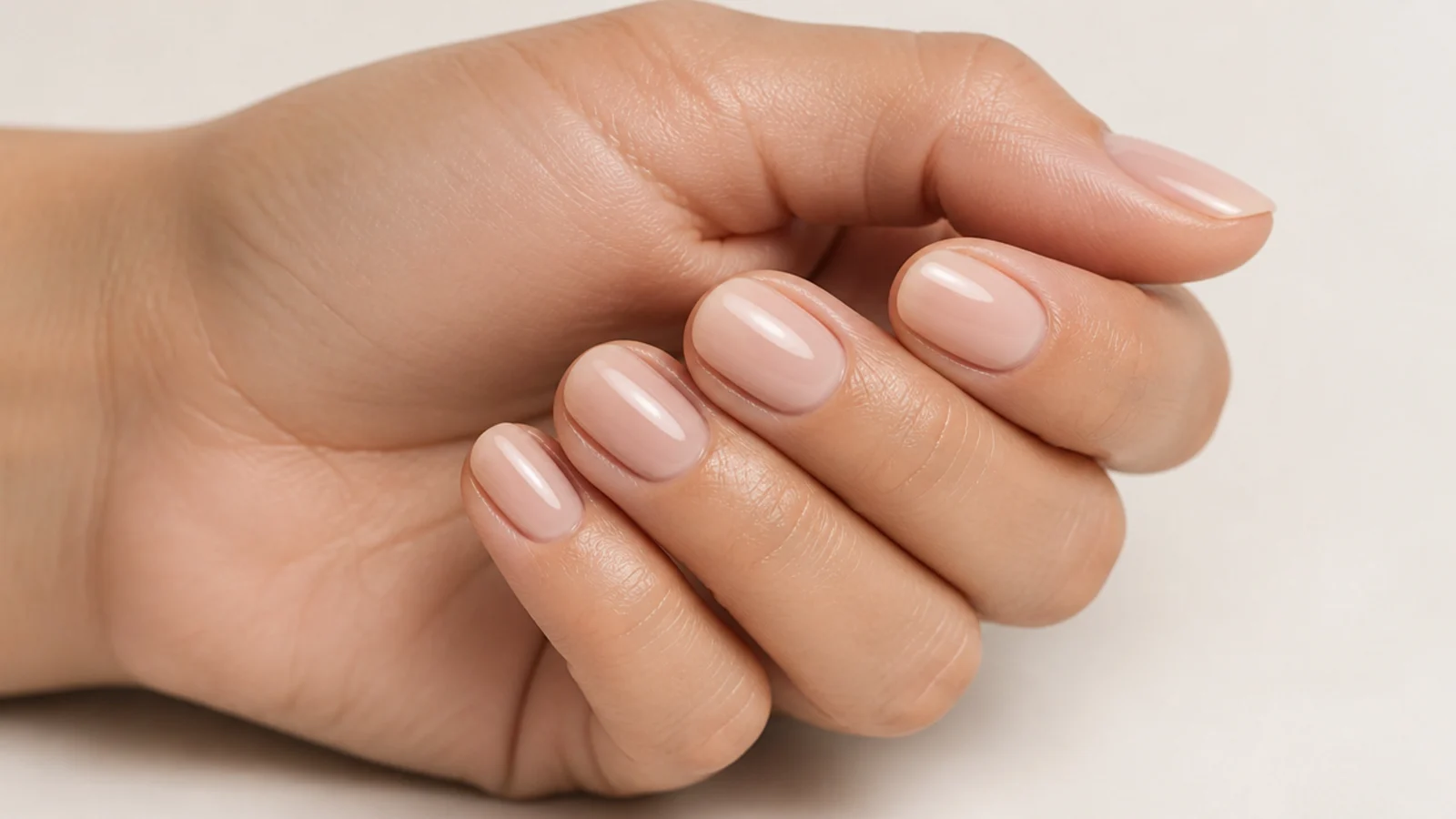
Wide nail beds do better in oval, and this is the factor most galleries skip. A wide bed reads wide because your eye compares its width against its height. Oval keeps the sidewalls parallel and adds height at the tip, which shifts that ratio without touching the sides. Almond tries to solve the same problem by filing inward, which visually narrows the tip but removes the sidewall structure that stops a wide nail splitting, and the plate grows back exactly as wide in two weeks. So almond on a wide bed is a repeating tax rather than a fix. The exception is a wide bed with real length available, where almond has enough free edge to taper outside the bed entirely.
Who it suits: Wide nail beds, wide fingers and anyone whose nails look short and square naturally.
Tip: Never let a tech file into the sidewall above the fingertip line to fake a narrow nail.
5. Elongating Effect on the Hand
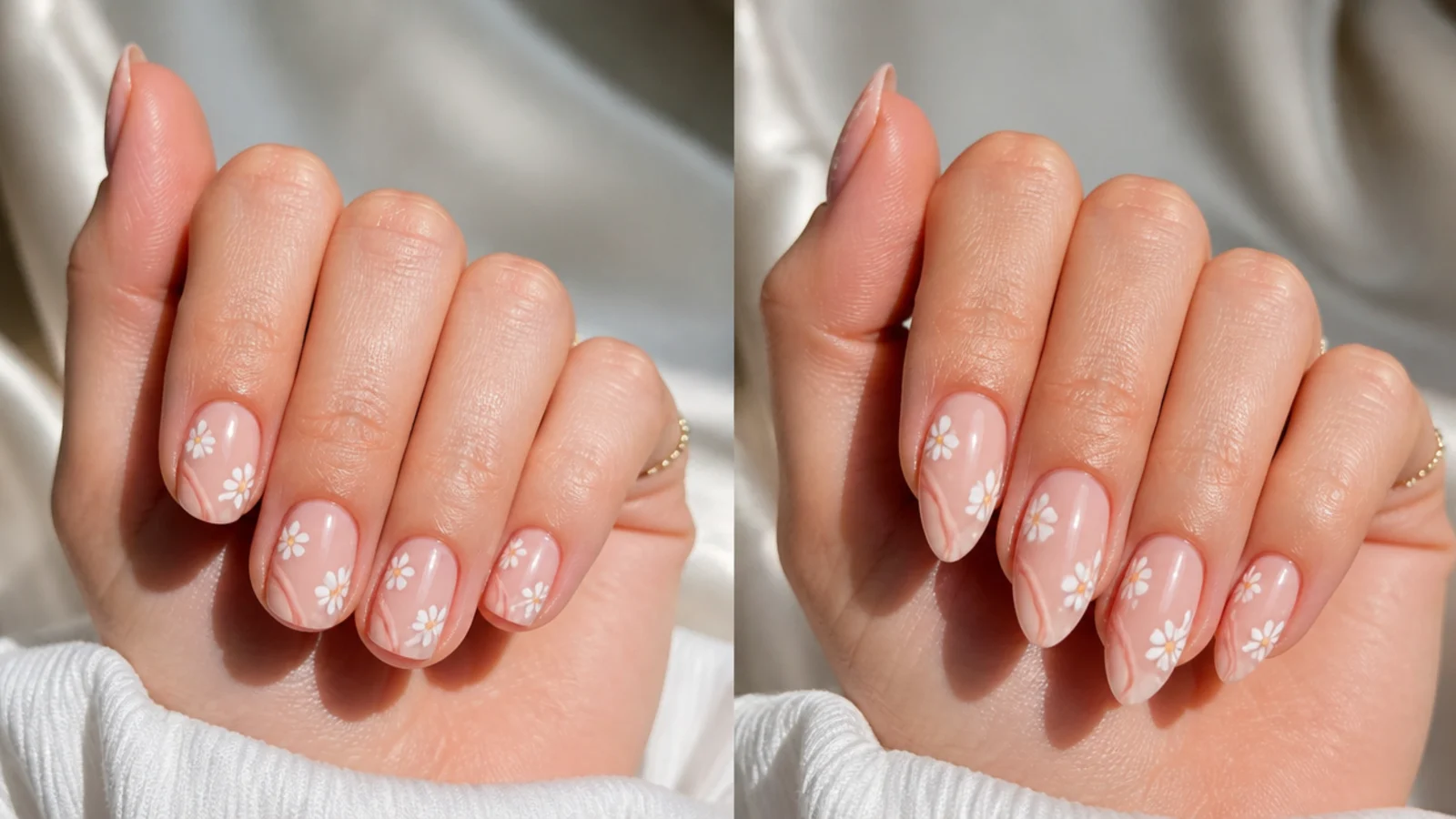
Almond wins on drama, oval wins on proportion. Almond draws a strong vertical line because the taper points the eye off the end of the finger, which is why it photographs so well and why it is the shape people picture when they say elongating. Oval does the same thing more quietly: the parallel sidewalls extend the line of the finger without adding a focal point at the tip. On short fingers almond can backfire, because a dramatic taper on a short finger reads as borrowed length rather than proportion. Oval scales better there. Both beat square, which draws a horizontal line across the fingertip and stops the eye dead.
Who it suits: Short fingers should lean oval; long slim fingers can carry almond at full drama.
Tip: Keep color continuous from cuticle to tip; a wide French band cuts the nail in half and undoes both shapes.
6. Everyday Practicality and Snag Risk
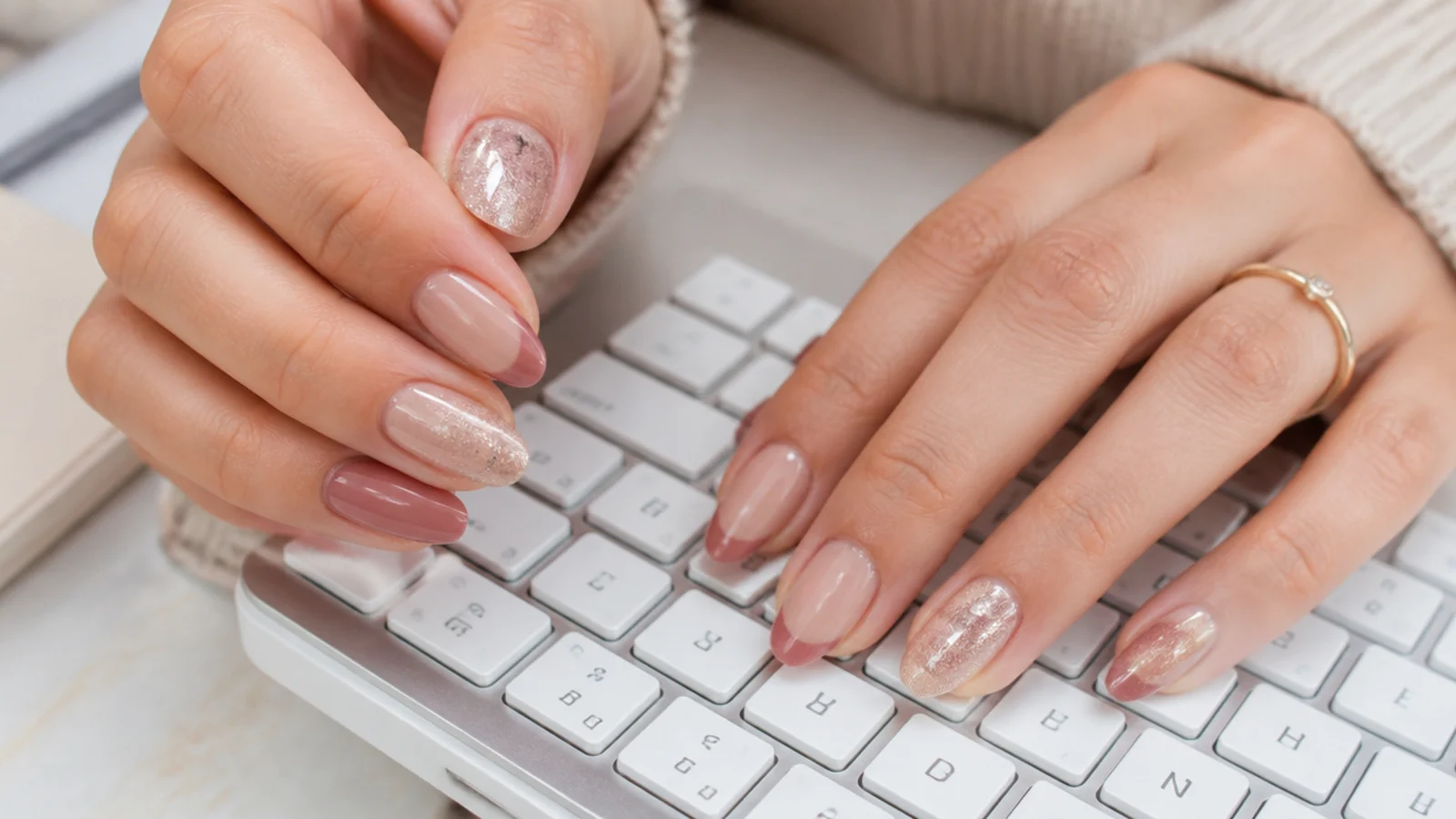
Oval is the working shape. The dome contacts a keyboard, a screen and a button flat, so you type on the pad of your finger rather than the nail. Almond at 4mm and up tilts your fingertip so you strike keys with the nail itself, which is a real adjustment for typists and anyone doing detailed work with their hands. Snagging follows the same logic: a point catches knit sleeves, hair and car door seals more readily than a curve. Neither shape has a corner, so both beat square and coffin outright on hair washing. If your hands are in water, dough or a toolbox all day, oval survives; almond needs a shorter, softer version to be practical.
Who it suits: Nurses, cooks, parents and anyone typing more than two hours a day should pick oval.
Tip: Ask for soft almond, a shorter taper with a rounder peak, if you want the look without the snag.
7. Nail Art and French Tip Behavior
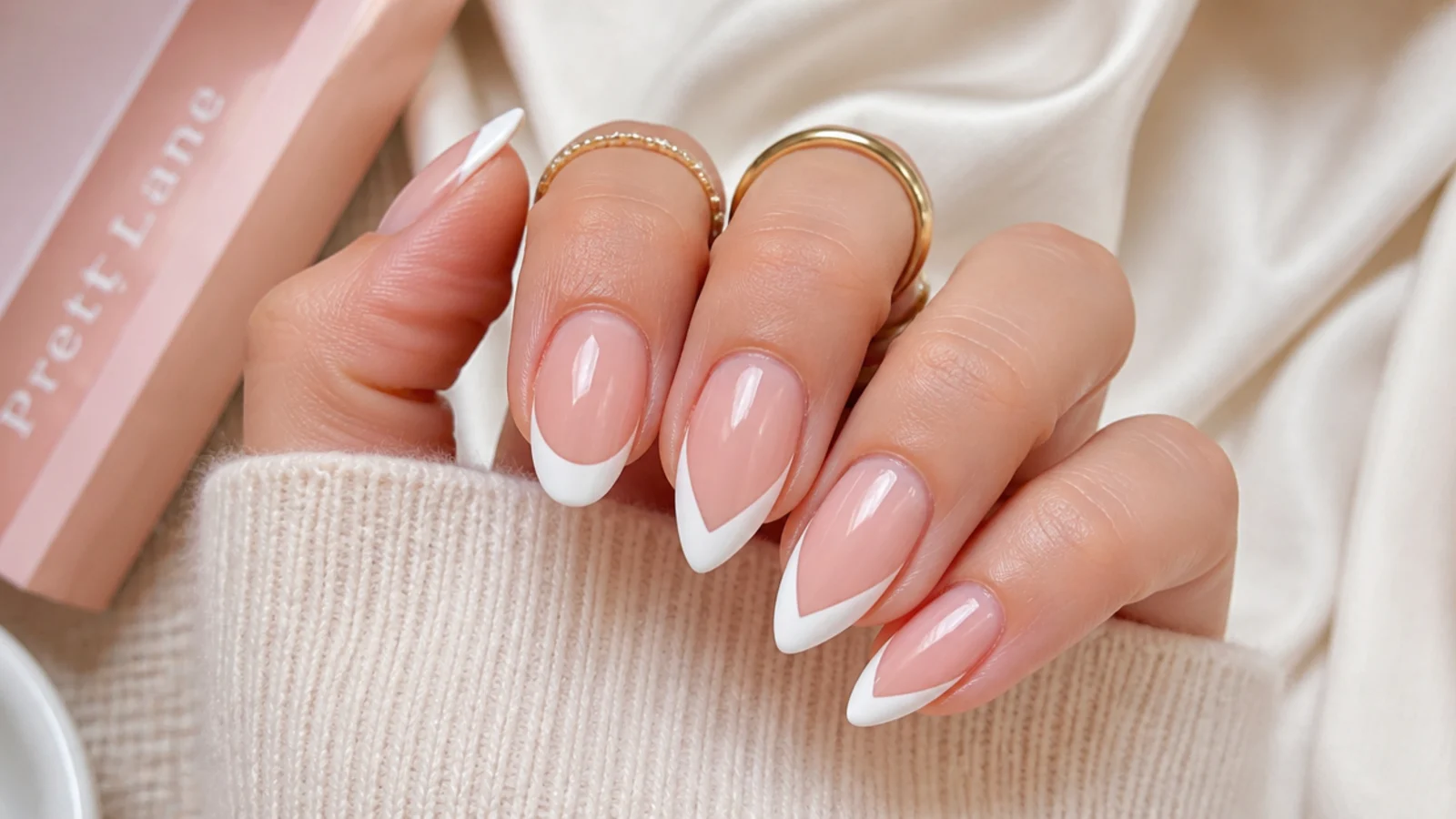
The shapes take art differently, and French tips prove it. On oval the smile line is one continuous arc parallel to the domed tip, so a white band looks clean and symmetrical even when it is only 1mm wide. On almond, the same tip pulls into a V because the line has to follow a taper, which is more forgiving of a slightly uneven hand but reads dressier and less classic. Chrome and cat eye behave the same way: a mirror finish wraps an oval dome like a bead, while it runs down an almond taper like a droplet. Almond gives more flat surface at the center for painted detail. See oval French tip nails and almond cat eye French tip nails.
Who it suits: Classic French wearers lean oval; anyone wanting a modern V tip leans almond.
Tip: Ask for a shallow smile line on oval and a matched V depth on almond, or the ten nails will not match.
8. Salon Cost and Upkeep Schedule
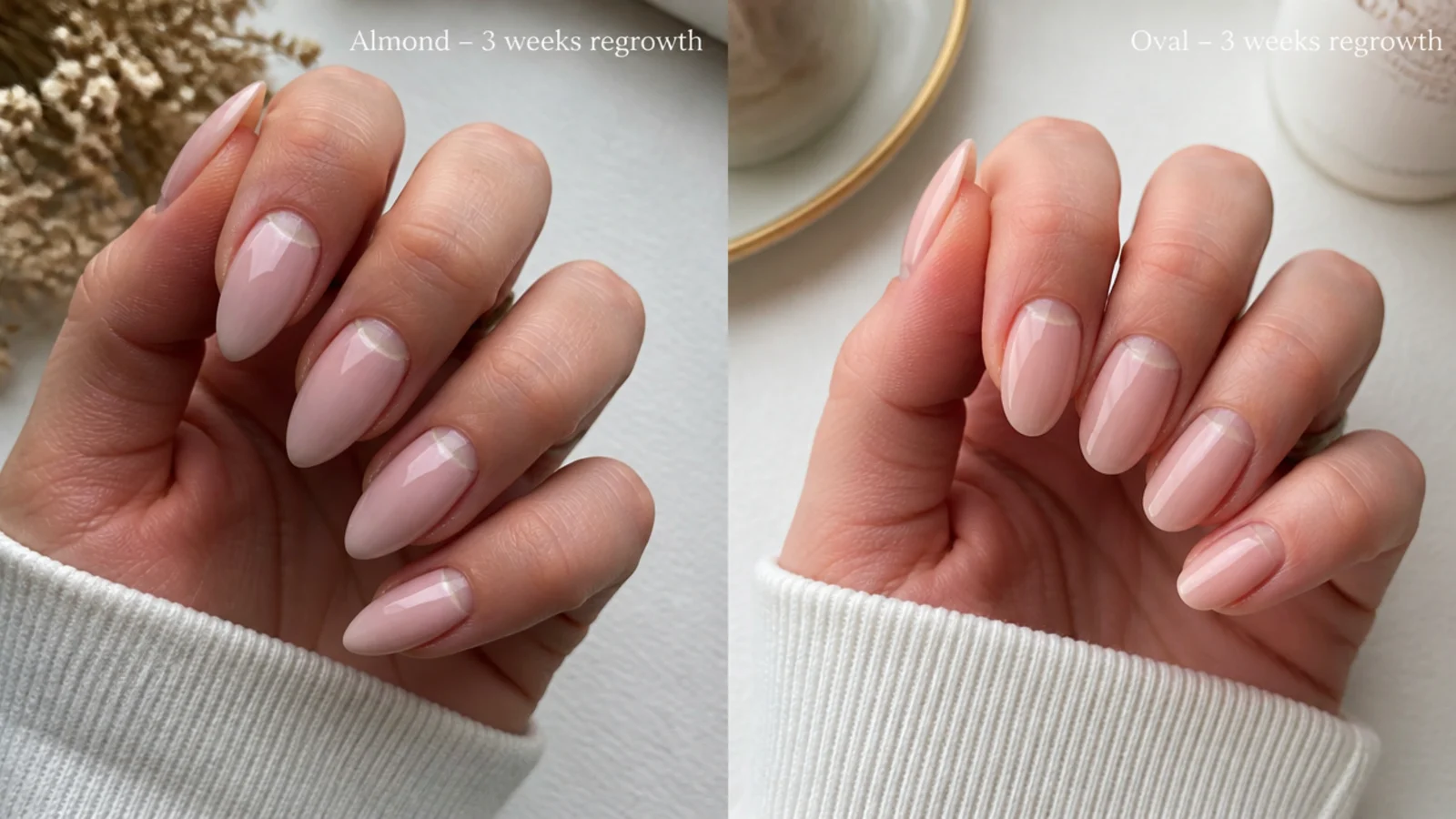
The sticker price is nearly identical: a gel overlay in either shape runs about 35 to 60 dollars and a full acrylic set about 50 to 90 dollars, with almond often carrying a 5 dollar shaping surcharge at busier salons. The gap is in upkeep. Almond loses its point as the nail grows, because regrowth pushes the taper outward and blunts it, so the outline needs a reshape every two weeks even if the color is fine. Oval holds its outline for three to four weeks, since a dome that grows a millimeter is still a dome. Over a year that is roughly eight extra salon visits or eight extra at-home filing sessions for almond.
Who it suits: Anyone budgeting time as well as money for their nails.
Tip: Ask for a shape-only reshape between fills; most salons charge 10 to 15 dollars rather than a full set price.
The Nail Bed Self Test: Measure Before You Choose
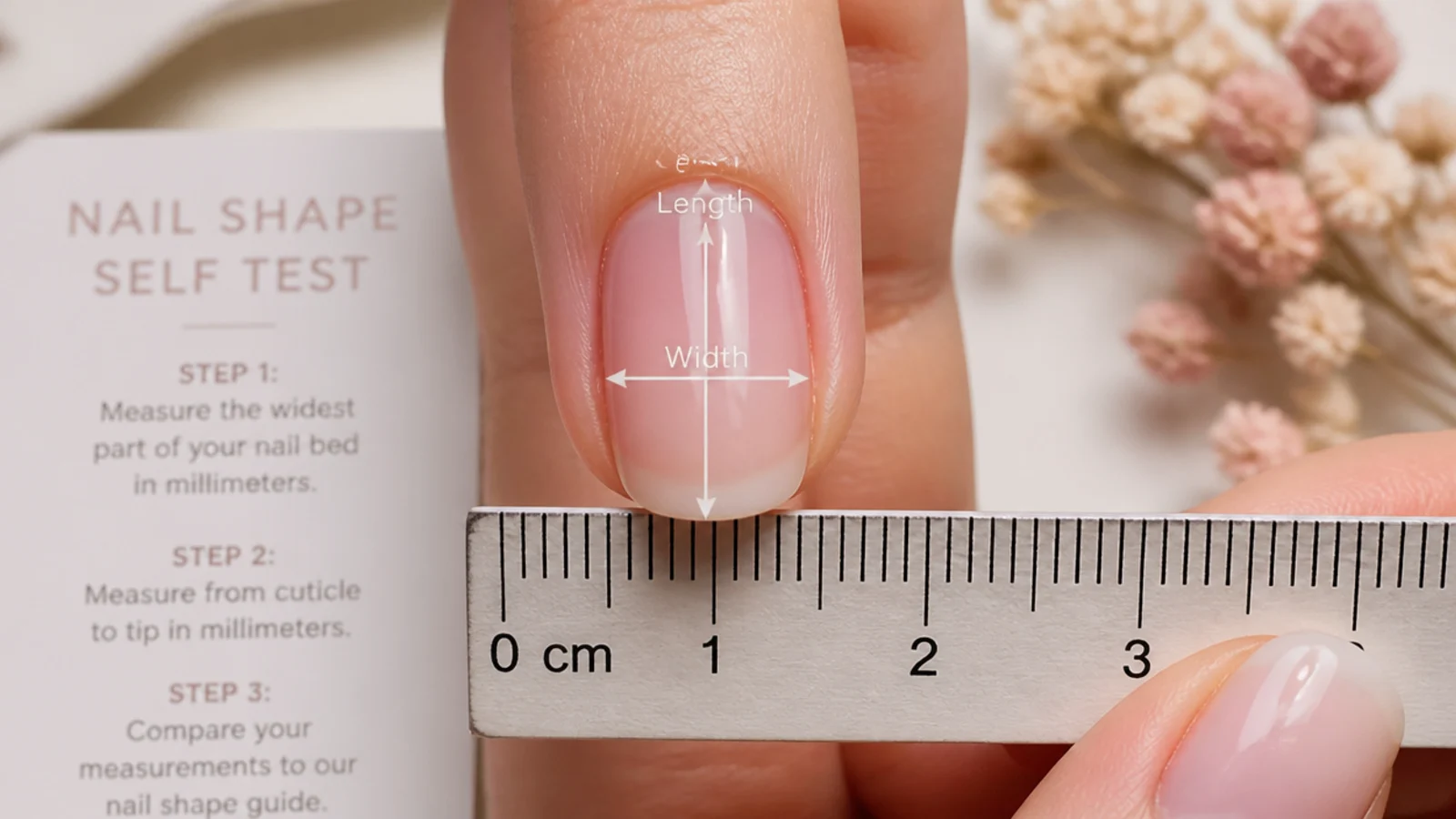
Every competitor compares these shapes in the abstract. Here is a decision procedure you can run in two minutes with a ruler. Take your index finger, since it is the most visible nail on your hand. Measure the widest point of the nail bed across, then measure from where the cuticle sits to the fingertip line. Three outcomes. If the length is clearly greater than the width, your bed is naturally elongated and almond will look exactly like the photos with only 3mm of free edge. If length and width are roughly equal, you are in oval territory: almond will need 5mm or more before the taper starts outside the bed, and until then it just narrows a square-looking nail. If the width is greater than the length, oval is the answer, and almond will require sidewall filing that costs you structure without a lasting result. Then add the second measurement: how much free edge you can currently grow before something breaks. If the honest answer is under 3mm, the shape question is already settled. Run the same test on your thumb, which is usually the widest bed on the hand, and use whichever result is more conservative. Once the shape is settled, browse what it looks like in practice across oval nail designs.
Which Shape Is Better for Wide Fingers and Short Fingers?
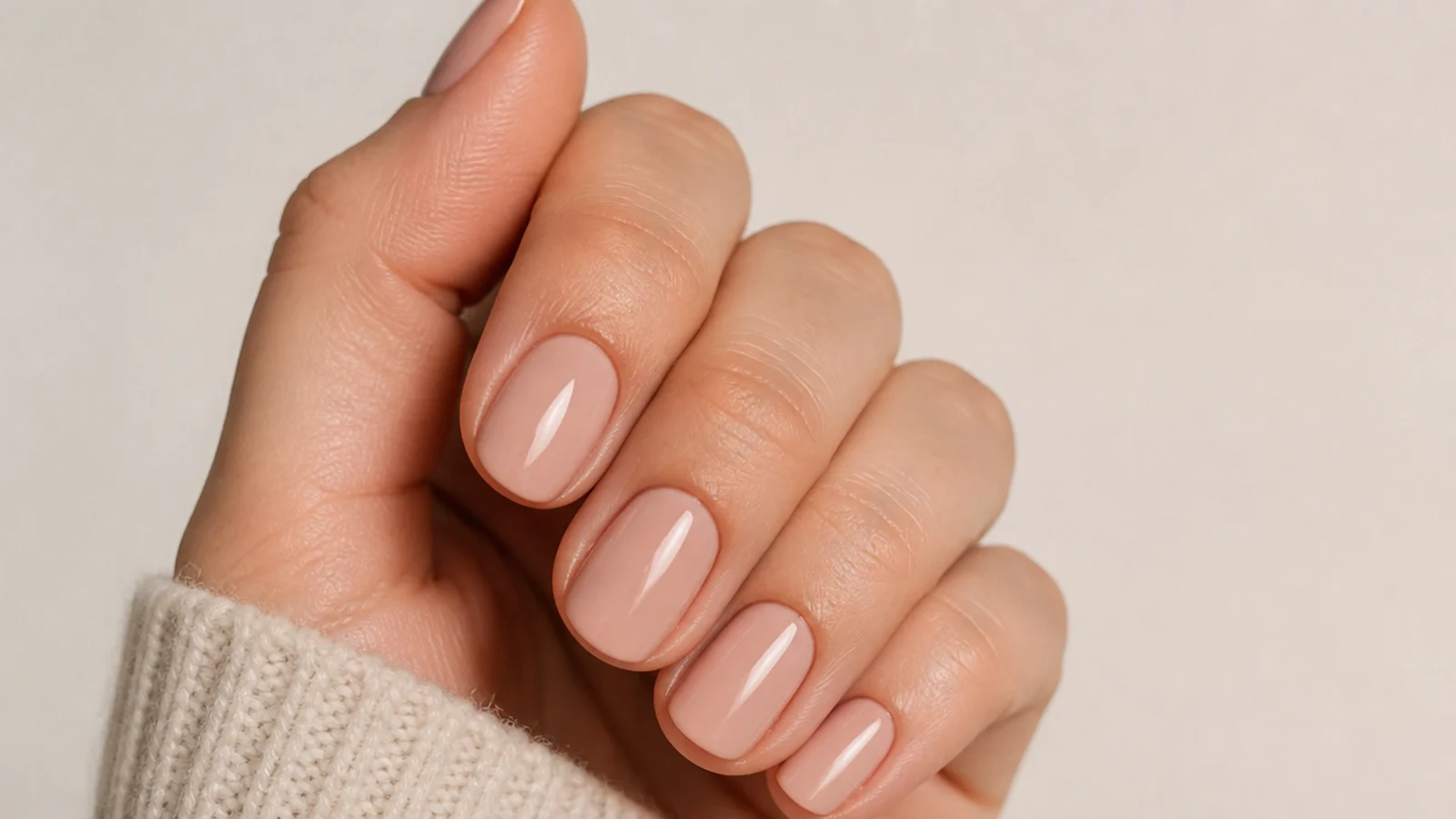
Wide fingers and short fingers are two different problems and people conflate them. Wide fingers usually come with wide nail beds, and the fix is oval, because parallel sidewalls plus a domed tip change the width to height ratio without removing structure. Almond on a wide bed only works when you have enough free edge that the taper happens past the fingertip, which realistically means 5mm or more. Short fingers are about proportion, not width. The shape that helps here is the one that continues the finger line rather than adding a separate feature at the end, which is again oval at moderate length, roughly 3 to 5mm. Almond can work on short fingers, but only in its softer version: a shorter taper with a rounder peak, sometimes called soft almond, which is the dominant 2026 version of the shape anyway. What does not work on either is a full dramatic almond at 8mm, which reads as a nail wearing a hand. If your fingers are both short and wide, take oval at 3mm and add a thin vertical accent line, which stretches the bed. Design options at that length live in short oval nails.
The Cost of Switching From Almond to Oval
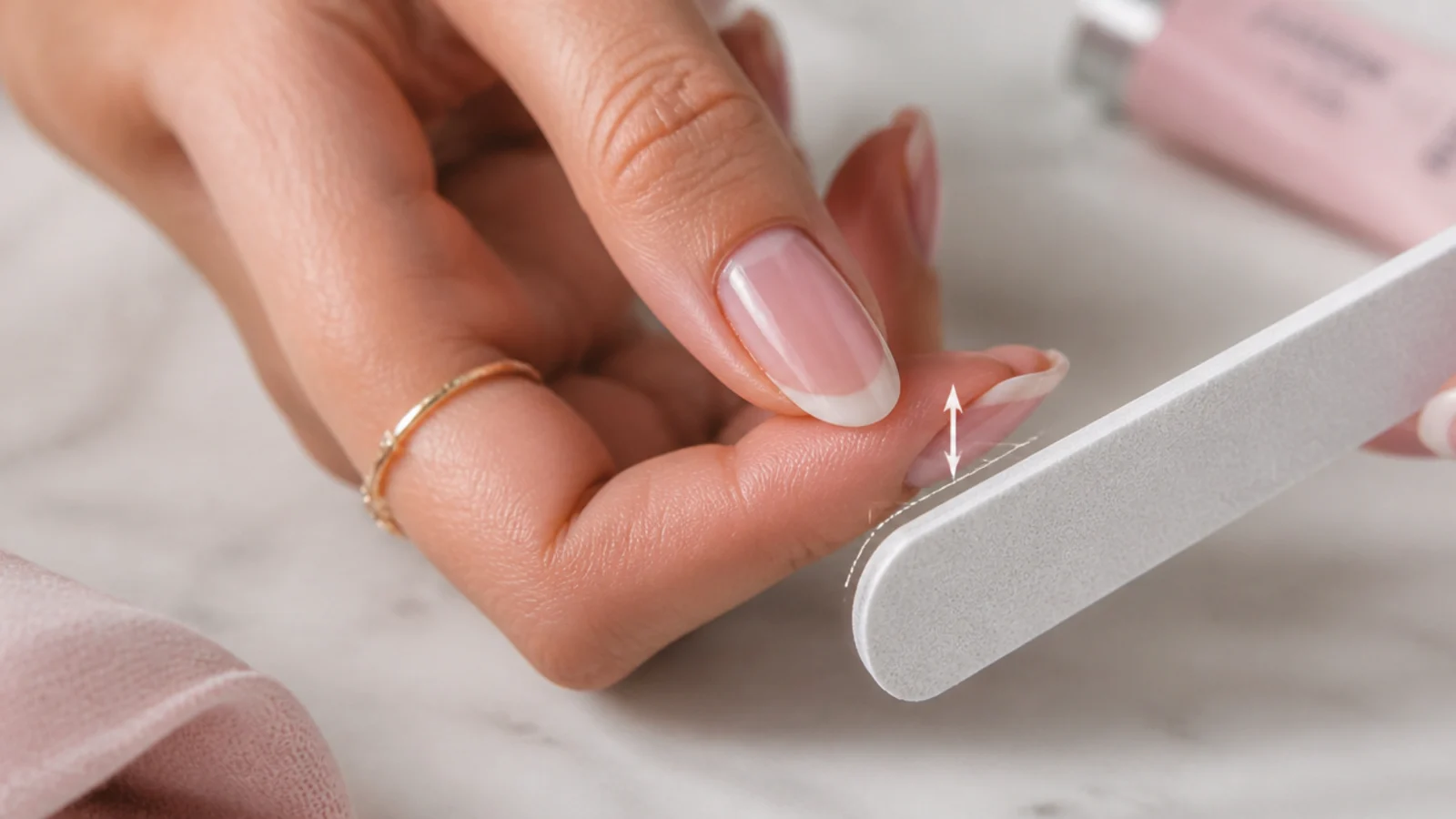
Nobody writes about the switching cost, and it is asymmetric. Going almond to oval is instant but expensive in length. To turn a taper into a dome you have to file down to the widest point that both shapes share, which means removing the entire pointed section, usually 2 to 3mm. A 6mm almond becomes a 3 to 4mm oval in one appointment. If you are on natural nails, that is three to four weeks of growth gone in ten minutes, and there is no way around it, because the dome has to be as wide as the nail is at that height. Going oval to almond is the opposite: it costs no length today but requires you to grow another 1 to 2mm before there is enough free edge to taper, which is two to three weeks of waiting with an in-between shape. On acrylic or gel extensions the math changes, since a tech can add product rather than remove it, so an oval to almond switch is a single 15 to 25 dollar rebalance. On natural nails, plan the direction you want to end up in and only switch once.
Oval vs Almond vs Round: The Three-Way Comparison
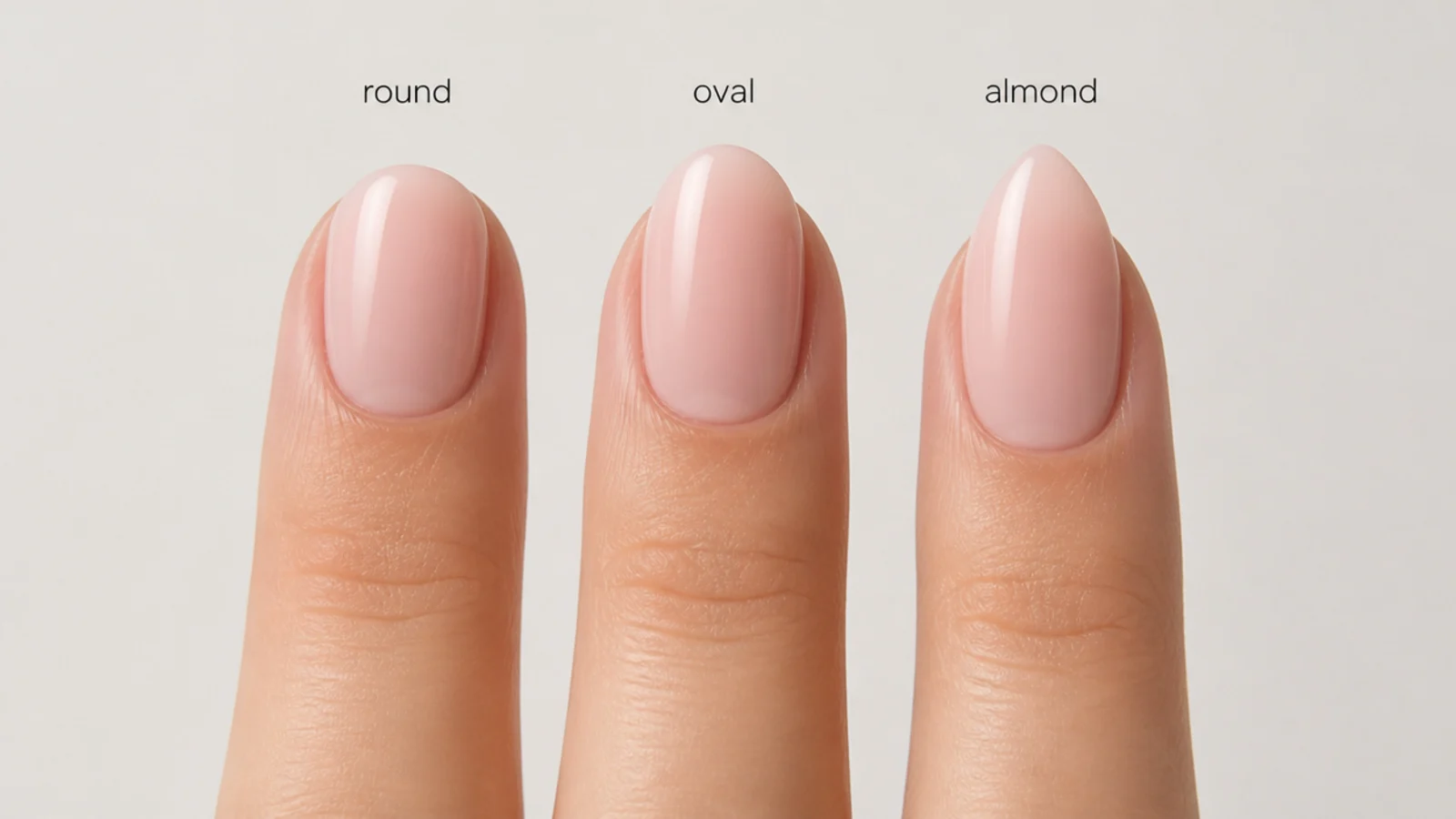
Round is the shape people accidentally get when oval fails, so it belongs in this comparison. The difference is where the curve begins. On a round nail the curve starts near the cuticle and the entire outline is one continuous arc that follows the fingertip, so it works at zero free edge and adds no length at all. On an oval nail the sidewalls stay parallel and only the last 2mm curve. On an almond nail the sidewalls stay parallel too, then angle inward for the last 3 to 4mm to meet at a peak. So the sequence is round, oval, almond in ascending order of length needed, drama produced and breakage risk accepted. Squoval sits outside this family: straight sidewalls, a flat tip with the corners softened, which is more durable than all three at length but does not elongate. If you have zero free edge, round is your only real option and there is no shame in it. Grow 2mm and oval opens up. Grow 4mm and all three are available, which is when the self test above starts to matter. Compare finishes on any of them in matte vs glossy nails.
How Each Shape Wears Color and Finish
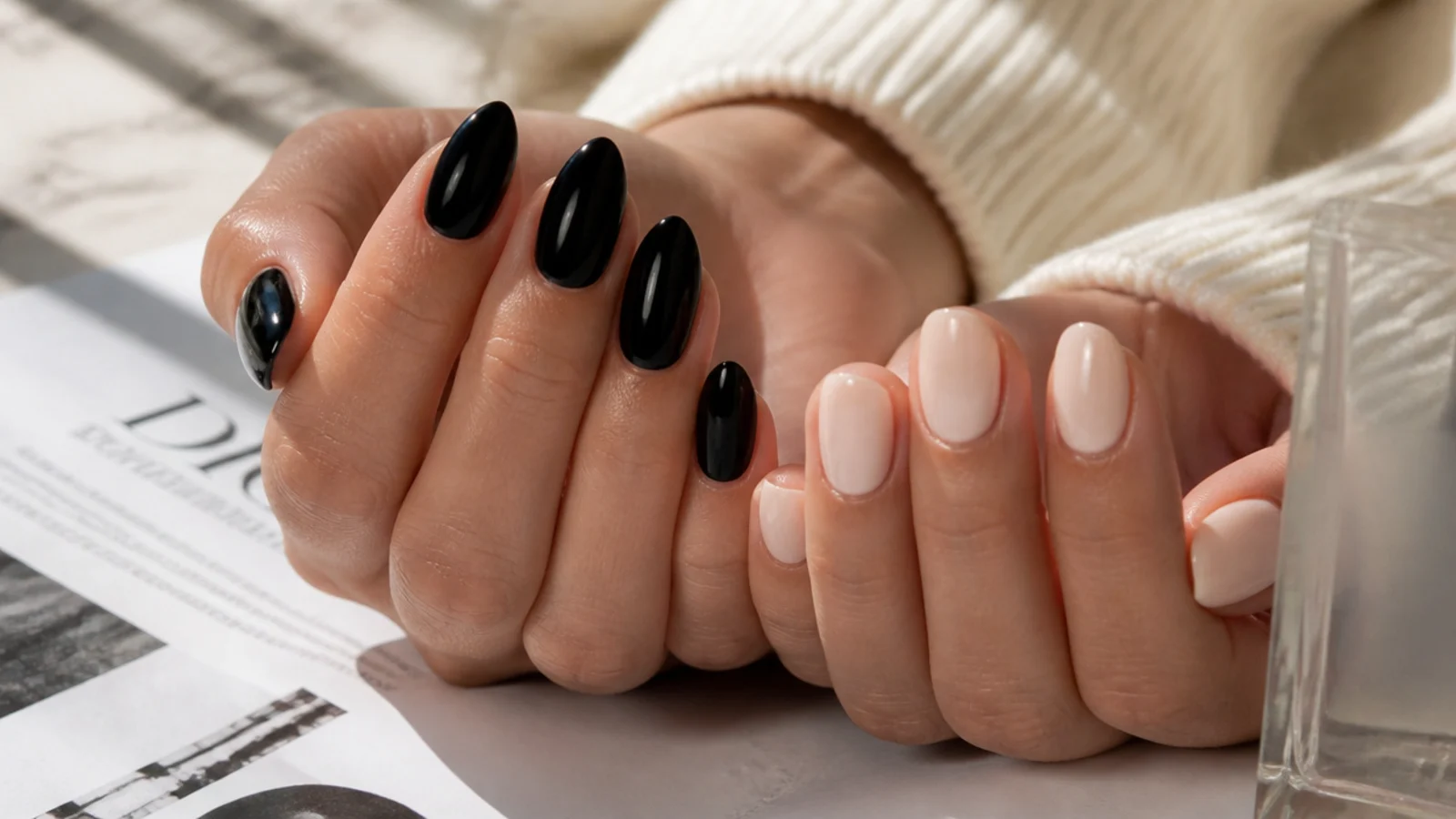
Shape changes how a color lands, which is why the same shade can look wrong on one and right on the other. Dark colors carry better on oval at short and medium length, because the soft dome keeps black, navy and deep brown from reading severe. On almond, the same black gains an edge, which is the entire appeal of black almond nails and why the shape dominates dark feminine sets like dark feminine almond nails. Sheer and milky finishes flatter oval especially well, since translucency blurs where the natural nail ends and makes a 2mm free edge look longer. Chrome and metallic powders behave differently again: on oval the mirror wraps a curve and reads like a polished bead, while on almond it travels the taper and reads like liquid metal, which is why white chrome almond nails look so different from the oval version. Jewel tones split by shape too. Compare royal blue almond nails with a soft pink oval set from pink oval nails and the same saturation reads bold on one and quiet on the other. Glassy sheer finishes split the same way, as oval soap nails and almond soap nails show with an identical product.
Shape Troubleshooting: What Went Wrong and How to Fix It
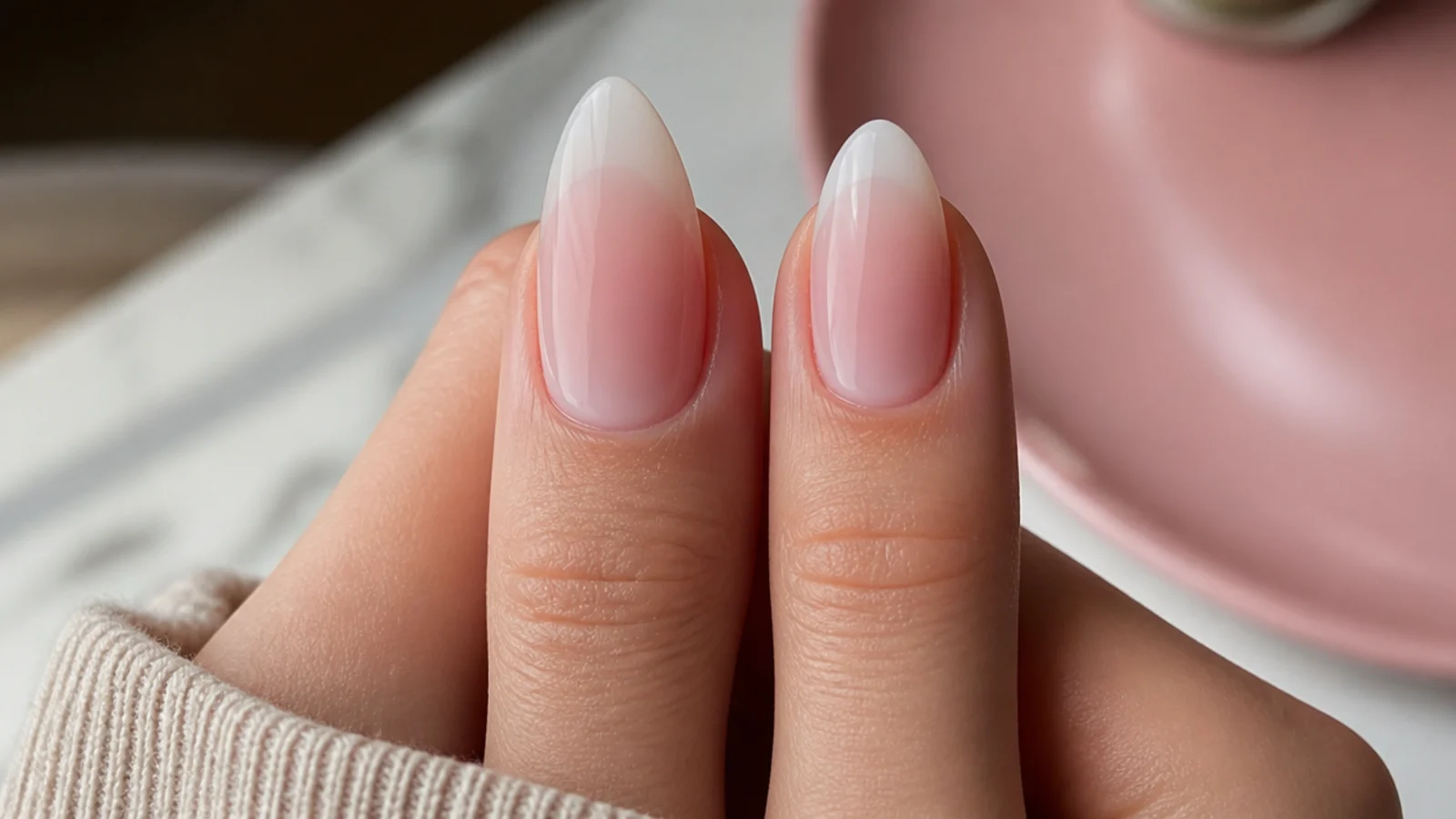
Five failures cover almost every complaint. You asked for almond and got oval: the free edge was under 3mm, so there was nothing to taper. Grow two more weeks or accept oval. Your almond looks lopsided: you filed from one viewing angle. File in matched stroke counts, five per side, and sight down the fingertip end-on rather than from above, which flattens the view and hides asymmetry. Your oval looks round: the file touched the sidewalls above the fingertip line, so the curve started too early. Keep all filing below that line. Your almond keeps breaking at the same spot: the peak is too sharp and the sidewalls were thinned. Round the peak slightly into a soft almond and add a builder gel overlay. Your nails look narrower but keep splitting: you filed into the sidewall to fake a shape your bed cannot hold, which removes the structural edge and the plate grows back the same width. Leave the sidewalls alone, drop to oval, and let a vertical accent line do the narrowing. Full technique in how to shape almond and oval nails.
Frequently Asked Questions
What is the difference between almond and oval nails?
The last few millimeters of the tip. Both shapes keep the sidewalls straight and remove every corner, but oval stops tapering and curves into a rounded dome, while almond keeps angling inward until the two sides meet in a soft point. Oval is a shallow U; almond is a soft peak. Everything else about the two shapes is identical.
Do oval nails break less than almond nails?
Yes, on natural nails. A rounded tip spreads impact across a curve, while an almond point concentrates the same force into a narrow area with less material behind it, so cracks start at the peak. Almond also has thinner sidewalls near the tip from the inward filing. Under acrylic or a builder gel overlay the gap narrows a lot.
Which shape is better for wide fingers?
Oval. It keeps the sidewalls parallel and adds height at the free edge, which shifts the width to height ratio so the nail reads narrower without removing structure. Almond only helps a wide nail bed when you have 5mm or more of free edge, so the taper happens past the fingertip rather than inside the bed itself.
Are oval or almond nails better for short fingers?
Oval at 3 to 5mm is the safer pick. It continues the line of the finger instead of adding a separate focal point at the tip, so the hand reads proportional. Almond can work on short fingers, but only as a soft almond with a shorter taper and a rounder peak. A full dramatic almond at 8mm makes a short finger look borrowed.
How much length do almond nails need?
About 3 to 4mm of free edge, which is roughly two to three weeks of growth past your fingertip. Below that there is not enough nail to build a taper, so the point flattens and the result reads like an uneven oval. Oval only needs about 2mm, which is why it is the realistic shape for short natural nails.
Can I switch between oval and almond on the same nail set?
Yes, but the cost differs by direction. Almond to oval is instant and removes 2 to 3mm, since you file down to the width both shapes share. Oval to almond costs no length now but needs another 1 to 2mm of growth first, so two to three weeks of waiting. On acrylic or gel extensions a tech can add product instead, usually a 15 to 25 dollar rebalance.
What is the difference between oval and round nails?
Where the curve begins. On a round nail it starts near the cuticle so the whole outline is one arc following the fingertip, which works at zero free edge and adds no length. On an oval nail the sidewalls stay parallel and only the last 2mm curve into a shallow U. Round follows the finger; oval extends it.
Are almond nails hard to maintain?
Harder than oval. The point blunts as the nail grows, because regrowth pushes the taper outward, so the outline needs a reshape roughly every two weeks even when the color still looks fine. Oval holds its shape three to four weeks since a dome that grows a millimeter is still a dome. Expect around eight extra shaping sessions a year on almond.
What is the difference between almond and stiletto nails?
Sharpness and length. Almond ends in a soft, rounded peak and works from 3 to 4mm of free edge. Stiletto tapers to an actual point and needs 10mm or more, which almost always means acrylic or hard gel extensions. Stiletto is a costume shape; almond is wearable daily. Filing an almond sharper does not make it stiletto, it just makes it break.
Are oval or almond nails more popular in 2026?
Both are rising, but the version people are actually asking for is the soft almond: a shorter taper with a rounder peak that sits between the two classic shapes. It needs about 3mm rather than 4mm and breaks far less than a full almond. If you cannot decide, soft almond is the honest middle answer and it suits more hands than either extreme.
Which almond & oval nails look are you saving?
If you do one thing before your next appointment, measure. Put a ruler across the widest point of your nail bed, then measure from cuticle to fingertip. If the width is equal to or greater than the length, oval is the safer call, because almond has to remove sidewall you cannot spare. If length beats width and you can grow 3 to 4mm of free edge without breaking, almond will read exactly like the photos. Everything else, color, finish, French tip, works on both shapes. Start with a milky nude in whichever shape you picked, wear it three weeks, then decide. For designs in both shapes, browse the almond and oval nails hub or the full almond and oval nail ideas gallery.