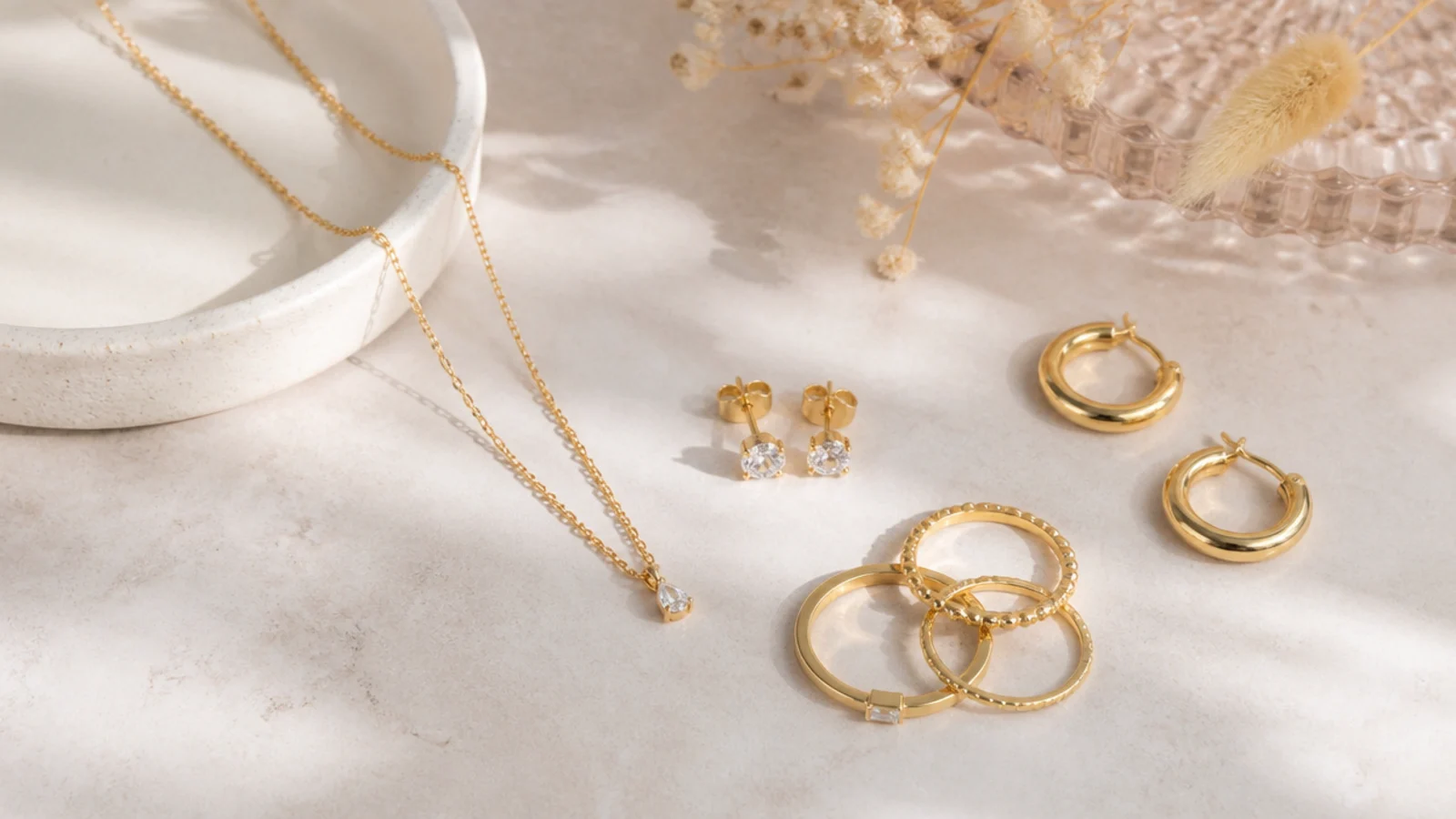
Quick Comparison
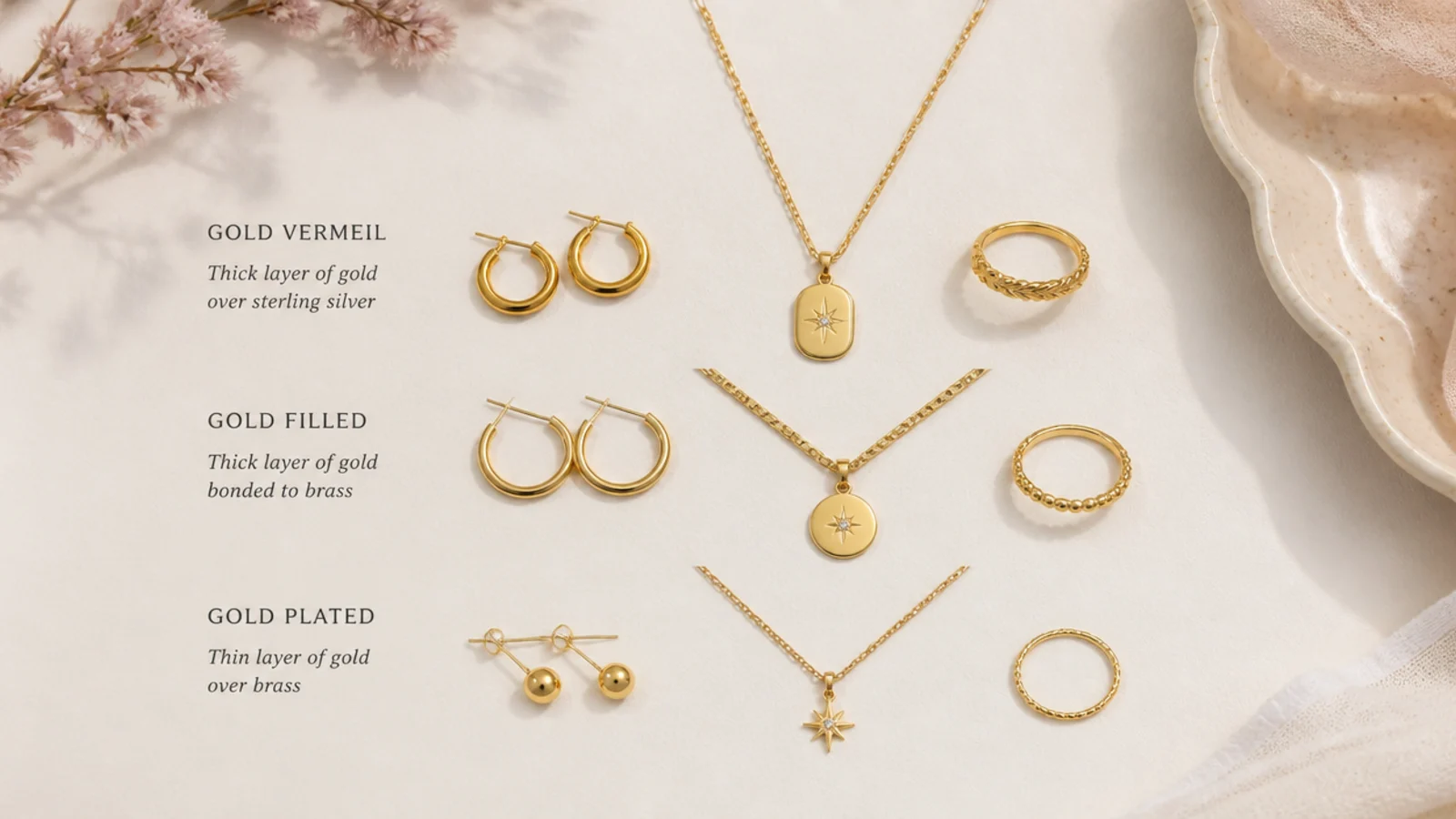
| Gold Vermeil (budget-luxury) | 14k Gold-Filled (buy-it-for-life) | |
|---|---|---|
| Base metal | Solid sterling silver core | Brass or jeweler's bronze core |
| Gold layer | Minimum 2.5 microns, about 5 times a standard plating | 14k gold bonded by heat and pressure, 5 percent of total weight |
| Typical lifespan | 1 to 2 years of daily wear before fading | 3 to 5 years and often much longer with care |
| Price sanity check | Fair at 100 to 300 dollars for a substantial piece | Under 100 dollars for something substantial is suspicious |
| Sensitive skin | Good, since the base is nickel-free sterling | Good, the 14k surface rarely contacts skin |
| Water and shower | Splash-safe, but remove for pools and long soaks | Genuinely daily-water tolerant, safe in the shower |
| Best pieces for it | Studs, huggies, thin necklaces, pendants | Rings, bracelets, chains you never take off |
| Worst pieces for it | Rings and bracelets, the high-friction spots | None, it is the safe default everywhere |
| When to choose it | Trend pieces and low-friction items you may replace | Core pieces you plan to wear every day for years |
1. Diamond Stud Earrings
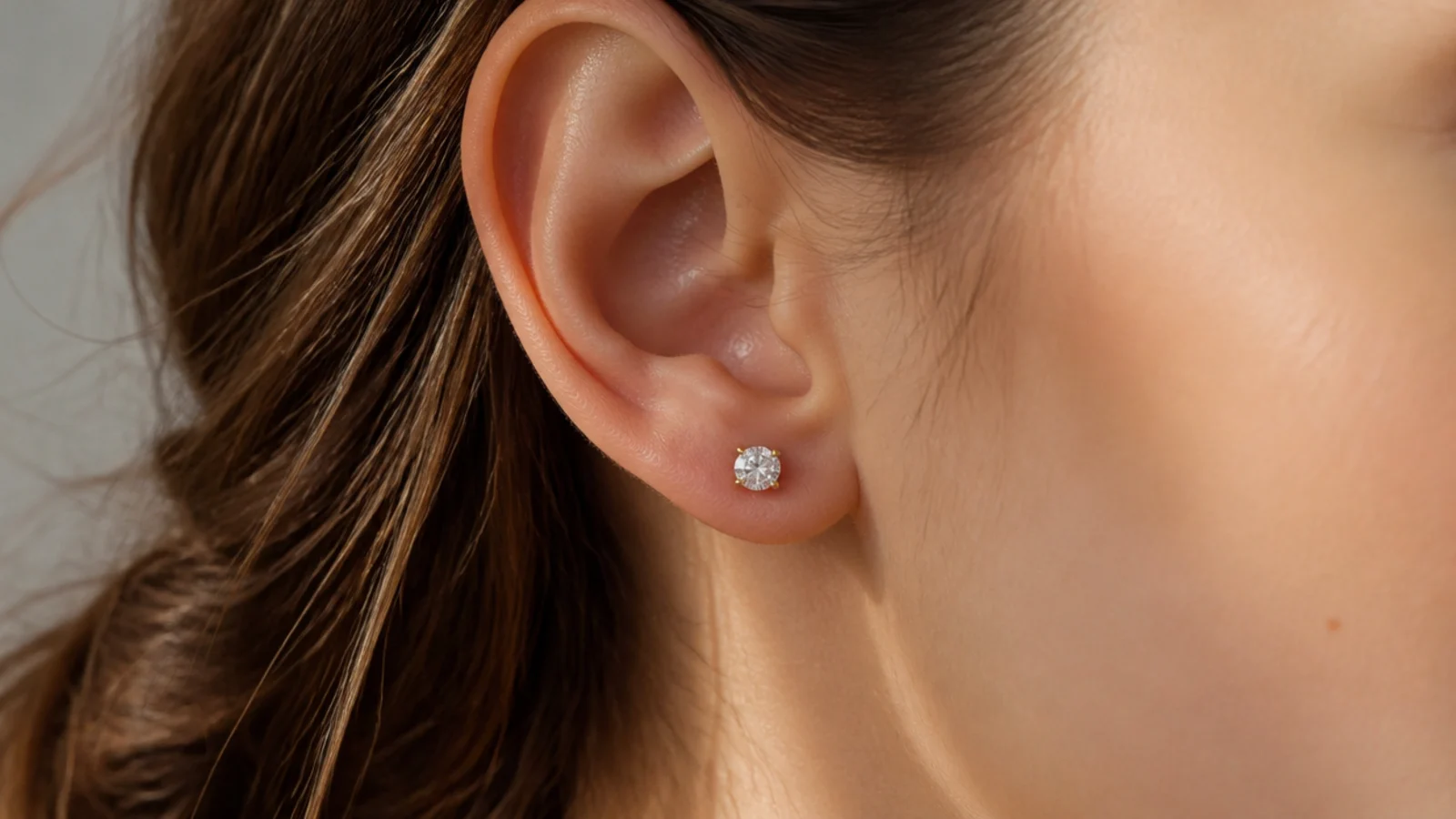
The single most-recommended everyday piece, and the one every guide agrees on. A pair of round studs around a quarter to a half carat total reads polished with a work blazer and disappears comfortably under a pillow at night, so most people never take them off. Budget tier: cubic zirconia in sterling or vermeil, 25 to 45 dollars. Middle tier: lab-grown diamonds in 14k gold-filled or solid gold, 120 to 300 dollars. Investment tier: natural diamonds in solid 14k, 400 dollars and up. Studs sit at a low-friction spot, so vermeil holds up fine here if you are saving money.
Buy screw-back or locking-back posts for anything you sleep in, since friction-back butterflies work loose overnight and studs are the piece people lose most.
2. Gold Hoop Earrings
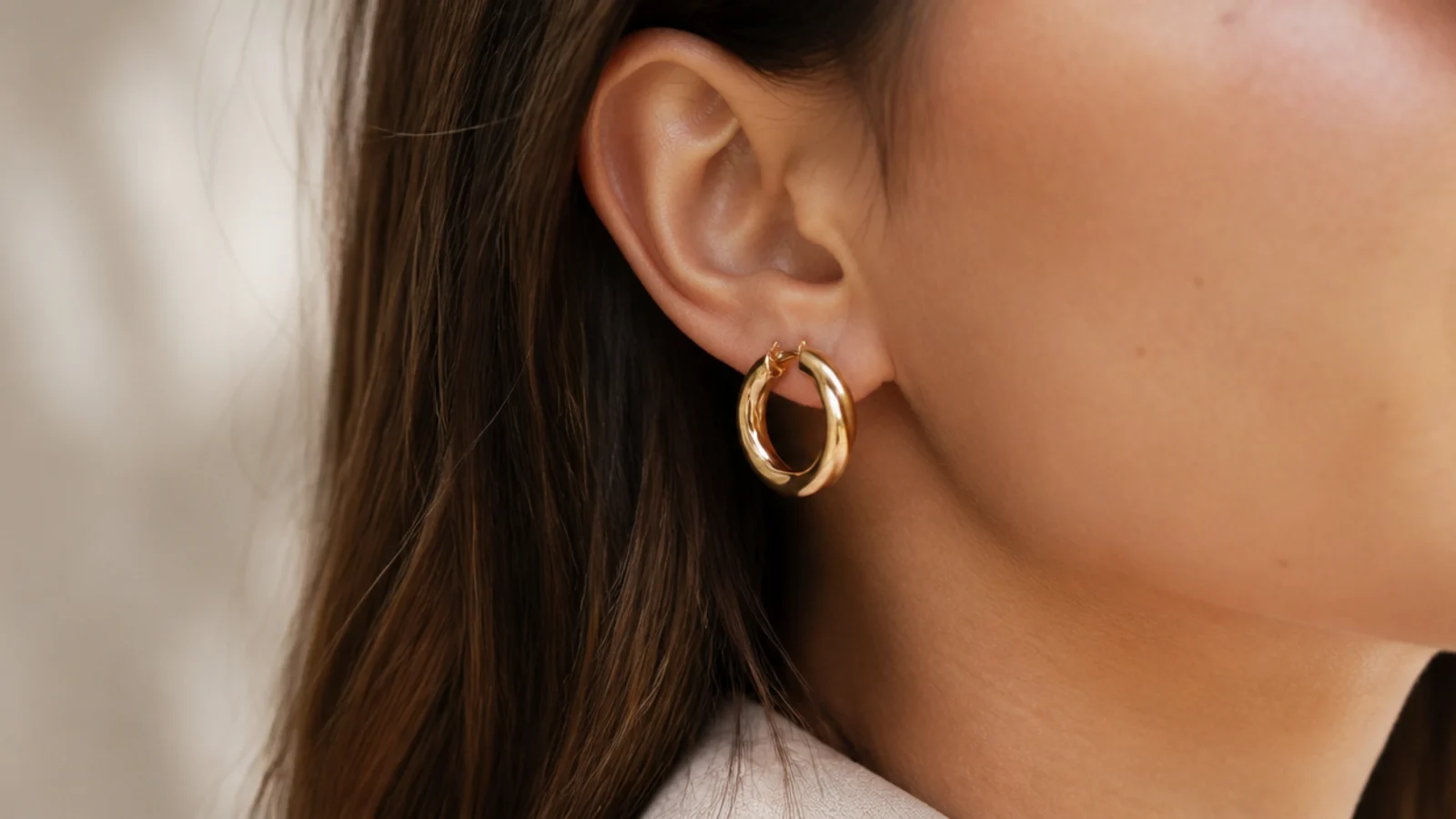
A medium hoop, roughly 20 to 30mm across, is the most versatile earring after the stud and the one that carries a plain outfit on its own. It reads as effort with a t-shirt and baggy jeans and still looks intentional with a going-out look. Budget tier: hollow-tube gold vermeil, 30 to 50 dollars, light enough to wear all day. Middle tier: solid gold-filled, 80 to 150 dollars. Investment tier: solid 14k, 250 dollars and up. Go for hollow tubes at any tier, since a solid-metal hoop this size gets heavy on the lobe by afternoon.
Choose a click-top or hinged closure over a wire-and-notch design, which snags hair and pulls open in a bag.
3. Huggie Hoop Earrings
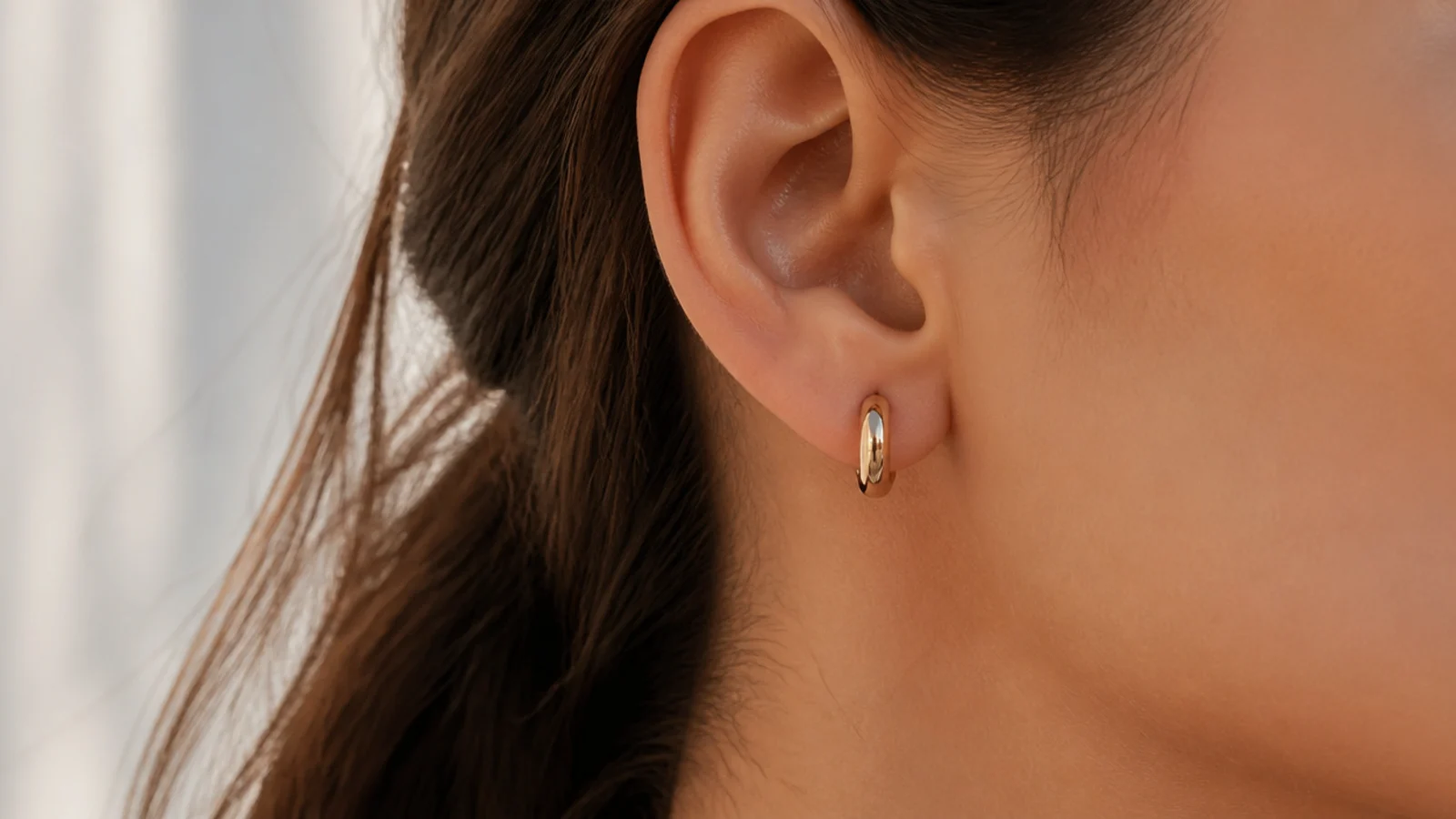
Huggies are tiny, close-fitting hoops, around 8 to 12mm, and they are the most comfortable earring for genuine 24/7 wear because there is nothing to catch or dangle. They are the piece that reads on a video call at bust-crop when nothing below the collarbone shows. Budget tier: vermeil pave or plain, 25 to 45 dollars. Middle tier: gold-filled, 70 to 130 dollars. Investment tier: solid gold with real diamonds, 200 dollars and up. Because they sit tight against the lobe with almost no movement, huggies wear longer than any other earring before showing plating wear.
If you have a second piercing, a huggie in the lower hole and a stud above is the easiest curated-ear look with only two pieces.
4. Pearl Stud Earrings
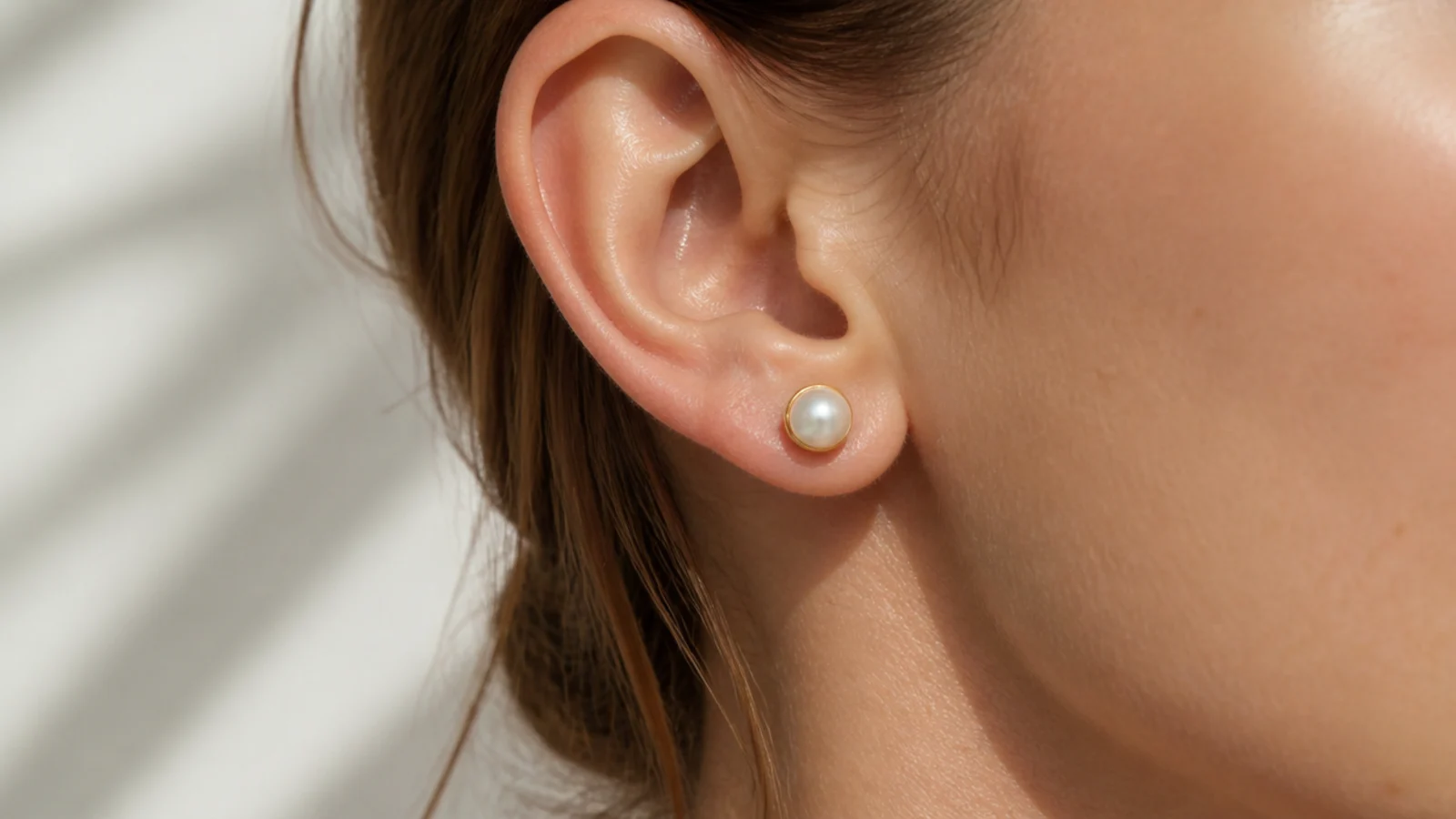
A 6 to 8mm freshwater pearl stud is the softer alternative to the diamond and the piece that pulls a whole outfit toward quiet luxury. Modern pearls read current, not dated, especially in a slightly irregular baroque shape. Budget tier: freshwater pearl on a gold-plated post, 20 to 40 dollars. Middle tier: better-luster freshwater on solid gold-filled, 60 to 120 dollars. Investment tier: Akoya or South Sea on solid 14k, 200 dollars and up. Luster matters more than size: a small pearl with sharp mirror-like reflection looks more expensive than a big chalky one.
Put pearl studs on last, after perfume and hairspray, because pearls are soft and porous and chemicals dull the surface permanently.
5. Thin Gold Chain Necklace
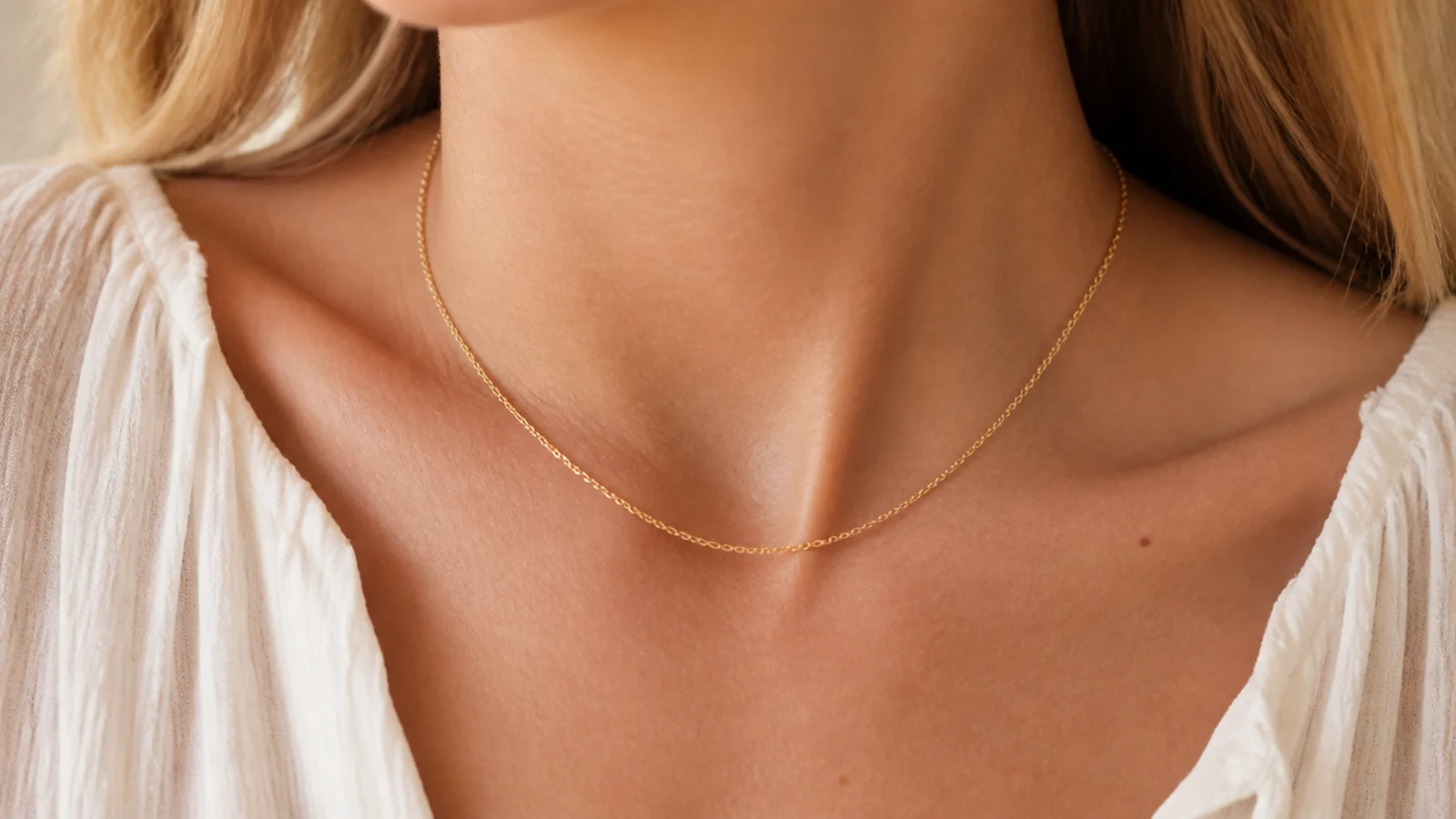
A fine cable or box chain, 16 to 18 inches, is the base layer of every layered-necklace look and the piece you build everything else on. Worn alone it is the definition of understated with a black corset outfit. Budget tier: vermeil, 30 to 55 dollars. Middle tier: 14k gold-filled, which is the smart buy here, 70 to 140 dollars and rated for daily water contact. Investment tier: solid 14k, 200 dollars and up. This is the necklace you never take off, so gold-filled earns its price: it survives sweat and showers where plating flakes at the clasp within months.
Buy an adjustable chain with a slider or two jump-ring positions so you can shorten it for layering without buying a second length.
6. Solitaire Pendant Necklace
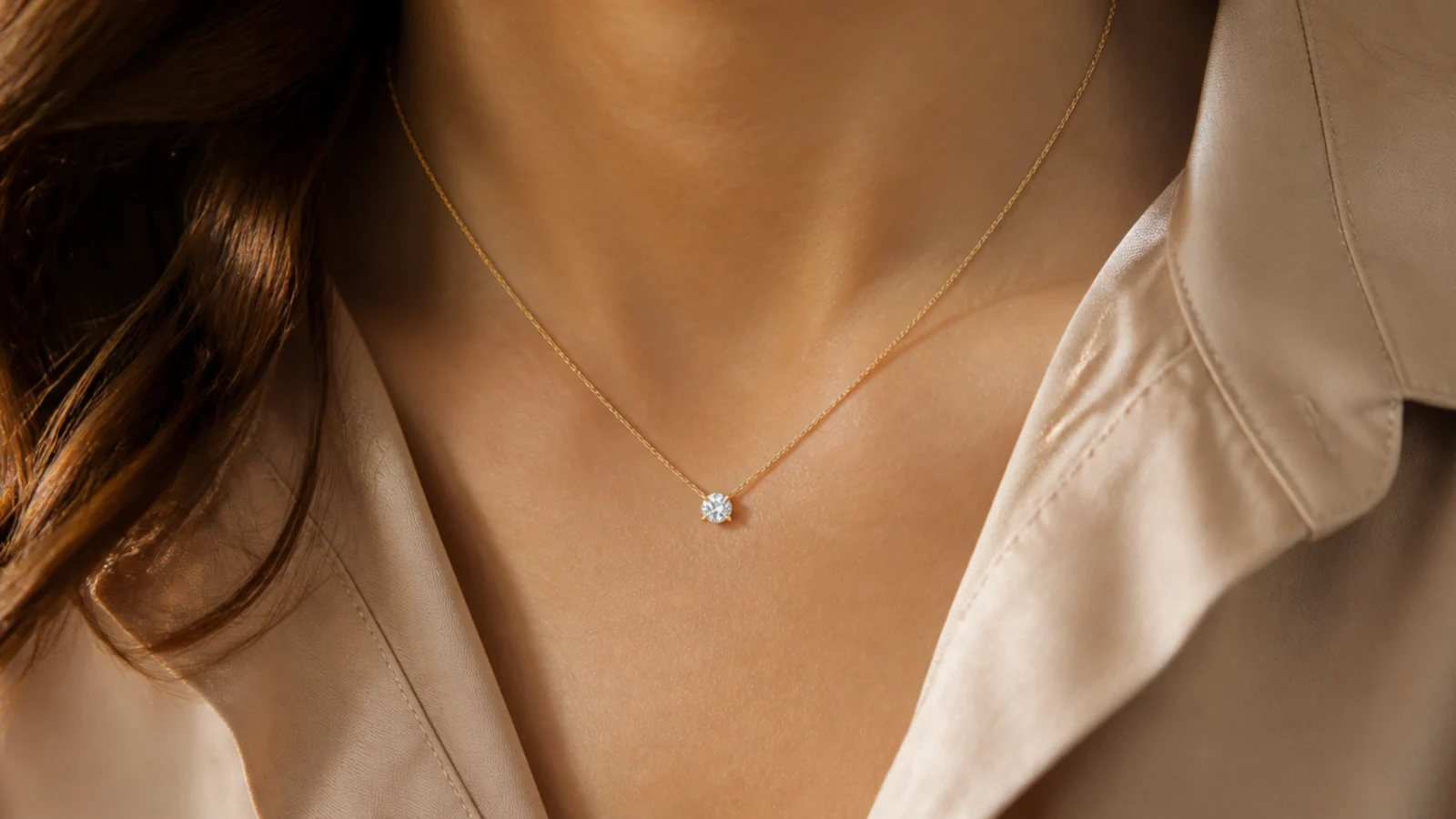
One small stone on a delicate chain, sitting just below the collarbone, is the necklace that works with every neckline from a crew tee to a deep V. It layers over the thin chain above or stands alone with a white midi skirt outfit. Budget tier: cubic zirconia in vermeil, 30 to 50 dollars. Middle tier: lab-grown diamond in gold-filled, 100 to 200 dollars. Investment tier: natural diamond in solid gold, 300 dollars and up. A bezel setting, where metal wraps the whole stone, snags less and reads cleaner than prongs for something you wear under clothes daily.
Match the pendant chain length to your most-worn neckline, 16 inches for high necks and 18 for open ones, so the stone always lands where you can see it.
7. Paperclip Chain Necklace
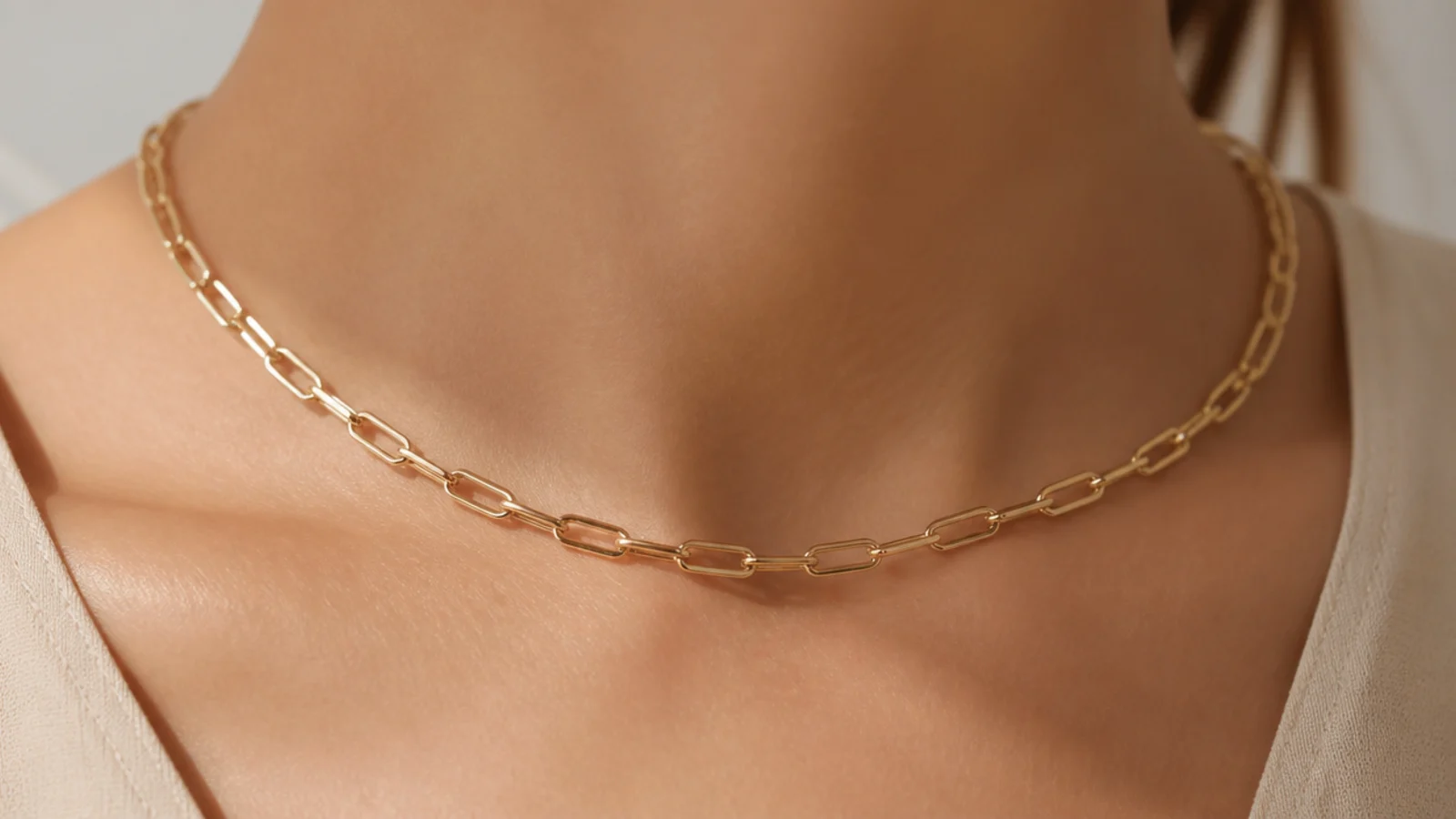
An elongated-link paperclip chain adds visible texture and a slightly modern edge that a plain cable chain does not, which makes it the best middle layer in a stack. It looks deliberate with a corset top and jeans and adds structure to a plain knit. Budget tier: vermeil, 35 to 60 dollars. Middle tier: gold-filled, 90 to 160 dollars. Investment tier: solid 14k, 250 dollars and up. Larger links show plating wear faster at the joints where they rub, so this is another piece where gold-filled quietly outlasts vermeil for daily wear.
Hang a small charm or lock pendant on a paperclip chain to change the look without buying a whole new necklace.
8. Gold Station Necklace
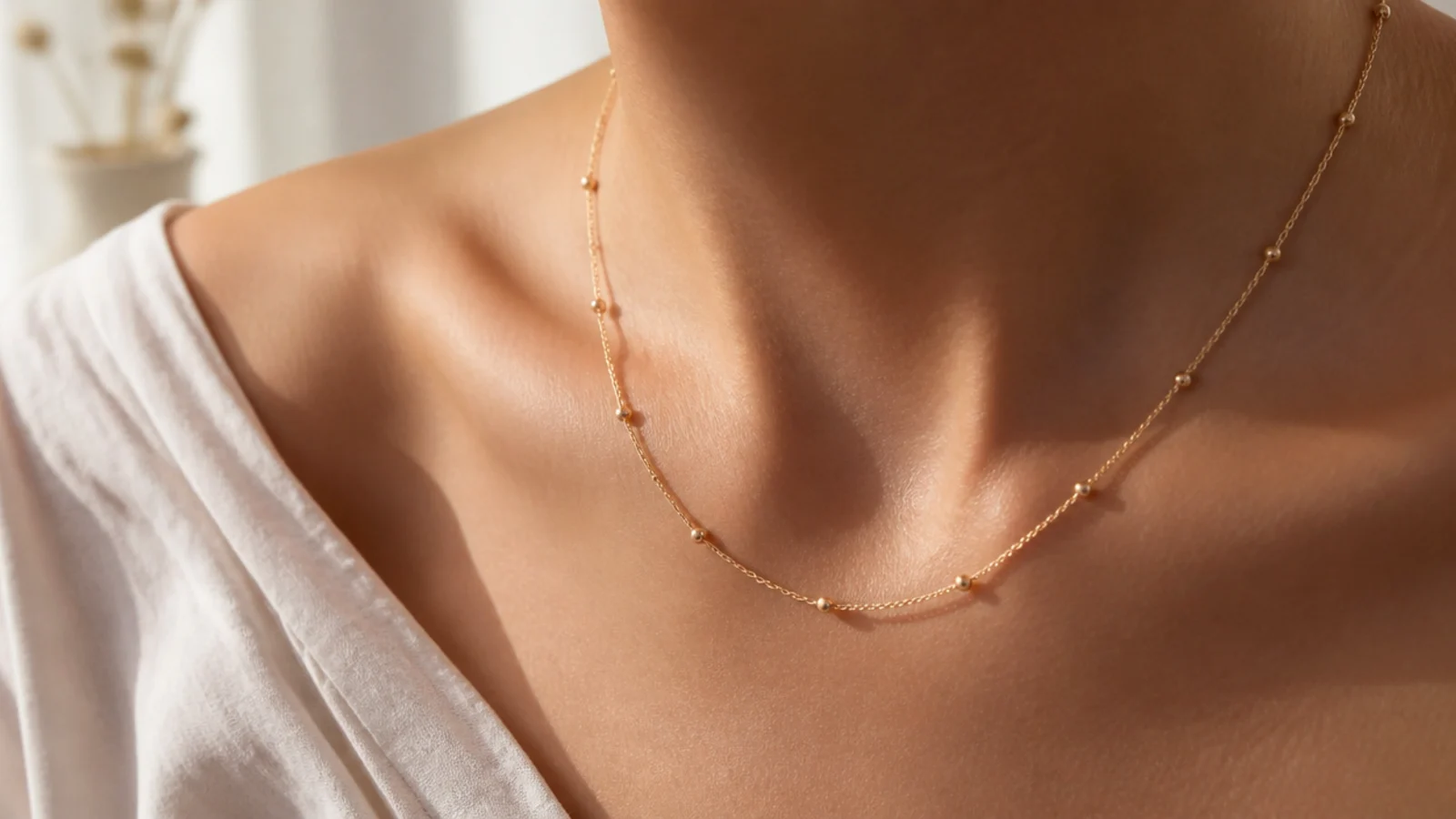
A station necklace spaces small beads or tiny stones evenly along a fine chain, so it reads as detail without a single focal pendant. That even rhythm is why it layers so cleanly and never fights the piece above or below it. Budget tier: vermeil satellite chain, 30 to 55 dollars. Middle tier: gold-filled with real accents, 80 to 150 dollars. Investment tier: solid gold with diamond stations, 300 dollars and up. It is the quietest necklace on this list, which makes it the safest one for a conservative work outfit.
A station necklace works best as the shortest layer in a stack, since its detail gets lost if a pendant hangs below it.
9. Pearl Strand Necklace
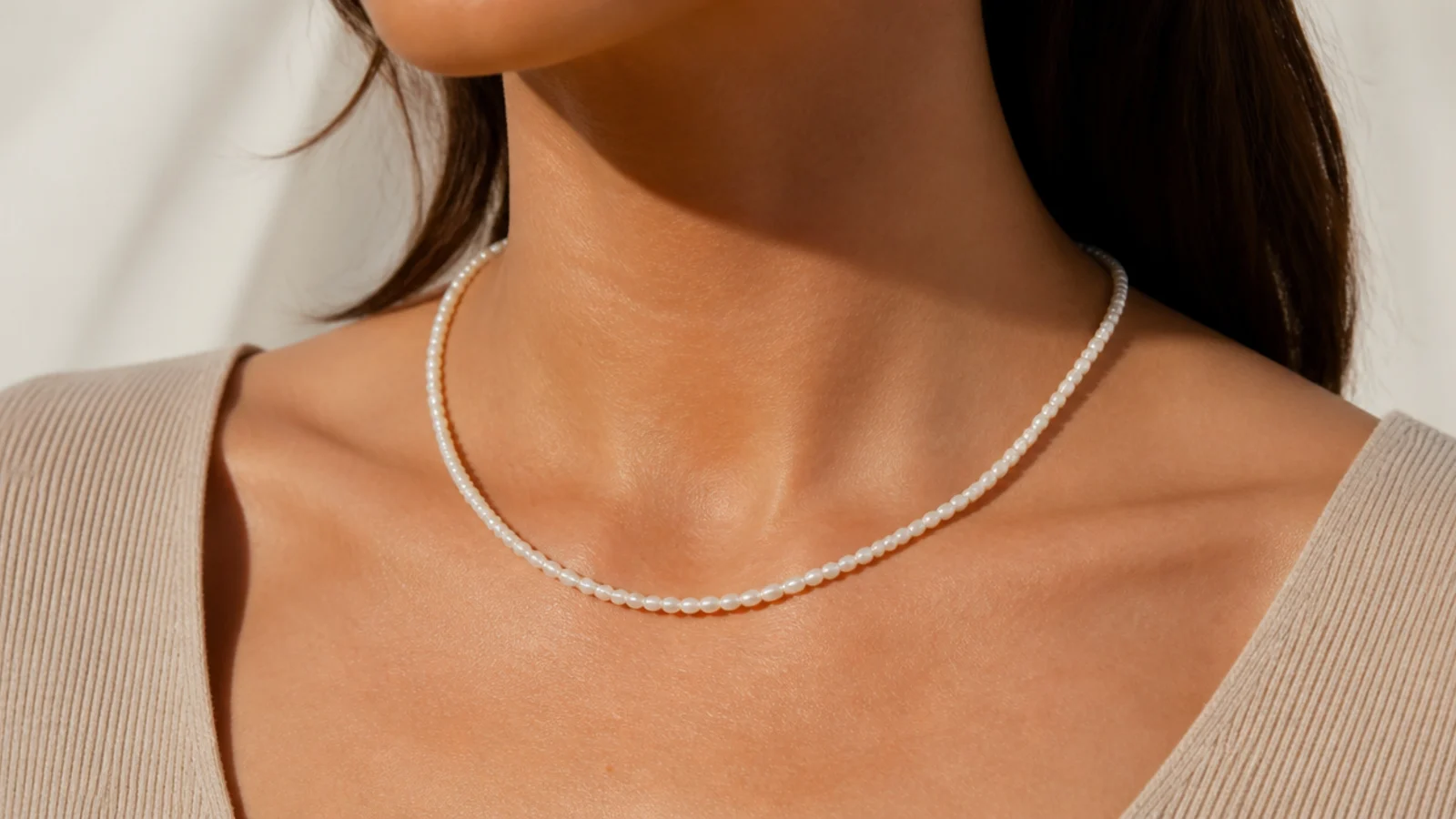
A modern pearl strand, kept small at 5 to 7mm and worn at a princess 18-inch length, is the classic piece most starter collections skip and then wish they had for anything dressy. Worn today it reads elevated rather than formal, especially layered against a gold chain. Budget tier: freshwater on silk-look cord, 40 to 70 dollars. Middle tier: hand-knotted freshwater with a gold clasp, 90 to 180 dollars. Investment tier: Akoya, 300 dollars and up. Hand-knotting between each pearl is the quality tell: it stops the whole strand scattering if the cord ever breaks.
Store a pearl strand flat, not hanging, because gravity stretches the silk cord over time and the knots loosen.
10. Gold Locket Necklace
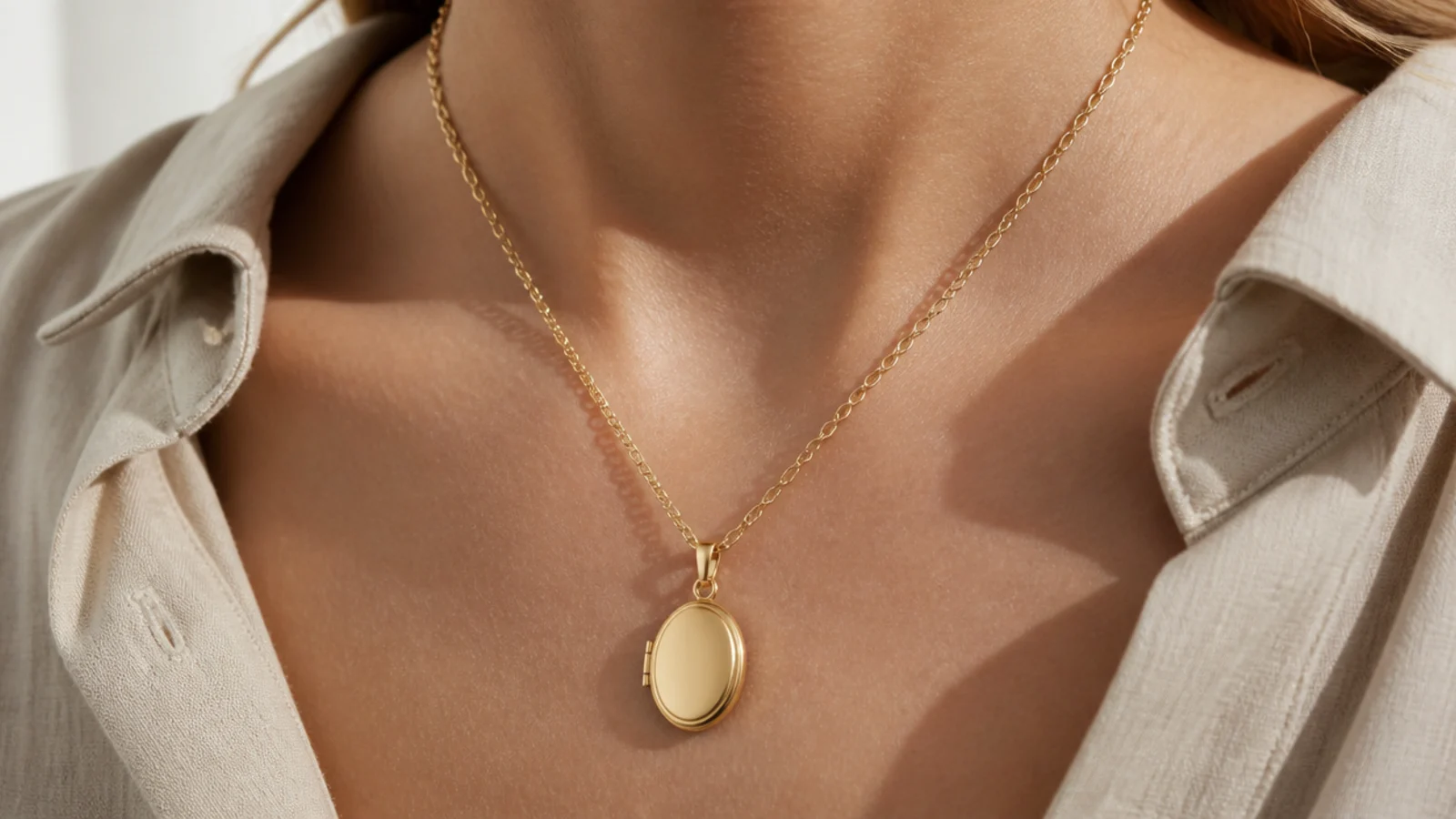
A small oval or round locket is the one sentimental piece worth owning, and it doubles as the pendant that holds a layered stack together with a little weight at the center. It sits well over a white skirt and blazer for work. Budget tier: vermeil, 40 to 70 dollars. Middle tier: gold-filled, 100 to 180 dollars. Investment tier: solid or antique 14k, 250 dollars and up. A locket takes daily handling as you open and close it, so a solid or gold-filled hinge lasts where a thin plated one wears through and stops closing flush.
Check the hinge and clasp on any locket before buying, since a loose hinge is the first thing to fail and the hardest to repair.
11. Gold Stacking Rings
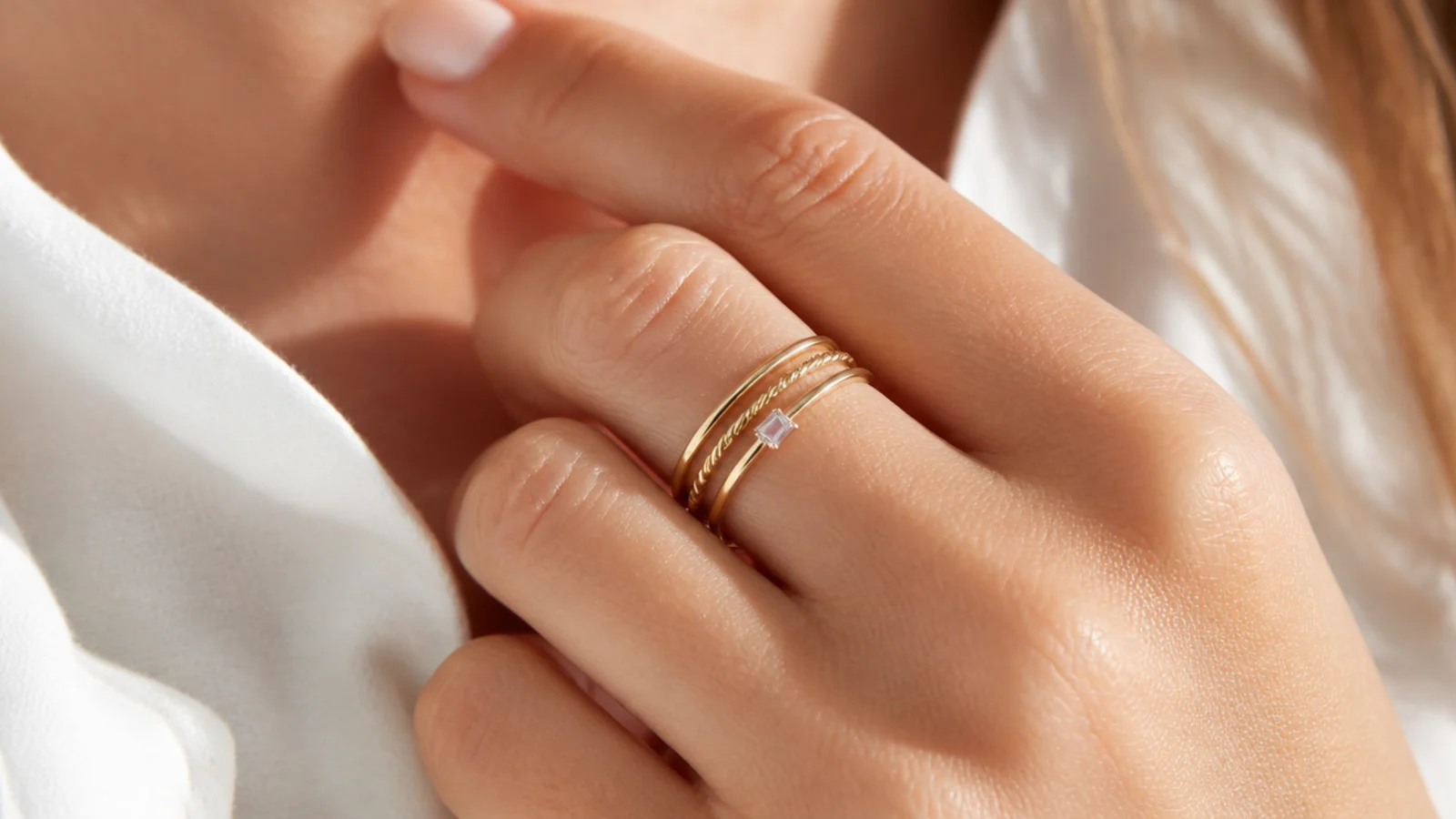
A set of two or three thin bands, plain, twisted or tiny-stone, is the most flexible ring purchase because you can wear one alone or stack all three. They add hand interest with rolled-sleeve baggy jeans or a going-out look. Budget tier: vermeil set, 30 to 60 dollars, but be honest that rings are the highest-friction piece you own. Middle tier: gold-filled or solid, 90 to 200 dollars. Investment tier: solid 14k, 200 dollars and up. Rings rub against everything all day, so this is the number-one piece to buy in solid or gold-filled rather than plated, which wears green at the band within months.
Buy stacking rings a quarter size up from your usual, since three thin bands together feel tighter than one.
12. Signet Ring
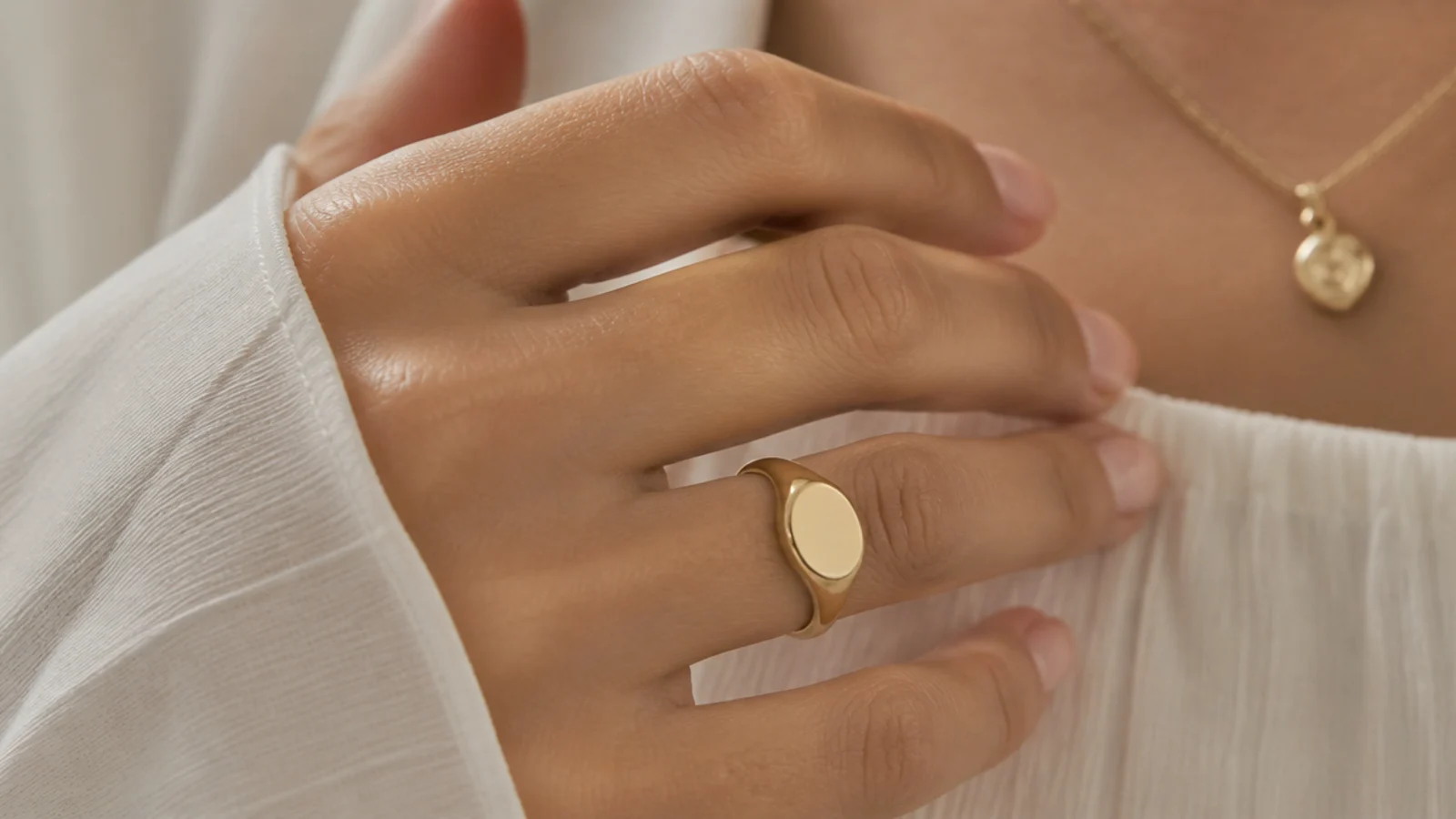
A flat-faced signet, worn on the pinky or index, is the piece that adds a bit of heirloom weight and character to an otherwise minimal hand. It reads as considered rather than flashy, which is exactly why it works for work and weekends alike. Budget tier: gold vermeil over a solid sterling base, 40 to 80 dollars. Middle tier: solid gold-filled, 120 to 250 dollars. Investment tier: solid 14k, 300 dollars and up. Because a signet has a large flat surface that catches every knock, buy the most solid version you can afford so scratches burnish rather than reveal a base metal underneath.
A signet you actually wear daily will pick up fine scratches fast, which is normal and reads as character on gold but as damage on plating.
13. Simple Gold Band
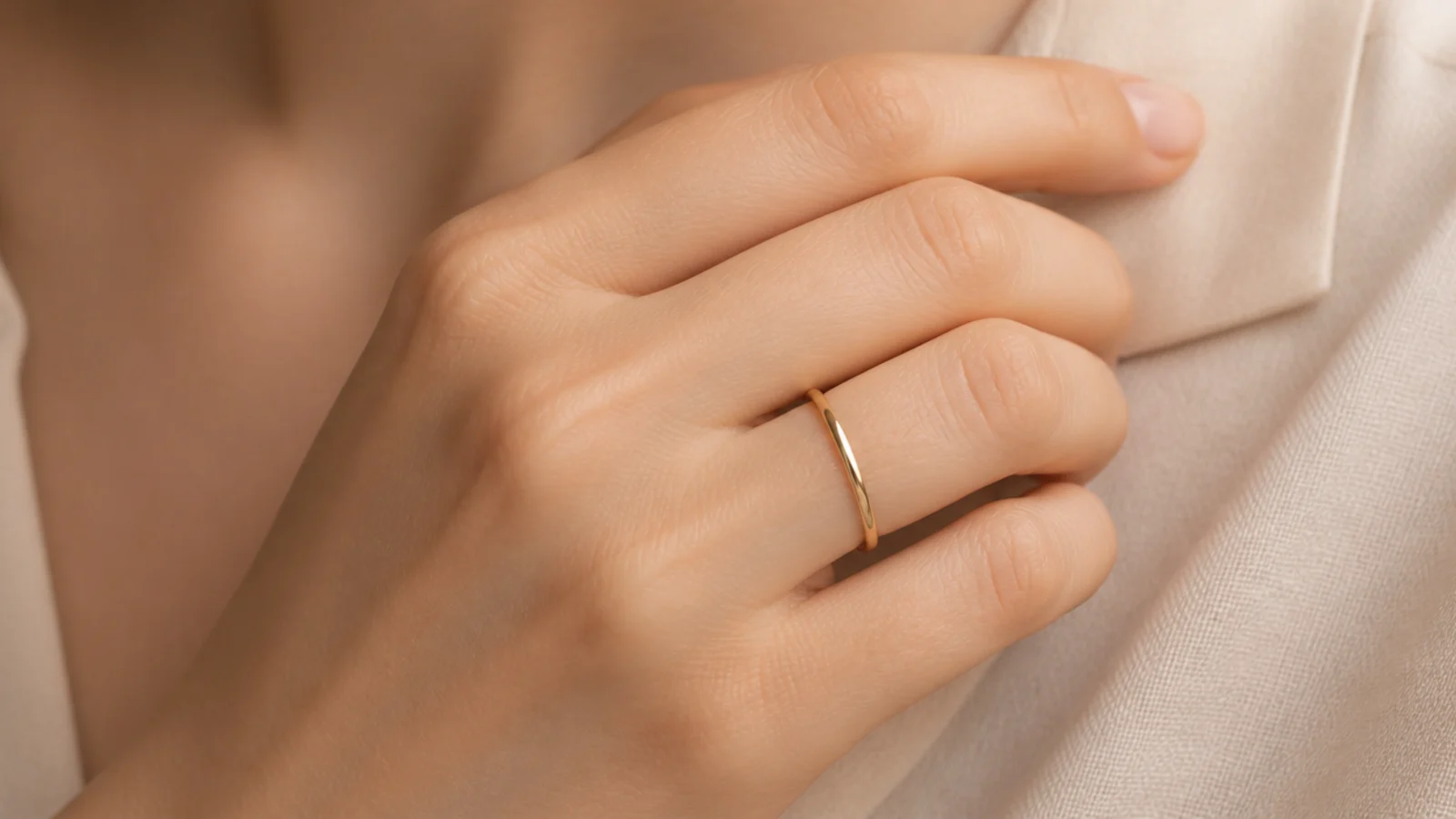
A plain slim band, 1.5 to 2.5mm wide, is the quiet workhorse ring you can wear alone, stack, or use as a non-engagement everyday ring. It is the most neckline-neutral, outfit-neutral piece on the whole list. Budget tier: vermeil, 25 to 50 dollars. Middle tier: gold-filled, 80 to 160 dollars. Investment tier: solid 14k, 200 dollars and up. Of all 20 pieces this is the one to prioritize in solid gold if you can, because a band worn on the same finger daily meets the most friction and a worn-through plated band turns your finger green fastest.
Comfort-fit bands, rounded on the inside, sit better for all-day wear than flat-profile bands that press a line into the finger.
14. Birthstone or Solitaire Ring
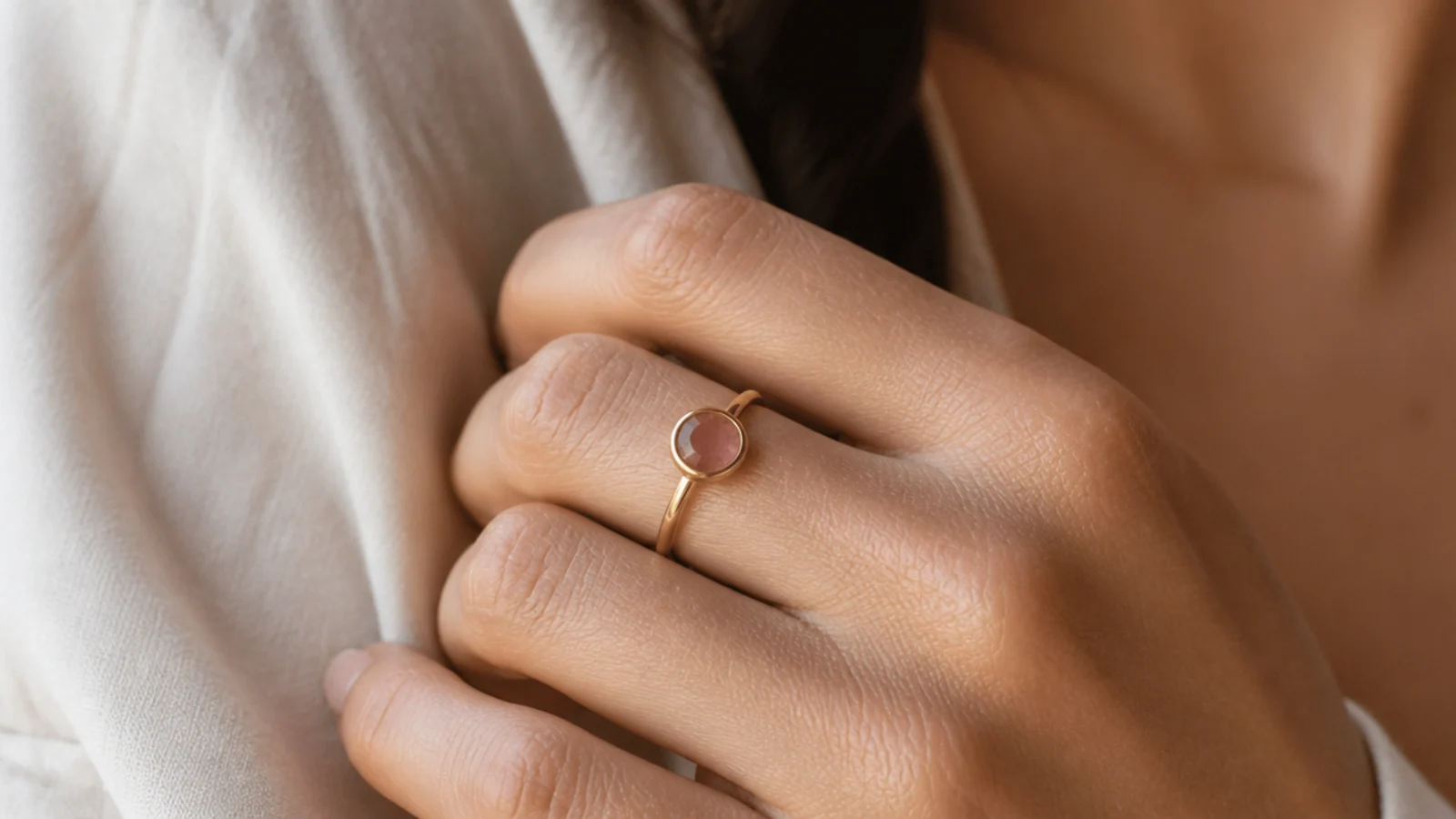
A single-stone ring, whether a birthstone or a small solitaire, is the one ring with a little color and personality, and it dresses up a plain hand for dinner or a date-night look. Budget tier: lab-created stone in vermeil, 35 to 70 dollars. Middle tier: genuine stone in gold-filled, 100 to 220 dollars. Investment tier: natural stone in solid 14k, 250 dollars and up. Choose a bezel setting for daily wear: prongs on a ring catch on sweaters and bend, and a lost stone is the most common everyday-ring failure.
Softer stones like opal, pearl and turquoise scratch and crack in a daily ring, so save those for earrings and pick a hard stone like sapphire for a ring you wear constantly.
15. Tennis Bracelet
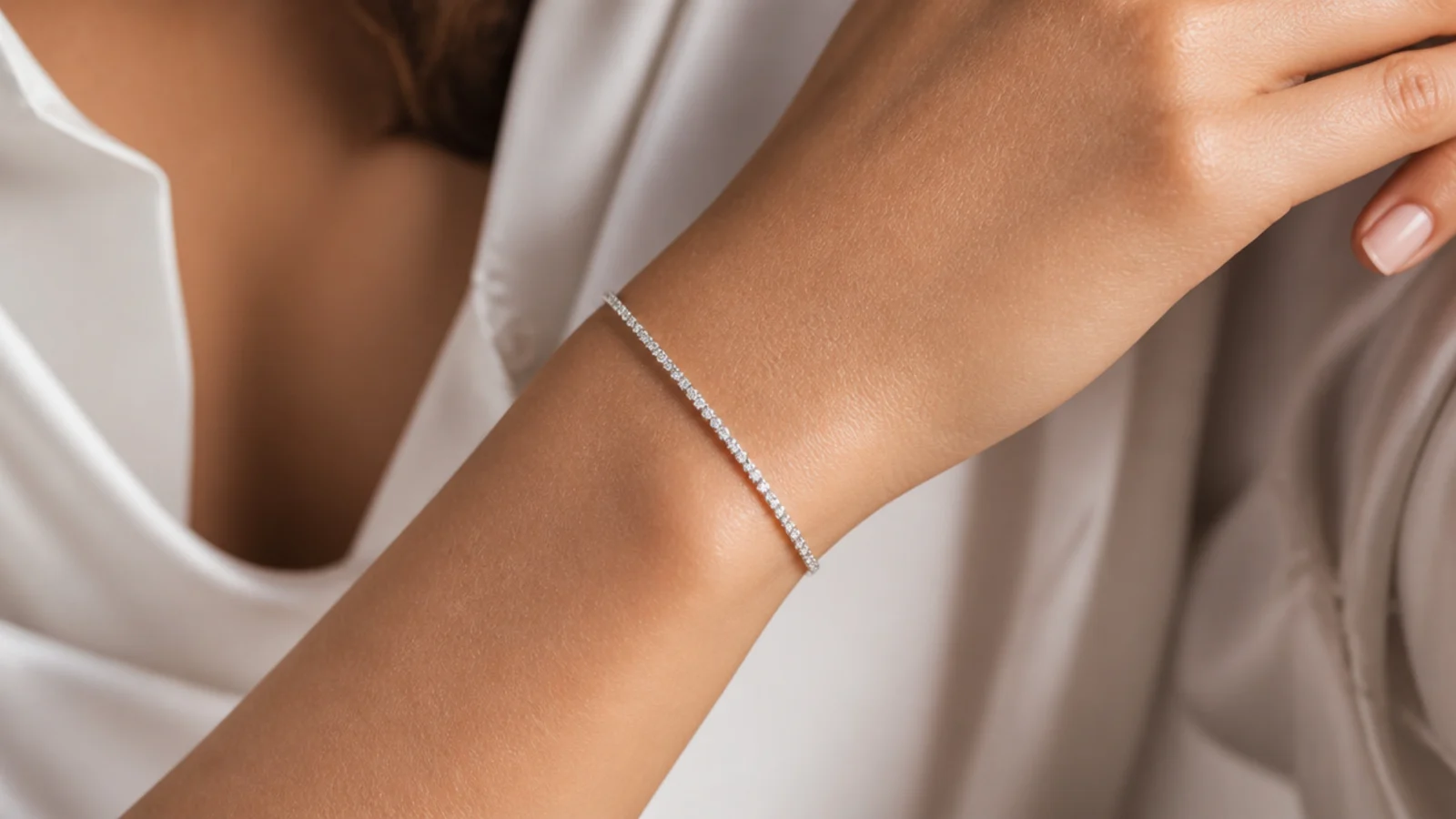
A line of small matched stones, the tennis bracelet, is the quiet-luxury wrist piece that reads expensive even when it is not, and it slips under a shirt cuff without catching. It elevates a corset and blazer instantly. Budget tier: cubic zirconia in vermeil, 40 to 80 dollars. Middle tier: lab-grown in gold-filled, 150 to 350 dollars. Investment tier: natural diamonds, 500 dollars and up. Check the clasp closely at any tier: a box clasp with a safety catch is the difference between a bracelet you keep and one that slides off unnoticed, which is the most common way people lose them.
Size a tennis bracelet to leave one finger of gap; too loose and it spins so the clasp faces up, too tight and it digs when you rest your wrist.
16. Gold Bangle Bracelet
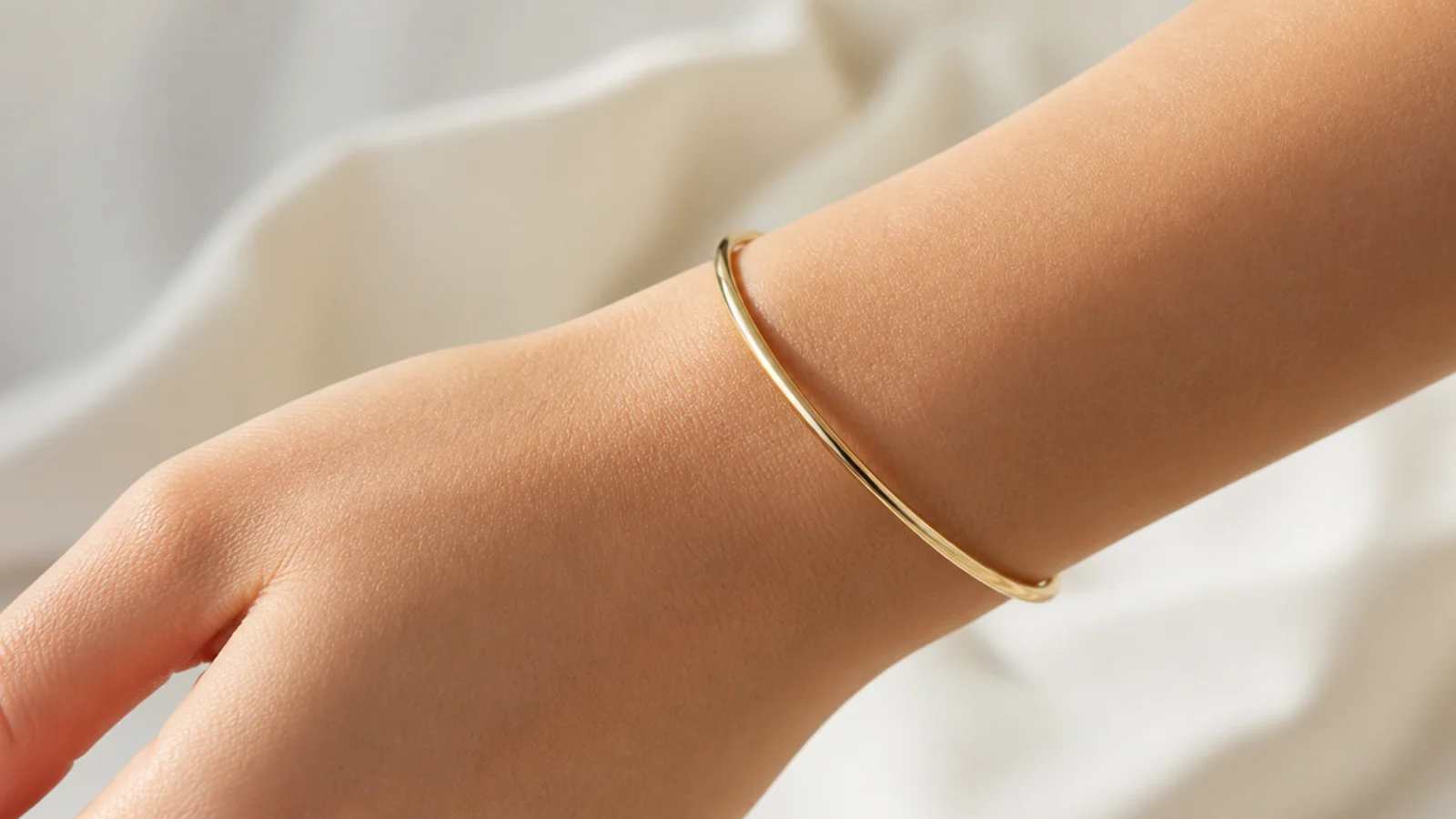
A smooth thin bangle is the sculptural, no-fuss wrist piece with nothing to clasp, so it goes on in a second and never tangles in storage. One alone is minimal; two or three stacked read as a considered arm party. Budget tier: hollow vermeil, 30 to 55 dollars. Middle tier: gold-filled, 80 to 160 dollars. Investment tier: solid 14k, 250 dollars and up. Hollow bangles dent if you knock them hard, so if you are hard on jewelry a solid or gold-filled bangle survives daily wear where a thin plated one creases and flakes at the dent.
Buy a bangle in the right internal diameter for your hand, measured across the widest part of your folded thumb and pinky, since it has to clear your knuckles to go on.
17. Chain Bracelet
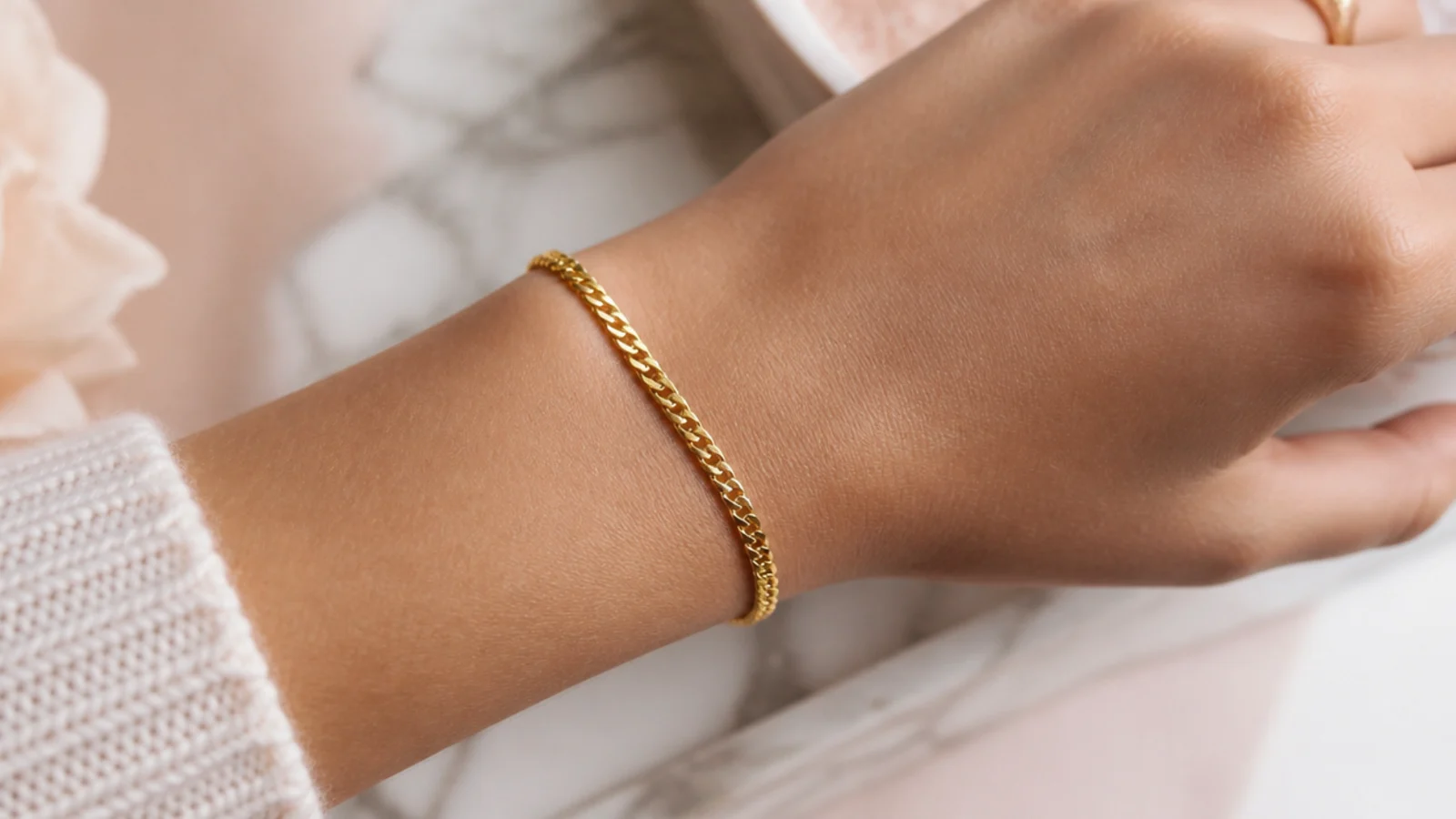
A fine curb or figaro chain bracelet is the most comfortable everyday wrist piece because it moves with you and lies flat under a sleeve, making it the one bracelet you can wear at a keyboard all day. It pairs down with rainy-day work outfits and up with anything. Budget tier: vermeil, 30 to 55 dollars. Middle tier: 14k gold-filled, the smart daily buy, 80 to 150 dollars. Investment tier: solid gold, 220 dollars and up. Wrists meet a lot of friction and sweat, so gold-filled genuinely outlasts plated here, which flakes at the clasp and the links that rub the desk.
A lobster clasp is more secure than a spring-ring for a bracelet, since you fasten it one-handed and it is less likely to work open against your sleeve.
18. Gold Beaded Bracelet
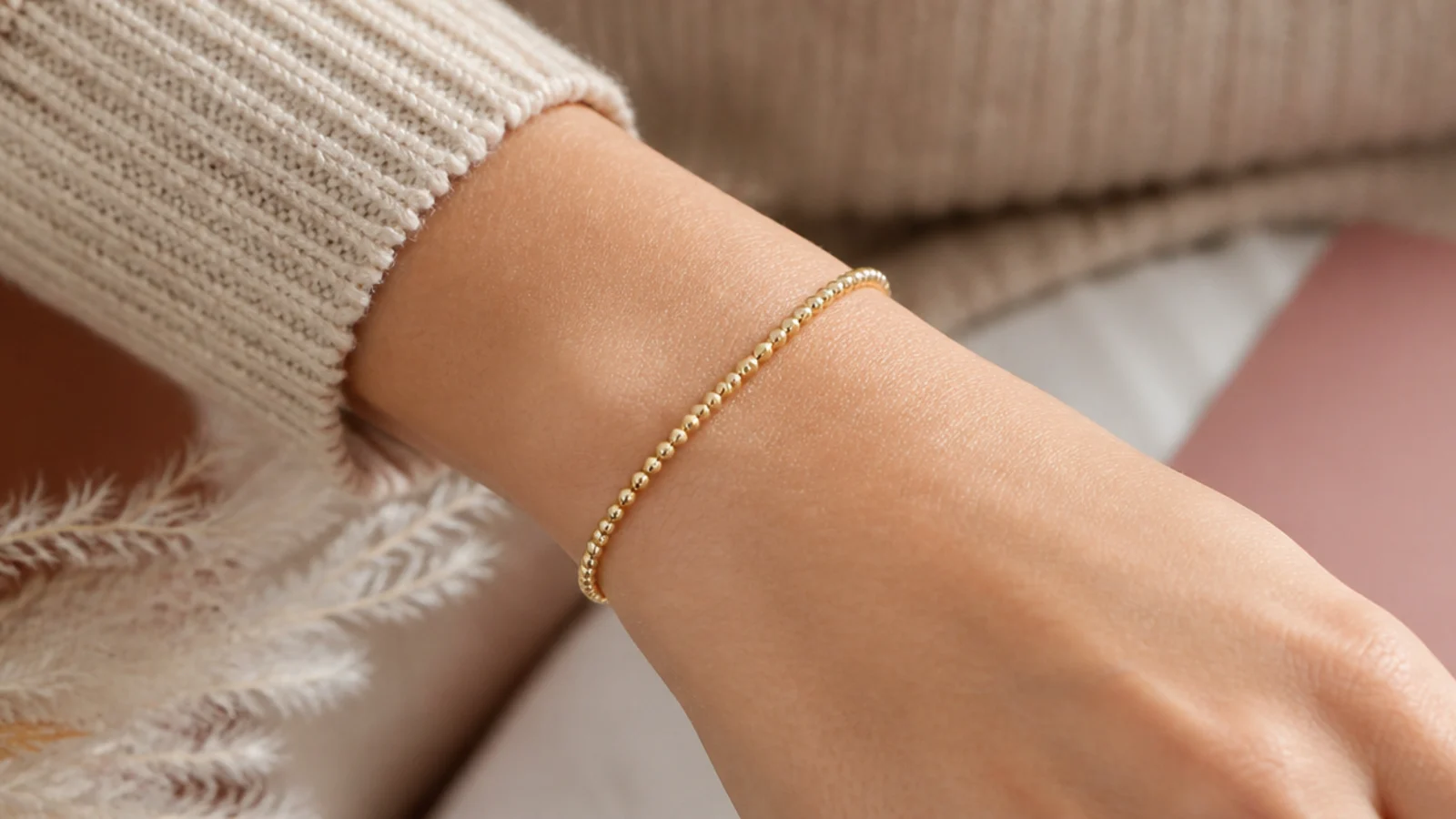
A row of tiny gold beads adds soft texture and reads more casual than a chain, which makes it the best bracelet for stacking with a watch or a bangle without competing. It suits a relaxed summer look and layers with everything. Budget tier: gold-plated beads on elastic, 20 to 40 dollars. Middle tier: gold-filled beads on a chain, 60 to 120 dollars. Investment tier: solid gold, 200 dollars and up. Skip the cheapest elastic-cord versions for daily wear; the cord stretches and snaps within months, and gold-plated beads on skin rub bald at the drill holes fast.
Choose a beaded bracelet strung on coated wire or chain rather than raw elastic if you want it to last more than a season.
19. Simple Everyday Watch
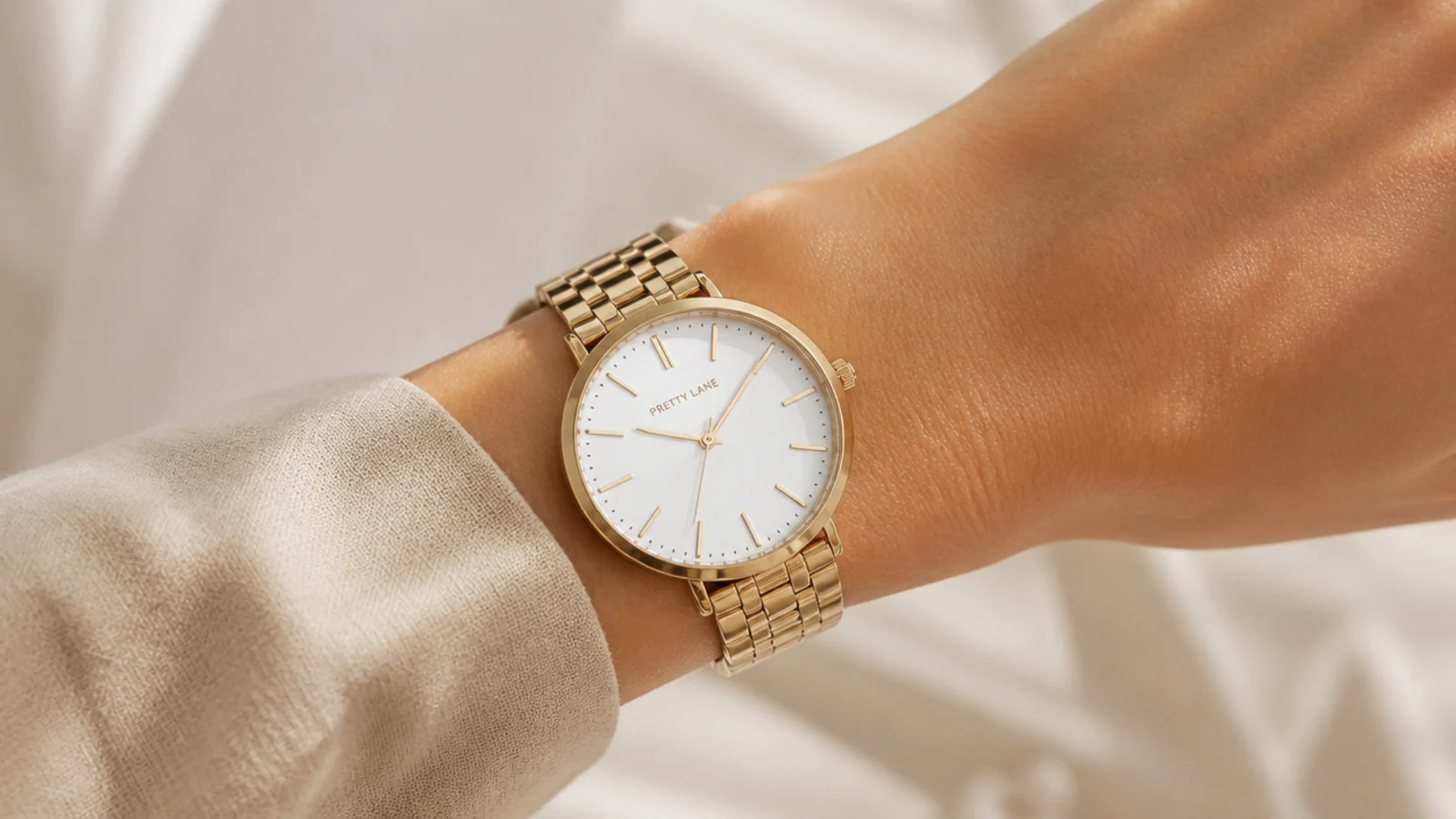
A slim watch with a clean dial is the one piece that is both jewelry and function, and it anchors a wrist stack better than any bracelet. A 28 to 34mm case reads elegant and unisex, and a plain dial dates far slower than a busy one. It finishes a white skirt and blazer for work. Budget tier: quartz on a gold-tone mesh band, 40 to 80 dollars. Middle tier: better quartz with a real gold-tone case, 120 to 250 dollars. Investment tier: a solid-case or heritage quartz, 300 dollars and up. Buy a swappable band so one watch covers mesh, leather and chain.
Match the watch metal to the rest of your wrist stack, or lean into mixed metal deliberately, but do not let it clash by accident.
20. Gold Ear Cuff
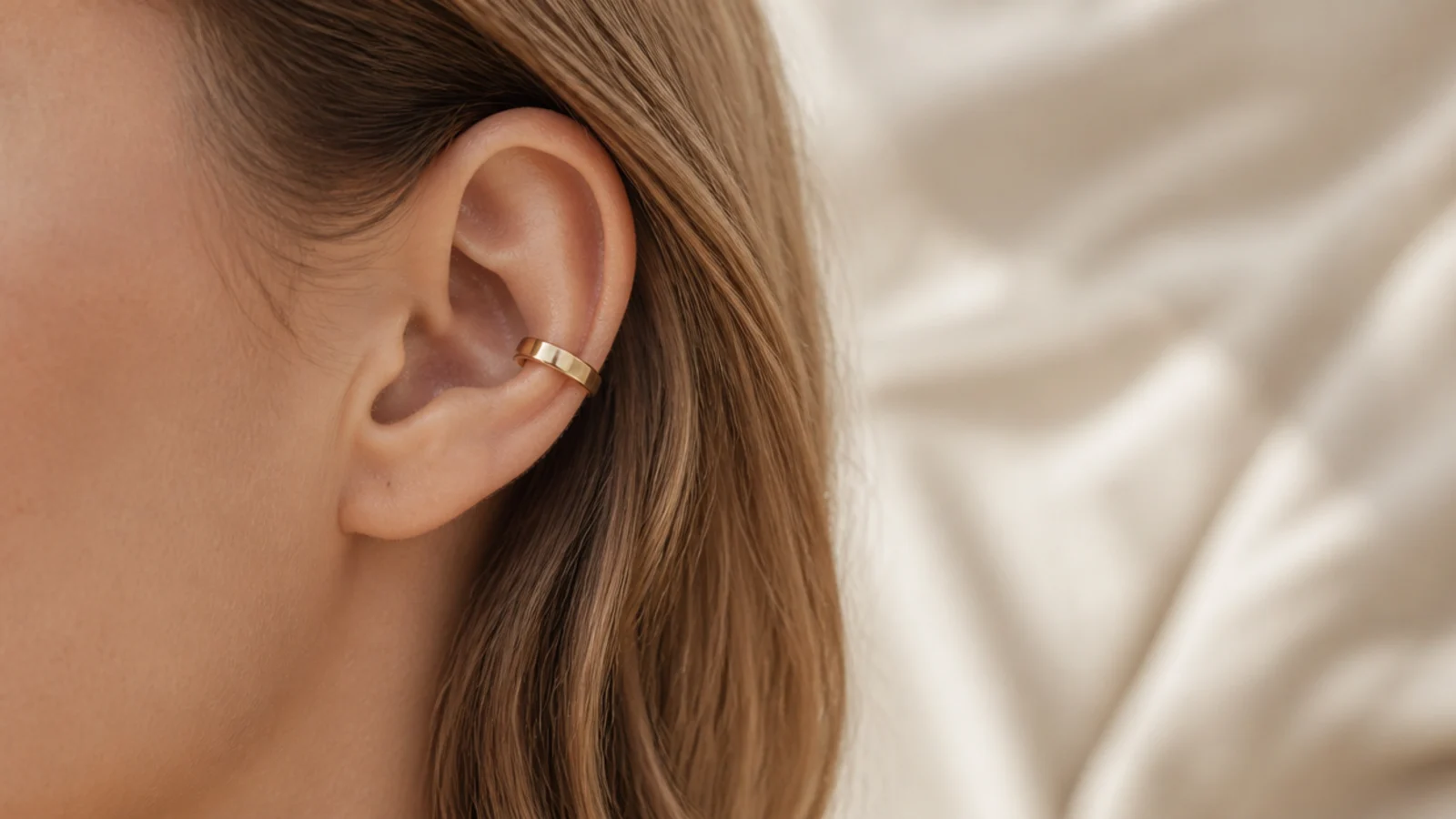
A small cuff clips onto the upper ear with no piercing needed, so it is the easiest way to build a curated multi-earring look with just studs plus one add-on. It reads modern and a little editorial with a lace corset outfit or a slick ponytail. Budget tier: vermeil, 20 to 40 dollars. Middle tier: gold-filled, 55 to 110 dollars. Investment tier: solid 14k, 180 dollars and up. Cuffs take handling every time you position them, so a solid or gold-filled cuff keeps its spring where a thin plated one loosens and stops gripping the ear.
Gently squeeze a cuff to tighten the grip if it slides, but do it a hair at a time, since over-bending cracks the metal at the opening.
How Much Should You Spend on Jewelry Essentials?
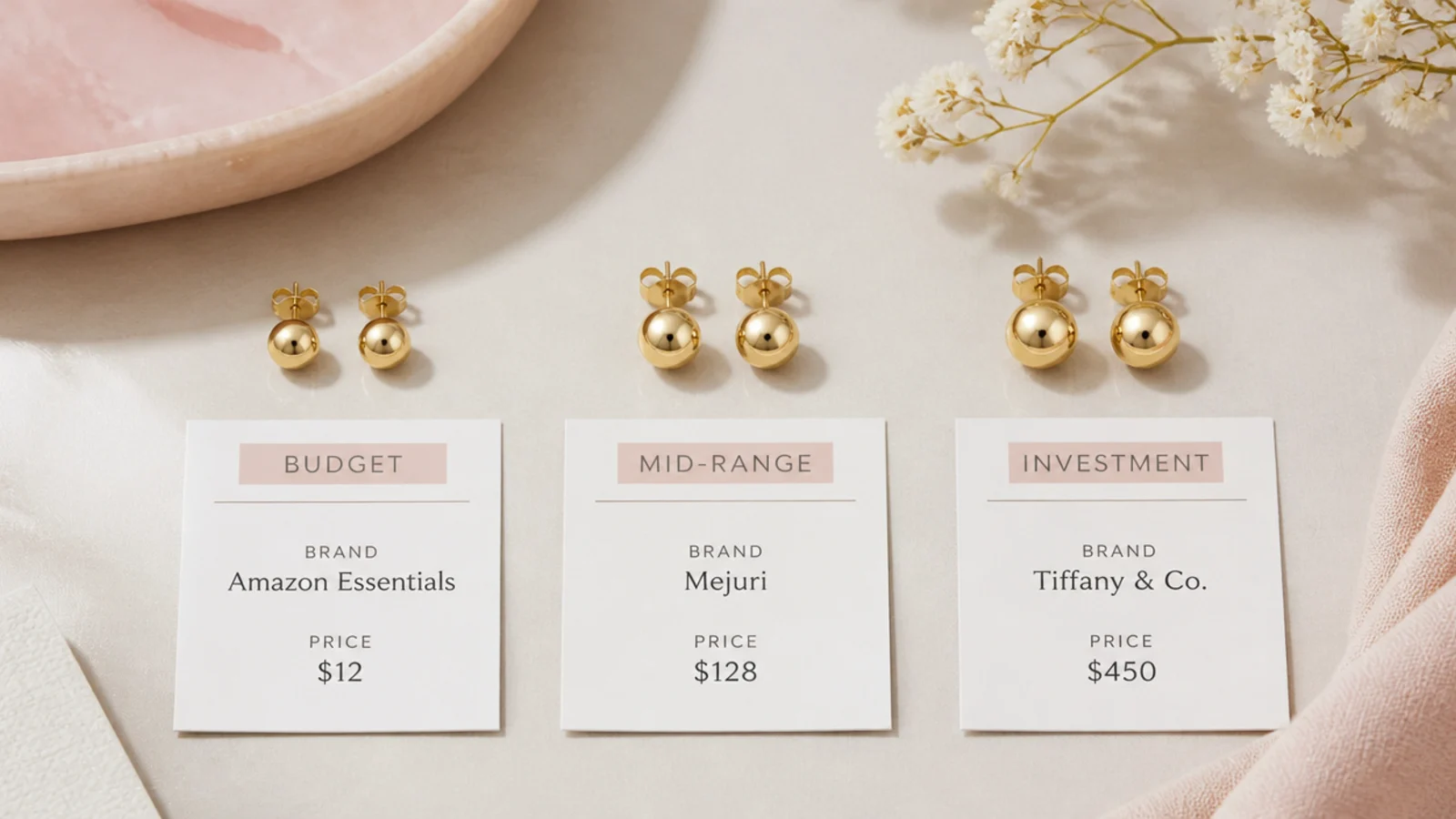
There is no single right number, which is exactly why this list runs at three tiers. At the budget tier, figure roughly 30 to 50 dollars a piece in gold vermeil or good plating, so a full eight-piece starter set lands around 300 dollars. At the middle tier, 80 to 200 dollars a piece in gold-filled or solid, which is where most people should spend on the items they wear daily. At the investment tier, 200 dollars and up per solid-gold or natural-diamond piece, reserved for the two or three things you will keep for decades. The smarter question than how much total is where the money goes. Spend up on rings and bracelets, which meet constant friction and fail fastest in cheap metal, and spend down on studs and necklaces, where quality vermeil is genuinely hard to tell from solid gold. For a full breakdown of what forty dollars actually buys, see gold jewelry under 50.
Which Everyday Pieces Are Worth Solid Gold, and Which Are Fine in Vermeil?
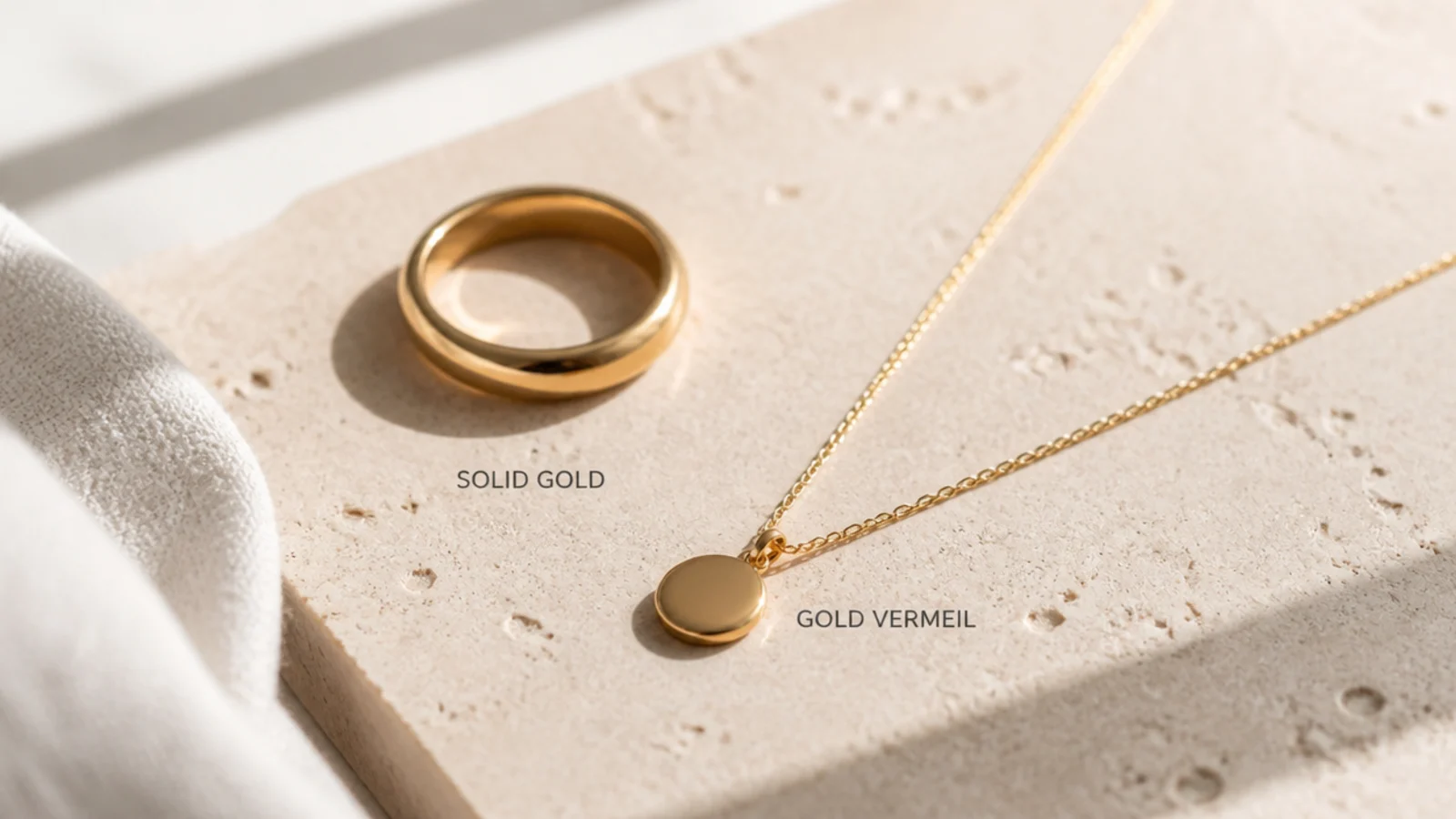
Friction decides this, not price or prestige. The single biggest factor in how long a gold piece lasts is not the karat or the finish but how much the surface rubs against skin, fabric and other jewelry. Rings top that list, since a band on the same finger meets your other hand, your phone, and every surface you touch all day, so a plated or even vermeil ring wears through at the band within months and can turn your finger green. Bracelets are second, rubbing your desk and sleeve. Buy both in gold-filled or solid gold. At the opposite end, studs, huggies and pendants sit almost still against low-friction skin, so a quality vermeil piece there lasts years and is genuinely indistinguishable from solid gold to anyone looking. Necklaces fall in the middle: fine if you take them off to shower, better in gold-filled if you never do. The full material breakdown, with exact micron thicknesses and lifespans, is in gold vermeil vs gold filled vs plated.
How to Build a Starter Jewelry Collection in the Right Order
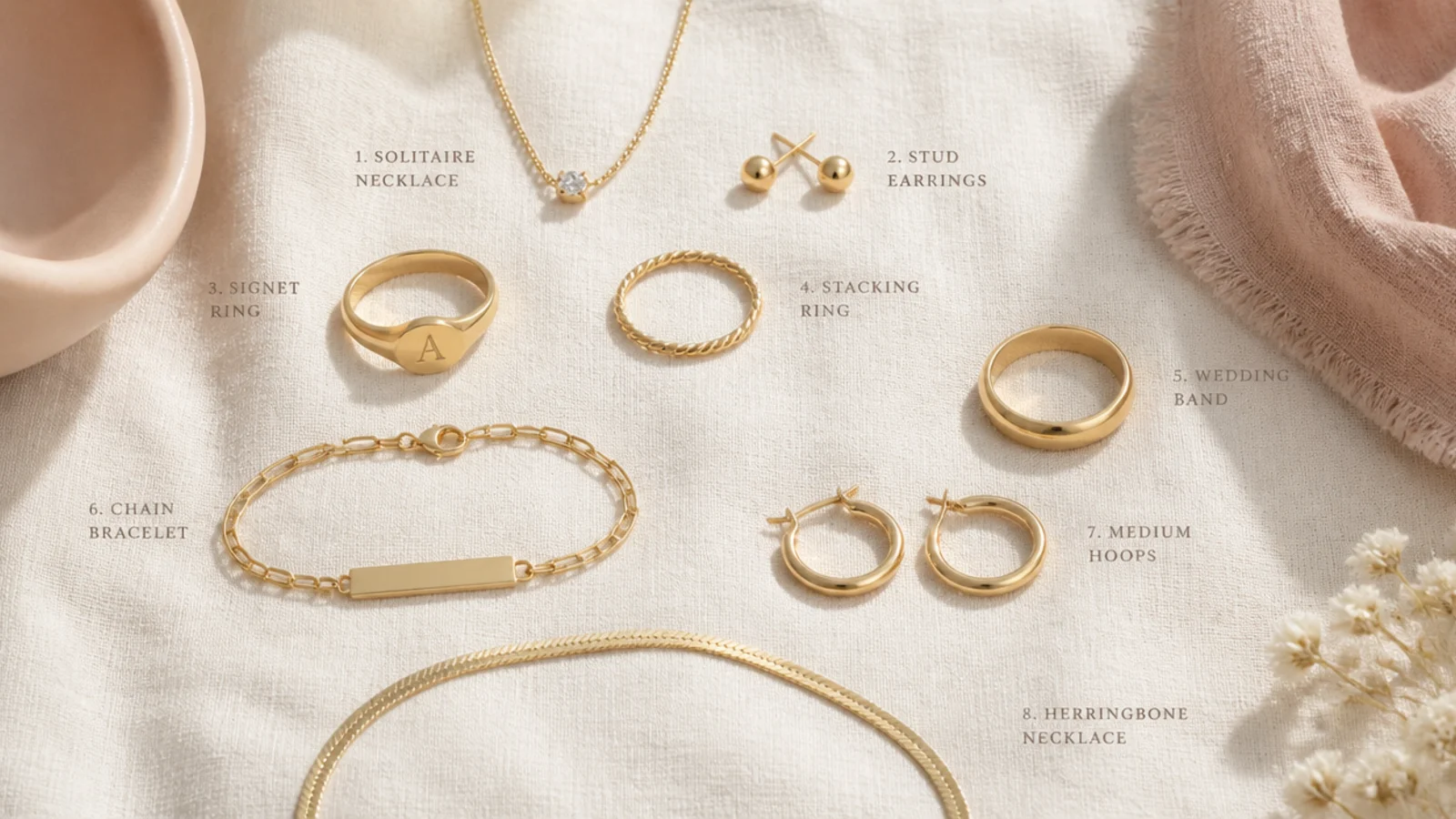
A complete starter collection is eight pieces, and most guides agree the sweet spot sits between eight and twelve. Build them in this order so each addition earns its place. Start with diamond or cubic zirconia studs, the piece you will wear most. Add medium gold hoops next for the days a stud feels too quiet. Third, a thin gold chain, your layering base. Fourth, a simple pendant to wear alone or over the chain. Fifth, one plain band or stacking ring. Sixth, a chain bracelet. Seventh, an everyday watch to anchor the wrist. Eighth, a pair of pearl studs for anything dressier. That set alone covers work, weekends and going out. Everything after that, the signet, the tennis bracelet, the ear cuff, is personality rather than foundation. Buy one solid piece at a time rather than a drawer of cheap ones, since a small collection of things you actually wear beats a big one you do not.
How to Wear Your Everyday Jewelry Together
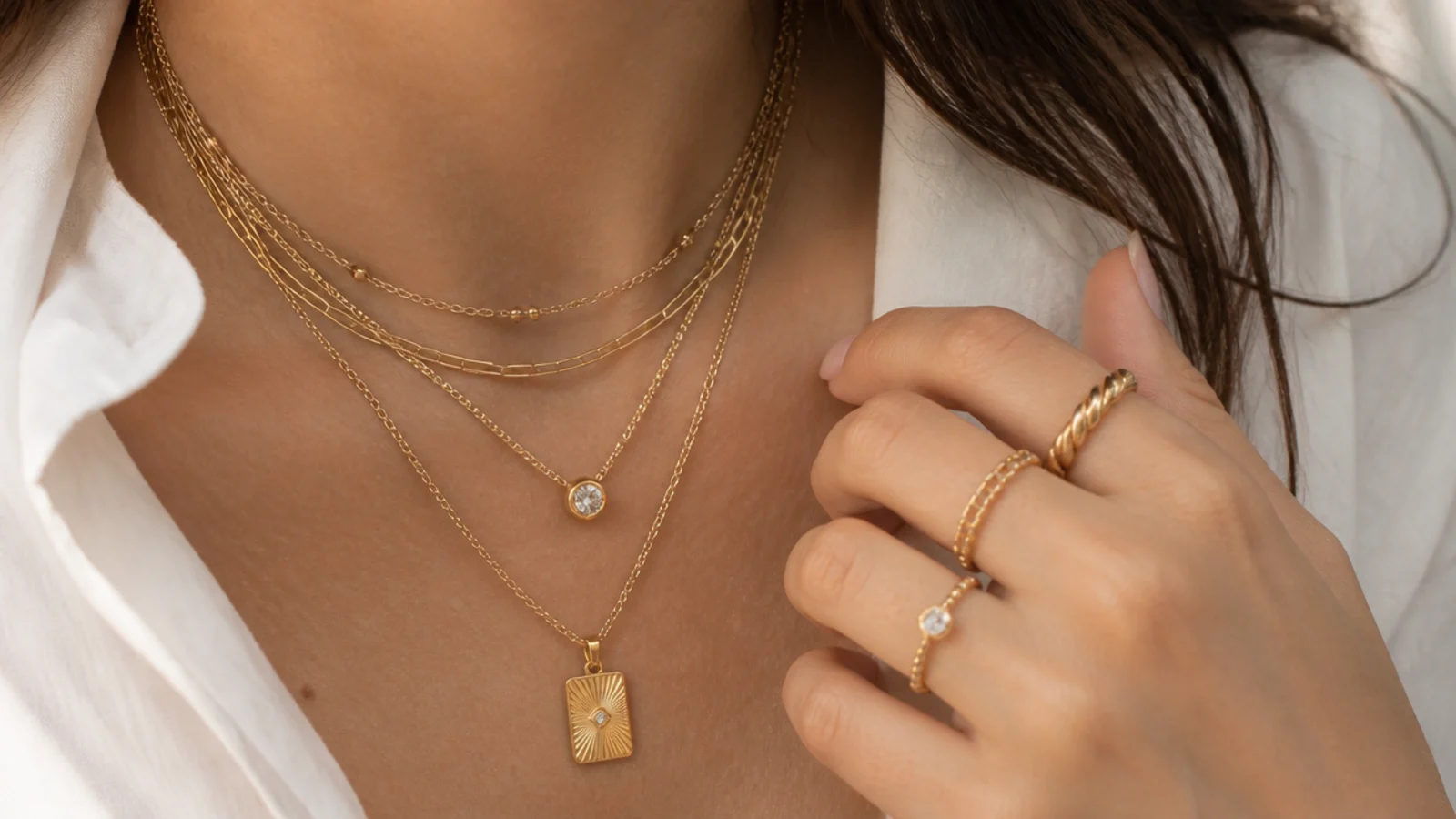
The one rule that carries everything: let the outfit decide how much jewelry to add. A busy print or a structured piece like a black corset wants restraint, so studs and one necklace. A plain t-shirt or a simple white skirt can carry a statement, so stack away. For layering necklaces, space each layer two inches apart in length, 16, 18 and 20 inches, so none of them hide behind another, and vary the texture: a plain chain, a pendant, a station necklace. For rings, keep them to one or two fingers per hand, not every finger. Yes, you can mix gold and silver on purpose, and a mixed-metal watch or ring is the easiest bridge that ties the two together so it reads intentional. Match your metal to your outfit's warmth if you want it seamless, warm gold with cream and camel, cool silver with gray and navy. The full playbook is in jewelry styling ideas for any outfit.
How to Keep Everyday Jewelry From Tarnishing
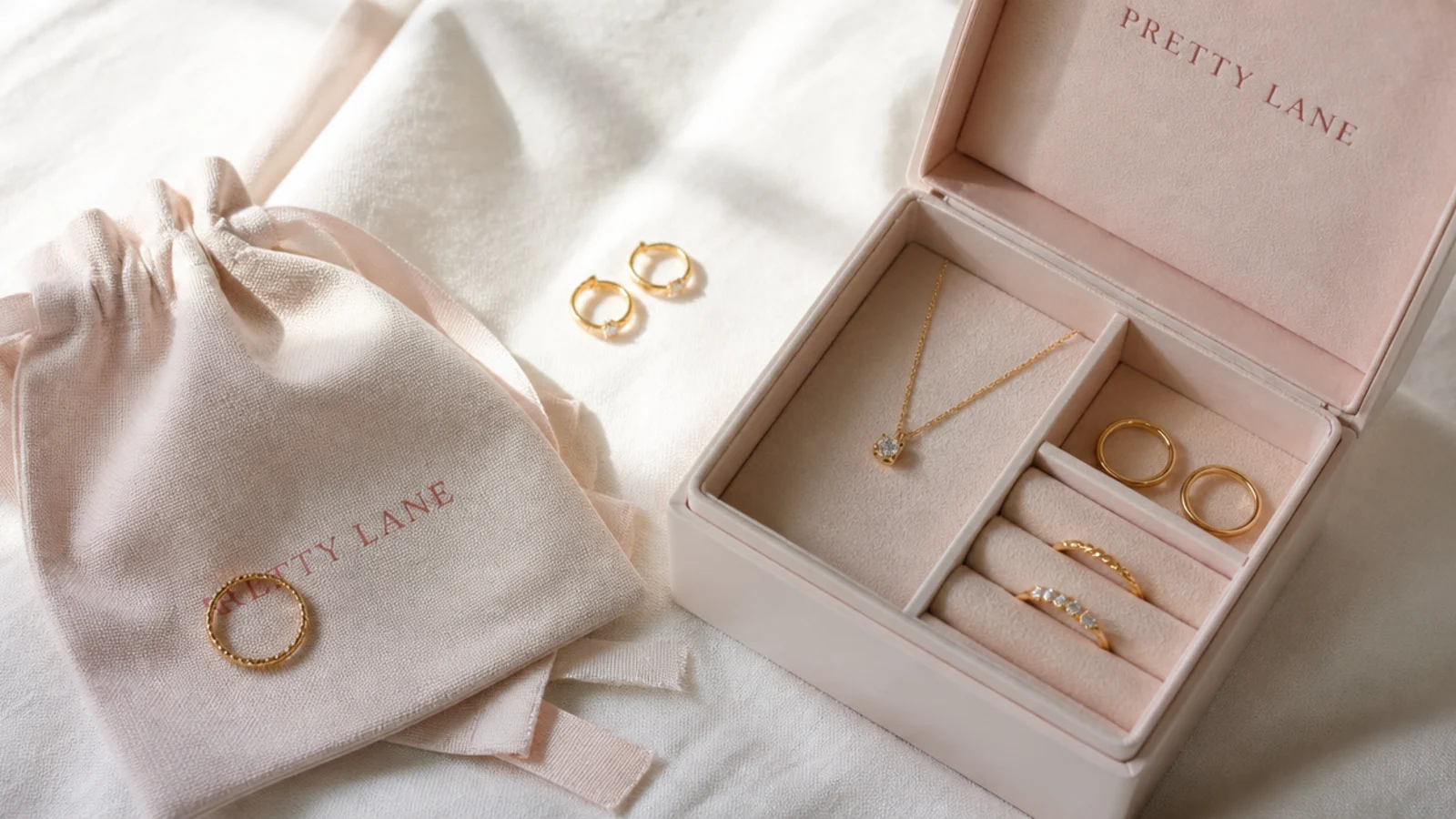
Gold itself does not tarnish, so what you are actually preventing is the thin gold layer wearing through and the base metal underneath reacting with sweat, air and chemicals, which shows as dullness, dark patches or a green mark on skin. The prevention stack is simple and it is the same for every piece here. Put jewelry on last, after perfume, lotion and hairspray, since those chemicals are the fastest way to degrade both plating and pearls. Take rings and bracelets off before dishes, showers and the gym. Wipe each piece with a soft dry cloth after wearing it to lift the day's sweat and oil. Store everything dry and separated, not tangled in a pile where pieces scratch each other, and pieces you wear rarely last longest in a small anti-tarnish pouch. Low-friction pieces like studs and necklaces will outlast your rings by years on the same care. The complete routine is in how to keep gold jewelry from tarnishing.
Everyday Jewelry for Work vs Weekend
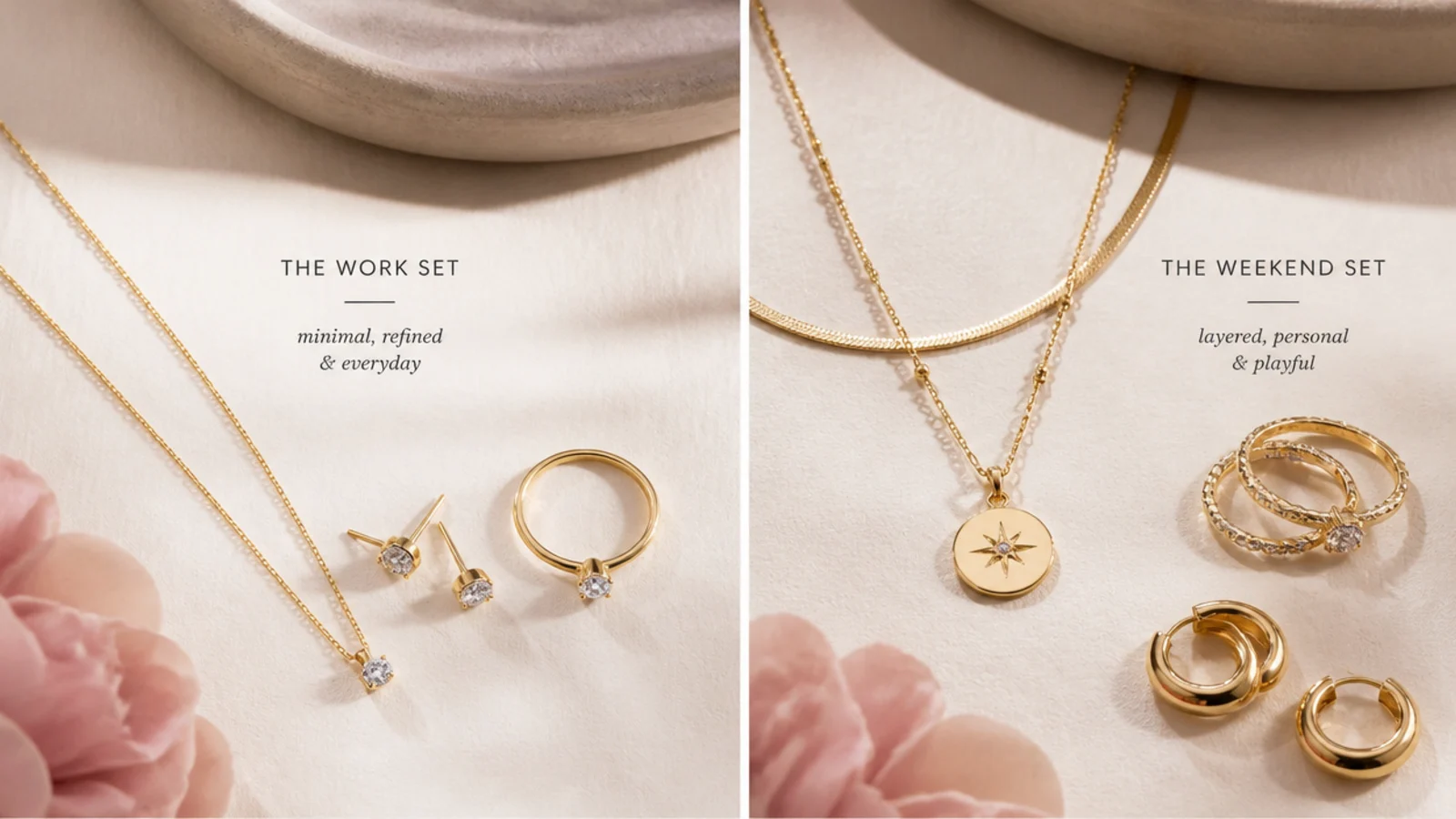
The same eight pieces cover both settings, you just wear fewer of them at work. The office rule is one focal point and nothing that jangles, catches on papers or needs adjusting in a meeting. That usually means studs or huggies, one medium chain hitting just below the collarbone, and a plain band or watch, full stop. On a video call it narrows further, since only earrings and a necklace read at bust-crop, so those are the two to get right and everything below the frame is invisible. A white skirt work outfit with studs and a fine chain is the safe template. Weekends loosen all of it: this is when you stack the rings, layer three necklaces, and add the ear cuff and a bangle stack with baggy jeans. If your workplace is creative or startup rather than corporate, the quiet-luxury rule flips and more expression reads as fitting in. For the full office breakdown by industry and dress code, see how to style jewelry for work.
Frequently Asked Questions
How much should I spend on jewelry essentials?
There is no fixed number, but a workable guide is 30 to 50 dollars a piece in vermeil at the budget tier, 80 to 200 in gold-filled at the middle tier, and 200 and up for solid-gold or diamond investment pieces. Spend up on rings and bracelets, which fail fastest, and spend down on studs and necklaces, where quality vermeil looks identical to solid gold.
How many pieces should a starter jewelry collection have?
Most guides land on eight to twelve. A complete eight-piece core is diamond studs, medium hoops, a thin gold chain, a simple pendant, one stacking ring, a plain band, a chain bracelet and an everyday watch. That set alone covers work, weekends and going out. Anything beyond it, like a signet or tennis bracelet, is personality rather than foundation.
Can I wear multiple jewelry pieces together?
Yes, and the trick is letting the outfit set the amount. A busy print or a structured top wants restraint, so studs and one necklace. A plain outfit can carry a full stack. For necklaces, space each layer about two inches apart in length so none hides behind another, and keep rings to one or two fingers per hand rather than every finger.
Can you mix gold and silver?
Absolutely, and doing it on purpose reads as more considered than matching everything. The easiest way to make mixed metals look intentional is to wear one bridge piece that contains both, like a mixed-metal watch, ring or bracelet, so the two tones feel connected rather than accidental. Keep it balanced so neither metal looks like a mistake you forgot to fix.
Is gold vermeil worth it, and does it look real?
Yes, on the right pieces. Vermeil is a minimum 2.5 microns of gold over solid sterling silver, roughly five times a standard plating, so it looks identical to solid gold and lasts one to two years of daily wear. It is the smart budget-luxury choice for studs, huggies and necklaces, but not for rings and bracelets, where friction wears it through faster.
Which everyday pieces should I buy in solid gold?
Rings and bracelets, because they meet the most friction. A band on the same finger daily rubs against everything you touch, so plated and even vermeil rings wear through at the band within months and can turn skin green. Buy those in gold-filled or solid gold. Studs, huggies and pendants sit almost still, so quality vermeil there lasts years and saves you real money.
How do I care for classic jewelry pieces?
Put jewelry on last, after perfume, lotion and hairspray, since those chemicals degrade plating and pearls fastest. Take rings and bracelets off for dishes, showers and the gym. Wipe each piece with a soft dry cloth after wear, and store everything dry and separated rather than tangled in a pile where pieces scratch each other. Low-friction pieces like studs will outlast rings by years.
What is the difference between classic jewelry and trendy pieces?
Classic pieces are simple, proportion-driven and metal-forward, like plain studs, thin chains and bands, so they never date and layer with everything. Trendy pieces are shape, color or motif led and tied to a season. Build your foundation from classics in good materials, then add one or two trend pieces in inexpensive vermeil, since those are the items you are most likely to replace next year.
How do I know which jewelry pieces are right for me?
Start with what you already reach for. If you live in high necklines, prioritize studs and a shorter 16-inch pendant. If you type all day, a flat chain bracelet beats a bangle. Match metal to your usual wardrobe, warm gold with cream and camel tones, cool silver with gray and navy, and buy pieces that suit your actual life rather than an aspirational one.
Are natural diamonds worth the investment?
For an everyday piece, not necessarily. Lab-grown diamonds are chemically and optically identical to natural ones and cost far less, which makes them the sensible pick for studs and pendants you wear daily and could lose. Reserve natural diamonds for a single milestone piece if the origin matters to you. For pure daily sparkle, a good lab-grown stone in solid or gold-filled metal is the better value.
Which everyday jewelry essential are you buying first?
If you build in order, start with the eight core pieces: diamond studs, medium hoops, a thin gold chain, a simple pendant, one stacking ring, a plain band, a chain bracelet and an everyday watch. That set covers work, weekends and going out, and it layers with everything you already own. Buy the pieces you wear at high-friction spots, your rings and bracelets, in gold-filled or solid gold so they last years, and save your money on studs and necklaces where quality vermeil is genuinely indistinguishable. Next, see exactly how to put it all together in jewelry styling ideas for any outfit, or browse the full jewelry hub for care and buying guides.