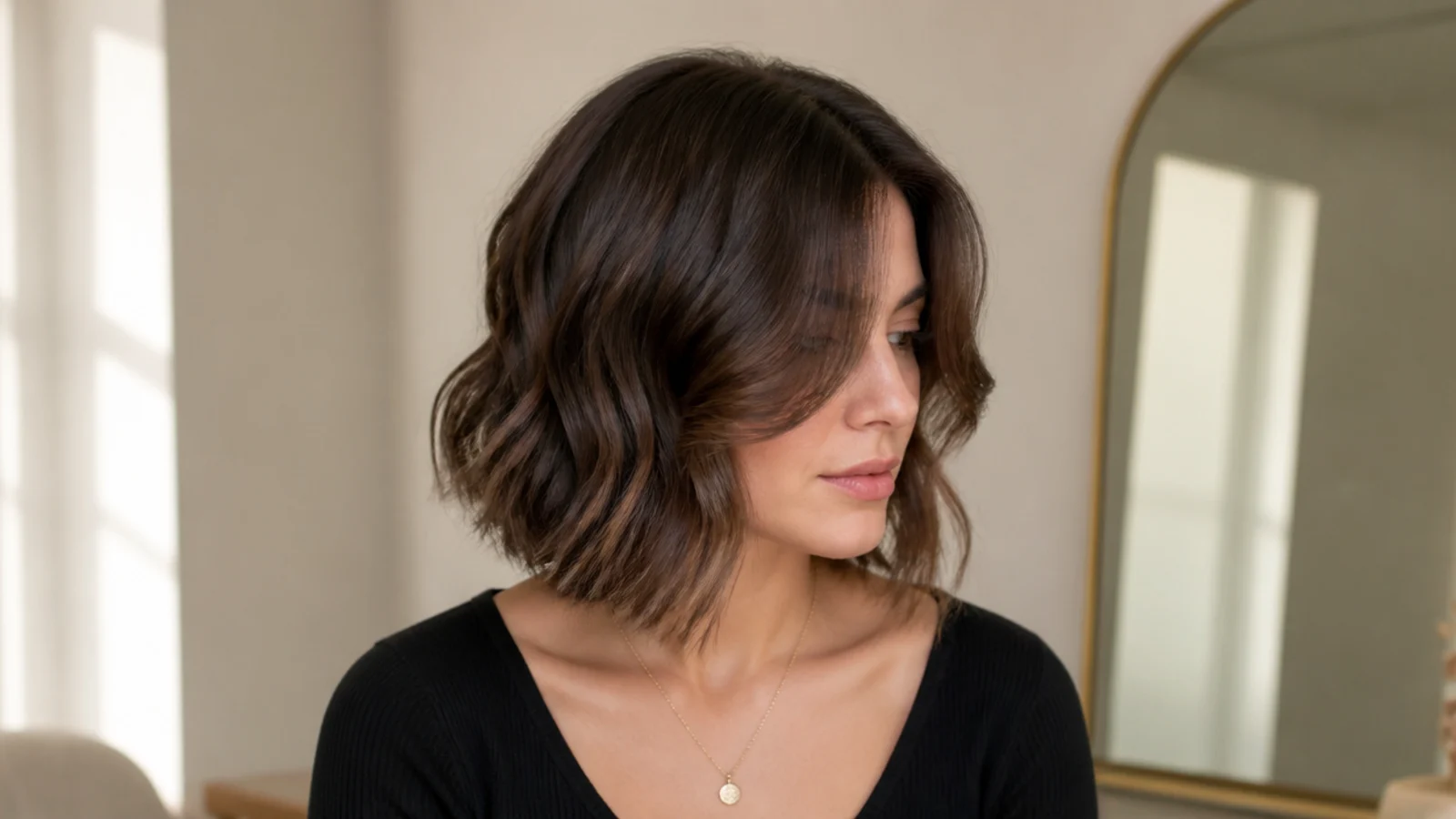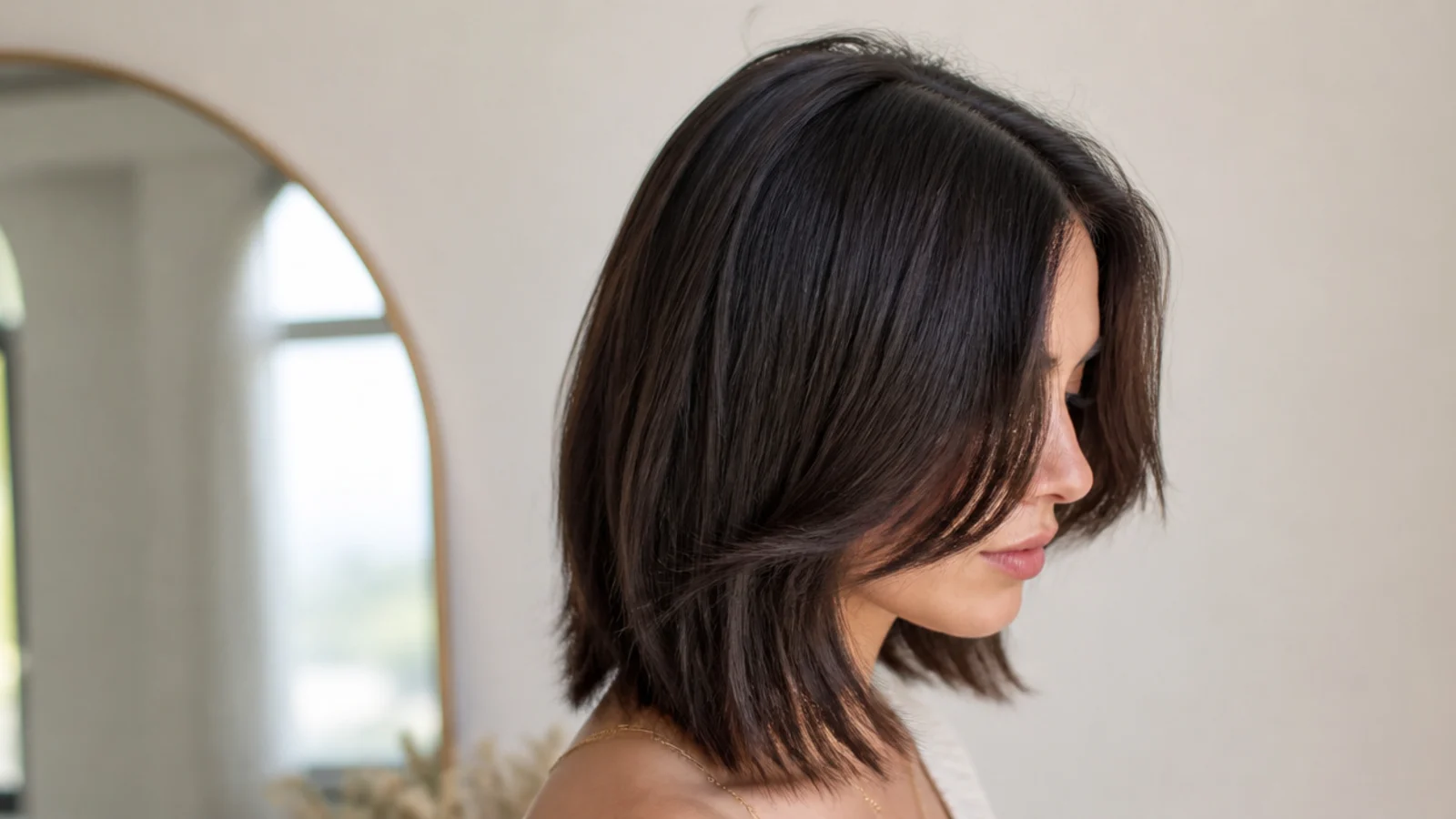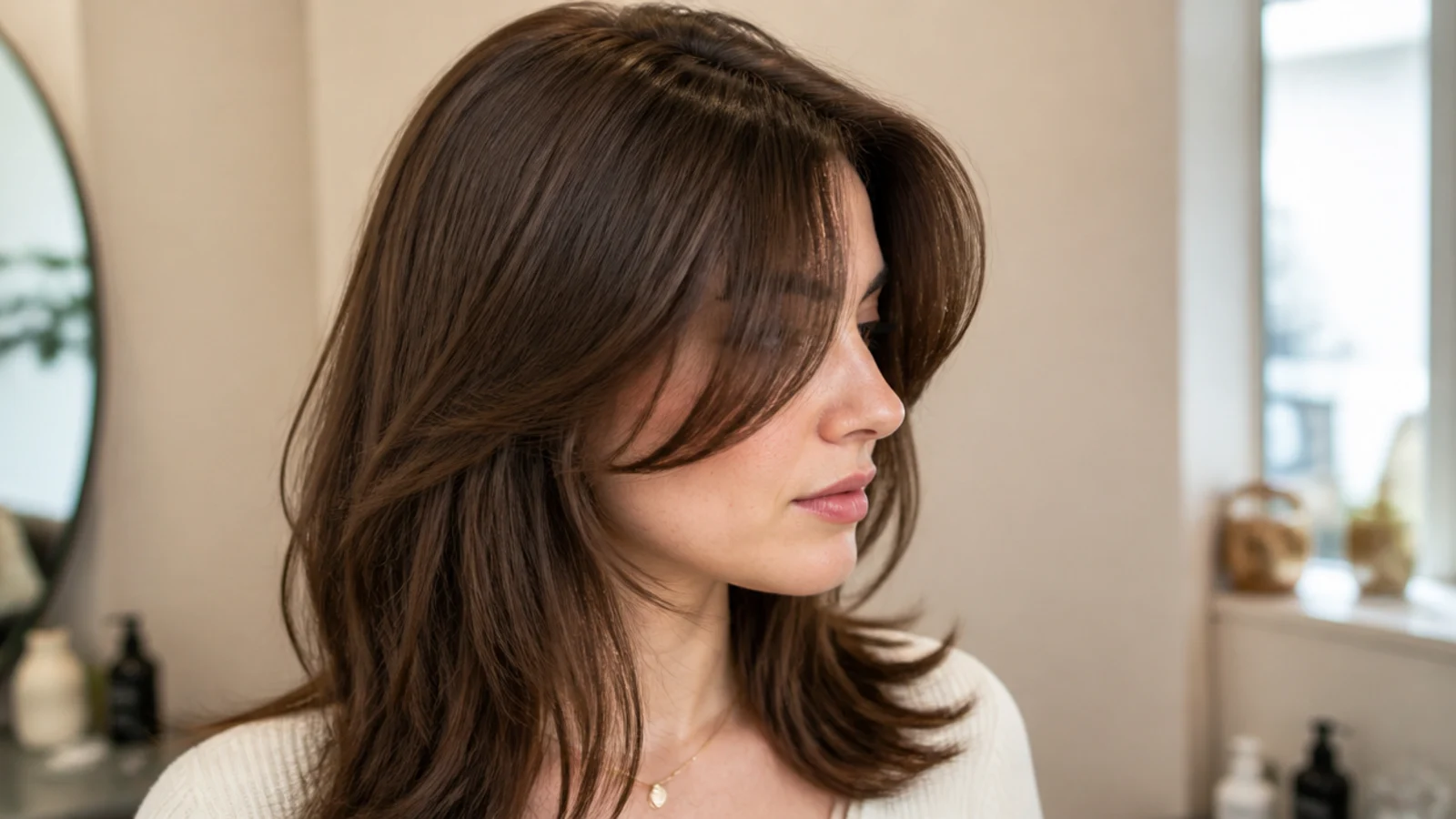
Quick Comparison
| Wispy Short Curtain Bangs | Blunt Short Curtain Bangs | |
|---|---|---|
| Density of the section | Low; you can see forehead through the fringe | Full; the fringe is opaque from root to end |
| Section width | Narrow triangle, center part to the inner half of each brow | Wide triangle, center part out to both temples |
| Cutting technique | Deep point-cutting and slide cutting on dry hair | Straight across, then softened slightly at the corners |
| Best hair types | Fine hair needing lift; thick hair needing weight removed | Medium to thick, straight to lightly wavy only |
| Round faces | Works when the shortest point sits at or below the cheekbone | Usually widens the face at cheek level |
| Daily styling time | 2 to 4 minutes with a round brush | 5 to 8 minutes; every strand has to lie flat |
| Trim cadence | Every 3 to 5 weeks, often free between cuts | Every 2 to 3 weeks; a blunt line shows growth instantly |
| Grow-out behavior | Blends into a face-framing layer by about week 10 | Sits as a visible shelf for 3 to 4 months |
| First-fringe risk | Low; reversible with clips and a side part | High; there is no undo on a blunt short fringe |
1. Brow-Grazing Wispy Curtain Bangs
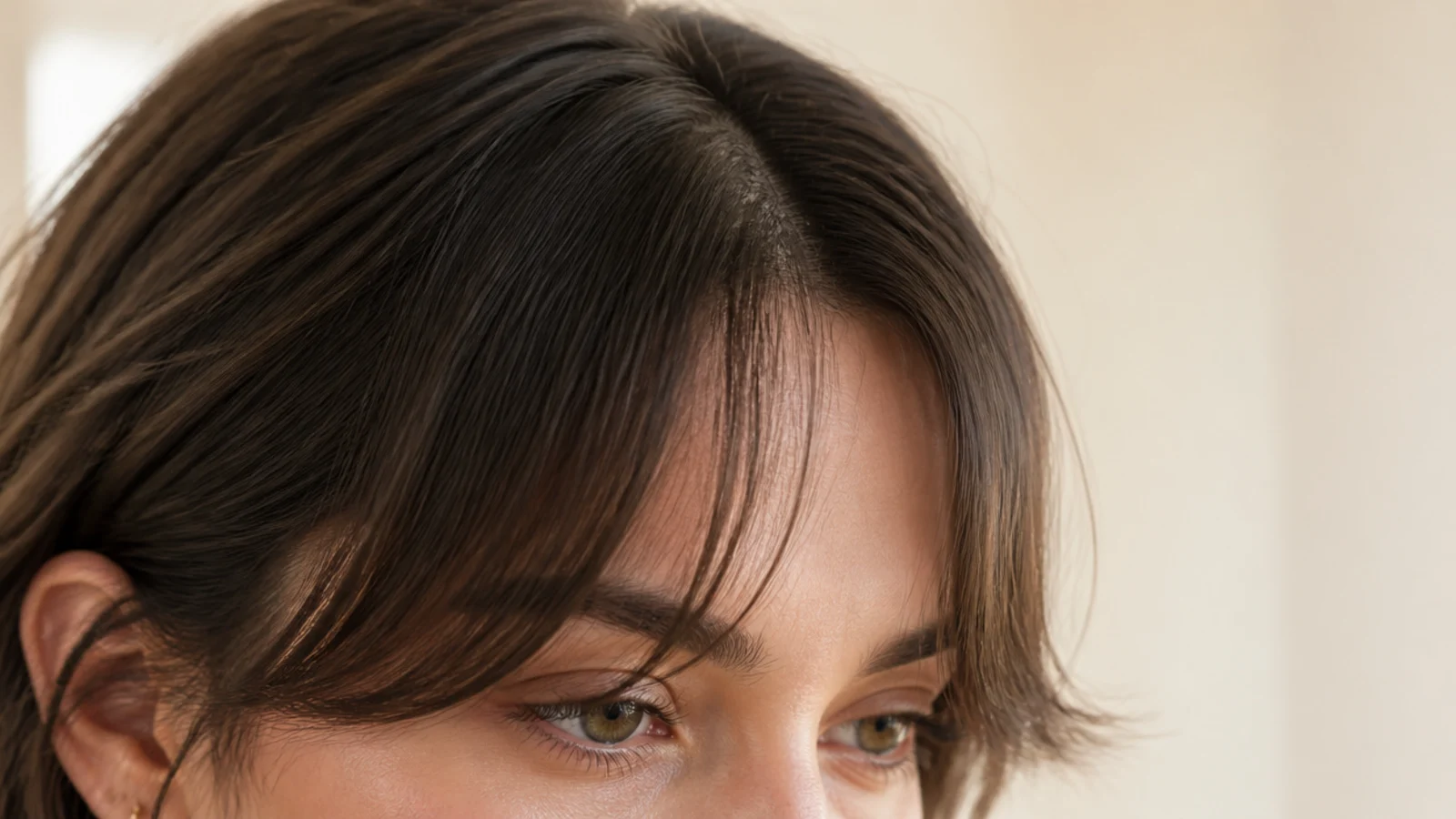
The default version and the one to ask for if you are unsure. The shortest center point sits right at the top of the eyebrow, roughly 4 to 4.5 inches from the front hairline on most heads, and the sides taper down to the outer corner of the eye. Because the section is narrow, the fringe reads as two soft panels rather than a curtain that covers the forehead. It is short enough to be a visible change and long enough to tuck behind the ears within about six weeks. See the full length range in short curtain bangs.
Who it suits: First-time fringe wearers and oval, heart and long faces.
Tip: Ask for the shortest point at the top of the brow, not the middle of it, so blink-height stays clear.
2. See-Through Wispy Curtain Bangs for Fine Hair
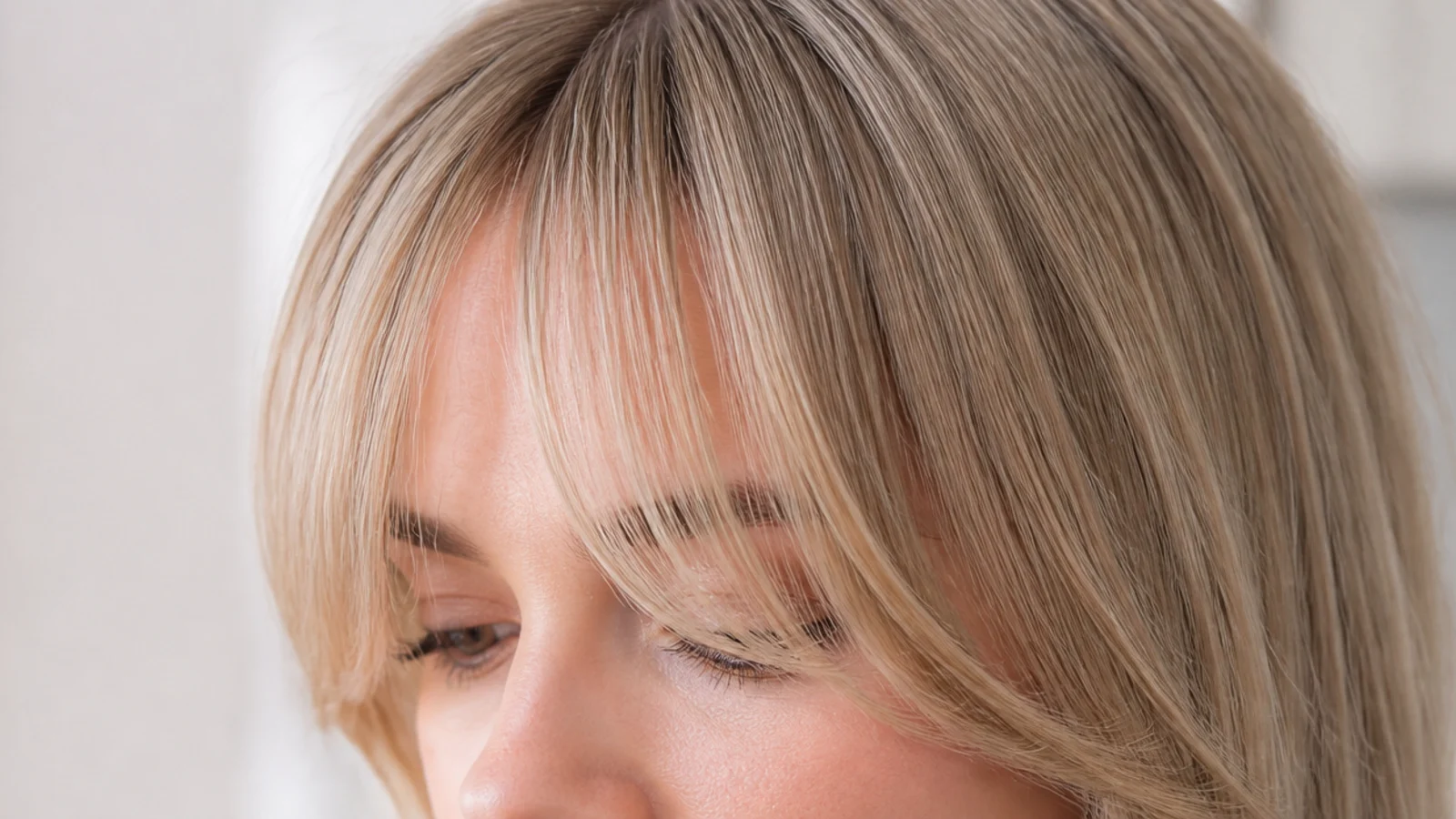
Fine hair is where wispy earns its reputation, because a light fringe borrows very little hair from the front of the crown and still creates the illusion of density at the hairline. The section should be shallow, about 1 inch deep from the hairline back, so the fringe does not thin the part behind it. Every end gets point-cut at a steep angle so no blunt line ever forms. Length at the brow or just below. If your hair is fine everywhere, the styling logic in mid length haircut for fine hair applies to the rest of the cut.
Who it suits: Fine, straight to slightly wavy hair that goes flat by noon.
Tip: Blow-dry the fringe first while it is still damp; fine hair sets in whatever shape it air-dries into.
3. Wispy Curtain Bangs on a Round Face
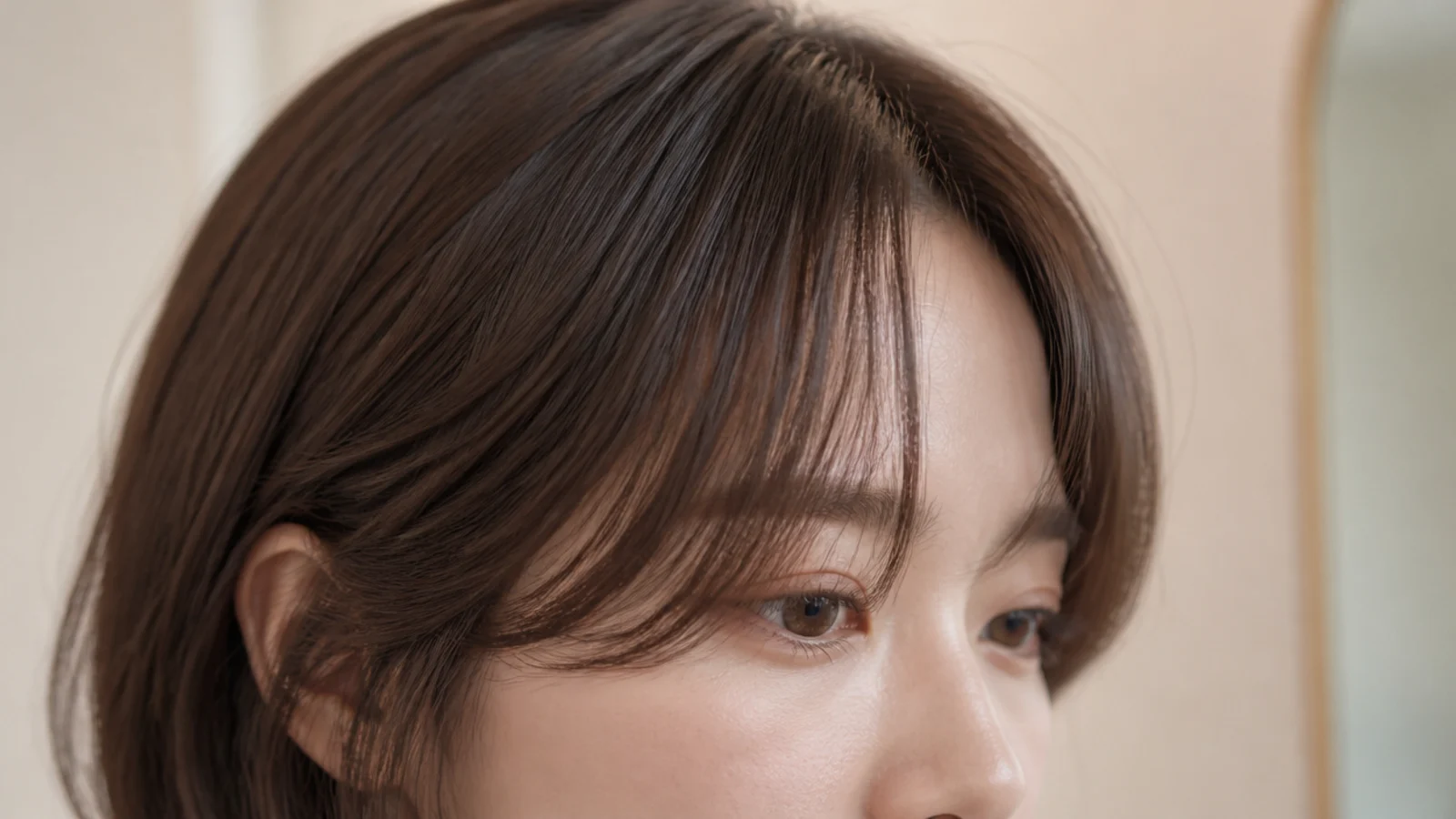
The version that resolves the argument you will find everywhere online. Short curtain bangs do work on round faces, but only when they are wispy and the shortest point sits at or just below the cheekbone rather than blunt at cheek level. That keeps a clear vertical line from the eyes up to the hairline, which is what stops a round face from reading wider. The see-through density matters as much as the length, since a heavy fringe at the same height closes that line down. Full breakdown in short curtain bangs for a round face.
Who it suits: Round and full-cheeked faces wanting definition, not coverage.
Tip: Say wispy at the cheekbone, nothing blunt at cheek level, and bring a photo of the exact height.
4. Baby Wispy Curtain Bangs Above the Brow
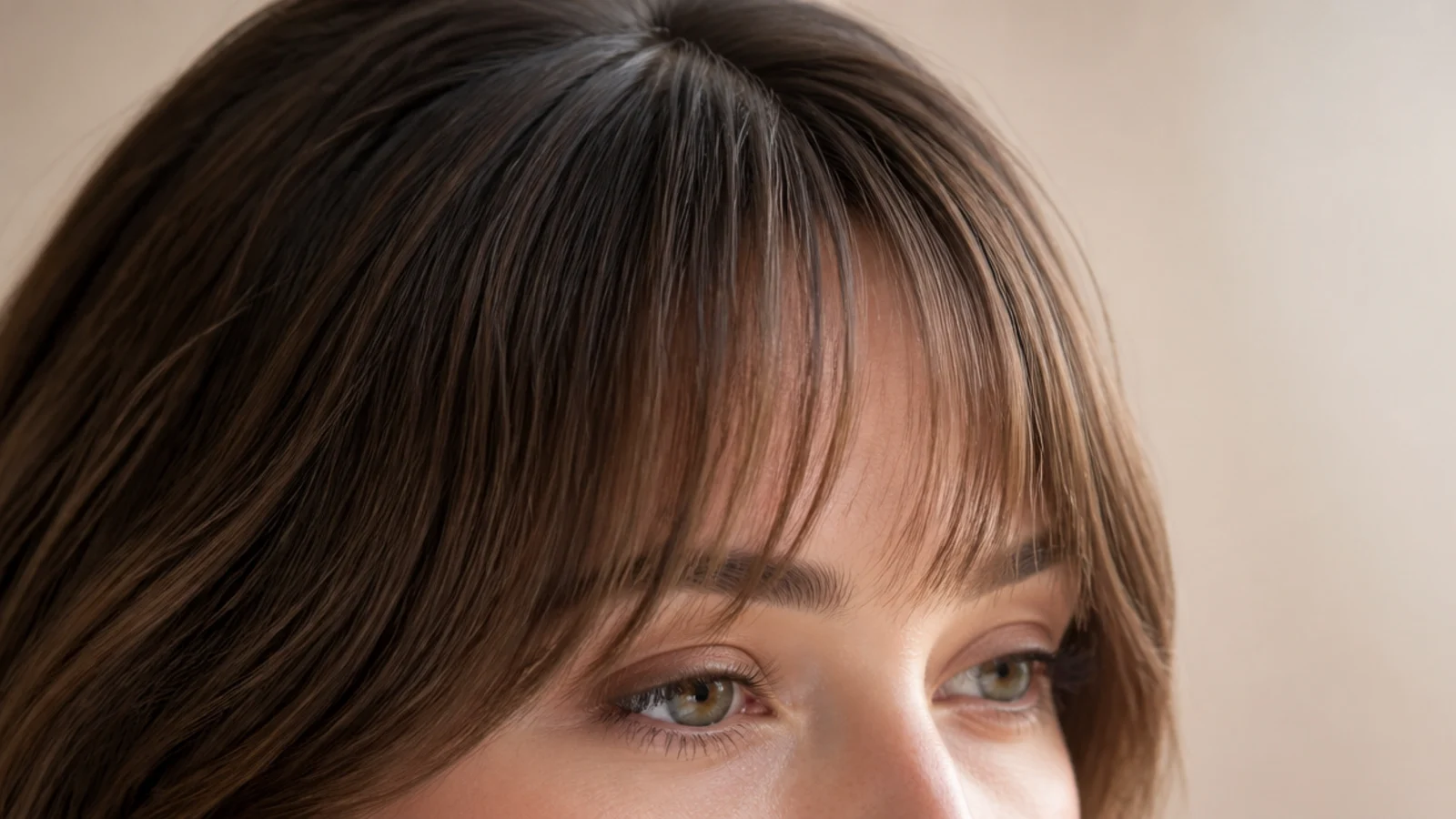
The shortest length that still behaves like a curtain bang: the center point lands about half an inch above the eyebrow, with the sides falling to the outer brow. Cut this light and it looks intentional and a little editorial; cut it dense and it looks like a grown-out micro fringe. Because there is no length buffer, this is the one length worth paying a stylist for rather than doing at home. It also needs the tightest trim cadence on the board, closer to every three weeks, since half an inch of growth changes the whole silhouette.
Who it suits: Long, oval and angular faces; high foreheads.
Tip: Ask for two passes: cut long first, dry it, then take the last half inch off with the hair in its natural texture.
5. Wispy Curtain Bangs With a French Bob
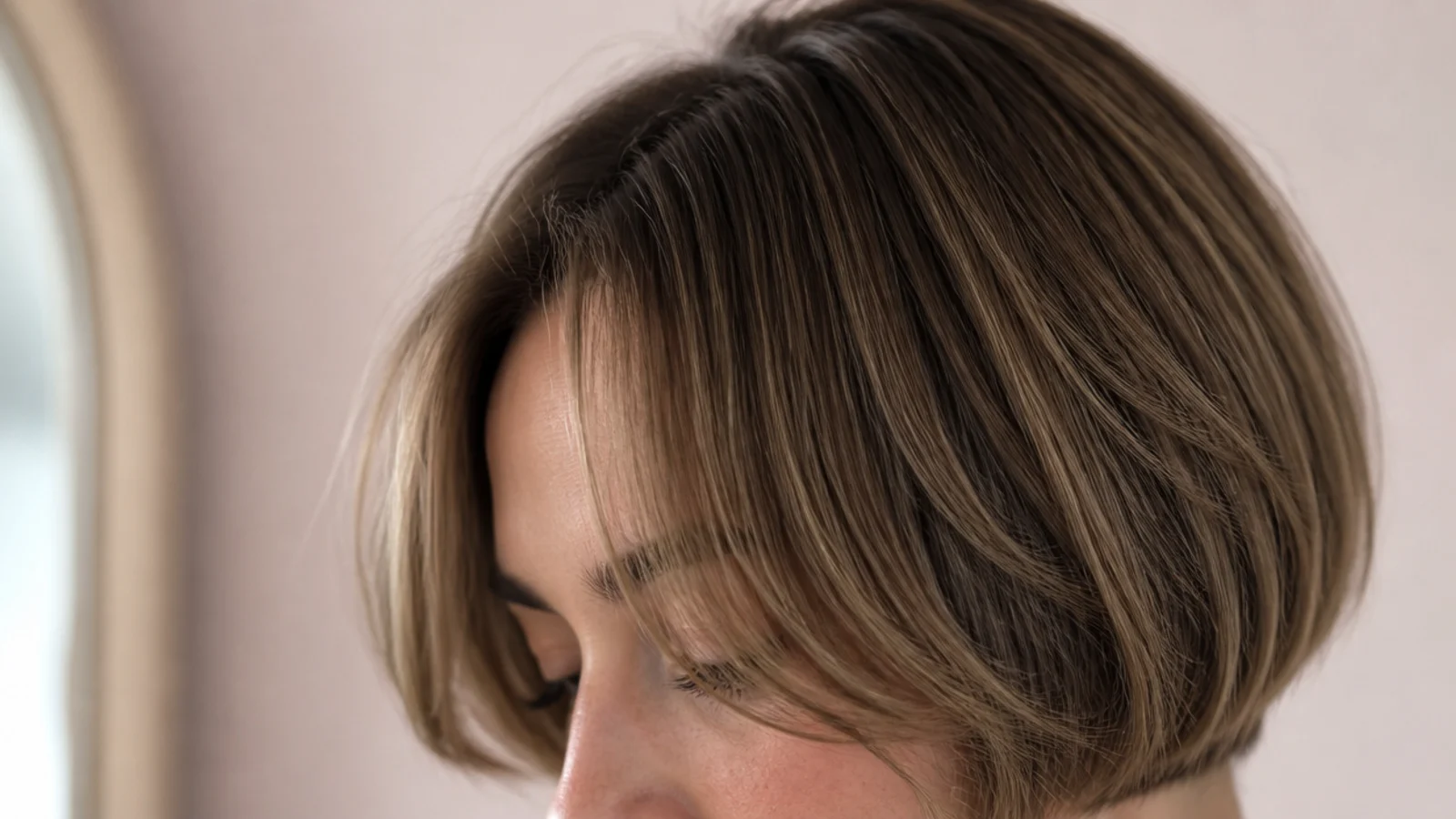
A chin-length bob with a soft blunt perimeter and wispy curtain bangs cut to just under the brow. The ratio is the part nobody explains: the shorter the bob, the shorter the fringe needs to be, or the bangs start to compete with the perimeter for the same real estate. On a chin bob, keep the center point at the brow; on a jaw or collarbone lob, you can drop it to the cheekbone. The bob gives the wispy fringe a hard line to soften against. More pairings in short curtain bangs with a bob.
Who it suits: Straight to lightly wavy hair, medium density, oval and heart faces.
Tip: Ask for the fringe cut after the bob is finished, so the stylist can match the two lines by eye.
6. Wispy Curtain Bangs With a Short Shag
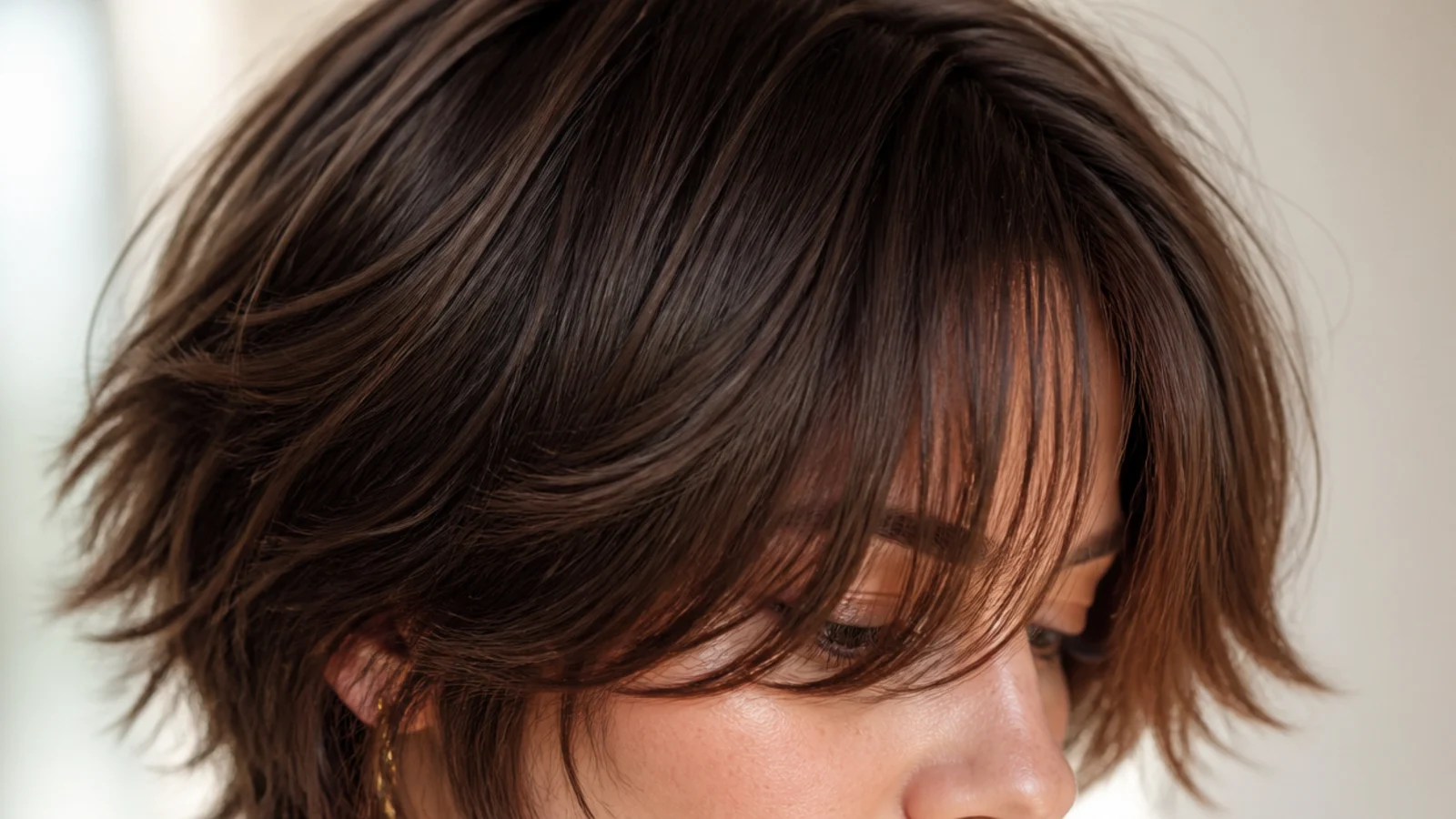
A short shag is built from stacked layers that get progressively longer down the head, and a wispy curtain fringe is simply the first and shortest of those layers. That is why the two look designed together rather than combined. Ask for the fringe to connect into the shortest face-framing layer with no visible step between them. Length sits at the brow or a touch below. This is the most forgiving option for growing out, because the fringe disappears into the layer stack instead of hanging separately. Compare the longer version in shaggy mid length haircut.
Who it suits: Wavy and medium-density hair; anyone who does not want to blow-dry daily.
Tip: Ask for the fringe and the first layer connected, or you get a visible shelf as it grows.
7. Wispy Curtain Bangs on Wavy Hair
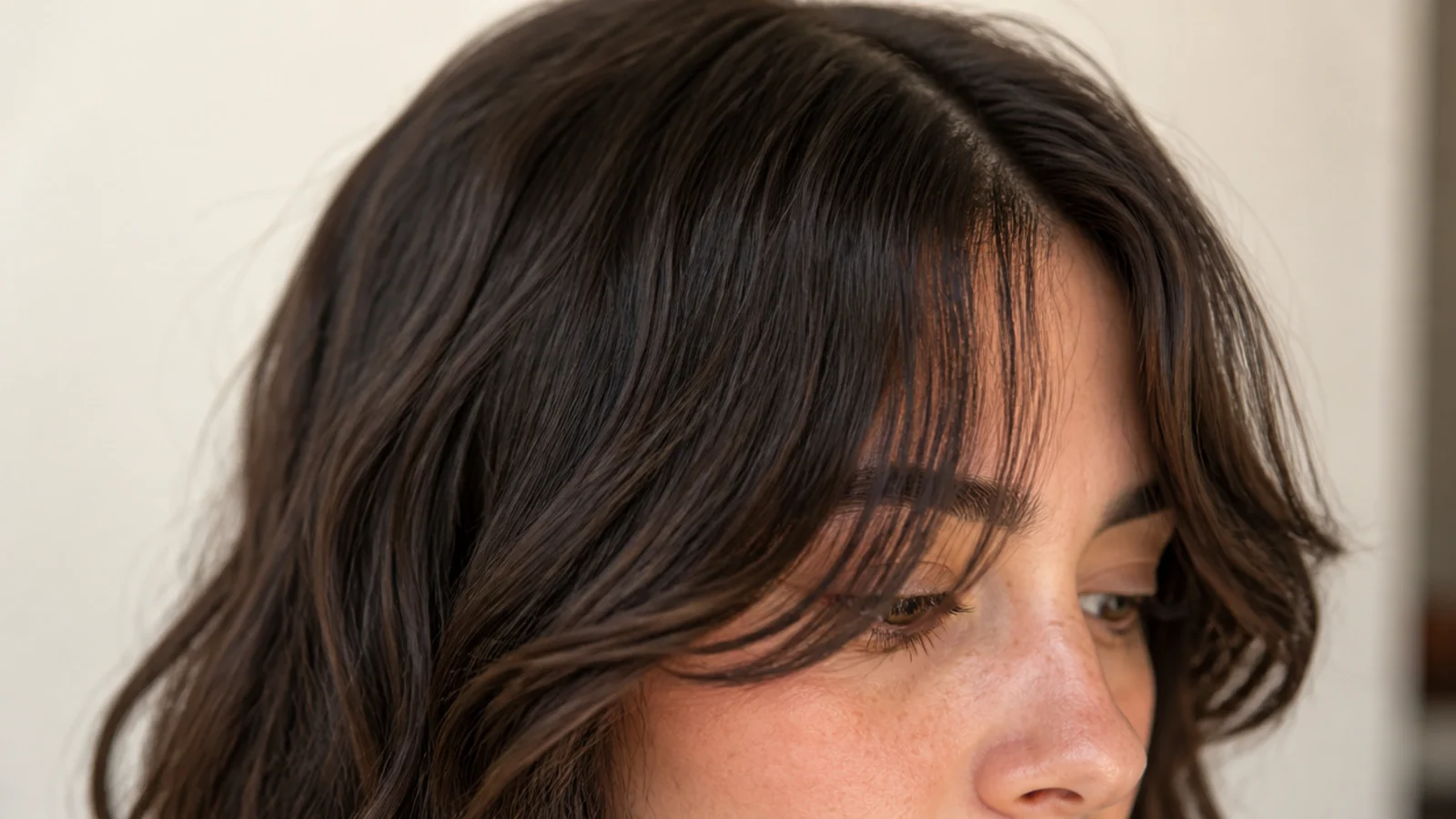
Wavy hair springs up when it dries, so a 2a to 2c wave pulls the shortest point roughly half an inch higher than where it was cut wet. Have the fringe cut dry, in its natural pattern, and ask the stylist to aim for the cheekbone if you want it to land at the brow. Wispy density helps here for a second reason: fewer strands means the wave in the fringe stays as a single soft bend instead of splitting into two competing S-curves. Full texture guide in wavy short curtain bangs.
Who it suits: 2a to 2c waves that air-dry most days.
Tip: Say cut dry, in my natural wave, and add half an inch for spring-back.
8. Wispy Curtain Bangs on Straight Hair
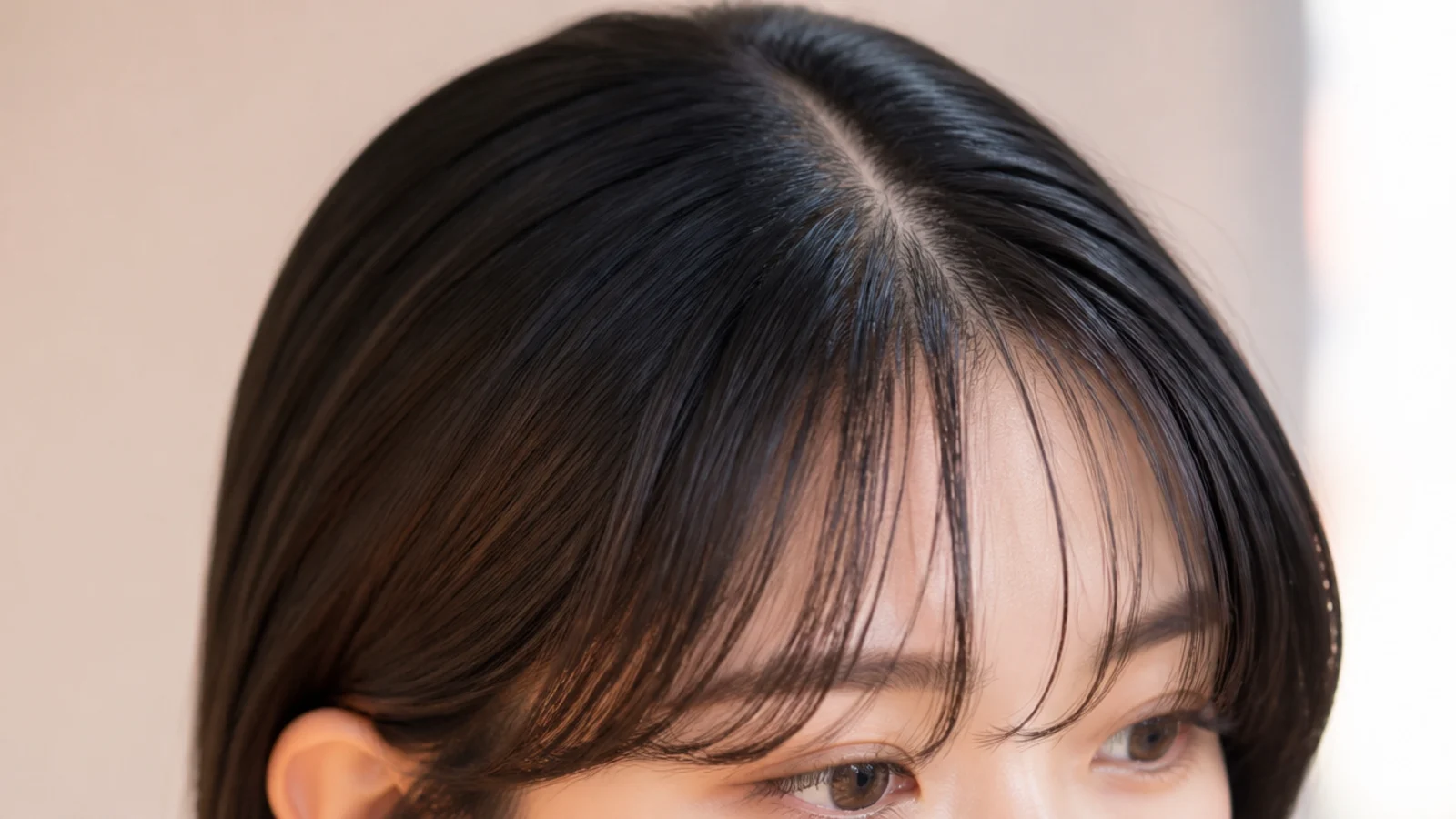
Straight hair shows every cut line, which makes it the least forgiving texture for a short fringe and the one that most needs the wispy treatment. The fix is depth of point-cutting: shears held vertically and taken up into the ends by half an inch or so, not the shallow quarter-inch nick that leaves a soft blunt edge. Straight fringes also go flat and greasy fastest, since the hair lies against the forehead all day. Keep a travel dry shampoo for the roots only. More on the texture in straight short curtain bangs.
Who it suits: Type 1 straight hair, fine through medium density.
Tip: Ask for deep point-cutting, no thinning shears; thinned short fringes regrow as frizz at the mid-lengths.
9. Wispy Curtain Bangs on Curly Hair
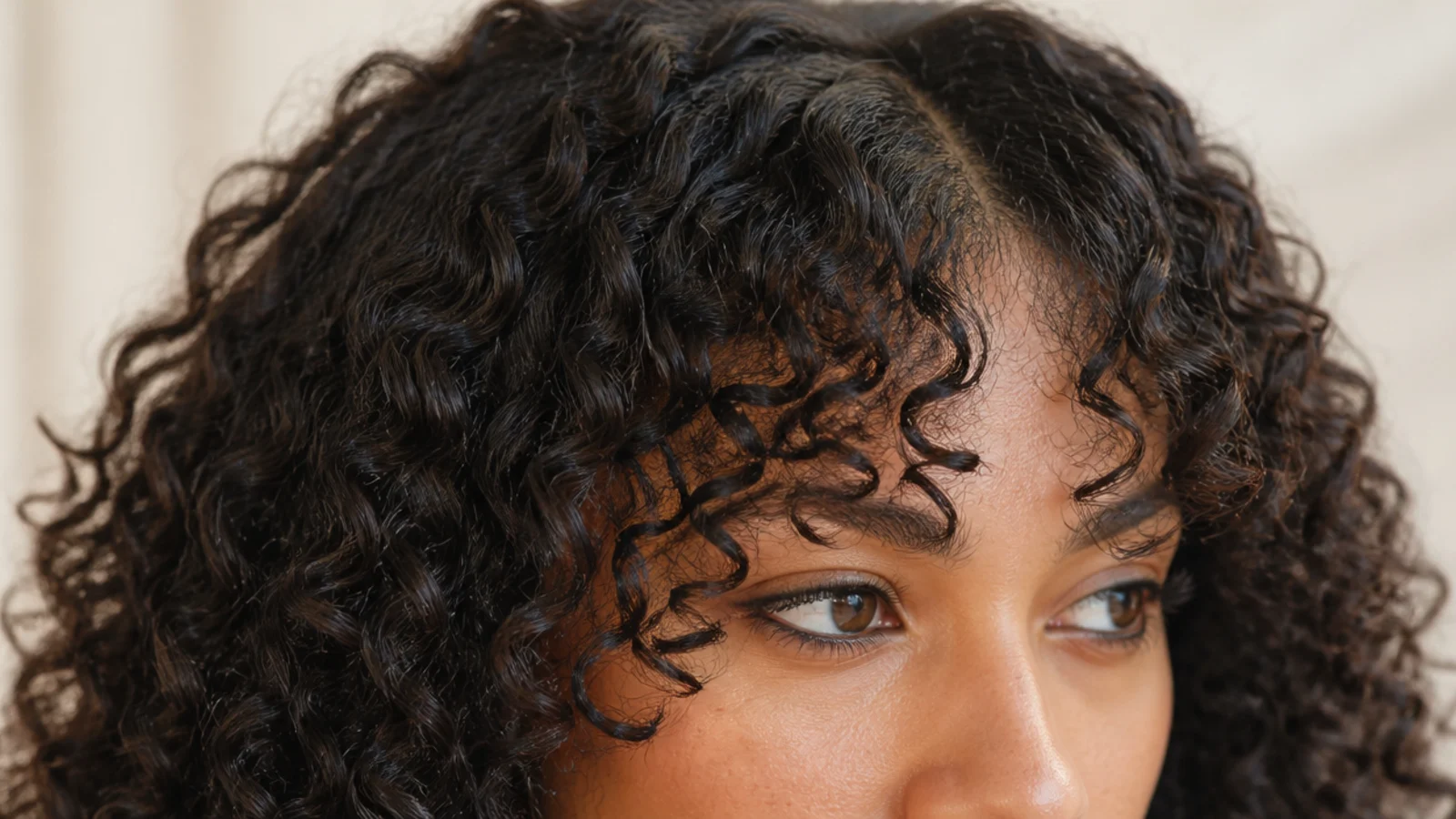
Curly fringes are cut dry, curl by curl, and never wet, because a 3a to 3b pattern can shrink 1 to 2 inches once it dries. Wispy on curls means removing whole curl clumps from the section rather than thinning individual strands, so what stays keeps its definition. Aim for the fringe to dry at the brow or just below, which usually means cutting somewhere around the cheekbone. Keep the section narrow so the fringe does not turn into a rounded cap over the forehead. Everything by curl pattern in curly short curtain bangs.
Who it suits: 2c through 3c curls with defined, hydrated pattern.
Tip: Ask for dry cutting on defined curls and a shrinkage allowance of 1 to 2 inches.
10. Wispy Curtain Bangs for Thick Hair
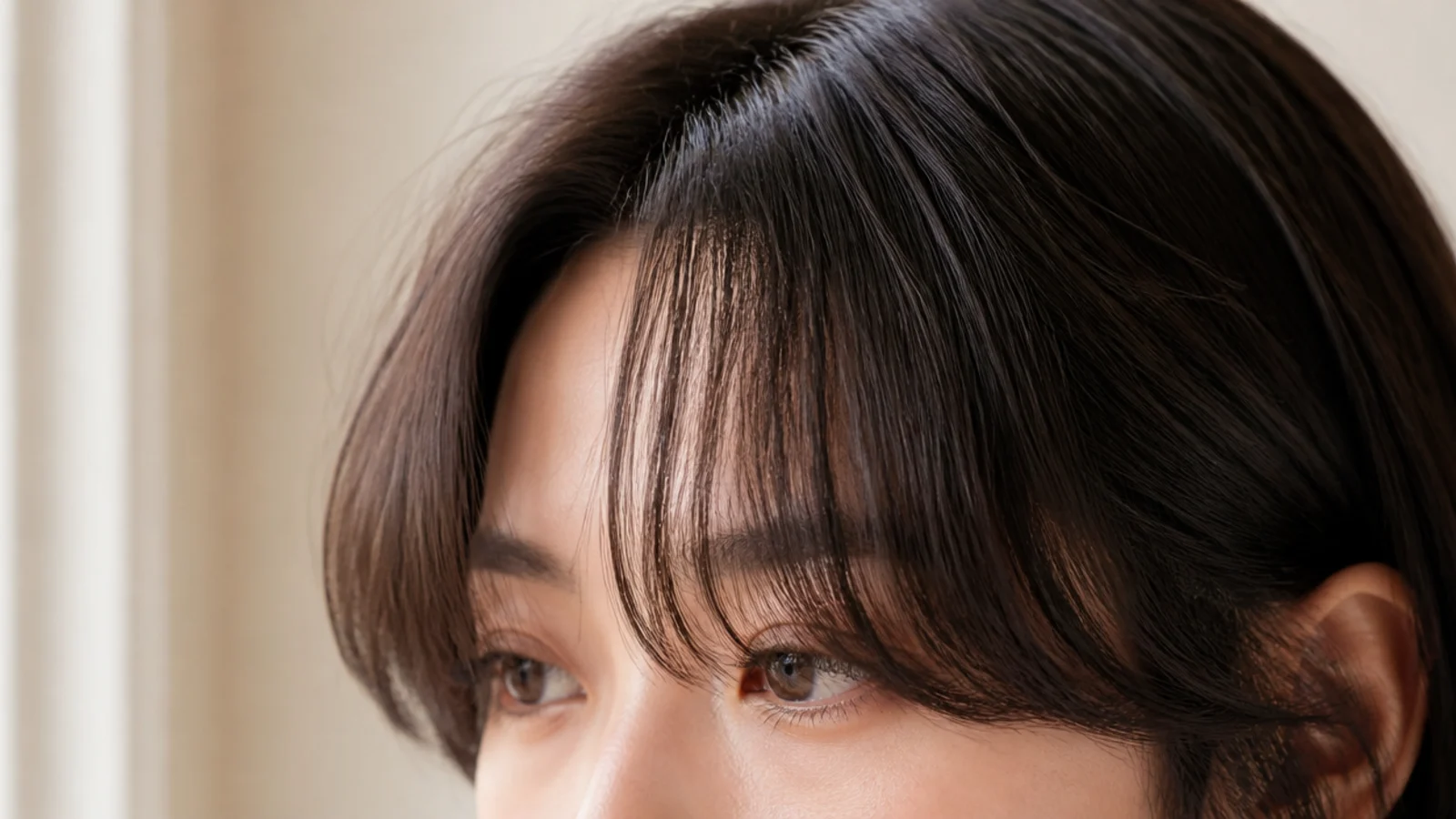
On thick hair the risk is a fringe that reads as a solid block. The solution is not thinning shears but a smaller section and internal slide cutting: the stylist takes a shallower triangle, then slides the shears down the inside of the fringe to remove bulk from underneath while the surface stays intact. That keeps the top layer smooth and the underside light enough to move. Length can go a little shorter here, at or just above the brow, because thick hair holds shape without much styling and will not go flat by midday.
Who it suits: Thick, dense hair of any texture.
Tip: Say remove weight from underneath with slide cutting, keep the surface layer uncut.
11. Soft Swept Wispy Curtain Bangs
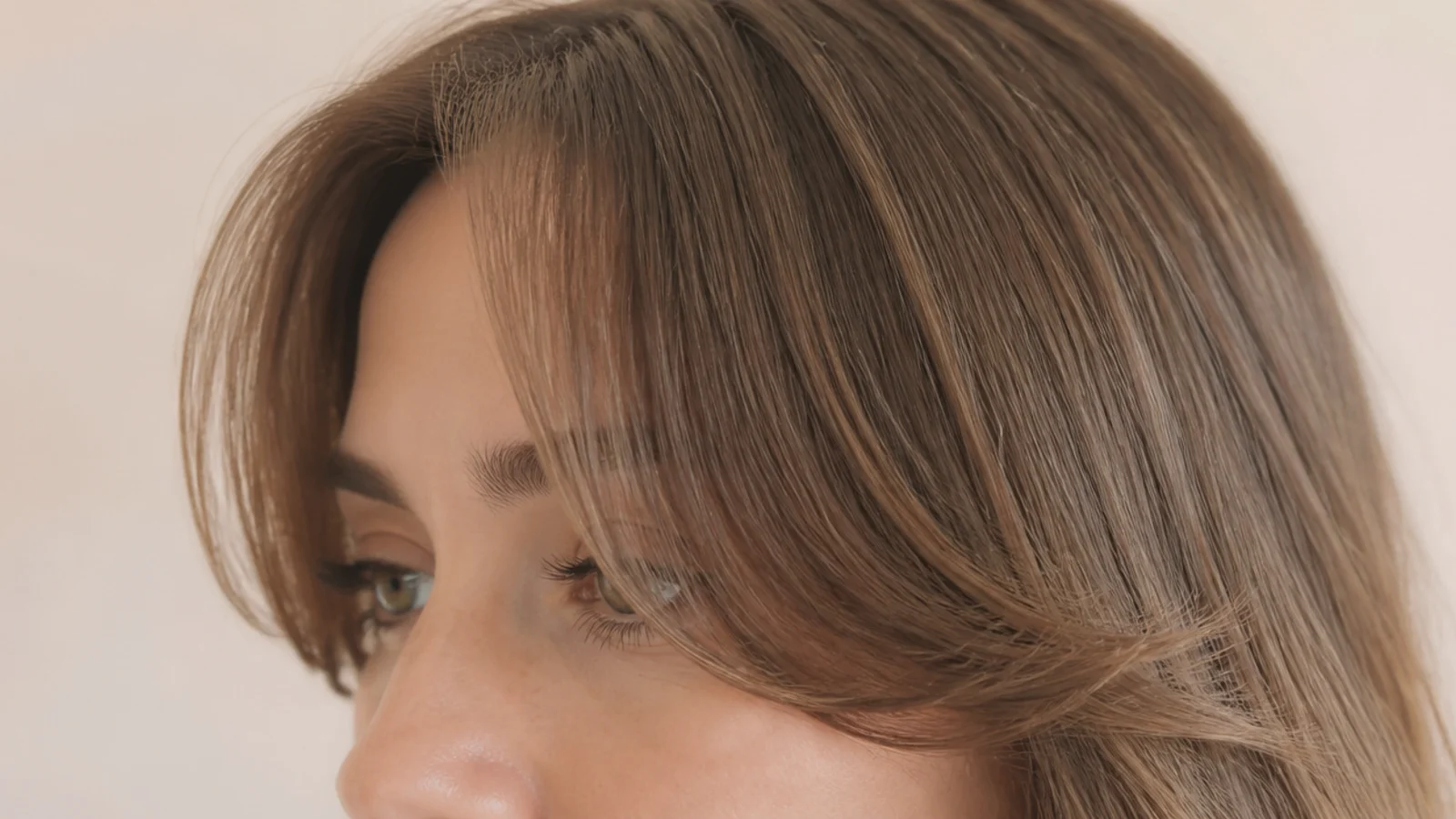
The same cut as the brow-grazing version, styled differently: a 1.5 inch round brush takes each side away from the center part and bends the ends outward, then a cool shot locks the shape. This is the seventies sweep, and on a wispy fringe it takes about 90 seconds a side because there is so little hair to move. Finish with texture spray at the mid-lengths, never at the roots, then break the panels apart with your fingers so they separate. Styling variations sit in mid length haircut styling.
Who it suits: Anyone with 3 minutes and a round brush; all textures.
Tip: Direct the dryer up and back at the roots first, then down the length, so the lift sets before the shape does.
12. Wispy Curtain Bangs With a Pixie Cut
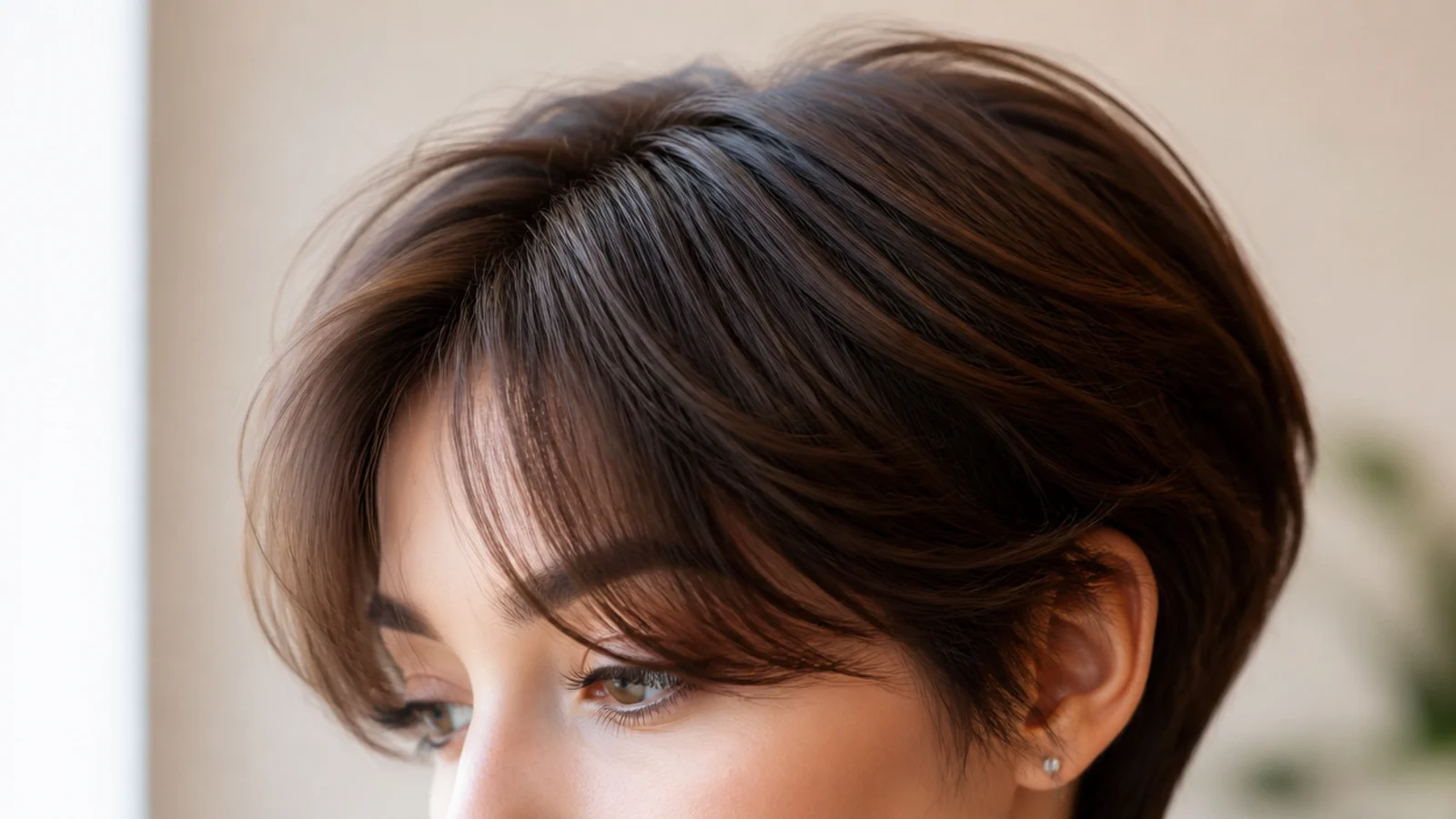
A grown-out pixie with the front left long enough to part down the middle and fall on either side. This is the shortest haircut that a curtain fringe genuinely works on, and it needs about 4 inches of length at the front hairline to part and sweep at all. Below that the hair stands up rather than falling. Keep the fringe feathered and the sides of the pixie tapered so the eye follows the fringe rather than the ears. It is also the fastest way to make an outgrown pixie look deliberate again.
Who it suits: Growing-out pixies, oval and heart faces, fine to medium hair.
Tip: Ask the stylist to leave the front 4 inches long while tapering the sides on the same visit.
13. Wispy Curtain Bangs With Face-Framing Highlights
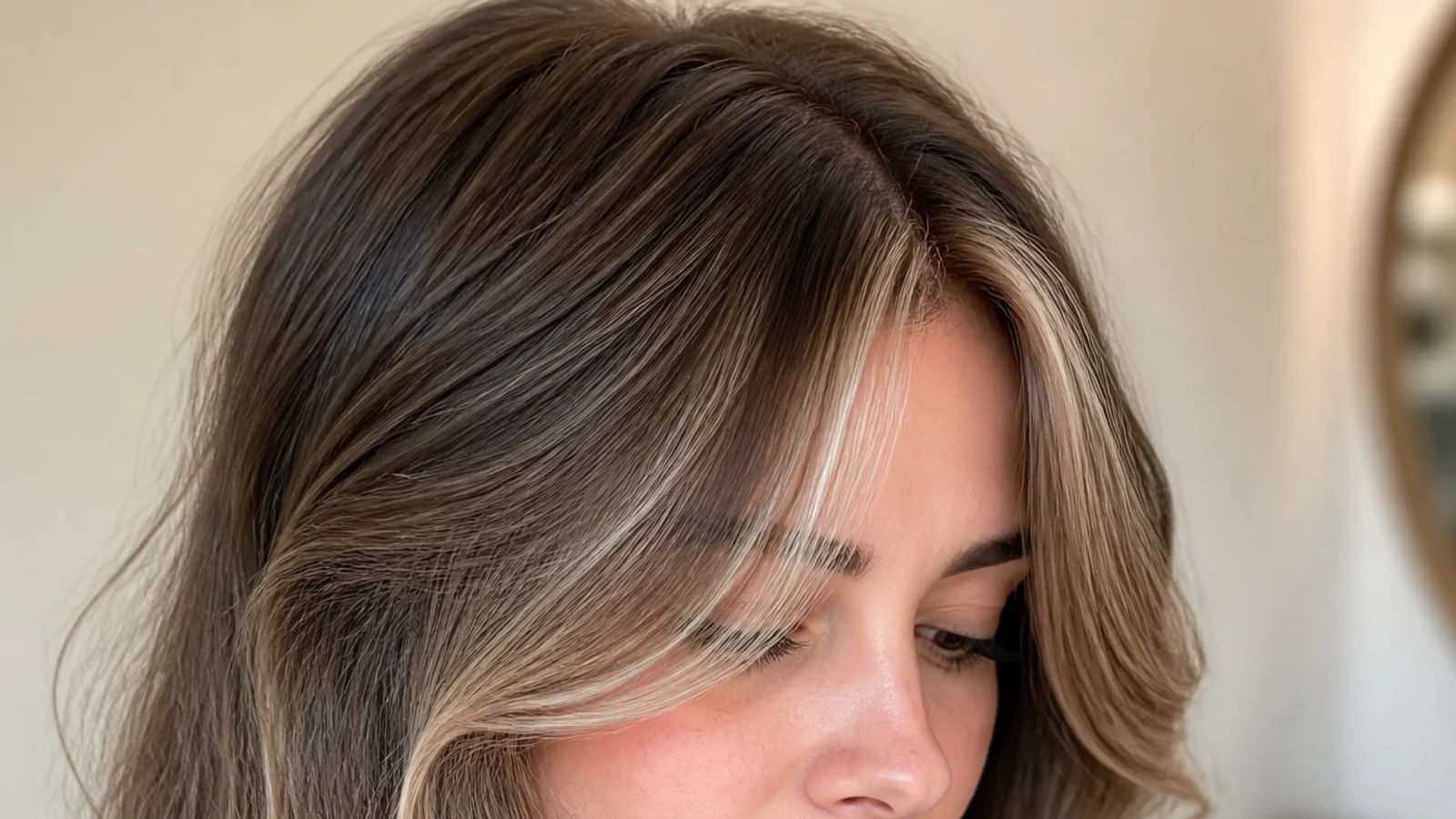
Two or three foils of lightener placed on the front panels only, one to two shades brighter than base, so the fringe catches light and looks thicker than it is. This is the cheapest way to make a wispy fringe read as intentional rather than sparse, and a partial face-frame usually runs 60 to 120 dollars against 150 or more for a half head. Keep the brightest section at the shortest point and let it fade back toward the temples. Book it after the cut so the colorist can follow the actual fringe line.
Who it suits: Fine hair wanting visual density; blondes and light brunettes.
Tip: Ask for a face-frame only, not a full money piece, or the brightness swallows the wispy effect.
14. Grown Out Wispy Curtain Bangs at the Cheekbone
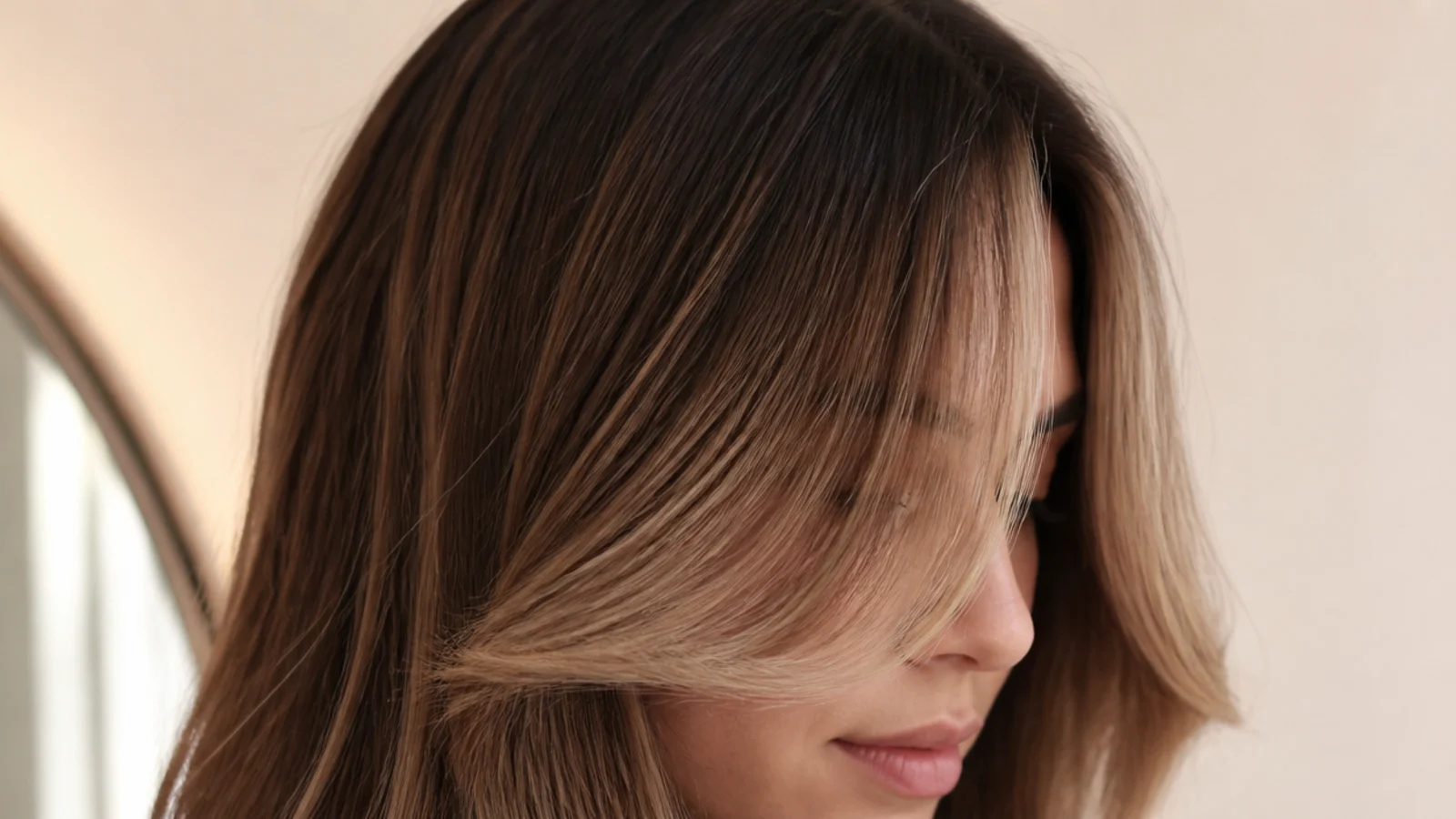
Ten weeks after a brow-grazing cut, at roughly half an inch of growth a month, the fringe sits at the cheekbone and stops being a fringe at all. Most people find this the most wearable stage: it still frames, it tucks behind the ears, and it needs no daily styling. If you want to keep going, resist trimming, tuck the fringe behind your ears while wet so it dries blended, and switch to a deep side part with a paddle brush. If you want to hold it, book the trim at week five before it drops past the cheekbone.
Who it suits: Anyone deciding whether to keep the fringe or grow it out.
Tip: Tuck the wet fringe behind your ears every wash day; it dries into the next layer instead of separating.
15. Wispy Curtain Bangs With an Updo
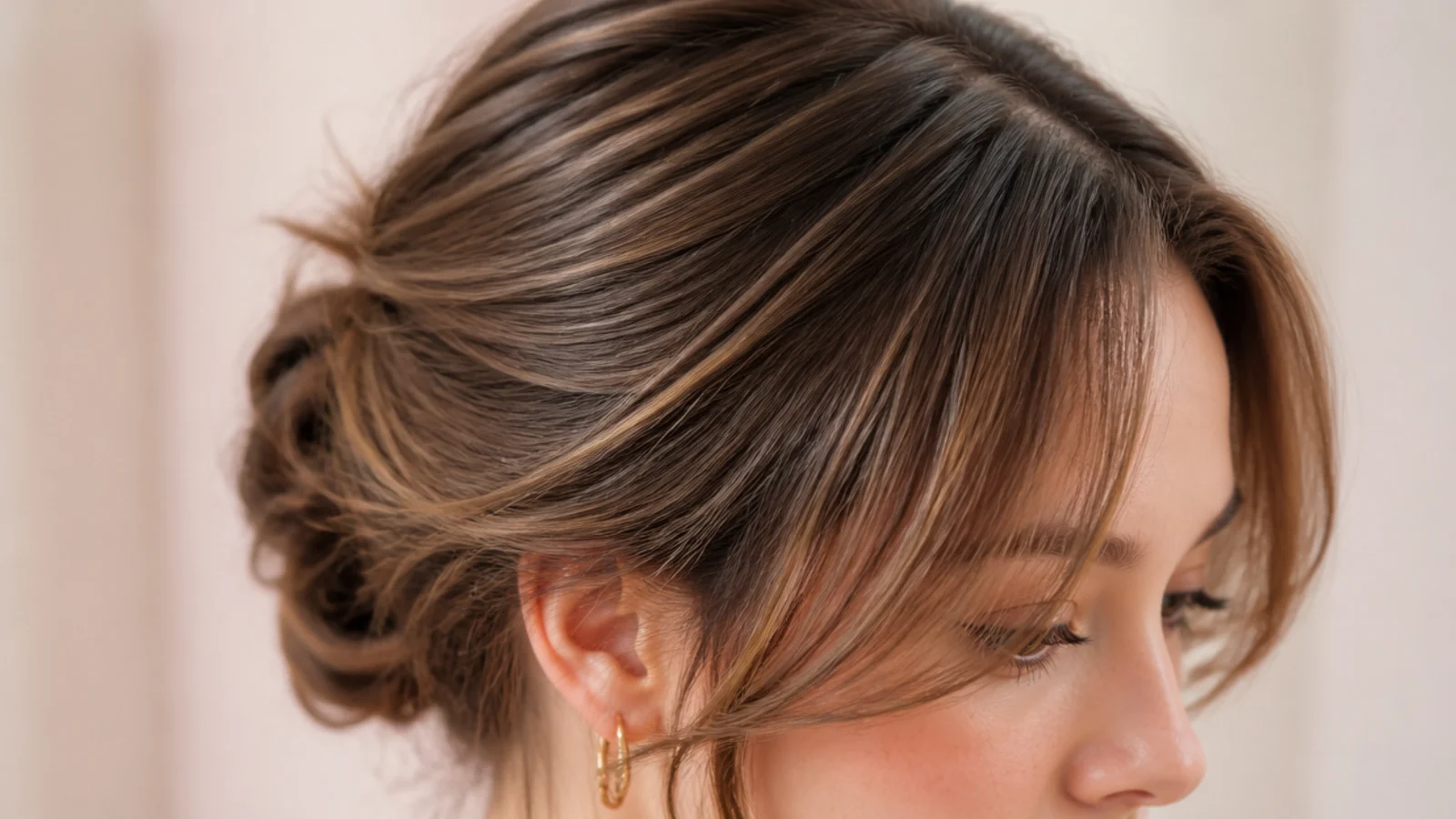
The strongest argument for wispy over blunt: a low bun or a claw clip with a short curtain fringe left out looks finished, where a blunt short fringe over an updo reads costume. Pull everything back, leave the two front panels loose, bend the ends outward with a flat iron in a single slow pass, and mist texture spray from about 10 inches away. It works for weddings, work and gym days alike. The face-framing principle is the same one covered in face framing mid length haircut.
Who it suits: Anyone who wears their hair up more than down.
Tip: Bend the ends away from the face, not toward it, or the fringe closes in around your cheeks.
What Are Short Curtain Bangs, and How Are They Different From a Full Fringe?
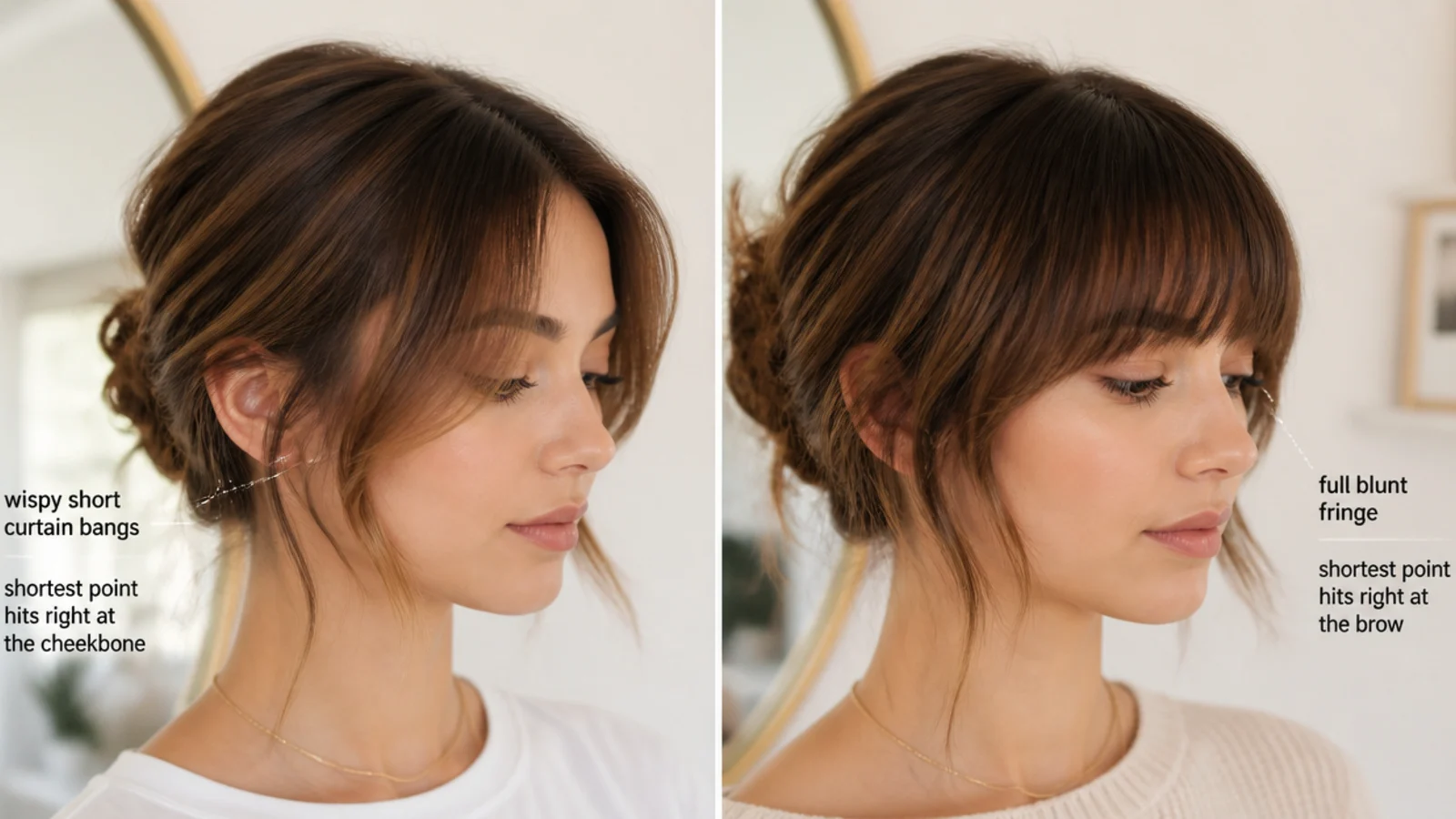
A curtain bang is parted down the center and cut so it gets longer as it moves outward, so the two sides fall away from the face like drawn curtains. A full fringe is cut roughly level across the forehead and sits on it. That single difference drives everything else: a curtain bang exposes the forehead and the eyebrows, while a full fringe covers them. "Short" refers to the fringe, not to your haircut, and it means the shortest center point lands between the eyebrow and the cheekbone. This is the point almost every article on the subject skips, and it is why searches for short curtain bangs return two unrelated sets of photos: fringe length and hair length are separate decisions. Wispy is the third variable and it describes density. A wispy curtain bang is cut from a narrow, shallow section so light passes through it. A soft curtain bang is medium density with tapered ends. A blunt one is full density with a hard perimeter. You can have a short fringe that is blunt, and a long one that is wispy. Start with the short curtain bangs hub if you are still deciding on the length.
Which Face Shapes Do Wispy Short Curtain Bangs Flatter?
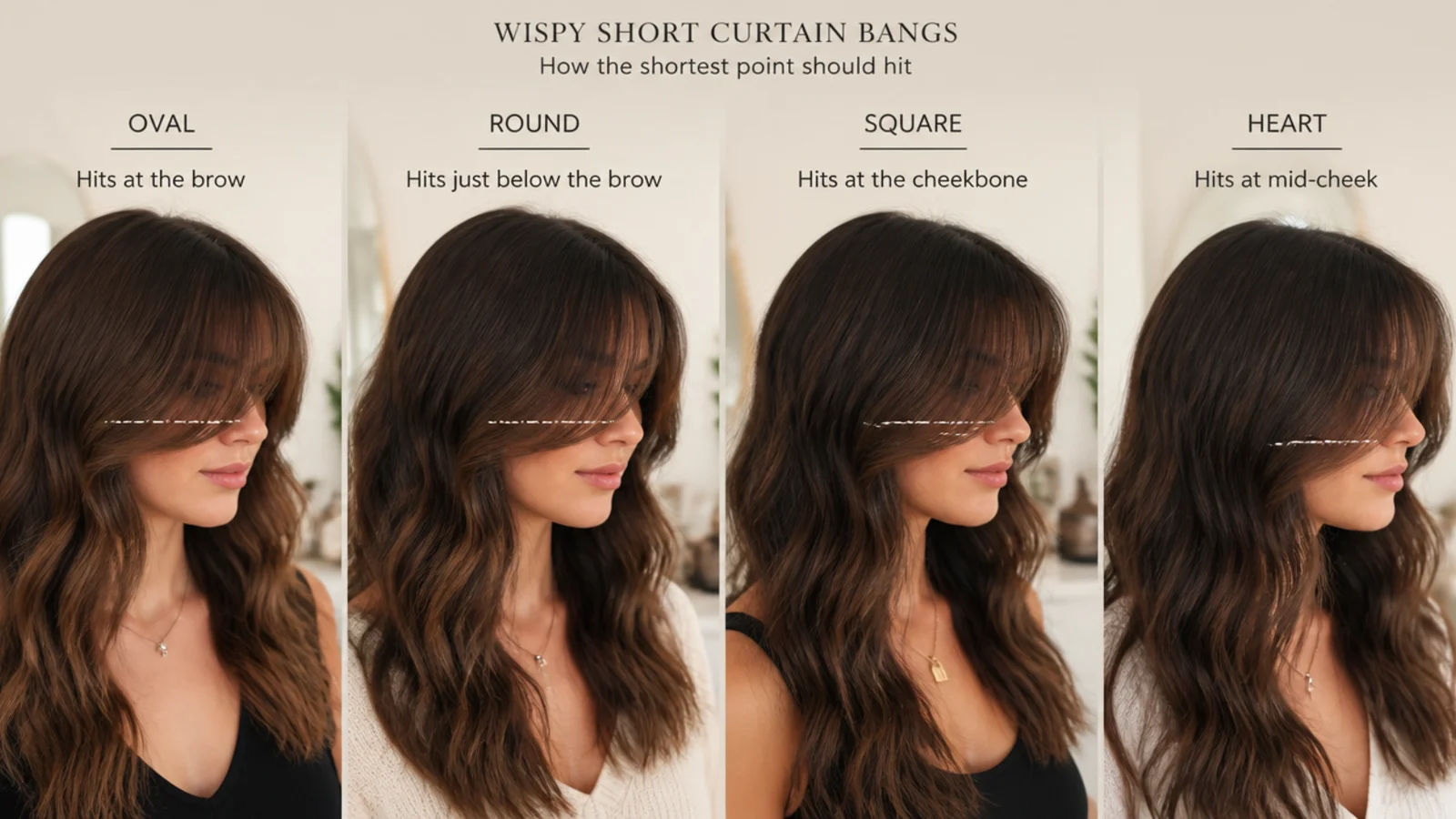
Oval faces take any length, so pick on hair type rather than face shape. Long and oblong faces gain the most from a short fringe, because a brow-grazing center point visually shortens the forehead and breaks up vertical length. Heart-shaped faces want the fringe starting just above the brows and widening toward the cheekbones, which balances a narrow chin against a wider forehead. Square and angular faces do well with the softest, most feathered version, since a wispy edge blurs a strong jawline where a blunt one echoes it. Round faces are the contested case, and the answer is conditional: keep the shortest point at or just below the cheekbone and keep the density see-through, so the open vertical line from the eyes to the hairline stays visible. Blunt and heavy at cheek level is what widens a round face, not the length itself. Density matters as much as geometry here, which is why the same length can flatter one person and not another. The full breakdown lives in short curtain bangs for a round face.
How Short Is Too Short for Wispy Curtain Bangs?
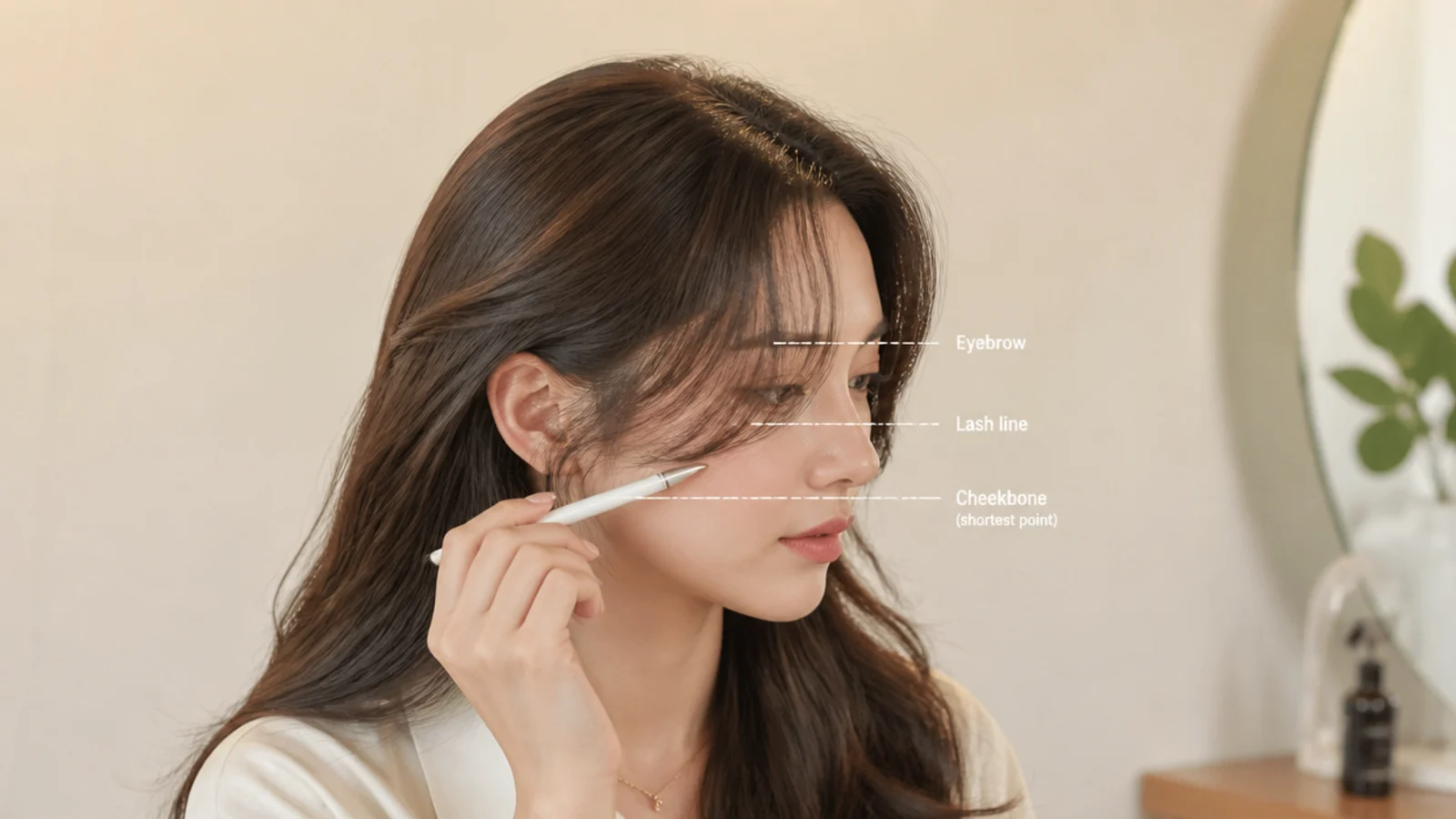
Use three markers instead of inches, because head sizes differ. The cheekbone is the safe floor, the eyebrow is the standard short, and half an inch above the eyebrow is the shortest point that still behaves like a curtain rather than a micro fringe. Go higher than that and the sides no longer have enough length to sweep, so the fringe stands away from the head instead of falling. Two things move the floor upward. Curly hair shrinks 1 to 2 inches when it dries, so a fringe cut at the cheekbone on 3b hair can dry above the brow. Waves lift about half an inch. Cowlicks at the front hairline also push a fringe shorter than intended, which is why the cowlick section should be cut a touch longer and dried against its growth direction first. If you are unsure, ask for the fringe cut at the cheekbone and booked for a free follow-up trim in two weeks. Going shorter costs nothing later; going too short costs about ten weeks at half an inch of growth per month.
How to Cut a Wispy Fringe: Point Cutting vs Slide Cutting vs Thinning Shears
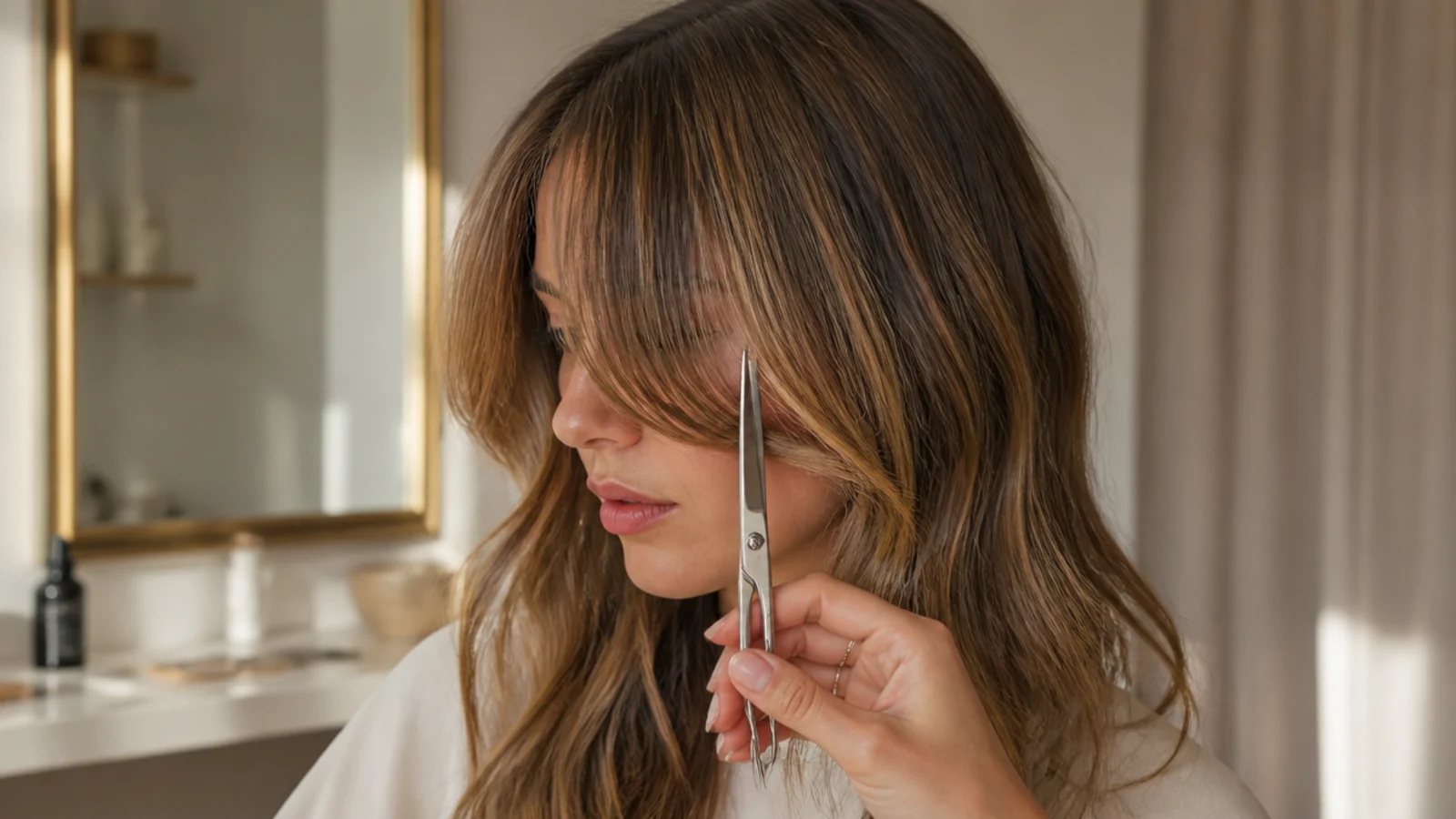
Wispy is created three ways and only two of them are good. Point cutting means holding the shears vertically and cutting up into the ends, half an inch or so deep, which breaks the perimeter into soft points and is the correct default for fine hair. Slide cutting means closing the shears loosely and sliding down the inside of the fringe to remove weight from underneath while the surface stays whole; it is the right tool for thick hair. Thinning shears are the third option and the one to refuse on a short fringe. They cut a row of short pieces at whatever depth they land, and on a four-inch fringe those pieces regrow as frizz at the mid-lengths within two months. The other correction worth making: the sectioning instruction repeated everywhere, "part in the middle and section out to the temples," produces a standard-density curtain bang, not a wispy one. For wispy, the triangle should stop at the inner half of each eyebrow and reach only about 1 inch back from the hairline. Less hair in, less hair to thin out later.
Styling Wispy Short Curtain Bangs at Home in Under Five Minutes
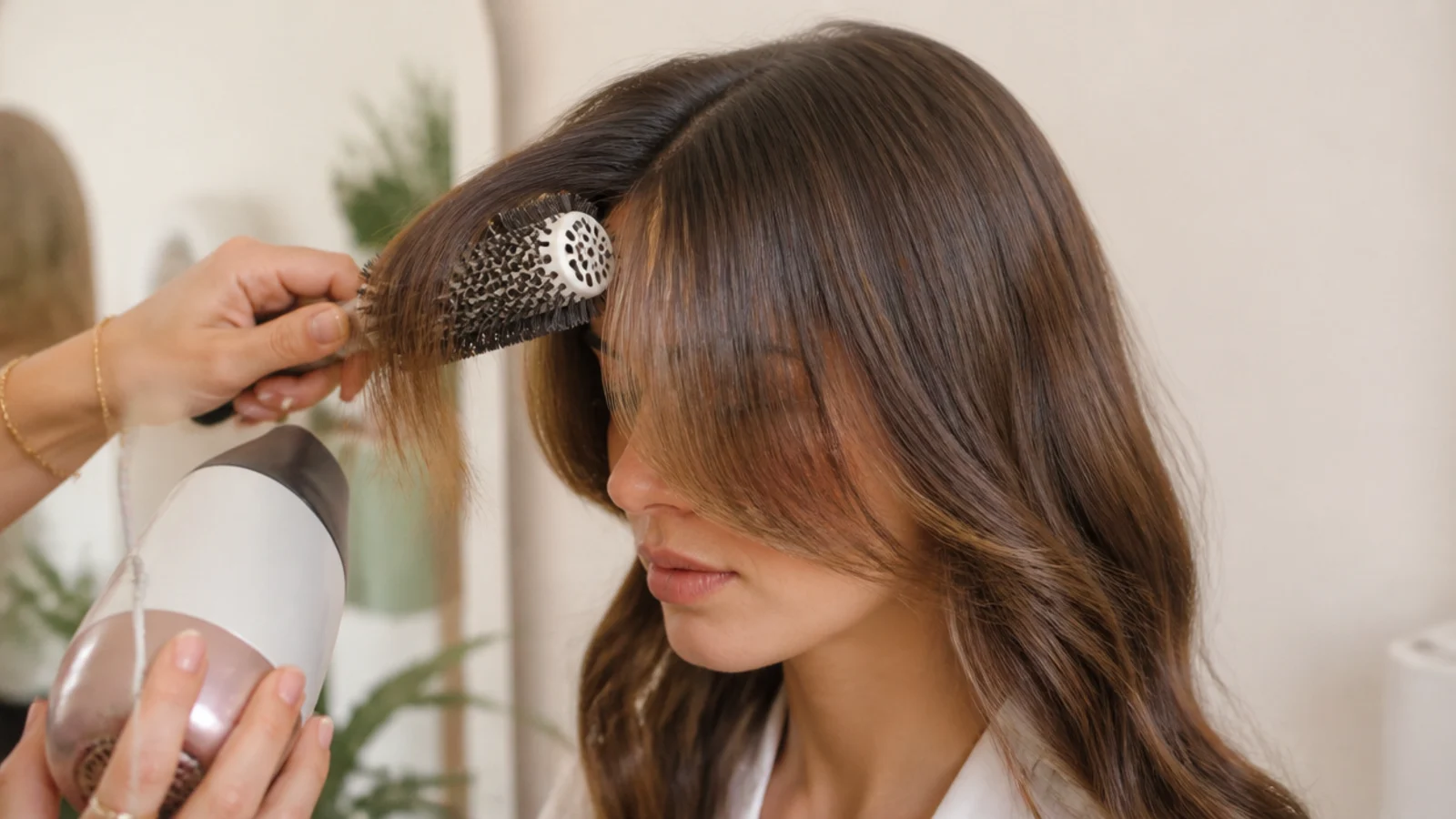
Start with the fringe damp, not dry, and do it first before the rest of your hair. Fine hair especially sets into whatever shape it air-dries into, and once that is set no amount of brushing undoes it. Aim the dryer up and back at the roots for about 15 seconds to build lift at the part. Then take a 1 to 1.5 inch round brush, one side at a time, and pull each panel away from the center while following with the dryer, bending the ends outward on the last rotation. Hit it with the cool shot before you release the brush, because the shape sets as the hair cools, not as it heats. Finish with texture spray on the mid-lengths and ends only, then separate the panels with your fingers so the wispy pieces read individually. Skip cream, oil and serum on the fringe entirely; they weigh down exactly what you paid a stylist to lighten. For no-heat days, clip each damp panel back with a no-crease clip for 20 minutes and release. More technique in mid length haircut styling.
Trim Cadence, Cost and Growing Out Wispy Short Curtain Bangs
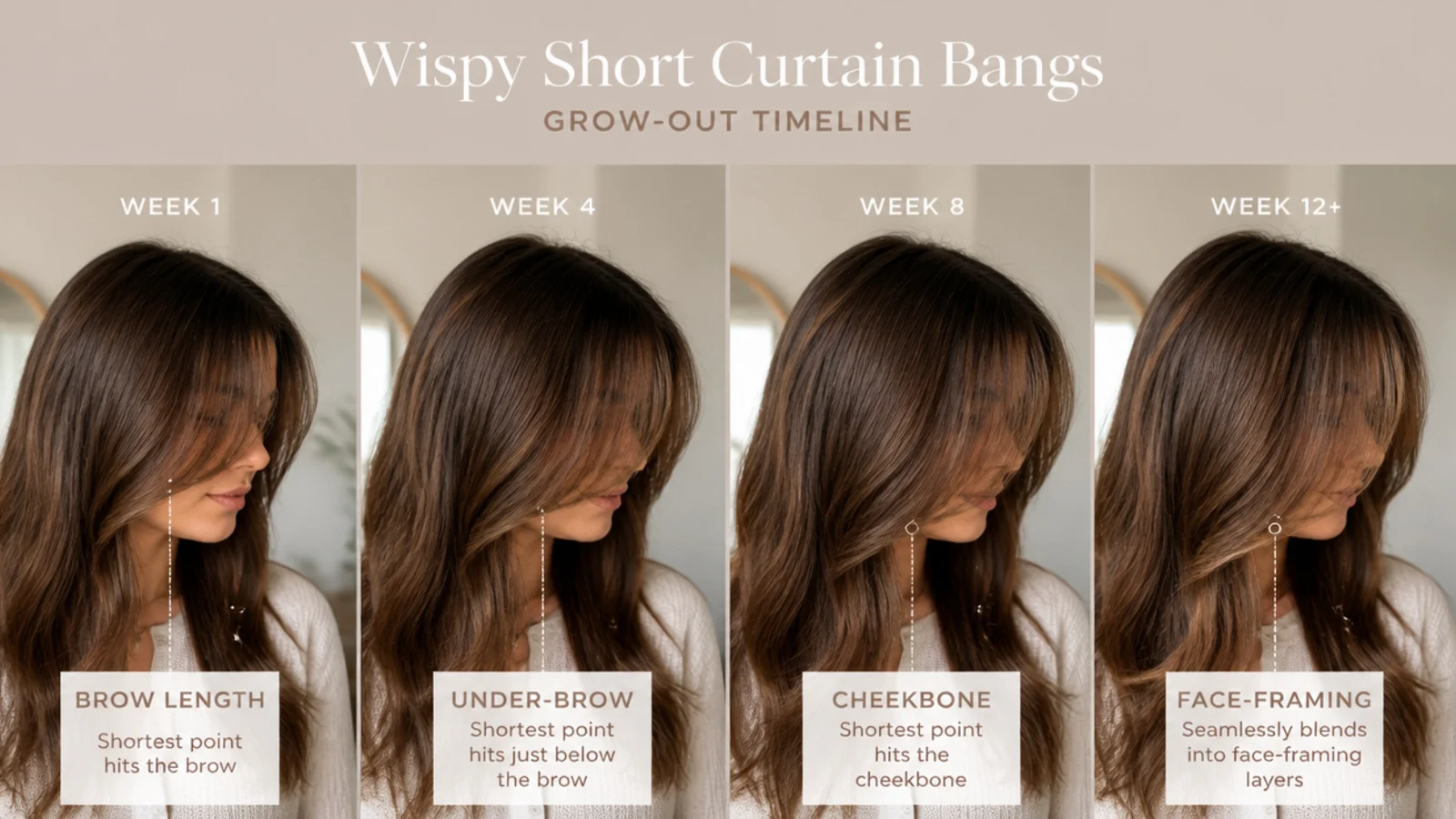
Hair grows roughly half an inch per month, so a short curtain fringe drifts from the brow to the cheekbone in about ten weeks. To hold the shape, trim every 3 to 5 weeks; a wispy fringe tolerates the longer end of that window better than a blunt one because there is no hard line to show growth. Most salons give fringe trims free between full cuts if you had the original cut with them, so ask when you book rather than paying a walk-in rate of 15 to 30 dollars. If you decide to grow it out instead, stop trimming entirely, since even a small tidy-up costs a month of progress. The awkward stretch runs from about week four to week ten, when the fringe hits the lash line and cheek. Tuck it behind your ears while wet so it dries blended, use no-crease clips for a deliberate bend, and switch to a deeper side part with a paddle brush. By week twenty it reads as a face-framing layer and the decision makes itself. Compare the alternatives in wavy short curtain bangs and short curtain bangs with a bob.
Frequently Asked Questions
What is the difference between curtain bangs and wispy bangs?
Curtain bangs describe a shape: parted in the center and cut longer toward the sides so the hair sweeps away from the face. Wispy describes density: a fringe cut light enough that you can see forehead through it. They are not alternatives. A curtain bang can be wispy, soft or blunt, and a wispy fringe can be curtain-shaped or a full fringe.
Do curtain bangs suit fine hair?
Yes, and the wispy version suits it better than any other bang. A curtain shape spreads the fringe across two panels instead of massing it in one block, so it adds height at the hairline without exposing scalp. Keep the section shallow, about 1 inch deep from the hairline, so you are not borrowing density from the part behind it, and have the ends point-cut rather than cut straight.
How often should you trim curtain bangs?
Every 3 to 5 weeks for a short fringe. Hair grows about half an inch a month, which is enough to move the shortest point from the brow toward the lash line within a month. Wispy fringes stretch to the longer end of that window because there is no blunt line showing the growth. Many salons trim a fringe free between full cuts, so ask before paying a walk-in charge.
Will I suit curtain bangs?
Almost certainly, if you match the length to your face shape and the density to your hair type. Long and oblong faces suit a brow-grazing point, round faces want it at or below the cheekbone, and heart faces want it starting above the brows and widening outward. The wispy version is the lowest-risk way to test bangs at all, because it grows out into a face-framing layer rather than a shelf.
Can you cut wispy curtain bangs on curly hair?
Yes, but only on dry, defined curls, never wet. A 3a to 3b pattern can shrink 1 to 2 inches as it dries, so a fringe cut wet at brow level ends up well above it. Wispy on curls also means removing whole curl clumps from the section rather than thinning within a clump, since thinning inside a curl destroys its definition and leaves frizz behind.
Can you style curtain bangs without heat?
Yes. Clip each damp panel back and away from the center part with a no-crease clip and leave it for about 20 minutes while you get ready. The fringe dries with root lift and a soft outward bend. Velcro rollers work the same way and hold longer. The rule for both is that the fringe must be damp when you start, because it sets into whatever shape it dries in.
Are curtain bangs hard to maintain?
A short wispy curtain fringe costs about 2 to 4 minutes with a round brush most mornings and a trim every 3 to 5 weeks. That is more upkeep than no bangs and much less than a blunt fringe, which needs every strand lying flat. The honest downside is that it does not air-dry well on straight or fine hair, so factor in that daily blow-dry before you commit.
Why don't my curtain bangs look good when I style them?
Three usual causes. You let the fringe air-dry before styling it, so it set in the wrong shape and will not move. You used cream, oil or serum on it, which flattens a wispy fringe instantly. Or you released the round brush while the hair was still warm, so the bend never set. Style the fringe first while damp, use texture spray only on the ends, and finish with a cool shot.
How short can short curtain bangs be?
About half an inch above the eyebrow is the floor. Below that the sides no longer have enough length to sweep outward, so the fringe stands away from the head instead of falling into two panels, and it stops reading as a curtain bang at all. The standard short length is at the top of the eyebrow, and the cheekbone is the safe entry point if this is your first fringe.
Which short curtain bangs look are you saving?
If you take one thing from these 15 wispy short curtain bangs ideas, make it the density rule: wispy is decided by how much hair goes into the triangle section, not by how short the fringe is cut. Ask for a narrow triangle from the center part to the inner half of each eyebrow, the shortest point at your brow or half an inch below it, and point-cut ends with no thinning shears anywhere near the fringe. Book a free fringe trim every 3 to 5 weeks between full cuts and keep a mini round brush by the mirror. Start with the short curtain bangs guide, then compare textures in wavy short curtain bangs or curly short curtain bangs.