Quick Comparison
| Trustworthy Listing | Dropship Red Flag | |
|---|---|---|
| Base metal | Stated plainly: solid 14K, sterling, gold-filled or vermeil | Never named; only color words like gold-tone or gold-color |
| Hallmark | Shown in photos or provided on request within a day | Absent from photos and unanswered when you ask |
| Product photos | Real hand shots, daylight angles, clasp and side profile | Same stock image found on many stores by reverse search |
| Price vs material | Consistent with the stated metal and weight | Suspiciously low for the look, or plated priced like gold |
| Return window | 30 days or more, prepaid or free domestic returns | 7-day, final-sale, or store-credit-only with paid returns |
| Shipping | Domestic or clearly stated origin, days to a week | Three to six weeks from an overseas warehouse |
| Reviews | Customer photos on real skin, honest 3-star notes | Only text reviews, clustered dates, zero customer photos |
| Seller history | Established brand or long-standing marketplace account | New store, no address, no history beyond a few months |
| Response to questions | Answers metal and sizing questions specifically | Vague, delayed, or resends the same stock photo |
1. Read the Hallmark Before You Read the Price
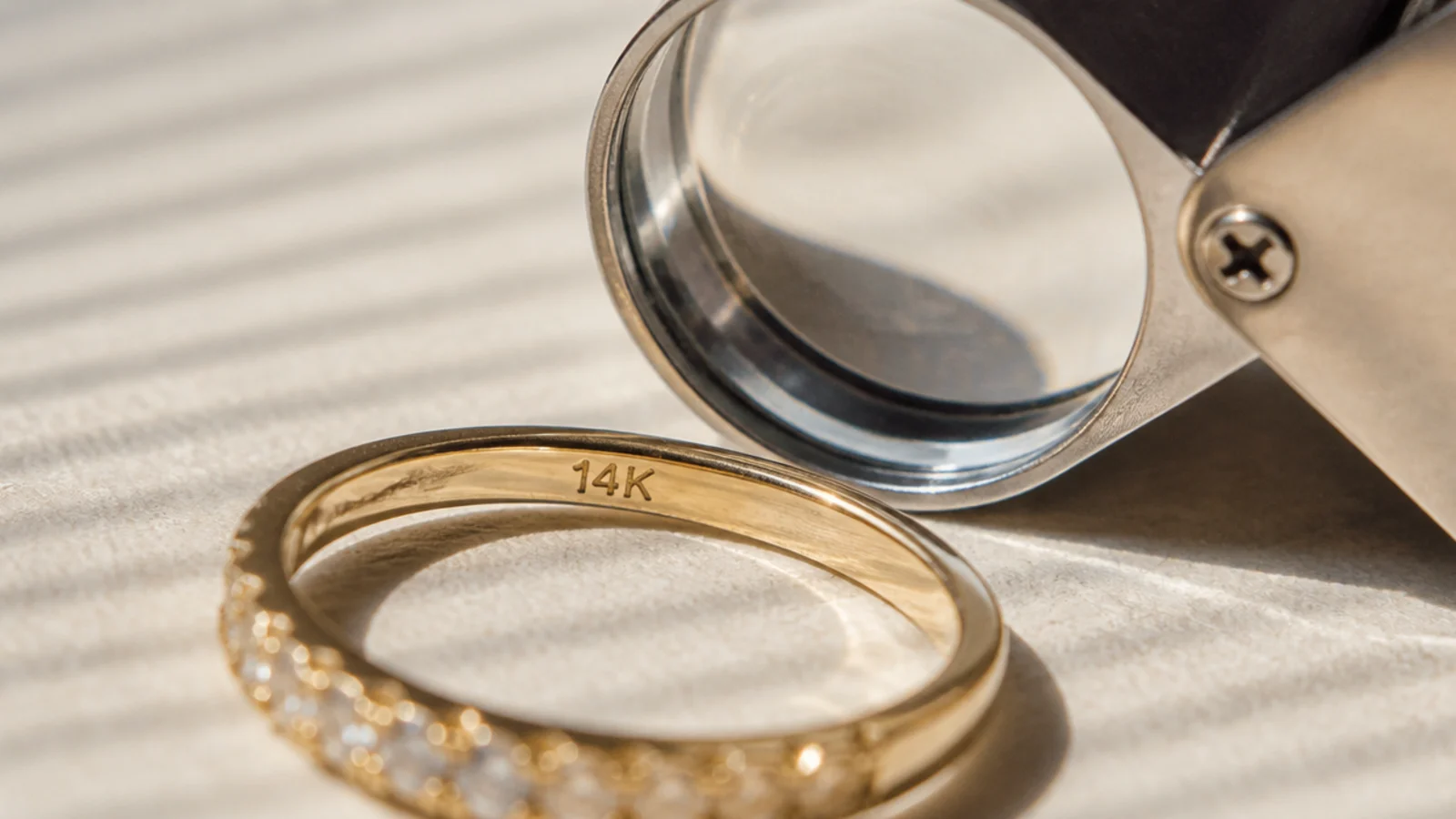
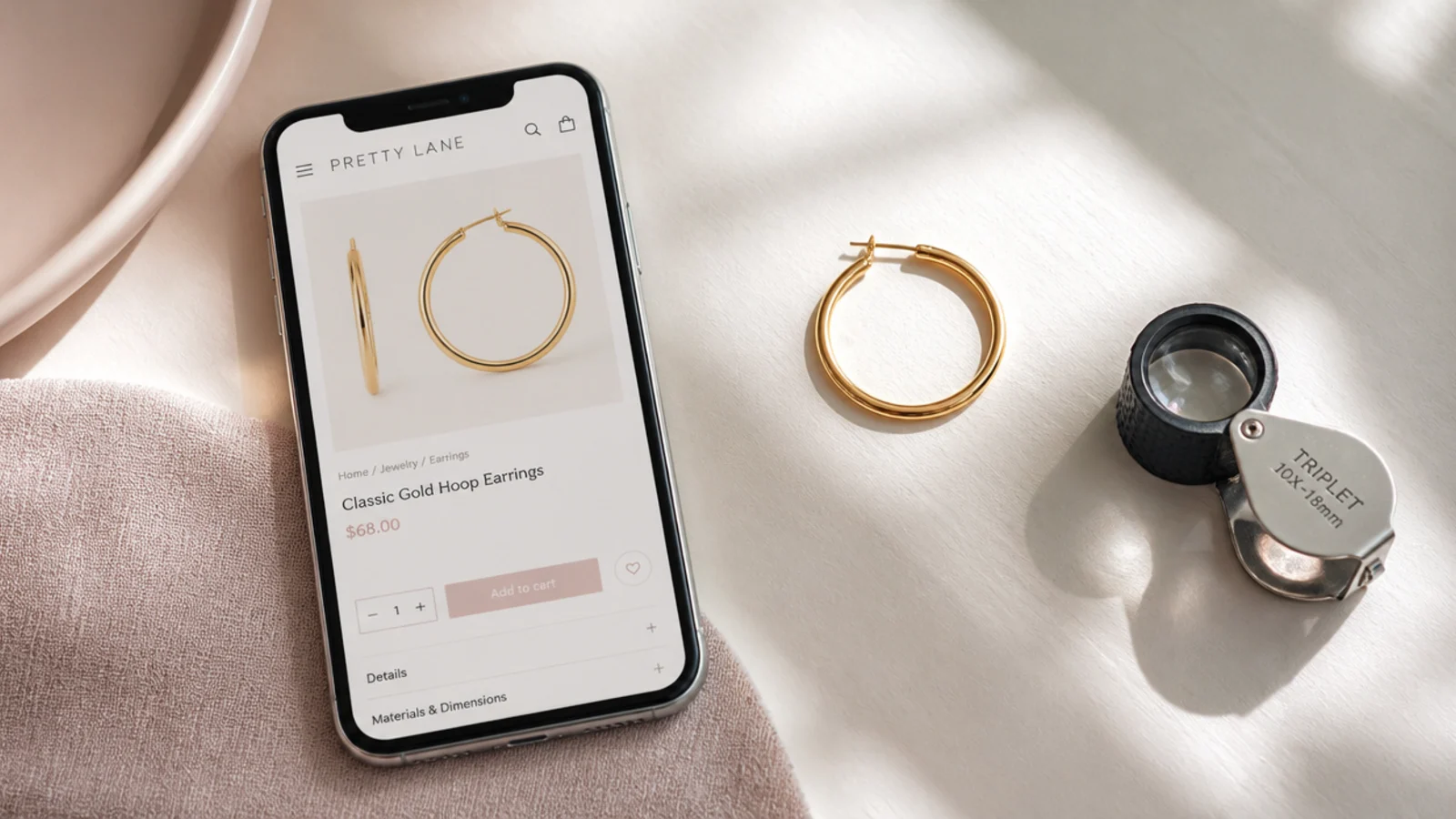
The tiny stamp inside a band or on a clasp is the fastest truth test online. 14K, 18K, 750, 585 and 375 are real gold karat marks; 925 is sterling silver; GF means gold-filled and GP or HGE means thin electroplate. If the listing photos never show a hallmark and the seller cannot name one when asked, assume there is not one worth showing. Real gold and sterling are legally stamped in most markets, so a missing mark on a piece sold as gold is the first red flag.
Zoom every product photo looking for the stamp. No hallmark plus the words gold-tone equals plated base metal, not gold.
2. Treat a Listing With No Base Metal as a Red Flag
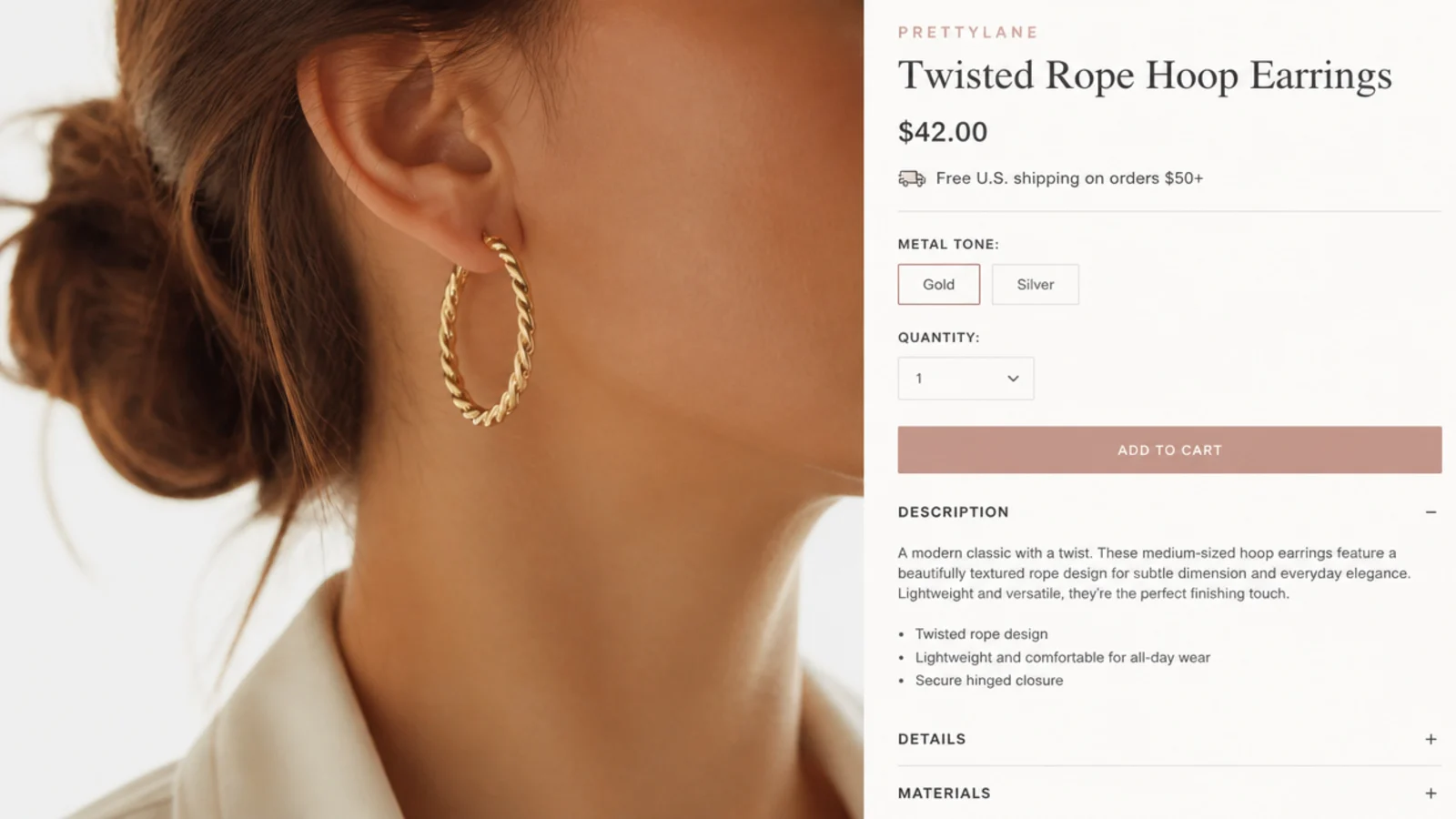
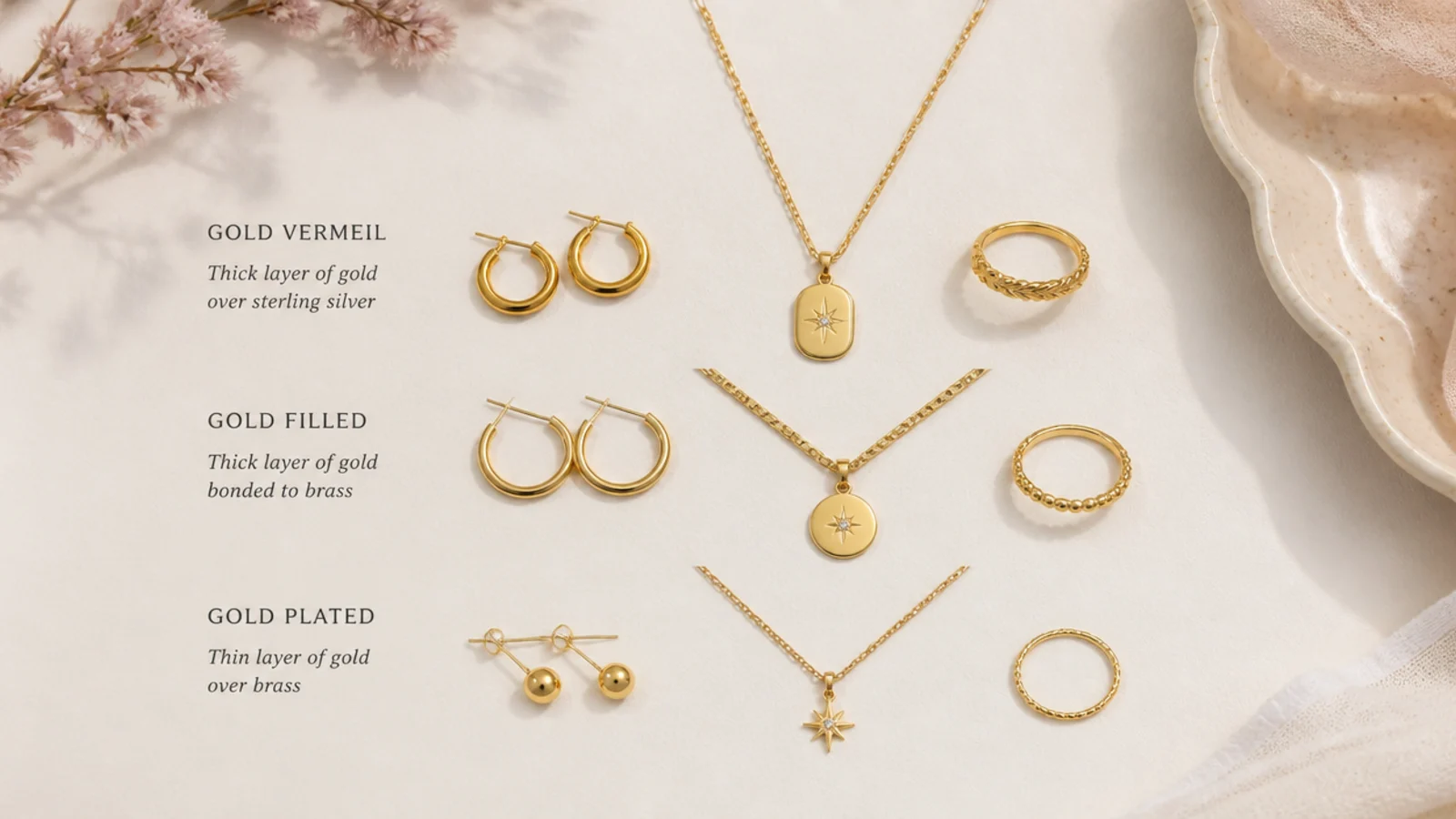
Honest sellers state the core metal plainly: solid 14K, sterling silver, gold-filled over brass, or vermeil over sterling. Dropship listings describe the color instead, gold-tone or 18K-gold-plated, and go quiet on what sits underneath. That silence is deliberate, because the answer is almost always plated brass or zinc alloy that wears through in months. If a 45 dollar chain lists dimensions, weight, and shipping origin but never once names the metal it is made of, that omission is the whole review. The material honesty behind this is spelled out in gold vermeil vs gold filled vs plated.
Search the page for the words brass, alloy, sterling and 14K. If none appear, message the seller before buying, not after.
3. Match the Metal to a 30-Day Return Window
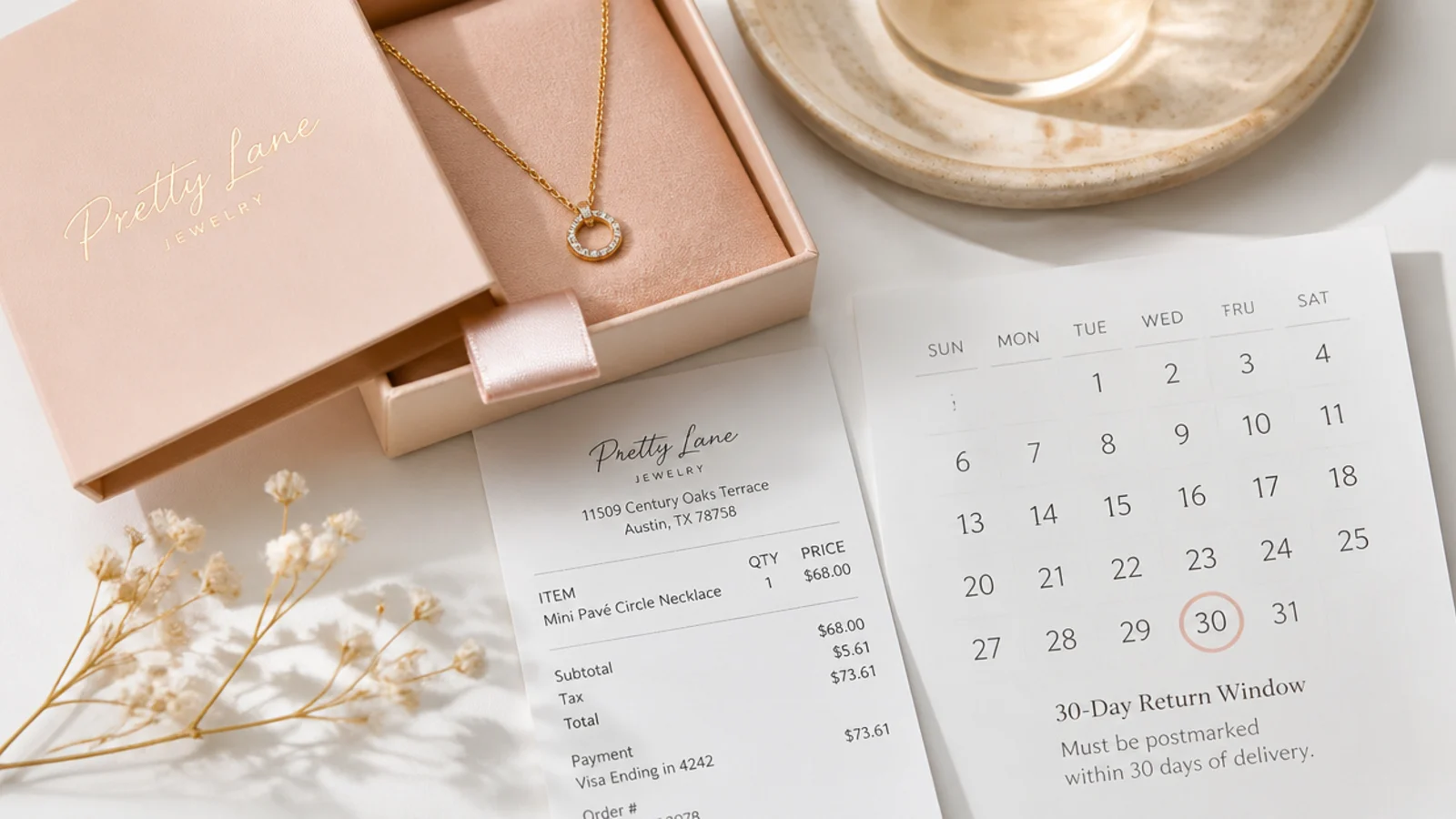
The return window is your only real insurance on a piece you cannot touch first. Thirty days is the floor a trustworthy seller offers; established jewelers give 30 to 60. Final sale, 7-day windows and no-returns-on-earrings are the norm on cheap marketplace listings precisely because the sellers know the piece will disappoint. Read the policy before you look at the price, because a beautiful ring with a 3-day final-sale window is a worse buy than a plainer one you can send back. Screenshot the policy text in case the page changes.
Earrings are often exempt from returns for hygiene reasons even at good sellers. Factor that in before buying studs sight unseen.
4. Assume Screen Color Runs Warmer Than Reality
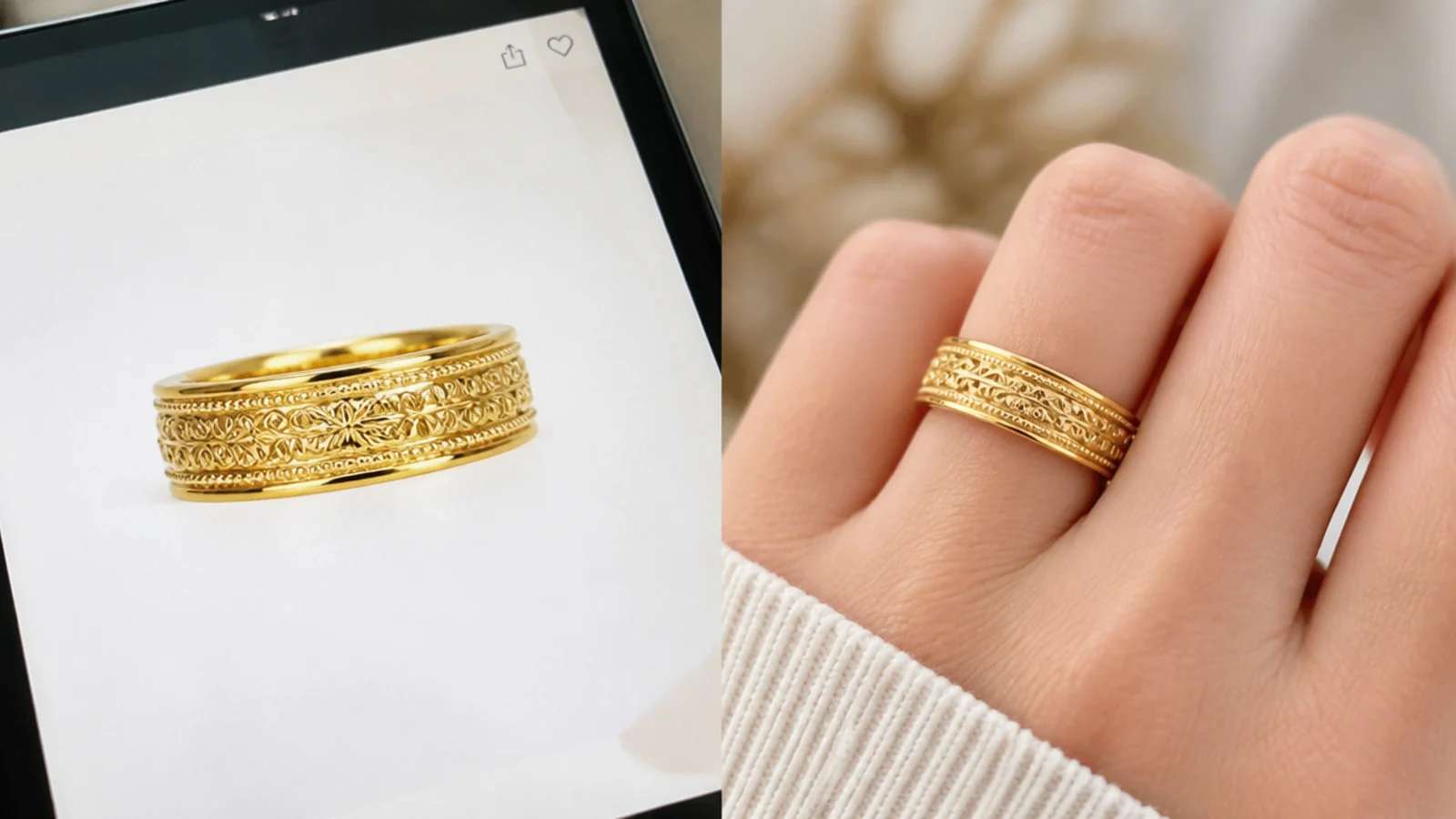
Product shots are lit, edited, and shown on a backlit screen, so gold reads a shade or two brighter and warmer than it will in your bathroom mirror. Rose gold especially photographs pinker than it wears. The fix is not to distrust every photo but to expect the real piece to be more muted, and to order the more neutral option when you are between two shades. If you want a piece to read expensive in person rather than on a screen, a softer, warmer gold usually beats the brightest yellow, a point covered in the looks-expensive guide.
Look for a photo taken in natural daylight or on a real hand. Studio-white background shots hide the true tone the most.
5. Size Rings From a Ring You Already Own
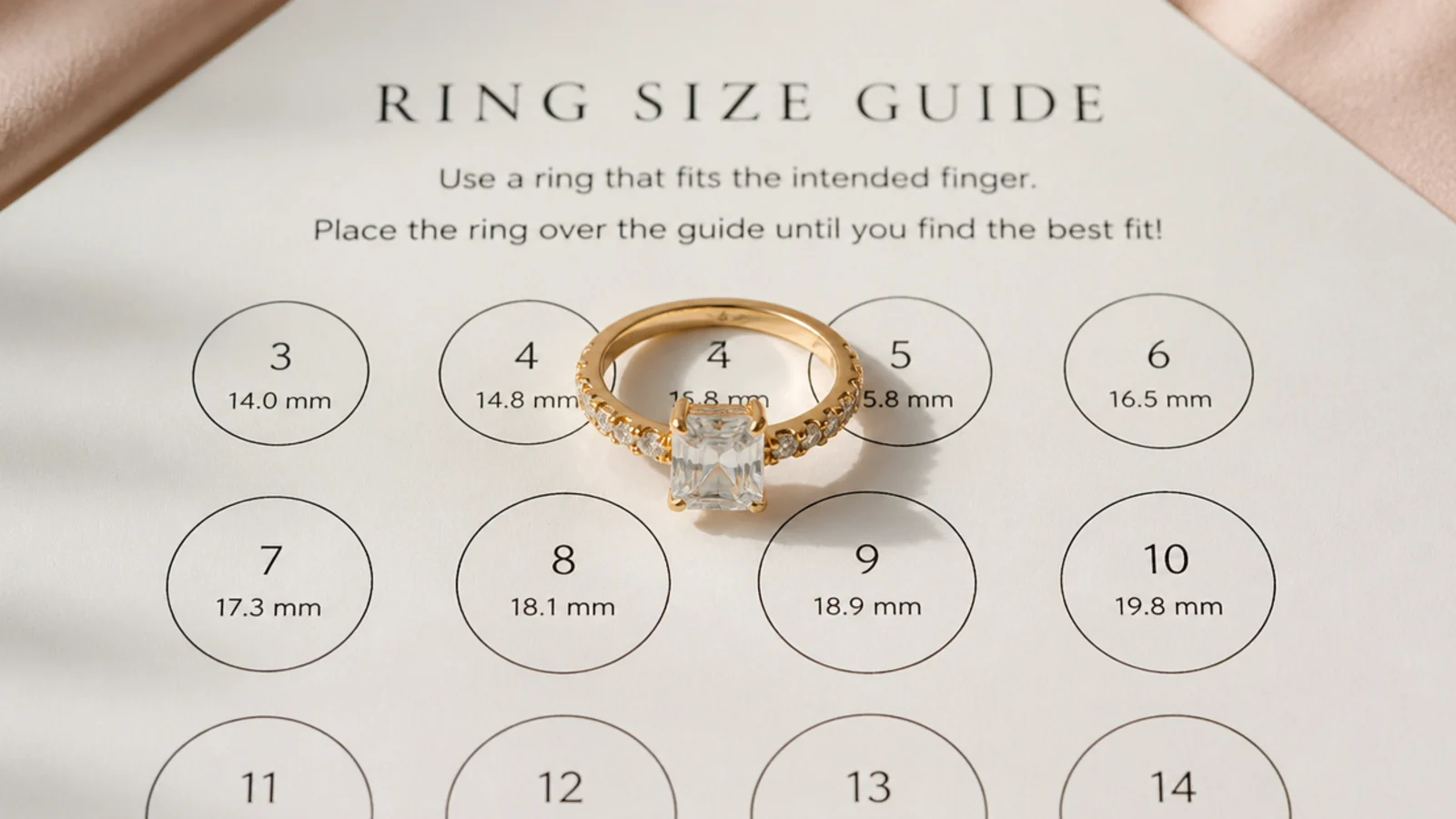
You cannot try it on, so do not guess from a string wrapped around your finger, which reads a half size large under tension. Instead take a ring that already fits the intended finger and measure its inside diameter in millimeters, then match that to the seller's size chart. Fingers swell in heat and shrink in cold, so measure at room temperature, late in the day. Wide bands fit tighter than thin ones, so size up a quarter for anything over 6mm wide. Buying resizable or open-cuff styles removes the risk entirely, which is why they anchor most everyday jewelry essentials lists.
Print the seller's own paper ring sizer if they offer one; a generic chart can be off by a full size at the extremes.
6. Spot Dropship Listings by the Reused Stock Photo
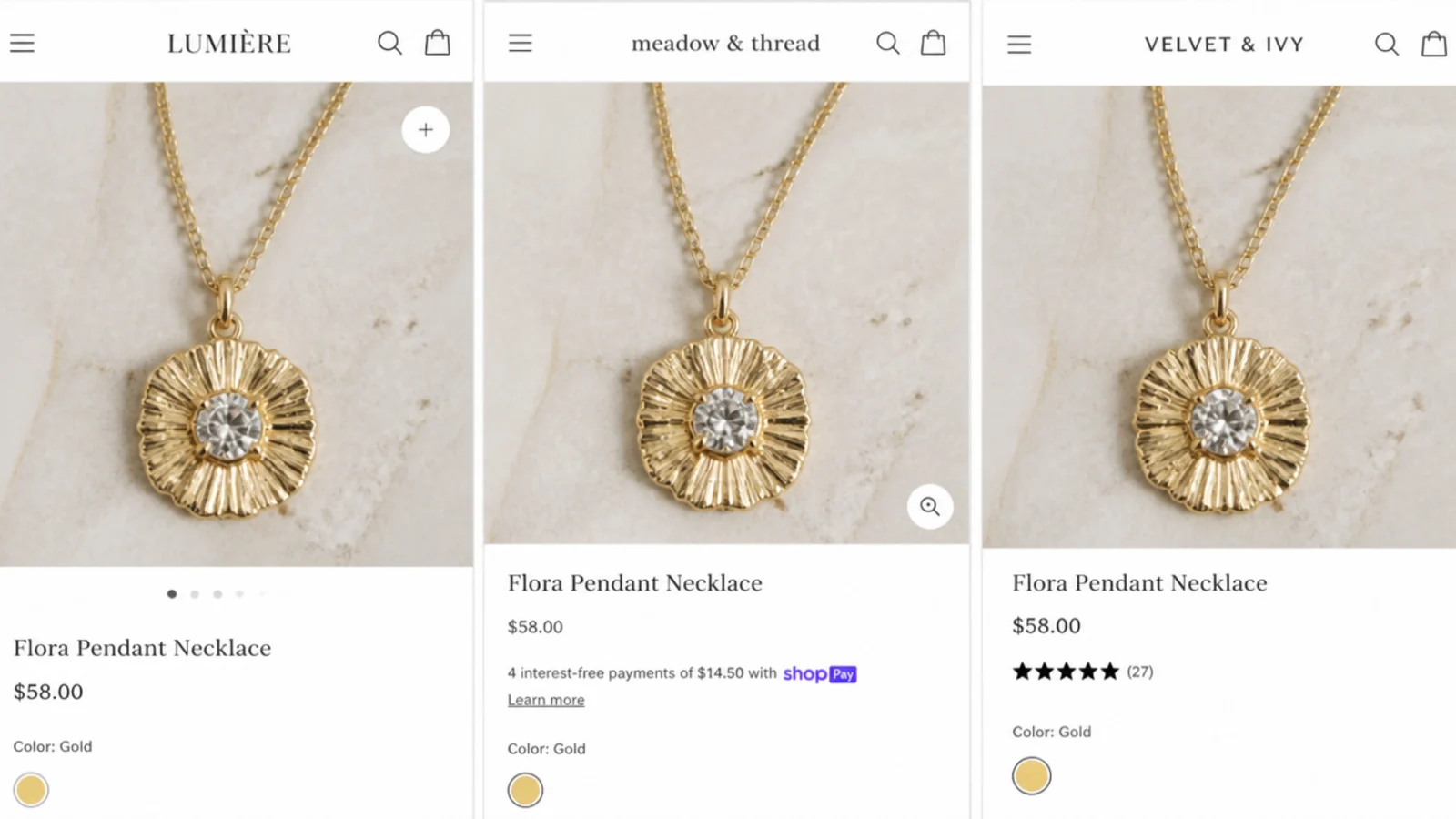
A dropshipper does not own the jewelry; they list a supplier's stock photo and forward your order. The tells are consistent: the identical image appears on a dozen unrelated stores, the price is wildly variable for the same photo, shipping runs three to six weeks from overseas, and the brand has no history older than a few months. None of that is illegal, but it means no quality control and a piece that often looks nothing like the render. A quick reverse image search on the main photo exposes it fast.
Drag the product image into Google reverse image search. If it shows up on AliExpress at a fifth of the price, you found the real source.
7. Check Who Pays Return Shipping Before You Buy
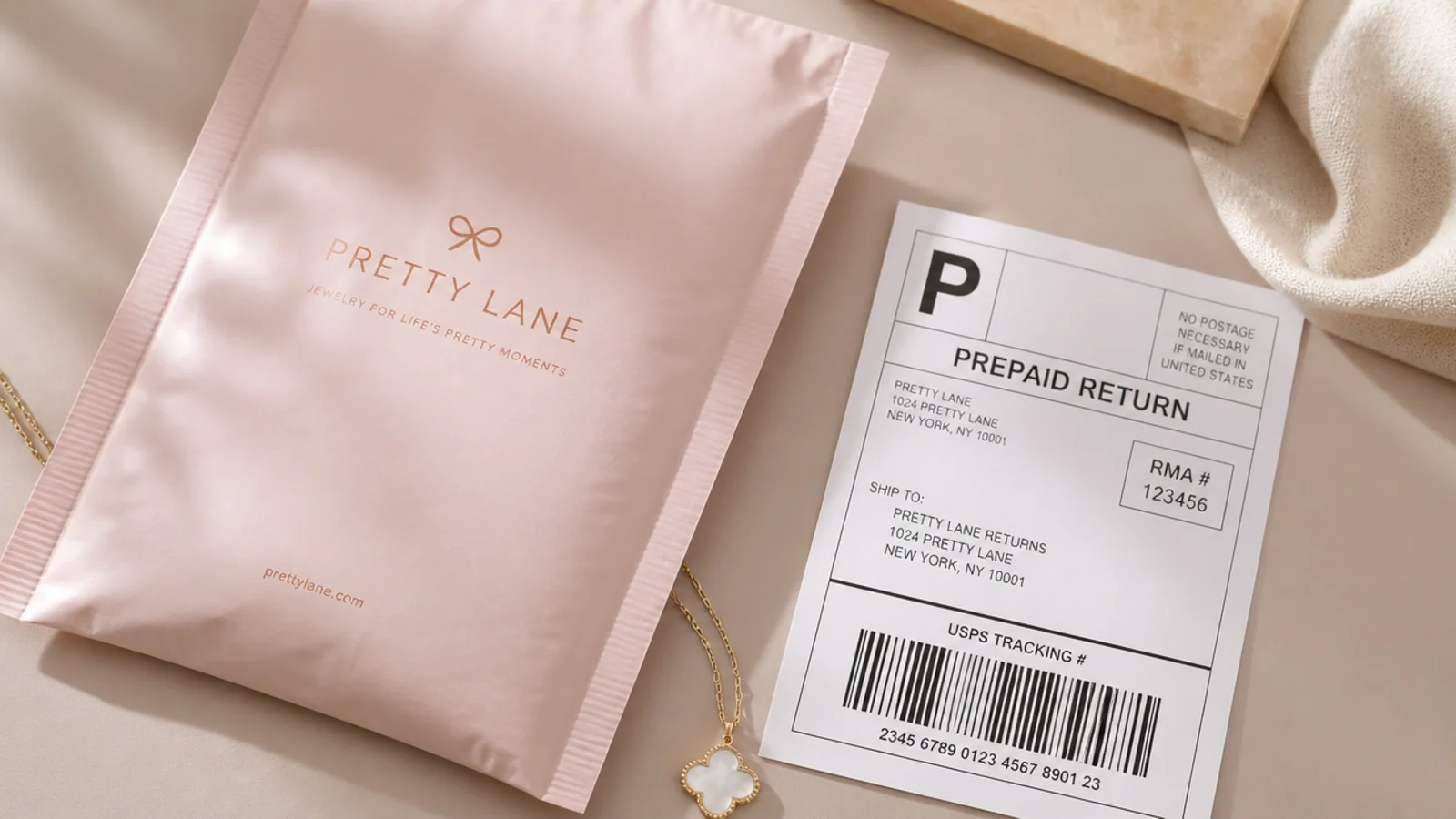
A 30-day return is worth much less if you pay 12 dollars to ship a 40 dollar ring back plus a restocking fee. Good sellers include a prepaid return label or at least free returns on domestic orders. Overseas marketplace sellers frequently make you ship internationally at your cost, which quietly makes returns uneconomical on anything cheap, exactly as intended. Read the fine print for restocking fees, insured-return requirements, and whether refunds go to store credit only. Free, prepaid, no-restocking is the standard to hold out for on demi-fine pieces.
Store-credit-only refunds are a soft no-return policy. Treat them like final sale when you decide.
8. Ask for Extra Photos at a 45-Degree Angle
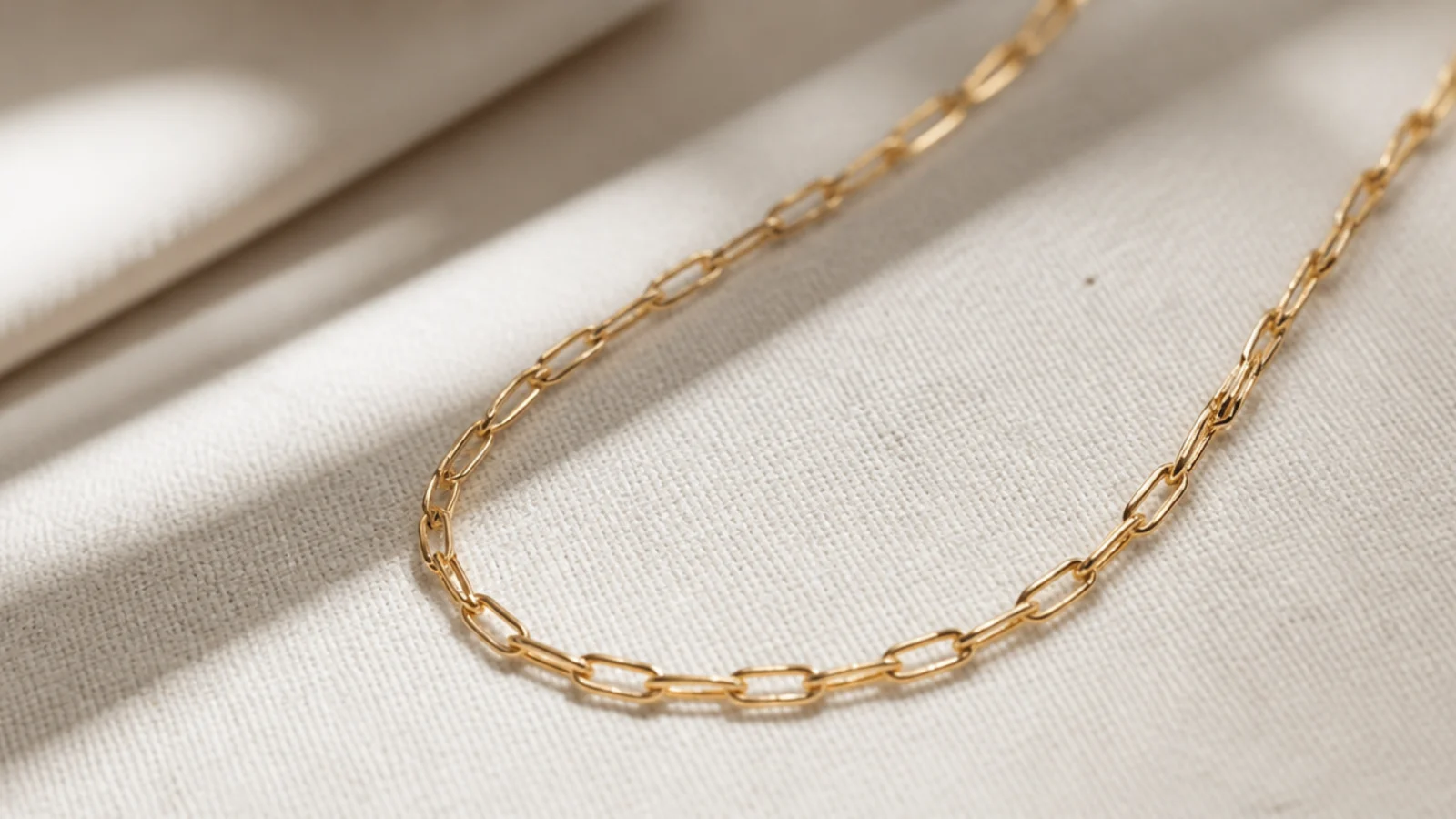
Straight-on studio shots hide the two things that reveal quality: the clasp and the side profile. A quick message asking for a photo at a 45-degree angle in daylight, plus a close-up of the clasp and any hallmark, separates real sellers from dropshippers instantly. Real sellers have the piece in hand and reply within a day with new images. Dropshippers cannot, because they never had it, and either go silent or resend the same stock photo. The clasp is where cheap construction shows first, and it is the detail that separates pieces in jewelry that looks expensive.
Ask for a shot of the piece next to a coin or a ruler. It exposes listings that photograph small pieces to look twice their real size.
9. Read the Word Gold-Tone as Not Gold
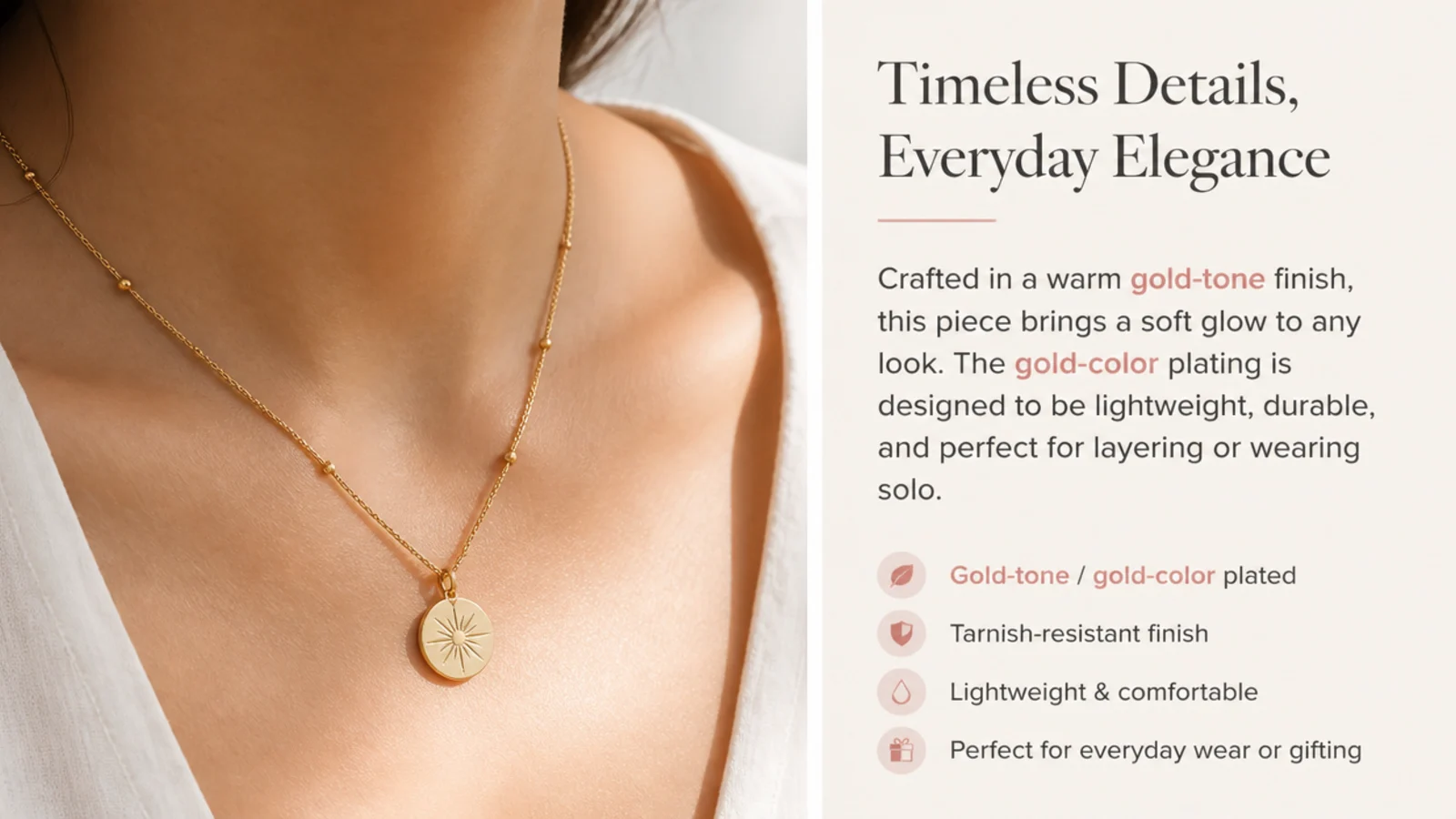
Listing language is coded. Gold-tone, gold-color, gold-finish and 18K-gold-plated all describe a microns-thin coating over a base metal, not gold you are paying gold prices for. Solid gold is always stated by karat alone: 14K gold, 18K gold, full stop. Vermeil and gold-filled are legitimate middle tiers and will say so by name. If a seller reaches for a color word instead of a karat or a named tier, they are telling you it is plated without saying the word plated. The full tier ladder sits in gold vermeil vs gold filled vs plated.
Plated is fine for earrings and occasional-wear necklaces. It is a poor choice for daily rings, where friction wears the coating through in months.
10. Verify a Diamond With Its GIA or IGI Report Number
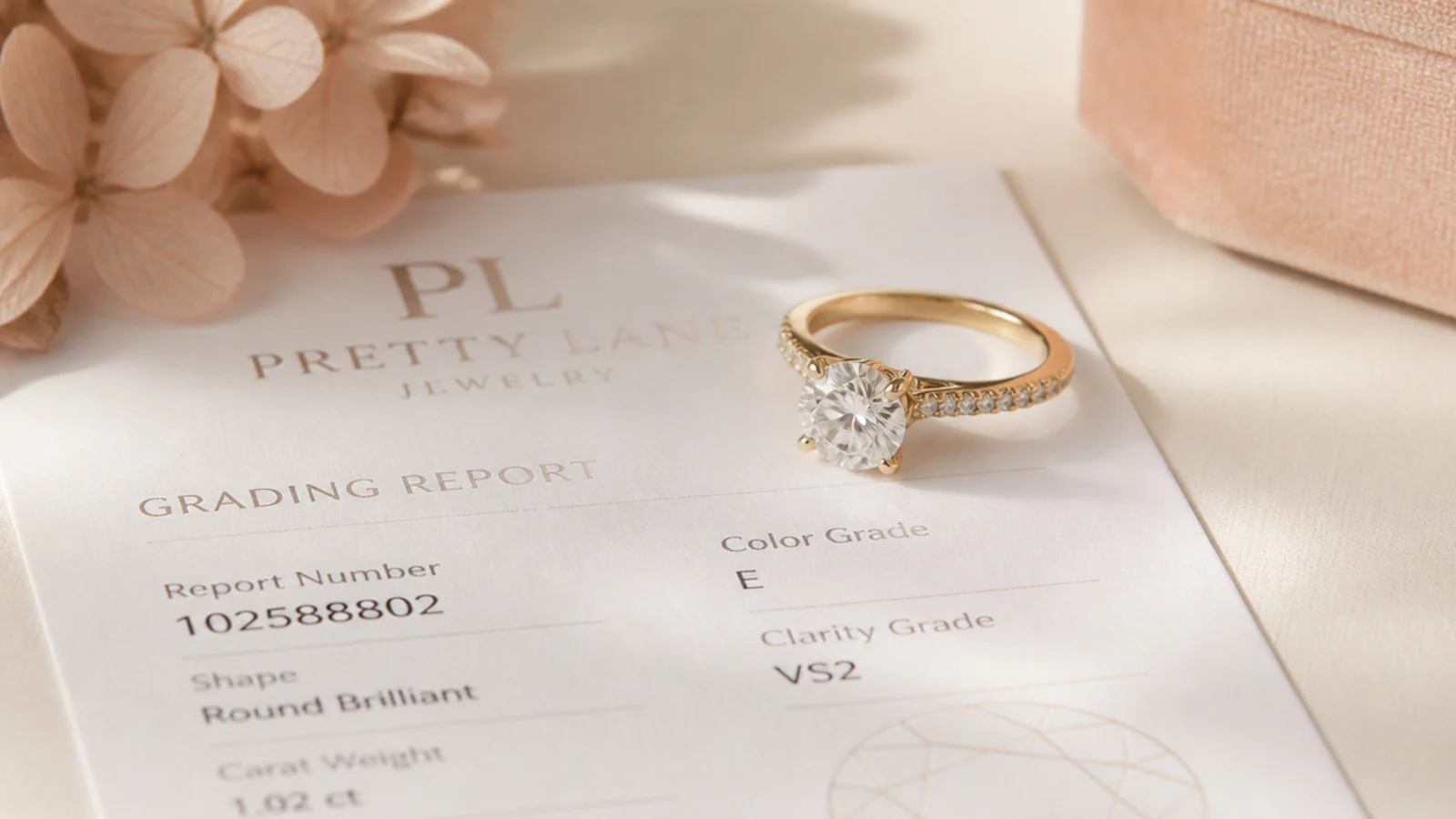
For anything with a real diamond over about 0.3 carat, the listing should carry a GIA or IGI report number you can type into the lab's free online lookup and match to the stone's carat, color, clarity and cut. No report number, or a vague in-house certificate from the seller's own brand, means you are trusting the seller's word on the single most expensive variable. Lab-grown diamonds are graded the same way and should also carry a report. This matters far less on demi-fine cubic zirconia or moissanite, which are sold honestly as simulants and style up the same way in jewelry styling ideas for any outfit.
An in-house appraisal is for insurance value, not authentication. Only an independent lab report verifies the stone itself.
11. Price-Check Gold-Filled Against a 100-Dollar Floor
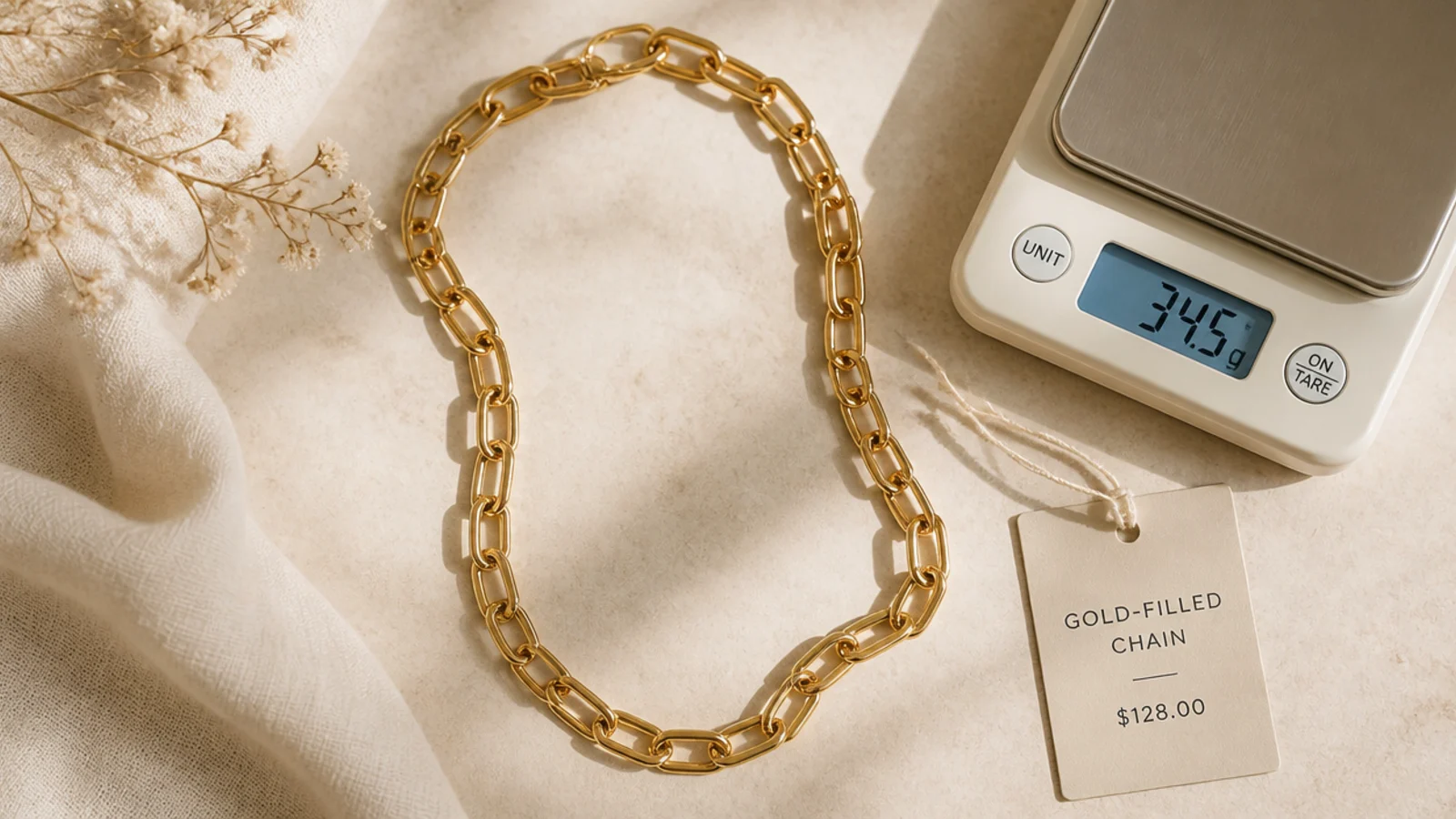
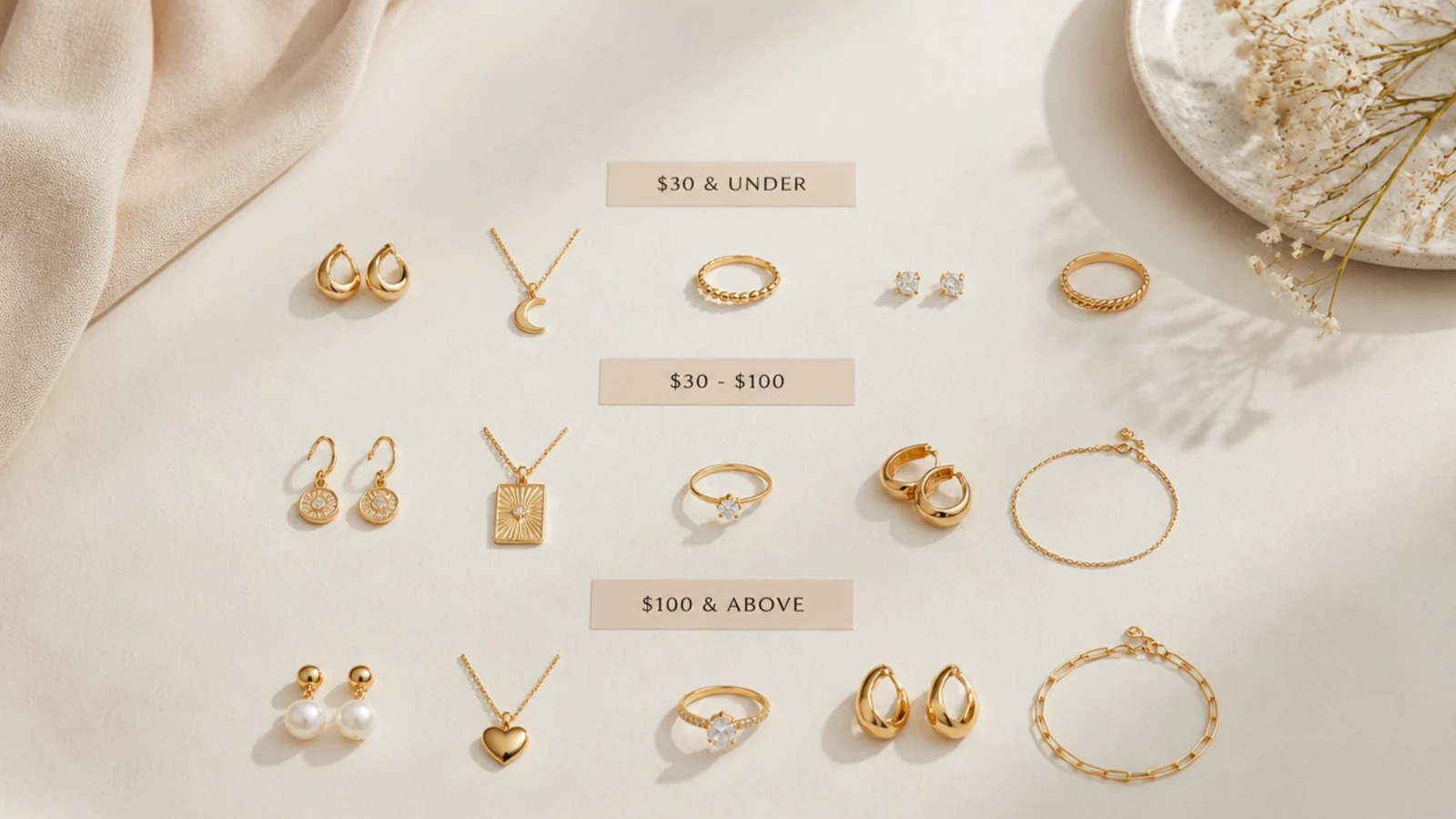
Gold-filled is a real gold layer bonded to a brass core, and gold content sets a price floor. A substantial gold-filled chain or hoop selling for under about 100 dollars is a signal to look closer, because the gold alone costs more than that at any real weight. Suspiciously cheap gold-filled is often mislabeled plated. On the flip side, plated pieces priced above 80 to 100 dollars are usually overpriced unless the design genuinely earns it. Use price as a sanity check against the stated material, not as proof on its own.
Cross-reference the price against the material tier, then hunt safe value in gold jewelry under 50 dollars for pieces that survive the price.
12. Skip Gold-Plated for Rings and Daily Bracelets
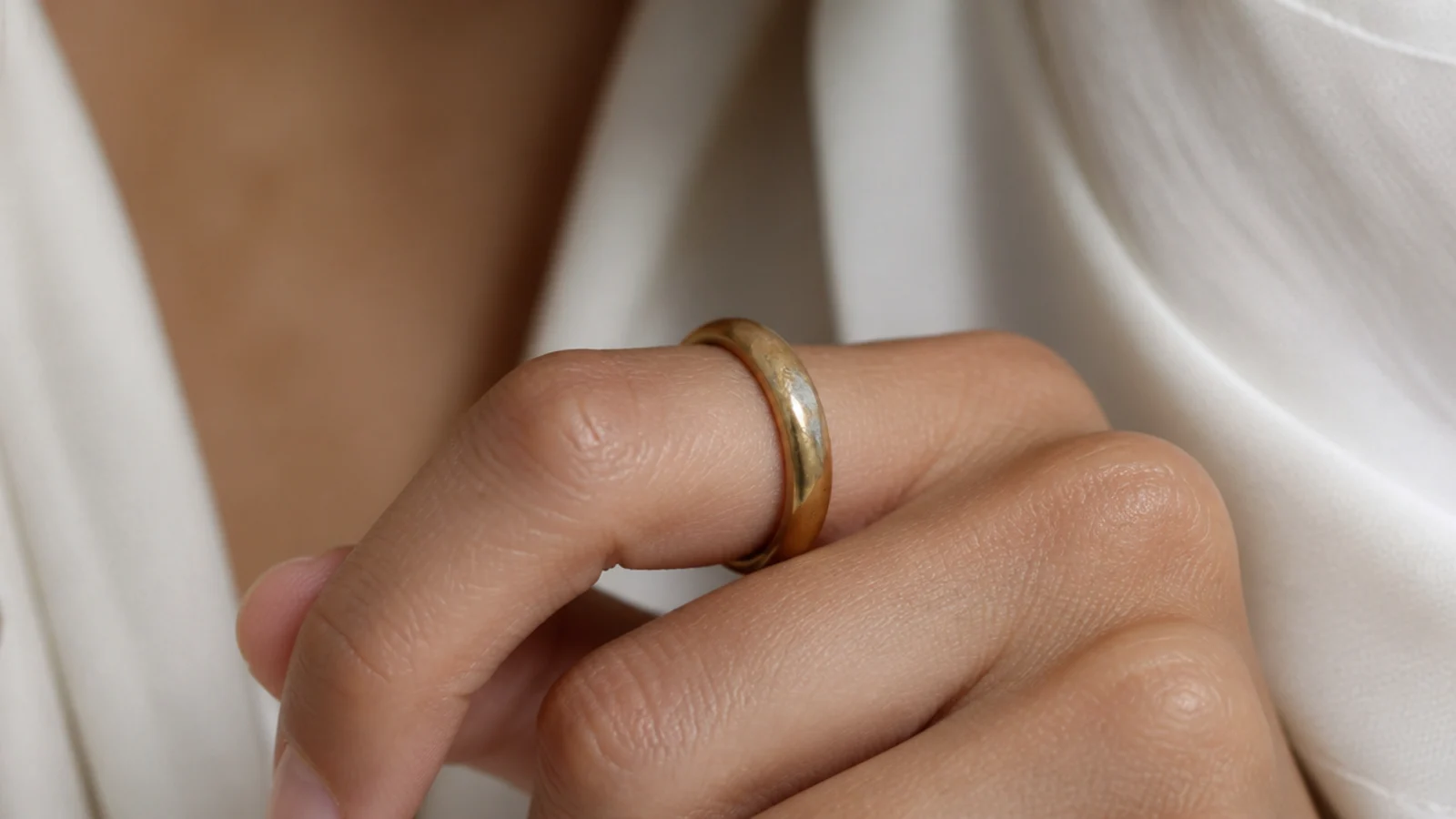
Where a piece sits on your body decides how long plating lasts. Rings and bracelets take constant friction against keyboards, steering wheels and desks, so a thin plated coating rubs through at the contact points within months and the brass underneath shows and can mark your skin. Necklaces and earrings barely rub against anything and last far longer in the same material. So buy your daily rings in solid gold or gold-filled, and save plated for pendants and studs. Keeping any gold piece dry and off in the shower extends it, per the tarnish guide.
If a plated ring is unavoidable, size it slightly loose so it rotates. Constant pressure on one spot wears the coating fastest.
13. Screenshot the Product Page the Day It Ships
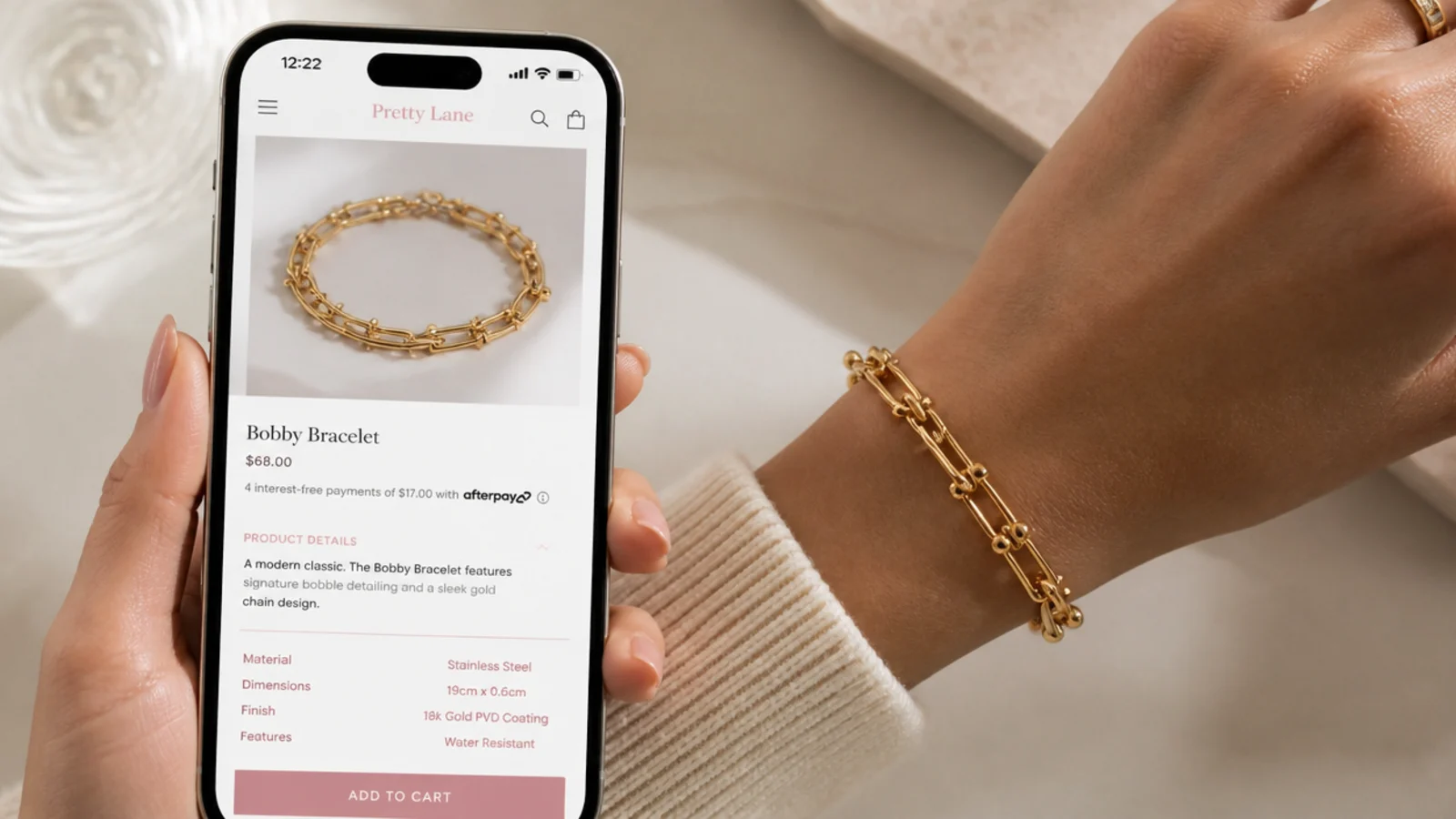
Listings get quietly edited. If the ring arrives lighter or the metal reads different from the description, the page you bought from may already say something else by the time you complain. Screenshot the full listing on the day it ships: the title, the material line, the dimensions, the price, and the return policy. That record is your evidence for a chargeback or a return dispute, and it settles most disagreements the moment you send it. It costs ten seconds and repeatedly saves the order when a seller tries to move the goalposts.
Save the order confirmation email too. Between the two you have a timestamped record of exactly what was promised.
14. Read Reviews With Photos, Not Star Averages
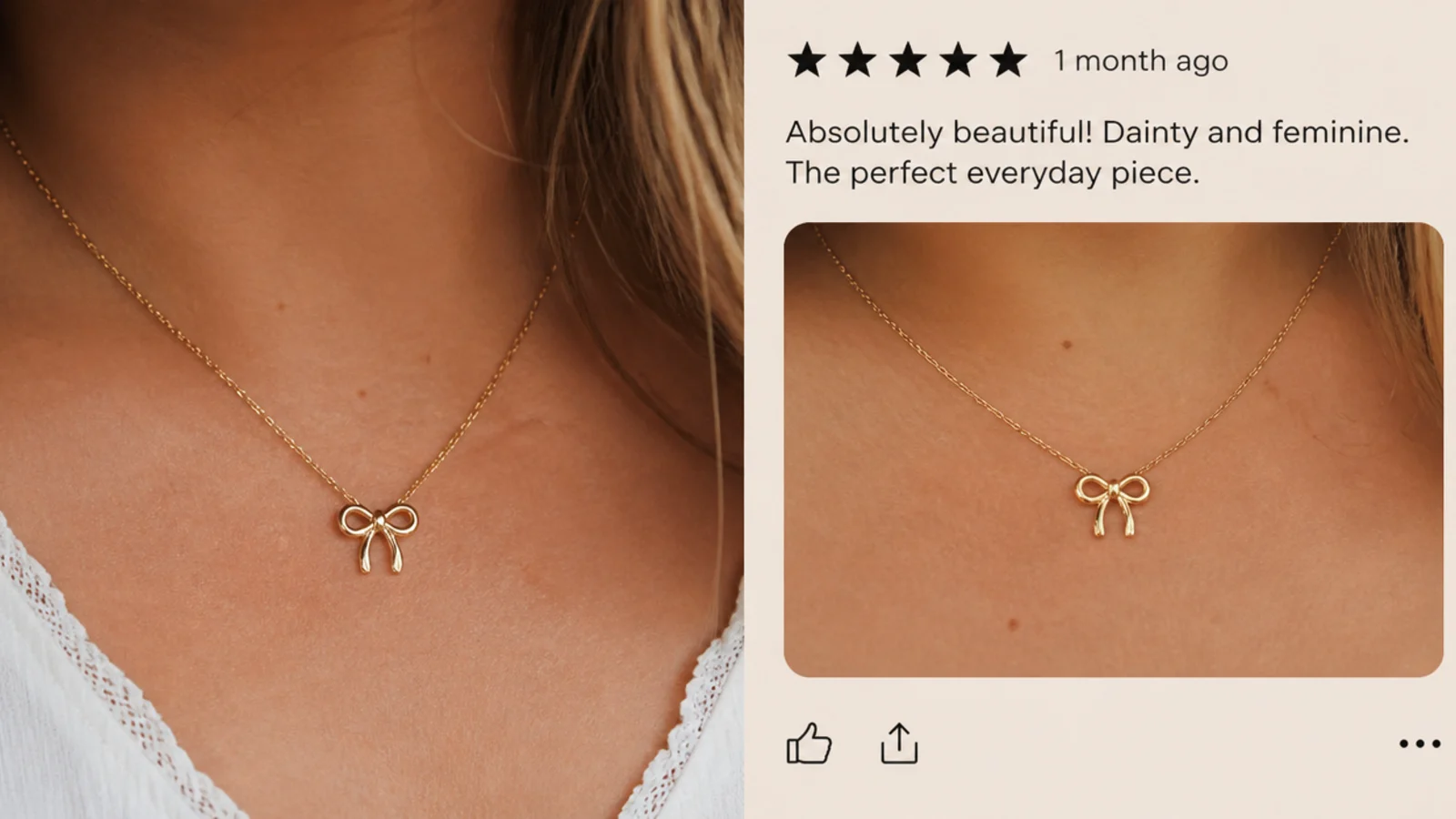
A 4.8-star average is easy to buy or seed. The signal is in customer photos, because they show the real color, the real scale on a real hand, and any tarnish complaints months later. Sort reviews to photos-only, then read the three-star ones, where honest disappointment lives: too small, turned my skin green, looked nothing like the picture. A listing with hundreds of glowing text reviews and zero customer photos is a warning, not a reassurance. Cross-check the brand name plus the word tarnish or fake in a separate search.
Watch for many five-star reviews posted in a tight cluster of dates. That pattern usually means a review campaign, not organic feedback. This step matters most for quiet office pieces you will wear daily, like the studs and chains in how to style jewelry for work.
15. Insure Anything Over 500 Dollars on a Rider
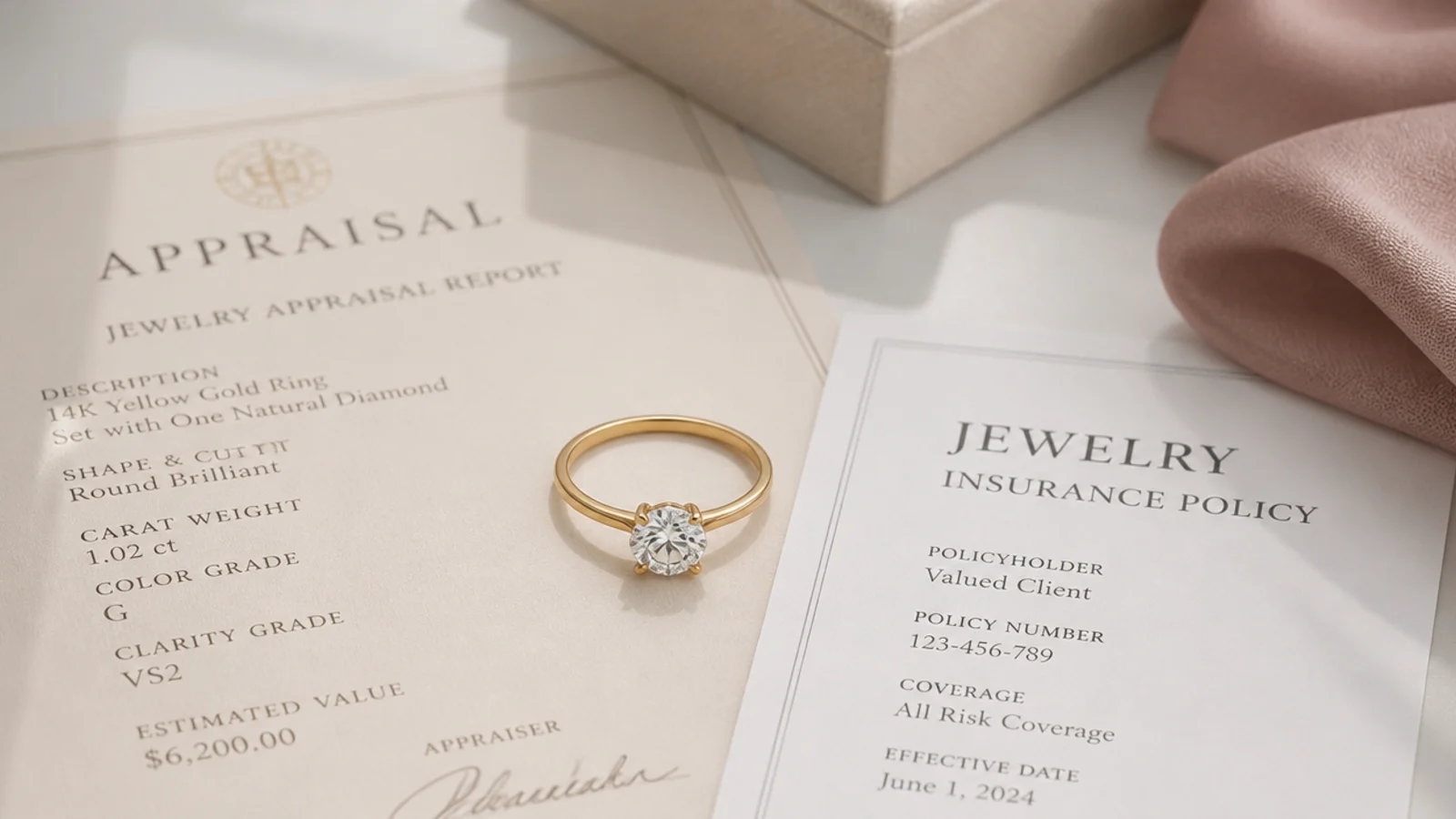
Demi-fine pieces under a couple hundred dollars are not worth insuring; you would just replace them. But once a piece crosses roughly 500 dollars, standard renters and homeowners policies cap jewelry loss low, often around 1,500 total with a sub-limit per item, and theft may need a separate rider. A scheduled jewelry rider or a standalone valuable-articles policy covers loss, theft and damage at the appraised value for a small annual premium. Get an independent appraisal for the paperwork, and keep your ship-day screenshots and receipts with it as proof of purchase.
Photograph each insured piece and store the appraisal in the cloud. Claims move faster with images and a report number on file. Storing insured pieces separately also protects the finish, as covered in jewelry box organization ideas.
Is It Safe to Buy Jewelry Online?
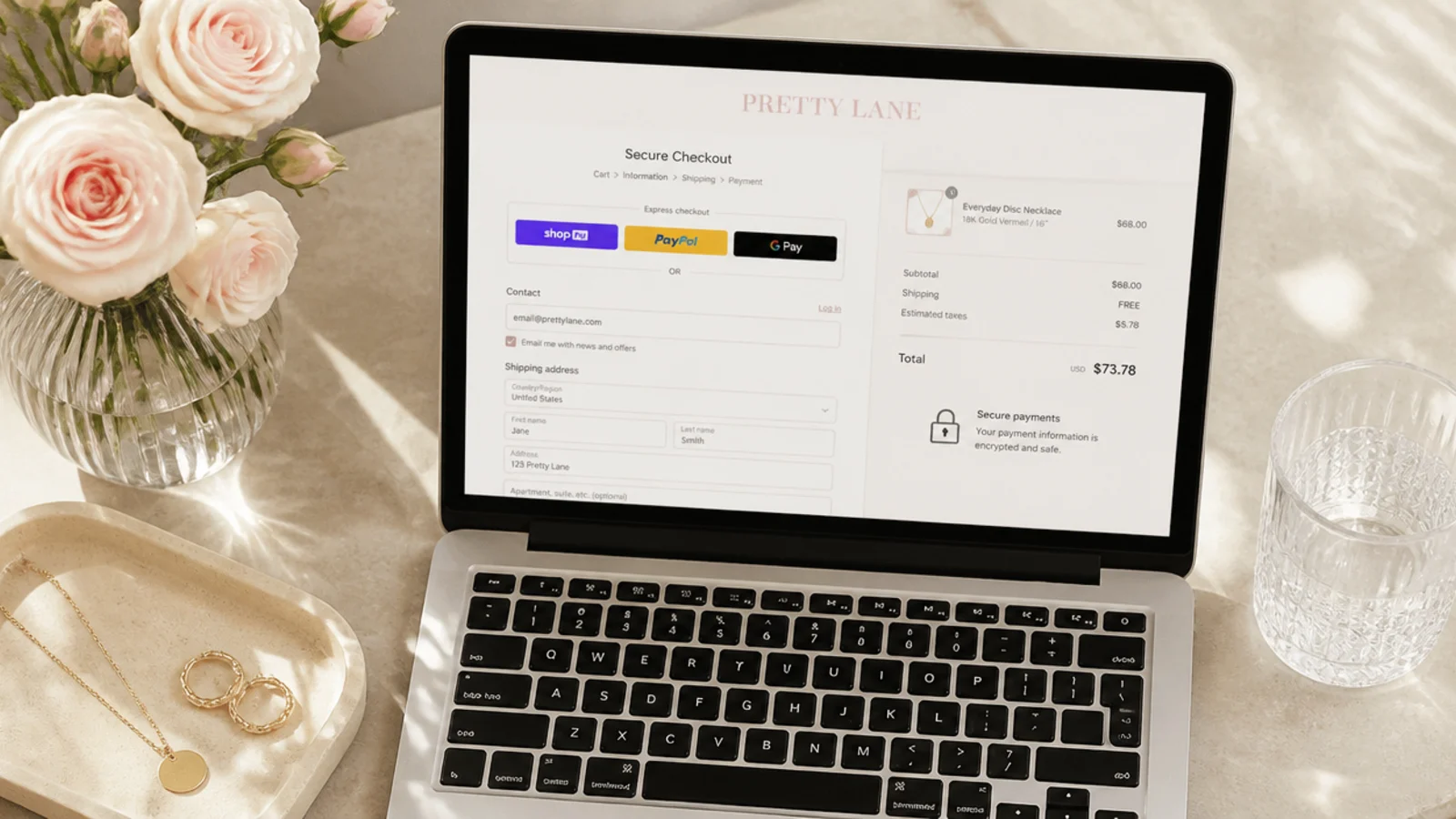
Yes, buying jewelry online is safe when you control three things: the seller, the payment method, and the return path. Buy from an established brand, a jeweler with a physical presence, or a marketplace seller with a long review history and real customer photos, and the risk drops sharply. Pay with a credit card or a protected checkout like PayPal, never a bank transfer or gift card, because a card gives you chargeback rights if the piece never arrives or arrives grossly misdescribed. Confirm a 30-day return window before you pay. The genuine danger online is not hacking; it is a seller who takes your money for gold-plated brass described as gold and then hides behind a final-sale policy. Every step in this guide exists to close that gap. If a deal pressures you to act now, wants payment off-platform, or cannot answer a plain question about the metal, walk away. For where to actually spend, the best jewelry brands roundup vets sellers by tier.
What Hallmarks Should I Look For?
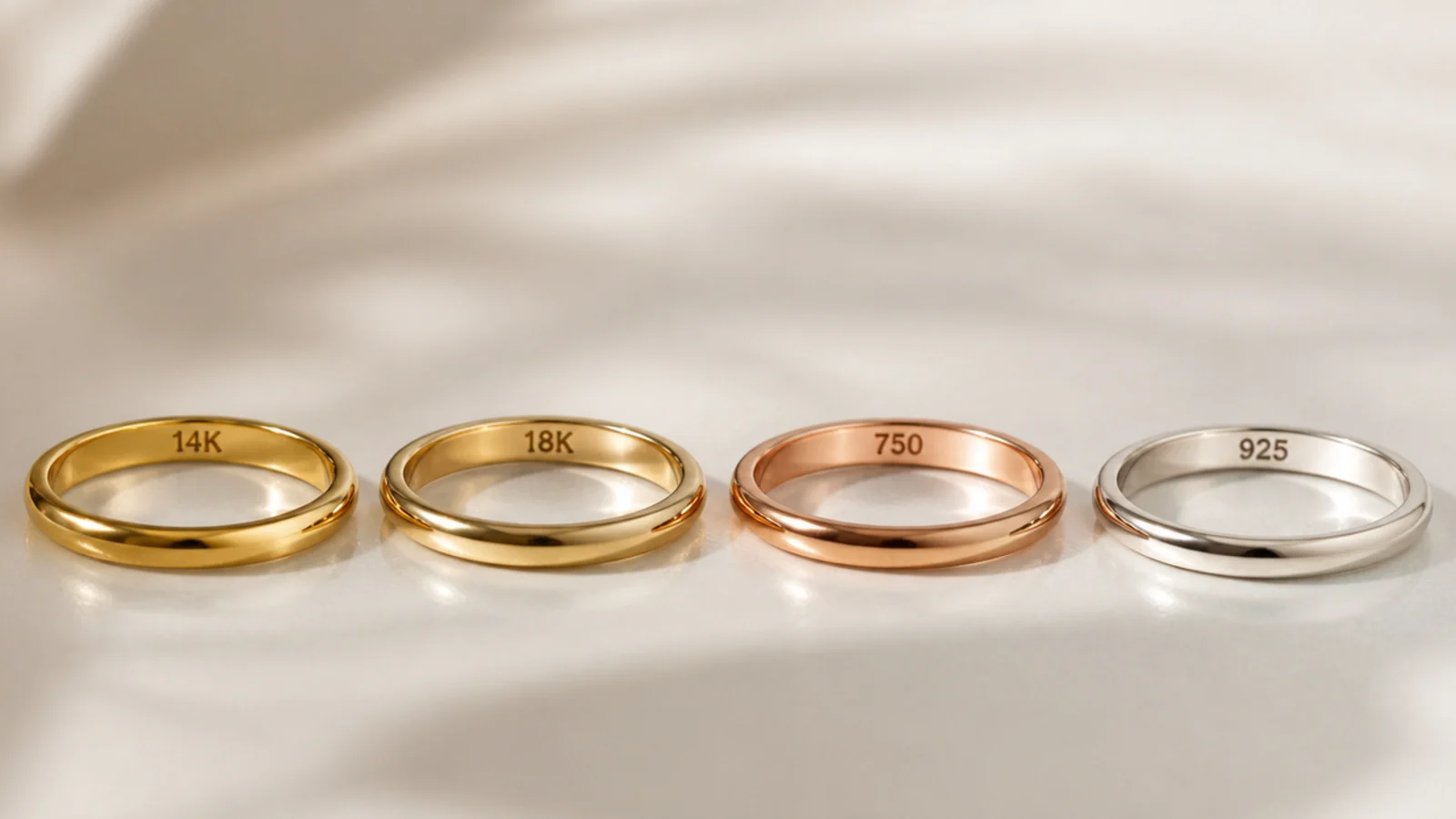
A hallmark is the small stamp that states what a piece is made of, usually inside a ring band, on a necklace clasp, or on an earring post. For gold, the karat marks are 24K or 999 for pure, 18K or 750, 14K or 585, 10K or 417, and 9K or 375; the three-digit number is the parts-per-thousand version of the karat. For silver, 925 or the word sterling means 92.5 percent silver. GF means gold-filled and is often written as a fraction like 14/20 GF; the numbers 1/20 tell you the gold is a twentieth of the total weight. Vermeil may be stamped 925 because its core is sterling, so read the description alongside the stamp. Plated pieces are stamped GP, GEP, or HGE, or carry no karat mark at all. A missing hallmark on something sold as solid gold is the loudest warning sign online, because real gold is legally stamped in most countries. Ask the seller to photograph the stamp; a real one can, a dropshipper cannot.
How to Tell if Online Jewelry Is Real
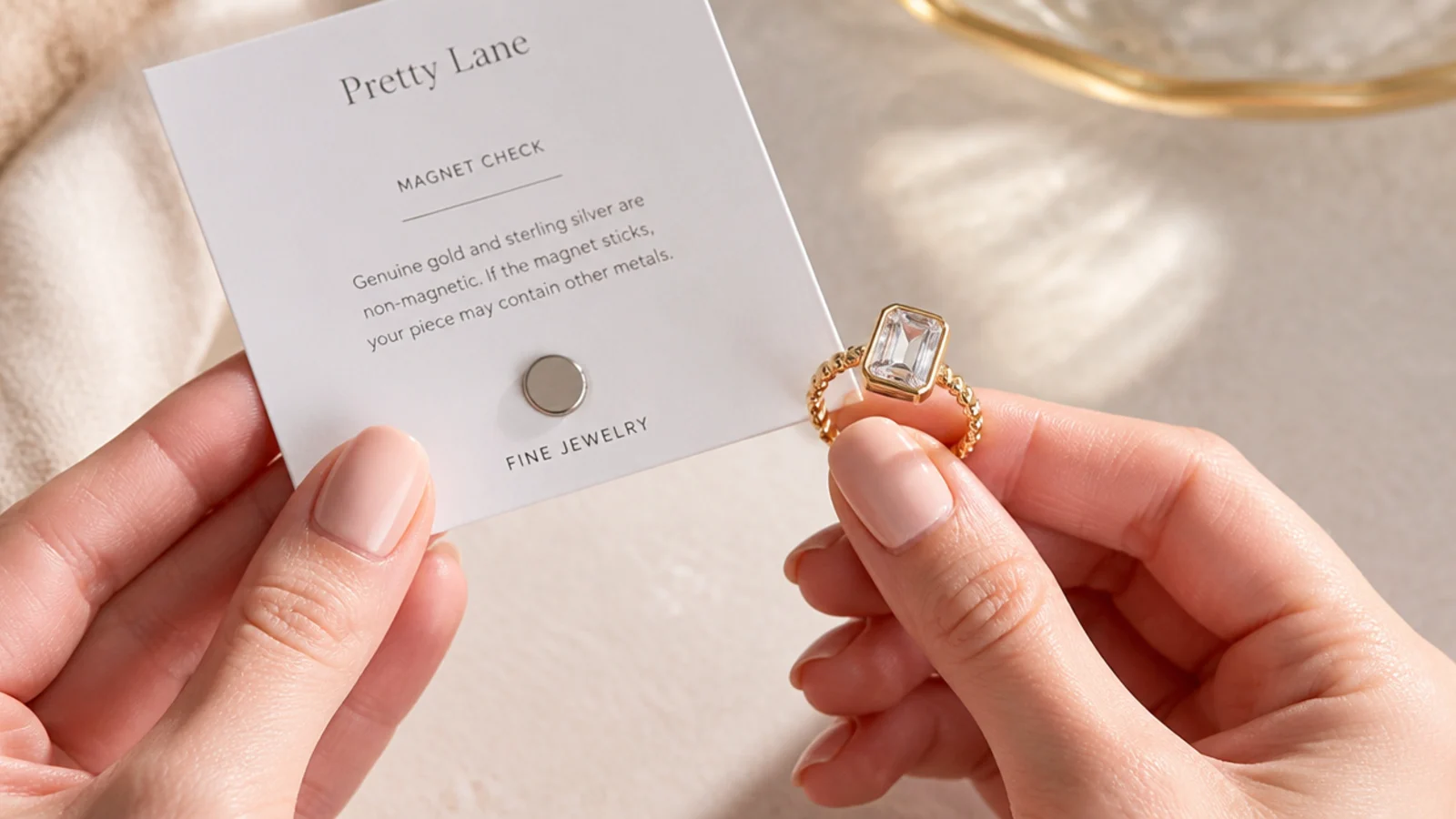
You verify authenticity in two stages: before it ships and after it arrives. Before, you read the hallmark, confirm the listing names a real metal rather than a color, sanity-check the price against the material, and for diamonds match the GIA or IGI report number in the lab's free lookup. After it arrives, a few home checks help. Gold and sterling are not magnetic, so a strong magnet that grabs the piece means a steel or heavily alloyed base under thin plating. Real metal feels heavier than plated hollow pieces of the same size. Sterling silver tarnishes slowly to a dark gray, while a piece that never tarnishes at all may be coated steel. None of these are laboratory-grade, but together with a stated hallmark and an honest listing they are usually enough for demi-fine buying. For a genuinely valuable purchase, a local jeweler will acid-test or XRF-test a piece for a small fee, which is the only definitive answer.
How to Spot a Dropship Listing That Hides the Base Metal
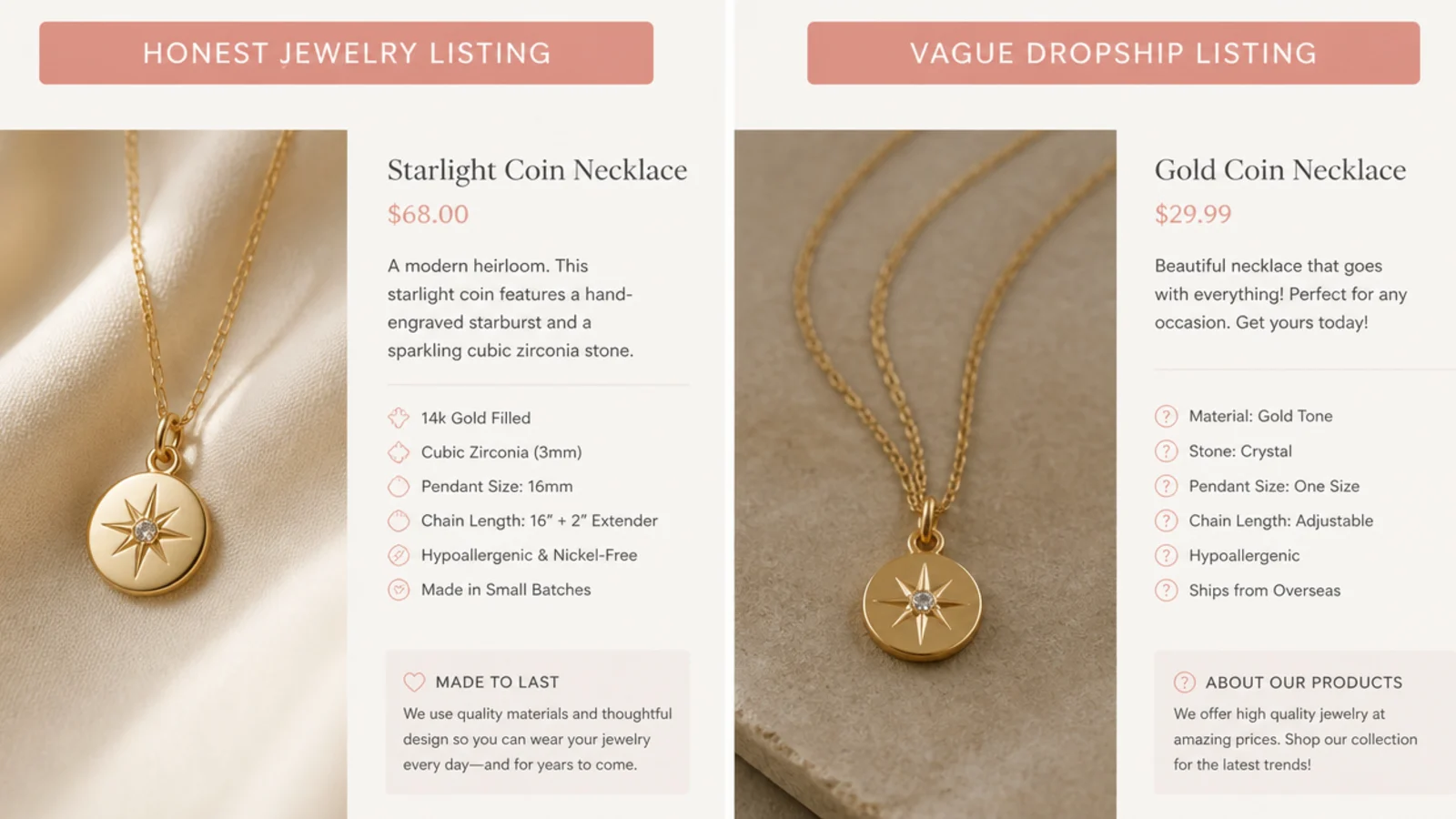
The listings that cause the most regret share a pattern, and once you see it you cannot unsee it. The description talks about color and vibe but never states the core metal; the same product photo appears on a dozen unrelated stores; the price is oddly low for the look; shipping runs three to six weeks from overseas; the brand has no history beyond a few months and no address; and the piece is photographed on a white background at a flattering angle that hides its true scale. Individually each is forgivable. Stacked together they describe a dropshipped, plated-brass piece that will look thinner and duller than the render and may mark your skin. The counter-move is simple: reverse image search the main photo, message the seller for a hallmark and clasp close-up, and read the photo reviews. Honest sellers answer within a day with real images. Dropshippers go quiet, because they never held the piece and cannot produce a photo that a supplier did not already give them.
What to Do When Jewelry Arrives Wrong
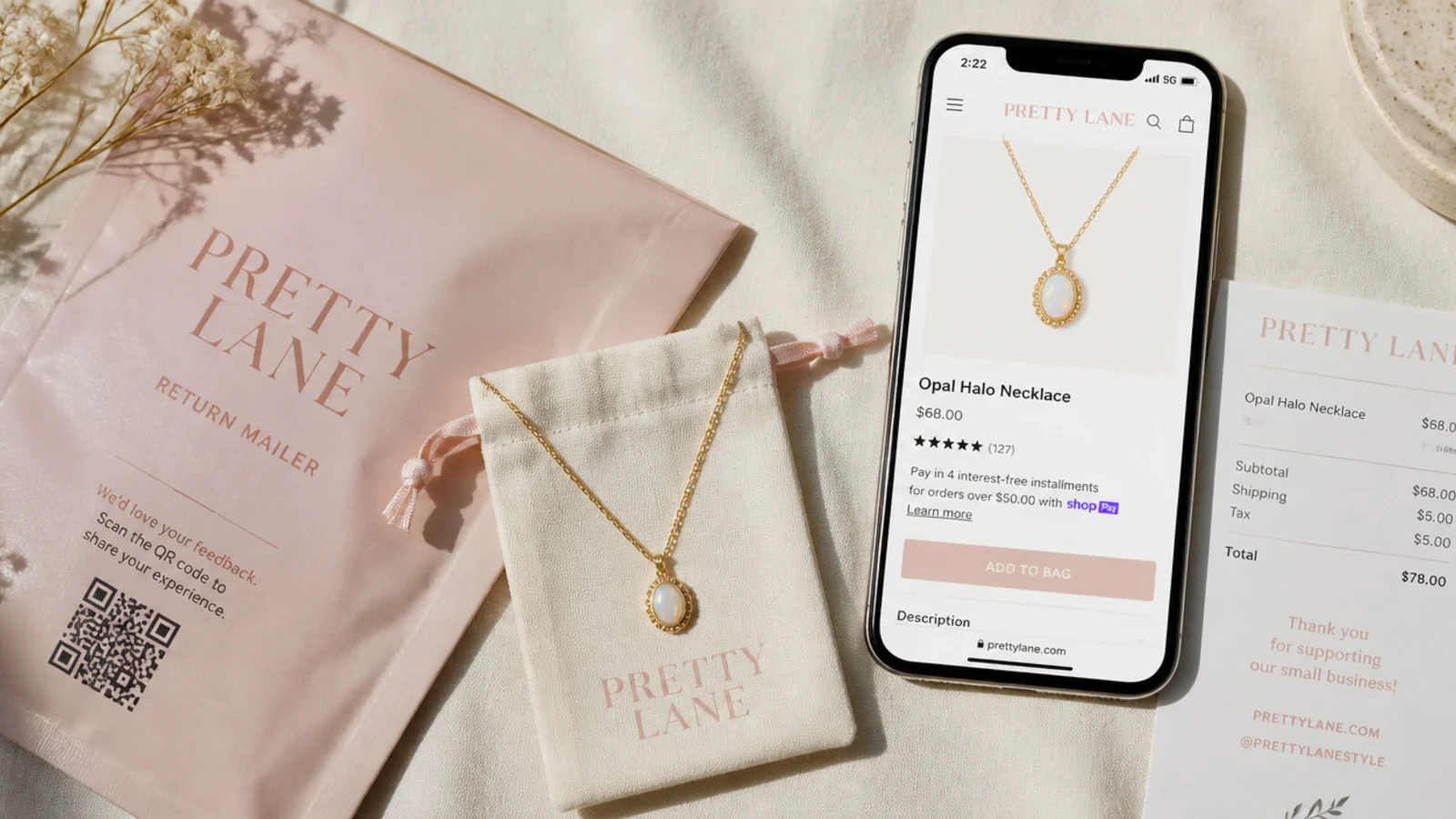
Sort the problem into failure, cause, and fix. If it is too small or too large, the cause is a sizing guess; the fix is a return or resize, so keep the piece unworn with tags on and start the return inside the window. If the color is off, the cause is usually screen warmth rather than a fault, so give it a day in real daylight before deciding, then return if it is genuinely different. If the metal reads wrong, the piece is lighter than described or a magnet grabs it, the cause is a mislabeled base metal; send your ship-day screenshot to the seller and open a return or a card chargeback for item-not-as-described. If it tarnished or marked your skin within weeks, the cause is plated brass on a friction spot; that is a durability limit, not always a defect, and the lesson is to keep the tarnish-prevention routine and move daily rings to solid or gold-filled next time. Always work through the seller first, then the platform, then your card, in that order.
Frequently Asked Questions
Is it safe to buy jewelry online?
Yes, when you buy from an established seller, pay by credit card or a protected checkout for chargeback rights, and confirm a 30-day return window first. The real risk online is not fraud but plated brass sold as gold behind a final-sale policy, so read the material line and the return terms before you look at the price.
How do I know if online jewelry is real?
Check the hallmark, such as 14K, 18K, 750 or 925, and confirm the listing names a real metal rather than a color like gold-tone. For diamonds, match the GIA or IGI report number in the lab's free lookup. On arrival, gold and sterling are not magnetic and feel heavier than plated pieces. For a valuable buy, a jeweler can acid or XRF test it.
What hallmarks should I look for?
For gold, look for 24K, 18K or 750, 14K or 585, 10K or 417. For silver, 925 or the word sterling. GF means gold-filled, often written 14/20 GF. Plated pieces show GP, GEP or HGE, or no karat mark at all. A piece sold as solid gold with no hallmark anywhere is the clearest warning sign, since real gold is legally stamped in most countries.
What are the biggest mistakes to avoid when buying jewelry online?
Buying before reading the return policy, trusting a color word like gold-tone as if it meant gold, guessing your ring size from a string, ignoring that screen color runs warmer than reality, and paying by bank transfer or gift card with no chargeback protection. Also skipping customer photo reviews and buying plated brass for a ring you will wear every day.
Does cheap jewelry always tarnish or turn skin green?
Not always, but plated brass and copper alloys do react with sweat and air once the thin coating wears through, which shows as tarnish or a green skin mark. Where the piece sits matters most: rings and bracelets rub and fail within months, while necklaces and earrings last far longer in the same material. Solid gold and sterling silver are the reliable choices for daily wear.
Do I need to insure jewelry I bought online?
Only above roughly 500 dollars. Standard renters and homeowners policies cap jewelry loss low and may not cover theft without a rider. For a genuinely valuable piece, add a scheduled jewelry rider or a standalone valuable-articles policy at the appraised value, and keep your appraisal, receipt and ship-day screenshots on file as proof of purchase.
Can I return jewelry I bought online?
Usually yes if you act inside the stated window, keep the piece unworn with tags, and check who pays return shipping. Thirty days is the standard to hold out for. Earrings are often exempt from returns for hygiene reasons even at reputable sellers, and marketplace listings may charge restocking fees or refund only to store credit, so read the fine print before buying studs sight unseen.
How can I spot quality jewelry online before it ships?
Read the hallmark, confirm the base metal is named rather than described by color, and price-check it against the material, since gold-filled under about 100 dollars for a substantial piece is suspicious. Ask for a daylight photo at a 45-degree angle plus a clasp close-up. Real sellers reply within a day with the piece in hand; dropshippers cannot, which is the fastest quality filter there is.
Which of these will you check on your next order?
If you remember one thing, make it the hallmark and the base metal: a real stamp plus a stated core metal rules out most of what goes wrong online, and everything else on this list is a second layer of safety. Read the return policy before the price, screenshot the listing on ship day, and keep your daily-wear rings in solid gold or gold-filled rather than plated brass. Do that and buying jewelry online stops being a gamble. Next, price the material honestly with gold vermeil vs gold filled vs plated, find safe value picks in gold jewelry under 50 dollars, or browse the full jewelry hub for what to buy next.