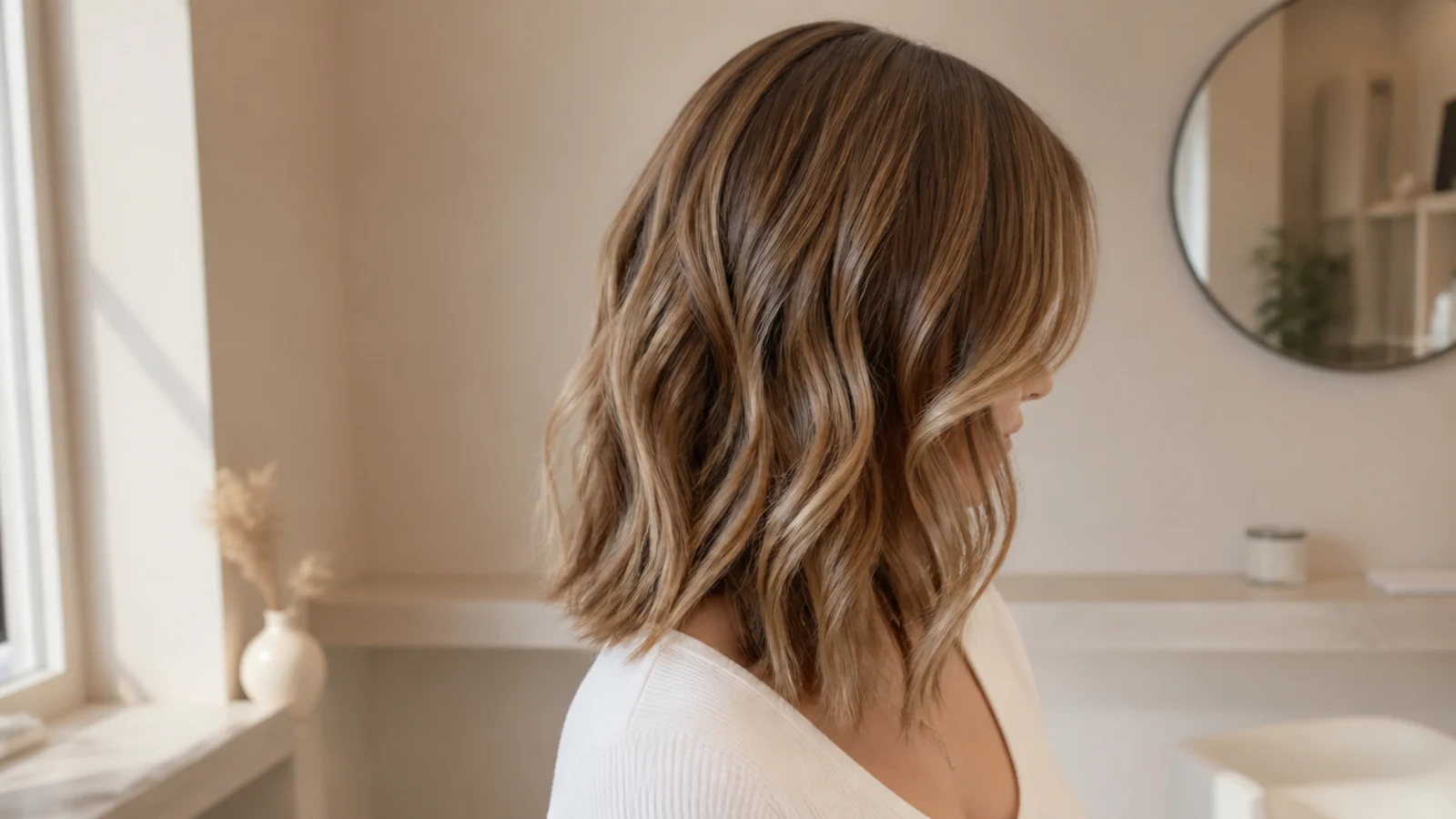
Quick Comparison
| Choppy Layers | Blended Long Layers | |
|---|---|---|
| How the ends are cut | Point cut, slide cut or razored so pieces separate | Cut clean across so the line stays solid |
| Visible effect | Piecey and lived-in, layers read from across the room | Smooth movement, layers are almost invisible |
| Best density | Medium to thick; removes real weight | Any density, including fine and thinning hair |
| Styling product needed | Texture spray plus matte paste, most wash days | Optional; a smoothing cream is usually enough |
| Daily styling time | About 10 to 15 minutes to define the pieces | About 5 minutes, or air dry |
| Trim cadence | Every 8 to 10 weeks to keep the ends sharp | Every 10 to 12 weeks |
| How it grows out | Softens into ordinary layers by week 12 | Grows out almost invisibly |
| Risk if it goes wrong | Sparse, see-through ends that need cutting off | Flat and shapeless, but the length is intact |
| Ask-for wording | Choppy point-cut ends, visible separation | Long invisible layers, keep the perimeter strong |
1. Choppy Collarbone Cut With Long Invisible Layers

The most wearable version. The perimeter sits right on the collarbone, the interior layers start below the ear so nothing sits short on top, and the ends are point cut about half an inch deep so they separate rather than sit blunt. From the front it reads as one length. In motion it splits into pieces. This is the choppy cut to ask for if you want movement without committing to a shag, and it is the safest starting point on a first appointment. See the full range in mid length haircut layers.
Who it suits: Medium density straight or wavy hair, any face shape, first-timers.
Tip: Say long invisible layers with choppy point-cut ends, keep the perimeter at the collarbone.
2. Choppy Mid Length Shag With Curtain Bangs
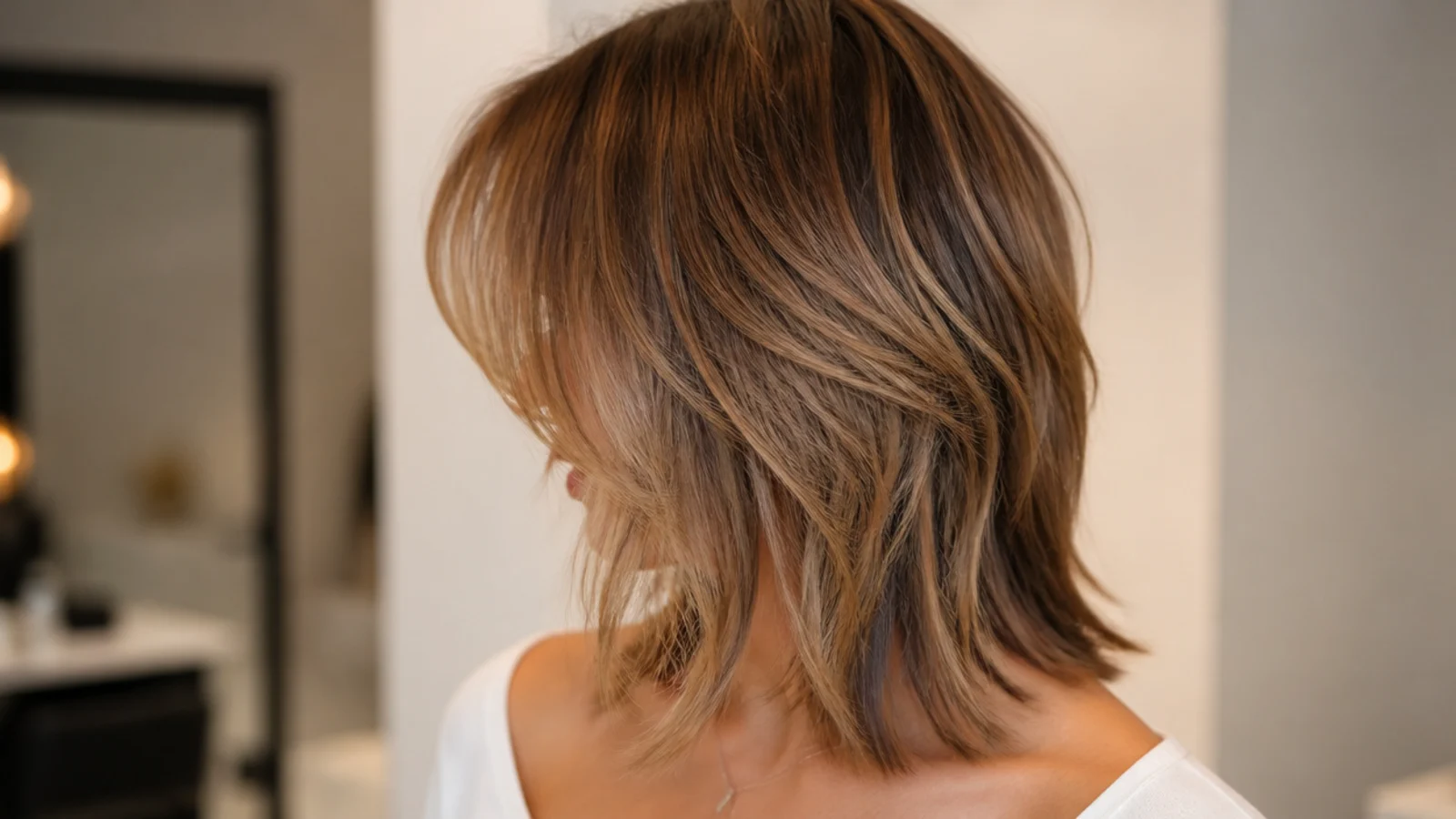
The full seventies silhouette scaled to mid length. Layers stack from the cheekbone down, the crown carries the most volume, and curtain bangs split from a center part and sweep to about the cheekbone. The ends everywhere are choppy, so the stacked shape never looks like a helmet. This is the highest-drama cut on the list and it needs product every single wash day, so treat it as a styling commitment rather than a wash-and-go. Bang detail lives in mid length haircut curtain bangs.
Who it suits: Medium to thick 2A to 2C waves, oval and long faces.
Tip: Ask for the shortest crown layer no higher than the top of the ear or the crown will puff.
3. Point-Cut Choppy Lob for Fine Straight Hair
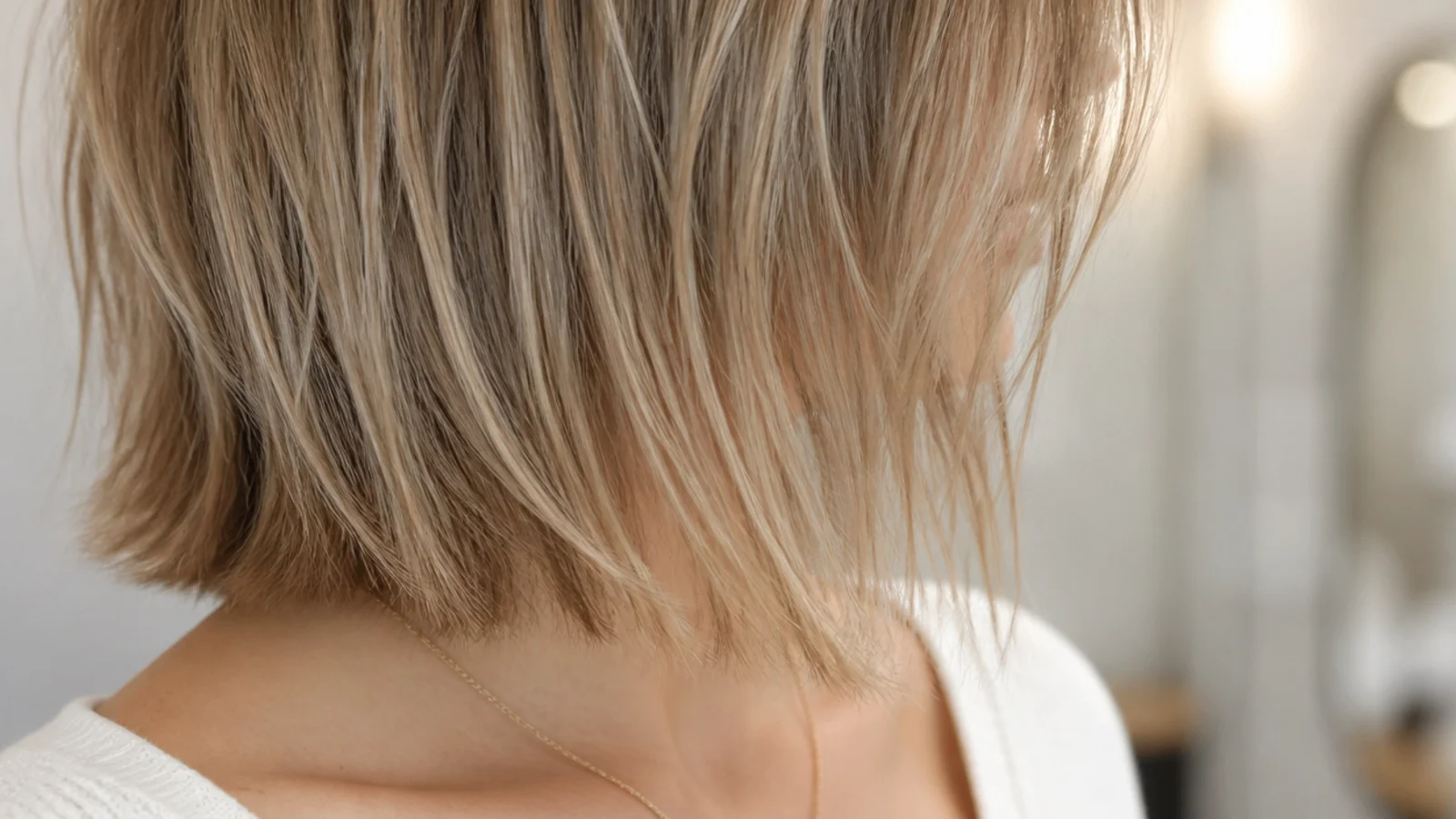
Fine hair and choppy layers fight each other, so this version keeps the perimeter almost blunt and puts the entire choppy effect in the last inch of the ends. One pass of shallow point cutting, roughly a quarter inch deep, is enough to break the line. No interior layers above the jaw, no thinning shears, no razor. The result reads thicker at the perimeter than a fully layered cut while still moving. Anything more aggressive and the ends go see-through by week six. More at straight mid length haircut.
Who it suits: Fine straight hair, low density, anyone whose ends already look thin.
Tip: Say shallow point cutting on the perimeter only, no thinning shears anywhere.
4. Razored Choppy Layers for Thick Coarse Hair

Thick, coarse hair holds a heavy triangle at mid length unless weight comes out of the bottom third. A razor tapers each section to a fine point instead of cutting it flat, which removes bulk and creates separation in one movement. Expect the stylist to work on damp hair with a guarded razor, and expect a noticeably lighter feel. The trade-off is that razored ends fray faster on coarse hair, so this cut needs a trim closer to 8 weeks than 12. Not for anyone with chemically damaged ends.
Who it suits: Dense, coarse, straight to wavy hair that goes wide at the shoulders.
Tip: Ask for razored ends on the bottom third only, keep the interior scissor cut.
5. Choppy Mid Length Wolf Cut
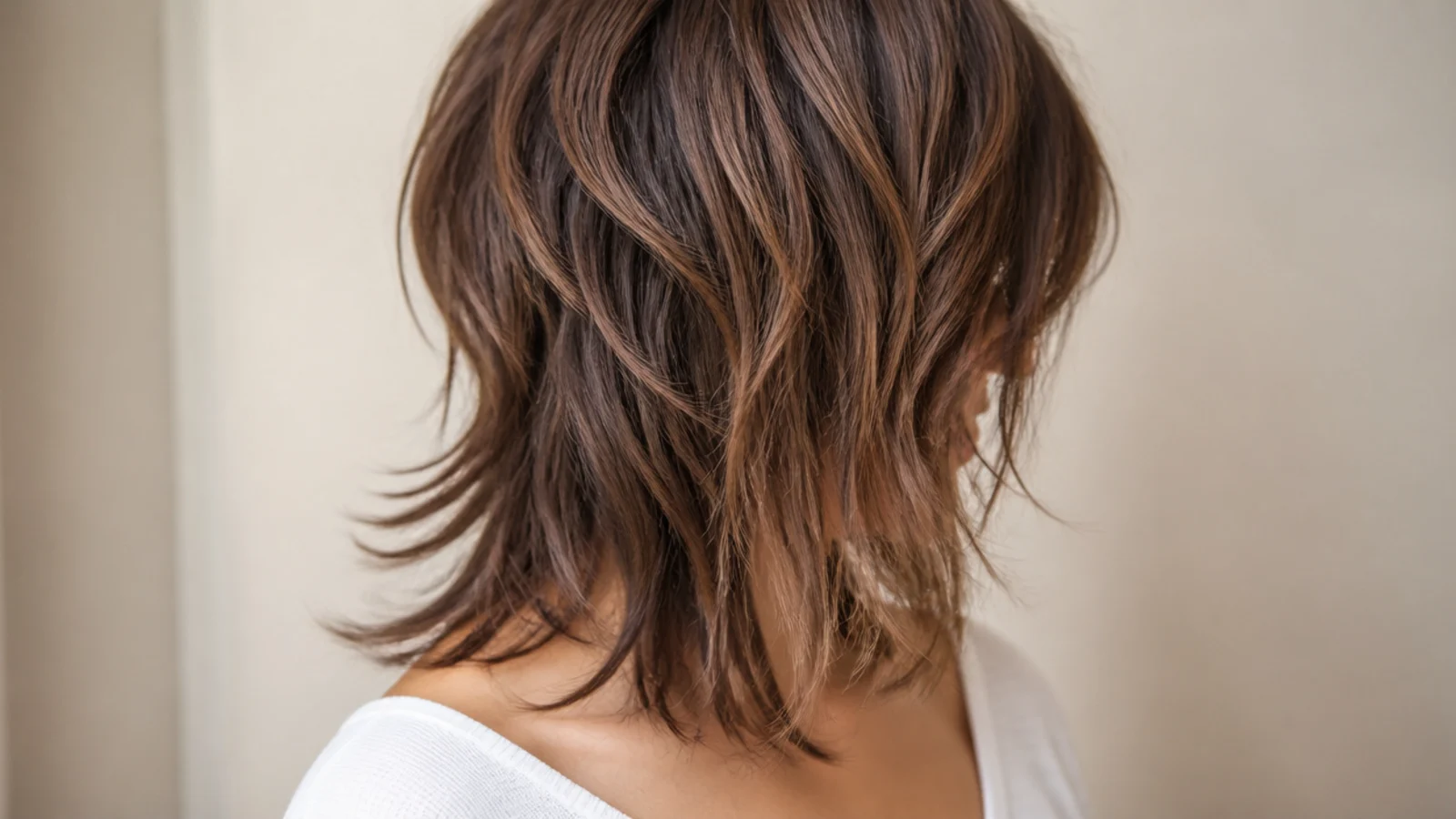
A wolf cut is a shag with disconnection, meaning the top layers do not blend smoothly into the length. The crown sits somewhere near chin length, the perimeter stays just below the shoulder, and the gap between them is left visible on purpose. The choppy ends are what stop the disconnection reading as a mullet. It is the boldest cut here and the hardest to reverse, since the short crown needs roughly six to nine months to reach the perimeter again.
Who it suits: Thick straight or wavy hair, people who style daily, ages under about 35 aesthetically.
Tip: Say disconnected crown at chin length, perimeter below the shoulder, choppy ends throughout.
6. Choppy Butterfly Cut at Collarbone Length
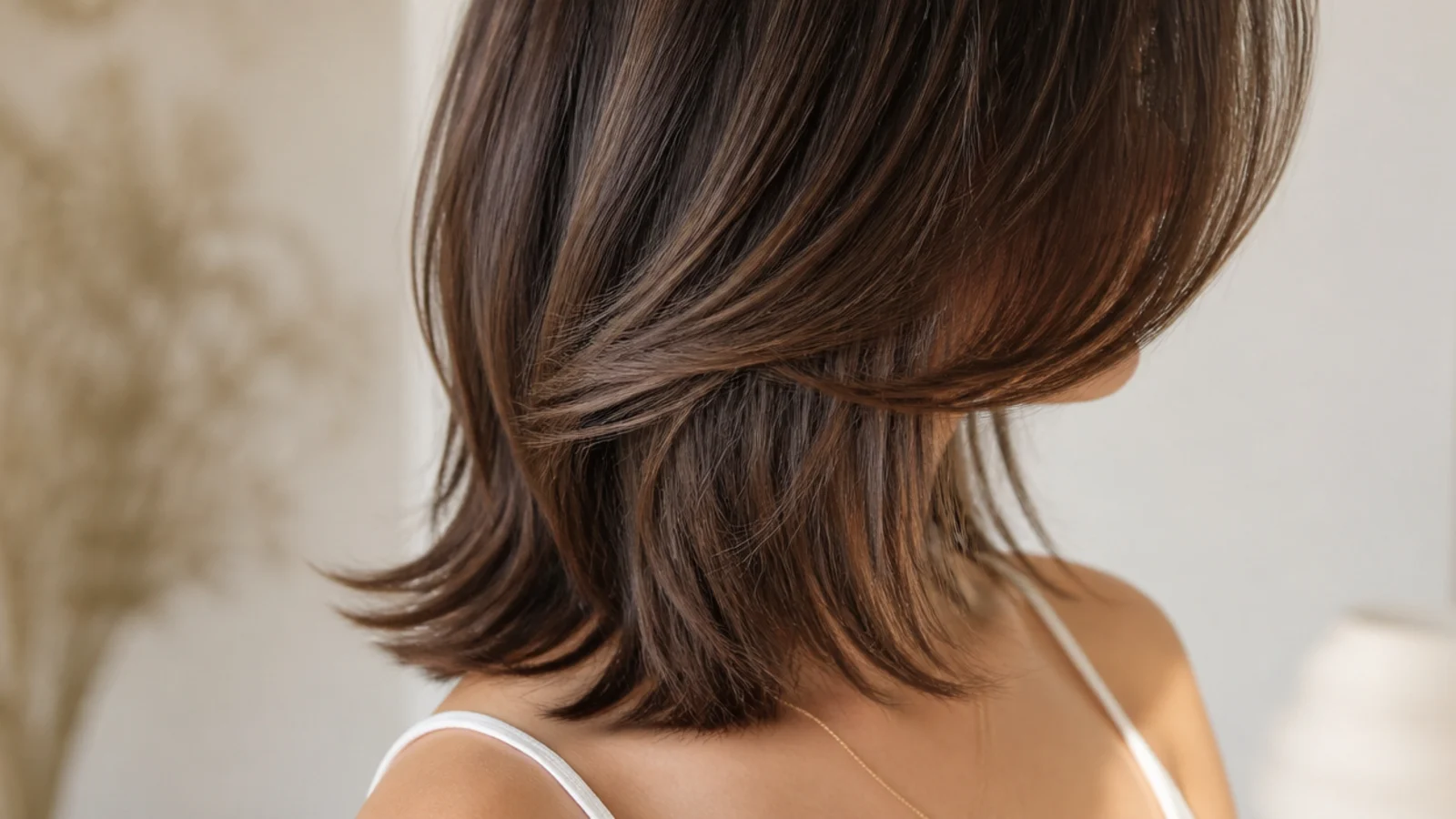
The butterfly cut fakes short hair from the front and keeps length at the back. Front layers land around the chin, blend downward, and the perimeter stays at the collarbone, so when you curl it the shape looks like a bob layered over long hair. Choppy ends on the front pieces keep them from looking like grown-out bangs. Unlike the wolf cut, everything is blended, which is what makes it forgiving. It grows out cleanly, which is why it stays on the hair trends I tried list.
Who it suits: Medium to thick hair, round and heart faces, people who use a curling iron.
Tip: Ask for the shortest front layer at the chin, blended, not disconnected.
7. Choppy Face-Framing Layers Starting at the Jaw

The single highest-impact detail on this list. Face-framing pieces that begin at the jaw open up the face without shortening the overall length, and cutting them choppy rather than in a smooth sweep keeps them from looking like a nineties flick. Chin-start is more dramatic and reads closer to bangs. Cheekbone-start is bolder still and needs styling. Jaw-start is the version that suits nearly everyone and grows out without an awkward stage. Pair it with a money piece if you want it to show more.
Who it suits: Every face shape and every texture, including fine hair.
Tip: Say face-framing starting at the jaw, point cut, connected to the length behind.
8. Choppy Mid Length Cut With Wispy Bangs

Wispy bangs are the lowest-commitment fringe there is: a thin section taken from a shallow triangle at the front hairline, cut to the eyebrow, then point cut heavily so light shows through. On a choppy mid length cut they tie the whole look together, because the fringe texture matches the end texture. They also grow out in about eight weeks into face-framing pieces rather than into an awkward curtain. Budget a bang trim every three to four weeks, usually free at the salon that cut them.
Who it suits: Straight to lightly wavy hair, long and oval faces, fringe beginners.
Tip: Say a shallow triangle section only, cut to the brow, heavily point cut for see-through.
9. Beachy Choppy Waves Just Below the Shoulder
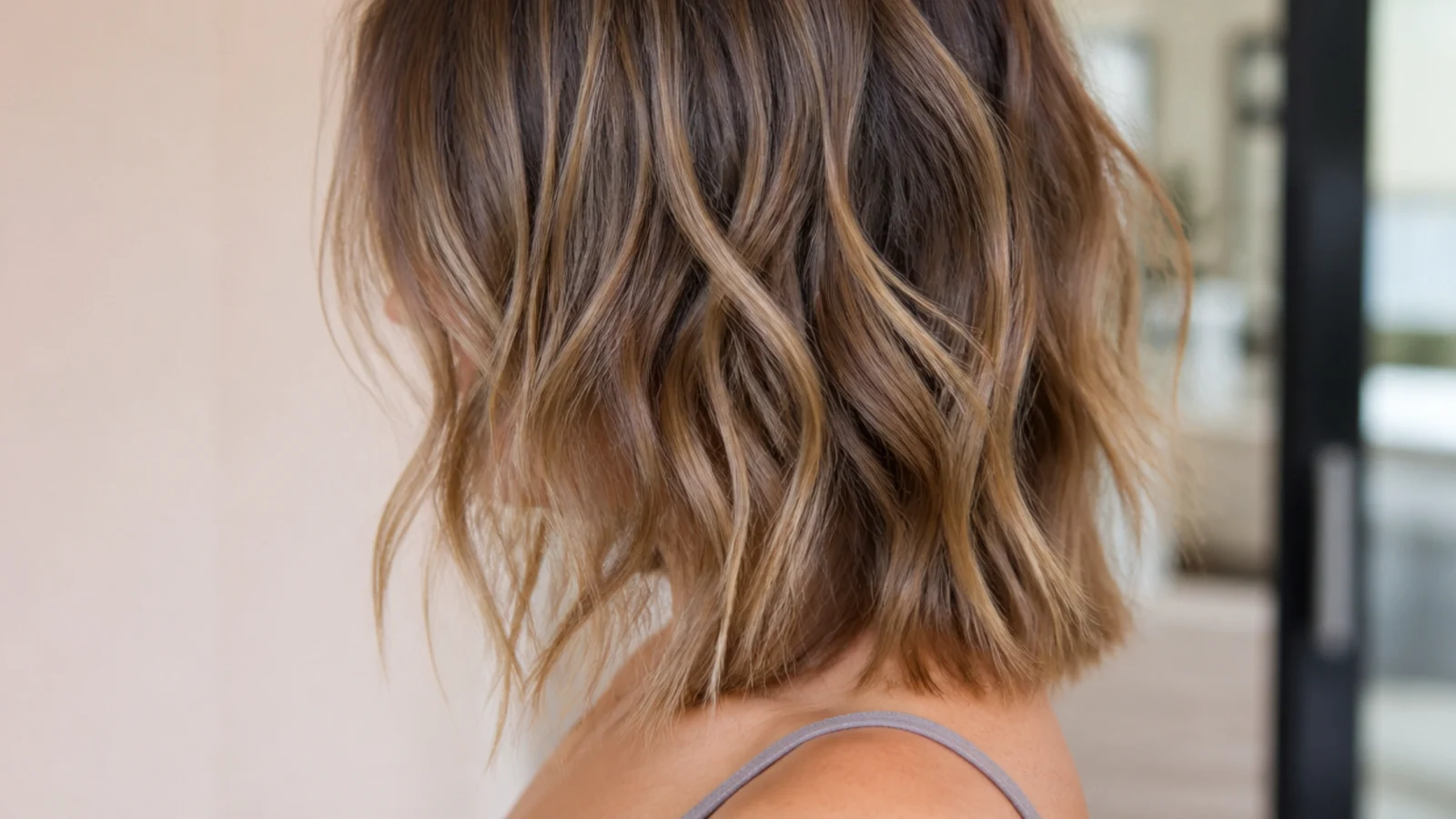
The cut is simple: perimeter an inch below the shoulder, long layers starting at the collarbone, ends point cut deeply so the wave breaks into pieces. The styling is the point. Rough dry to eighty percent, mist a salt spray through the mid lengths only, scrunch, then break the ends apart with a pea of matte paste. It is the easiest choppy cut to live with because the shape actually improves on day two hair. Styling steps are in beach hairstyles.
Who it suits: 2A to 2C waves and straight hair that takes a curl.
Tip: Keep salt spray off the roots or the shape goes flat and gritty at the crown.
10. Asymmetrical Choppy Mid Length Cut

One side sits shorter than the other, usually by about an inch and a half, with the longer side falling past the collarbone. Choppy ends make the imbalance read as intentional design rather than a bad cut. It draws a diagonal line across the face, which is why it sharpens round and square jawlines so effectively. The catch is that it locks in your part: switch sides and the asymmetry looks like a mistake, so decide the part first and cut to it.
Who it suits: Round and square faces, straight to wavy hair, committed side parts.
Tip: Ask for an inch to an inch and a half of drop, measured with the head level, not tilted.
11. Choppy Layers on 2B Waves
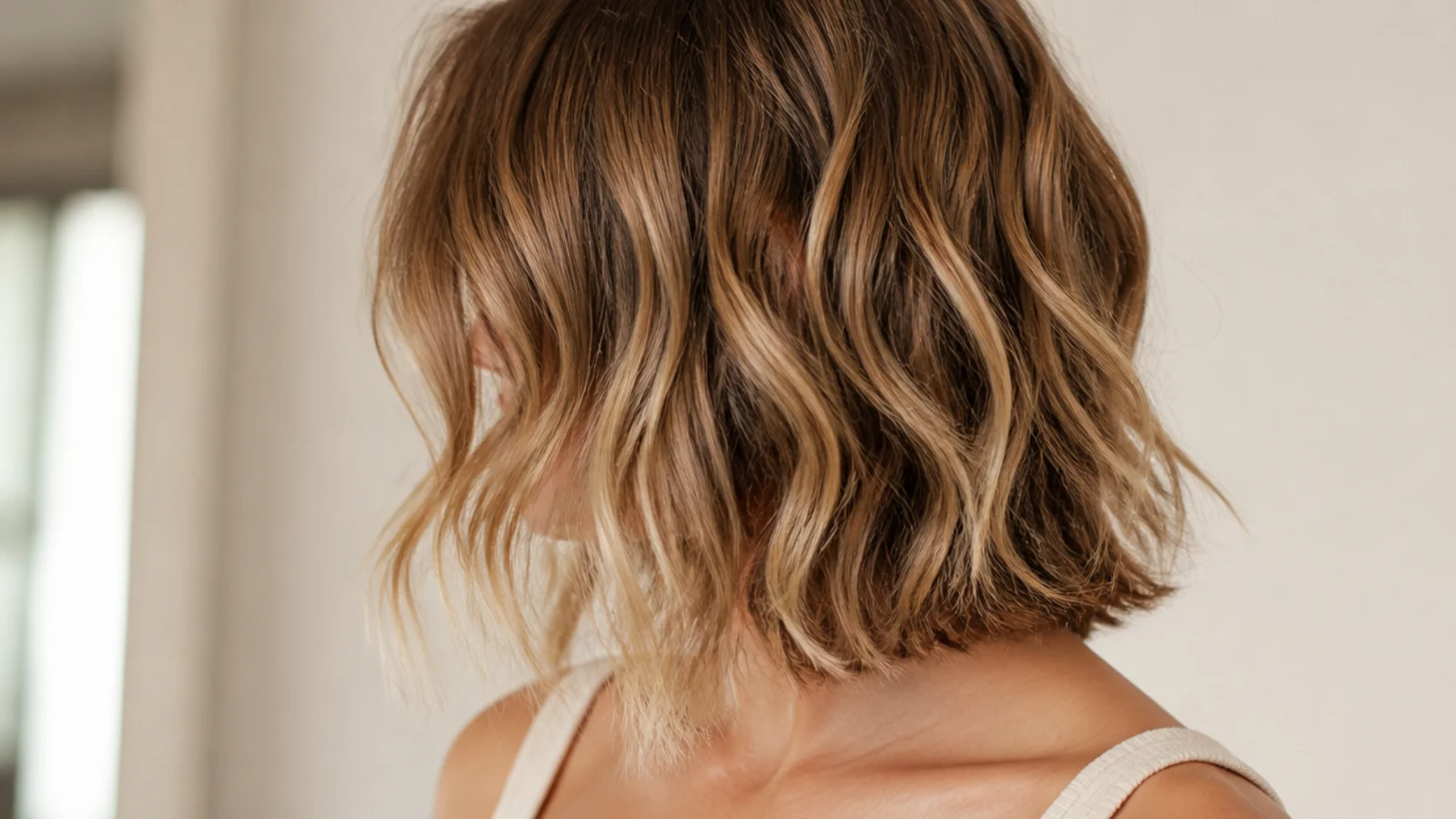
2B hair forms a clear S bend from the mid lengths down and goes triangular fast at mid length. The fix is choppy layers that remove weight from the sides while leaving the crown alone, since 2B roots are usually flat already. Ask for the shortest layer no higher than the jaw and for the ends to be point cut into the wave pattern rather than straight across. Cut on damp, not soaking, hair. More texture-specific detail sits in wavy mid length haircut.
Who it suits: 2B waves with flat roots and widening sides.
Tip: Say remove weight from the sides, leave the crown heavy, shortest layer at the jaw.
12. Dry-Cut Choppy Layers on 3A Curls

Curly hair should be cut dry, curl by curl, so the length lands where you actually see it once it springs. Wet-cut 3A curls routinely finish two to three inches shorter than expected. Choppy on curls does not mean point cutting across a section, it means carving individual curl clumps at different lengths so they nest instead of stacking into a triangle. Ask specifically for a dry cut and expect it to take longer and cost more. Full guidance in curly mid length haircut.
Who it suits: 3A and 3B curls at collarbone length or longer.
Tip: Book a stylist who lists dry cutting by name, and arrive with curls styled as you normally wear them.
13. Choppy Layers With a Blunt Collarbone Perimeter

An inversion of the usual formula. The bottom line is cut blunt and heavy so the hair looks dense from behind, and all the choppiness lives in the interior, invisible until the hair moves. This is the version for anyone who loves the idea of choppy layers but does not want thin-looking ends, and it is the single best compromise for medium density hair. It also photographs as a much more expensive haircut than a fully choppy one, since the strong perimeter reads as health.
Who it suits: Medium density hair, corporate settings, anyone protective of their ends.
Tip: Say blunt perimeter, choppy interior only, and ask them not to point cut the bottom line.
14. Choppy Mid Length Cut With Balayage to Show the Layers
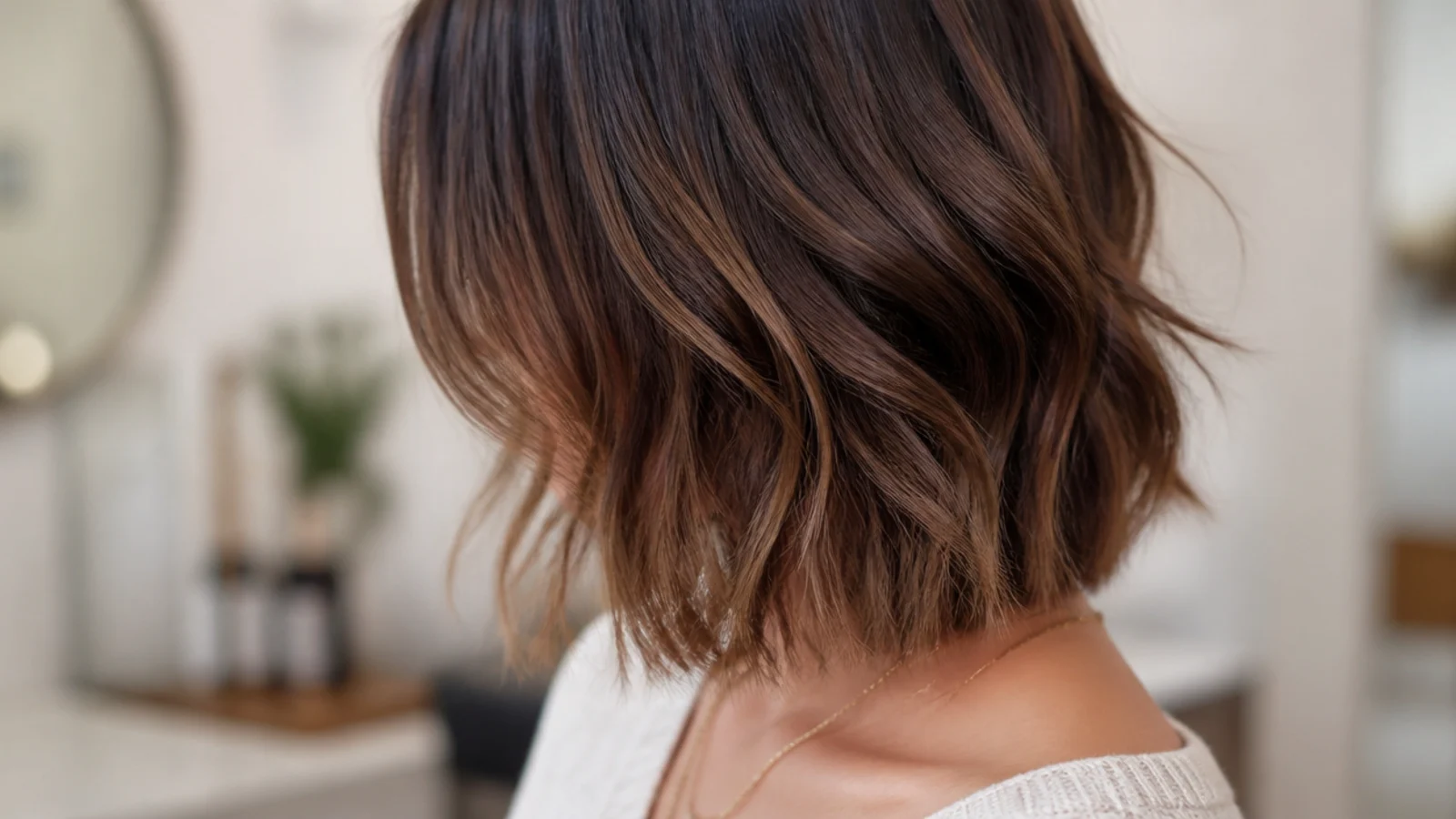
Choppy layers are invisible on a single flat color, especially dark brown and black. Balayage placed through the mid lengths and ends creates the contrast that makes the separation legible from across a room. Ask the colorist to paint after the cut, not before, so the lightness follows the actual layer lines. Two to three levels of lift is enough. Any more and the cut disappears behind the color instead. Placement ideas are in balayage brunette.
Who it suits: Dark hair where the layers currently vanish, anyone already coloring.
Tip: Book the cut and color in the same appointment, cut first, and say paint to the layers.
15. Middle-Part Choppy Mid Length Cut
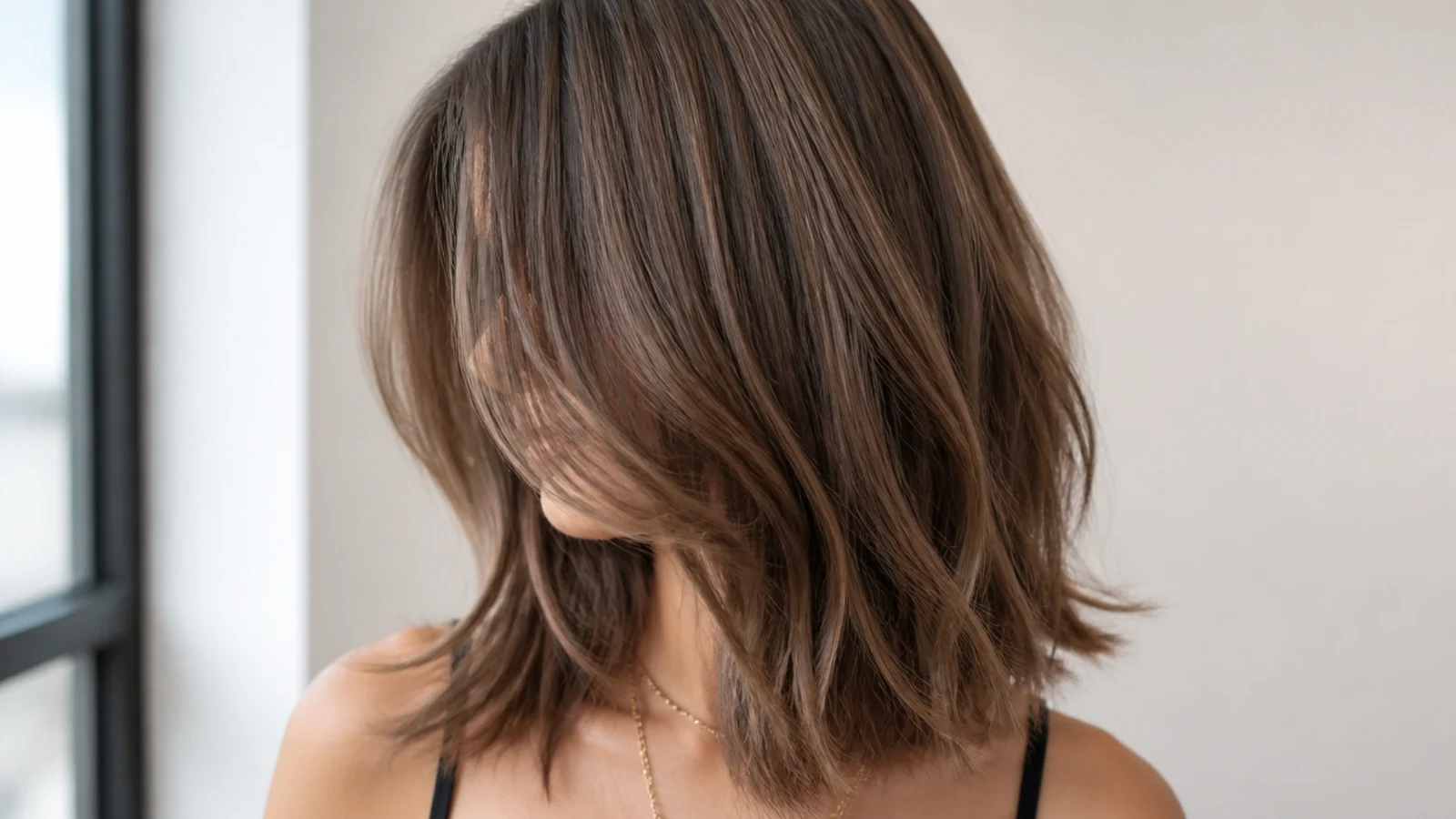
A center part with choppy face-framing on both sides is the current default look, and it works because the two shortest pieces frame the face symmetrically like an open curtain. It suits oval and heart faces immediately. On round faces it needs the framing pieces to start below the jaw or it widens the face. The upkeep is real: a center part exposes the root area, so this version needs dry shampoo by day two on most hair types.
Who it suits: Oval, heart and long faces, straight to wavy hair.
Tip: Train the part with a clip on damp hair for ten minutes before drying, not with heat.
16. Deep-Side-Part Choppy Mid Length Cut
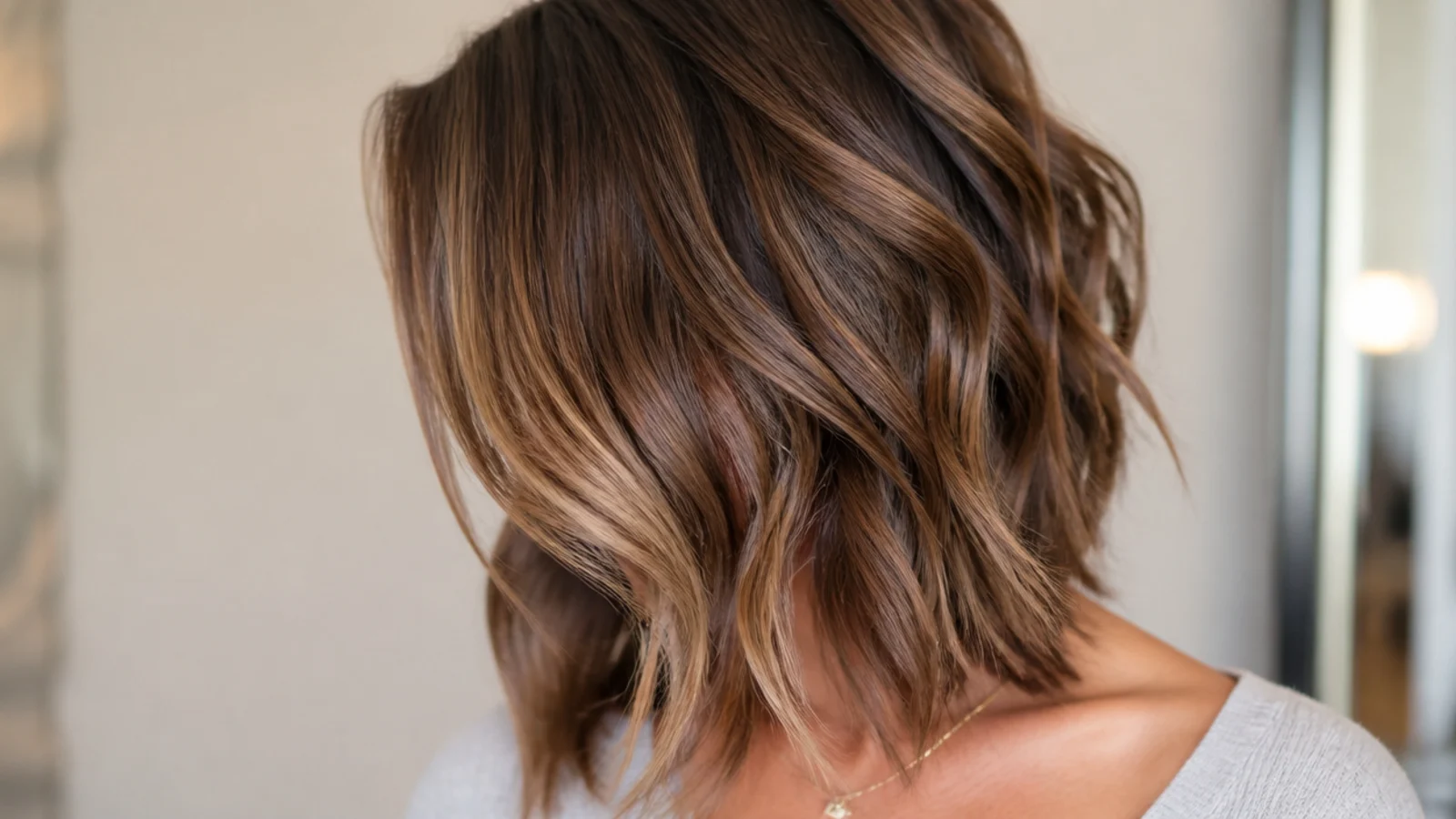
Parting deep, roughly above the outer edge of the eyebrow, pushes a whole panel of hair across the head and creates crown volume that a center part cannot. On a choppy cut it also throws one long sweeping front piece across the face, which is quietly the most flattering line available for a square jaw or a wide forehead. It is the volume trick for fine hair, since the redirected root lift is mechanical rather than product-dependent. Related fine hair tactics are in how to style short fine hair.
Who it suits: Fine hair needing root lift, square and heart faces.
Tip: Ask for the front section cut slightly longer on the heavy side so the sweep has weight.
17. Choppy Mid Length Cut for a Round Face

The rule for round faces is simple: nothing short and nothing wide at the cheekbone. Keep the perimeter at or below the collarbone, start every layer below the jawline, and let the choppy ends fall vertically rather than flicking out. Face-framing should begin at the jaw or lower so it draws a long line down the cheek. Avoid a blunt chin-length flick and avoid heavy crown volume, both of which shorten the face. A deep side part helps further.
Who it suits: Round and full faces at any hair density.
Tip: Say no layers above the jaw and keep the ends falling down, not flicked outward.
18. Choppy Mid Length Cut for a Square Jawline
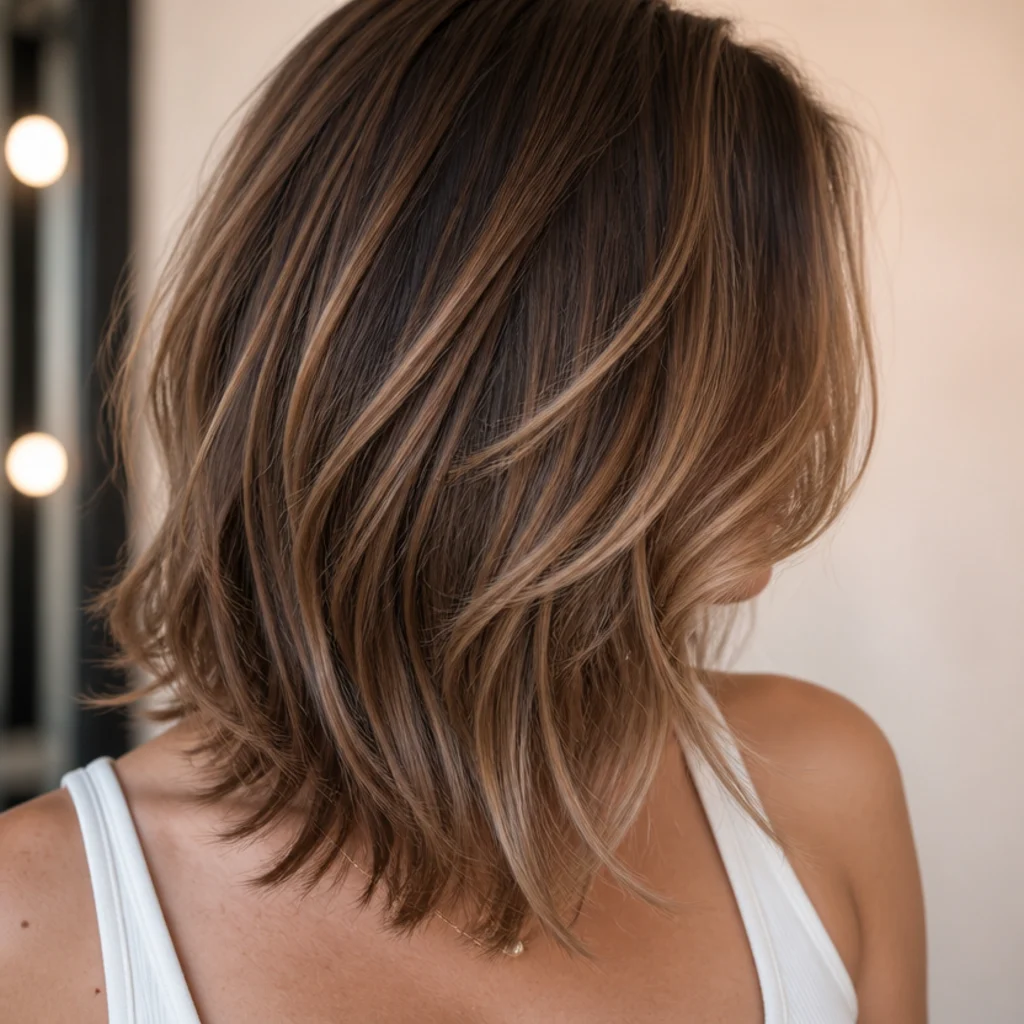
A square jaw wants softness exactly where the corners are. That means choppy face-framing pieces cut on a curve that passes over the jaw rather than stopping at it, with the shortest point around the cheekbone and the sweep continuing past the chin. The perimeter should sit below the shoulder so the eye keeps traveling down. Avoid a blunt jaw-length line, which mirrors the jaw and doubles it. Soft waves through the ends do more than any layer placement here.
Who it suits: Square and rectangular faces, medium to thick hair.
Tip: Ask for curved face-framing that passes the jaw, never a horizontal line at jaw level.
19. Choppy Mid Length Cut With a Money Piece
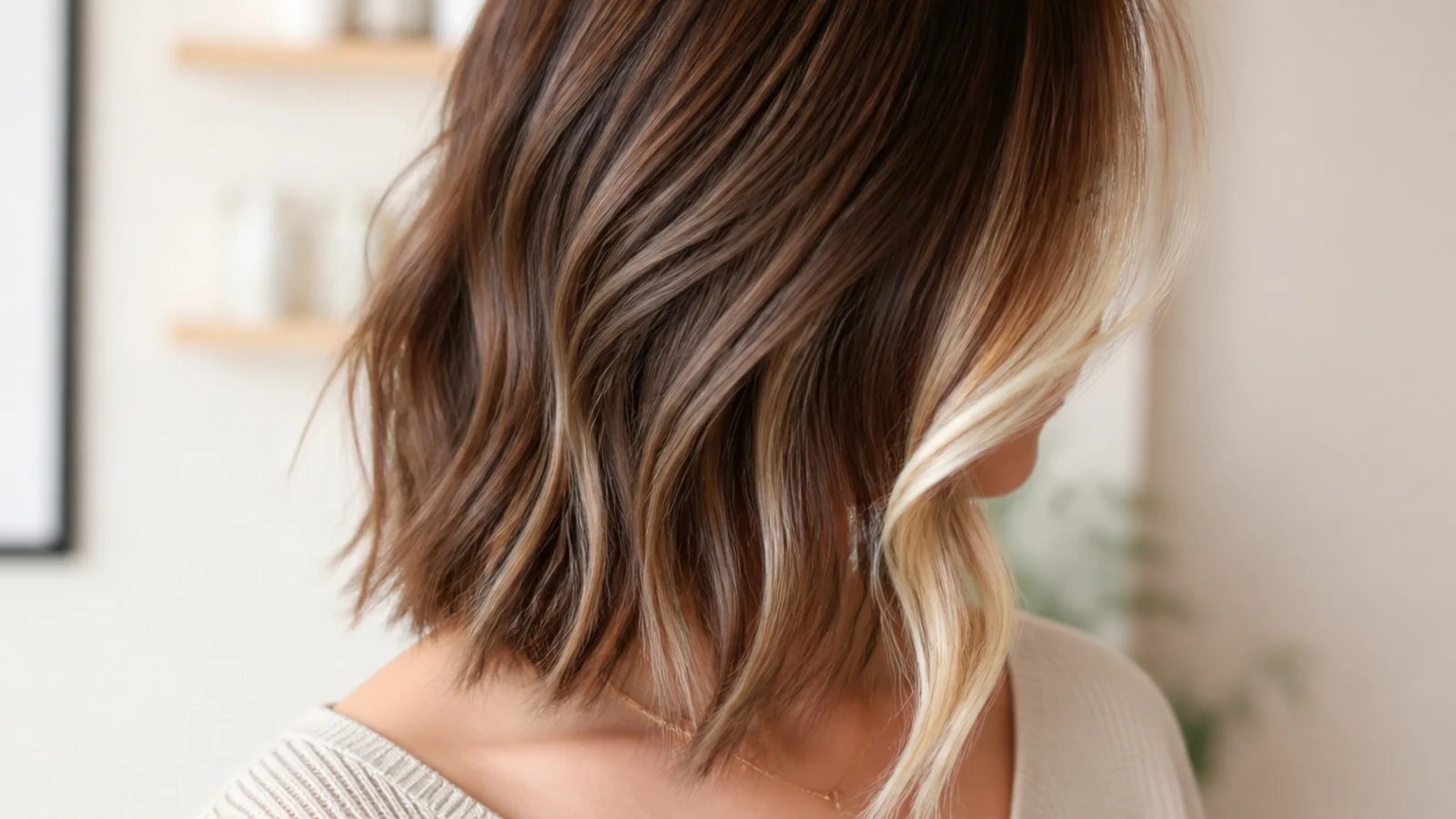
A money piece lightens only the two front sections that sit against the face, and on a choppy cut it doubles as a highlighter for the face-framing layers. Because the front pieces are already the shortest, the brightness sits at eye level where it does the most work. Keep the lift to two or three levels for a natural version, or go full contrast if the rest is dark. It is also the cheapest color service that changes a haircut. Options in chunky money piece hair.
Who it suits: Anyone with jaw-start face framing who wants color impact without a full head.
Tip: Ask for the brightness to start at the jaw, matching where the framing layer starts.
20. Grown-Out Choppy Mid Length Cut at Twelve Weeks

Worth saving as a reference photo, because this is what you will actually be wearing most of the time. At twelve weeks the point-cut ends have softened, the layers have dropped roughly an inch and a half, and the whole shape reads as gentle long layers rather than choppy. Some people prefer it here. If you do, book at 12 weeks instead of 8 and ask for a dusting of the ends only. If you want the sharp version back, the ends need recutting, not just a length trim.
Who it suits: Anyone budgeting salon visits, and low-maintenance wearers.
Tip: Say re-texture the ends, do not take length, if you are happy with where it sits.
What Counts as a Choppy Mid Length Haircut
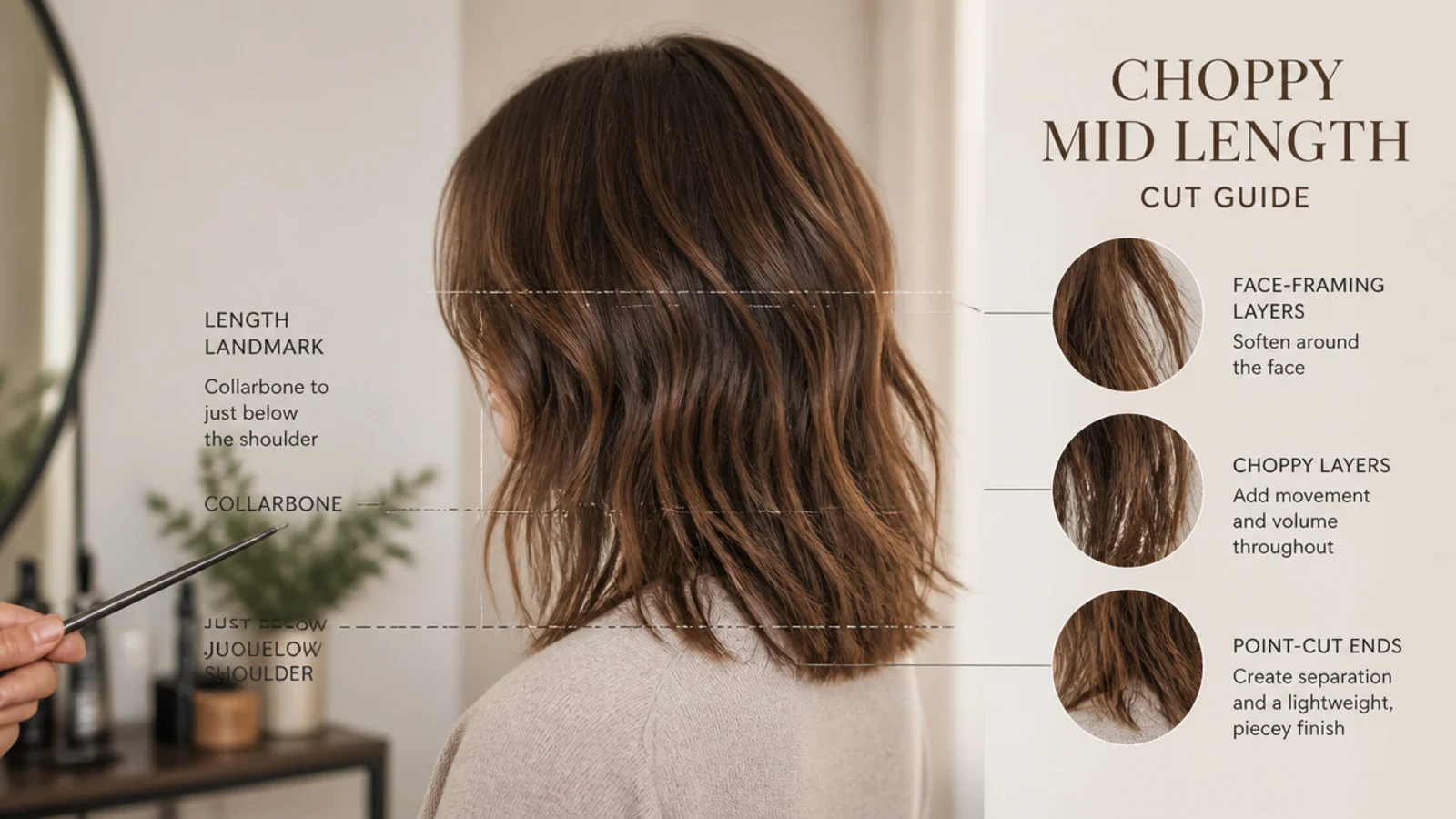
Two words are doing work here, and both need pinning down. Mid length means the perimeter falls somewhere between the collarbone and about an inch below the shoulder. Name the landmark, not the word medium, because medium means a different thing on a 5 foot 2 frame than on a 5 foot 9 one, while the collarbone is in the same place relative to your face on both. Choppy describes how the ends are cut, not how much length is removed. In a choppy cut the stylist cuts into the hair vertically, using point cutting, slide cutting or a razor, so each section finishes at slightly different lengths and the pieces separate as they fall. A blunt cut finishes flat, a layered cut can still finish flat at every layer, and a choppy cut deliberately does not. That is the whole distinction. You can have choppy ends with no interior layers at all, and you can have deep layers with entirely blunt ends. Most of the confusion on this topic comes from treating those as the same decision. Start from the mid length haircut guide if you are still choosing a length.
Choppy vs Textured vs Razored vs Point-Cut vs Shaggy
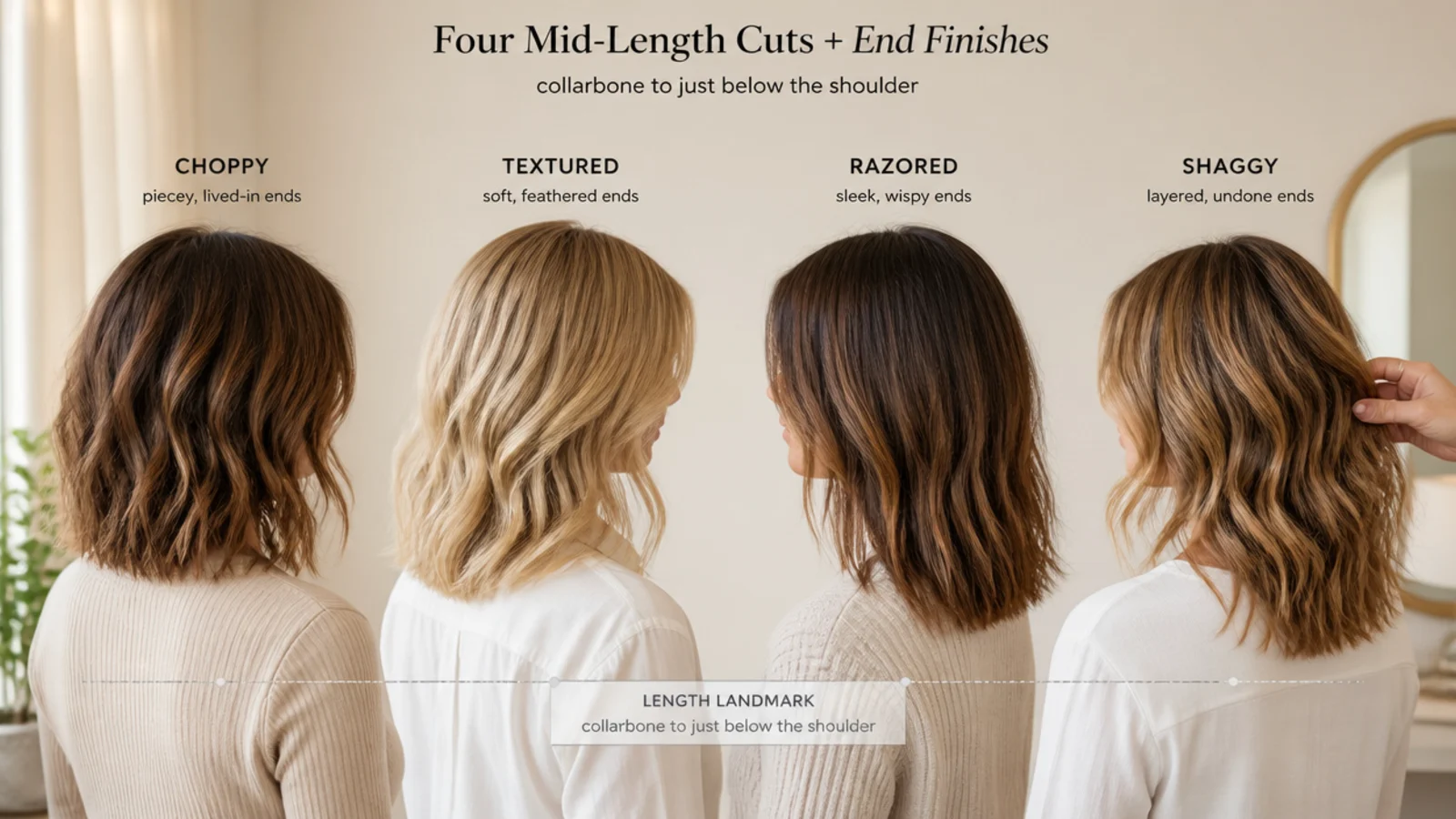
Every page ranking for this term uses these five words interchangeably, which is why readers cannot ask for what they want. Here is the honest separation. Point cutting is a technique: the scissors are held vertically and snipped into the ends. Slide cutting and razoring are also techniques, both of which taper a section from thick to thin along its length rather than at the tip. Choppy is the visual result of any of those techniques used with a heavy hand, meaning visible separation between pieces. Textured is the same result used with a light hand, softer and less defined, and it also gets used to describe a styling finish rather than a cut at all. Shaggy is not an end finish, it is a whole silhouette: layers stacked from the cheekbone down with volume at the crown, which usually happens to have choppy ends but does not have to. So a shag is always a shape, choppy is always an end finish, and textured is a vaguer version of choppy. Ask by technique and by result, never by adjective alone. Compare the full family in mid length haircut layers.
Choppy Mid Length Haircuts by Face Shape
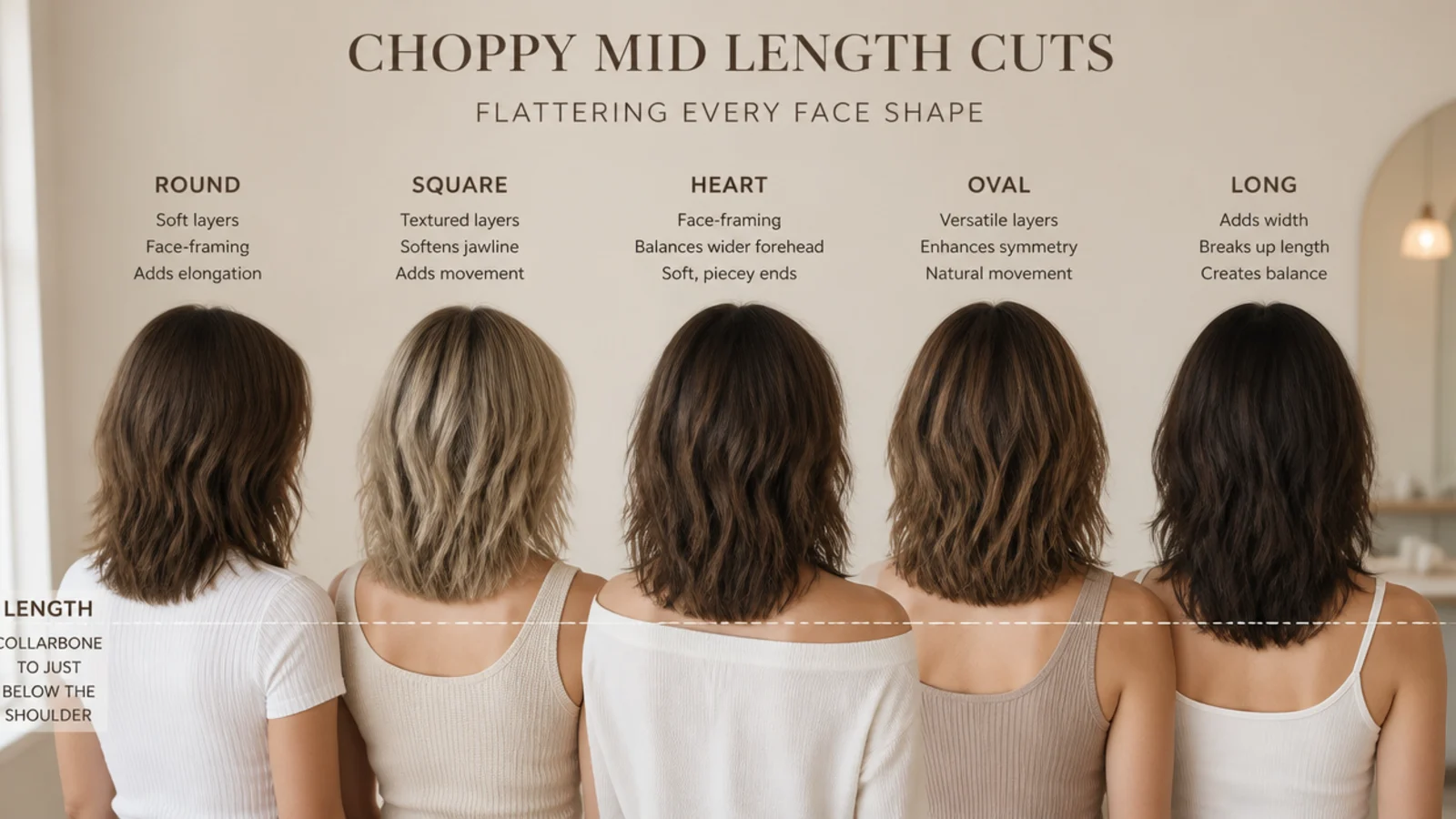
Face shape does not decide whether you can have a choppy cut. It decides where the shortest pieces sit. On a round face, keep every layer below the jawline and let the ends fall vertically, because width at the cheekbone is the one thing that shortens a round face. On a square or rectangular jaw, use curved face-framing that passes over the jaw corners instead of stopping at them, and keep the perimeter below the shoulder. On a heart-shaped face, the width is at the forehead, so the useful move is the opposite: let the choppy ends flare slightly at the collarbone to balance a narrow chin, and consider curtain bangs to soften the top. Long and oval faces have the most freedom, and they are the two shapes that genuinely suit a full shag with crown volume, because added width at the cheekbone is a benefit rather than a problem. If your face is oval, ignore most face-shape advice and pick by hair texture instead. Texture-first guidance sits in hairstyle for your hair type.
Fine, Thick and Curly Hair: Who Should Not Get Choppy Layers
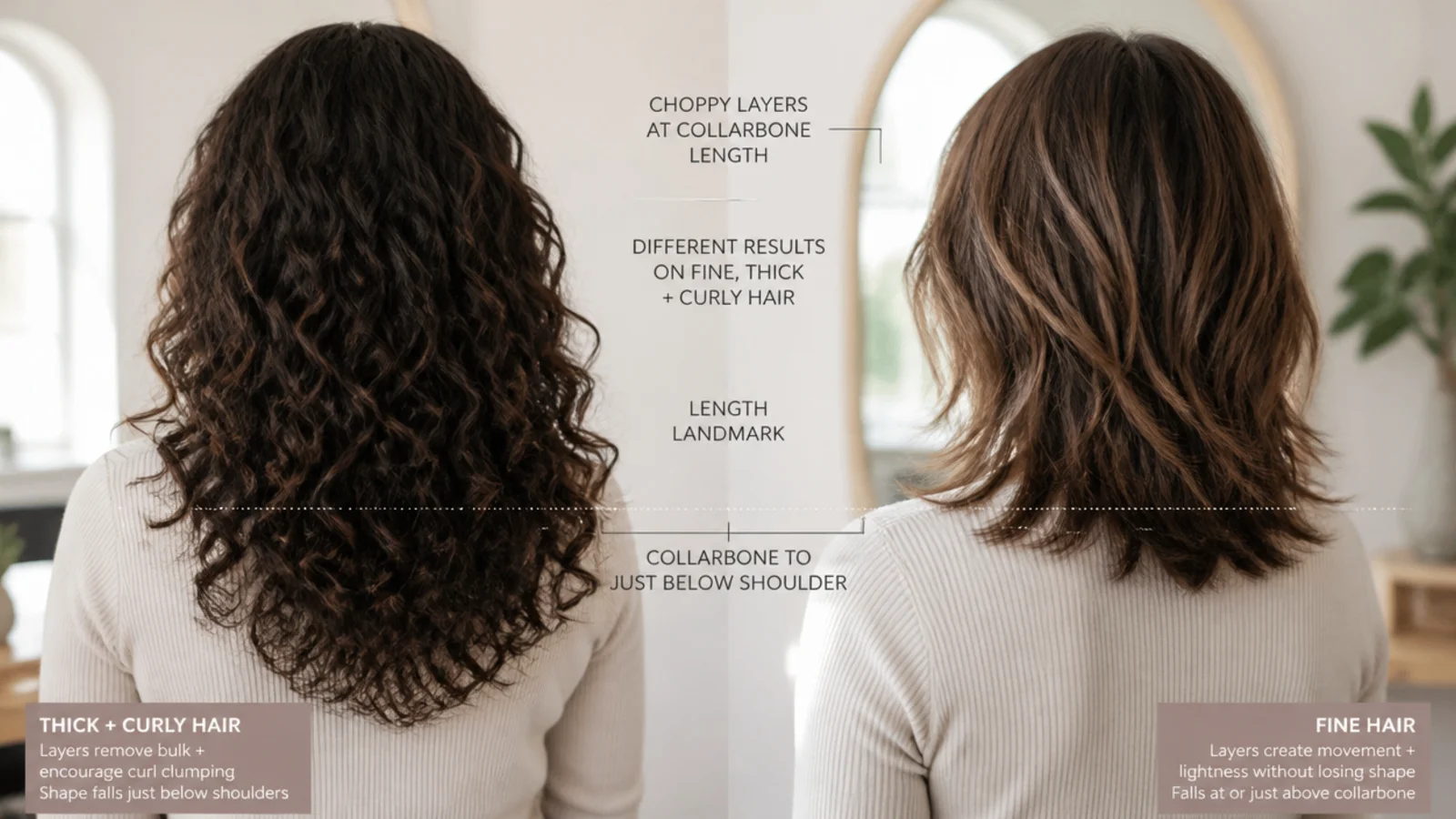
This is the honest section nobody in the search results writes. Fine hair can carry choppy ends but cannot carry many of them. Fewer, longer layers is the rule, because every extra layer removes strands from the perimeter and over-layering leaves the ends sparse and see-through within two trims. If your ponytail is already thin at the bottom, ask for shallow point cutting on the perimeter only. Thick, coarse hair is the natural home of a choppy cut, since removing weight is the entire point, but avoid thinning shears used at the mid lengths, which create frizzy short pieces that stick up for months. Curly hair from 3A up should be cut dry and curl by curl, never wet and never in flat horizontal sections, because a curl loses two to three inches to spring-up and choppy ends cut wet land in unpredictable places. Genuinely skip choppy layers if you have visible thinning at the part or temples, chemically damaged ends, or you are mid-way through postpartum shedding. In all three cases a blunt perimeter with soft face-framing serves you better.
How to Ask Your Stylist for a Choppy Mid Length Haircut
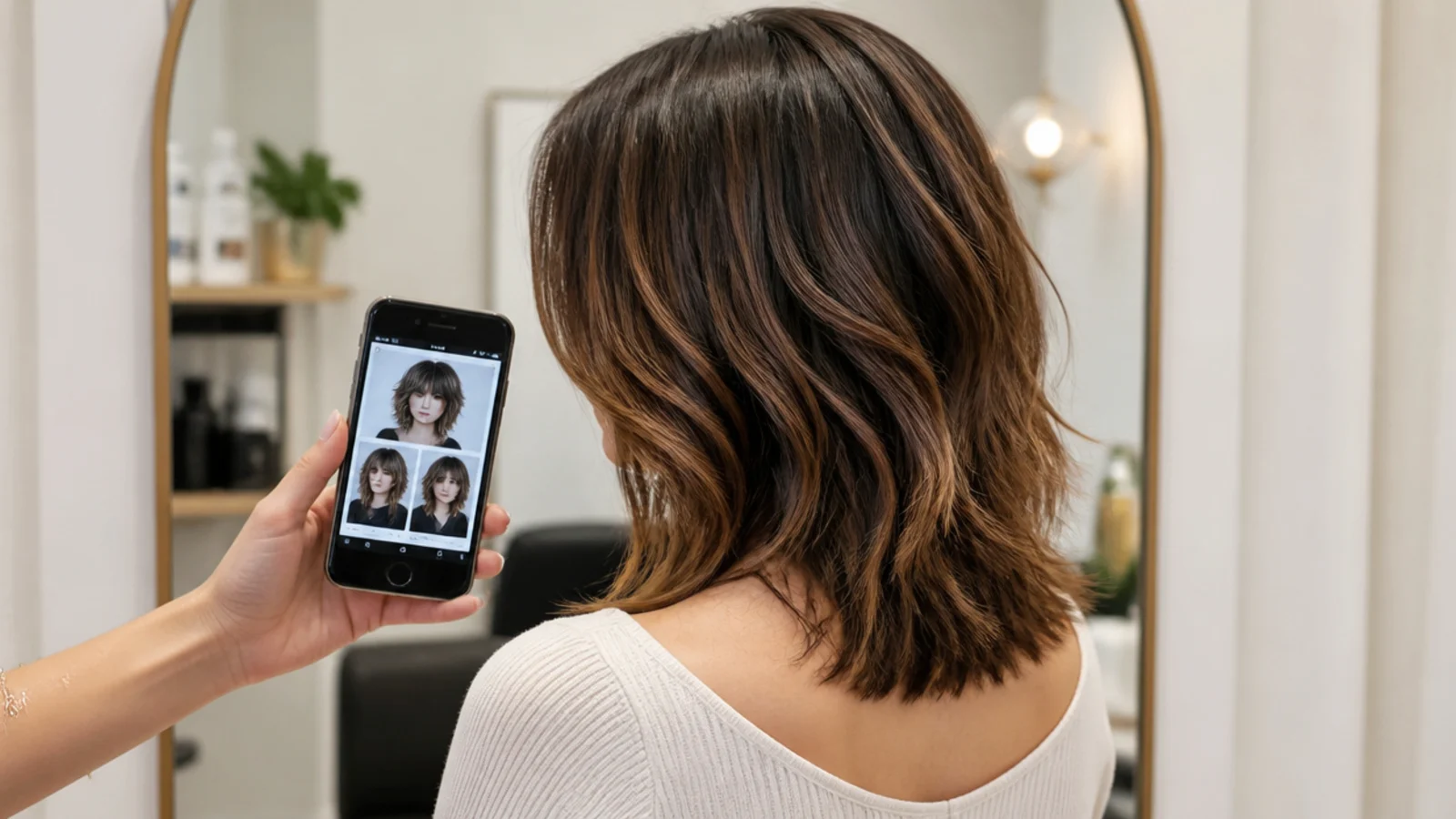
Bring photos, then bring words, because photos alone get interpreted through whatever the stylist cut last week. Use this sentence as your base: collarbone length, long invisible layers, face-framing starting at the jaw, choppy point-cut ends. Then adjust three variables out loud. First, layer start point: name the landmark, so below the ear, at the jaw, or at the cheekbone, since that single choice separates a soft lob from a full shag. Second, how deep the point cutting goes, described in inches, so a quarter inch for subtle and half an inch or more for visible separation. Third, technique restrictions, which matter more than people realize: say no thinning shears if your hair frizzes, or no razor if your ends are chemically treated. Finally, ask the stylist to check the cut with your hair dried and styled the way you actually wear it, before you leave, because a choppy cut looks completely different flat-ironed than it does air dried. That last request is free and it prevents most regrets.
Day-to-Day Styling, Upkeep Cost, and Growing It Out
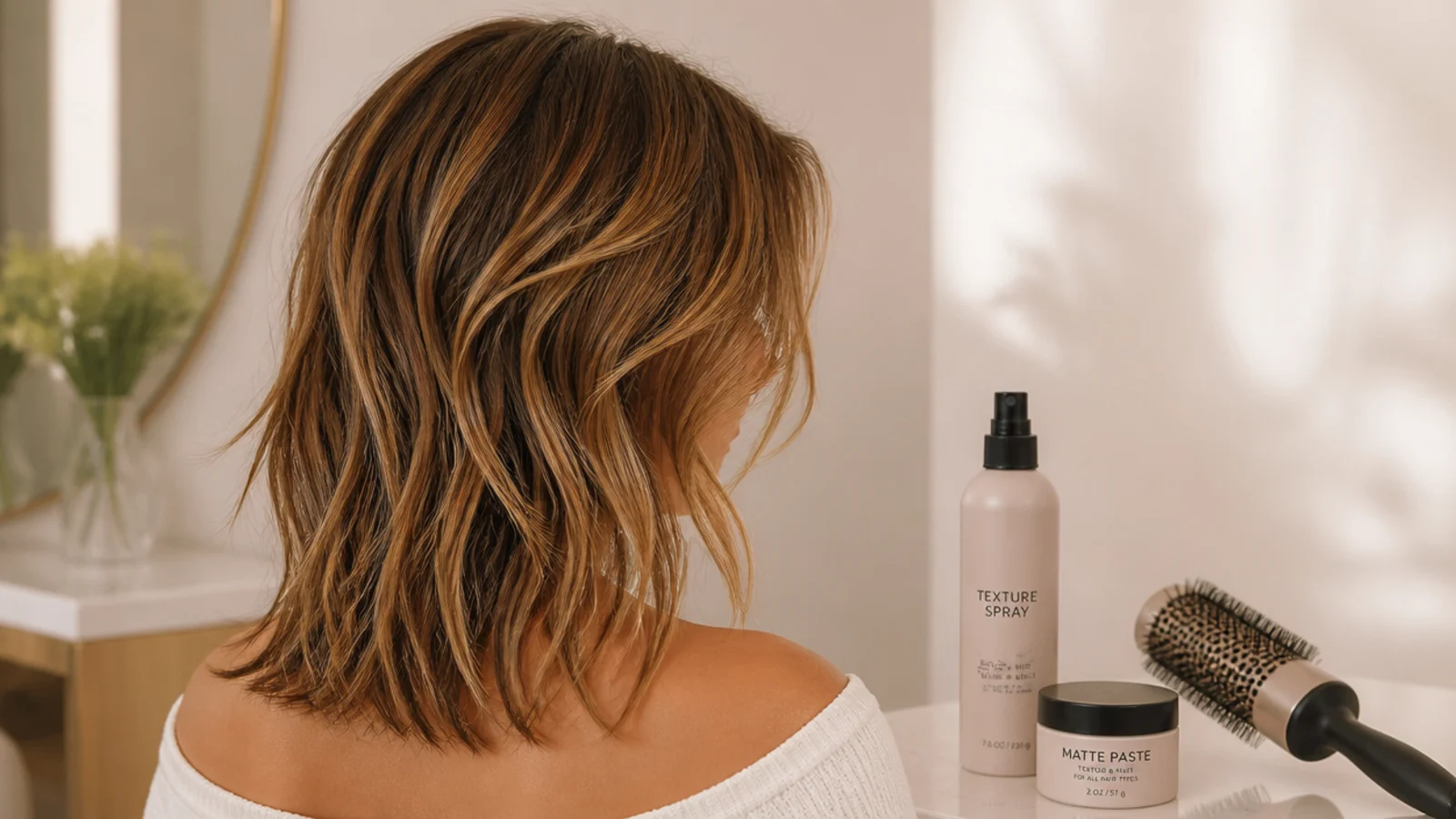
A choppy cut is a product cut. Two items cover it: a texture or salt spray for the mid lengths and a pea-sized matte paste to separate the ends. Rough dry to about eighty percent, mist the spray through the mid lengths only, then rub the paste between your palms and pinch the ends. That is 10 to 15 minutes on most hair, and it works better on day-two hair than freshly washed, which is the quiet advantage of this cut. On upkeep, count the real total: a trim every 8 to 12 weeks at 45 to 90 dollars in most US cities is four to six visits a year, plus a bang trim every three to four weeks if you add a fringe, plus roughly 50 dollars a year in styling product. Growing it out is the easy part. Mid length grows back to long in roughly 12 to 18 months at about half an inch a month, and choppy ends soften on their own, so the shape becomes ordinary long layers without an awkward stage. The only exception is a disconnected wolf cut, where the short crown needs six to nine months to catch up. For between-trim days, park it in a ponytail style or an easy everyday look.
Frequently Asked Questions
What is a choppy mid length haircut?
It is a haircut with the perimeter falling between the collarbone and just below the shoulder, where the ends are cut into vertically with point cutting, slide cutting or a razor so individual pieces separate instead of falling as one solid line. The choppiness describes the end finish, not the amount of length removed or the depth of the layers.
What is the difference between choppy and textured layers?
They are the same techniques applied with different intensity. Choppy means the separation between pieces is deliberately visible from a distance, usually from point cutting half an inch or more into the ends. Textured means the same cut done lightly, roughly a quarter inch, so the movement is there but the pieces are not obvious. Textured is also used loosely to describe a styling finish.
Do choppy layers work on fine hair?
Yes, but sparingly. Fine hair needs fewer, longer layers, and the choppy effect should live in the last inch of the perimeter rather than throughout the interior. Over-layering fine hair leaves the ends sparse and see-through within two trims. Skip thinning shears and razors entirely, and ask for shallow point cutting on the perimeter only.
How do I ask my stylist for choppy layers?
Use a full sentence with landmarks: collarbone length, long invisible layers, face-framing starting at the jaw, choppy point-cut ends about half an inch deep. Naming the layer start point and the cutting depth is what separates a soft lob from a shag. Add any technique restrictions out loud, such as no thinning shears or no razor on colored ends.
How often should I trim a choppy mid length haircut?
Every 8 to 12 weeks. Choppy ends soften faster than blunt ones because the fine tapered points wear first, so if you want the sharp version you are closer to 8 weeks, and if you prefer the softened grown-out look you can stretch to 12. Ask for the ends to be re-textured rather than shortened if you are happy with the length.
Are choppy layers the same as a shag haircut?
No. A shag is a whole silhouette, with layers stacked from the cheekbone down and volume built at the crown. Choppy describes only how the ends are finished. Most shags do have choppy ends, which is why the words get swapped, but you can have a shag with blunt ends and you can have choppy ends on a cut with no shag shape at all.
Will choppy layers make my hair look thinner?
They can, if there are too many of them or if they start too high. Every layer takes strands out of the perimeter, so the bottom line looks lighter. On medium and thick hair that is the desired effect. On fine or thinning hair, or during postpartum shedding, a blunt perimeter with choppy interior layers only is the safer choice, since it keeps the bottom line dense.
How do you style a choppy mid length haircut day to day?
Rough dry to about eighty percent, mist a texture or salt spray through the mid lengths only, then warm a pea of matte paste between your palms and pinch the ends to separate them. That takes 10 to 15 minutes. Keep product off the roots, and expect it to look better on day-two hair than on freshly washed hair.
Can curly hair get a choppy mid length haircut?
Yes, but it should be cut dry and curl by curl rather than wet in horizontal sections. Curls lose two to three inches to spring-up, so wet-cut choppy ends land unpredictably. On curls, choppy means carving individual curl clumps to different lengths so they nest together instead of stacking into a triangle. Book a stylist who lists dry cutting by name.
How long does it take to grow out a choppy mid length haircut?
Hair grows about half an inch a month, so mid length reaches long in roughly 12 to 18 months. The choppy ends themselves soften on their own within about 12 weeks and blend into ordinary long layers, so there is no awkward stage. The exception is a disconnected wolf cut, where the short crown needs six to nine months to reach the perimeter.
Which mid length haircut look are you saving?
If you take one thing from these 20 choppy mid length haircut ideas, make it the ask-for sentence: collarbone length, choppy point-cut ends, long invisible layers through the interior, face-framing starting at the jaw. Those four clauses stop the two most common outcomes, which are a cut so soft it is invisible by week two and a cut so shredded it will not grow out politely. Book a trim every 8 to 12 weeks, buy one texture spray and one matte paste, and expect the shape to look its best in weeks two through eight. If you are still deciding on the level of layering, compare mid length haircut layers or browse the whole mid length haircut hub.