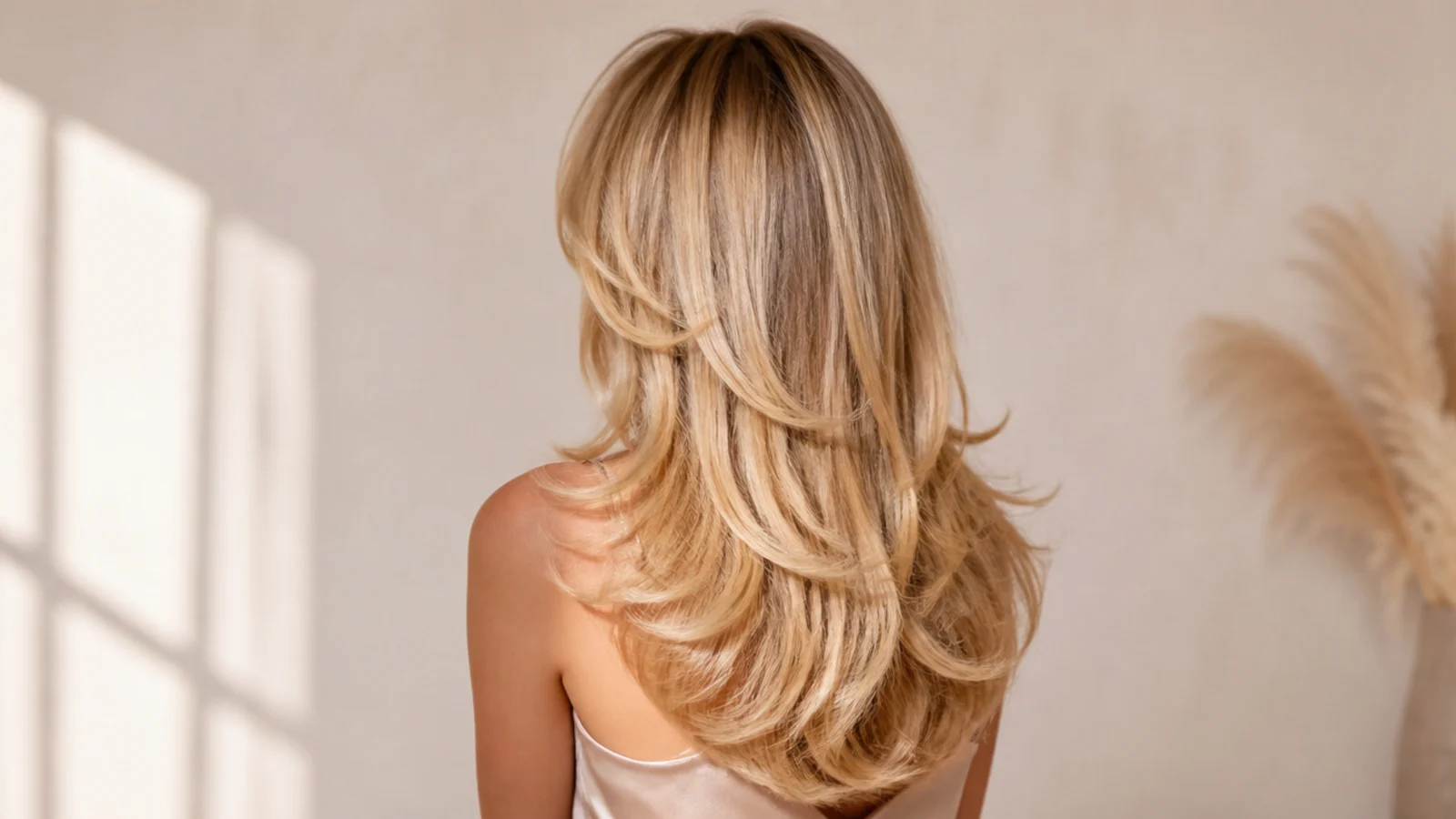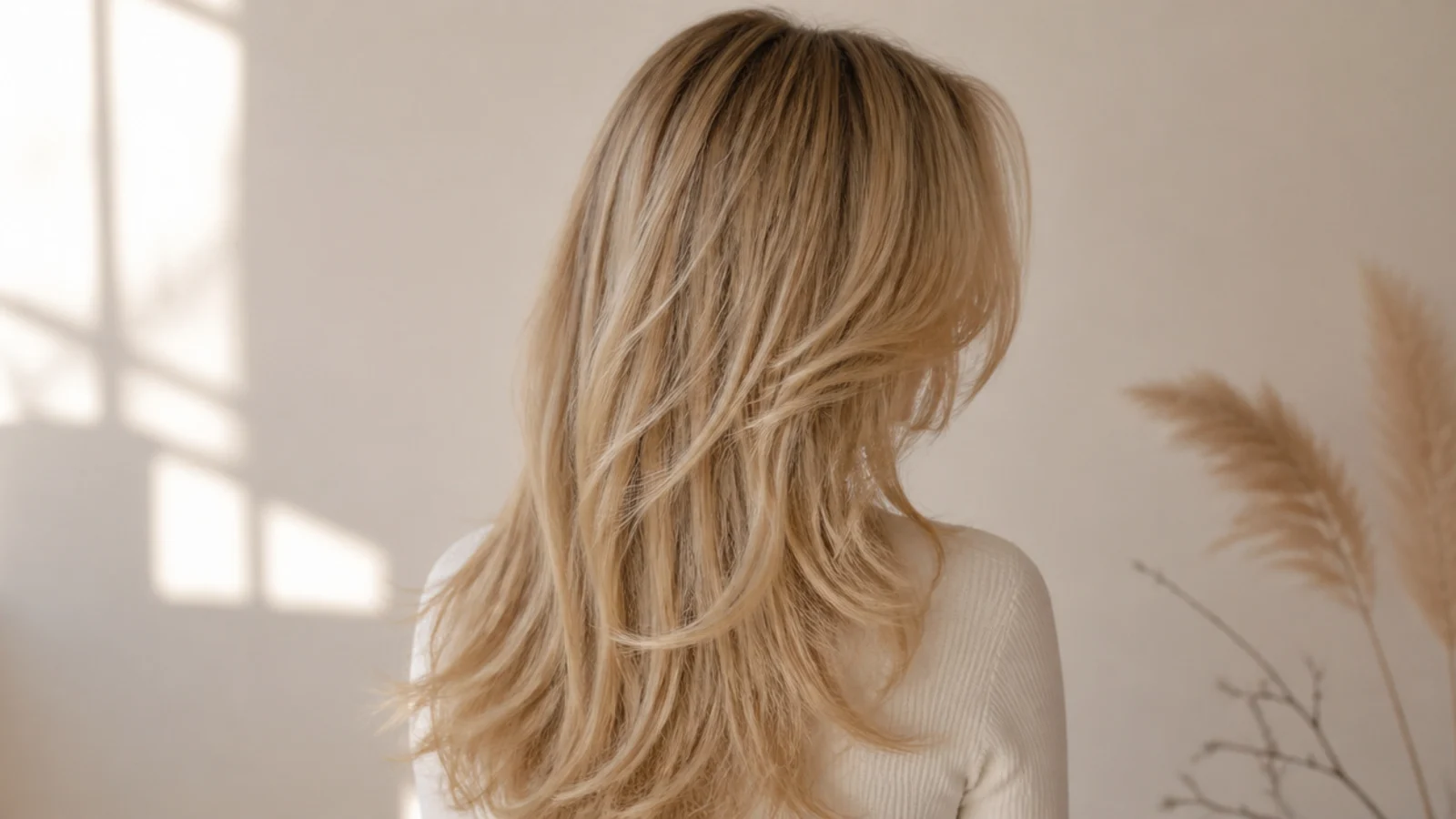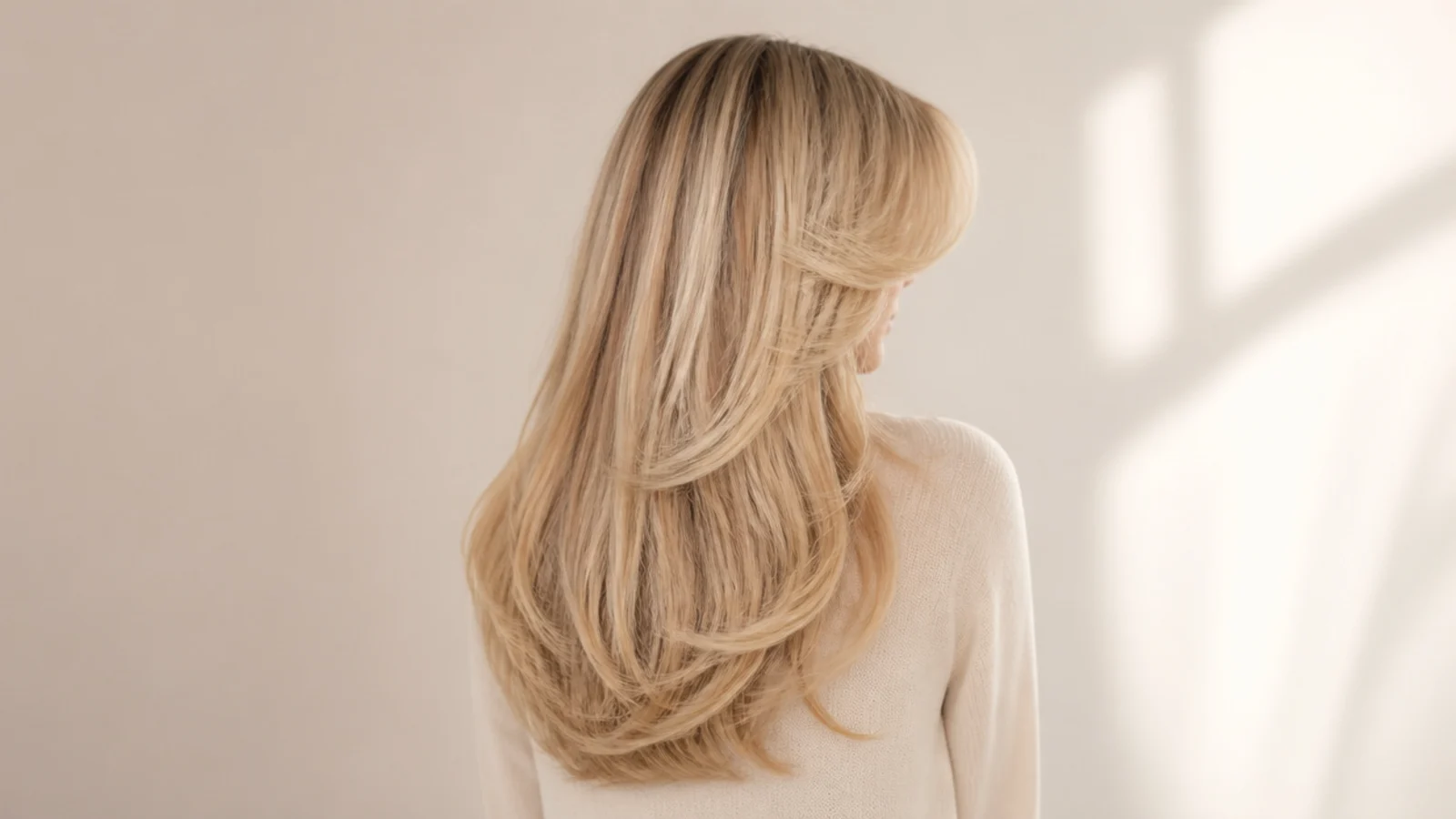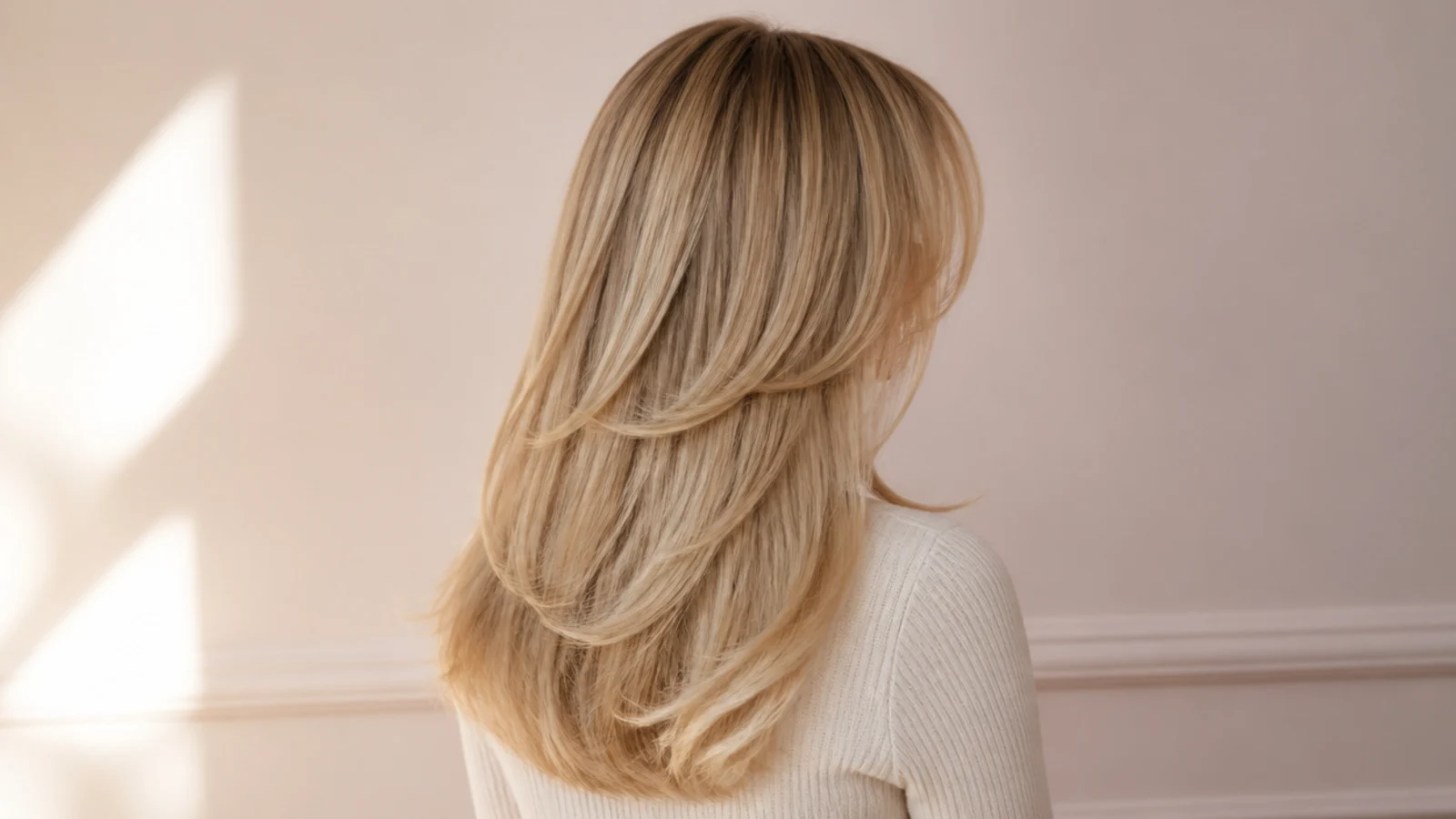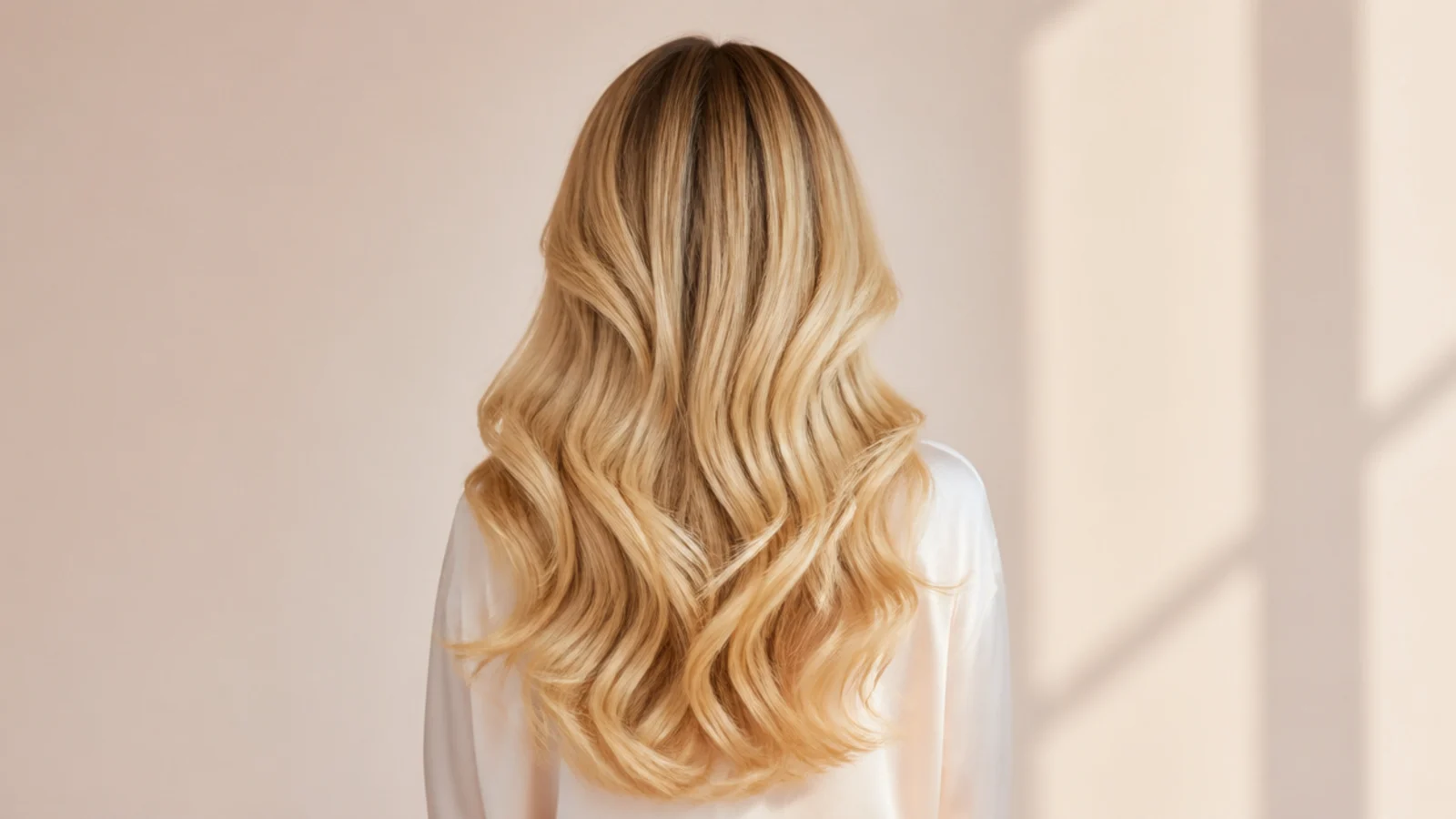
Quick Comparison
| Heat-Set Hollywood Curls | Your Own Natural Curl Pattern | |
|---|---|---|
| What it is | Straight or wavy hair wound on a 1 to 1.25 inch barrel and brushed out | Existing 2a to 3c curl shaped by cut and product only |
| Time needed | 35 to 60 minutes including a 15 minute cool-down | 5 to 10 minutes of product plus air-dry or diffuse time |
| Tools | Curling iron or hot rollers, clips, boar bristle brush | Curl cream or gel, diffuser, microfiber towel |
| Best curl types | 1a to 2b, which hold a set cleanly | 2b to 3c, where added curl only creates bulk |
| How long it lasts | 1 to 2 days with dry shampoo and a pineapple at night | 3 to 5 days with a water and leave-in refresh |
| Damage risk on bleached blonde | Real; repeated passes cause mid-shaft breakage | Minimal; no heat involved in the wash-and-go version |
| Cut it depends on | Long layers, shortest face-framing piece at the jaw | Dry cut, layers checked curl by curl for shrinkage |
| Volume at the crown | High, especially with hot rollers setting root lift | Moderate; built by root clipping or diffusing upside down |
| Cost to maintain | Tool cost once, plus more frequent bond treatments | Ongoing curl products, fewer salon repair visits |
1. Old Hollywood Set Curls with Curtain Bangs
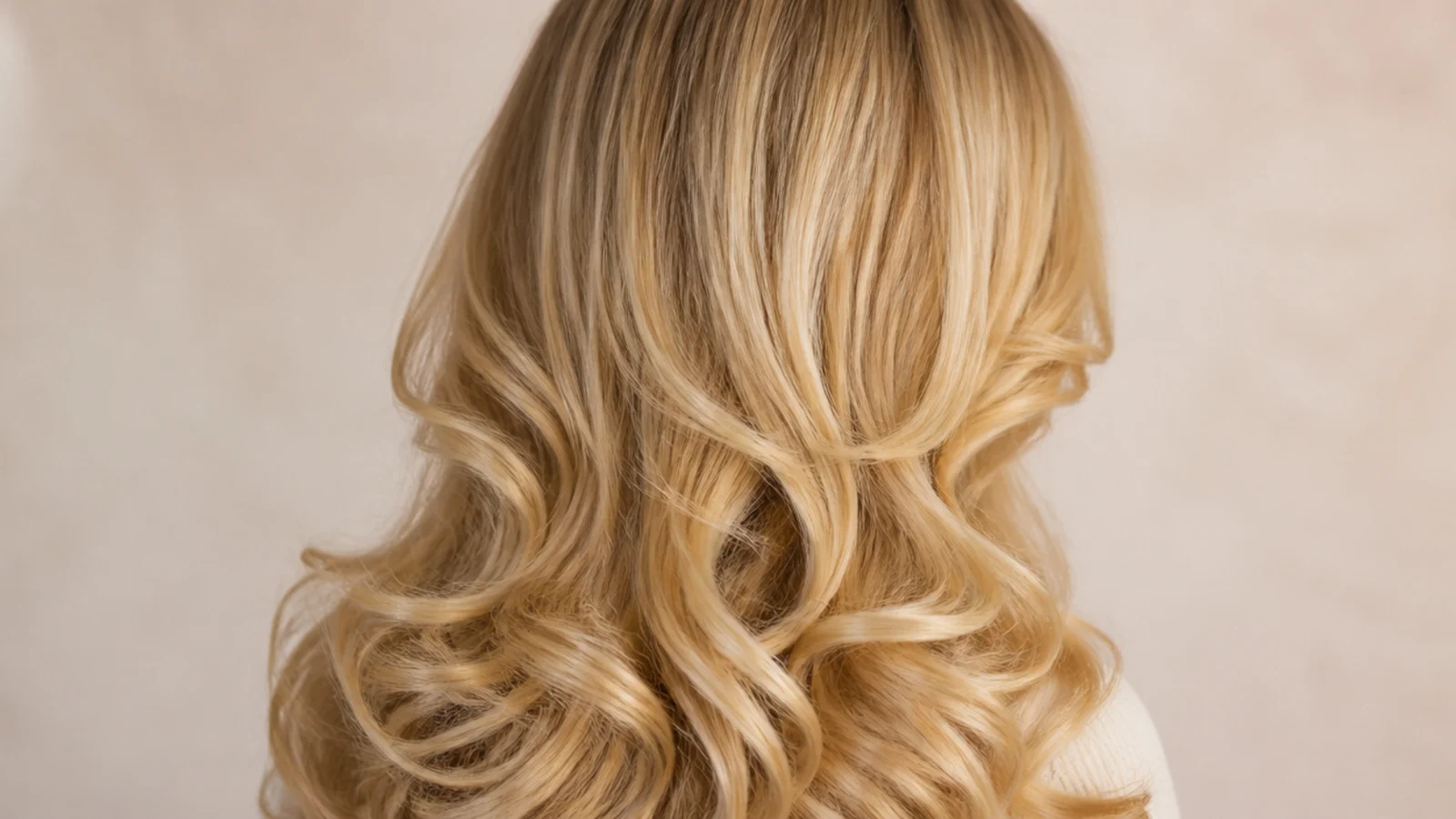
The signature. Long layered blonde hair wrapped away from the face on a 1.25 inch ceramic barrel, every curl pinned flat against the head while it cools, then released and brushed through with a boar bristle brush until the ringlets merge into one continuous wave. The brush-out is the whole trick and it is the step most tutorials skip. Set the fringe last, on a large round brush, so it stays soft instead of joining the curl. Finish with a flexible-hold hairspray, not a firm one, or the bounce turns crunchy.
Who it suits: Long hair past the collarbone, 1a to 2b textures that hold a set.
Tip: Pin every curl and wait a full 15 minutes before brushing; warm curls drop instantly.
2. 1-Inch Barrel Bouncy Blonde Curls
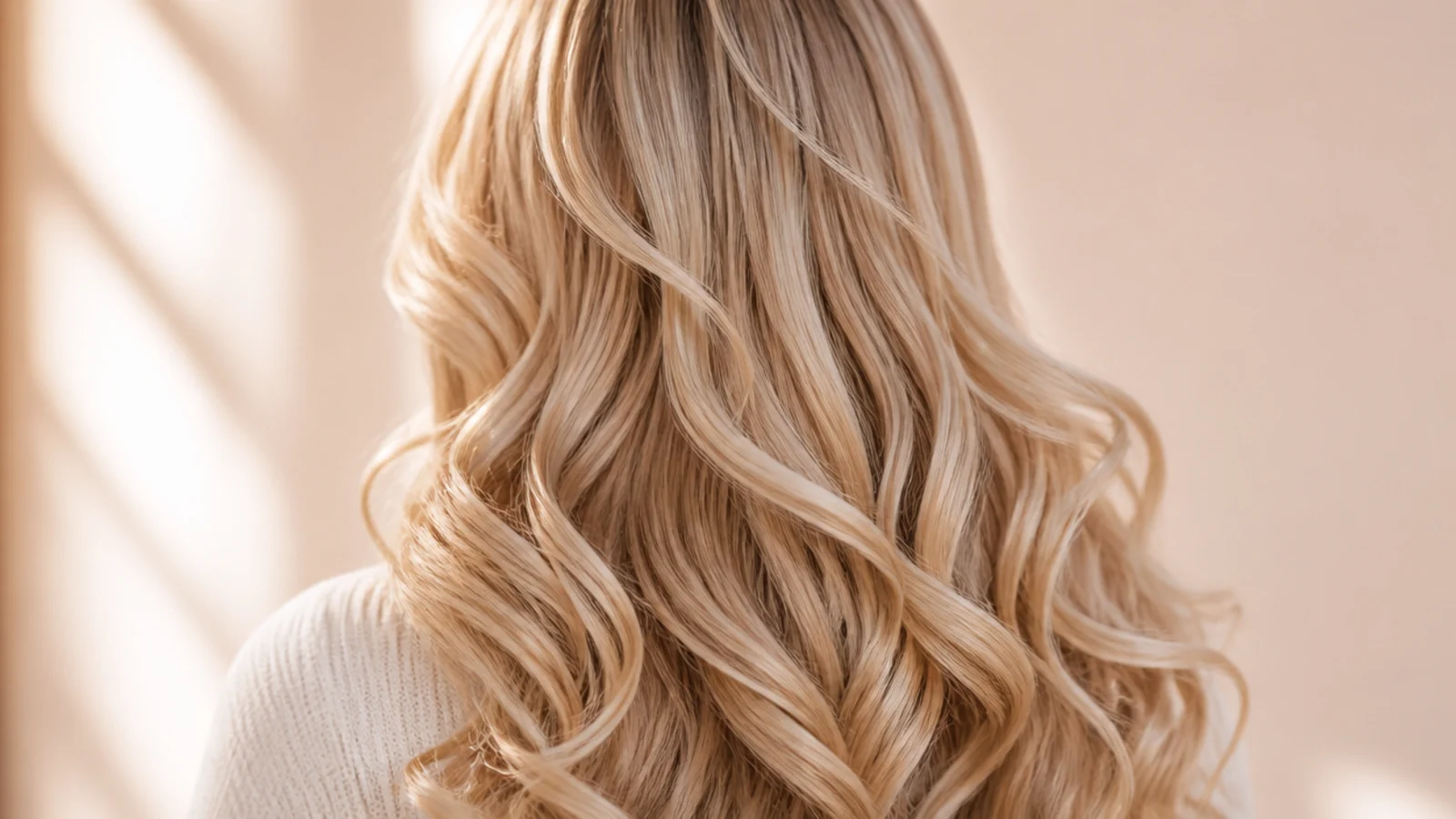
The everyday version of the red-carpet set. A 1 inch barrel gives a tighter, springier curl than the 1.25 inch, which matters if your hair is fine and drops within two hours. Take 1.5 inch sections, leave the last inch of the ends out of the clamp so the tips stay straight, and alternate curl direction every other section so it never reads as a uniform corkscrew. Cool, then break the curls apart with fingers rather than a brush for a looser, more lived-in bounce.
Who it suits: Fine to medium 1a to 2a hair that loses a wide-barrel curl by lunchtime.
Tip: Alternate direction section by section; same-direction curls collapse into a helmet.
3. Hot Roller Curls for Fine Hair
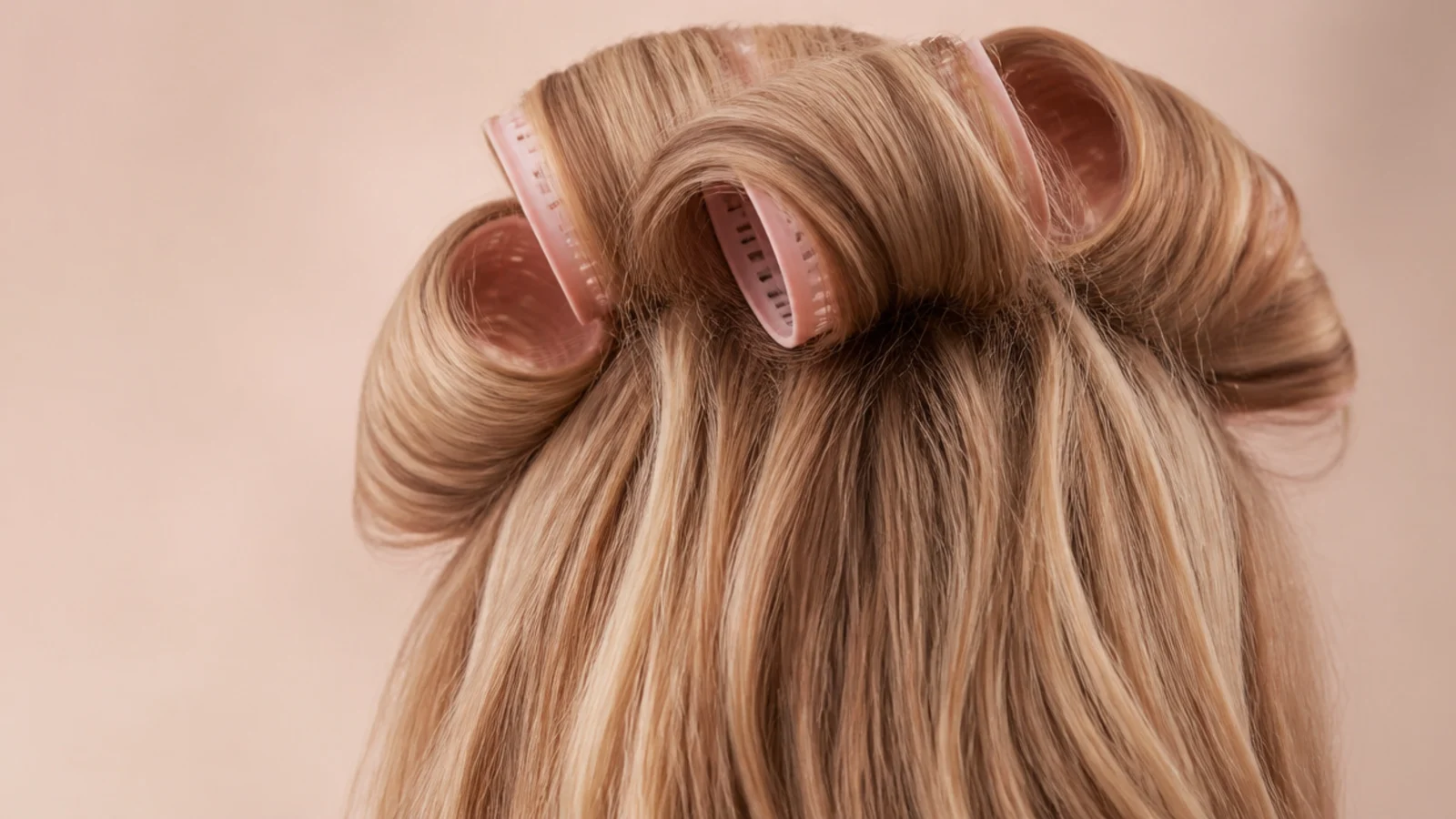
Thermal rollers do something a curling iron cannot: they set the curl while the hair cools under tension, so the root gets lift at the same time as the length gets bend. Use 1.5 inch rollers through the crown and 1 inch on the sides, roll everything back and away from the face, and leave them in until they are completely cool to the touch. This is the most reliable way to get the volume on fine hair, and it is far gentler than 30 passes with an iron. Same principle helps at mid-length.
Who it suits: Fine or low-density hair that goes flat at the roots.
Tip: Mist a root-lift spray at the crown before rolling; the roller sets the lift in place.
4. Her Natural Loose Wave, Air-Dried
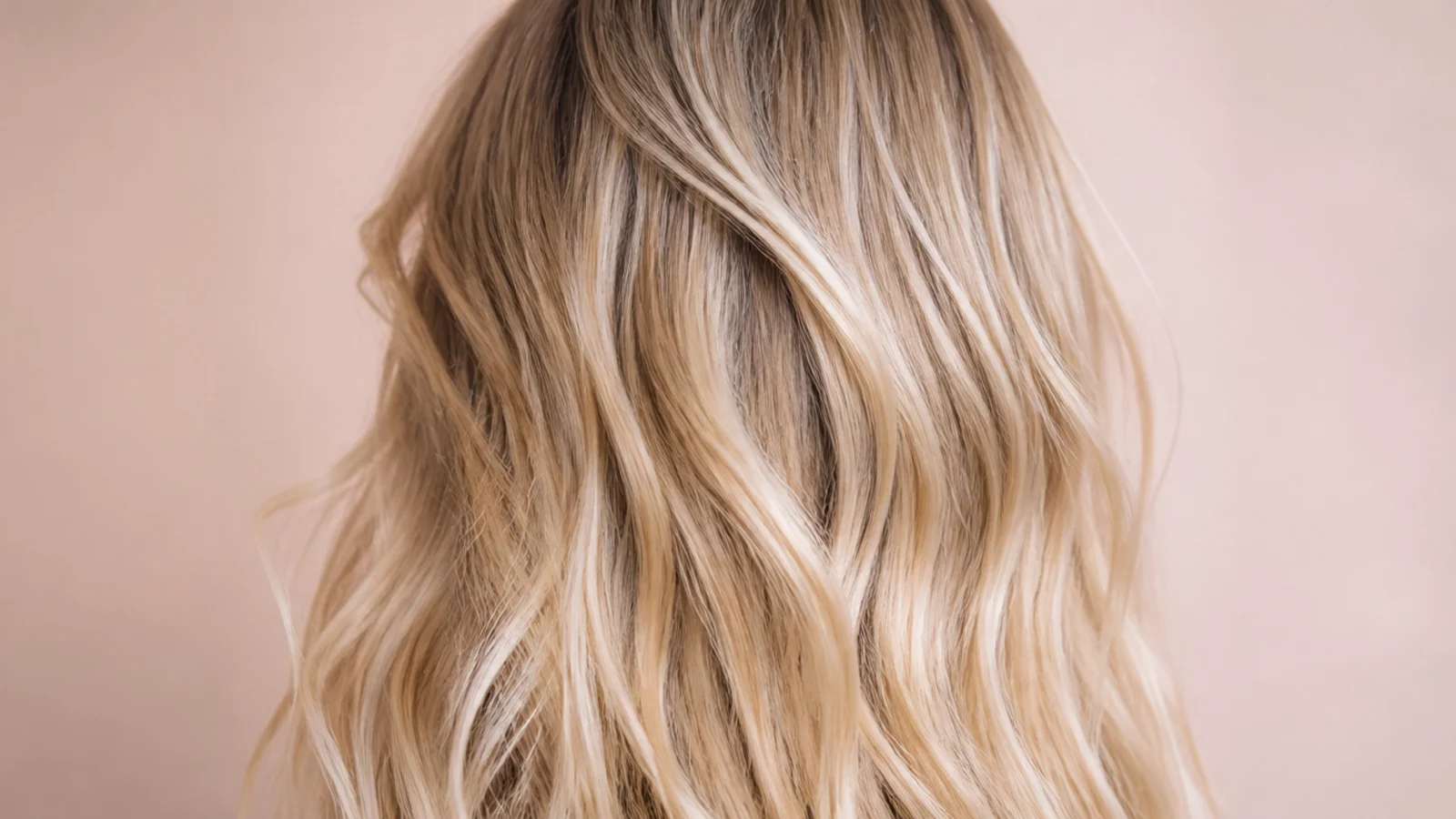
The off-duty look. Her own texture reads as a loose natural wave through to a soft curl, and air-drying it is the lowest-effort entry point in this whole list. Rake a lightweight leave-in through soaking wet hair, scrunch upward in handfuls, then leave it completely alone until it is dry, since touching wet hair is what creates frizz. The face-framing layers do the shaping. If your air-dry usually goes puffy rather than defined, the fixes are in frizzy wavy hair.
Who it suits: 2a to 2c waves and anyone avoiding heat entirely.
Tip: Plop in a cotton T-shirt for 15 minutes first; it sets the wave pattern before gravity does.
5. Curly Shag with Face-Framing Layers
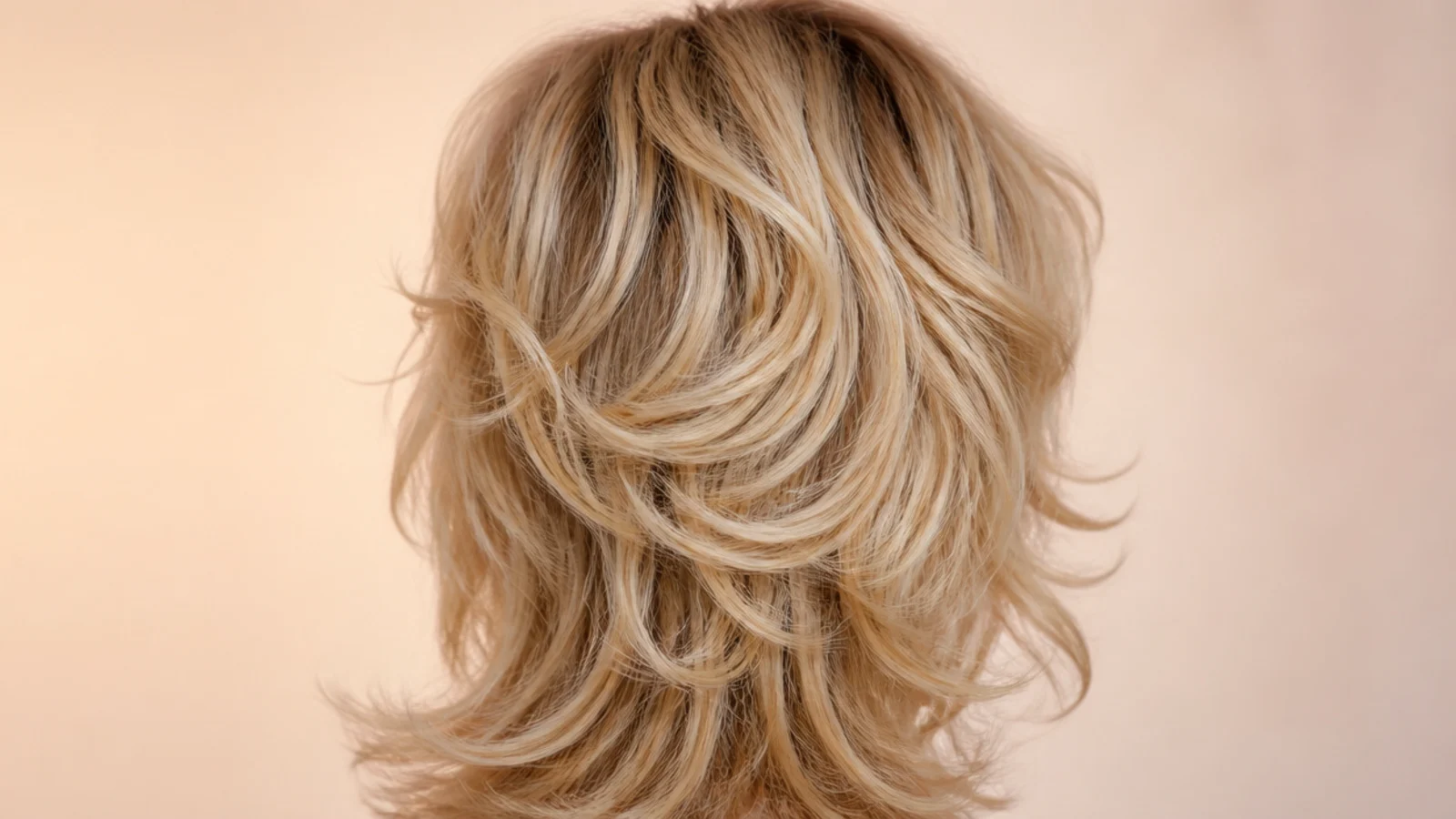
The cut that makes curls look like hers rather than like a triangle. A shag stacks short internal layers through the crown and graduates the face-framing pieces down from the jaw, which removes weight from the bottom and lets curls spring up instead of hanging. On curly hair the layers must be cut dry, curl by curl, or the shrink factor makes them land two inches shorter than planned. Ask for a dry cut with visible layering at the crown. Related shaping in face-framing mid-length.
Who it suits: 2c to 3b hair that currently sits wide at the bottom and flat on top.
Tip: Say cut it dry, curl by curl; a wet cut on curly hair is how you get an accidental bob.
6. Curly Bob with a Short Curtain Fringe
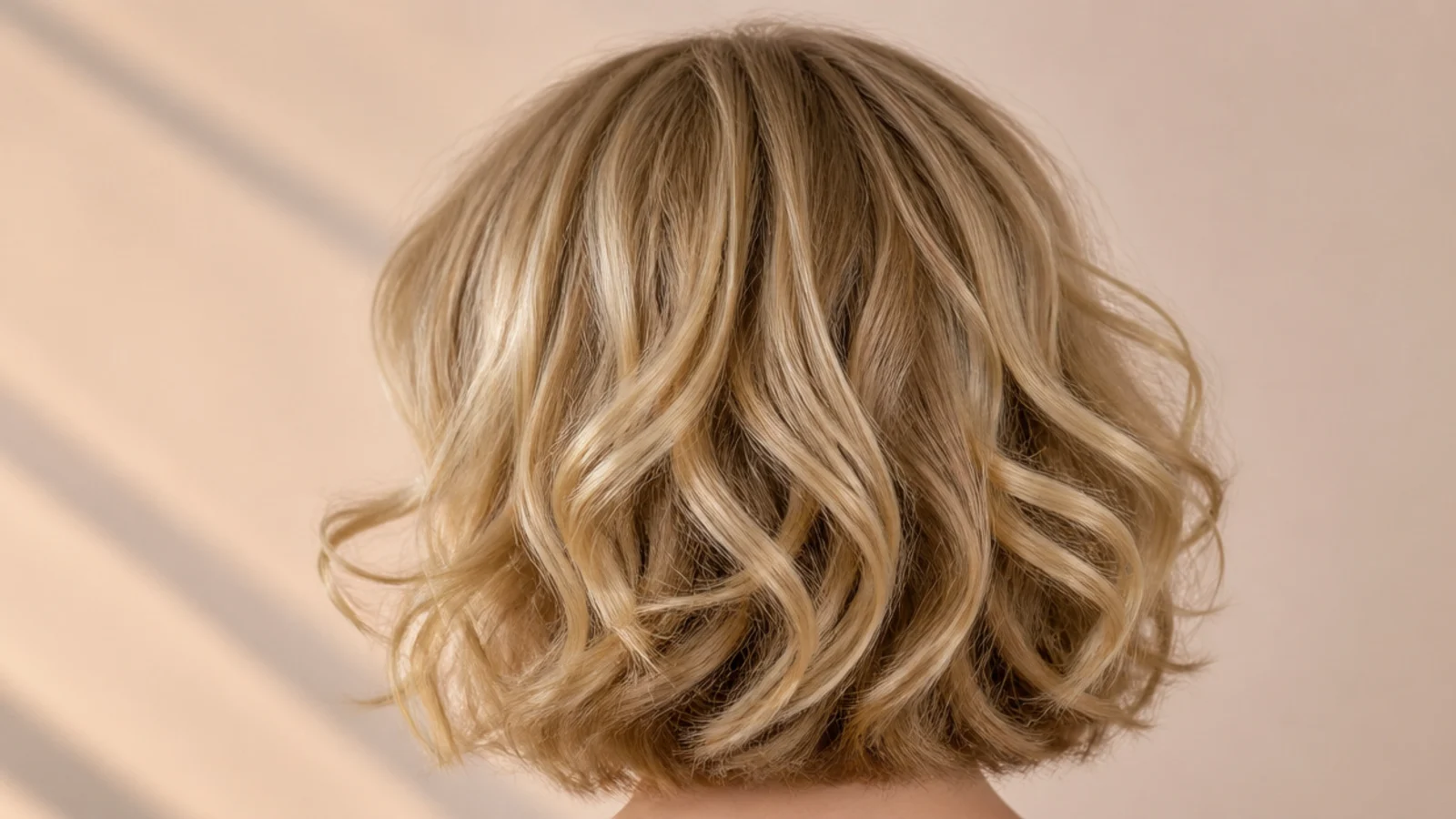
The shorter red-carpet variant: a curly bob sitting between the chin and the jaw, with the curtain fringe re-cut shorter so it still frames rather than swallows the face. This is the step most people get wrong when they go short. At bob length the fringe has to move up by roughly an inch, or it hangs past the widest part of the cheek and closes the whole shape in. Set it on a 0.75 inch barrel so the curl reads bouncy rather than sculpted. See short curtain bangs bob.
Who it suits: Medium density hair, oval and heart face shapes, anyone bored of long.
Tip: Cut the fringe an inch shorter than your old long-hair version or the bob reads heavy.
7. Auburn Curly Pixie
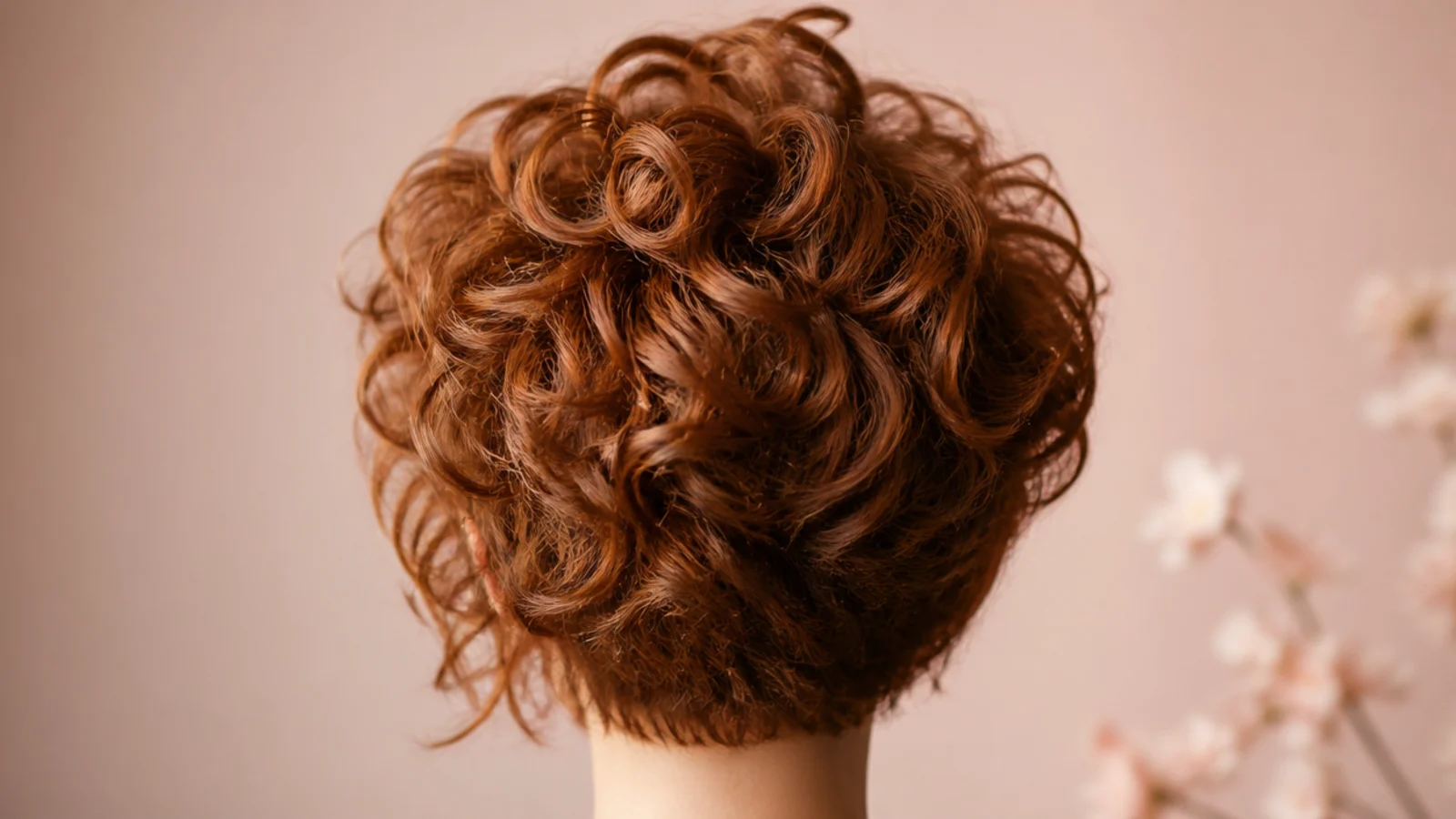
Her boldest curly departure: a cropped pixie with the curl left in and a warm auburn tone over it. On a pixie the curl does all the styling, so the cut has to be built around your dry curl pattern with more length left at the crown than at the nape. The auburn reads as a copper-leaning red rather than a true ginger, which is why it stays warm against blonde-leaning skin. Ask a colorist for a warm auburn with a soft root, and expect gloss top-ups every four to six weeks.
Who it suits: 3a to 3c curls, strong jawlines, anyone with the nerve to go very short.
Tip: Ask for extra length at the crown; even curl length makes a pixie read round.
8. Half-Up Curls with Curtain Bangs
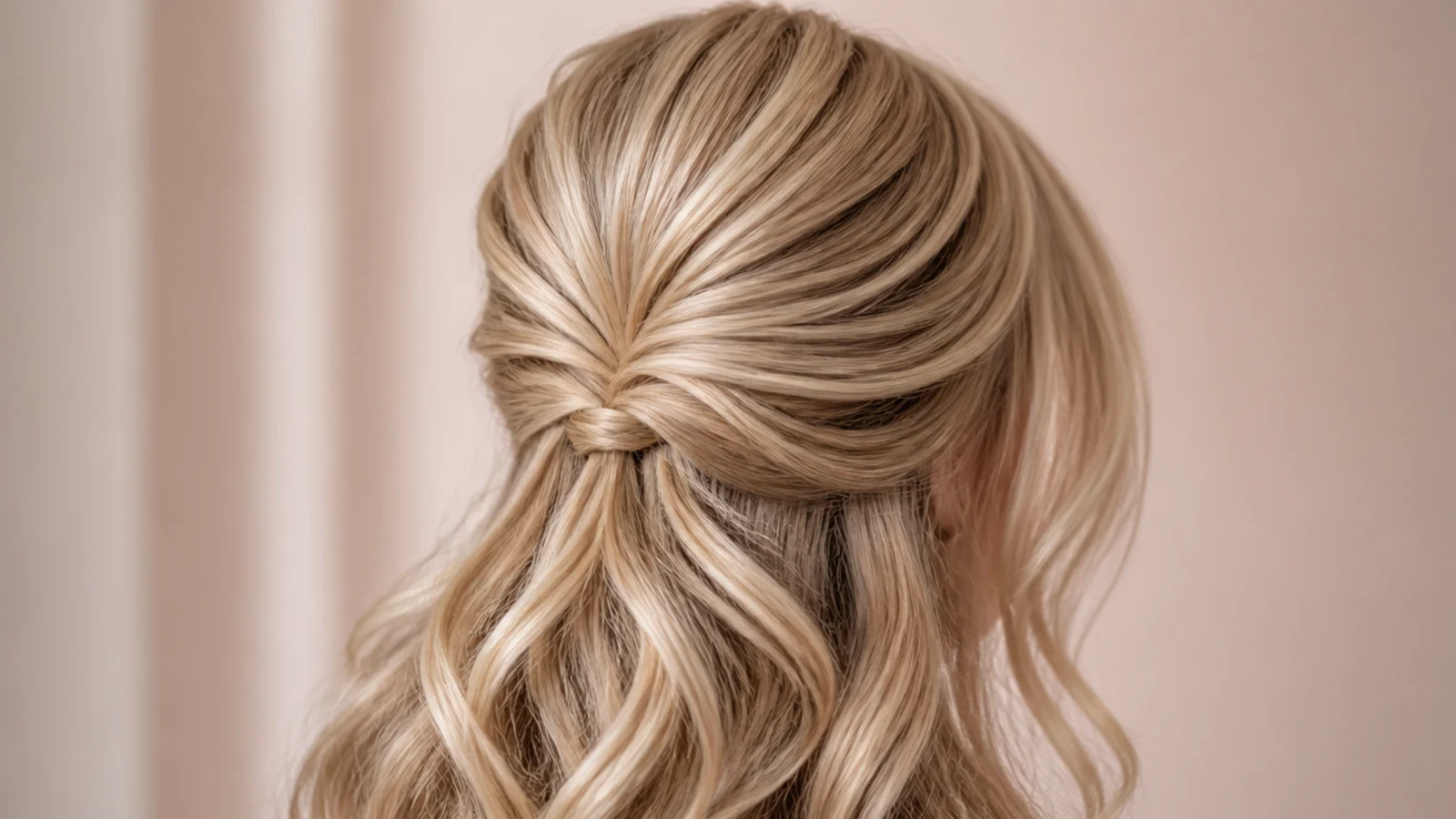
Take the top third of the hair, from temple to temple, back into a small clip or elastic at the crown, and leave everything else curled and loose. It solves the two problems of a full curl set at once: it gets hair off the face without flattening the volume, and it lifts the crown where curls usually collapse first. Leave the fringe and one loose piece in front of each ear out. It holds through a full evening far better than an all-down set does.
Who it suits: Shoulder-length and longer, all curl patterns.
Tip: Backcomb a small section under the clip so the crown keeps height as the night goes on.
9. Brushed-Out Curls for Soft Volume
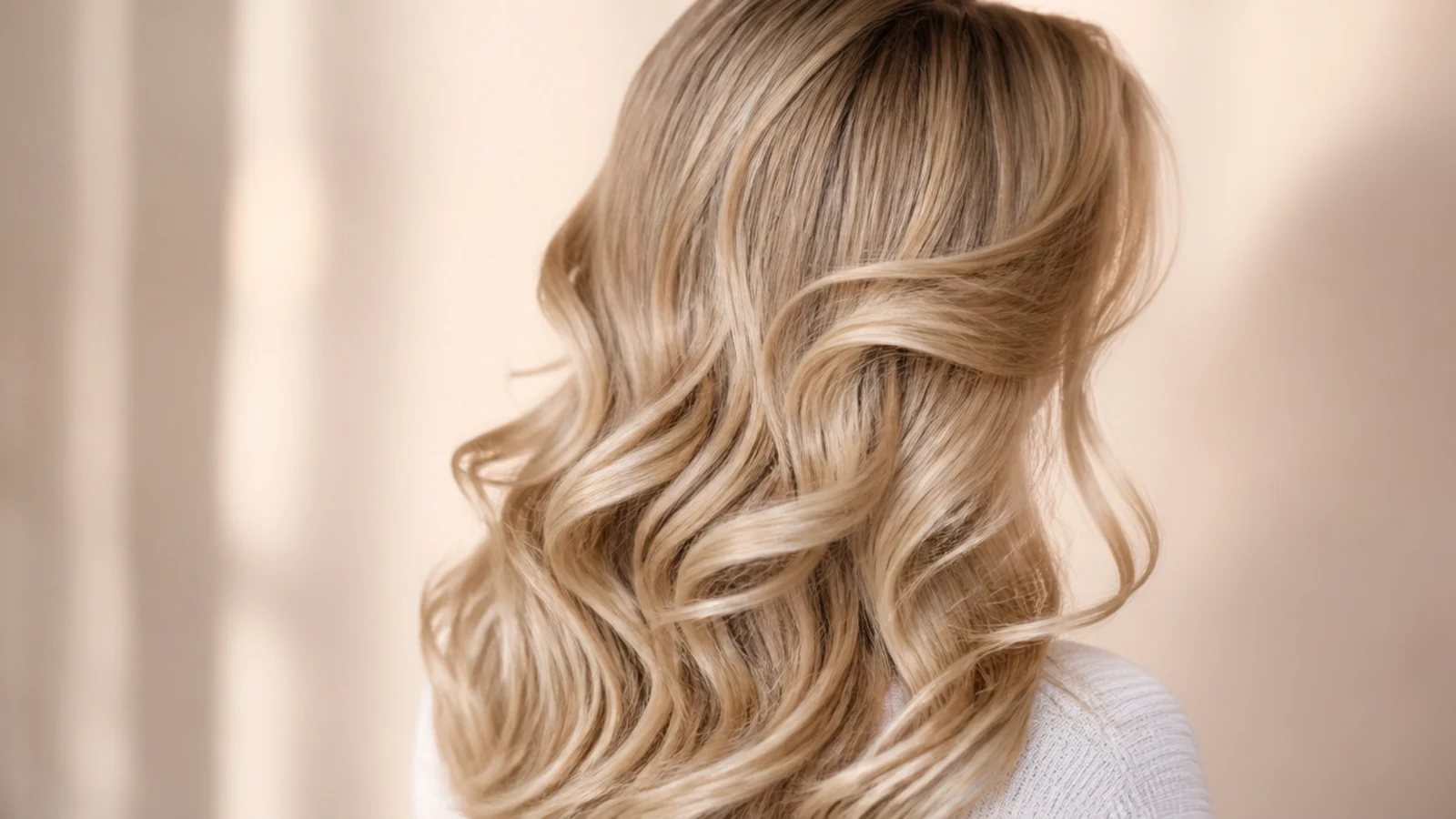
Not a curl type but a finishing technique, and it is the single biggest difference between a home set and the look you are trying to copy. Once the pinned curls are stone cold, take a boar bristle brush and pull it through the whole length twice, from root to tip. The defined ringlets break down into one soft S-bend with double the visible volume. It will look wrong for about ten seconds and then settle. Do not skip straight to hairspray before brushing; sprayed curls will not blend.
Who it suits: Anyone who has ever finished a curl set and thought it looked too done.
Tip: Brush from underneath first, then over the top, so the crown does not go flat.
10. Overnight Heatless Curls
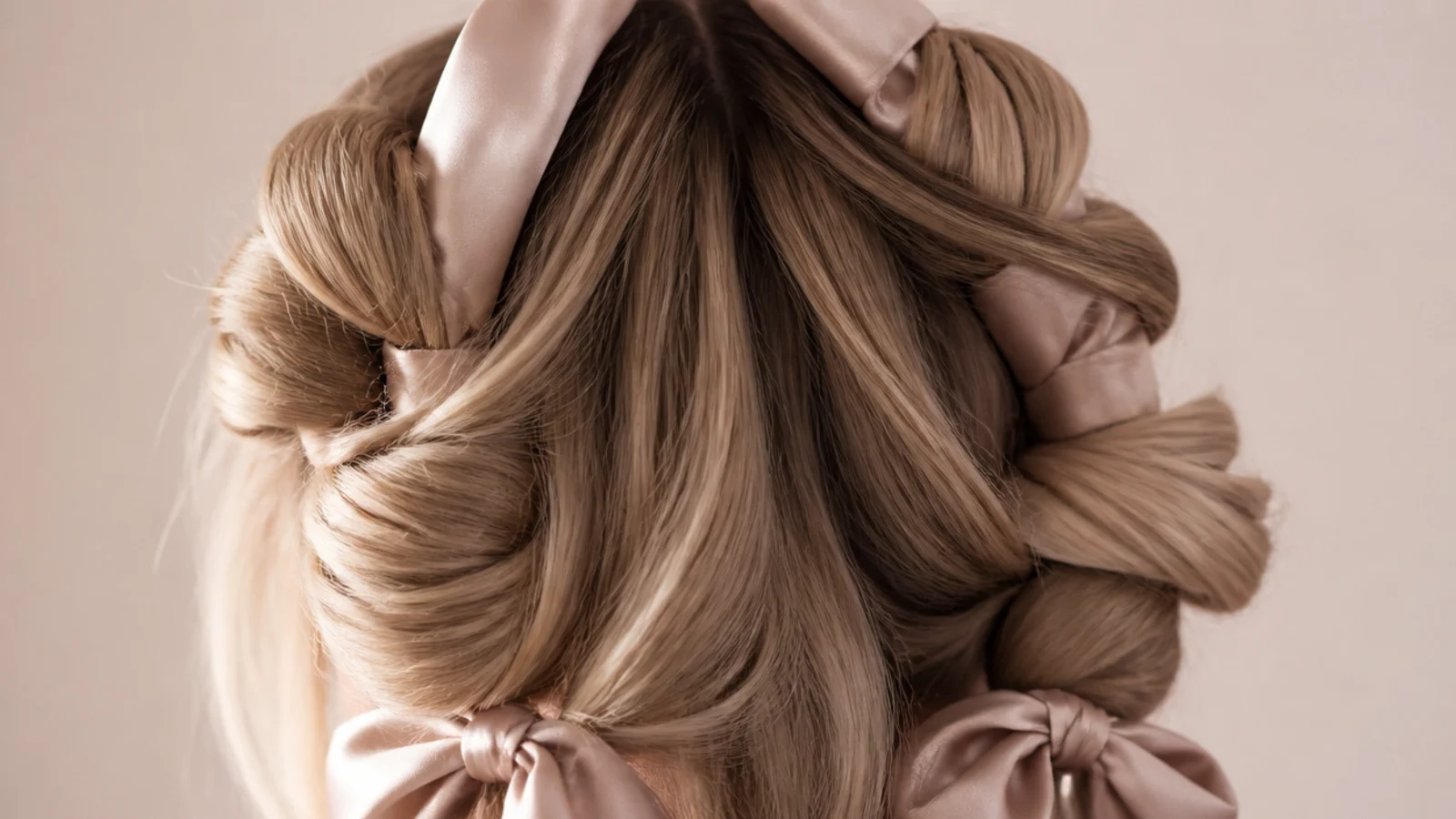
The zero-damage route to the same bouncy shape. On hair that is about 80 percent dry, wrap two sections around a satin curling ribbon laid over the head like a headband, wrapping away from the face, and secure the ends. Sleep on it and unwrap in the morning. The size of the curl is set by the ribbon diameter, so a thicker rod gives a looser, more Hollywood-shaped wave. Bleached blonde hair especially benefits, since heat on lifted hair is what creates the mid-length breakage.
Who it suits: Bleached or damaged hair, 1a to 2b textures, anyone avoiding hot tools.
Tip: Never wrap soaking wet hair; it will still be damp at 7am and drop within the hour.
11. Flexi-Rod Curls for 3a to 3b Hair
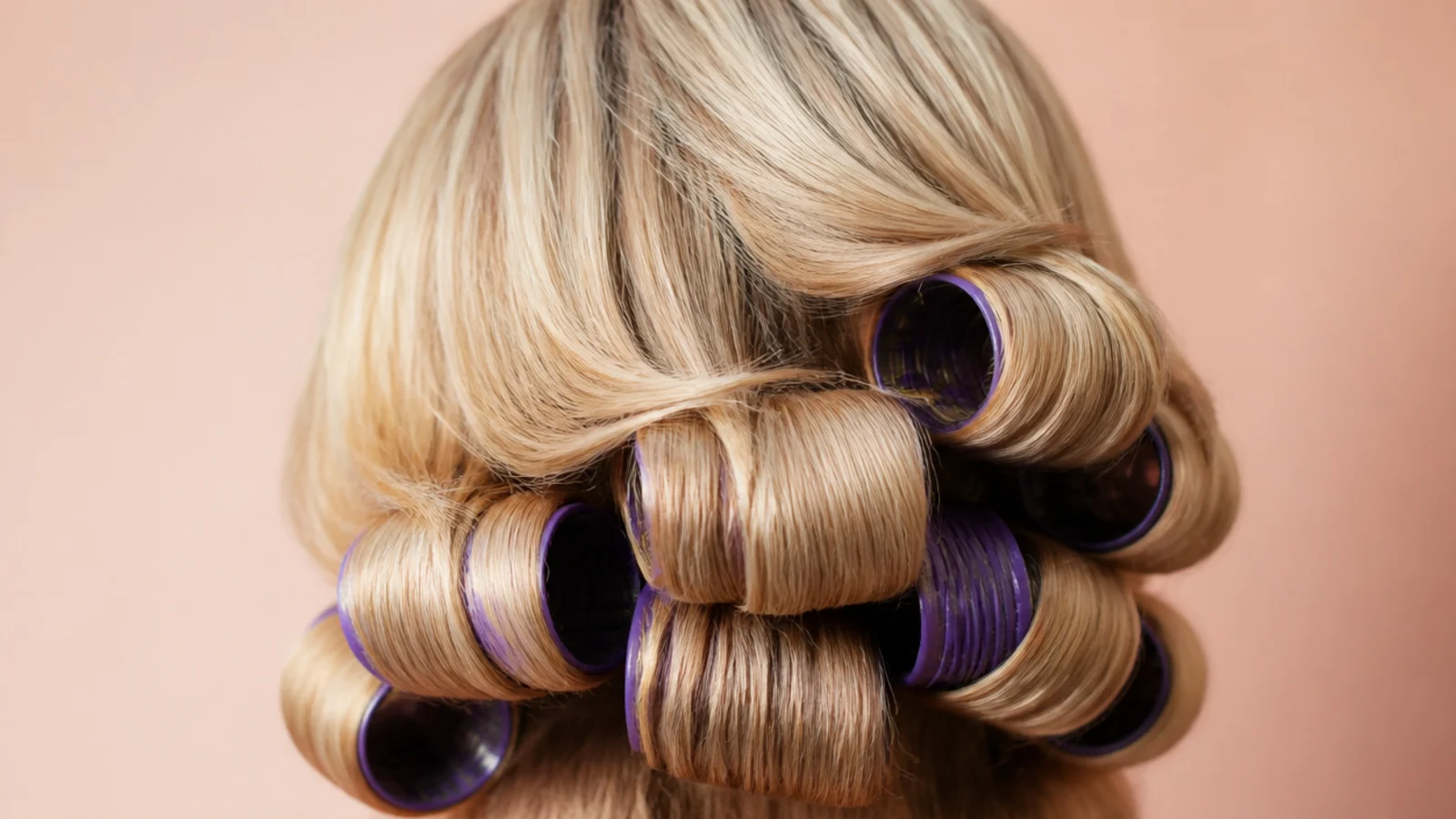
If your curl pattern is already 3a to 3b, the way to get her silhouette is not to add curl but to stretch and even out the curl you have. Large diameter flexi rods, roughly 1 to 1.25 inches, on damp hair with a setting foam, air-dried or hood-dried, give you a uniform elongated curl with far more length than a wash-and-go. Separate each rod curl gently with oiled fingers rather than a brush. This gets you the bounce without the shrinkage that hides the layers.
Who it suits: 3a and 3b curls that shrink up shorter than the cut looks wet.
Tip: Use the largest rods you own; small rods give you ringlets, not her stretched wave.
12. Diffused Curls on 2c Hair
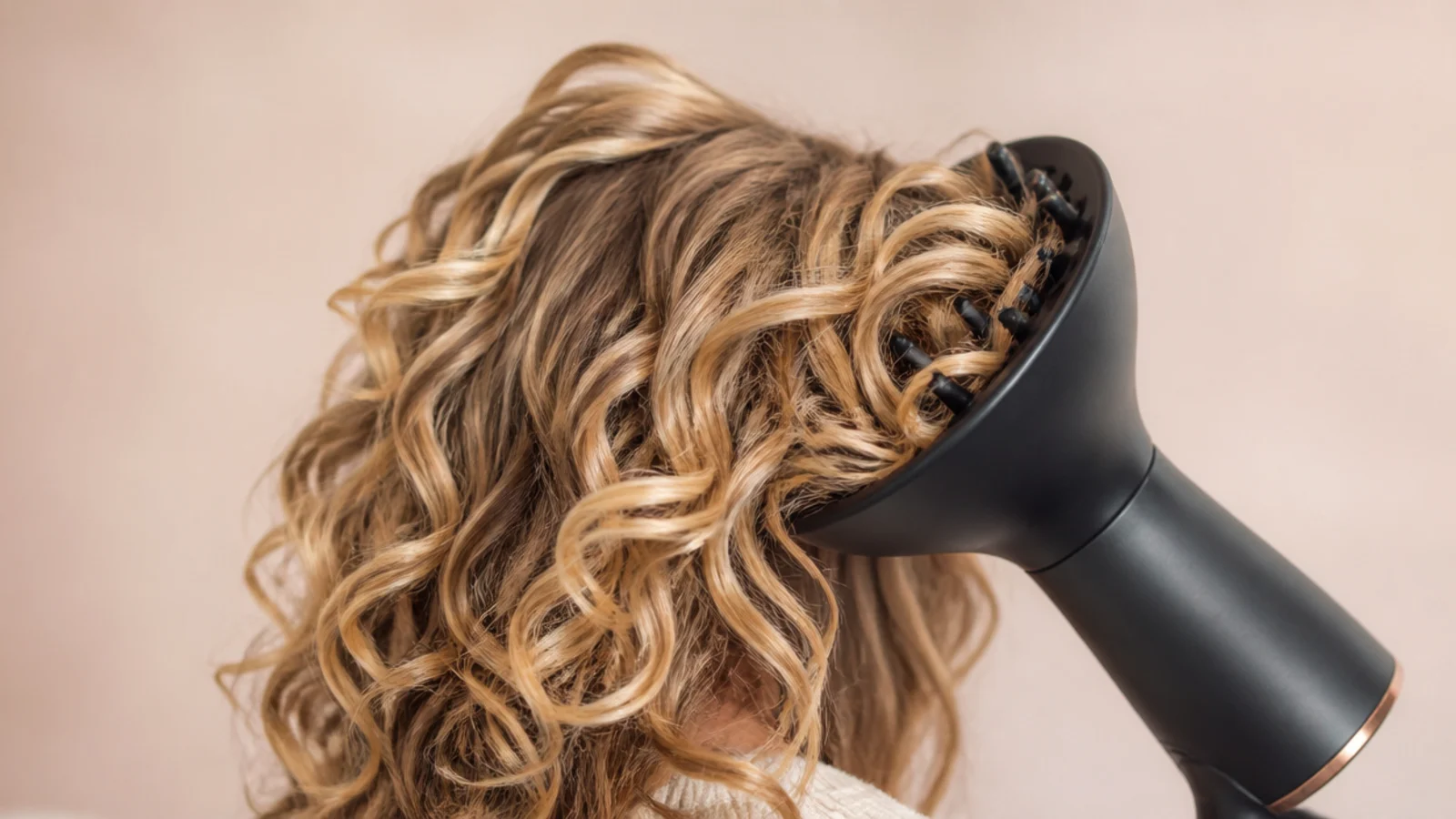
A diffuser turns 2c hair, that in-between wave-to-curl pattern, into the closest natural match for her styled shape. Apply a mousse or curl cream to soaking wet hair, cup sections into the diffuser bowl and hold them against the head for 20 to 30 seconds each, working root first. Dry to about 90 percent, then stop, since over-diffusing is where frizz starts. Scrunch out the cast when fully dry. Full routine detail in frizzy curly hair.
Who it suits: 2c and 3a hair, medium to high density.
Tip: Set the dryer to low speed and medium heat; high airflow blows the curl clump apart.
13. Curly High Ponytail with Face-Framing Pieces
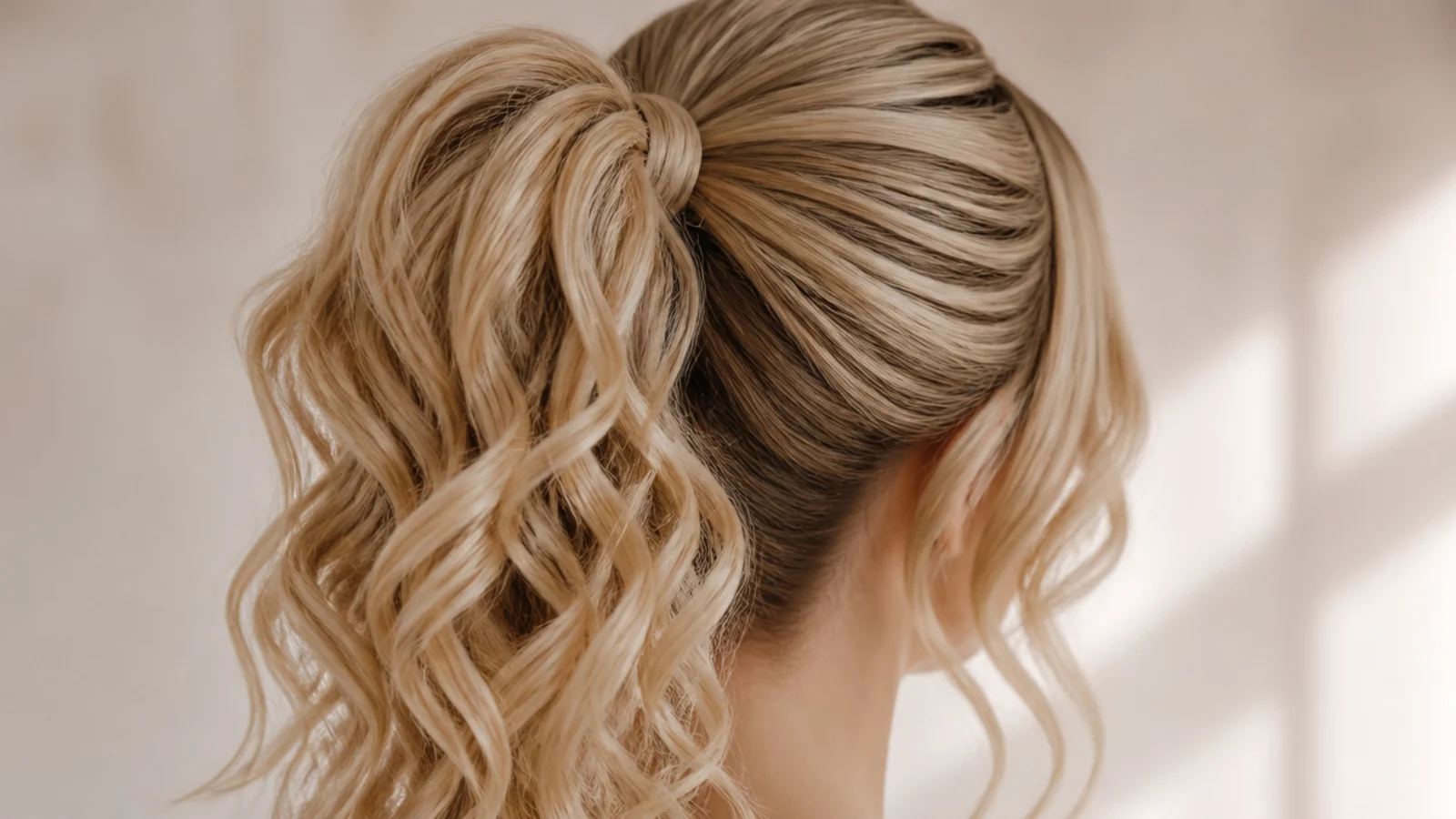
Curls gathered high at the crown, roughly level with the top of the ear, with the curtain fringe and two temple pieces pulled out to keep the face soft. On curly hair a high pony is a volume trick as much as a style: gathering the length up makes the curl fan out rather than hang, which doubles the apparent density. Wrap a small section of hair around the elastic to hide it. Keep the base loose enough to avoid tension breakage at the hairline.
Who it suits: All curl patterns, shoulder-length and longer.
Tip: Tip your head forward to gather, so the pony sits high without a flat crown.
14. Curly Updo with Face-Framing Tendrils
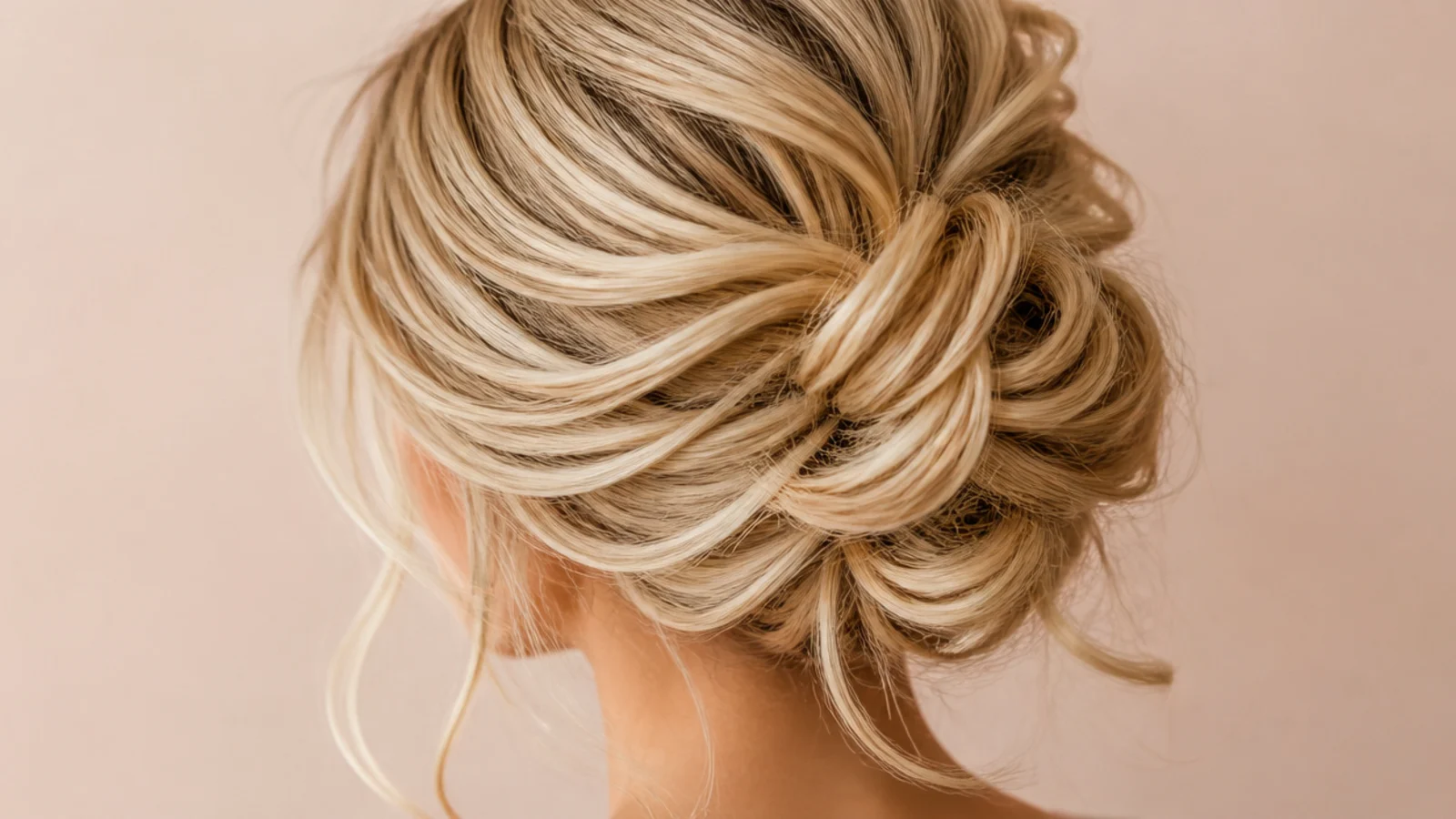
The formal version: curls pinned into a loose, deliberately imperfect bun at the back of the head, with the fringe and a curl on each side left down. Pin in small sections with matte bobby pins crossed in an X, never in one big twist, so the shape stays airy instead of compact. It reads red-carpet without the tightness of a sleek chignon, and it is the most forgiving updo on second-day curls that have lost definition.
Who it suits: Weddings, formals and second-day curls that need hiding.
Tip: Pin into hair that has texture spray in it; clean slippery curls will not hold pins.
15. Pin-Curl Bob Waves
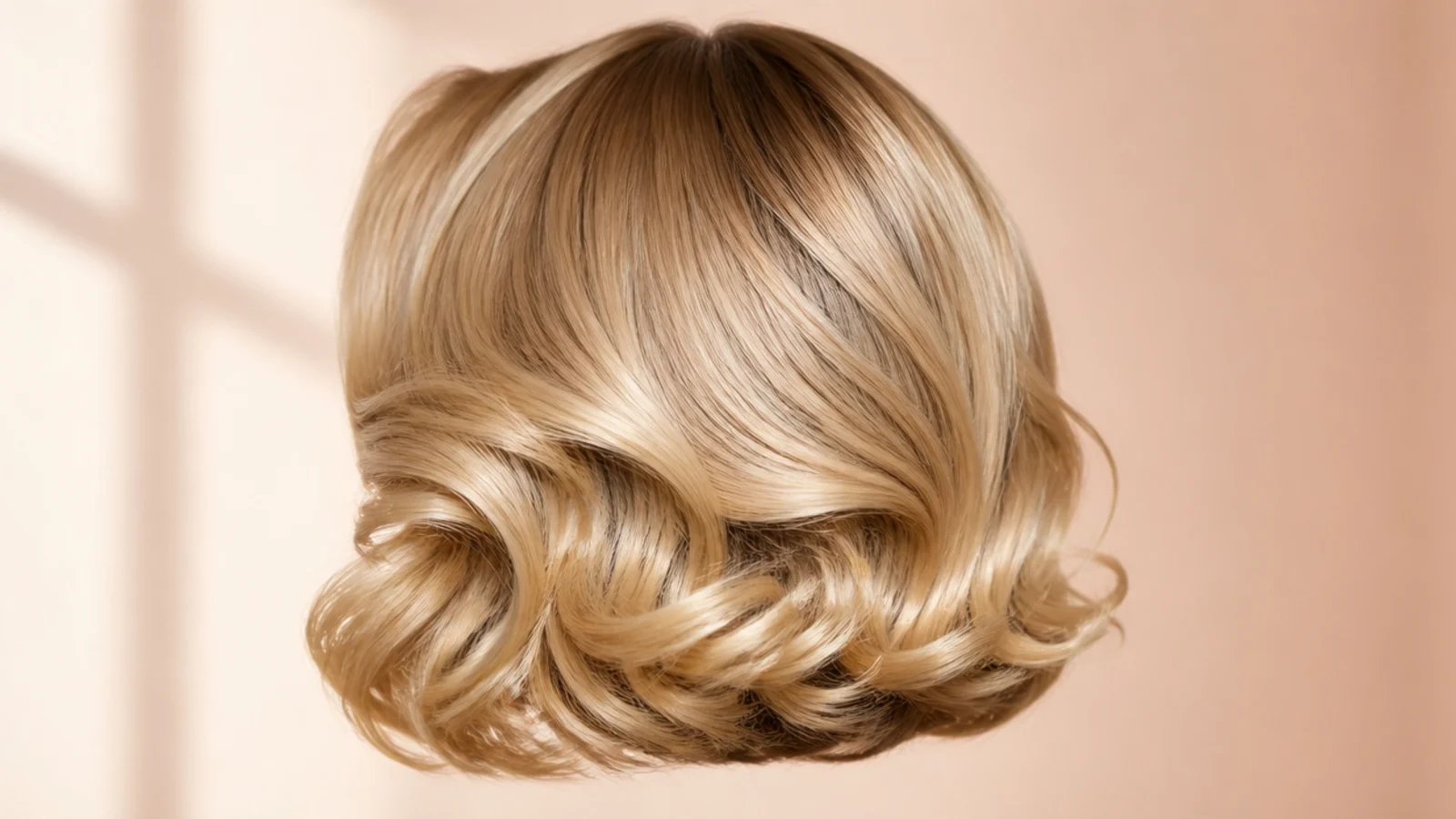
The most retro look in the set: a shoulder-length bob set in flat pin curls, each one wound against the head and clipped, then brushed out into a glossy 1940s finger-wave shape. It is a different finish from the bouncy Hollywood set, more sculpted and closer to the head, and it needs a setting lotion to hold the ridge. Allow a full hour for the set to cool. A deep side part exaggerates the wave and gives the crown lift.
Who it suits: Bob and lob lengths, fine to medium hair, formal events.
Tip: Clip every pin curl in the direction you want the wave to fall; direction is the whole look.
16. Beachy S-Wave with a Flat Iron
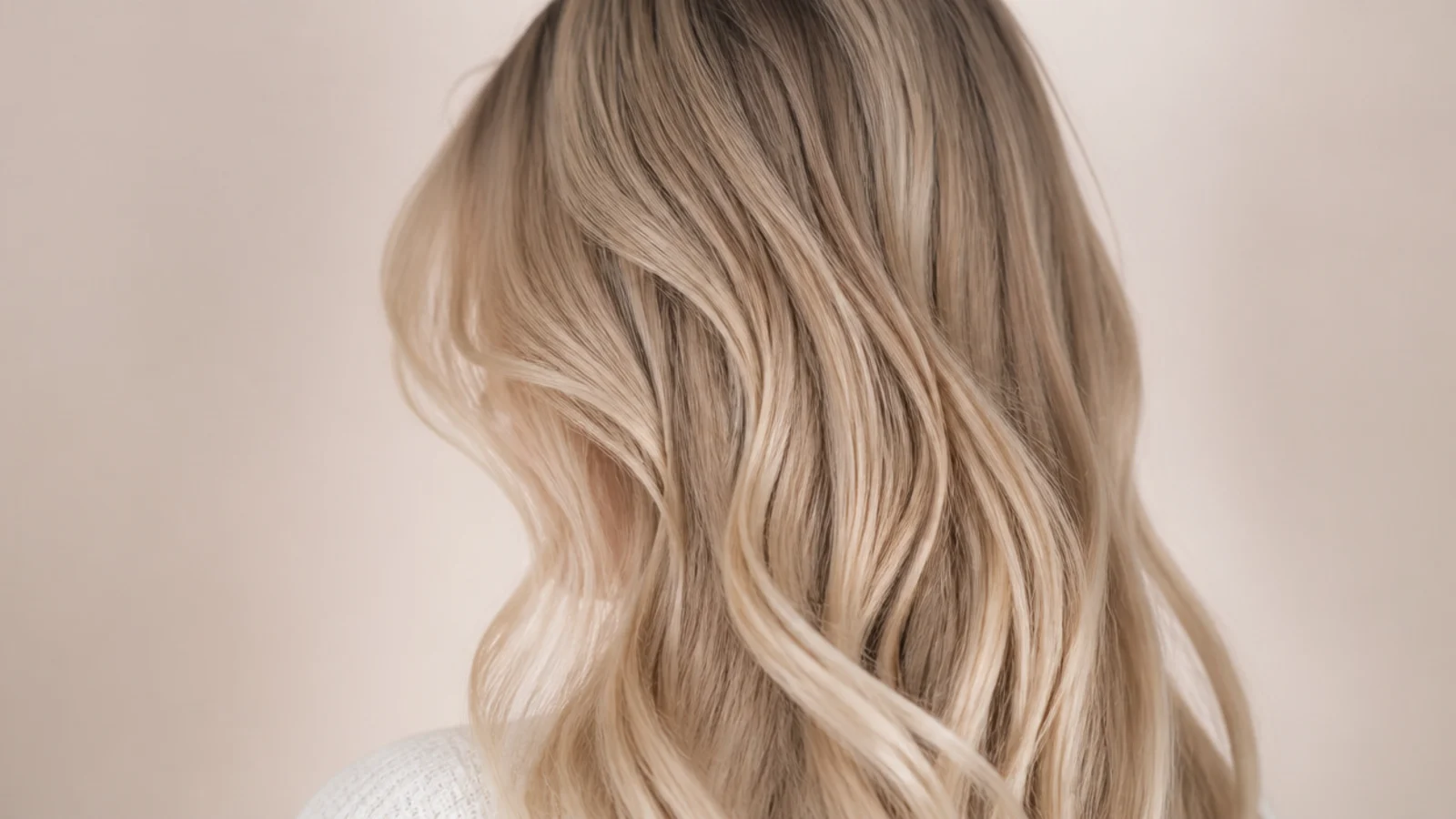
A flat iron bend rather than a curl: clamp a 2 inch section mid-shaft, rotate a half turn and glide down, then reverse the rotation on the next pass so the hair takes an S rather than a spiral. Leave the last two inches dead straight. This is the closest match to her softest, most undone wave and it is the fastest look here, about eight minutes on medium-length hair. Keep the iron at a moderate setting on lifted blonde; high heat on bleached hair snaps mid-shaft.
Who it suits: 1a to 2a hair, anyone who owns a straightener and no curling iron.
Tip: Keep the iron moving; a pause leaves a visible crease you cannot brush out.
17. Curly Hair with a Buttery Blonde Money Piece
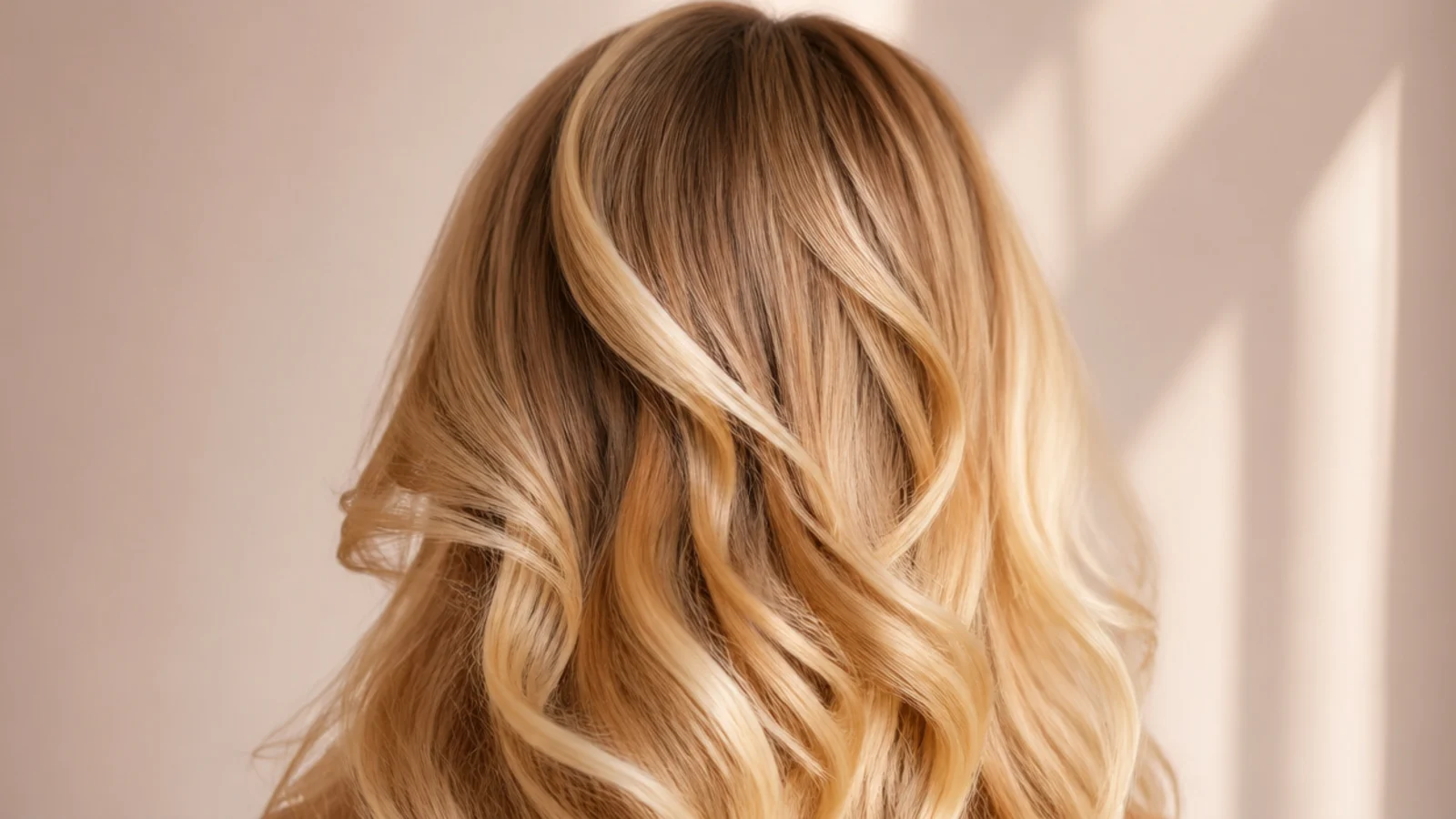
Two brighter face-framing sections, taken from the part line down to the cheekbone, lifted a shade or two past the rest. On curly hair it is the highest-impact color you can do, because the curl folds the brighter strand in and out of the darker base and creates movement that a full head of highlights cannot. Ask a colorist for a buttery blonde money piece over a beige base, and keep the back darker so regrowth stays soft.
Who it suits: All curl patterns, especially anyone whose curls read flat in color.
Tip: Ask for the bright section to start below the parting, not at the root, so grow-out is invisible.
18. Wash-and-Go Curls on 3c Hair
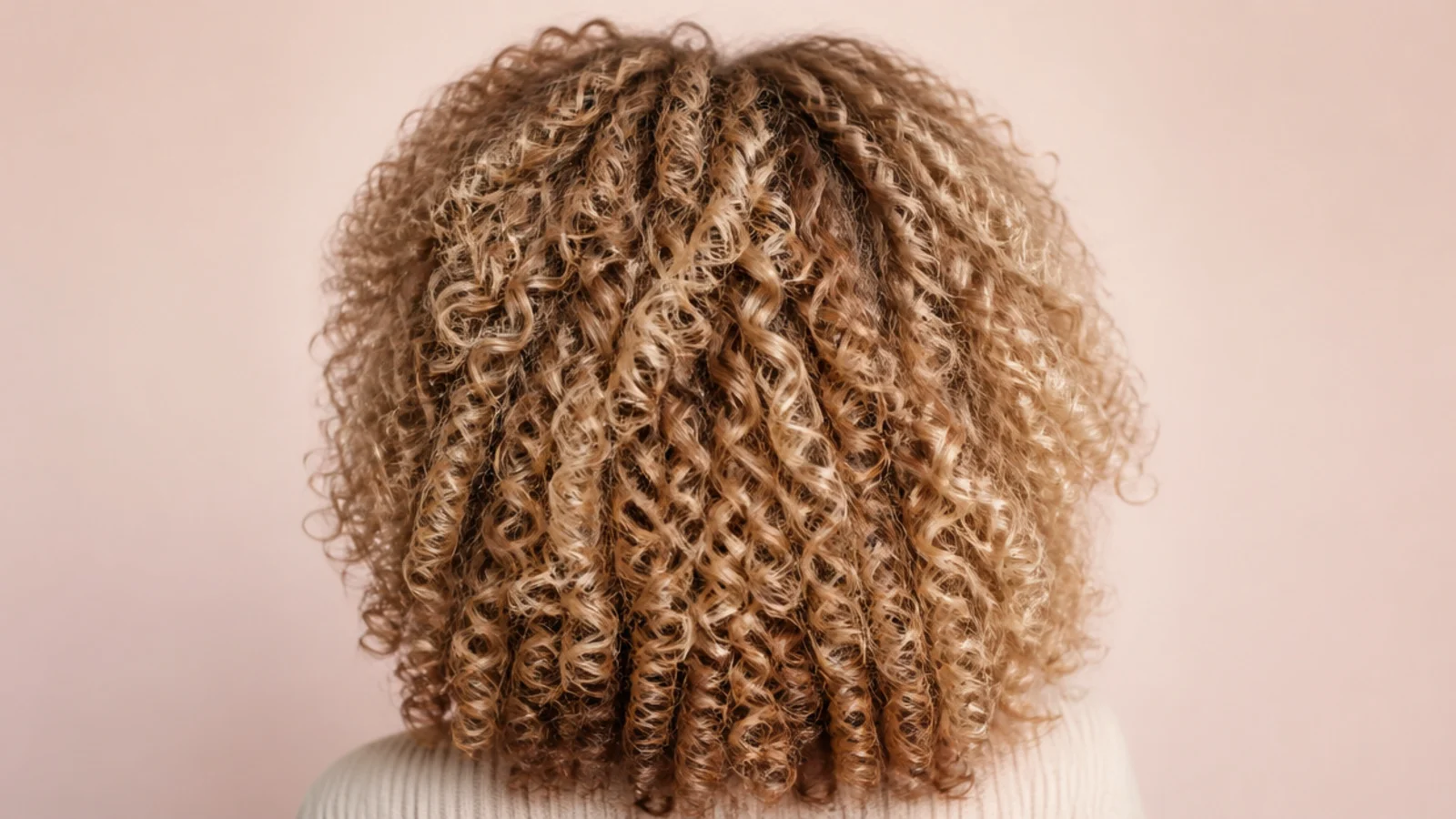
The honest translation for tighter curls. On 3c hair a heat-set Hollywood curl is neither achievable nor worth the damage, so the shape gets copied through the cut instead: a rounded silhouette with the face-framing sections tapered shorter so they arc away from the cheekbones like a fringe does. Apply a gel over a leave-in on soaking wet hair, rake then shake, air-dry or diffuse, then scrunch out the cast. The frame, not the curl size, is what makes it read.
Who it suits: 3b to 4a hair wanting the silhouette without the heat.
Tip: Ask for the shortest front layer at cheekbone level on dry hair, not wet, to allow for shrinkage.
19. Second-Day Refreshed Curls
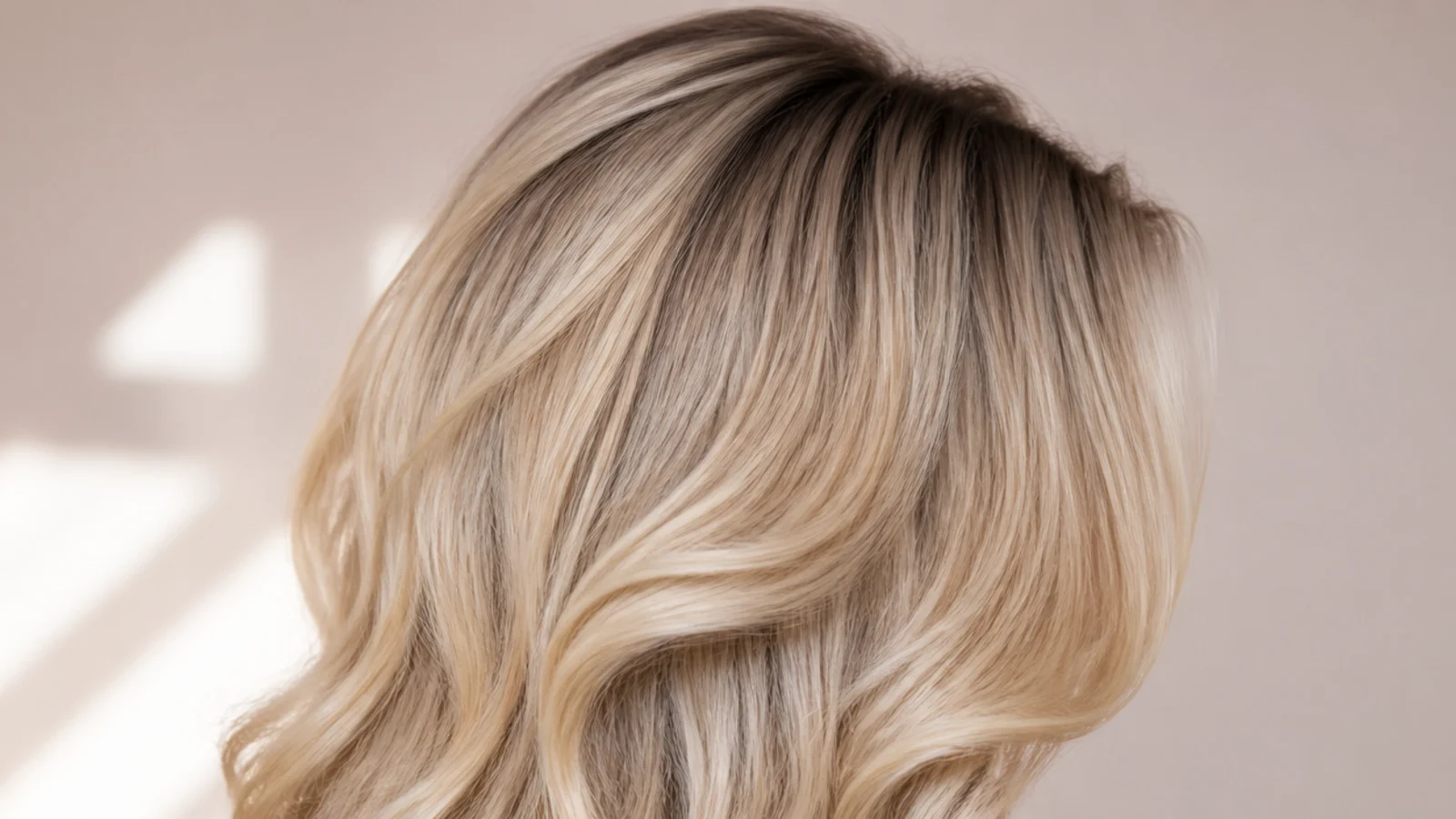
Day-two curls are flatter at the root and looser at the ends, and both are fixable in five minutes. Mist water on the mid-lengths only, work a pea of curl cream through the ends, then hit the roots with dry shampoo and massage it in with fingertips to rebuild lift. For a heat set, re-curl just the two front sections and the top layer, which is all anyone sees. Sleeping in a loose high pineapple on a satin pillowcase is what makes this work at all.
Who it suits: Anyone stretching a wash or a set to a second and third day.
Tip: Refresh with water on the ends and dry shampoo at the roots, never the other way around.
20. Curly Hair with a Shadow Root
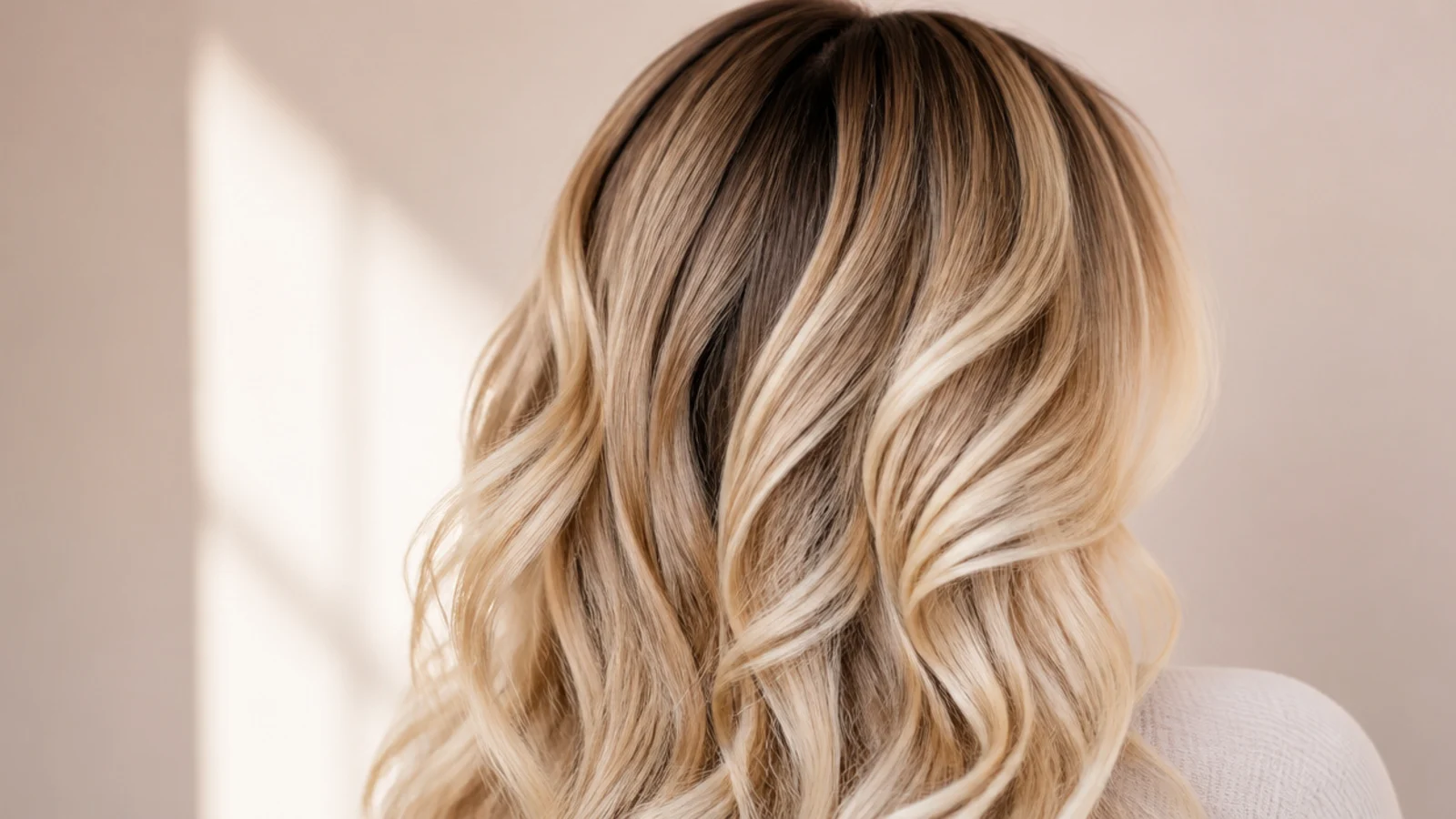
The color detail that keeps her blonde from looking like a wig: a soft darker root, roughly two shades deeper than the lengths, melted down about two inches before the buttery blonde takes over. On curls it matters more than on straight hair, because curl creates shadow anyway and a hard regrowth line looks doubly harsh. Ask a colorist for a cool beige blonde with a soft shadow root, and you cut salon visits from every four weeks to every eight to ten.
Who it suits: Anyone maintaining bleached blonde curls on a budget.
Tip: Ask for a shadow root, not a root smudge alone; the melt is what buys you the extra weeks.
How the Sabrina Carpenter Curly Hair Look Is Actually Built
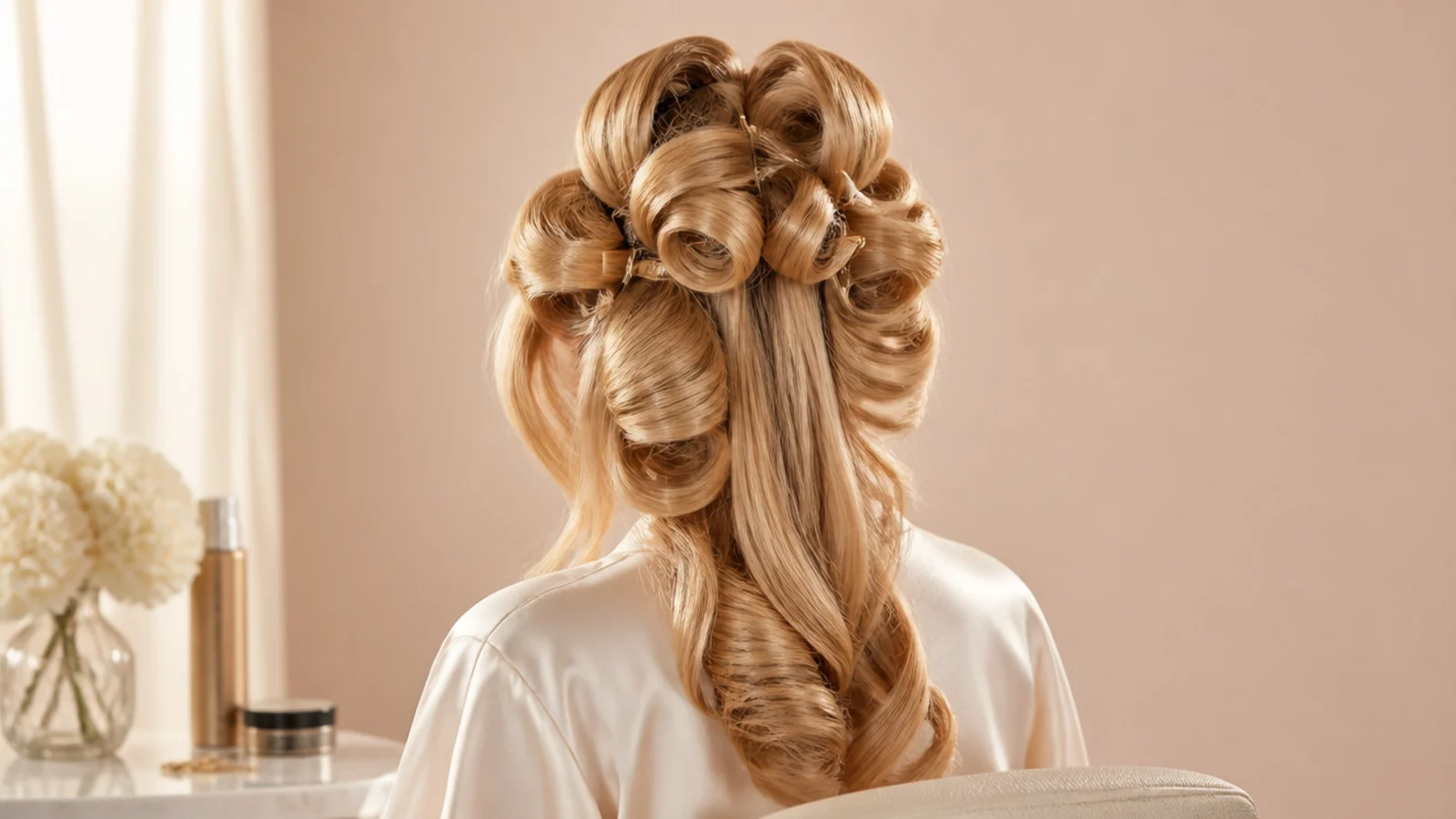
The look breaks into three parts, and only one of them involves a curling iron. First the cut: long layers through the mid-lengths with the shortest face-framing piece landing around the jaw, which is what creates the curtain shape at the front. Second the color: a buttery to cool beige blonde with a shadow root, so the curl reads as light and shadow rather than one flat block. Third the set: 1 to 1.25 inch sections wound away from the face on a 1 to 1.25 inch barrel, each curl pinned flat to the head to cool, then released and brushed out completely. Skip the pinning and the curls drop within an hour; skip the brush-out and you get ringlets rather than that single soft bouncy wave. The fringe is always set separately on a large round brush so it keeps a soft bend instead of a curl. If you want the step-by-step timings for each of these, the tutorial guide covers the full sequence, and the hair hub maps the rest of her looks.
Is Her Hair Naturally Curly? Natural Texture vs Styled Curls
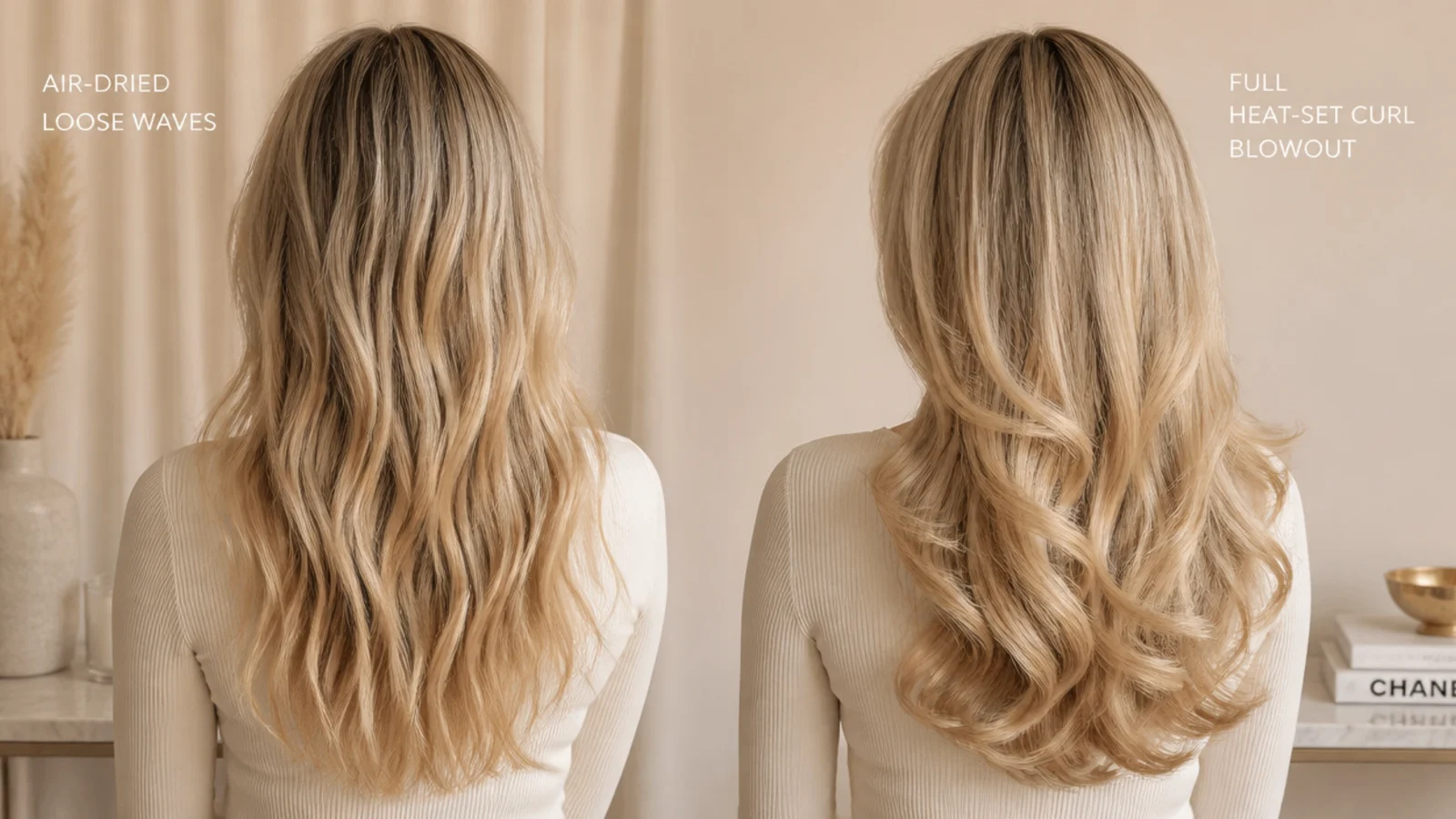
This is the question the whole search is really asking, and the honest answer is that both versions exist. Her publicly visible off-duty and makeup-free looks show a loose natural wave through to a soft curl, undone and air-dried, with the same face-framing layers doing the work. The huge, uniform, bouncy curls seen at events are a heat set on long layered hair, usually with added volume, and they are not what her hair does on its own. It is worth being equally clear about the color side: the documented jet-black and brunette curly looks were wigs for shoots rather than dye, which is why they appear and disappear within days. So if you are copying a dark curly look, you are copying a wig shape, not a color formula. Start from the texture-first angle in natural hair, and read black hair before you commit to going dark over lifted blonde.
Which Curly Look Suits Your Curl Pattern, 2a to 3c
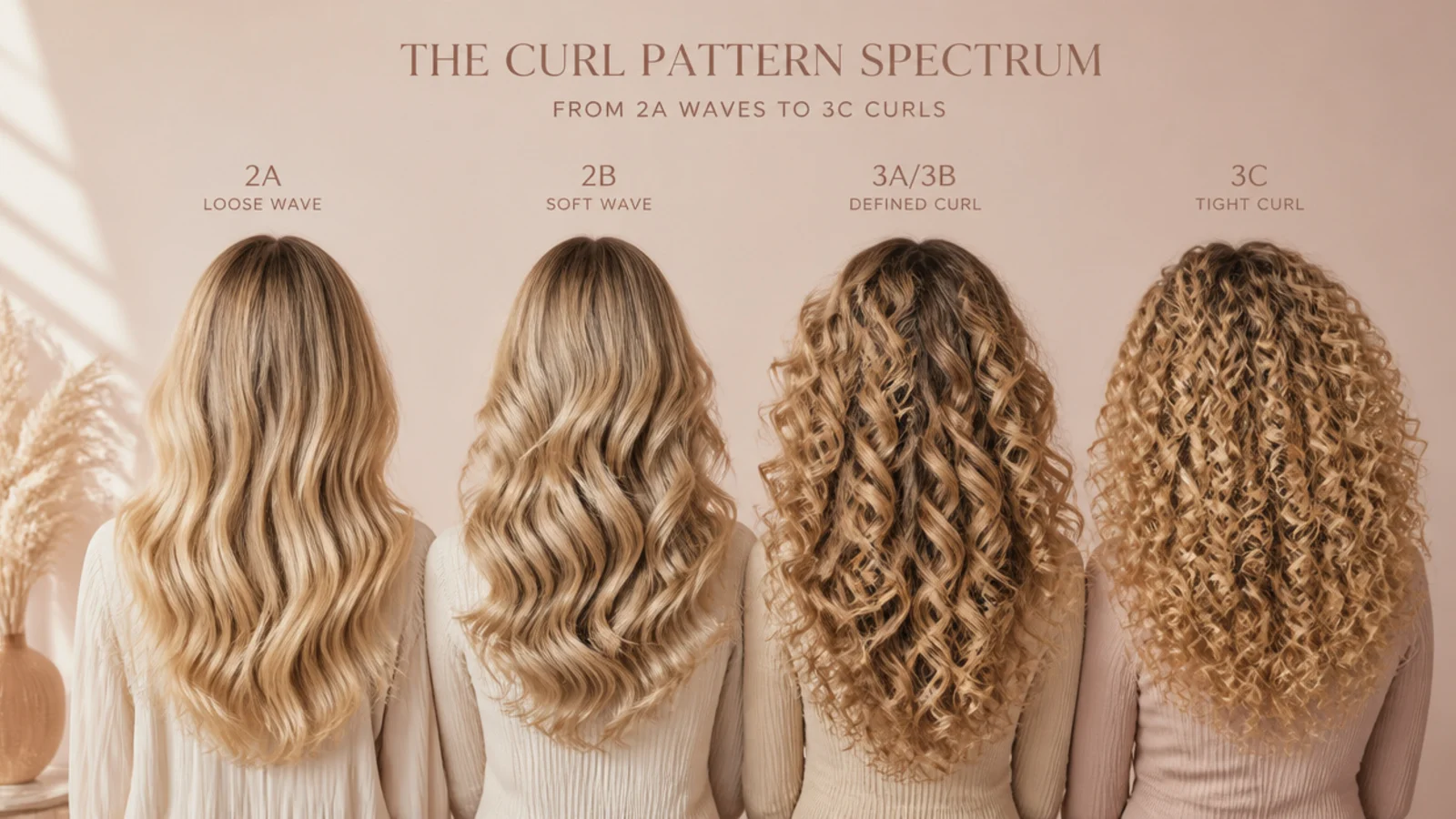
Nobody on the first page of results gates this by curl pattern, which is why so many people copy the look and hate the result. If you are 1a to 2a, your hair does not hold a wide barrel curl, so use a 1 inch barrel or hot rollers and set on completely dry hair with a texture spray for grip. If you are 2b to 2c, you are closest to her own texture: diffuse a curl cream and only touch up the front sections with an iron. If you are 3a to 3b, do not add curl, stretch it instead, using large flexi rods or a blowout on a large round brush, because your problem is shrinkage hiding the layers. If you are 3c and tighter, copy the silhouette through the cut, with tapered face-framing pieces starting at cheekbone level, and let a wash-and-go do the rest. Density matters as much as pattern: fine hair needs a smaller barrel, thick hair needs more sections and a longer cool-down. Fine-hair fringe handling is in short curtain bangs for fine hair.
The Curtain Fringe on Curly Hair: Length, Layers and Shrinkage
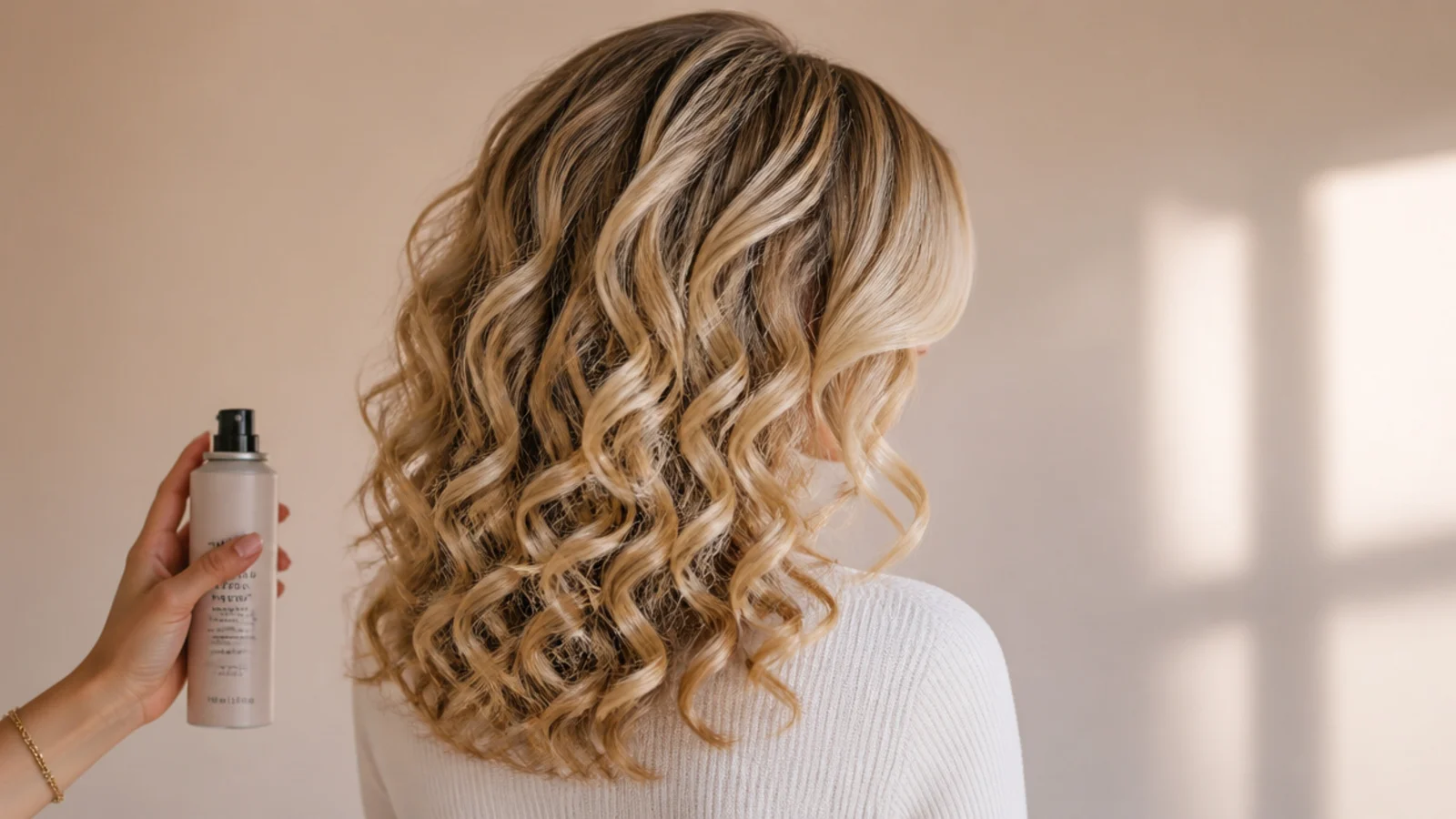
The fringe is the part of this look people get wrong most often, and curl makes it harder. On straight hair the curtain sits lash-skimming at the shortest point and graduates down to the jaw. On curly hair, cut to that same wet length and it will dry two to four inches shorter, which turns a soft curtain into a blunt micro-fringe. So the rule is simple: the fringe must be cut dry, curl by curl, with the stylist checking each spring-back before the next snip. Ask for the shortest point to land at cheekbone rather than lash level to build in shrinkage. Styling it is a separate job from the rest of the hair: rough-dry the fringe first, before anything else has dried, using fingers to push it side to side so it does not set into a curl at the root. Curly-specific fringe technique is covered in curly short curtain bangs and styling short curtain bangs.
How to Ask Your Stylist for Sabrina Carpenter Curly Hair
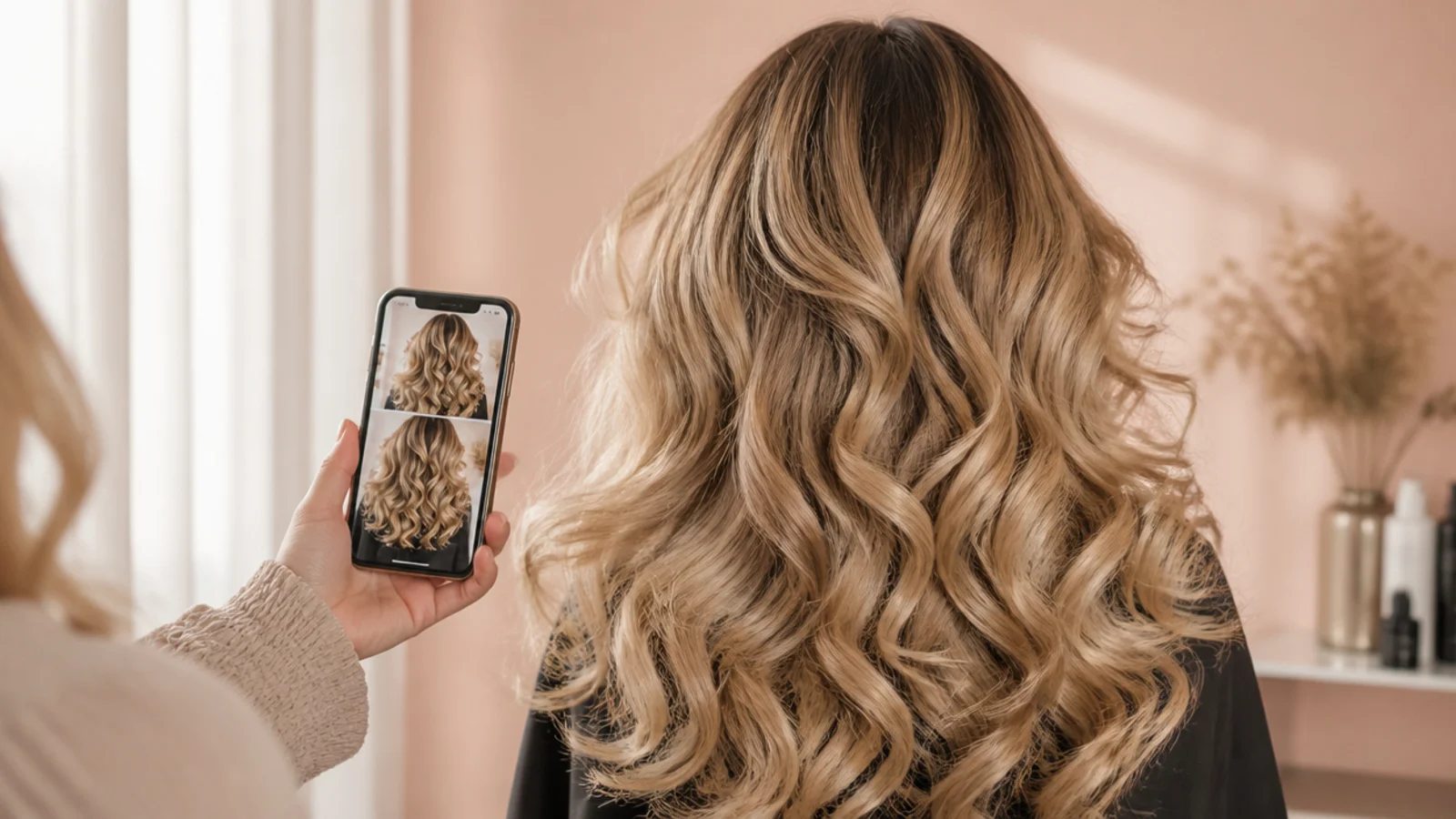
Bring photos, then bring the vocabulary, because the same photo gets cut four different ways. Say the cut first: long layers with the shortest internal layer at collarbone level and face-framing layers starting at the jaw, blended so there is no shelf. If your hair is curly, add the two words that change everything: cut dry. Then name the color in family terms a colorist can mix from, so buttery blonde through the lengths, a cool beige toner, and a soft shadow root two shades deeper rather than a hard regrowth line. Ask for the weight removed from the interior rather than the perimeter, since taking it off the outside is what creates a triangle on curly hair. Finally ask two closing questions: how much will this shrink when it dries, and what does it look like at eight weeks when the layers have grown. Color wording for going warmer or darker is in brown hair.
Keeping Blonde Curls from Getting Frizzy and Damaged
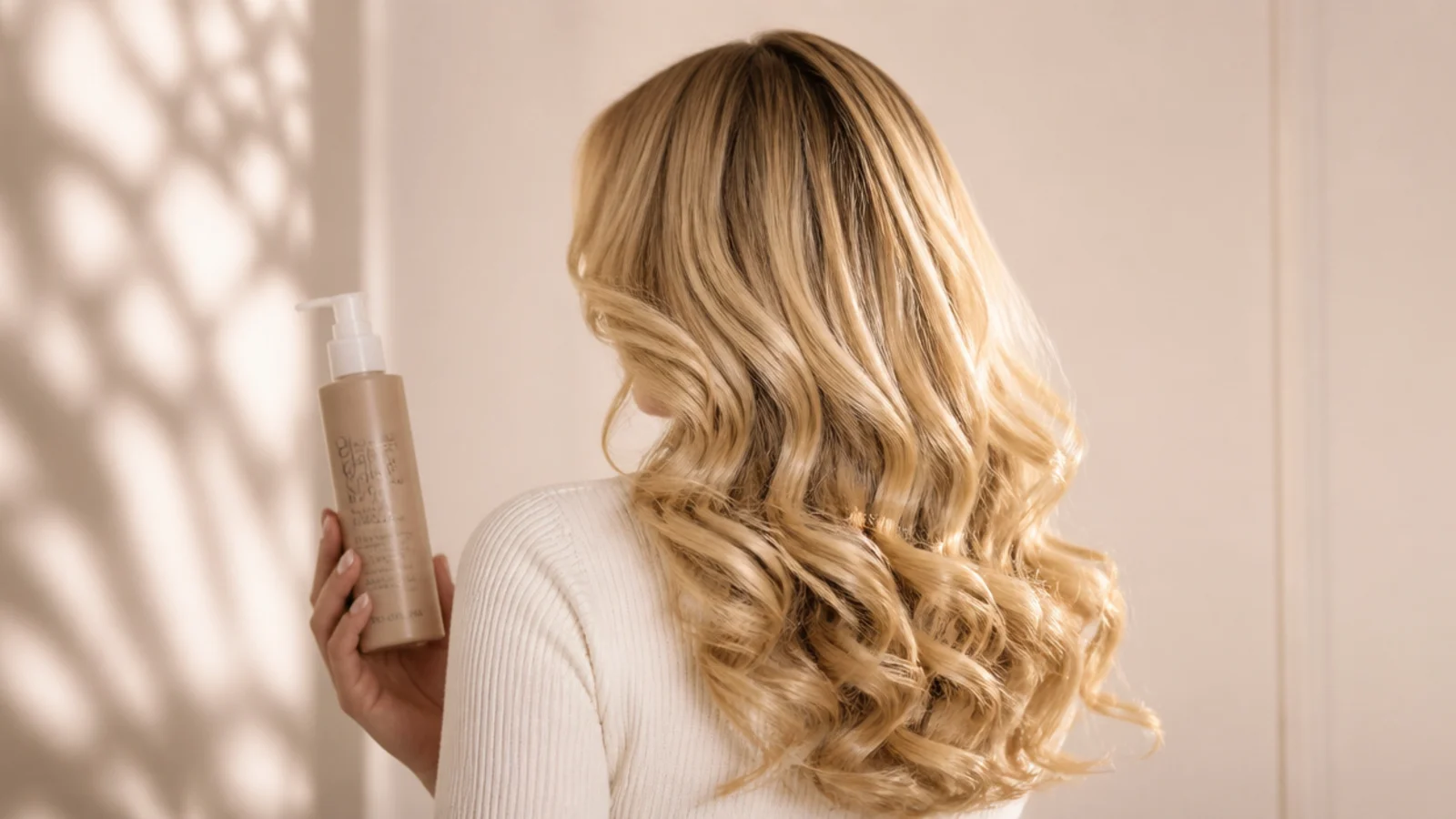
Bleached hair and curl are a difficult combination, because lifting raises the cuticle and a raised cuticle is what frizz is. Three habits do most of the work. First, wash with a sulfate-free cleanser and follow with a bond-building or protein-balanced treatment every second or third wash, since lifted curls lose structure long before they look damaged. Second, cap the heat: a moderate iron setting on bleached blonde and a heat protectant on every section, because mid-shaft breakage on lifted hair happens at temperatures that untreated hair shrugs off. Third, protect the set overnight with a satin pillowcase and a loose high pineapple, which preserves both a heat set and a wash-and-go. If your curls are dry rather than damaged, a weekly deep mask matters more than any styling change. The full anti-frizz routine, including which products go on soaking wet hair, is in frizzy hair routine and hairstyles for frizzy hair.
Frequently Asked Questions
Is Sabrina Carpenter's hair naturally curly?
Her natural texture reads as a loose wave through to a soft curl, which shows in off-duty and makeup-free photos. The very large, uniform, bouncy curls seen at events are a heat set on long layered hair rather than her own pattern. So both are real: soft natural movement day to day, and a full set curl for the red carpet.
Does Sabrina Carpenter wear a wig?
For her documented dark looks, yes. Reporting on the jet-black blunt-fringe shoot and the earlier brunette look identifies both as wigs rather than dye, which is why the color appeared and vanished within days. Her blonde looks are her own hair, though added volume for event styling is standard practice across red-carpet hair.
What size curling iron does it take to get her curls?
A 1 to 1.25 inch barrel. Go to 1 inch if your hair is fine or drops a curl quickly, and 1.25 inch if your hair is thick or long enough that a smaller barrel reads as ringlets. Take sections about as wide as the barrel, wind away from the face, and pin each curl to cool before brushing out.
What is Sabrina Carpenter's haircut called?
There is no single official name, but stylists build it as long layers with a curtain fringe. The shortest face-framing piece lands around the jaw and graduates down into the lengths, while internal layers remove weight from the mid-shaft so the hair keeps movement. Asking for long layers plus a long curtain fringe gets you the shape.
Do curtain bangs work on curly hair?
Yes, but they have to be cut dry, curl by curl, because curly hair shrinks two to four inches as it dries. Ask for the shortest point at cheekbone rather than lash level to build the shrinkage in. Rough-dry the fringe first, before the rest of your hair, pushing it side to side so it does not set curled at the root.
How do I make heat-set curls last all day?
Three things. Set on completely dry hair with a texture or setting spray for grip, pin every curl flat to the head and leave it a full 15 minutes until stone cold, and finish with a flexible-hold hairspray after the brush-out rather than before. At night, a loose high pineapple on a satin pillowcase preserves most of the shape for day two.
Can I get this curly look on short hair?
Yes. The curly bob and the curly pixie are both documented short versions. The one change that matters is the fringe: at bob length or shorter it has to be re-cut roughly an inch shorter, or it hangs past the widest part of the cheek and closes the face in. Use a smaller barrel, about 0.75 inch, so the curl still reads bouncy.
Is Sabrina Carpenter naturally blonde?
Her natural color is reported as a medium blond, lifted and brightened with golden and face-framing highlights rather than taken from dark to light. That is why the blonde looks lived-in rather than solid. To ask for it, describe a buttery blonde with brighter face-framing pieces and a soft shadow root two shades deeper than the lengths.
Will these curls suit my face shape?
The curtain fringe is the part that interacts with face shape, not the curl. A longer curtain opening at the cheekbone softens a round or square face by breaking up width, while a shorter, fuller fringe suits a longer face by shortening the forehead. Oval faces take either. Keep the shortest piece below the widest point of your face.
Which sabrina carpenter hair look are you saving?
If you take one thing from these 20 Sabrina Carpenter curly hair ideas, make it the order of operations: the cut creates the shape, the curl fills it in, and the brush-out is what turns a set of ringlets into that soft bouncy blonde silhouette. Long layers with the shortest face-framing piece at the jaw will do more for the look than any curling iron. If your hair is naturally 3a and up, skip the heat entirely, cut the layers to your dry curl and let a diffuser build the volume. Save the two or three photos that match your own length and density, then read the full hair hub and the bangs guide before you book.