Quick Comparison
| Low Porosity 4C Hair | High Porosity 4C Hair | |
|---|---|---|
| Water test result | Shed strand floats at the top after four minutes | Shed strand sinks within a minute or two |
| What the cuticle is doing | Lying flat and tight, resisting water in and out | Raised or damaged, letting water rush in and straight back out |
| How it behaves in the shower | Water beads on top and takes a while to soak in | Soaks instantly, then feels dry again within hours |
| Product weight to choose | Lightweight liquids, gels, grapeseed and jojoba oil | Heavy creams, shea and mango butter, castor oil |
| Layering order that works | LCO, cream before oil, so the oil is not blocking water | LOC, oil before cream, so the seal is built in stages |
| Deep conditioning method | Needs gentle heat: plastic cap plus hooded dryer or a warm towel | Works without heat; focus on sealing right after rinsing |
| Protein tolerance | Low; often only needs protein twice a year | High; benefits from hydrolyzed protein every 6 to 8 weeks |
| Most common complaint | Products sit on top and never absorb, hair feels coated | Hair drinks everything and is dry again by the next morning |
| Biggest mistake to avoid | Piling on thick butters that block moisture completely | Skipping the sealing step and blaming the leave-in |
1. Detangle on Soaking Wet Conditioned Hair in Four Sections
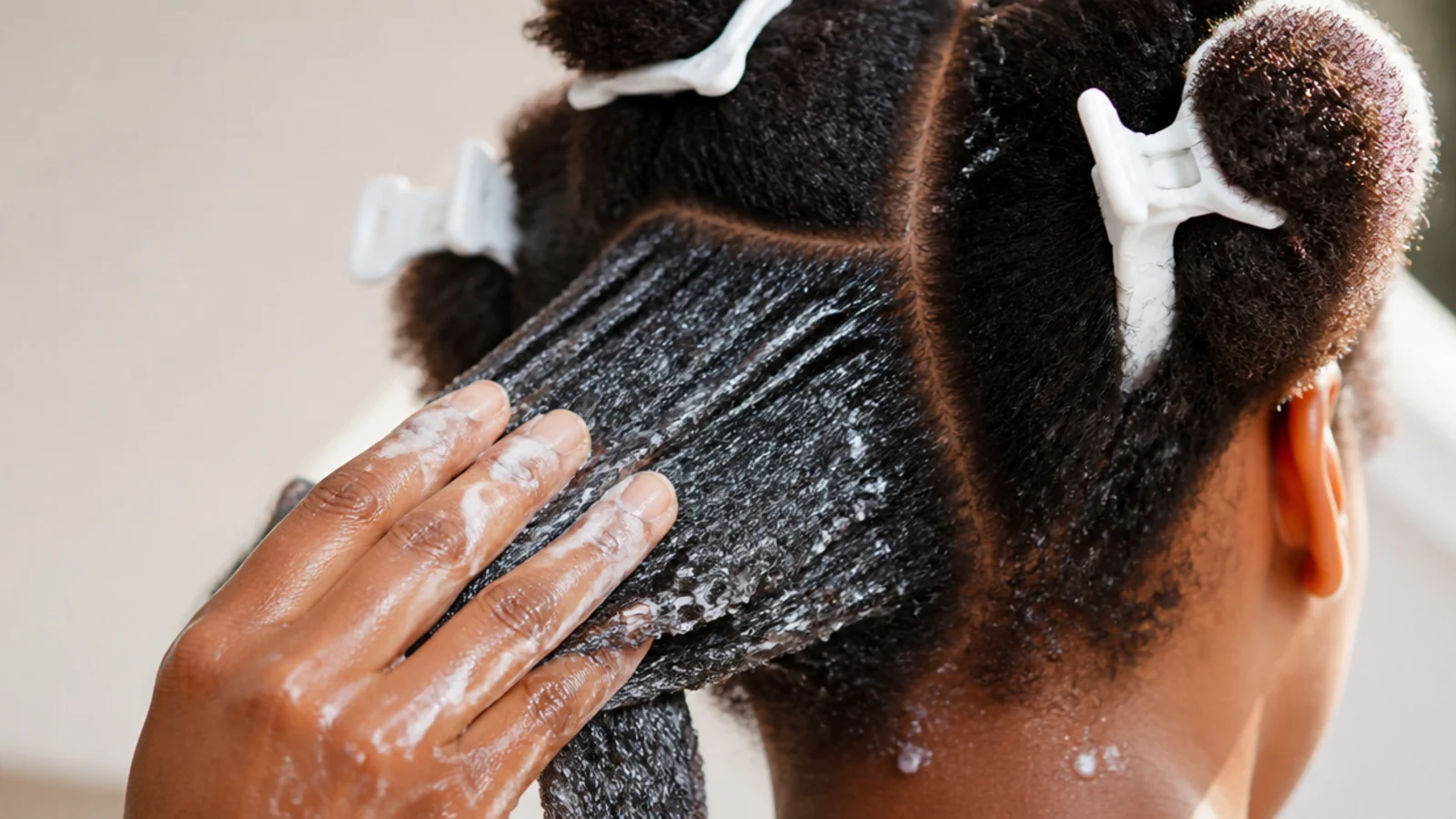
Never detangle 4C dry, and never detangle it all at once. Part into four sections, clip three away, and saturate the working section with water plus a slippery conditioner until it feels genuinely slick. Start at the ends and work up in one inch increments, fingers first, comb second. Dry detangling is the single fastest way to lose a wash day's worth of length, because coils lock together at every bend and pull each other out. Budget 15 minutes per section and put on something to watch.
Who it suits: Anyone finding piles of short broken hairs after every wash day.
Tip: If your fingers snag, add more water before you add more product; slip comes from water first.
2. Deep Condition Under a Plastic Cap for 30 Minutes Weekly
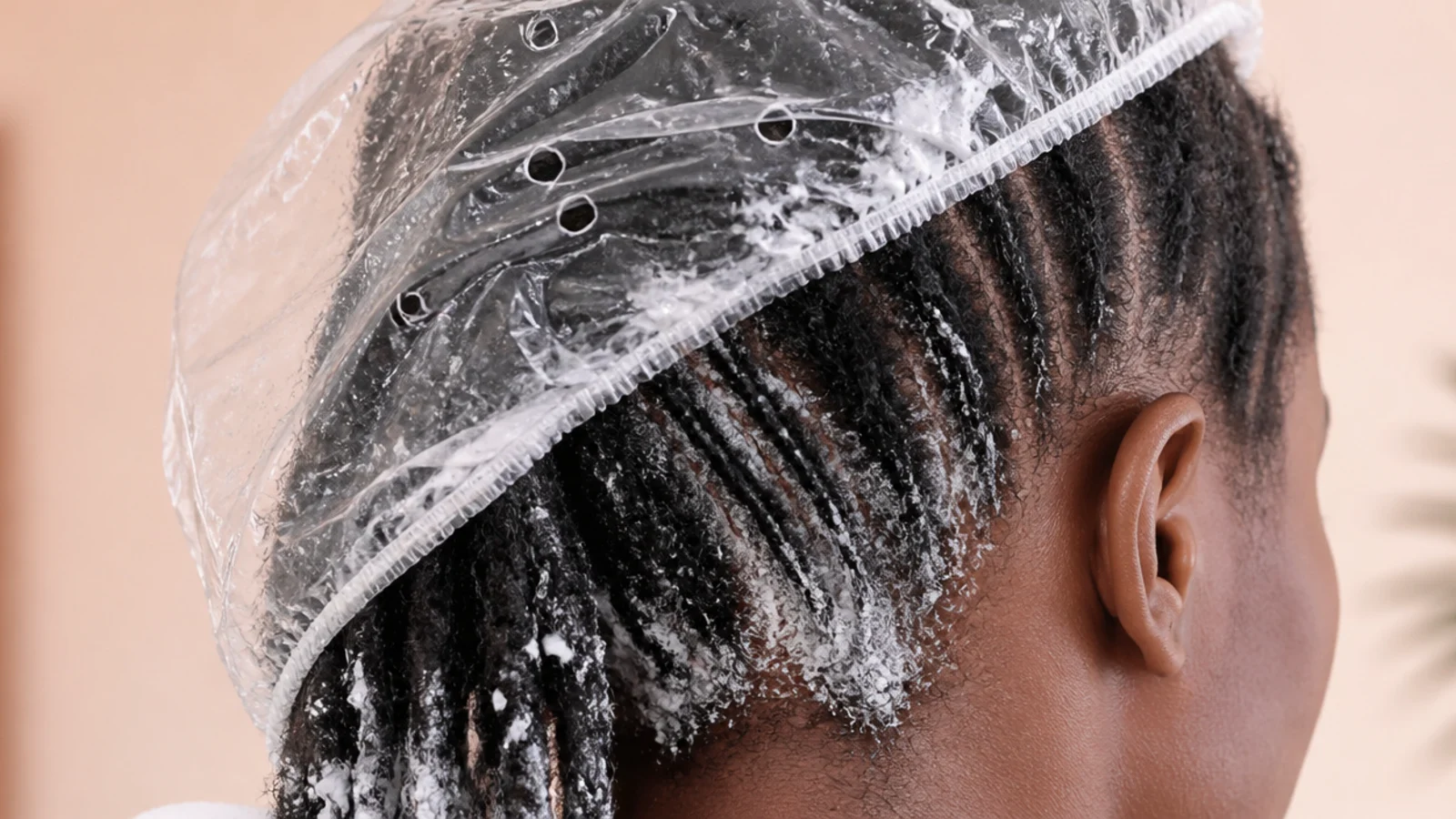
A rinse-out conditioner is a five minute detangler; a deep conditioner is a 30 minute treatment and the difference matters on 4C. Apply to damp hair in sections, ends first because they are the oldest and most fragile, then cover with a plastic cap. Body heat trapped under the cap lifts the cuticle just enough for the conditioner to get in, which is why the cap is not optional. Weekly is the right cadence for most people. A hooded dryer on low for 15 minutes does the same job faster if you own one. The same trapped-heat trick powers a good hair mask for frizzy hair.
Who it suits: Dry, rough-feeling 4C hair that drinks conditioner and still feels crunchy.
Tip: Set a timer; 30 minutes helps, and two hours does not help twice as much.
3. Use the LOC Method: Water, Then Oil, Then Cream
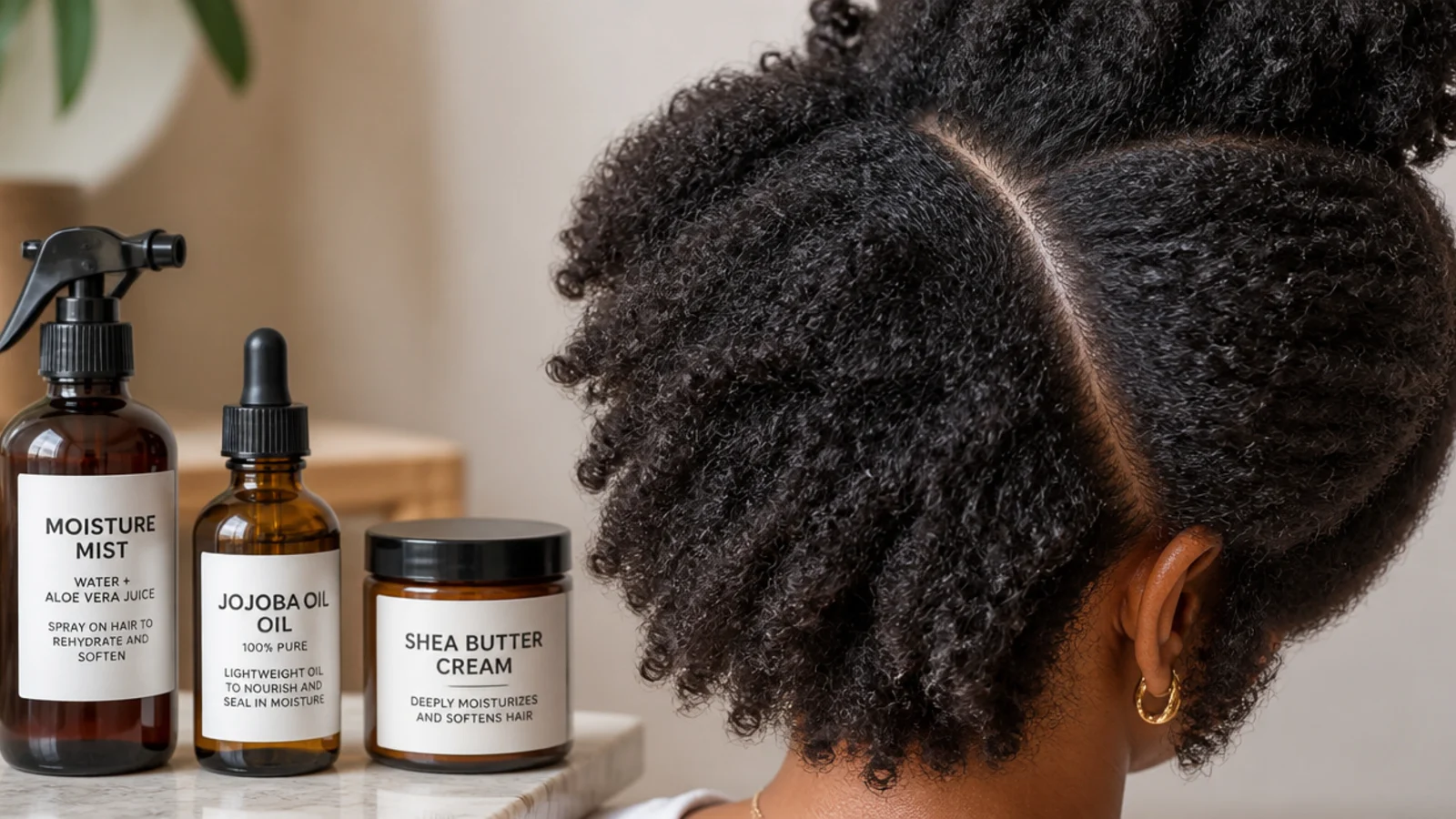
Moisture is water. Everything else seals it in. LOC means liquid, oil, cream, applied in that order to damp hair: mist with water or a water-based leave-in, add a light oil to slow evaporation, then a cream to lock the whole thing down. Swap to LCO, cream before oil, if your hair is low porosity and LOC leaves it greasy on top and dry underneath. Do it on wash day and again mid-week on the ends only. This one habit fixes more chronic dryness than any product upgrade. See more in natural hair growth tips.
Who it suits: 4C hair that feels dry again within 24 hours of washing.
Tip: Apply to damp, never bone dry hair; oil on dry hair seals dryness in.
4. Test Your Porosity With a Strand in a Glass of Water

Drop a clean shed strand into a glass of room temperature water and wait four minutes. Floating means low porosity, a tight cuticle that resists water going in and coming out. Sinking means high porosity, a raised cuticle that soaks up water and loses it just as fast. This one result tells you whether to reach for light liquids and heat, or heavy butters and protein. It is imperfect but it is free, and it is the organizing idea almost every 4C article skips. The comparison table below breaks the two routines apart.
Who it suits: Anyone buying products that work for other people and not for them.
Tip: Use a strand from your brush, not one cut fresh, and make sure it is product-free.
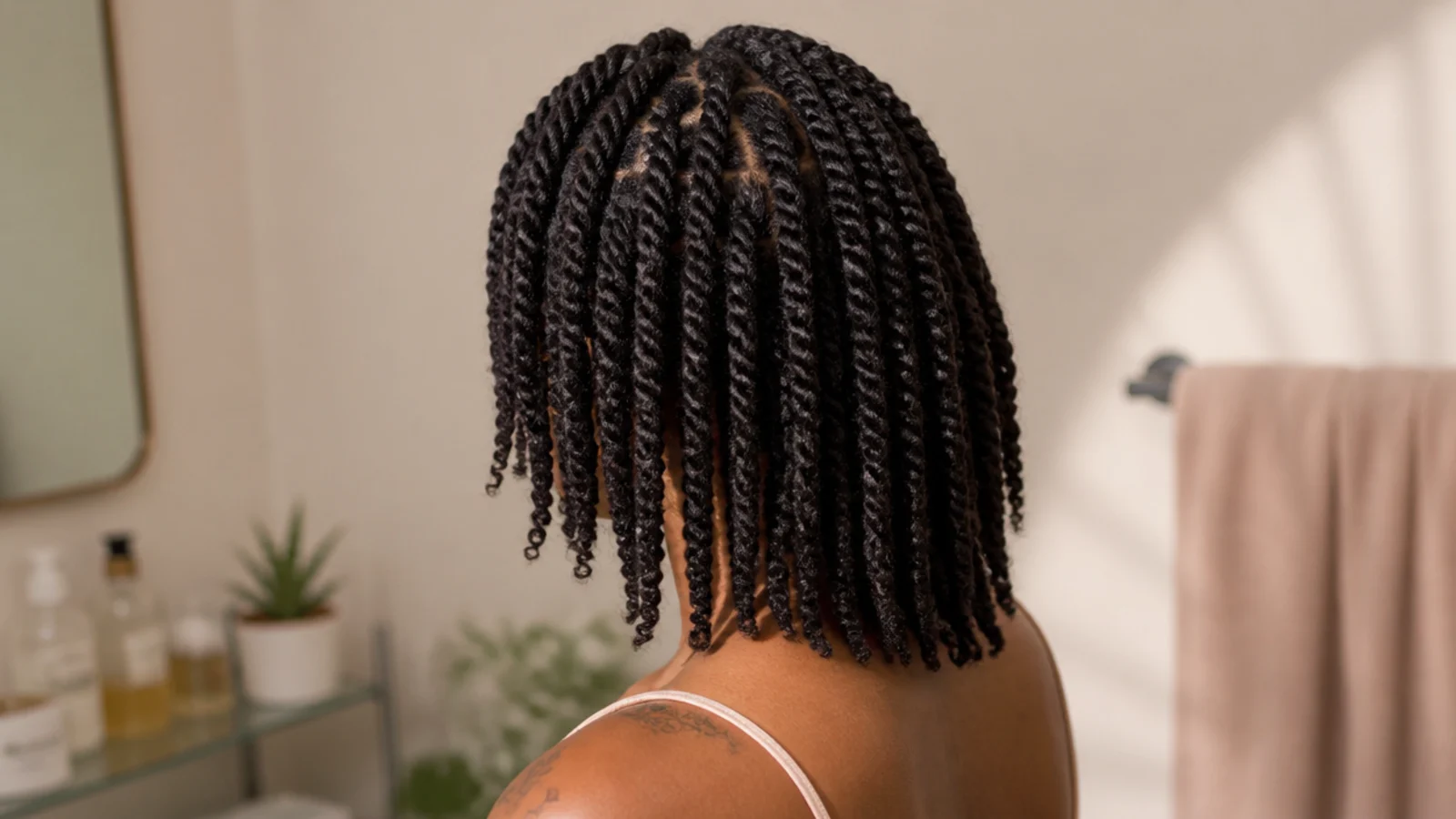
5. Dry 4C Hair Stretched in Twists Instead of Shrunken
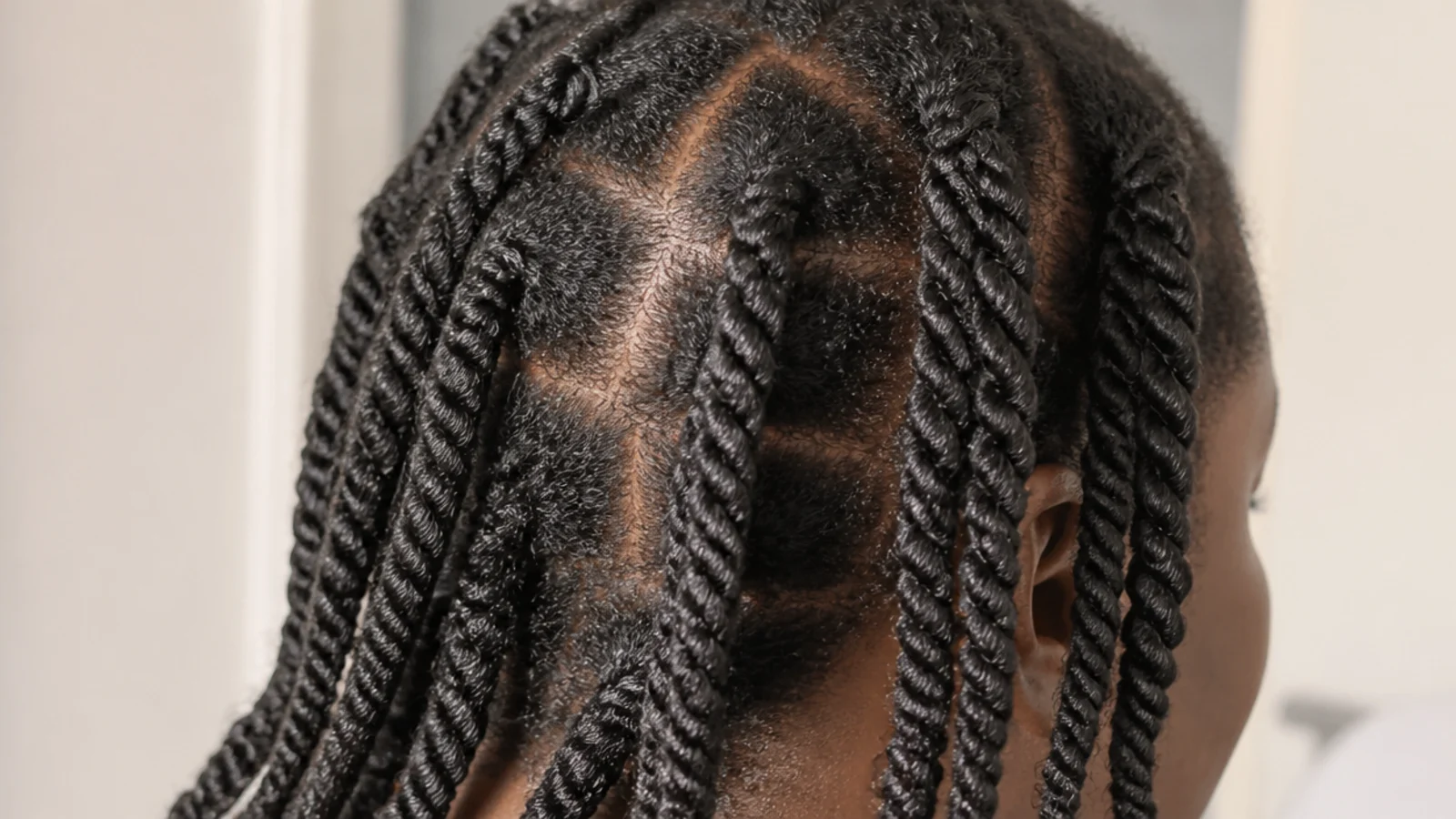
Hair that dries fully shrunken locks every coil into its tightest possible bend, and that is where single strand knots and tangles form. Instead, put wet hair into 8 to 12 chunky two-strand twists, flat twists or a few banded ponytails before it dries. It is the same amount of work and it leaves you with stretched, elongated hair that detangles more easily next wash day. It also means the style you wake up to is already done. Banding with soft elastics every two inches gives the most stretch without any heat.
Who it suits: Anyone whose hair tangles into knots by day three.
Tip: Twist while soaking wet, not damp, or the ends dry frizzy and unfinished.
6. Track Length on Stretched Hair With a Marked T-Shirt

Shrinkage is why 4C feels like it never grows, so stop measuring shrunken. Take a plain t-shirt, mark horizontal lines every two inches with fabric marker, and photograph a stretched back section against it on the first of each month, same shirt and same lighting every time. Half an inch a month is invisible day to day and obvious across six photos. This is the honest version of a length check, and it replaces the daily mirror inspection that makes everyone quit. Keep the photos in one album so progress is one scroll away. Milestone thinking is covered in long hair tips for growth.
Who it suits: Anyone convinced their hair has not moved in a year.
Tip: Stretch the same section every month, usually center back, so the numbers stay comparable.
7. Massage Your Scalp Five Minutes a Day With Jojoba Oil
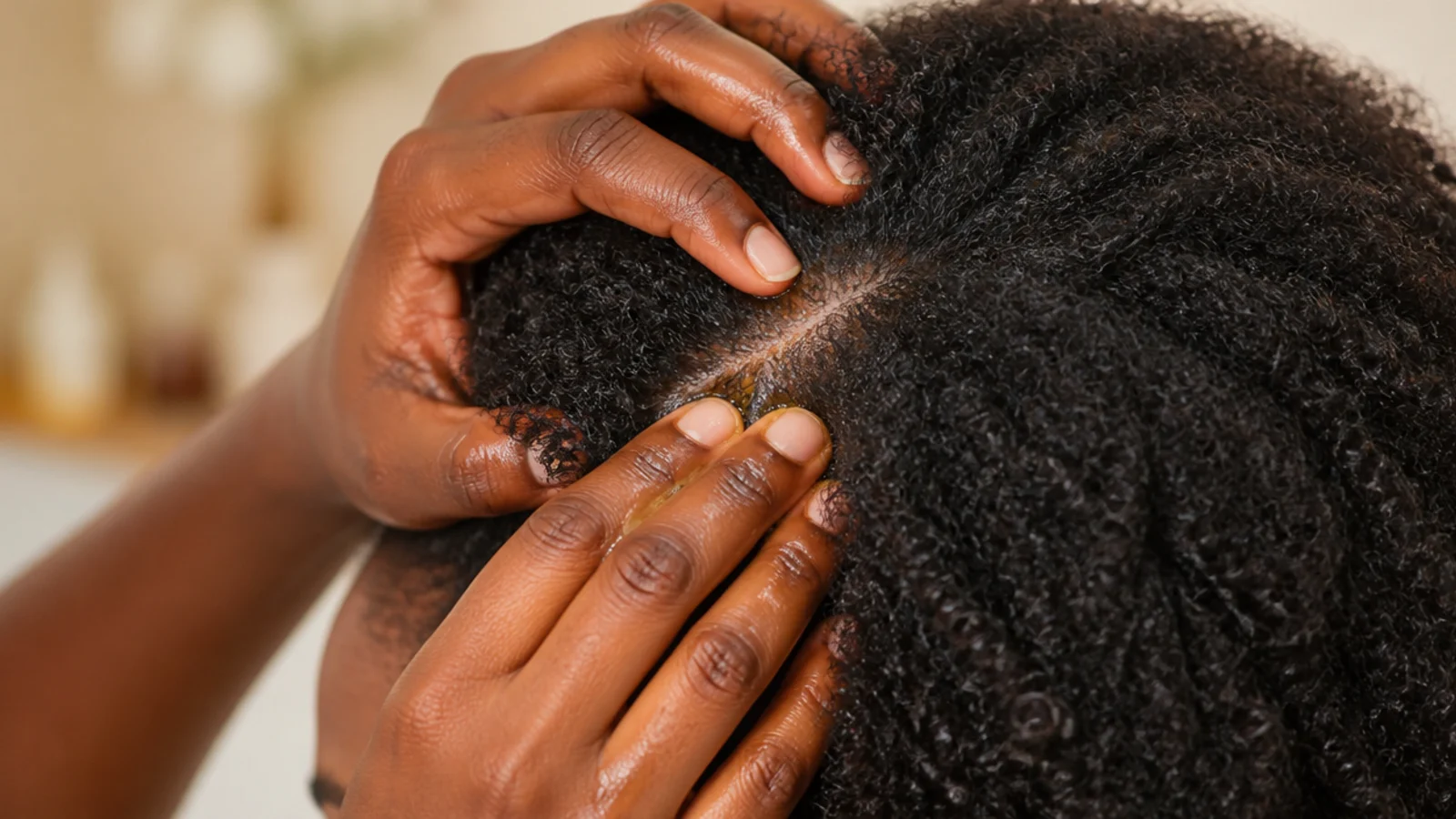
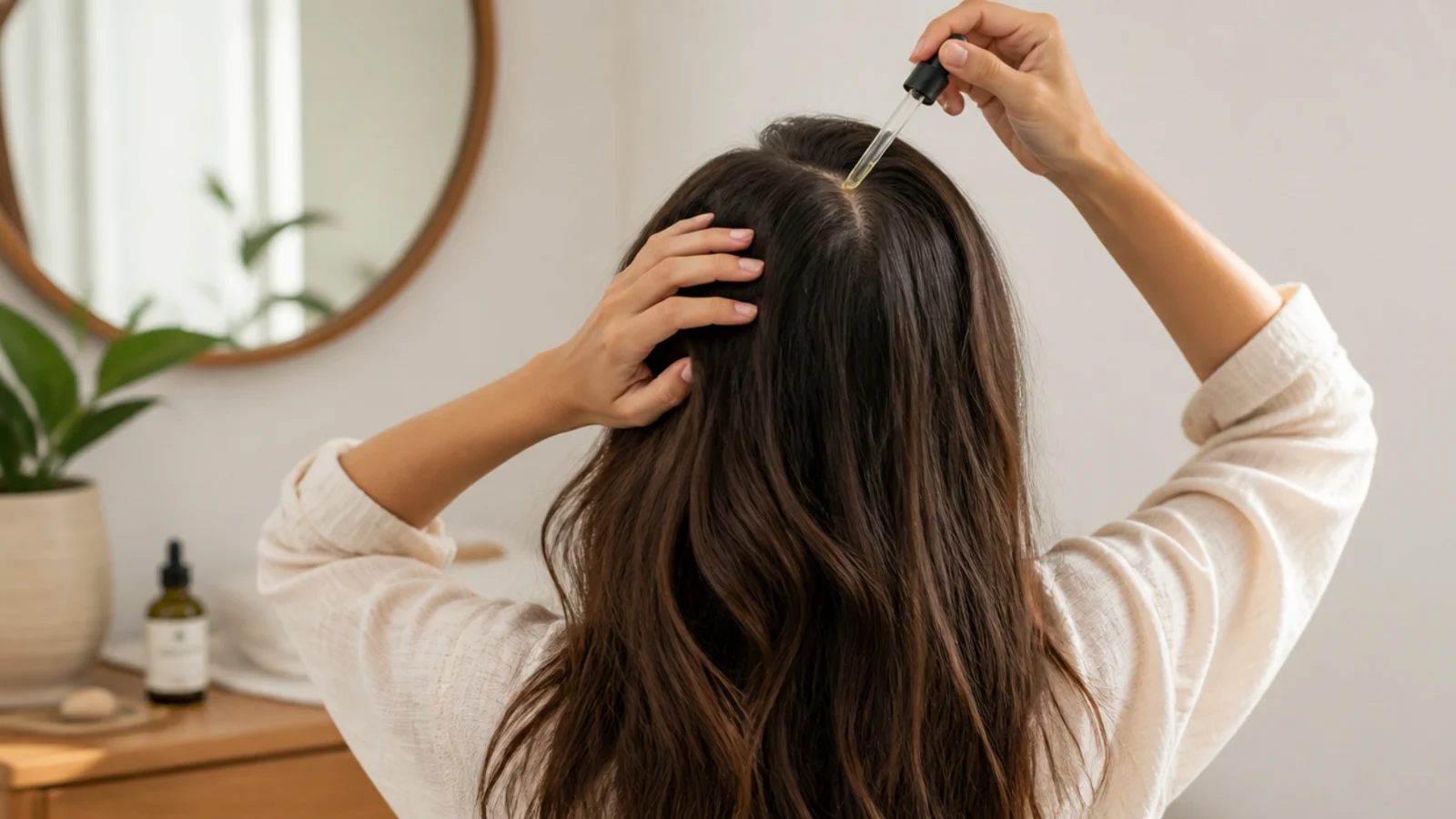
Use the pads of your fingers, never your nails, and move the scalp itself in small circles rather than sliding over the hair. Five minutes covering crown, hairline, temples and nape. A few drops of jojoba or a light peppermint blend gives glide without coating the shaft. The research on massage is small but real, and the mechanism is blood flow to the follicle. It is a support act, not an accelerator, and nothing topical beats genetics. It costs nothing and it works perfectly well at night in a bonnet.
Who it suits: Anyone who wants a low cost habit that also reduces stress.
Tip: Apply oil to the scalp, not the length, so wash day does not turn into a degreasing session.
8. Cleanse the Scalp Every 7 to 10 Days With a Clarifying Wash
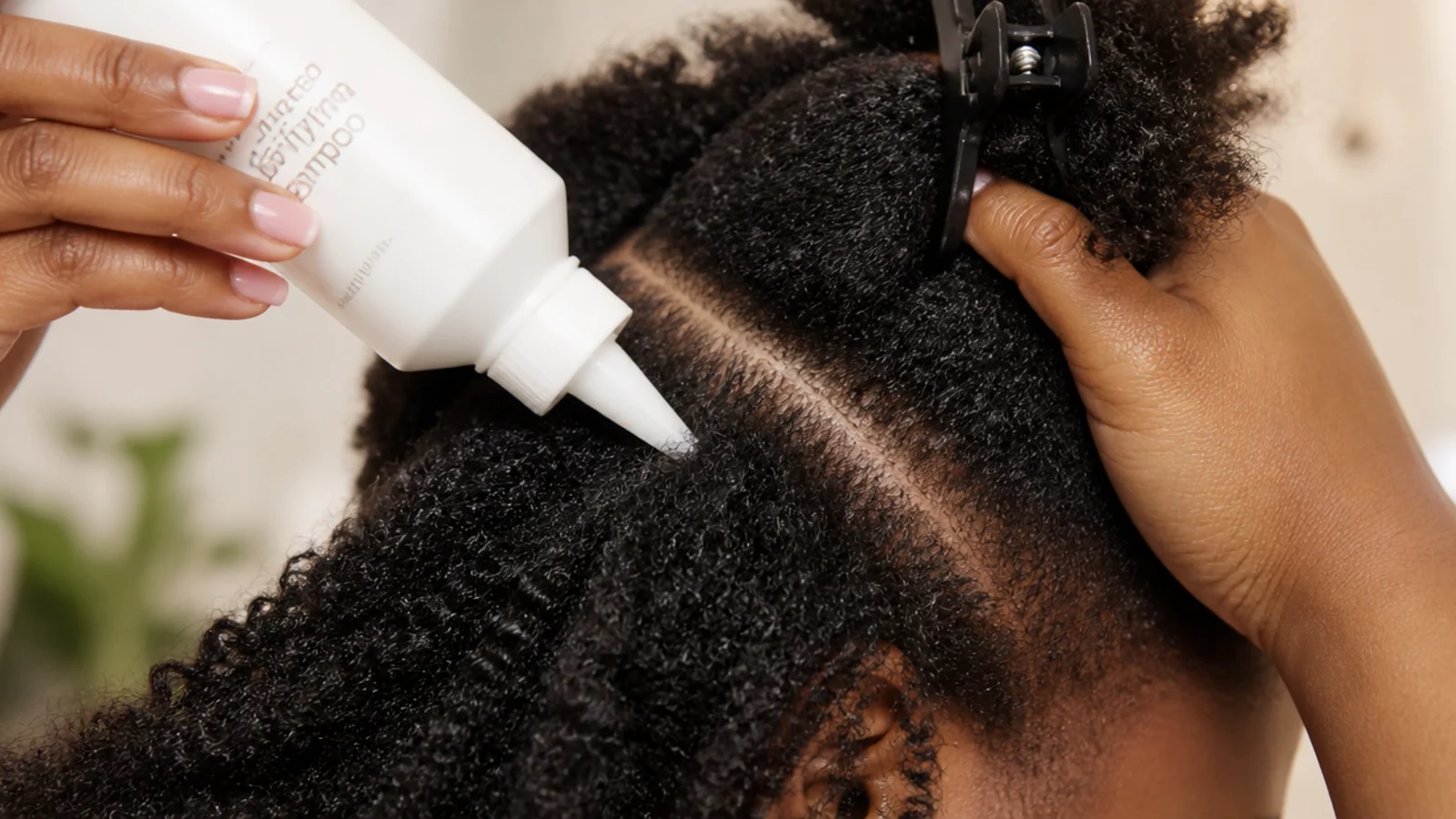
Butters, gels and oils build up on a 4C scalp faster than most people expect, and a coated scalp is an itchy, flaky one. Cleanse every 7 to 10 days, apply shampoo to the scalp only in four sections and let the runoff clean the length. A gentle sulfate-free wash is fine weekly; a true clarifying shampoo once a month strips the film that co-wash leaves behind. Skipping wash day for a month to protect moisture is one of the most common and most counterproductive 4C habits.
Who it suits: Anyone with itch, flaking or products that suddenly stopped working.
Tip: Wash in sections with your hair already in four twists so it does not tangle in the shower.
9. Sleep in a Satin Bonnet Over a Satin Pillowcase

Cotton wicks moisture straight out of the hair and drags on every coil for eight hours a night, which is roughly a third of your life spent creating friction. A satin or silk bonnet is the primary defense, and a satin pillowcase is the backup for when the bonnet slides off at 3am. Both, not either. This is the cheapest high-impact habit on the list, usually under 30 dollars for a bonnet and a pillowcase, and it is the one most likely to show results within two months. It is the first move in hair growth tips faster too.
Who it suits: Everyone with 4C hair, without exception.
Tip: Buy a bonnet one size up with a wide soft band; tight elastic thins the hairline it sits on.
10. Keep Protective Styles to 4 to 6 Weeks, Then Take a Break
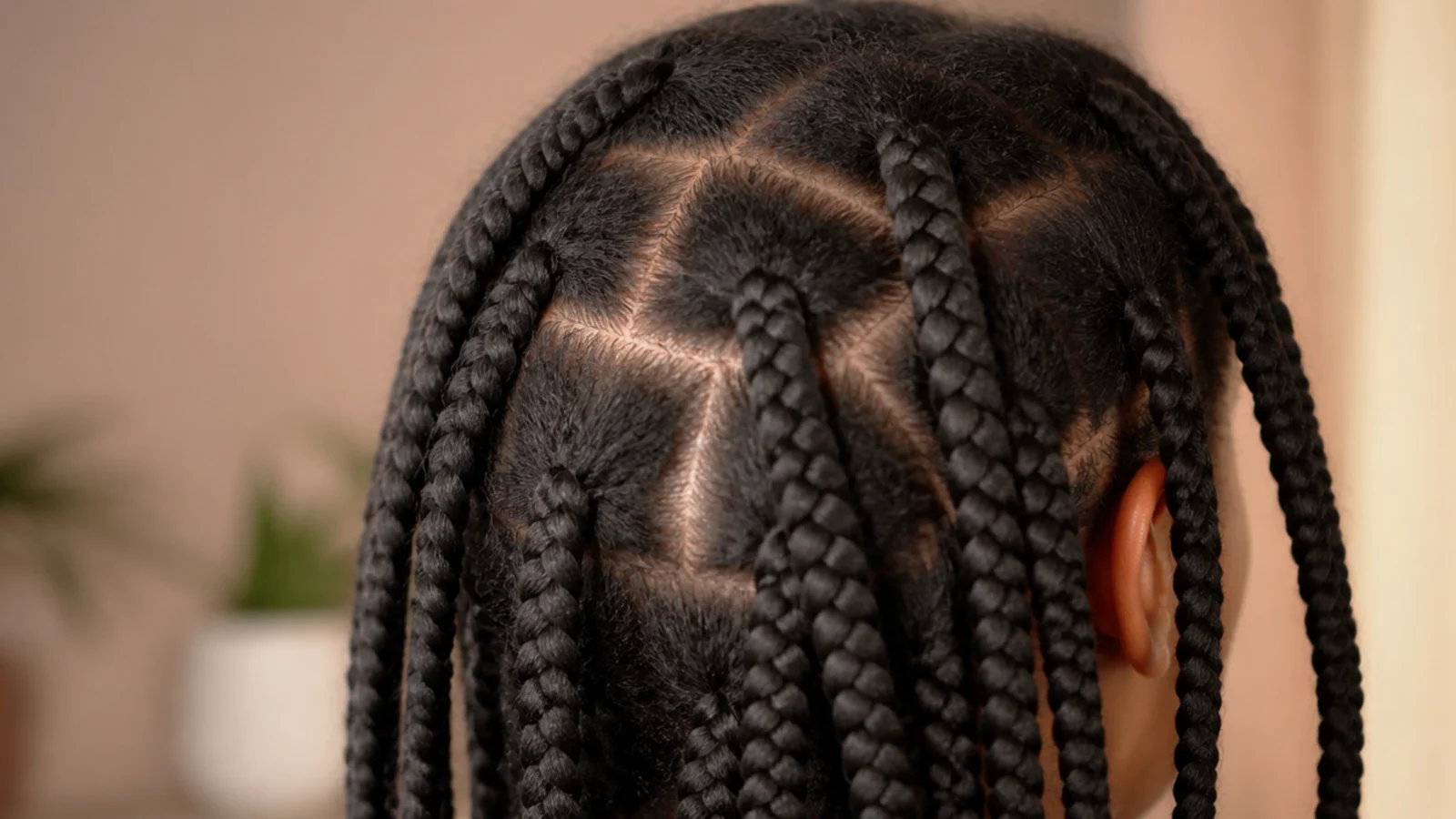
Box braids, cornrows, twists and wigs are the biggest single lever on 4C length retention, because they stop daily manipulation. They also become the problem past week six, when new growth at the root meets old braid tension and matting starts at the base. Four to six weeks in, one to two weeks out, is the cycle that works. Use the break to cleanse, deep condition, dust the ends and let the scalp breathe. Style ideas that are gentle on new growth sit in graduation hairstyles for natural hair.
Who it suits: Anyone who lives in back to back protective styles.
Tip: Take the style down wet with conditioner, section by section, never dry and never in a rush.
11. Say Stop if a Braider Pulls Your Edges Tight
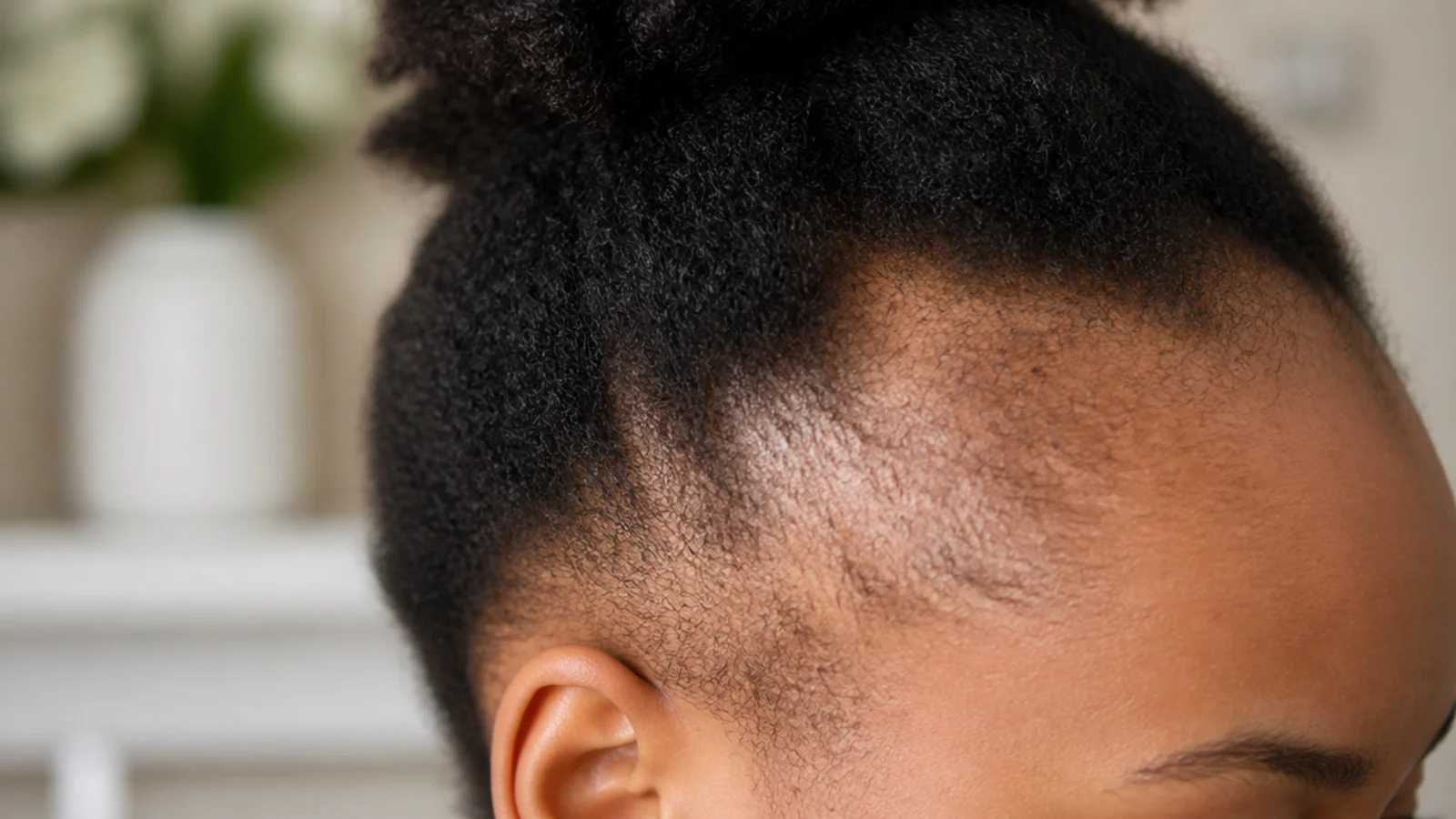
Pain is not a sign the style will last. It is a sign the follicle is being pulled, and repeated pulling at the hairline causes traction alopecia, which becomes permanent once the follicle scars. Bumps along the part, tenderness for more than a day, or tiny white bulbs on the ends of pulled hairs are all warning signs to stop immediately. Say the words at the chair, not at home. Ask for larger sections at the front, no rubber banded roots, and no braid started right on the hairline itself.
Who it suits: Anyone whose temples or nape have thinned over the past few years.
Tip: Photograph your hairline before and after every install; the change is slow and easy to miss.
12. Dust a Quarter Inch Off the Ends Every 8 to 12 Weeks
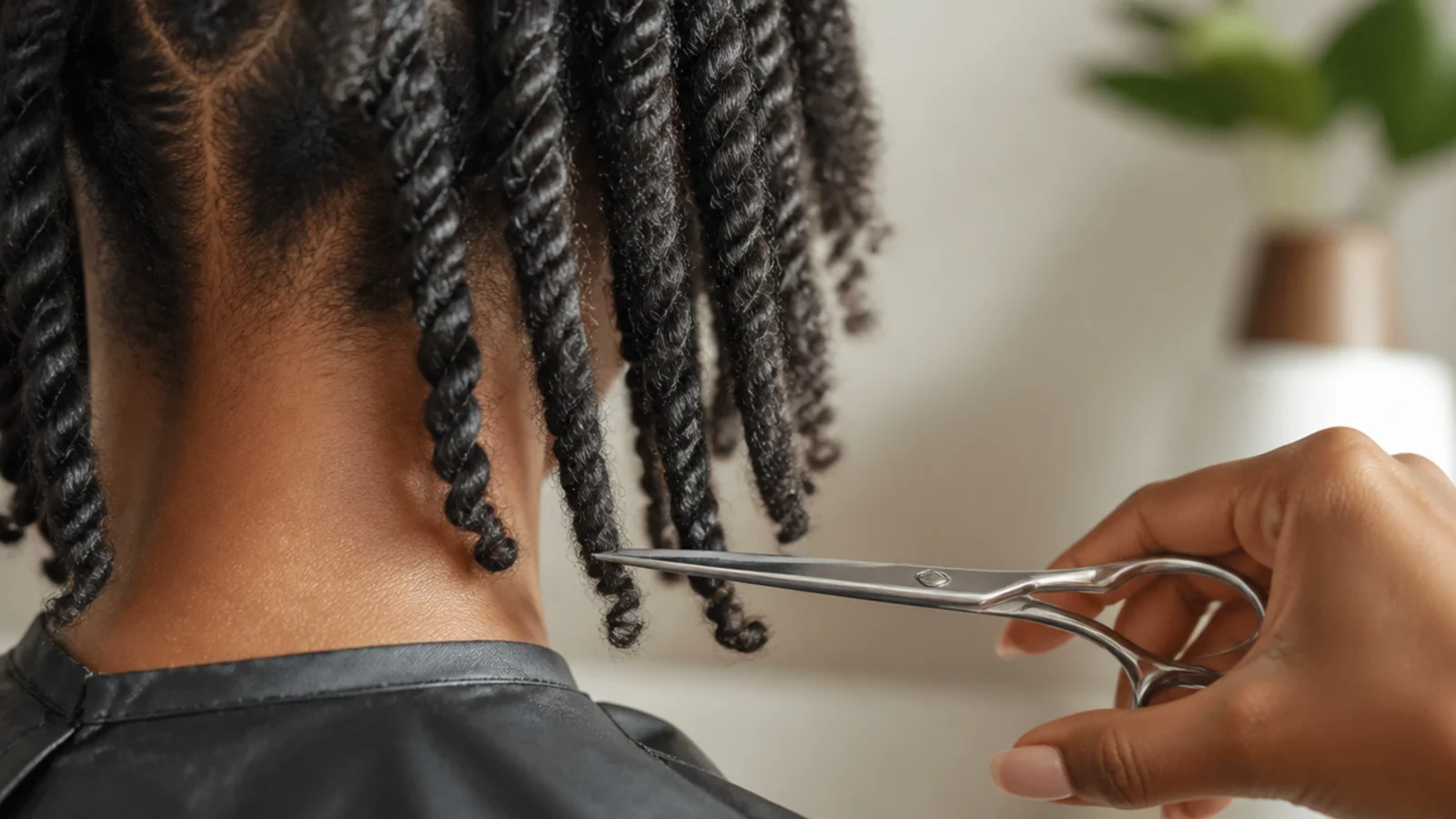
Trimming does not speed up growth and anyone who says otherwise is guessing. What it does is remove split and knotted ends before the split travels up the shaft and costs you two inches instead of a quarter. Every 8 to 12 weeks, take a quarter inch off stretched, twisted hair with sharp shears. Trim the twists individually so you follow your real length rather than your shrunken outline. If the ends look thin, wispy or feel like a broom, take more once and then hold the schedule.
Who it suits: Anyone stuck at one length with thinning, see-through ends.
Tip: Never trim shrunken hair; stretch first or you will take far more than you intended.
13. Do a Protein Treatment Every 6 to 8 Weeks, Not Weekly
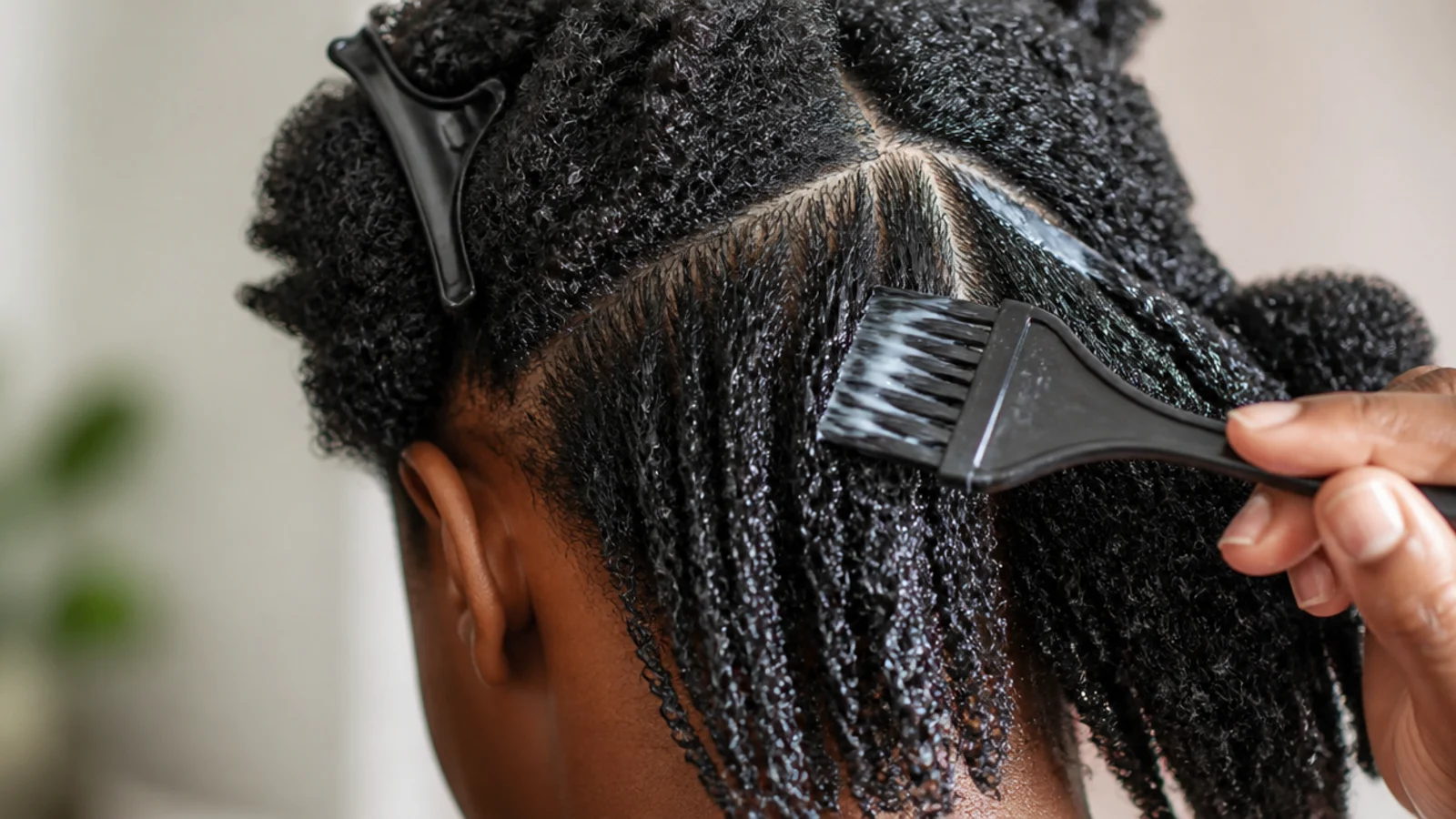
Protein rebuilds the gaps in a damaged cuticle, which is why high porosity and color-treated 4C benefits from a hydrolyzed protein treatment every 6 to 8 weeks. Overdo it and hair goes stiff, straw-like and snaps at a touch, which people then misread as needing more protein. The tell is a strand that stretches and stays stretched when wet, meaning you need protein, versus a strand that snaps instantly, meaning you have too much. Always follow protein with a moisturizing deep conditioner in the same session.
Who it suits: High porosity, bleached, relaxed or heat-damaged 4C hair.
Tip: Low porosity hair often needs protein only twice a year; start there and watch the response.
14. Seal the Ends With Shea or Mango Butter After Moisturizing
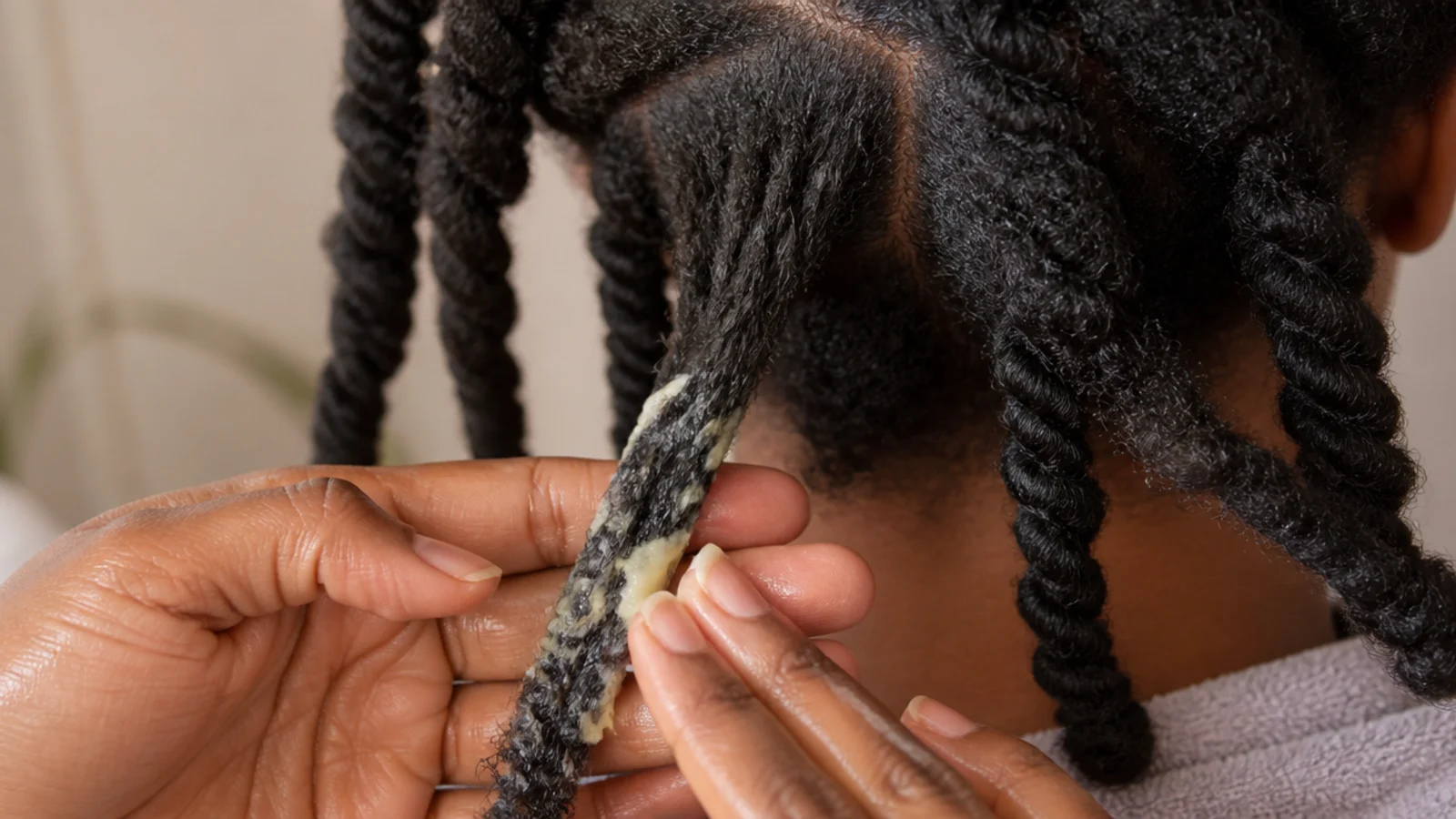
The last two inches of your hair are the oldest, driest and most broken part of it, and they get the least attention. After misting with water, work a pea-sized amount of shea, mango or avocado butter through the ends of each twist specifically. Ends first, roots last, every time. Heavier butters suit high porosity hair; low porosity hair does better with a lighter cream or a few drops of grapeseed, because a thick butter just sits on top and blocks water from getting in.
Who it suits: Anyone whose ends feel rough while the roots feel fine.
Tip: Do this mid-week too, ends only, so they never get a full seven days of nothing.
15. Cut Manipulation to Twice a Week With Long-Lasting Styles
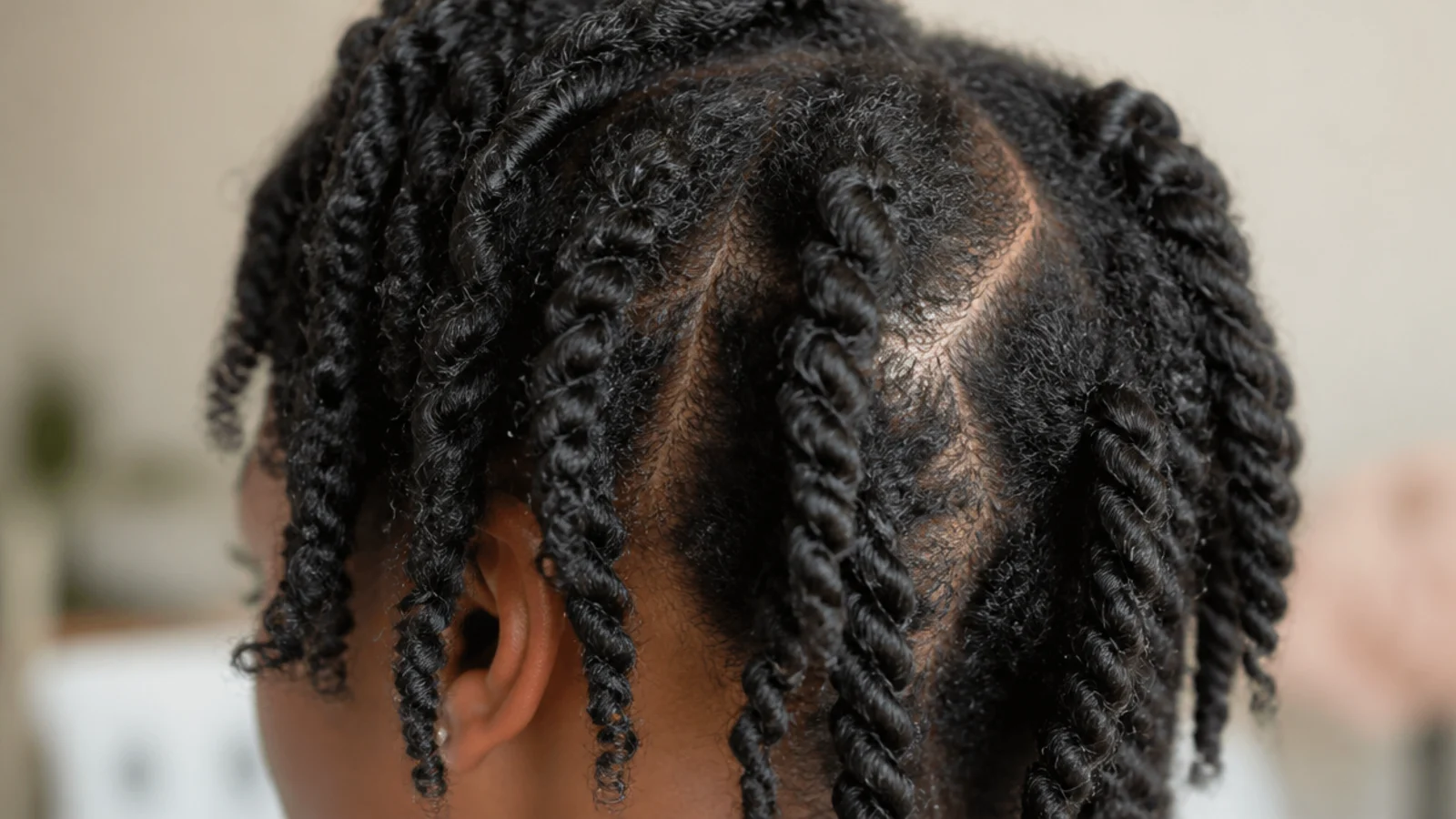
Every time you comb, restyle or re-twist, some hair comes out. So build styles that last: a twist out worn four to five days, flat twists retwisted only at night, or a bun that stays put. Restyling daily is the hidden reason many 4C routines fail even when every product is correct. Aim to fully handle your hair twice a week, wash day plus one refresh. Pineapple at night, refresh the front only, and leave the back alone. Softer everyday shapes are in curly messy ponytail.
Who it suits: Anyone who redoes their hair every single morning.
Tip: Count how many times you touch your hair in a week; halving that number is the whole tip.
16. Use a Wide-Tooth Comb Only on Slippery Wet Hair
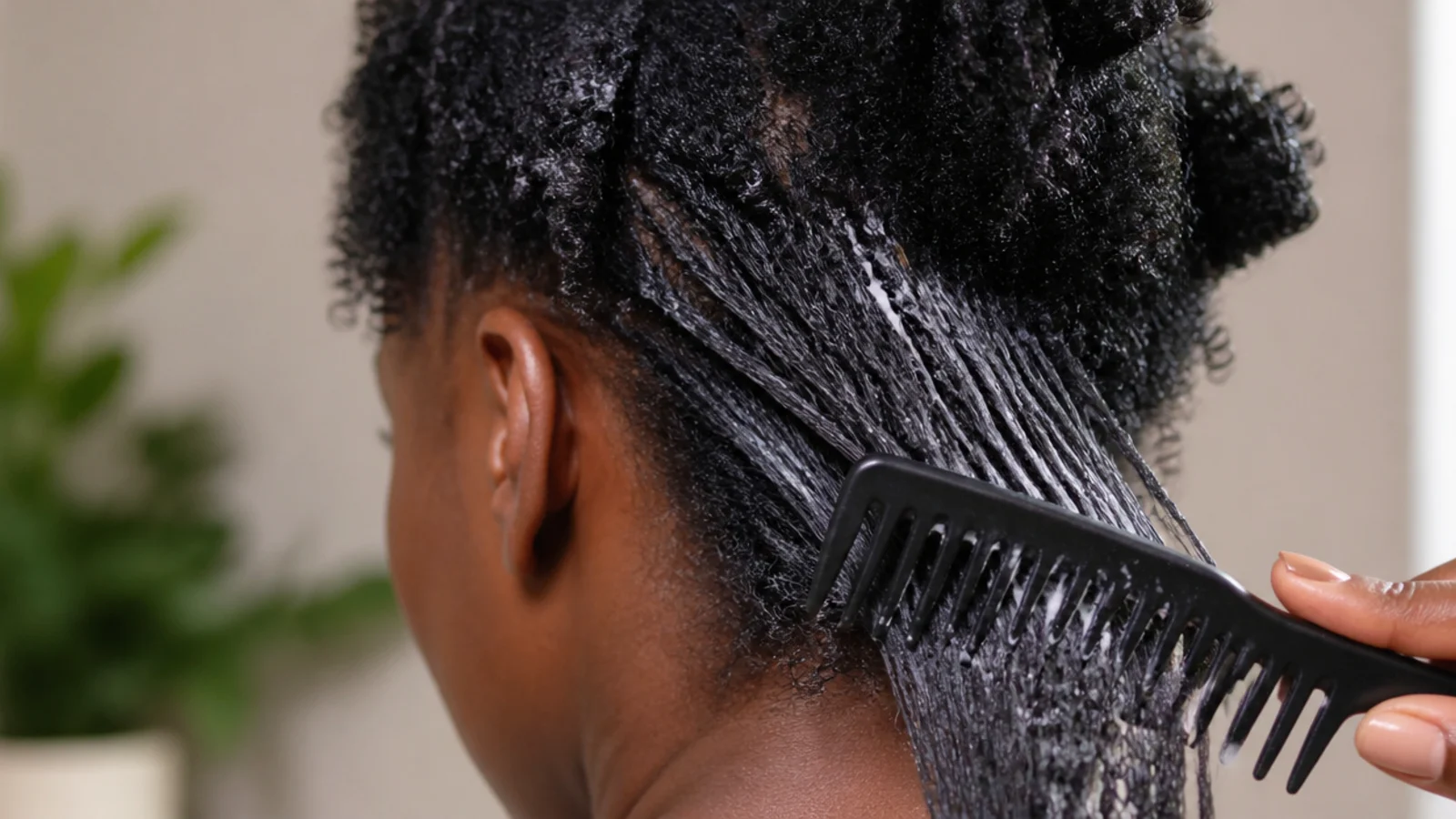
A fine-tooth comb, a bristle brush or a rat tail comb on 4C hair is a breakage machine. Use a seamless wide-tooth comb, and only after fingers have already removed the big tangles, and only when the section is slick with conditioner. Work from the ends upward in small passes. A Denman with alternate rows removed works for definition but is still a comb, so save it for wash day. Check the teeth for seams by running a strand along them; a rough seam shreds the cuticle every stroke. Gentle detangling underpins any frizzy hair routine too.
Who it suits: Anyone still detangling with a brush out of habit.
Tip: Replace any comb with a molding seam down the teeth; it costs a few dollars and saves inches.
17. Cap Blow-Dryer Use to Cool Air Tension Stretching
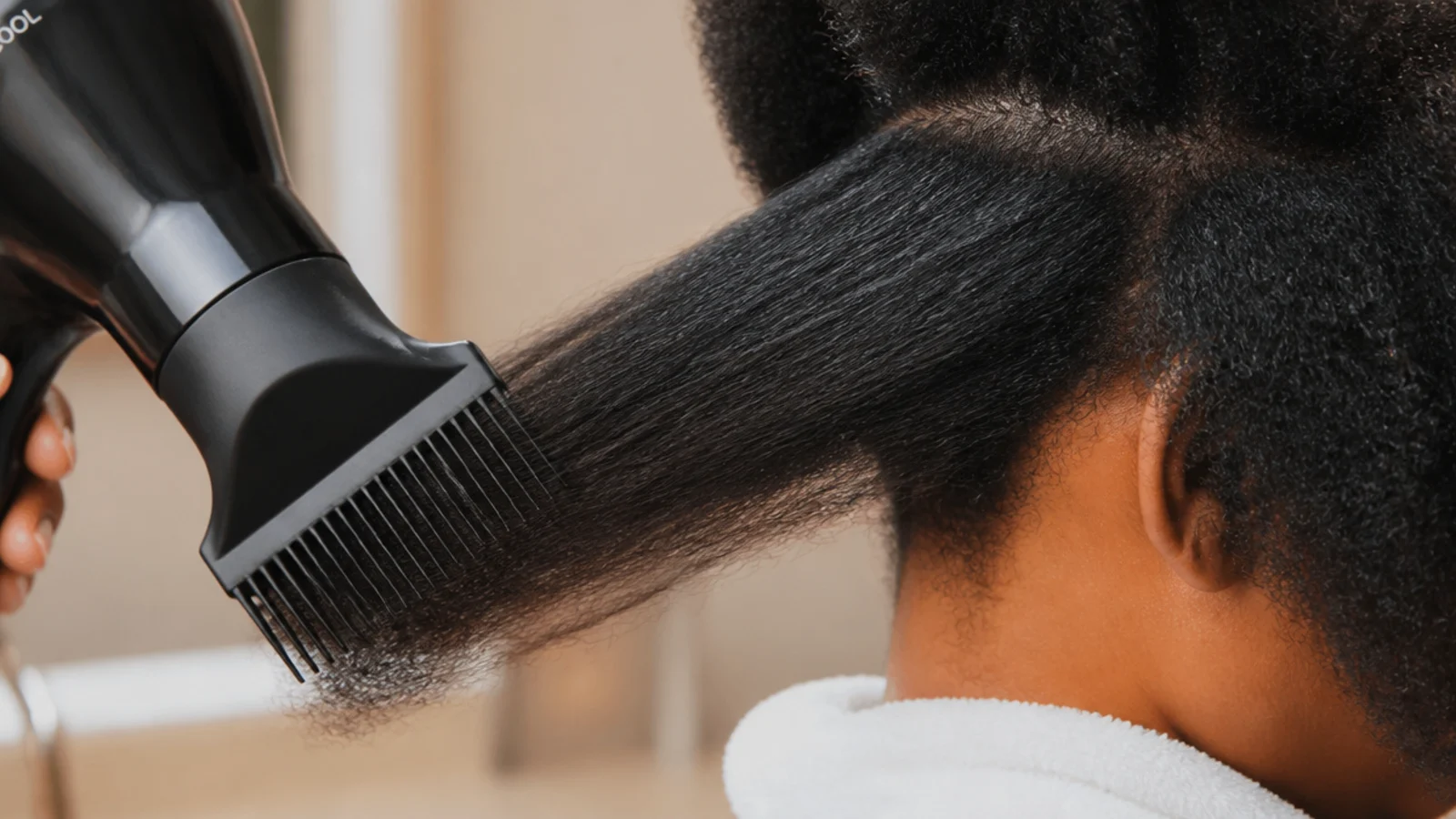
Heat is not banned, it is budgeted. If you need stretched hair for a style, use cool or the lowest warm setting with tension from your fingers rather than a comb attachment on high. Keep flat ironing to a handful of times a year at 350F or below with a heat protectant, and never on hair that is not fully clean and dry. Heat damage on 4C shows up as sections that no longer coil after washing, and that is permanent. Once a curl pattern is gone, only cutting removes it.
Who it suits: Anyone who wants stretched styles without losing their coil pattern.
Tip: Do a test section first; if it does not revert after washing, stop using that setting entirely.
18. Pre-Poo With Coconut or Olive Oil 30 Minutes Before Wash Day
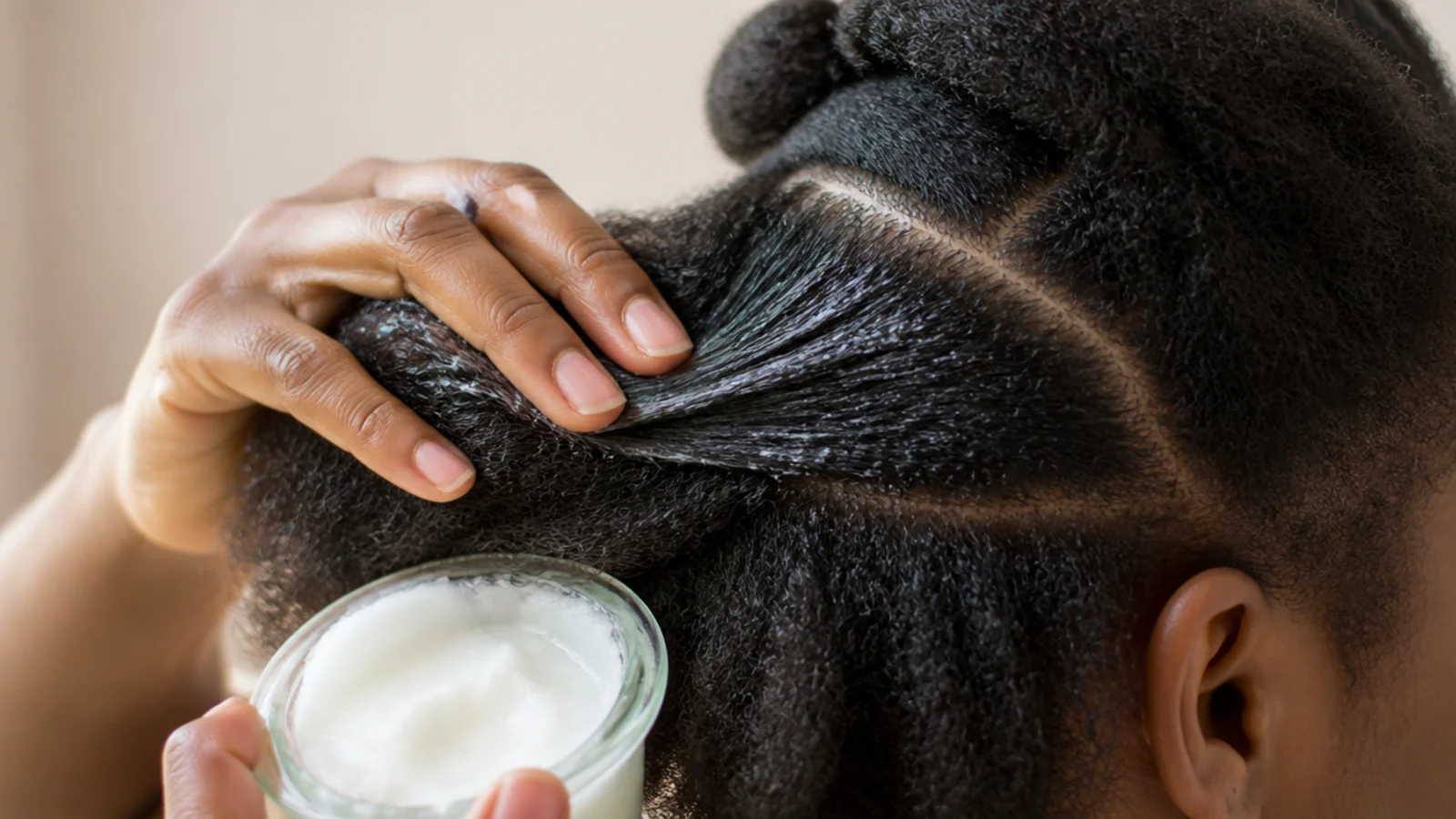
Applying oil to dry hair 30 minutes before shampooing reduces how much water the strand absorbs and swells during the wash, which is one of the mechanical causes of breakage in tightly coiled hair. Coconut oil is the best studied for this because its fatty acids actually penetrate the shaft; olive and avocado oil coat instead, which still helps. Section, coat lightly from mid-length to ends, cover with a cap, then shampoo over the top. It also makes the pre-wash detangle far easier.
Who it suits: Hair that feels stripped and tangled the moment shampoo touches it.
Tip: Skip coconut oil if it makes your hair stiff; a minority of people react to it that way.
19. Eat 60 to 80 Grams of Protein a Day and Get Ferritin Tested

Hair is made of keratin, so chronically low protein intake shows up in the hair eventually. Most adults do well around 60 to 80 grams a day from eggs, fish, beans, lentils and dairy. The other thing worth doing is asking a doctor for a ferritin and vitamin D panel, because low iron stores are a genuinely common and genuinely treatable cause of shedding. Supplements help when a deficiency exists and do nothing measurable when it does not. Biotin is not a general accelerator, whatever the packaging says.
Who it suits: Anyone shedding more than usual with no obvious styling cause.
Tip: Test before you supplement; guessing at iron is one of the few ways to make yourself unwell.
20. Stop Slicking Your Edges Down Every Single Day
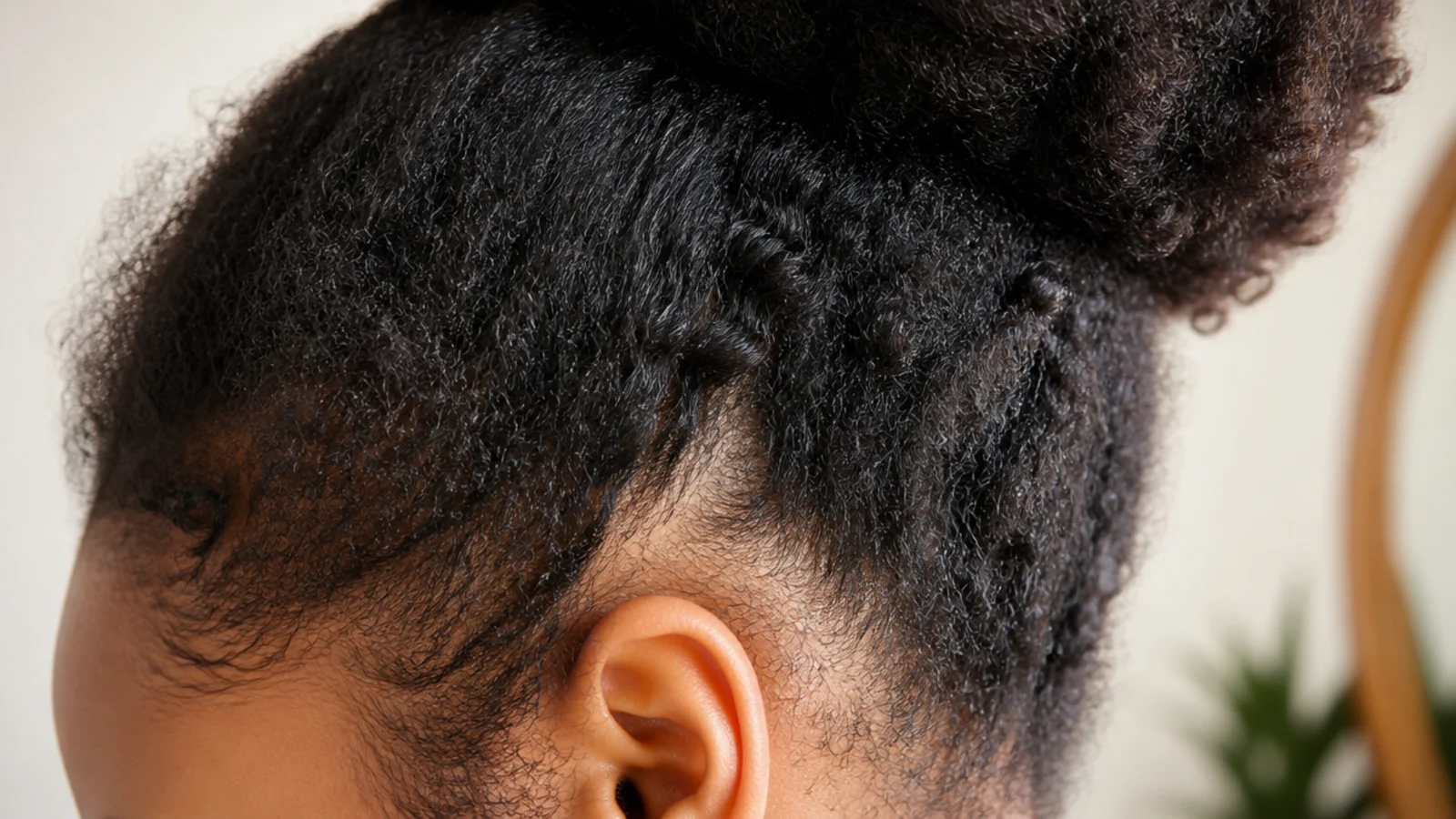
Edges are the finest, shortest and most fragile hair you own, and daily gel plus a hard-bristle edge brush is a slow demolition. Slick for occasions, not for Tuesdays. When you do, use a soft toothbrush, an alcohol-free gel, and wash it out the same night rather than layering it for a week. Give the hairline a nightly scalp massage with a light oil and a wide satin band instead of a tight one. Regrowth at the temples takes months and often shows first as soft downy hairs.
Who it suits: Anyone with thinning temples from years of gel and tension.
Tip: Take a straight-on hairline photo monthly; it is the evidence a dermatologist will ask for.
How Fast 4C Hair Actually Grows and Why Shrinkage Fools You
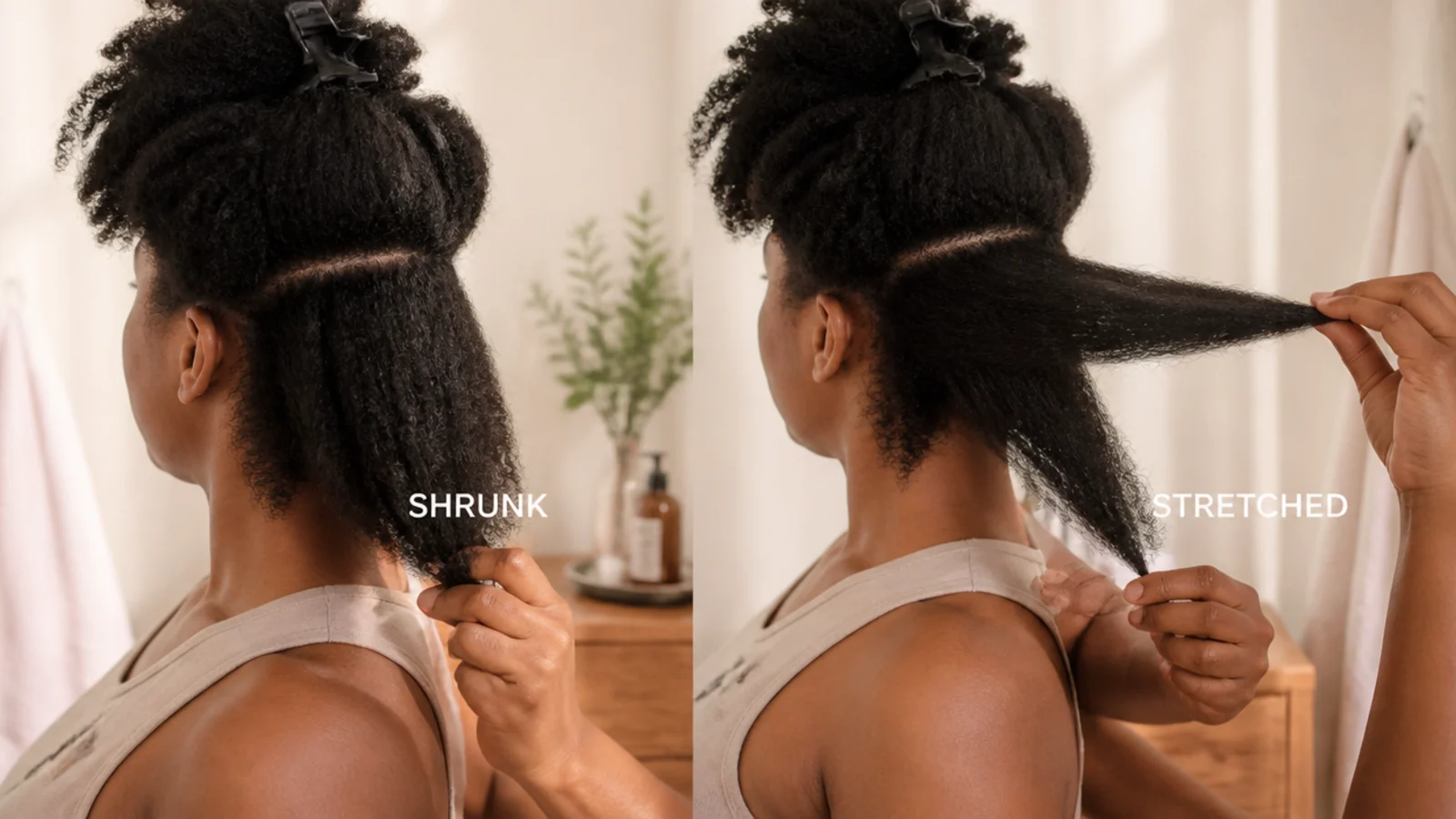
Hair grows roughly half an inch a month, about six inches a year, and 4C hair is not exempt from that. Your genetics set the rate and they set the ceiling, because every follicle has a growing phase with a built-in duration. If yours runs three years, there is a length past which your hair simply will not go, and no oil, mask or supplement changes that. What makes 4C feel different is shrinkage. A tightly coiled strand can shrink up to 75 percent of its true length, so six inches of hair reads as an inch and a half in the mirror. Every month of real growth disappears into the coil. The practical fix is to stop judging by the shrunken outline and start measuring stretched, on the same section, in the same light, once a month. Do that for six months and you will usually find your hair grew exactly as expected while you were convinced it had stalled. The rate is not the problem. What happens after the hair exists is the problem, and that is covered across the hair growth tips hub.
Why Is My 4C Natural Hair Always Dry?
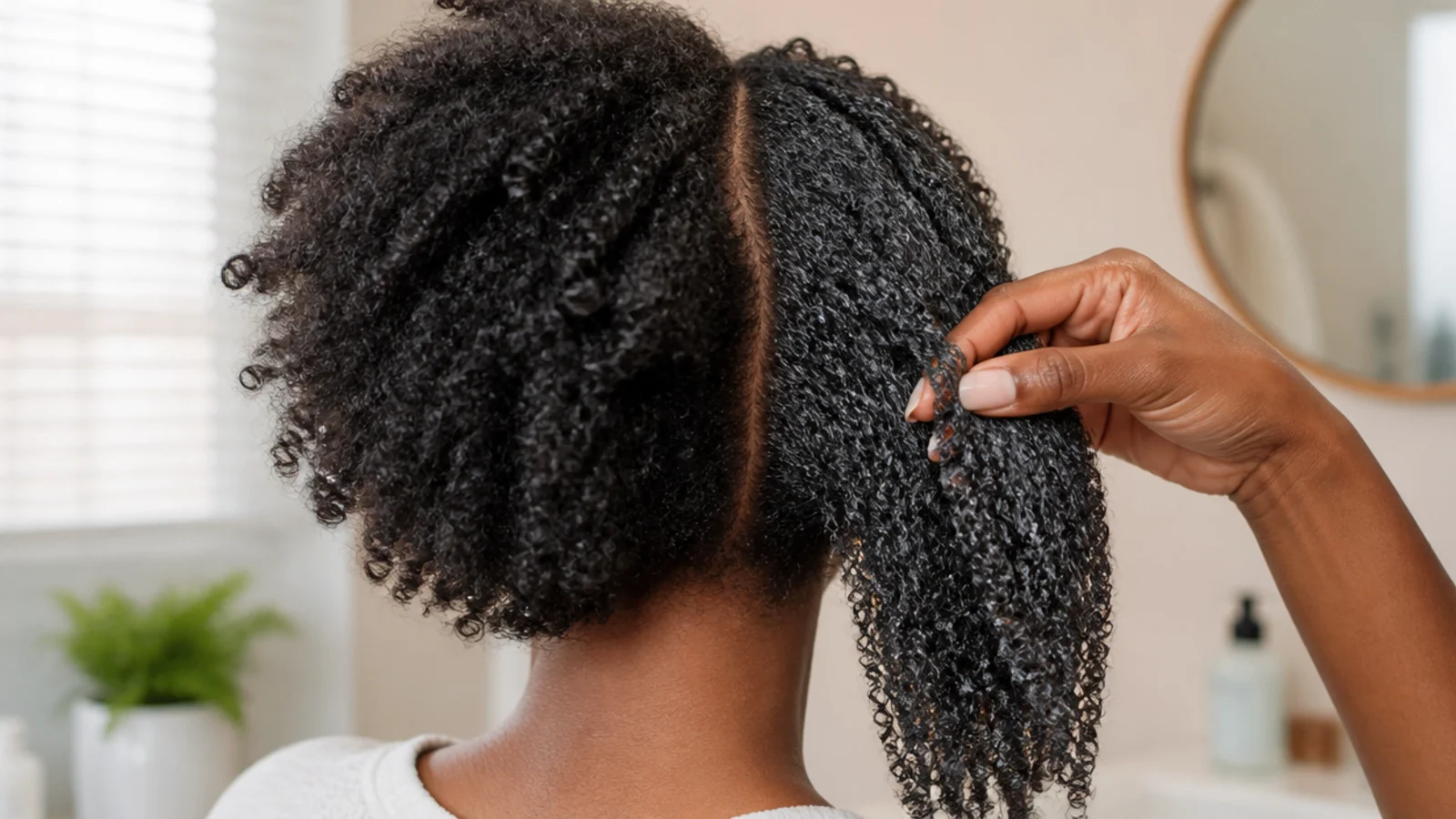
There is a structural reason, and it is not your fault. Sebum from the scalp travels down a straight strand easily and down a tightly coiled one barely at all, so the natural oil that conditions the ends of straight hair never reaches the ends of 4C hair. Every bend in the coil is also a point where the cuticle lifts slightly, which means more surface area losing water. Add a bonnet-free night on a cotton pillowcase and the strand is dry by morning. The fix has three parts and the order matters. First, water. Moisture is water, and nothing else, so a mist bottle or a water-based leave-in is always step one. Second, a seal chosen by porosity, because a thick butter on low porosity hair blocks the water it was supposed to trap. Third, frequency: ends get attention on wash day and at least once mid-week. If your hair still feels dry after all three, the problem is usually product buildup on the scalp rather than not enough product on the hair. Clarify and start again. The same principle drives frizzy hair remedies across every texture.
Breakage vs Growth: Where 4C Hair Actually Loses Length
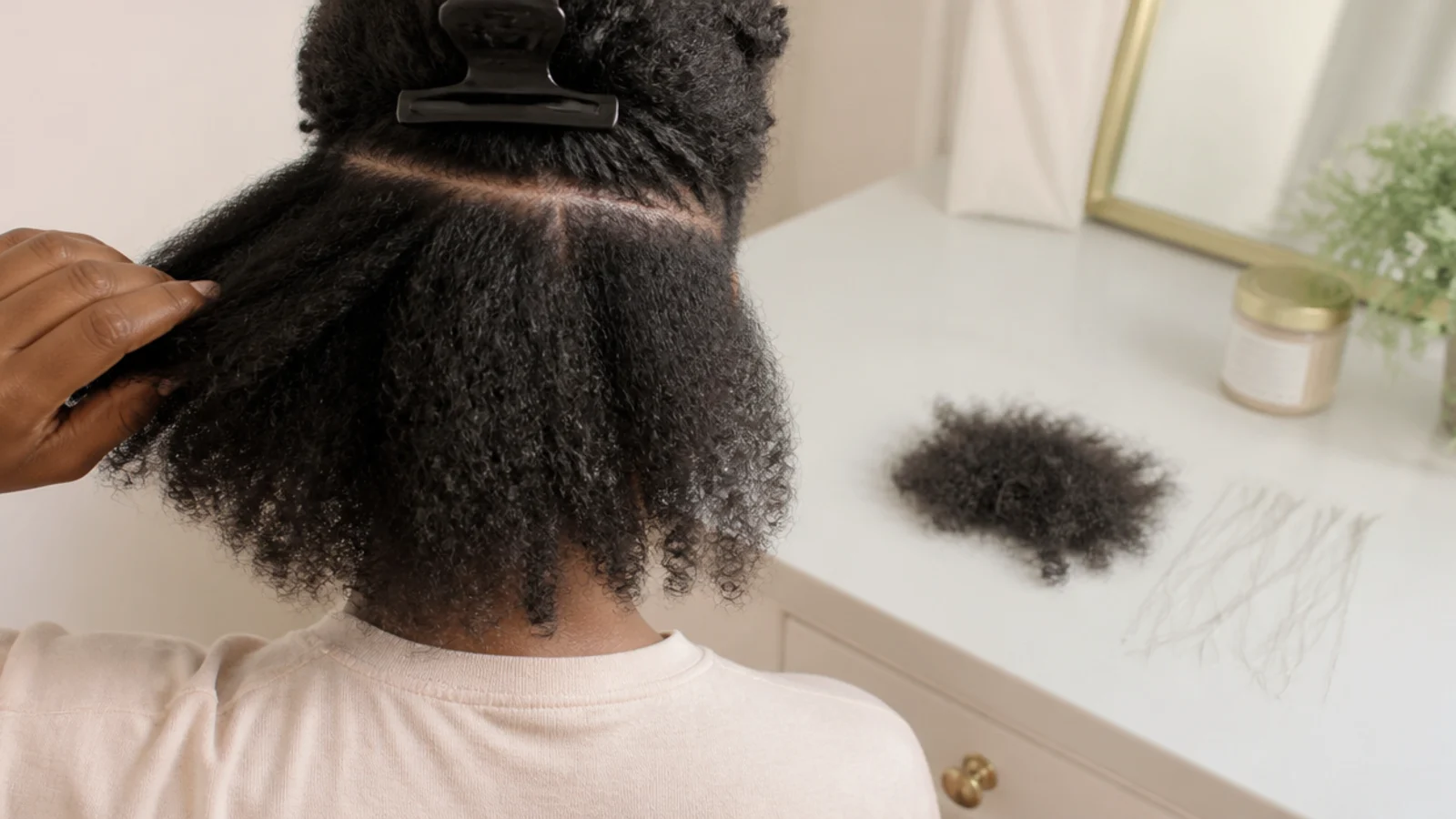
Learn to read what comes out of your hair. A shed hair is full length with a small white bulb at one end, and losing 50 to 100 of those a day is completely normal. A broken hair is short, has no bulb and is often the same one to two inch length over and over. A sink full of short pieces is a handling problem, not a growth problem. On 4C hair the four big causes are dry detangling, cotton friction overnight, tension from styles and brushes, and neglected ends. Those are all choices, which is the good news, because it means most of the length people think they cannot grow is length they are currently throwing away. The order of impact is roughly: satin at night, then detangling only on soaking wet conditioned hair, then reducing how many times a week you handle it at all, then heat and chemical restraint. If you want the general version of this idea across all hair types, it is set out in hair growth tips that actually work and in hair growth tips for Black women.
A 4C Wash Day Routine You Will Actually Repeat
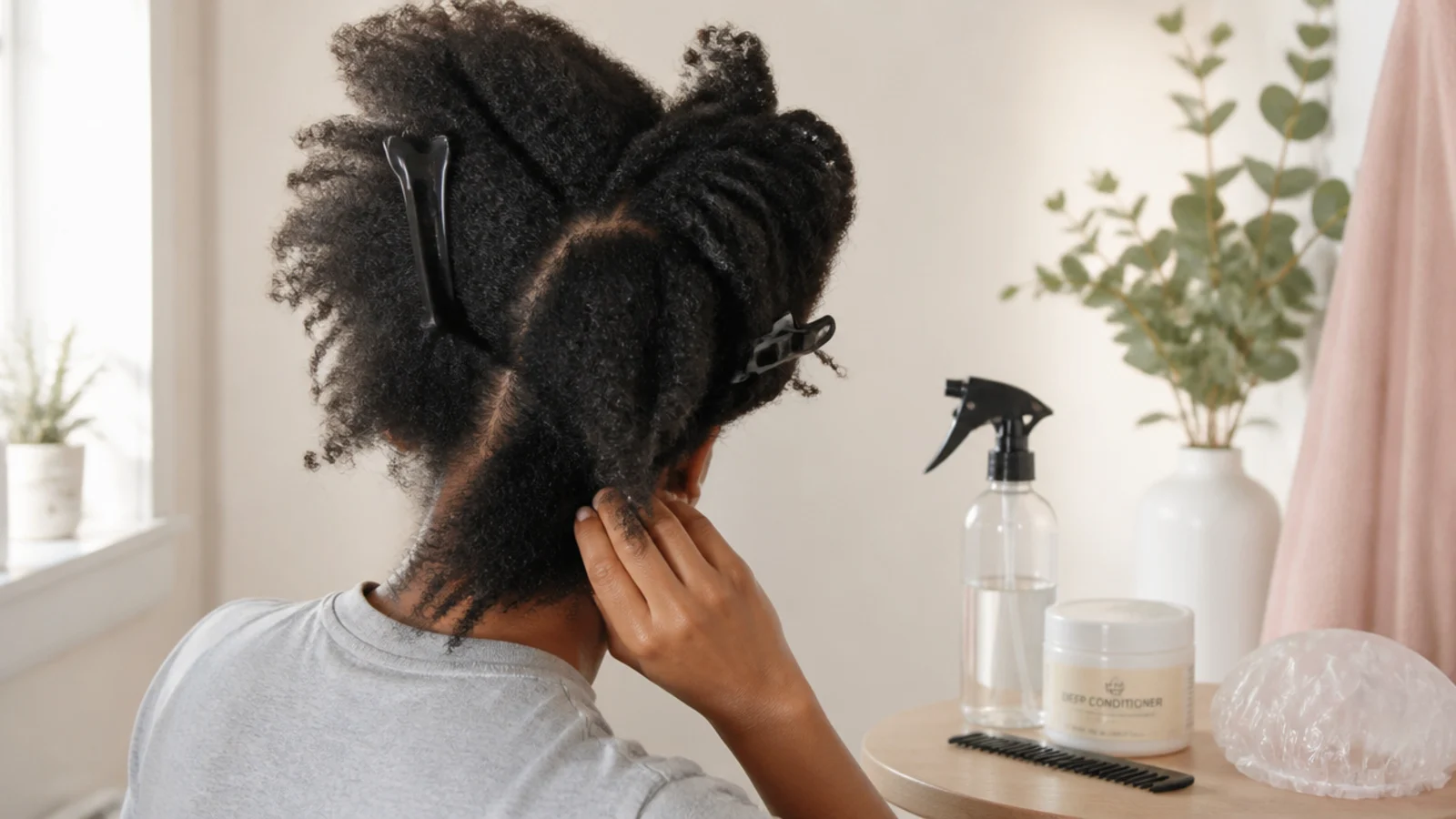
A routine you dread is a routine you skip, and skipped wash days are how buildup and matting start. Build one that fits a 2 to 3 hour window every 7 to 10 days. Start dry: section into four, pre-poo the mid-lengths and ends with coconut or olive oil, cap on, 30 minutes. Then shampoo the scalp only, section by section, keeping the four twists in place so nothing tangles. Rinse, apply a slippery conditioner, and detangle each section with fingers first, wide-tooth comb second, ends upward. Twist each finished section so it cannot re-tangle. Next, deep conditioner under a plastic cap for 30 minutes, rinse with cool water, then apply your leave-in, oil and cream in the order your porosity wants. Finally, twist or band the hair to dry stretched. That is the whole thing, and it does not change week to week. Mid-week, all you owe your hair is a light mist and butter on the ends. More at-home structure sits in hair growth tips faster at home.
Protective Styling, Edges and the Traction Alopecia Warning Signs

Protective styling is the strongest length retention tool 4C hair has, and it is also the most common way 4C hairlines are damaged. The difference is entirely tension and duration. A well installed style should feel secure and nothing else. If it stings, if you cannot smile comfortably, if there are raised bumps along the parts or tenderness lasting more than a day, the follicles are being pulled. Repeated pulling causes traction alopecia, which starts as thinning at the temples and nape and becomes permanent once the follicle scars. The prevention list is short: larger sections at the hairline, no braid started directly on the edge, no rubber bands at the root, weight kept moderate on added hair, and styles taken down at 4 to 6 weeks rather than 10. Take a straight-on hairline photo before and after every install. If your edges have already receded, stop the tension entirely and see a dermatologist, because early treatment is what determines whether hair comes back at all. Gentler long-wear styles are covered in mermaid braids.
Diet, Supplements and When to See a Doctor About 4C Hair Loss
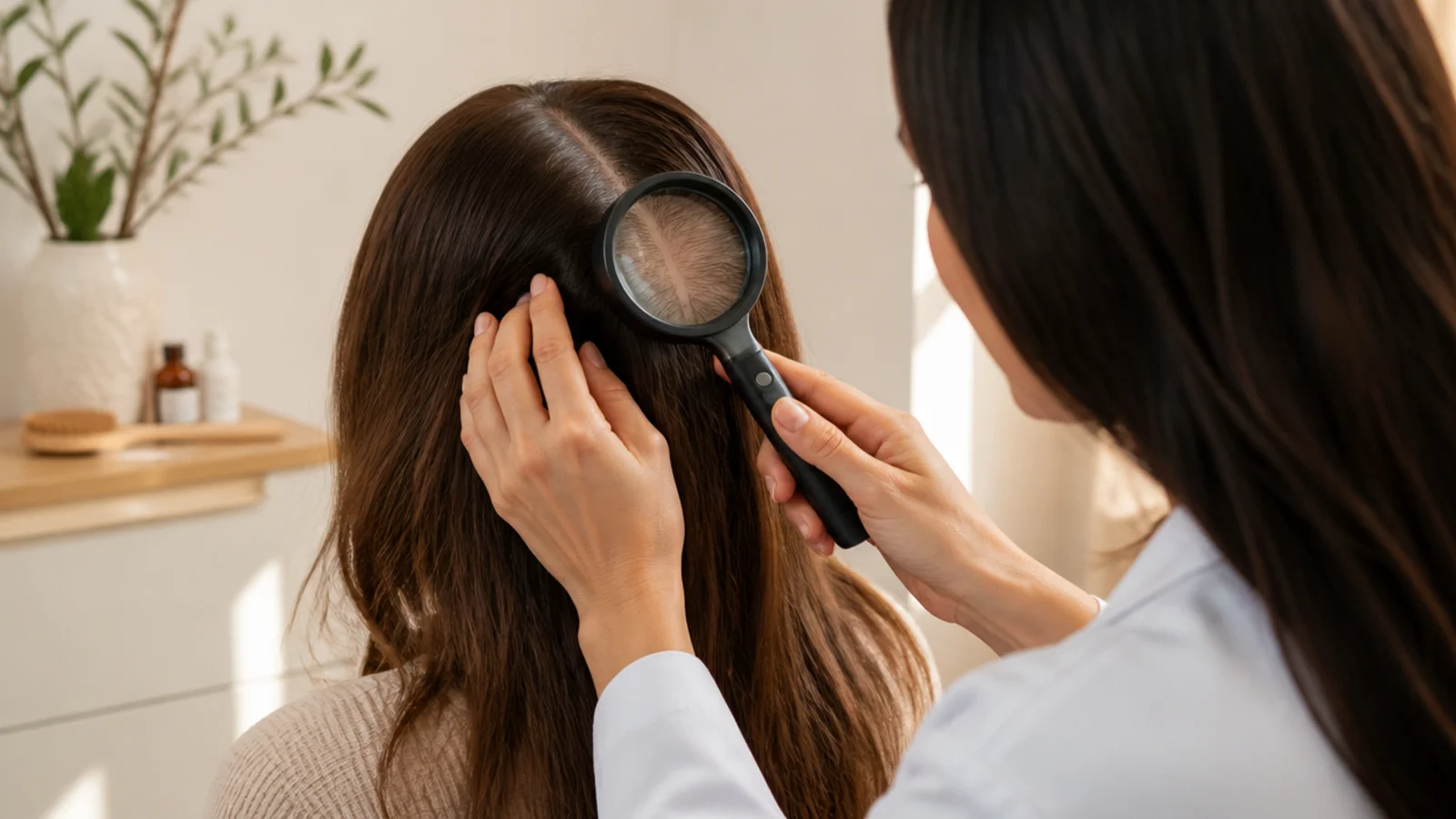
Food and supplements are a floor, not a ceiling. Adequate protein, iron, zinc, vitamin D and omega-3s support normal hair growth; taking extra when you are not deficient does nothing measurable, and biotin in particular has been marketed far past its evidence. The genuinely useful move is a conversation with a doctor and a blood panel, especially ferritin and vitamin D, because low iron stores are common and treatable. Beyond nutrition, some things on this list are simply out of scope. A widening part, round or patchy bald areas, a receding hairline, scalp pain, burning, sores, or shedding that keeps getting worse past three months all need a dermatologist or a trichologist rather than another product. Postpartum shedding around months three to six is usually temporary and settles on its own, but have it checked if it has not by a year. Nothing here is medical advice, and earlier help almost always means more recoverable follicles. General nutrition guidance for growth is in tips for hair growth.
Frequently Asked Questions
What helps 4C hair grow faster?
Nothing safely speeds the rate itself, because that is set by genetics at roughly half an inch a month. What changes your visible length is keeping what you grow: satin at night, detangling only on soaking wet conditioned hair, protective styles worn 4 to 6 weeks, a quarter inch dusted off the ends every 8 to 12 weeks, and weekly deep conditioning.
Is 4C hair the hardest to grow?
It is not harder to grow, it is harder to retain. 4C strands have the tightest bends of any texture, and every bend is a weak point where the cuticle lifts and the hair snaps. It also shrinks up to 75 percent, which hides real progress. The growth rate at the root is broadly the same as any other hair type.
Why is my 4C natural hair always dry?
Scalp oil cannot travel down a tightly coiled strand, so your ends never receive the natural conditioning that straight hair gets for free. The lifted cuticle at every bend also loses water quickly. Fix it by moisturizing with water first, sealing with a product weight that matches your porosity, and paying attention to the ends mid-week too.
Should you moisturize 4C hair every day?
Not usually, and daily handling causes its own breakage. Most 4C hair does well with full moisturizing on wash day and one mid-week refresh on the ends only. If your hair genuinely feels dry every morning, the issue is normally the seal or the pillowcase rather than the frequency. Add satin before you add another daily step.
How much does 4C hair shrink?
Up to about 75 percent, which is why a length check on shrunken hair is meaningless. Eight inches of real hair can look like two. Measure stretched instead, on the same back section, against a t-shirt marked every two inches, photographed on the first of each month in the same lighting so the comparison actually holds.
How often should you wash 4C hair?
Every 7 to 10 days for most people. Washing less than that lets butters, gels and oils build up on the scalp, which causes itching, flaking and a scalp that stops responding to product. Shampoo the scalp only, in four sections, and let the runoff clean the length so the ends are not stripped.
Do protective styles actually grow 4C hair?
They do not increase growth, they reduce loss, which produces the same visible result. By stopping daily combing, restyling and friction, a well installed style lets the hair you grow stay on your head. The benefit disappears if the install is tight or the style is left in past six weeks, when matting at the new growth begins.
When should I see a doctor about 4C hair loss?
See a dermatologist or trichologist for a widening part, patchy or round bald spots, a receding hairline, scalp pain, burning or sores, or shedding that is getting worse after three months. Those are medical situations and no oil or mask addresses them. Bring monthly photos of your part and hairline, since that is the evidence they will want.
Which hair growth tips look are you saving?
Everything on this list points at one idea: your 4C hair is already growing, and your job is to stop losing it. Pick three things and do them for six months rather than trying all twenty this weekend. If you only take three, take satin at night, detangling on soaking wet conditioned hair in four sections, and a deep conditioner under a plastic cap every week. Photograph a stretched strand against a marked shirt on the first of each month, because that is the only measurement that survives shrinkage. And if your part is widening, your edges are thinning or a style hurt while it was being installed, see a dermatologist or a trichologist first. More starting points sit on the hair growth tips hub.