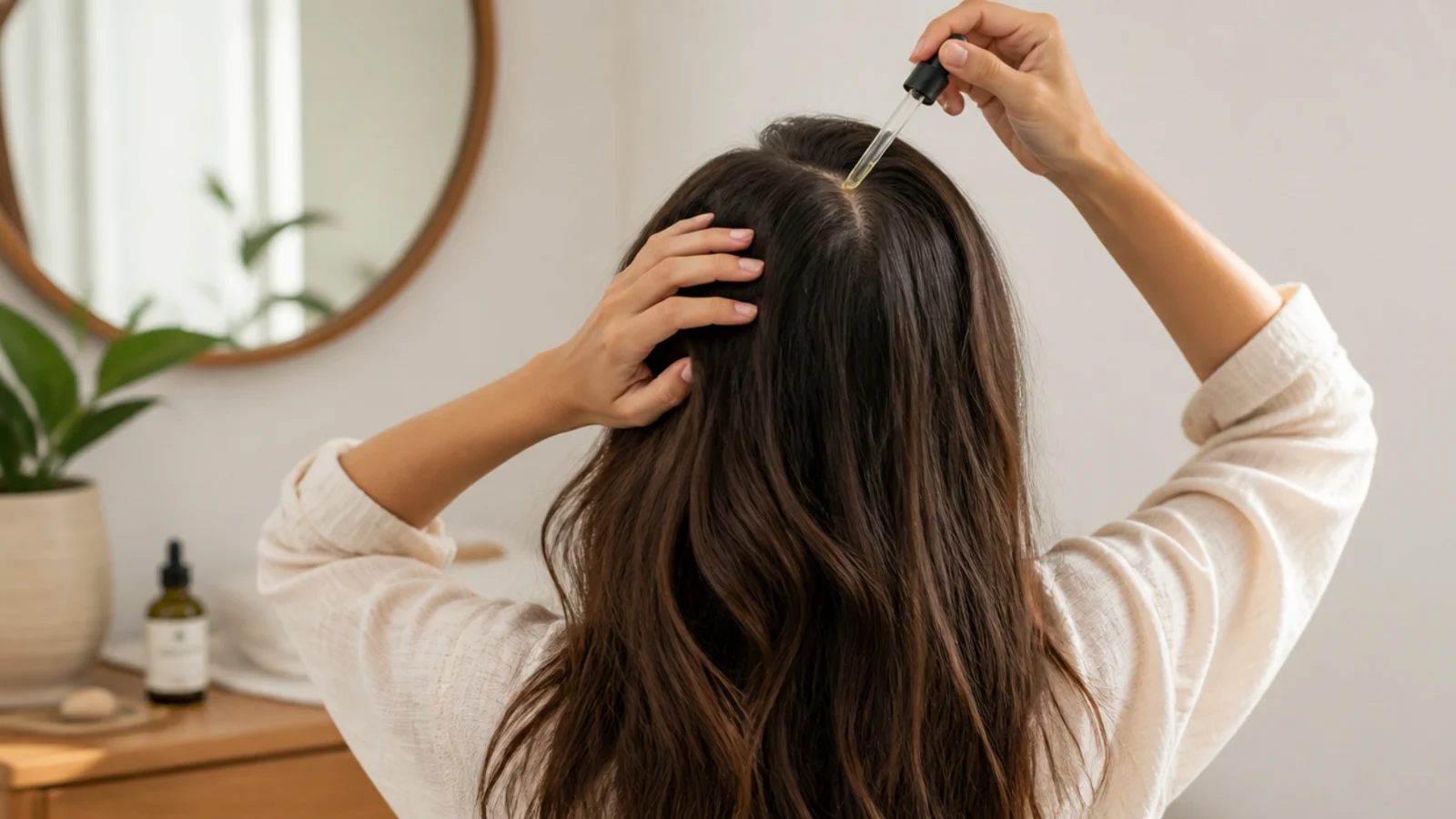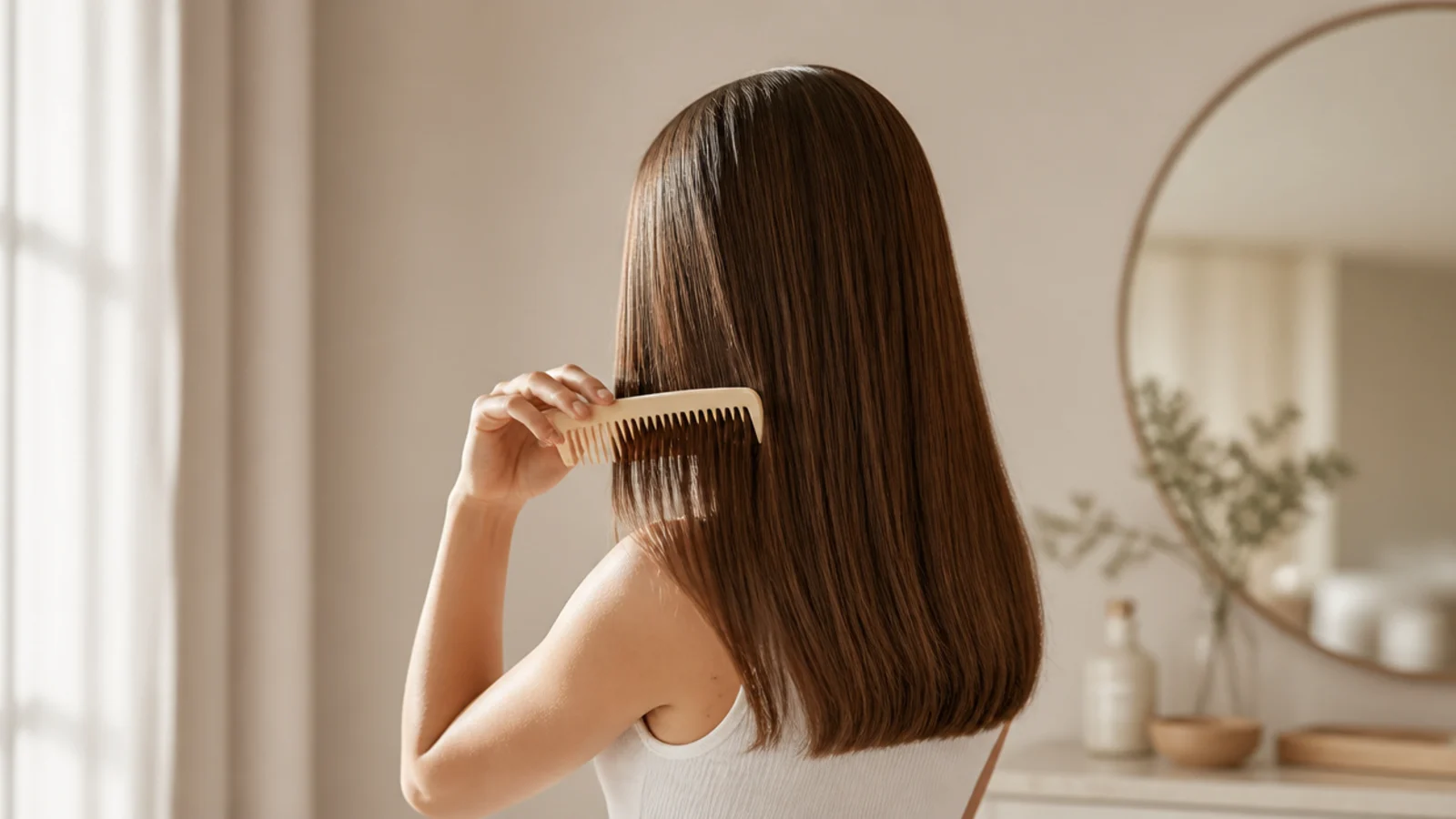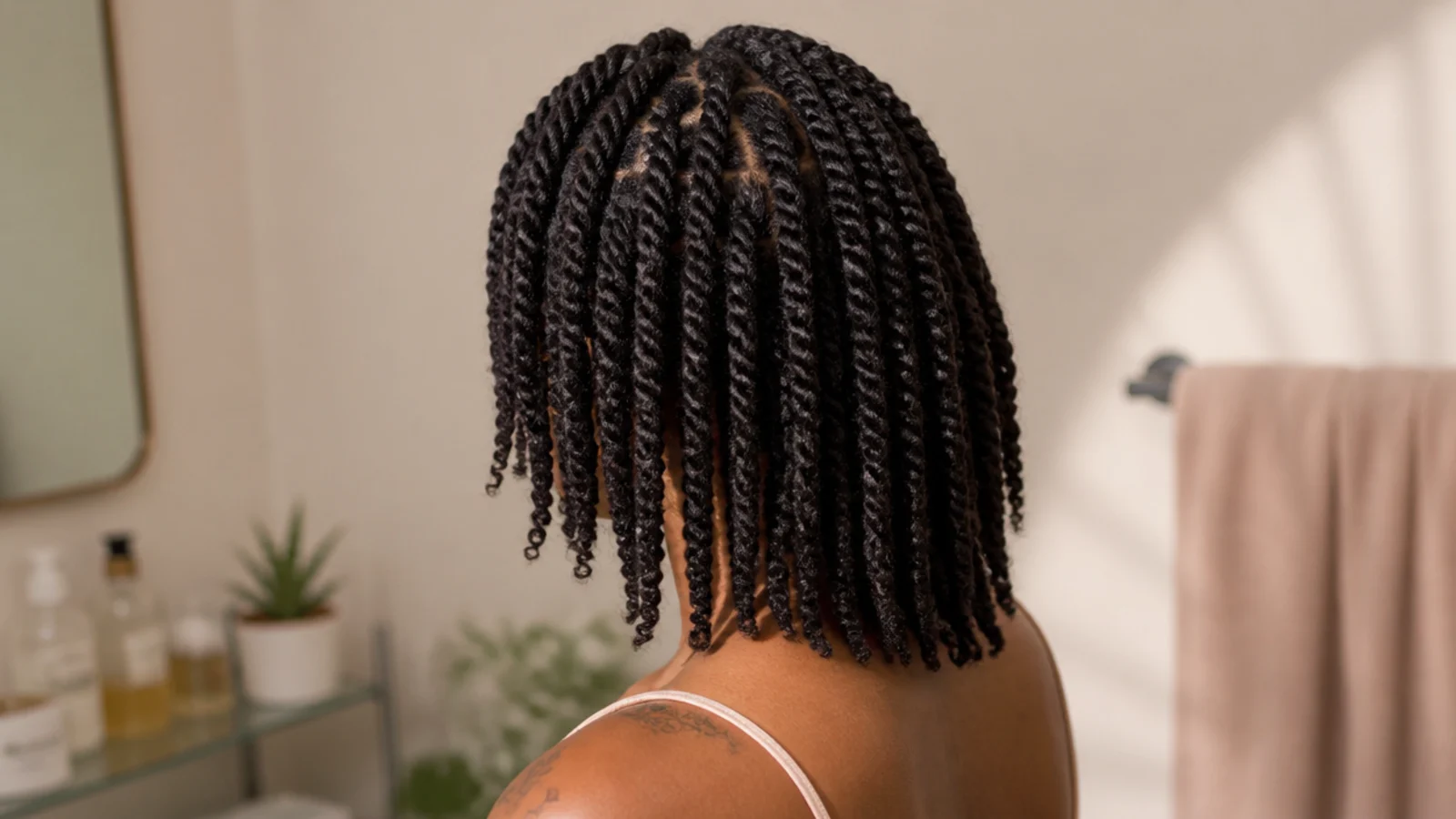
Quick Comparison
| Protective Styling (Braids, Twists, Wigs) | Wearing It Loose and Styled Daily | |
|---|---|---|
| Daily manipulation | Near zero once installed; you touch the scalp, not the ends | High; combing, parting and restyling every morning |
| Main breakage risk | Tension at the roots and matting at takedown | Friction and snagging on the oldest two inches |
| Hairline risk | Real; tight edges and heavy hair cause traction alopecia | Low unless you slick edges hard with gel and brushes |
| Moisture access | Harder; needs a spray bottle and a nozzle applicator | Easy; you can seal the ends any day you want |
| How long to keep it | Six weeks maximum, then take it down and wash | Not applicable; reassess your routine every wash day |
| Wash day time | Short while installed, long and messy at takedown | Two to three hours every 7 to 10 days |
| Cost | Braids run about 150 to 400 dollars per install | Product only, roughly 20 to 60 dollars a month |
| Best for | Fine, fragile or newly natural hair, and busy seasons | Anyone whose scalp gets itchy, flaky or sore in braids |
| Biggest mistake | Back to back installs with no rest week between | Detangling dry, from the roots down, with a fine comb |
1. Wash Your Scalp Every 7 to 10 Days, Not Once a Month
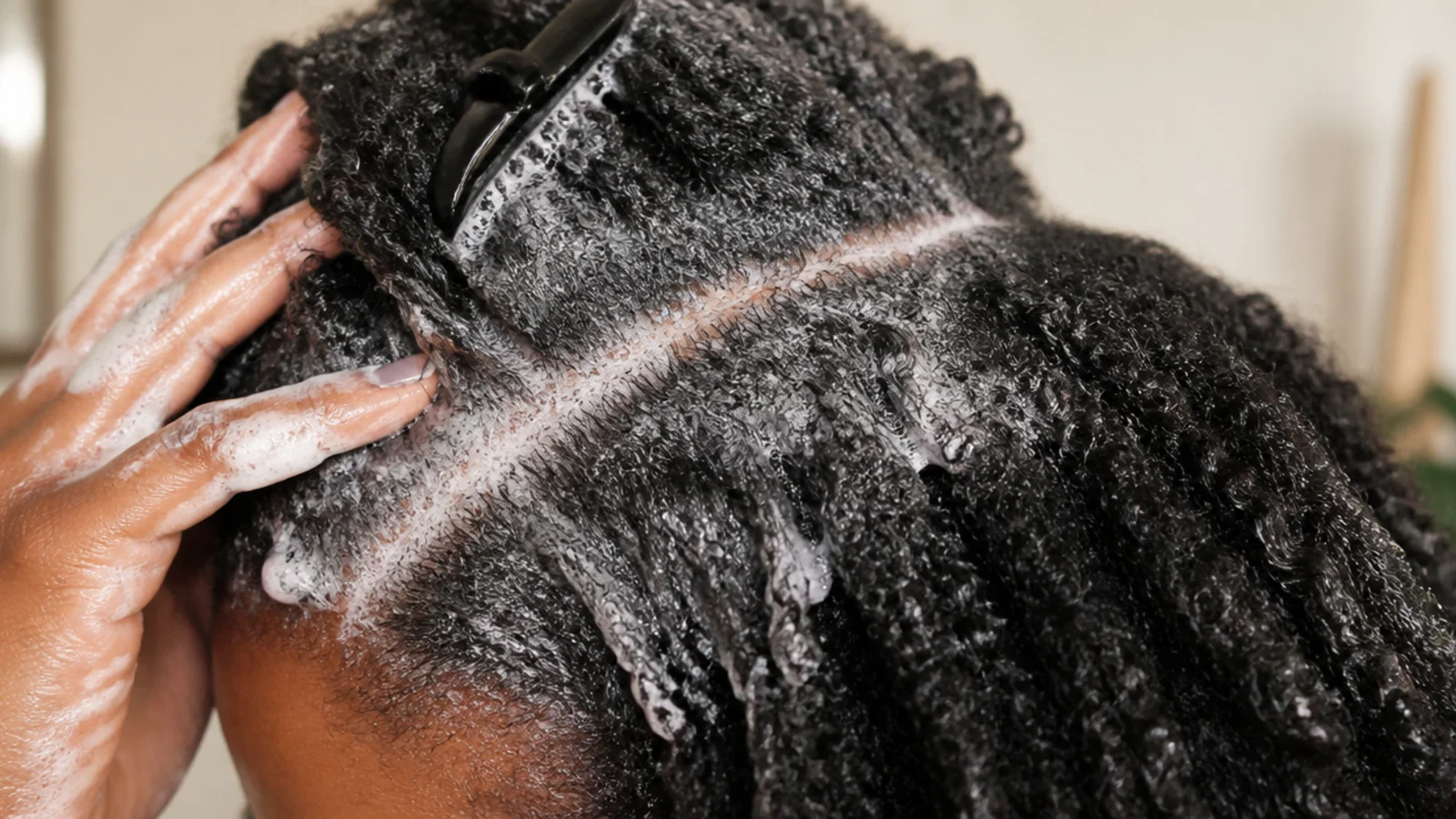
Part hair into four to six sections and put a sulfate free or gentle shampoo directly on the scalp with a nozzle applicator bottle, then work it in with your fingertips for two minutes and let the runoff clean the lengths. A 7 to 10 day cycle keeps sebum, gel and butter buildup off the follicle without stripping the strand, and it is far kinder than the monthly wash a lot of us grew up with. Clarify once a month if you use silicones or heavy oils. Sectioning is the part people skip and it is the part that makes the shampoo actually reach skin. A full wash day structure is laid out in hair growth tips faster at home.
Who it suits: Anyone with an itchy or flaky scalp, or heavy product users.
Tip: Buy a 6 ounce applicator bottle and dilute shampoo half and half with water so it spreads.
2. Two Minutes of Dry Scalp Massage Every Night
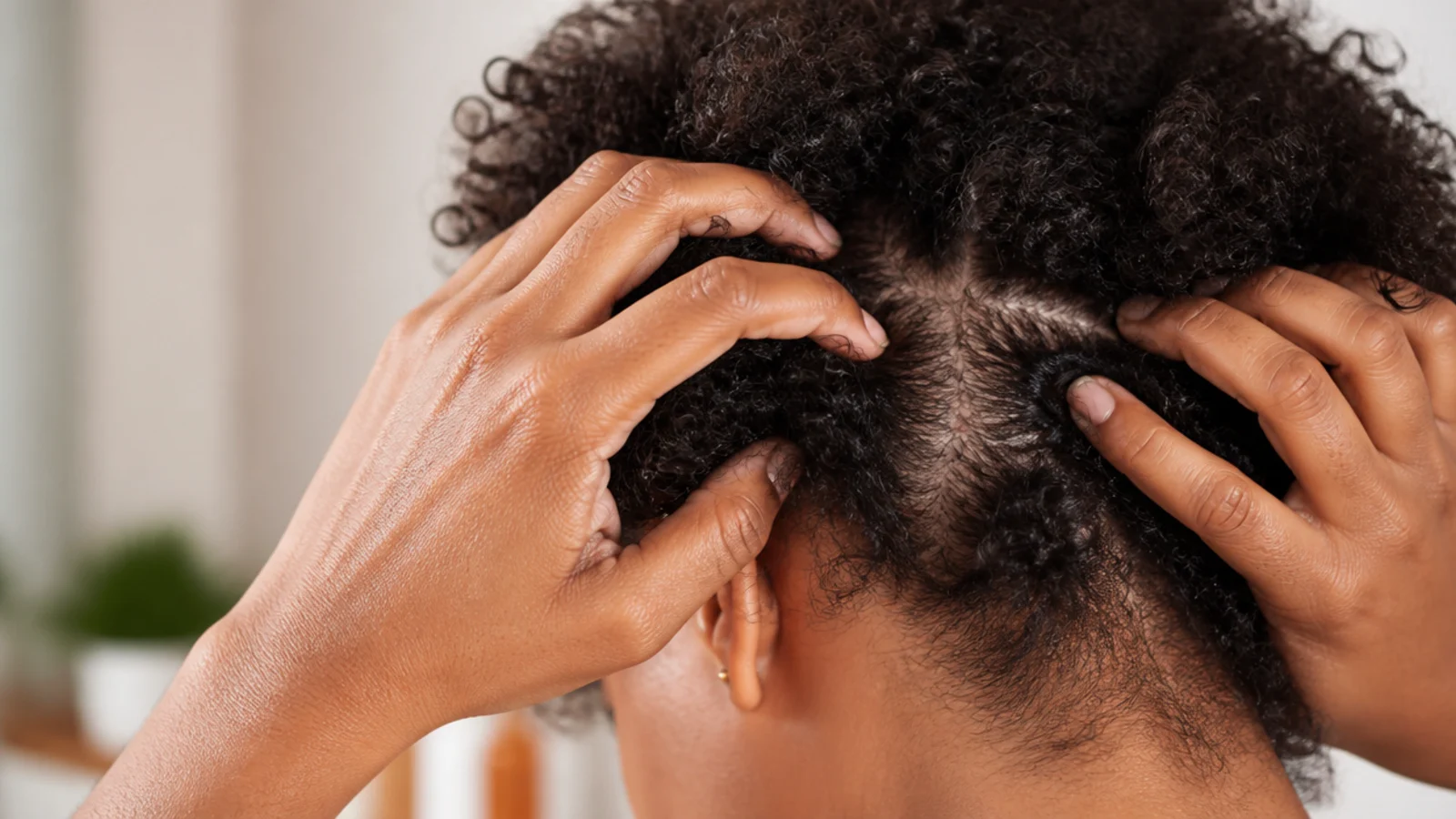
Use the pads of your fingers, not your nails, and move the scalp against the skull in small circles rather than sliding across the hair. Two minutes covering the crown, temples, nape and hairline is enough. The evidence for massage is modest, and it will not raise your growth rate past what genetics allow, but it costs nothing, it improves how a clean scalp feels, and it is a good moment to notice tenderness or bumps early. Do it dry on non wash nights so you are not adding oil daily. If you prefer a tool, a silicone scalp brush does the same job with less arm fatigue. Massage shows up on every credible list, including natural hair growth tips.
Who it suits: Anyone who wants a low cost habit with zero downside.
Tip: Do it while your bonnet is off anyway, right before you tie your hair down for the night.
3. Trim a Quarter Inch Every 8 to 12 Weeks
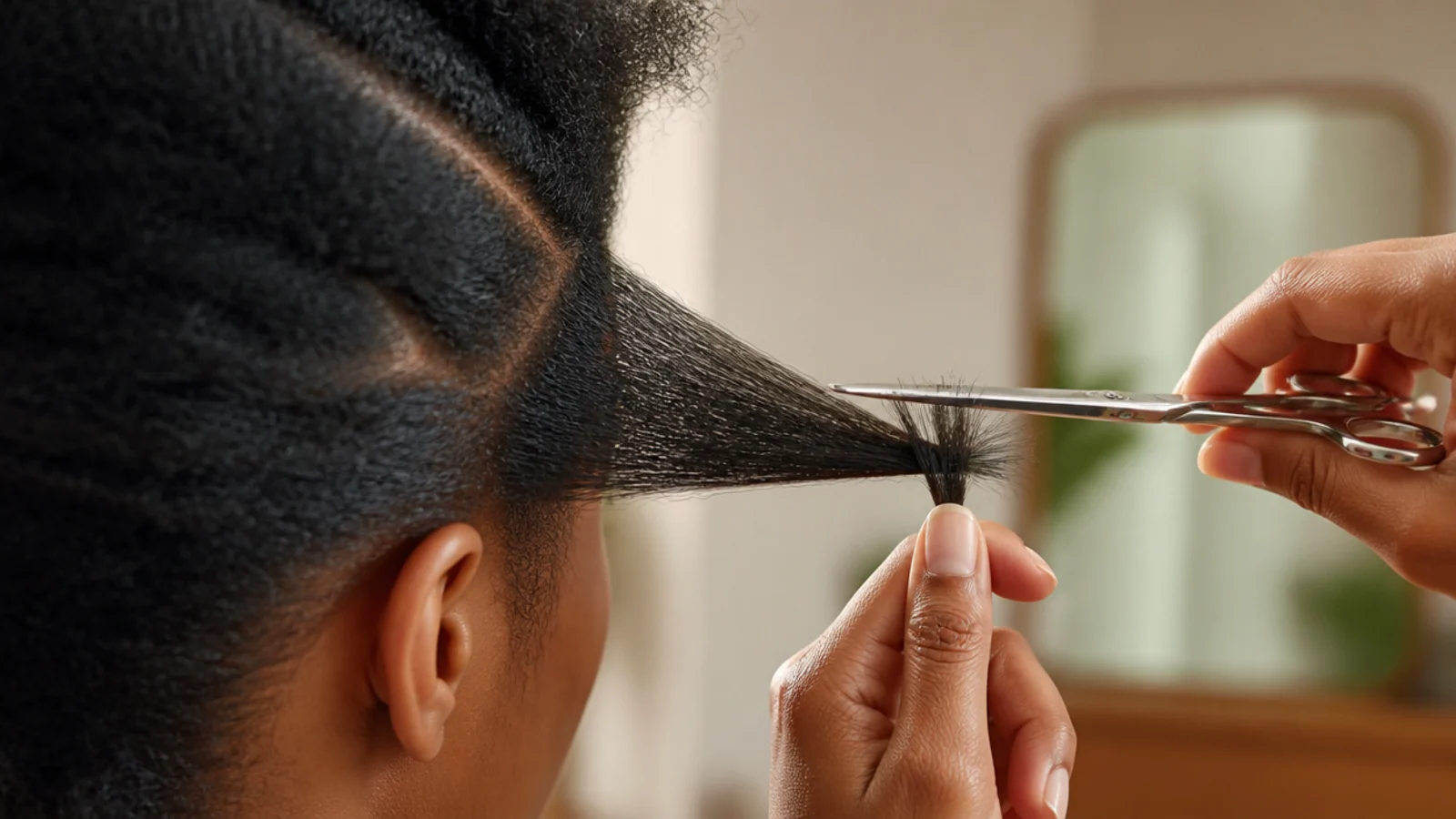
Trimming does not make hair grow, and any stylist who tells you it does is selling you something. What it does is remove splits before they travel up the shaft and turn a quarter inch problem into a two inch problem. Every 8 to 12 weeks, on stretched or blown out hair so you can see the real line, take about a quarter inch off. Dust the ends in twists if you prefer, cutting the tip off each twist. Use actual hair shears, never kitchen scissors, which crush the cuticle and create new splits. If your ends are already see through and rough, take more than a quarter once, then hold the schedule. Rough, flyaway ends are also the first thing covered in frizzy hair remedies.
Who it suits: Anyone whose ends feel rough, thin or knotted.
Tip: Book the trim on the same wash day each season so it stops being a decision you can avoid.
4. Do the Moisture Versus Protein Test Before You Buy Anything
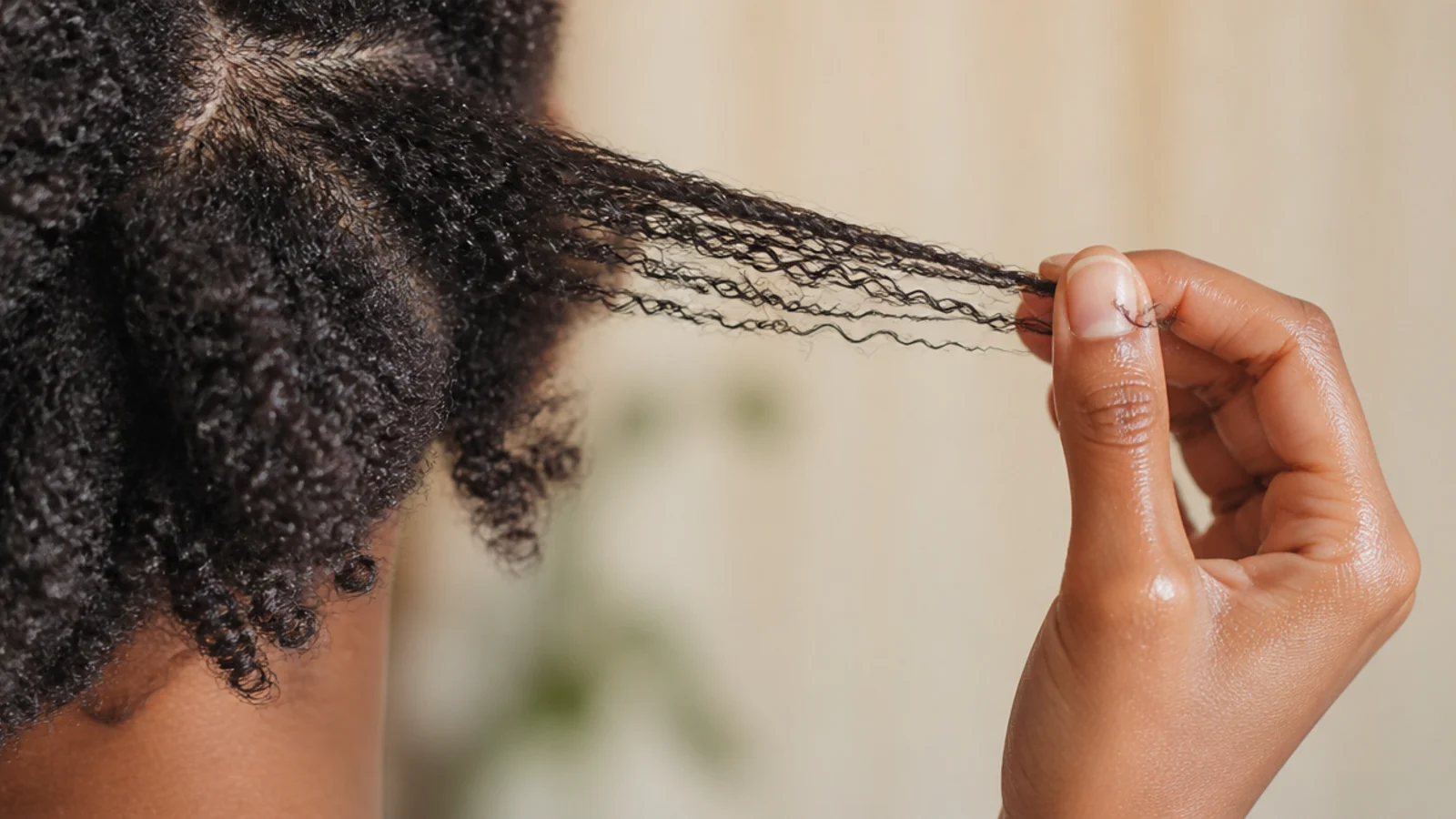
Take one shed strand, wet it, and stretch it gently. If it stretches a long way and stays limp without bouncing back, your hair is moisture heavy and needs protein. If it barely stretches and snaps almost immediately, it is protein heavy or dry and needs moisture. This one test replaces most of the product guessing that drains money on wash day. Protein overload from constant reconstructors is real and shows up as straw like, brittle hair; moisture overload shows up as mushy, stringy hair that will not hold a twist out. Retest every few weeks, because the answer changes with color, heat and season.
Who it suits: Anyone whose hair got worse after switching products.
Tip: Do the test on a strand from your ends, not your roots, since the ends are the oldest hair.
5. Seal With the LOC Method After Every Wash Day
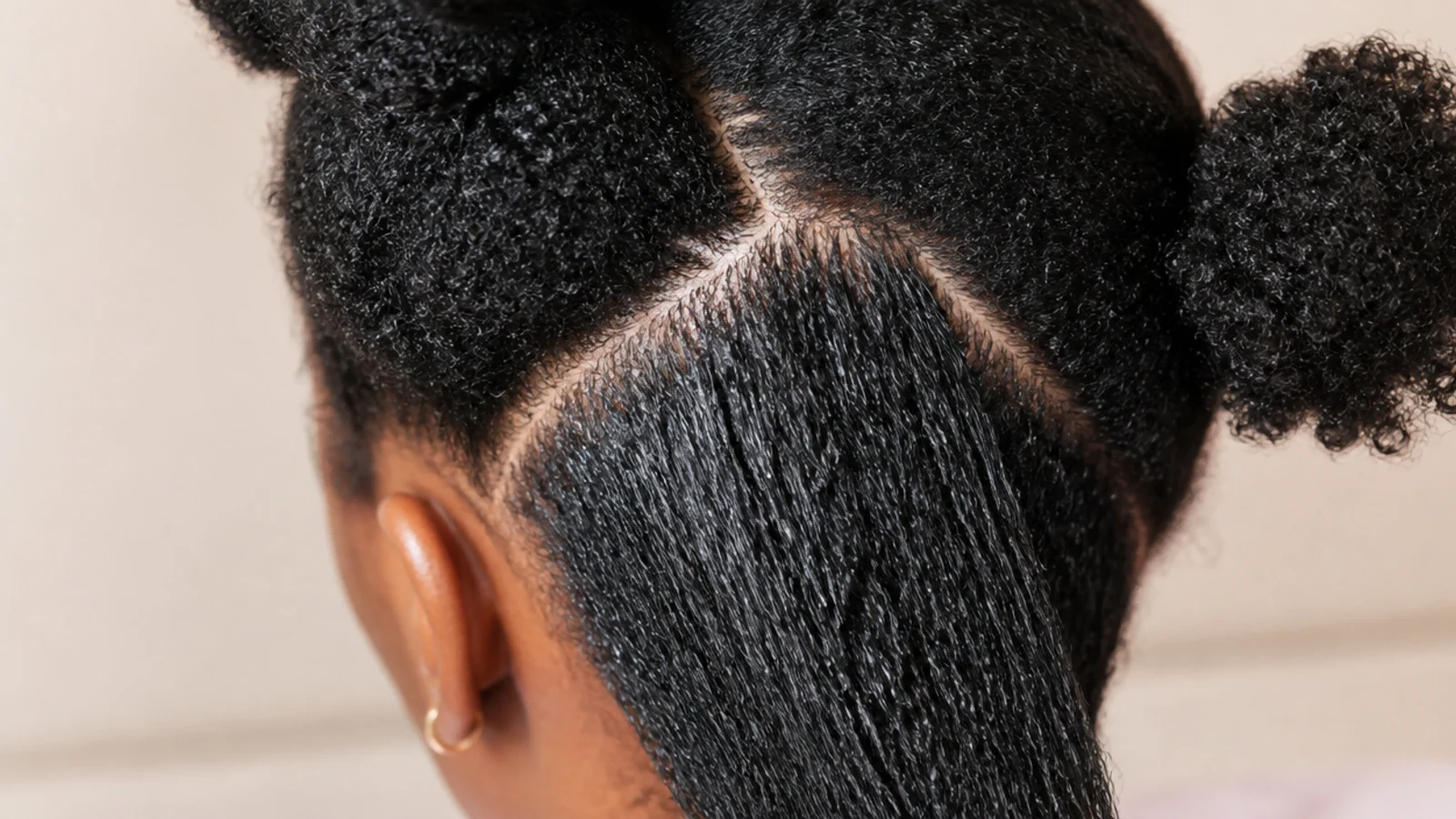
Water is the only real moisturizer; everything else either helps it in or keeps it there. On damp hair, apply liquid or leave in first, then an oil such as jojoba or grapeseed, then a cream, working through four sections and paying most attention to the last two inches. High porosity hair usually prefers LCO, with the cream before the oil, since the heavier seal goes last. Low porosity hair does better with lighter oils and less product overall, because it sits on top and turns to buildup. Grease is not moisture; it seals whatever is underneath, which is why applying it to dry hair does nothing. The same water first logic runs through frizzy curly hair care.
Who it suits: Dry, thirsty hair that feels crunchy by day two.
Tip: Apply to hair still damp from the shower, not misted dry hair, so there is water to seal in.
6. Deep Condition Under a Plastic Cap for 20 Minutes Weekly
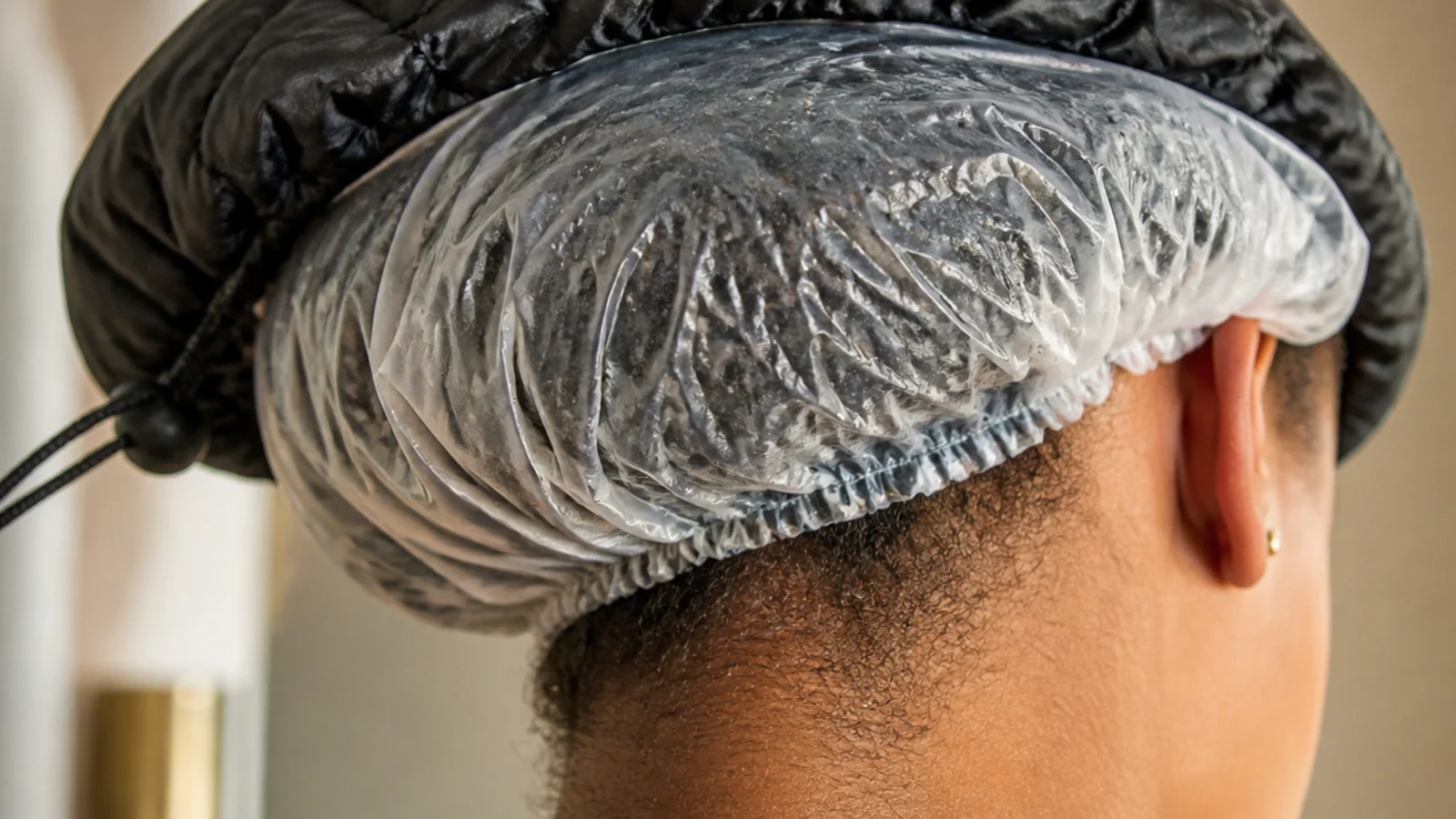
Deep conditioning is the highest return 20 minutes on wash day. Apply generously from the ends upward, since the ends are the oldest and most damaged section, cover with a plastic cap, and add gentle heat with a hooded dryer, a microwavable heat cap or just your body heat under a towel. Heat lifts the cuticle enough for the conditioner to do more than sit on the surface. Alternate a moisture focused mask most weeks with a protein or reconstructing mask roughly every fourth wash, adjusted by what your stretch test said. Rinse with cool water to help the cuticle lie flat again. For mask formulas that target roughness, see hair mask for frizzy hair.
Who it suits: Colored, heat styled or high porosity hair especially.
Tip: Detangle with your fingers while the conditioner is in, when the hair has the most slip.
7. Take Protective Styles Down at Week 6, Not Week 12
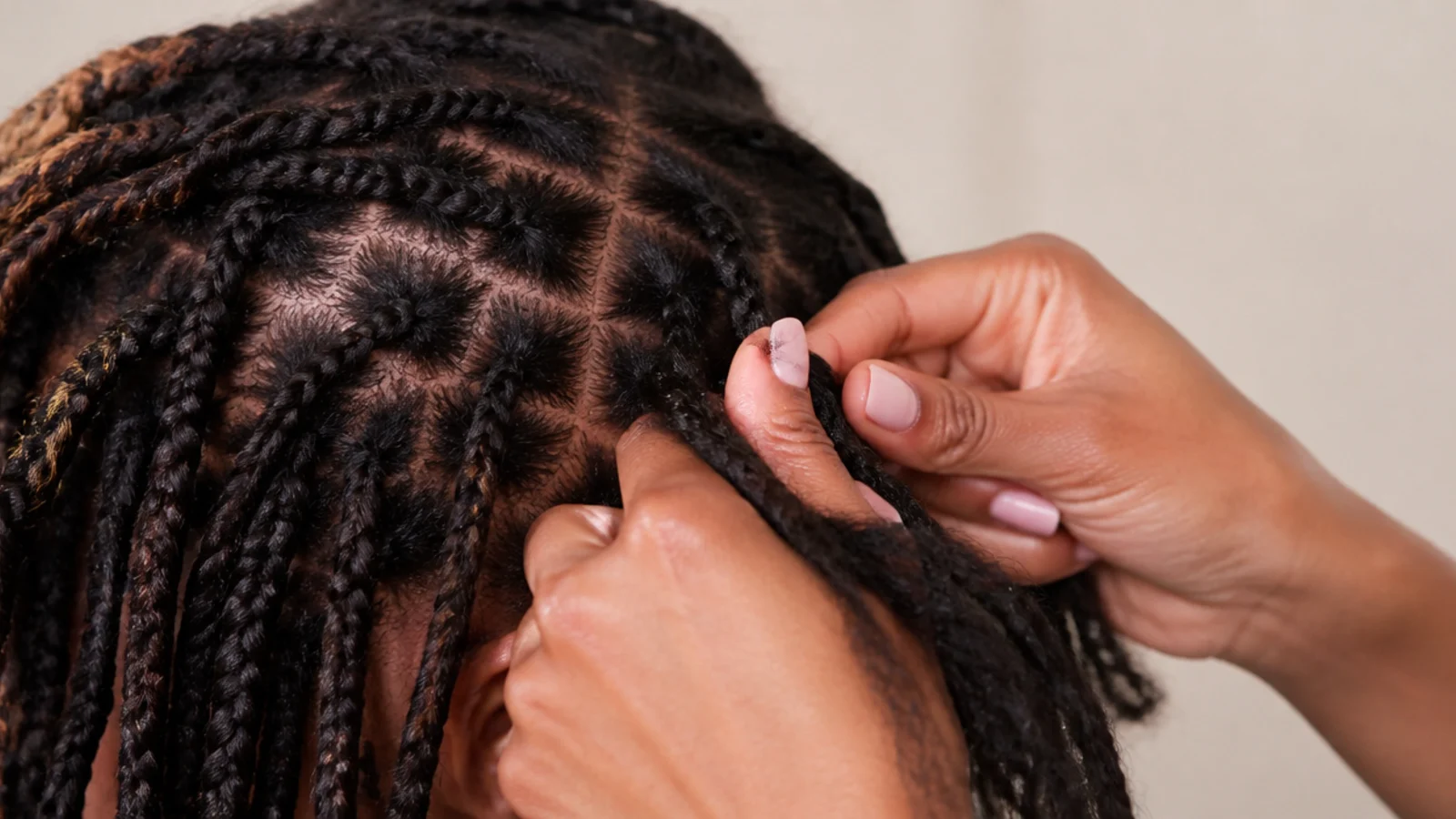
Braids, twists and sew ins protect hair by removing daily handling, which is the biggest controllable cause of breakage. Past about six weeks, that math flips: shed hair that would normally fall out stays trapped, tangles around the new growth, and takedown turns into shredding. Six weeks is the ceiling for most installs, sooner if you see slipping or matting. Take down in sections with plenty of conditioner and time, cleanse the scalp thoroughly, and give your hair at least a week loose before the next install so the follicles get a break from tension in the same spots. For rest week styling, browse the hair growth tips hub.
Who it suits: Anyone who runs back to back installs all year.
Tip: Book the takedown appointment the same day you book the install so it actually happens.
8. Say Stop If a Braider's Tension Hurts
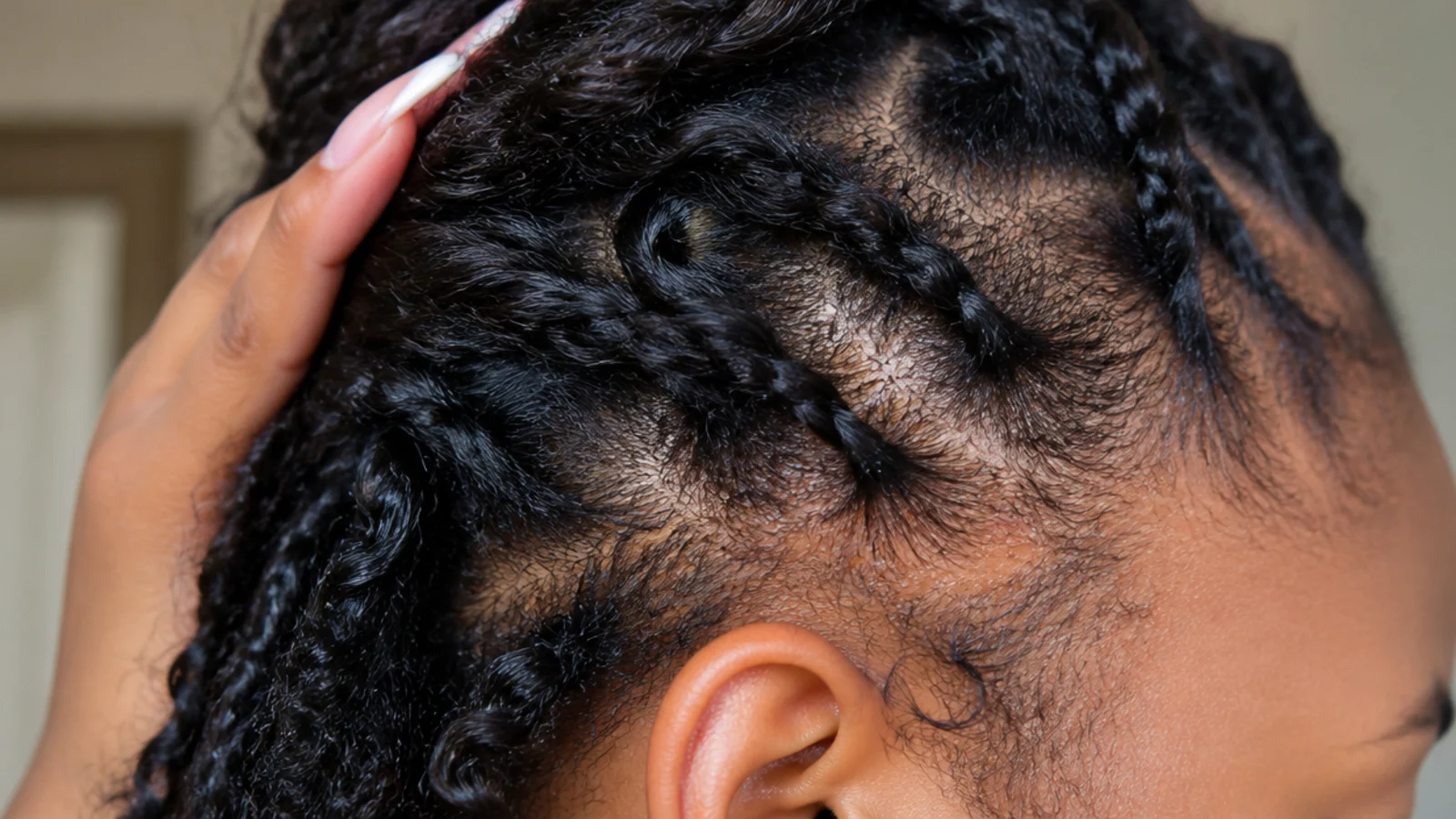
Pain is data, not toughness. Tight braids cause traction alopecia, the leading preventable cause of hairline loss in Black women, and it starts long before you can see it: small bumps at the hairline after install, tenderness when you lie down, a rim of tiny broken hairs, and a part that slowly widens. Caught early, it reverses when the pulling stops. Left for years, the follicle scars and the hair does not return. Ask for knotless braids, lighter extension hair, larger sections at the front, and the first two rows left loose. Say it at the start of the appointment, not three hours in.
Who it suits: Anyone who wears braids, wigs or slicked ponytails regularly.
Tip: If you get bumps or a headache within 24 hours, have the front rows redone rather than waiting.
9. Sleep on Satin: Bonnet, Scarf, or Pillowcase
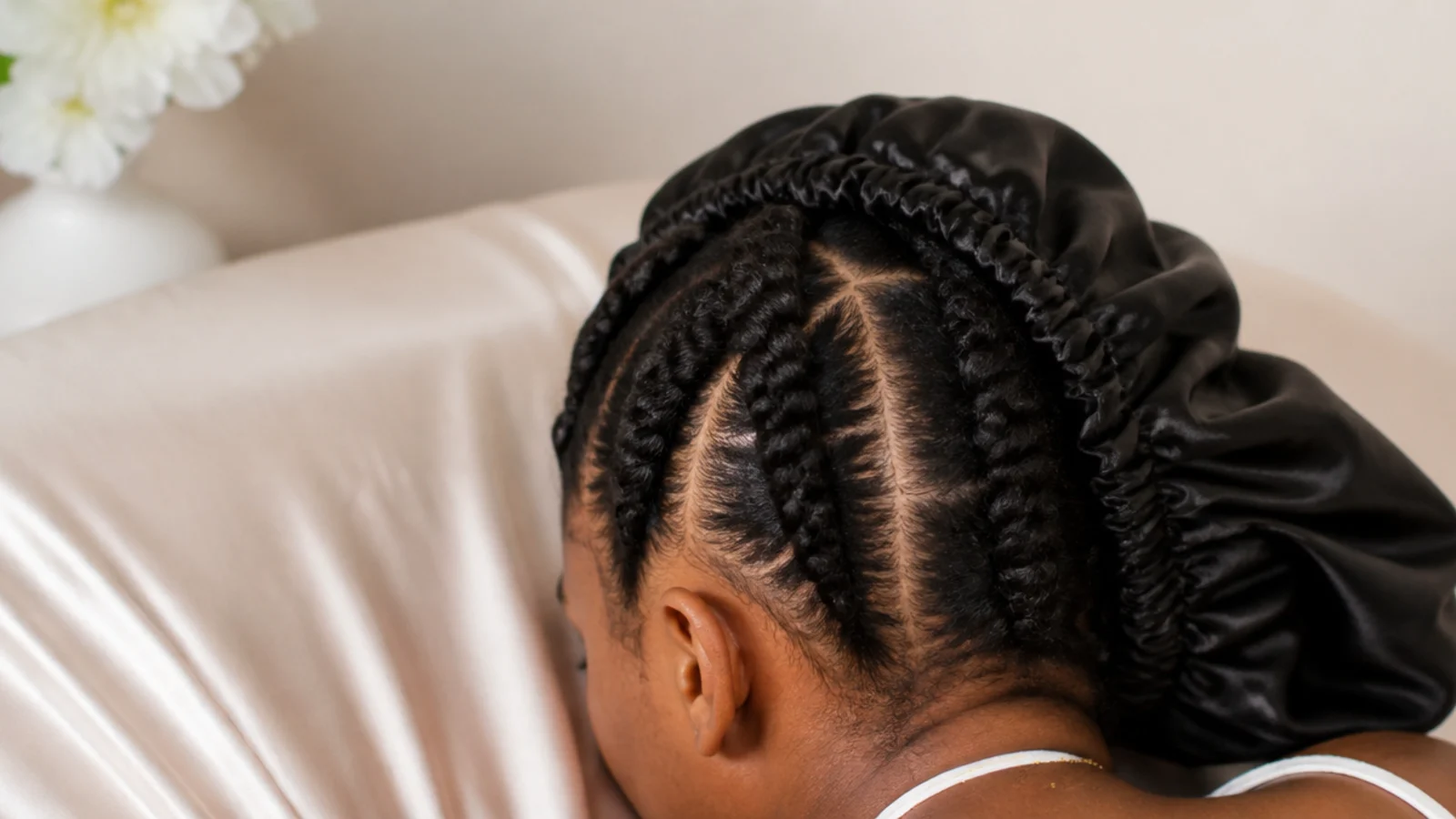
Cotton pillowcases and towels pull moisture out of the hair and drag against the cuticle for eight hours a night, which is a lot of friction on your oldest, most fragile ends. Satin or silk cuts that friction almost entirely, and it is the cheapest high impact change on this list. A bonnet is best because it moves with you; a satin scarf under a bonnet works if you toss; a satin pillowcase is the backup for anyone who wakes up with the bonnet on the floor. Put your hair in loose twists or a pineapple first so it is not compressed all night. This is the single habit most often named in hair growth tips faster.
Who it suits: Everyone, including relaxed hair, locs and wigs.
Tip: Choose a bonnet with a wide fabric band, not a thin tight elastic, which grinds your edges.
10. Detangle in Four Sections on Damp, Conditioned Hair
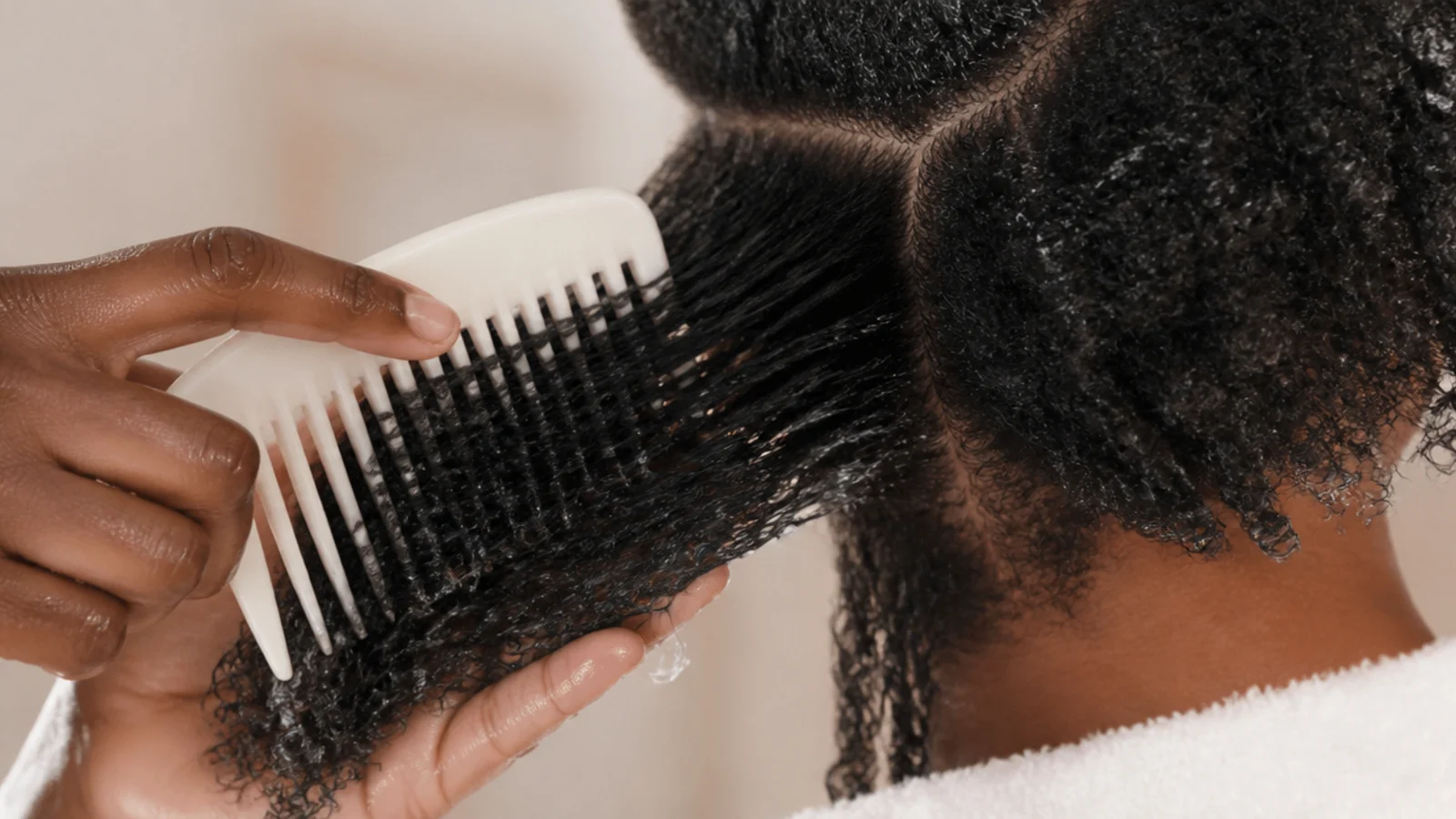
Never detangle dry, never detangle from the roots down, and never detangle a whole head at once. Section into four with clips, saturate each section with conditioner or a slippery leave in, then work from the ends up toward the roots with your fingers first and a wide tooth comb second. Retwist or braid each finished section immediately so it cannot re tangle. This single change often halves the broken hair in the sink. Fine tooth combs and paddle brushes on coily hair are how single strand knots become handfuls on the floor. Dense textures get more sectioning help in hairstyles for thick frizzy hair.
Who it suits: 4B and 4C hair, and anyone with a lot of shed hair on wash day.
Tip: If a knot will not slide out with more conditioner and patience, cut that one strand out.
11. Keep Flat Iron Passes to One Per Section at 350F or Below
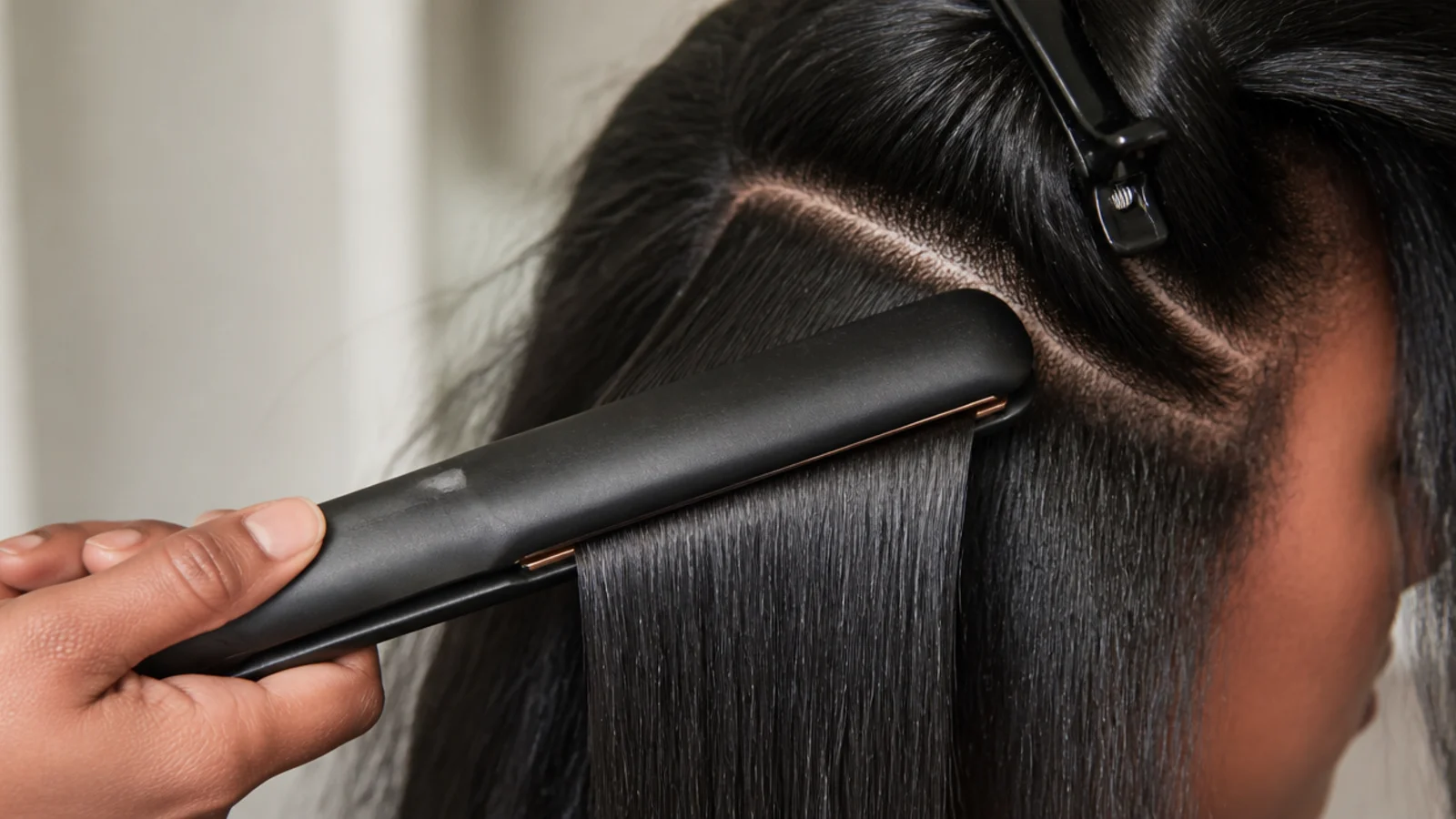
Heat damage on textured hair is often permanent: the curl pattern loosens in patches and does not come back, and that limp section becomes a breakage point. If you straighten, treat heat as a budget you spend a few times a year rather than a weekly habit. Blow dry on medium with a tension or comb attachment, apply a heat protectant to every section, keep the iron at 350F or below for most textures, and take one slow pass instead of four fast ones. Skip heat entirely on colored or already damaged hair. Stretched styles like banding, threading and twist outs get you most of the length with none of the risk, and how to get rid of frizzy hair covers the heat free smoothing options in more depth.
Who it suits: Anyone who straightens more than a few times a year.
Tip: If a section still puffs after one pass, the hair was not dry enough, not the temperature.
12. Stretch 4C Hair in Twists Before You Measure Length
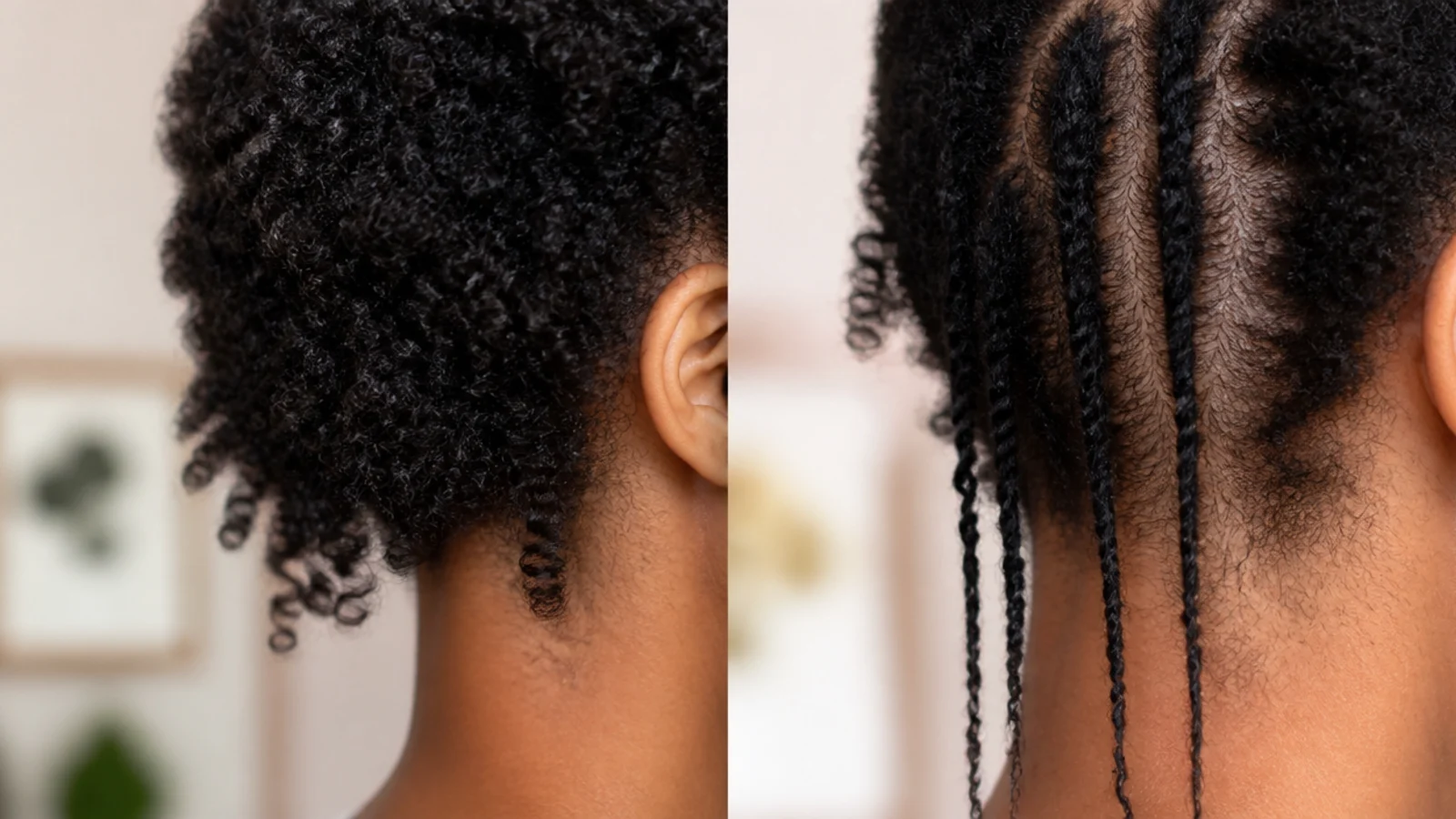
Tightly coiled hair can shrink up to 70 or 75 percent, so the mirror is lying to you about progress and that is why so many people quit a routine that was working. Track length properly instead: two strand twist or band a marked section, pull one strand gently straight, and photograph it against the same wall, in the same shirt, in the same light, every three months. Shrinkage is a sign of elasticity and health, not a problem to fix. Judging your growth on a wash and go is the fastest way to convince yourself nothing is happening when six inches a year is. Stretched styling ideas live in graduation hairstyles for curly hair.
Who it suits: 4A to 4C hair and anyone convinced their hair is not growing.
Tip: Mark the same test section with a small clip so you compare identical hair each time.
13. Baby Your Edges: Slick Them Twice a Week at Most
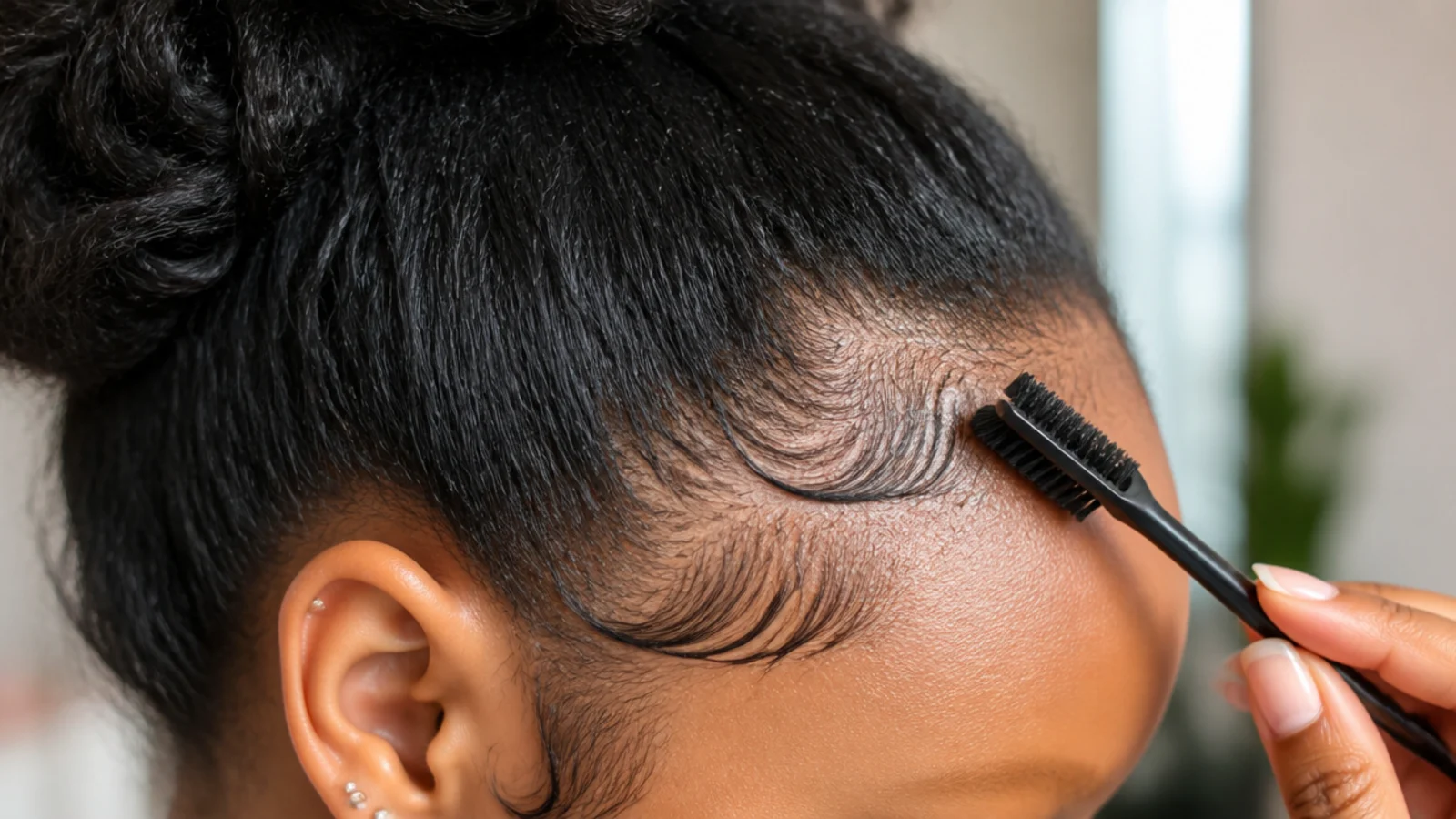
Edges are the shortest, finest hairs you have, and they do not recover the way the crown does. Daily slicking with stiff gel, a hard bristle brush and a satin scarf tied tight is a formula for a receding hairline. Limit slicked styles to twice a week, use a soft bristle toothbrush or a boar brush with a light hand, choose a flake free edge control that softens with water, and always wash the gel out rather than layering fresh product over it. Alternate with styles that leave the front alone entirely, like a loose twist out or a low puff with a fabric scrunchie, or a low messy ponytail that sits away from the hairline.
Who it suits: Anyone with thinning temples or a receding front hairline.
Tip: Give your edges two full weeks with no gel and no tension and see what fills in on its own.
14. Get Ferritin, Vitamin D and Thyroid Checked Before Buying Supplements

Supplements correct deficiencies; they are not accelerators. If you are shedding more than usual, the highest value thing you can buy is a blood panel, not a gummy. Ask your doctor about ferritin rather than hemoglobin alone, plus vitamin D, thyroid function, zinc and a full blood count, because low iron stores and thyroid issues are common in women and often show up as diffuse thinning first. Then treat what the numbers actually say. Taking biotin when you are not deficient does nothing for hair, and it can skew thyroid and cardiac lab results, so tell your doctor if you are on it.
Who it suits: Anyone with sudden, diffuse or ongoing shedding.
Tip: Stop biotin for a few days before bloodwork and tell the lab, since it distorts some results.
15. Eat Protein at Every Meal and Stop Crash Dieting
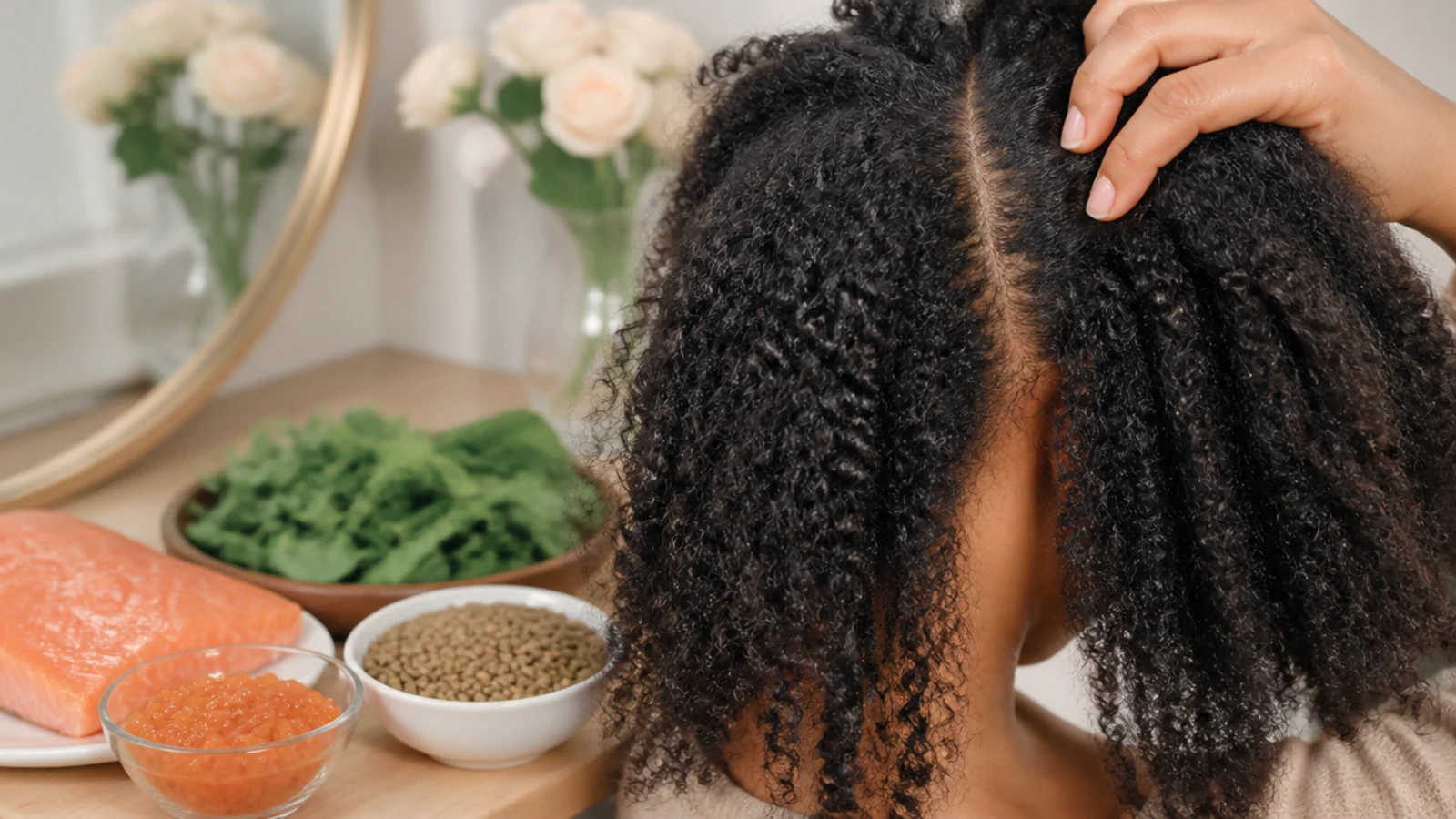
Hair is keratin, a protein, and it is also the first thing your body deprioritizes when calories or nutrients run short. Severe dieting reliably triggers a shedding phase two to three months later, long enough that most people never connect the two. Build meals around a protein source you actually like, such as eggs, salmon, chicken, beans or lentils, and add iron and zinc from greens, pumpkin seeds and red meat if you eat it. This will not make hair grow faster than your genetics allow. It removes a common brake, which is a different and more honest claim.
Who it suits: Anyone dieting hard, newly postpartum or eating erratically.
Tip: If you are vegetarian, pair iron rich foods with vitamin C so more of the iron is absorbed.
How Fast Black Hair Actually Grows and What You Control
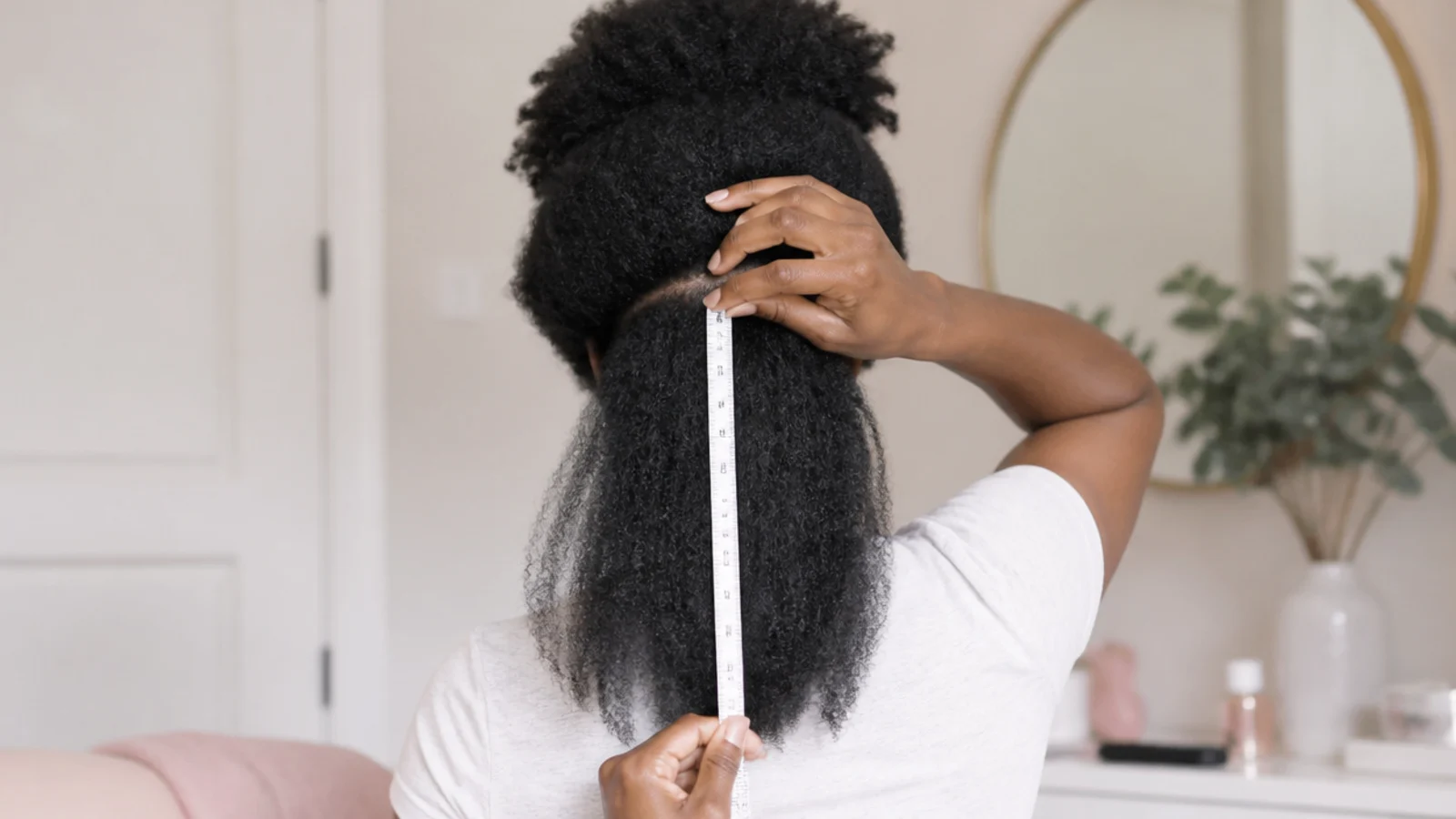
The average scalp grows hair at roughly half an inch a month, which works out to about six inches a year, and that number holds broadly across hair types. Coily and kinky hair often looks like it grows slower for two reasons that have nothing to do with the follicle producing less. First, shrinkage: tightly coiled hair can pull up to 70 or 75 percent of its stretched length, so four inches of real growth can read as one inch in the mirror. Second, retention: the more turns and bends a strand has, the more points along it where the cuticle lifts and the strand snaps. So the honest split is this. Growth rate is mostly genetics, age, hormones and general health, and you cannot argue with it. Length retention is habits, and it is almost entirely yours. Everything below is a retention lever. If you want the underlying mechanics without the marketing, read tips for hair growth, then come back and pick your three habits.
Breakage Versus Growth: Why Your Length Looks Stuck
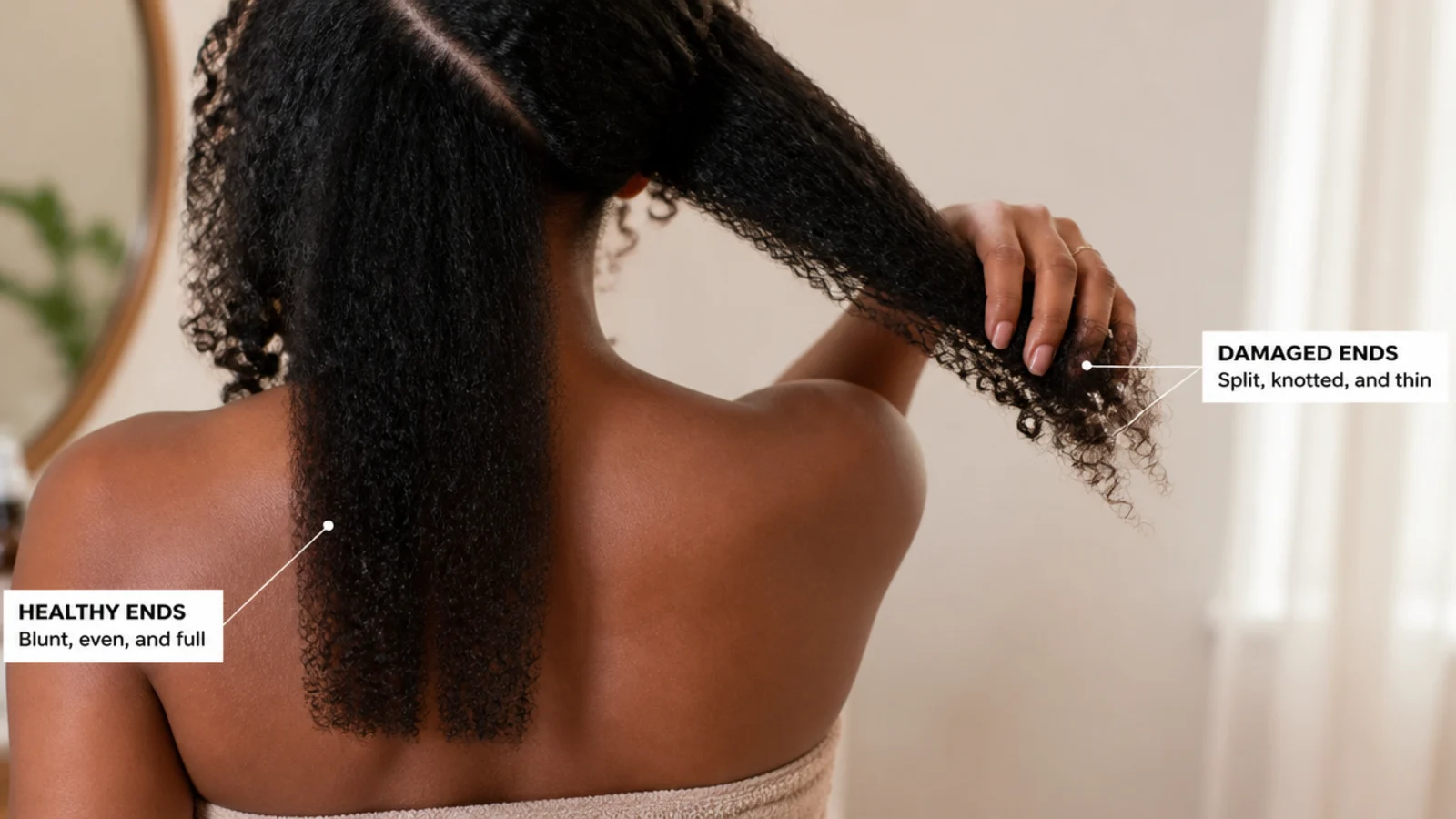
Here is the test that settles it. Look at what comes out of your hair after detangling. A shed hair has a small white bulb at one end, is full length, and is normal at roughly 50 to 100 a day. A broken hair has no bulb, is short, and often has a knot or a frayed split at one end. If your pile is mostly short bulbless pieces, you are growing fine and losing it downstream. Breakage on textured hair concentrates in three places: single strand knots on the ends, the point where a strand rubs a cotton collar or pillowcase, and the line where hair meets an elastic or a comb. That is why the fixes that actually move length are unglamorous ones about friction, tension and moisture, not another growth oil. Split ends also travel up the shaft if you leave them, which is why trimming a quarter inch on schedule protects more length than it costs. If frizz and roughness are your version of this problem, how to fix frizzy hair covers the cuticle side of it.
Scalp Health: Buildup, Flakes, and How Often to Wash
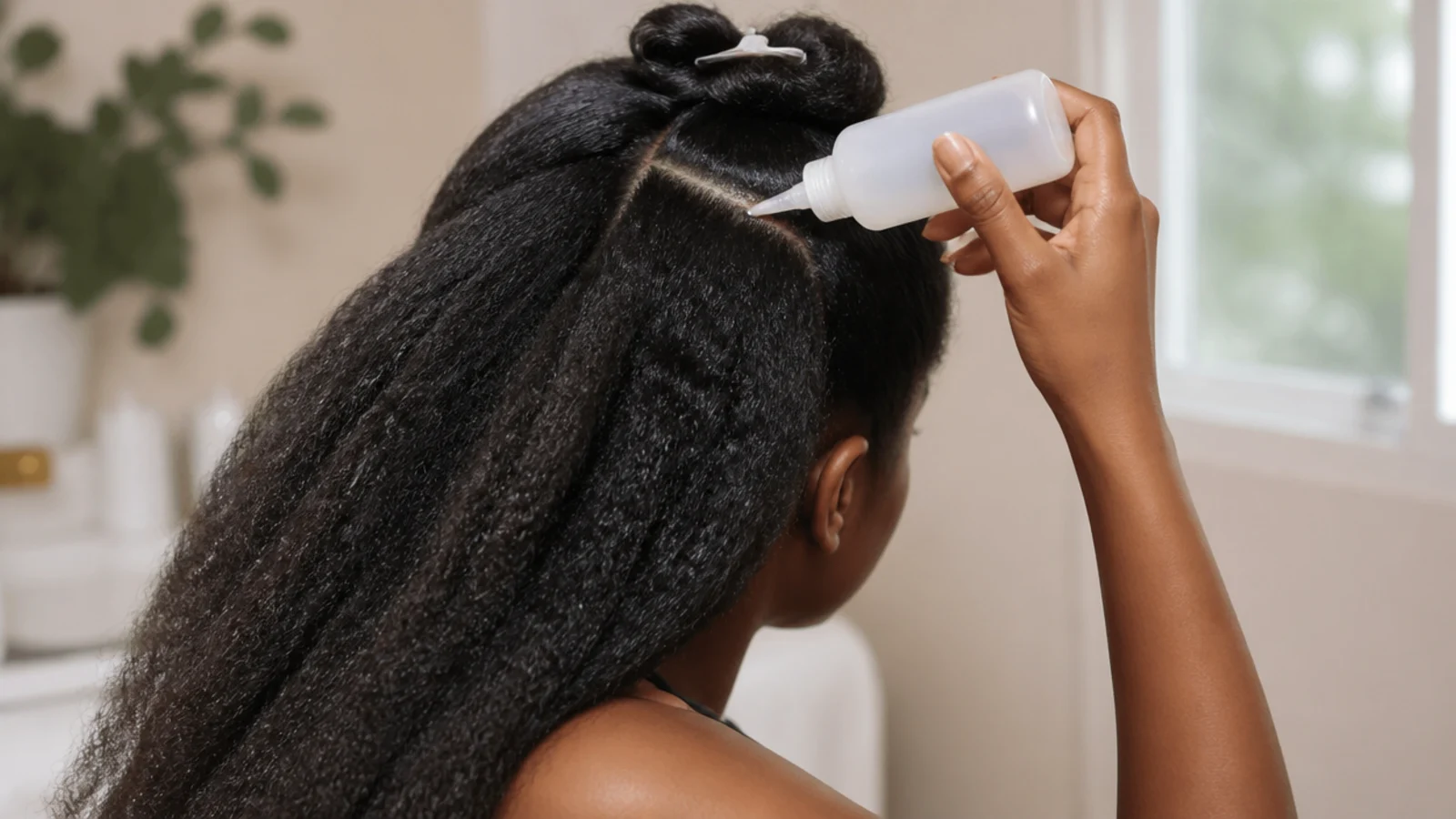
The follicle sits in skin, and skin does better clean than coated. The old advice to wash Black hair once a month came from an era of hot combs and harsher shampoos, and it leaves most people with weeks of sebum, dry shampoo, gel, butters and dead skin sitting over the follicle. A 7 to 10 day cycle suits most textures, moving to weekly if you work out often or wear heavy product. Focus the shampoo on the scalp itself, not the lengths, using a nozzle bottle to part in four to six sections so the lather reaches skin. Clarify roughly once a month if you use silicones, heavy oils or gel. Massage the scalp with the pads of your fingers for a couple of minutes while you cleanse, since gentle mechanical stimulation supports the follicle environment even though it will not override your genetics. Itching, soreness, tenderness or persistent flaking that shampoo does not fix is a dermatologist question, not a product question. A structured routine helps here; see frizzy hair routine for a wash day template you can adapt.
Protective Styling, Heat, and the Rules That Save Your Edges
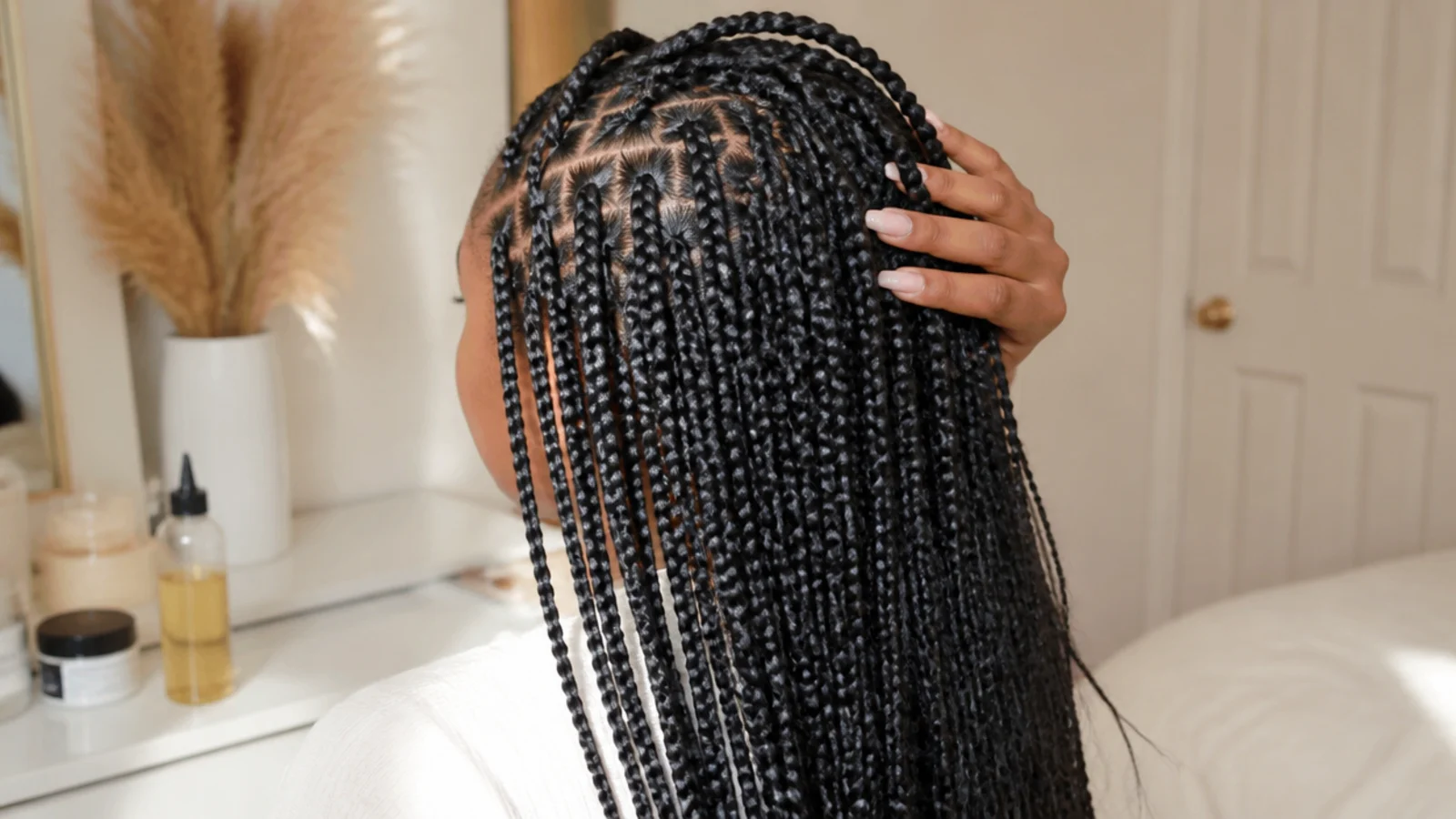
Protective styles work by removing daily manipulation, and that is genuinely the single biggest controllable factor in retention for textured hair. They stop working the moment they become the source of damage. Three rules keep the trade honest. One, if it hurts, it is too tight, and pain at install is not a sign of a good braider. Bumps, tenderness or headaches within a day mean it needs to come out or be redone at the front. Two, six weeks is the ceiling. Past that, shed hair mats at the roots and takedown becomes a shredding session. Three, leave the very edges out or braided loosely; the hairline has the finest, shortest, most fragile hairs on your head and it does not regrow the way the crown does. On heat, direct heat is not forbidden but it is a budget: one flat iron pass per section at 350F or below, with a heat protectant, no more than a few times a year, and never on a stretched style you plan to repeat weekly. For a heat free stretched look, see graduation hairstyles for natural hair.
Diet and Supplements: What Helps and What Is Marketing

Hair is made of protein, so protein intake matters, and so do iron, vitamin D, zinc and B vitamins. But here is the part the gummy ads leave out: correcting a deficiency helps, and topping up something you already have enough of does nothing. Biotin is the clearest case. It is genuinely effective for people who are deficient, and deficiency is rare. If you are shedding, the useful move is a blood panel that includes ferritin, vitamin D, thyroid function and a full blood count, because low ferritin and thyroid problems are common, treatable and frequently show up as diffuse thinning first. Low iron in particular affects a lot of women and gets missed when only hemoglobin is checked. Build the plate first: eggs, salmon, beans, lentils, greens, pumpkin seeds and enough total calories, since crash dieting pushes hair into shedding within a couple of months. Then supplement to a result on paper, not to a promise on a label. The same honesty test applies to every remedy in tips for hair growth.
Edges, Thinning, Postpartum Shedding, and When to See a Doctor
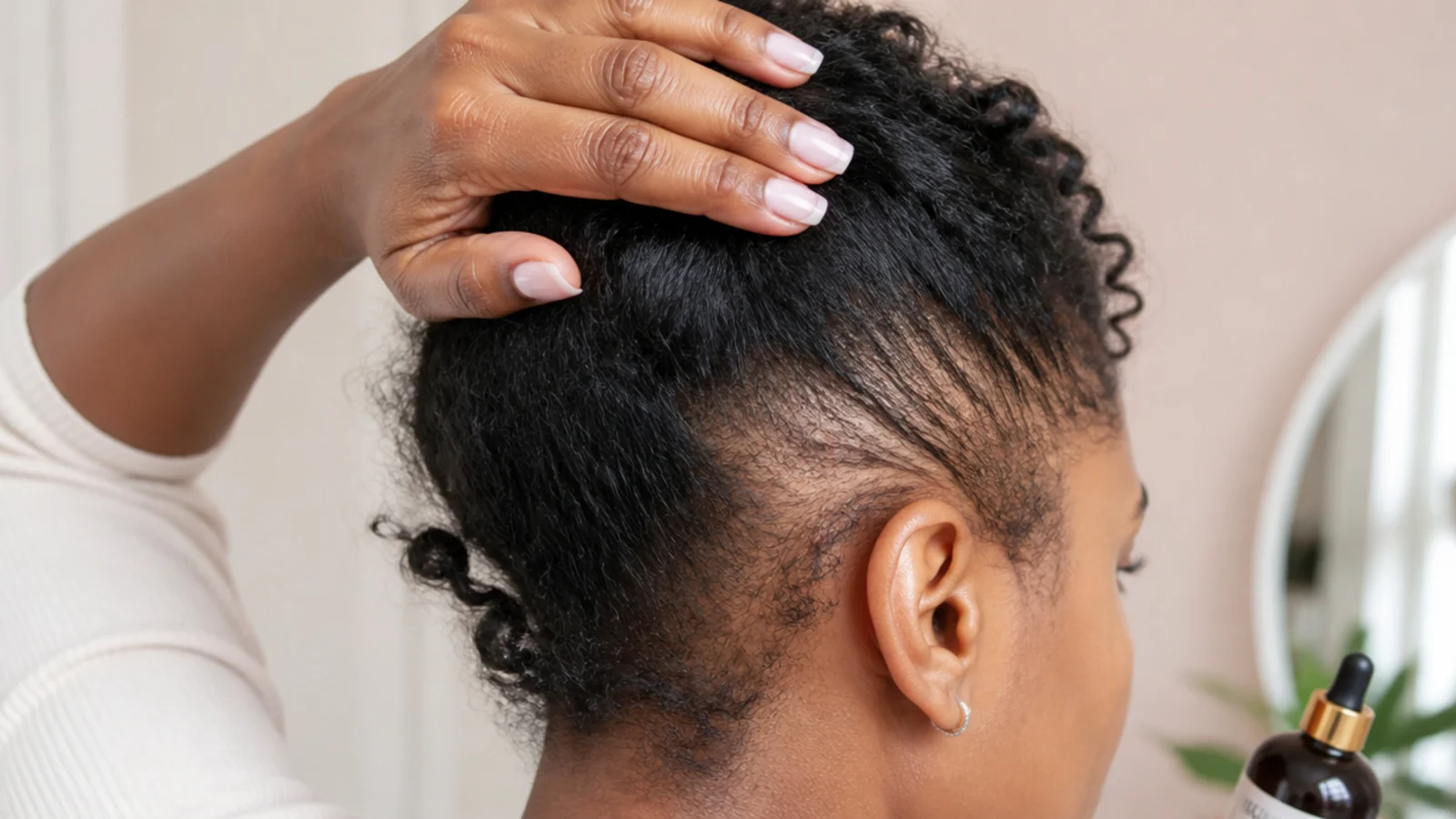
Traction alopecia is the most preventable cause of hairline loss in Black women, and it is caused by repeated pulling: tight braids, heavy weaves, daily slicked ponytails, glue and bonnets with tight bands. Early signs are small bumps at the hairline after install, tenderness, tiny broken hairs, and a hairline that quietly moves back a few millimeters a year. Caught early, it recovers when the tension stops. Left for years, the follicle scars and the hair does not come back, which is why loosening up now matters more than any serum. Postpartum shedding is different and usually not permanent: hormones shifting after birth push a large group of hairs into the shedding phase at once, typically peaking around three to four months, and it commonly settles within the first year. Central thinning at the crown, widening parts, itching and scaling, patchy loss or sudden heavy shedding all deserve a dermatologist or trichologist, ideally one who treats textured hair. That is a medical conversation, and nothing on this page replaces it.
Frequently Asked Questions
How can I make my hair grow faster as a Black woman?
You mostly cannot speed the rate up, because roughly half an inch a month is set by genetics, age and health. What you can do is keep more of it. Cut friction with satin at night, loosen tension at the hairline, deep condition weekly, seal the ends on damp hair, and trim a quarter inch every 8 to 12 weeks. That combination is what turns growth into visible length.
Does Black hair grow slower than other hair types?
Hair grows at broadly similar rates across hair types, around half an inch a month. Coily hair looks slower for two reasons: shrinkage can hide up to 70 percent of the actual length, and every bend in the strand is a weak point where breakage happens, so the ends are lost almost as fast as new hair arrives. Stretch your hair before you judge whether it is growing.
Why does my hair break instead of grow?
Check what falls out. Shed hairs are full length with a small white bulb and are normal. Broken hairs are short, bulbless and often knotted. Mostly broken pieces means dryness, cotton friction, tight styles, dry detangling or heat damage. Fix the ends first, since they are the oldest and most fragile part of your hair and where nearly all loss happens.
How often should Black women wash their hair for growth?
Every 7 to 10 days suits most textures, moving to weekly if you exercise often or use heavy gels and butters. The scalp is skin, and buildup sitting over the follicle for a month helps nothing. Shampoo the scalp in four to six parted sections with an applicator bottle, let the runoff clean the lengths, and clarify about once a month.
Do braids and protective styles make your hair grow?
They do not change your growth rate. They help you keep length by removing daily combing and styling, which is the biggest controllable cause of breakage on textured hair. That benefit disappears if the install is tight, heavy, or left in past about six weeks, at which point matting and tension cause more damage than the style prevents.
How do I grow my edges back?
Stop the pulling first, because nothing topical works while tension continues. That means no tight braids or ponytails, no daily gel slicking, lighter extension hair, and bonnets with soft wide bands. Early traction alopecia often recovers over months once the tension is gone. If your edges do not fill in after a few months of rest, see a dermatologist, because scarring is permanent.
Does biotin help Black hair grow?
Biotin helps if you are actually deficient, which is uncommon. For everyone else it has no proven effect on growth, and it can interfere with thyroid and cardiac blood tests. If you are shedding, ask your doctor for a panel including ferritin, vitamin D, thyroid function and a full blood count, then treat what the results show rather than guessing.
Is 4C hair the hardest to grow?
It is not harder to grow, it is harder to retain. The tight coil pattern means more bend points where strands snap, more difficulty getting natural scalp oils down the shaft, and dramatic shrinkage that hides progress. Moisture, low manipulation, stretched styling and gentle sectioned detangling are what close the gap between growth and visible length.
Why is my natural hair always dry?
Coily strands have a lifted cuticle at every turn and sebum struggles to travel down a bending shaft, so moisture leaves faster than it does on straight hair. Add water first, then seal, rather than applying oils or grease to dry hair, which only coats it. Low porosity hair also needs lighter products and warmth to absorb anything at all.
When should I see a doctor about hair loss?
Go if shedding is sudden or heavy, your part is widening, you see patchy loss, your scalp is itchy, scaly, sore or bumpy, or your hairline is not recovering after months without tension. Ask for a dermatologist or trichologist experienced with textured hair. These are medical situations, and no routine, oil or supplement on this page is a substitute for that visit.
Which hair growth tips look are you saving?
Pick three of these and run them for a full season before you judge anything. If you only have room for three, make them satin at night, a looser hand on your edges, and a quarter inch trim every 8 to 12 weeks, because those three attack breakage where it actually happens. Take a stretched length photo against the same wall in the same shirt today, then again in six months, and let that be your evidence instead of the mirror. If your shedding is sudden, your part is widening, or your edges are not filling in after you have loosened the tension, that is a dermatologist or trichologist visit, not a new oil. For more, browse natural hair growth tips or the full hair growth tips hub.