Quick Comparison
| Growth Rate (mostly not yours to control) | Length Retention (almost entirely yours) | |
|---|---|---|
| What it means | How fast new hair emerges from the follicle | How much of that new growth survives to stay on your head |
| Main driver | Genetics, age, hormones, overall health | Mechanical damage, tension, heat, friction |
| Typical figure | About half an inch a month, roughly six inches a year | Varies hugely; this is where two people diverge |
| Can products change it | No topical beats your genetics | Yes, satin, leave-ins and gentle tools measurably reduce breakage |
| Where the problem shows | At the scalp, as thinner density or slower fill-in | At the ends, as splits, white dots and see-through tapering |
| How to measure it | Root regrowth at a part line or color line | Total length nape to ends, measured stretched |
| Biggest single lever | Treating an underlying deficiency or condition, with a doctor | Sleeping on satin and lowering daily tension |
| Cost to improve | A doctor visit and bloodwork | Roughly 15 to 60 dollars in satin, a comb and a mask |
| When to escalate | Sudden shedding, widening part, patches, see a doctor | If ends keep breaking after six months of care, see a stylist |
1. Satin Pillowcase Instead of Cotton
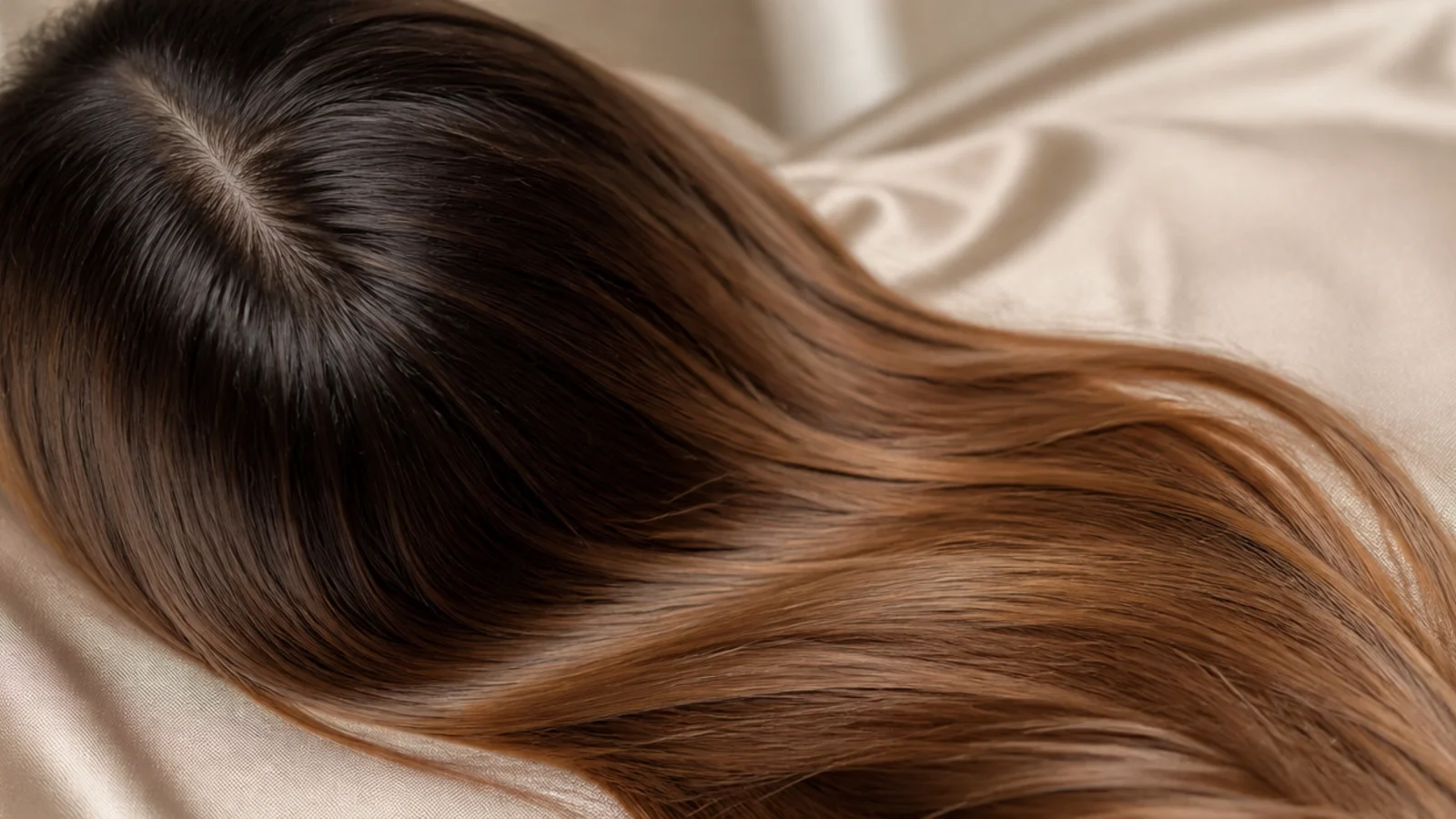
The single change with the best return on effort. Cotton has a rough weave that grips the cuticle and drags every time you turn over, so eight hours of sleep becomes eight hours of low grade friction on the exact section of hair that is oldest and driest. I switched to a satin pillowcase for about 15 dollars and noticed fewer broken hairs on the pillow within a couple of weeks. Silk costs 40 to 90 dollars and feels nicer, but satin does the same mechanical job. I have used mine nightly for two years, and it shows up in nearly every list on the hair growth tips pillar for good reason.
Who it suits: Everyone, and especially anyone whose ends look worse than their roots.
Tip: Buy two so one is always clean, otherwise you will fall back to cotton on laundry day.
2. Dusting a Quarter Inch Every 10 to 12 Weeks
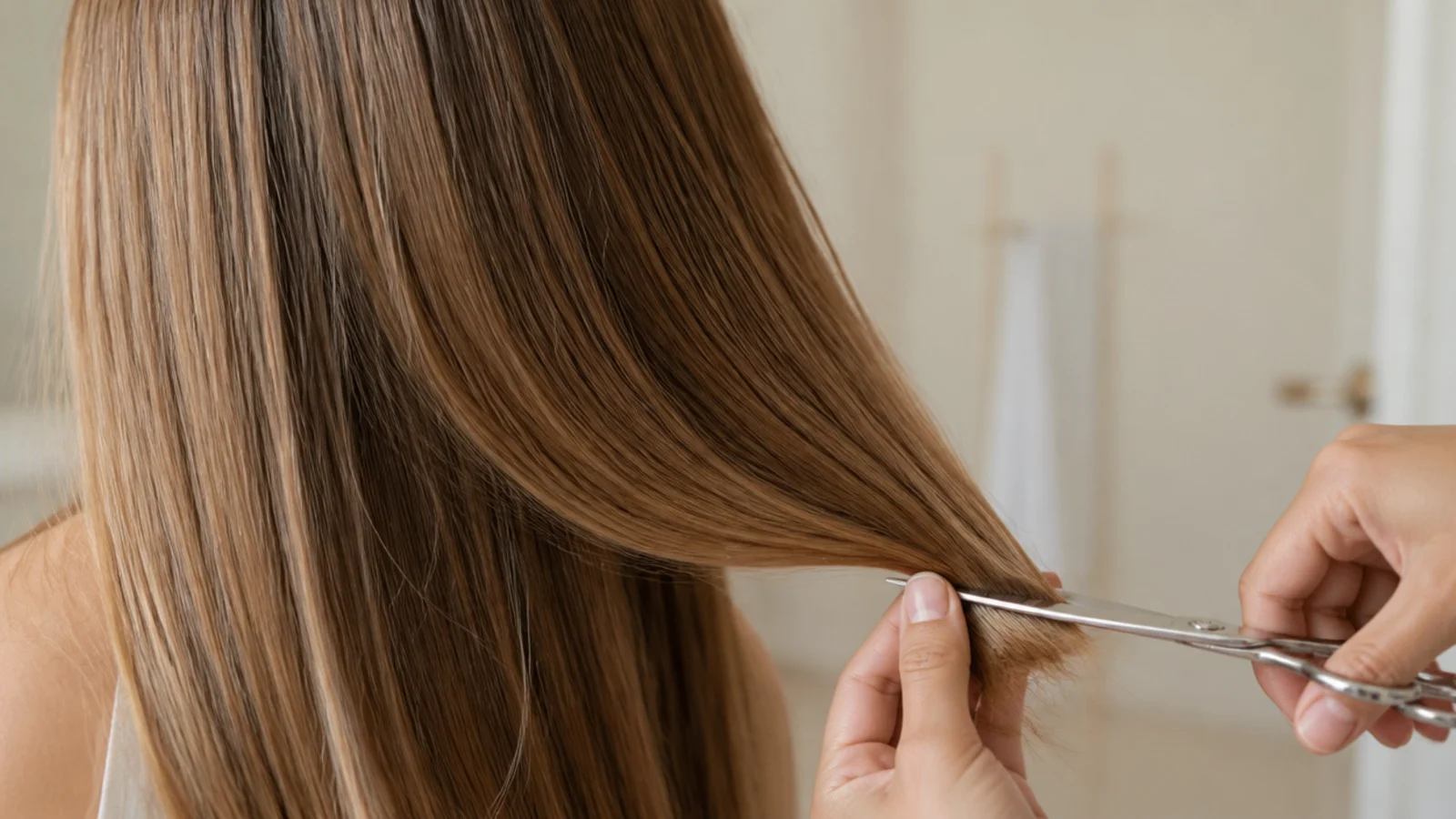
A dusting is a quarter inch off the very ends, not a haircut. The reason it matters is that a split does not stay put. Once the cuticle opens, the tear travels up the shaft, and the section you eventually have to cut off is far longer than the quarter inch you avoided. I book every 10 to 12 weeks and say the words dust the ends, quarter inch, keep the length. It costs me 25 to 40 dollars at a salon. Trims do not make hair grow. They stop you losing more than you grew, which is the whole logic behind hair growth tips faster.
Who it suits: Anyone who has been growing hair out for more than six months.
Tip: Say a specific number in inches. Leave it vague and you will lose two inches to a stylist being helpful.
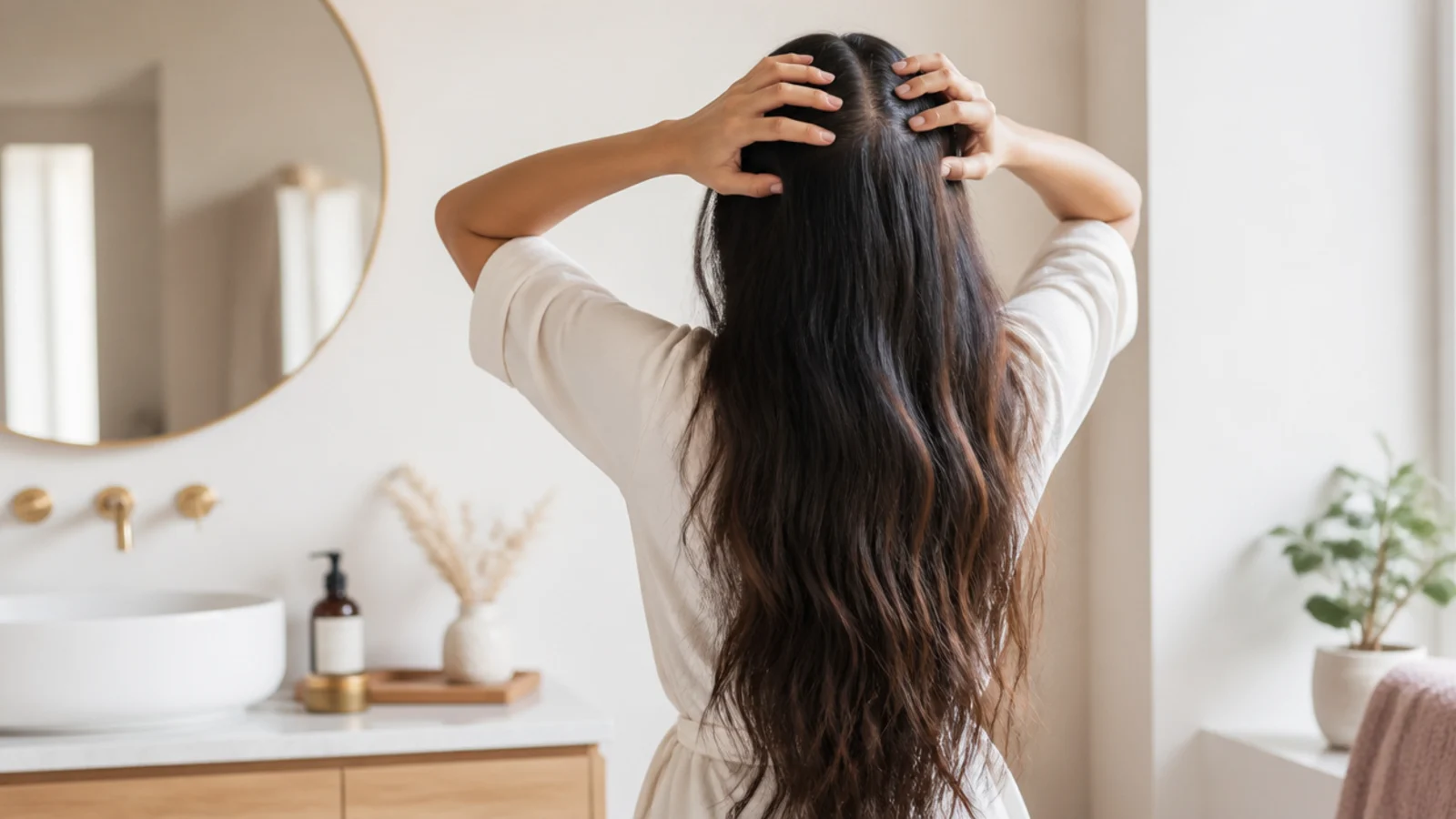
3. Five Minute Scalp Massage with Bare Fingertips
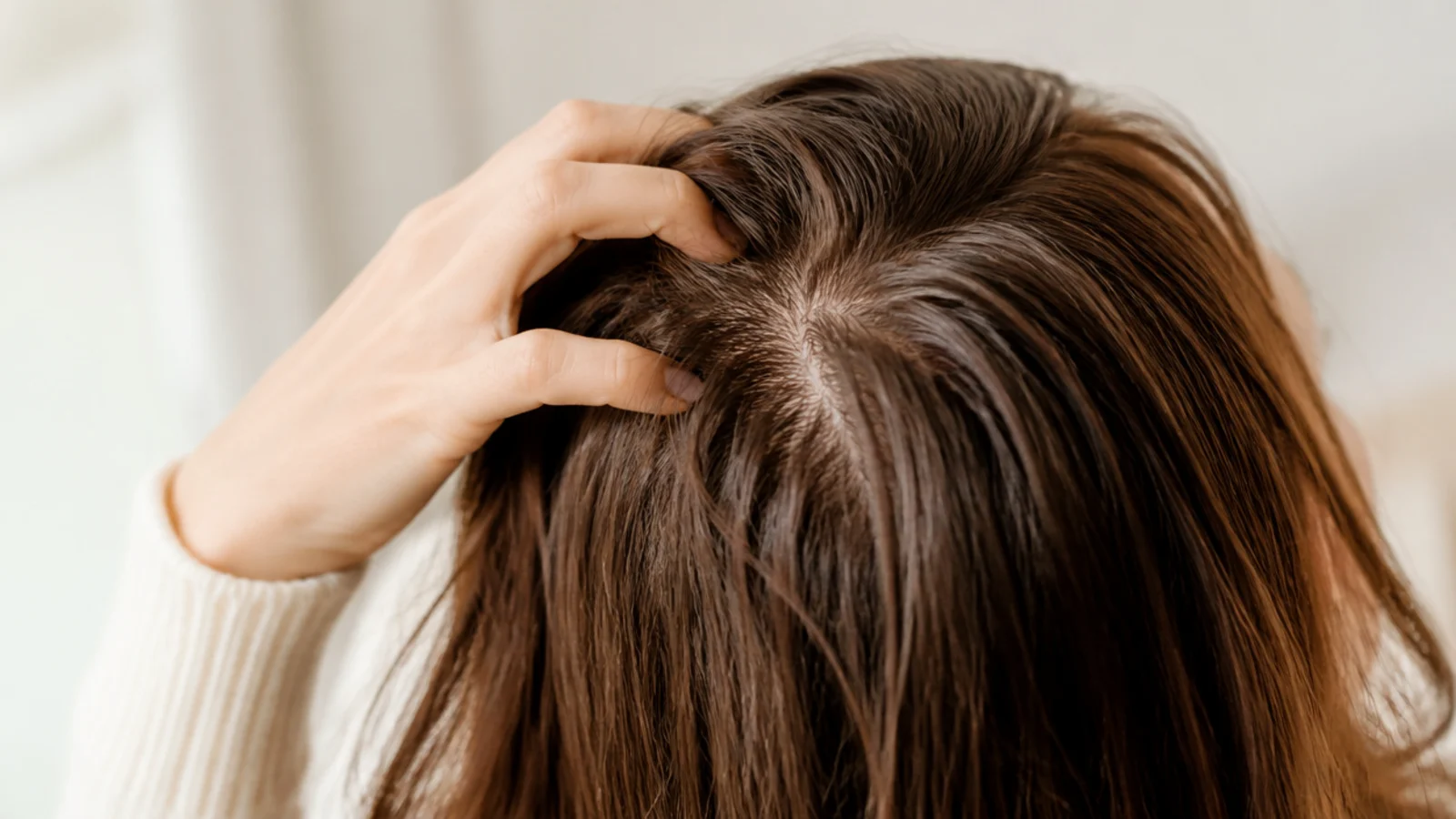
Five minutes, dry hair, pads of the fingers only, moving the scalp against the skull rather than sliding across it. I do it while my conditioner sits, so it costs nothing and adds no time. What it does is support a healthy scalp environment and a bit of circulation, and it is genuinely relaxing, which matters more than people admit. What it does not do is override genetics or add inches. I have done it four or five nights a week for two years and I would not drop it, but I would not credit it with my length either.
Who it suits: Anyone with a tight, tense or flaky scalp.
Tip: Use fingertips, never nails. Scratching the scalp trades one problem for a worse one.
4. Wide Tooth Comb on Conditioner-Soaked Hair
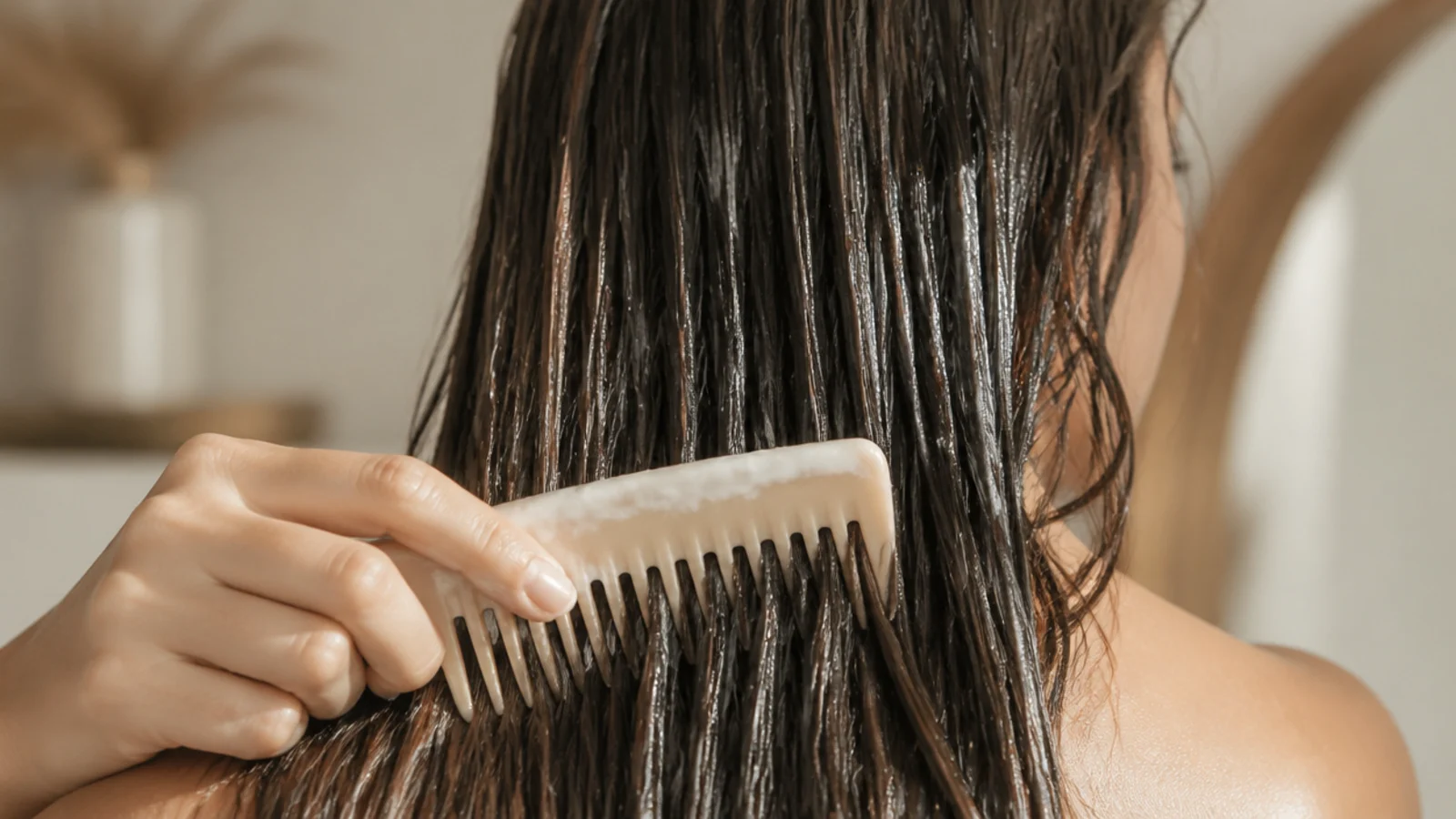
Wet hair is at its most fragile, and dry brushing a tangle out of dry long hair is how I used to lose a visible handful every morning. Now I detangle only in the shower, with conditioner still in, using a wide tooth comb and starting at the last two inches, then moving up in sections. A 6 to 10 dollar comb replaced a boar bristle brush I had been using wrong for years. My shower drain tells the story better than I can. This one change alone visibly cut my daily shed of broken pieces, and it is step one of how to fix frizzy hair too.
Who it suits: Long, curly, wavy or tangle-prone hair of any texture.
Tip: If the comb stops, do not pull. Add more conditioner and work the knot apart with fingers first.
5. Loose Rope Braid Every Single Night
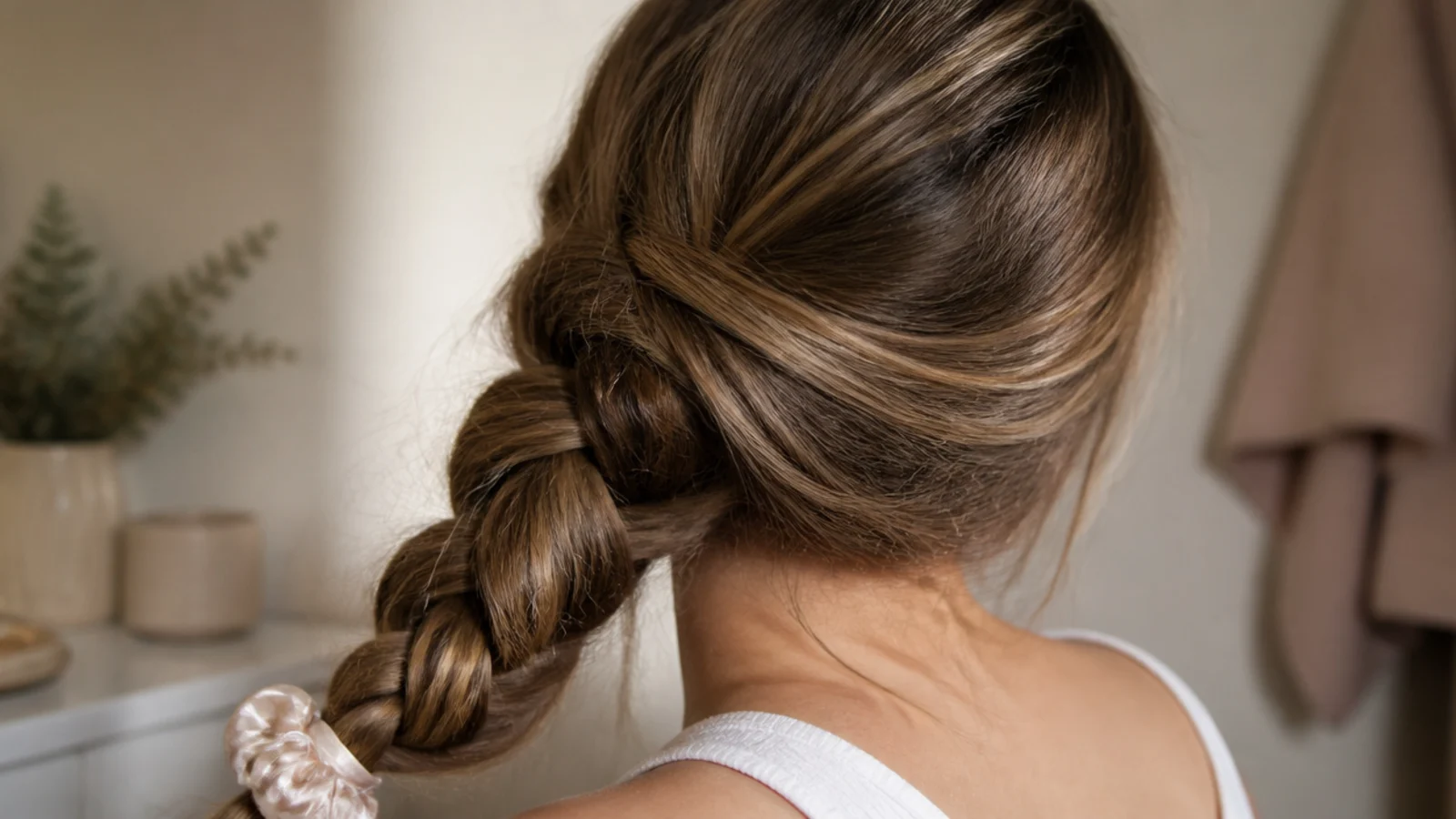
Hair that is loose overnight tangles with itself, and every tangle is a future break. A loose single braid, started low at the nape and tied with a satin scrunchie, takes me about 40 seconds. I keep it loose enough to slide a finger under, because a tight overnight braid creates its own tension. In the morning it also gives a soft bend that means I skip heat entirely. If you want to make that bend intentional, the same principle drives most heatless styles, including easy mermaid braids.
Who it suits: Shoulder length and longer, any texture that tangles.
Tip: Do not braid soaking wet hair. Damp is fine, dripping wet stretches and snaps.
6. Microfiber Towel Instead of a Terry Bath Towel

A terry bath towel has looped fibers that catch the cuticle, and the rubbing motion most of us learned as kids is basically sanding wet hair. I switched to a 12 to 20 dollar microfiber hair towel and changed the motion from rubbing to squeezing, section by section, from the top down. An old cotton t-shirt works free of charge and I used one for a year before I upgraded. The frizz difference was immediate, which makes sense, since frizz is often just raised cuticle. More on that in my frizzy hair routine.
Who it suits: Wavy, curly and coily textures above all, but everyone benefits.
Tip: Never twist the towel into a tight turban at the crown. That tension lands right on your hairline.
7. Silk Scrunchies Instead of Snag-Prone Elastics
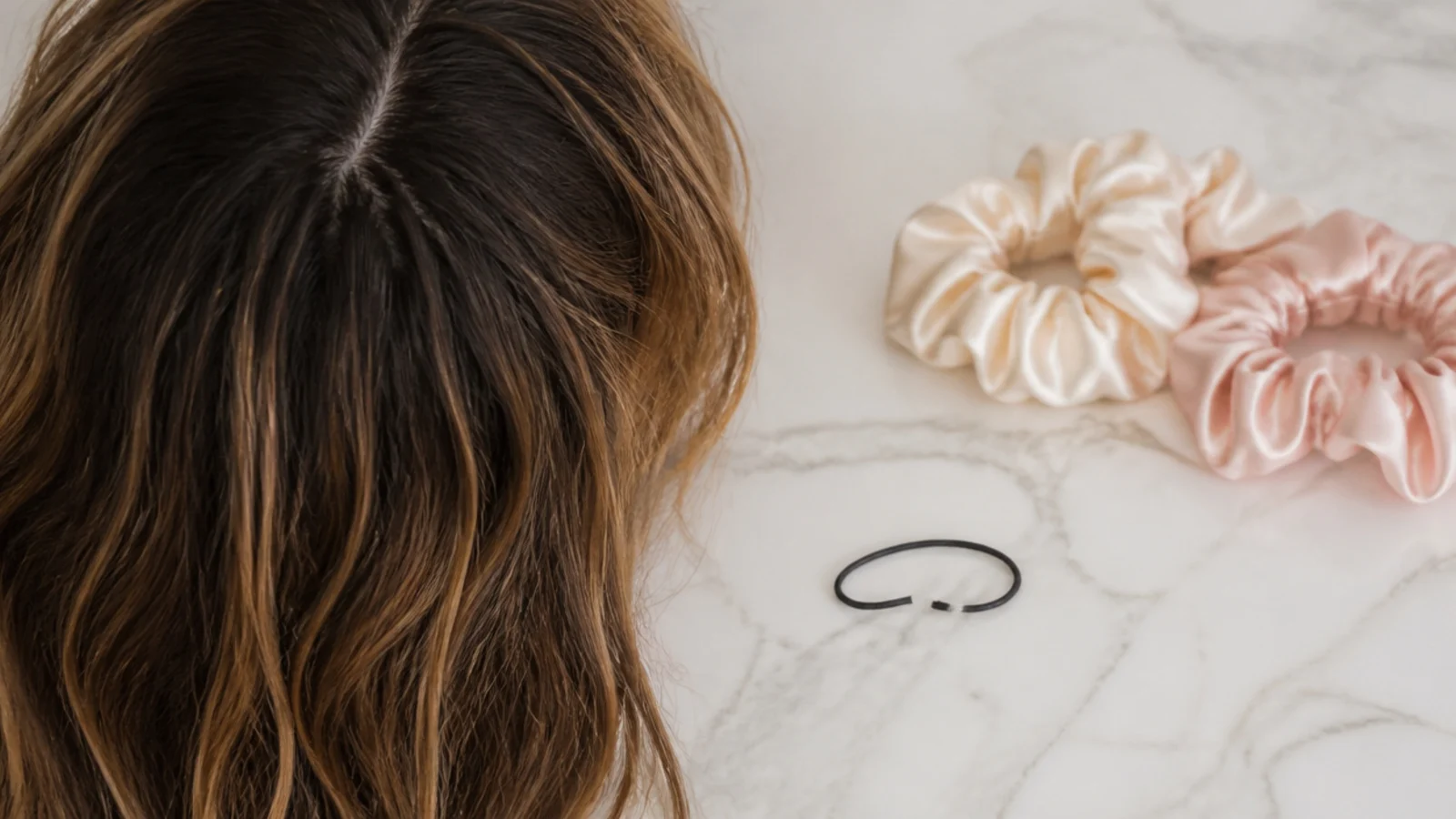
The thin elastics with the metal crimp were doing more damage than my flat iron. Every removal pulled a small clump, and the crimp created a clean break line at exactly the point I tied it. I moved to silk or satin scrunchies, roughly 3 to 8 dollars each, and to spiral coil ties for gym days. The tradeoff is honest: scrunchies hold a heavy long ponytail less firmly, so for a workout I use two rather than one tight elastic. I have not bought a crimped elastic since and I do not miss them.
Who it suits: Anyone who ties their hair up more than twice a week.
Tip: Slide the scrunchie down and out rather than pulling it over the length.
8. Low Ponytail at the Nape, Not the Crown
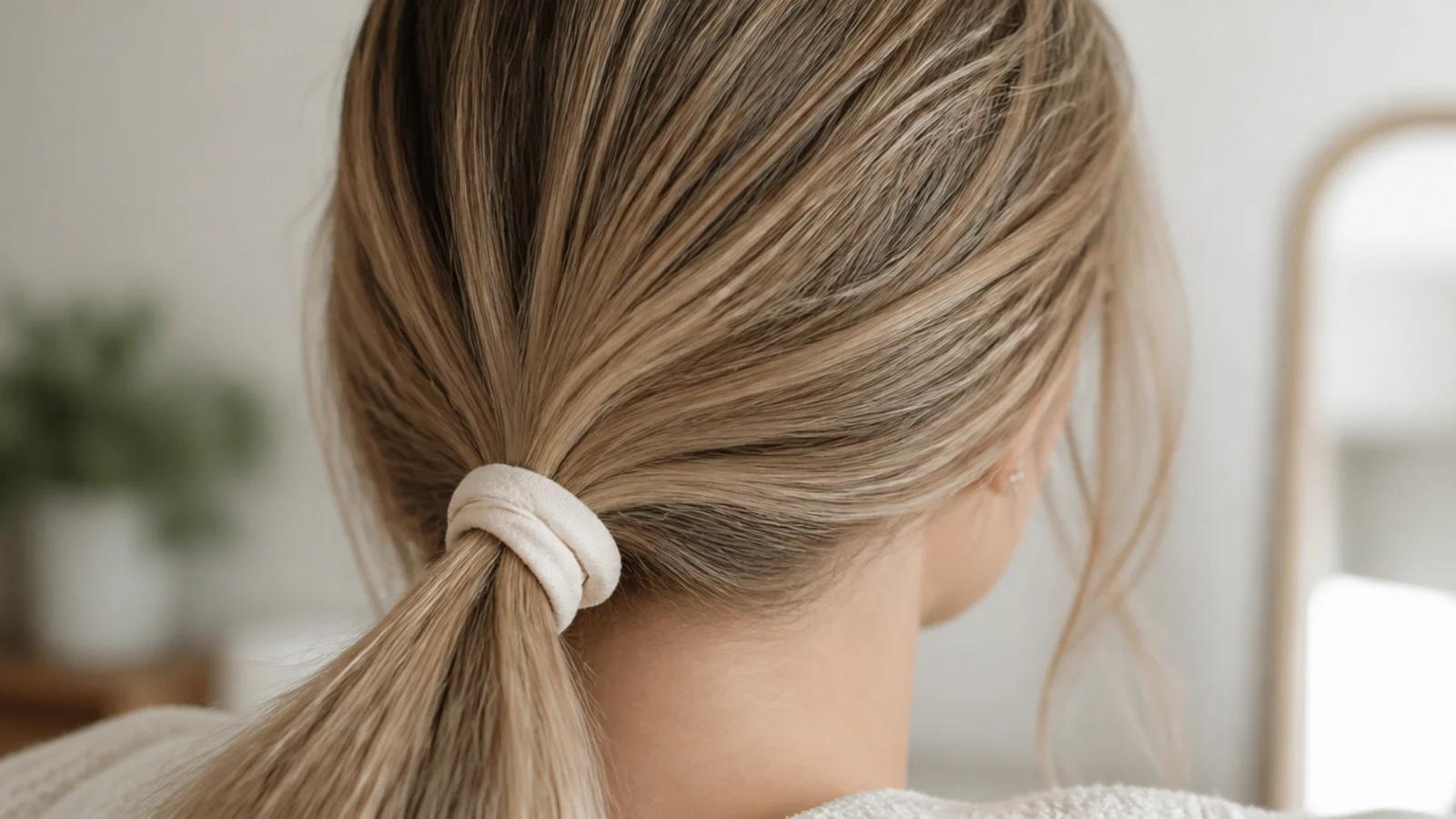
A high tight ponytail pulls on the hairline and the temples, and worn daily that constant tension is a real, well documented cause of hairline thinning. I wore a slicked high pony to work for years and my edges told on me. Now the default is low at the nape with the tie sitting loose, and I move the exact placement an inch up or down between days so the tension never lands in the same spot twice. If it aches or you feel a pull when you smile, it is too tight. A low messy ponytail is the version I actually wear.
Who it suits: Daily ponytail wearers and anyone noticing thinning at the temples.
Tip: Rotate part lines weekly too. A permanent part gets permanent wear.
9. Clarifying Shampoo Once a Month for Scalp Buildup
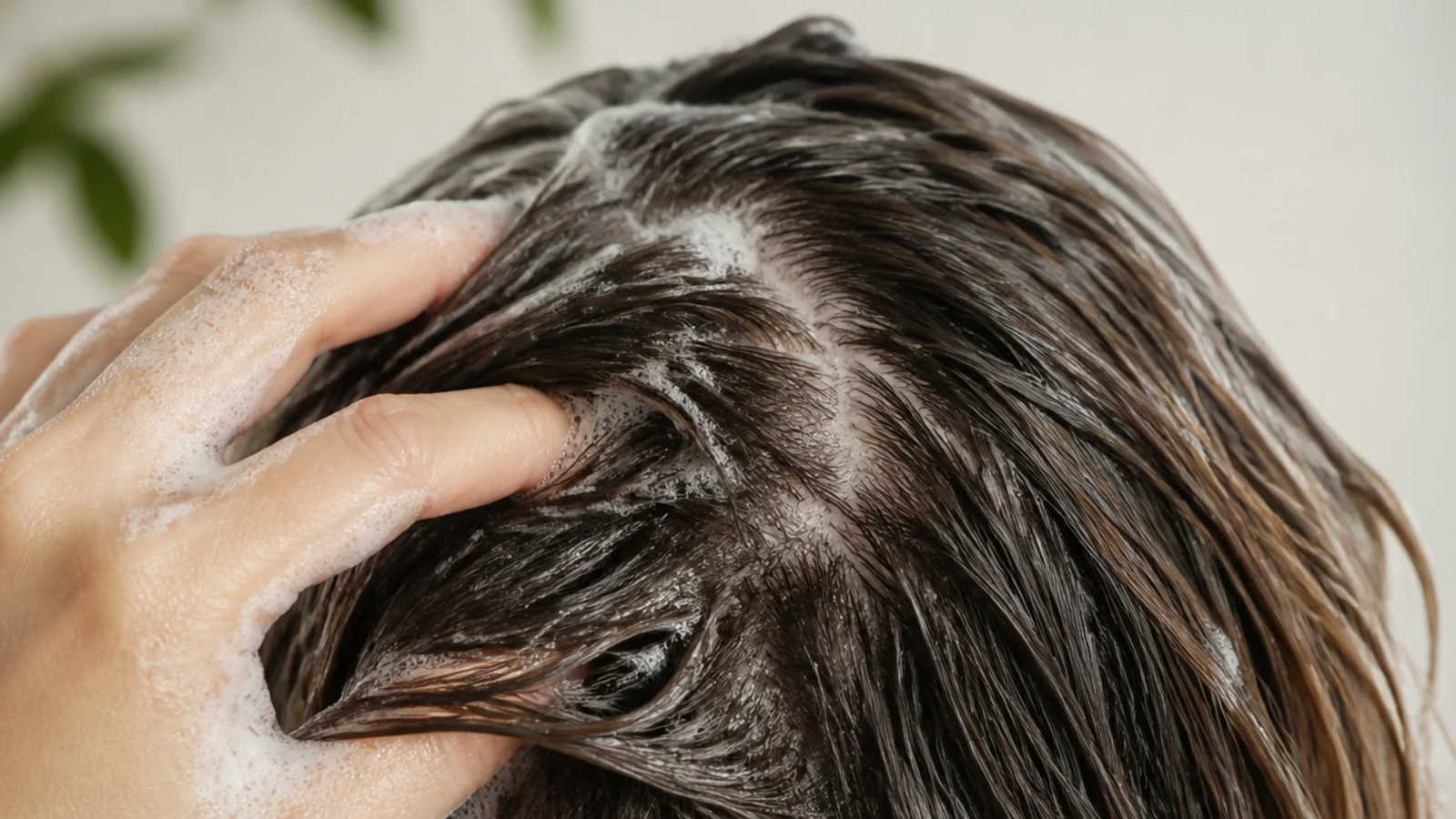
Silicones, oils, dry shampoo and hard water leave a film that dulls hair and leaves the scalp coated. Once a month I use a clarifying shampoo, 8 to 15 dollars a bottle that lasts most of a year, and I scrub only the scalp and let the runoff handle the lengths. Hair feels squeaky and slightly rough afterward, which is why I always follow with a deep conditioner on the mid lengths and ends. A clean scalp supports the follicle. It does not accelerate growth. Anything more than monthly stripped my ends and I regretted it.
Who it suits: Dry shampoo users, hard water households, heavy oil or butter users.
Tip: Clarify the night before a deep conditioning treatment, never as a standalone wash.
10. Washing Three Times a Week Instead of Daily
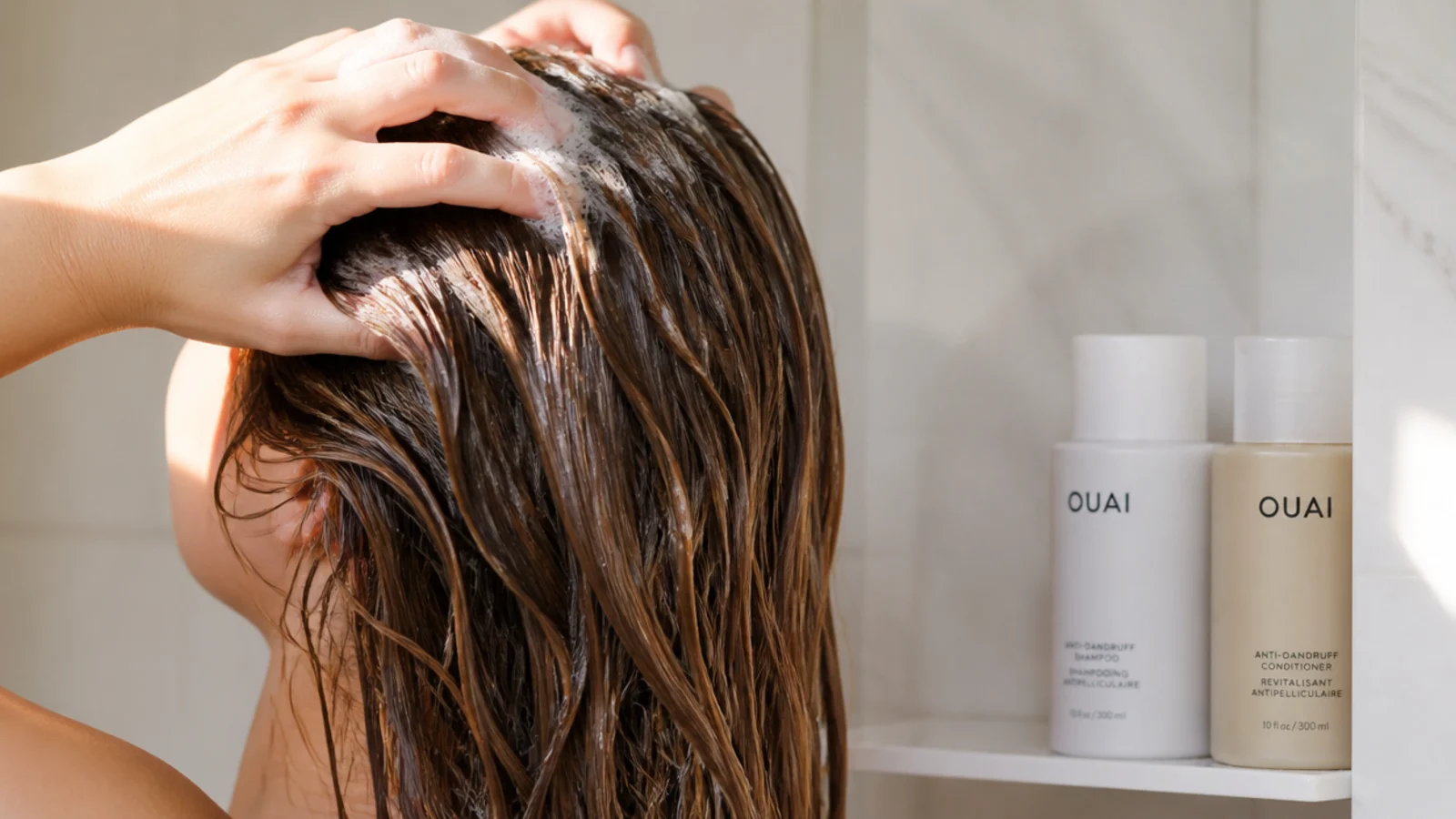
Every wash is a full cycle of wetting, swelling, manipulating and drying, and long hair takes that cycle worst at the ends. I went from daily to three times a week over about a month, because scalps do rebalance but not overnight, and the greasy transition weeks are real. Dry shampoo covered day two and a messy ponytail for long hair covered day three. Fine hair may need four washes, coily hair may be happiest at one. The point is not a magic number. It is fewer cycles of mechanical stress on the oldest hair you own.
Who it suits: Anyone washing daily out of habit rather than need.
Tip: Shampoo the scalp only, and let the suds rinse down. The lengths do not need direct lather.
11. Heat Tools Once a Week at 300 Degrees with Protectant
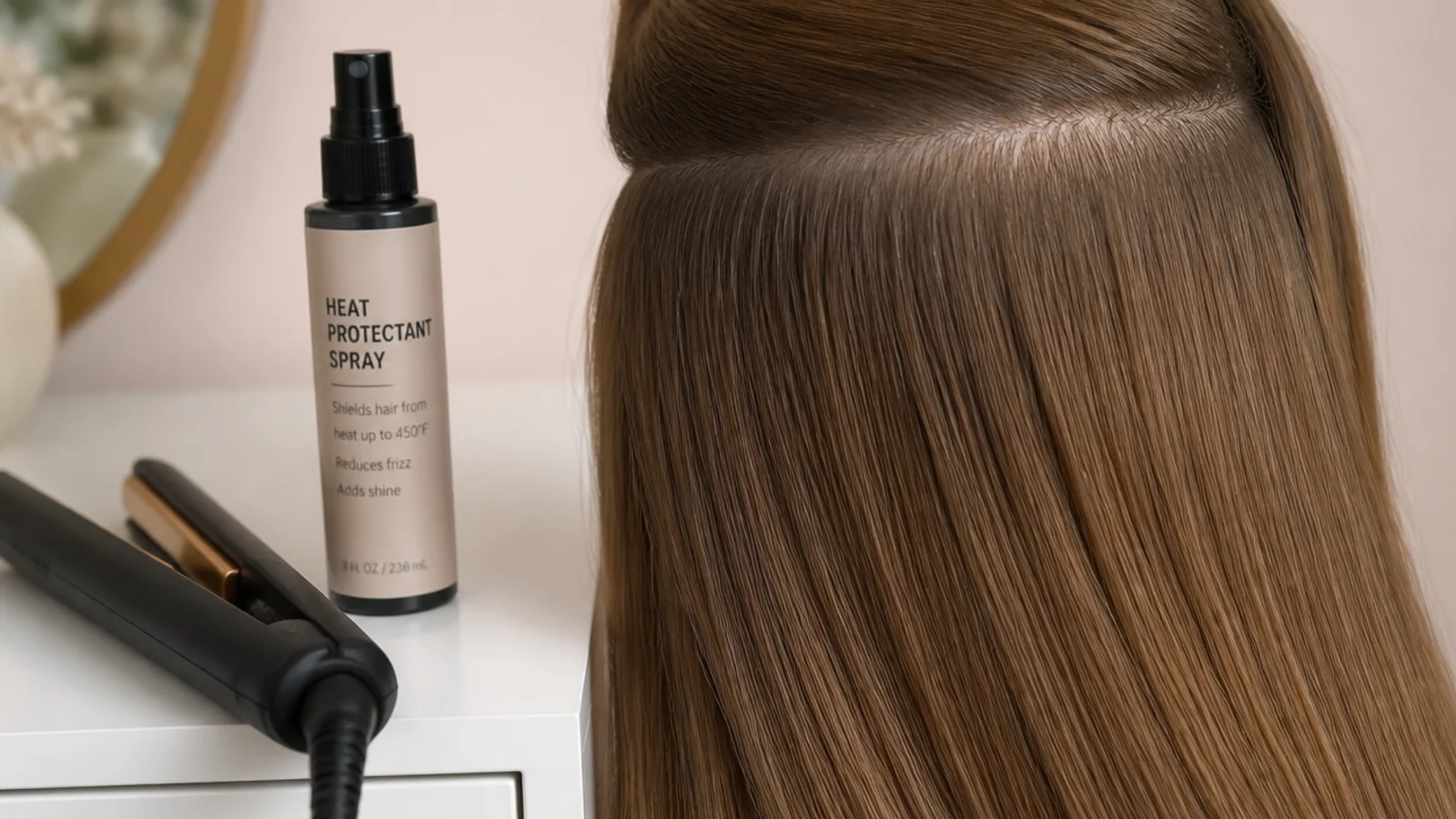
I did not quit heat. I capped it. One heat session a week, flat iron or dryer at 300 to 330 degrees rather than the 425 the tool defaults to, always over a heat protectant spray, and one pass per section instead of four. Most fine to medium hair straightens perfectly well at 300 to 330. The 400 plus range is where the internal protein structure takes damage you cannot condition back. A protectant runs 10 to 20 dollars and lasts months. This was the hardest habit to keep and the one that changed my ends most, and it is doubly important on fine hair, as in a mid length haircut for fine hair.
Who it suits: Anyone straightening or blow drying more than twice a week.
Tip: If a section needs more than two passes, your hair was still damp. Dry it fully first.
12. Air Drying to 80 Percent Before Any Blow Dryer
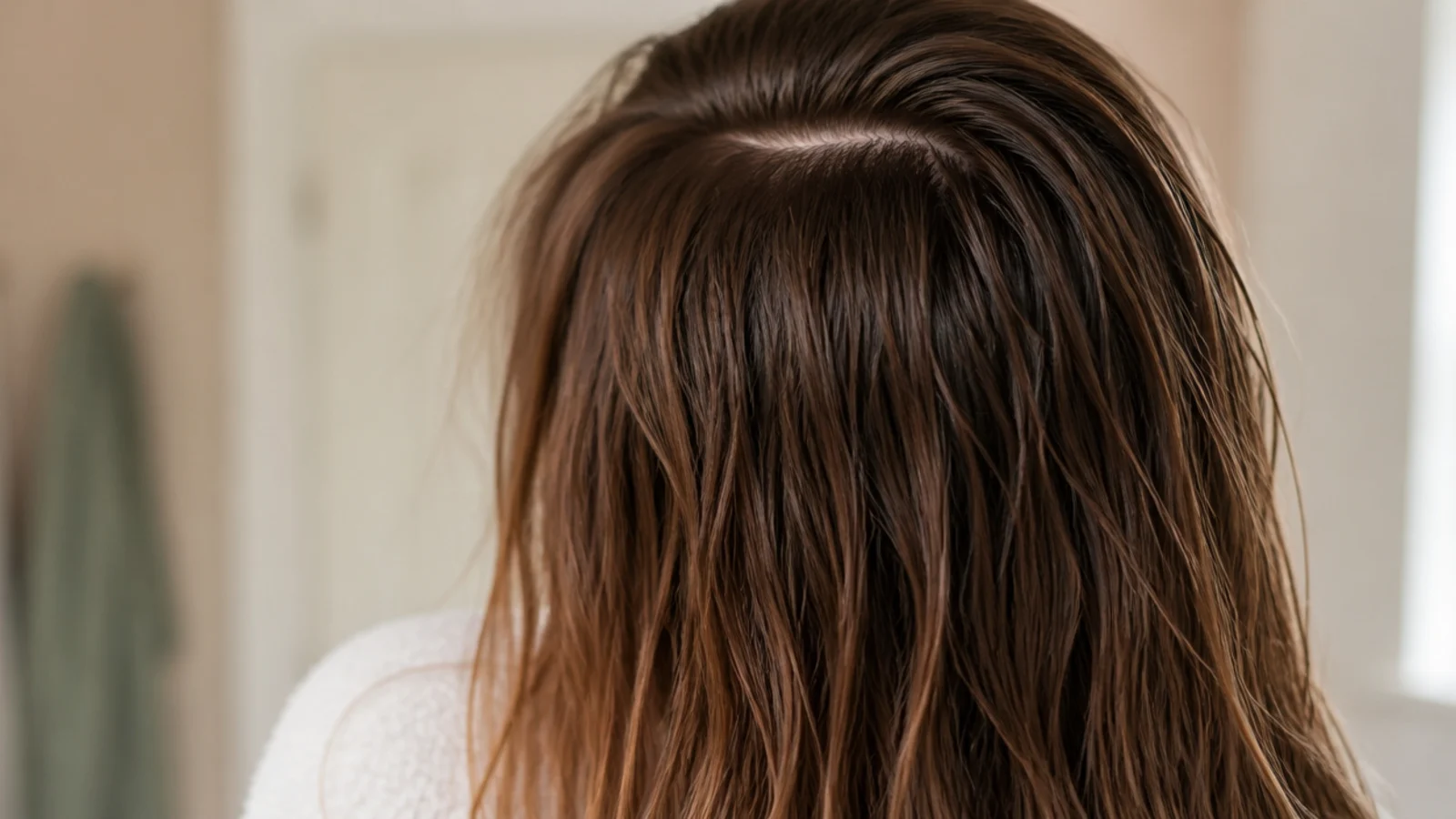
Blow drying soaking hair is the longest, hottest exposure you can give it, because the dryer has to boil off all that water. I let mine air dry to about 80 percent, which takes 30 to 45 minutes while I do other things, then finish on medium heat with the nozzle pointed down the shaft. Total dryer time dropped from 20 minutes to about six. If you air dry fully, clip the hair up loosely rather than leaving it to rub on your shoulders and collar, which is a friction point people forget entirely. Curly textures should read frizzy curly hair before air drying loose.
Who it suits: Anyone who blow dries, and anyone whose ends look worse than their mid lengths.
Tip: Point the nozzle from root to tip. Blasting upward roughs the cuticle open and creates frizz.
13. Deep Conditioner on the Bottom Six Inches Only
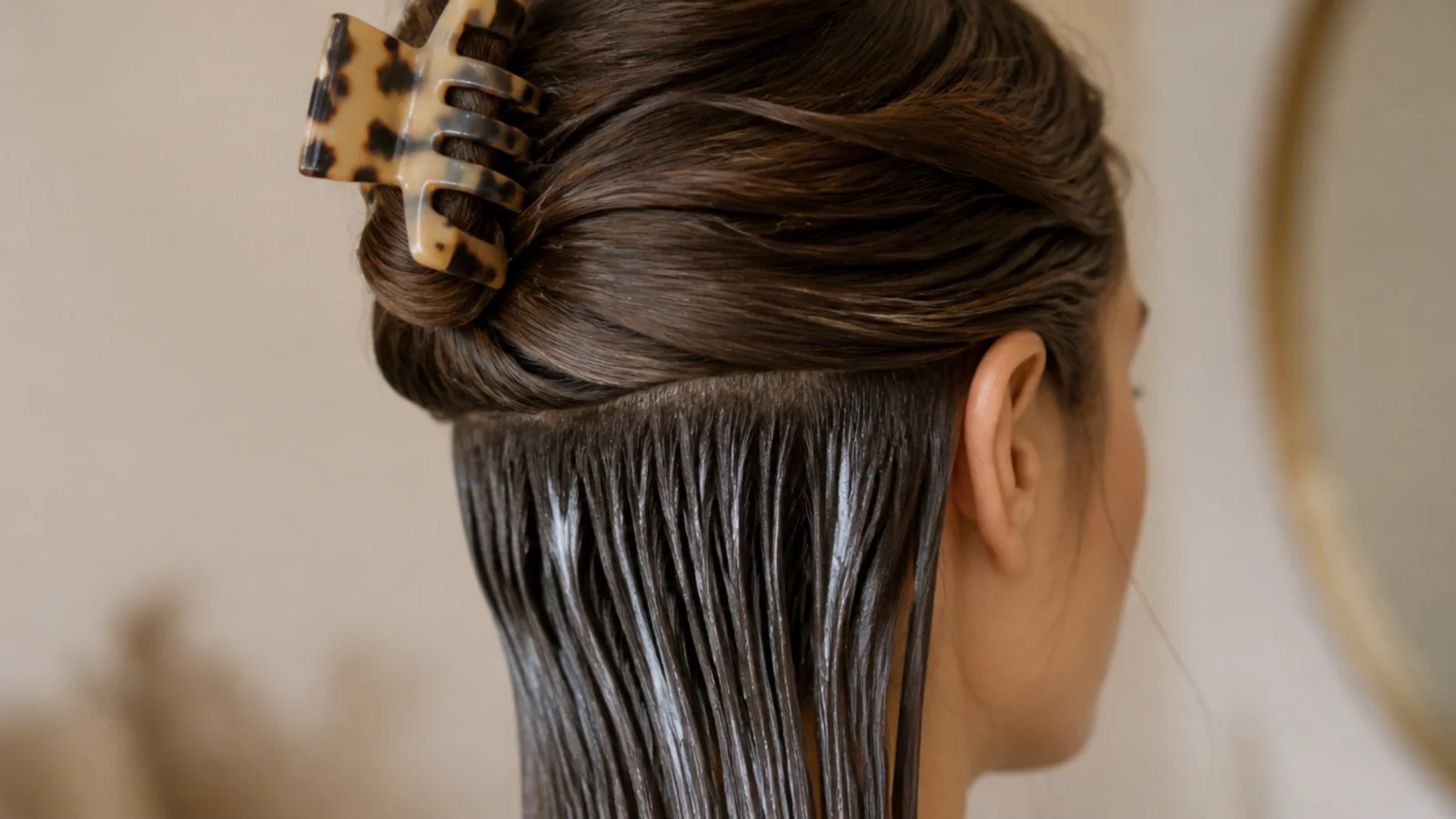
The last six inches of waist length hair are years old and have survived every wash, tie and hot tool since. They need more than the roots do, and the roots need none of it. Once a week I apply a mask from the ears down, focusing on the final six inches, clip it up, and leave it 20 minutes under a shower cap so body heat helps it absorb. A good mask costs 15 to 30 dollars and lasts me three months. If your hair goes limp instead of soft, you applied it too high. A hair mask for frizzy hair works the same way.
Who it suits: Long hair, colored hair, and anyone with mismatched roots and ends.
Tip: Rinse with cool water at the end. Hot water reopens the cuticle you just spent 20 minutes closing.
14. Protein Treatment Every Six Weeks on Bleached Ends
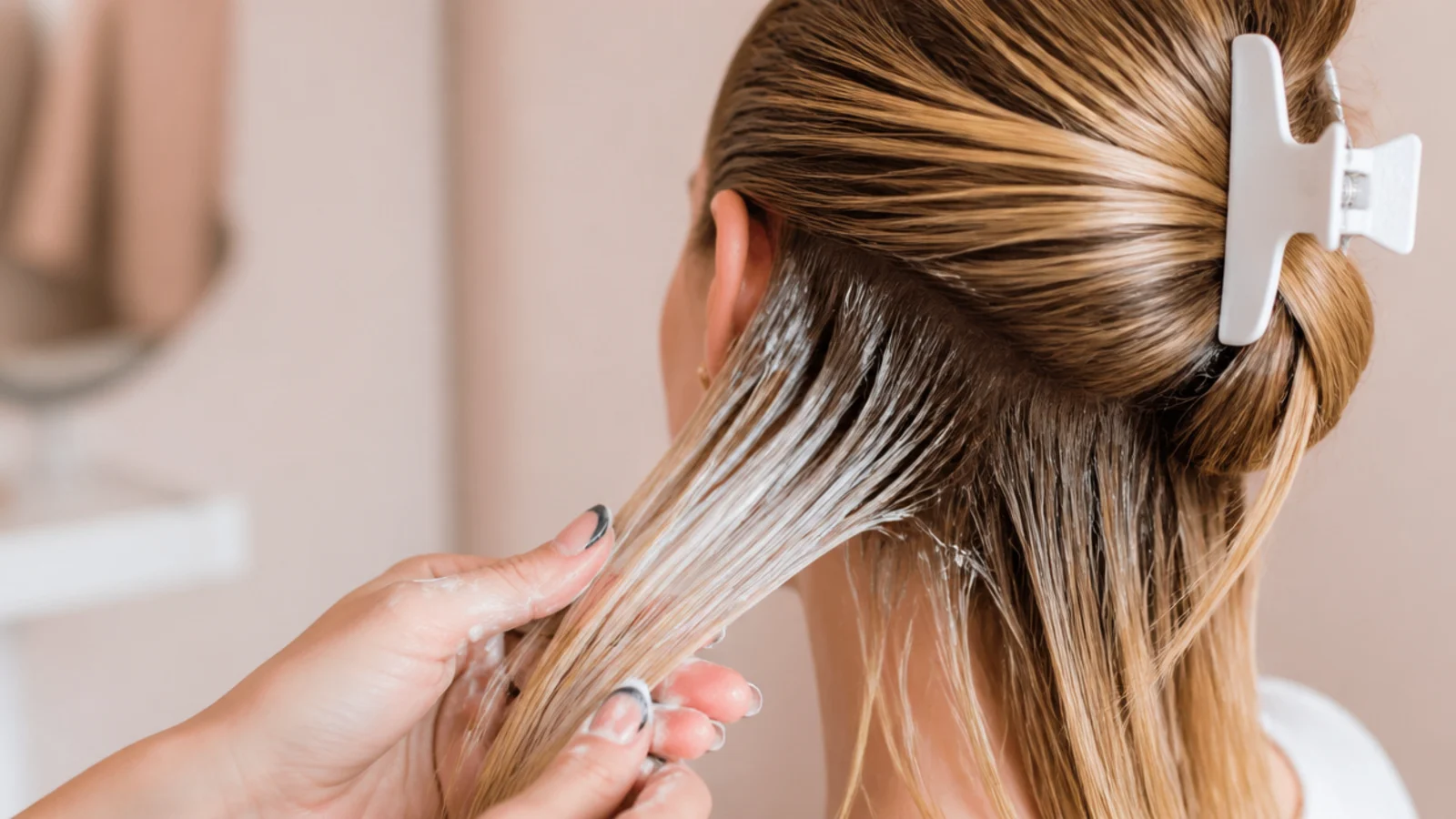
My ends had two years of highlights on them and they were stretching like chewing gum when wet, which is the classic sign of protein loss. A bond building or protein treatment every six weeks, around 20 to 35 dollars a bottle, made them snap back instead of stretch. The honest catch is that protein overload is a real thing, and doing this weekly made my hair stiff and brittle within a month. Six weeks was my balance point. Do the wet stretch test rather than following a schedule blindly.
Who it suits: Bleached, highlighted, relaxed or heat-damaged lengths.
Tip: Always follow a protein treatment with a moisturizing conditioner in the same wash.
15. Leave-In Conditioner on the Ends Every Morning

Two pumps of a lightweight leave-in, raked through the bottom third with fingers, every morning, takes 10 seconds. It does not grow anything. What it does is add slip, so the day's brushing, tying and collar rubbing costs me less hair. I use a spray leave-in at 12 to 18 dollars a bottle and it lasts about four months. On coarse or coily hair a cream leave-in sealed with a light oil holds moisture longer. Skip the roots entirely unless you want a greasy crown by lunchtime, which is the same rule that keeps a messy ponytail from going flat.
Who it suits: Dry, coarse, coily or color-treated ends.
Tip: Apply to damp hair when you can. Leave-ins seal in the water that is already there.
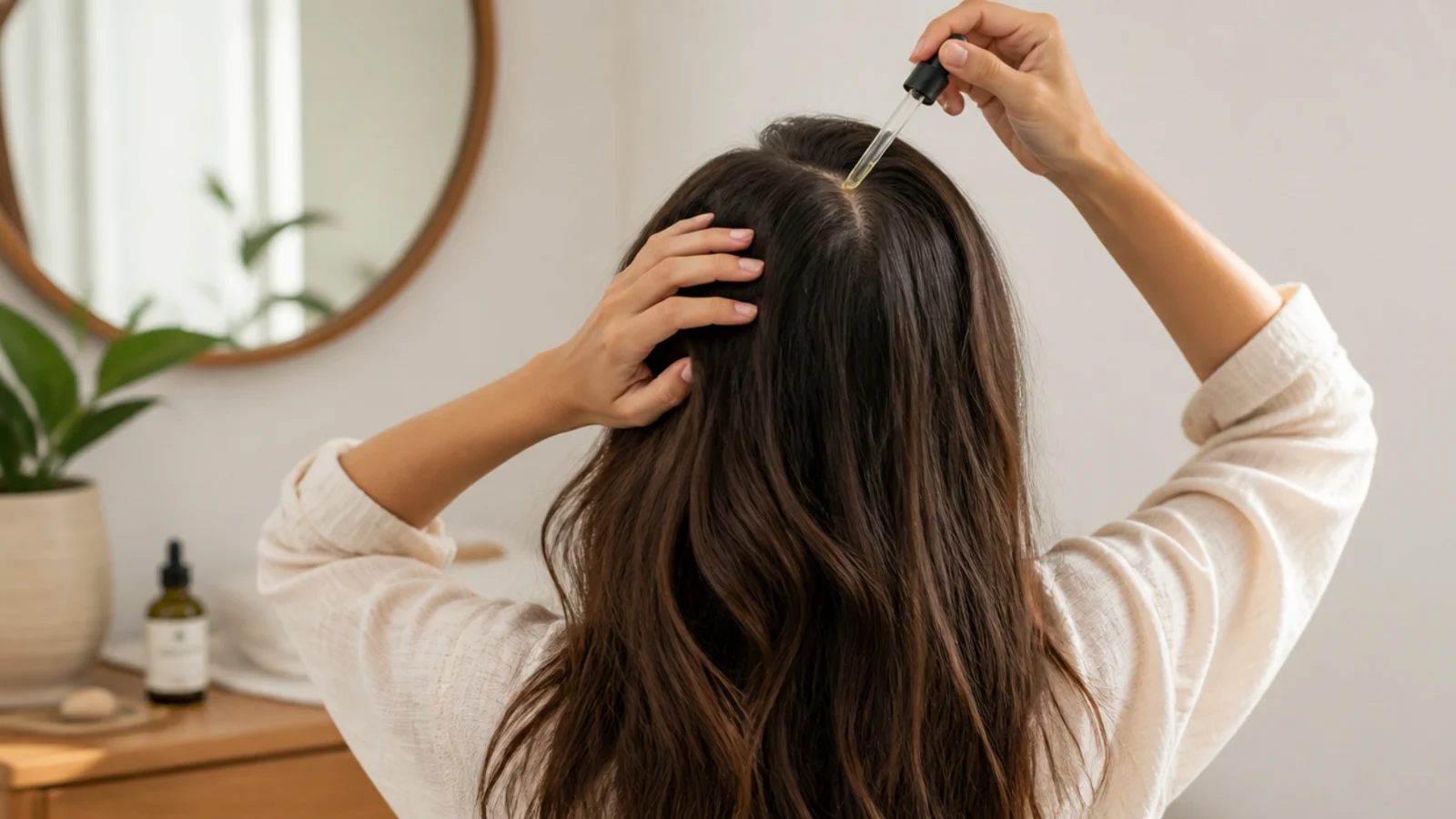
16. Rosemary Oil on the Scalp Two Nights a Week
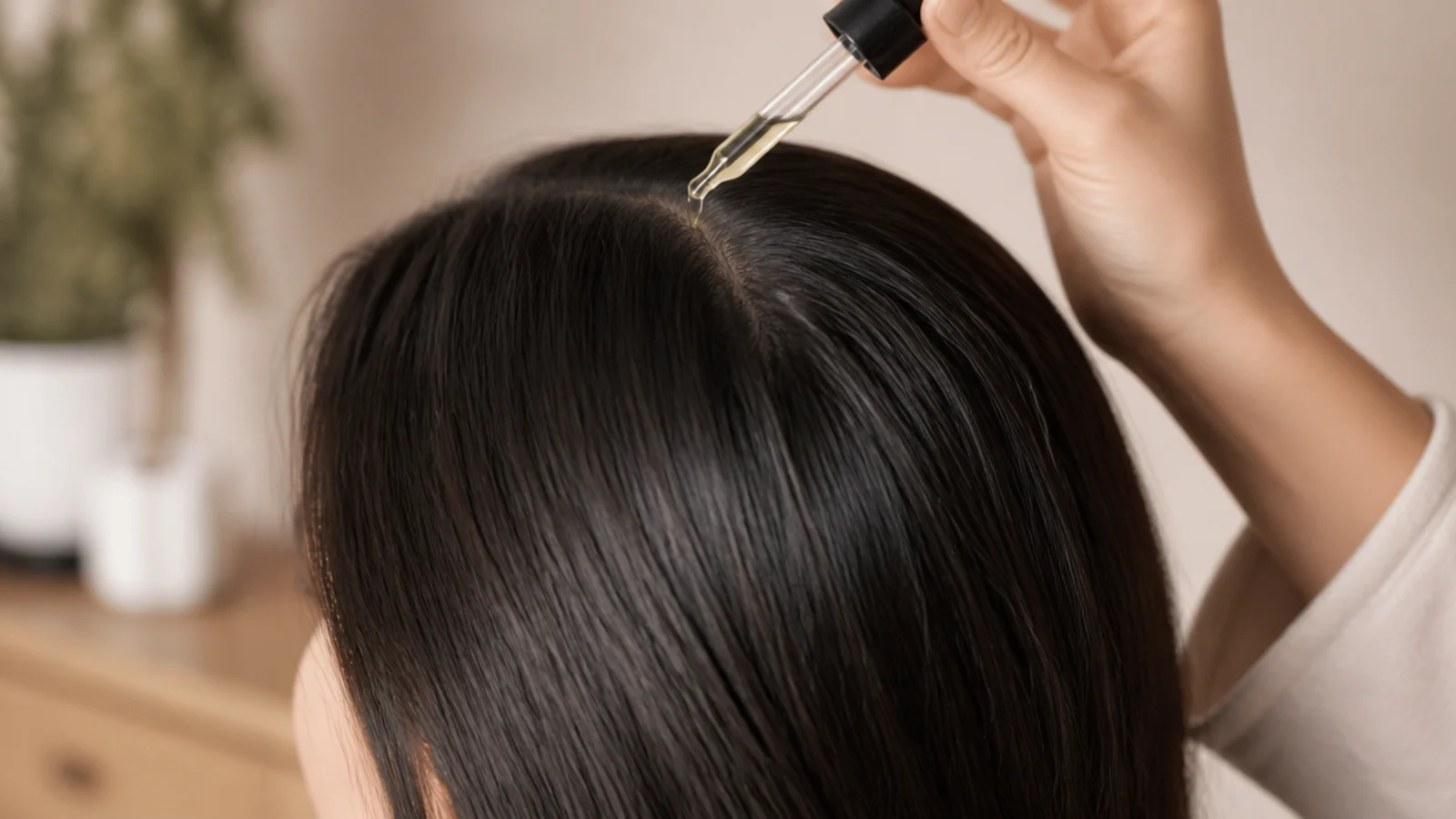
The one internet remedy I kept. A few drops of rosemary essential oil diluted in a carrier oil, massaged into the scalp two nights a week before a wash day, about 12 dollars for a bottle that lasts half a year. I like it and I keep doing it. I am not going to tell you it is why my hair is longer, because I changed a dozen things at once and I have no way to isolate it. Undiluted essential oil on the scalp burns, so dilute properly. Patch test first, and if your scalp reacts, stop.
Who it suits: Anyone who wants a scalp ritual and will actually dilute it.
Tip: Roughly 5 drops of rosemary per tablespoon of jojoba or grapeseed. Never apply it neat.
17. The Biotin Gummies That Did Nothing for Me
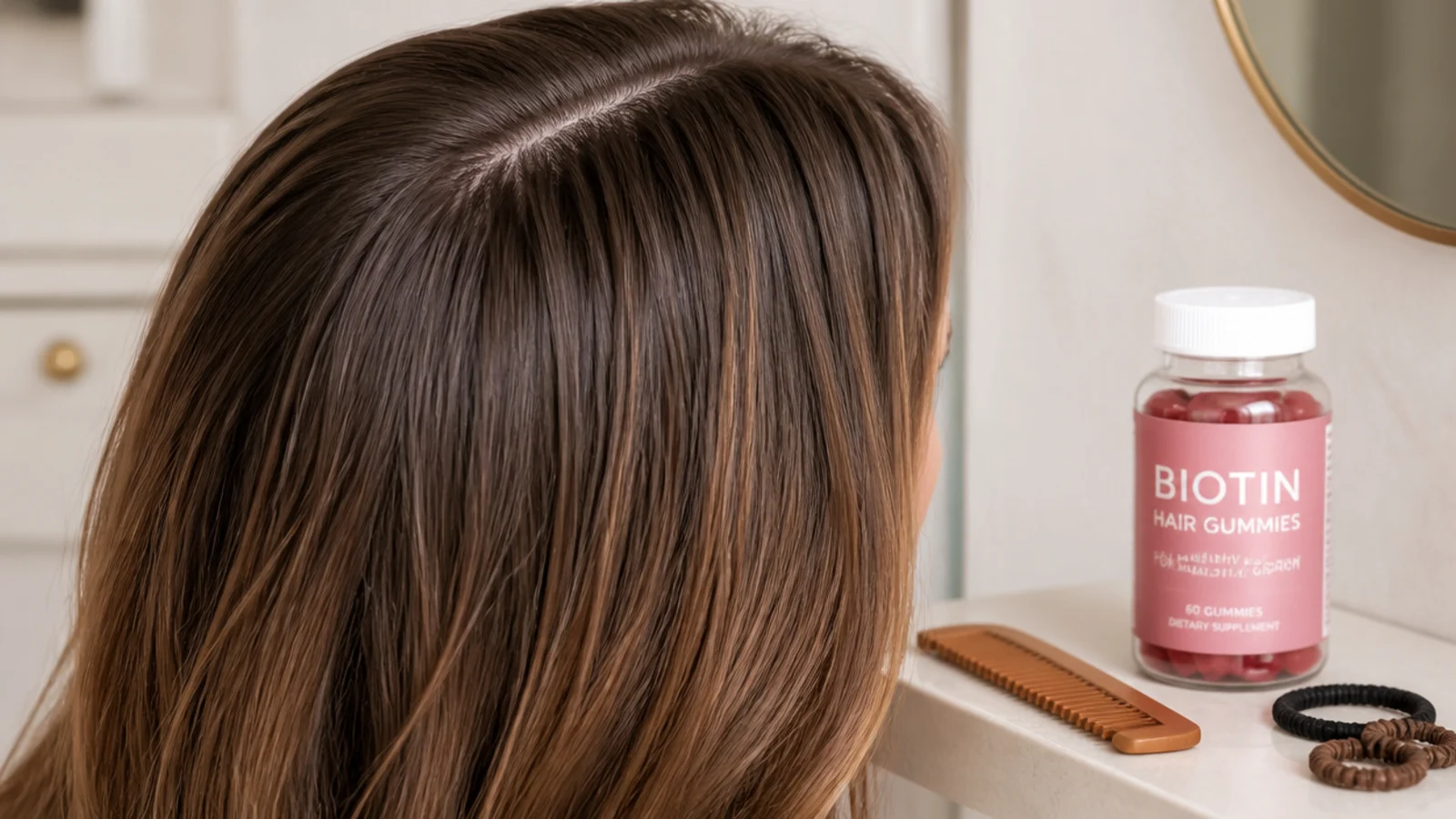
The honest failure. I took biotin gummies daily for four months at about 20 dollars a month, so around 80 dollars total, and I saw no difference in growth, thickness or shedding. That tracks with what the evidence actually says: biotin helps people who are biotin deficient, and true deficiency is uncommon. High dose biotin can also skew certain lab results, which is worth mentioning to a doctor before bloodwork. I stopped and nothing changed. If you want to spend that 80 dollars on your hair, spend it on satin, a good mask and a dusting.
Who it suits: Almost nobody, unless a doctor has identified a deficiency.
Tip: Test before you supplement. Guessing is the expensive way to find out you were fine.
18. Ferritin and Vitamin D Bloodwork Before Any Supplement

This is the version of the supplement tip that is actually worth doing. Low iron stores, low vitamin D and thyroid issues are all associated with hair shedding, and no topical product on earth fixes any of them. I asked my doctor for a panel including ferritin, full iron studies, vitamin D and thyroid function. A supplement corrects a deficiency you have. It does not create an advantage you do not. Getting tested cost me a copay and told me more than four months of gummies did. This is a doctor conversation, not a product decision.
Who it suits: Anyone shedding more than usual, or on a restrictive diet.
Tip: Ask specifically for ferritin. A standard iron panel alone can miss low stores.
19. Two Week Breaks Between Protective Style Sets
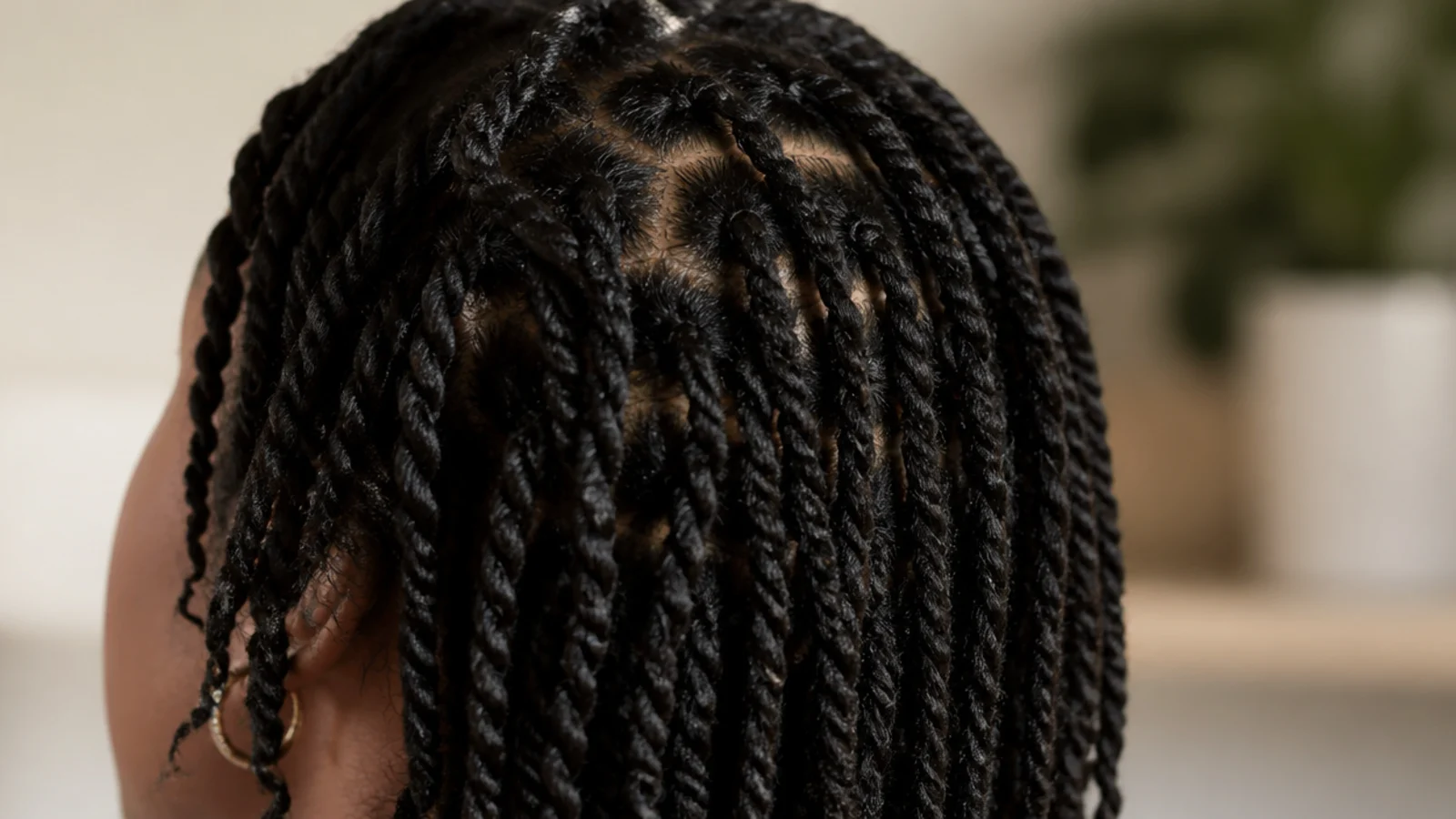
Protective styles cut daily manipulation dramatically, which is exactly why they help retention. The trap is wearing them back to back with no recovery. I keep a set six to eight weeks maximum, then wear my own hair loose and conditioned for two weeks before the next install. Tension is the other rule, and it is not negotiable: if it stings, aches or gives you bumps at the hairline, it is too tight and it is doing the damage the style was meant to prevent. There is far more on this in hair growth tips for Black women.
Who it suits: Braids, twists, locs, weaves and wig wearers.
Tip: Ask the stylist to loosen the perimeter. Pain is not proof a style will last.
20. Measuring Nape to Ends with a Tape Every Three Months
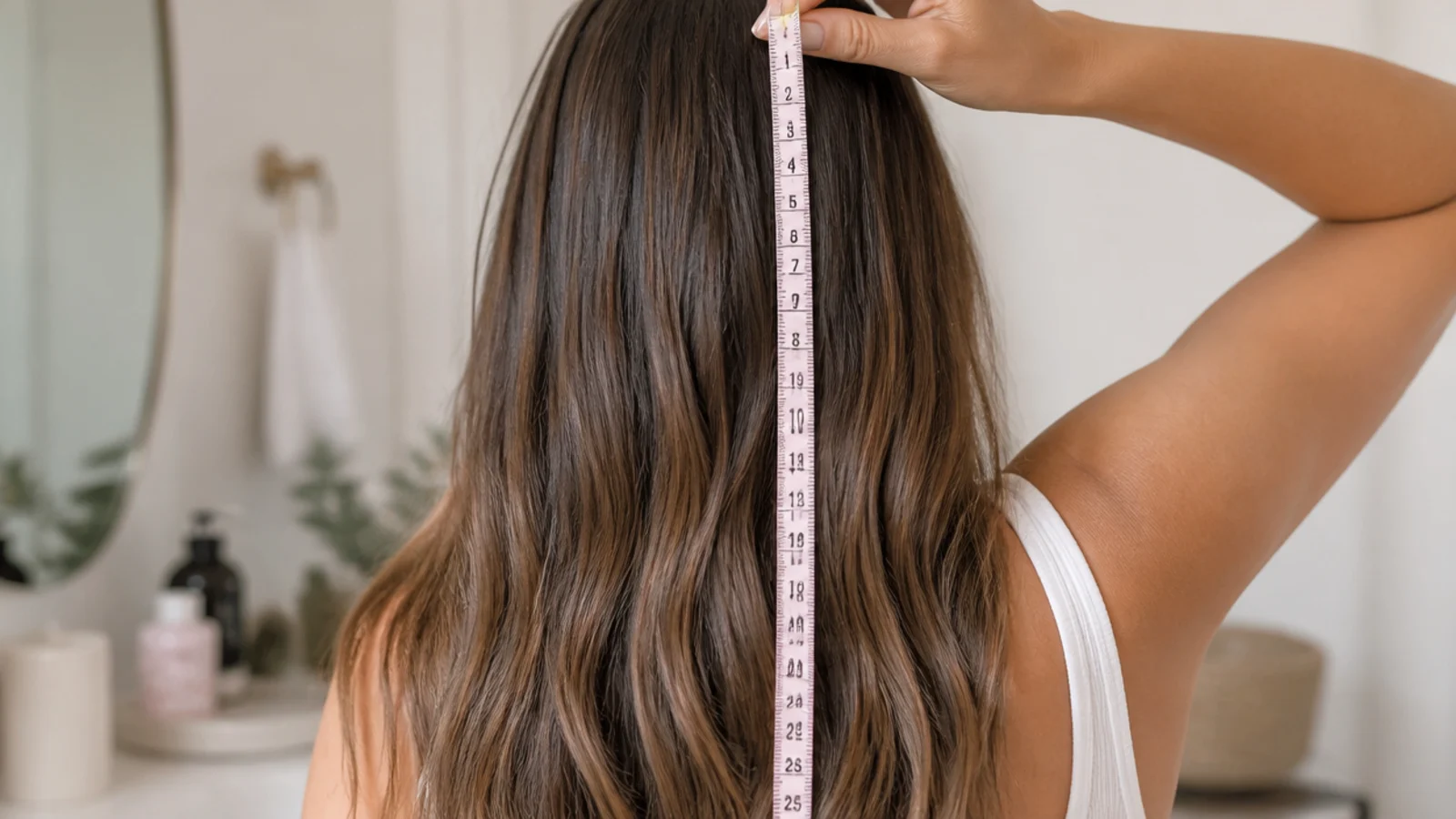
You cannot see half an inch a month in a mirror, which is why everyone thinks their hair has stopped. I measure from the nape hairline down to the ends with a soft tape, in the same spot, on dry stretched hair, once every three months, and photograph it in the same shirt. It costs nothing and it ended the panic. It also caught the real problem: three months where the measurement barely moved were three months I was breaking ends, not three months without growth. Curly and coily hair must be stretched to measure honestly, and a stretched style like long mermaid braids makes the change obvious in photos.
Who it suits: Anyone convinced their hair is not growing at all.
Tip: Photograph in the same top, same light, same day of the week. Memory is a terrible baseline.
How Fast Hair Actually Grows and What You Control
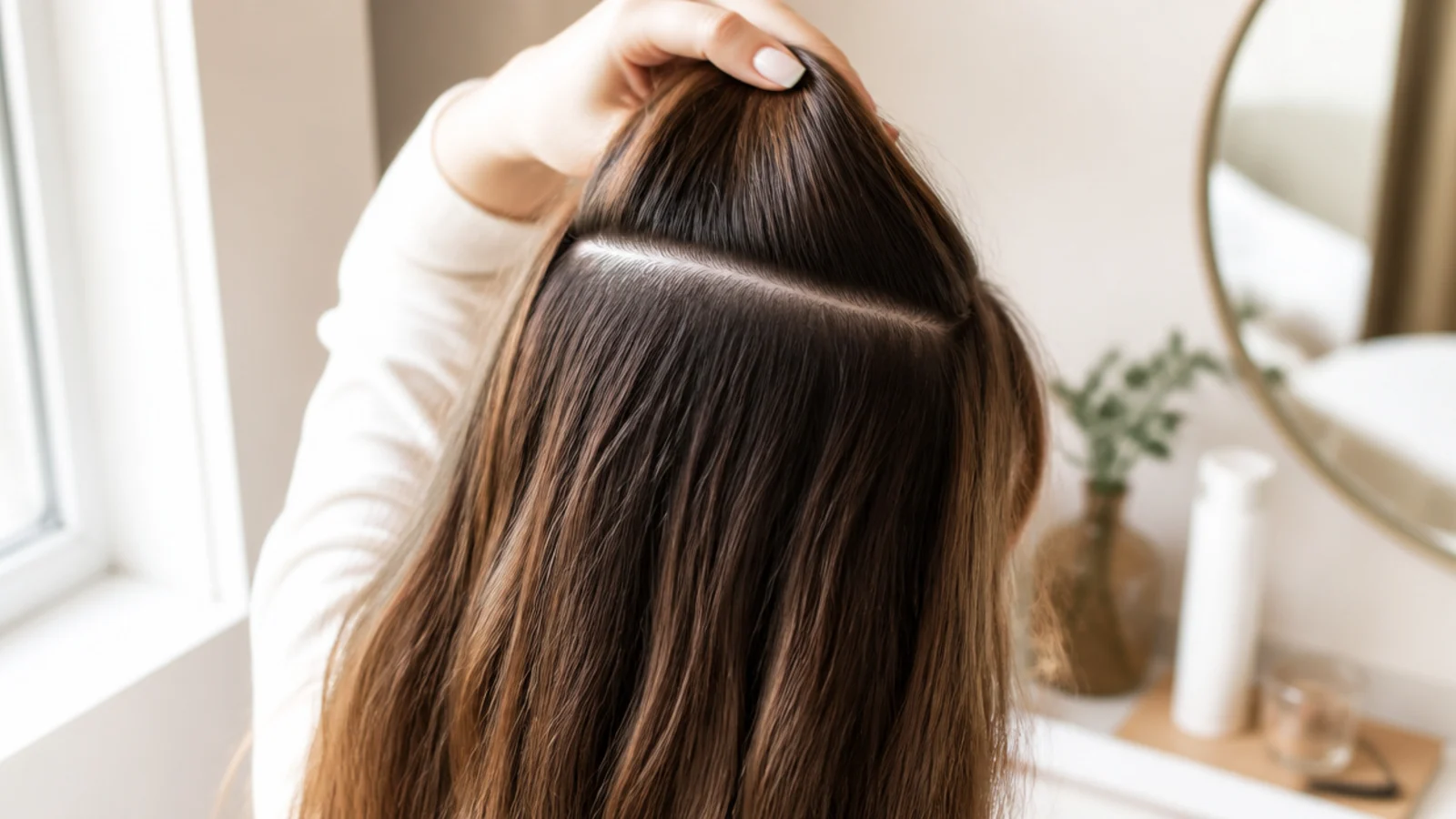
Scalp hair grows roughly half an inch a month, which works out to about six inches a year, and that number is broadly consistent across most healthy adults. It varies with age, hormones, health and genetics, and it tends to be a little slower as you get older. Hair also grows in cycles, so at any moment only a portion of your head is in the active growing phase while the rest is resting or shedding, which is why you always lose some hairs daily and why density is not uniform. Genetics also set a terminal length, meaning the maximum length your individual growth phase allows before a hair naturally sheds. That is why some people reach waist length with ordinary care and others plateau at the shoulders no matter what they do. What you cannot change: the rate, the cycle, the ceiling. What you can change: how much of the growth you keep. That distinction is the entire premise of this list and of every other article on the hair growth tips hub.
Why Hair Feels Stuck: Breakage at the Ends, Not Slow Growth at the Root
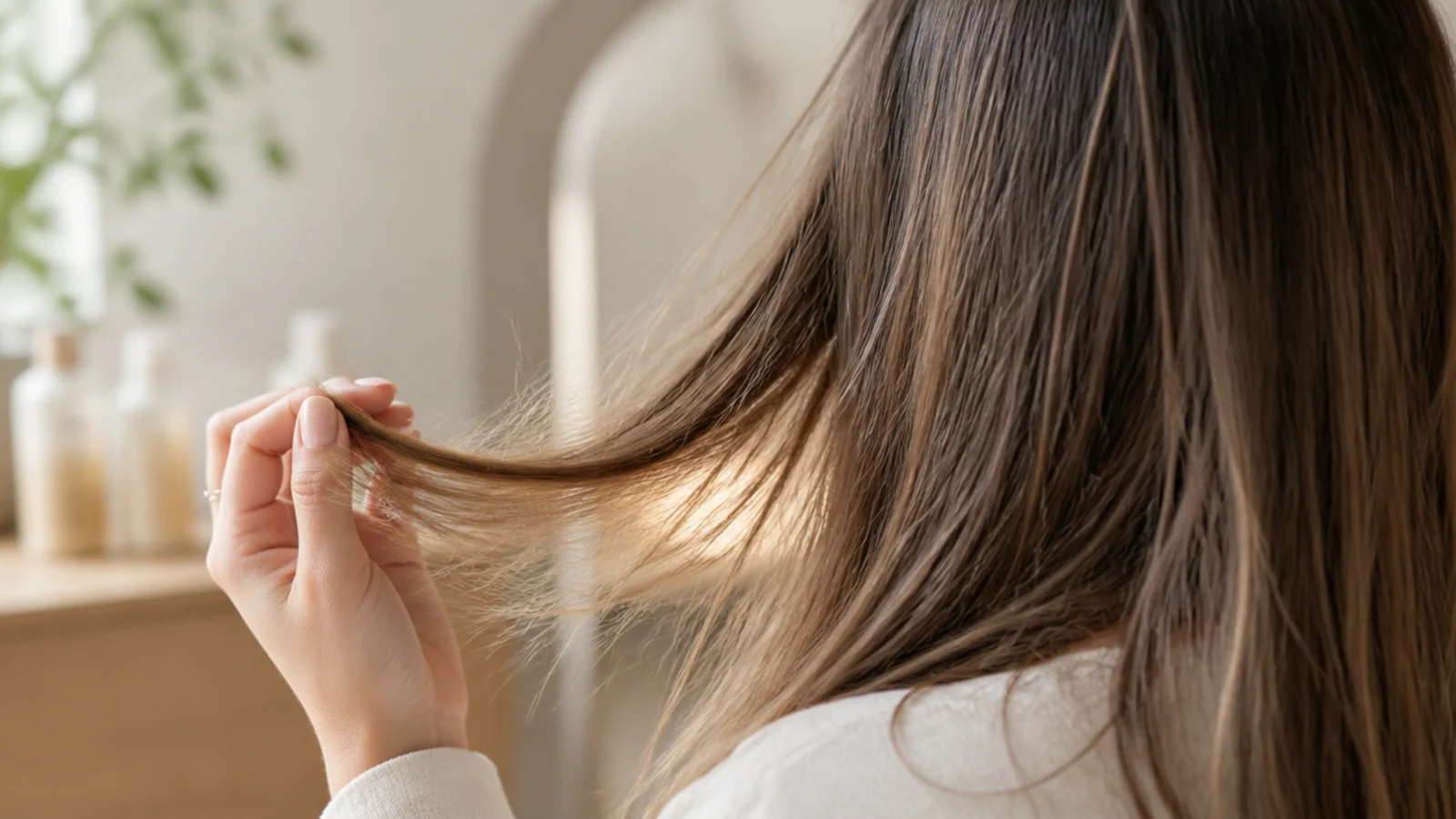
If your roots grow half an inch a month and your ends break off half an inch a month, your hair stays exactly the same length forever while growing perfectly normally. That is what a plateau really is, and it is why the fix is never at the scalp. The signs are easy to read once you know them. Ends that look see-through compared to your mid lengths mean the outer hairs have snapped at different points. White dots along the shaft are the shaft itself fracturing. Short broken pieces around the crown and hairline usually mean tension from ties or a part that never moves. Hair that stretches like elastic when wet and does not spring back has lost internal protein, usually from bleach or heat. Each of those has a specific fix in the list above, and none of them is a supplement. Test yourself: measure total length and check root regrowth at the same time. If roots are moving and total length is not, you have a retention problem, and the tips for hair growth that matter are the boring mechanical ones.
Scalp Health: What a Clean Scalp Does and Does Not Do
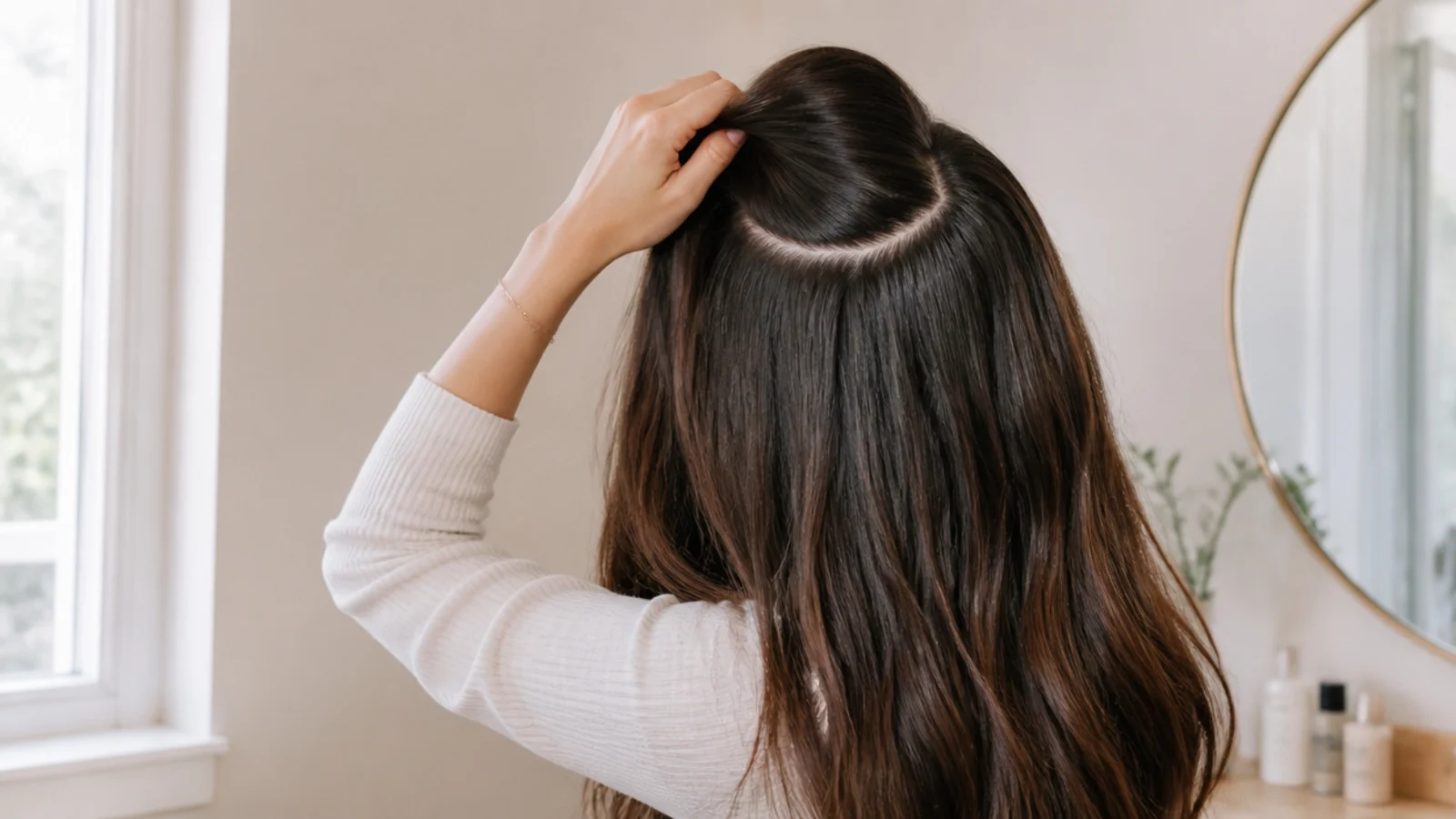
The follicle sits in skin, so scalp skin health is a reasonable thing to care about. A scalp buried under weeks of dry shampoo, heavy oils and silicone film gets itchy and flaky, and scratching an itchy scalp breaks hair at the root end, which is the one place breakage genuinely does look like a growth problem. Monthly clarifying, regular gentle cleansing and fingertip massage all support a comfortable scalp. What none of them do is override the growth rate you were born with. I want to be very clear about that, because most scalp marketing quietly implies otherwise. Massage supports circulation and feels good. A clean scalp lets you actually see and treat what is happening at the roots. Oils sit on skin and can help with dryness. If your scalp is persistently flaking, red, sore, or you can see the part line widening, that is a dermatologist question rather than a shopping question. More gentle, non-product approaches sit in natural hair growth tips.
Length Milestones: Bob to Shoulder to Collarbone to Bra Strap to Waist

Thinking in milestones instead of inches made the whole process bearable. A chin length bob to shoulder is roughly four to six inches of growth. Shoulder to collarbone is another two to three. Collarbone to bra strap is usually the longest gap, around five to seven inches depending on your torso, and it is where almost everyone quits. Bra strap to waist is another six to eight. At about half an inch a month you can do that arithmetic yourself, which is more useful than any promised timeline, and remember that every dusting subtracts a little. Two things make the middle stretch survivable. First, get a shape rather than growing a blunt wall: long layers or face framing keeps awkward lengths looking deliberate, and a mid length haircut with layers is the standard staging point. Second, if you are growing out bangs, pin or side sweep them rather than cutting again, the same way grown out short curtain bangs get blended into the length. Curly and coily hair should measure stretched, since shrinkage can hide most of your progress.
Long Hair Growth Myths I Wasted Money and Months On

The inversion method, where you hang your head upside down and massage oil into the scalp for seven days, gave me a headache and nothing else. Overnight castor oil masks made my hair feel coated and took three washes to remove, and the sticky drag while detangling probably cost me more hair than it saved. Anything promising results overnight, in a week, or in seven days is selling against basic biology, since half an inch a month means about an eighth of an inch in a week no matter what you put on it. Trims do not make hair grow faster; they stop splits traveling, which is a different and real benefit. Cutting hair on a particular moon phase does nothing measurable. And expensive growth serums with proprietary blends and no evidence behind them are the easiest place to lose 60 dollars a month. The at-home version of this list that costs almost nothing is in hair growth tips faster at home.
Diet, Supplements and When to See a Doctor Instead
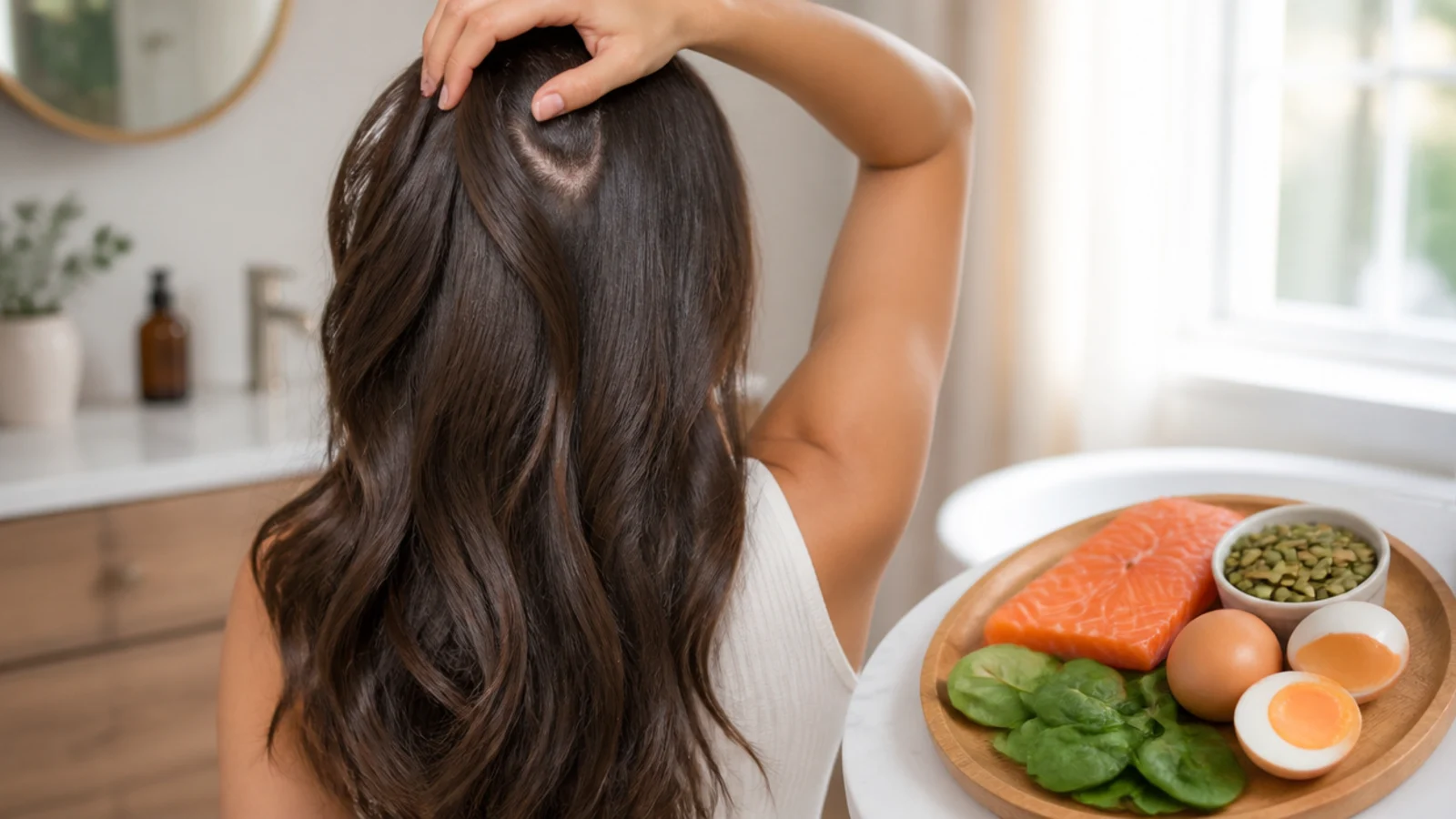
Hair is largely protein, so chronically under-eating protein or calories is one of the few dietary things that clearly shows up in your hair. Eggs, fish, legumes, dairy and lean meat cover it, and iron rich foods matter too, especially if you menstruate or eat little red meat. Beyond adequate nutrition, supplements are corrective rather than enhancing: they help when there is a deficiency to correct, and they do nothing measurable when there is not. That is why bloodwork beats guessing. Some shedding is also situational and self-limiting, such as after childbirth, after a fever or major illness, after significant weight loss, or during a period of high stress, and that kind of shedding typically settles on its own. What deserves professional attention rather than another product: shedding that keeps increasing, a part line that is visibly widening, bald patches, a receding hairline, an itchy or painful scalp, or any hair loss alongside other symptoms. See a doctor, dermatologist or trichologist. I am telling you what worked on my hair, not diagnosing yours.
Frequently Asked Questions
How long does hair grow in a year?
About six inches a year for most healthy adults, based on an average of roughly half an inch a month. Your own figure can run a little above or below that depending on genetics, age, hormones and general health, and it usually slows somewhat with age. Over a year that difference is small. Over five years of growing hair out it becomes noticeable.
How much does hair grow in one week?
Roughly an eighth of an inch, which is why weekly progress is essentially invisible in a mirror. This is also why any product or method promising visible results in seven days is not being straight with you. Measure every three months instead, from the nape hairline to the ends on dry stretched hair, and photograph it in the same light.
How can I grow long hair from short hair?
Get a shape you can live with at each stage rather than growing a blunt wall, keep dusting a quarter inch every 10 to 12 weeks so splits do not travel, and cut mechanical damage hard: satin at night, a wide tooth comb on wet hair only, looser ties, and heat capped at once a week. The growth happens regardless. Your job is keeping it.
Do trims make your hair grow faster?
No. Growth happens at the follicle and scissors cannot reach it. What trims do is remove split ends before the split travels up the shaft, which means you lose a quarter inch on purpose instead of two inches by force later. That is why regular dusting produces longer hair over time even though it removes length in the moment.
Can you really grow hair faster overnight?
No. Nothing changes your growth rate overnight, and any routine, oil or device sold on that promise is working against basic biology. What can change overnight is how much hair you break while sleeping, so a satin pillowcase and a loose braid are the only genuinely overnight interventions with an effect worth having.
What foods help hair growth?
Enough protein first, since hair is largely protein, so eggs, fish, legumes, dairy and lean meat. Iron rich foods matter if you menstruate or eat little red meat, and leafy greens, pumpkin seeds and lentils help there. Beyond adequate overall nutrition, no single food accelerates growth. Chronic under-eating shows in your hair far faster than any superfood fixes it.
Which hairstyles promote healthy hair growth?
Low tension ones. A loose low ponytail at the nape, a loose braid, a claw clip half-up, and protective styles installed without pain all reduce daily manipulation. Rotate placement and part lines so friction never lands in the same spot. Avoid tight high ponytails worn daily, tight braids, and anything that stings, since sustained tension is a preventable cause of hairline thinning.
Why does my hair stop growing at a certain length?
Two possible reasons. Either you are breaking length off at the ends at the same rate you grow it, which is by far the more common cause and is fixable, or you have reached your terminal length, which is set by how long your individual growing phase lasts. Check root regrowth against total length to tell which one you are dealing with.
Does hair grow slower as you get older?
Generally yes, growth rate tends to ease with age and hair often becomes finer, and the growing phase can shorten so terminal length drops. That is normal and not a sign you are doing something wrong. It does mean retention habits matter more with time, because you are replacing broken length more slowly than you did at twenty.
How do I know if I am losing hair or just shedding?
Losing 50 to 100 hairs a day is normal and those hairs come out full length with a small white bulb. Breakage produces short broken pieces with no bulb. If your part line is visibly widening, you see patches, your hairline is receding, or shedding keeps increasing week over week, that is a doctor, dermatologist or trichologist question rather than a product question.
Which hair growth tips look are you saving?
If you take one thing from these 20 long hair tips, make it this: stop auditing your roots and start auditing your ends. The half inch a month is already happening. What decides whether you see it is how much of that half inch survives your pillowcase, your hair ties, your towel and your flat iron. Start with satin at night, a wide tooth comb on wet hair and a quarter inch dusting every 10 to 12 weeks, because those three cost almost nothing and stop the most damage. Add the rest slowly. And if you are shedding in a way that worries you, see a doctor or a trichologist rather than another product. More routines live on the hair growth tips hub.