Quick Comparison
| Growing Faster (Rate) | Losing Less (Retention) | |
|---|---|---|
| What it means | Speeding up how fast hair leaves the follicle | Keeping the hair you already grew from breaking off |
| How much you control | Very little; genetics, age and health set it | Most of it; handling, heat and tension are choices |
| Realistic ceiling | About half an inch a month, roughly six inches a year | You can keep almost all six inches or lose four of them |
| Main levers | Treating a deficiency, treating a scalp condition, medical treatment | Satin, low tension, less heat, regular trims, gentle detangling |
| Cost | Blood tests and prescriptions, or nothing at all | Under 20 dollars for a satin pillowcase and a wide-tooth comb |
| Time to see a change | Three to six months at minimum, if anything changes | Split ends and breakage improve within one to two months |
| Where the problem usually is | Rarely the real issue for healthy people | This is why most hair stalls at shoulder or bra-strap length |
| Biggest myth attached | That a shampoo or oil can double growth rate | That trims make hair grow faster rather than stay longer |
| Who should focus here | Anyone with sudden shedding, a widening part or a receding hairline | Anyone whose hair grows but never seems to get longer |
1. Scalp Massage for 5 Minutes a Day
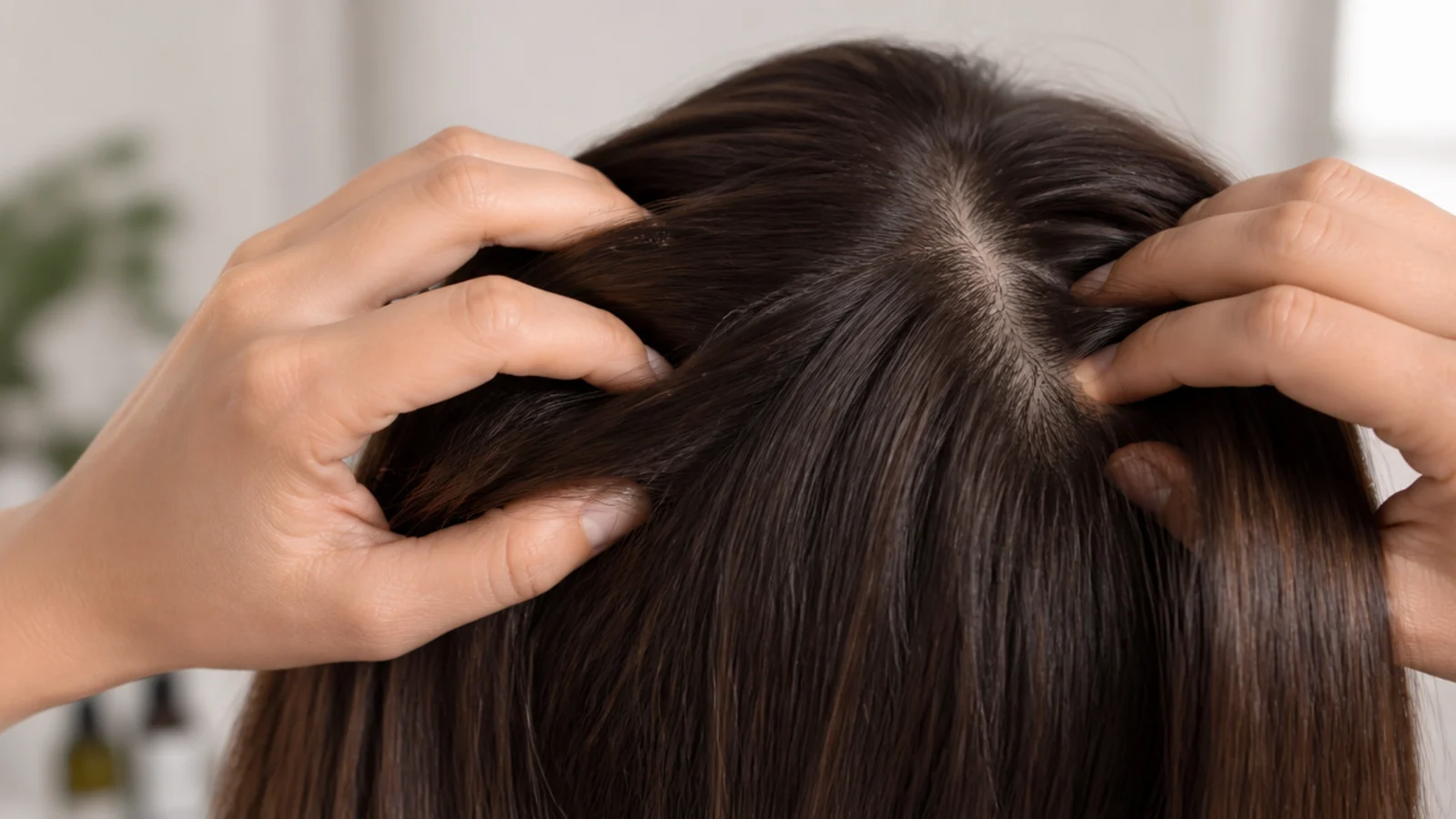
Evidence: strong-ish. Use the pads of your fingers, not the nails, and move the scalp itself in slow circles rather than sliding across the hair. Work the hairline, the part, the crown and the nape for about 5 minutes, most days. A small Japanese study found measurable thickening after 24 weeks of daily standardized massage, which tells you two things: it works slowly, and consistency beats pressure. Do it dry in front of the TV so it never becomes another shower step you skip. More on the massage routine in hair growth tips.
Who it suits: Everyone; especially anyone with a tight, tender scalp.
Tip: Set it to a 5 minute timer at night so you stop guessing whether you did enough.
2. Trim a Quarter Inch Every 8 to 12 Weeks
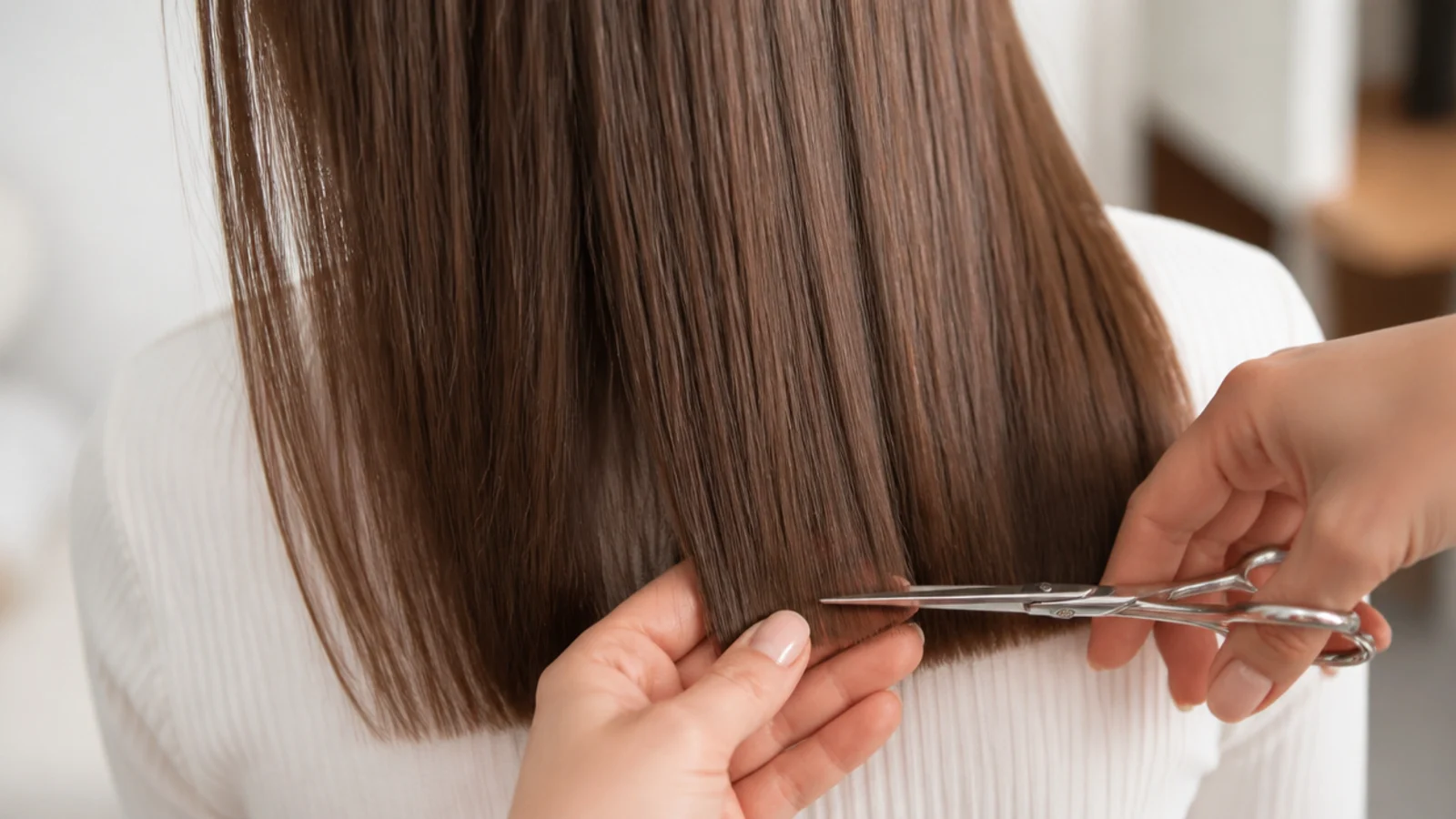
Evidence: strong for length retention, myth for growth rate. Trimming does not speed up the follicle; nothing at the ends can reach the root. What it does is remove split ends before they travel up the shaft and cost you an inch instead of a quarter inch. Ask for a quarter inch off, dry cut, no layers unless you want them. Every 8 to 12 weeks is the standard window, and coarse or coily hair can often stretch to 12 to 16 weeks because it sheds less mechanically. Growing out a fringe follows the same rule, as grown out short curtain bangs shows.
Who it suits: Anyone growing hair out who keeps seeing white dots on the ends.
Tip: Say a quarter inch and hold your fingers apart to show it, or you will lose two.
3. Sleep on a Satin or Silk Pillowcase

Evidence: strong. Cotton grips the cuticle and drags on it every time you turn over, which is six to eight hours of low-grade friction a night. Satin and silk let hair slide. A satin pillowcase costs about 10 to 20 dollars and a mulberry silk one 40 to 90 dollars; the fiber matters far less than the weave, so satin is fine. A satin bonnet or scarf works even better because it moves with your head. This is the single cheapest change on the list, and it is step one of the frizzy hair routine too.
Who it suits: Every hair type, and non-negotiable for curly and coily hair.
Tip: Wash satin cases on cold and skip fabric softener, which coats the weave and kills the slip.
4. Rosemary Oil on the Scalp Twice a Week
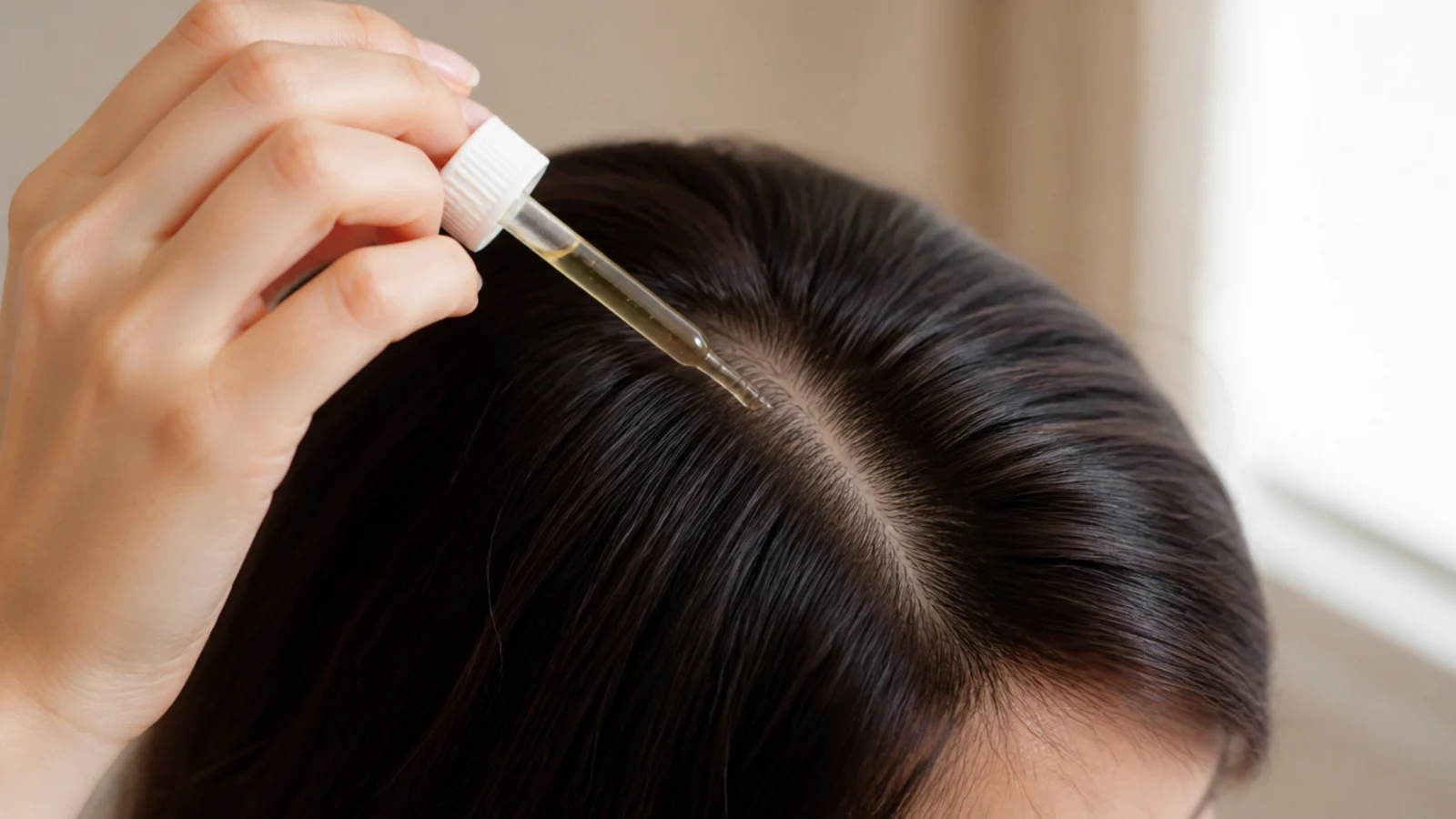
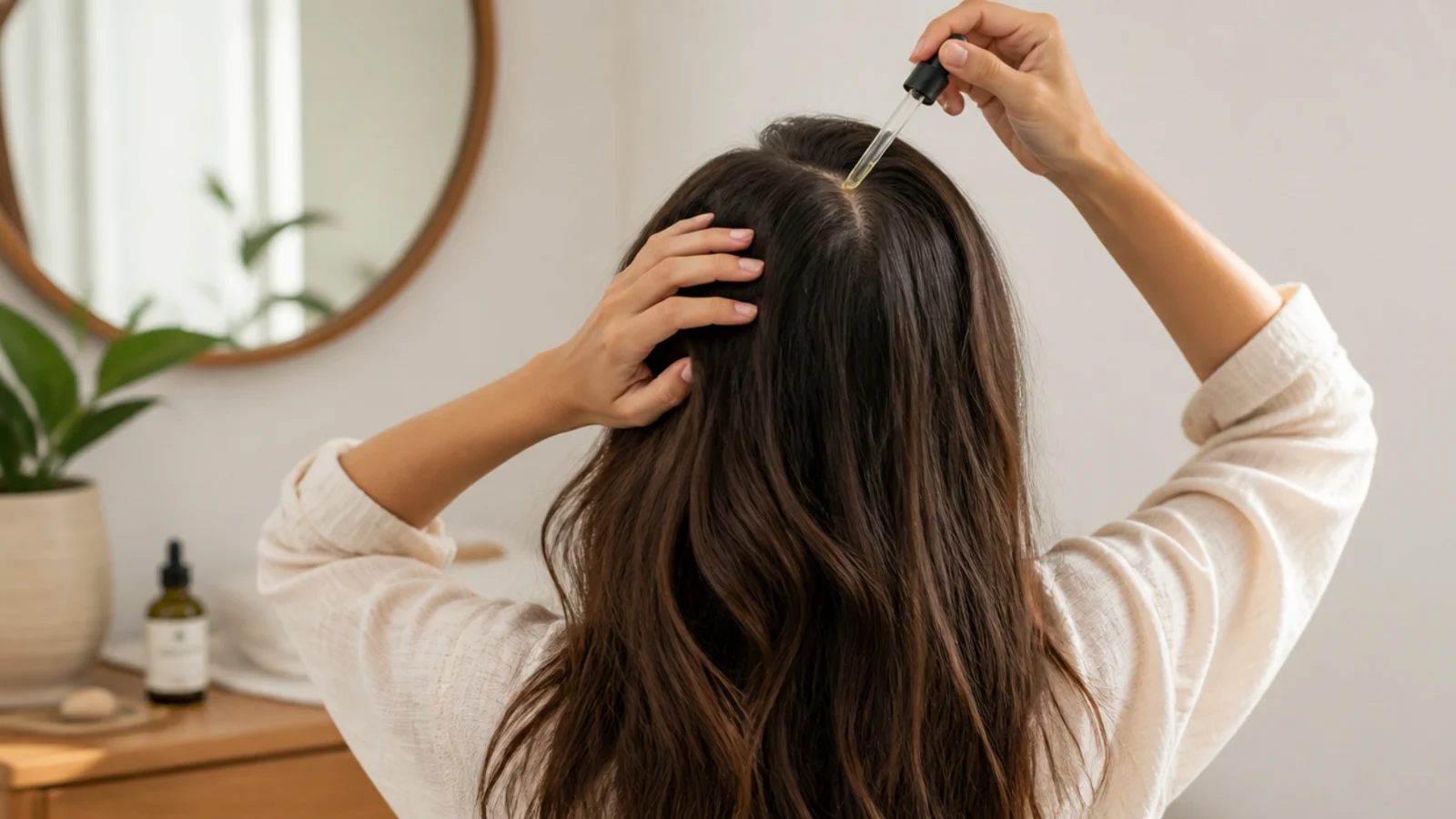
Evidence: mixed but the best of the natural options. One small trial compared rosemary oil against 2 percent minoxidil over six months and found comparable results, with less scalp itch in the minoxidil group. That is one study, not a settled case. Dilute the essential oil to about 5 drops per tablespoon of jojoba or grapeseed, or buy a pre-diluted scalp serum. Apply to the scalp, not the lengths, twice a week, leave 30 minutes or overnight, then shampoo out.
Who it suits: Anyone wanting a low-cost topical to try for three to six months.
Tip: Patch test behind the ear first; undiluted essential oil is a common cause of contact dermatitis.
5. Wash Your Scalp, Condition Your Ends
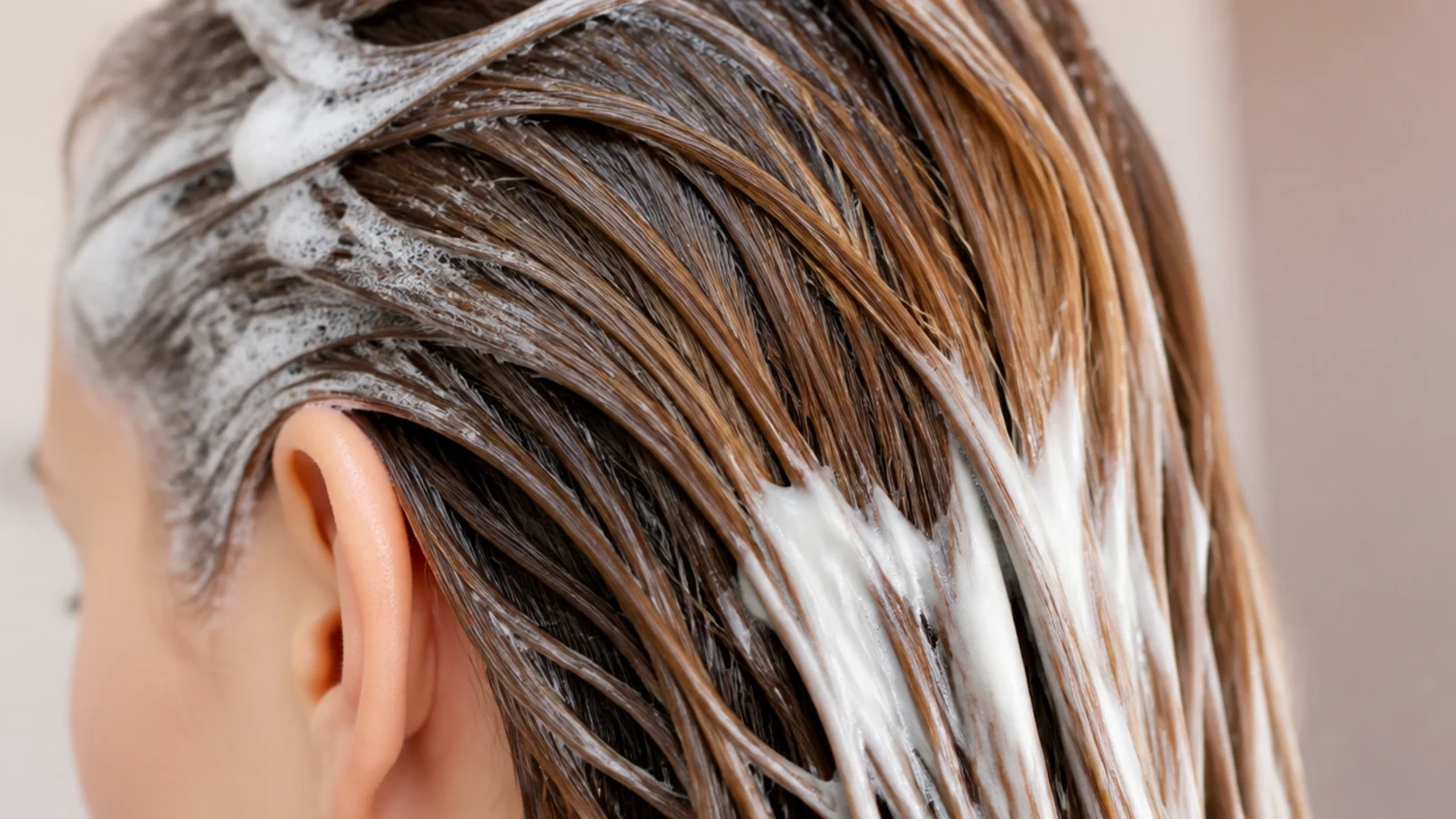
Evidence: strong. The scalp is where oil and product buildup happen, and the ends are the oldest, driest, most fragile part of your hair. So shampoo goes on the scalp and gets rinsed through the lengths on the way out, and conditioner goes on from the ears down. Doing the reverse strips the ends and leaves the roots congested. Wash frequency is personal: fine straight hair often needs every one to two days, coily hair every seven to fourteen.
Who it suits: Anyone with greasy roots and dry ends at the same time.
Tip: Rinse conditioner with cool water for 20 seconds so the cuticle lies flat and reflects light.
6. Cut Heat Styling to Once a Week at 300 Degrees
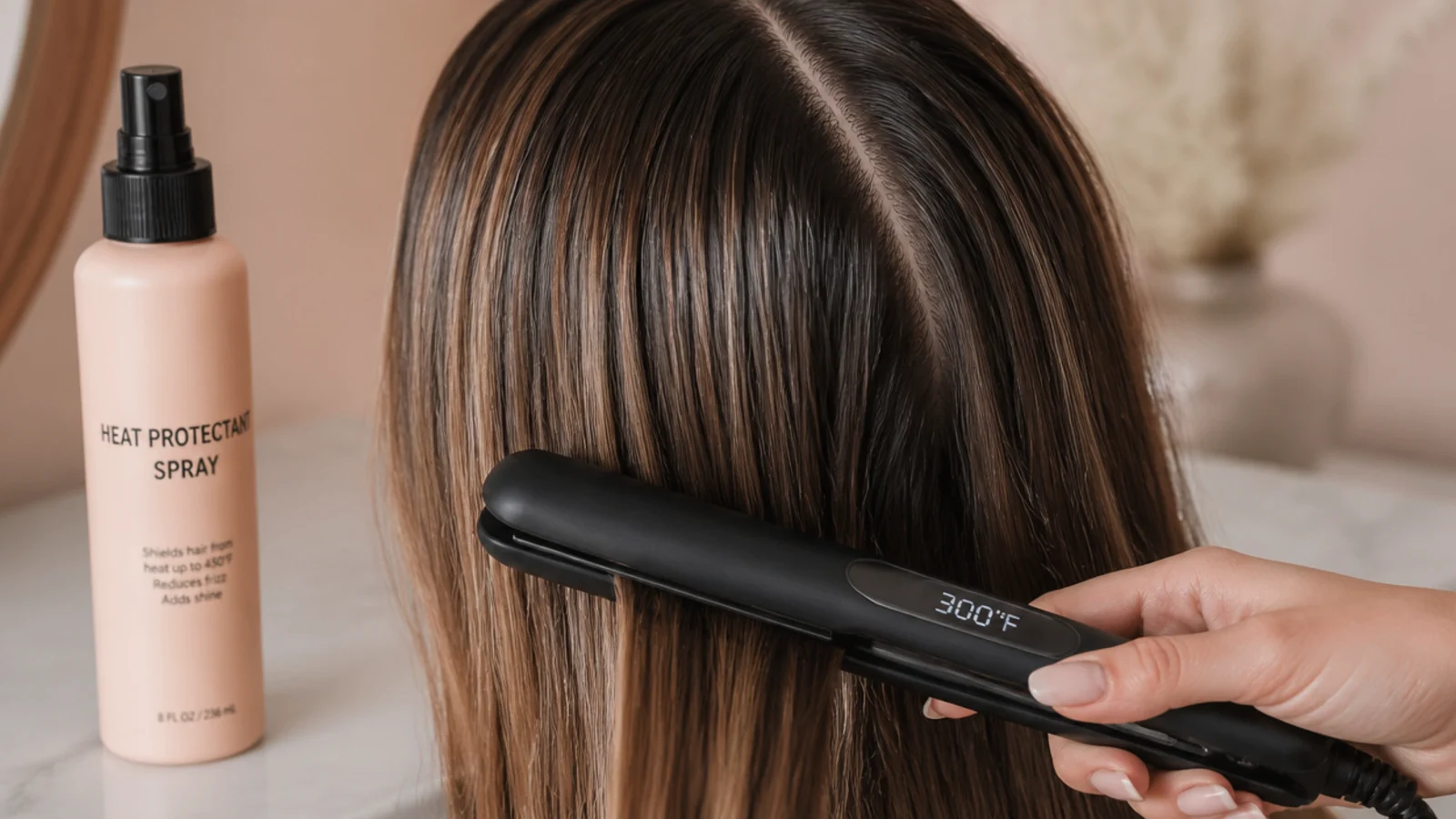
Evidence: strong. Heat damage is cumulative and permanent, because a cracked cuticle does not repair itself no matter what the bottle says. Cap hot tools at once or twice a week, always over a heat protectant, and keep flat irons around 300 to 350 degrees Fahrenheit for fine or color-treated hair and no higher than 400 for coarse hair. One slow pass beats four fast ones. Air dry to 80 percent first, then finish with a blow dryer on medium if you need smoothness. The low-heat alternatives in frizzy hair remedies cover most of what an iron was doing.
Who it suits: Anyone whose ends feel like straw by month four of growing out.
Tip: If your iron has no temperature readout, replace it; unmarked plates routinely run past 430 degrees.
7. Detangle From the Ends Up With a Wide-Tooth Comb
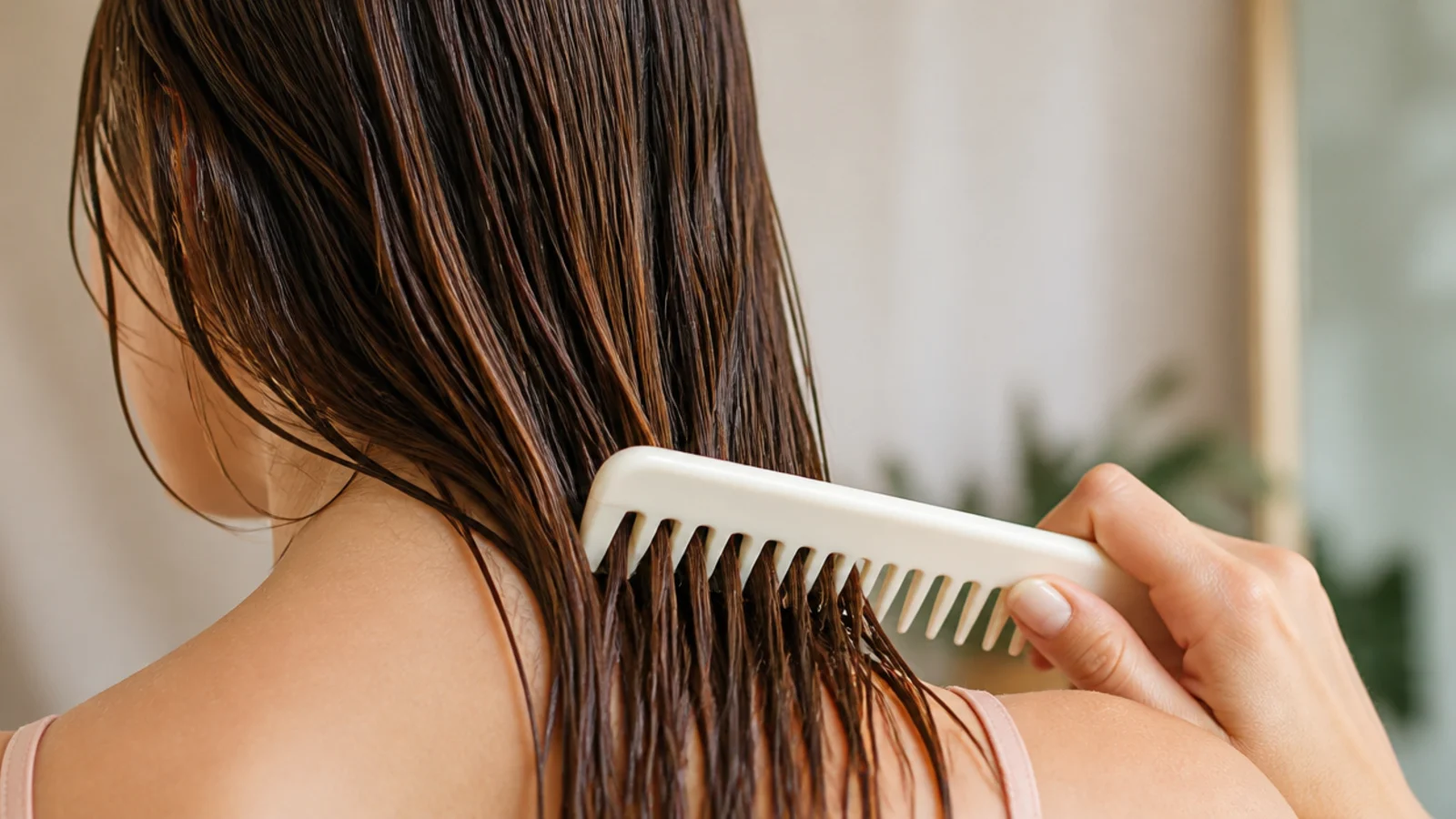
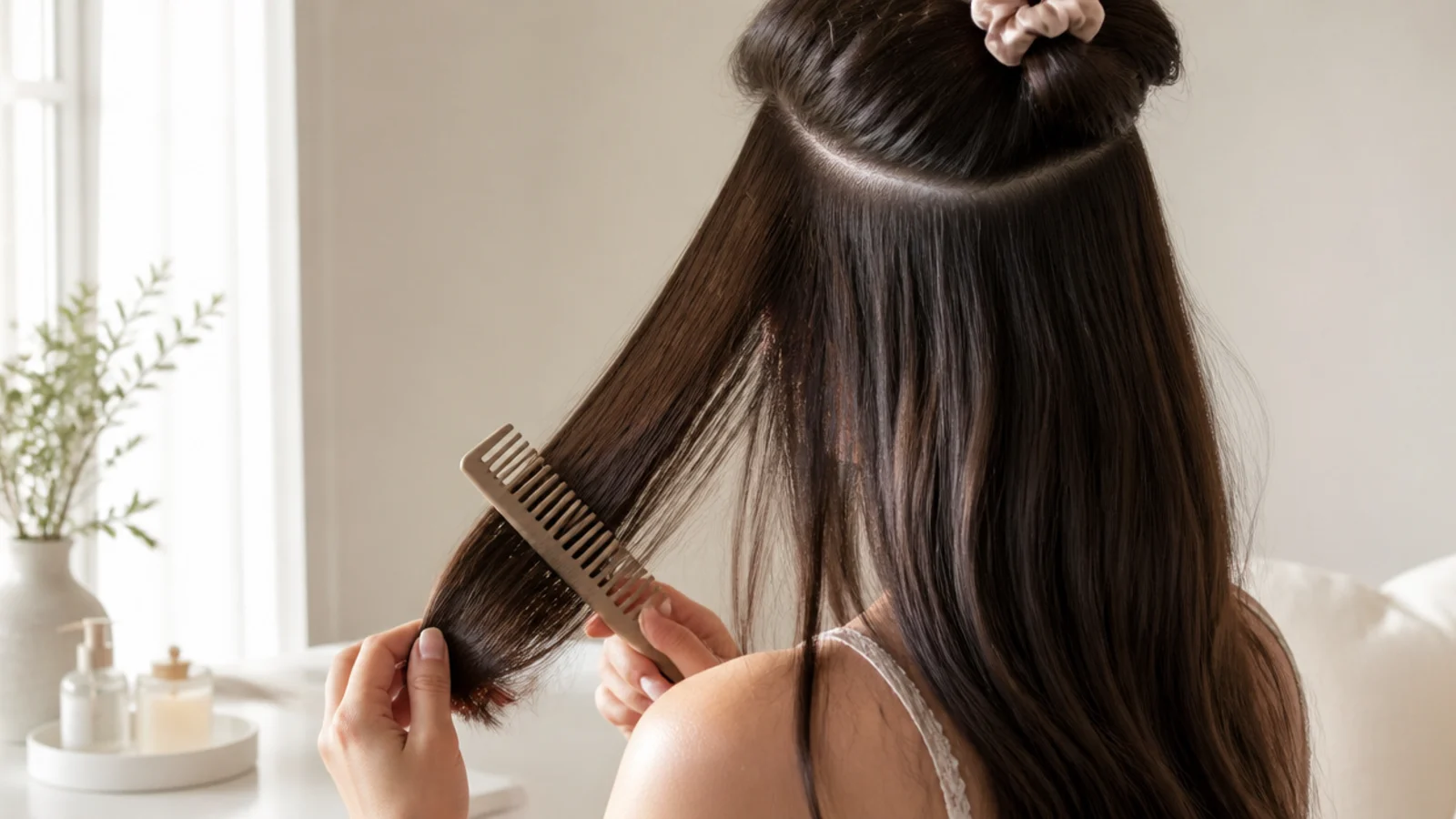
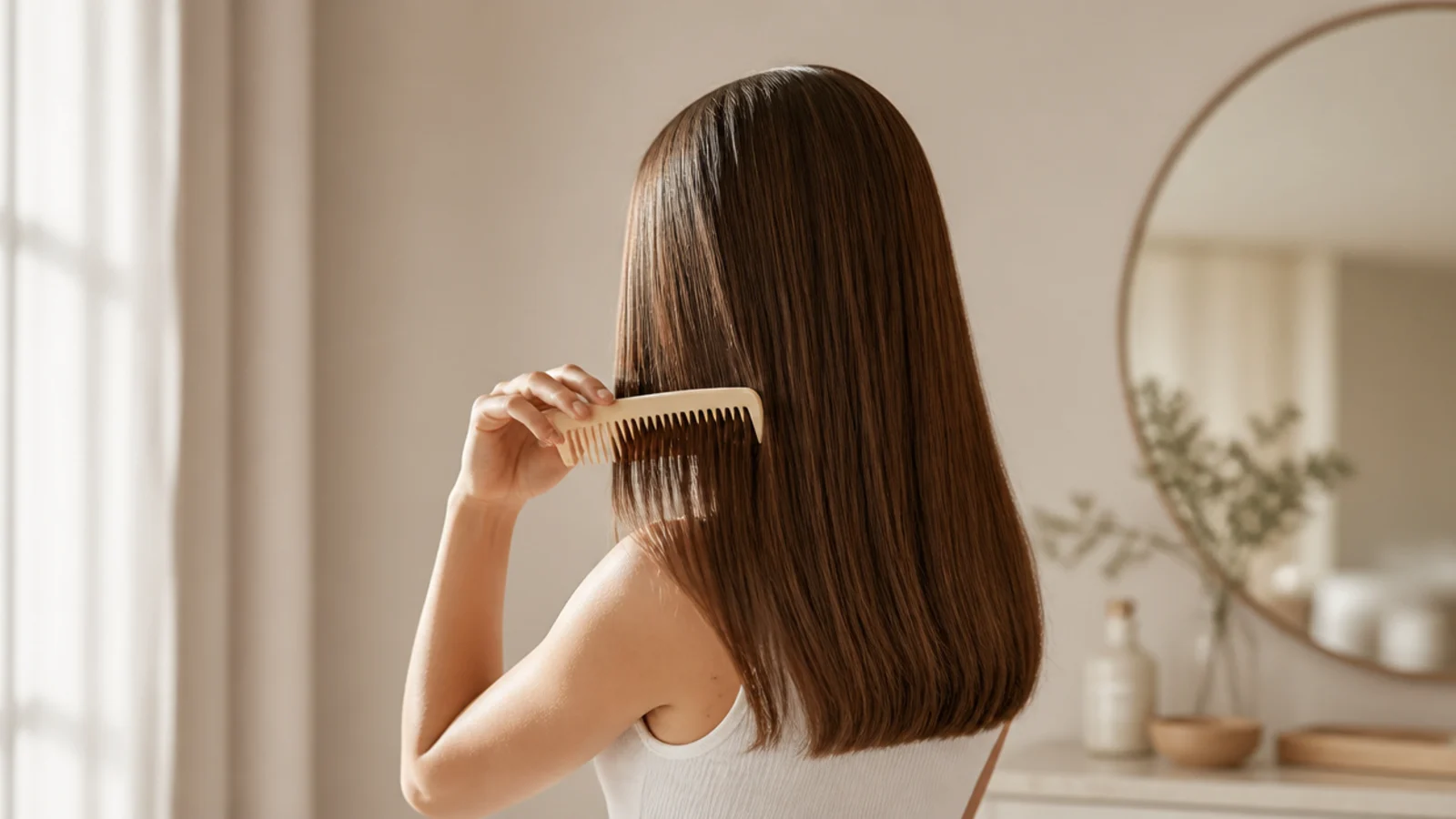
Evidence: strong. Combing from the roots down piles every small knot into one large knot at the ends, and that is where hair snaps. Start at the last two inches, clear those, then move up two inches at a time until the comb runs cleanly from root to tip. Use a wide-tooth comb or a flexible detangling brush on damp hair with a slip-heavy conditioner or leave-in. Wet hair stretches up to 30 percent before it breaks, so it needs less force but more patience.
Who it suits: Long hair, curly hair, and anyone finding broken pieces in the sink.
Tip: Work in four sections; detangling the whole head at once guarantees you rush the back.
8. Loose Protective Styles That Never Pull the Hairline
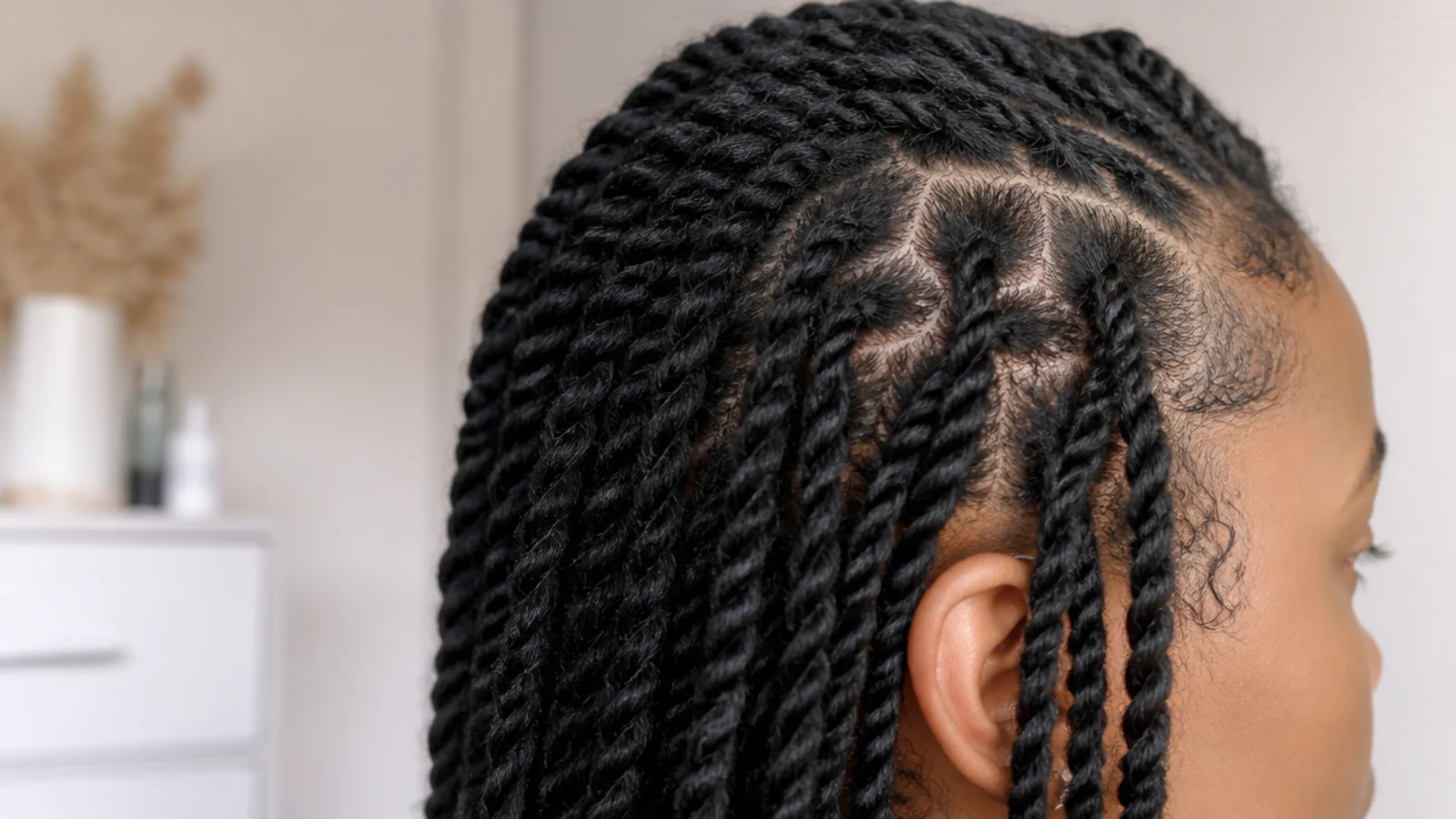
Evidence: strong, with one hard rule. Braids, twists, buns and low ponytails cut daily manipulation, which is the biggest controllable cause of breakage. But tension styling is the leading preventable cause of hairline loss, so the rule is simple: if it hurts, stings or gives you bumps at the perimeter, it is too tight and it is doing damage. Keep protective styles in for four to six weeks maximum, then give the scalp a full week loose before the next set. Looser braided options like easy mermaid braids work for the in-between weeks.
Who it suits: Natural, coily and relaxed hair, and anyone in a repetitive daily style.
Tip: Ask your braider to leave the perimeter looser and skip the edges entirely; say it before they start.
9. Eat 60 to 90 Grams of Protein a Day

Evidence: strong at the low end, no benefit above it. Hair is roughly 95 percent keratin, a protein, and the body deprioritizes hair when protein or calories run short, which is why crash dieting shows up as shedding two to three months later. Aim for a normal adequate intake spread through the day rather than a target you megadose. Eggs, Greek yogurt, salmon, lentils, chicken, tofu and pumpkin seeds all count. Eating extra protein beyond adequacy does not grow extra hair.
Who it suits: Anyone dieting, recently ill, or eating erratically.
Tip: Shedding that starts two to three months after a diet or illness is usually telogen effluvium and grows back.
10. Get Ferritin and Vitamin D Tested Before Buying Supplements
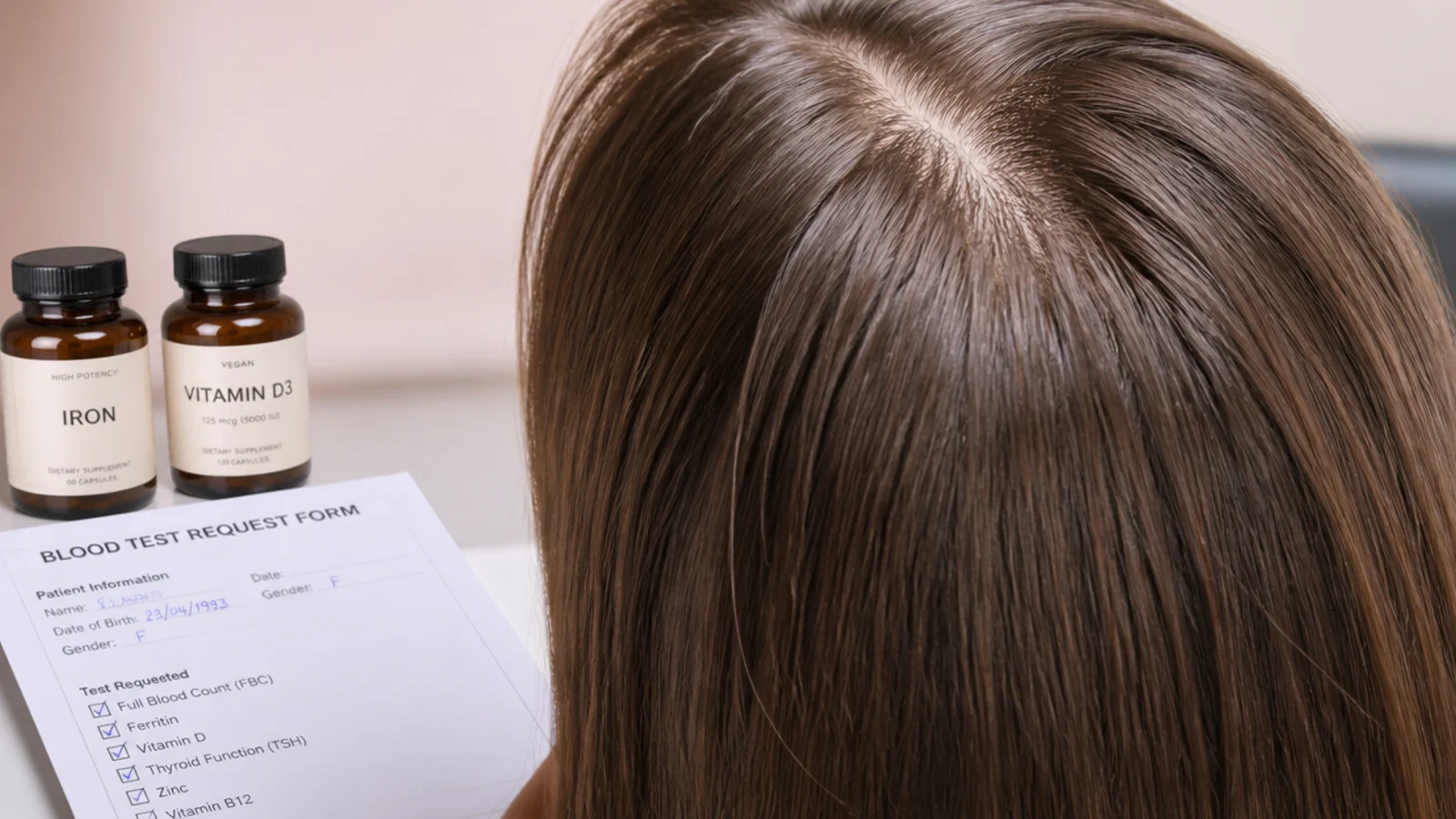
Evidence: strong when a deficiency exists, weak otherwise. Low ferritin, low vitamin D, low zinc and thyroid problems are the deficiencies most often linked to shedding, and correcting them helps. A generic gummy will not. Biotin is the clearest example: it works for genuine biotin deficiency, which is rare, and does nothing measurable for people who are not deficient. Ask a doctor for the panel before you spend 40 dollars a month on a bottle chosen from an ad.
Who it suits: Anyone shedding noticeably more than usual for more than three months.
Tip: Tell any doctor ordering blood work that you take biotin; it skews thyroid and troponin results.
11. Clarify Monthly to Clear Scalp Buildup
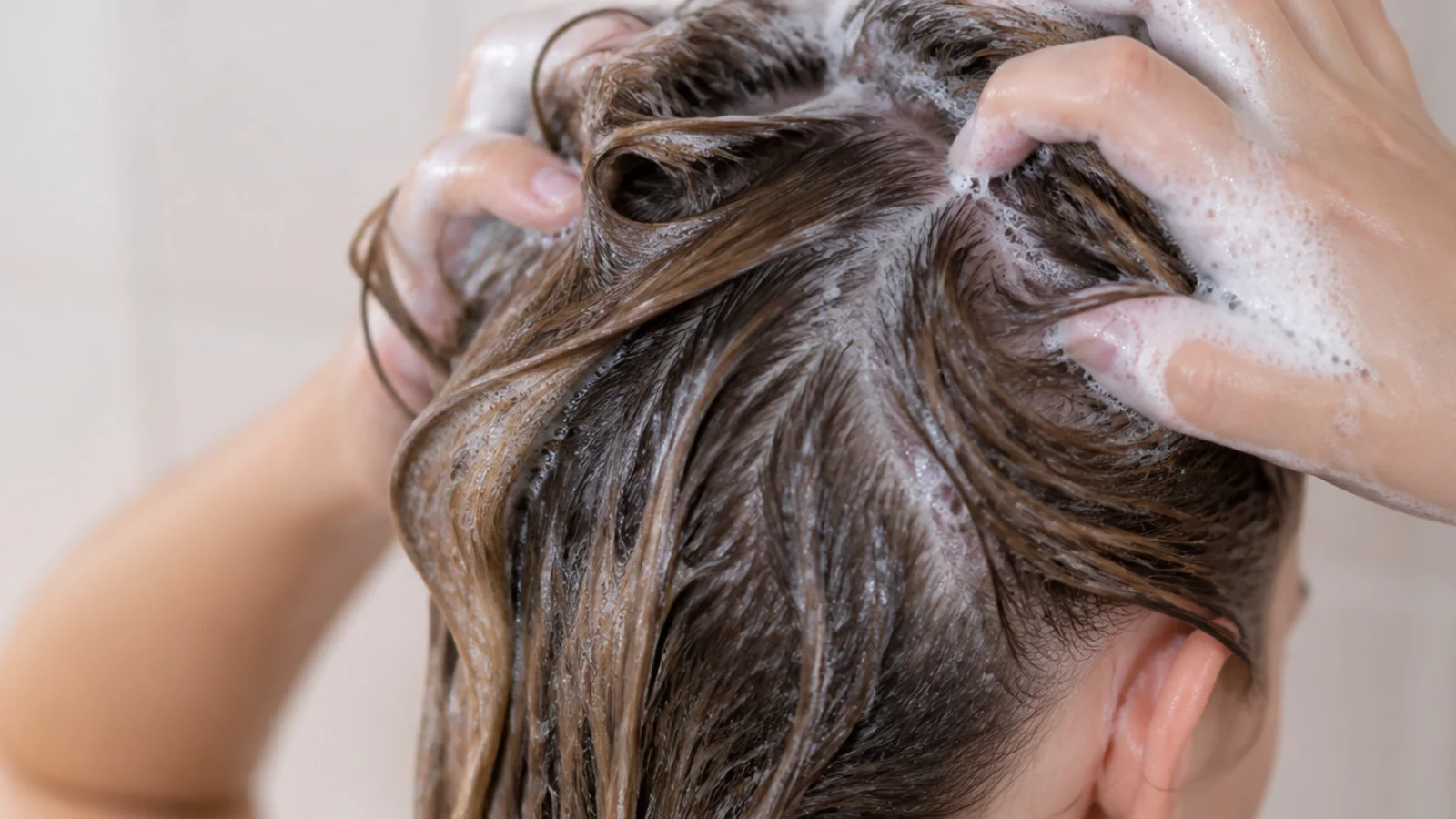
Evidence: mixed, but real for heavy product users. Silicone, oil, dry shampoo and styling cream build up around the follicle opening and can leave the scalp flaky, itchy and inflamed, and an inflamed scalp is not a good growing environment. A clarifying shampoo once a month, or a gentle scalp exfoliant, resets it. Do not do it weekly; over-cleansing swings the scalp into oil overproduction and dries out the ends you are trying to keep. Build it into the wash-day schedule in hair growth tips faster at home.
Who it suits: Dry shampoo users, gel and oil users, and swimmers.
Tip: Follow every clarifying wash with a deep conditioner on the mid-lengths and ends, never on the scalp.
12. Microfiber Towel or Cotton T-Shirt Instead of Terry Cloth

Evidence: strong and instant. A terry loop catches the raised cuticle of wet hair and lifts it, and rough towel-drying is one of the most common causes of the halo of short broken pieces around the crown. Squeeze, do not rub. A microfiber towel or an old cotton t-shirt costs nothing and removes the same water in about the same time. Skip the tight turban twist too, because the twist puts real tension on the hairline while the hair is at its weakest.
Who it suits: Everyone, and urgently anyone with frizz or flyaways.
Tip: See the routine in how to fix frizzy hair for the full drying sequence.
13. Rotate Protein and Moisture Deep Conditioners
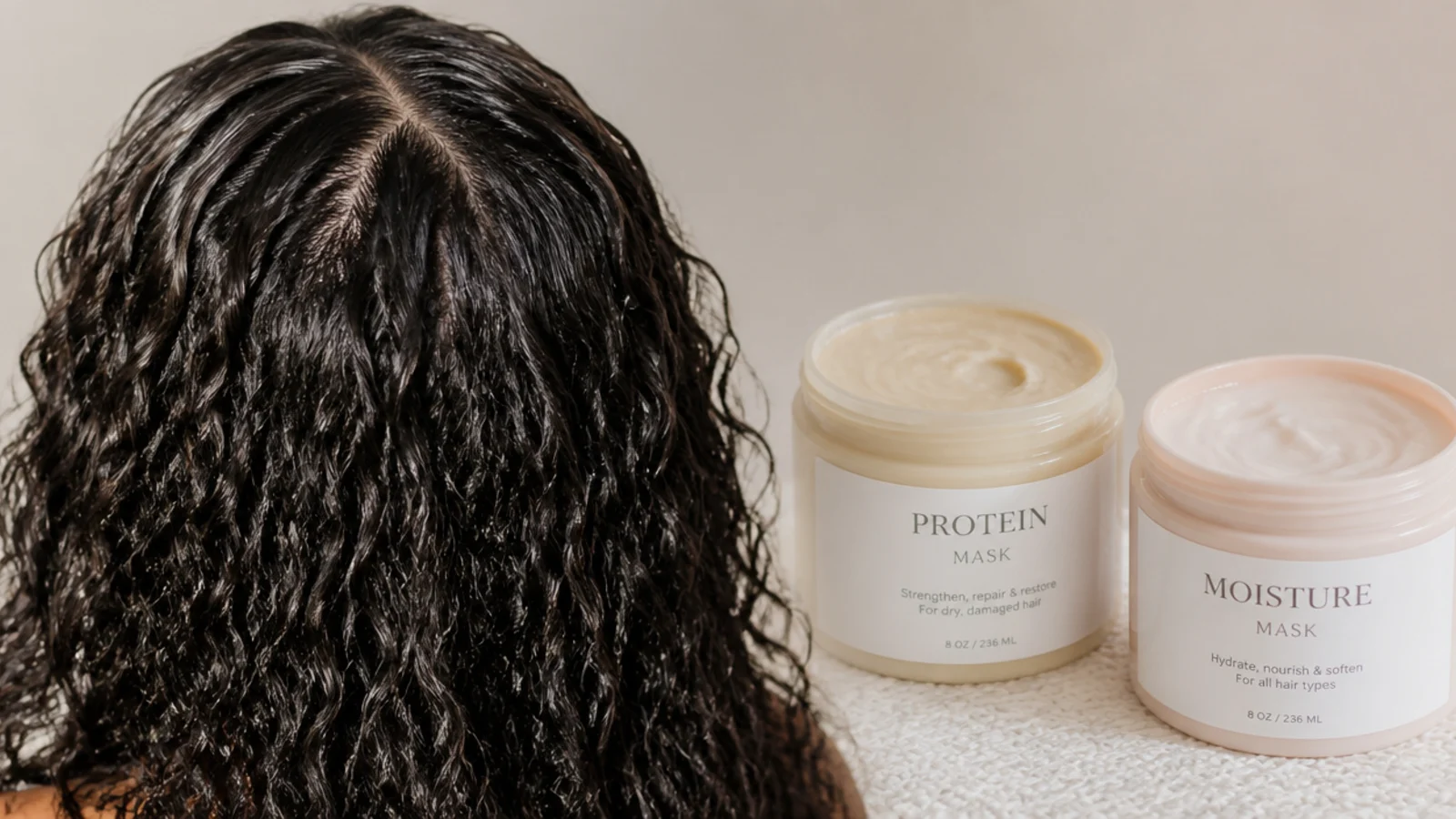
Evidence: strong for retention. Hair needs both protein for strength and moisture for flexibility, and too much of either causes breakage. The test: stretch a wet strand. If it snaps immediately with no give, it needs moisture. If it stretches like gum and does not spring back, it needs protein. Deep condition weekly, alternating a moisture mask with a protein mask roughly every third wash, 20 minutes under a shower cap or a warm towel.
Who it suits: Color-treated, relaxed, bleached and heat-styled hair.
Tip: Try a hair mask for frizzy hair on the moisture weeks.
14. Swap the Tight Elastic for a Spiral Coil or Silk Scrunchie
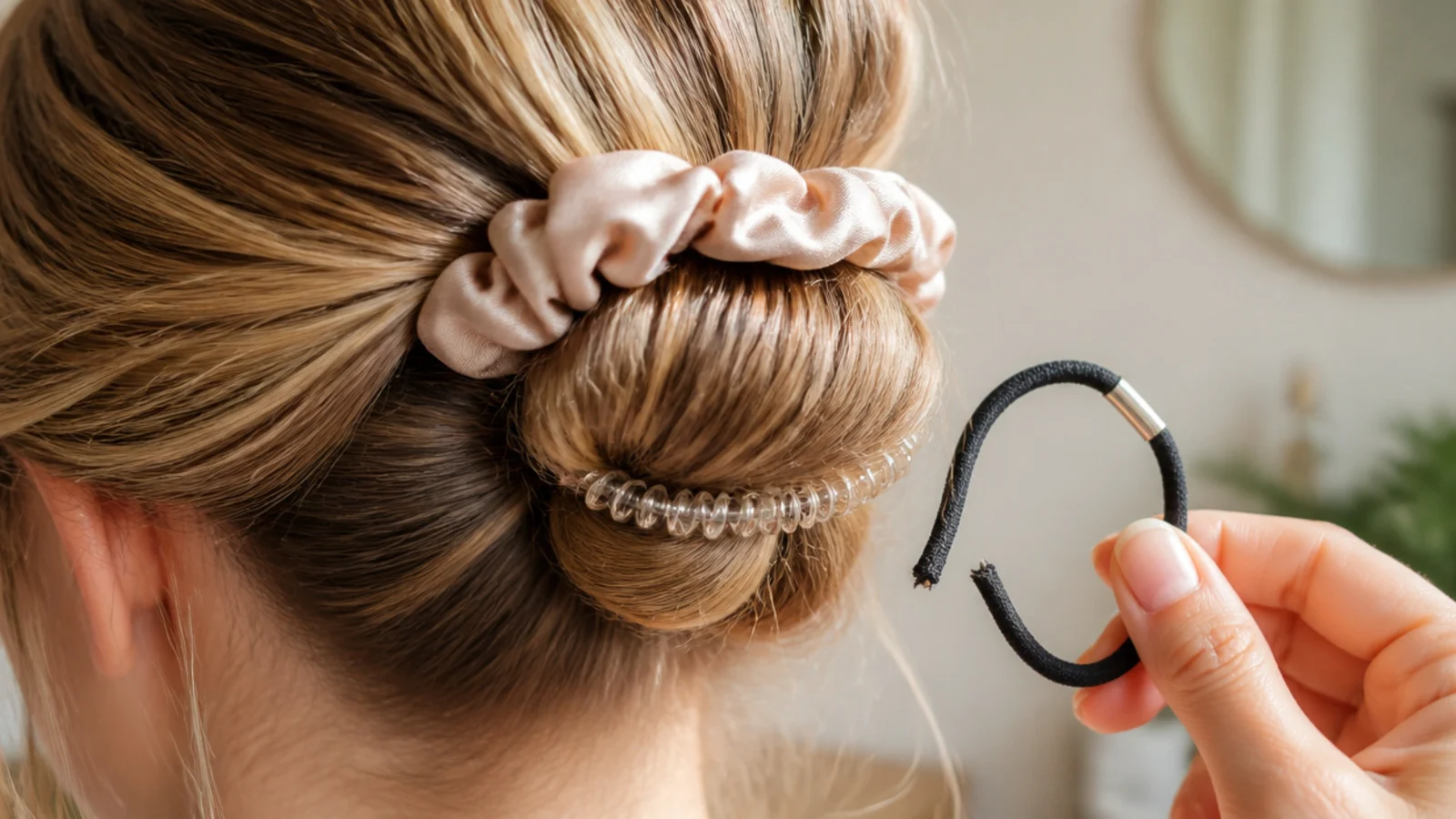
Evidence: strong. A thin elastic, especially one with a metal crimp, concentrates all the tension of a ponytail on a single line of hair, and after months in the same spot that line simply breaks. Spiral coils spread the pull, and silk scrunchies add no friction at all. Move the ponytail height every day so the stress point changes, and never sleep in a tight one. Loose and low is always safer than high and slick.
Who it suits: Daily ponytail and bun wearers, gym-goers and long hair.
Tip: A low messy ponytail puts far less tension on the hairline than a slick high one.
15. Track Growth With a Monthly Photo and Tape Measure
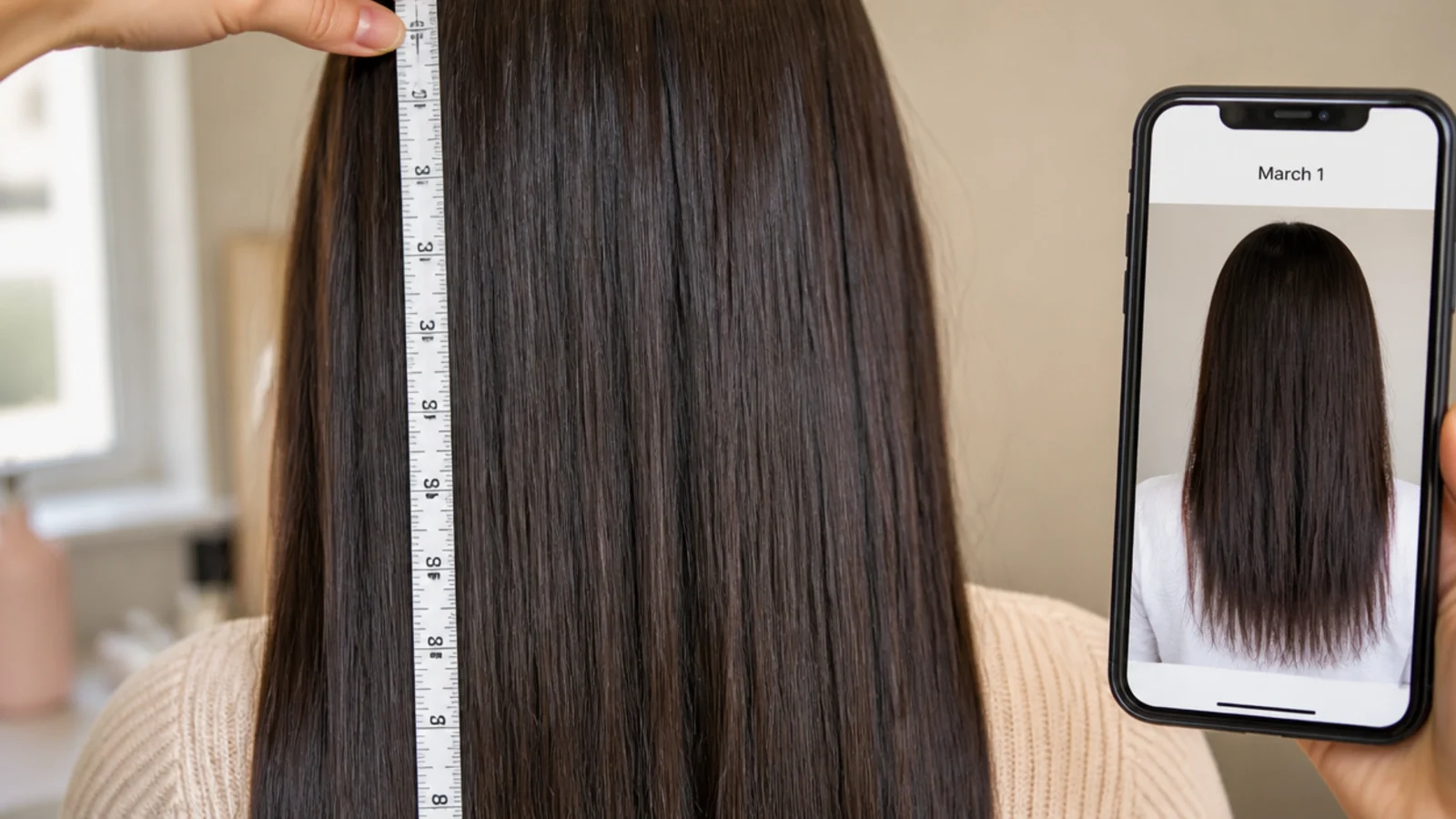
Evidence: strong for sticking with it. Hair grows too slowly to notice day to day, which is exactly why people abandon a good routine at week six and blame the routine. On the first of every month, take the same three photos in the same light, front, side and part, and measure from the crown to the ends in inches. Half an inch a month means three inches by month six, which is invisible in the mirror and obvious in a photo set.
Who it suits: Anyone who has quit a hair routine early.
Tip: Photograph the hairline and part separately; thickness changes show up there long before length does.
How Fast Does Hair Actually Grow in a Month?
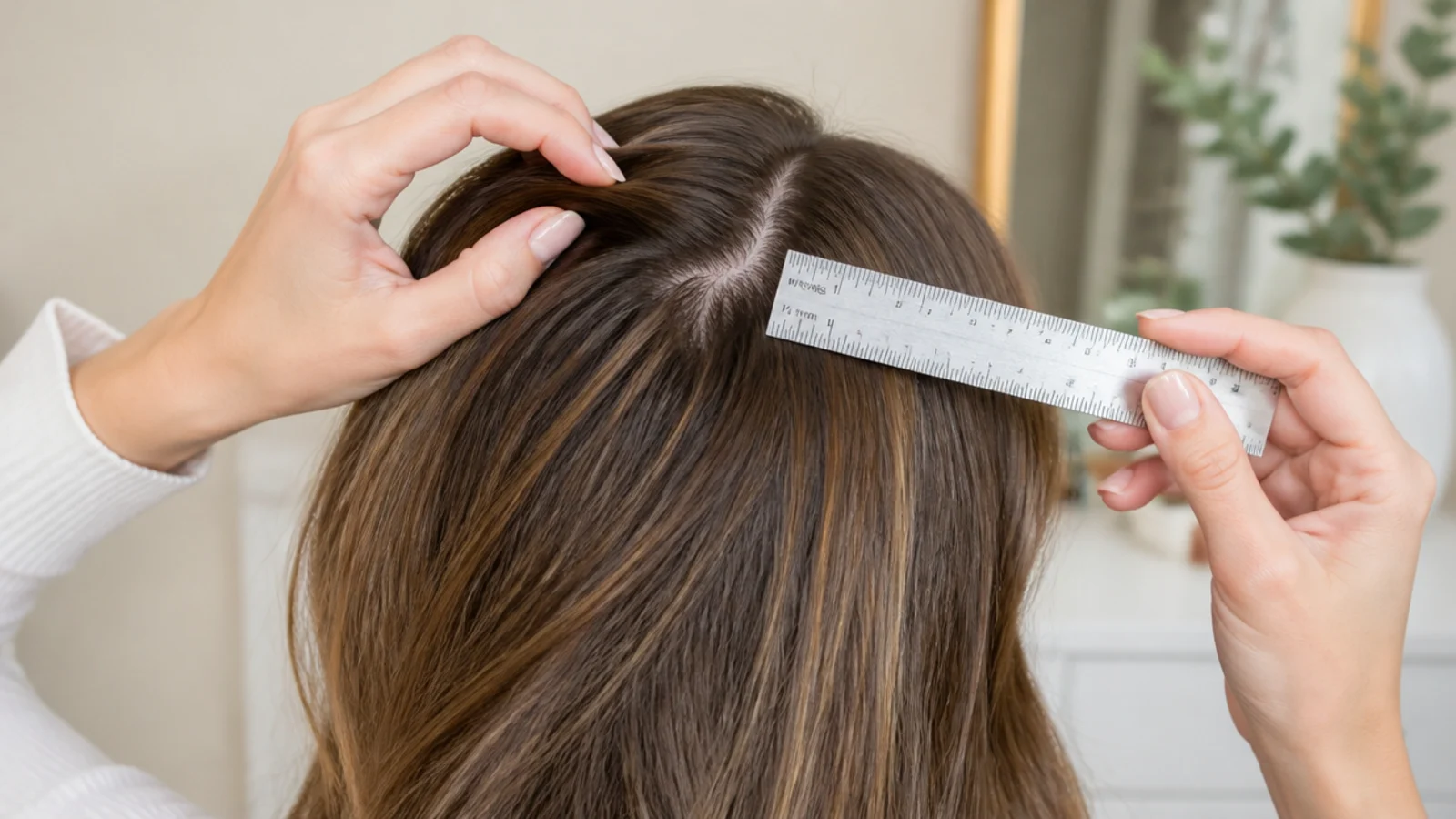
Scalp hair grows at roughly half an inch a month, which works out to about six inches a year, and around 80 to 90 percent of your follicles are in the active growing phase at any given time. That rate varies a little by person and hair type, and coily hair often measures slightly slower on a ruler partly because the spiral shape hides length as shrinkage rather than because the follicle is lazy. Genetics also sets the length of your growing phase, which decides your maximum length before a hair naturally sheds. Someone with a six-year growing phase can reach waist length; someone with a two-year phase cannot, no matter what they buy. Age, hormones, pregnancy, illness, medication and severe dieting all move the number, and none of them respond to a serum. That is not discouraging, it is clarifying, because it moves your attention to the part you can change. The full pillar list lives at hair growth tips. Set expectations at three inches in six months, then read hair growth tips faster for the routine that protects them.
Breakage vs Growth: Why Your Hair Is Stuck at Shoulder Length

If your hair grows at the root but never seems to get longer, it is almost certainly breaking at the ends at the same speed. This is the single most useful reframe in hair care: length is growth minus breakage, and breakage is the term you control. Look for the signs. Short broken pieces standing up around the crown, ends that taper to wisps instead of sitting blunt, white dots along the shaft, and a ponytail that feels thinner at the bottom than it did last year all point to mechanical damage rather than a follicle problem. The causes are boring and fixable: rough towel-drying, combing from the roots down, daily hot tools, tight elastics in the same spot, cotton pillowcases, and skipping trims until the splits have climbed two inches up the shaft. Fix four of those and you keep inches you were already growing. Anyone with textured hair should also read natural hair growth tips, where retention matters even more.
Scalp Health: What a Clean Scalp Can and Cannot Do
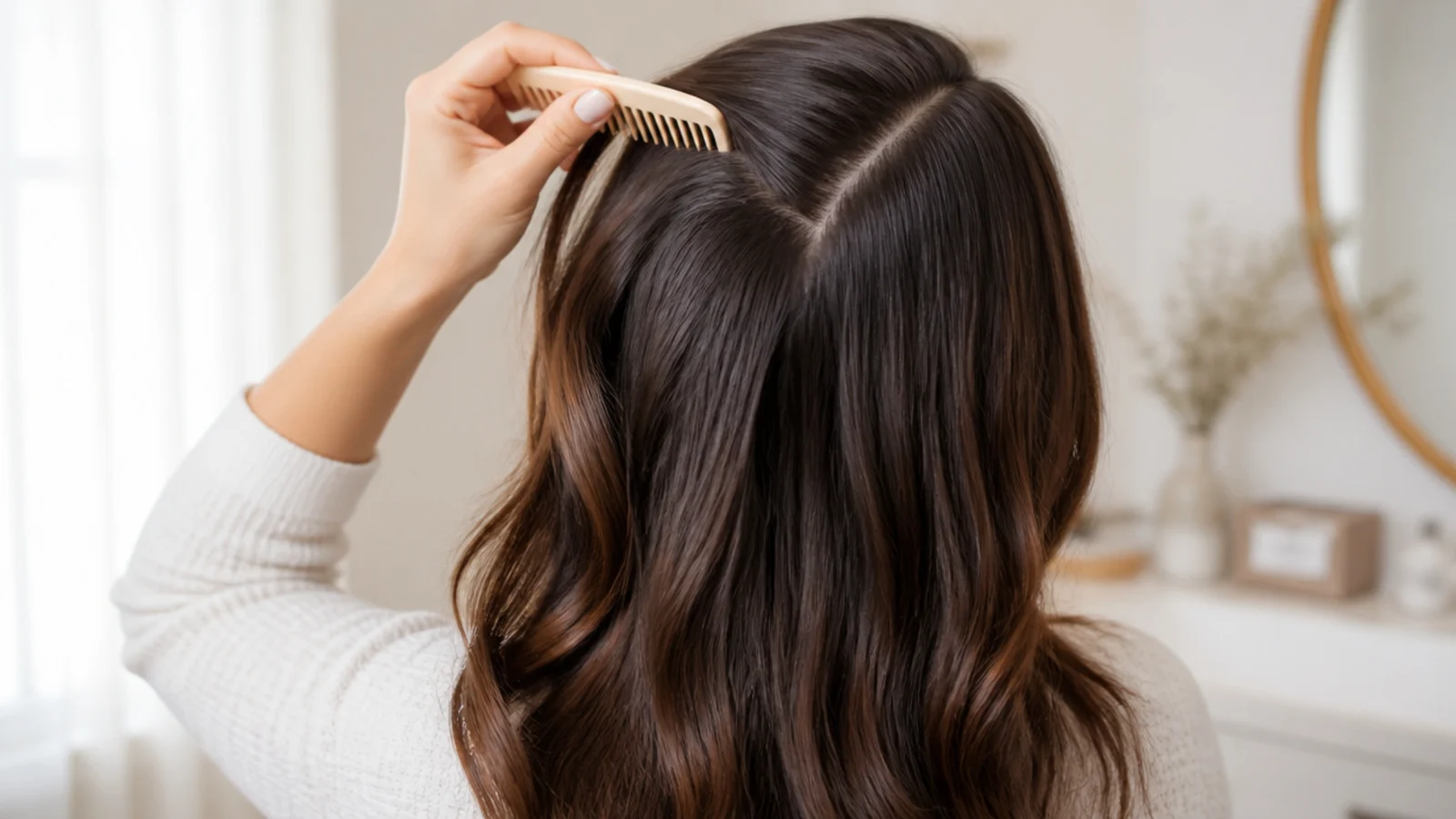
The follicle sits in the skin of your scalp, so scalp condition is genuinely part of the picture. Buildup, flaking, seborrheic dermatitis and constant itching create inflammation, and an inflamed scalp is a worse growing environment than a calm one. Keeping the scalp clean on a schedule that suits your hair type, massaging it for five minutes to move blood and loosen tightness, and treating dandruff with an actual antifungal shampoo rather than more oil all help. What scalp care cannot do is override genetics. No topical, however expensive, makes a two-year growing phase into a six-year one, and any product promising inches in weeks is selling you the timeline, not the result. Be especially skeptical of thick oils applied to a flaky scalp, since most dandruff is driven by a yeast that feeds on oil. Treat the scalp like facial skin: cleanse it properly, do not smother it, and escalate to a professional if it stays itchy or sore.
Which Hair Growth Tips Actually Work and Which Are Marketing
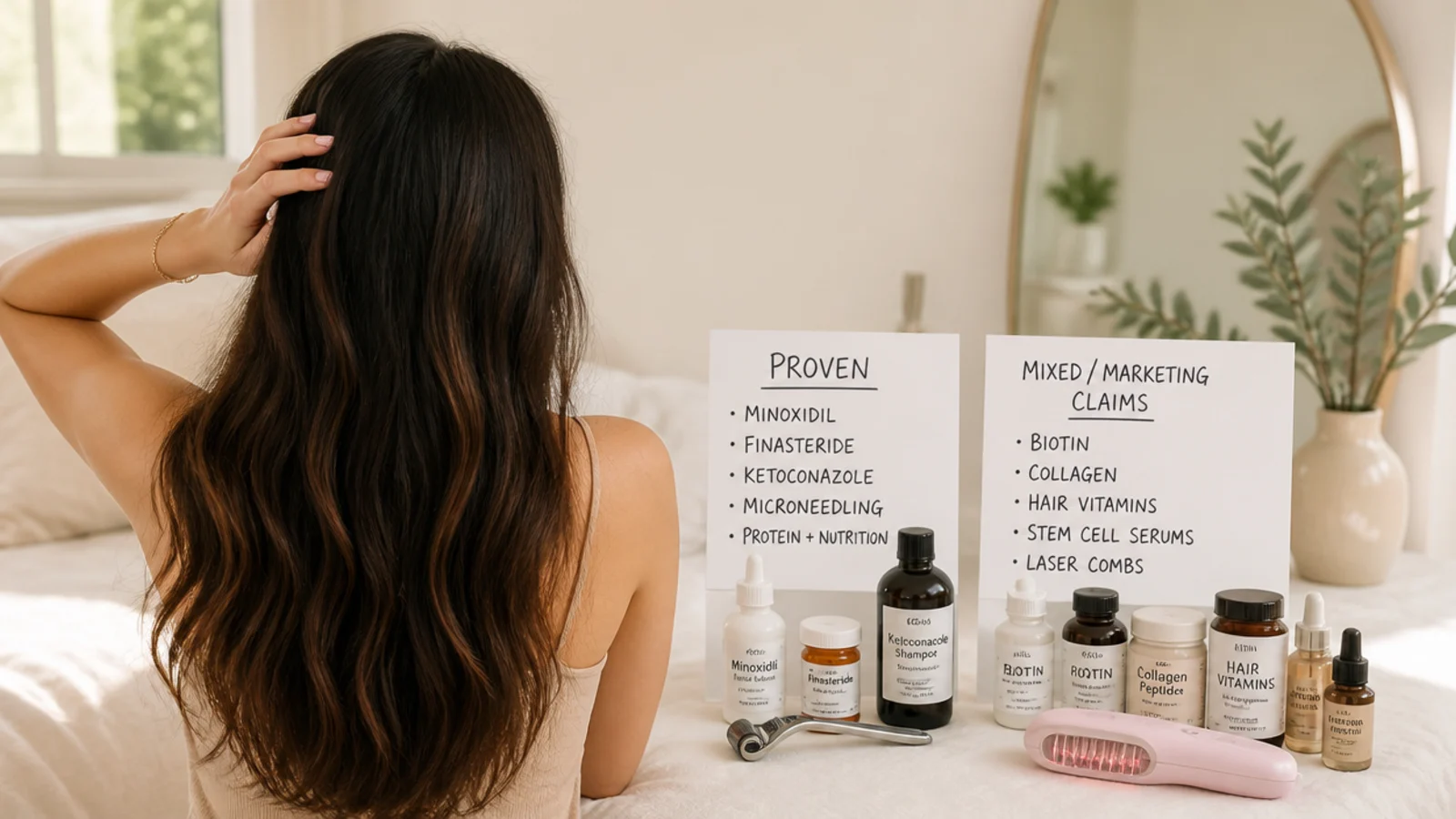
Sort every tip you read into three piles. Strong: satin at night, low tension styling, less heat, gentle detangling, regular trims for retention, treating a diagnosed deficiency, treating a scalp condition, and adequate protein and calories. Mixed but reasonable to try: rosemary oil, daily scalp massage, caffeine and peptide scalp serums, and rice water rinses used sparingly. Marketing: anything promising overnight results, biotin for people who are not deficient, castor oil as a growth accelerator rather than a sealant, and shampoos claiming to add inches. The pattern is easy to spot once you know it. Real advice talks in months and protects hair you already have; marketing talks in weeks and asks you to buy a bottle. Consistency across three to six months beats any single product, which is unglamorous and also true. For the zero-purchase version of this list, see hair growth tips faster at home.
Diet and Supplements for Hair Growth: The Honest Limits

Supplements correct deficiencies. They are not accelerators. If your ferritin, vitamin D, zinc or thyroid levels are low, fixing them can visibly reduce shedding within a few months, and that is a real, well-documented effect. If your levels are normal, adding more does nothing for your hair and some nutrients are actively risky in excess, with too much vitamin A and too much selenium both linked to hair loss rather than growth. Biotin is the most oversold ingredient in the category: genuine deficiency is rare, and high-dose biotin interferes with common lab tests including thyroid and cardiac markers, so tell your doctor if you take it. The sensible order is blood test first, targeted supplement second, and food throughout. Eggs, oily fish, lentils, leafy greens, pumpkin seeds and Greek yogurt cover most of what hair needs. Crash diets are the opposite: sudden calorie restriction commonly triggers shedding two to three months later.
Edges, Thinning, 4C Hair and Postpartum Shedding
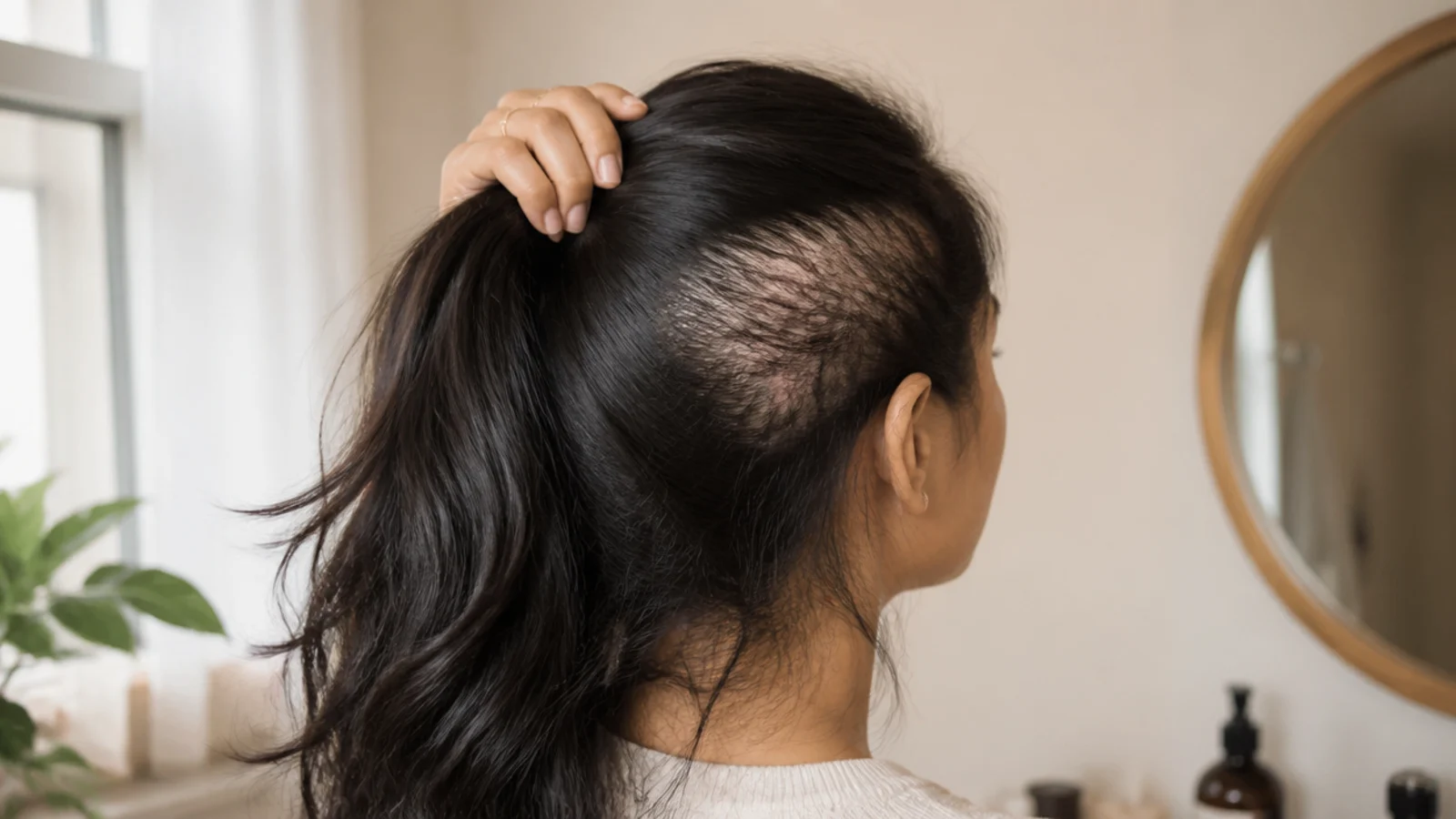
Thinning edges are usually tension, not bad luck. Repeated tight braids, weaves, wigs glued at the perimeter and slicked-back ponytails pull on the smallest, finest hairs, and repeated long enough that damage becomes permanent. The rule is unconditional: styling should never hurt. Coily and 4C hair is structurally more fragile at every bend in the strand, so retention work matters more there than anywhere else, and shrinkage means the ruler tells a truer story than the mirror. Hair growth tips for black women covers that routine in detail, and men dealing with thinning at the crown or temples should start with hair growth tips for men. Postpartum shedding at three to five months is normal, expected and self-correcting, usually resolving by the first birthday. What is not normal is a widening part, a receding hairline, patchy loss or shedding that lasts past six months. Those need a doctor or a trichologist, not another product.
Frequently Asked Questions
How can I speed up hair growth?
You mostly cannot speed up the rate, which sits near half an inch a month and is set by genetics, age and health. What you can do is stop losing length: sleep on satin, keep hot tools to once a week, detangle from the ends up, avoid tight styles, and trim a quarter inch every 8 to 12 weeks. Treating a diagnosed deficiency or scalp condition is the one route that can genuinely change output.
Can you really grow hair faster overnight?
No. Hair grows roughly half an inch in a whole month, so overnight growth is about one sixtieth of an inch and nothing changes that. Overnight treatments like an oil mask or a satin bonnet are still worth doing, but for a different reason: they reduce friction and moisture loss so the hair you already have does not break. Any product promising visible overnight inches is selling a timeline it cannot deliver.
Do trims make your hair grow faster?
No, and that is the most repeated myth in hair care. Scissors cannot affect the follicle, which is the only place growth happens. Trims help you keep length, because a split end travels up the shaft and eventually costs you far more than the quarter inch you would have removed. Trim every 8 to 12 weeks, or up to 16 for coarse and coily hair that sheds less mechanically.
What foods make hair grow faster?
No food speeds up the growth rate, but a shortfall slows things down, so the goal is adequacy. Eggs, salmon and sardines, lentils, Greek yogurt, chicken, tofu, pumpkin seeds, spinach and sweet potato cover protein, iron, zinc, omega-3 and vitamin A between them. Sudden calorie restriction is the biggest dietary risk, since crash diets often trigger noticeable shedding two to three months afterward.
Does biotin actually work for hair growth?
Biotin works if you are genuinely deficient, which is uncommon in people eating a normal diet. In people with normal levels, studies have not shown it grows hair. It also skews common lab results including thyroid and cardiac tests, so tell any doctor ordering blood work that you take it. A ferritin, vitamin D, zinc and thyroid panel is a better first spend than a biotin gummy.
Does scalp massage really help hair growth?
The evidence is small but encouraging. A Japanese study of daily standardized scalp massage found measurable thickening after 24 weeks, which suggests the effect is real, modest and slow. Five minutes a day with the finger pads, moving the scalp rather than sliding over the hair, costs nothing and helps a tight scalp feel better regardless. Treat it as a supporting habit, not a substitute for reducing breakage.
What shampoos can help regrow hair?
No shampoo regrows hair, because it is on your scalp for about a minute before it goes down the drain. What a shampoo can do is treat the conditions that make a scalp inflamed: ketoconazole or zinc pyrithione formulas manage dandruff and seborrheic dermatitis, and a clarifying shampoo once a month clears buildup. A calm scalp is a better growing environment, but that is maintenance, not regrowth.
How long does it take to grow hair to shoulder length?
At about half an inch a month, a chin-length bob needs roughly 8 to 12 months to reach the shoulders, and shoulder to bra-strap is another 10 to 14 months. Those numbers assume you keep almost everything you grow, which is why retention habits matter more than any product. Curly and coily hair reaches the same milestone later on the mirror than on a ruler because of shrinkage.
When should I see a doctor about hair loss?
Book an appointment if your part is visibly widening, your hairline is receding, you have patchy or circular bald spots, your scalp is painful, scaly or sore, or heavy shedding lasts longer than six months. Sudden loss after illness, surgery, childbirth or major stress is often temporary, but a doctor or trichologist can test for iron, thyroid and hormonal causes and treat them properly. No article can diagnose that.
Which hair growth tips look are you saving?
If you only take three things from these tips for hair growth, make them satin at night, hands off the hairline, and a quarter-inch trim every 8 to 12 weeks. Those three protect the length you are already growing, which is the part you control. Scalp massage and a clean scalp are worth the five minutes, a rosemary oil routine is worth trying if you enjoy it, and supplements are worth it only when a blood test says you are low. Give any routine three to six months before you judge it, and photograph your hairline monthly so you are comparing evidence instead of memory. If shedding is heavy, the part is widening, or the hairline is receding, see a doctor or a trichologist rather than another product page. Keep going with hair growth tips faster or the hair growth tips hub.