Quick Comparison
| Retention Tactics (Keep the Length You Grow) | Rate Tactics (Support the Follicle Itself) | |
|---|---|---|
| What it actually changes | How much of each month's growth survives to the ends | The speed and density of new growth at the root |
| Examples in this list | Trims, satin, loose styling, less heat, gentle detangling | Scalp massage, rosemary oil, protein intake, iron, minoxidil |
| Evidence strength | Strong and mechanical; less friction means fewer broken strands | Mixed; small studies for massage and rosemary, strong only for treating a deficiency |
| Weekly time cost | About 15 to 20 minutes, mostly at night and on wash day | About 30 to 40 minutes for daily massage plus oiling |
| Monthly money cost | About 0 to 25 dollars, one satin pillowcase and a wide tooth comb | About 10 to 60 dollars for oils, supplements or minoxidil |
| How soon you notice | 6 to 8 weeks; ends feel smoother and the shower drain thins out | 3 to 6 months minimum, because you are waiting on new growth |
| Best for | Hair stuck at one length, split ends, tapered thin ends | Visible scalp, widening part, shedding, postpartum regrowth |
| Biggest mistake | Skipping trims to keep length, so splits travel up the shaft | Taking biotin with no tested deficiency and expecting speed |
| Verdict | Do these first; they are cheap, fast to act and fully in your control | Do these second, and see a doctor before treating real hair loss |
1. Trim a Quarter Inch Every 8 to 12 Weeks
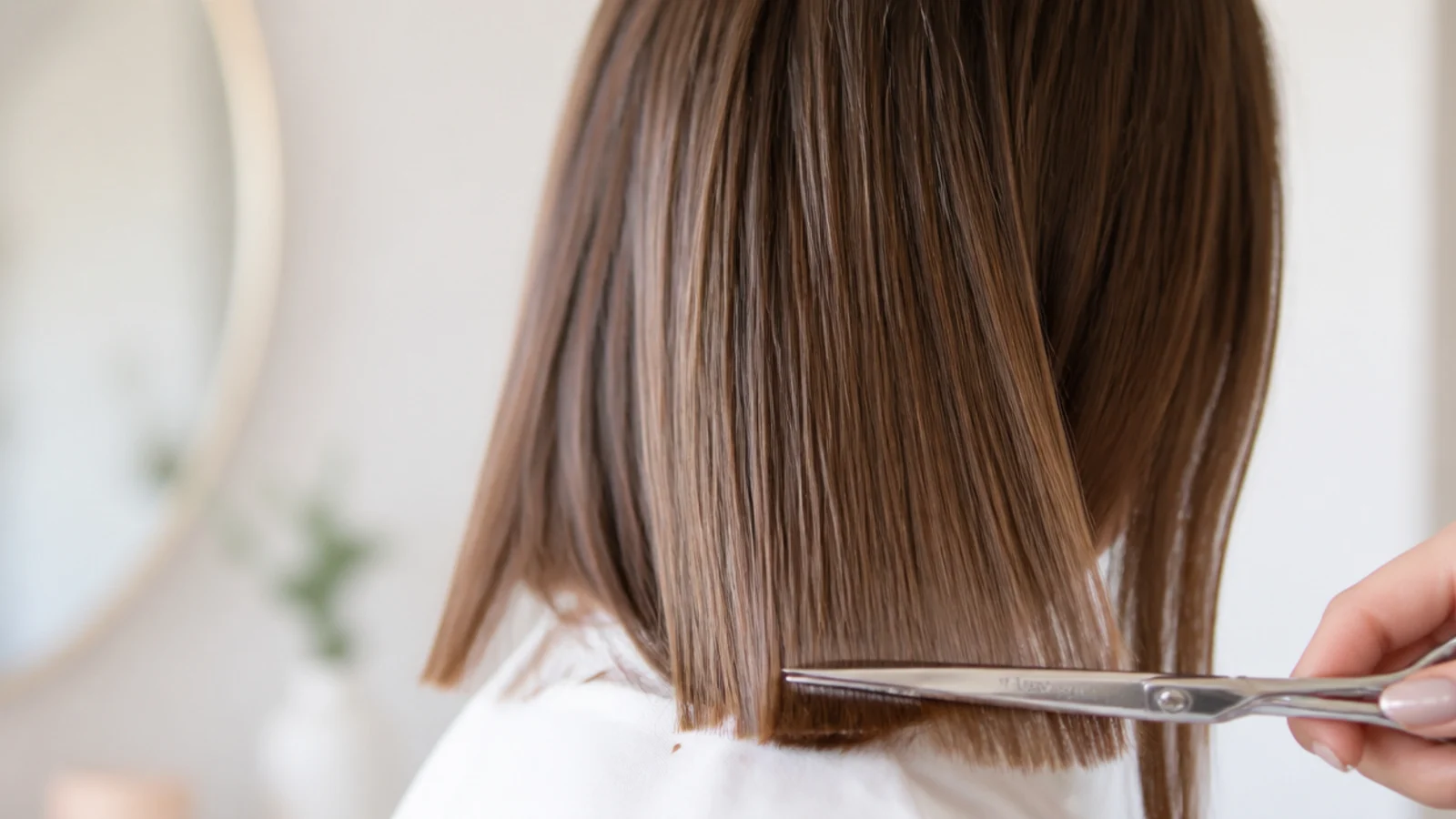
Trims do not make hair grow faster, and any stylist who says otherwise is selling appointments. What a trim does is stop a split from traveling up the shaft and costing you two inches instead of a quarter of one. Ask for a quarter inch dusted off, ends only, no shape change. Every 8 to 12 weeks is the standard cadence, and you can stretch to 12 to 16 weeks if you wear protective styles and rarely heat style. If the ends are past saving, a mid length haircut resets the shape.
Who it suits: Anyone whose ends look see-through or feel rough past the shoulder.
Tip: Say dust the ends, quarter inch, keep my length, so nobody interprets trim as haircut.
2. Scalp Massage, 4 to 5 Minutes Daily with Bare Fingertips
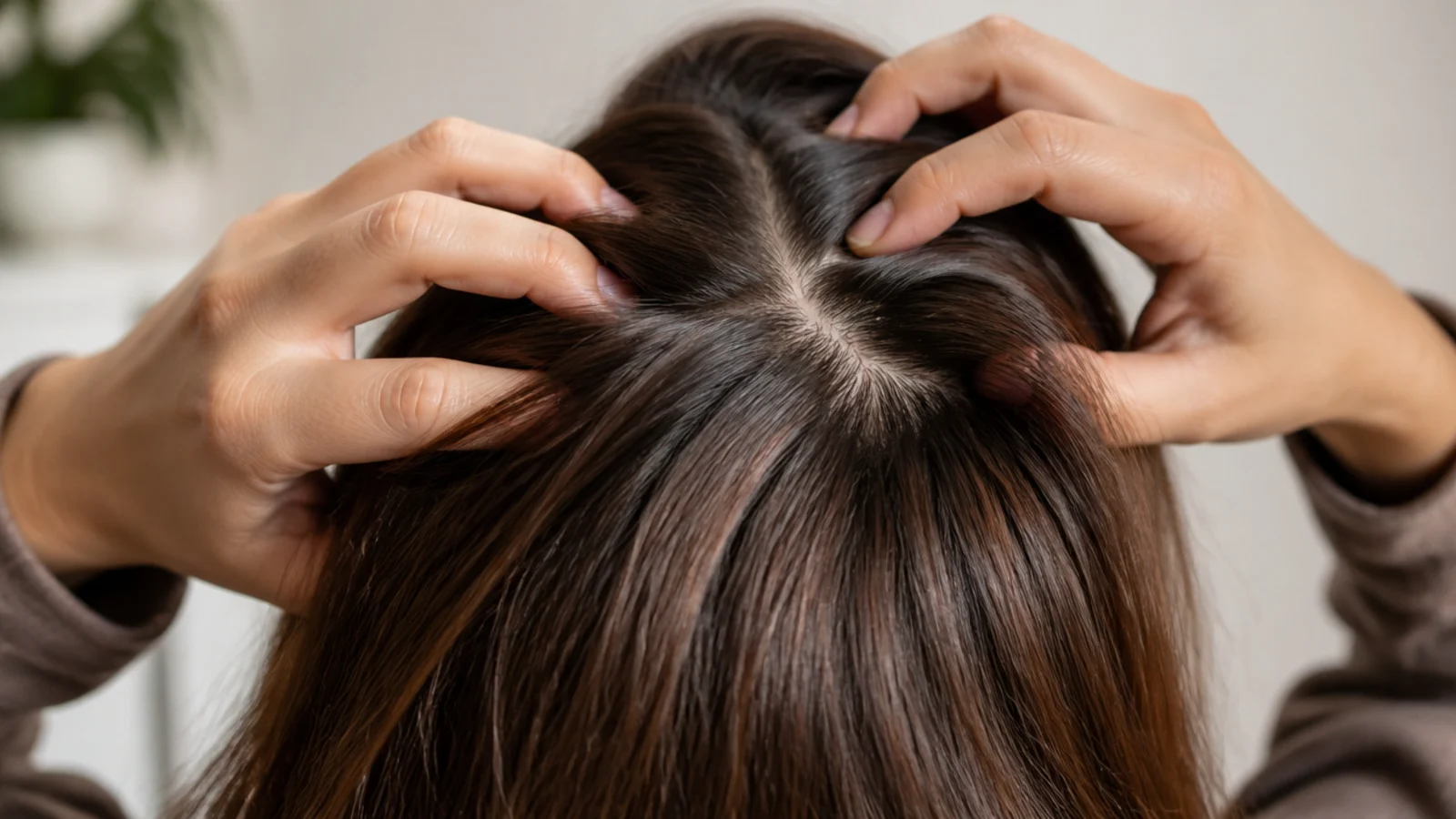
Use the pads of your fingers, never the nails, and work in small circles across the whole scalp for four or five minutes a day. Small studies on daily standardized massage found modest thickening after around six months, which is the most honest thing anyone can say about it. It costs nothing, it can be done dry while watching TV, and it is one of the few root-level tips with any published support at all. It will not outrun your genetics.
Who it suits: Anyone wanting a free daily habit that targets the follicle.
Tip: Do it on dry hair before bed to avoid tangling wet strands into knots.
3. Rosemary Oil Diluted to 2 Percent on the Scalp

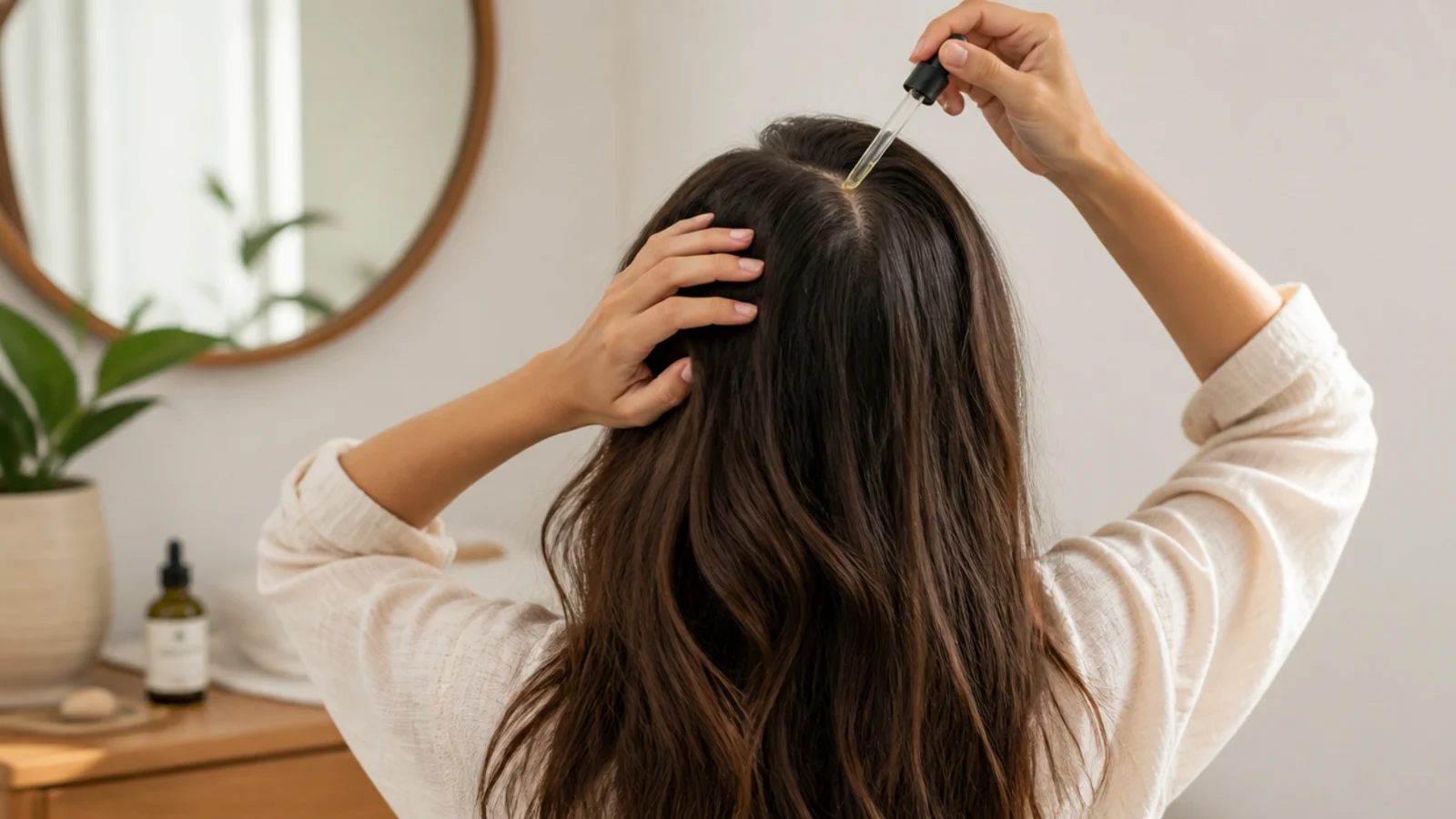
Rosemary is the one botanical with a real trial behind it, a small study comparing it against minoxidil over six months with comparable results and less itching. Dilute properly: roughly 12 drops of rosemary essential oil per ounce of jojoba or grapeseed, which lands near 2 percent. Apply to the scalp two or three nights a week, massage in, wash out on wash day. Undiluted essential oil on the scalp causes contact dermatitis, which is the opposite of what you want.
Who it suits: People with thinning at the part who want a low-cost first step.
Tip: Patch test behind the ear for 24 hours before you put it across the whole scalp.
4. Satin or Silk Pillowcase Instead of Cotton
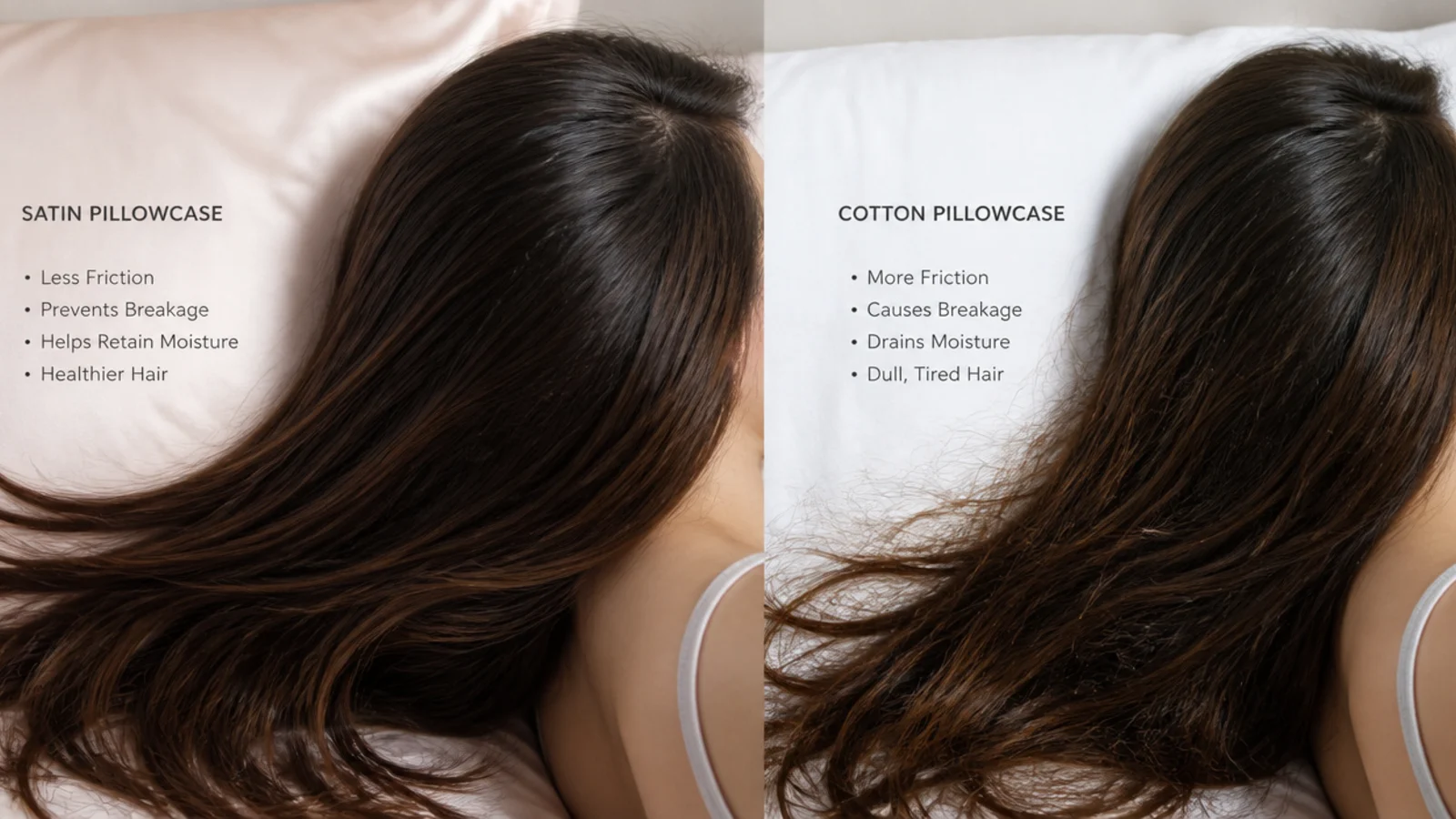
Cotton has a rough weave that grabs the cuticle every time you turn over, and eight hours of that friction a night is why so many people wake up with frizz and short broken pieces around the crown. Satin lets hair slide. A satin pillowcase runs about 10 to 25 dollars, mulberry silk about 40 to 90, and the performance difference is small enough that satin is the sensible buy. This is the single cheapest breakage fix on the whole list.
Who it suits: Every hair type, and especially curly, coily and color-treated hair.
Tip: If you toss a lot, add a satin bonnet so the hair travels with you, not against the pillow.
5. Loose Protective Braids Worn 2 to 6 Weeks
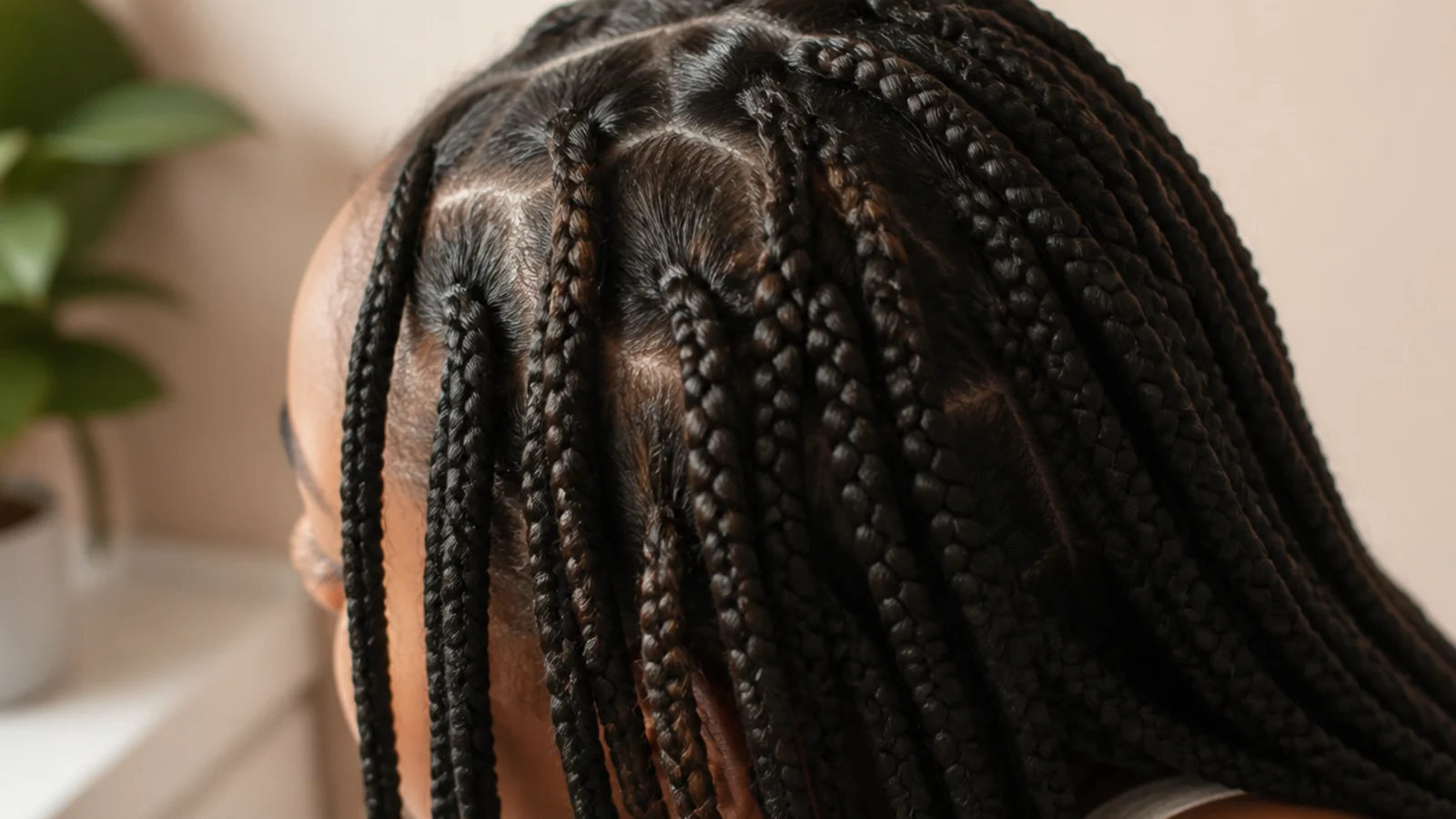
Tucking the ends away means they stop rubbing against collars, seatbelts and hands, and the ends are where length is lost. Wear braids or twists for two to six weeks, then take a break of at least a week before the next set. The rule that matters more than the style: if it hurts, it is too tight, and pain at the hairline is the first sign of traction damage. For styling ideas, see mermaid braids.
Who it suits: Coily, kinky and fine hair that tangles or snaps at the ends.
Tip: Ask the braider to leave the perimeter loose enough that you can move your eyebrows freely.
6. Heat Styling Capped at Once a Week with a 350F Ceiling
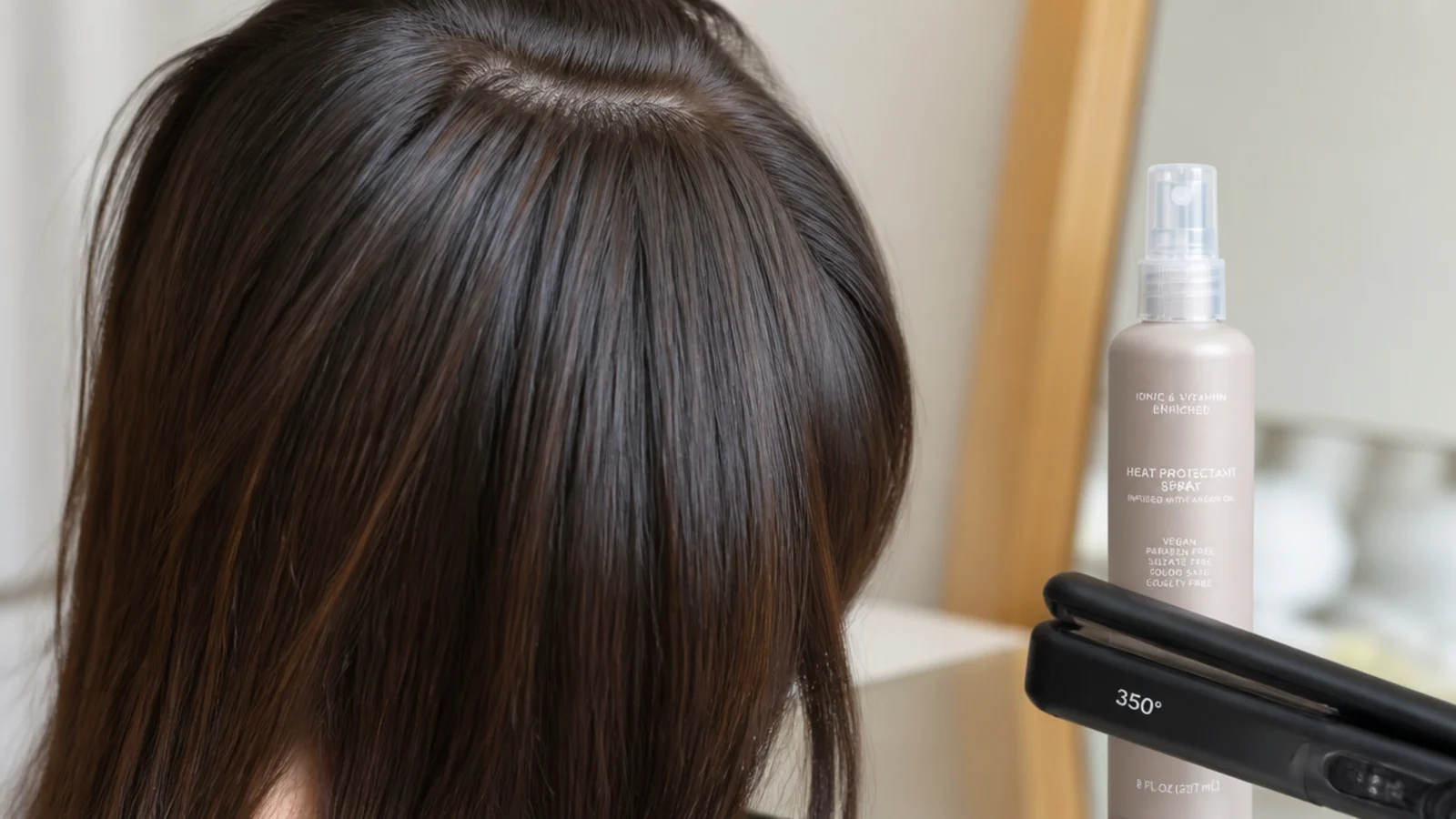
Heat does not slow growth, it destroys what already grew. Keep flat irons and curling wands to once a week, set fine or color-treated hair no higher than 300 to 330F and coarse hair no higher than 350 to 375F, and always mist a heat protectant on dry hair before the tool touches it. One slow pass beats three fast ones at the same temperature. If your ends look shorter every few months despite trims, this is usually the culprit, and the repair route is covered in how to fix frizzy hair.
Who it suits: Anyone who straightens or curls more than once a week.
Tip: Blow dry to 80 percent dry on medium heat, then finish cool; the last stretch does the damage.
7. Detangle Wet Hair from the Ends Up with a Wide Tooth Comb
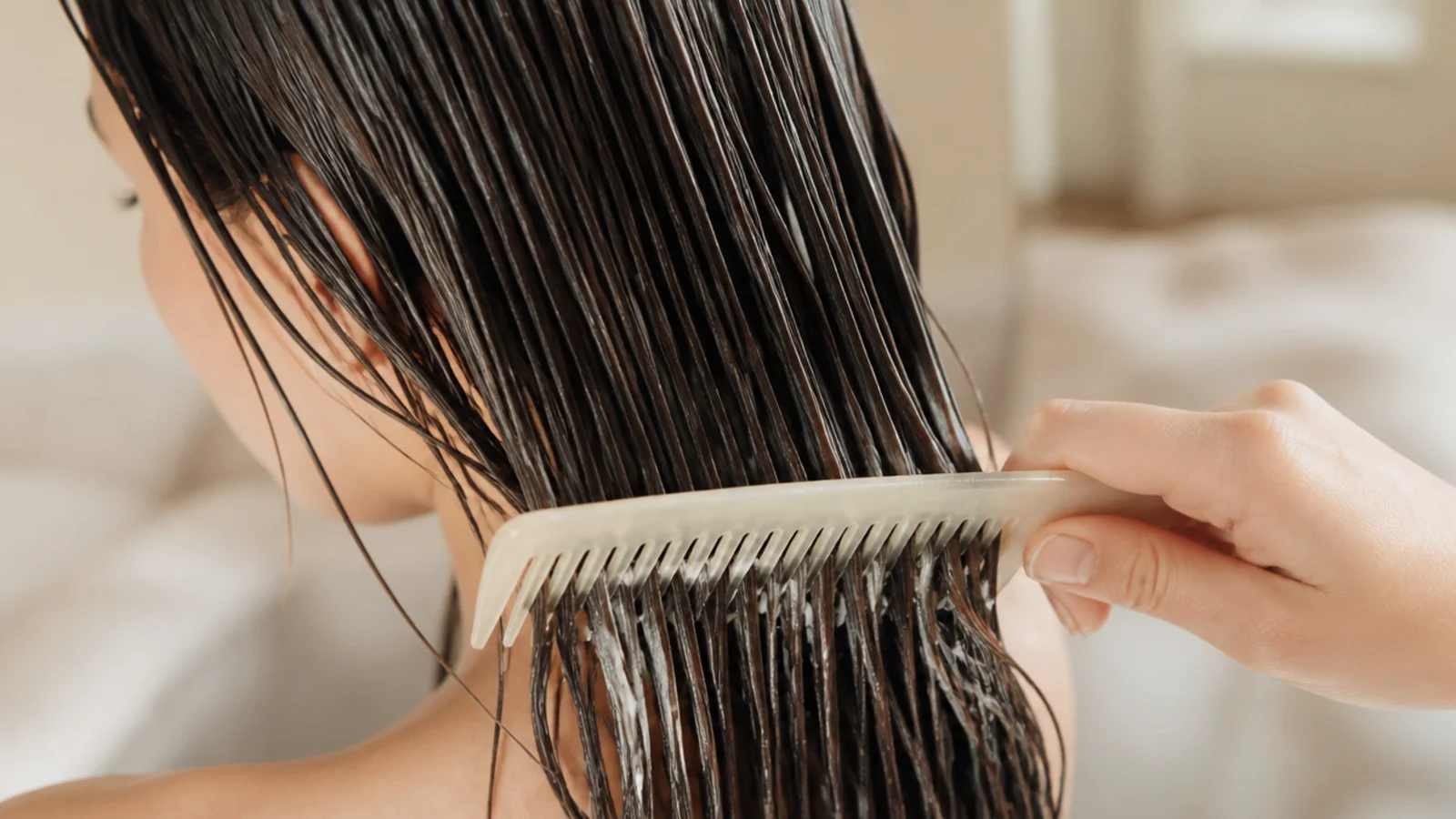
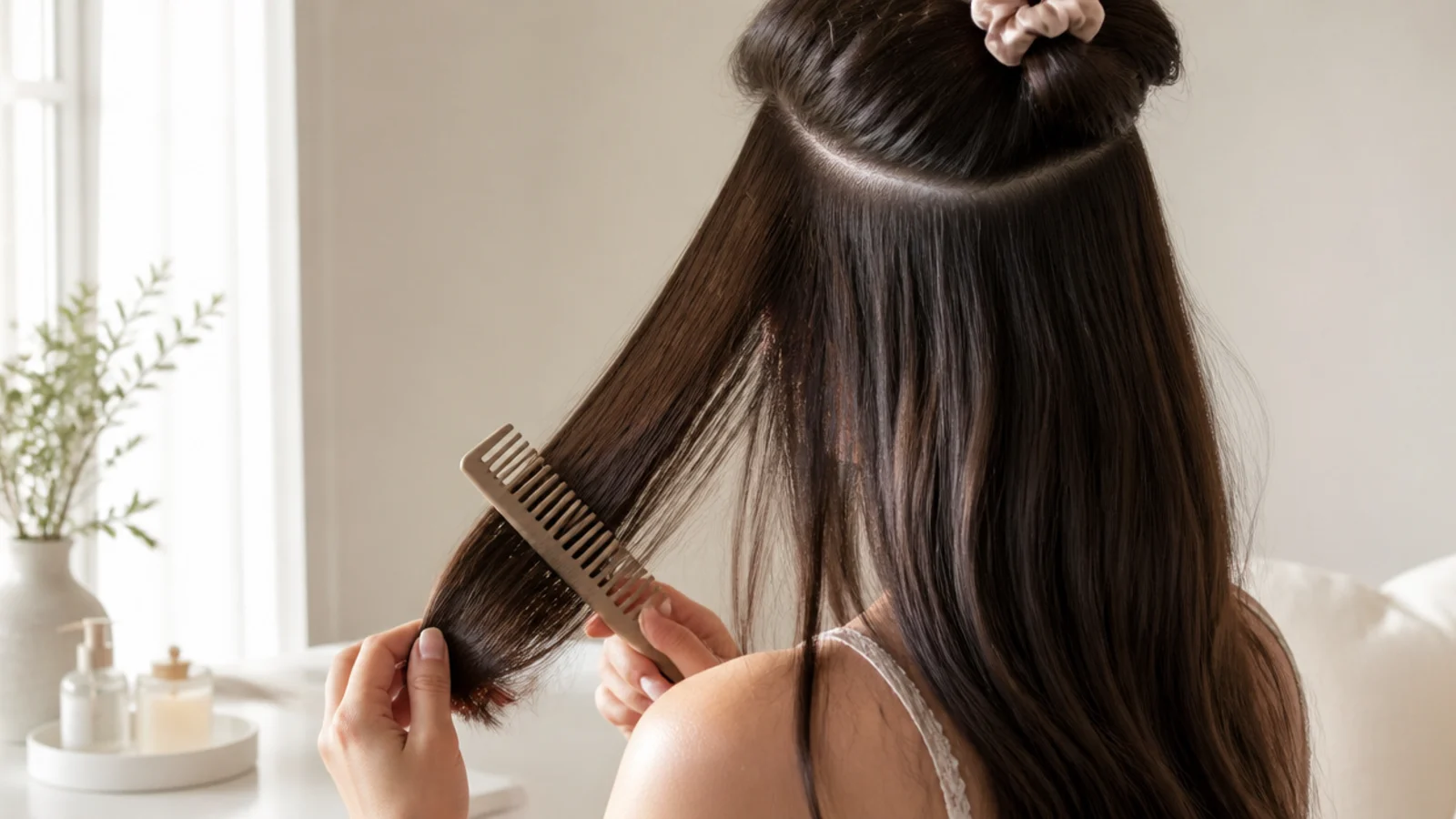
Wet hair is at its most fragile because water swells the shaft and weakens the internal bonds, so ripping a brush from root to tip while soaking is the most efficient way to lose length there is. Detangle with conditioner still in, use a wide tooth comb or your fingers, and start at the last two inches and work up in sections. It adds about three minutes and it visibly reduces what comes out in your hands.
Who it suits: Curly, wavy and long hair that tangles in the shower.
Tip: Keep a slippery conditioner in for detangling, then rinse; slip is what saves the strand.
8. Weekly Clarifying Wash to Clear Scalp Buildup
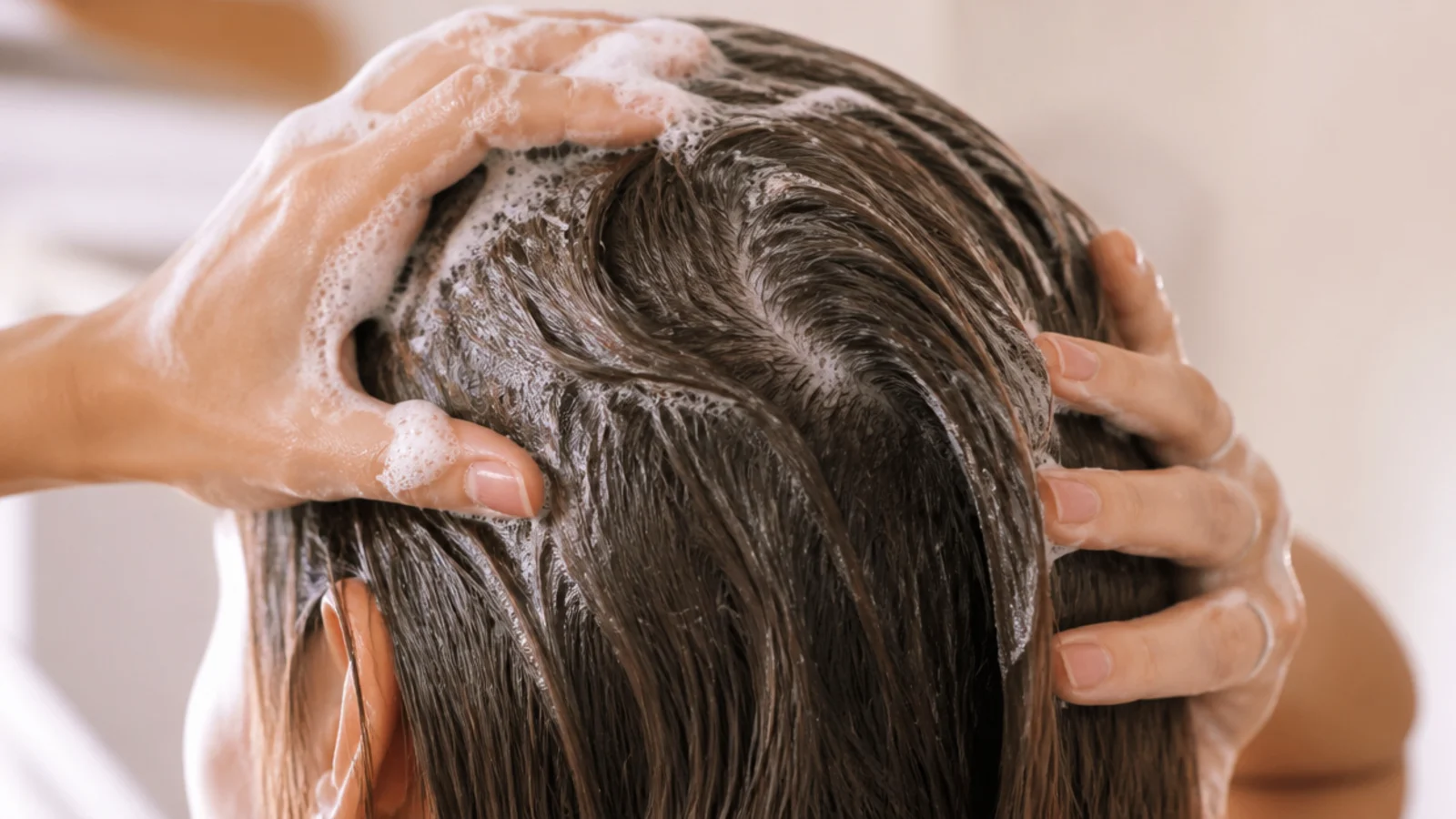
A follicle sitting under weeks of oil, dry shampoo and heavy butters is an irritated follicle, and flaking or itch usually means buildup rather than dryness. Use a clarifying shampoo every one to four weeks depending on how much product you use, focused entirely on the scalp with the lengths only getting the runoff. Follow with conditioner on the mid lengths and ends. A clean scalp supports the follicle, but no shampoo beats genetics.
Who it suits: Dry shampoo users, gym regulars and heavy oil or butter users.
Tip: Two short lathers on the scalp clean better than one long one on the lengths.
9. Deep Conditioning Mask for 20 Minutes Every Wash Day
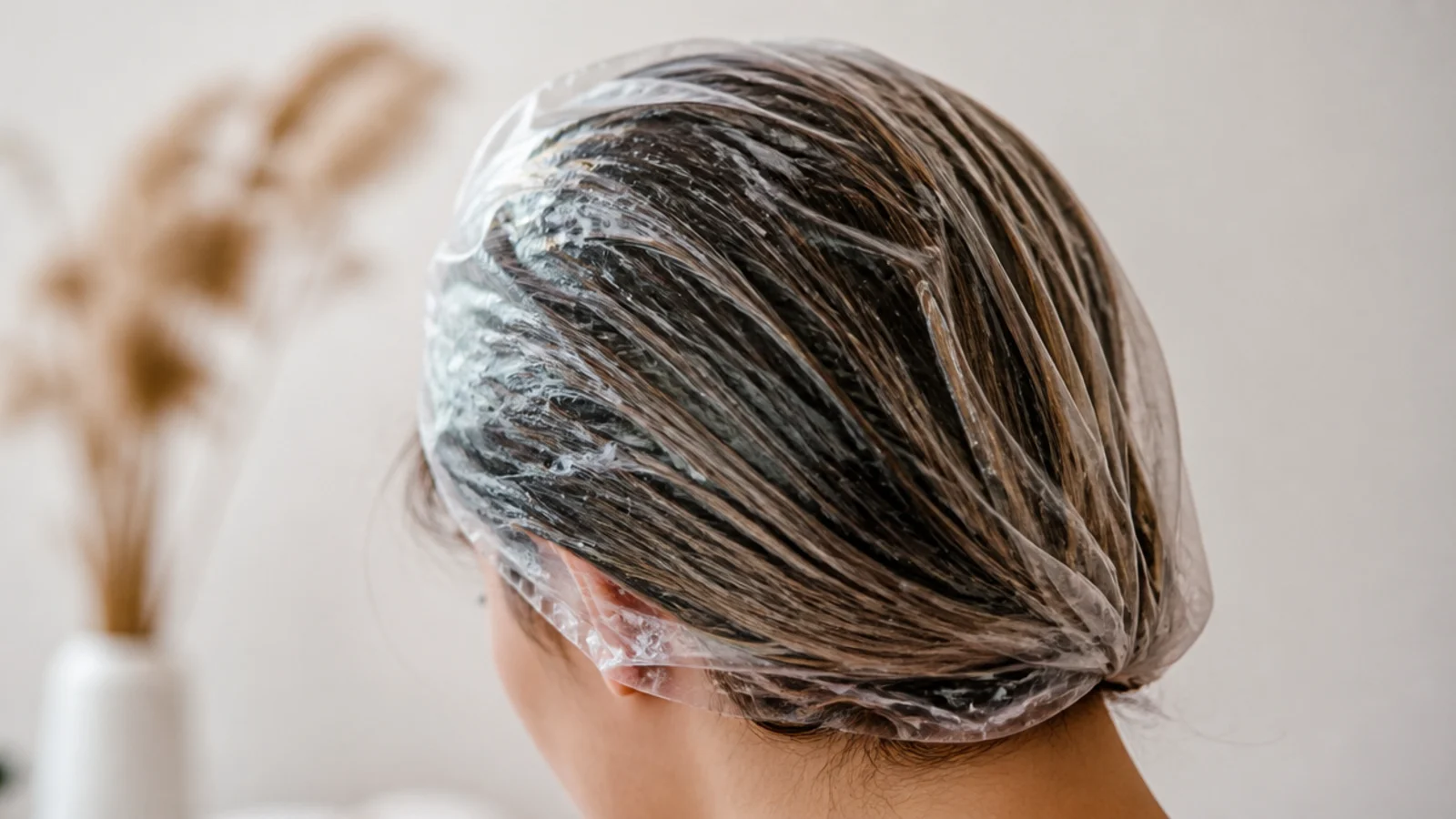
A rinse-out conditioner sits for two minutes; a mask needs 15 to 20 with warmth to actually soften the cuticle. Apply from the ears down, clip it up, add a plastic cap and let body heat do the work. Softer hair tangles less, tangles less means breaks less, and breaks less is the whole game. Once a week is plenty for most hair. Our hair mask guide covers formulas by texture.
Who it suits: Color-treated, heat-styled, coily and generally dry hair.
Tip: Never sleep in a mask; over-conditioned hair goes limp and mushy and snaps just as easily.
10. Protein and Moisture Balance Checked with the Stretch Test
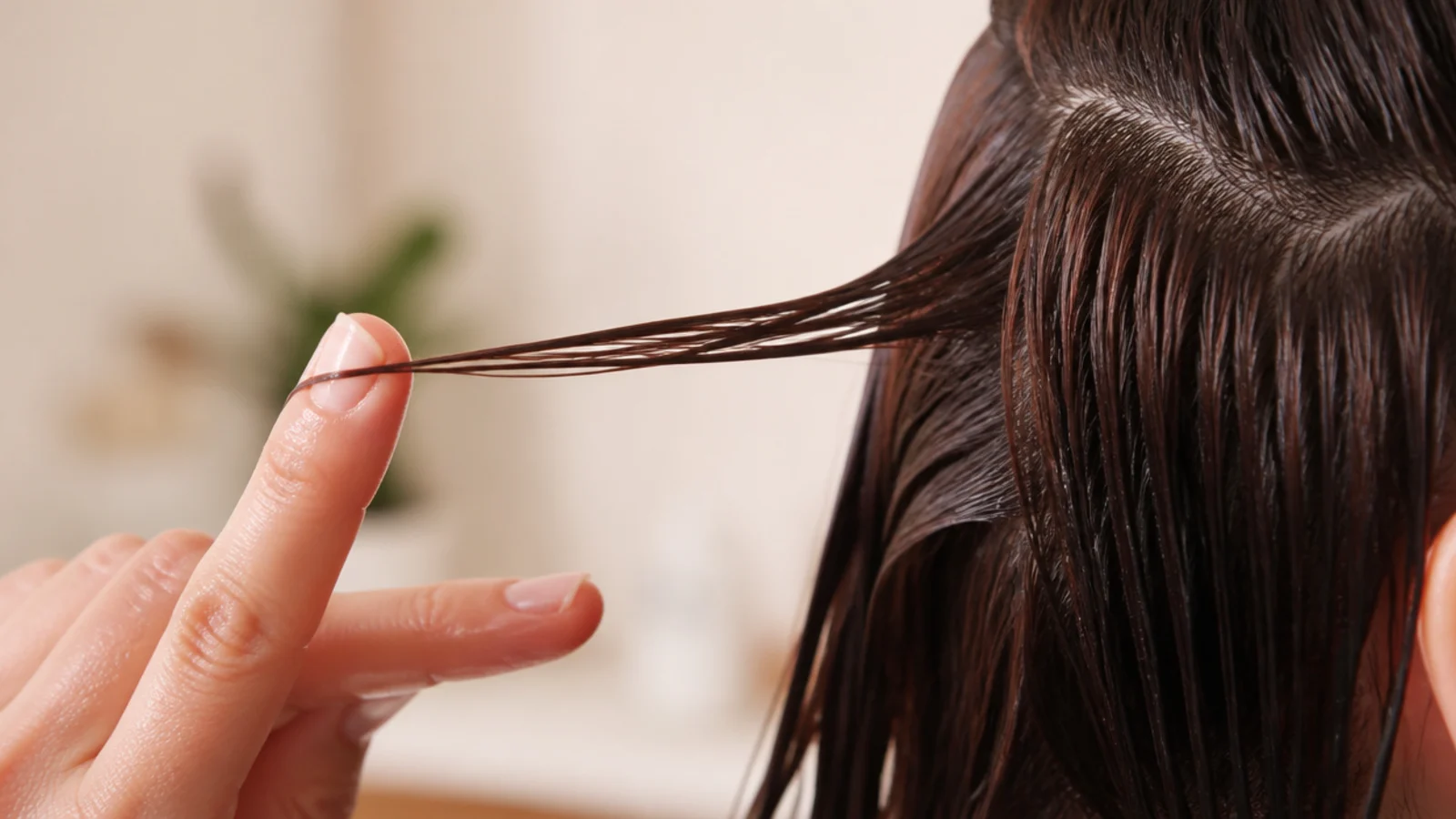
Take one wet shed strand and pull it gently. If it stretches a long way and stays limp, it needs protein. If it snaps almost immediately with no give, it needs moisture. Most people guess wrong and pile on whichever they already have too much of, which is why hair can feel worse after an expensive treatment. Do the test monthly and alternate a protein treatment and a moisture mask based on the answer, not on the label.
Who it suits: Anyone whose hair suddenly feels straw-like or mushy after a routine change.
Tip: Hydrolyzed protein treatments belong every 4 to 6 weeks, not every wash day.
11. 60 to 90 Grams of Protein a Day for Keratin Supply

Hair is mostly keratin, a protein, and a genuinely low-protein diet is one of the few dietary situations that reliably shows up in your hair. Most adults do fine in the 60 to 90 gram range across eggs, fish, poultry, Greek yogurt, lentils and beans. What does not happen is a bonus: eating double will not push growth past your normal rate. Crash dieting and rapid weight loss, on the other hand, trigger shedding a few months later.
Who it suits: Anyone dieting, recovering from illness or eating erratically.
Tip: Spread protein across meals rather than loading it all into dinner.
12. Iron and Ferritin Tested Before Buying Any Supplement

Low ferritin, low vitamin D, thyroid trouble and low zinc are the deficiencies most often behind diffuse shedding, and they are all cheap blood tests. Fixing a real deficiency does restore growth. Guessing does not, and iron supplements taken without a deficiency are actively unsafe. Ask a doctor for ferritin specifically rather than just hemoglobin, since ferritin can be low while a standard iron panel still reads normal. This is the highest-value test on the list.
Who it suits: Heavy periods, vegetarian diets, postpartum and sudden diffuse shedding.
Tip: Take the test before you spend anything on gummies; the results decide what is worth buying.
13. Biotin Only If a Deficiency Is Confirmed

Biotin is the most oversold ingredient in the category. True biotin deficiency is rare and it does cause hair loss, and supplementing fixes it. If you are not deficient, high-dose biotin does nothing for growth and can skew thyroid and cardiac blood tests, which is a real clinical problem, not a technicality. Tell any doctor ordering bloodwork that you take it. Save the 20 to 40 dollars a month for a satin pillowcase and a good trim instead.
Who it suits: People with a diagnosed deficiency, and almost nobody else.
Tip: Stop biotin about three days before bloodwork so the results are readable.
14. Microfiber Towel or Cotton T-Shirt Instead of Terry Cloth

Terry loops catch the raised cuticle of wet hair and lift it, and the vigorous rub-and-twist most people do at the sink is pure mechanical damage at the most vulnerable moment. Squeeze, do not rub. A microfiber towel or an old cotton t-shirt costs almost nothing and cuts frizz noticeably within a week or two, which is a good early sign that you are losing fewer strands. More in our frizzy hair routine.
Who it suits: Curly, wavy, fine and color-treated hair.
Tip: Blot for 30 seconds, then let it air dry to about 60 percent before touching a brush.
15. Swap Elastic Bands for Spiral Coils and Satin Scrunchies
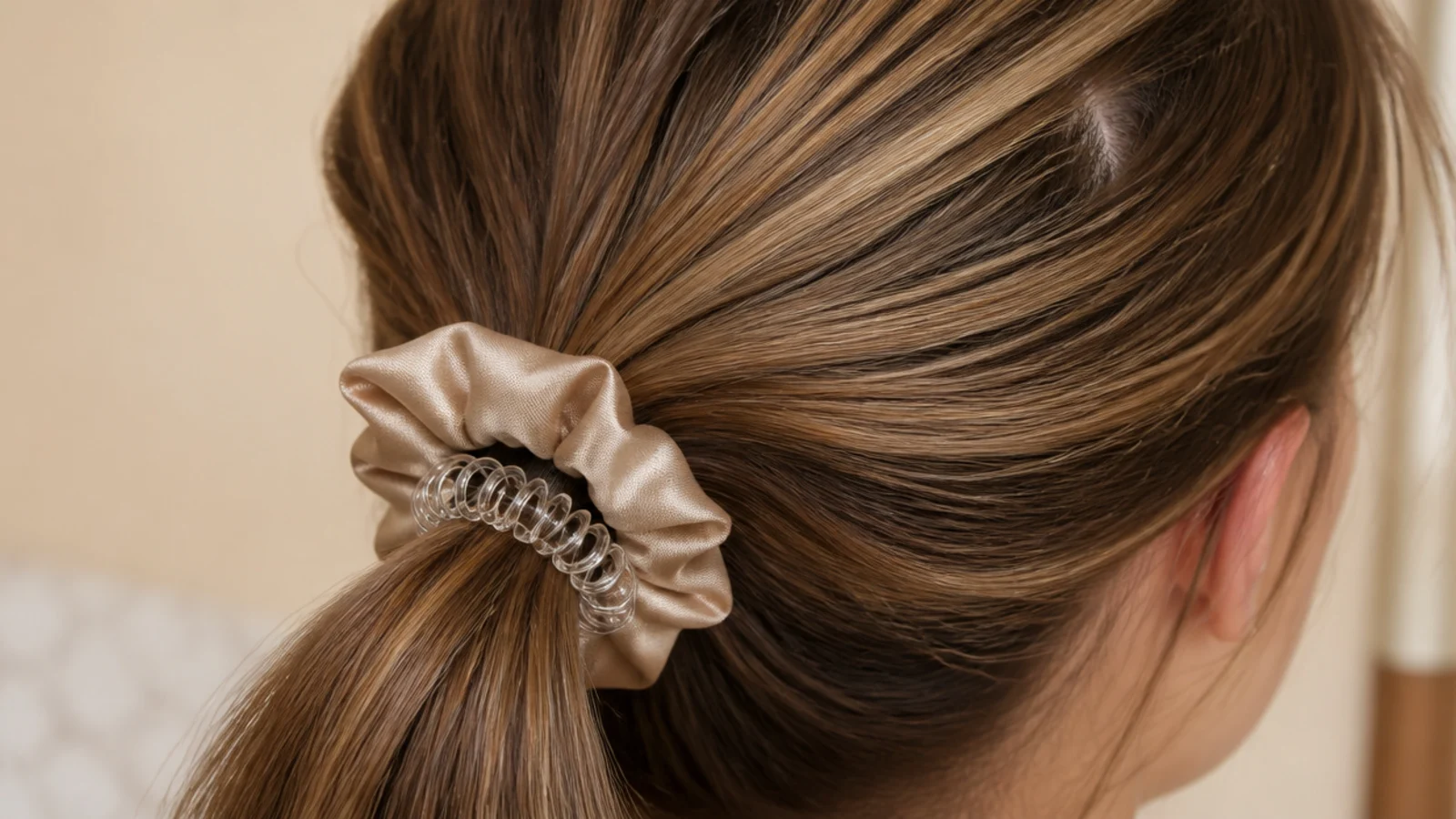
A snap band with a metal clasp concentrates all the tension on a thin line of hair, and that is exactly where most people find a permanent snapped patch after a year of ponytails. Spiral coils spread the pressure, satin scrunchies add zero friction, and both cost a few dollars. Change the height of your ponytail day to day so the stress point moves. This is a five-second habit with an outsized effect on mid-shaft breakage.
Who it suits: Daily ponytail and bun wearers, gym regulars and long hair.
Tip: Never tie hair up while soaking wet; that is when the tension does the most damage.
16. Lukewarm Final Rinse and Washing 2 to 3 Times a Week
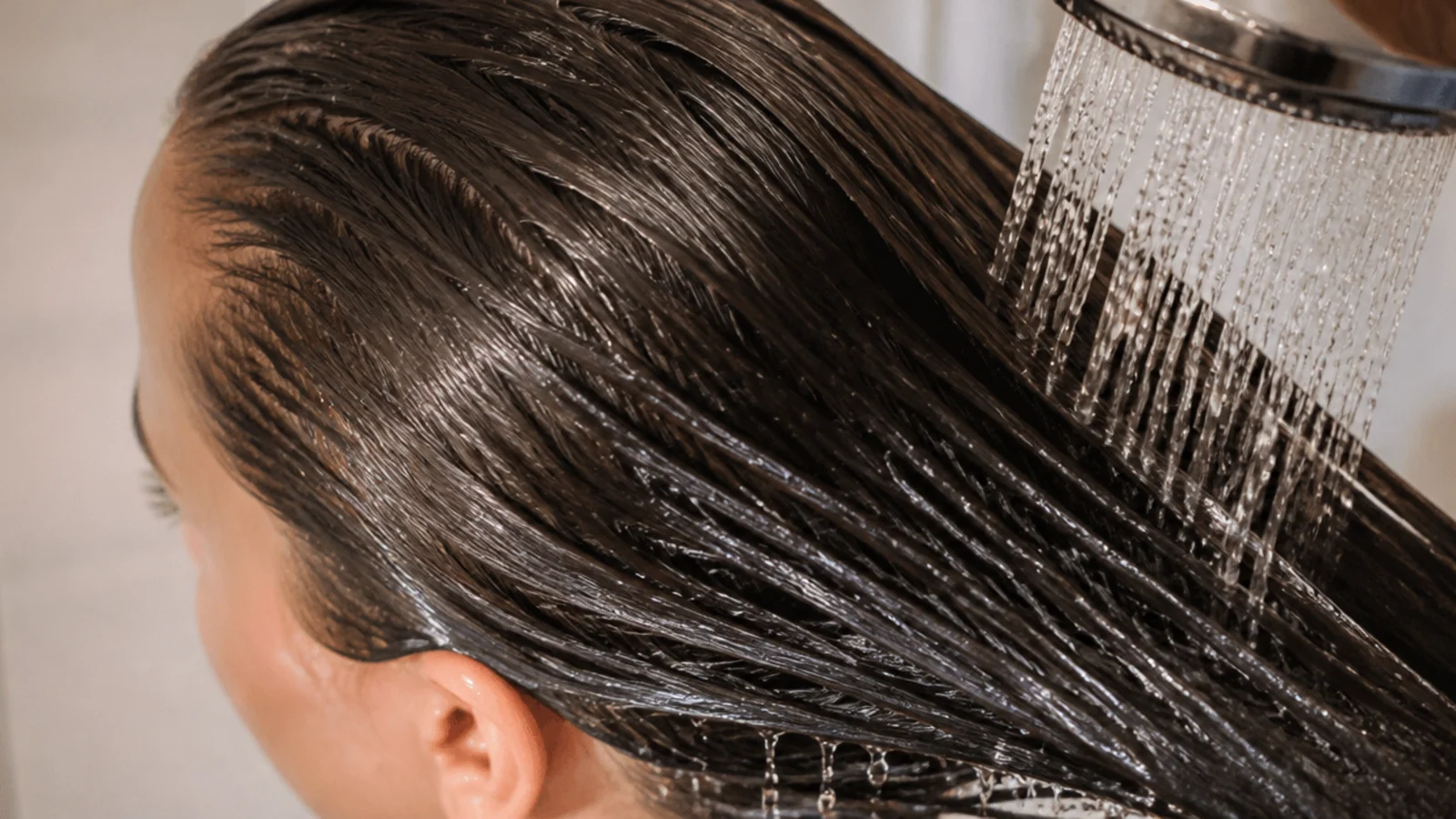
Very hot water strips sebum and leaves the cuticle raised, which reads as frizz and tangles the moment you towel off. Wash in warm water and finish with a cooler rinse for 10 seconds. On frequency, two to three washes a week suits most hair, daily suits fine oily hair and once weekly suits coily hair. Washing less does not make hair grow faster, it just leaves buildup, which is the opposite of a healthy scalp.
Who it suits: Anyone whose hair frizzes immediately after showering.
Tip: Cool rinse the lengths only; you can keep the scalp wash comfortably warm.
17. Loose Low Ponytail Instead of a Tight Slicked Bun for Edges
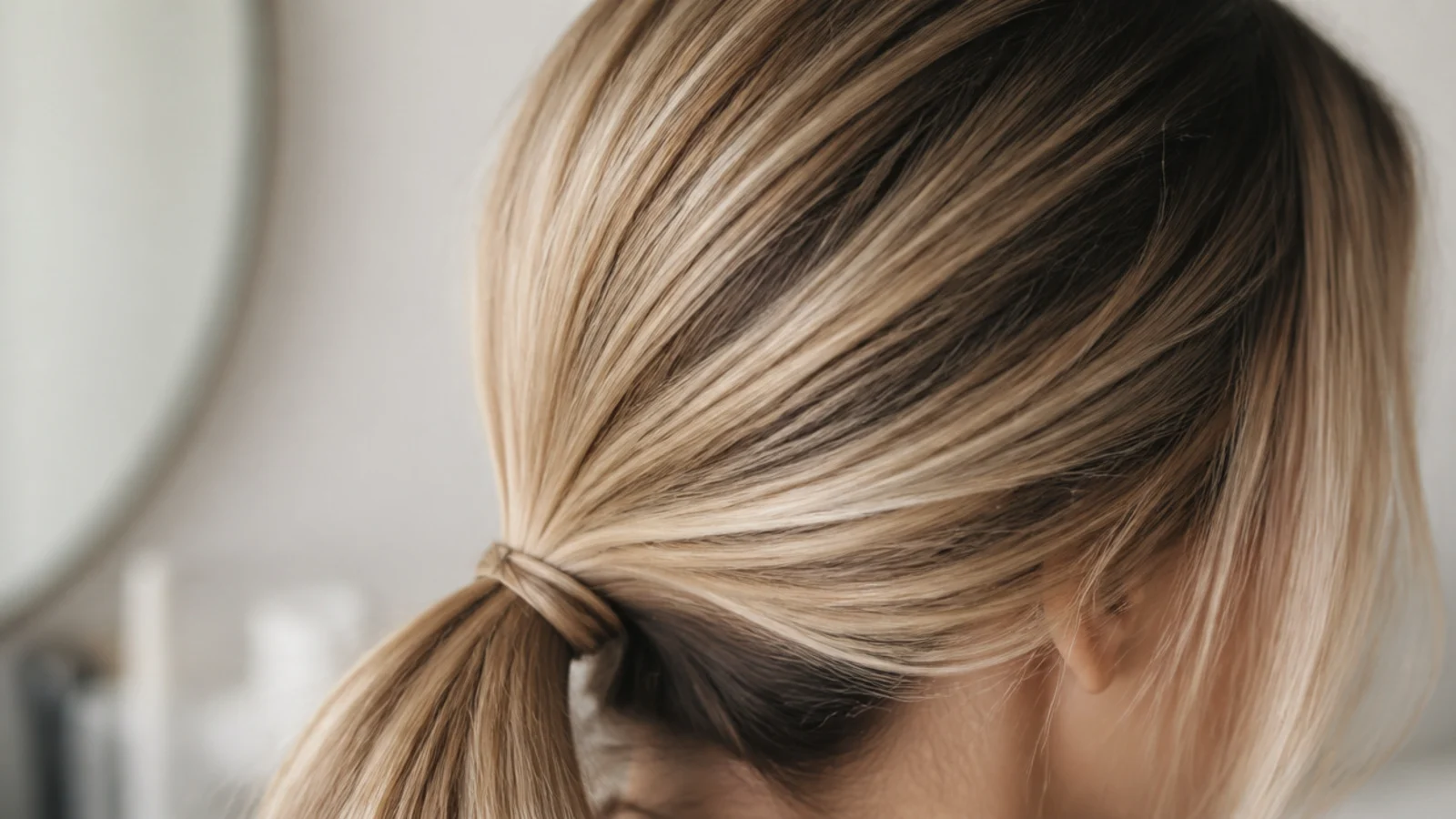
Repeated tension on the hairline causes traction alopecia, and it is the most preventable form of hair loss there is. Slicked buns, tight braids, heavy extensions and daily edge-laying all pull on the finest, most fragile hairs you own. Caught early it regrows; left for years the follicle can scar and stop producing. Rotate a loose low style in at least three days a week. Try a low messy ponytail as the alternative.
Who it suits: Anyone with thinning edges, dancers, nurses and daily bun wearers.
Tip: Headaches, bumps or tenderness after styling are your signal to loosen it immediately.
18. Sun and Chlorine Protection with a Pre-Swim Rinse
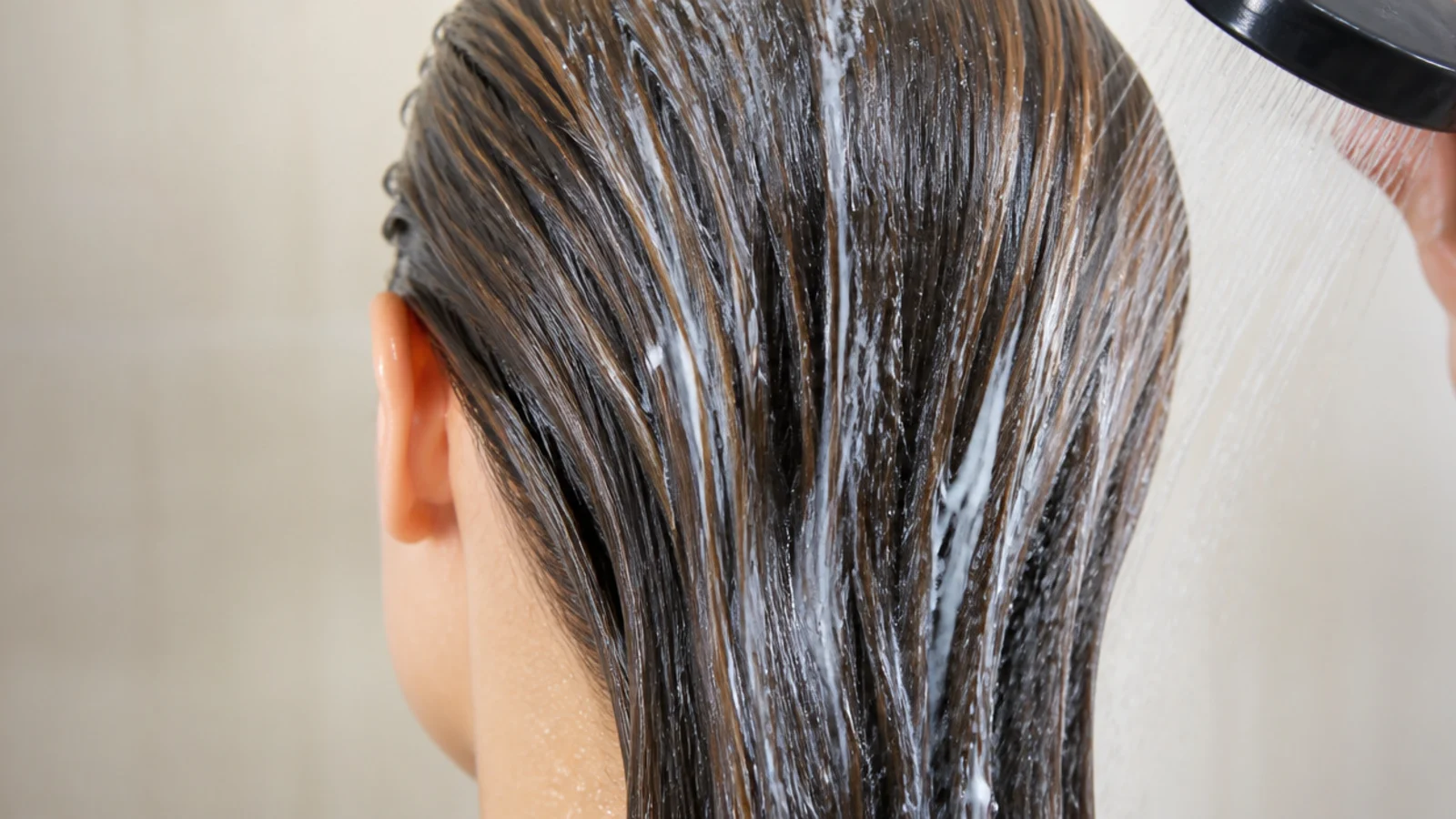
Hair soaked in clean water first absorbs far less chlorinated or salt water, so a 30 second rinse plus a coat of conditioner before you swim keeps the pool out of the shaft. UV degrades keratin and fades color too, so a hat or a UV-filter spray earns its place in summer. None of this speeds growth, but a summer of chlorine and sun can undo six months of retention, which amounts to the same thing.
Who it suits: Swimmers, beach holidays and bleached or highlighted hair.
Tip: Rinse again within an hour of getting out, before the chlorine dries in.
19. Minoxidil 5 Percent for Thinning, After a Doctor Visit
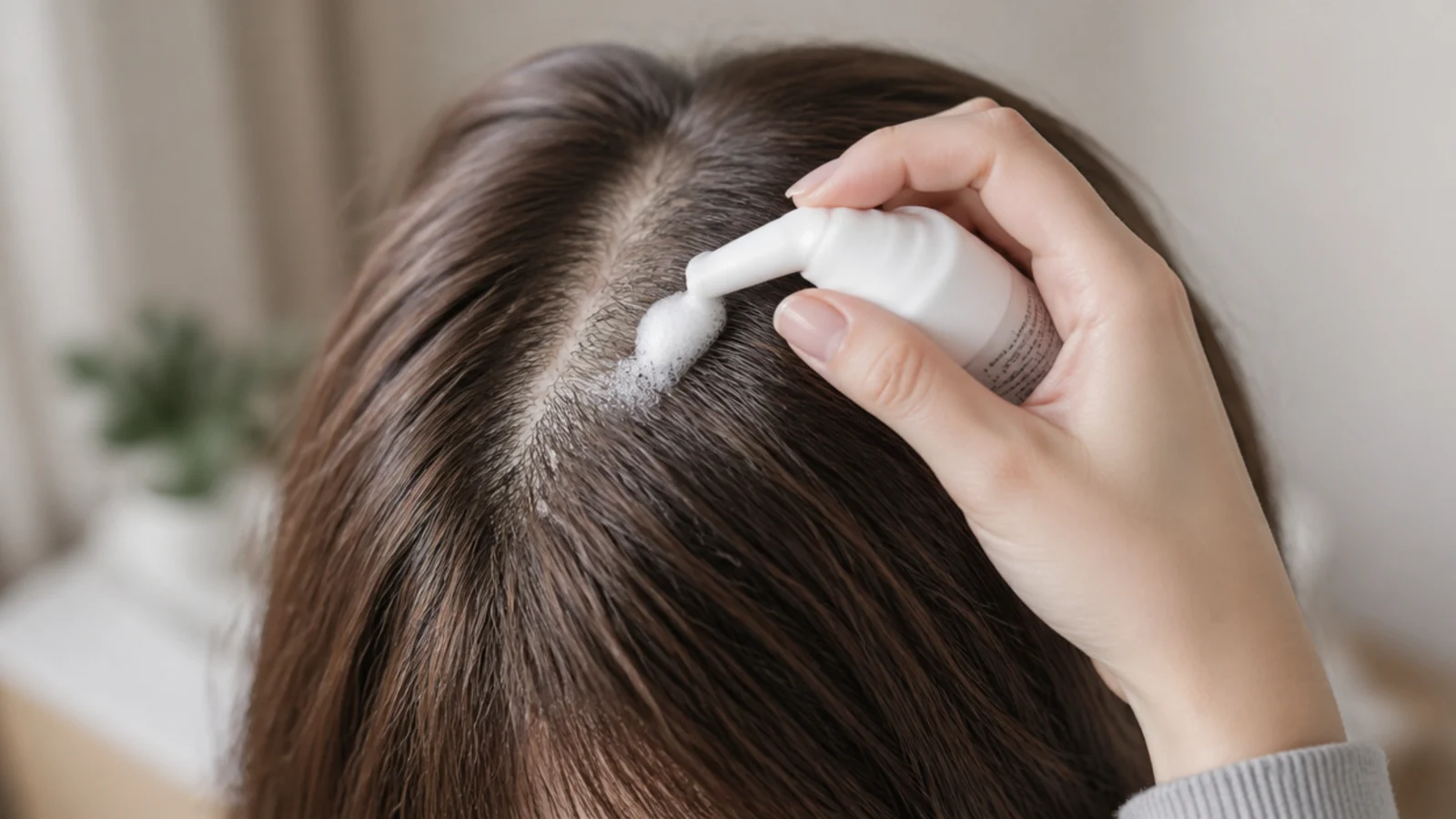
Topical minoxidil is the strongest over-the-counter option for pattern thinning, and it is the only item on this list that is a medicine rather than a habit. It needs daily use, results take three to six months, there is often a shedding phase first, and stopping reverses the gains. It treats thinning, not slow growth on healthy hair. Get a diagnosis before you start, because different types of hair loss need completely different treatments.
Who it suits: Widening part, visible scalp or a receding hairline, after medical advice.
Tip: Take a baseline photo on day one; three-month progress is invisible without one.
20. Length Check Photos Every 8 Weeks Against a Wall Marker
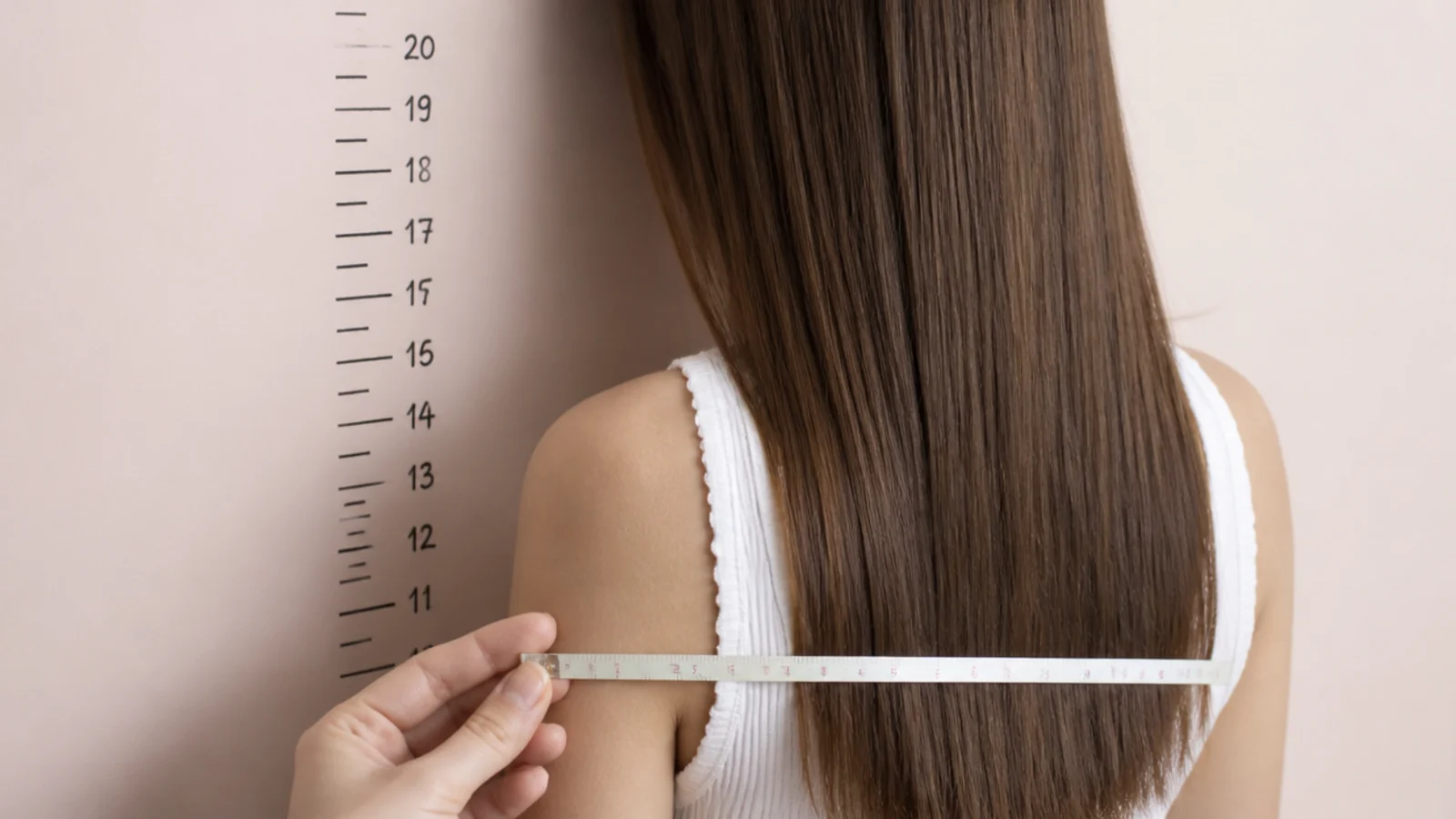
You cannot judge half an inch a month by feel, which is why people abandon routines that were working. Mark a spot on a wall, stand in the same place with hair stretched and dry, and shoot the same back view every eight weeks. Curly and coily hair must be stretched for the photo, since shrinkage can hide most of your true length. Six months of photos tells you more than any product review ever will, and pairs well with the habit checklist in tips for hair growth.
Who it suits: Anyone convinced their hair has not grown in a year.
Tip: Same lighting, same shirt, same parting; comparison only works if the variables hold still.
How Fast Hair Actually Grows and What You Control
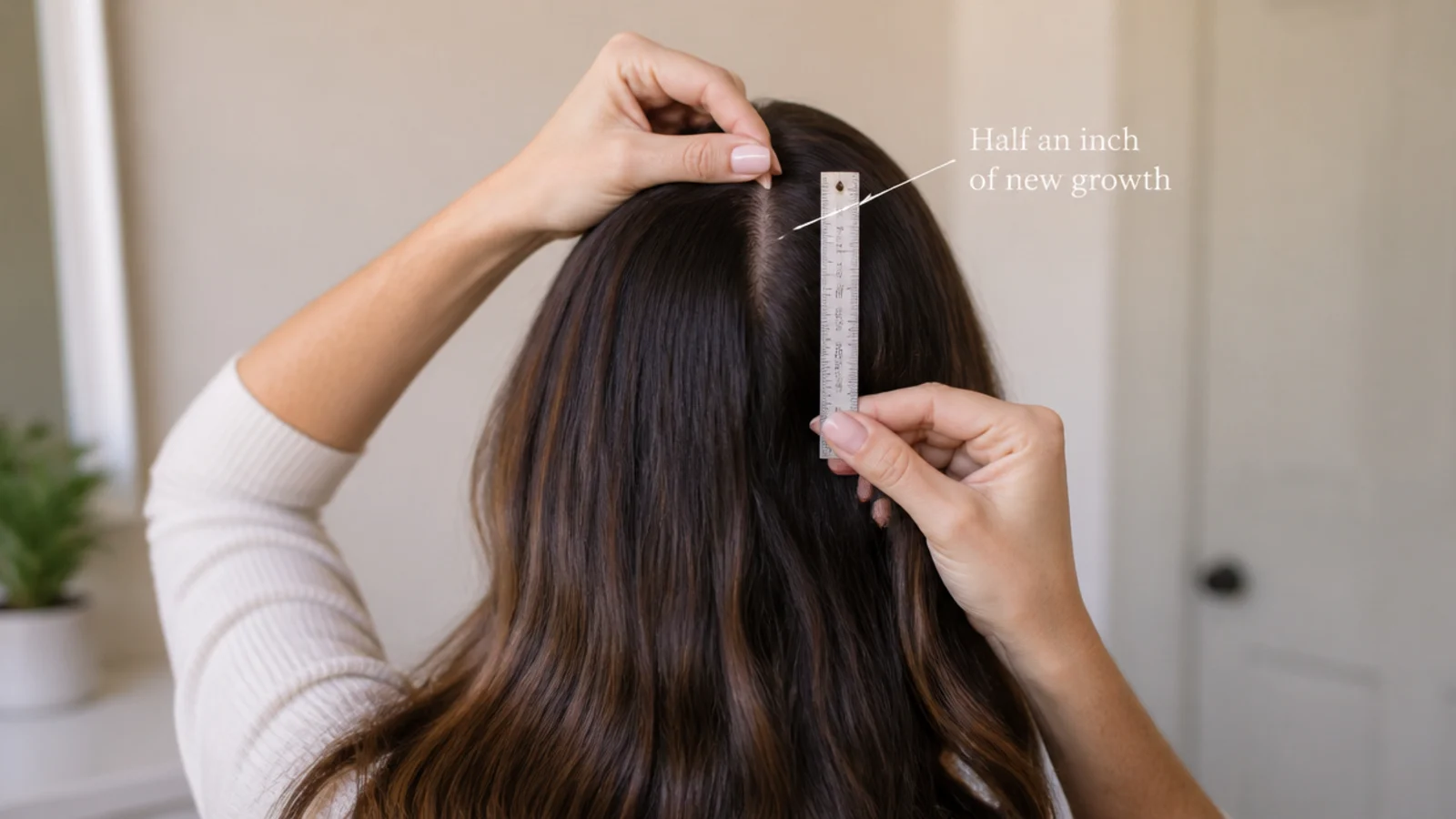
Scalp hair grows roughly half an inch a month and about six inches a year, and around 80 to 90 percent of your follicles are in the growing phase at any moment. That rate drifts a little with age, health, pregnancy and hair type, and it is largely set by genetics. Genetics also sets your terminal length, which is the point where a hair naturally sheds before it can get longer. That is why some people reach the waist and others plateau at the bra strap no matter how careful they are. Nothing you can buy overrides it. So the honest version of hair growth tips faster is this: you cannot meaningfully speed up the root, but you can stop losing the inches it already produced. Everything in the comparison table above is sorted on that basis, and the retention column is where the wins are. If you want the fundamentals in plain language, start with hair growth tips.
Scalp Health: The Only Place a Topical Can Reach the Follicle
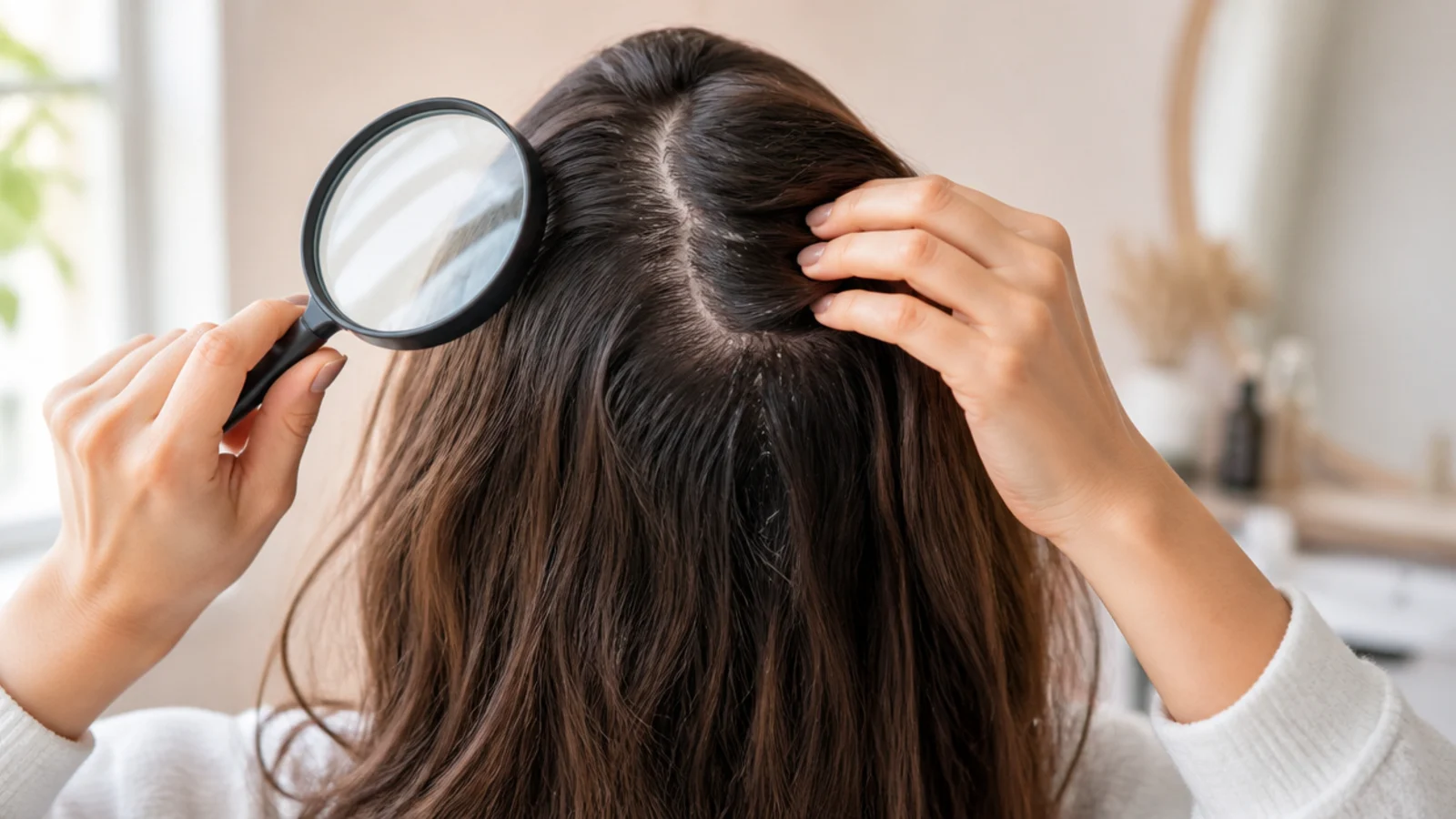
The follicle is skin, so scalp care is skin care. A scalp buried under dry shampoo, styling cream and sebum gets irritated, and chronic irritation is not a growth-friendly environment. The routine that matters is small: wash the scalp properly rather than just rinsing the lengths, clarify every one to four weeks, and massage for four or five minutes a day with fingertip pads. Diluted rosemary oil two or three nights a week is a reasonable add-on with the best evidence of any botanical, though the study behind it is small. What scalp care will not do is beat your genetics, and any product claiming to double your growth rate is describing something biology does not do. Treat flaking, itching, soreness or a persistent smell as a signal to see a dermatologist rather than a reason to buy a stronger oil. Natural approaches are covered further in natural hair growth tips.
Breakage vs Growth: Why Your Hair Stalls at Shoulder Length
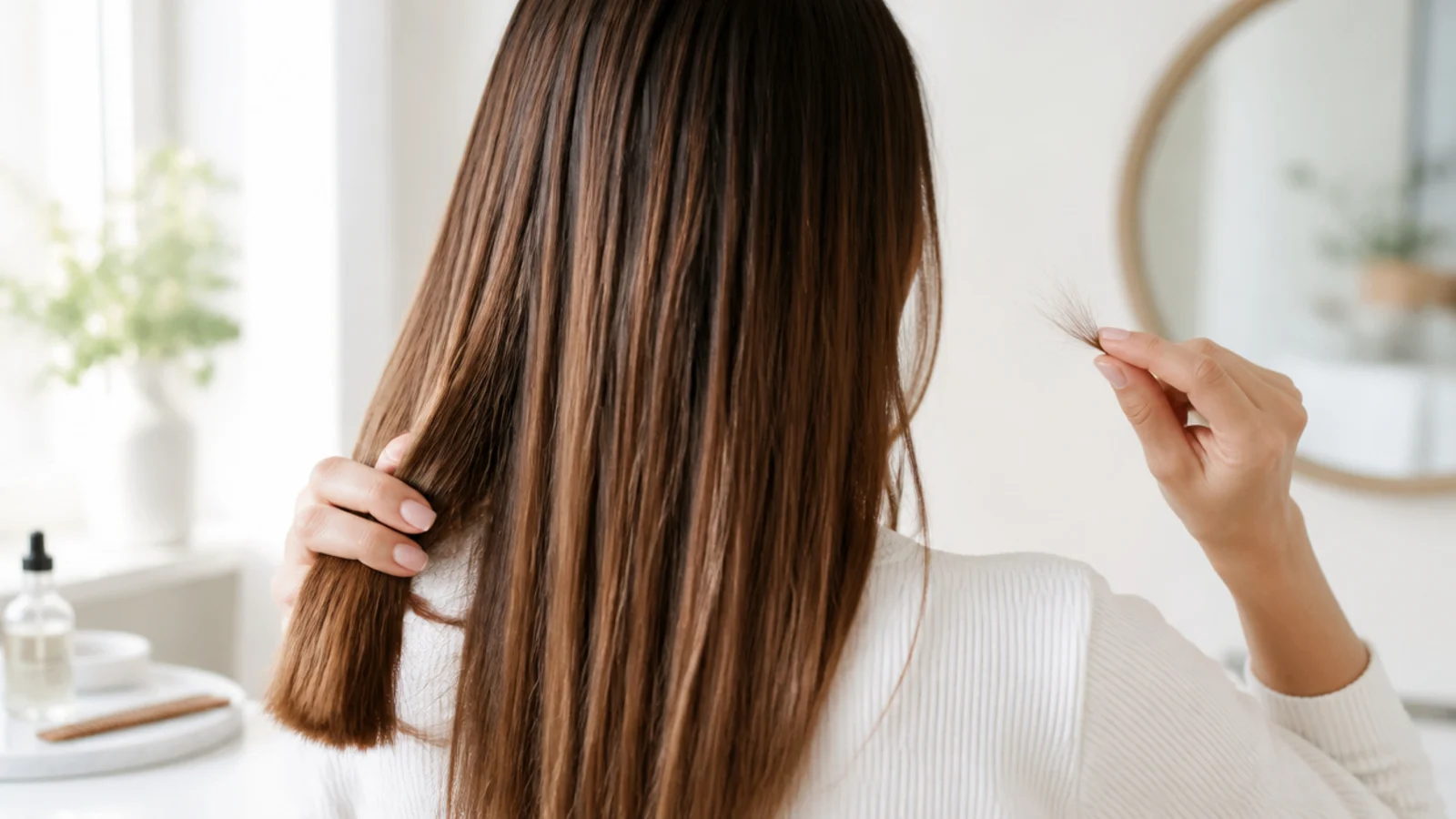
Here is the arithmetic that explains most plateaus. You grow six inches a year. If your ends break off at roughly the same pace, your hair looks identical in December and January and you conclude it stopped growing. It did not, it just never made it past your collar. Tell the difference by looking at what falls out: a shed hair has a small white bulb at the root end and comes from the follicle, while a broken piece is short, has no bulb and often has a frayed or split end. Piles of short broken pieces on the bathroom floor mean breakage, and breakage responds to handling, not to supplements. The heaviest contributors are heat, aggressive wet detangling, terry towels, tight elastics and cotton pillowcases, and every one of those is free or nearly free to fix. Split ends also travel upward, which is why skipping trims to save length usually costs more length than it saves. Rough, flyaway ends are often the same damage that drives frizz, so the frizzy hair board overlaps heavily with retention.
Routine, Protective Styling and Heat: The Biggest Controllable Factor
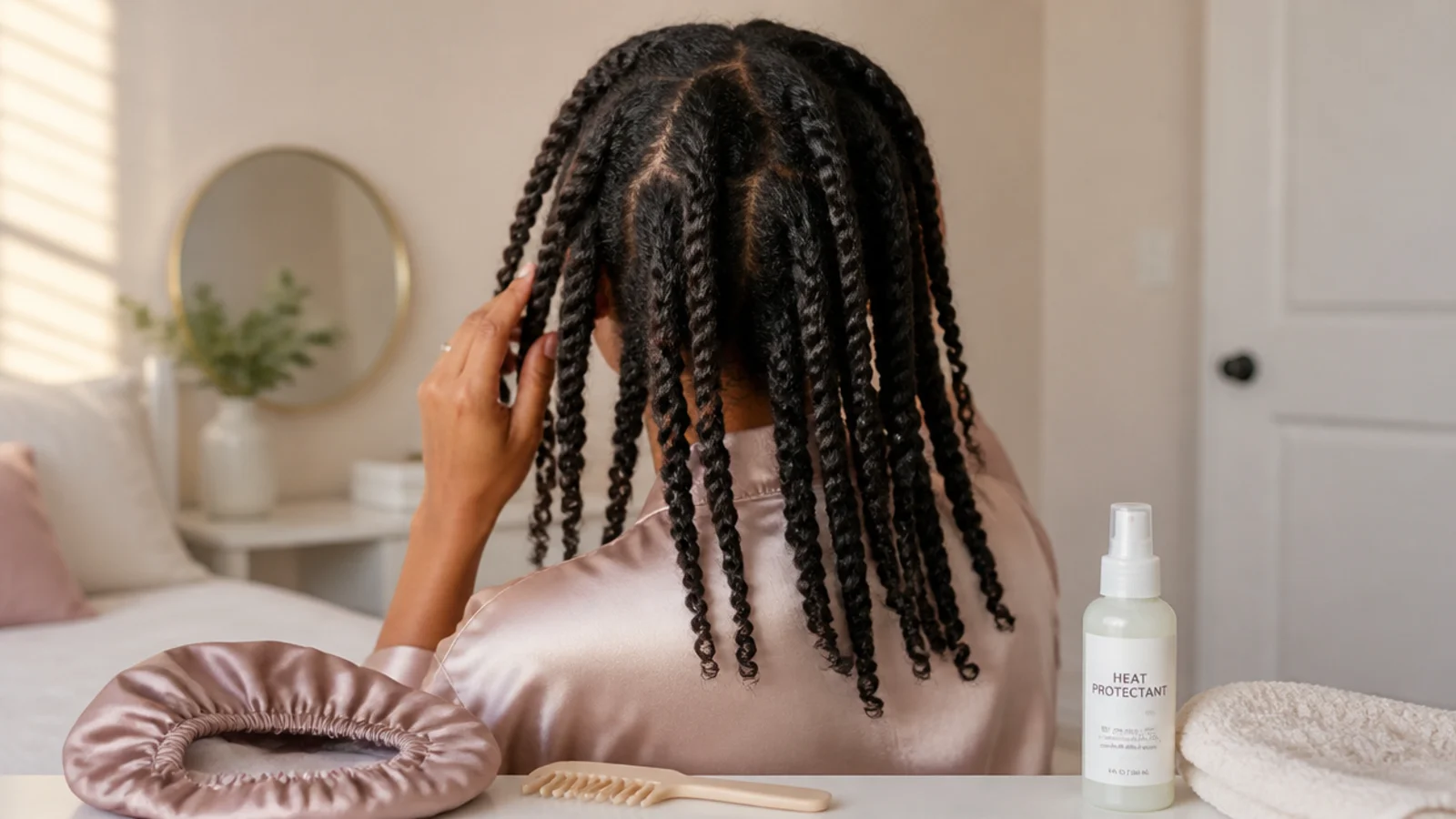
Mechanical damage is the largest lever you actually hold, and the routine is boring on purpose. At night, satin pillowcase or bonnet, and loose twists or a low braid rather than hair loose against the sheets. On wash day, detangle with conditioner in, from the ends up, with a wide tooth comb. Between washes, low manipulation: fewer restyles, softer ties, no ripping through dry knots. For heat, once a week at most, protectant every time, and a temperature ceiling of about 300 to 330F for fine or colored hair and 350 to 375F for coarse hair. Protective styles like braids and twists tuck the ends away for two to six weeks at a time, which is genuinely effective as long as they are never tight enough to hurt. Two to six weeks in, one week out, is a sustainable rotation, and softer sets like easy mermaid braids put far less load on the hairline than heavy extensions. Practical at-home versions of all of this live in hair growth tips faster at home.
Diet and Supplements, With Honest Limits

Nutrition works one way: correcting a shortfall restores normal growth, and exceeding your needs does nothing extra. Low ferritin, low vitamin D, low zinc, thyroid disorders and rapid weight loss are the usual nutritional suspects behind diffuse shedding, and all are testable. Protein matters because hair is keratin, and 60 to 90 grams a day covers most adults without any special effort. Beyond that, hair vitamins are the least evidence-backed category in the whole market. Biotin only helps a genuinely deficient person and can distort thyroid and cardiac lab results, which is worth telling your doctor about. Collagen, gummies and hair-skin-nail blends mostly deliver nutrients you already get. The sensible sequence is test first, correct what is low, then judge after six months. Anyone with sudden, patchy or heavy shedding should be seeing a doctor rather than reading a supplement label.
Specific Concerns: Edges, Thinning, 4C Hair and Postpartum Shedding
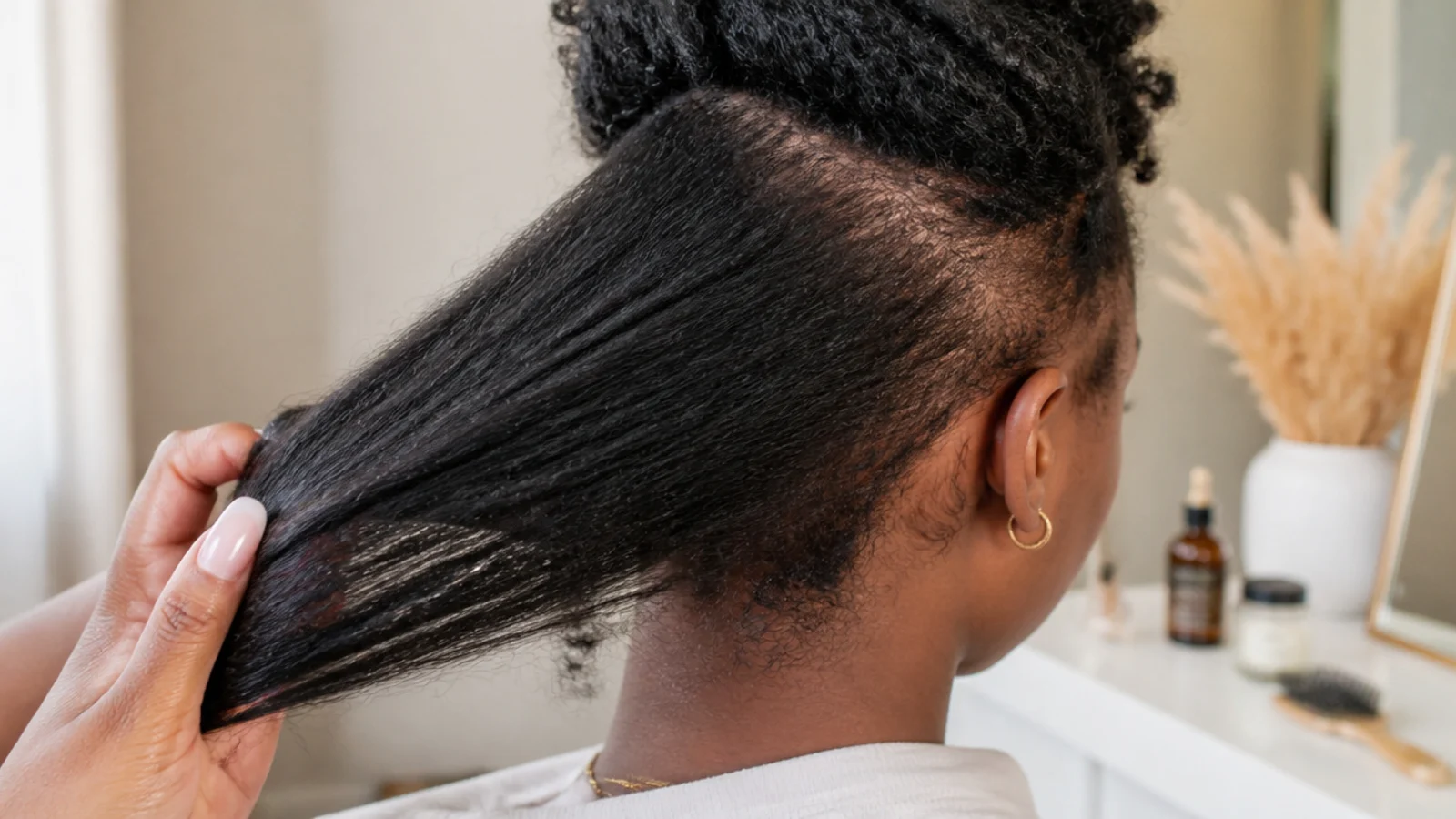
Different problems need different answers. Thinning edges usually come from tension, and traction alopecia is reversible early and permanent late, so loosen styles at the first sign of tenderness or little bumps. A widening part or visible scalp at the crown points toward pattern thinning, where minoxidil and a proper diagnosis matter more than any oil. Coily and 4C hair is not slow growing, it is fragile at the bends of each curl and it can shrink up to 75 percent, so length must be judged stretched, moisture must be sealed, and detangling must be done wet with plenty of slip. Postpartum shedding around three to five months after birth is telogen effluvium, it is normal, and it generally resolves within six to twelve months. Texture-specific advice is in hair growth tips for black women, and the male-pattern side is covered in hair growth tips for men. Persistent or patchy loss always warrants a doctor or trichologist.
Frequently Asked Questions
How do I grow my hair fast naturally?
You cannot push the growth rate much past its natural half inch a month, so the fastest visible progress comes from keeping what grows. Trim a quarter inch every 8 to 12 weeks, sleep on satin, detangle wet hair from the ends up, cap heat at once a week and switch to soft ties. Add daily scalp massage for the follicle side. Expect to notice a difference at around six months.
Can you really grow hair faster overnight?
No. Hair grows about half an inch a month, which works out to roughly 0.017 inches a night, so nothing visible happens overnight regardless of what is applied. What overnight habits can do is prevent loss: a satin pillowcase or bonnet, loose braids and no tight ties mean you wake up with fewer broken strands. That is the honest version of an overnight hair growth tip.
How long does it take to speed up hair growth?
Give any routine a minimum of three months to show anything and six months to judge properly, because you are waiting on new growth to emerge and travel down the shaft. Breakage fixes like satin, gentle detangling and less heat show sooner, often within six to eight weeks, since your ends stop snapping right away. Take a length photo every eight weeks so you can actually see the change.
What foods make hair grow faster?
No food raises the growth rate above your genetic baseline, but a shortfall lowers it. Cover protein at 60 to 90 grams a day through eggs, fish, poultry, Greek yogurt, lentils and beans, plus iron-rich foods, zinc, omega-3s and vitamin D. Crash dieting and rapid weight loss commonly trigger shedding two to three months later, so consistent eating matters more than any single hair food.
What actually stimulates natural hair growth?
The two habits with any published support are daily scalp massage, where small studies found modest thickening after around six months, and diluted rosemary oil, which performed comparably to minoxidil in one small trial. Correcting a tested deficiency in iron, vitamin D or zinc also restores growth. Everything else on the market is either a breakage fix in disguise or marketing.
Why is my hair not growing past my shoulders?
Almost always breakage rather than slow growth, and occasionally your terminal length. Check what falls out: shed hairs have a tiny white bulb, broken pieces are short with no bulb. If you find short frayed pieces, the fix is handling, less heat, satin, gentle wet detangling and a real trim. If ends look fine and it still stalls for years, you may be at your genetic ceiling.
Do trims make your hair grow faster?
No. Nothing done to the ends changes what the follicle does at the root. Trims work by removing splits before they travel up the shaft and cost you far more length than the quarter inch you cut. Every 8 to 12 weeks suits most people, and every 12 to 16 weeks is enough if you wear protective styles and rarely heat style. Skipping trims entirely usually backfires.
Do hair growth supplements and biotin work?
Only if you are actually deficient. Biotin deficiency is rare, and in someone deficient supplementing does restore hair. In everyone else, high-dose biotin does nothing for growth and can distort thyroid and cardiac blood test results, so tell your doctor if you take it. Get ferritin, vitamin D, zinc and thyroid tested first, then supplement what is genuinely low rather than guessing.
Which hairstyles promote healthy hair growth?
Loose, low-tension styles that keep the ends tucked away. Loose braids, twists, low buns and a soft low ponytail on a satin scrunchie all reduce friction without pulling the hairline. Avoid slicked buns, tight cornrows, heavy extensions and daily high ponytails in the same spot. The reliable test is comfort: if the style hurts, gives you a headache or leaves bumps, it is damaging your edges.
When should I see a doctor about hair loss?
Go if shedding is sudden or heavy, if you see round bald patches, if your part is visibly widening, if your scalp is painful, scaly or itchy, or if hair loss comes with fatigue, weight changes or irregular periods. A doctor or trichologist can test for thyroid, iron and hormonal causes and identify scarring alopecias, which need medical treatment early. No oil or supplement substitutes for a diagnosis.
Which hair growth tips look are you saving?
If you take one thing from all 20 of these hair growth tips, take the ratio: your scalp adds about half an inch a month no matter what you buy, and your ends decide whether you ever see it. Satin at night, loose styling, a real trim every 8 to 12 weeks and gentle detangling on wet hair are unglamorous and they are the four habits that move the needle. Give any routine six months before you judge it, take a length photo against the same wall marker every eight weeks, and treat supplements as a fix for a tested deficiency rather than an accelerator. If shedding is persistent, patchy or sudden, stop experimenting and see a doctor or trichologist. Keep going with natural hair growth tips or browse the hair growth tips board.