Quick Comparison
| Free At-Home Habits | The Three Things Worth Buying | |
|---|---|---|
| What it is | Massage, ends-up detangling, cool rinse, t-shirt drying, looser styles | Satin pillowcase or bonnet, wide-tooth comb, a deep conditioner |
| Cost | Zero, using what is already in your bathroom | Roughly 30 to 50 dollars total, one time except the mask |
| Time per week | About 45 minutes total, mostly the nightly five minutes | 20 minutes on wash day, none on the other days |
| What it changes | Breakage, tangling, friction, tension damage | Overnight friction, wet detangling damage, dry ends |
| What it does not change | Your growth rate or your genetic maximum length | Your growth rate or your genetic maximum length |
| When you see it | Less hair in the drain within 2 to 4 weeks | Smoother mornings immediately; thicker ends by month 3 |
| Best for | Anyone starting tonight with no budget | Anyone whose ends stay rough after fixing the free habits |
| Evidence strength | Strong for mechanical damage reduction, modest for massage | Strong for friction and detangling, moderate for conditioning |
| What to skip | Overnight anything promising results by morning | Growth gummies with no tested deficiency behind them |
1. Set Your Baseline With a Photo and a Tape Measure
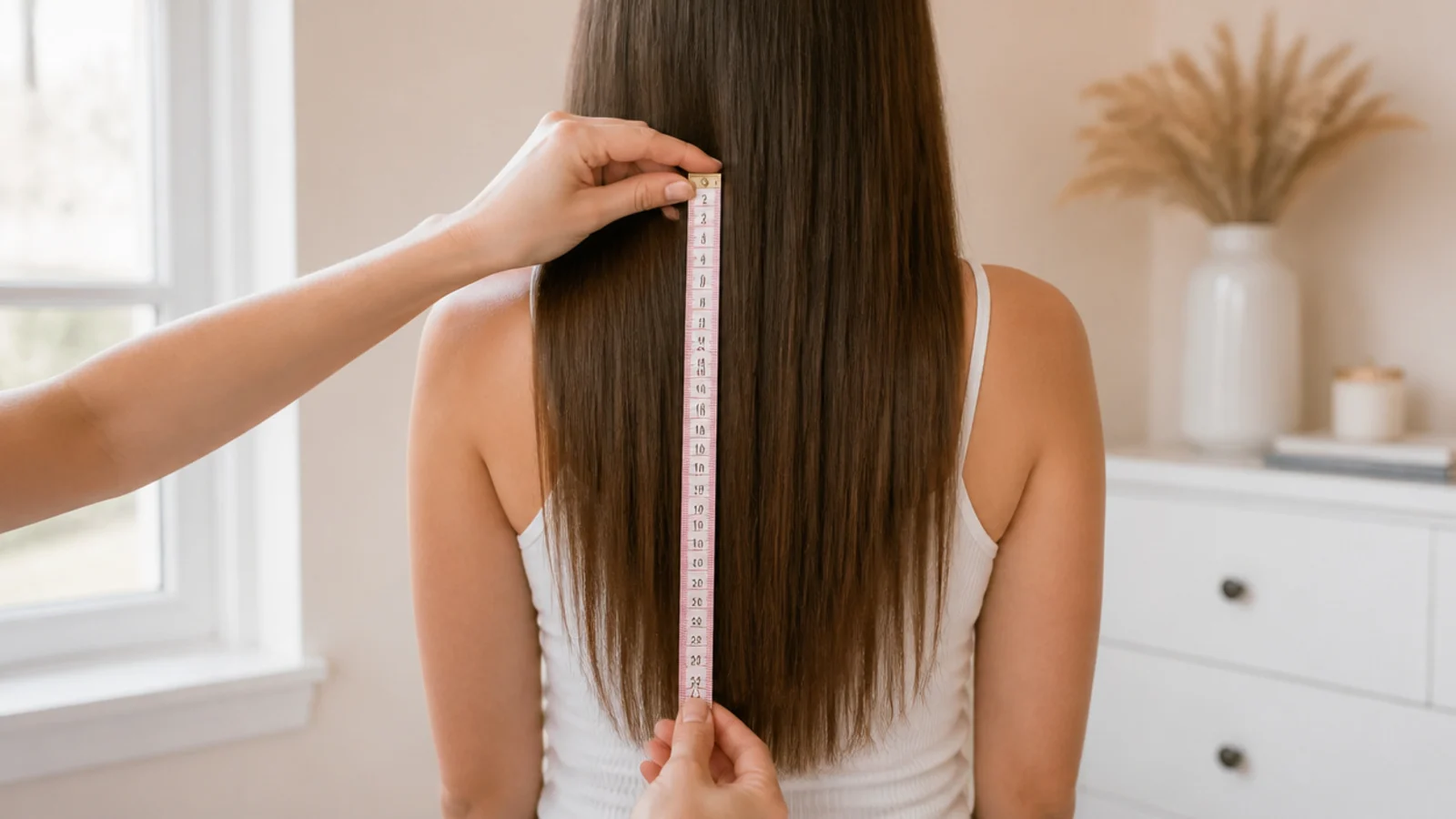
Before you change anything, stand with your back to a mirror, pull one section straight down and photograph where it falls against a landmark: collarbone, armpit, bra strap. Then hold a soft tape measure from your part to the ends and write the number down. Half an inch a month is invisible day to day and obvious over 90 days, which is exactly why people quit at week three. A dated photo is the only honest referee. Curly and coily hair shrinks up to 75 percent, so measure a stretched section, not the shrunken one, or you will conclude nothing is happening when three inches have arrived.
Common mistake: Judging progress in the mirror every morning, where a month of real growth is invisible.
Pro tip: Photograph the ends up close too. Retention shows in end thickness before it shows in length.
2. Audit the Ends and Book the Trim You Have Been Avoiding
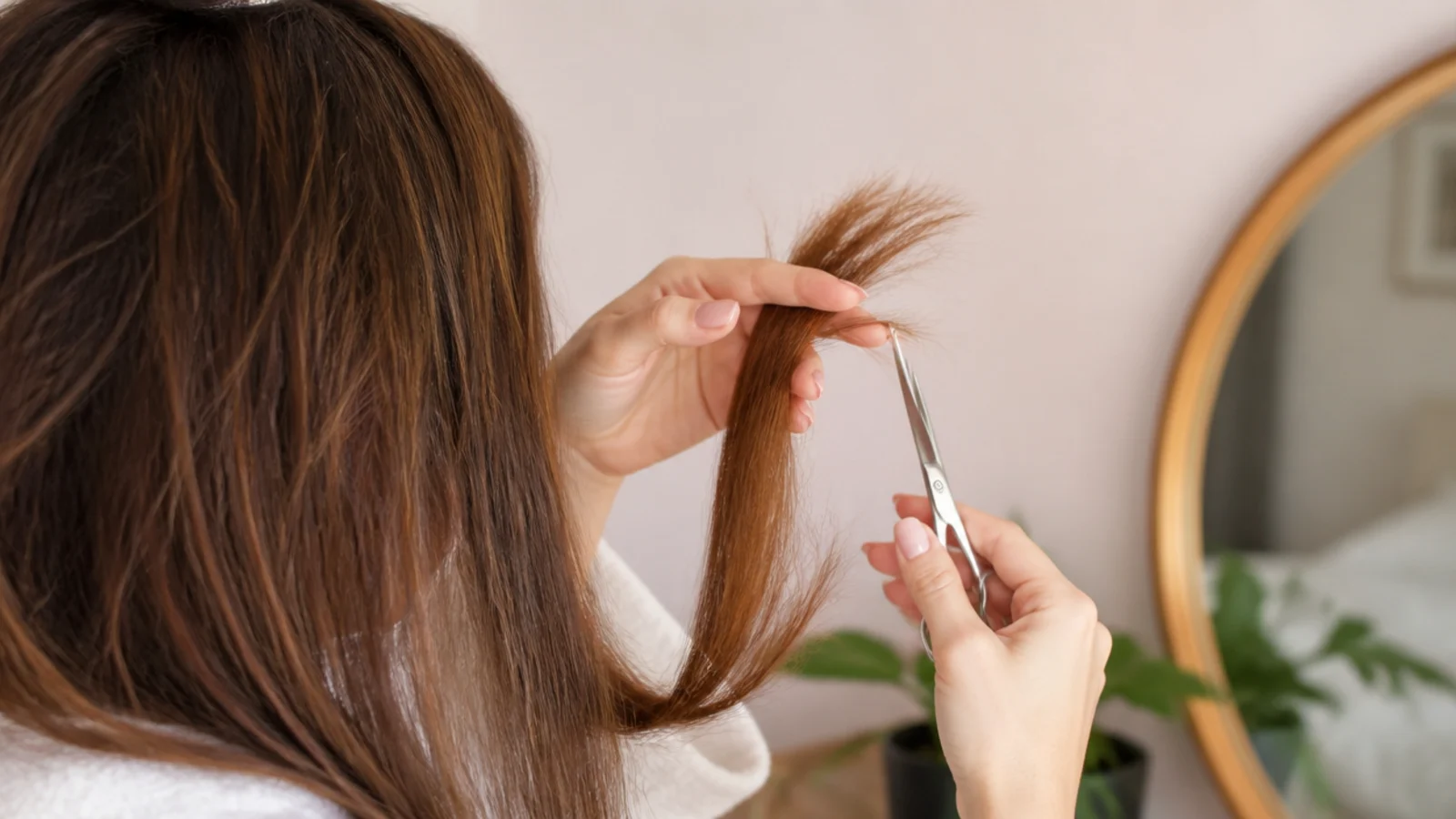
Take a one inch section, twist it loosely and hold it to a window. Every hair sticking out of the twist is a split or a broken end. If the bottom two inches feel thinner, rougher or lighter in color than the mid-lengths, you have been growing hair at the top and losing it at the bottom for months. Take a quarter inch off, or book a dusting. This is the one step that feels like going backwards and is not. A split travels up the shaft and takes more length with it every week you leave it. If you are growing out a shape rather than just length, the same dusting logic applies to a mid-length haircut on fine hair.
Common mistake: Believing trims make hair grow. They do not. They stop you from losing what grows.
Pro tip: Ask for a dusting, quarter inch, no layers, if you are protecting length rather than restyling.
3. Switch Your Night Setup to Satin
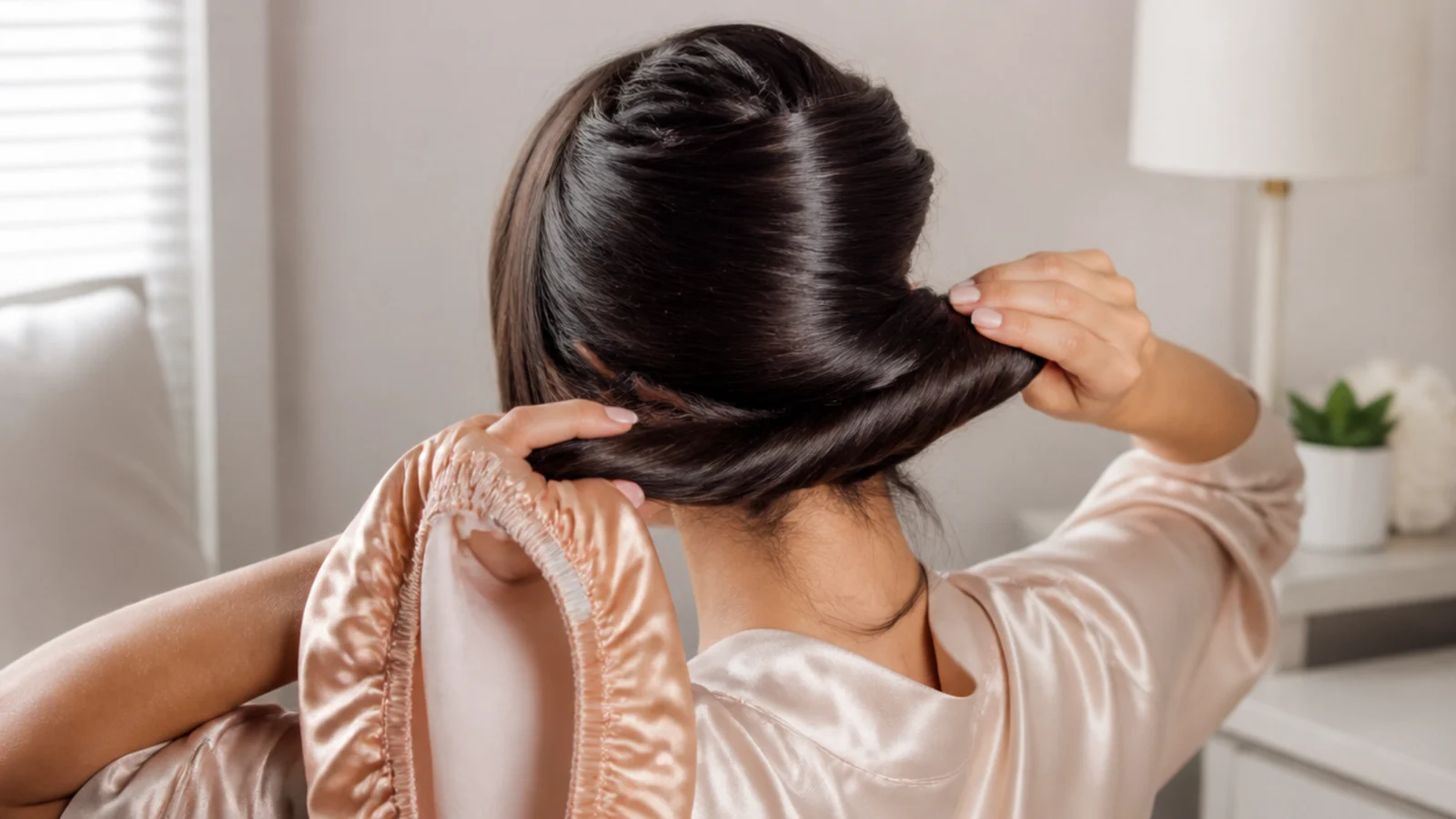
Cotton pillowcases have a high-friction weave that grabs the cuticle and drags it against every turn of your head for seven or eight hours. Replace it with satin or silk, or wrap your hair in a satin bonnet or scarf, or both. This is the single highest-return change on the list because it removes damage from a third of your life at a cost of about 10 to 25 dollars once. Loosely twist or pineapple the hair on top of your head first so it is not trapped under your shoulder. You are removing friction, not adding a treatment.
Common mistake: Sleeping in a tight elastic to keep hair off the face, which trades friction for tension breakage.
Pro tip: Wash the satin case weekly. Product buildup on the fabric makes it grip more, not less.
4. Rebuild the Detangle So It Starts at the Ends
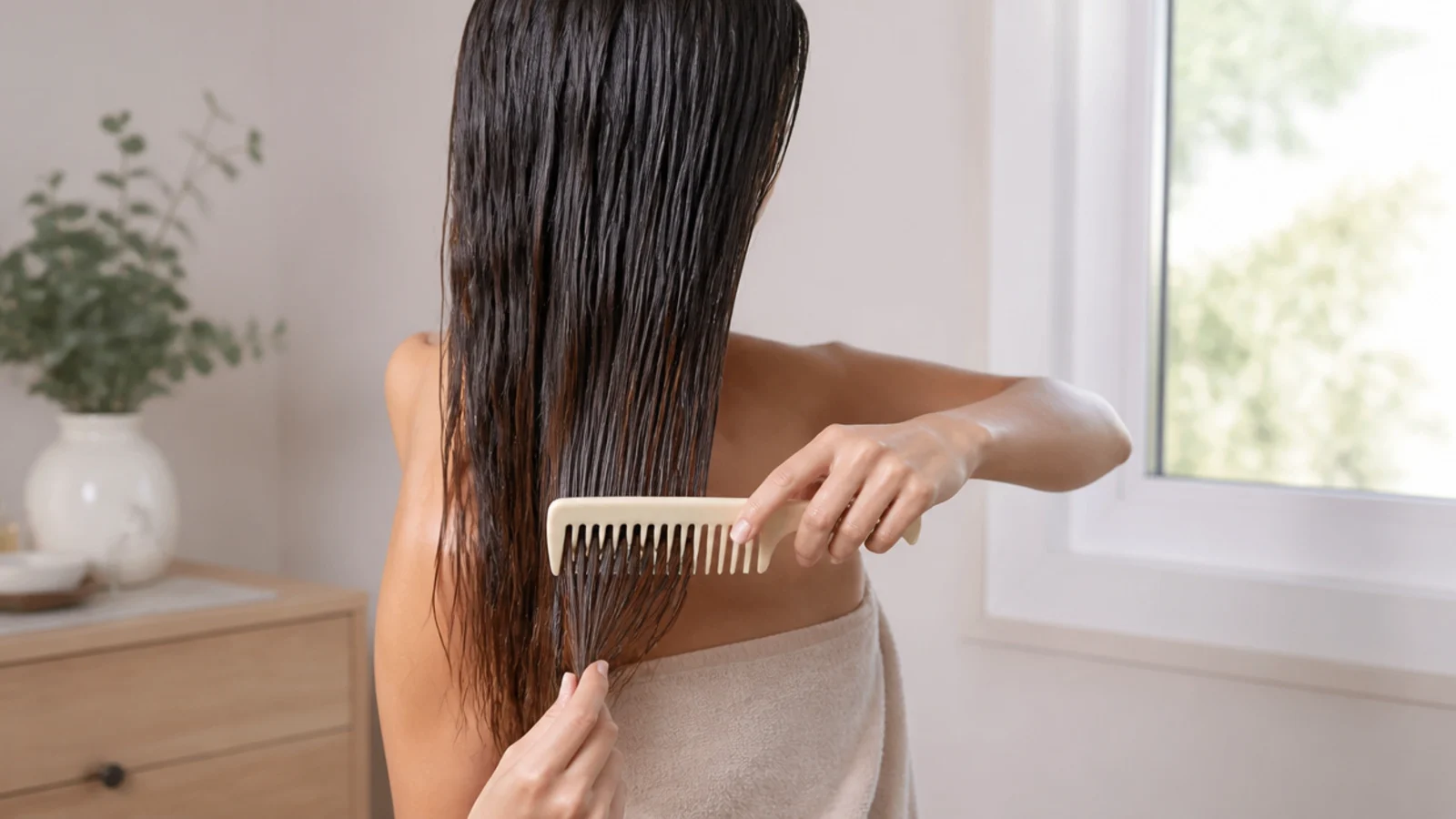
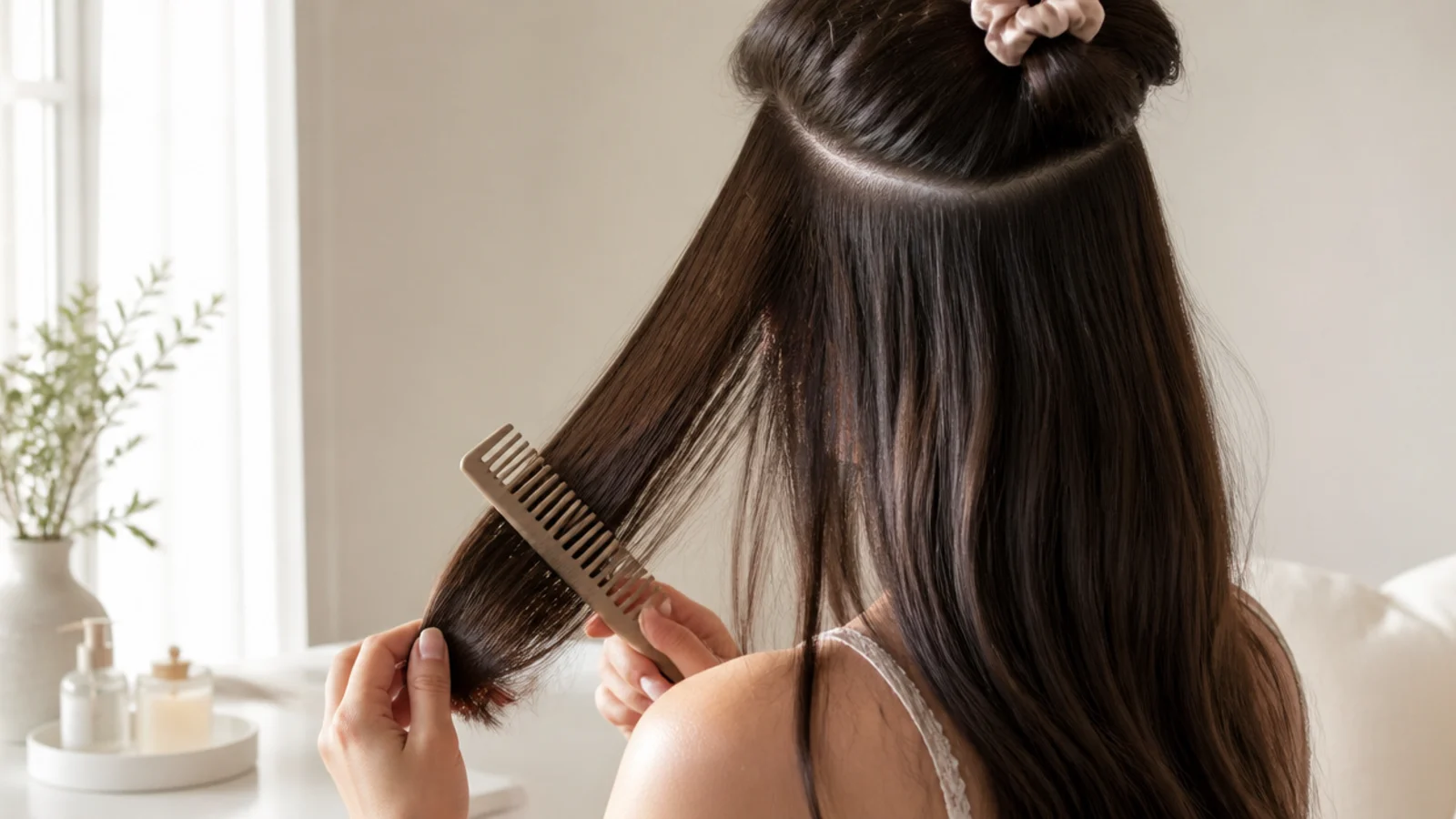
Hair is at its weakest and most stretchable when wet, and combing from the roots down pushes every tangle into a single knot at the bottom that you then rip through. Instead, saturate the hair with conditioner or a slip-heavy leave-in, take a two inch section, and comb the last two inches clear with a wide-tooth comb. Then move up two inches. Then two more. Fingers first if the hair is coily. The whole head should take five to ten minutes and you should hear almost nothing snapping, which is the actual measurement of whether you did it right.
Common mistake: Brushing wet hair with a boar bristle or fine-tooth brush, which stretches the strand until it fractures.
Pro tip: Detangle in four clipped sections. Loose hair on a loose head is how mid-shaft knots form.
5. Cap Heat at Once a Week and Lower the Number
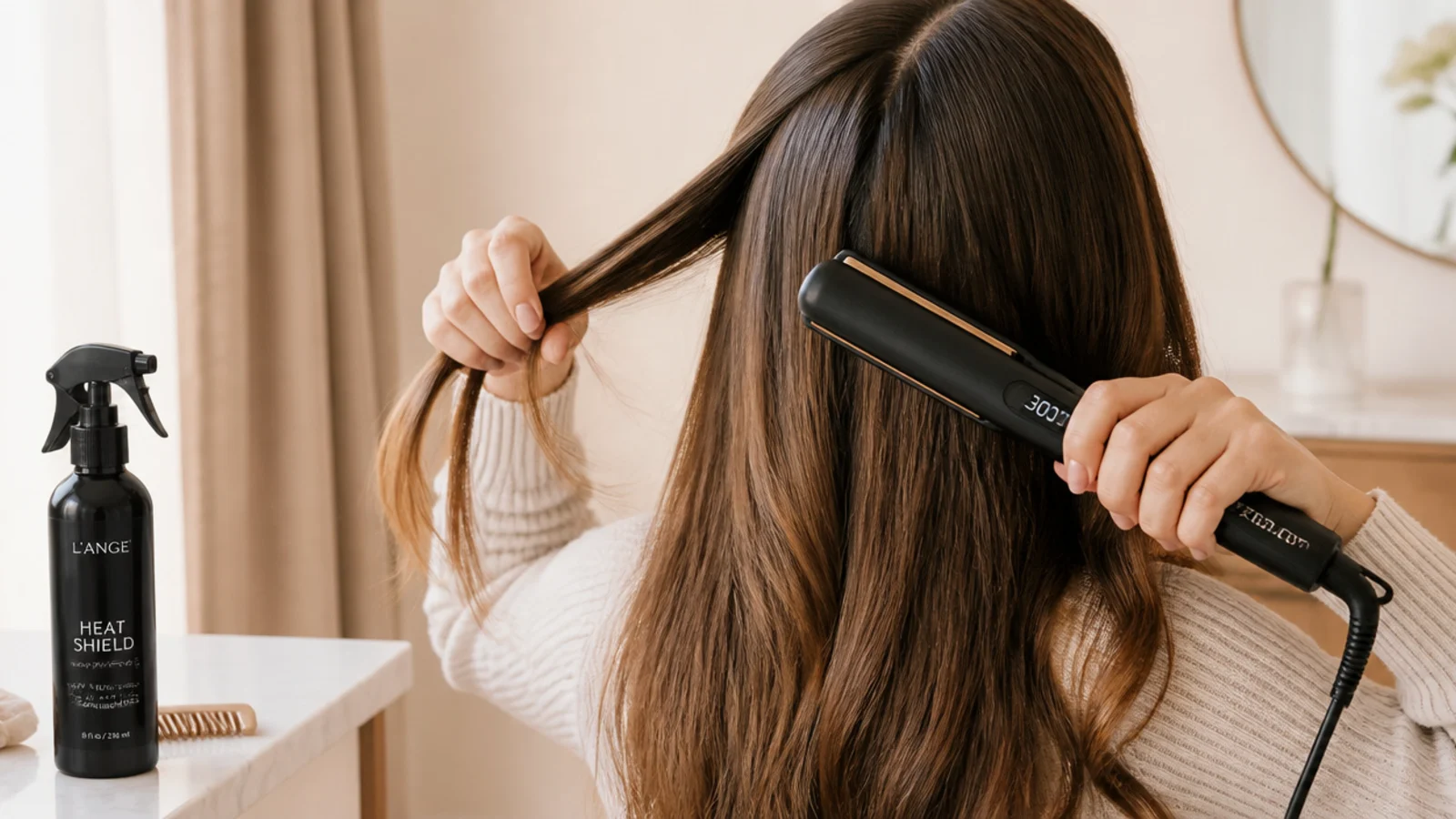
Pick one heat day a week and let the other six be air-dry, wash-and-go, braid-out or bun. On that day, spray heat protectant on damp hair and again on dry, and set the tool as low as it will do the job: around 250 to 300 degrees F for fine or color-treated hair, 300 to 350 for medium, up to 375 for very coarse or coily. Almost nobody needs 425. One slow pass beats four fast ones, because the damage comes from the number of passes as much as the temperature. Blow dry on medium with a nozzle six inches from the head rather than on high pressed against it.
Common mistake: Flat ironing hair that is not fully dry, which boils water inside the shaft and blisters the cuticle.
Pro tip: If your ends are lighter and rougher than your roots, your temperature has been too high for months.
6. Give the Scalp Five Minutes of Massage a Night
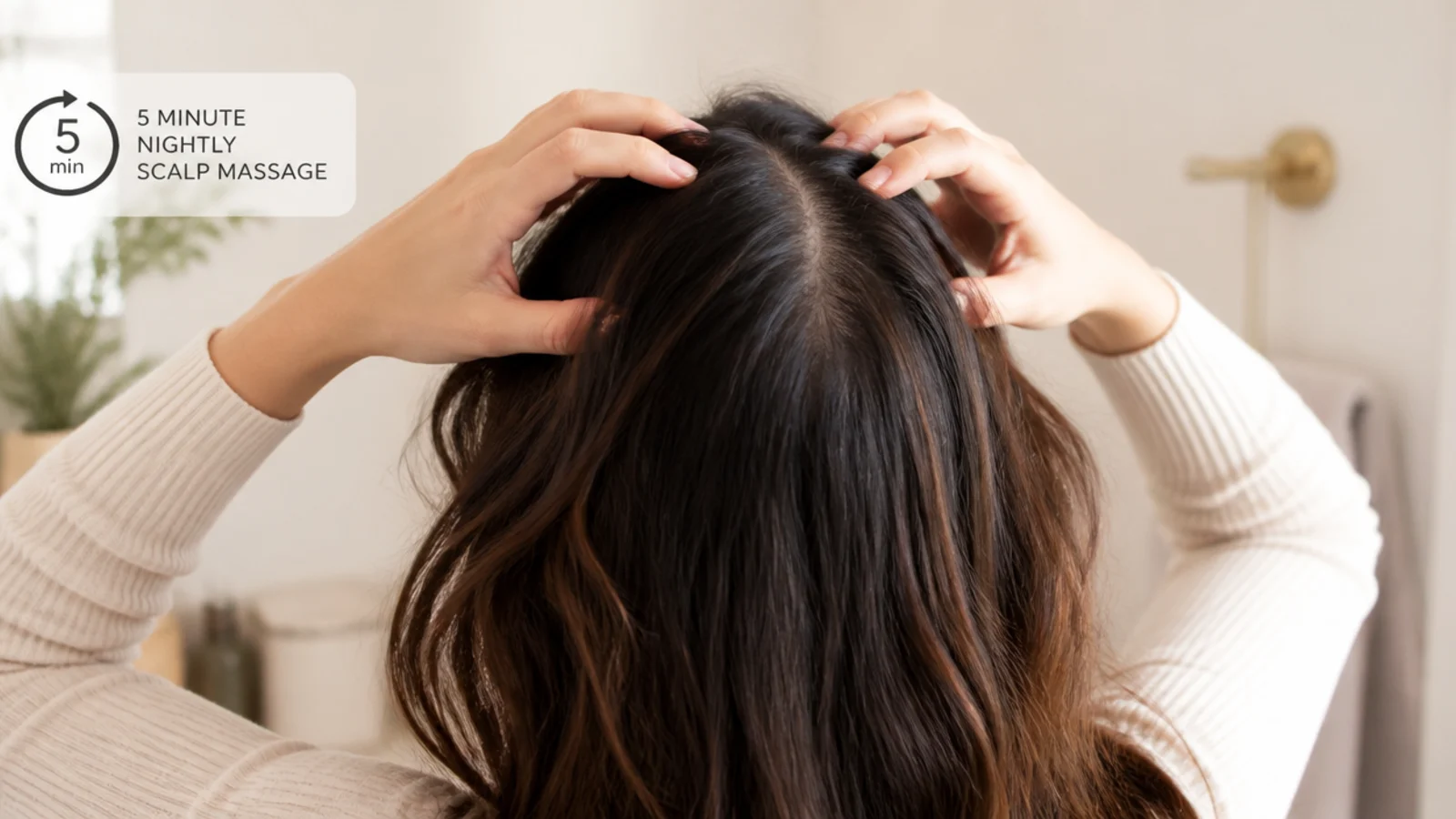
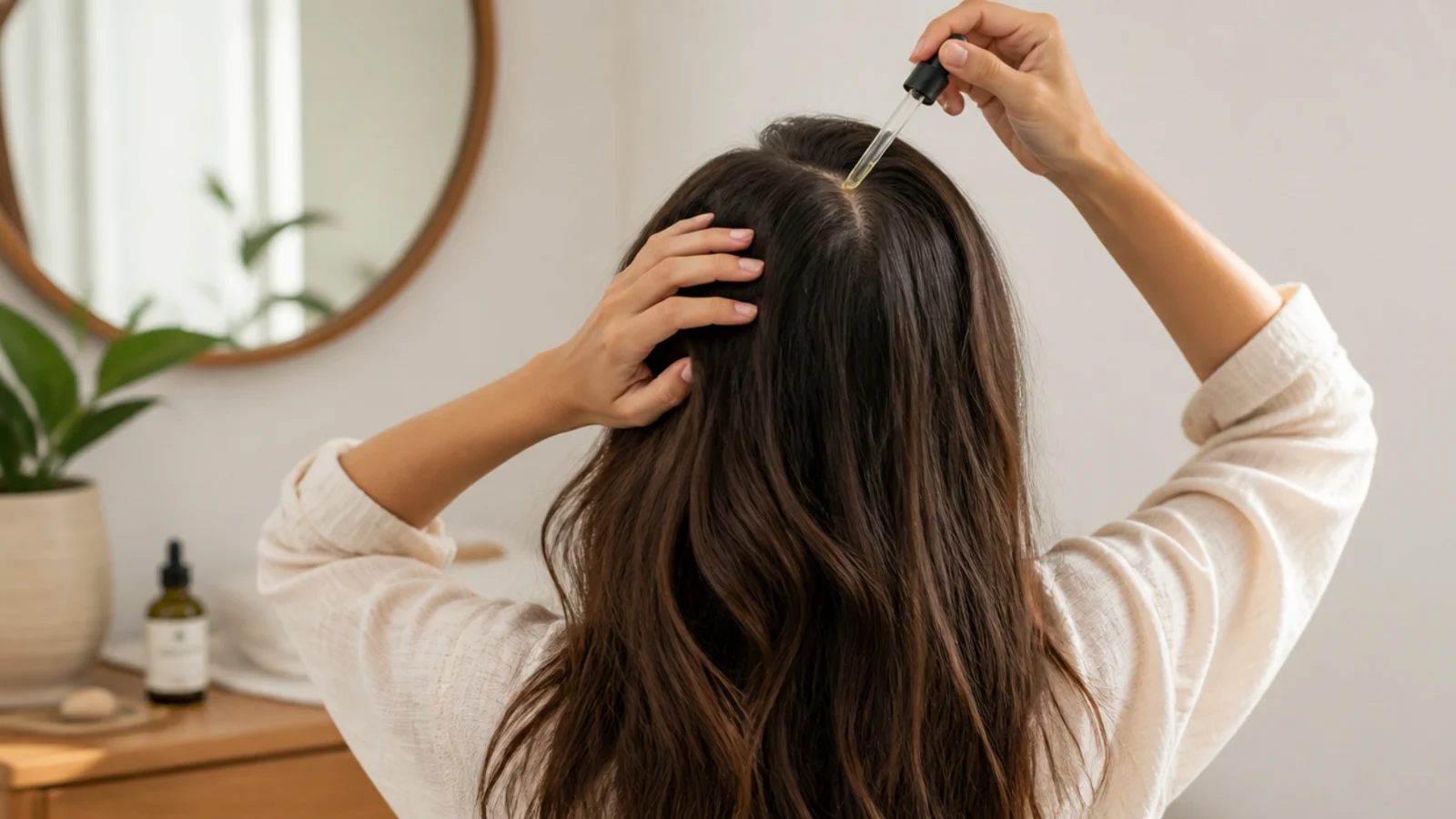
Use the pads of your fingers, never the nails, and move the scalp itself rather than sliding across the hair. Small firm circles, working from the hairline back to the nape, about five minutes while you watch something. Do it dry or with a few drops of jojoba, and only on the scalp. Massage increases local blood flow and small studies have linked consistent daily massage to thicker strands over months. Treat it as scalp support with a modest evidence base, not an accelerator, and be honest that nothing topical outruns genetics.
Common mistake: Scrubbing with fingernails, which irritates the scalp and can snap the fragile new growth at the hairline.
Pro tip: Pair it with something you already do nightly so it survives past week two.
7. Add One Weekly Deep Conditioner Under a Cap
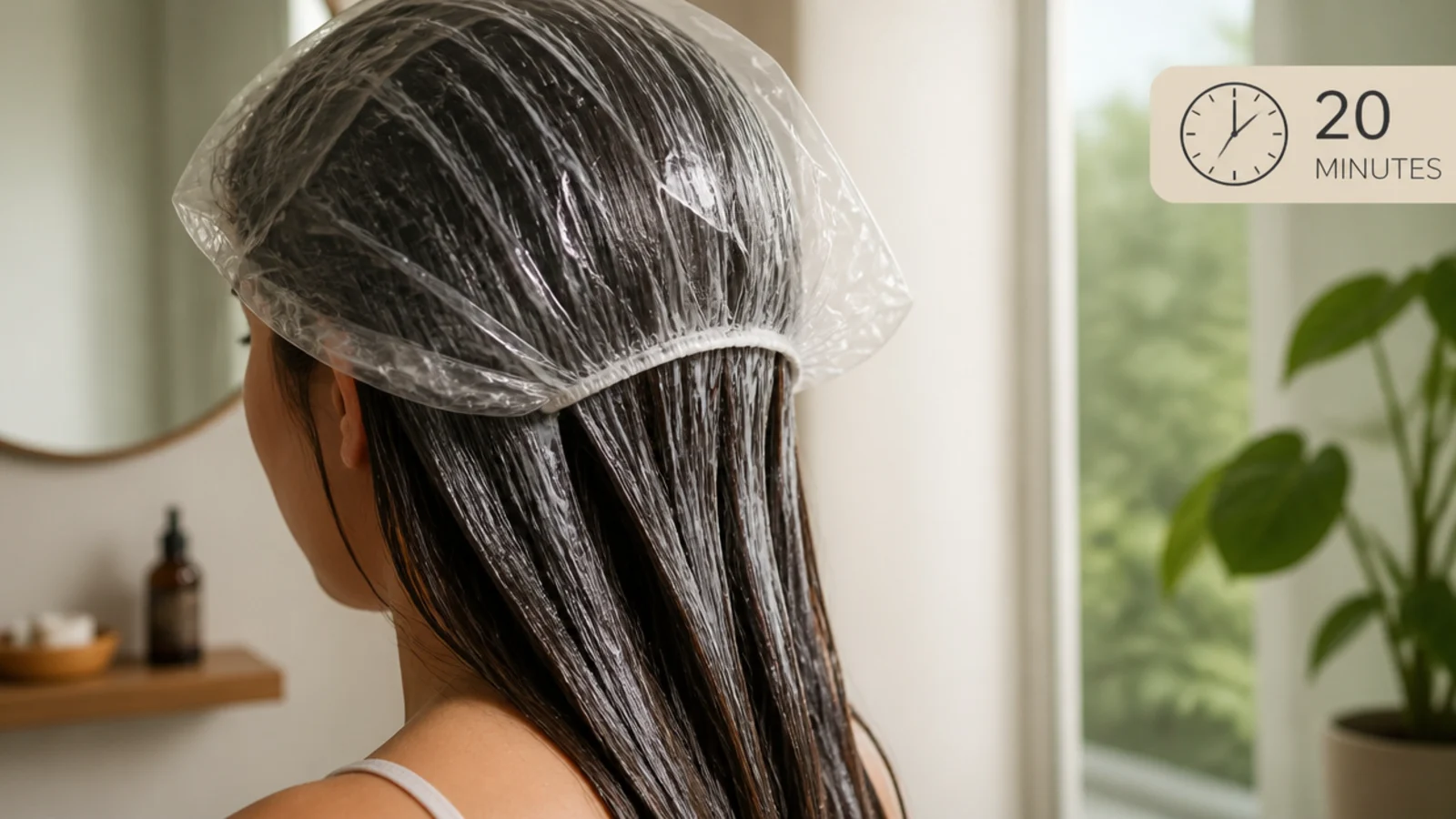
On wash day, after shampoo, apply a deep conditioner or hair mask to the mid-lengths and ends first and the roots last or not at all, because the ends are the oldest and most damaged part of every strand. Put a plastic cap over it and leave it 20 minutes. Body heat under the cap is the free version of a salon steamer. Rinse with lukewarm and finish with a cool rinse to lay the cuticle flat. If your hair feels mushy and overly soft, alternate with a protein-containing mask; if it feels stiff and snappy, stay on moisture. A rich hair mask for frizzy hair does the same job here.
Common mistake: Leaving a protein treatment on for hours, which makes hair rigid and increases snapping, not strength.
Pro tip: The stiff versus mushy test after a wash tells you which one your hair needs next time.
8. Write the Cadence Down and Give It Six Months
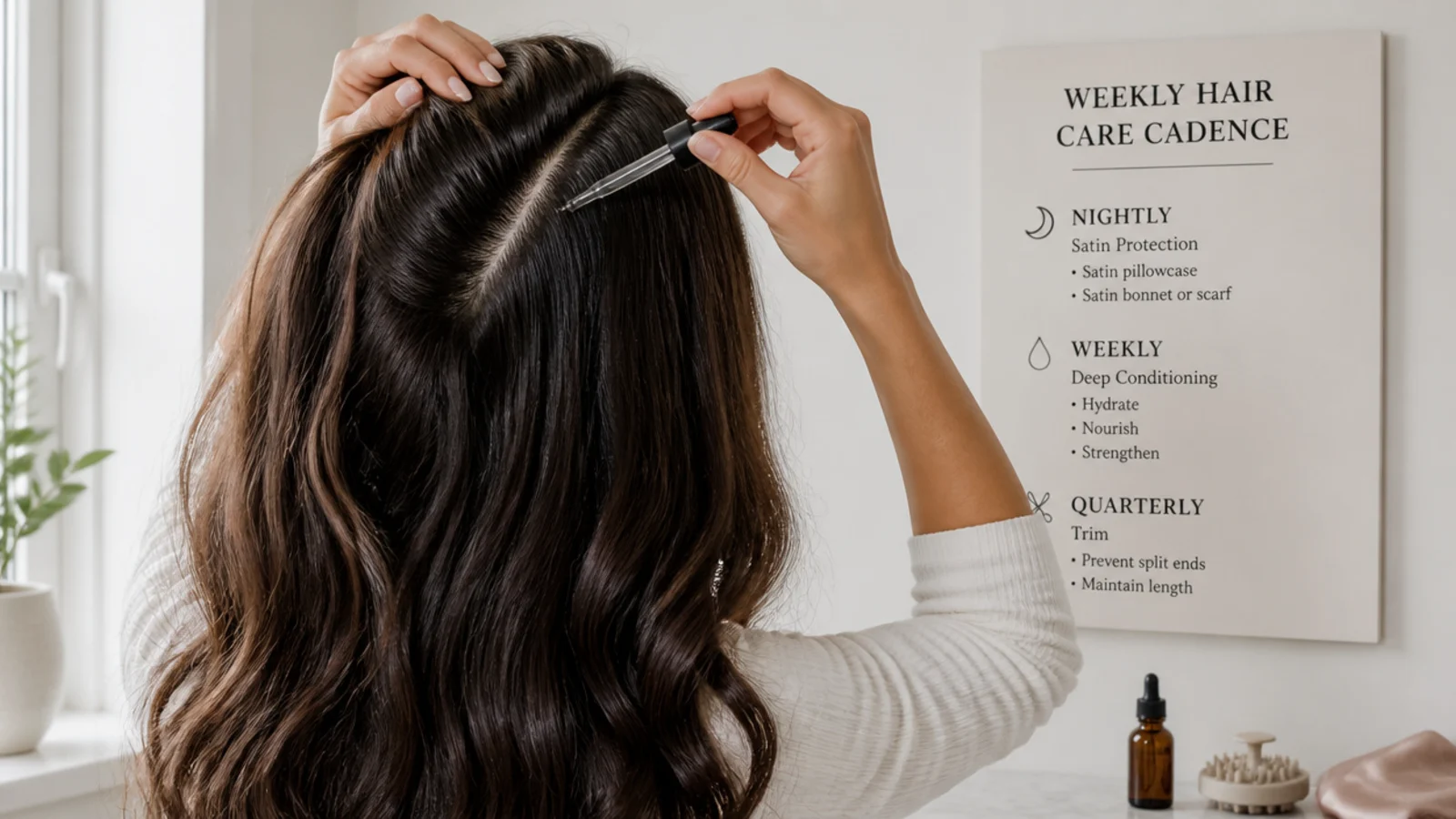
Put the routine on a card: nightly satin and massage, weekly deep conditioner and one heat day, monthly clarify and progress photo, quarterly quarter inch trim. That is the whole system. Then leave it alone for six months, because a hair follicle cycle is measured in months and you cannot evaluate anything in three weeks. Six months of this is roughly three inches grown with most of it kept, versus three inches grown and two lost. If shedding increases, the part widens, or patches appear during those months, stop troubleshooting at home and see a doctor. Men following the same cadence should read hair growth tips for men alongside this one.
Common mistake: Changing five products at once, which makes it impossible to know what helped or hurt.
Pro tip: Change one variable per month so your progress photos actually mean something.
How Fast Hair Actually Grows and What You Control
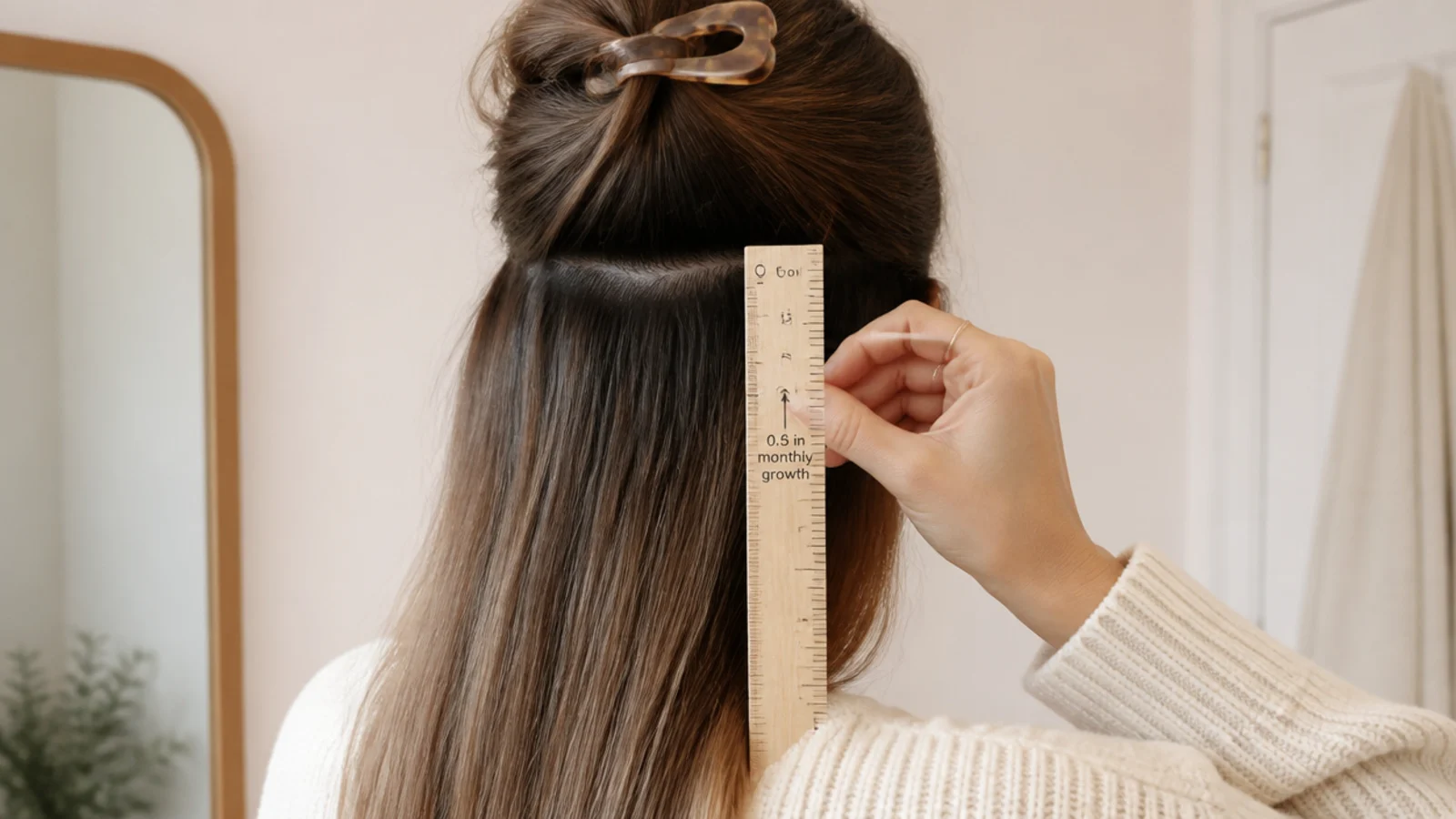
Scalp hair grows about half an inch a month, roughly six inches a year, and most heads have around 80 to 90 percent of their follicles in the active growing phase at any moment. Your personal rate is set by genetics, age, hormones and general health, and the maximum length you can reach is set by how long your growing phase lasts before a strand releases. Someone with a two year phase tops out near the shoulders no matter what they do; someone with a six year phase reaches the waist without trying. That is the ceiling, and no shampoo, oil, gummy or hairstyle raises it. What you genuinely control is the difference between the six inches you grow and the length you still have in December, and for most people that gap is the entire problem. Treat every tip below as a retention tactic. It is a far more honest promise than a timeline, and it is the framing running through the whole hair growth tips hub and the companion piece on tips for hair growth.
Breakage vs Growth: Why Your Ends Look Stuck at the Same Length
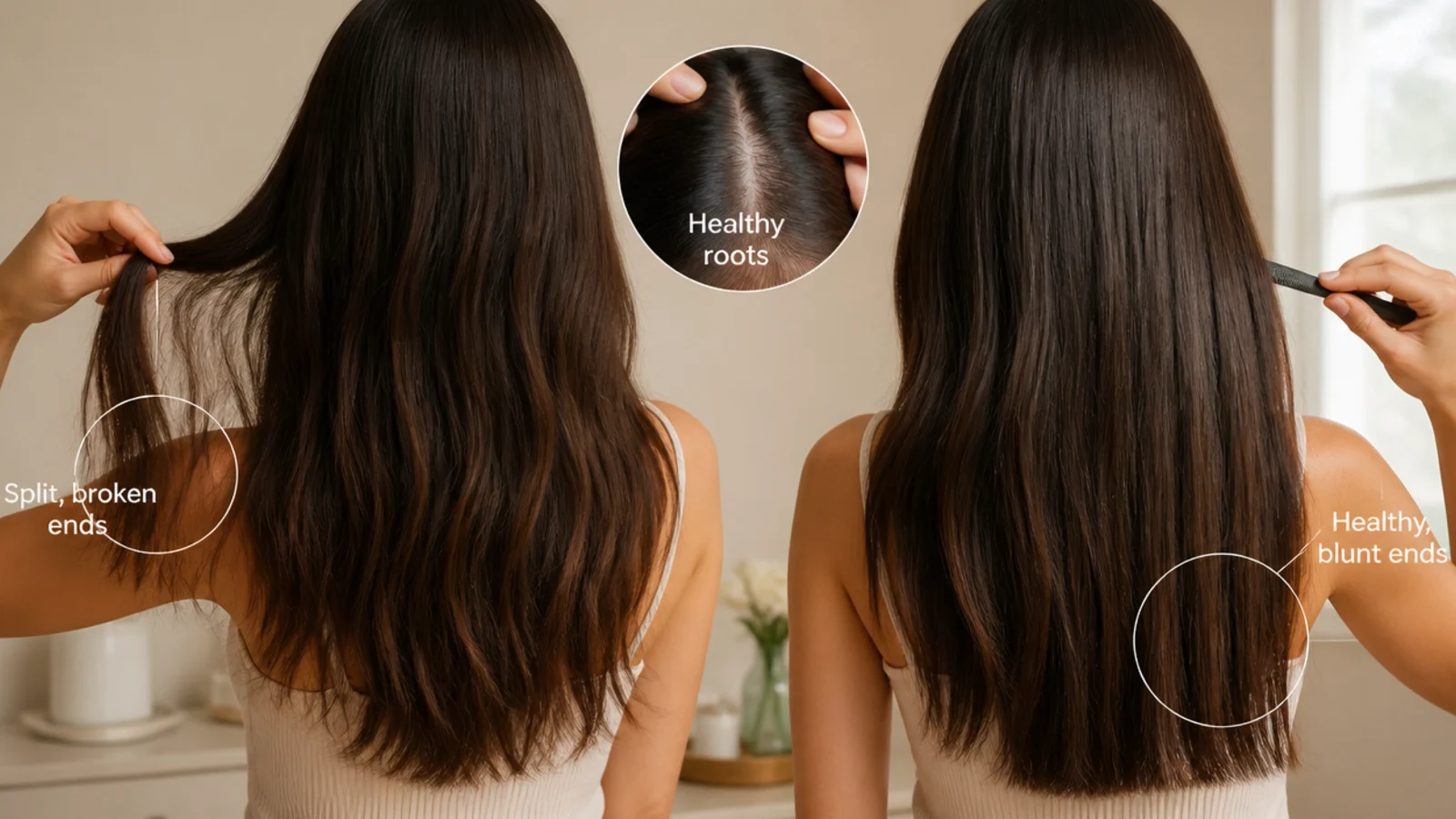
If your roots need touching up every five weeks but your ends have sat at the same collarbone line for two years, your hair is growing fine and breaking at exactly the rate it grows. That is the most common hair situation there is, and it is not a growth problem. Look for the tells: ends noticeably thinner and lighter than the mid-lengths, white dots along the shaft, short broken hairs standing up along the part, more strands in the brush that are two inches long rather than full length. A shed hair has a small white bulb at the root end; a broken hair does not, and counting which kind you are seeing tells you which problem you have in about thirty seconds. The causes are almost always mechanical and almost always fixable at home: wet brushing, terry towels, daily heat, tight ponytails in the same spot, and cotton friction overnight. Fix those five and the ends thicken within a couple of months even before the length changes, which is the same principle behind a good frizzy hair routine.
Scalp Health at Home: Massage, Clarifying and Oils Worth Trying

The follicle sits in the scalp, so scalp condition is the only part of growth you can meaningfully touch from outside. Three things are worth your time. First, massage: five minutes a night with fingertips, consistently, has a small but real evidence base for thicker strands over months. Second, cleansing: buildup from dry shampoo, heavy butters and hard water sits at the root and causes itch and flaking, so clarify once a month, or every two weeks if you use a lot of product, and go back to your normal shampoo after. Third, diluted oils: rosemary oil at about 2 percent in jojoba or grapeseed has the best small-study support of the kitchen remedies, castor oil is thick and mostly protects the strand rather than growing it, and coconut oil genuinely reduces protein loss during washing as a pre-shampoo treatment. Patch test on the inner arm first, never apply essential oils undiluted, and keep expectations proportionate: these support a healthy follicle, they do not overrule genetics. There is more of this in natural hair growth tips and in frizzy hair remedies.
Routine, Protective Styling and Heat: The Biggest Lever You Have
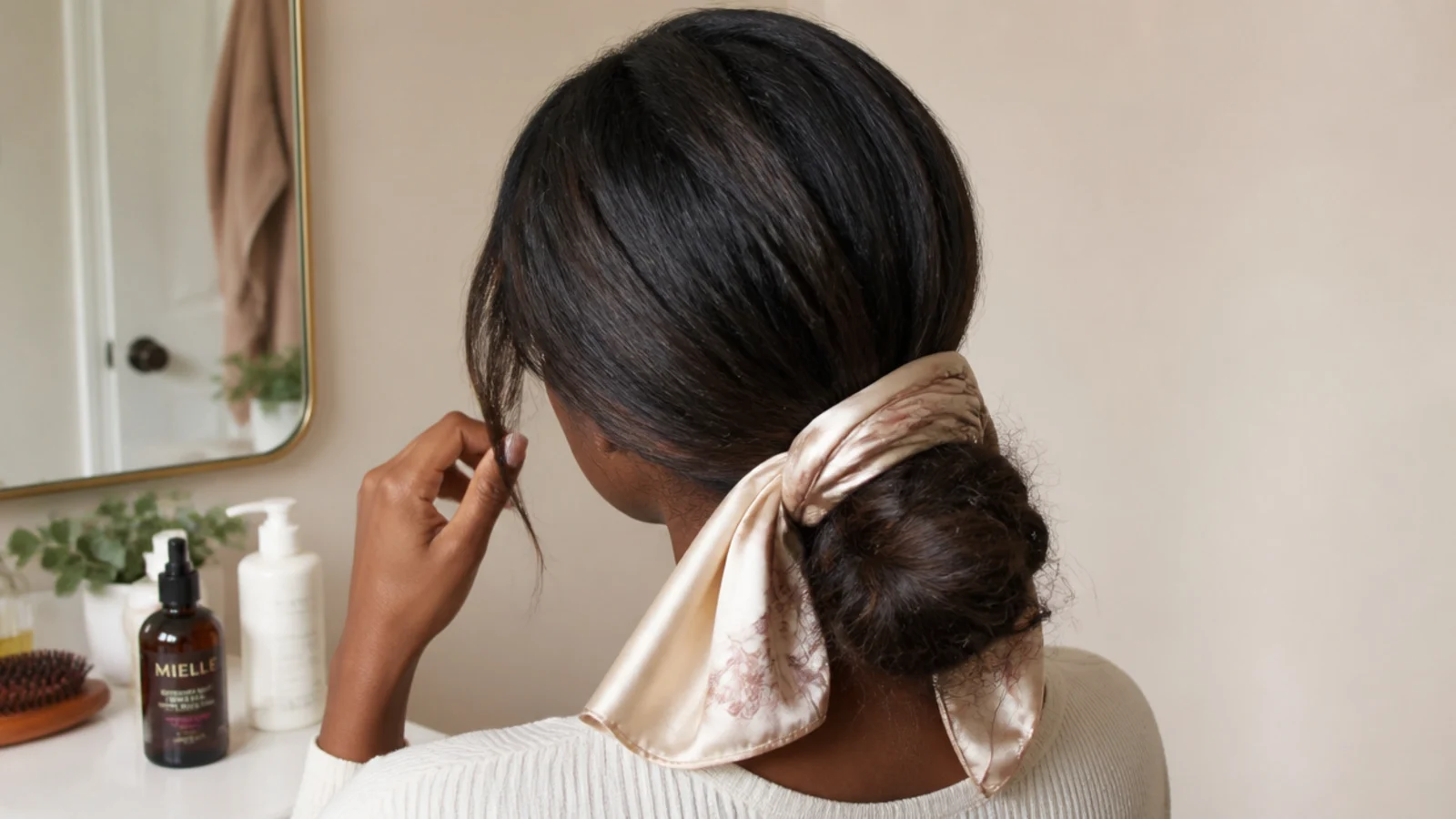
Mechanical damage is the biggest controllable factor in whether you keep your length, and it is unglamorous work: fewer hot tools, looser styles, softer hair ties, gentler drying. Swap the terry towel for a cotton t-shirt or microfiber and squeeze rather than rub. Move the ponytail an inch each day so the same strands do not take the tension, and choose spiral coils, fabric scrunchies or satin ties over thin snag elastics and rubber bands. Protective styles like braids, twists and low buns keep the fragile ends tucked away, which is exactly why they work, but they only help while they are loose. If a style hurts, itches or pulls little bumps up along the hairline, it is too tight and it is trending toward traction damage at the edges. Take a two week break between long-worn styles and keep installs to six to eight weeks. A low messy ponytail, a loose braid or a soft bun will always beat a slicked, gelled style pinned into the same spot, and the styling logic carries over to messy ponytail styling.
Diet and Supplements, With the Honest Limits Stated

Hair is mostly keratin, a protein, and it is metabolically expensive tissue that the body deprioritizes when something is short. So a genuinely adequate diet matters: protein at every meal, iron from red meat, lentils or spinach with a vitamin C source, zinc, omega-3s, and enough total calories. Crash dieting is one of the most reliable ways to trigger shedding two to three months later. Here is the honest limit though, and almost no article on this topic says it plainly: supplements help when you have an actual deficiency, and they do nothing measurable when you do not. Biotin is the clearest example. Real biotin deficiency is rare, and if yours is normal, more biotin does not grow more hair. It can also skew thyroid and troponin blood tests, so tell your doctor if you take it. Iron is the one worth testing rather than guessing at, especially with heavy periods, because low ferritin is a common and treatable cause of shedding. Ask for the blood test first, then supplement to the result, and discuss doses with your physician. The same rule applies to every routine in hair growth tips faster.
Edges, Thinning, 4C and Postpartum: When Home Care Is Not the Answer
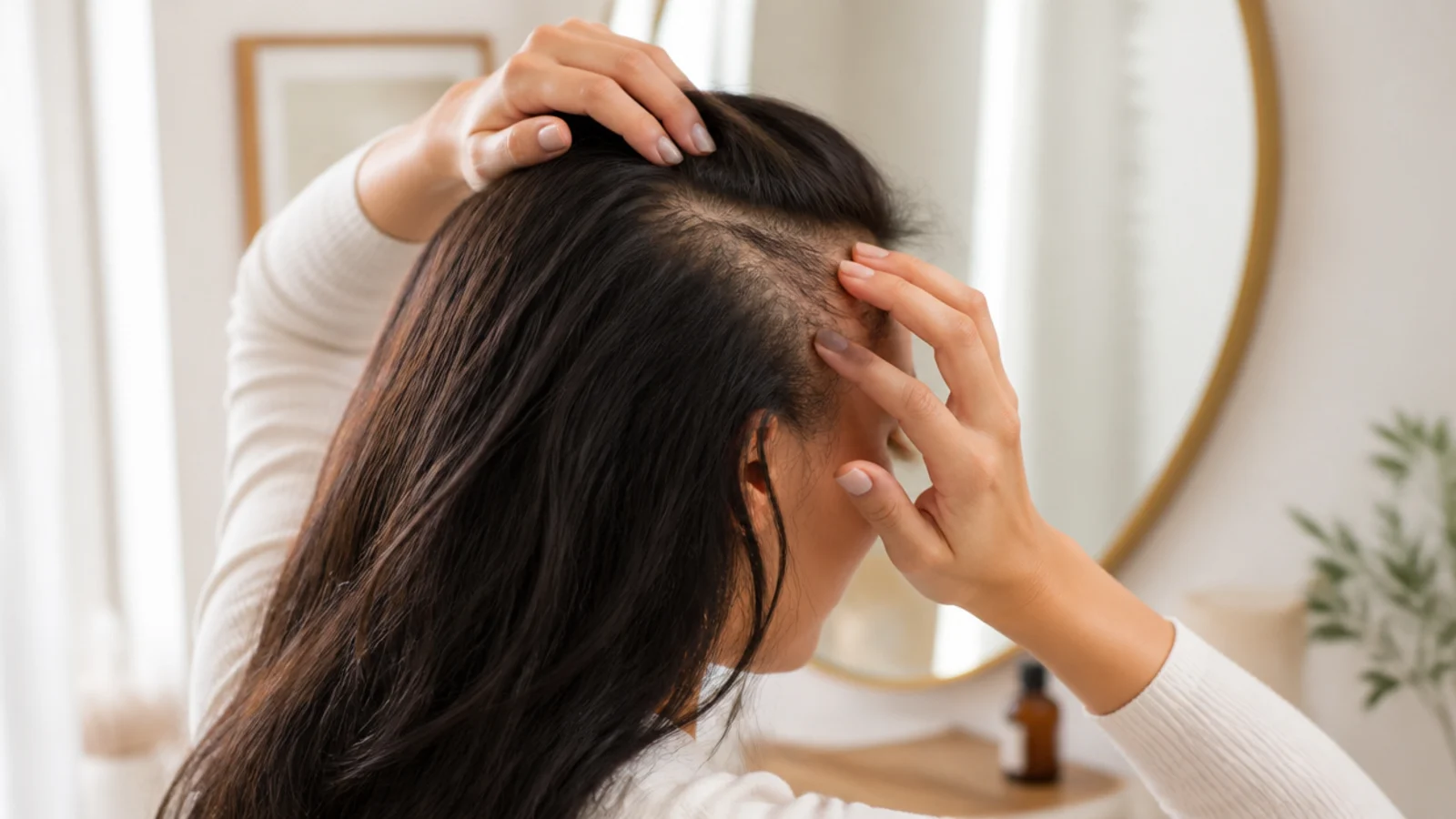
Some situations need a professional, and recognizing them is part of good hair care rather than a failure of it. Thinning edges from years of tight ponytails, braids or wigs is traction alopecia; it is often reversible early and permanent late, so loosen everything and get it looked at now rather than in a year. A widening part, a visibly smaller ponytail circumference or a receding front line points to pattern hair loss, which has real treatments a doctor can prescribe and no home remedy can replace. Postpartum shedding around three to five months after birth is usually normal synchronized shedding that resolves over six to twelve months, but it is worth mentioning at your checkup along with a ferritin and thyroid check. Coily and 4C hair is not slow-growing; it is the most fragile texture at the bends of each curl and it shrinks up to 75 percent, so it needs stretched measuring and gentler handling rather than more product, which is the whole argument in hair growth tips for black women. Any bald patch, scalp pain, burning, scaling or sudden heavy shedding is a doctor or trichologist visit, not a new oil.
Frequently Asked Questions
How can I grow my hair faster at home?
Honestly, you mostly cannot speed up the rate. Hair grows about half an inch a month and genetics set that pace. What you can do at home is keep more of it: sleep on satin, detangle from the ends up with a wide-tooth comb, cut hot tools to one day a week, and dust a quarter inch off every 8 to 12 weeks so splits do not travel up the shaft.
Can you really grow hair faster overnight?
No. Nothing applied overnight changes how fast a follicle produces hair, and any product or remedy promising visible growth by morning is selling you something. What an overnight routine can genuinely do is stop damage: a satin bonnet, loose twists and a pre-shampoo oil all reduce friction and breakage while you sleep, which is how hair ends up looking longer over months.
How long does it take to speed up hair growth?
Plan in growth cycles, not weeks. At roughly half an inch a month you have about one and a half inches after three months and three inches after six, and a shed triggered by illness or stress typically takes six to nine months to visibly recover. Judge any change at the six month mark with dated photos rather than at week three in the mirror.
What foods make hair grow faster?
No food accelerates growth, but a shortfall reliably slows it and triggers shedding. Cover protein at every meal from eggs, fish, lentils or tofu, iron from red meat, lentils or spinach with a vitamin C source for absorption, plus zinc, omega-3s and enough total calories. Crash dieting is one of the most common causes of shedding two to three months later.
How can I increase my hair growth naturally?
Support the scalp and stop the breakage. Massage with fingertips five minutes a night, clarify buildup once a month, use diluted rosemary oil at about 2 percent if you want one topical to try, and protect the ends with satin at night and loose styles by day. These support a healthy follicle; none of them override your genetic ceiling.
Do trims make your hair grow faster?
No. Growth happens at the follicle in the scalp, and cutting the ends cannot signal it. Trims work by removing splits before they travel up the shaft and cost you far more length than the quarter inch you gave up. You grow roughly an inch and a half in a 12 week window, so a quarter inch dusting still nets you length every quarter.
Does scalp massage actually work for hair growth?
It has a modest evidence base rather than a strong one. Small studies have linked several minutes of daily fingertip massage over months to thicker strands, likely through blood flow and mechanical stimulation of the follicle. It is free, low risk and worth doing consistently, but treat it as follicle support rather than an accelerator, and use finger pads instead of nails.
What shampoos can help regrow hair?
A shampoo mostly cleans the scalp, and a clean, buildup-free scalp is a better environment for growth, which is a real but limited benefit. Anti-dandruff formulas help if flaking and inflammation are your issue. Actual regrowth of lost hair generally needs treatments a doctor prescribes or recommends, so if you are seeing a widening part or bald patches, see a dermatologist rather than shopping.
Why is my hair not growing past a certain length?
Two possibilities. Either your growing phase is genetically short, which sets a natural maximum length, or your hair is breaking at the same rate it grows, which is far more common. Check the ends: thinner and rougher than the mid-lengths, white dots on the shaft and lots of short broken hairs in the brush all point to breakage you can fix at home.
When should I see a doctor about hair loss?
Go if you see a widening part, a smaller ponytail circumference, a receding hairline, any bald patch, scalp pain, burning, scaling, or sudden heavy shedding that lasts more than a couple of months. Thinning edges from tight styles should be seen early because traction alopecia becomes permanent if left. A dermatologist or trichologist can test and treat what no home routine will.
This is general hair care information, not medical advice. Sudden shedding, widening parts, bald patches, scalp pain, itching or scaling need a doctor or a board-certified dermatologist, and supplements should be discussed with your physician before you start them, especially iron. Patch test any essential oil before you use it on your scalp.
Which hair growth tips look are you saving?
If you take one thing from this list, take the reframe: your hair is already growing at the only speed it has, and the fight is at the ends, not the root. Satin at night, ends-up detangling, a quarter inch off every 8 to 12 weeks and hot tools once a week will show up in the mirror long before any oil does. Give it two full growth cycles and photograph your ends against a tape measure once a month rather than staring daily. Do not chase a timeline and do not self-treat real hair loss. Widening parts, sudden shedding, scalp pain or bald patches belong with a doctor or trichologist. Then keep going with the rest of the hair growth tips hub and the deeper dive in natural hair growth tips.