Quick Comparison
| Growth Rate (Mostly Fixed) | Length Retention (Mostly Yours) | |
|---|---|---|
| What it means | How fast new hair leaves the follicle | How much of that growth survives to stay on your head |
| Typical figure | About half an inch a month, roughly six inches a year | Varies hugely; poor retention can cancel out all of it |
| Main drivers | Genetics, age, hormones, overall health, nutrient status | Heat, tension, friction, detangling, chemical processing |
| Can products change it | No topical outruns genetics; only prescribed treatments alter cycling | Yes; conditioners, satin and gentler tools measurably reduce breakage |
| Effect of trims | None at all; the follicle cannot sense the ends | Large; removing splits stops them traveling up the shaft |
| Effect of supplements | Only if you are correcting an actual deficiency | Indirect at best; stronger hair breaks less |
| Effect of scalp massage | Small and supportive, not transformative | Minimal, though a healthy scalp means less itching and scratching |
| How fast you see change | Nothing visible for months, and often nothing at all | Ends feel different within two or three washes |
| Where to spend effort | Eat well, sleep, treat deficiencies, then stop worrying | This is where every practical win on this list lives |
1. Wash Your Scalp 2 to 3 Times a Week, Not Your Lengths
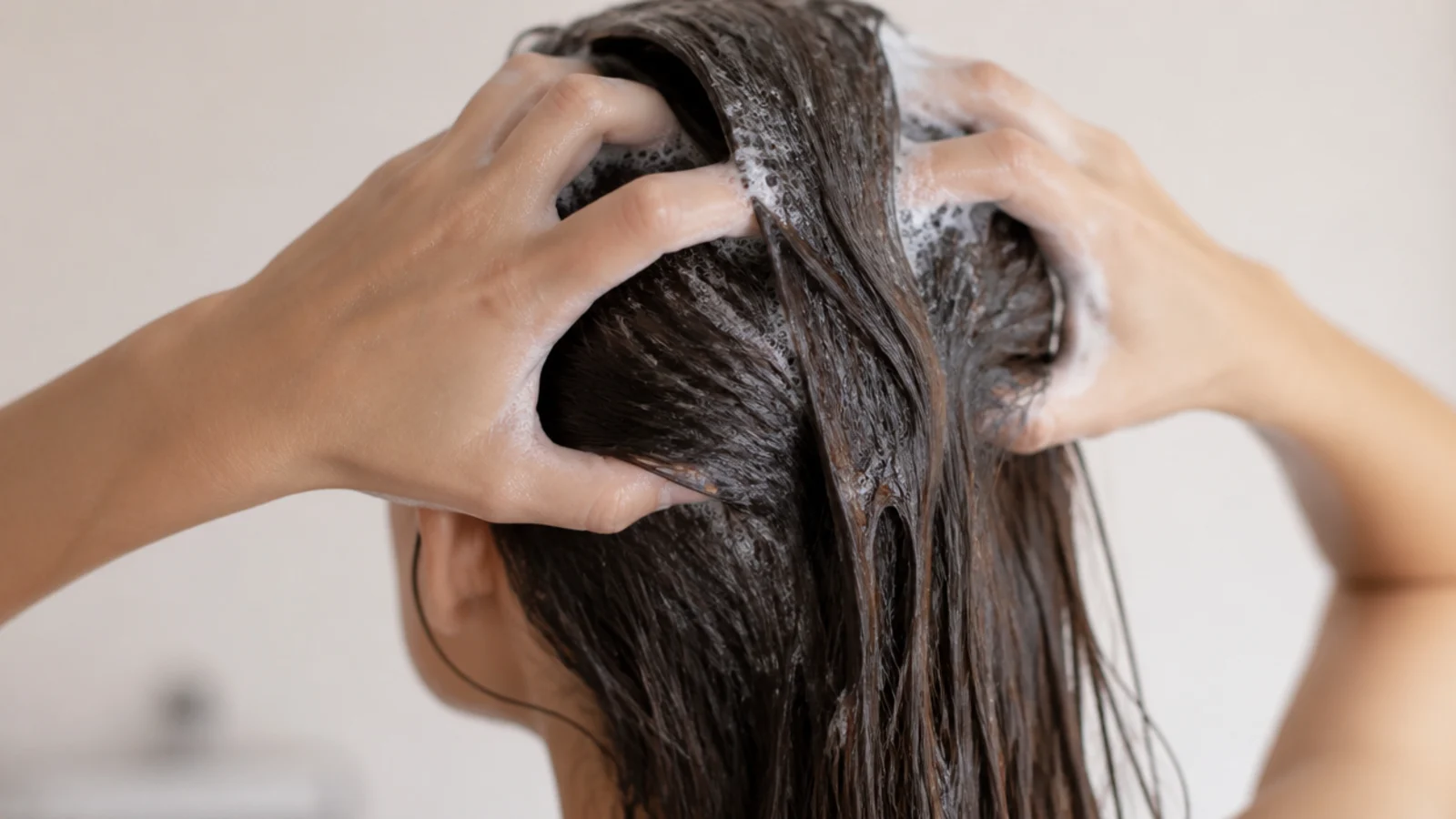
Shampoo is a scalp product, not a hair product. Work a coin-sized amount into the scalp with fingertips in sections, then let the runoff clean the lengths on its way down the drain. Two to three washes a week suits most straight and wavy hair, while coily and 4C hair often does better at once a week. Washing the ends directly is what strips the oldest, driest, most fragile part of your hair, and those ends are exactly the inches you are trying to keep. More on cadence in tips for hair growth.
Who it suits: Anyone whose ends feel like straw within a day of washing.
Tip: Use fingertips, never nails; scratching an itchy scalp causes micro-tears, not cleanliness.
2. Massage Your Scalp for 5 Minutes Every Night
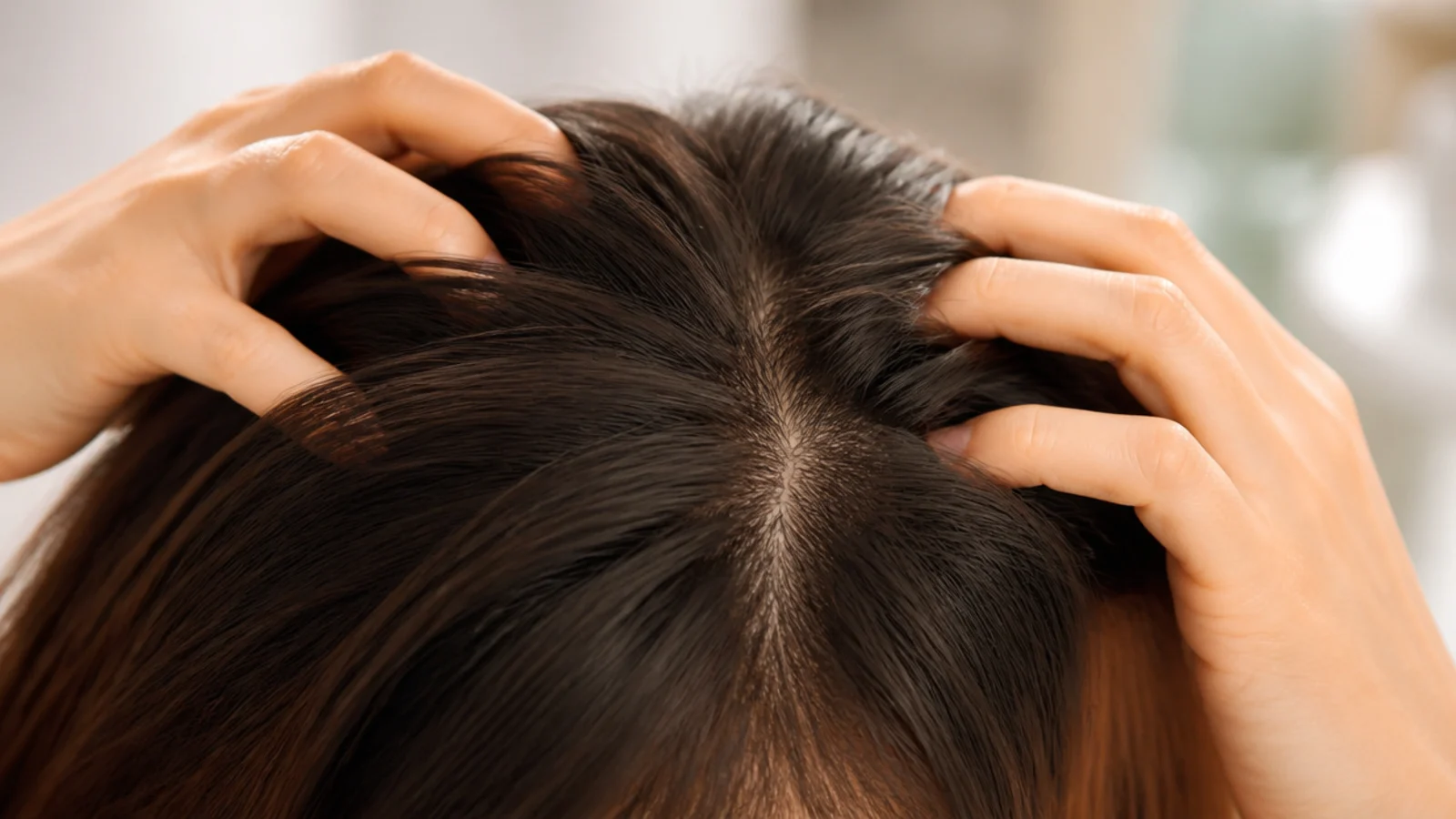
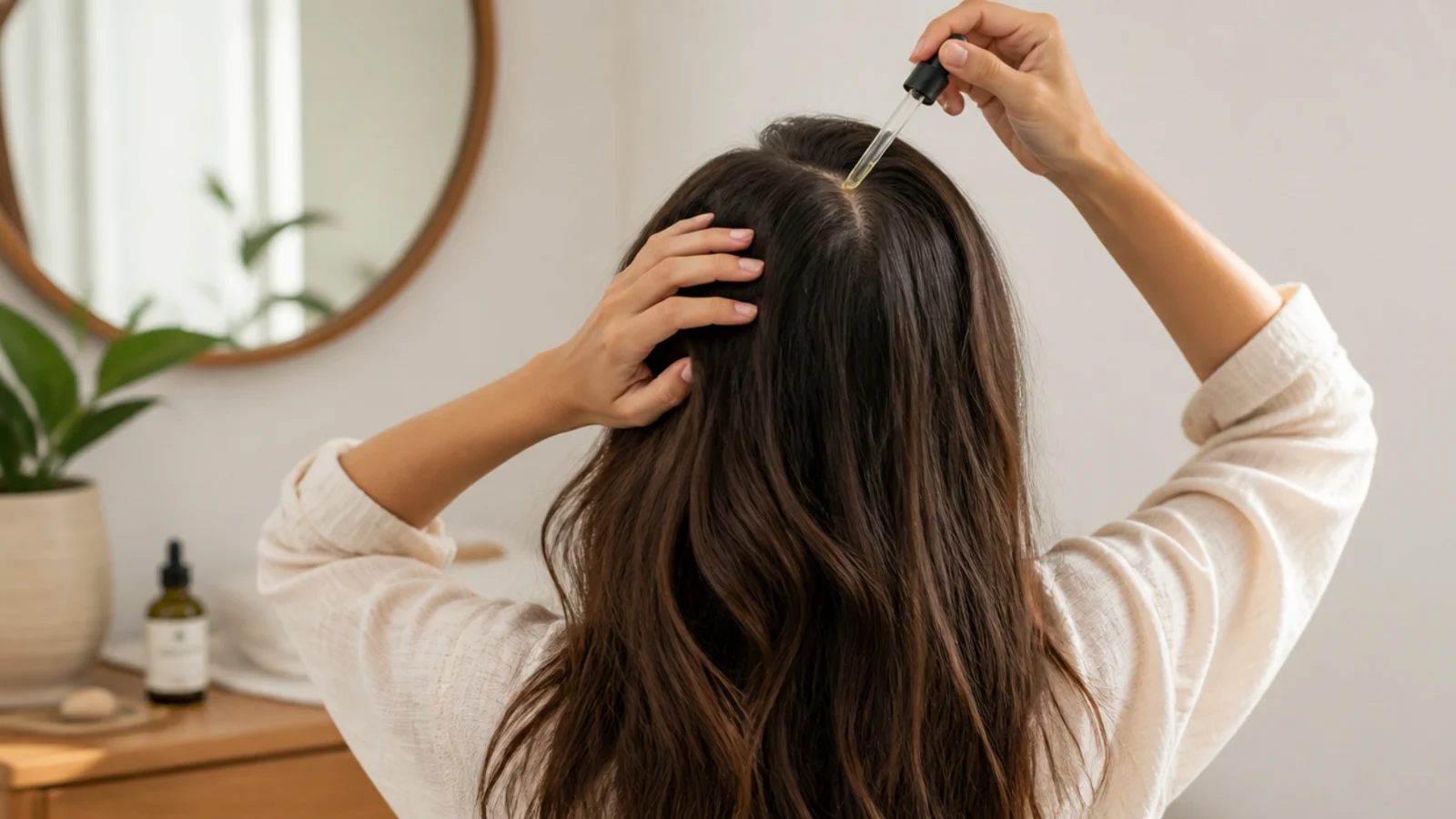
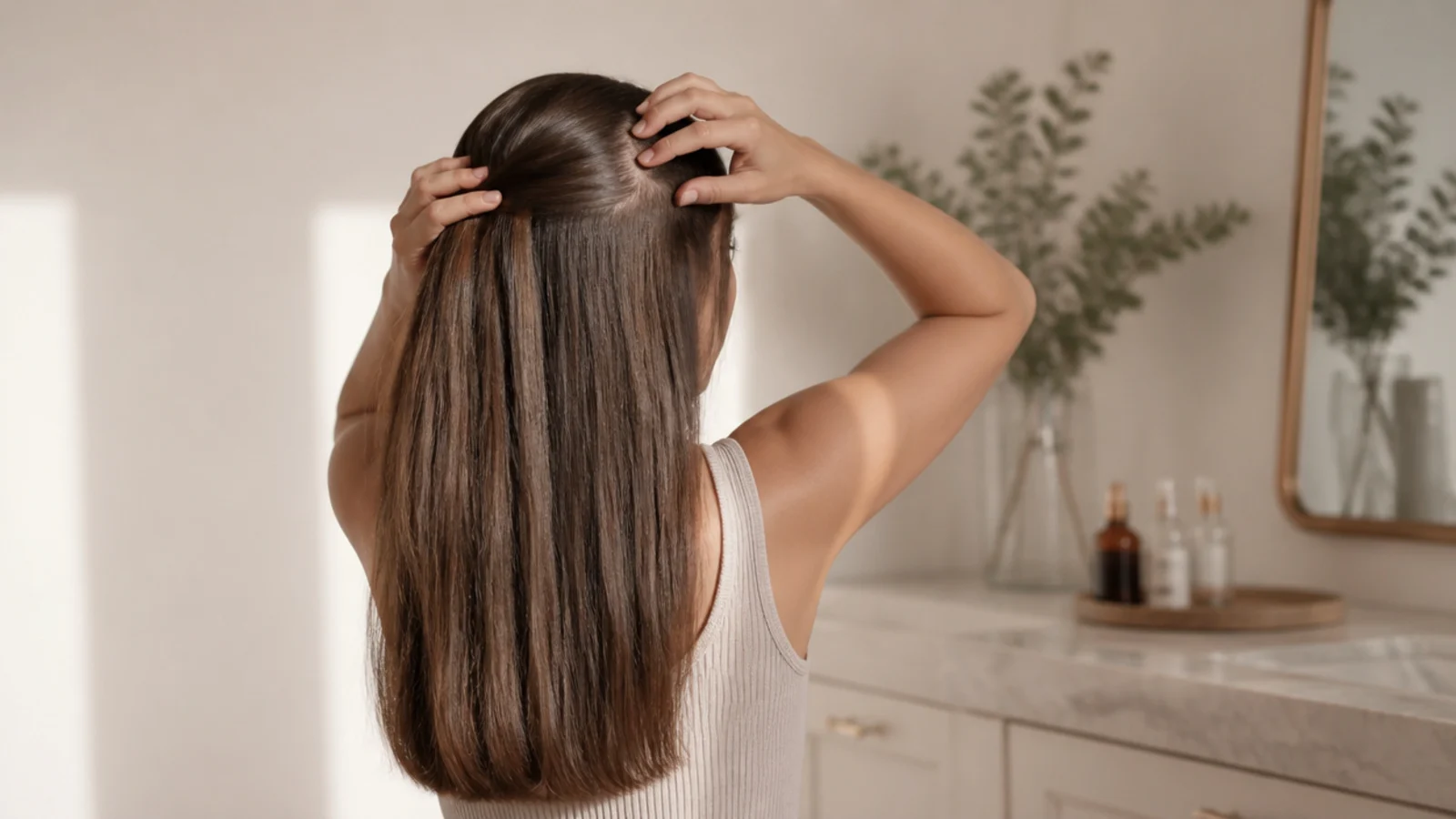
Small circular pressure with the pads of your fingers, moving the scalp over the skull rather than sliding your fingers through hair. Five minutes a night, working from the hairline back to the nape, is the dose used in the small studies that showed any effect. It increases local blood flow and it is free, which is a rare combination in hair care. Do it dry in front of the TV, or with a few drops of jojoba oil on a wash night. It supports the follicle. It does not override your genetic growth rate.
Who it suits: Anyone who wants a zero-cost habit with real supporting evidence.
Tip: Set a five-minute timer; almost everyone stops at ninety seconds without one.
3. Clarify Once a Month to Clear Scalp Buildup
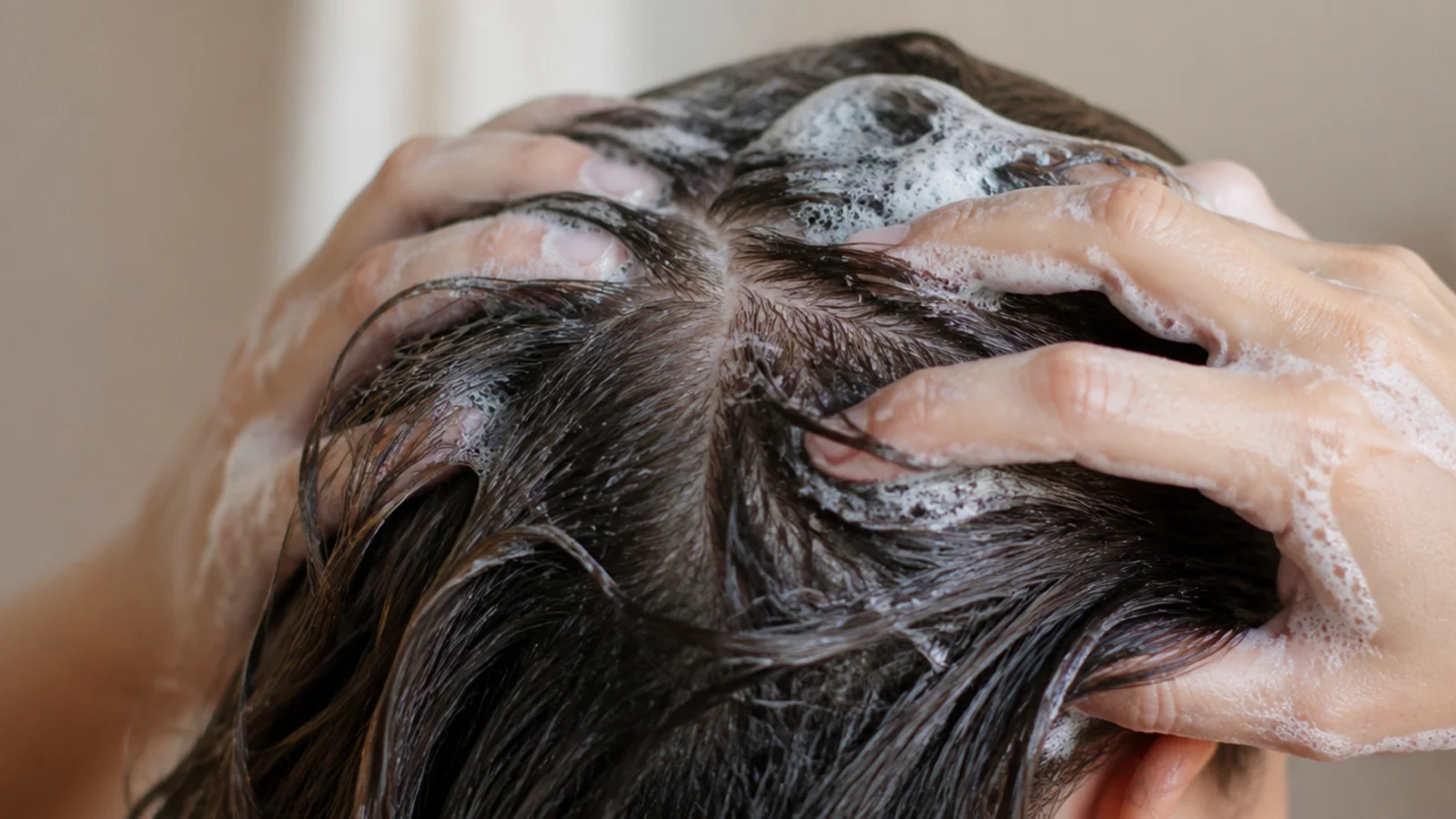
Dry shampoo, silicone conditioners, gels and hard water leave a film at the roots that traps flakes and makes the scalp itch. One clarifying wash a month, or every two weeks if you use dry shampoo daily, resets it. Look for a chelating or clarifying shampoo in the 8 to 20 dollar band, use it only at the scalp, and follow with a deep conditioner because clarifying shampoos are deliberately stripping. A clogged scalp will not stop hair growing, but a chronically inflamed, flaky one can make shedding worse.
Who it suits: Dry shampoo regulars, gym showerers and anyone in a hard water area.
Tip: If your scalp itches within 24 hours of washing, you are overdue for a clarifying wash.
4. Rinse With Lukewarm Water and Finish Cool

Hot water swells the cuticle and lifts it, which is why hair feels rough and tangly straight out of a steaming shower. Wash and rinse in lukewarm water, then give the last fifteen seconds a cool rinse to help the cuticle lie flat. It is not a growth accelerator and nobody should pretend it is. What it does is reduce the frizz and tangling that lead directly to breakage during detangling, which is the actual mechanism by which length gets lost. Free, immediate, and you will feel the difference in how the comb moves.
Who it suits: Long showers, frizz-prone hair and color-treated hair.
Tip: Color fades faster in hot water too, so lukewarm buys you a few extra weeks of tone.
5. Condition From the Ears Down, Coating the Ends First
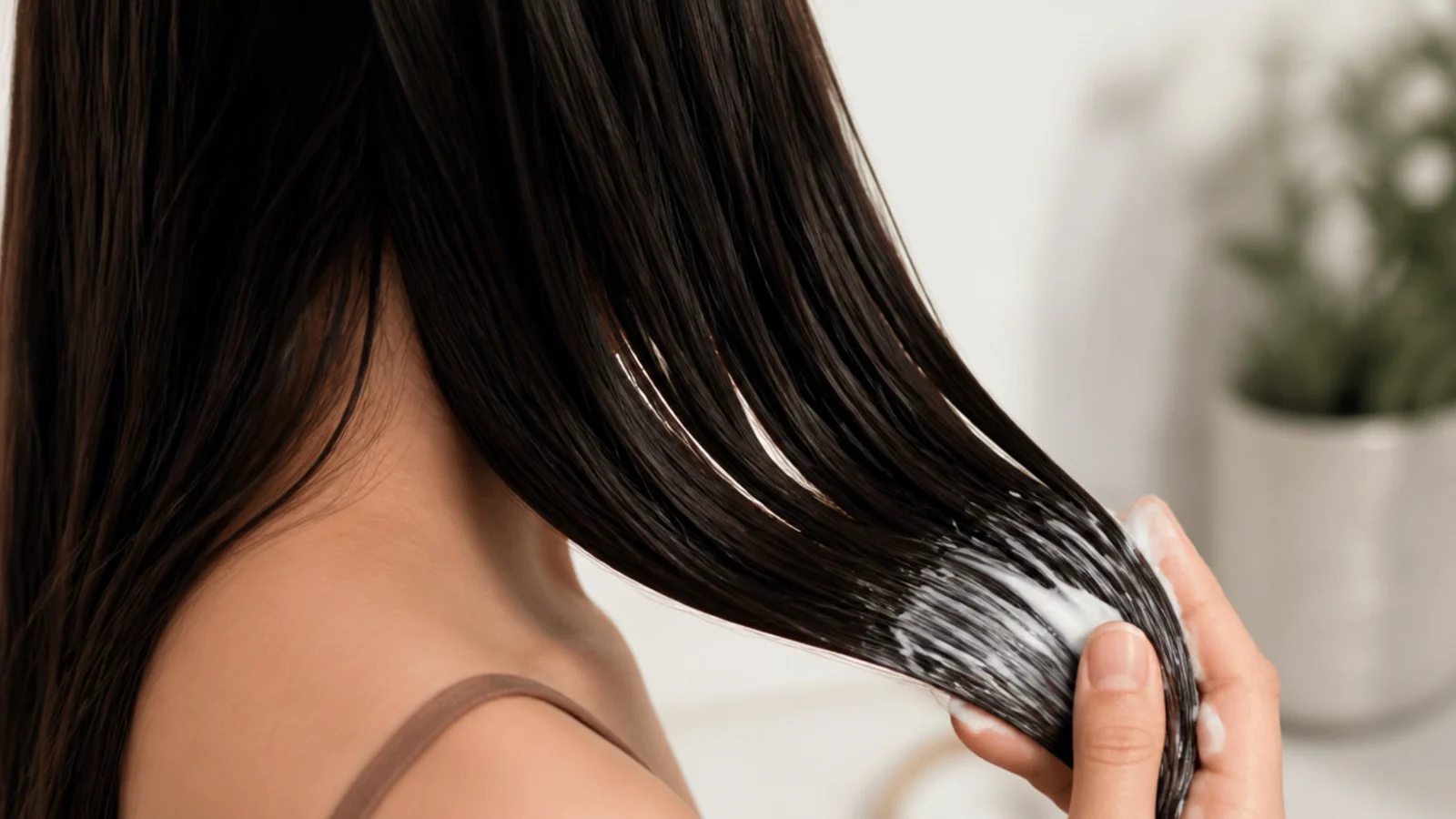
Your ends are the oldest hair on your head. On shoulder-length hair the tips are roughly two years old and have survived every wash, brush and hot tool since. Load conditioner onto them first, then work upward to the ears, and leave the scalp alone unless your hair is very coily. Two to three minutes of contact time beats a rinse-straight-off. This single ordering change is the difference between ends that hold and ends that fray, which is what actually determines whether you gain visible length.
Who it suits: Anyone with hair past the shoulders or with color-treated ends.
Tip: Smooth conditioner down the shaft with flat palms rather than scrunching it in from the roots.
6. Deep Condition for 20 Minutes Once a Week
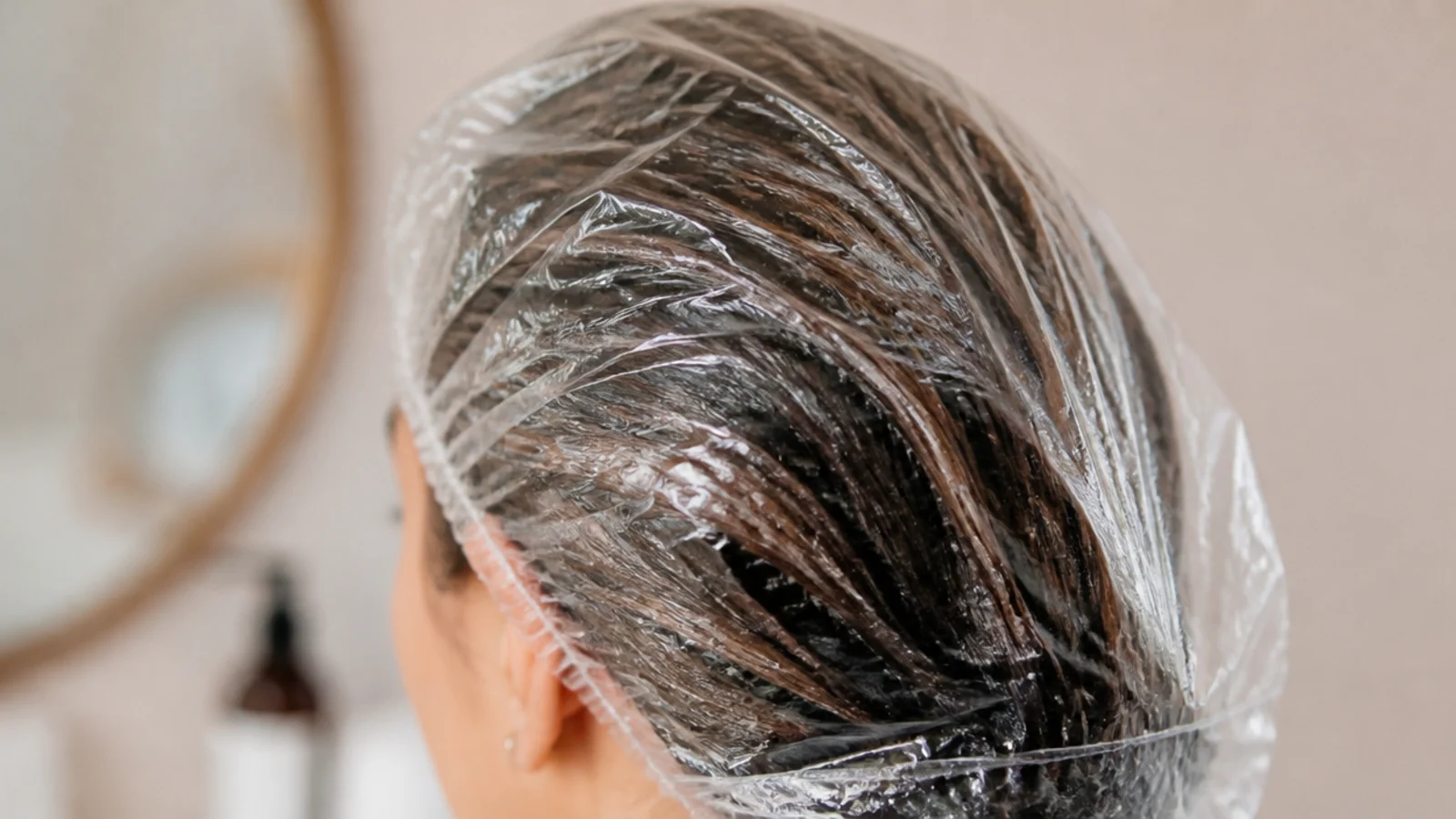
A weekly mask under a plastic cap for twenty minutes, using body heat to help it absorb. Alternate a moisture mask, which usually leads with glycerin, aloe or shea, and a protein or keratin mask roughly once a month. Too much protein with no moisture makes hair stiff and snappy, and too much moisture with no protein makes it limp and stretchy. If your strand stretches a long way when wet and then snaps, it needs protein. Our hair mask for frizzy hair guide covers the balance in detail.
Who it suits: Color-treated, heat-styled, curly and coily hair.
Tip: A shower cap plus a beanie beats any heated cap and costs nothing.
7. Detangle From the Ends Up With a Wide-Tooth Comb
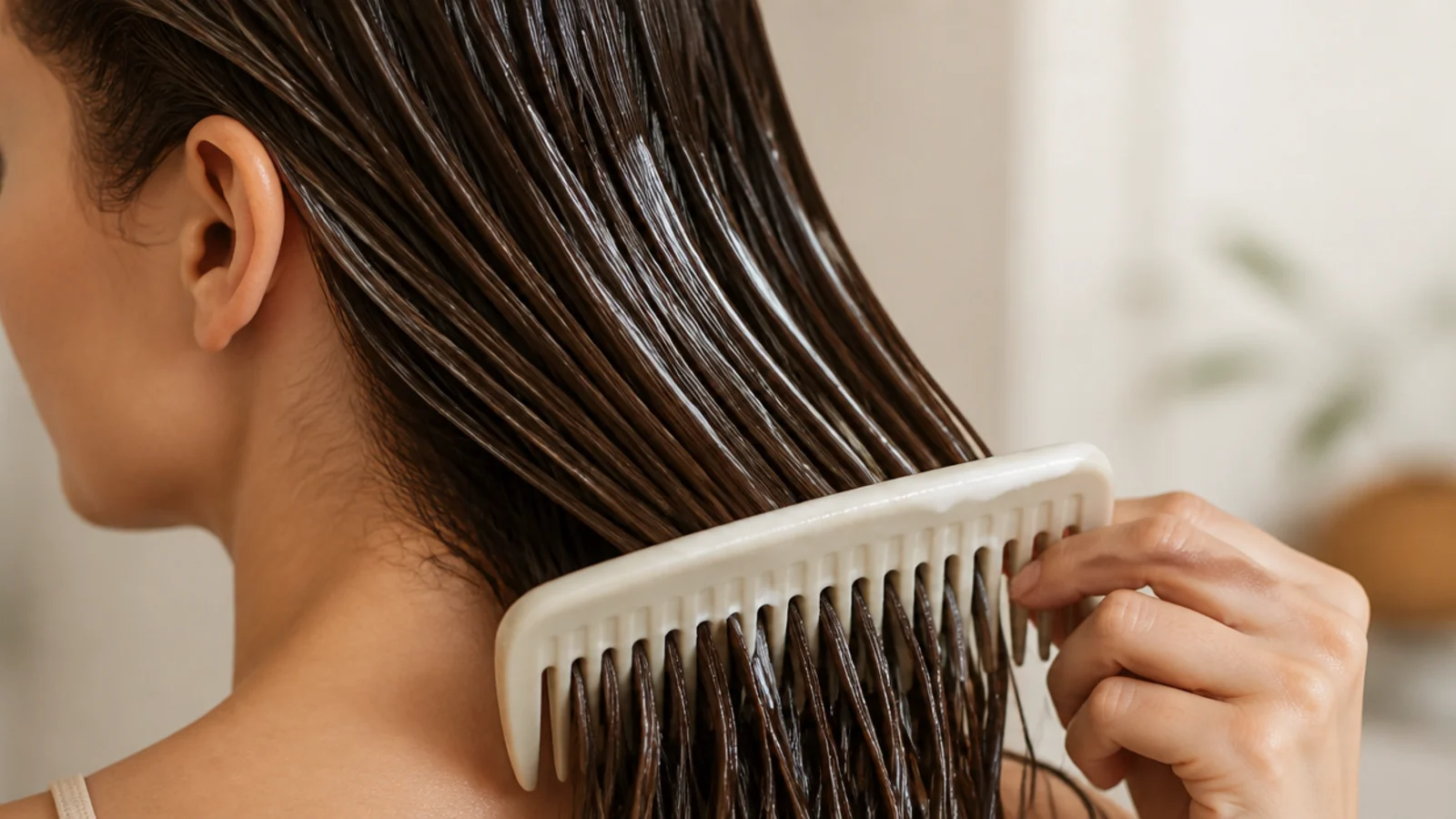
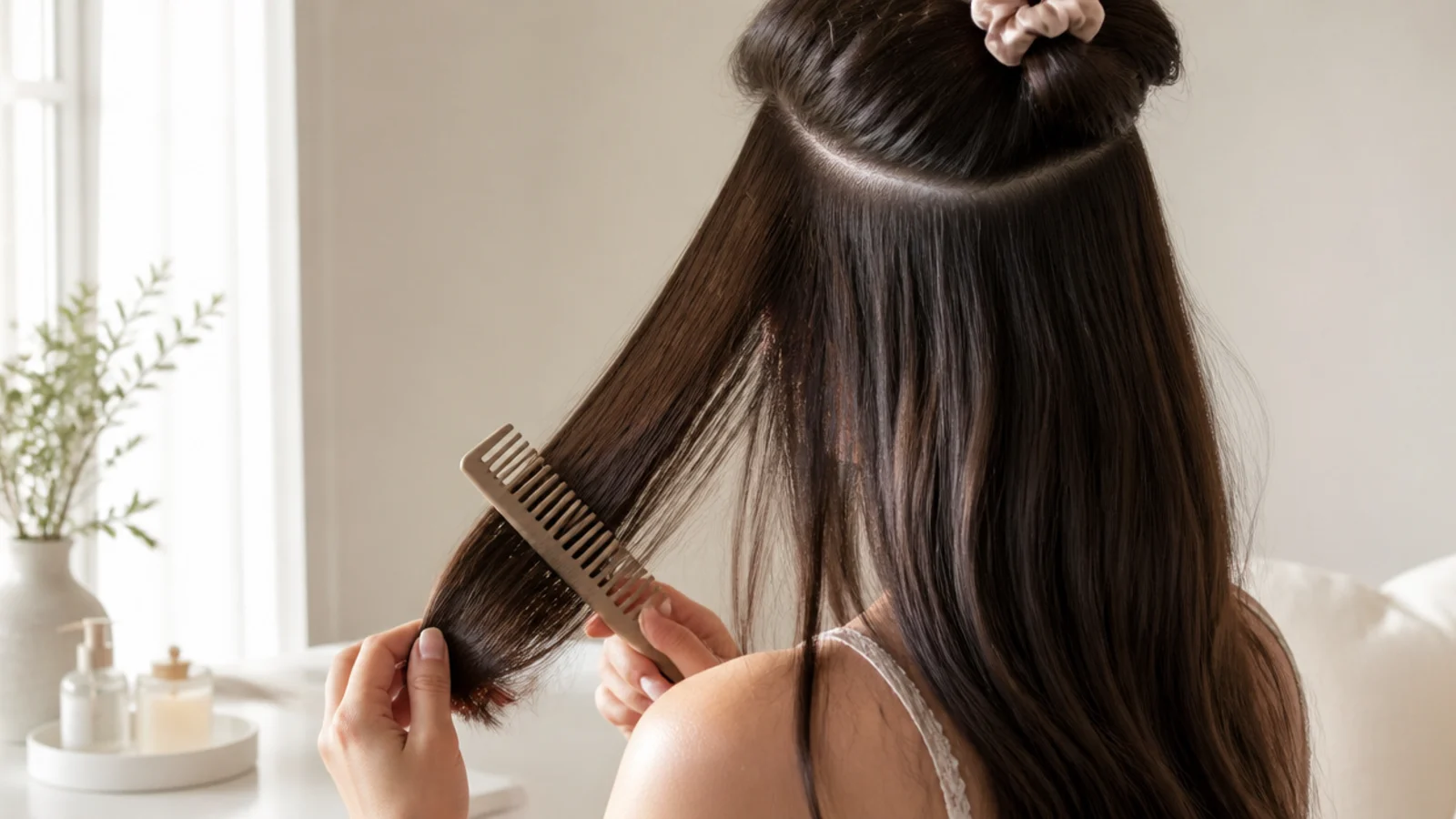
Wet hair is at its weakest and stretchiest, so it is the single easiest moment to break it. Detangle in the shower with conditioner still in, in four sections, starting an inch from the ends and working upward in short passes. A wide-tooth comb or a loop-style detangling brush moves through with far less snagging than a paddle brush. Never rake from the roots down; that gathers every knot into one wad and rips it through. If you only change one habit on this whole list, make it this one.
Who it suits: Anyone who hears snapping while brushing, especially curly and coily hair.
Tip: If the comb stops, stop pulling; add more conditioner or slip and separate the knot with fingers.
8. Dry With a Microfiber Turban or Cotton T-Shirt
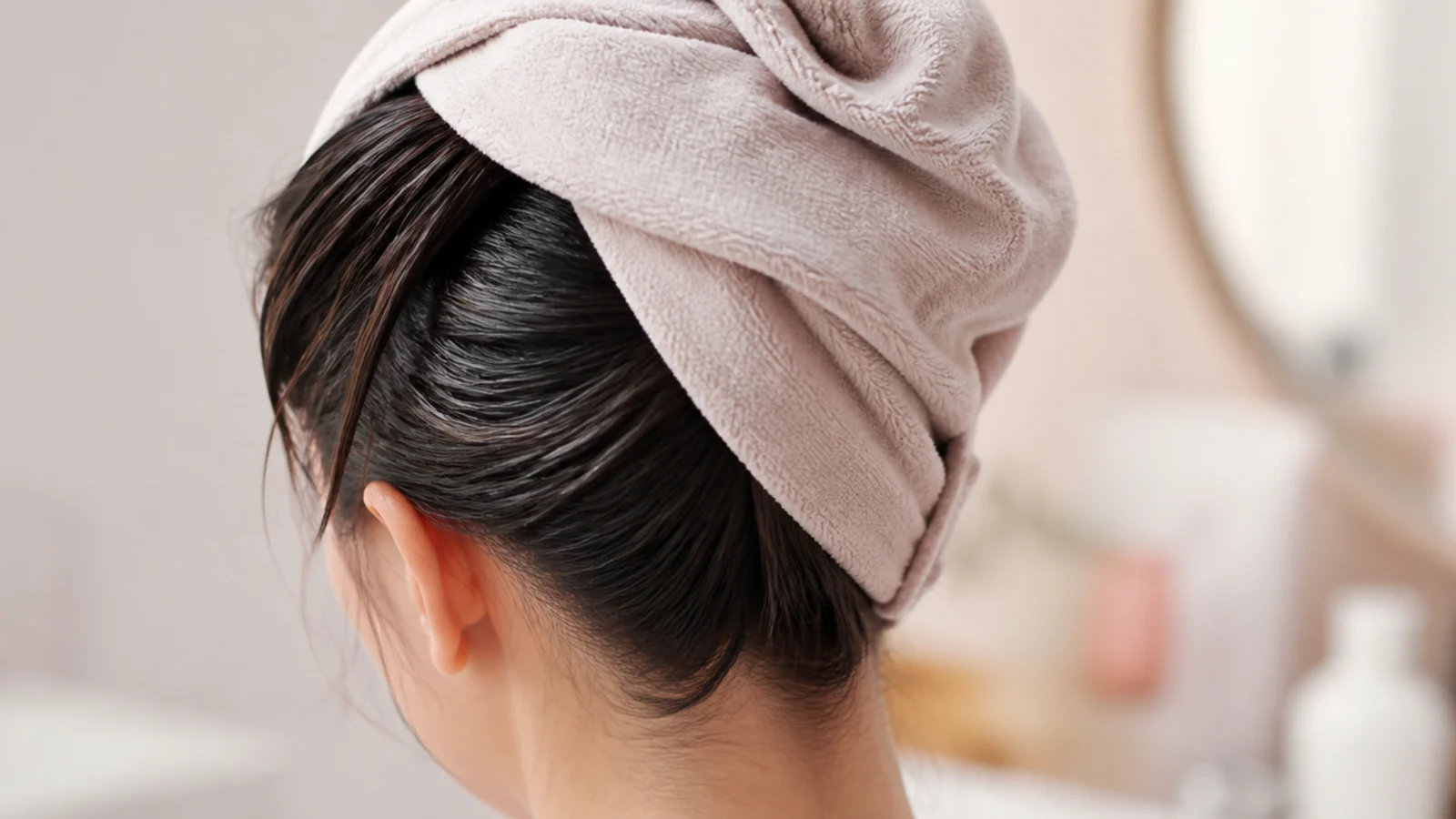
Terry towel loops catch the cuticle and rough it up, and the vigorous rub most people do afterward is pure mechanical damage on the most vulnerable hair of the week. Swap in a microfiber towel or an old cotton t-shirt, in the 8 to 15 dollar band or free from your drawer, and squeeze rather than rub. Leave it on for ten minutes, not an hour, since a tight wrap held long adds tension at the hairline. This is one of the cheapest anti-breakage swaps available, which is why every natural hair growth tips list includes it.
Who it suits: Wavy, curly and coily hair, and anyone with visible frizz halos.
Tip: Squeeze in a downward motion along the shaft, never scrub in circles at the crown.
9. Limit Hot Tools to Once a Week Under 350 Degrees
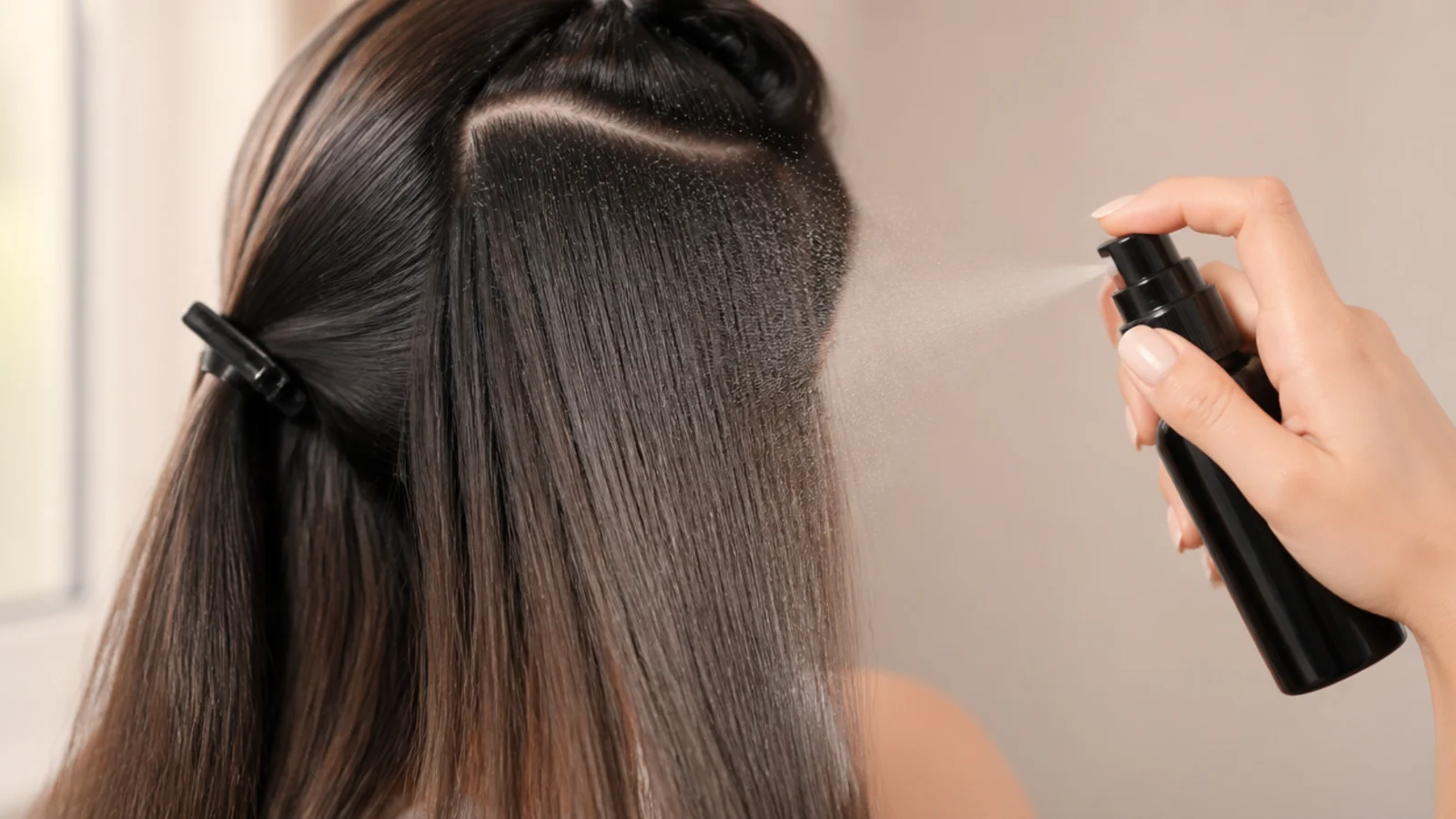
Heat damage is cumulative and permanent; there is no conditioner that rebuilds a cooked cuticle. Cap hot tools at once a week, use a heat protectant on every pass, and set fine or color-treated hair to 300 to 330 degrees and thick coarse hair to 350 to 375. One slow pass beats four fast ones. If you straighten daily, this is almost certainly the reason your length has not moved in two years. Air drying, a satin wrap set or a low-heat diffuser will get you most of the same smoothness without the cost.
Who it suits: Daily straighteners, curling wand users and blowout regulars.
Tip: Bleached hair should stay at or below 300 degrees; the cuticle is already compromised.
10. Trim a Quarter Inch Every 8 to 12 Weeks
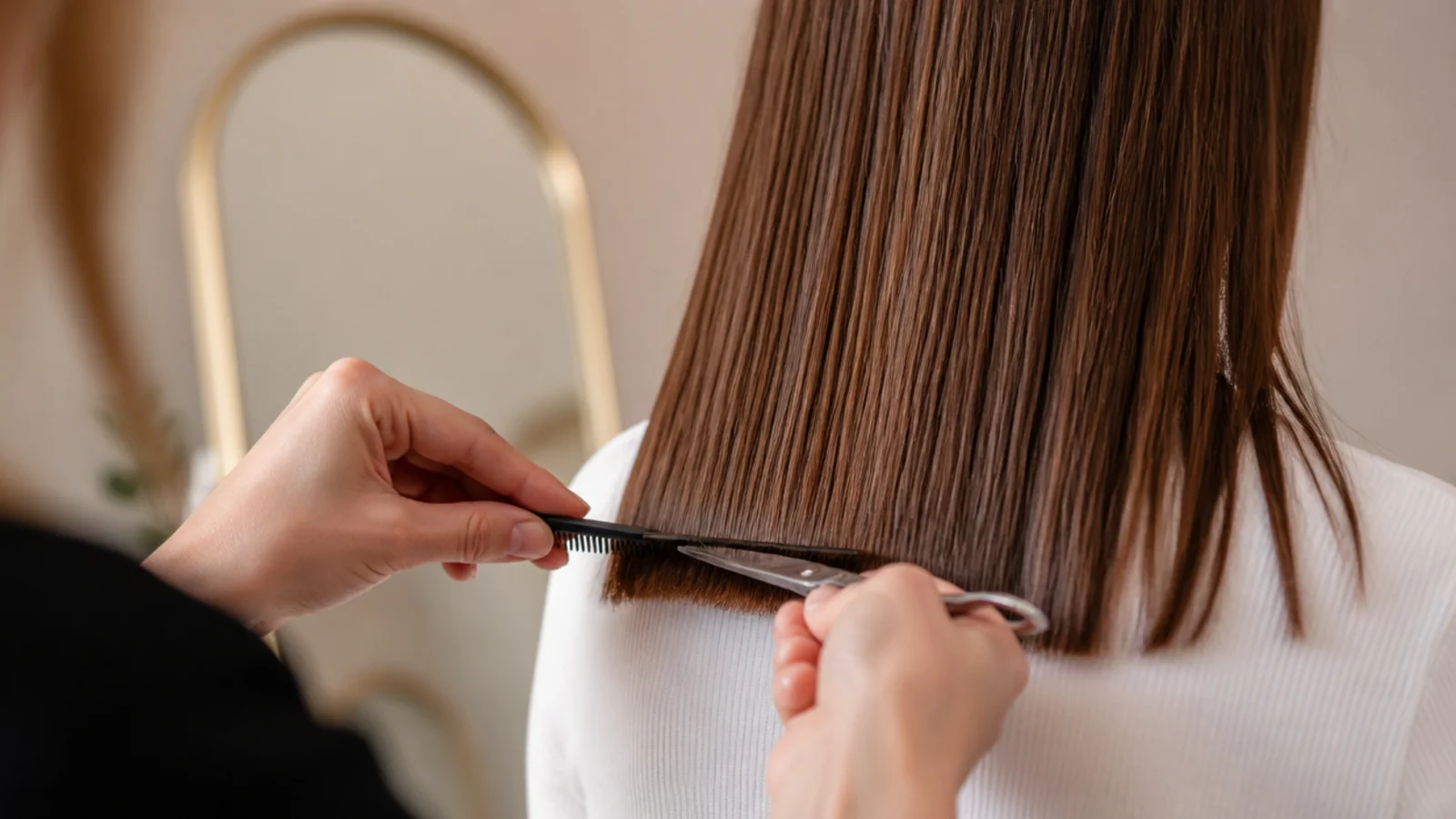
Trims do not make hair grow faster; nothing at the ends can send a message to the follicle. What a trim does is remove split ends before the split travels up the shaft and forces you to cut off two inches instead of a quarter. At half an inch of growth a month, a quarter-inch trim every 10 weeks still nets you well over an inch. Ask for a quarter inch or a dusting, and say clearly that you are growing it out. Expect 25 to 60 dollars at most salons.
Who it suits: Anyone growing out length who has skipped the salon for a year.
Tip: Book the next appointment before you leave; the skipped trim is what costs you inches.
11. Sleep on a Satin Pillowcase or in a Satin Bonnet

You spend a third of your life dragging your hair across fabric. Cotton grips the cuticle and wicks out moisture; satin and silk let hair slide. A satin pillowcase runs about 10 to 20 dollars, silk runs 40 to 90, and a satin bonnet or scarf runs 8 to 25. For coily, 4C and color-treated hair, the bonnet is the higher-impact choice because it protects the ends too. Combine it with a loose braid or a pineapple on top of the head. This is the least effort, most reliable anti-breakage habit on the list.
Who it suits: Everyone, and non-negotiable for coily, curly or bleached hair.
Tip: Wash satin pillowcases weekly; the slip disappears once product residue builds up.
12. Wear a Loose Protective Style Two Days a Week
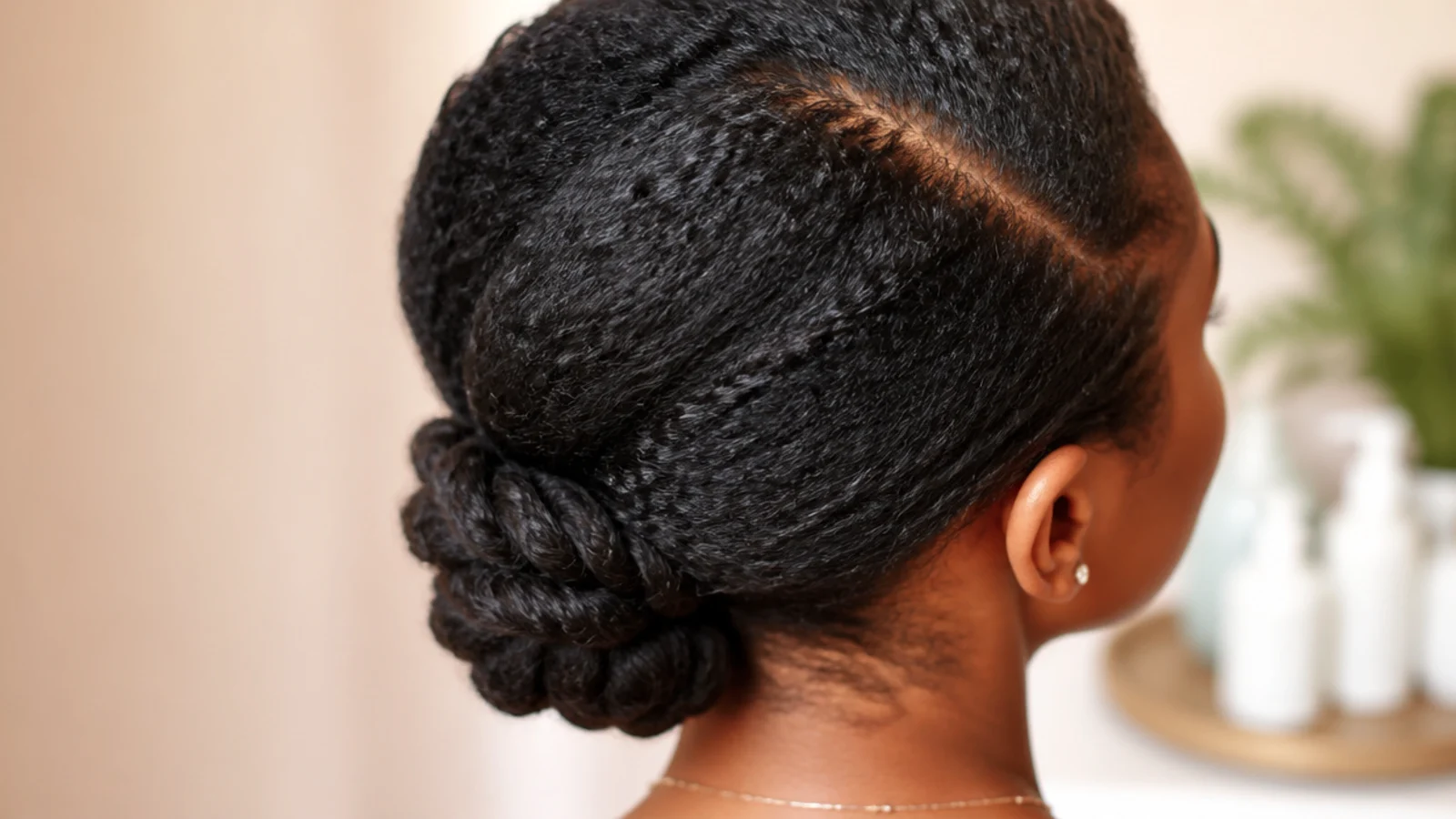
A protective style tucks your ends away so they are not rubbing on collars, coats and car seats all day. A loose low braid, a twisted low bun or two-strand twists count; a tight slicked ponytail does not. Two days a week is enough to make a difference without leaving hair in one position long enough to get weak. Keep any braided or twisted style in for four to six weeks maximum and take a week off between installs. A low messy ponytail works as an everyday version.
Who it suits: Long hair, coily hair and anyone in a cold or windy climate.
Tip: If it pulls at the temples or gives you a headache, it is causing damage, not preventing it.
13. Retire Metal Elastics and the Tight High Ponytail
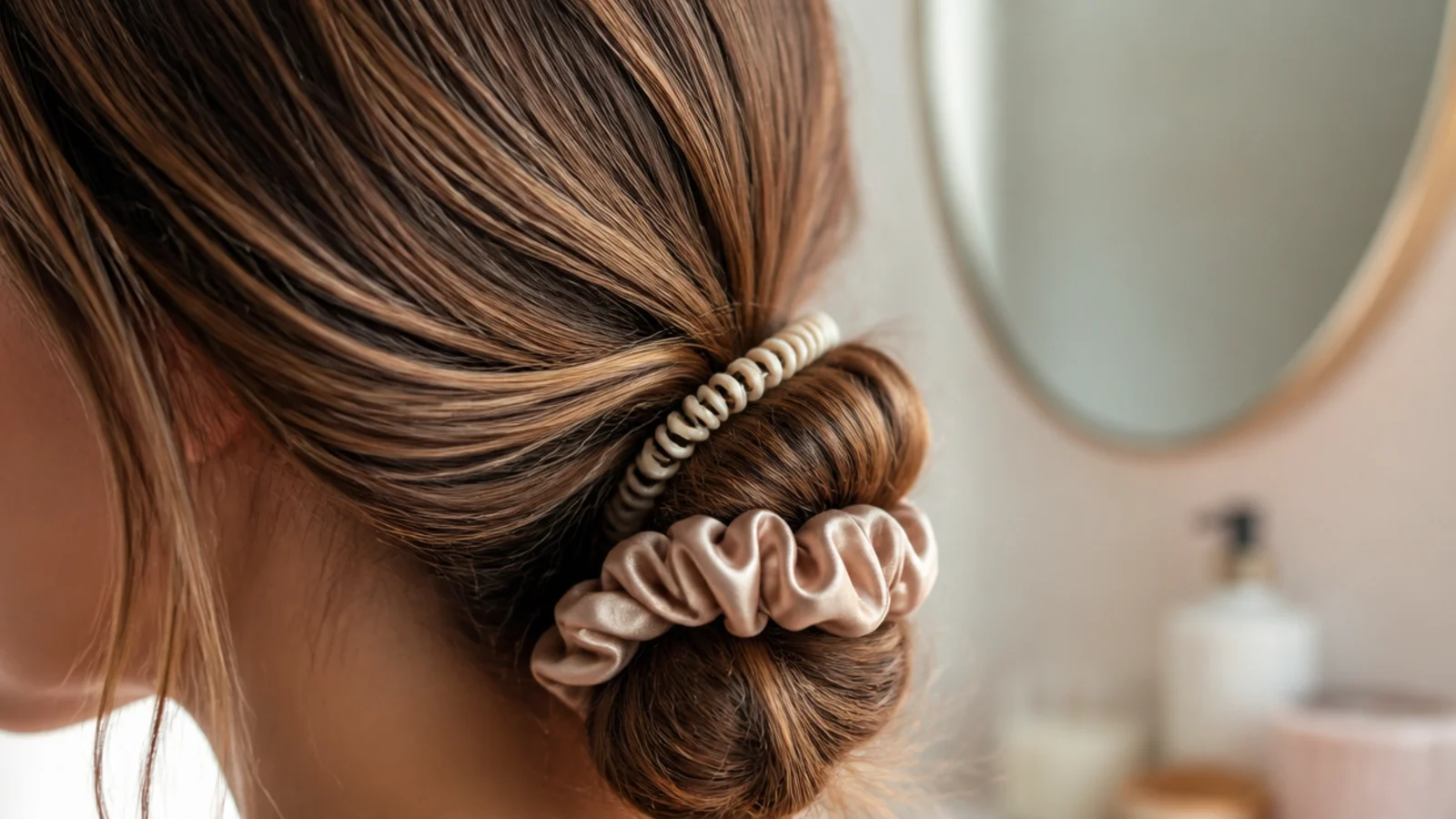
The little metal crimp on a standard elastic saws through the exact same spot every time you tie your hair up, which is why so many people have a mysterious short layer at ponytail height. Switch to spiral coil ties, satin scrunchies or seamless elastics, and move the ponytail position by an inch or two each day. Slicked-back high ponytails worn daily are a leading cause of traction damage at the hairline. If your edges have thinned where you always part, that is your sign to change styles now.
Who it suits: Daily ponytail wearers, gym-goers and anyone with a thinning hairline.
Tip: Never tie hair up while it is soaking wet; wet hair stretches and stays deformed.
14. Eat Enough Protein and Iron-Rich Food Every Day

Hair is made of keratin, a protein, and it is the first tissue your body deprioritizes when intake drops. Aim for a palm-sized portion of protein at each meal, from eggs, fish, chicken, Greek yogurt, lentils or tofu, plus iron sources like spinach, lentils and red meat with vitamin C alongside to help absorption. Crash dieting and very low calorie intake are among the most common reasons for sudden shedding a few months later. Food fixes deficiencies. It does not push a well-nourished head of hair past its genetic rate.
Who it suits: Anyone dieting, recently postpartum, vegetarian or newly vegan.
Tip: Sudden shedding often shows up two to three months after the cause, so look back, not at this week.
15. Test Ferritin and Vitamin D Before Buying Supplements

Supplements help when you are deficient and do nothing measurable when you are not. Ferritin, vitamin D, zinc and thyroid function are the panel worth asking your doctor about before spending 30 to 60 dollars a month on a gummy. Biotin deficiency is genuinely rare, which is why biotin does so little for most people, and high-dose biotin can skew thyroid and cardiac blood tests, so tell your doctor if you take it. Test first, then supplement what is actually low. That order saves money and gets results.
Who it suits: Anyone about to buy a hair vitamin, and anyone shedding without an obvious cause.
Tip: Ask specifically for ferritin, not just hemoglobin; you can be low in stored iron and not anemic.
How Fast Hair Actually Grows and What You Control
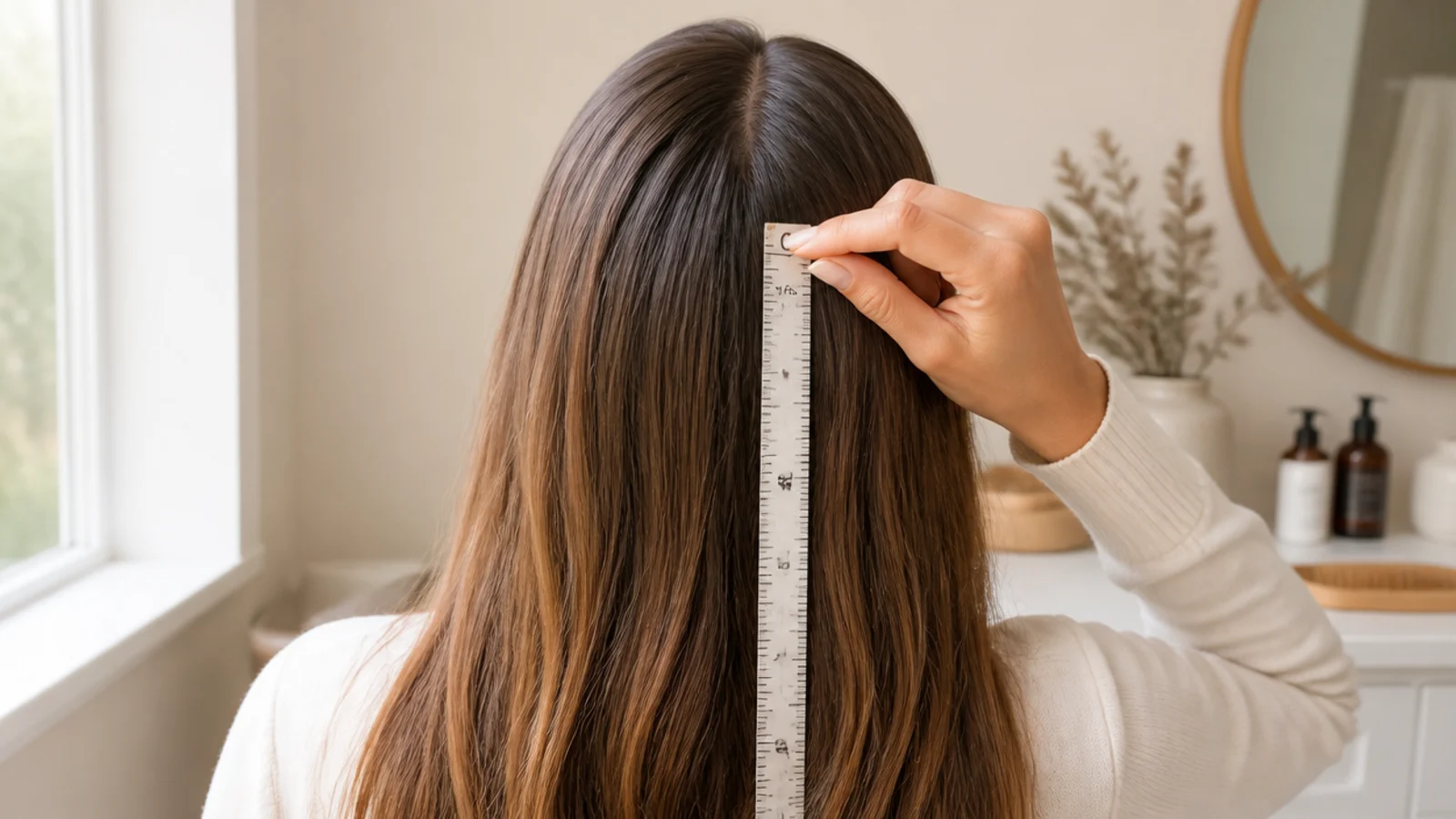
Scalp hair grows at roughly half an inch a month, which works out to about six inches a year, and that figure barely moves regardless of what you buy. Rate is set by genetics, age, hormones and general health, and each follicle also has a genetically determined growing phase that decides your terminal length, meaning the maximum your hair will ever reach before it sheds and starts over. Some people have a growing phase that allows waist length. Some genuinely cannot pass the shoulders no matter what they do, and no serum changes that. What you control sits entirely on the other side of the ledger: whether the inches you grow survive long enough to show up in the mirror. That is why this list is heavy on washing, detangling, heat and satin, and light on miracle bottles. Start with the honest baseline in hair growth tips before you change anything else.
Breakage vs Growth: Why Your Hair Looks Stuck at the Same Length
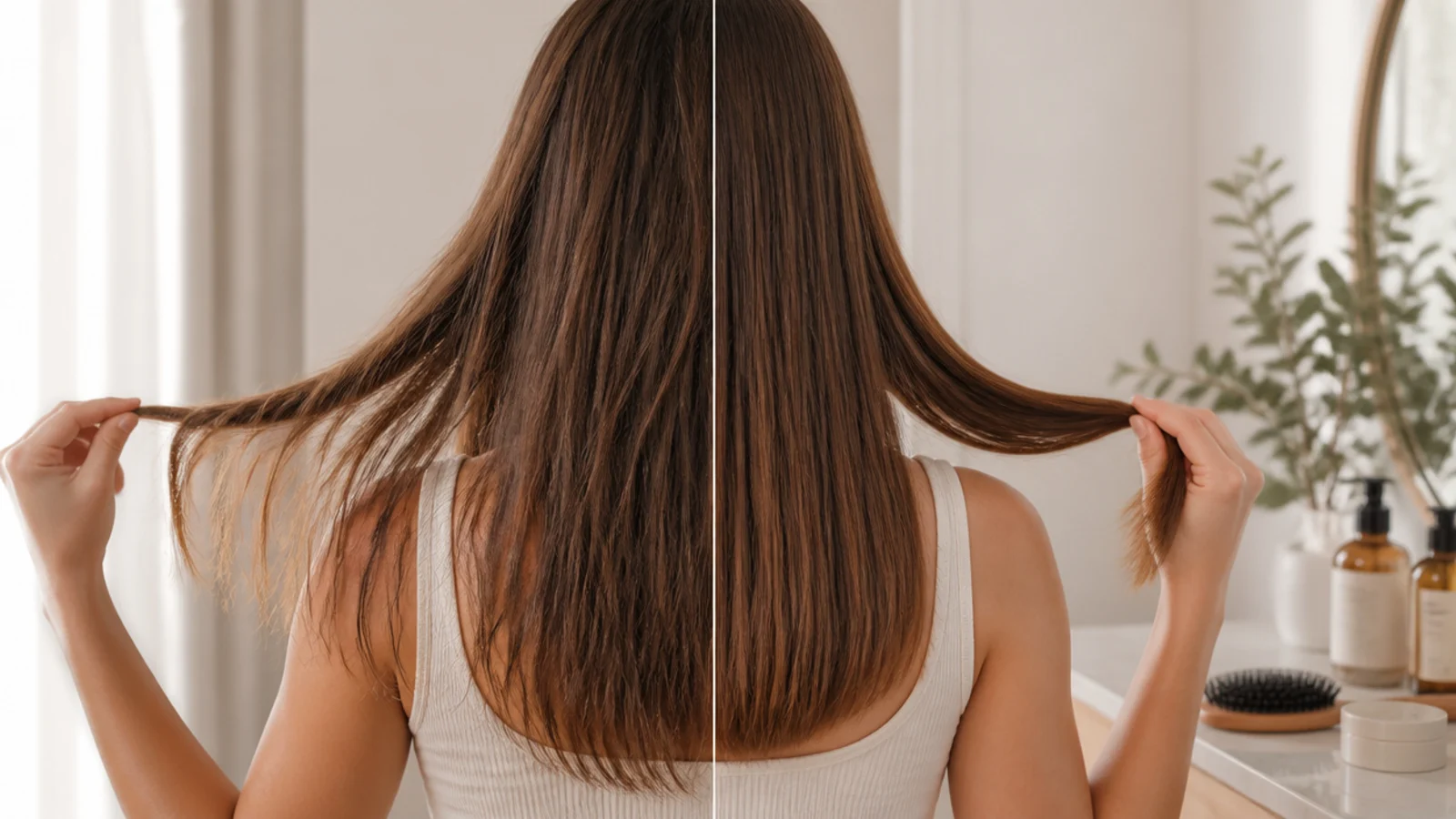
If your hair has sat at the same length for a year, it is almost never that your follicles stopped working. It is that your ends are breaking off at the same speed the roots are producing new hair. Look for the tells: ends that taper into wispy points instead of sitting blunt, short broken hairs standing up along your part, white dots partway down a strand, and hair that snaps when you comb it rather than sliding free. A shed hair has a small pale bulb at one end and is full length; a broken hair is short with no bulb. If most of what is in your brush is short and bulbless, you have a breakage problem, not a growth problem, and every fix is mechanical. Cut the heat, get the satin, use the wide-tooth comb, and get the splits off before they climb. See more diagnostics in hair growth tips faster.
A Daily, Weekly, Monthly and Quarterly Hair Care Routine for Growth
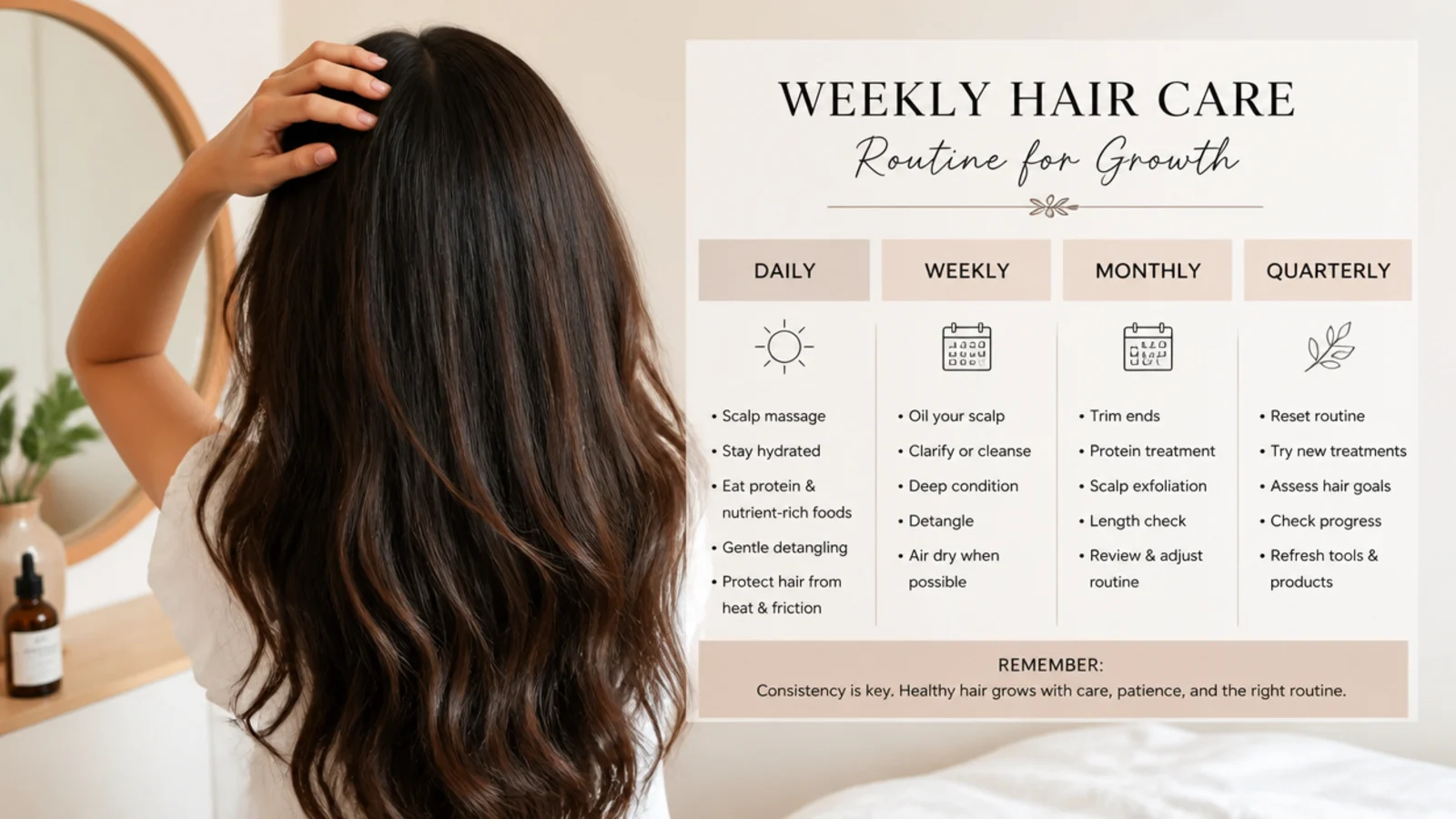
Tips scattered across an article are hard to act on, so here is the same content as a cadence. Daily: five minutes of scalp massage, satin pillowcase or bonnet at night, loose ties only, and hands off wet hair unless you are actively detangling it. Weekly: two or three scalp-focused washes in lukewarm water, conditioner from the ears down every wash, one twenty-minute deep conditioning session, and at most one heat styling day with protectant. Monthly: one clarifying wash to clear buildup, one protein or keratin treatment if your hair stretches and snaps, and a check of your ends in good light. Quarterly: a quarter-inch trim every 8 to 12 weeks, a photo against the same landmark such as a collarbone or bra strap, and an honest review of what you actually kept doing. A routine you follow at 70 percent beats a perfect one you abandon in March. There is a no-purchase version in hair growth tips faster at home.
Do Hair Growth Supplements Work? Honest Limits on Biotin, Collagen and Rosemary Oil

The short version is that supplements correct deficiencies and do not act as general accelerators. Biotin deficiency is rare in people eating a normal diet, which is why most biotin gummies do nothing beyond an expensive placebo, and high doses can interfere with thyroid and cardiac lab results, so always disclose them before bloodwork. Iron, specifically stored iron measured as ferritin, plus vitamin D, zinc and thyroid function are the tests actually worth running when hair is shedding. Collagen powder is protein, and it is fine, but it is not a special hair protein. Rosemary oil has one small trial behind it comparing it against minoxidil, which is more evidence than most kitchen remedies have and still not a lot; if you want to try it, dilute a few drops in a carrier oil, patch test, and give it months rather than weeks. Nothing in this paragraph is a treatment for hair loss. More kitchen-first options sit in natural hair growth tips.
Edges, Thinning, 4C and Postpartum Shedding: Adjusting for Your Situation
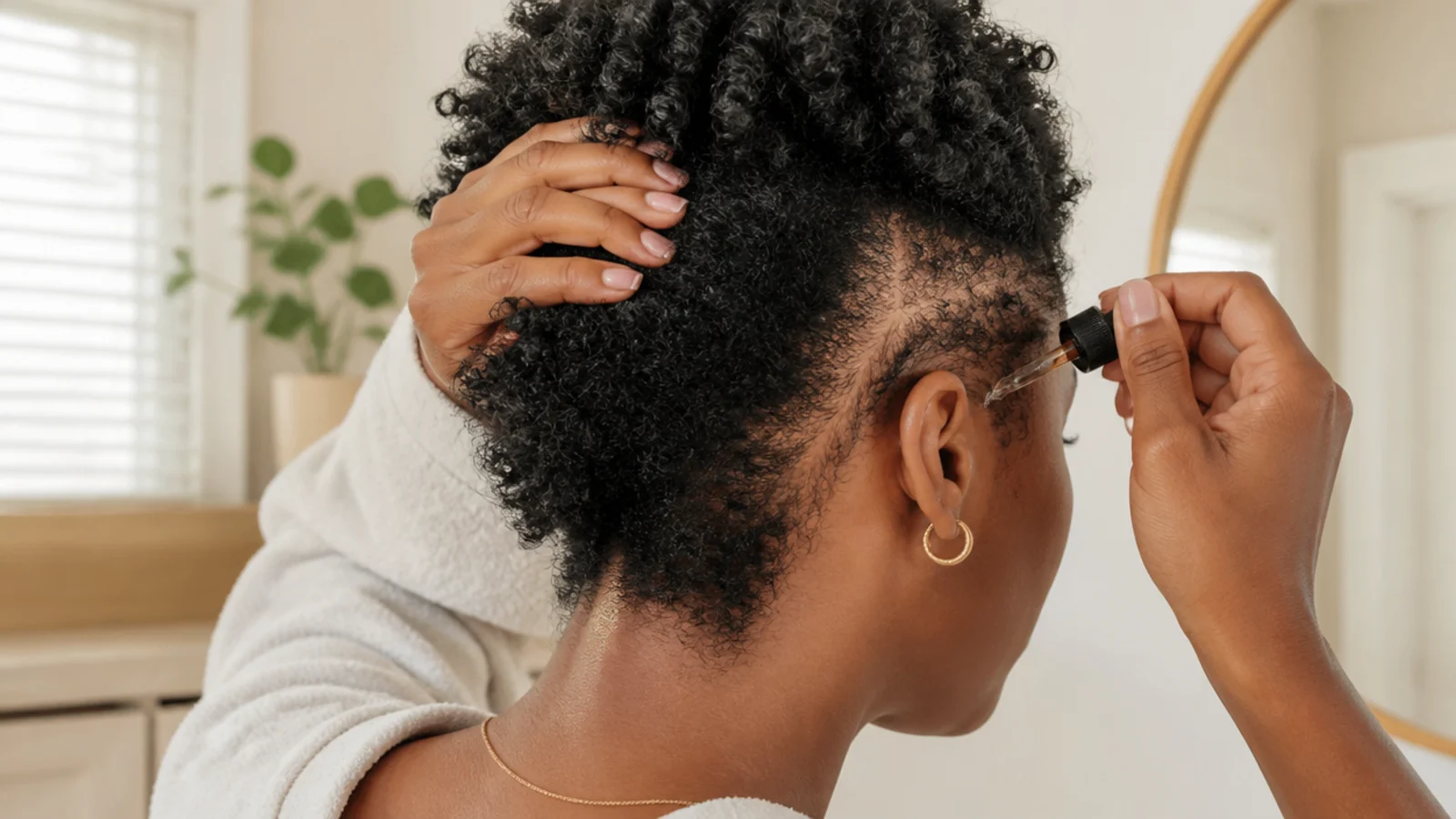
One routine does not fit every concern. Thinning edges usually trace back to tension from tight ponytails, braids, weaves and daily slick-backs, and the fix is to stop the pulling now, because tension damage caught early is often reversible and tension damage left for years may not be. Coily and 4C hair is the most fragile texture at the bend points and benefits from less frequent washing, more conditioner, stretched styles and a bonnet every night; the tailored version is in hair growth tips for black women. Postpartum shedding is not hair loss in the usual sense but a mass exit of hairs that stayed in the growing phase during pregnancy, and it typically settles on its own; be gentle and wait rather than panic buying. Fine hair that is thinning at the part, rather than breaking, is a different question entirely and belongs with a doctor. Styling around a fragile hairline is covered in graduation hairstyles for natural hair.
When to Stop Googling and See a Dermatologist or Trichologist
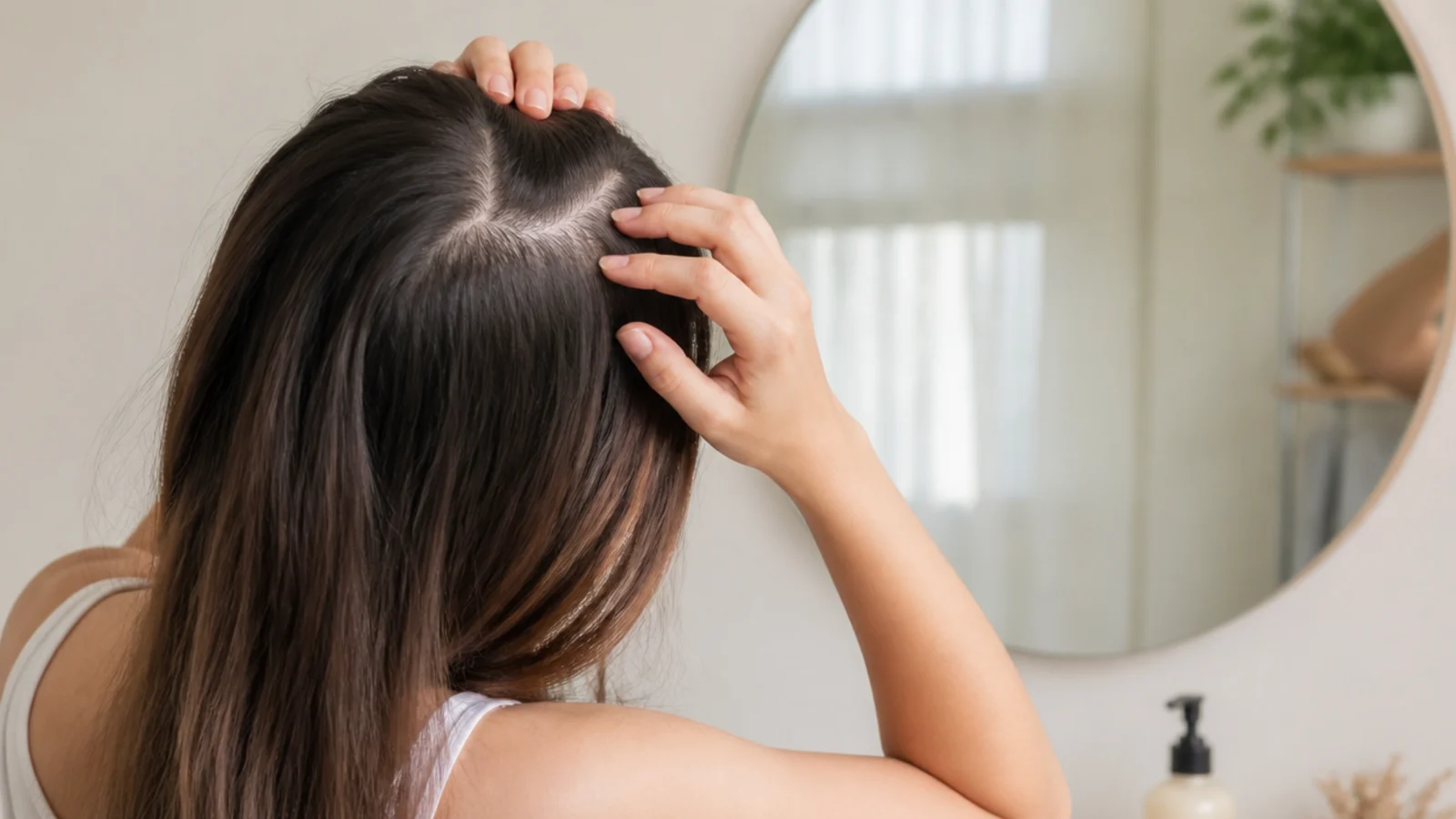
Nothing in this article is medical advice, and there is a clear line where a hair care routine stops being the right tool. Book an appointment with a board-certified dermatologist or a qualified trichologist if your part is visibly widening, if you can see scalp through the hair at the crown, if you have bald patches with smooth skin, if your scalp is sore, scaly, burning or scarred, if shedding has been heavy for more than three months, or if you are losing eyebrow or body hair too. Those patterns point to conditions that oils and masks cannot address, and some of them are time-sensitive, because scarring types of hair loss destroy the follicle permanently once they progress. Going early costs you one appointment. Going late can cost you the follicle. Take photos in the same light every month so you have something concrete to show. In the meantime, keep the gentle handling habits from this list going, since they help regardless of the diagnosis, and browse the rest of the hair growth tips hub for routine ideas.
Frequently Asked Questions
Can you really grow hair faster overnight?
No. Hair grows at roughly half an inch a month and nothing applied overnight changes the rate a follicle produces hair. What you can do overnight is stop losing length: sleeping on satin, in a bonnet, or in a loose braid cuts the friction that snaps ends. That is real and worth doing, but it protects growth rather than speeding it up.
What foods make hair grow faster?
No food speeds up hair growth if you are already well nourished. Food matters when you are short of something, and the usual culprits are protein, iron, vitamin D and zinc. Eggs, fish, lentils, Greek yogurt, spinach and pumpkin seeds cover most of those. Very low calorie dieting is a common cause of shedding two to three months later.
How do I grow my hair fast naturally?
Focus on keeping length instead of chasing speed. Wash the scalp two or three times a week, deep condition weekly, detangle wet hair from the ends up with a wide-tooth comb, keep heat to once a week, sleep on satin, and trim a quarter inch every 8 to 12 weeks. Those habits are free or cheap and they compound over months.
How long does it take to see a difference in hair growth?
Changes in how your hair feels show up within a few washes, but visible length takes months because the underlying rate does not change. Half an inch a month means a quarter of the way to a noticeable difference by the end of a season. Take a photo against the same landmark each month rather than judging it daily in the mirror.
Do trims make your hair grow faster?
No. The follicle has no way to sense what happens at the ends, so cutting cannot signal it to speed up. Trims still matter because they remove split ends before the split travels up the shaft and forces a much bigger cut later. A quarter inch every 8 to 12 weeks keeps ends blunt while still netting well over an inch of gain.
Which hairstyles promote healthy hair growth?
Loose ones that keep tension off the hairline and tuck the ends away. A low braid, a soft twisted bun, two-strand twists or a loose pineapple at night all qualify. Slicked-back high ponytails, tight braids and anything that gives you a headache do the opposite and can cause traction damage at the temples over time.
What shampoos can help regrow hair?
Shampoo cleans the scalp; it has almost no contact time and cannot regrow hair. A gentle, sulfate-free formula and a monthly clarifying wash keep the scalp comfortable, which is genuinely useful. If you are looking for regrowth rather than maintenance, that is a conversation for a dermatologist, since actual regrowth treatments are medical rather than cosmetic.
How long does hair grow in a week?
About an eighth of an inch, or roughly three millimeters, based on the usual half inch per month. That is small enough to be invisible week to week, which is why weekly checking is discouraging and monthly photos are motivating. Growth is also slightly faster in warm months and slows with age for most people.
Why is my hair not growing past a certain length?
Two possible reasons. Either you have reached your terminal length, meaning your genetically set growing phase ends before the hair gets longer, or your ends are breaking as fast as your roots produce new hair. Check your brush: mostly short hairs with no pale bulb means breakage, which is fixable, while full-length shed hairs point to terminal length.
Which hair growth tips look are you saving?
If you take only one thing from these 15 hair care tips for growth, make it this: keep a written note of where your ends sit against your collarbone or bra strap today, then check again in three months. That slow, unglamorous comparison tells you more than any product claim. Start with the three cheapest changes, which are a satin pillowcase, a wide-tooth comb used on conditioner-slick hair, and a standing trim every 8 to 12 weeks. Add the scalp routine once those are habits. And if your part is widening, your edges are thinning or you are shedding in clumps, stop shopping and see a board-certified dermatologist or a trichologist. Browse more on the hair growth tips hub.