
Quick Comparison
| Fixes That Worked for Me | Fixes That Failed for Me | |
|---|---|---|
| The change | Stylers onto soaking wet hair | Stylers onto towel-dried damp hair |
| Drying tool | Cotton t-shirt, squeezed not rubbed | Terry towel wrapped in a turban |
| Product spend | About 32 dollars for leave-in, cream, gel | About 400 dollars in six years of serums |
| Time to visible result | Three wash days, roughly ten days | Judged on day two, then abandoned |
| Haircut approach | Internal debulking layers, 65 dollars | Thinning shears, nine months to grow out |
| Overnight | Satin pillowcase or a loose braid | Cotton pillowcase and a tight elastic |
| Heat | Diffuser on low heat, low speed | Flat iron on day two to fix the damage |
| How long it lasted | Holds through day three of a wash cycle | Gone by lunchtime on any humid day |
| Effort per wash day | About 25 minutes, mostly in the shower | 45 minutes of drying and repairing |
1. Apply Stylers to Soaking Wet Hair, Not Towel-Damp Hair
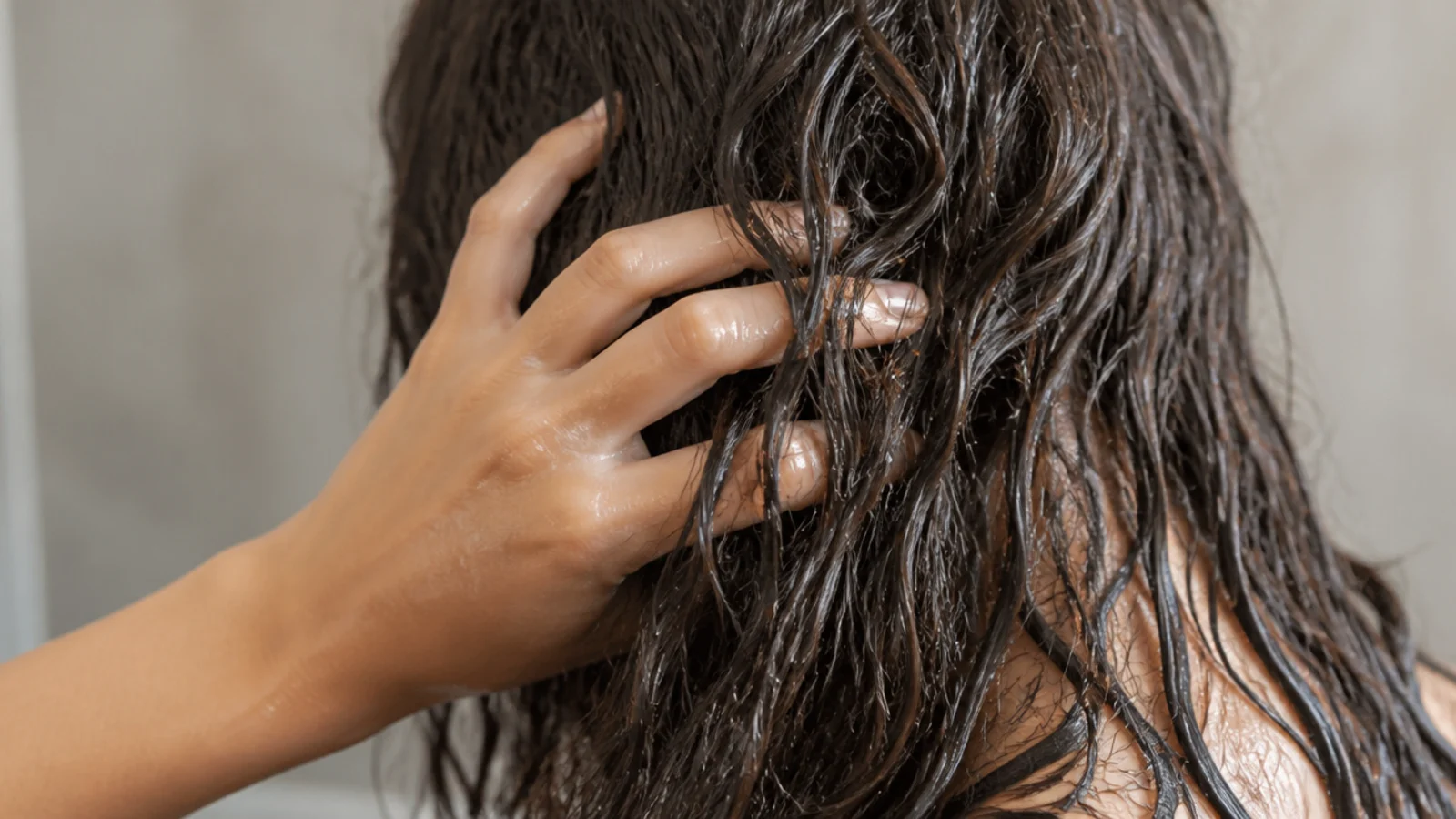
This is the one I wish I had known in year one. I used to towel my hair, wait ten minutes, then apply cream to damp hair and wonder why half my head was smooth and half was fuzzy. Water is the delivery system: on soaking wet hair the product spreads to every strand instead of sitting in patches. Now I apply everything in the shower, hair still dripping, without stepping out. It cost nothing and cut my frizz by maybe half in a single wash. Full routine in 25 frizzy hair tips.
Who it suits: Every texture, but wavy and curly hair see it fastest.
Tip: If your hair has started to dry before you finish, spray it wet again rather than pushing on.
2. Swap the Terry Towel for a Cotton T-Shirt

Terry loops are tiny hooks. Every rub with one drags the cuticle scales up and the hair frizzes as it dries, which is why my hair looked worse the more thoroughly I dried it. I switched to an old cotton t-shirt, cost zero, and to squeezing rather than rubbing: cup a section, press upward, release, move on. A microfiber towel does the same job for about twelve dollars and holds more water. The difference showed on the very first wash, which almost never happens with hair changes.
Who it suits: Anyone who still rubs their head with a bath towel.
Tip: Never scrub the crown. That is where halo frizz is born, and it is the hardest to fix later.
3. Layer Leave-In, Then Cream, Then Gel, In That Order
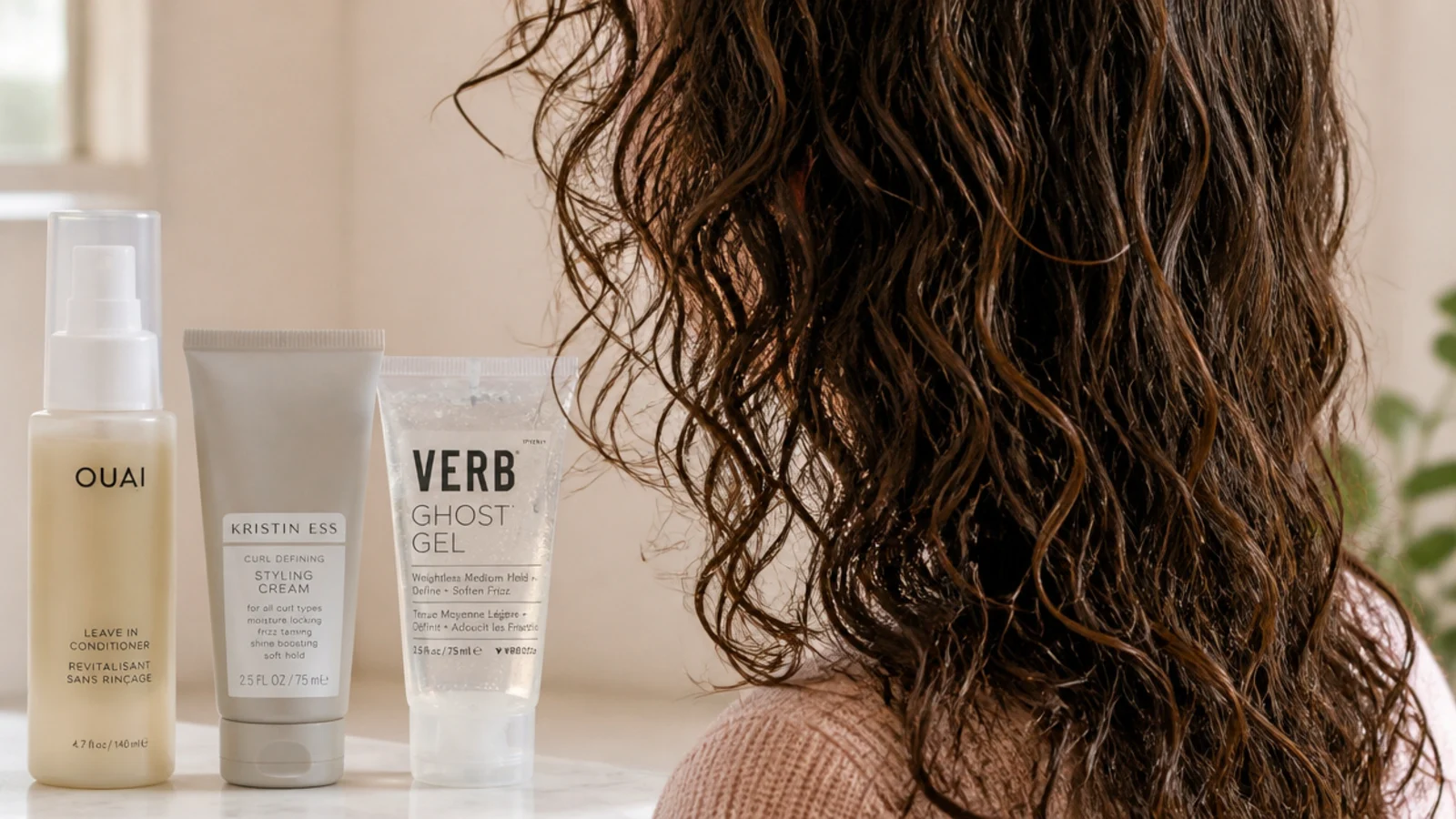
For years I owned six products and used them in whatever order I grabbed them. Each layer has one job. Leave-in hydrates and adds slip. Cream smooths the cuticle and clumps waves or curls together. Gel seals the whole thing in a cast so humidity cannot get in. Out of order, the gel goes on first and the cream never reaches the hair. I wait about thirty seconds between layers so each one absorbs. Total spend for a decent set of three at the drugstore: around thirty-two dollars, lasting four months.
Who it suits: Wavy, curly and coily hair; fine hair should skip the cream.
Tip: If your hair feels coated rather than soft, you used cream where you only needed leave-in and gel.
4. Scrunch Out the Crunch Only When Hair Is Bone Dry
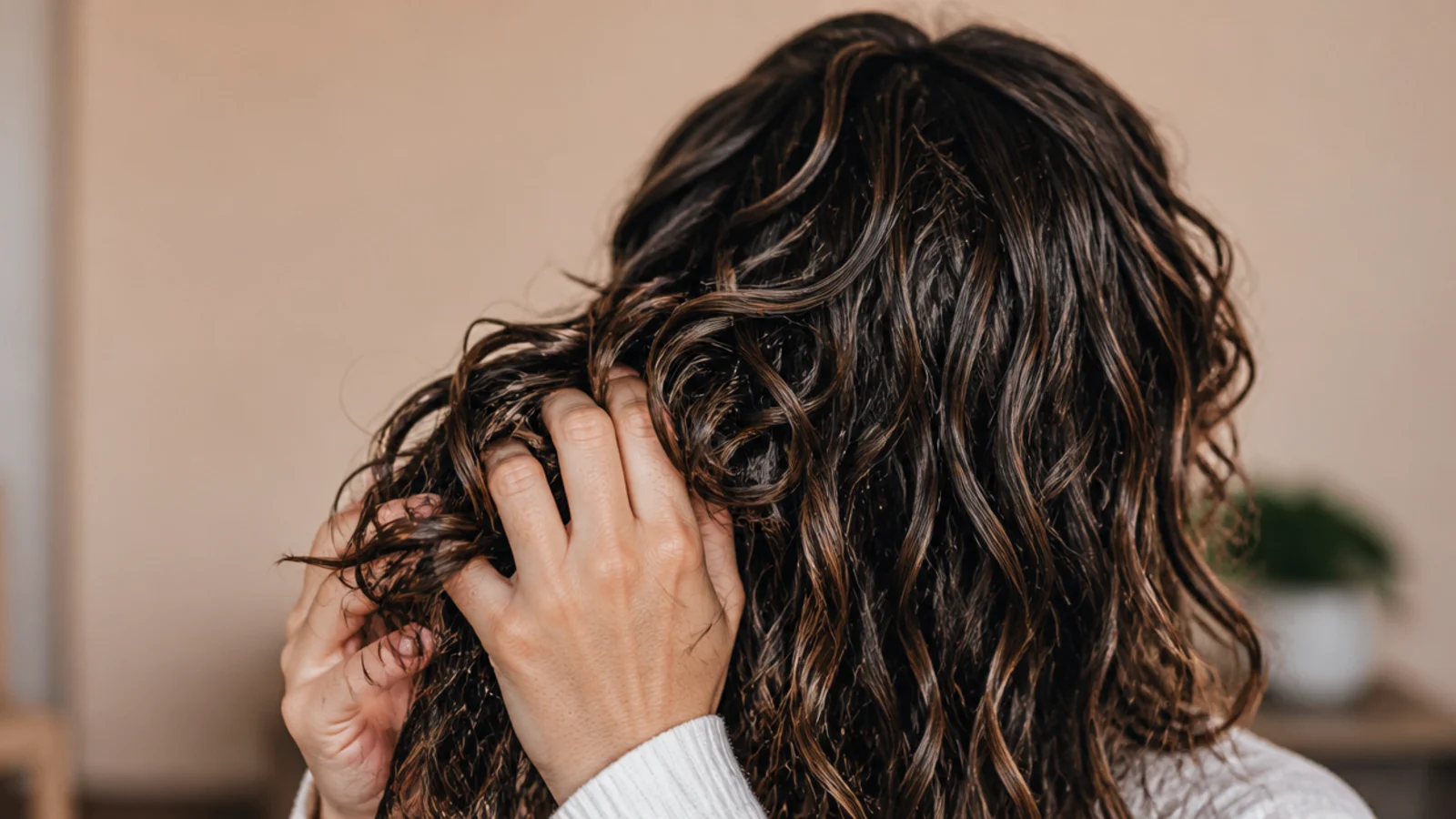
I avoided gel for a decade because it left my hair crunchy, and nobody ever told me the crunch is meant to be temporary. The gel cast is scaffolding: it holds the shape while the hair dries and stops humidity swelling it. Once the hair is completely dry, not almost, you scrunch the cast with oiled palms and it collapses into soft, defined hair that keeps the shape. Touching it before it is fully dry breaks the cast and you get frizz instead. This cost nothing and fixed my relationship with gel permanently.
Who it suits: Wavy 2A to 2C and curly 3A to 3C hair using any gel.
Tip: Rub two drops of argan oil between your palms first so the cast breaks softly instead of flaking.
5. Sleep on Silk or Satin, or in a Loose Braid

Eight hours of cotton friction undoes a twenty-five minute wash routine, and I was reheating my hair every single morning to repair damage I caused in my sleep. A satin pillowcase costs about fifteen dollars, silk about forty, and both let hair slide instead of catching. If you do not want to buy anything, a loose braid or a pineapple on top of the head with a satin scrunchie does most of the work for free. My morning frizz dropped noticeably within a week, and I stopped needing a straightener on day two.
Who it suits: Everyone, and especially anyone stretching a wash day.
Tip: Satin performs almost as well as silk here. Do not let price talk you out of trying it.
6. Stop Brushing It Dry and Detangle Wet Instead
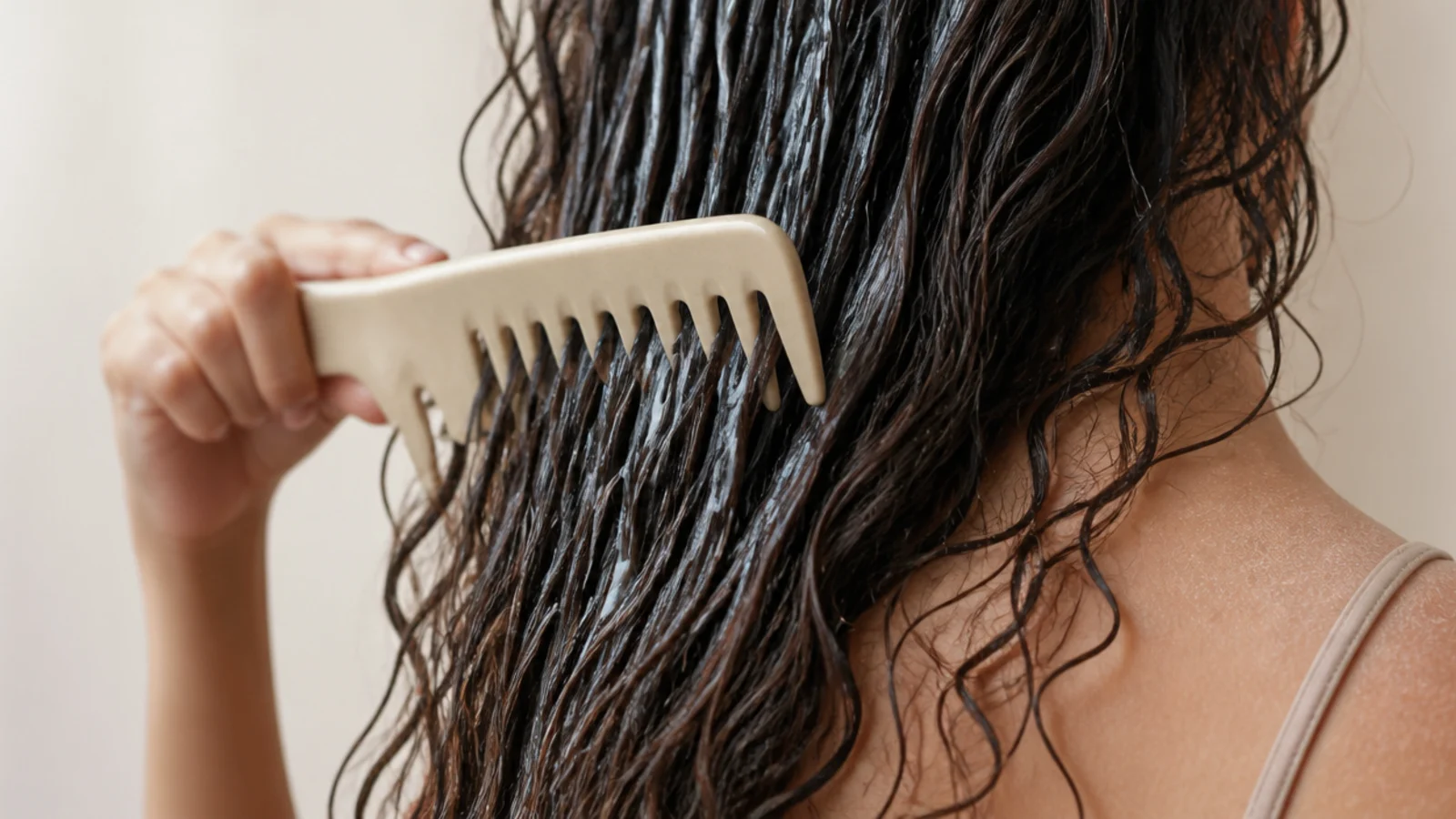
The single worst thing I did to my hair for years was brush it dry, because it looked untidy. Dry brushing shatters wave clumps and rakes the cuticle open along the whole length, which is exactly why the brushing made the frizz look bigger. I detangle only in the shower now, conditioner still in for slip, wide-tooth comb, starting at the ends and working up in three-inch increments. It takes maybe four minutes. A decent wide-tooth comb is about eight dollars and it is the last detangling tool I have bought.
Who it suits: Wavy, curly and coily hair, plus anyone with halo frizz.
Tip: If you must smooth the surface when dry, use damp palms, not a brush.
7. Finish With a Thirty-Second Cold Rinse
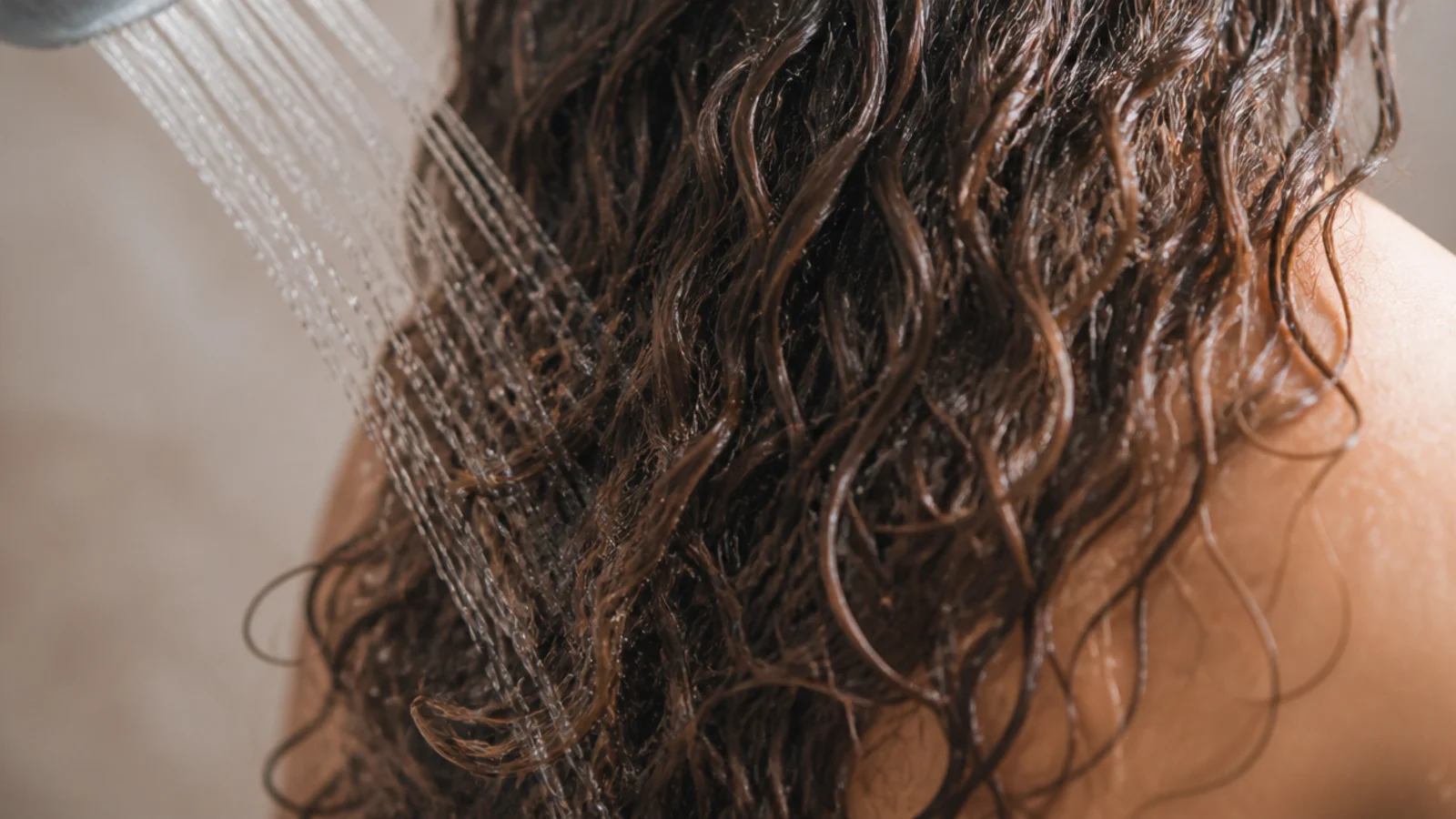
Hot water swells the shaft and leaves the cuticle standing open, which is why hair frizzes after a long hot shower even if you did everything else right. Thirty seconds of cool water at the end lays the scales back down. It is unpleasant for about ten of those seconds and free forever. I noticed more shine immediately and less halo frizz within two or three washes. It is not magic on its own, but it is the cheapest thing on this list and it stacks with everything else you are doing.
Who it suits: All textures, especially straight hair with surface flyaways.
Tip: Rinse the lengths, not the scalp, if the cold is unbearable. The lengths are what frizzes.
8. Use a Weekly Hair Mask, With Heat If You Are Low Porosity
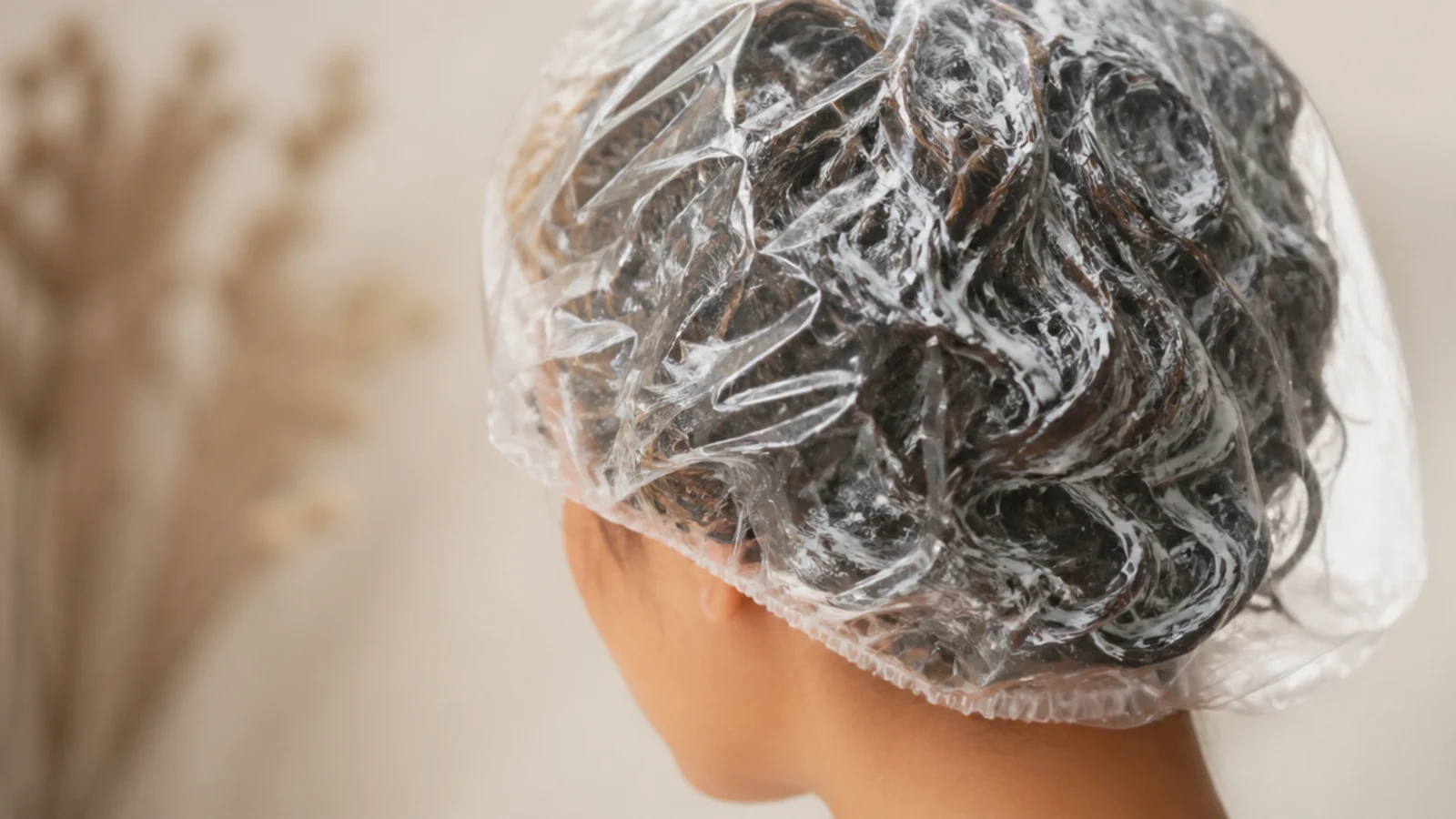
I bought masks for years and used them for the three minutes the tube said, then decided they did nothing. My hair is low porosity, which means the cuticle lies tight and repels water, so the mask sat on top. Twenty minutes under a shower cap with the heat of my own scalp trapped in changed the result completely. Once a week, mid-lengths and ends only. A good drugstore mask runs eight to fourteen dollars and lasts about ten uses. Options compared in hair mask for frizzy hair.
Who it suits: Dry, coarse or color-treated frizzy hair on a weekly cadence.
Tip: Low porosity needs heat and light formulas. High porosity absorbs fine at room temperature.
9. Check the Dew Point, Not the Temperature
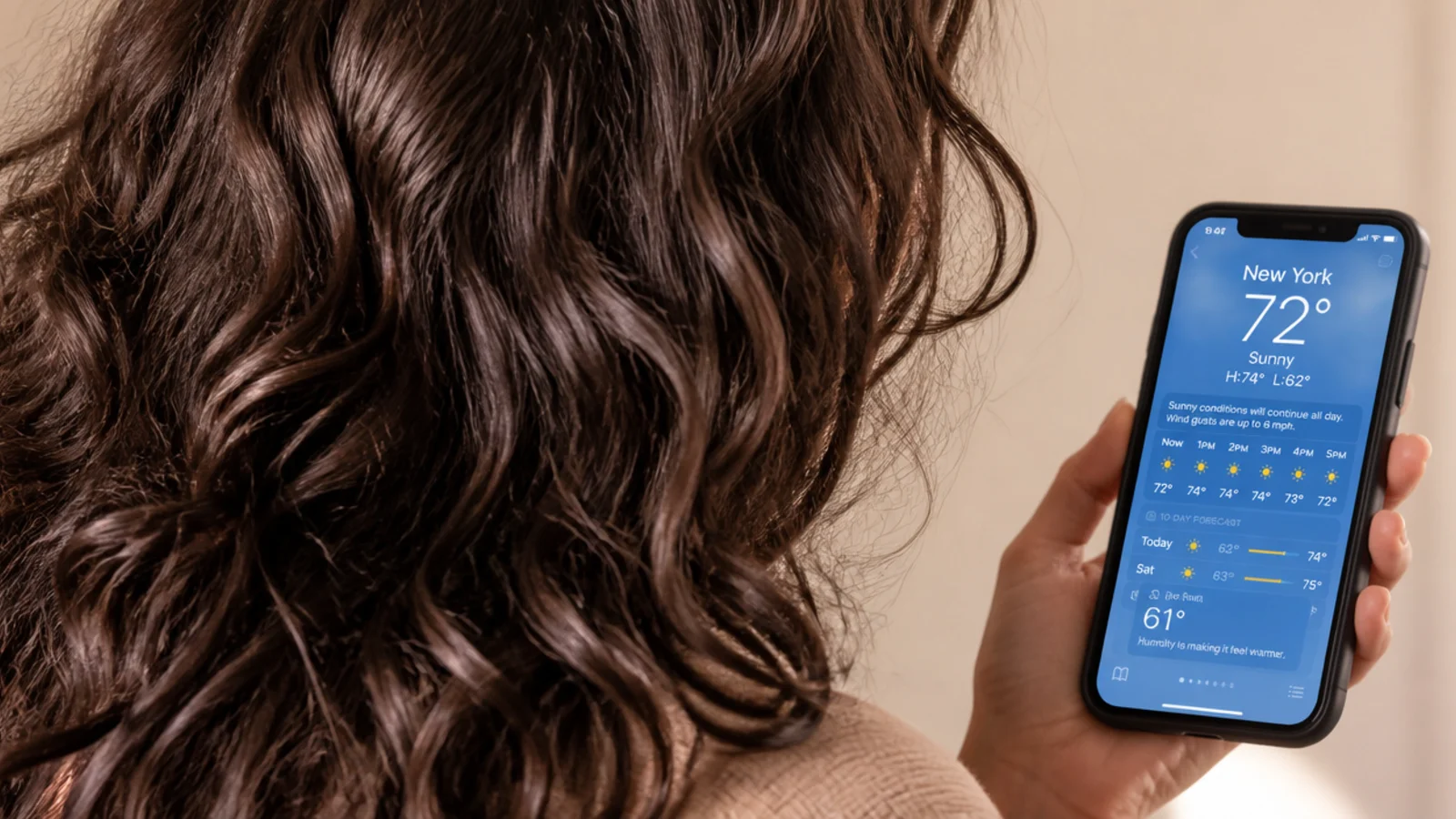
This one felt absurd until it worked. Dew point, not humidity percentage, tells you how much water is actually in the air. Above 60 degrees Fahrenheit I seal with a silicone serum, skip anything containing glycerin, and pick a contained style. Below 35 the air is pulling water out of my hair instead, so I use more cream and again skip humectants. Between the two I do whatever I like. It explained why the same routine gave me two totally different heads in June and January, and it costs nothing but a glance at the app.
Who it suits: Anyone in a climate with real seasons or coastal summers.
Tip: Glycerin is the ingredient to watch. It pulls water in both directions depending on the air.
10. Ask for Internal Layers, Never Thinning Shears
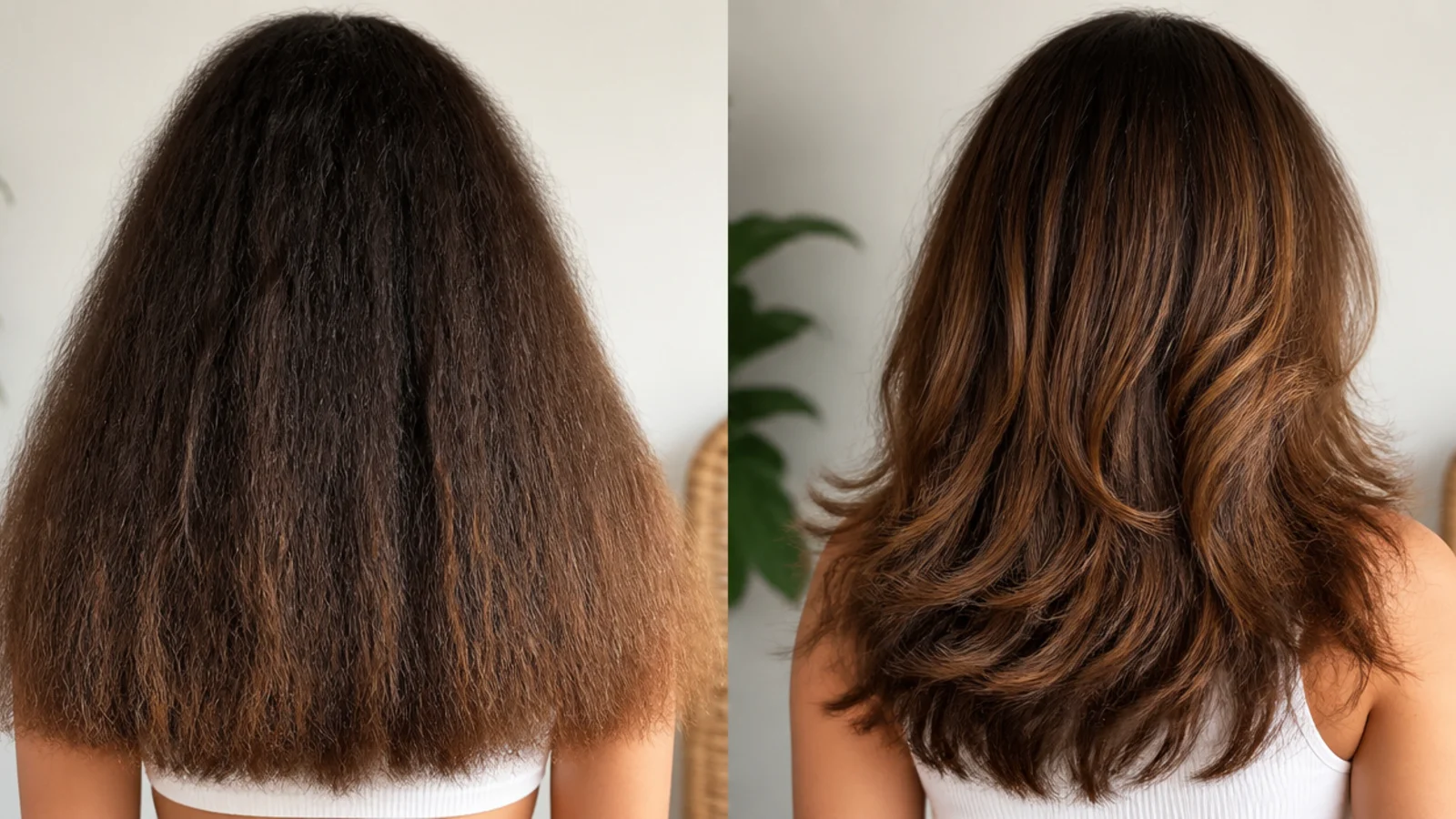
I once asked a stylist to thin out my thick hair and spent nine months growing out a halo of short broken ends that frizzed on sight. Thinning shears chop random strands mid-length; on frizz-prone hair those cut ends stick straight out. Internal layers are different: length removed underneath while the outer perimeter stays solid, so bulk goes and the silhouette stays. Cost me about sixty-five dollars to get it cut properly the next time. See mid-length haircut layers for what to ask for.
Who it suits: Thick or dense frizzy hair that grows into a triangle.
Tip: Say the words internal debulking, and say no thinning shears. Stylists understand both.
11. Plop for Fifteen Minutes Before You Dry
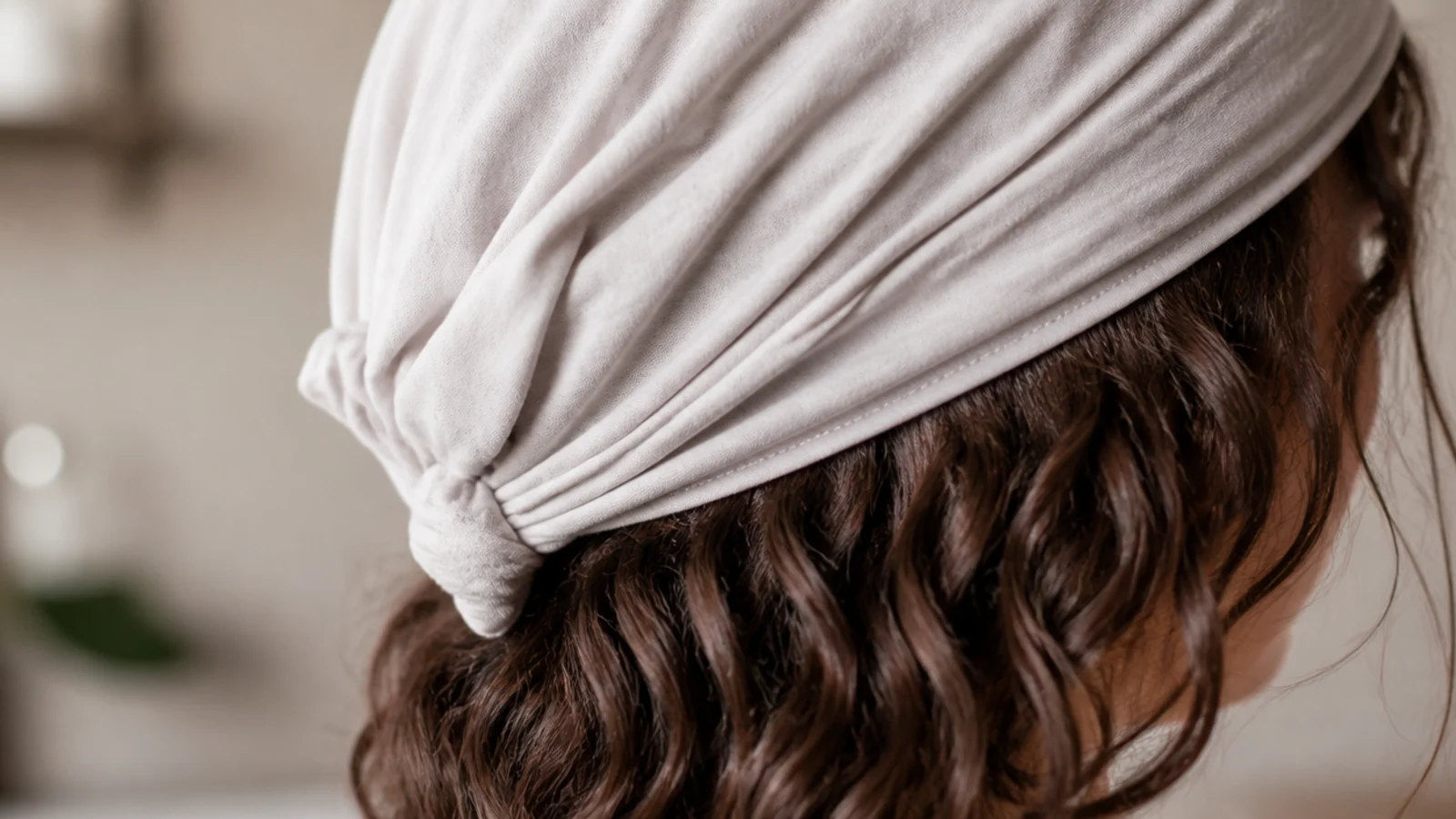
Plopping is piling your product-loaded wet hair onto a flat t-shirt on a table, flipping the shirt up and tying it back. It takes ninety seconds and holds the waves up against the head while gravity would otherwise stretch them out. Fifteen to twenty minutes is the sweet spot; longer and my roots dried flat and weird. It also soaks out enough water that air drying finishes an hour sooner, which means less time in the danger zone where hair frizzes. More detail in frizzy wavy hair.
Who it suits: Wavy and loosely curly hair that loses its clumps as it dries.
Tip: Set a timer. Plopping too long is the most common way people end up with flat, damp roots.
12. Diffuse on Low Heat and Low Speed, Not High
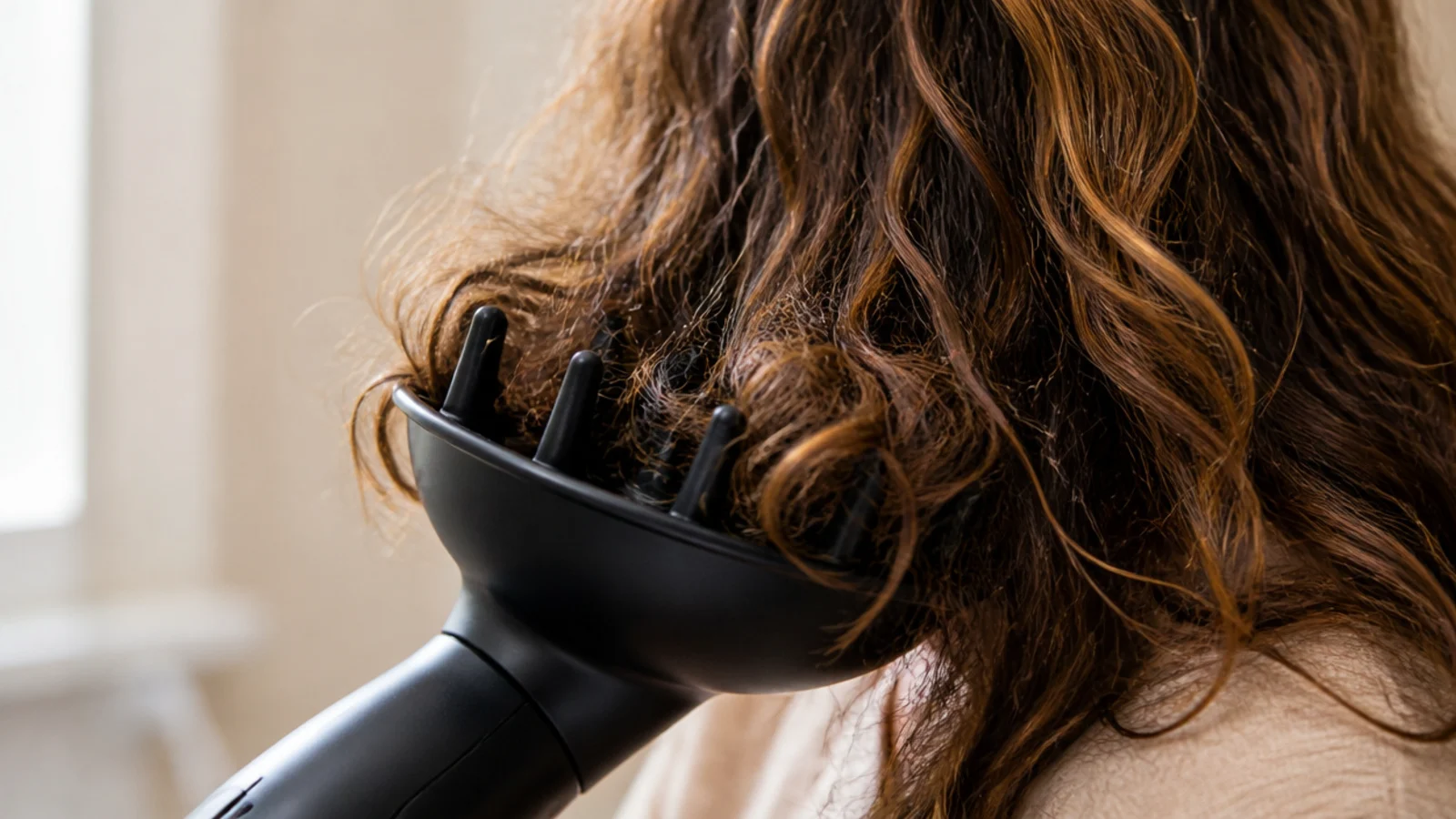
My first diffuser experience made my crown frizzier than air drying, and I blamed the tool. The mistake was high speed: the airflow blasts the clumps apart before the cast sets. Low heat, low speed, cup a section, hold still for twenty seconds, lower and repeat. No moving the head around like a shampoo advert. It takes twelve to fifteen minutes on my shoulder-length hair versus two hours of air drying. A diffuser attachment for a normal dryer runs about eighteen dollars and is worth it.
Who it suits: Wavy and curly hair with no time to air dry fully.
Tip: Stop while the hair is 90 percent dry, then leave it alone. The last 10 percent finishes itself.
13. Clarify Once a Month to Clear Product Buildup

Around month four of my new routine, everything stopped working. Hair felt coated, looked dull, frizzed at the surface anyway. The cause was buildup: water-insoluble silicones and hard water minerals layered up until nothing could get through to the hair. One wash with a clarifying shampoo, about nine dollars a bottle and it lasts a year, and my hair took product properly again the same day. I now clarify every three to four weeks and never let it get that far. The frizz that comes back after months of progress is almost always this.
Who it suits: Anyone using serums, gels or living with hard water.
Tip: If your leave-in suddenly stops absorbing, clarify before you buy anything new.
14. Treat Silicone Serum as a Barrier, Not a Treatment
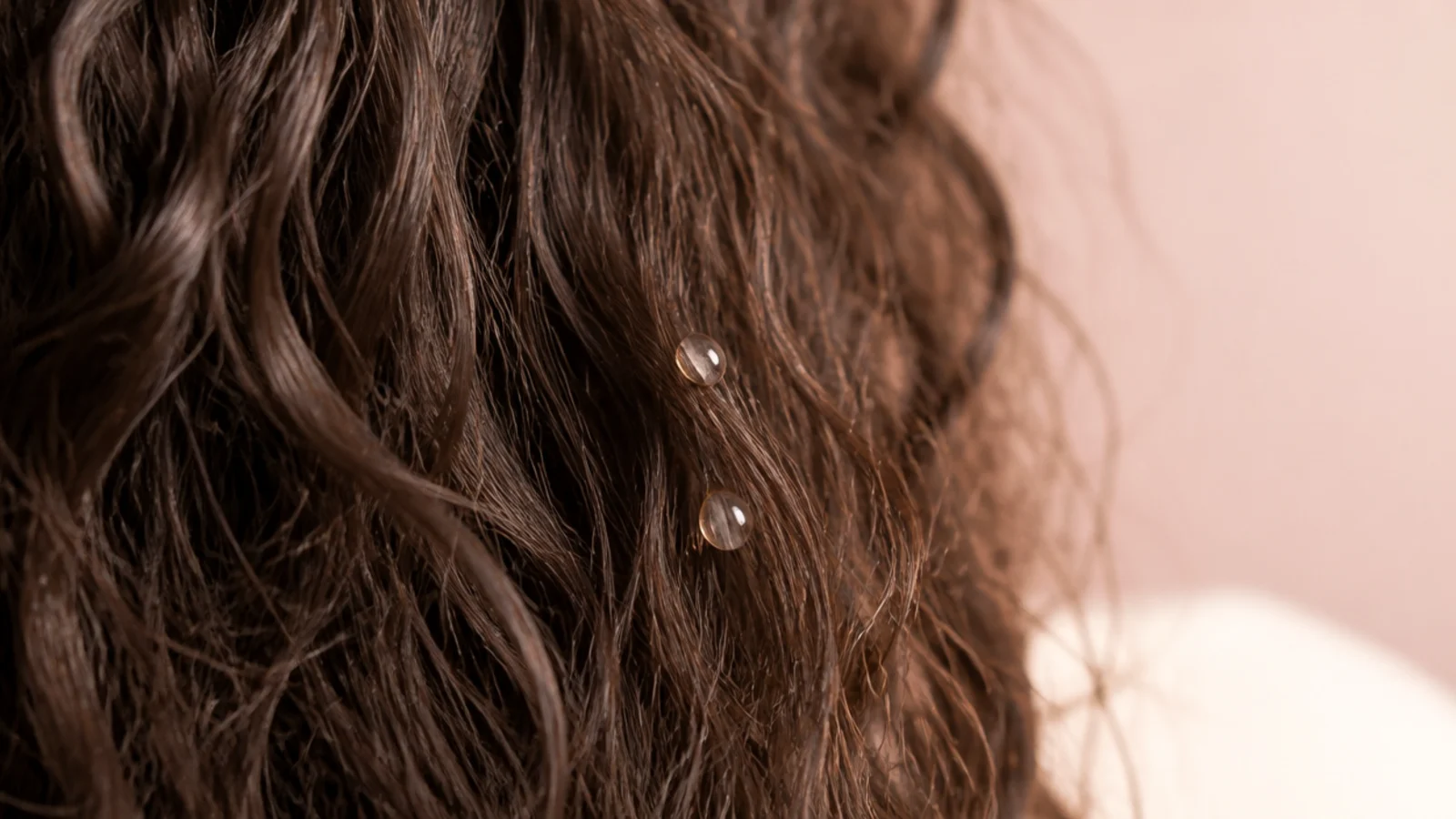
I used to pour serum into dry, thirsty hair expecting repair, and got greasy strands that still frizzed by noon. Silicone does not hydrate anything; it is a waterproof film that keeps ambient moisture out. Used correctly, two or three drops warmed in the palms and skimmed over the top layer of already-conditioned hair on a high dew point day, it is the most effective humidity barrier that exists. A drugstore serum is around eleven dollars and lasts six months at that rate. Clarify monthly and it never becomes a problem.
Who it suits: Straight and wavy hair on humid days; anyone facing rain.
Tip: Fine hair: one drop, ends only. Two drops is the line between smooth and stringy.
15. Give Any New Fix Three Full Wash Days
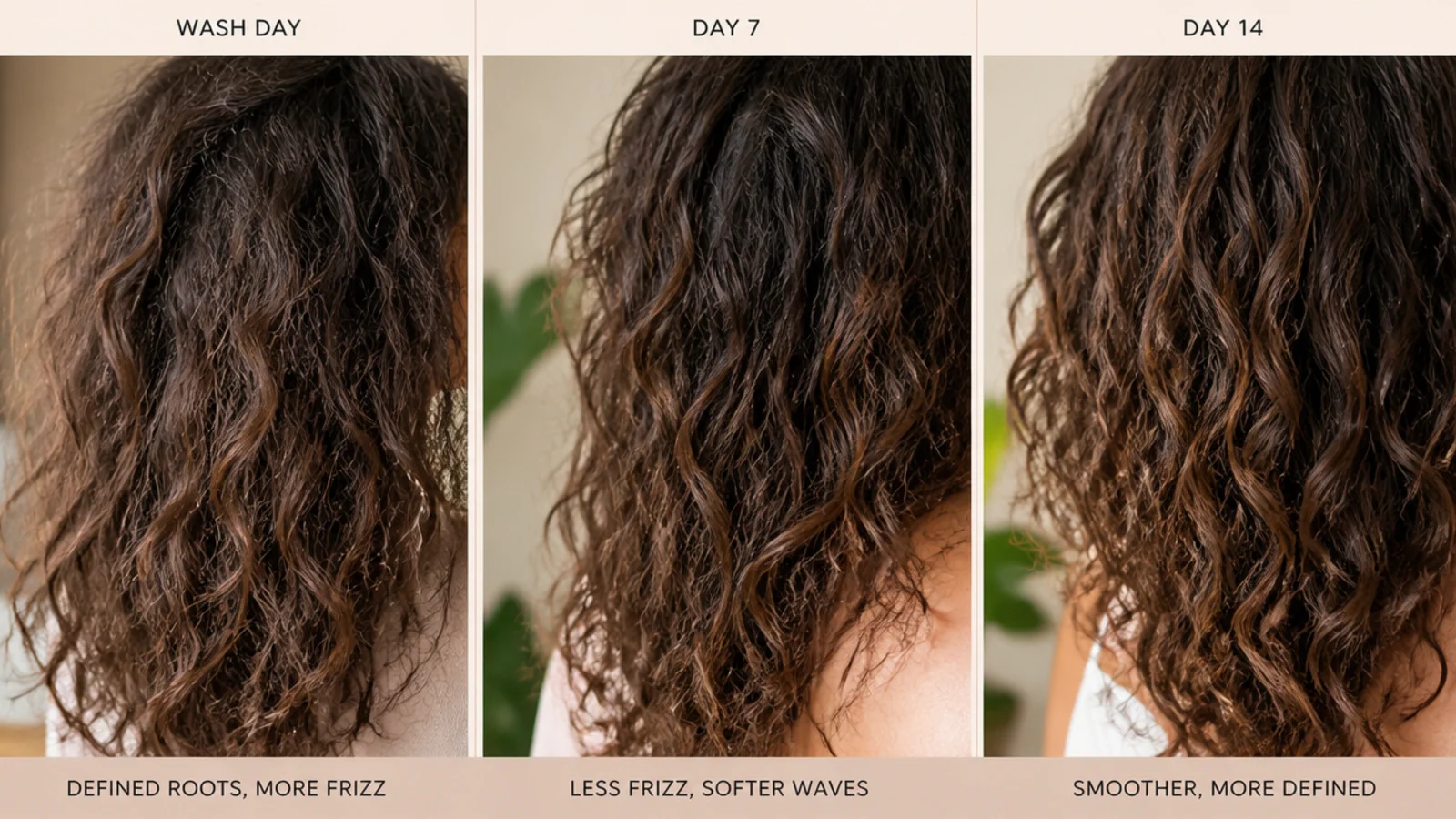
The most expensive habit I had was quitting things on day two. Hair that has been dry for months cannot rehydrate in one wash, and if you are transitioning off heavy silicones the first wash or two genuinely look worse while the buildup clears. I now change one thing at a time and judge it on the third wash, about ten days in. That rule alone stopped me buying replacements for products that were working. Cut damage is the exception: split ends and broken layers only improve as they grow out.
Who it suits: Anyone who has a shelf of half-used bottles they gave up on.
Tip: Change one variable per cycle. Two at once and you learn nothing about either.
Why Hair Frizzes: The Moisture Mechanism I Misunderstood
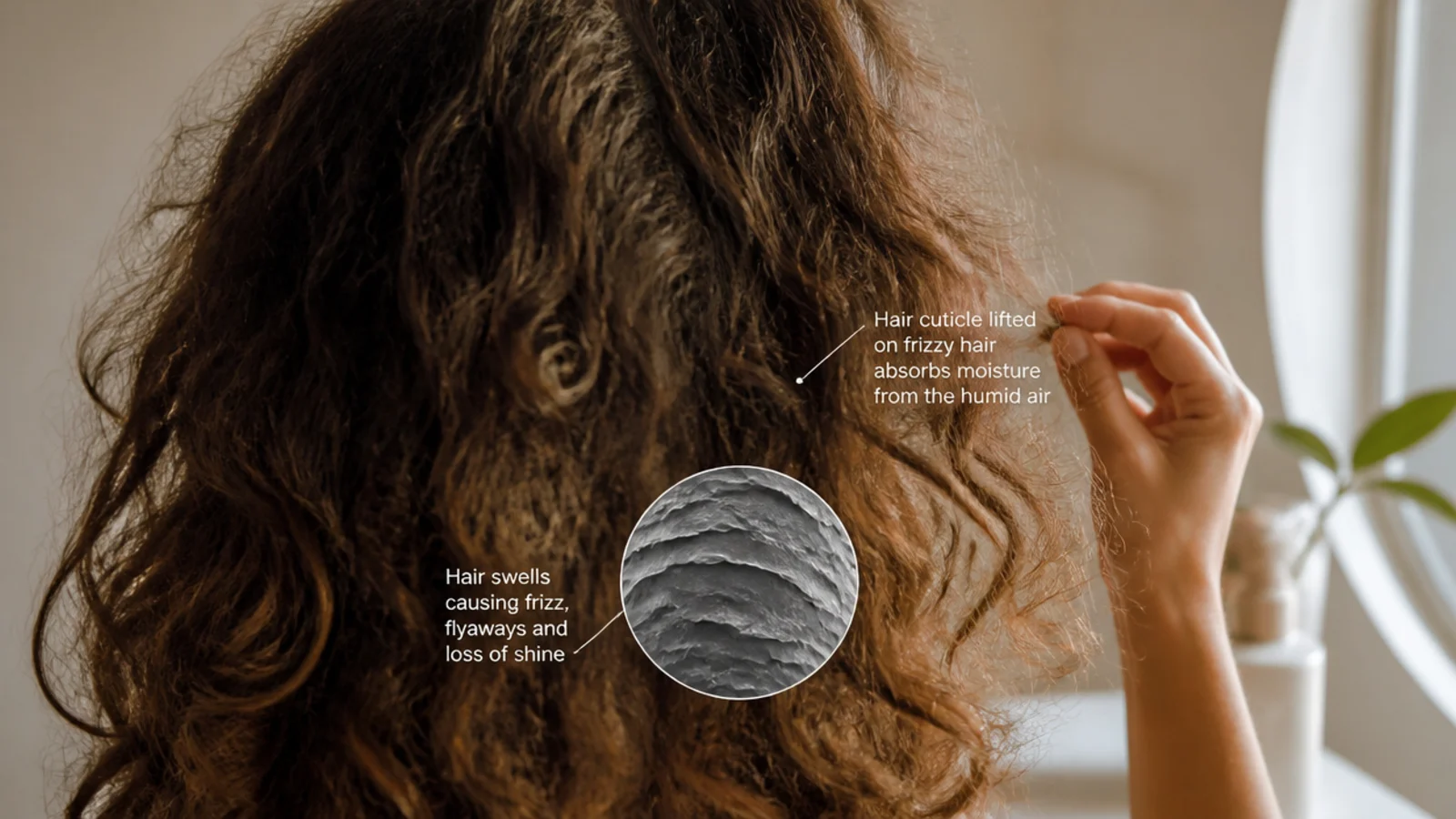
For most of my twenties I thought frizz was damage, so I treated it with repair masks and hoped. The actual mechanism is simpler and much more useful. Each strand is wrapped in a cuticle: flat overlapping scales, like roof tiles. When hair is hydrated and undamaged those scales lie down and the surface is smooth. When hair is dry, or roughed up by a towel, a brush or a pillowcase, the scales lift. A lifted cuticle scatters light, which is why frizzy hair also looks dull, and it exposes the thirsty inner cortex to the air, so the strand pulls in ambient moisture and swells unevenly along its length. That uneven swelling is what pushes strands away from each other. Once you see it that way, the whole strategy flips: you are not fighting frizz, you are sealing a surface and hydrating an interior. It also settles the question that bothered me for years. Frizz is not proof of damage. Perfectly healthy hair frizzes if it is dry or if the air is wet, and curly hair frizzes by structure. The broader breakdown lives in the frizzy hair hub.
Frizz by Hair Type: Which Fixes Apply to You
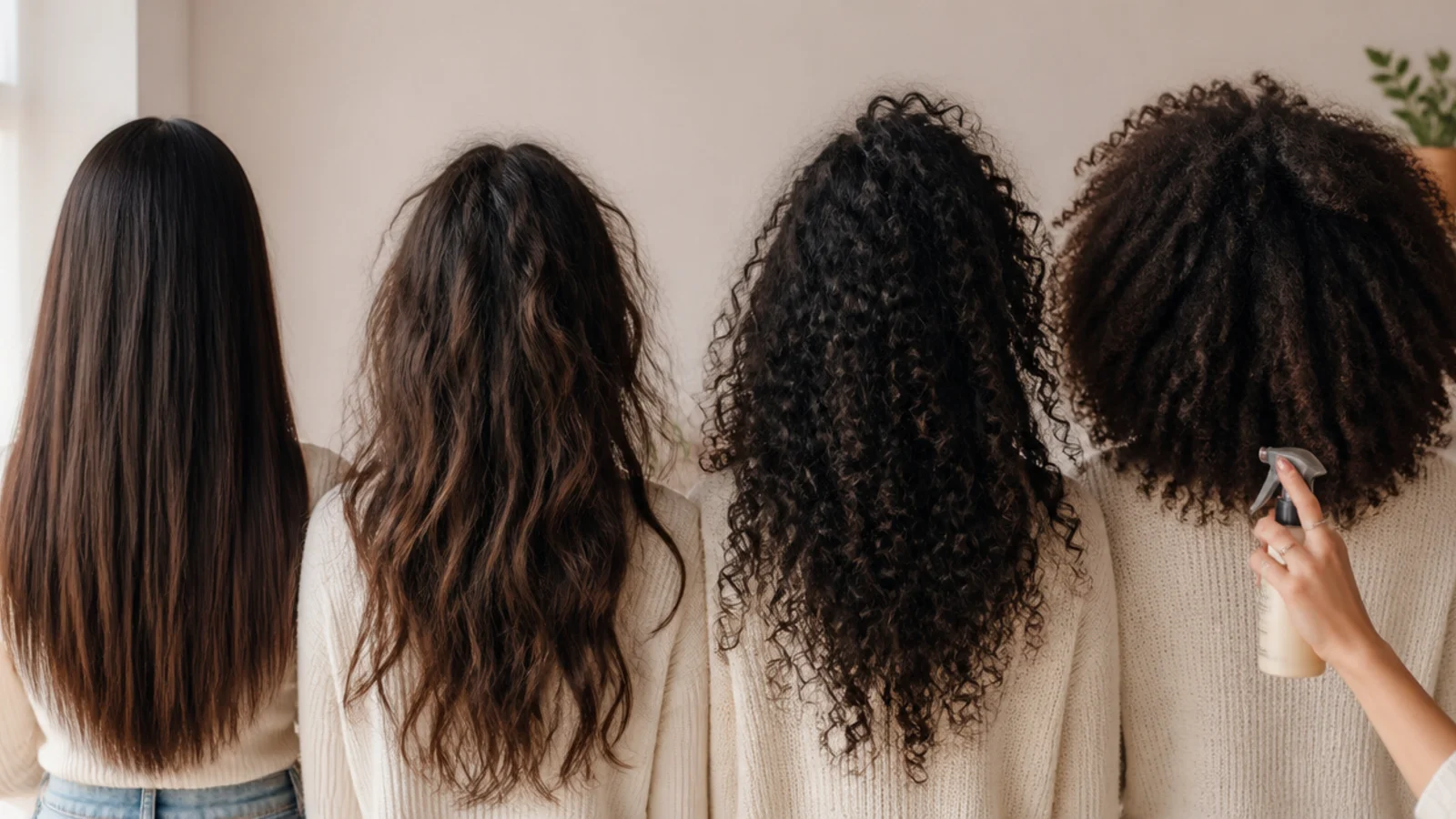
Half the contradictory advice online is people with different hair types shouting past each other, and I followed the wrong half for years. Straight hair frizzes as a fine halo of flyaways over a smooth surface, driven by static, hard water and dry brushing, and it needs the lightest touch: two drops of serum, a cold rinse and a silk pillowcase. Wavy hair, roughly 2A to 2C, has the worst frizz-to-definition ratio of any type, because the wave is loose enough for gravity to pull it straight but bent enough to lose its clumps. It needs mousse or a light gel on soaking wet hair, then plopping or diffusing, all covered in frizzy wavy hair. Curly hair frizzes inside the curl, where strands escape the clump, so it wants moisture plus a cast that holds the clump while it dries, which is the ground covered in frizzy curly hair. Coily hair, 4A to 4C, is the driest by structure, because sebum cannot travel down all those bends, so it needs the heaviest sealing layer and the least manipulation. Same mechanism every time, four very different product weights.
The Wash Day Routine That Finally Fixed My Frizzy Hair
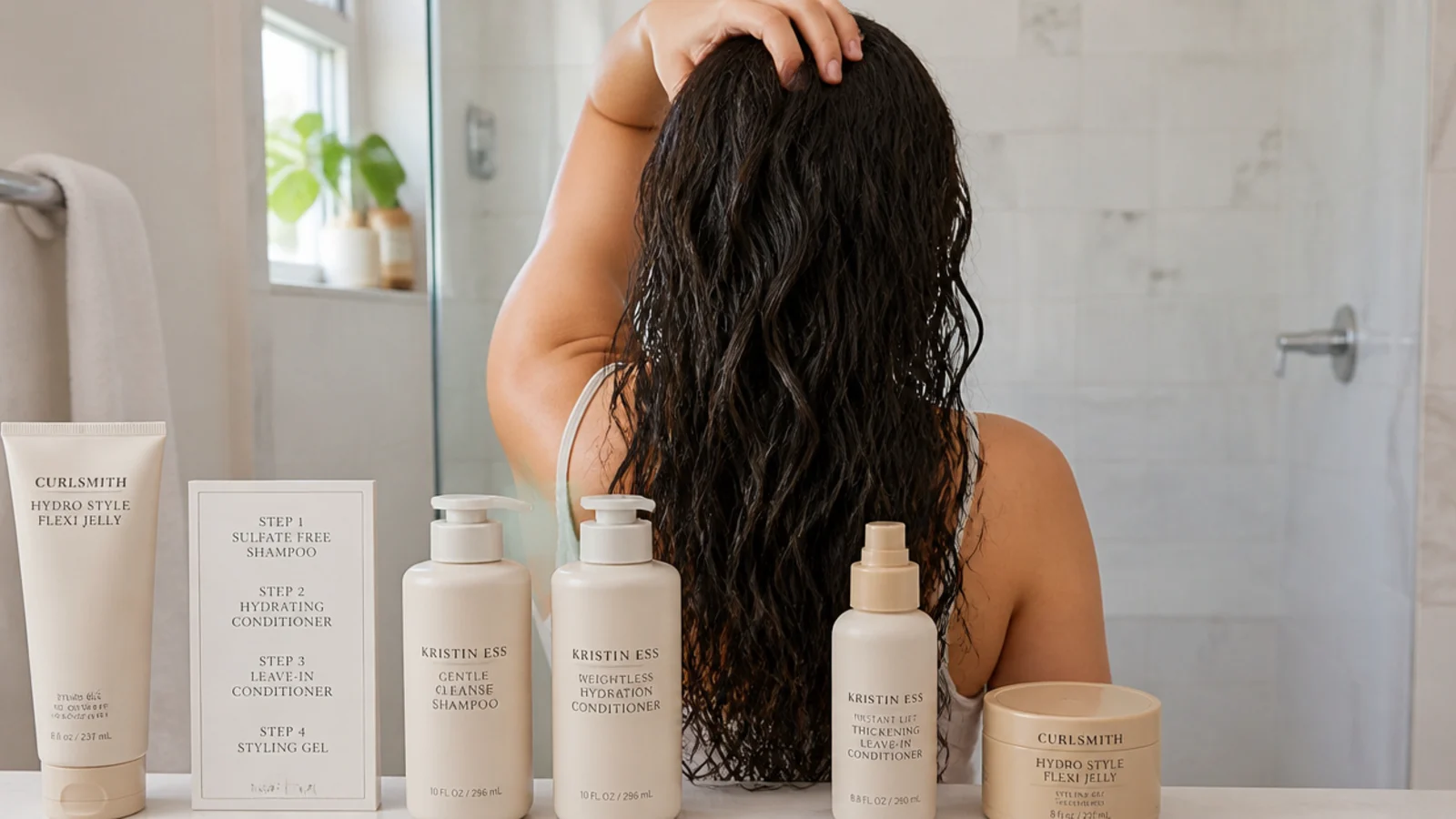
Here is the exact order I run now, start to finish, about twenty-five minutes. Optional pre-wash oil on mid-lengths and ends for twenty minutes if my hair feels straw-like. Shampoo the scalp only with fingertips, sulfate-free, lukewarm water, never the lengths. Conditioner mid-length to ends, then detangle with a wide-tooth comb from the ends upward while the slip is there. Once a week the conditioner is swapped for a mask, twenty minutes under a cap. Cool rinse for thirty seconds. Then, and this is the part that mattered most, I apply everything without leaving the shower and without touching a towel: leave-in raked through soaking wet hair, thirty seconds, cream, thirty seconds, then gel raked and scrunched. Squeeze with a cotton t-shirt, plop for fifteen minutes, then diffuse on low or air dry undisturbed. Then I do not touch it until it is bone dry, and only then scrunch out the cast. The two hardest habits to break were toweling first and touching it while it dried. Both cost me years. The longer tips list sits in 25 genius frizzy hair tips.
Anti-Frizz Products and What Each One Actually Does
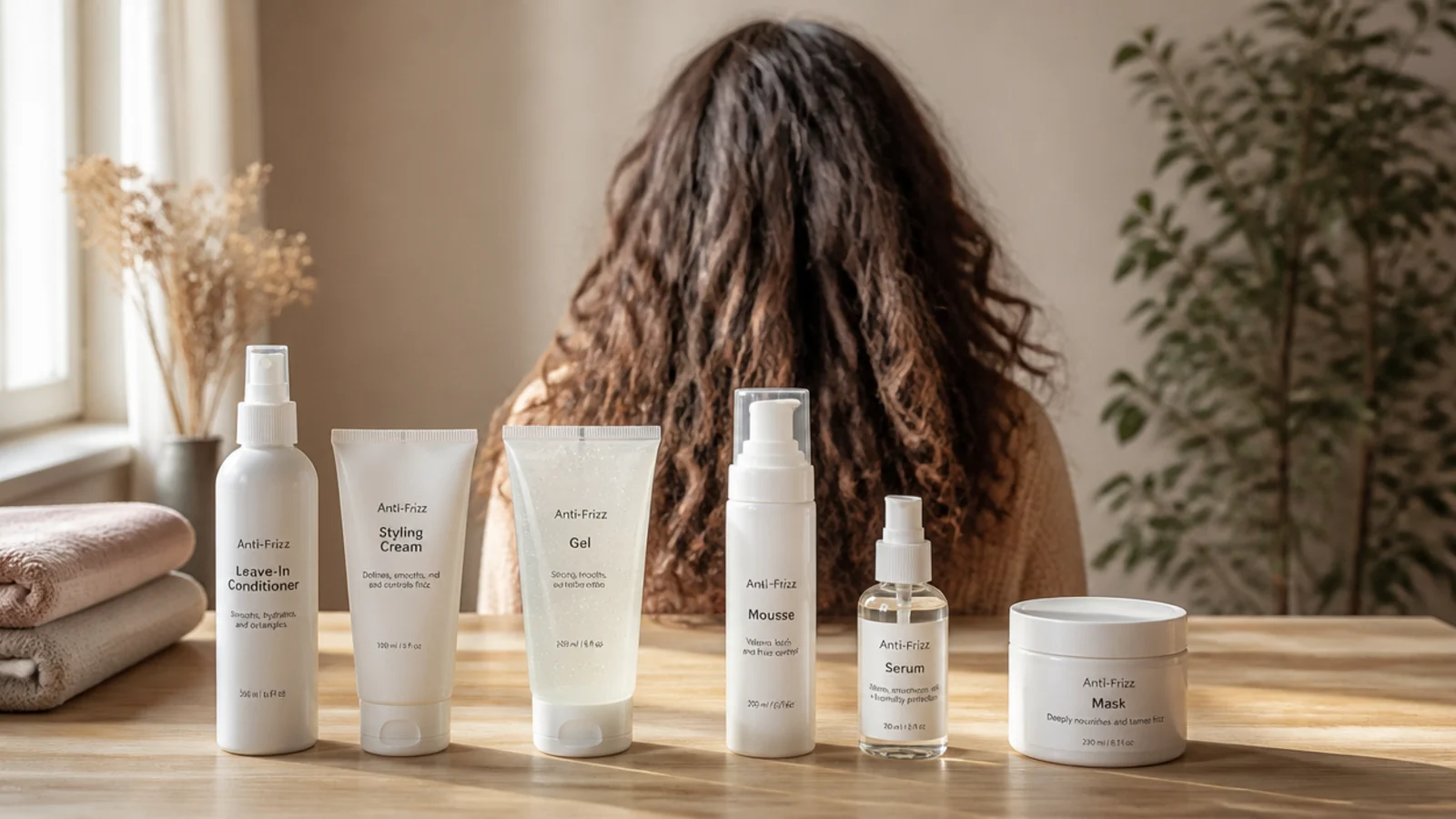
Six categories, six jobs, and buying two products that do the same job is how I burned most of that four hundred dollars. A leave-in conditioner hydrates and adds slip, and it is the only one I would call non-optional. A styling cream smooths the cuticle and clumps waves or curls together, and it is the layer fine hair usually needs to skip entirely. A gel builds the cast that locks the shape against humidity. A mousse does the same job with more volume and less weight, which makes it the better pick for fine wavy hair that gel flattens. A serum, almost always silicone-based, is a surface barrier for high dew point days, not a treatment, no matter what the box says. A mask is the only one that changes the hair itself, weekly, and the honest comparison is in hair mask for frizzy hair. On budget: drugstore leave-ins at eight to fourteen dollars performed as well on my hair as thirty dollar salon versions. Masks and bond builders at twenty-five to forty dollars are the one place where paying more bought a genuinely different formulation.
Haircuts and Layers That Hide Frizz Versus Cuts That Cause It
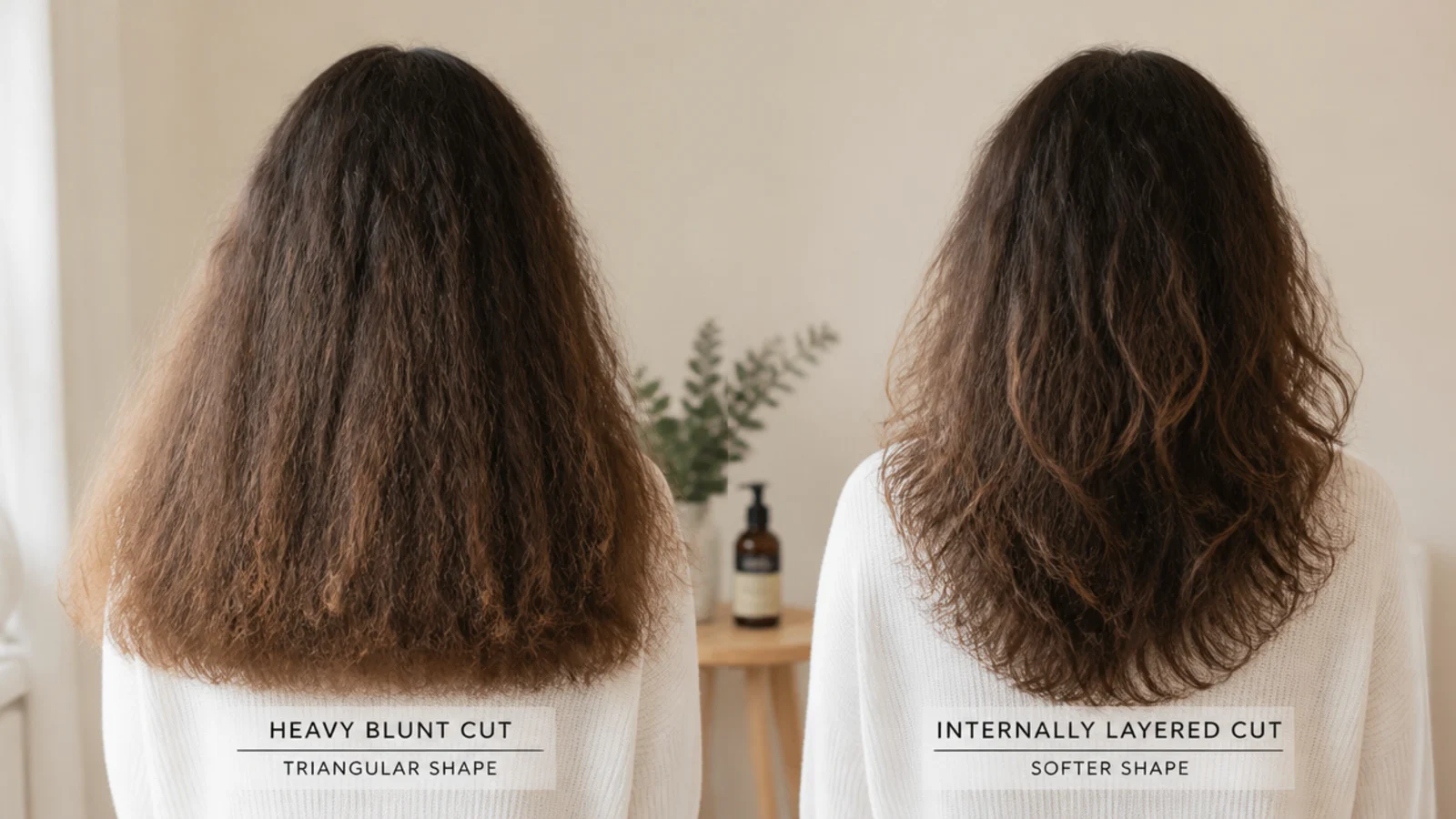
A haircut cannot stop the cuticle lifting, but it decides whether your frizz reads as texture or as a triangle, and I learned this the expensive way. Heavy blunt ends on thick hair stack weight at the perimeter and push the silhouette out at its widest point, so the hair looks frizzier than it is. Internal layers, cut underneath while the outer length stays solid, remove that bulk without creating short ends that stick out; ask for them by name in a mid-length haircut with layers. Fine frizzy hair has the opposite problem, where too many layers leave wispy ends that frizz on sight, so keep them long and few, as in mid-length haircut for fine hair. A soft shag distributes volume down the length instead of stacking it at the crown, which suits wavy frizzy hair particularly well; see shaggy mid-length haircut and textured mid-length haircut. Curly hair should be cut dry, curl by curl, as in curly mid-length haircut. Bangs work on frizzy hair only if they are long enough to tuck, like curly short curtain bangs.
Humidity, Sleep and the Daily Habits That Decide Your Frizz

Between wash days, three habits do most of the work, and none of them are products. First, dress the hair for the dew point rather than the temperature. Above 60 degrees Fahrenheit I seal with silicone, skip glycerin and choose a contained style before I leave the house. Below 35 I load up on cream and skip humectants for the opposite reason, because the air is pulling water out. Second, protect the eight hours you are not thinking about your hair: satin or silk on the pillow, or a loose braid, or a pineapple with a satin scrunchie, and no tight elastics that snap hair at the crown. A braided overnight style also hands you a second-day shape worth keeping, which is what makes options like easy mermaid braids practical on frizz-prone hair. Third, stop touching it, which took me the longest. Hands lift the cuticle, break clumps and move oil around unevenly. On a genuinely humid day, pick a style that contains the length in the morning instead of repairing the frizz at lunchtime, and there are plenty in hairstyles for frizzy hair and the softer looks in frizzy curly hair aesthetic.
Frequently Asked Questions
How do I fix frizzy hair fast?
For a genuine emergency, press slightly damp palms over the halo and hold for ten seconds, no product needed. If you have hand cream, rub the residue in and skim it over the top layer only. A clean spoolie with a trace of lip balm lays down flyaways at the part line precisely. A low twisted bun hides everything in about thirty seconds. Real fixes take three wash days, not minutes.
Why is my hair so frizzy?
Because the cuticle is lifted instead of lying flat. Once those scales are open, dry hair pulls moisture out of the air and swells unevenly, which pushes strands apart. The usual causes are dehydration, friction from towels and pillowcases, heat styling, hard water buildup and high humidity, and most people are dealing with two or three of them at once rather than just one.
Does frizzy hair mean damaged hair?
Not necessarily, and this worried me for years. Damage is one cause of a lifted cuticle, but healthy hair frizzes too if it is dry or if the air is humid. Curly and coily hair frizzes structurally, since sebum cannot travel down a bent shaft. If your hair also feels rough, snaps when you stretch it wet and will not hold any style, that combination does point to real damage.
How long does it take to fix frizzy hair?
Give any single change three full wash days, roughly ten days, before you judge it. Surface fixes like the cotton t-shirt and the cold rinse show up on the first wash. Hydration changes take two to three weeks to compound. Damage from thinning shears or a bad haircut only improves as it grows out, which for me was about nine months, so set expectations accordingly.
Should I use oil on frizzy hair?
Oil seals moisture in, it does not add any, so it only helps on damp, already-conditioned hair. Two or three drops of argan or jojoba on the last few inches is plenty for fine hair. Coarse, high porosity hair can take heavier oils, and coconut oil actually penetrates the shaft. On low porosity hair coconut oil just sits on top and blocks water from getting in.
Do silicones make frizzy hair worse?
They are the most effective humidity barrier available and they do not damage hair. The real issue is buildup: water-insoluble silicones accumulate until nothing can reach the hair, which is why my routine stopped working around month four. Use them on high dew point days, clarify every three to four weeks, or pick water-soluble versions with ingredient names that start with PEG.
Can low porosity hair be frizzy?
Yes, and the fix is different. Low porosity hair has tightly closed cuticles that repel water, so moisture never gets inside while product sits on the surface, giving a fuzzy, coated look. The answer is heat during deep conditioning, twenty minutes under a cap, lighter products applied to soaking wet hair, and clarifying every three to four weeks to clear what has built up.
Can straight hair be frizzy?
Yes, and it is very common. Straight frizz shows up as a fine halo of flyaways over an otherwise smooth surface, caused by static, hard water minerals, dry brushing and split ends rather than curl pattern. The fixes are lighter than for curly hair: one or two drops of silicone serum on damp lengths, a cold final rinse, a silk pillowcase, and no dry brushing with plastic bristles.
Does brushing frizzy hair make it worse?
Brushing dry hair makes it much worse, which took me far too long to accept. It shatters wave and curl clumps and rakes the cuticle open along the whole length, so the hair looks bigger and fuzzier the more you tidy it. Detangle in the shower instead, with conditioner in for slip and a wide-tooth comb, working from the ends upward in short sections.
How often should I wash frizzy hair?
Two to three times a week suits most frizzy hair. Washing more often strips the sebum that keeps the cuticle lubricated, and washing less lets buildup dull the hair and block product. Coarse and coily hair often thrives on one wash a week, while fine hair with an oily scalp may need every other day. Adjust the frequency before you blame any product.
Which frizzy hair look are you saving?
If you only take three things from this, take these: stop drying with a terry towel, apply your products to soaking wet hair, and put a silk pillowcase on the bed tonight. Those three cost me under thirty dollars combined and did more than every serum I ever bought. Everything else here is refinement. Give any new routine three full wash days before you judge it, because one wash cannot rehydrate hair that has been dry for months, and write down what you changed so you know what worked. When you are ready to make the frizz look deliberate rather than just controlled, browse frizzy hair hairstyles or the rest of the frizzy hair hub.