Frizzy Hair
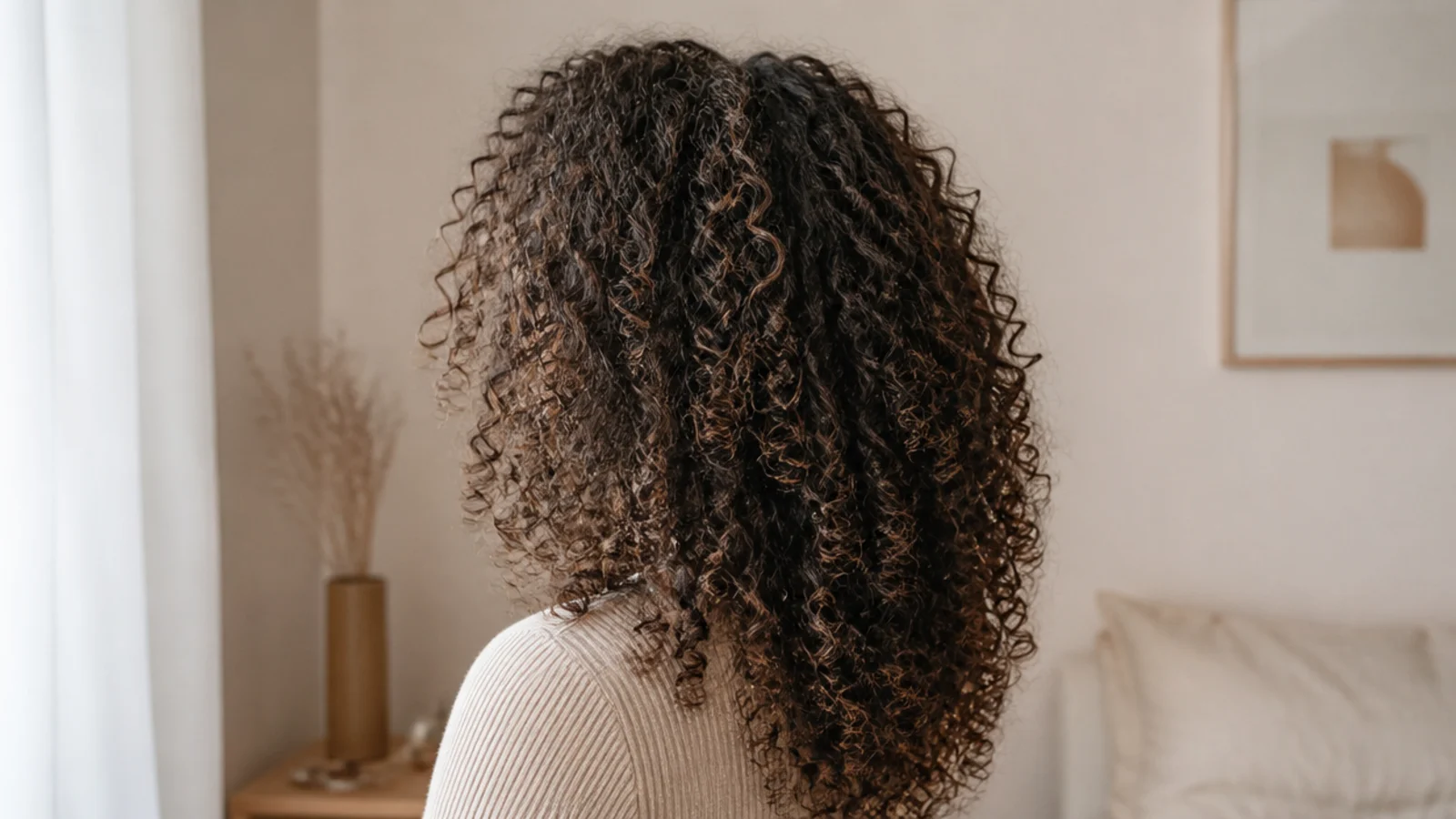
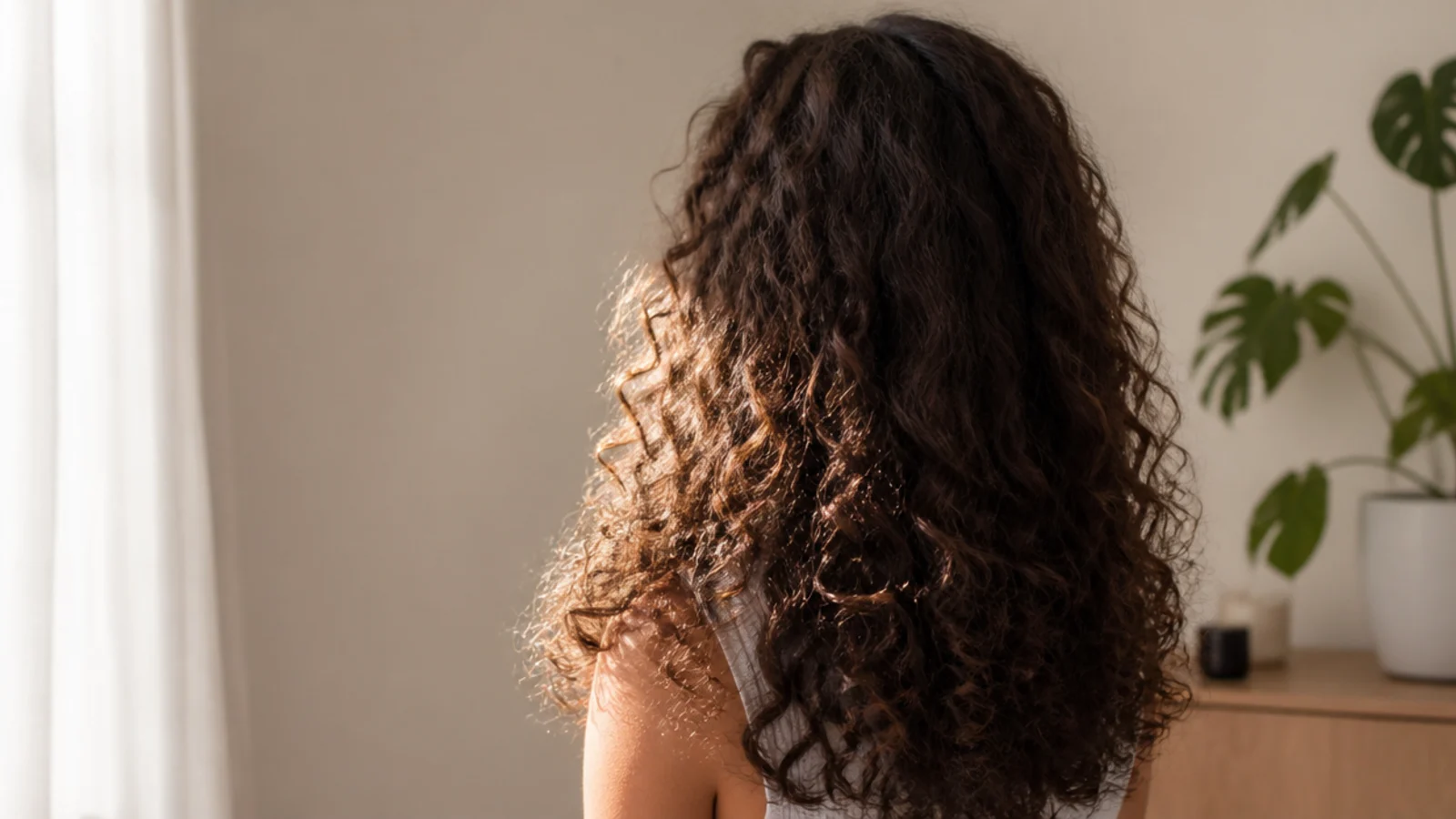
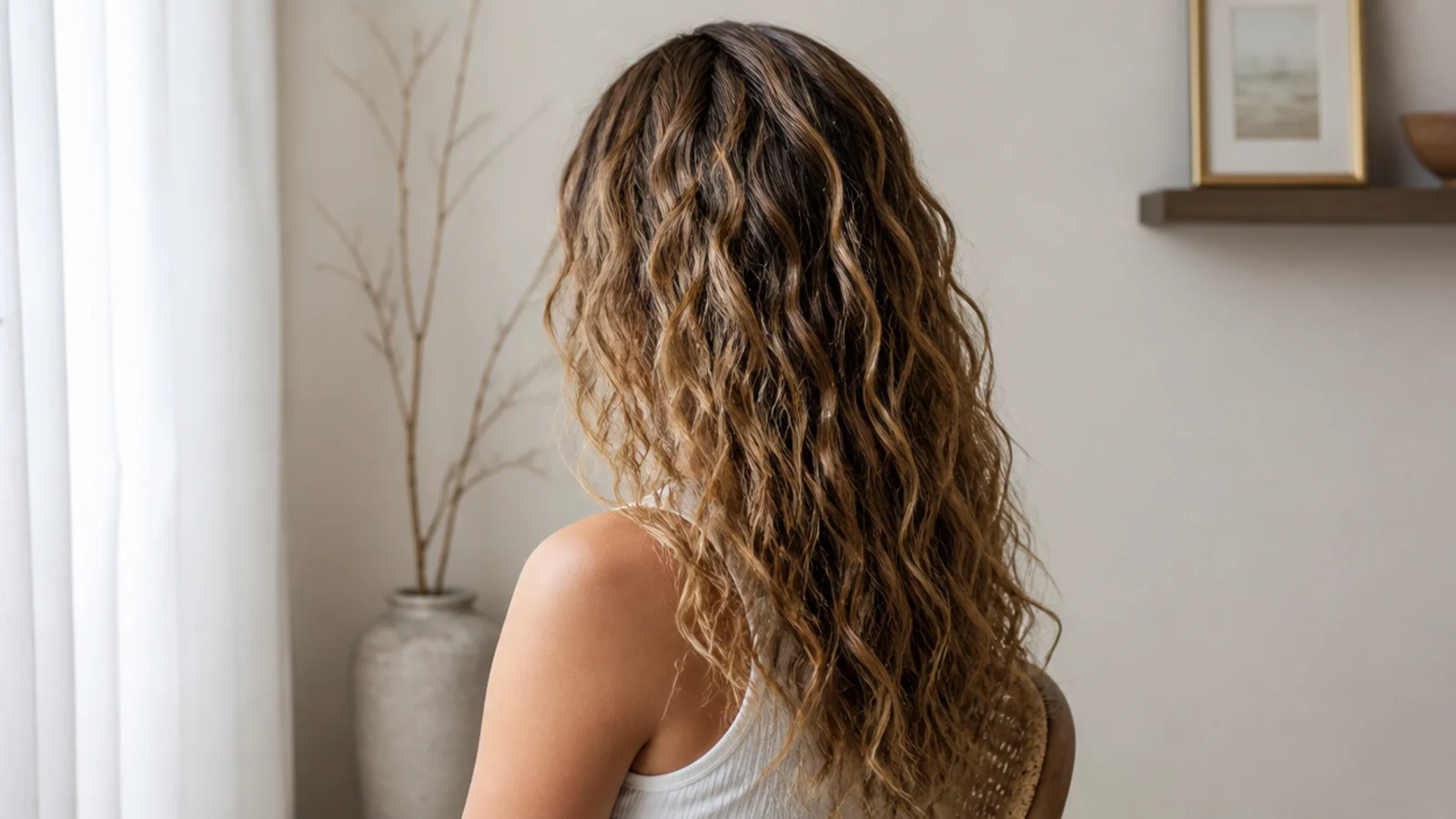
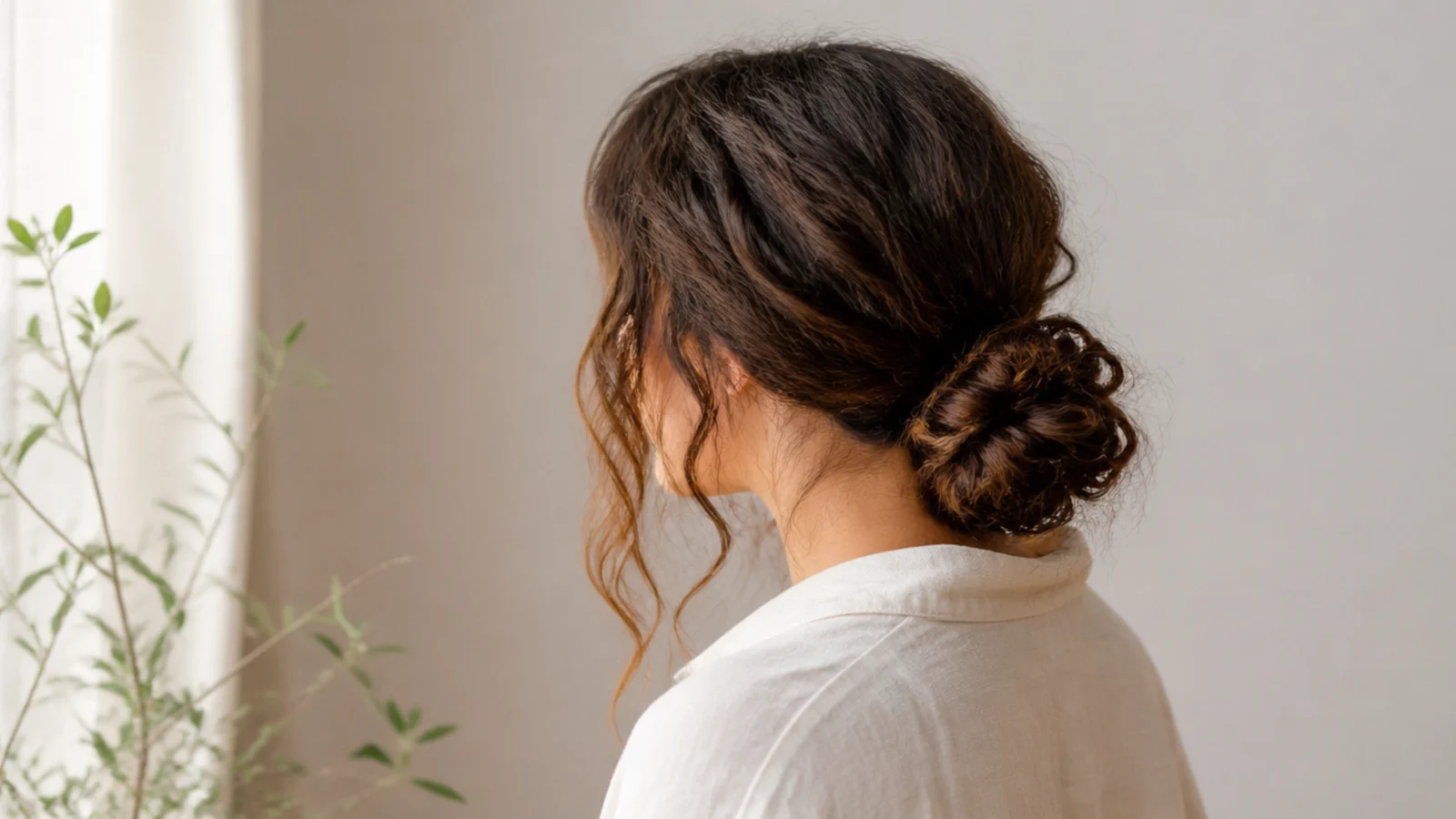
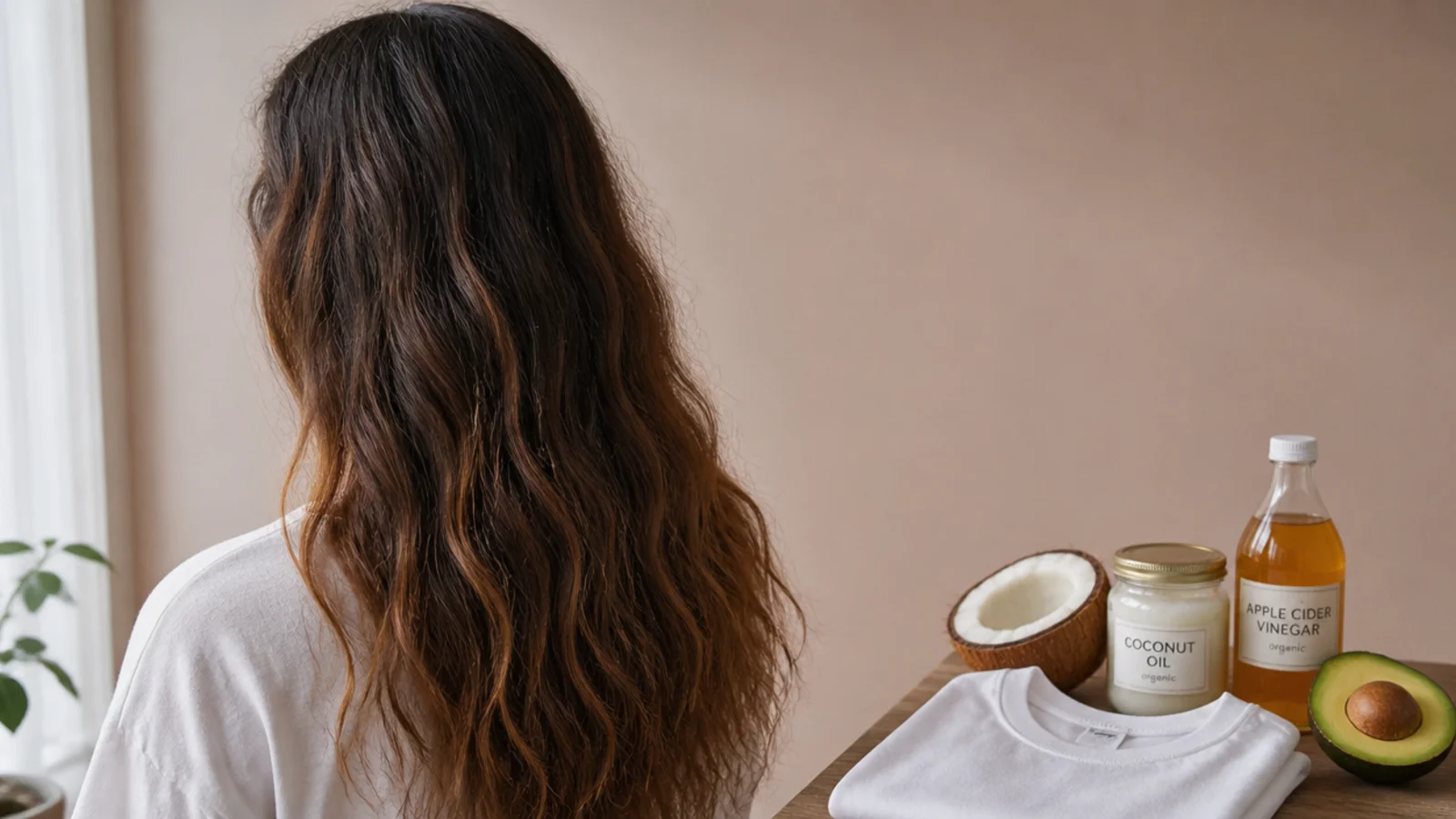
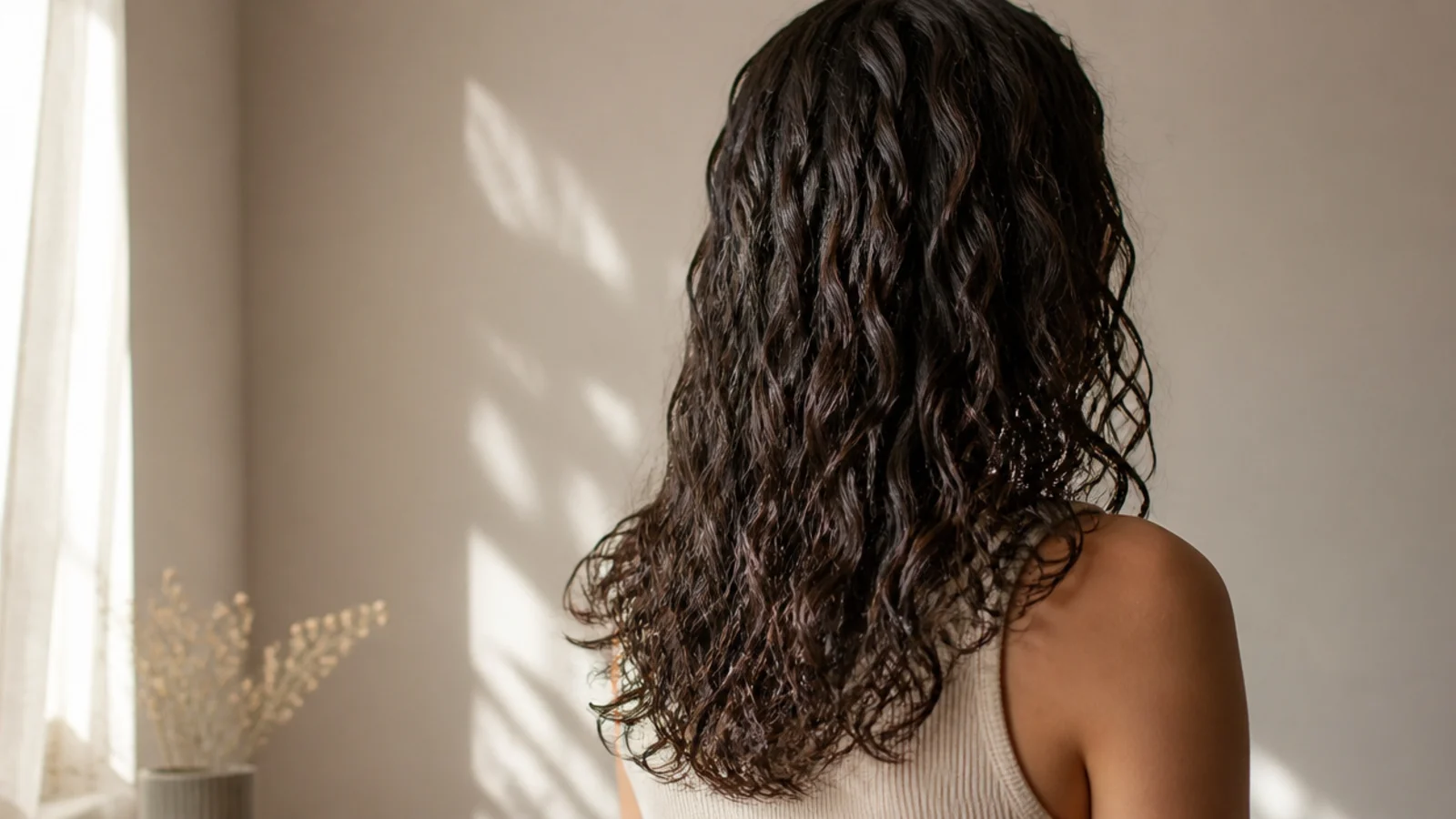
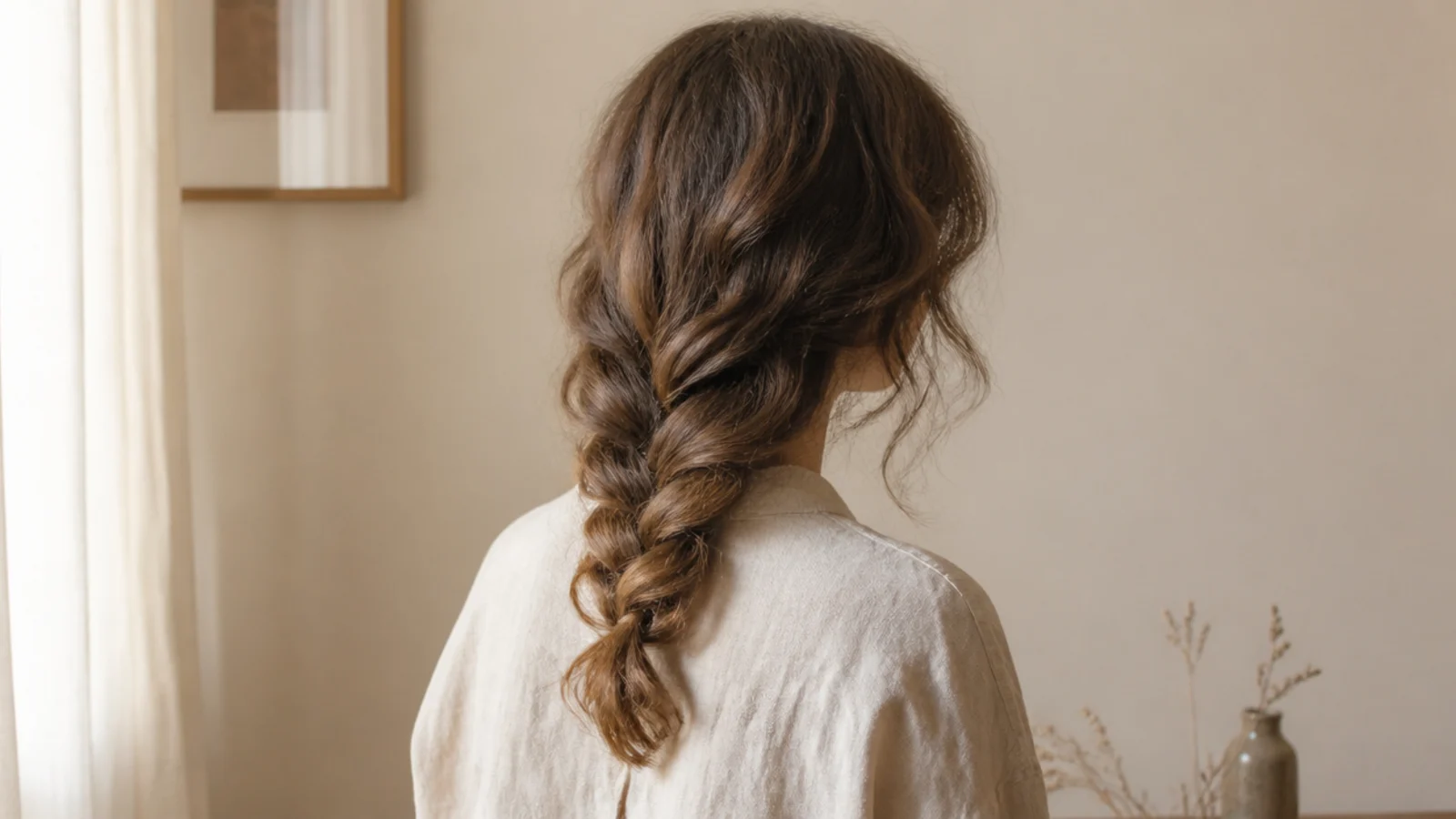
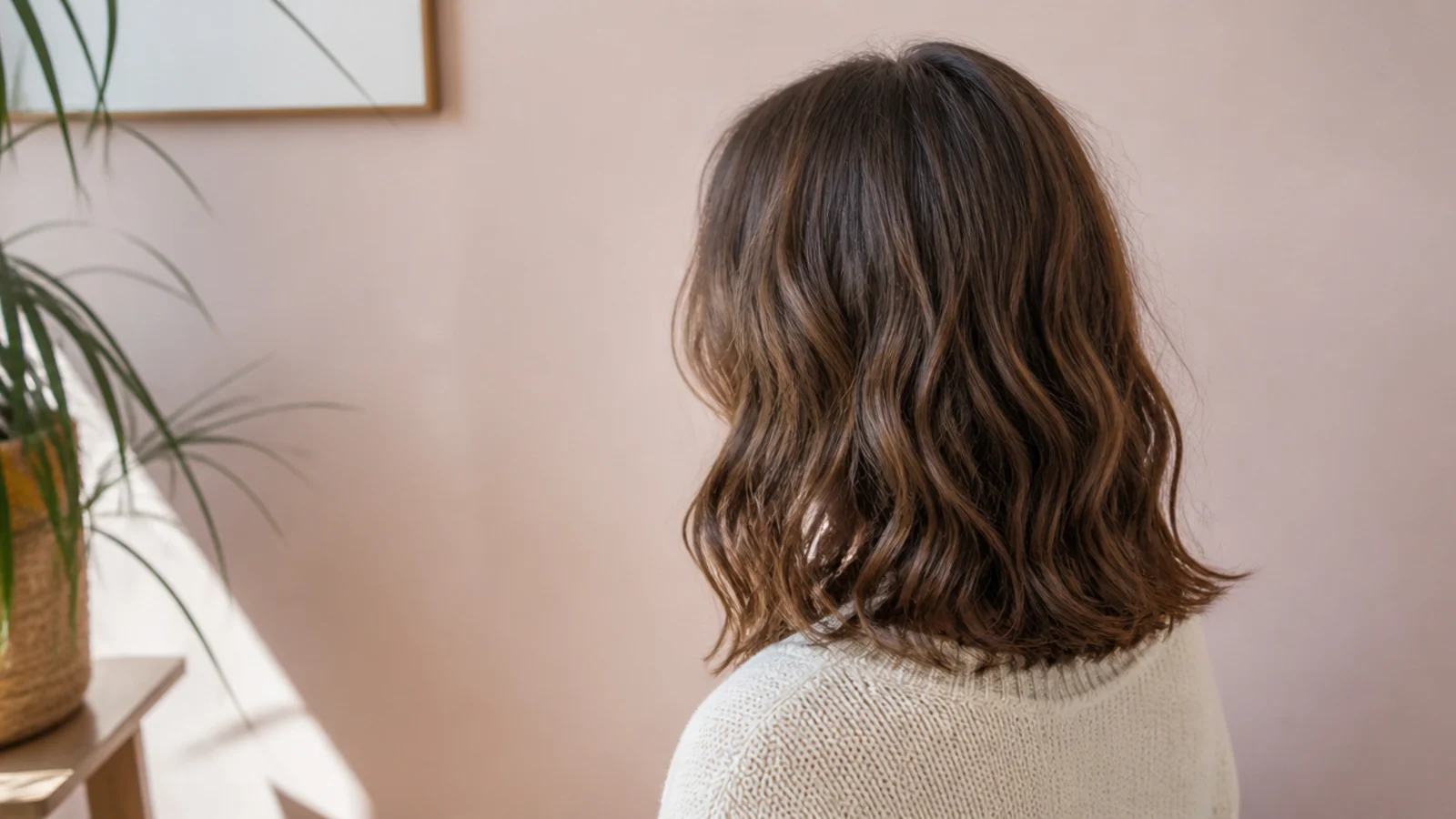
Frizzy hair is the cuticle lifting and pulling moisture in from the air, which is why sealing and hydrating works and fighting it with heat does not. This board covers both halves of the problem: the care that reduces frizz and the styles that look good while you still have it. You will find wash-day routines, hair masks tested, remedies compared, and the haircuts and layers that hide frizz rather than cause it. The styling pages sort by texture and density - wavy, curly, thick and puffy hair - with everyday looks, budget-friendly styles and fast fixes for a bad frizz day. Expect real mechanics, like applying stylers to soaking-wet hair and swapping a terry towel for microfiber.
Best for: Humid days, wavy and curly textures, and anyone tired of buying products that do nothing.
Frequently Asked Questions
Why is my hair so frizzy?
Frizz happens when the cuticle lifts and the hair draws moisture in from the air, so strands puff and separate. Dryness, humidity and friction all lift the cuticle. That is why the fix is hydrating and sealing the hair rather than trying to flatten it down with more heat.
How do you stop frizz in humidity?
Layer in order: a leave-in to hydrate, a cream to define, then a gel to seal. Apply to soaking-wet hair so the water spreads the product evenly, and let the gel cast dry fully before you scrunch it out. That seal is what keeps humid air from getting back in.
What haircut is best for frizzy hair?
Internal layers that remove bulk without thinning the ends. Blunt, heavy ends can look frizzier because the weight sits at the bottom and every flyaway stands out against a hard line. Curly hair does better cut dry or curl by curl, so each section lands where it actually falls.