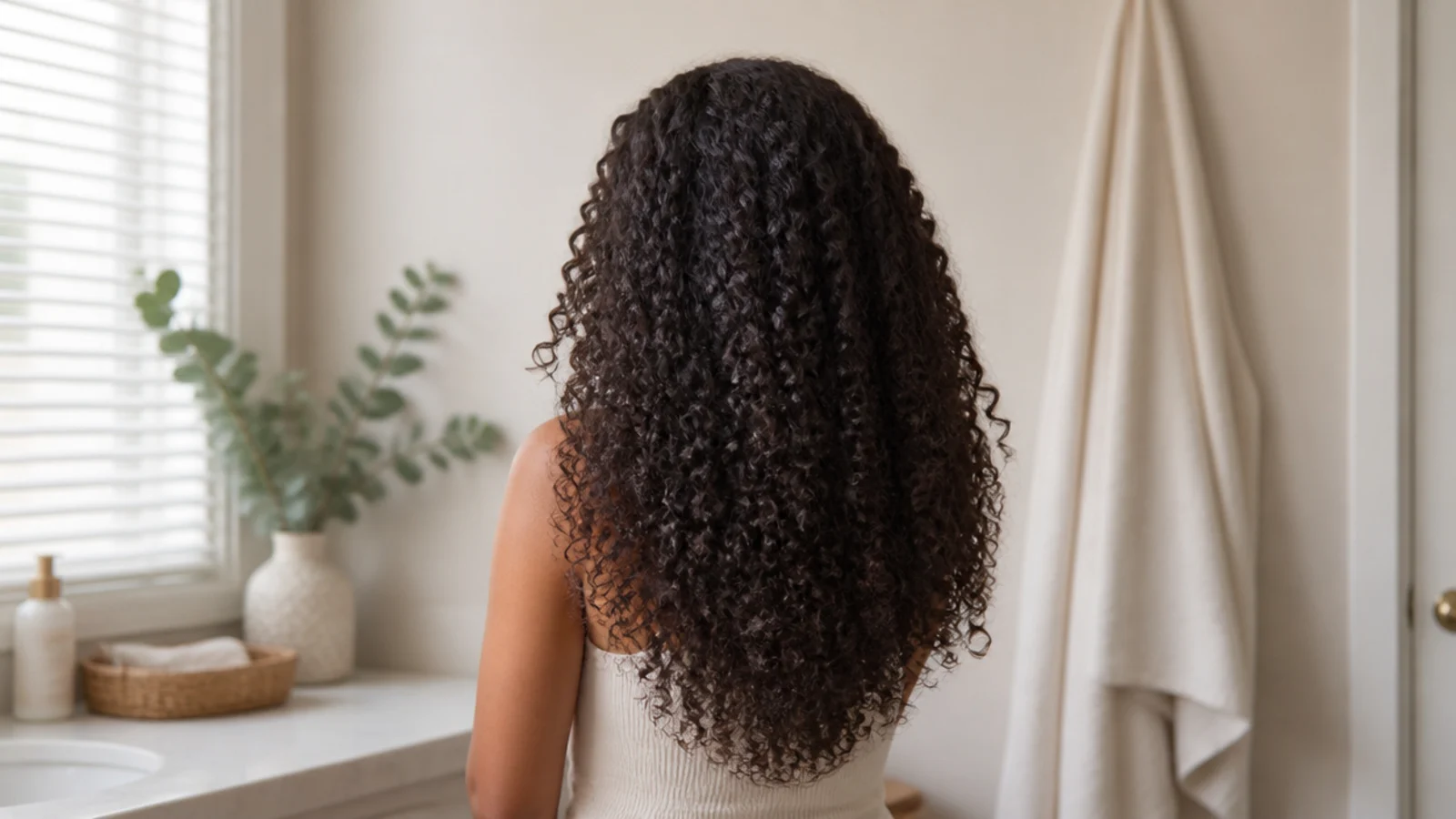
Quick Comparison
| LOC Method | LCO Method | |
|---|---|---|
| Layer order | Liquid, then oil, then cream | Liquid, then cream, then oil |
| Best porosity | High porosity, cuticle lifted and leaky | Low porosity, cuticle tight and resistant |
| Typical curl types | 3C, 4A and coarse 3B | 2C, 3A and fine 3B |
| What the oil does | Seals water in before the cream locks it down | Finishes on top so it cannot block absorption |
| Risk if you pick wrong | Greasy roots and limp, weighed down curls | Moisture escapes within hours and hair feels dry |
| Hair wetness needed | Soaking wet, applied in the shower | Soaking wet, with warm water to open the cuticle |
| Product weight | Rich creams, butters, jojoba and castor | Light lotions, mousse and a few drops of grapeseed |
| How often | Every wash day, refresh oil midweek | Every wash day, usually no midweek refresh |
| Quick test | Hair soaks water instantly and dries fast | Water beads on top and hair takes hours to dry |
1. Squish to Condition on Every Wash Day
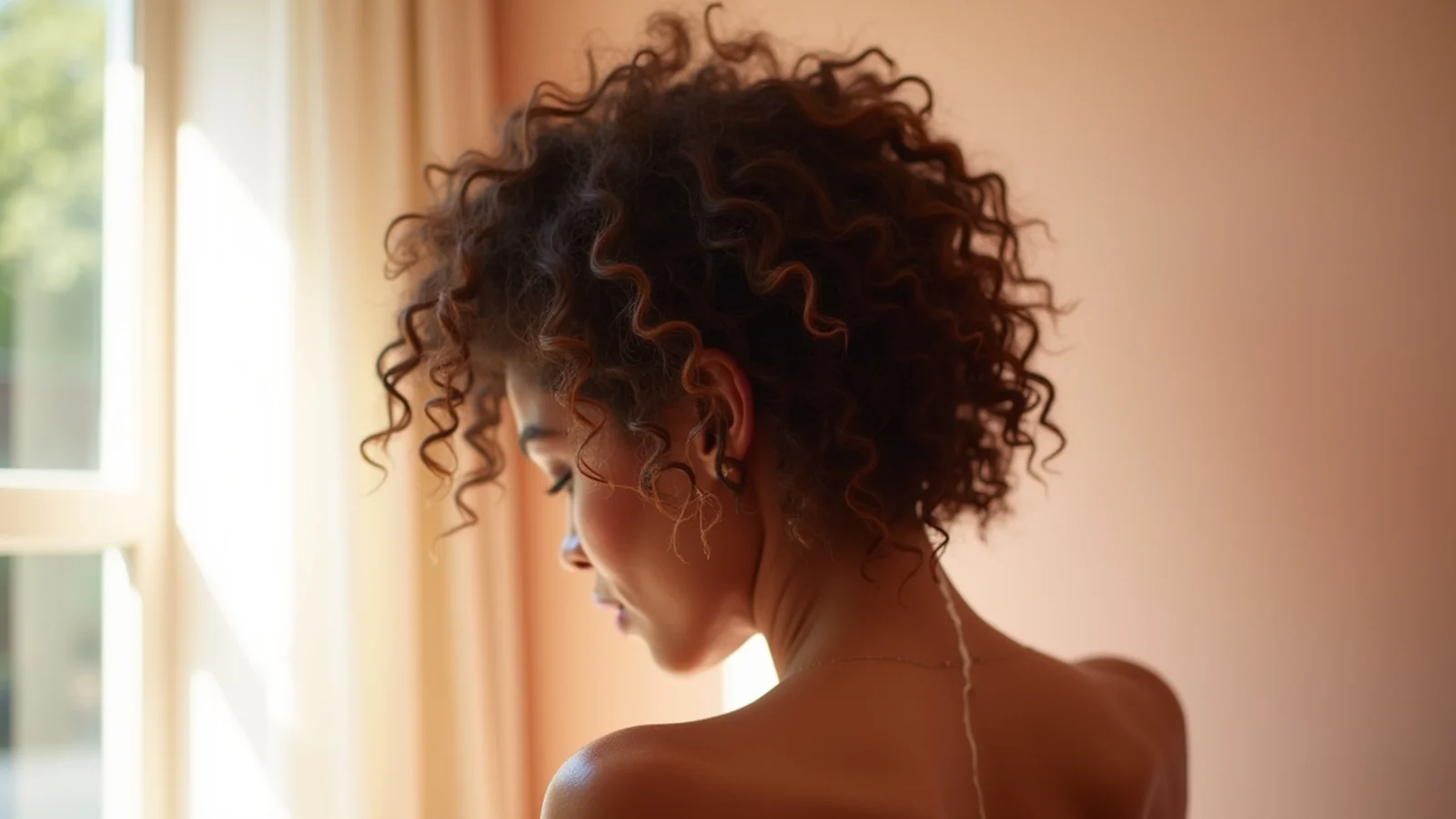
Squish to condition means cupping handfuls of water into hair that is already coated in conditioner and pushing it upward toward the scalp until you hear a wet squelch. That sound is water being forced under the cuticle, and it is the cheapest hydration step in curly hair care. Do it for 60 to 90 seconds at the end of every wash, then rinse only partway so a film of conditioner stays behind. Hydrated curls stretch instead of snapping when you detangle, which is where most length is lost. The same water-first logic drives the frizzy hair routine.
Who it suits: Every curl pattern from 2C to 4A, especially high porosity hair.
Tip: If you do not hear the squelch, your hair is not wet enough. Add more water, not more product.
2. Satin Pillowcase or Bonnet Every Single Night
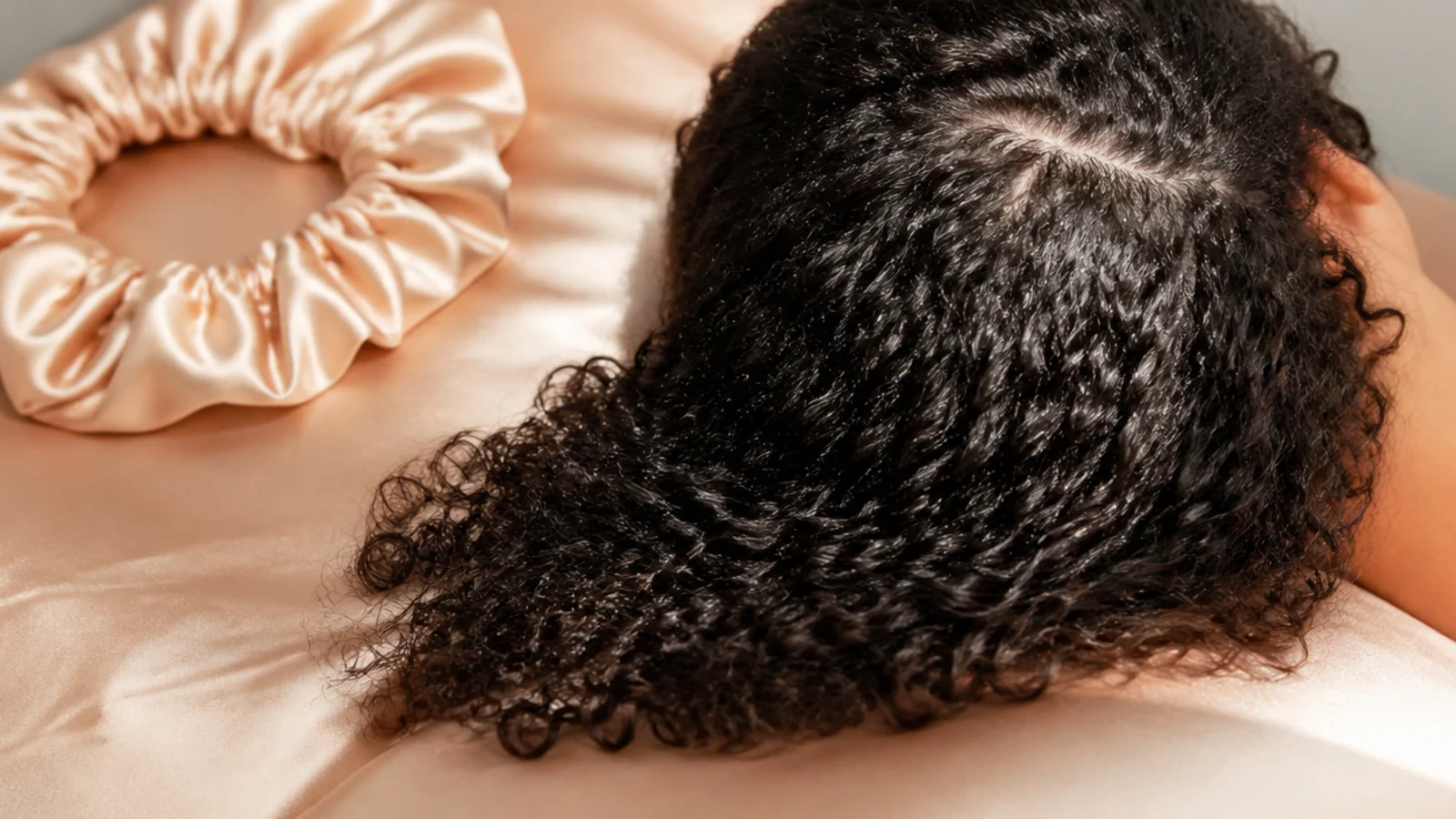
Cotton pillowcases have a rough weave that grabs the cuticle and drags it open across roughly eight hours of tossing every night. Satin and silk slide instead. A satin pillowcase runs about 10 to 20 dollars and a satin-lined bonnet about 15 to 25 dollars, and either one cuts overnight friction dramatically. Bonnets protect better because they move with your head, pillowcases are easier to actually keep using. This is the highest return per dollar on the entire list and it takes zero extra minutes.
Who it suits: Anyone growing curls out, and essential for 3C and 4A.
Tip: Buy two pillowcases so one is always clean and you never fall back to cotton on laundry day.
3. Trim Curly Ends Dry, Curl by Curl, Every 8 to 12 Weeks
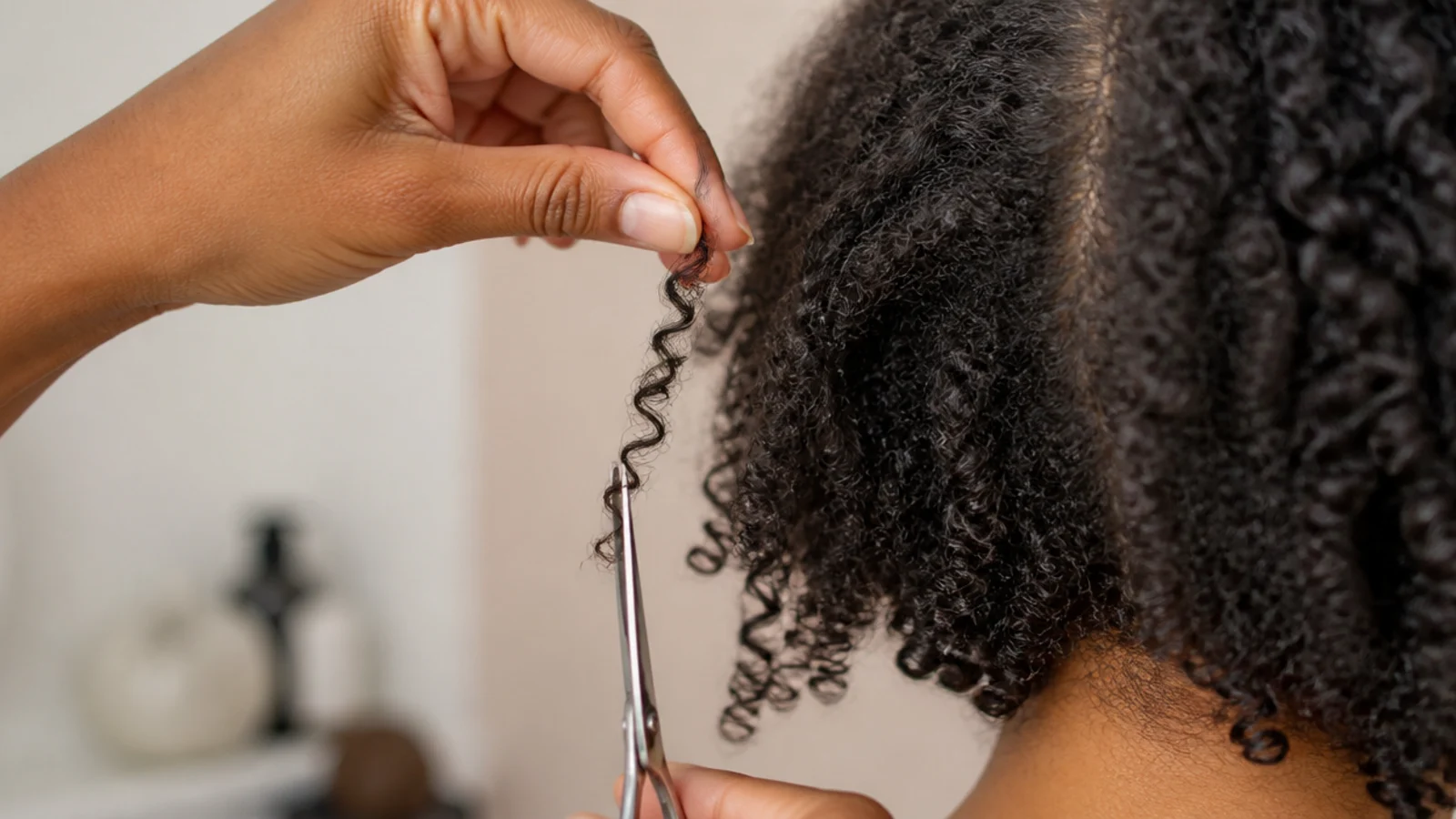
Trimming does not make hair grow, but skipping it costs you length. A split travels up the shaft and takes far more than the quarter inch you would have cut. Book a dry cut every 8 to 12 weeks and ask for a quarter to half inch off, cut curl by curl while the hair hangs in its natural shape. Wet cutting on curly hair is how people end up two inches shorter than they agreed to, because curls spring up as they dry. Expect 60 to 120 dollars at a curl specialist, and see curly mid length haircut for shapes that grow out well.
Who it suits: Anyone who has not trimmed in over four months.
Tip: Say dry cut, curl by curl, quarter inch, no thinning shears. Write it down before the appointment.
4. Finger Detangle in Slippery Conditioner, Never Dry
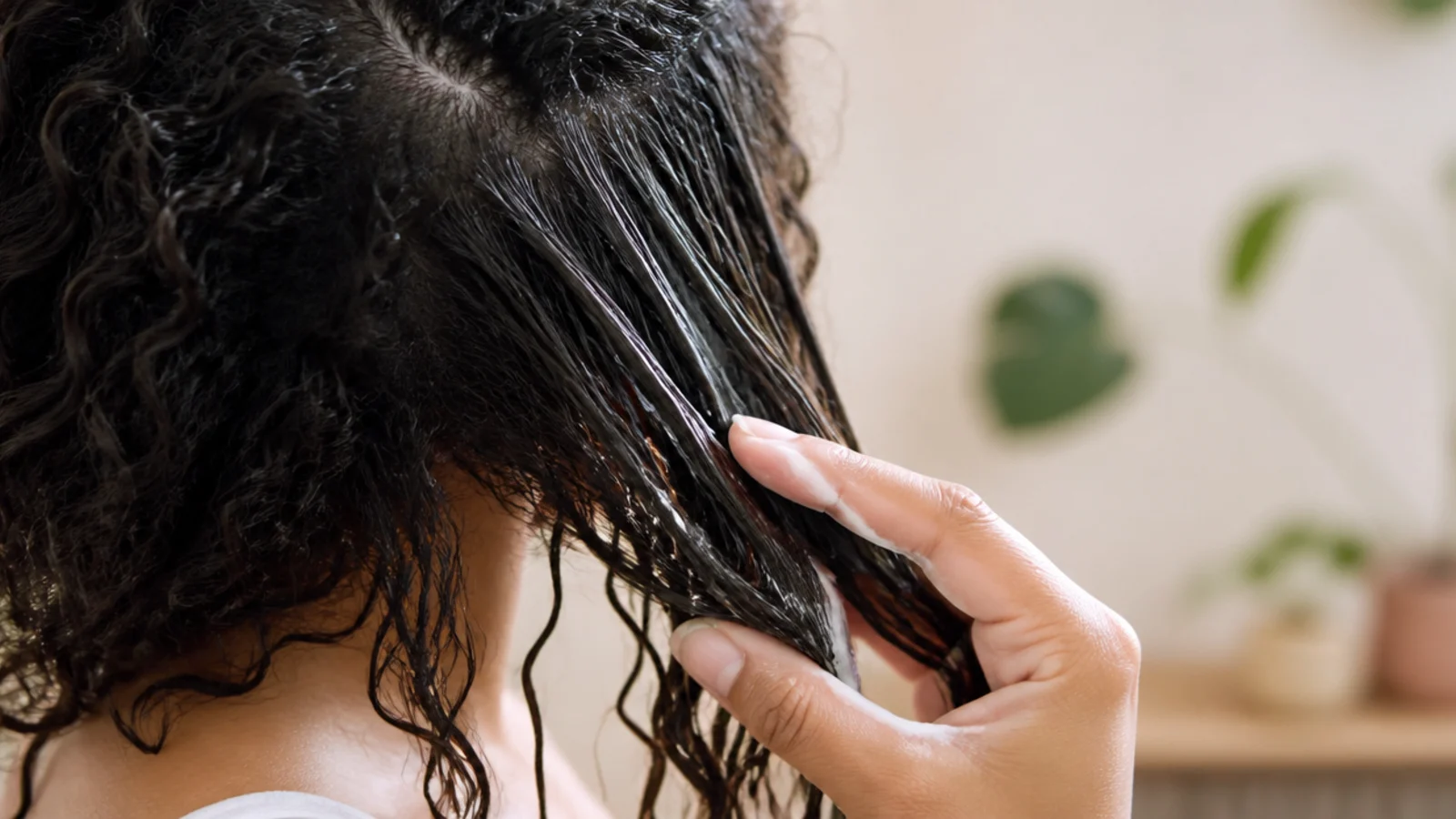
Dry detangling on curly hair is a length-removal service. Detangle only when the hair is soaked and loaded with a slippery conditioner, work in four sections, and always start at the ends and move upward so knots slide off rather than compress into a bigger knot. Fingers first, then a wide tooth comb or a loop brush if you need it. Set a rule that you never pull through resistance. If a knot will not move, add more conditioner and more water and try again. More detangling detail sits in how to fix frizzy hair.
Who it suits: Tight curl patterns and anyone with fine, snap-prone strands.
Tip: Detangle in four clipped sections. It feels slower and takes less total time than fighting the whole head.
5. Clarifying Wash Once a Month to Clear Buildup
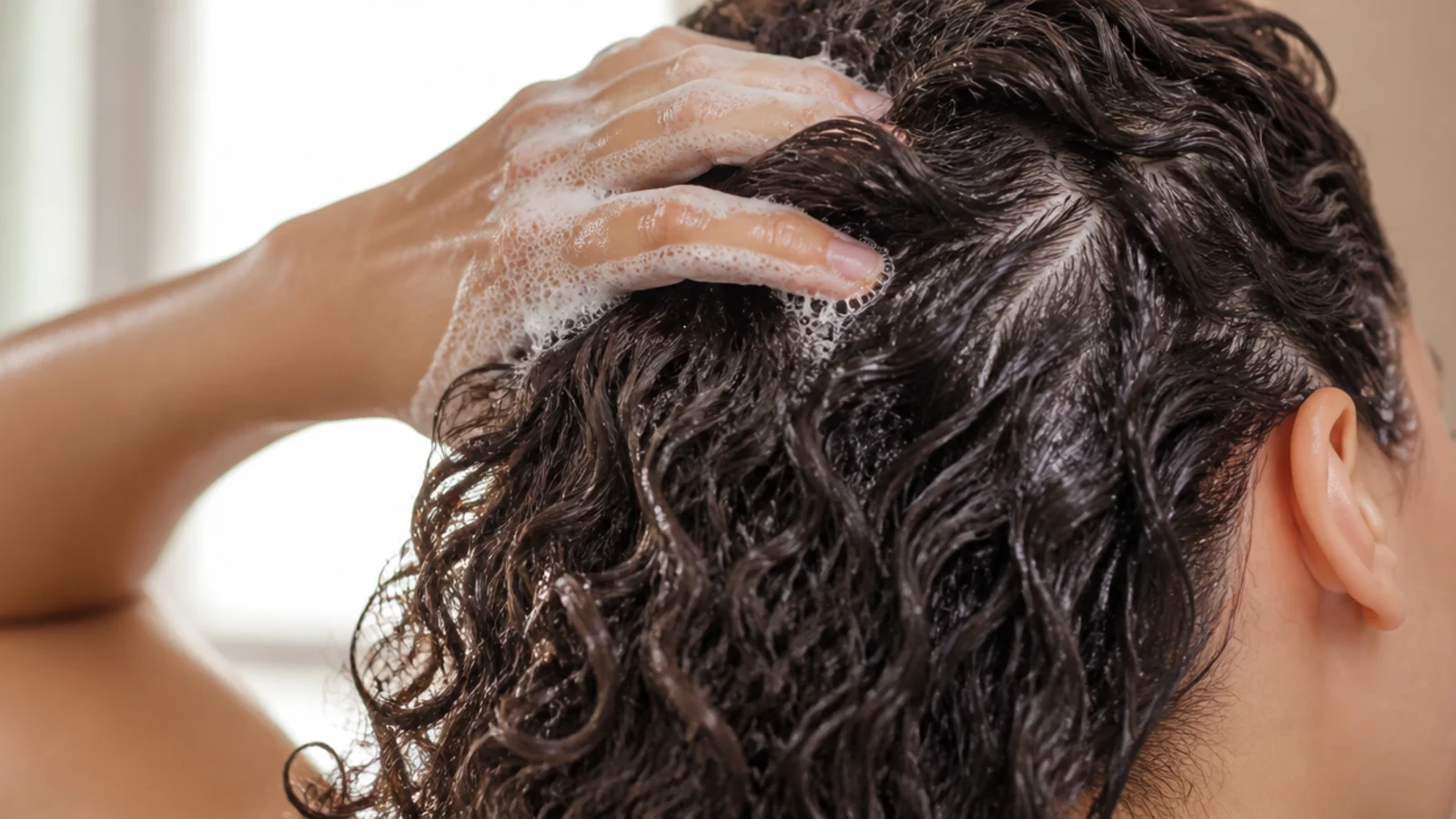
Curly routines are heavy on butters, oils and silicones, and those coat the scalp as well as the strands. A clogged, flaky scalp is a poor environment for the follicle, and buildup also makes hair feel dry no matter how much conditioner you add. Use a clarifying or chelating shampoo once a month, or every two weeks if you use hard water or heavy gels. Follow it with a deep conditioner the same day, because clarifying strips good moisture along with the bad film. Follow with a hair mask for frizzy hair if your ends feel stripped.
Who it suits: Heavy product users, gel lovers and anyone with hard water.
Tip: If your curls suddenly stop responding to products that used to work, clarify before you buy anything new.
6. Five Minute Scalp Massage With Your Fingertips
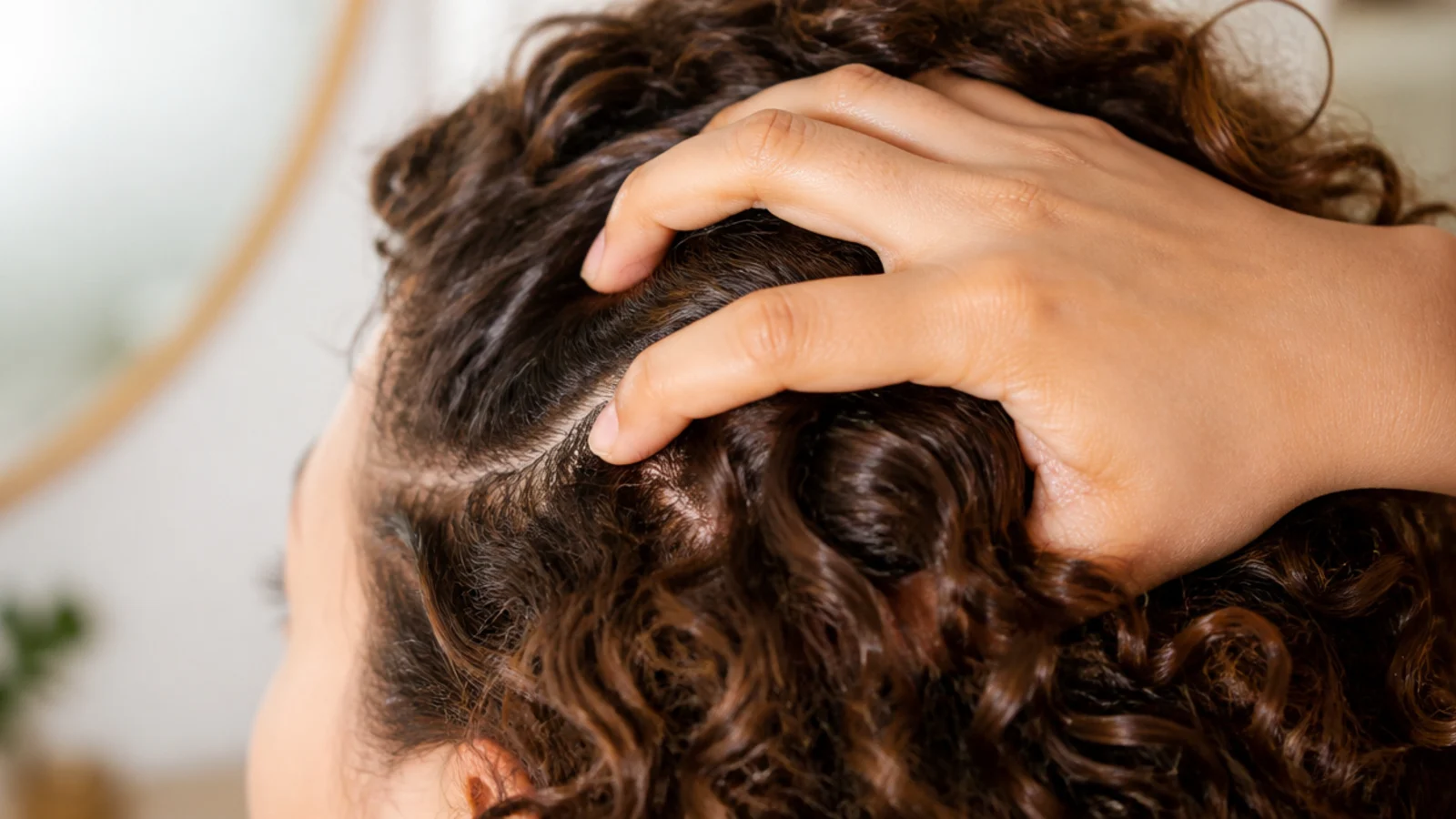
Scalp massage supports blood flow to the follicle and helps loosen buildup before you shampoo. Use the pads of your fingers, never your nails, and work in small firm circles for about five minutes, four or five days a week. Do it dry in front of the television or in the shower under conditioner, whichever you will actually remember. It is genuinely useful and genuinely modest, so treat it as a supporting habit rather than a growth treatment. Nothing you rub on your scalp overrides genetics, a point the tips for hair growth list makes too.
Who it suits: Everyone, and it costs nothing.
Tip: Pair it with something you already do daily so it becomes automatic instead of a chore you skip.
7. The LOC Method for High Porosity 3C and 4A Curls
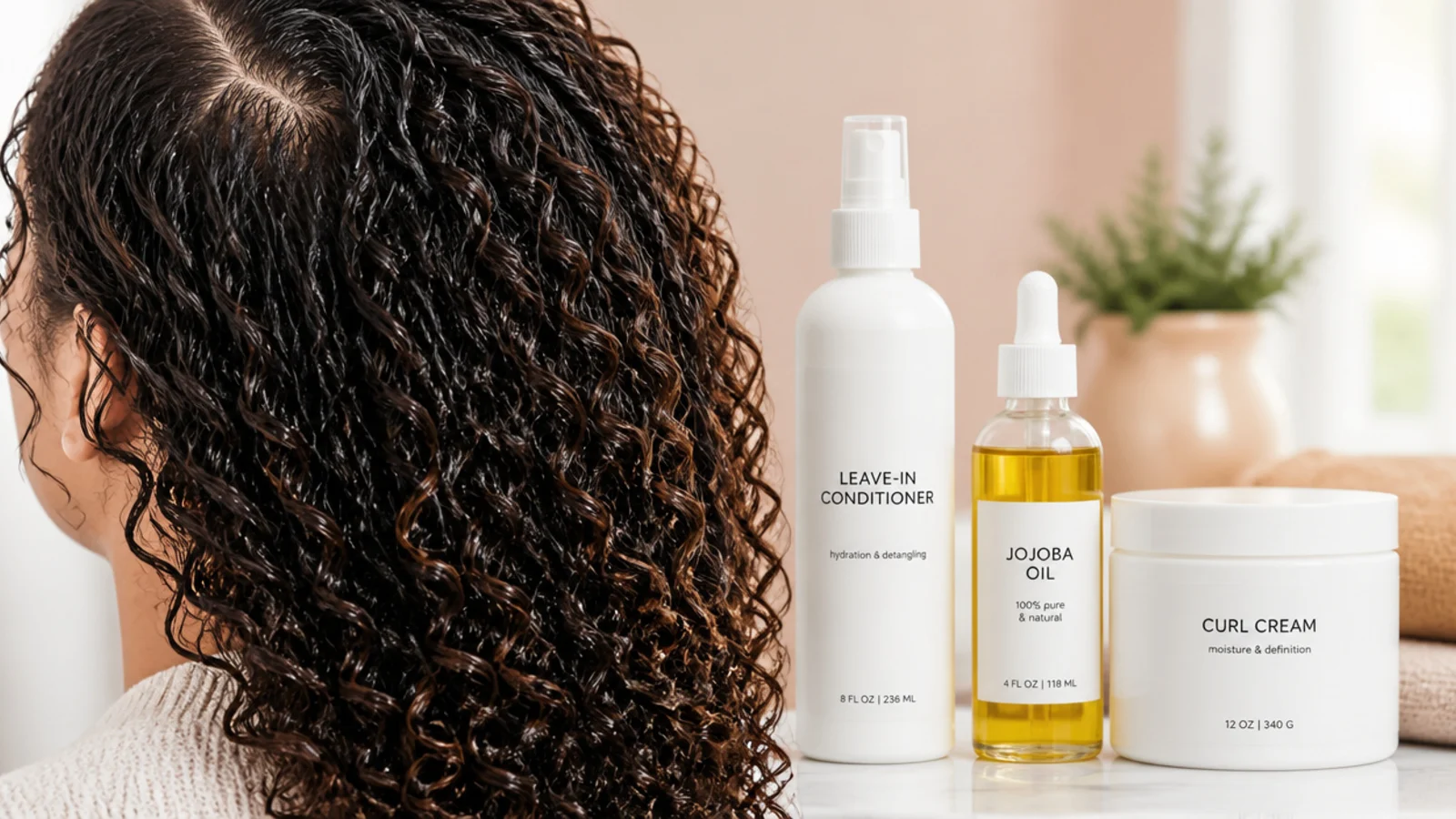
LOC stands for liquid, oil, cream. On soaking wet hair you apply a water-based leave-in, then a sealing oil such as jojoba or grapeseed, then a curl cream on top. The oil layer traps water inside a cuticle that would otherwise let it escape within hours, which is exactly the problem high porosity hair has. Signs you are high porosity include hair that soaks water instantly, dries fast, and has been colored or heat styled. Layer on wet hair only, never damp. Compare the two orders in hair growth tips compared.
Who it suits: High porosity 3C and 4A curls, color-treated or heat-damaged hair.
Tip: Apply in half-inch sections with praying hands, then scrunch upward once at the end.
8. The LCO Method for Low Porosity 2C and 3A Curls
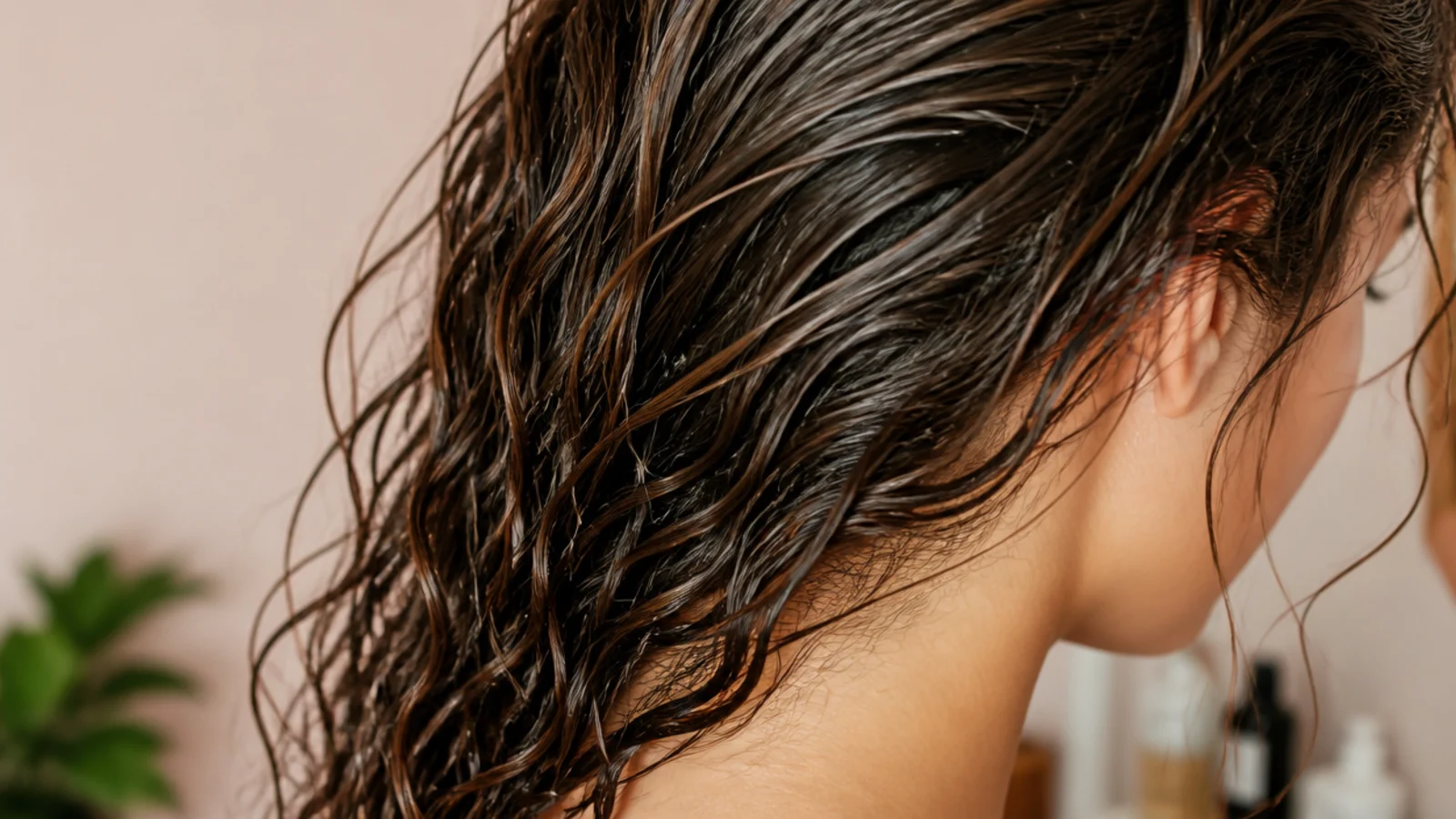
LCO reverses the last two steps: liquid, cream, oil. Low porosity hair has a tight cuticle that resists water going in, so putting oil on second would block absorption and leave curls greasy and limp. Instead you let a lightweight cream absorb first and finish with a few drops of a light oil only on the ends. Low porosity signs include products sitting on top, hair that takes forever to get wet and forever to dry. Use warm water and warmth under a cap to help the cuticle open. Fine waves also do well with the frizzy wavy hair approach.
Who it suits: Fine 2C and 3A waves and curls that go flat under heavy products.
Tip: Skip the oil entirely if your roots look greasy by day two. Cream alone is often enough.
9. Plopping in a Cotton T-Shirt for 15 to 20 Minutes
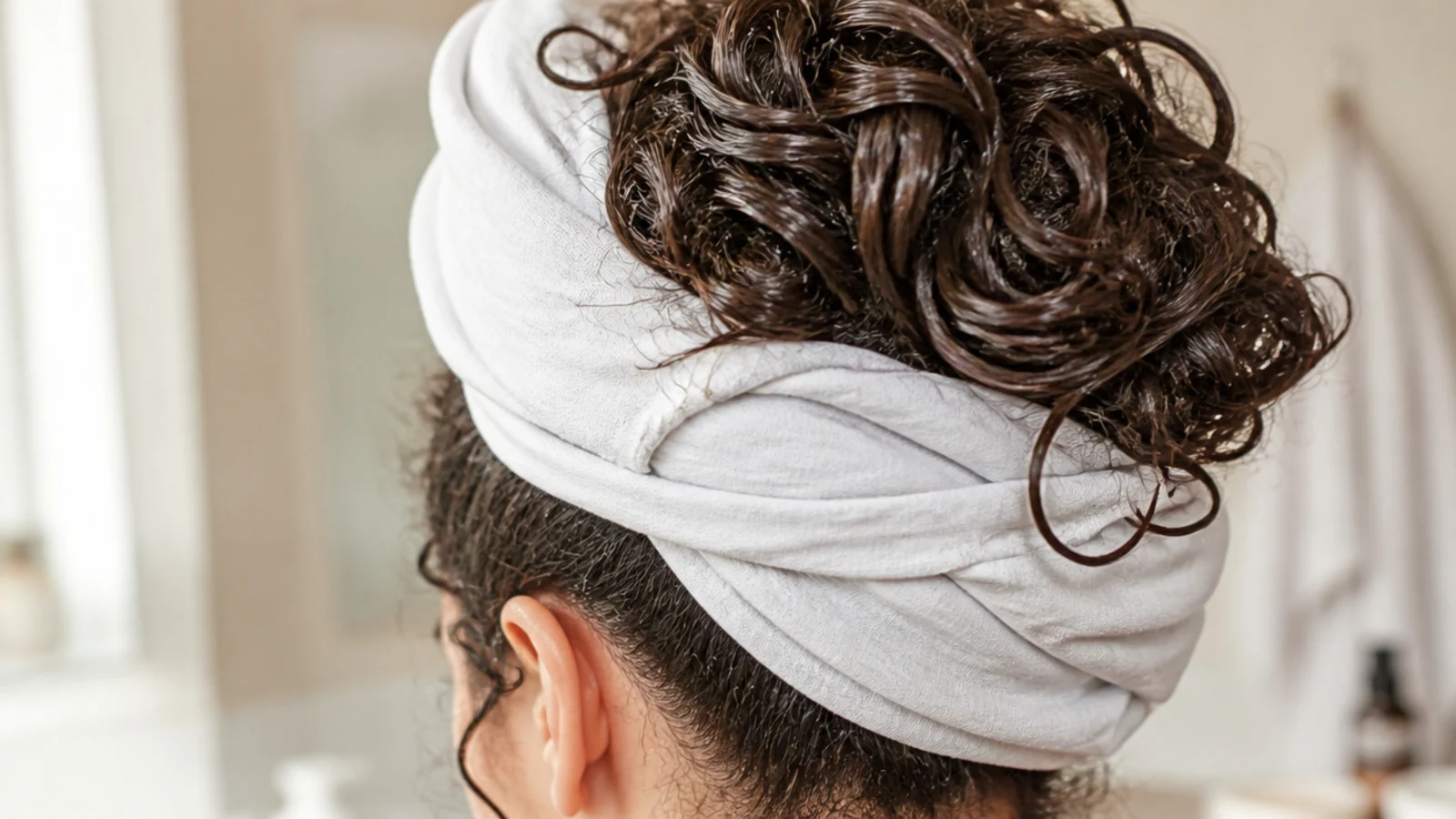
Terry towels have looped fibers that snag every curl bend and rough up the cuticle, which is why hair looks frizzy the second you rub it dry. Instead, lay a cotton t-shirt or a microfiber towel flat, flip your curls into the middle, and wrap it up for 15 to 20 minutes. Plopping absorbs excess water while the curl clump keeps its shape, so you start with less frizz and less need for heat later. A microfiber curl towel costs about 12 to 20 dollars. More anti-frizz options are in frizzy hair remedies.
Who it suits: All curl types, especially anyone fighting frizz.
Tip: Do not plop longer than 20 minutes or the roots stay soaked and the drying time doubles.
10. Diffuse on Low Heat and Low Speed With the Hover Method
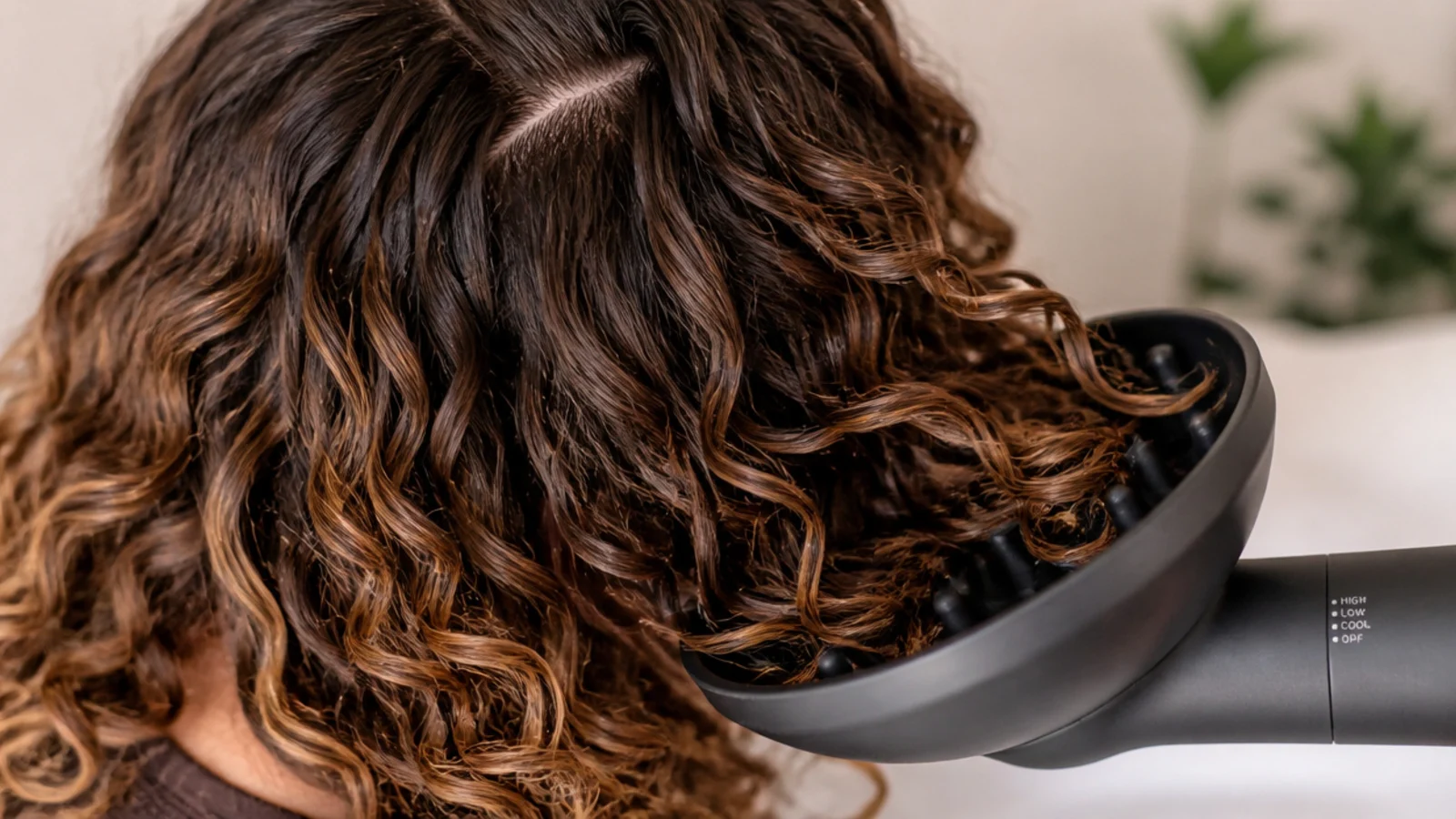
Air drying is gentlest, but wet curly hair left hanging for hours can swell and weaken, and in cold weather it is impractical. If you diffuse, use low heat and low speed and hover the bowl under a section rather than pressing it in and shaking. Pixie diffusing, where you cup a section and hold still for 20 to 30 seconds, keeps the clump intact. Finish on the cool shot. High heat on a straightening brush or flat iron is the fastest route to heat damage that reads as no growth, which is covered further in tips for long hair growth.
Who it suits: Anyone who needs dry hair in under an hour.
Tip: Stop when hair is 90 percent dry. The last 10 percent air dries with far less frizz.
11. The Pineapple: A Loose High Ponytail for Sleep
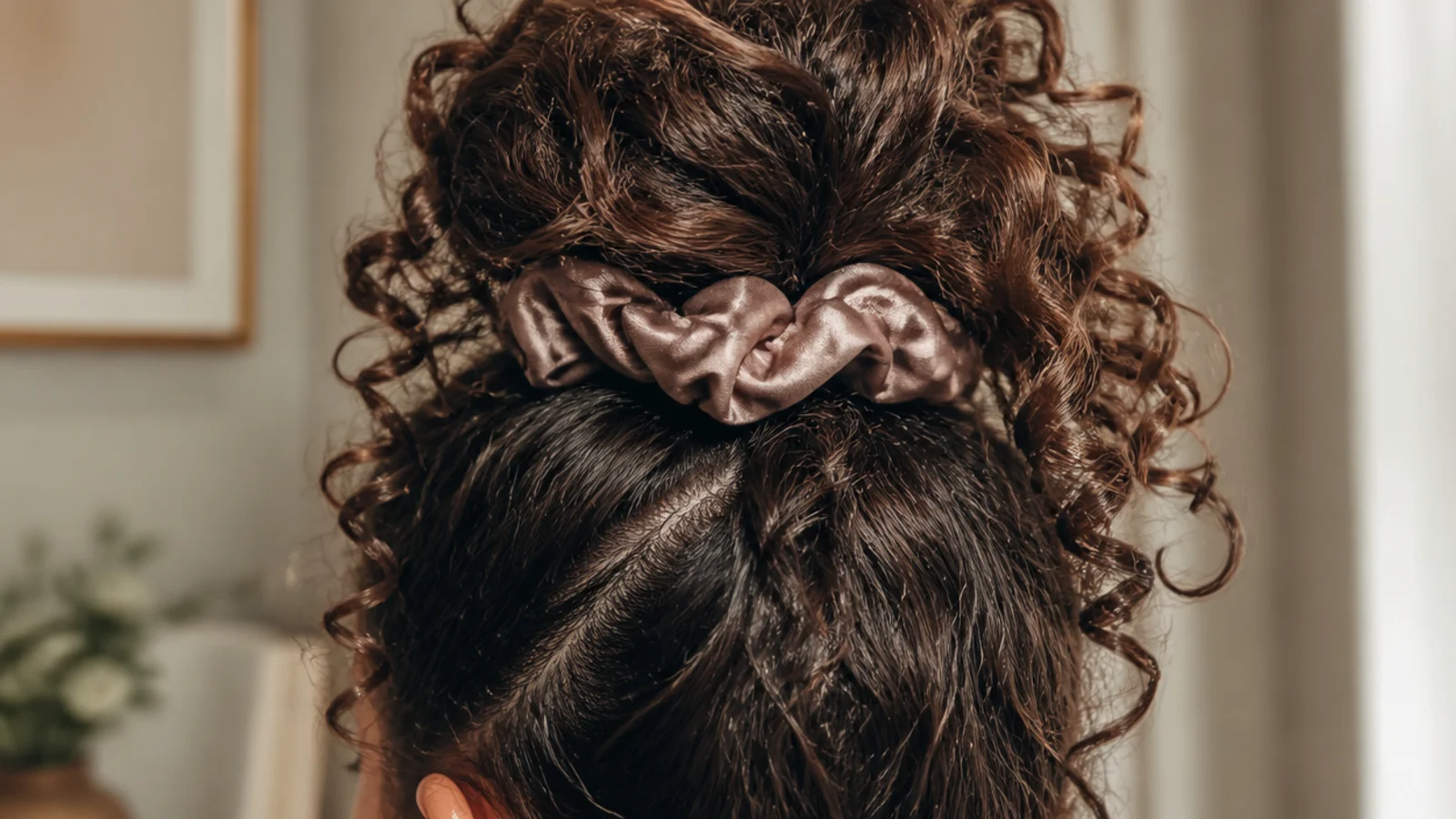
Gather your curls loosely on the very top of your head and secure them with a satin scrunchie, not an elastic. The curls sit above the pillow instead of getting crushed under your head, which preserves the shape and cuts the friction that flattens and frays second day hair. Shorter curls that will not gather can be split into two or three loose pineapples. It is the reason curly people can go three or four days between washes, and fewer wash days means less handling overall. A curly messy ponytail works the same way by day three.
Who it suits: Chin length curls and longer.
Tip: Loose is the whole point. If you feel tension at the hairline, it is too tight and your edges will pay.
12. Protein Treatment Every 4 to 6 Weeks on Colored Curls
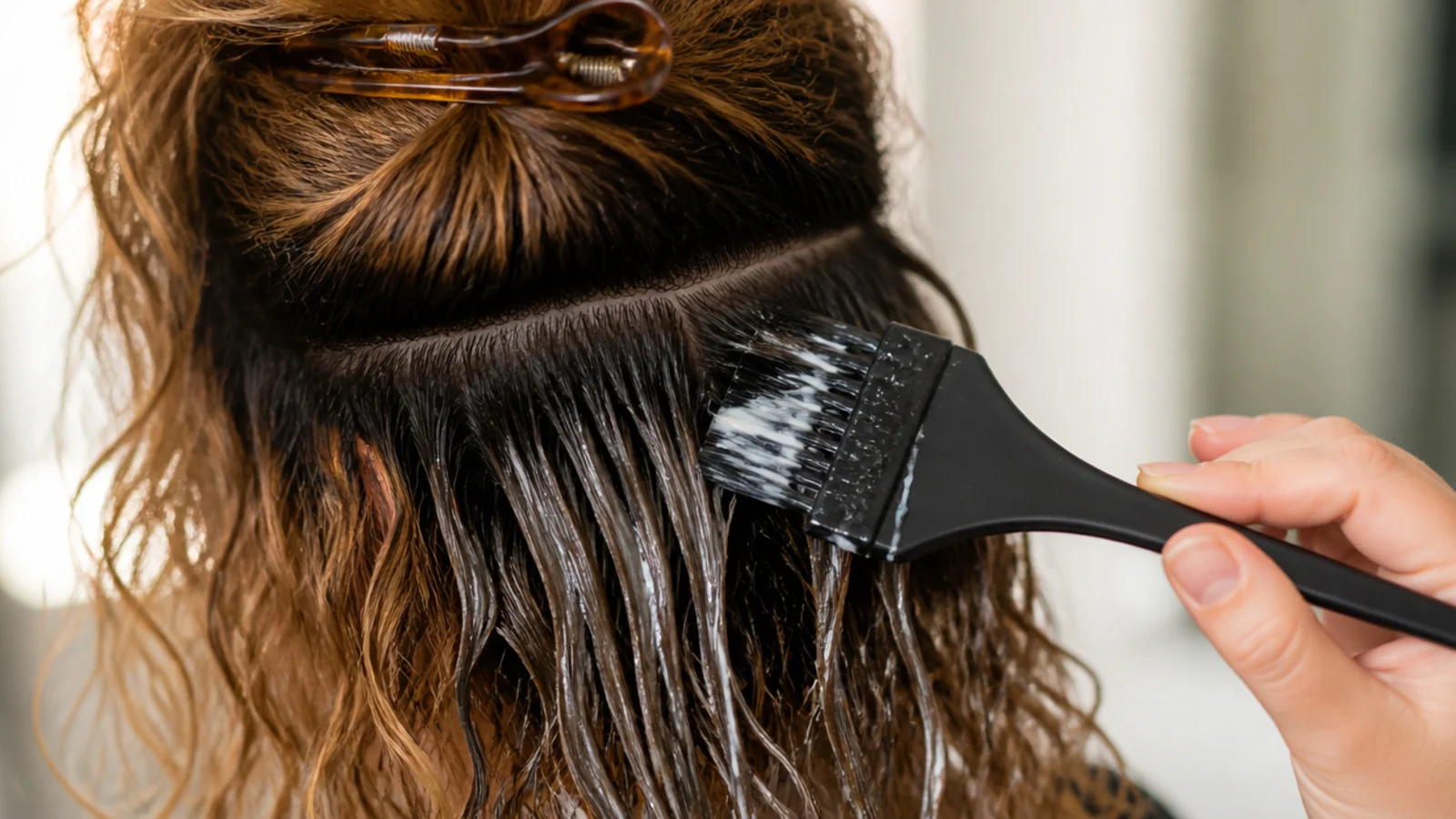
Bleach and permanent color remove protein from the cortex, and hair that is short on protein stretches like chewing gum when wet and then breaks. A protein or bonding reconstructor every four to six weeks rebuilds that structure. The catch is that too much protein makes curls stiff, straw-like and equally prone to snapping, so you alternate with moisture-only deep conditioners. Test it: stretch a wet strand. Mushy and endlessly stretchy means protein. Rigid and instantly snapping means moisture.
Who it suits: Bleached, highlighted or heat-damaged curls.
Tip: Never do a protein treatment and a heavy moisture mask in the same week. Alternate them.
13. Weekly Deep Conditioner Under a Plastic Cap for 20 Minutes
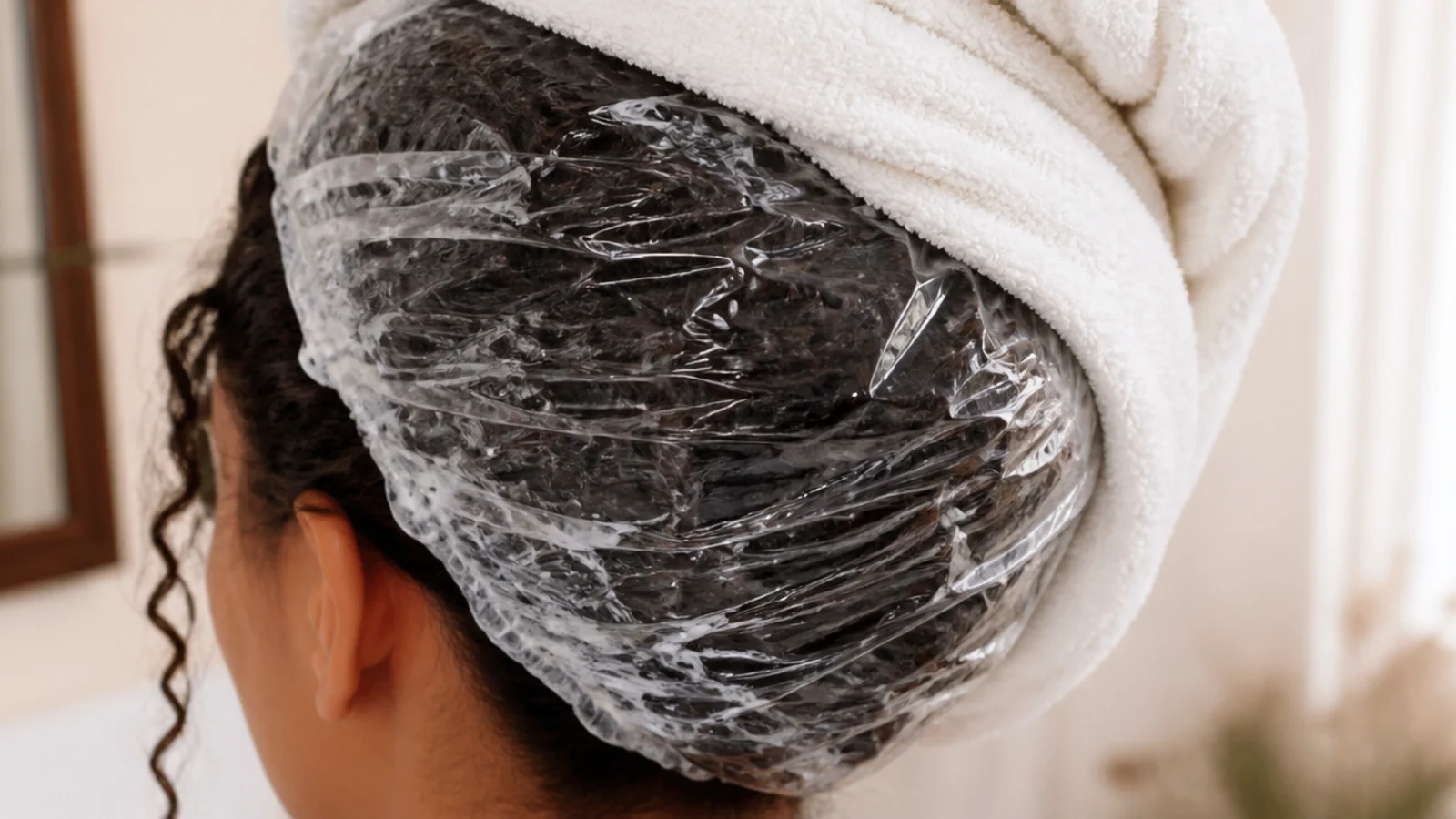
A deep conditioner is thicker and sits longer than a rinse-out, and gentle warmth helps it work. Apply to clean damp hair from the ends up, clip it away, cover with a plastic cap and wrap a warm towel over the top for 20 to 30 minutes. Your own body heat is enough, no hooded dryer required. Do this once a week during a growth phase. Well conditioned hair survives detangling, styling and sleep, and surviving those three is where retained length actually comes from.
Who it suits: Every curl type, weekly for 3C and 4A, biweekly for 2C.
Tip: Ends first, roots last. Your ends are the oldest hair on your head and need the most help.
14. Loose Two-Strand Twists as a Five Day Protective Style
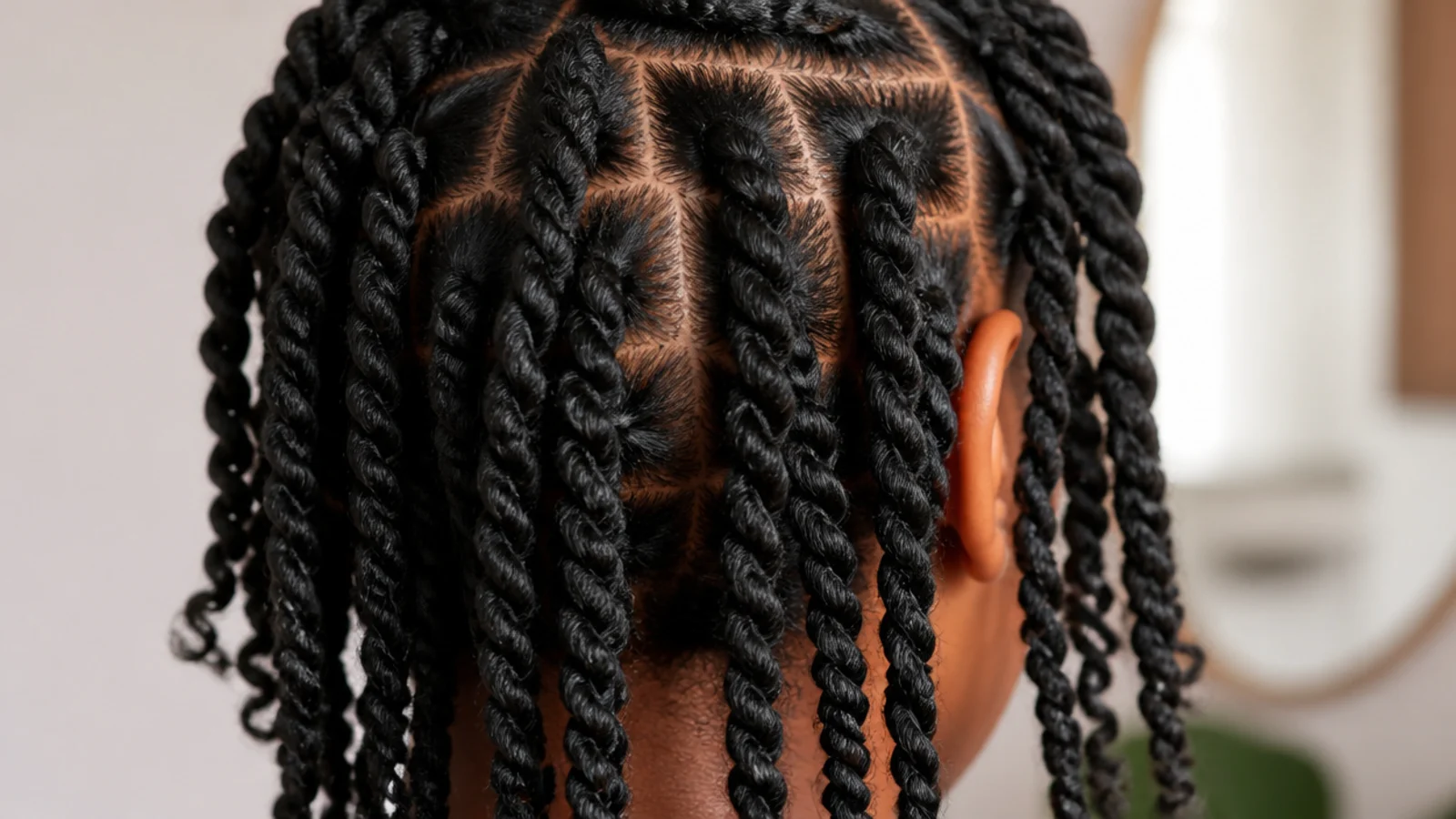
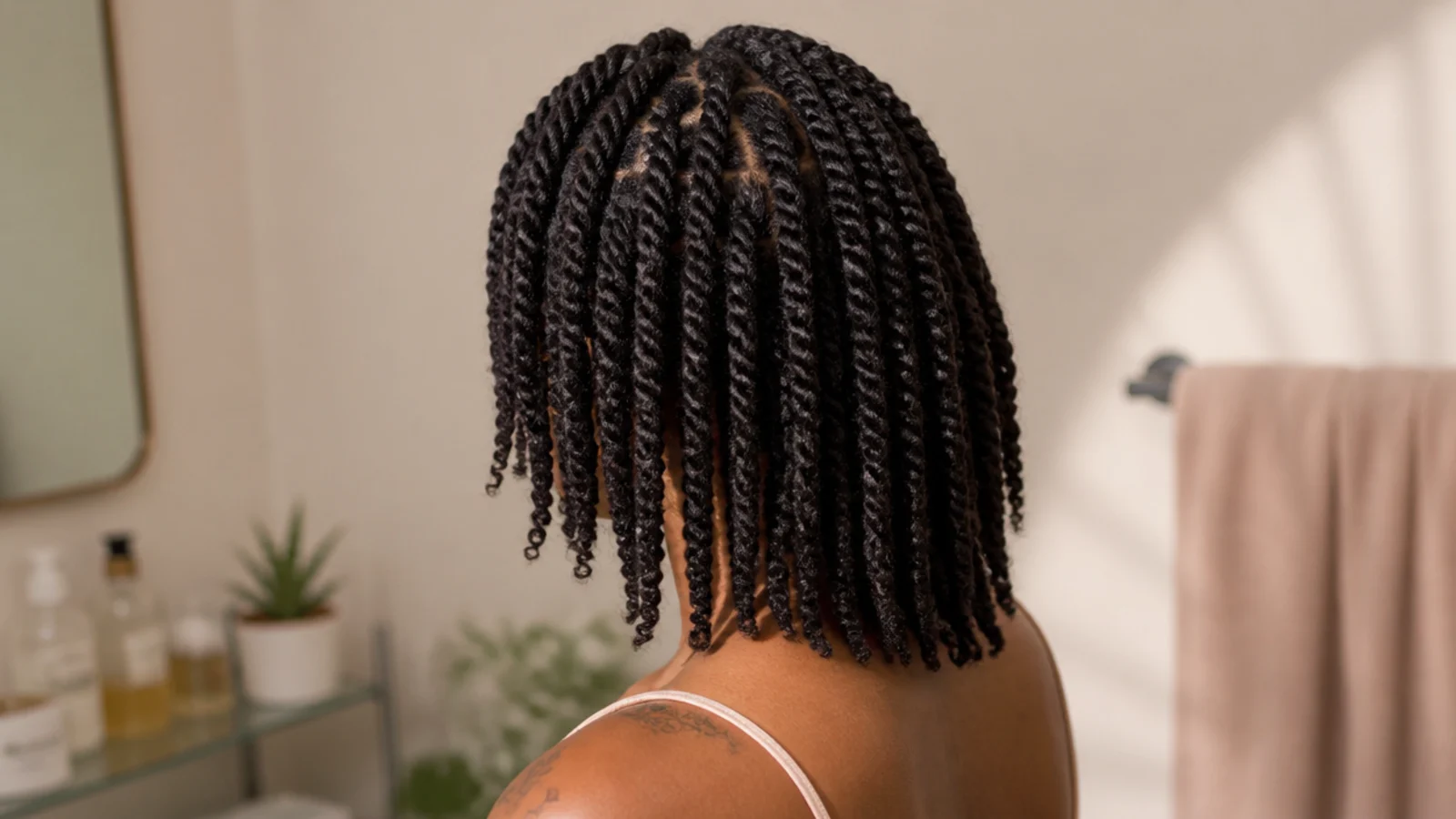
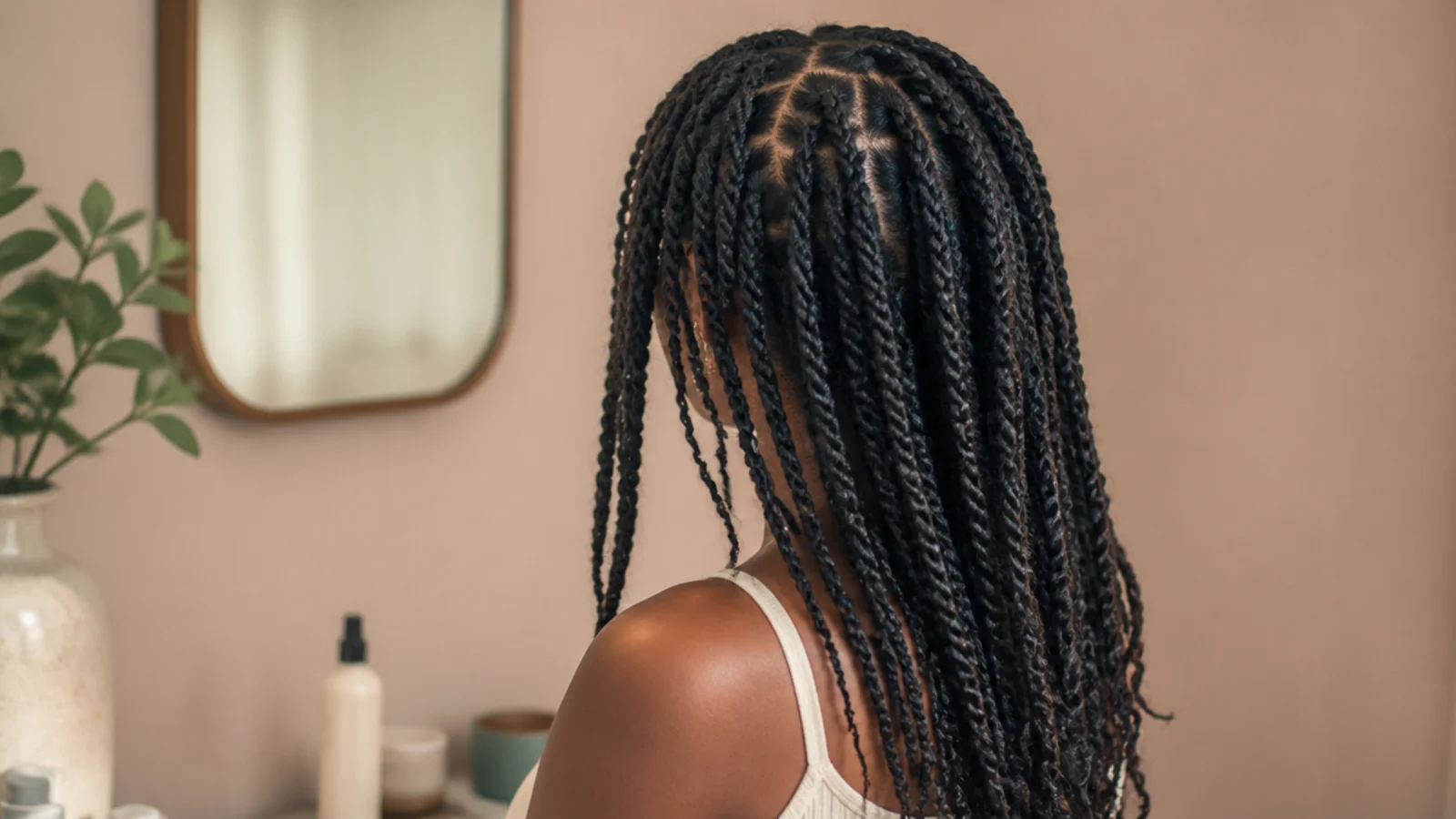
Protective styling tucks the fragile ends away so they are not rubbing on collars, seatbelts and pillowcases all week. Loose two-strand twists, chunky braids or a low bun are the most useful versions because you can install them yourself in under an hour. Keep them in for five to seven days, moisturize the scalp while they are in, then take a break before the next install. The word loose is doing the heavy lifting here. Tension styles are the fastest way to lose your hairline. For low tension event styling, see graduation hairstyles for curly hair.
Who it suits: 3C to 4A hair and anyone in a busy or high friction week.
Tip: If a style hurts, aches or gives you bumps at the hairline, take it down. Pain equals damage.
15. Track Stretched Length, Not Curly Length
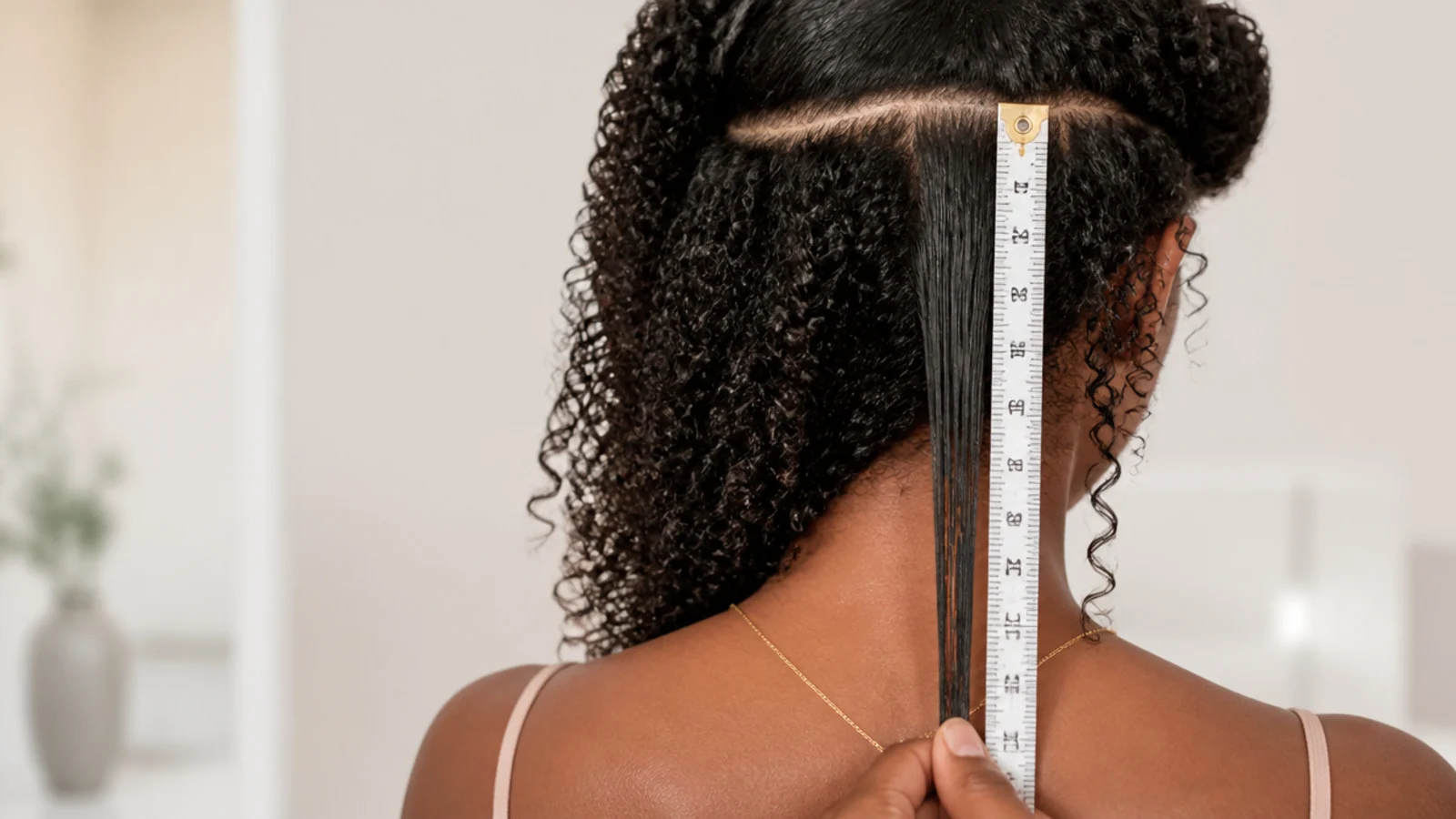
This is the tip that stops most people quitting. Take one strand at the back of your head, pull it gently straight against a soft tape measure, and record that number with a dated photo on the first of each month. A 3B curl typically shrinks 40 to 50 percent and 4A can shrink 60 to 70 percent, which means three real inches of growth can look like one inch in the mirror. You are not stuck. You are measuring the wrong thing.
Who it suits: Anyone convinced their curly hair has not grown all year.
Tip: Same strand, same spot, same lighting, first of the month. Consistency is what makes the photos useful.
16. Wash Two or Three Times a Week, Not Daily
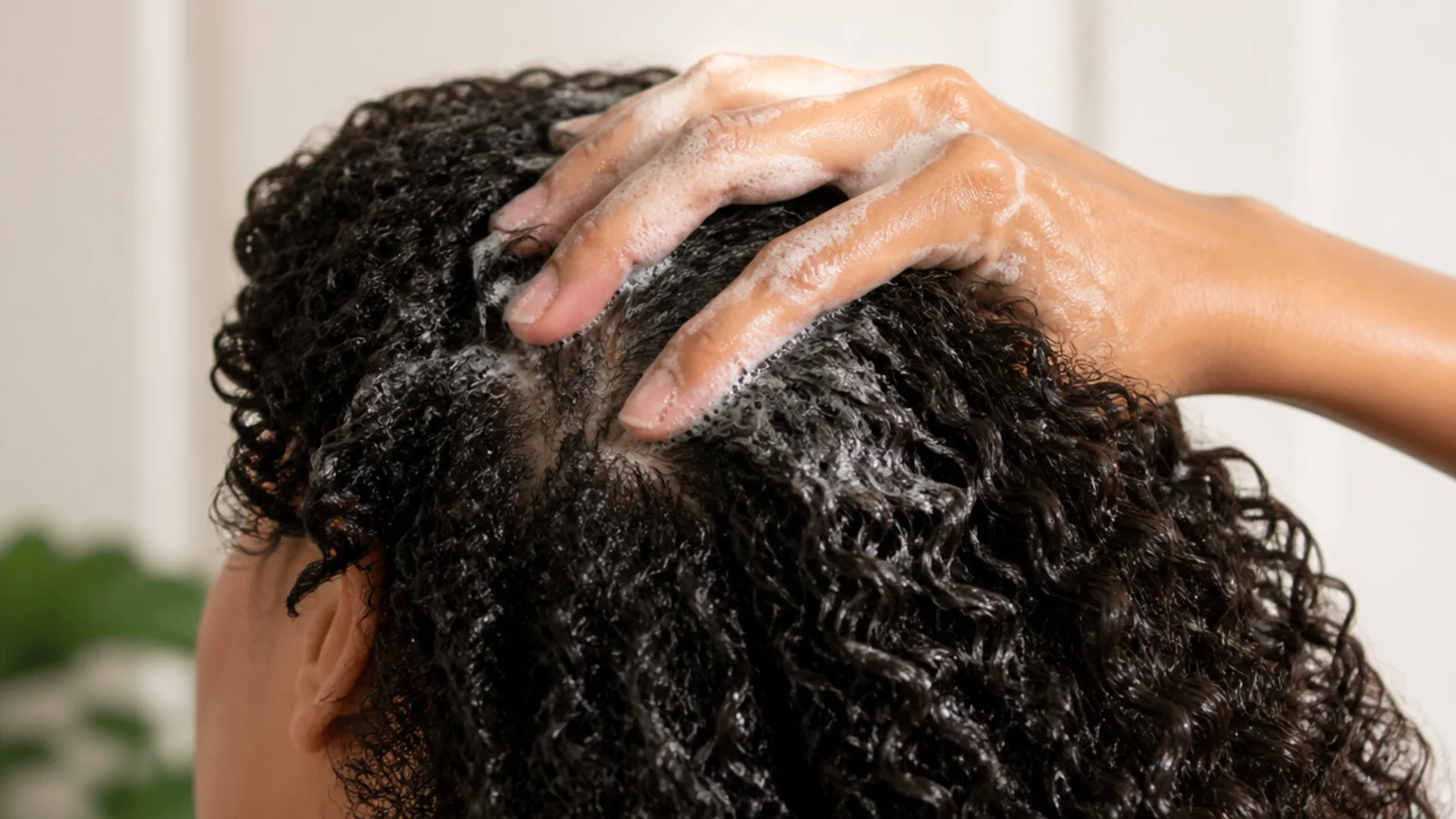
Curly hair is naturally drier than straight hair because sebum struggles to travel down a coiled strand, so daily shampooing strips the little oil that does make it. Two to three washes a week suits most 2C and 3A hair, while 3C and 4A often do well on one wash a week plus a midweek co-wash. Shampoo the scalp only and let the runoff clean the lengths. Fewer wash days also means fewer detangling sessions, and detangling is where curls break.
Who it suits: Anyone washing daily out of habit rather than need.
Tip: Use a sulfate free shampoo on the lengths and a stronger one on the scalp when buildup appears.
17. Swap Tight Elastics and Slicked Edges for Silk Scrunchies
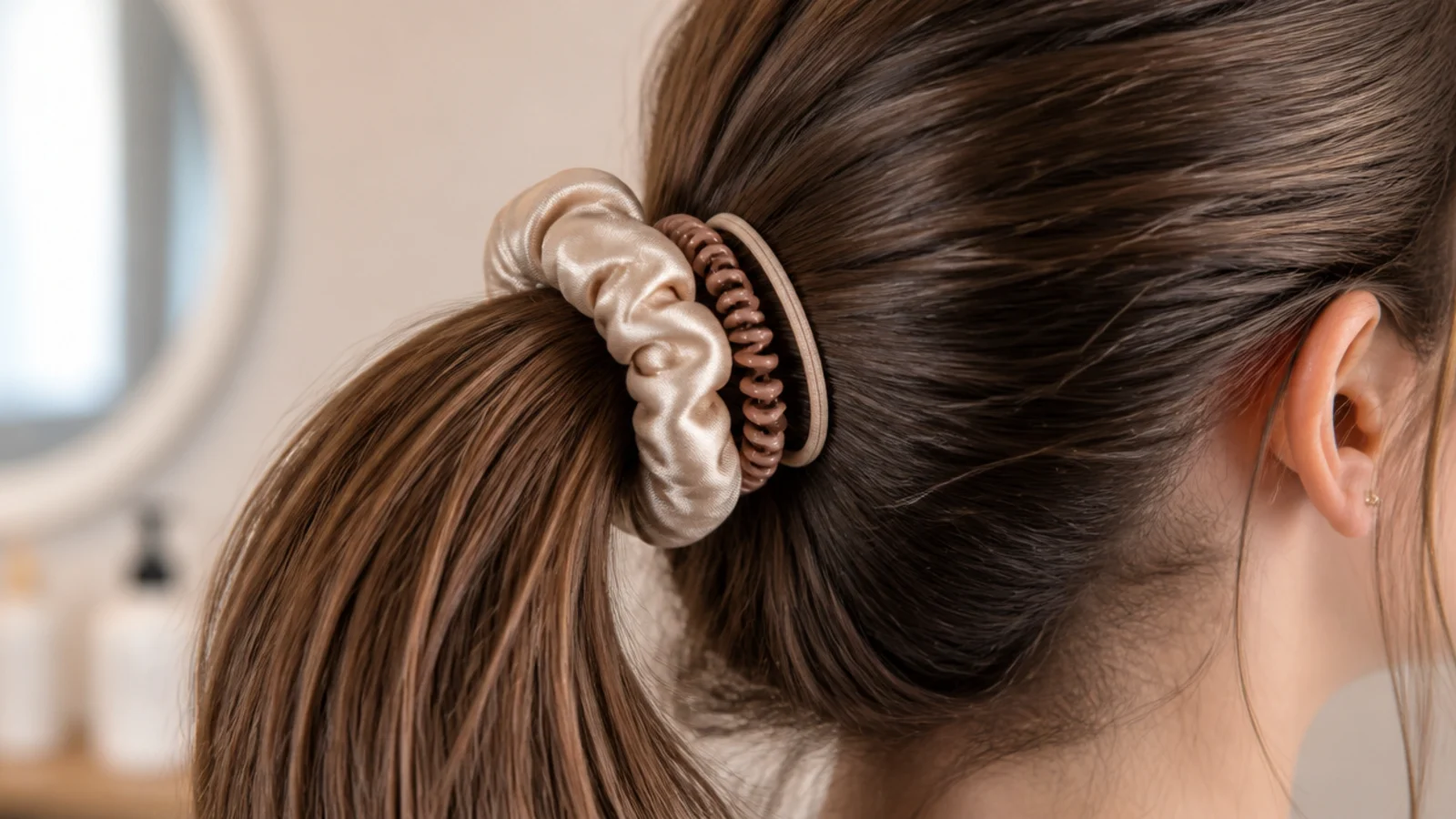
Tight elastics, rubber bands and hard bobby pins create a crushing point that snaps strands in a neat line, which is why so many curly people find a break exactly where the ponytail sits. Silk scrunchies, spiral coils and claw clips spread the tension. The same logic applies to slicking edges with gel and a hard brush every day. Repeated tension on the fine baby hairs at the hairline can thin them over time, and that damage is slow to reverse.
Who it suits: Daily ponytail wearers and anyone with thinning edges.
Tip: Move your ponytail position every day so the same section is never the pressure point twice.
18. Apply Leave-In to Soaking Wet Hair, Never Damp
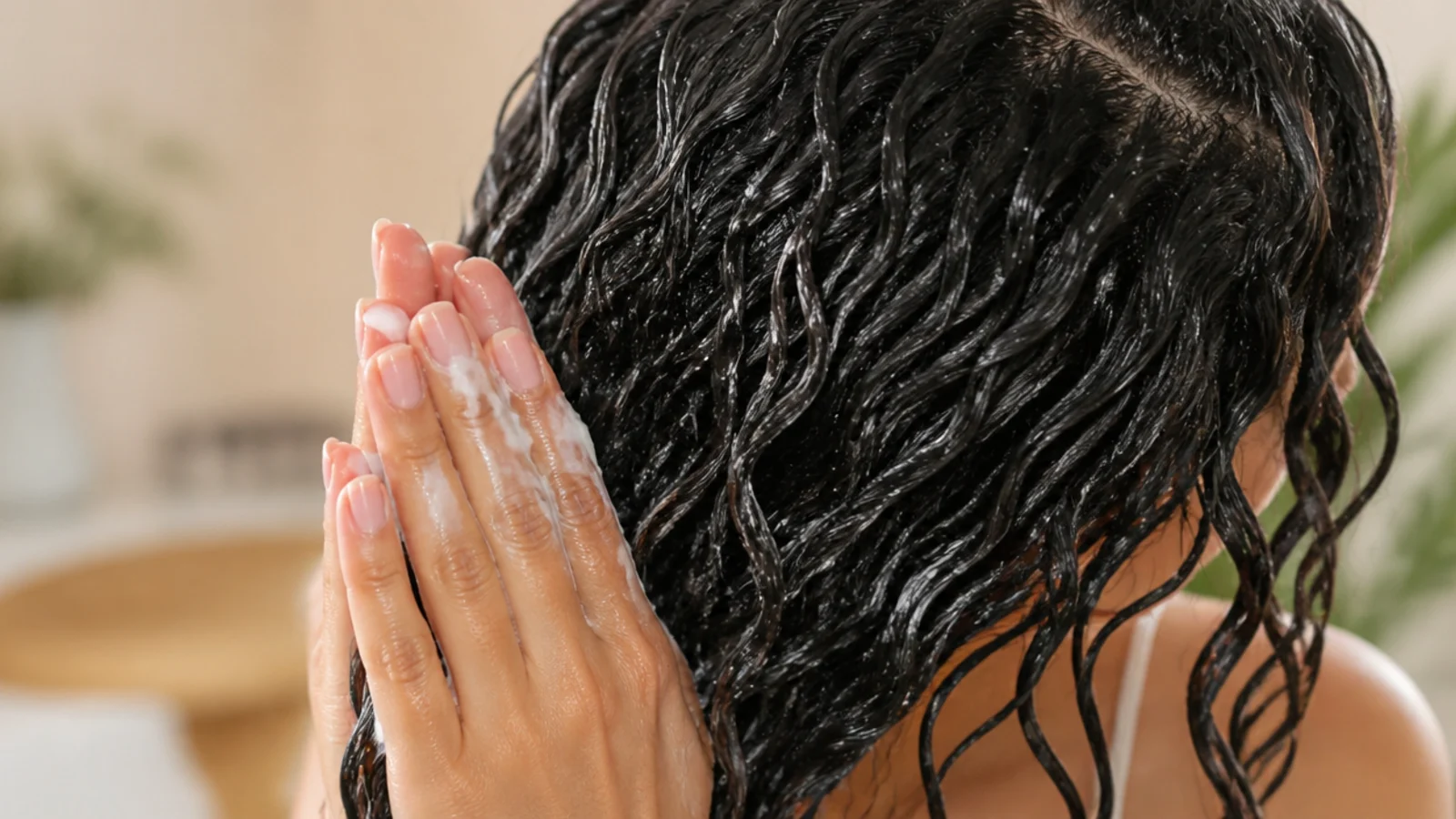
Products for curly hair are designed to lock in water, not to supply it. If you towel dry first and then apply, you are sealing in air. Apply your leave-in and styler while your hair is still dripping in the shower or right after, using praying hands to smooth down each section and then a single upward scrunch. This one change fixes more dryness complaints than any product swap, and hydrated curls are curls that stretch instead of snapping when you touch them. Growing out a fringe follows the same rule in curly short curtain bangs.
Who it suits: Anyone whose hair feels dry an hour after wash day.
Tip: If your hair is not dripping when you apply, run it back under the tap. Water is the active ingredient.
19. Iron, Vitamin D and Protein on the Plate Before Any Supplement

Supplements work when they correct an actual deficiency and do very little otherwise. Iron, vitamin D and simple protein intake are the three that most often show up low in people with shedding, and all three are fixable with food and a blood test rather than a gummy. Aim for protein at every meal, iron rich foods such as lentils, spinach and red meat, and get vitamin D checked if you are indoors most of the year. Biotin only helps if you were short on biotin.
Who it suits: Anyone shedding more than usual or on a restrictive diet.
Tip: Ask your doctor for ferritin, not just hemoglobin. Ferritin can be low while a standard test looks normal.
20. Diluted Rosemary Oil on the Scalp, Two Nights a Week
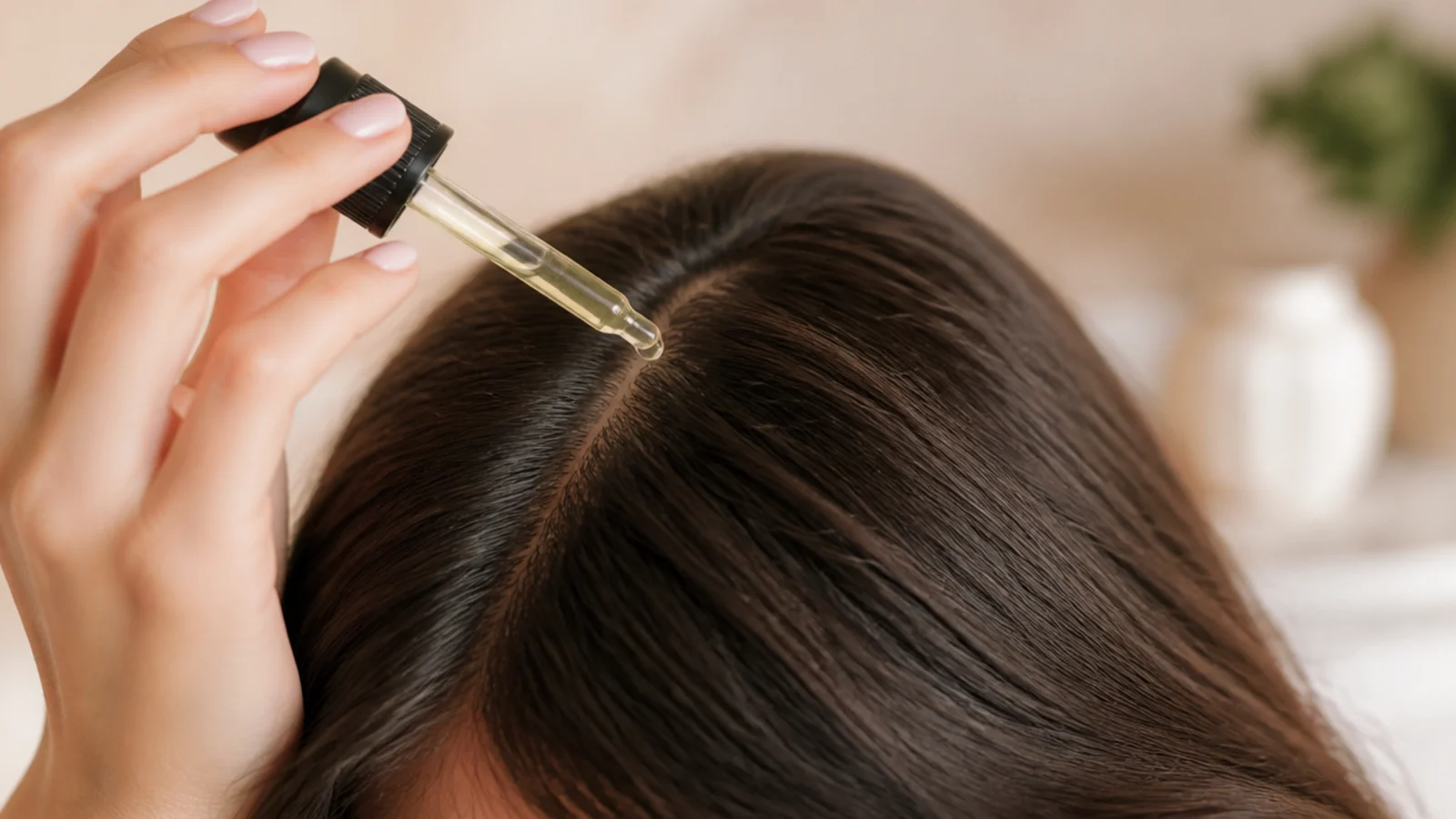
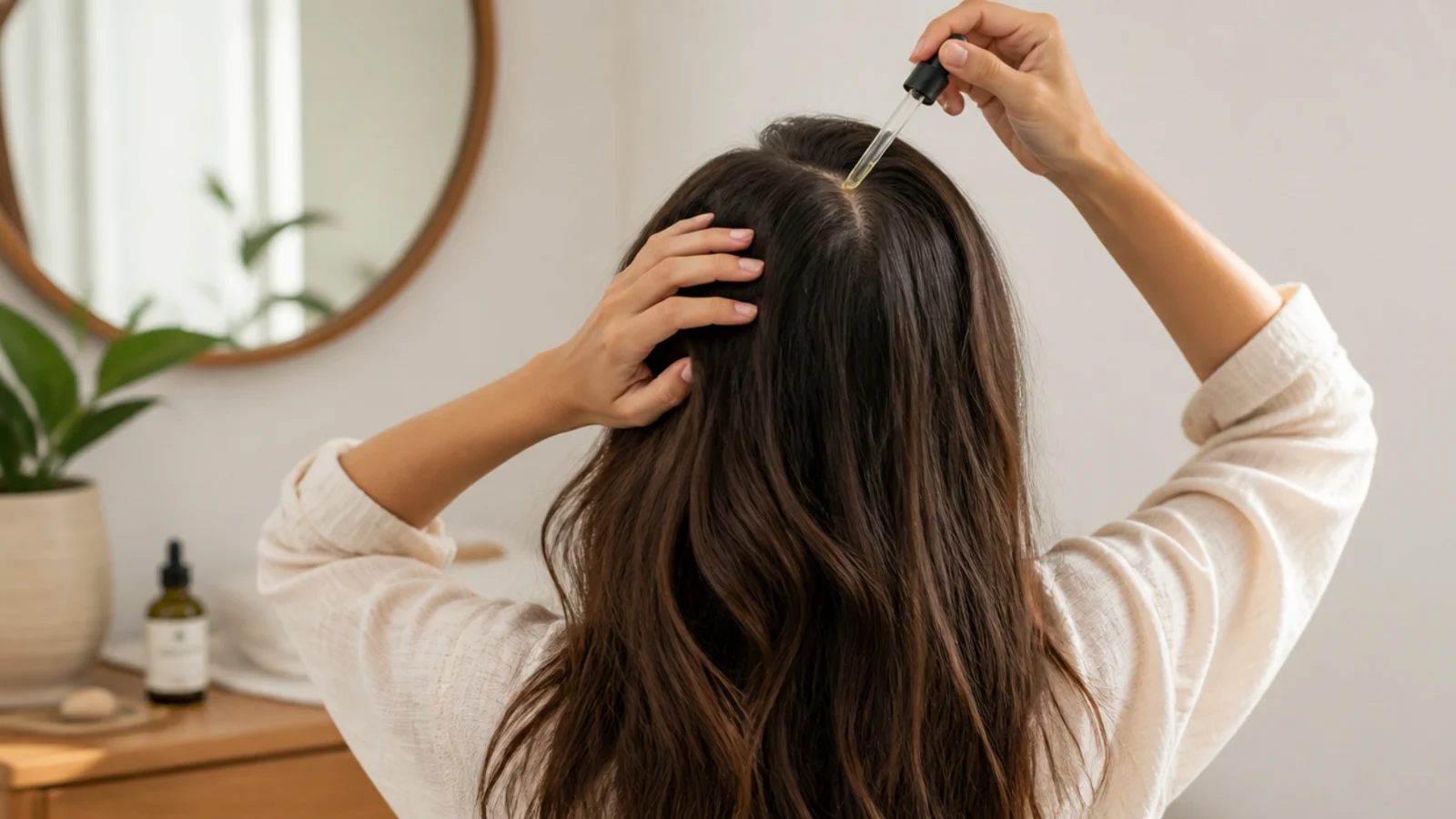
Rosemary oil is the one viral scalp oil with more than anecdote behind it, and it is worth trying if you enjoy the ritual. Dilute properly, about three drops of rosemary essential oil per teaspoon of jojoba or grapeseed carrier, apply along the parts with a dropper, and massage in. Two nights a week is plenty. Undiluted essential oil irritates the scalp, and an irritated scalp is a worse growing environment than an untreated one. Treat this as a nice-to-have, not the plan.
Who it suits: Anyone who likes a scalp routine and has no scalp sensitivity.
Tip: Patch test behind the ear for 24 hours first, and always shampoo it out on your next wash day.
How Fast Does Curly Hair Actually Grow, and What You Control
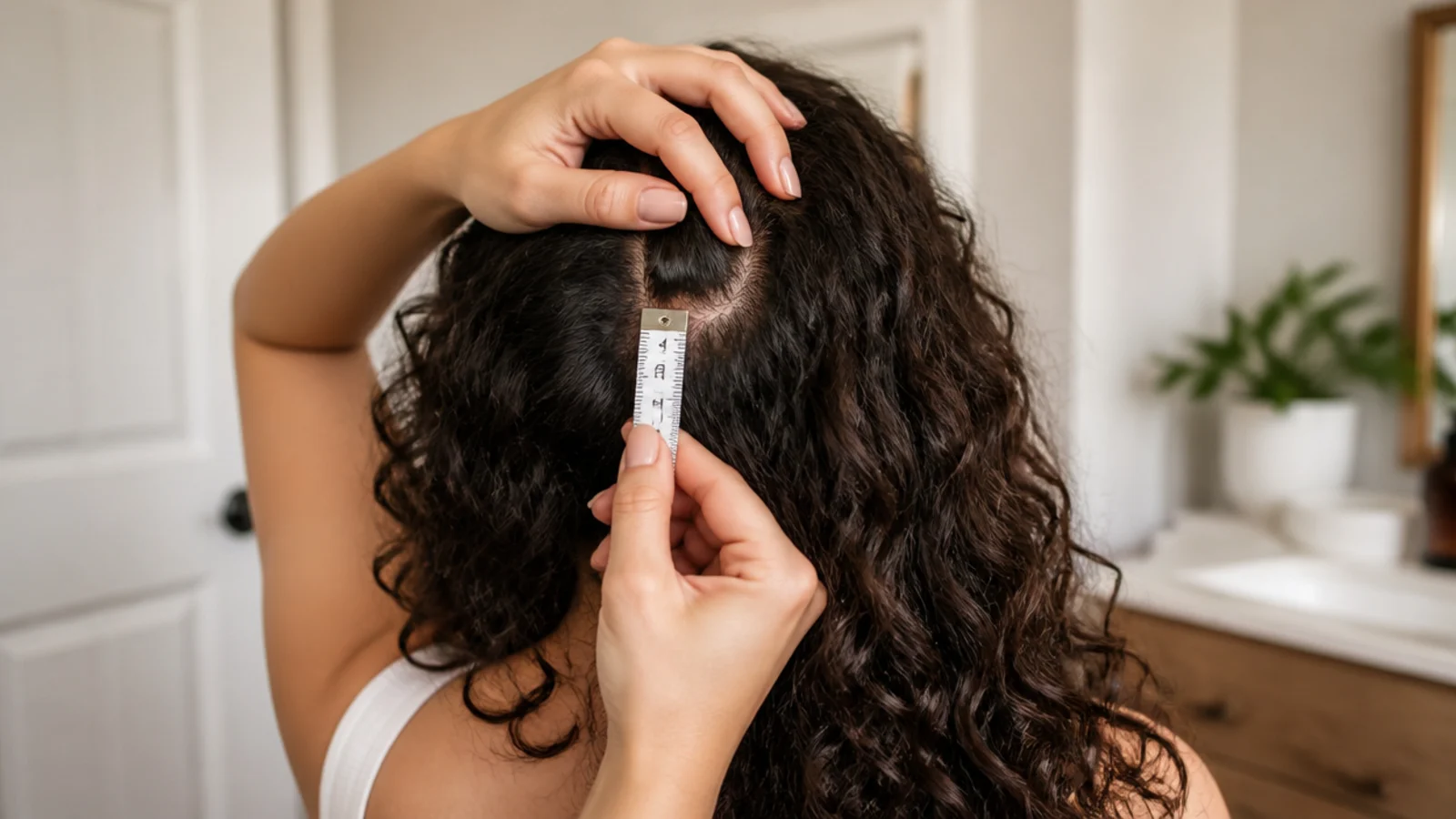
Curly hair grows at roughly half an inch a month, about six inches a year, which is the same rate as straight hair. The curl pattern does not slow the follicle down. Genetics sets your ceiling, which is partly the growth rate and mostly the length of your anagen phase, the years a strand stays attached before it sheds. Someone with a two year anagen phase will struggle to pass shoulder length no matter what they do, and someone with a six year phase reaches the waist without trying. You cannot change that number, and any product promising to is selling you something. What you do control is everything between the follicle and the ends: how much friction the strand takes, how hydrated it is when you handle it, how much heat and tension you apply, and whether splits are trimmed before they travel. That is the entire game. Start with the broader hair growth tips list if you want the non-curly-specific version of this reframe.
Shrinkage vs Growth: Why Your Curly Hair Looks Stuck
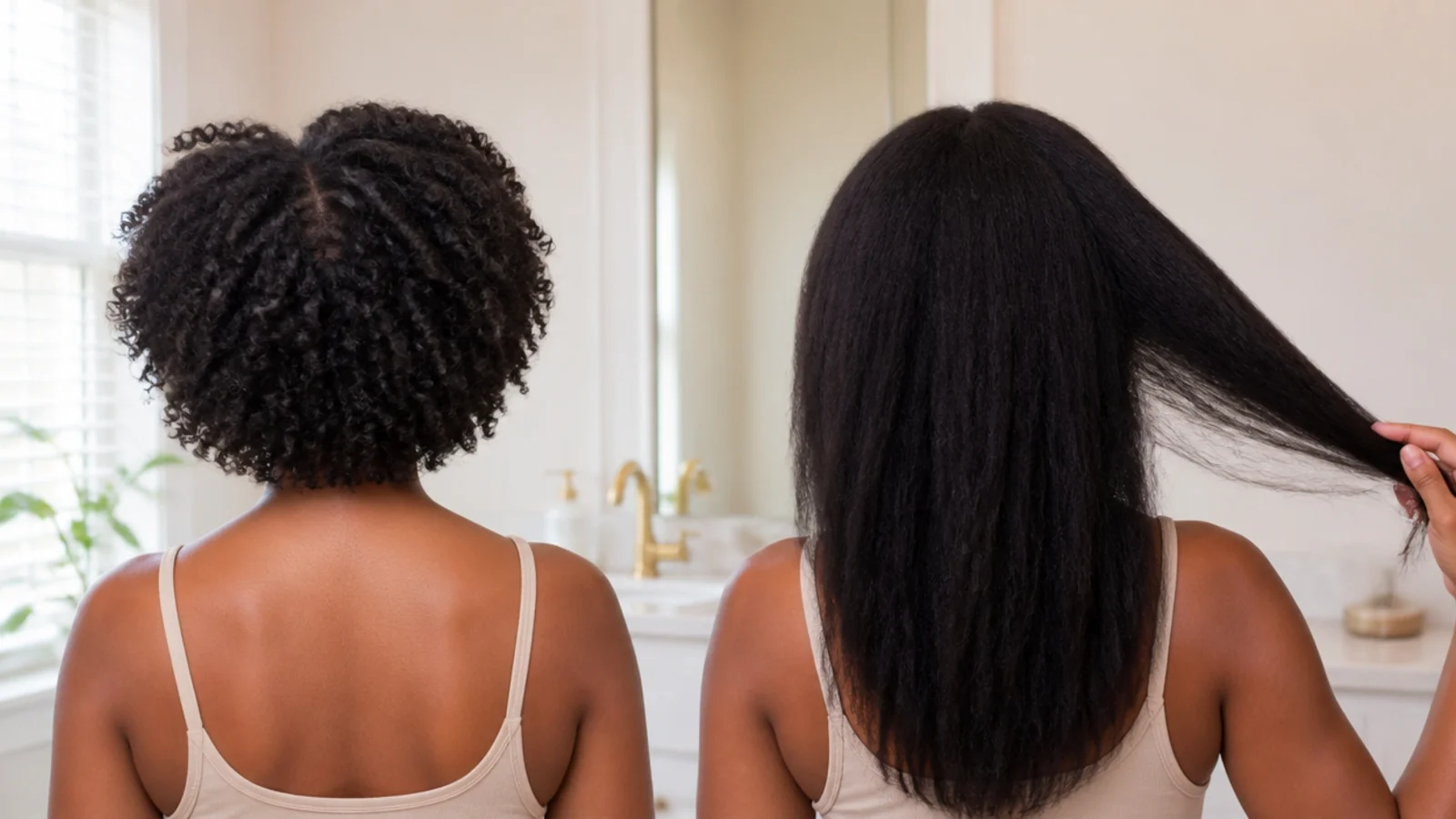
Shrinkage is the gap between the length your hair actually is and the length it appears to be when the curls coil up. It runs roughly 20 to 30 percent on 2C waves, 40 to 50 percent on 3B and 3C curls, and as much as 60 to 70 percent on 4A coils. That means a person with 4A hair who genuinely grew six inches this year might see two inches of change in the mirror, conclude nothing is working, and quit a routine that was doing exactly what it should. Shrinkage is a sign of healthy elasticity, not a problem to solve, but it does need to be measured around. Pull one strand straight against a tape measure on the first of every month and photograph it in the same spot and the same light. If you want an apparent length boost without heat, stretch with banding, chunky twists overnight, or a threading set rather than a flat iron. Every one of those keeps the curl intact.
Breakage vs Growth: Where Curly Hair Actually Loses Length
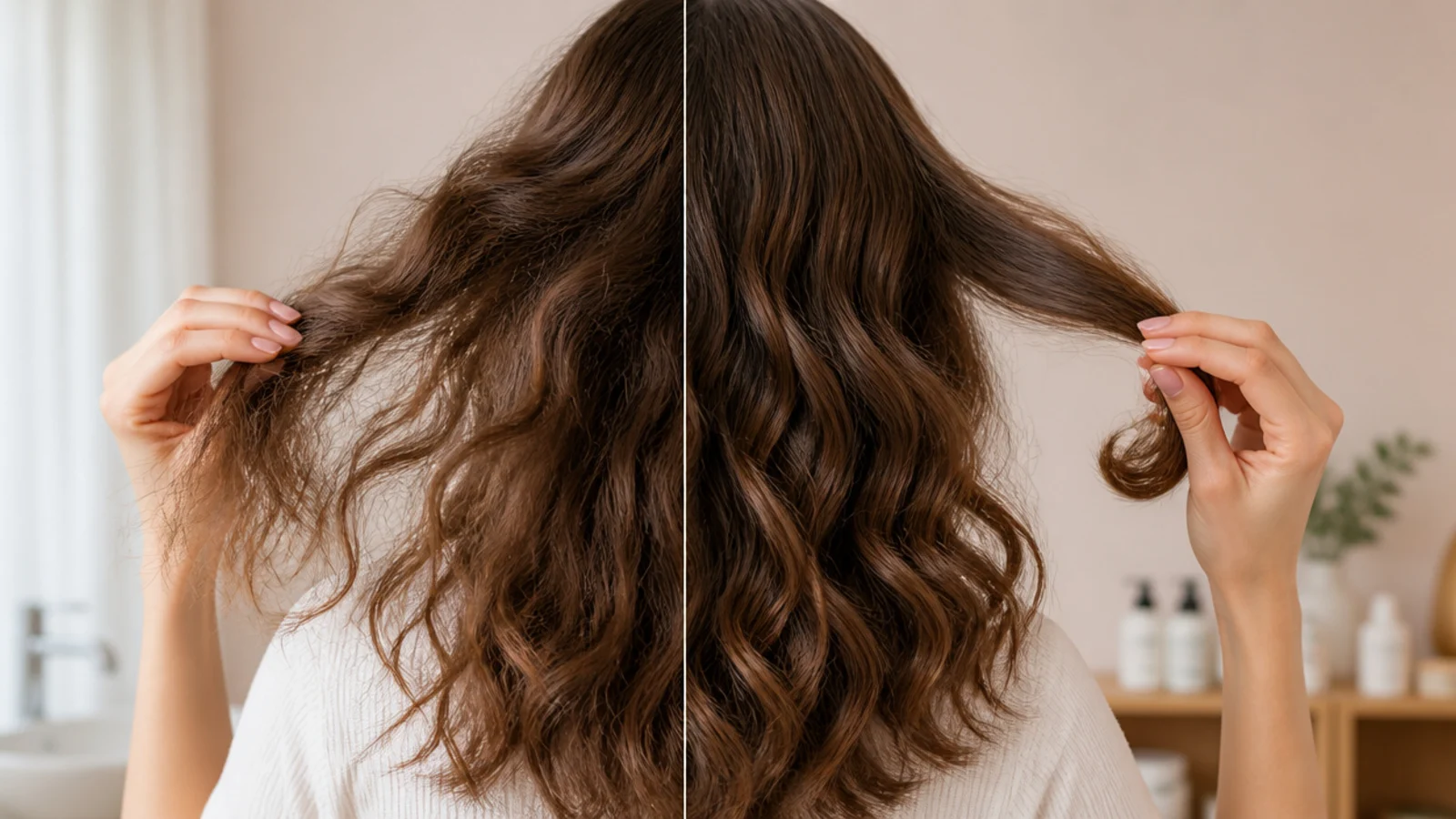
Almost every case of curly hair that is not growing is curly hair that is breaking at the same rate it grows. The maths is simple. You gain half an inch a month at the root and you lose half an inch a month at the ends, so the length never moves. Curly hair breaks more than straight hair for a structural reason: every bend in the strand is a point where the cuticle scales lift slightly, which makes each curve both drier and physically weaker. Add dry detangling, terry towels, cotton pillowcases, tight elastics and a flat iron and you have a strand under constant assault. Learn to tell breakage from shedding. A shed hair is full length with a small white bulb at one end and is completely normal at 50 to 100 a day. Breakage is short, uneven fragments with no bulb, and that is the signal to reduce handling. Fix the friction first, then look at products.
Curl Type and Porosity: 2C to 4A Routines Are Not Interchangeable
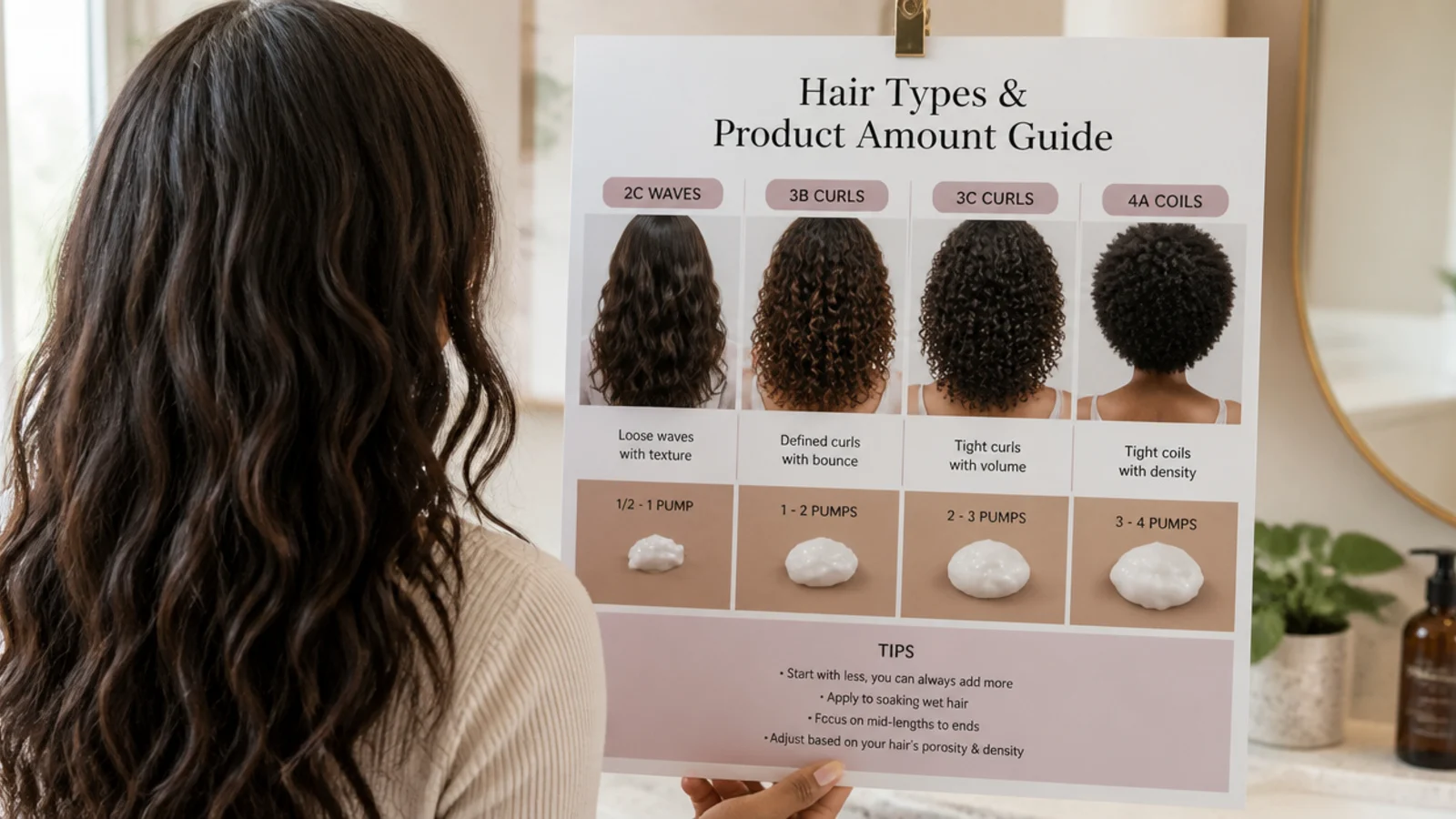
The reason so much curly advice fails is that it was written for a different head of hair. Curl type tells you how much product weight your hair can carry. Fine 2C waves collapse under butters and want mousse, foam and light leave-ins. 3B and 3C curls handle creams and gels well and usually need more product than people expect. 4A coils want the heaviest layers, butters and thick creams, plus real moisture between wash days. Porosity tells you what order to apply things in, which is the LOC versus LCO decision in the table above. Run the float test if you are unsure: a clean shed strand in a glass of water that sinks fast is high porosity, one that floats for several minutes is low porosity. Get the pairing right and your hair stops fighting you. If frizz is the main symptom rather than dryness, the frizzy curly hair guide covers that specific problem, and the frizzy hair routine walks through a full wash day.
Diet, Supplements and Heat: The Honest Limits
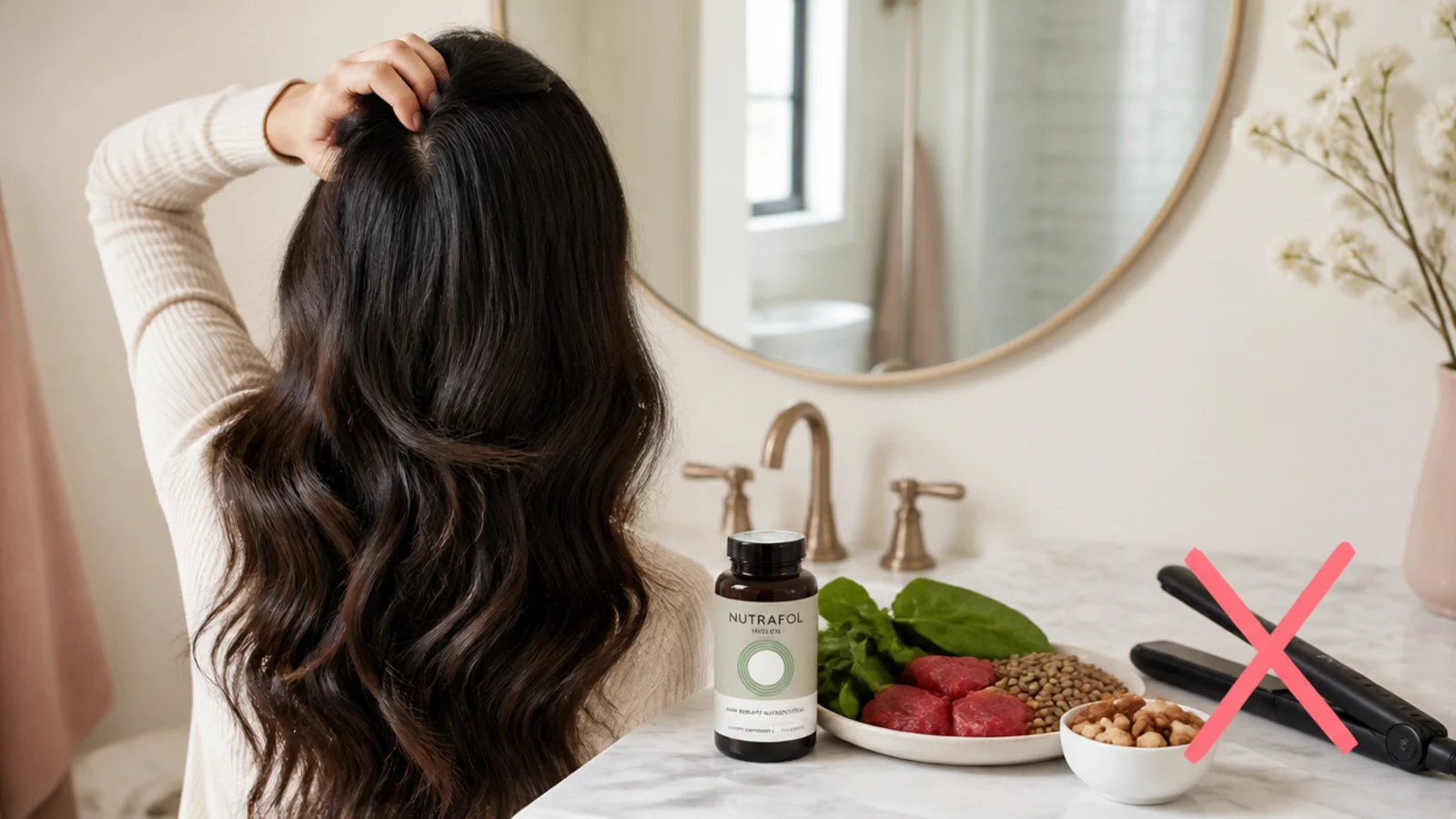
Supplements are a correction, not an accelerator. If your iron, ferritin, vitamin D or protein intake is genuinely low, fixing it can stop shedding and let normal growth resume, and that feels like a miracle because the baseline was broken. If your levels are already fine, a biotin gummy does nothing except cost you money and occasionally skew thyroid blood tests. Get tested before you supplement. Heat is the other honest limit. A flat iron at 400 degrees permanently changes the protein bonds that make a curl a curl, and heat damaged curls do not recover, they grow out. If you have been straightening weekly and your ends hang limp while your roots coil, that is the diagnosis and the only cure is time plus trims. Cutting heat entirely for six months is not glamorous advice but it is the one that shows up in photos. The hair growth tips you can do at home list keeps to the zero purchase end of this.
Edges, Thinning and Postpartum Shedding: When to See a Doctor
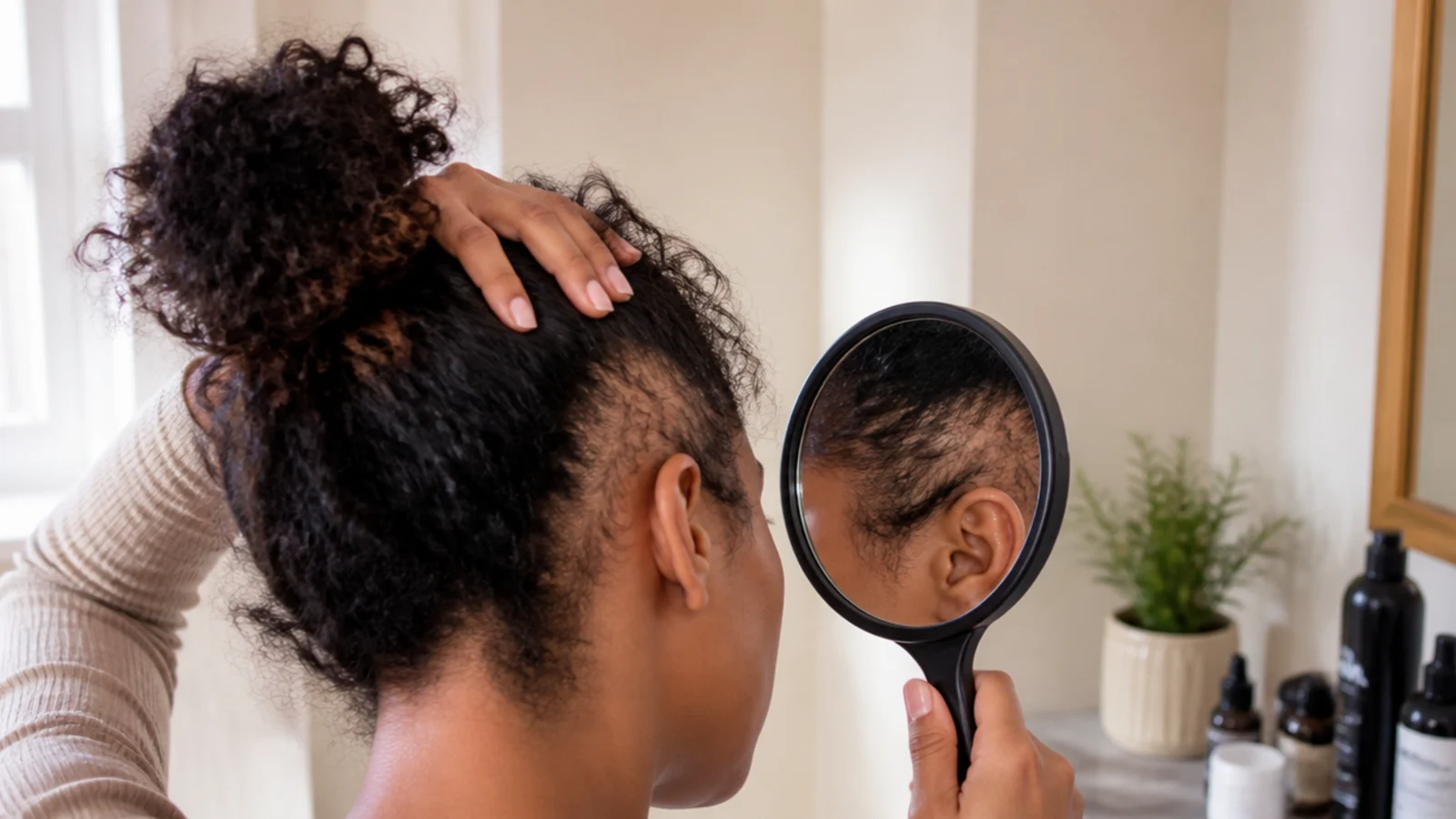
Some curly hair problems are not routine problems. Repeated tension from tight braids, weaves, ponytails and daily edge slicking can cause traction alopecia, which starts as thinning at the hairline and temples and is reversible early but not once the follicle scars. The rule is simple: if a style hurts, itches, or leaves bumps at the hairline, take it down. Postpartum shedding is different and usually self limiting. Hormones keep hair in the growing phase during pregnancy and then release it all at once around two to five months after birth, which looks alarming and typically settles within six to twelve months. What needs a professional is anything persistent: widening part lines, patchy bald spots, a visibly receding hairline, sudden heavy shedding that lasts past six months, or scalp pain, scaling and burning. See a doctor, dermatologist or trichologist rather than buying another oil. For more on tension styles and edges, read hair growth tips for Black women.
Frequently Asked Questions
How can I make my curly hair grow faster?
You cannot change the rate, which is about half an inch a month and set largely by genetics. What you can change is how much of that growth you keep. Sleep on satin, detangle only in conditioner, trim every 8 to 12 weeks, cut heat, and loosen your ponytails. Those five habits are what separate curly hair that gains length from curly hair that stays the same.
Why is my curly hair not growing?
Almost always because it is breaking at the ends at the same speed it grows at the roots, or because shrinkage is hiding real progress. Check which one applies. Look at your ends for short frayed fragments with no white bulb, which means breakage, then measure a stretched strand against a tape measure. Most people find their hair grew and the mirror was lying.
Does curly hair grow slower than straight hair?
No. The follicle produces hair at the same rate regardless of curl pattern, roughly six inches a year. Curly hair only looks slower for two reasons. Shrinkage hides 30 to 70 percent of the actual length depending on your curl type, and the bends in each strand make curly hair more prone to breakage, so less of what grows survives to be seen.
How often should I trim curly hair when growing it out?
Every 8 to 12 weeks, taking a quarter to half an inch. Trimming does not speed growth, but a split end travels up the shaft and eventually costs far more length than the trim would have. Ask for a dry cut done curl by curl, since wet curly hair springs up as it dries and wet cutting is how people lose two unplanned inches.
Should I use the LOC or LCO method for curly hair growth?
It depends on porosity, not on curl type alone. High porosity hair, which soaks water instantly and dries fast, does better with LOC because the oil seals moisture in. Low porosity hair, where water beads on top and drying takes hours, does better with LCO because oil applied second would block absorption. Test a shed strand in a glass of water if you are unsure.
Does rosemary oil actually help curly hair grow?
It is the most promising of the viral scalp oils and worth trying if you enjoy the routine, but it is a supporting habit rather than a treatment. Dilute it to about three drops per teaspoon of jojoba or grapeseed, use it twice a week, and patch test first. Undiluted essential oil irritates the scalp, which works against you rather than for you.
How much does curly hair shrink?
Roughly 20 to 30 percent on 2C waves, 40 to 50 percent on 3B and 3C curls, and up to 60 to 70 percent on 4A coils. That is why a full year of genuine growth can look like almost nothing in the mirror. Measure a single stretched strand against a tape measure on the first of each month and photograph it in the same spot each time.
Can protective styles help curly hair grow?
Yes, because they tuck the fragile ends away from collars, seatbelts and pillowcases, and low manipulation means less breakage. The benefit disappears the moment the style is tight. Traction on the hairline from tight braids or weaves can thin your edges permanently. Keep installs loose, wear them five to seven days, and take a break before the next one.
How long does it take to see results from a curly hair routine?
Curl definition and frizz usually improve within one or two wash days. Length retention is much slower and needs at least three to six months of consistency before the photos show anything, because you are measuring against half an inch of monthly growth. Take dated stretched-length photos from day one so you have something honest to compare against.
When should I see a doctor about curly hair loss?
See a doctor, dermatologist or trichologist if you have widening part lines, patchy bald spots, a receding or thinning hairline, heavy shedding that lasts beyond six months, or any scalp pain, burning or scaling. Those are medical situations, not routine problems, and early treatment matters because scarred follicles do not regrow. No oil or supplement substitutes for that appointment.
Which hair growth tips look are you saving?
If you only take three things from these 20 curly hair growth tips, take these. Sleep on satin every night, because mechanical friction is the single biggest controllable cause of curly breakage. Trim your ends every 8 to 12 weeks so splits cannot travel up the strand and cost you the inches you just grew. And measure your hair stretched, not curly, before you decide nothing is happening. Everything else, from the LOC method to rosemary oil to deep conditioning under a cap, is a useful layer on top of those three. Give it six months of boring consistency before you judge it. For the wider picture, browse the hair growth tips hub or start with the natural hair growth tips list.