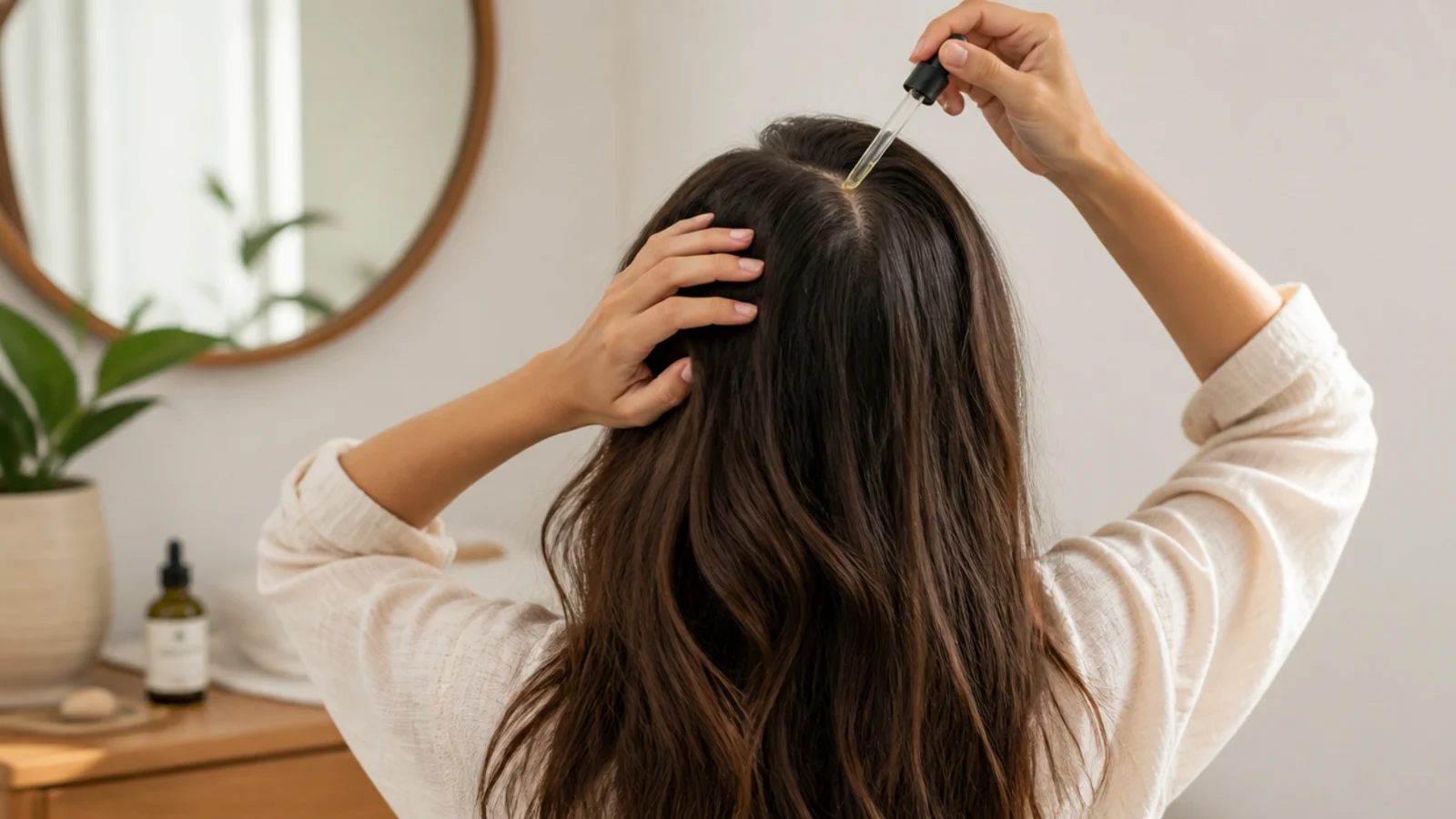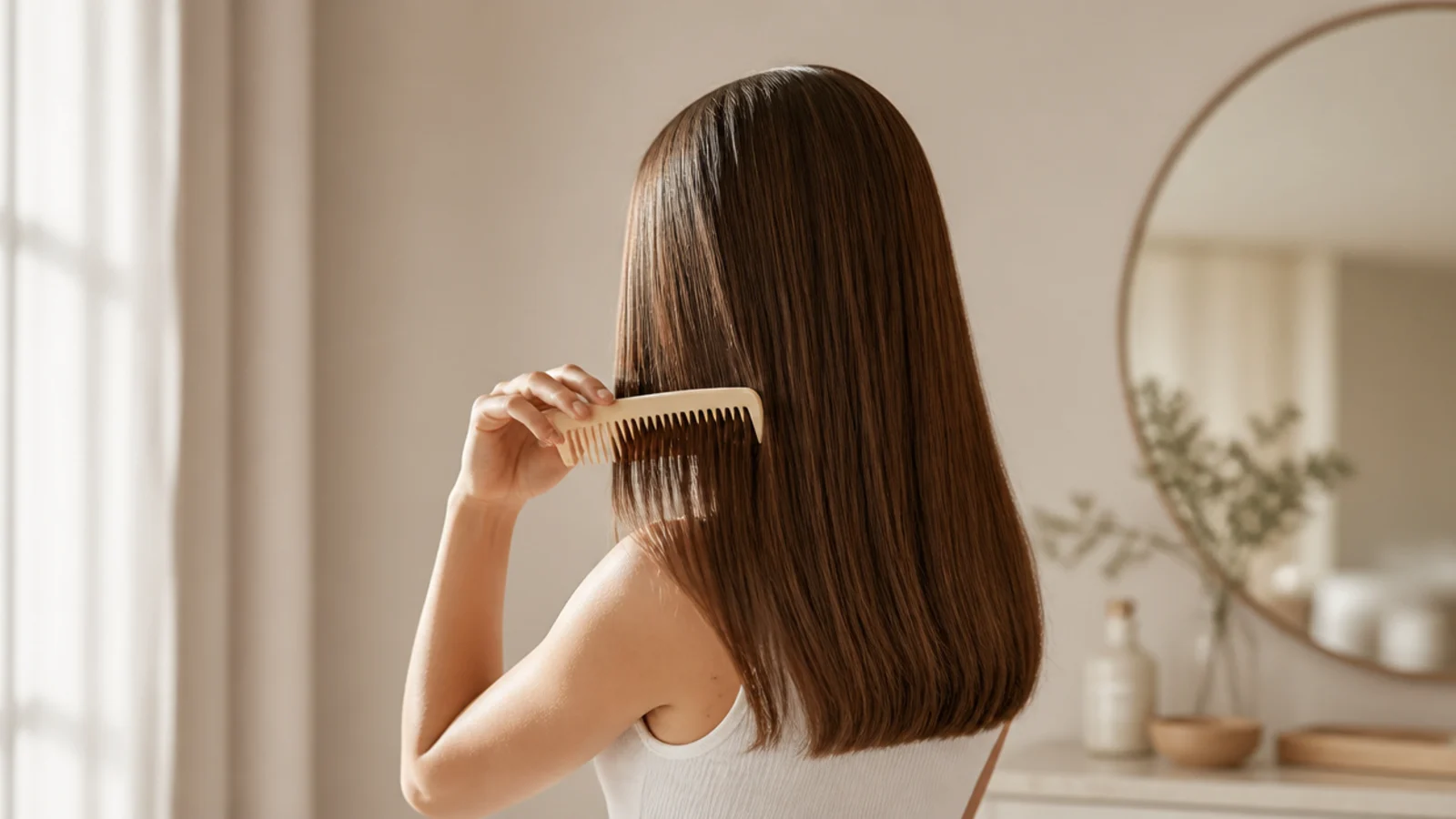
Quick Comparison
| Things That Support the Growth Rate | Things That Protect the Length You Grew | |
|---|---|---|
| What it changes | How well the follicle performs against your genetic baseline | How many of the inches you grew survive on your head |
| Realistic ceiling | About half an inch a month; genetics set the maximum | Nearly all of that half inch, instead of losing most of it |
| Main levers | Enough protein and calories, corrected deficiencies, treated scalp inflammation | Satin at night, ends-up detangling, one heat session a week, trims, loose styles |
| Typical cost | Bloodwork and a doctor visit; food you were buying anyway | Under 30 dollars for a satin case, wide-tooth comb and heat protectant |
| Time to visible change | Three to six months, since the follicle must cycle first | Ends feel better in two weeks; visible length by month three |
| What does nothing here | Biotin without deficiency, trims, brushing 100 strokes, growth shampoos | Any mask used monthly while you brush wet hair from the roots daily |
| Who to ask | A doctor, dermatologist or trichologist | A stylist you trust, then consistency at home |
| Effort level | One appointment, then mostly passive | Small daily habits, repeated for months |
| Best first step | Book bloodwork if you are shedding rather than plateaued | Buy a satin pillowcase tonight and change how you detangle tomorrow |
1. Shampoo the Scalp Only, Let the Suds Rinse the Ends
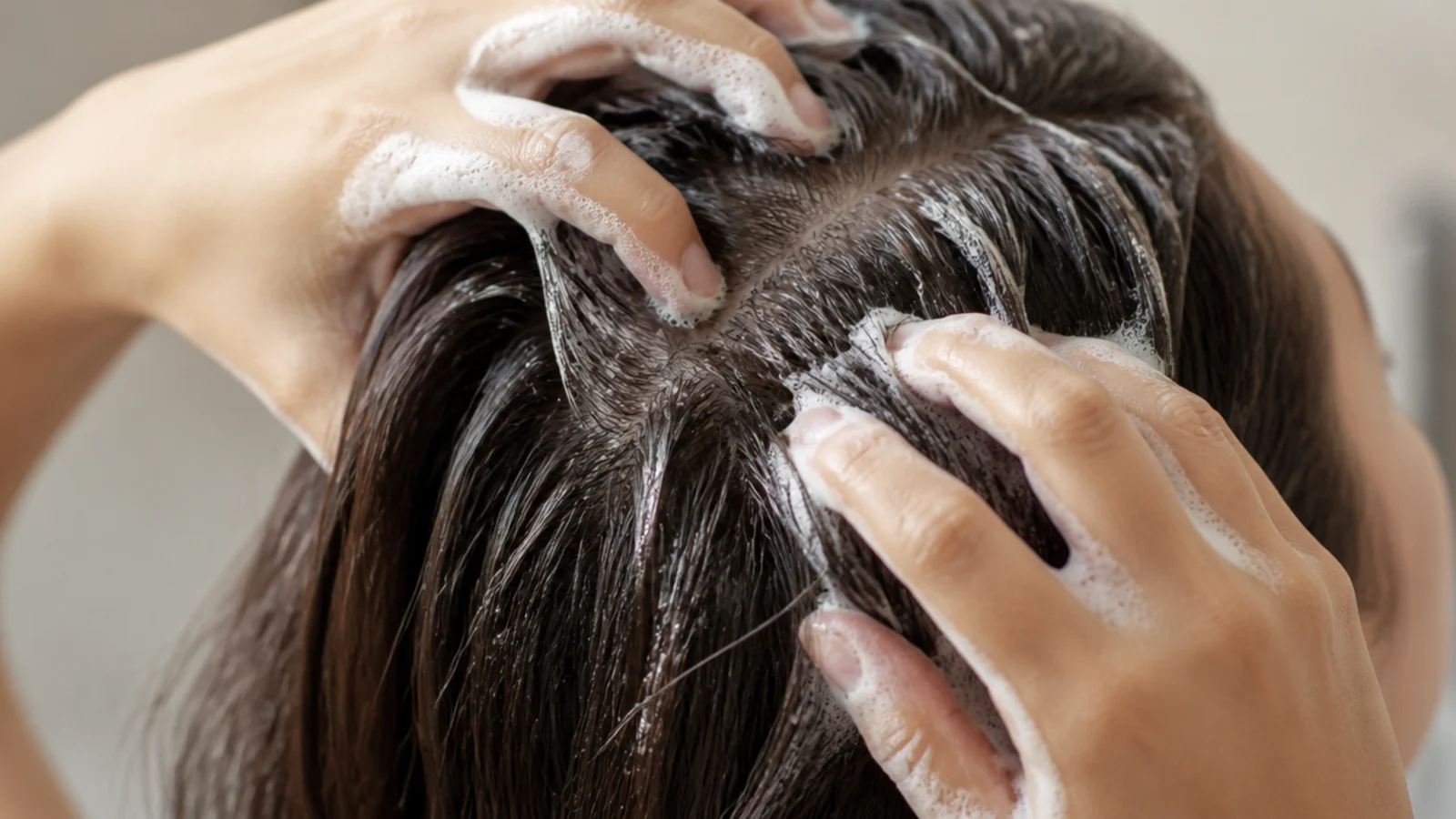
Your scalp produces oil and collects buildup; your ends are the oldest, driest part of your hair and are already two or three years old by the time they reach your shoulders. Shampoo belongs on the first inch only, worked in with fingertips rather than nails, and the runoff cleans the lengths as it rinses. Scrubbing shampoo through the ends strips them and is a direct cause of the rough, snapping ends that stall length. Two or three washes a week suits most people; daily washing is fine if your scalp is oily, as long as you keep the ends conditioned.
Who it suits: Anyone with an oily scalp and dry, brittle ends at the same time.
Tip: Emulsify shampoo with water in your palms first so it spreads without needing a second scrub.
2. Five Minutes of Fingertip Scalp Massage Most Days
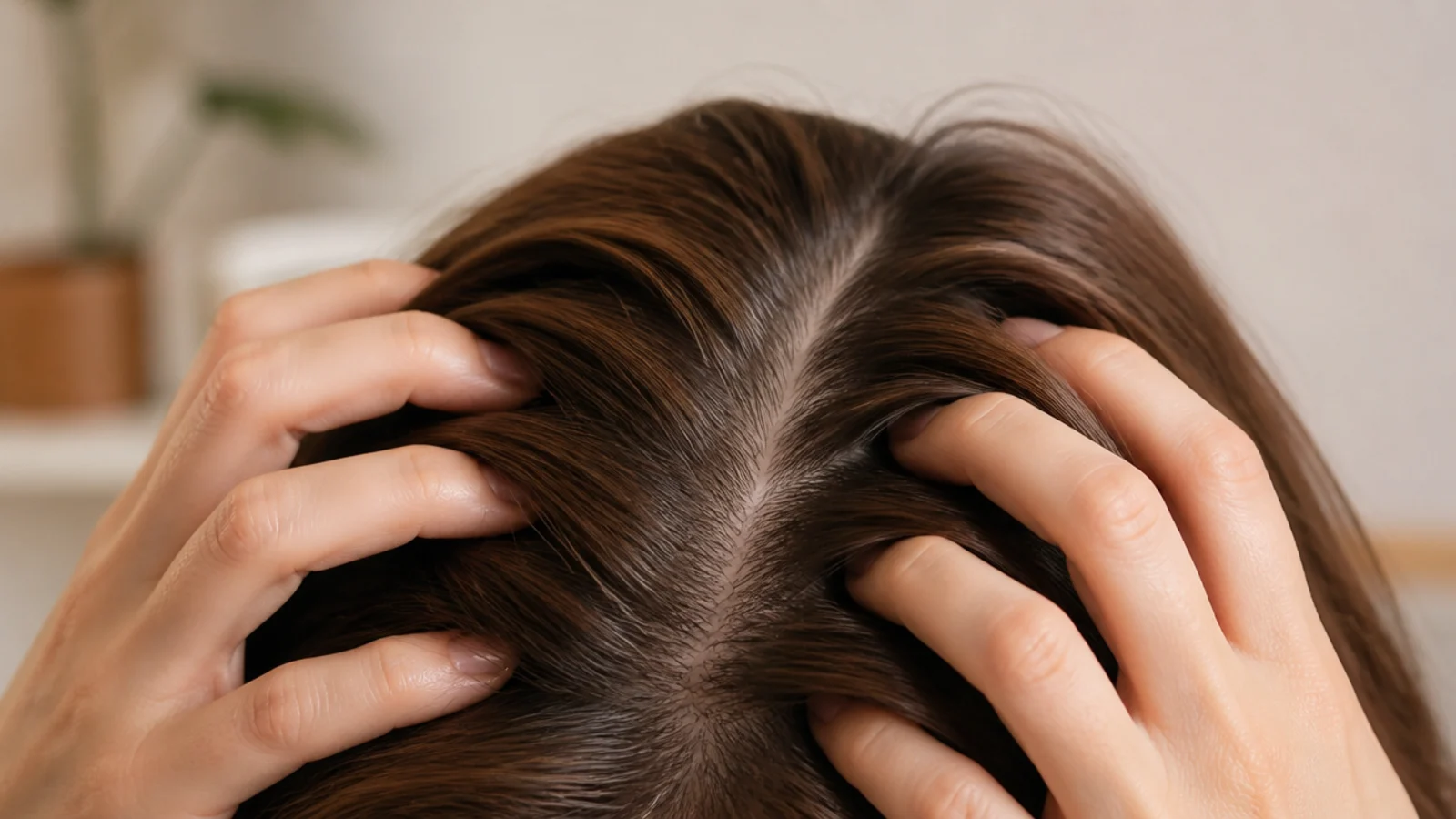
Scalp massage is the cheapest thing on this list and the one with the least downside. Use the pads of your fingers, not nails, and move the scalp itself in small circles rather than sliding across the hair. Five minutes daily, either dry while watching something or in the shower with conditioner on, supports circulation to the follicle and helps loosen buildup around the pore. It will not override genetics and it will not regrow a scarred follicle, but it costs nothing and it makes an inflamed or tight scalp feel dramatically better. See more gentle approaches in natural hair growth tips.
Who it suits: Anyone with a tight, tender or product-heavy scalp.
Tip: Set it to the length of one song so you actually do five minutes instead of ninety seconds.
3. Clarify Once a Month to Clear Silicone and Hard Water Buildup
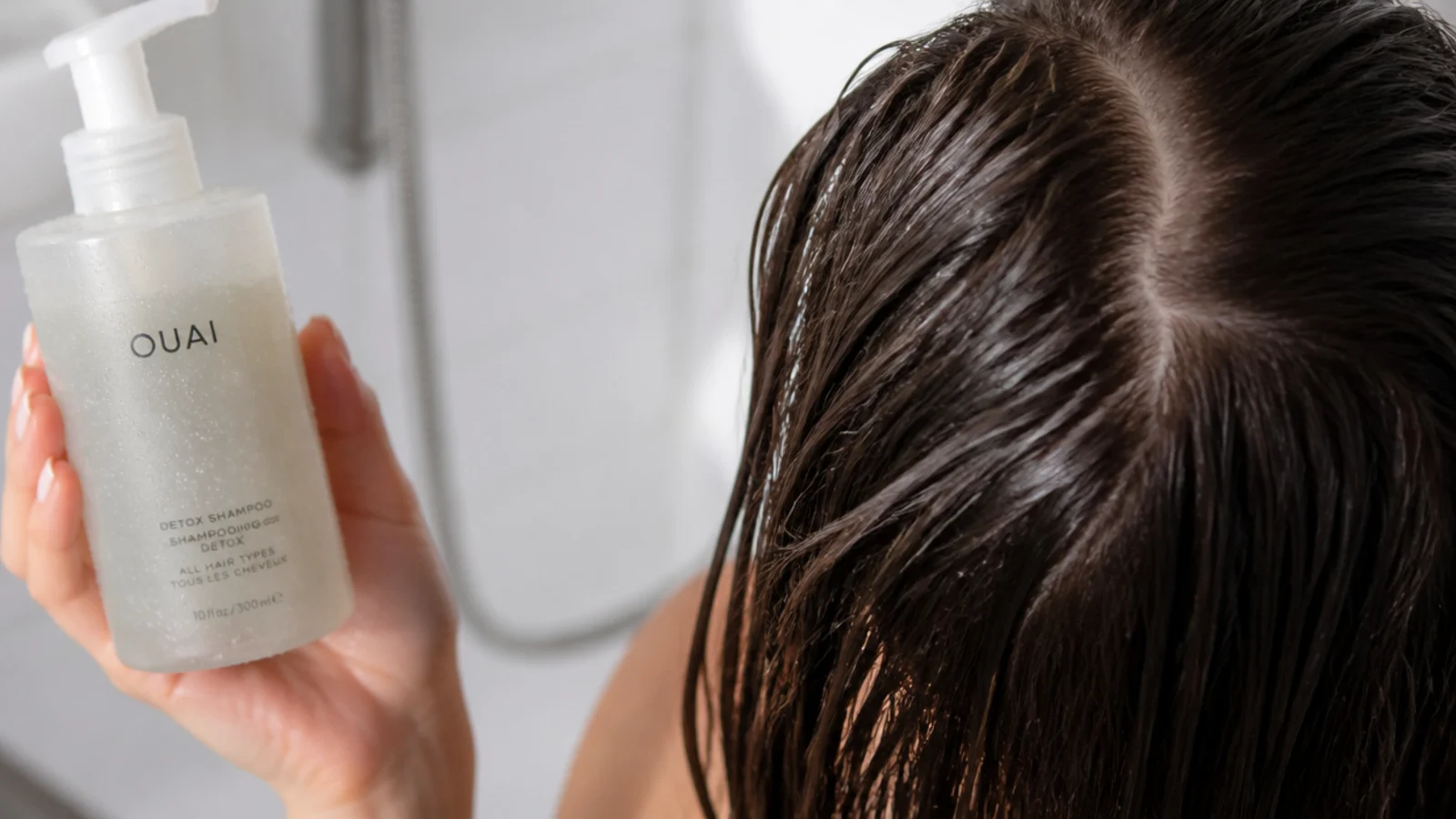
Dry shampoo, styling gel, silicone conditioners and hard water minerals stack up on the scalp until the follicle is working under a film. Once a month, swap your regular shampoo for a clarifying or chelating formula, work it into the scalp, leave it 60 seconds, and follow with a deep conditioner because clarifying is deliberately stripping. Signs you are overdue: the scalp itches within a day of washing, your roots look flat and greasy but the ends feel like straw, or products stop performing. Once a month is plenty for most; twice if you use dry shampoo daily or swim.
Who it suits: Dry shampoo users, swimmers and anyone on hard water.
Tip: Do the clarifying wash the same day as your deep conditioning treatment so nothing feels stripped.
4. Deep Condition the Ends Weekly for 10 to 20 Minutes
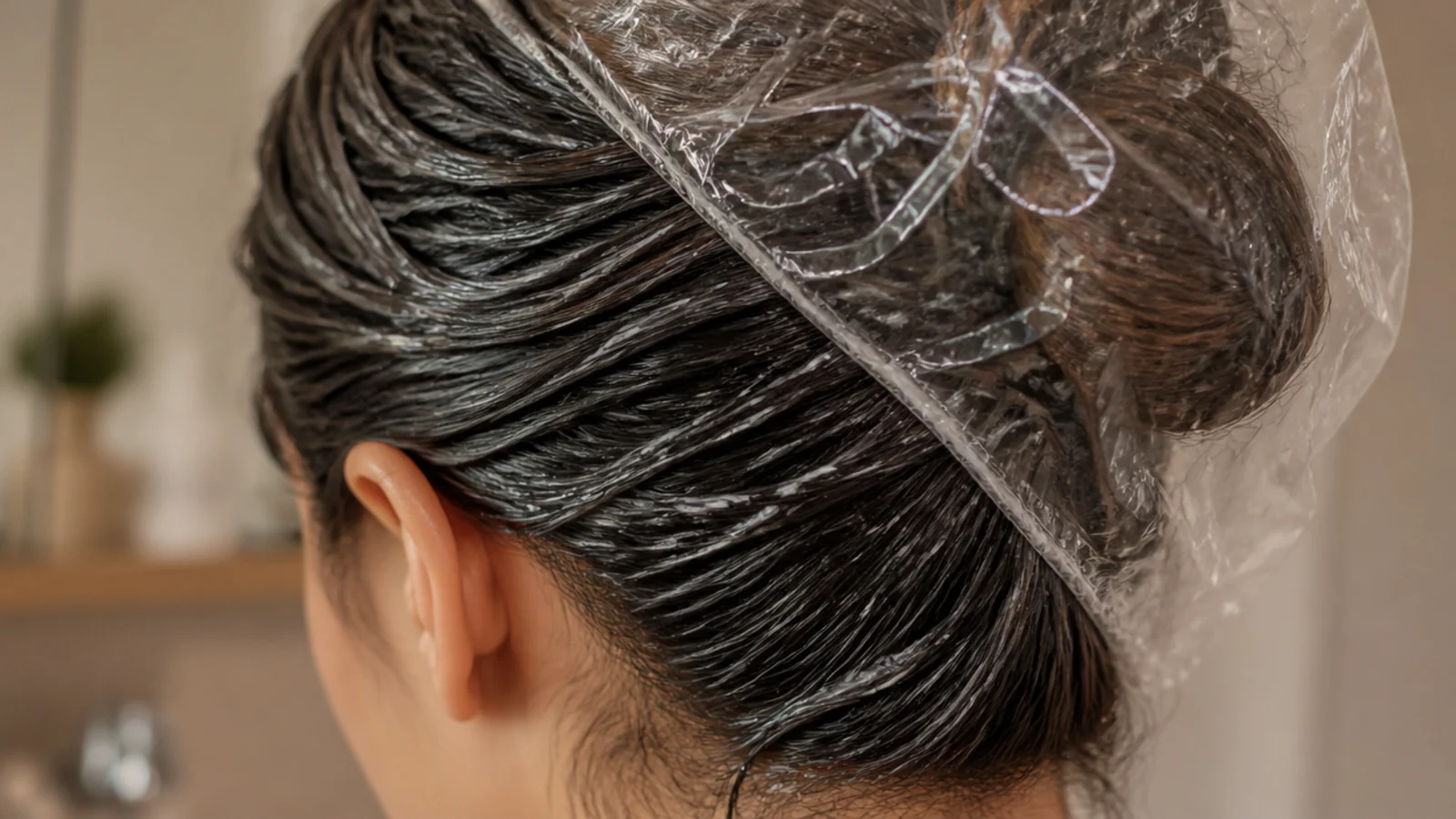
A weekly mask is what keeps the last three inches flexible enough to survive being brushed, tied and slept on. Apply from mid-length down, skip the scalp, and leave it 10 to 20 minutes with a shower cap so body heat helps it absorb. Drugstore masks in the 8 to 15 dollar band do this perfectly well; you are paying for slip and conditioning agents, not miracles. Flexible hair does not snap, and hair that does not snap is hair that gains length. Frizz-prone hair benefits doubly, and the hair mask for frizzy hair guide covers formulas in detail.
Who it suits: Color-treated, heat-styled, curly or coily hair especially.
Tip: Detangle while the mask is in, when slip is at its highest, and never after.
5. Balance Protein and Moisture Instead of Guessing
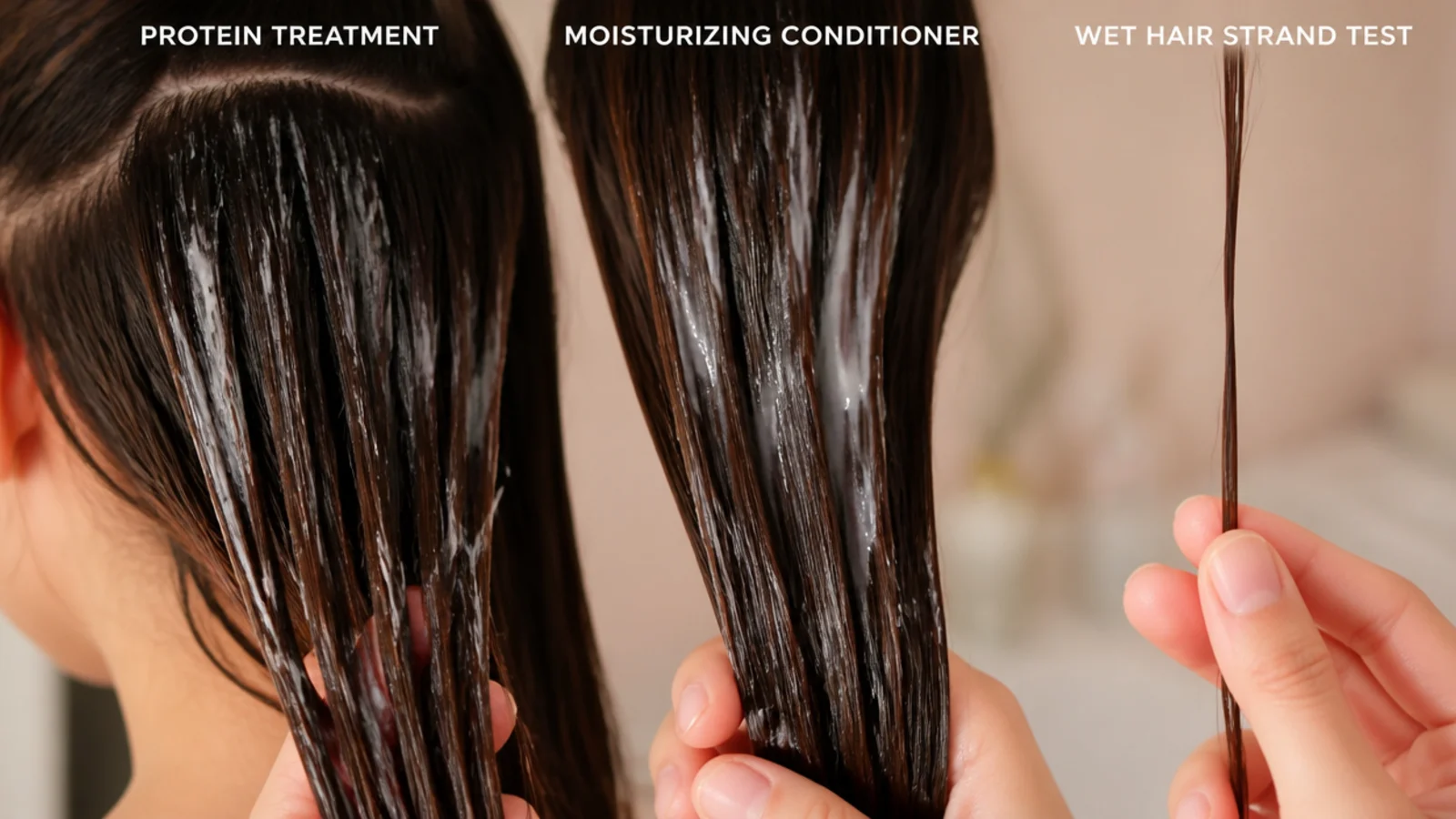
Hair that snaps needs one of two opposite things, and using the wrong one makes it worse. Stretch a wet strand: if it stretches a long way and stays limp or breaks without springing back, it is moisture-overloaded and needs protein. If it snaps immediately with almost no stretch and feels rough and straw-like, it is protein-overloaded and needs moisture. Most people need a protein treatment every 4 to 6 weeks and moisture weekly. Bleached and relaxed hair usually leans protein-hungry; fine, virgin hair goes stiff on protein fast. Frizz that appears overnight is often the same imbalance, and the frizzy hair routine guide walks through it.
Who it suits: Anyone whose hair broke more after starting a new product.
Tip: Do the stretch test on a shed hair from the drain rather than pulling one out.
6. Detangle From the Ends Up With a Wide-Tooth Comb
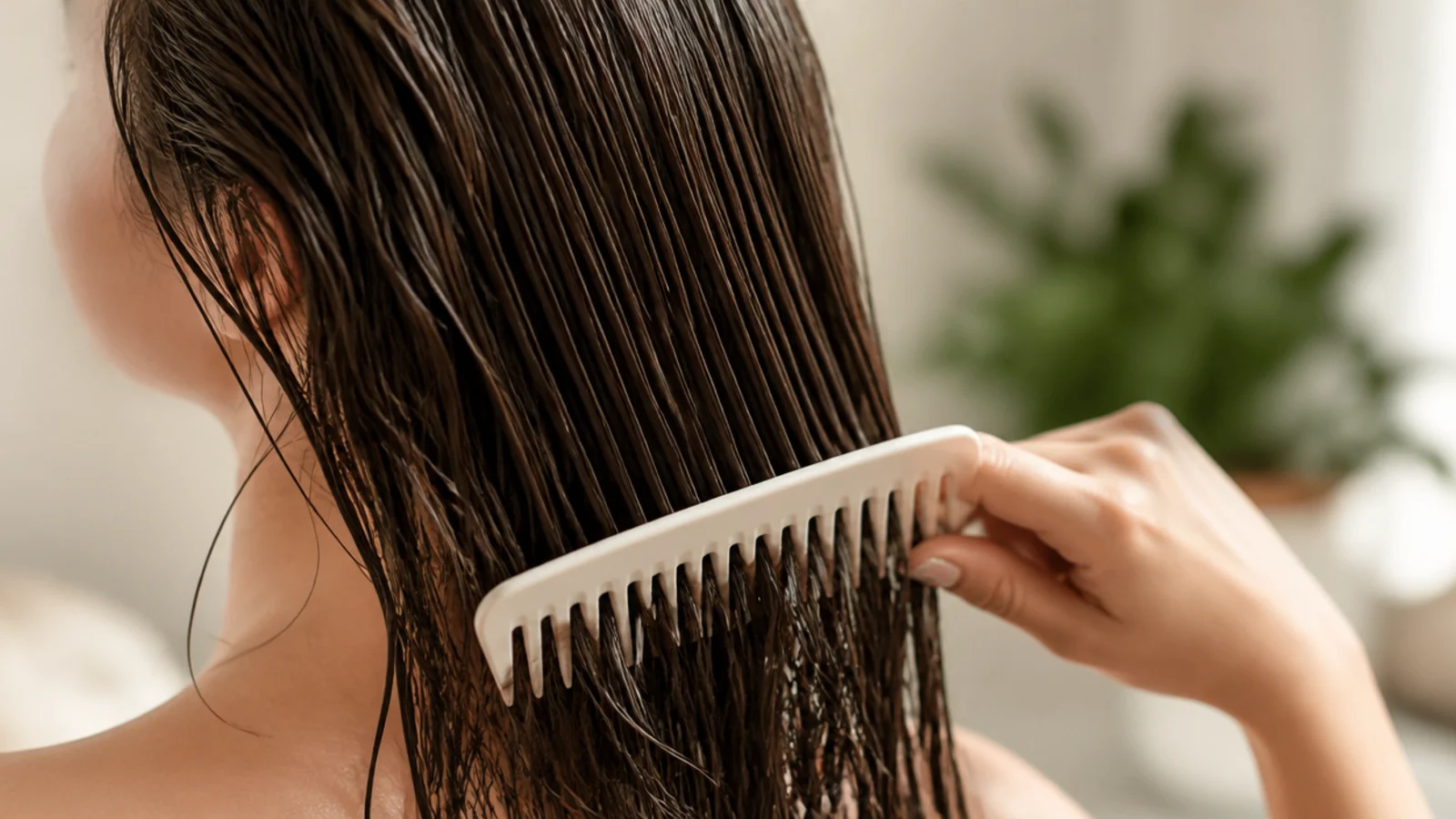
Wet hair is at its most fragile, and dragging a brush from the roots down piles every tangle into one knot at the ends until something has to give. Work in four sections, start at the last two inches, clear that, then move up an inch at a time. Do it with conditioner in for slip, using a wide-tooth comb or a flexible detangling brush. This single habit change shows up in your drain within two weeks: fewer short blunt pieces, which are broken hair rather than shed hair. It is the highest-return two minutes in any healthy hair routine.
Who it suits: Long, curly, coily and fine hair; anyone who brushes in the shower.
Tip: If a knot will not clear in three passes, add more conditioner rather than more force.
7. Sleep on a Satin Pillowcase or in a Satin Bonnet
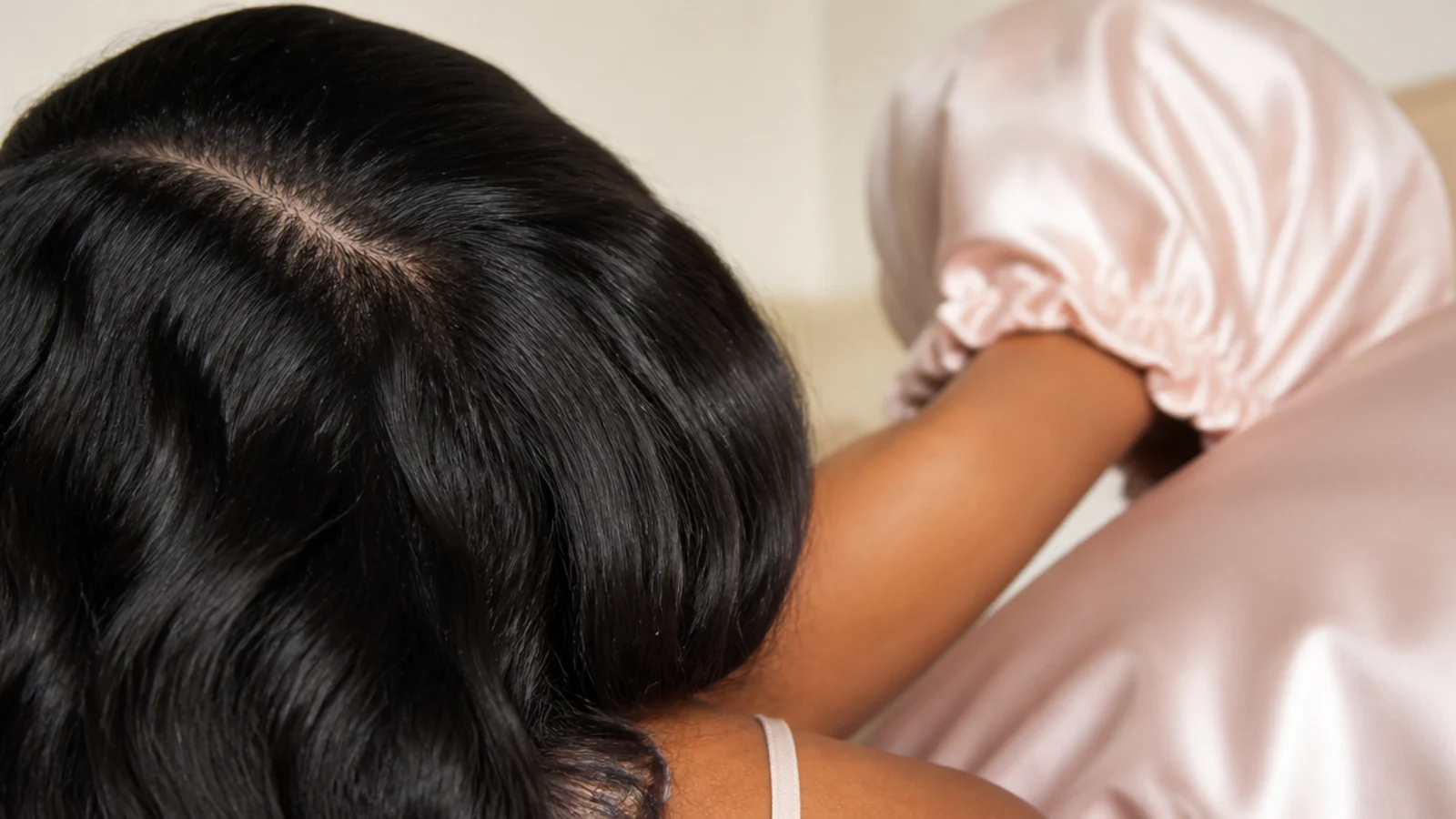
Cotton grips hair and absorbs its moisture, so eight hours of turning over on it is eight hours of friction against your most fragile ends. A satin or silk pillowcase costs 10 to 30 dollars and lasts years; a satin bonnet costs under 15 and is better still for curls and coils. Add a loose braid, a pineapple on top of the head, or twists so the length is not free to tangle. Nothing else on this list gives so much protection for so little effort, which is why it is the one tip to keep if you keep only one.
Who it suits: Everyone, and non-negotiable for curly, coily and color-treated hair.
Tip: Buy two pillowcases so the routine survives laundry day.
8. Cap Hot Tools at One Session a Week With Heat Protectant
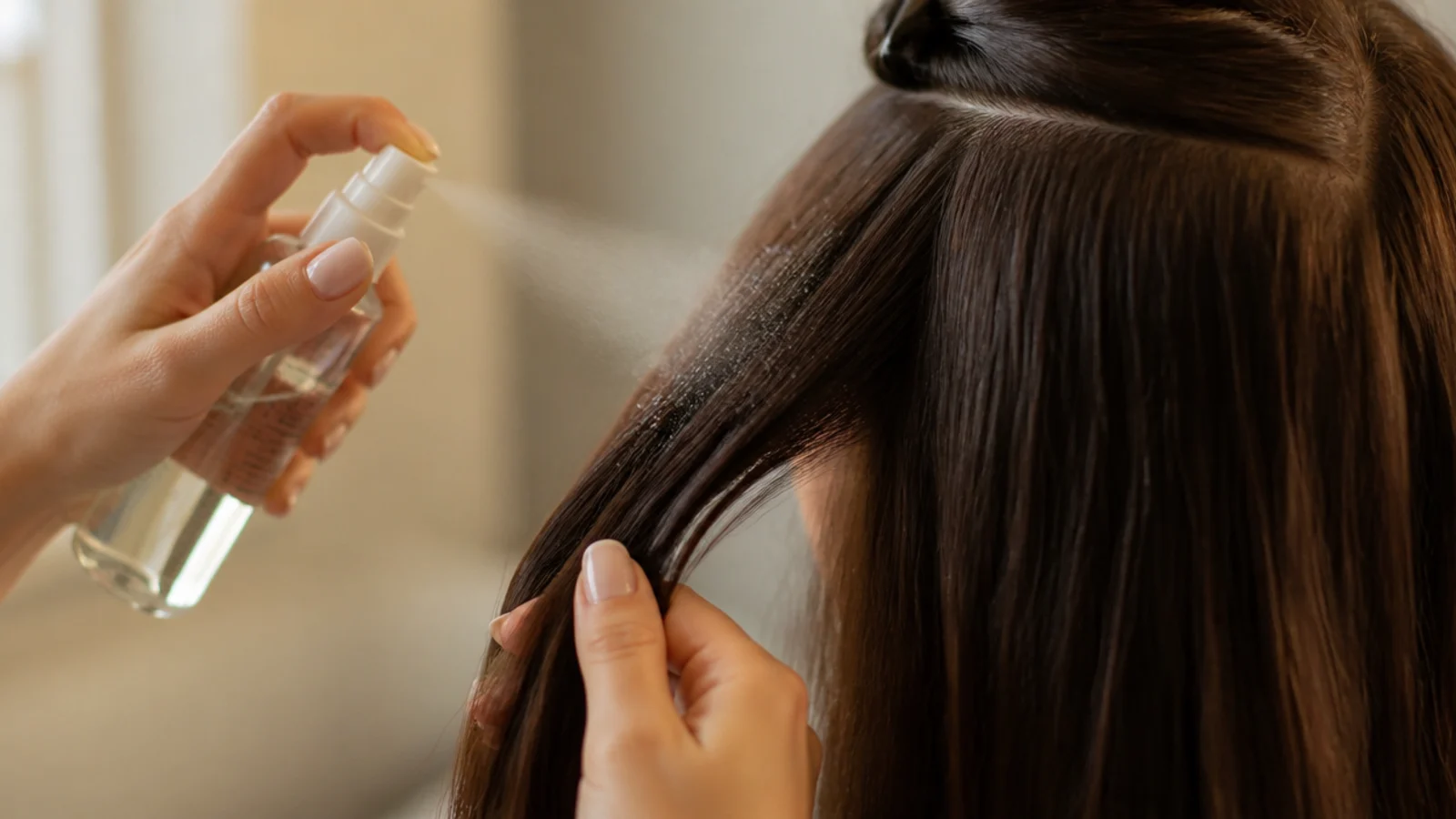
Heat damage is cumulative and permanent: the bonds do not come back, so damaged sections keep breaking until you cut them off. One styling session a week, always with a heat protectant, and a temperature under 350F for fine or color-treated hair and under 400F for coarse hair, keeps the damage curve nearly flat. One slow pass beats three fast ones. On the other days, air dry, cool diffuse, or use a wrap-and-set method. If you use heat mainly to fight frizz, how to fix frizzy hair has lower-heat alternatives.
Who it suits: Daily straighteners and curling wand users trying to grow length out.
Tip: Turn the tool down 25 degrees for a month and see if anyone notices; they will not.
9. Trim a Quarter Inch Every 8 to 12 Weeks
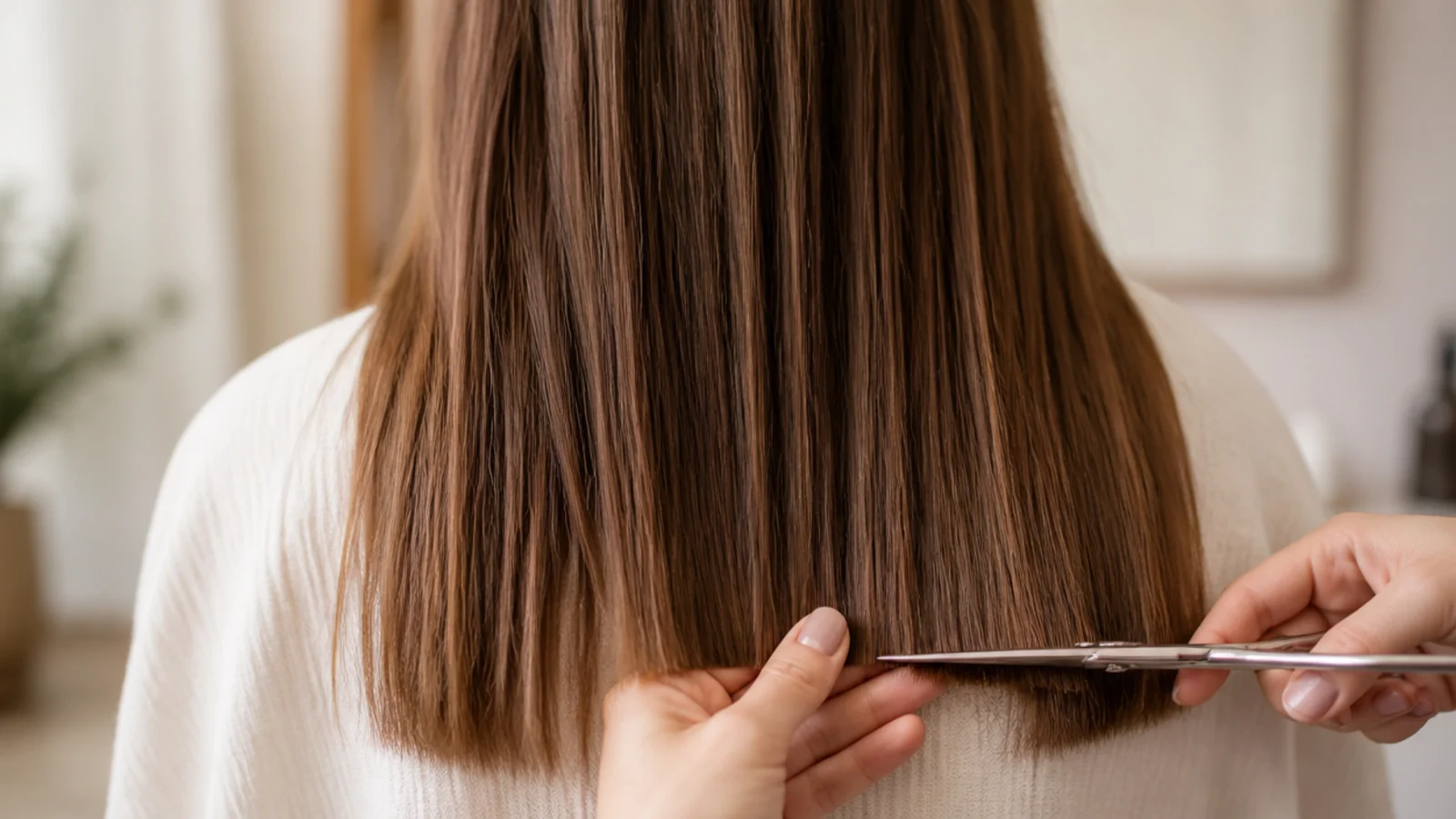
Trimming does not speed growth, and any page that claims otherwise is repeating a myth. What it does is remove a split before it travels up the shaft and costs you three inches instead of a quarter. Every 8 to 12 weeks, ask for a dusting, straight across, and say the measurement in inches out loud so you do not leave the chair two inches shorter. Heat users and bleached hair may need a half inch. Hair that is trimmed on schedule reliably ends up longer than hair that is never cut, which is the whole paradox. If you are growing layers out, a mid-length haircut is the easiest shape to hold while length catches up.
Who it suits: Anyone whose length has not changed in a year despite normal growth.
Tip: Book the next trim before you leave the salon so it never drifts to six months.
10. Wear Low-Tension Protective Styles for Two to Six Weeks
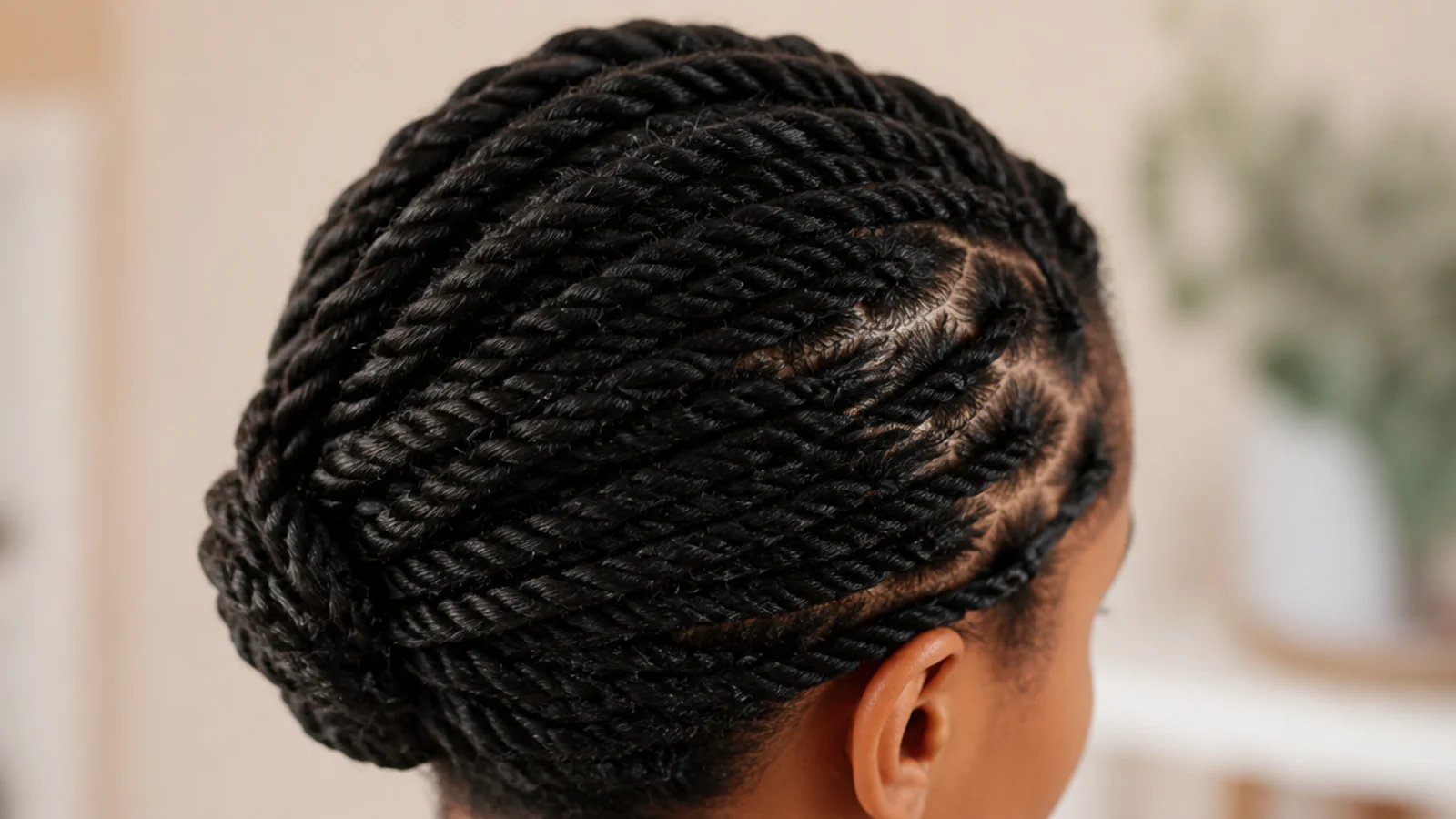
Protective styling works because it tucks the fragile ends away and cuts daily handling to near zero. Twists, loose braids, buns on a silk scrunchie and low ponytails all qualify. The rules that make it protective instead of damaging: it must never hurt, it must not pull at the temples or nape, and it comes out after two to six weeks with a rest period before the next set. Pain, small bumps at the hairline or a sore scalp means traction, and traction alopecia is the leading preventable cause of thinning edges. A low messy ponytail is a good everyday version.
Who it suits: Curly, coily and relaxed hair, plus anyone in a hot or windy climate.
Tip: If you can feel the style at all after ten minutes, it is too tight to sleep in.
11. Retire Metal Elastics and Same-Spot Daily Ponytails
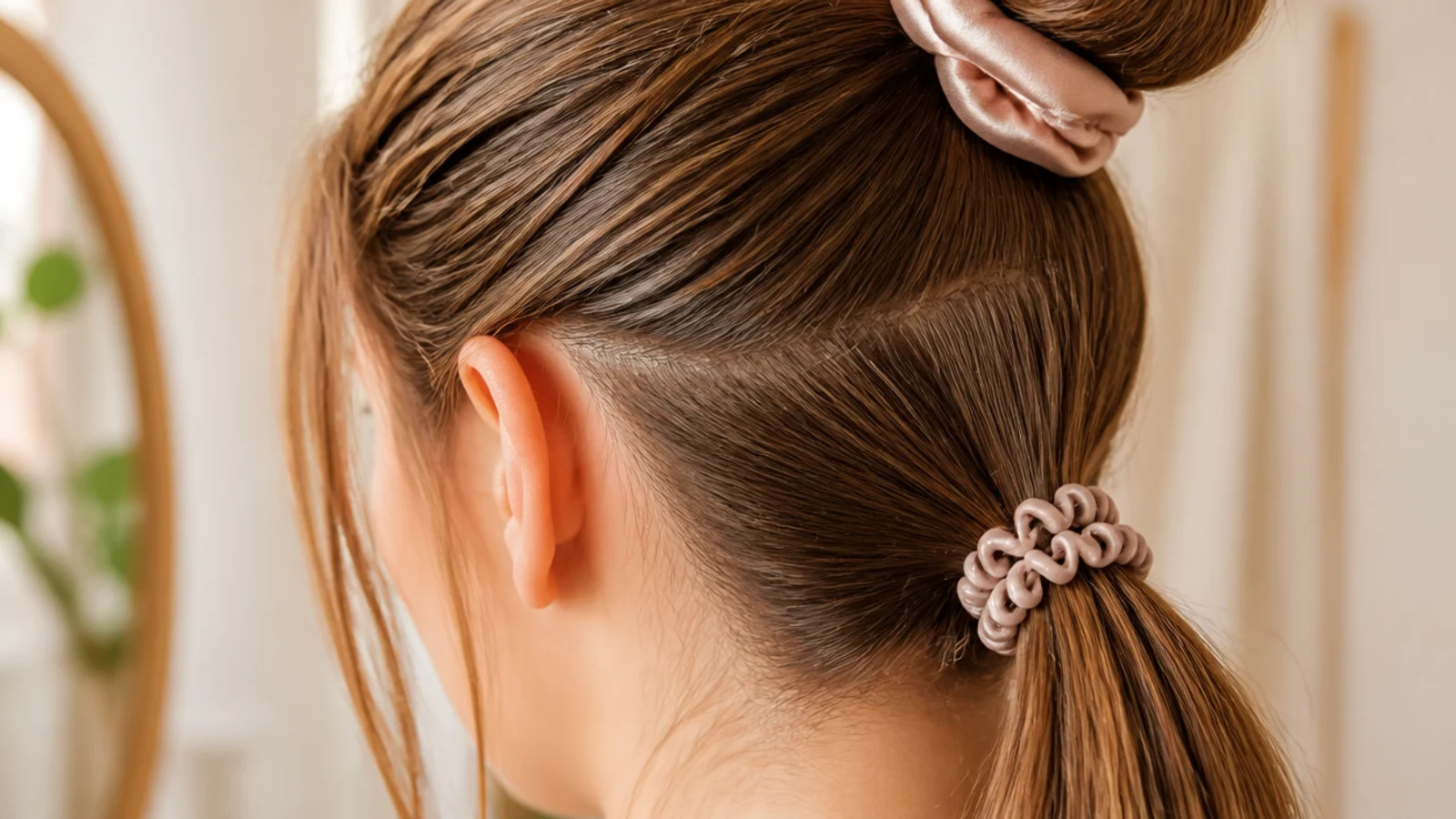
A ponytail worn in the exact same place every day creates a permanent stress line, and metal-clasp elastics snap hair every time they come out. Switch to silk scrunchies, spiral coils or fabric ties with no metal, and move the ponytail position by an inch or two through the week. Slicked-back styles with gel and a tight tie are the fastest route to thinning edges there is; save them for occasions. This is a free change that most people notice within a month as fewer short broken pieces around the crown. Length-focused routines are covered in long hair tips for growth.
Who it suits: Gym-goers, nurses, anyone who wears their hair up daily.
Tip: Never tie hair while it is soaking wet; wet strands stretch and set into the crease.
12. Eat Enough Protein and Stop Restrictive Dieting

Hair is made of keratin, a protein, and it is the first thing your body deprioritizes when calories or protein run short. Crash diets, very low calorie eating and heavy under-fueling are among the most reliable triggers of diffuse shedding, and it shows up two to three months after the deficit, which is why people rarely connect the two. Aim for protein at every meal from eggs, fish, chicken, lentils or Greek yogurt, and eat enough total food. This does not accelerate growth past your genetic rate; it prevents the slowdown that under-eating causes.
Who it suits: Anyone who has lost weight quickly or eats very little protein.
Tip: Shedding that started two to three months after a diet change is usually the diet, not your shampoo.
13. Test Iron, Vitamin D and Thyroid Before Buying Supplements
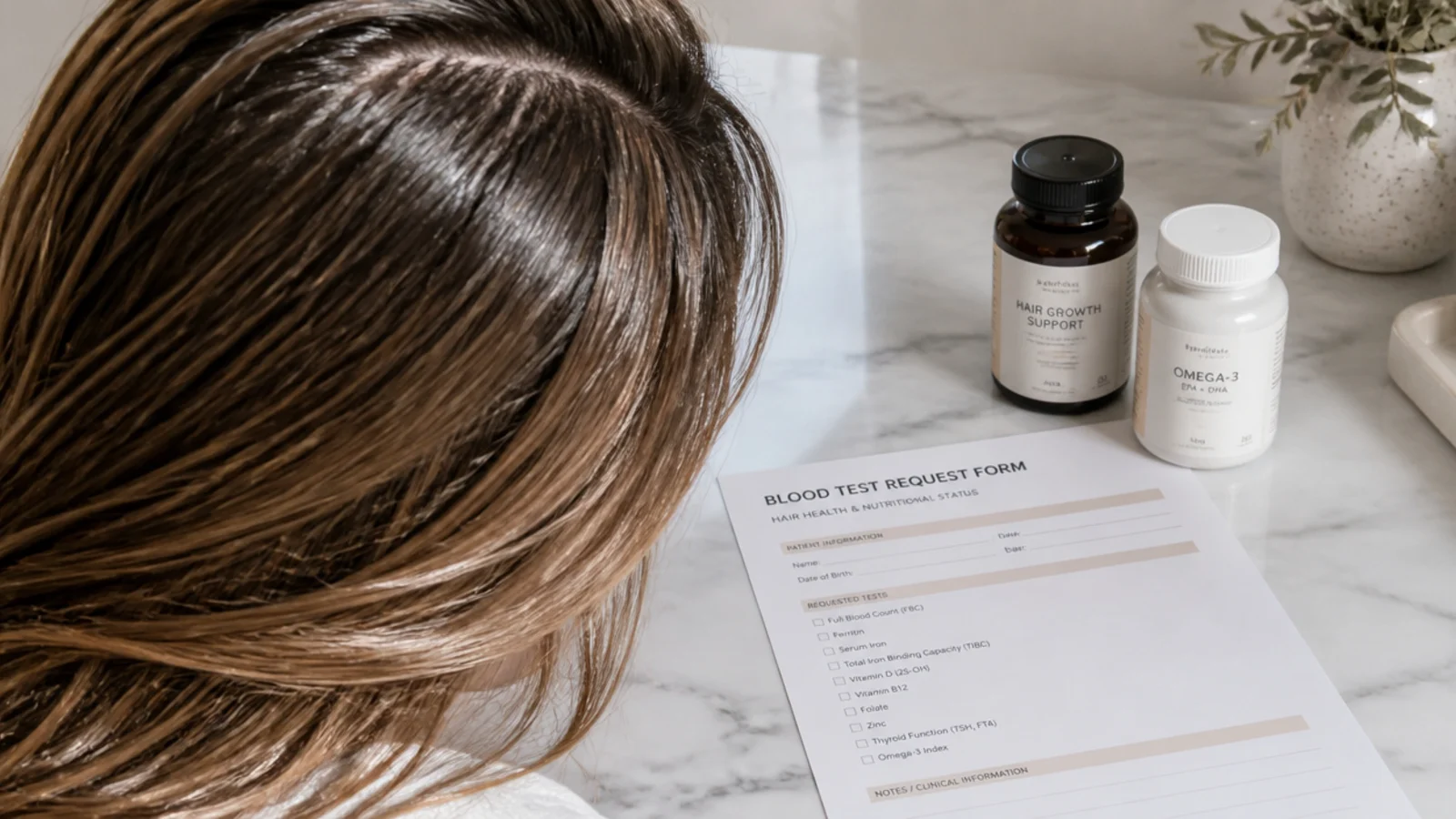
Supplements help when a deficiency exists and do nothing when it does not, so the order matters: test, then treat. Low ferritin, low vitamin D, low B12 and thyroid disorders all cause shedding and all show on standard bloodwork your doctor can order. Biotin, meanwhile, is the headline ingredient in nearly every hair gummy and has no measured effect in people with normal levels, and it can skew thyroid and cardiac blood tests, so tell your doctor if you take it. Excess vitamin A actively causes hair loss. Ask a doctor before adding anything, and see hair growth tips for men if pattern thinning is part of the picture.
Who it suits: Anyone with sudden or ongoing shedding rather than a length plateau.
Tip: Ask specifically for ferritin, not just hemoglobin; you can be low on stores without being anemic.
14. Try Diluted Rosemary Oil Twice a Week, With Realistic Hopes

Rosemary oil is the most researched of the popular scalp oils and the only one worth a slot in a routine. Dilute roughly 5 drops per tablespoon of a carrier such as jojoba or grapeseed, part the hair, apply along the scalp, massage in, and leave for at least 30 minutes before washing out. Twice a week is enough. Do not use it undiluted, and patch test first because essential oils cause contact dermatitis in some people. Coconut oil is a different tool: it reduces protein loss during washing, which protects existing hair rather than growing new hair.
Who it suits: People who want a topical step and can live without guarantees.
Tip: If your scalp gets red, itchy or flaky after starting it, stop; irritation sheds more hair than the oil saves.
15. Rinse Before Swimming and Cover Up in Strong Sun
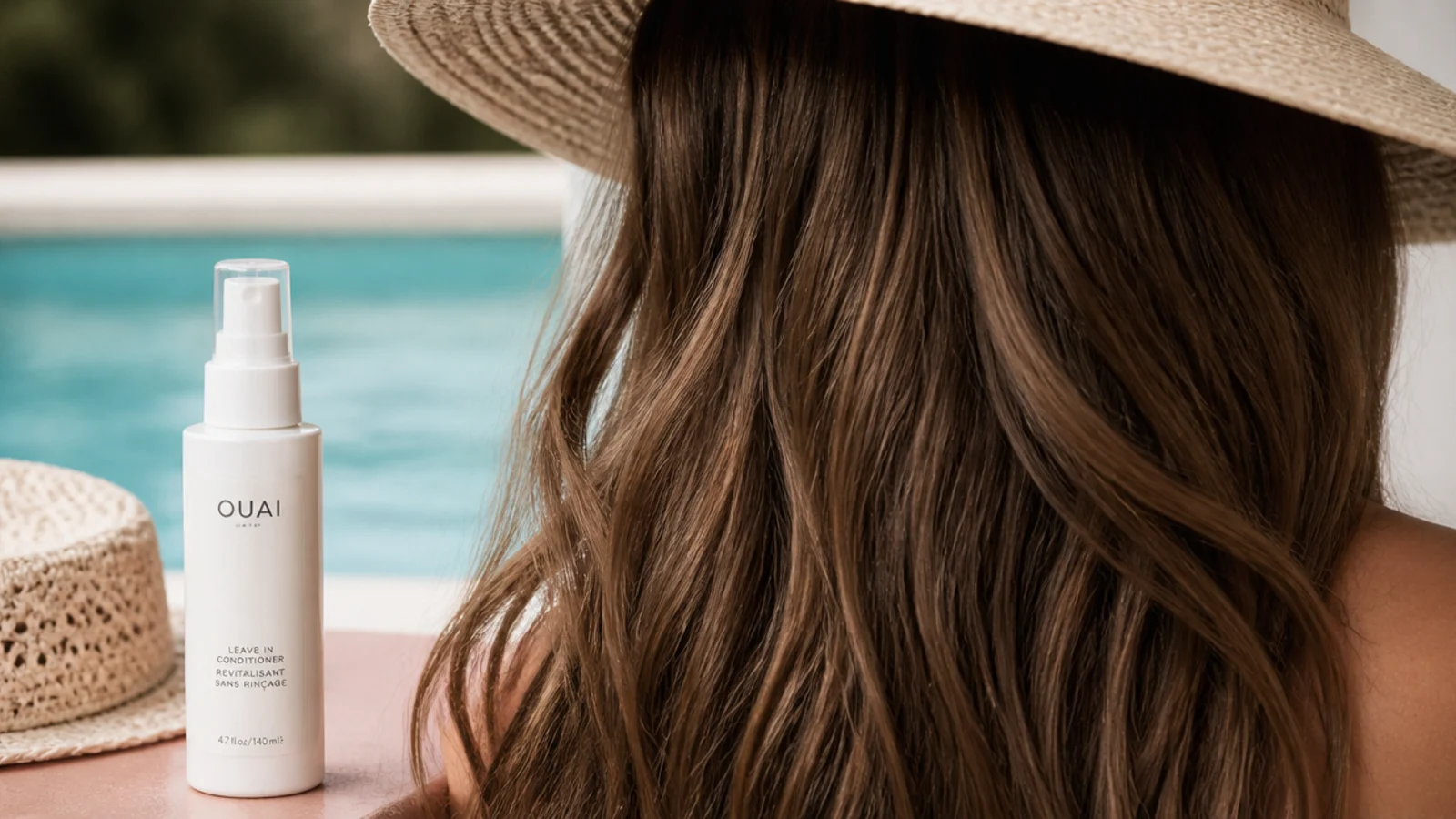
UV degrades the protein in the hair shaft and fades color, and chlorine and salt water both pull moisture out fast, especially from bleached or porous hair. The fix takes two minutes: saturate hair with clean tap water before you get in, because a strand already full of fresh water absorbs far less pool water, then add a leave-in conditioner as a barrier. Wear a hat on long sunny days. Rinse and condition as soon as you get out. It sounds fussy and it is the difference between a summer of growth and a summer of trimming damage off. Braided styles such as easy mermaid braids keep the ends tucked at the beach.
Who it suits: Swimmers, beach holidays, blondes and anyone with color-treated hair.
Tip: Keep a travel leave-in in your swim bag so the pre-soak step actually happens.
How Fast Hair Actually Grows and What You Control
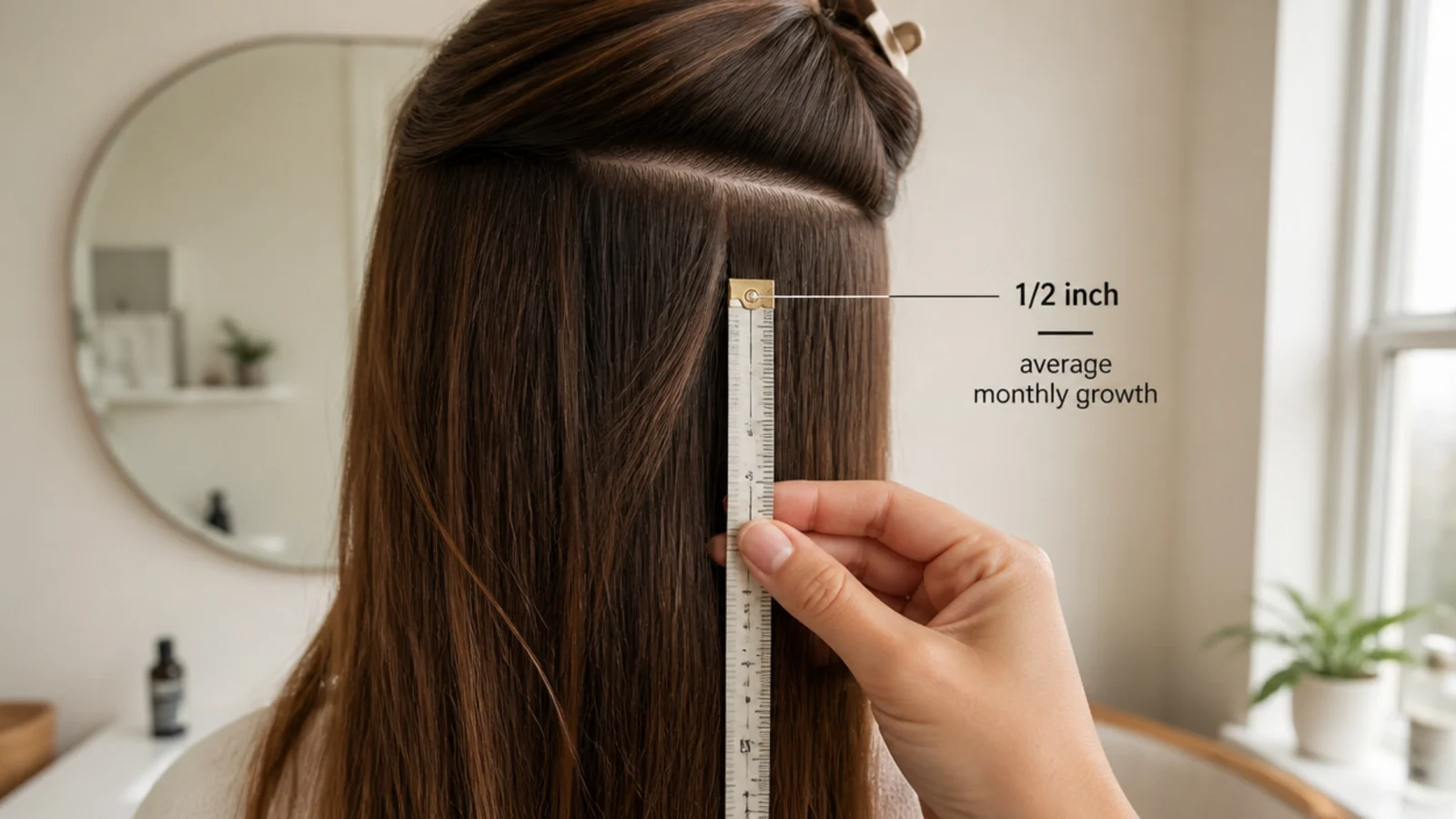
Hair grows roughly half an inch a month, about six inches a year, and that figure barely moves. Age, hormones and overall health nudge it slightly; genetics set it. Genetics also set a ceiling on total length, because each follicle spends a fixed span in its growing phase before it rests and sheds. A two-year growing phase caps you near shoulder length no matter how disciplined you are, while a six-year phase makes waist-length available on a mediocre routine. That is why two people on the exact same regimen end up in completely different places. Nothing topical rewrites this, and any product promising to is selling you the part it cannot deliver. What you genuinely control is everything downstream: the condition of the scalp the hair emerges from, and whether the hair survives once it exists. Those two levers are worth real effort, and every one of these hair care tips for healthy hair growth pulls on one or the other. More context lives at the hair growth tips hub.
Breakage vs Growth: Why Your Hair Seems Stuck at One Length
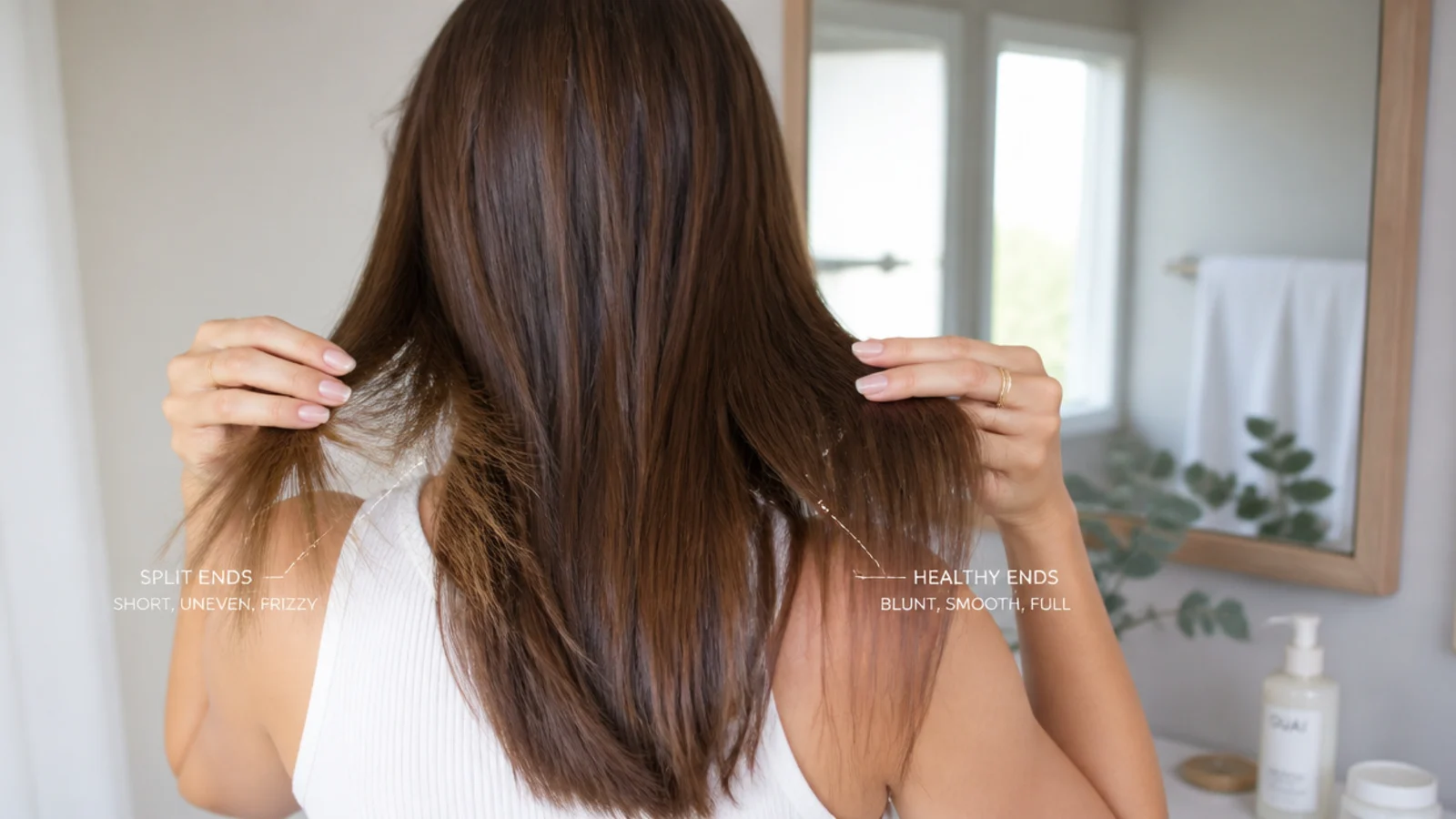
If your roots are producing normally but your length has not changed in a year, you have hit breakage equilibrium: hair is snapping off the bottom at exactly the rate it arrives at the top. You can diagnose it in a minute. Under good light, look for split ends, tiny white dots along the shaft, a ponytail that goes see-through in the last two inches, or a halo of short broken pieces around your crown. Then check the shower drain, because a shed hair carries a small pale bulb at the root end while a broken piece is blunt at both ends and much shorter than your hair. A drain full of blunt short pieces is mechanical damage, and mechanical damage has mechanical fixes: satin at night, slower detangling with slip, fewer hot tools, looser ties. Those changes show in the texture of your ends within a fortnight and in measurable length by month three. Faster-paced versions of the same routine are in hair growth tips faster.
Scalp Health Is Skin Care That Happens to Grow Hair
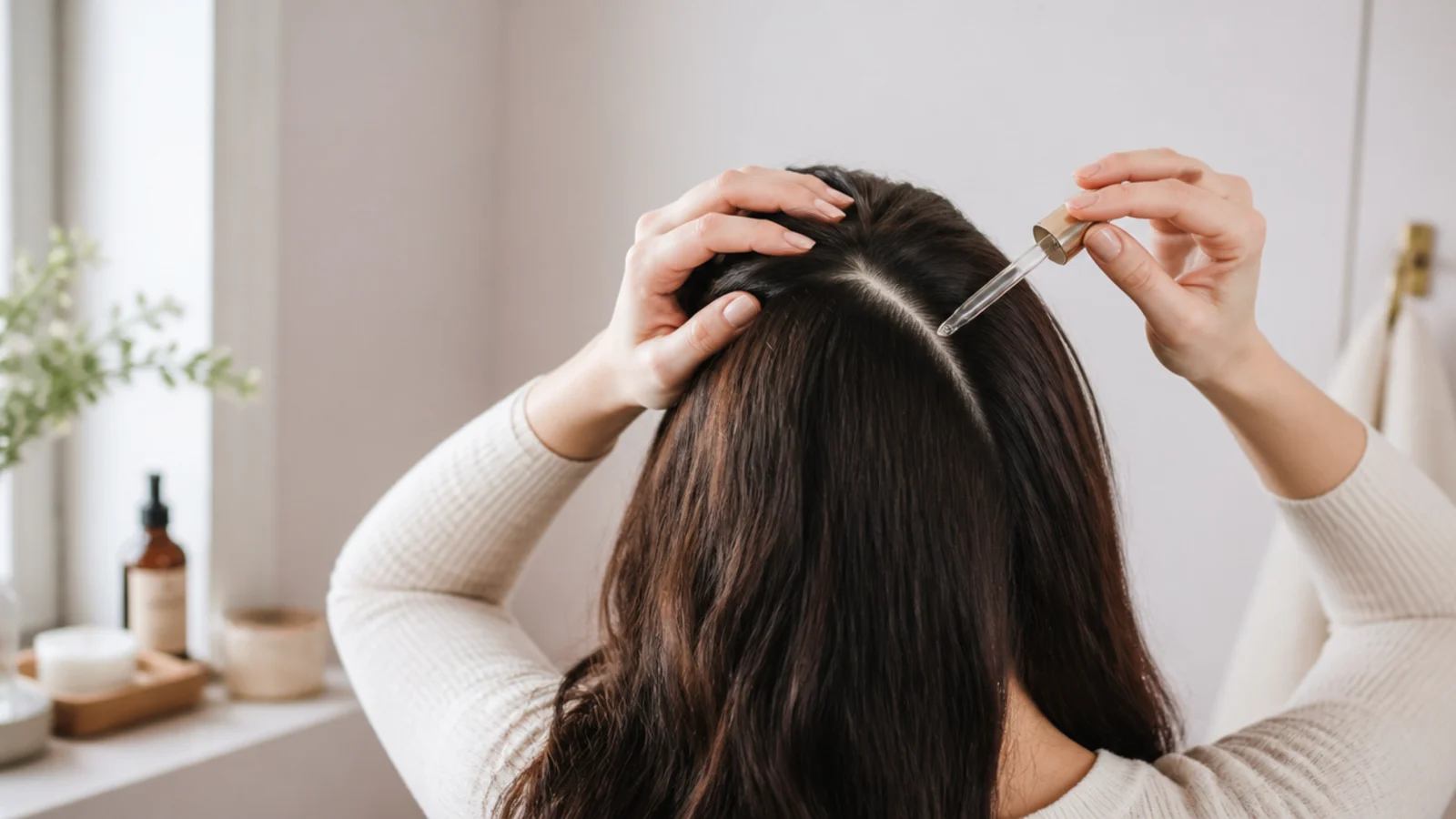
Every strand you own is manufactured by a follicle sitting in skin, so treating your scalp as skin rather than as an inconvenient part of your hair changes the whole routine. Three things matter: cleanliness, circulation and irritation. Cleanliness means removing silicone, gel, dry shampoo and hard water minerals often enough that the follicle is not working under a crust, which for most people means a monthly clarifying wash on top of normal shampooing. Circulation is what five minutes of daily fingertip massage supports, at zero cost and zero risk. Irritation is the one that gets missed: persistent flaking, itching, redness or a scalp that stings after washing is usually seborrheic dermatitis or a product reaction, not dryness in need of oil, and oiling it typically makes it worse. An inflamed scalp sheds more, so calming it is a growth intervention. Gentle, low-ingredient routines are covered in natural hair growth tips.
A Weekly Hair Care Routine for Healthy Hair Growth

Habits beat products here, because every win is cumulative. A workable week looks like this. Two or three washes, shampoo at the scalp only. A 10 to 20 minute conditioning mask on the ends at every wash, with detangling done while it sits. Air drying or cool diffusing on most days, and at most one hot tool session with protectant. Satin every single night, plus a loose braid, pineapple or bonnet so the length is not free to tangle. Every four to six weeks, a protein treatment if your strands stretch and stay limp. Every month, a clarifying wash. Every 8 to 12 weeks, a quarter-inch trim. Protective styles slot in whenever you want two to six weeks off daily handling. None of it is glamorous, and that is exactly why it works: the biggest controllable factor in keeping length is how little you touch your hair. Build the at-home version at hair growth tips faster at home, and browse low-manipulation styles like mermaid braids.
Diet and Supplements: The Honest Limits
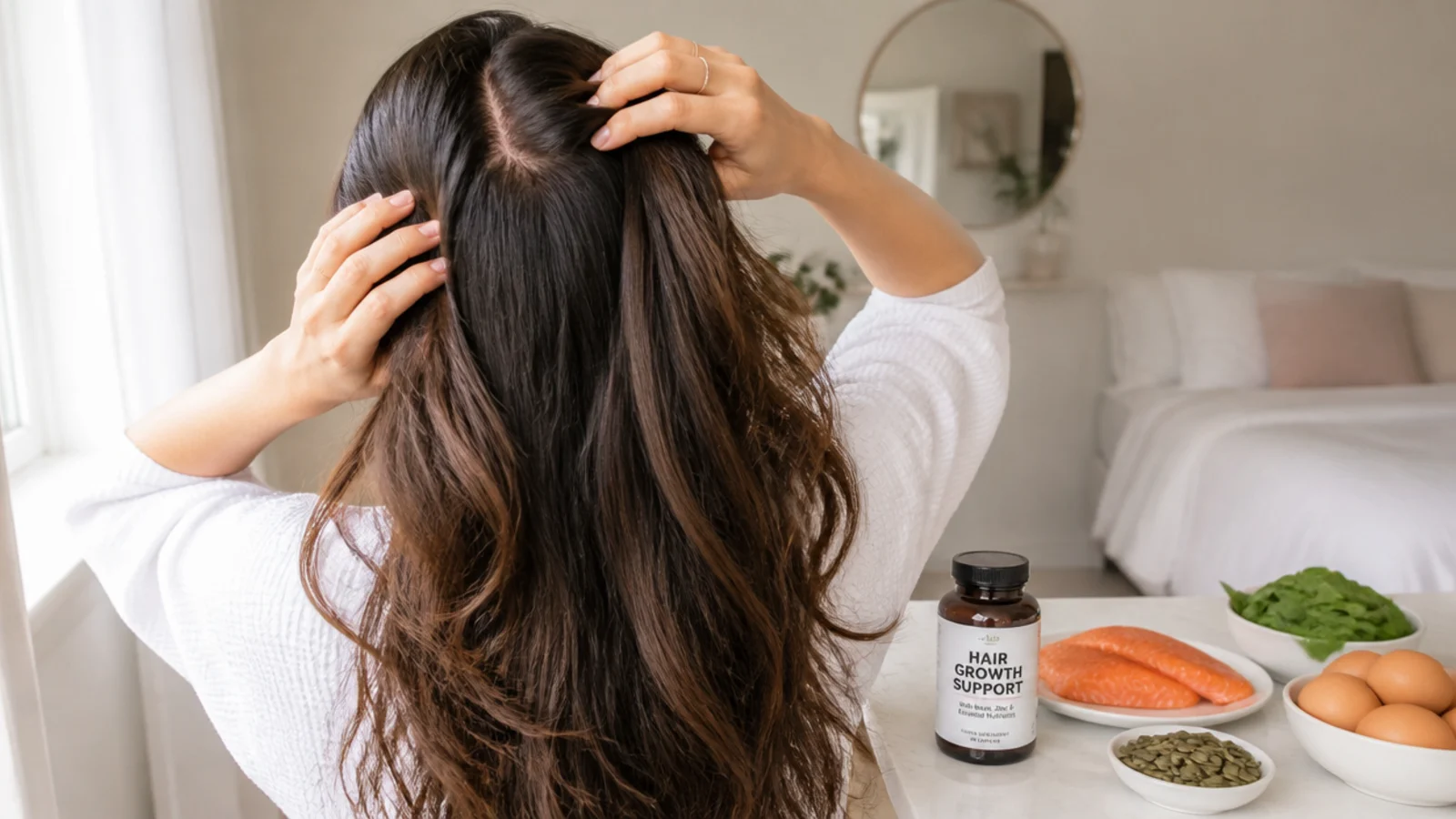
The truthful version is short enough to fit in a paragraph. If you are low in iron, vitamin D, zinc, B12 or protein, correcting that stops deficiency-driven shedding and lets your hair return to its normal rate. If you are not deficient, taking more of those things does nothing for growth, and several of them do harm at high doses. Biotin is the clearest example, since real biotin deficiency is rare and supplementation shows no measured benefit at normal levels, yet it headlines almost every hair gummy on the shelf. Excess vitamin A causes hair loss outright. High-dose zinc interferes with copper absorption. Collagen powder is a fine protein source and no better than eggs at a fraction of the price. So the sequence is test, then treat, then simply eat enough protein and enough total calories, because restrictive dieting is one of the most dependable triggers of diffuse shedding there is. Supplements correct deficiencies; they are not accelerators. Talk to your doctor before starting any of them.
Specific Concerns: Edges, Thinning, 4C Hair and Postpartum Shedding
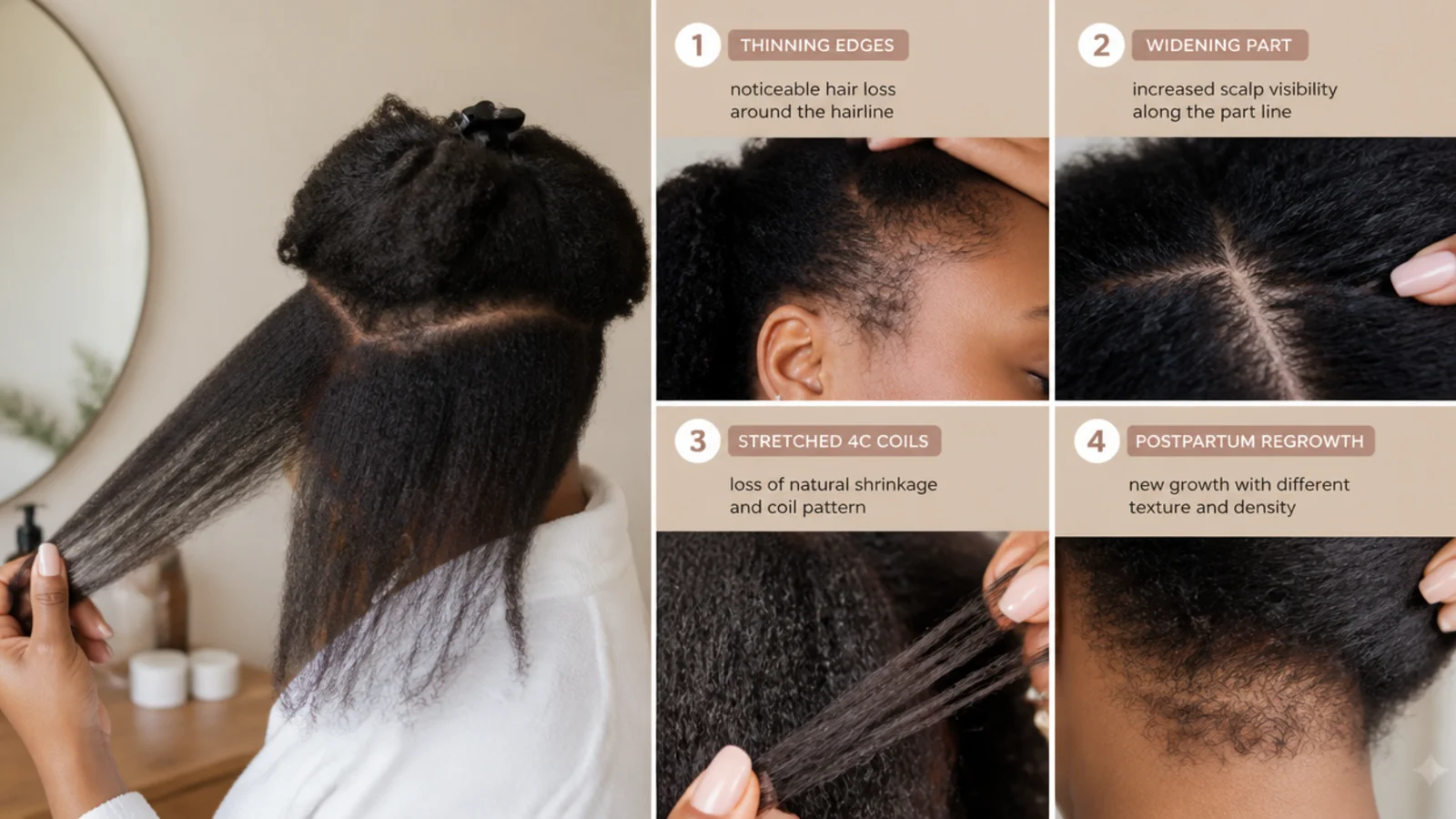
General advice fails specific problems, so here is the triage. Thinning edges from braids, wigs, clip-ins or daily slick-backs is traction alopecia, and the fix is releasing the tension now, while the follicles are still alive; a style that hurts is already causing damage. A part that is visibly widening over months, or round smooth bald patches, is a question for a dermatologist rather than a mask. Tightly coiled and 4C hair grows at the same rate as everyone else but can shrink up to 75 percent, so measure a stretched strand before concluding nothing is happening, and put effort into daily moisture on the ends and low-manipulation styling instead of growth products. Postpartum shedding typically peaks three to six months after birth and resolves on its own, though it is worth checking if it has not settled by a year. Detailed routines live in hair growth tips for Black women and the main hair growth tips guide.
Frequently Asked Questions
How can I increase my hair growth naturally?
You cannot meaningfully raise the rate, because genetics fix it near half an inch a month. What you can raise is how much of that you keep. Sleep on satin, detangle from the ends up with conditioner in, cap hot tools at one session a week, deep condition weekly, trim a quarter inch every 8 to 12 weeks, and massage your scalp for five minutes daily.
Which hairstyles promote healthy hair growth?
Low-tension styles that tuck the ends away and cut daily handling: loose braids, twists, low buns on a silk scrunchie, and protective styles worn two to six weeks then rested. Avoid anything that hurts, pulls at the temples, or sits in the identical spot every day. Soreness or small bumps along the hairline means the style is too tight and should come out.
How long does it take to see results from a hair care routine?
Your ends will feel smoother and snag less within two to four weeks of gentler handling. Visible length usually shows around month three, since half an inch a month is invisible day to day. If you are correcting a deficiency or a medical cause, allow three to six months, because the follicle has to cycle back into its growing phase before new hair appears.
Do trims make your hair grow faster?
No. Growth happens at the follicle and scissors never reach it. Trims work by removing splits before they travel up the shaft and cost you far more length than the trim did. That is why hair trimmed every 8 to 12 weeks routinely ends up longer than hair that is never cut. Ask for a quarter inch, straight across, and say the number out loud.
Can you really grow hair faster overnight?
No. Hair grows around half an inch across an entire month, so a single night produces roughly one sixtieth of an inch, which no one can see. What an overnight routine genuinely does is protect what you already have. A satin pillowcase, a loose braid or bonnet, and a conditioning treatment left in overnight all reduce breakage, and less breakage is what makes hair look longer.
What foods make hair grow faster?
No food pushes growth past your genetic rate; food prevents the slowdown that deficiency causes. Prioritize protein at every meal from eggs, fish, chicken, lentils or Greek yogurt, iron from red meat, spinach and beans, zinc from pumpkin seeds and shellfish, and omega-3 from salmon or walnuts. Eating enough total calories matters as much as any single ingredient on that list.
Does biotin actually work for hair growth?
Only if you are genuinely biotin deficient, which is uncommon on a normal diet. At normal levels there is no measured benefit for hair growth, despite biotin headlining most hair gummies. High-dose biotin can also distort thyroid and cardiac blood test results, so tell your doctor if you take it. Test first, then treat what the results actually show.
Why is my hair not growing past a certain length?
There are two likely reasons. Either you have reached your terminal length, set by how long your follicles stay in their growing phase, or your ends are breaking off as fast as new hair arrives. Check the ends: splits, white dots and short blunt pieces in the drain point to breakage, which you can fix. Terminal length you cannot, and knowing which one you have saves money.
How often should I wash my hair for healthy growth?
Two or three times a week suits most people, with shampoo on the scalp only and conditioner from mid-length down. Oily scalps can wash daily as long as the ends stay conditioned, and very coily or dry hair often does better at once a week. There is no wash frequency that grows hair faster; the goal is a clean scalp and ends that never dry out.
When should I see a doctor about hair loss?
Shedding 50 to 100 hairs a day is normal. See a doctor or trichologist if heavy shedding lasts more than three months, if your part is visibly widening, if you find round bald patches, or if your scalp is painful, burning or scarring. Early assessment matters because more follicles are still recoverable then, and several causes are only treatable in the early stage.
Which hair growth tips look are you saving?
If you keep only three of these 15 hair care tips for healthy hair growth, keep the satin pillowcase, the ends-up detangling and the quarter-inch trim every 8 to 12 weeks. Those three cost under 30 dollars combined and they address the mechanical damage that is quietly canceling your growth. Everything else, from rosemary oil to the protein and moisture balance, is refinement on top of that base. Give it a full three months before you judge anything, because half an inch a month means the change is invisible until it is not. And if you are shedding heavily for more than three months, seeing a widening part or finding bald patches, book a dermatologist rather than another mask. Browse more routines at tips for hair growth or the hair growth tips hub.