Quick Comparison
| Habits You Keep | Products That Promise Growth | |
|---|---|---|
| What it targets | Breakage and mechanical damage, so length survives to the ends | Growth rate at the follicle, which is mostly genetic |
| Evidence strength | Strong and uncontroversial for friction, heat and tension damage | Mixed; scalp massage and rosemary oil show early promise, most claims do not |
| Cost to start | About 10 to 40 dollars once, mostly a satin pillowcase and a comb | 25 to 80 dollars a month, repeating indefinitely |
| Time before you see change | Ends look better in 4 to 6 weeks, length shows at 6 months | Rarely assessable before 3 to 6 months, if at all |
| Who it helps most | Anyone whose hair is stuck at one length with ragged, thinning ends | People with a diagnosed deficiency or a medically treatable cause |
| Effort per week | Roughly 30 to 60 minutes total, mostly during things you already do | Two minutes a day, which is why it feels easier and works less |
| What it cannot do | Change your genetic growth rate or your maximum terminal length | Replace satin, gentle handling, heat limits and regular trims |
| Main risk | Impatience; people quit at week six because half an inch is invisible | Delay; months spent on bottles instead of seeing a doctor about shedding |
| Verdict | The foundation, and the part you actually control | An optional add-on once the habits are already in place |
1. Sleep on a Satin Pillowcase Every Night
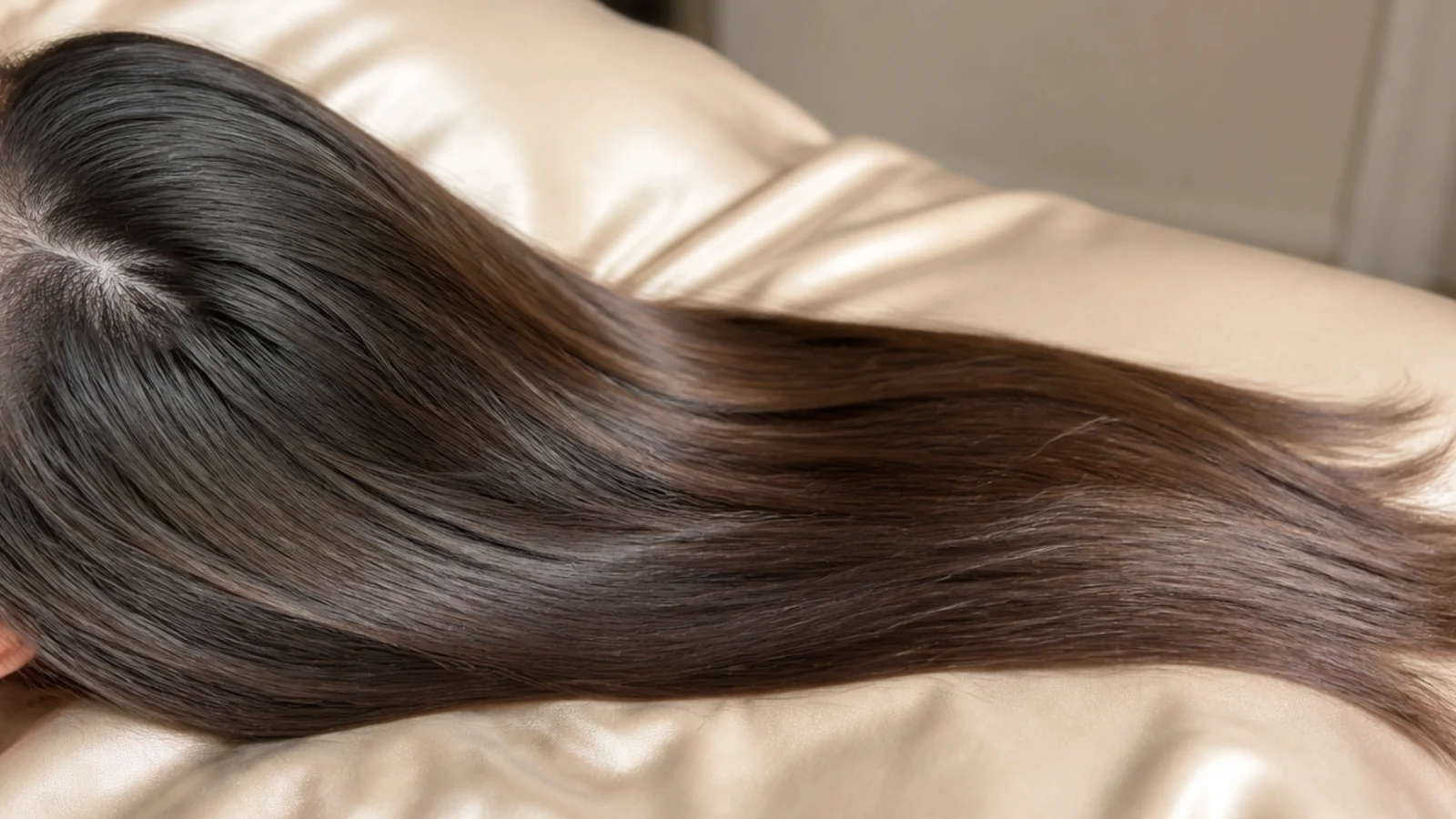
Cotton has a rough, absorbent weave that grabs the cuticle and drags every time you turn over, which is why so much breakage shows up at the ends and around the crown. A satin or silk pillowcase lets hair slide instead. This is the single highest return habit on the list because it works for eight hours a night without you doing anything, and it costs about 10 to 30 dollars once. Satin polyester performs almost identically to mulberry silk for friction, so price is not the deciding factor here. It is the first thing recommended in almost every long hair growth routine for a reason.
Who it suits: Every hair type, especially curly, coily, fine and color-treated hair.
Tip: Keep a second case in the closet so the habit does not lapse on laundry day.
2. Detangle From the Ends Up With a Wide-Tooth Comb
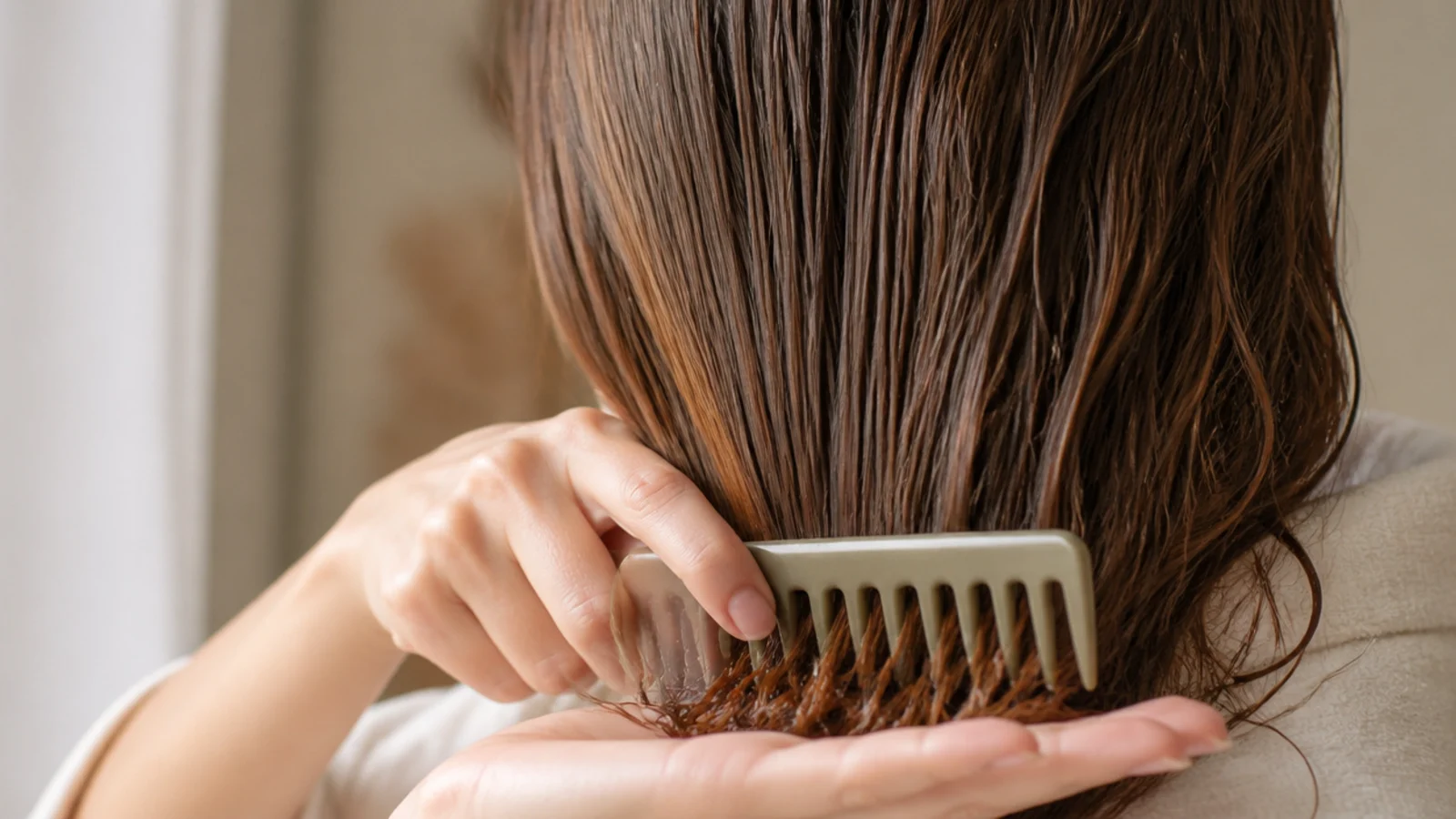
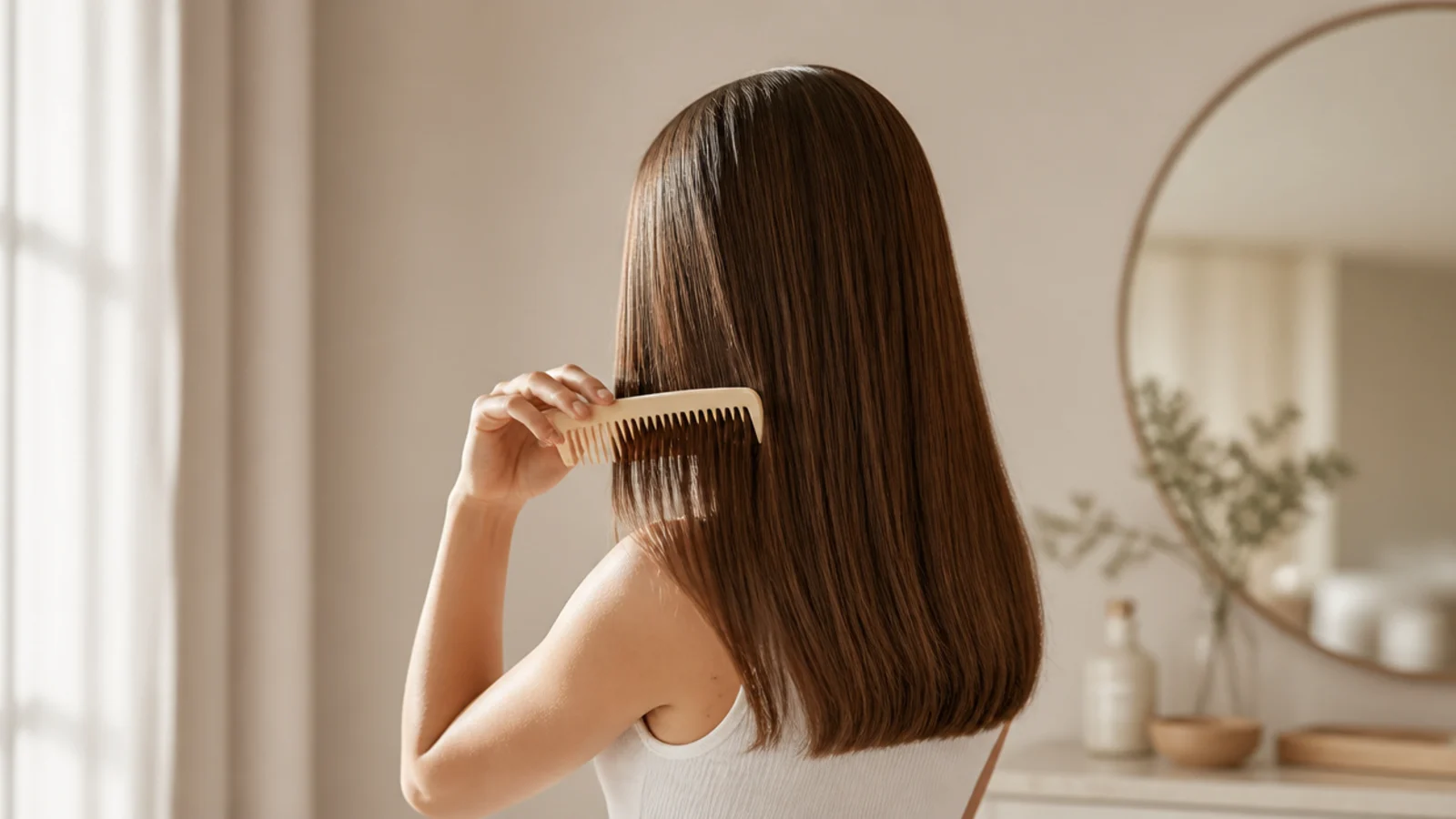
Start at the last two inches, clear that section, then move up two inches at a time until you reach the roots. Combing from the top down pushes every knot into a bigger knot and then rips through it. Use a wide-tooth comb or a flexible detangling brush on damp, conditioned hair rather than soaking wet or bone dry hair, since wet hair stretches and snaps most easily. Hold the section above where you are working so the pull lands on your hand instead of your scalp, a technique covered further in frizzy hair remedies.
Who it suits: Anyone who hears snapping while brushing, and all curly or coily textures.
Tip: Detangle with conditioner still in, then rinse; slip does half the work for you.
3. Loosen Your Ponytail Before It Pulls at Your Hairline
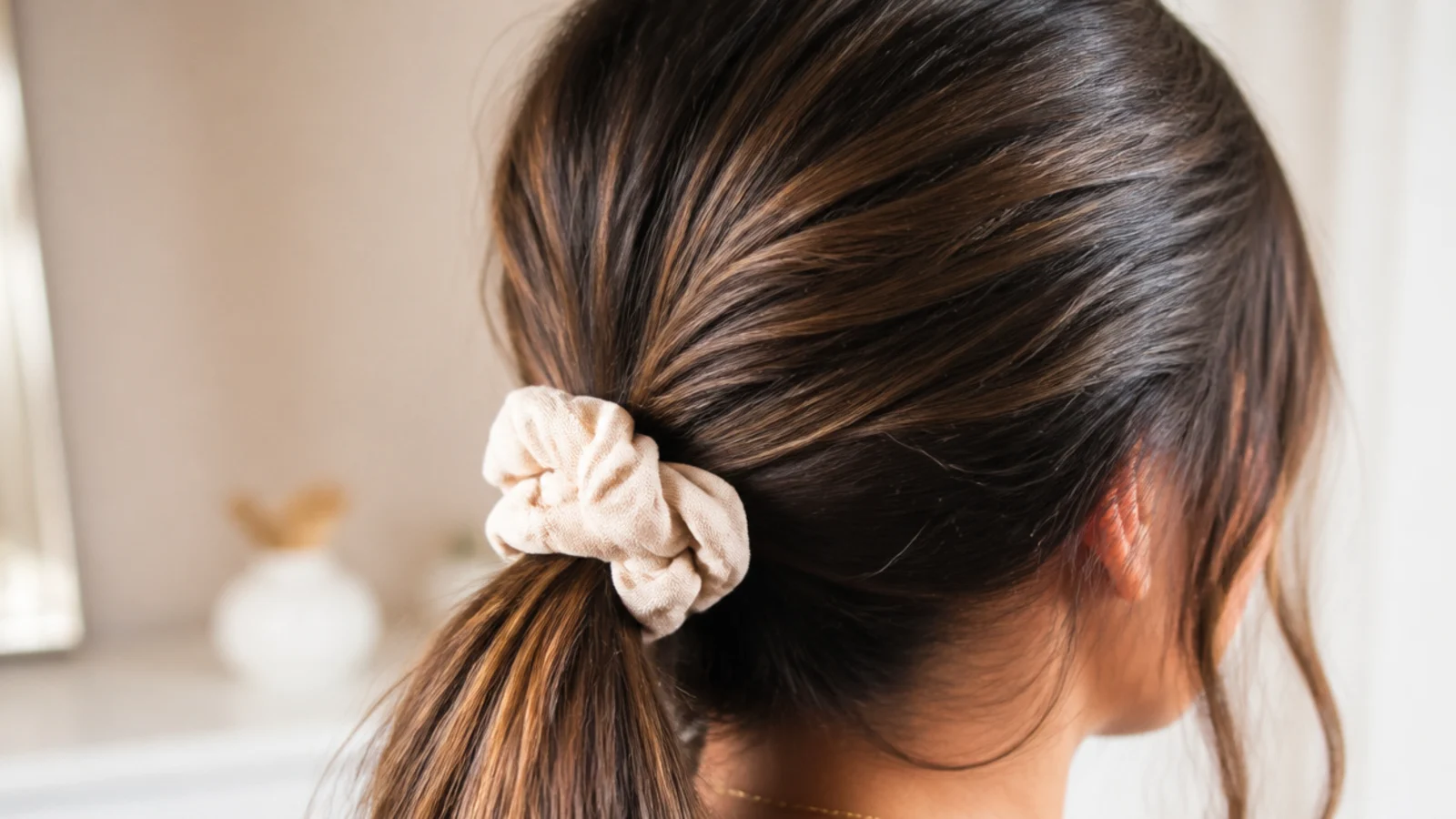
Tension is the leading preventable cause of hairline loss, and the warning sign is simple: if it hurts, stings or gives you a headache, it is too tight. Repeated pulling on the same spot is what thins edges over months and years. Use a fabric scrunchie or a coil tie instead of a thin elastic with a metal crimp, sit the ponytail in a different position every few days, and take it down in the evening. A low messy ponytail puts far less tension on the hairline than a slicked high one.
Who it suits: Anyone who wears their hair up daily, especially with thinning edges.
Tip: Never sleep in a tight ponytail; the pull compounds for another eight hours.
4. Braid or Pineapple Your Hair Before Bed
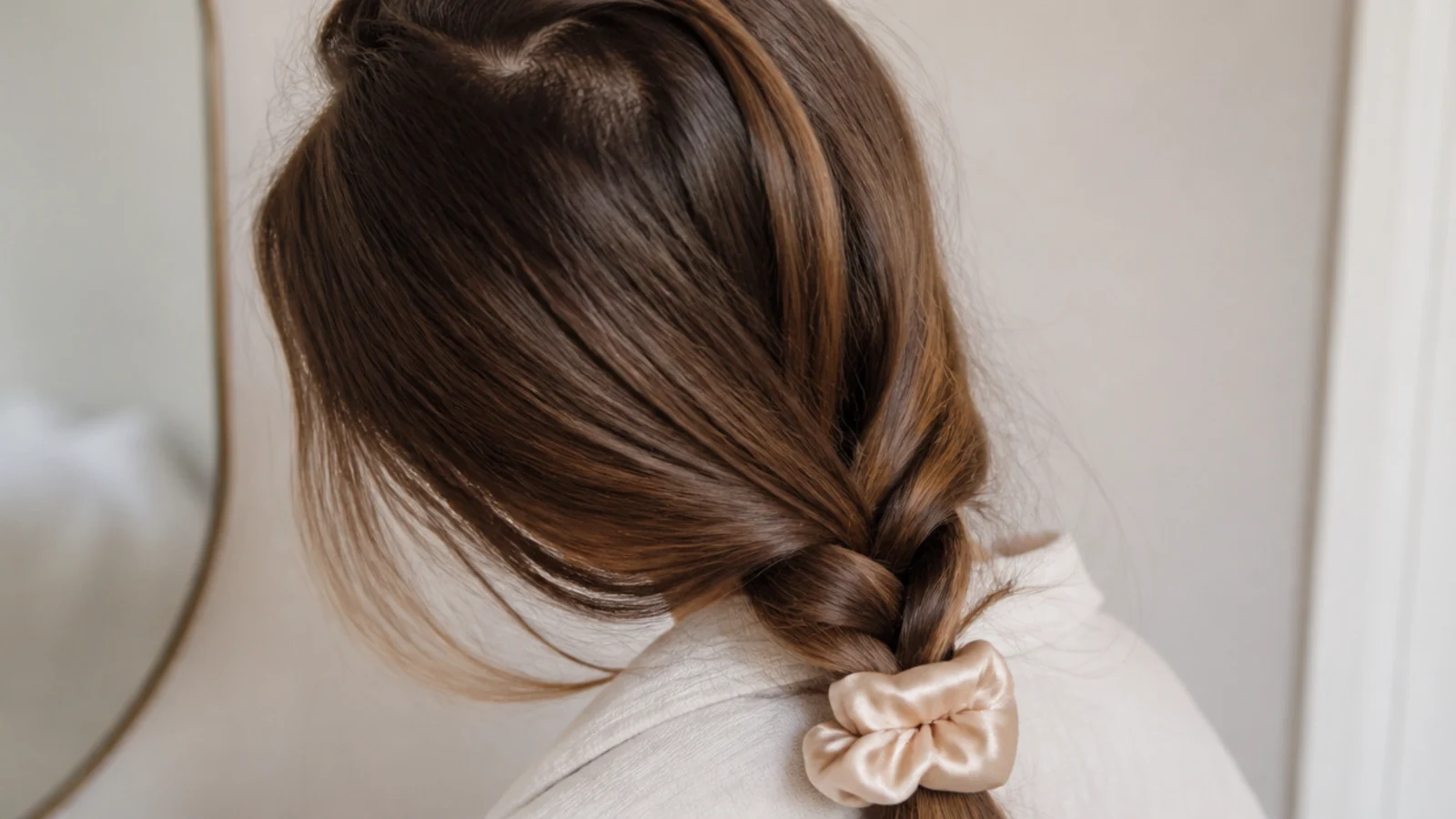
Loose hair tangles against itself all night, and the tangles you fight out in the morning are the length you lose. One loose braid, two loose braids, or a high loose pineapple gathered at the very top of the head takes 60 seconds and stops most of it. Keep the braid soft rather than tight, and secure it with a satin scrunchie so the tie itself does not cause a crease and a snap point. Curls and coils benefit most, and it doubles as next-day waves.
Who it suits: Long hair, curly and coily hair, and restless sleepers.
Tip: Add a satin bonnet or scarf over the braid if you move a lot in your sleep.
5. Eat 60 to 90 Grams of Protein a Day

Hair is made almost entirely of keratin, a protein, and the follicle is one of the first places the body cuts back when intake drops. Very low calorie or restrictive dieting is a common and often missed cause of sudden shedding a few months later. Aim for a protein source at every meal: eggs, fish, chicken, Greek yogurt, lentils, beans, tofu, pumpkin seeds. This will not accelerate growth beyond your normal rate, but chronic underfueling absolutely slows it down.
Who it suits: Anyone dieting, training hard, or eating erratically.
Tip: If you have recently lost weight fast and are shedding, mention the timeline to your doctor.
6. Give Your Scalp a Five-Minute Massage
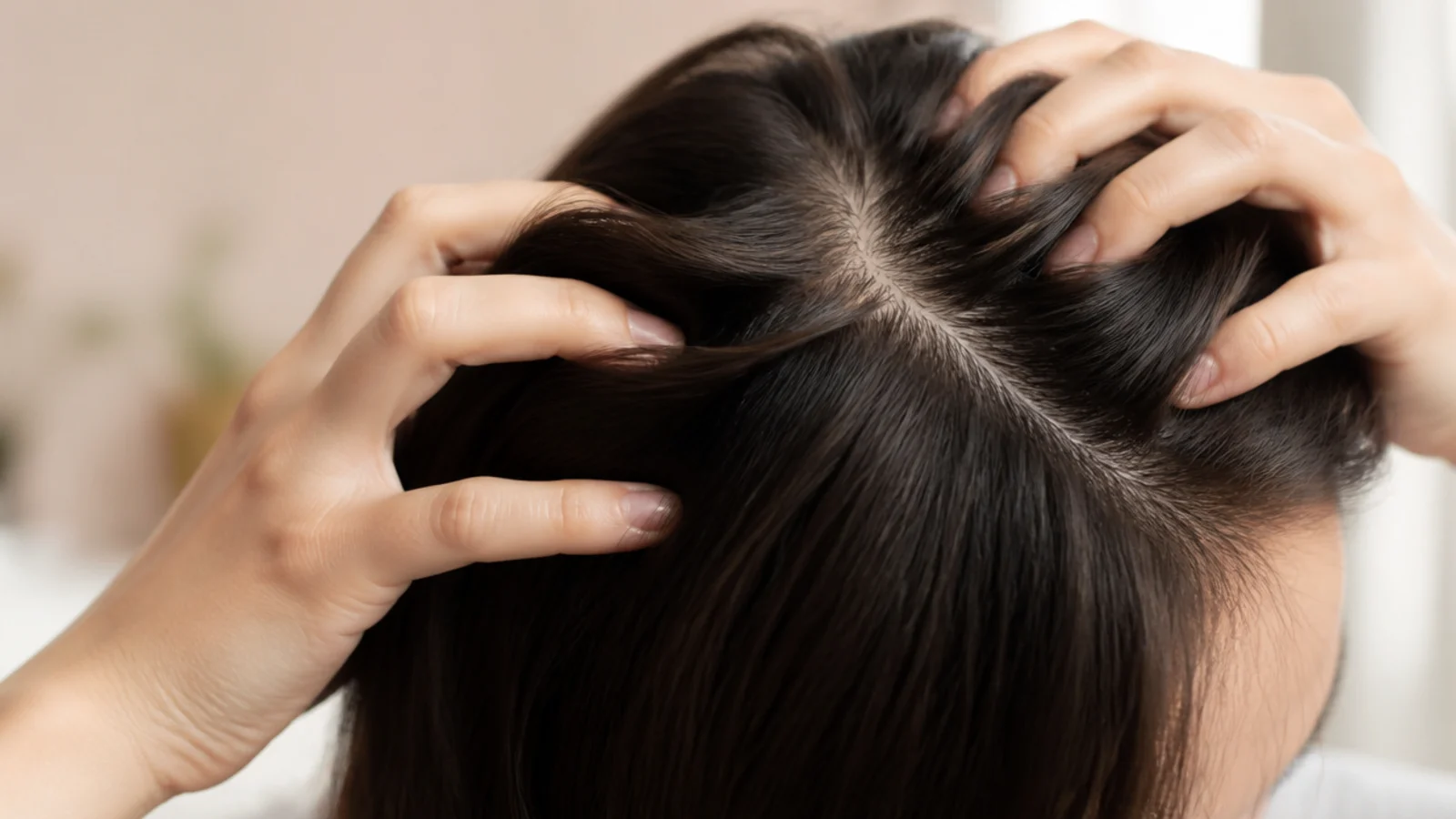
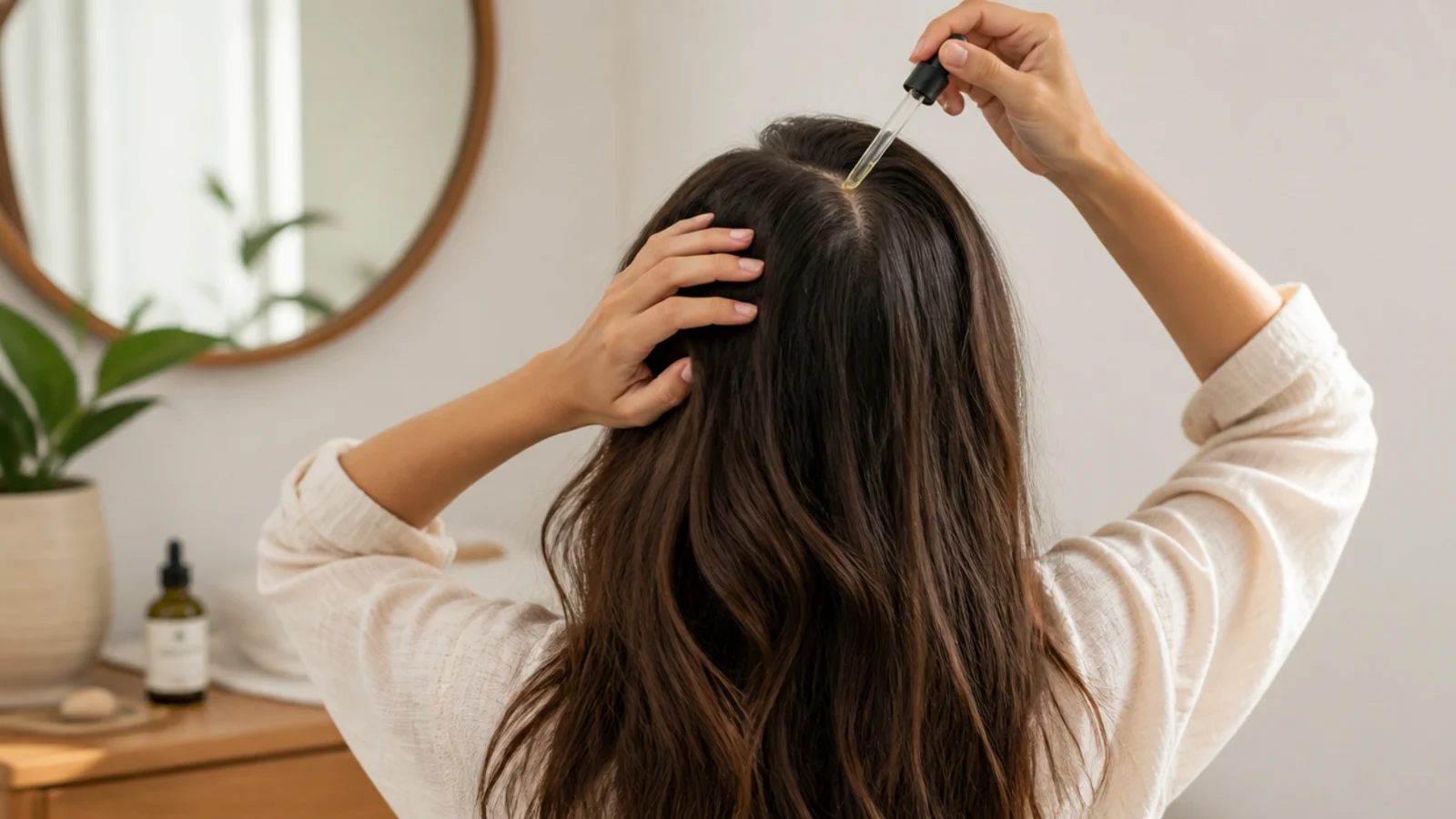
Use the pads of your fingers, never your nails, and move the scalp itself in slow circles rather than sliding across the hair. Five to ten minutes, three or more times a week, is the pattern used in the small studies that showed any benefit. It increases local blood flow, feels good, and helps lift buildup before a wash. What it will not do is override genetics or regrow a scarred follicle. Do it dry in front of the TV, or with a light oil as part of natural hair growth tips.
Who it suits: Everyone; especially useful if your scalp feels tight or flaky.
Tip: A silicone scalp brush works if your nails are long, but keep the pressure gentle.
7. Wash the Scalp and Condition the Ends
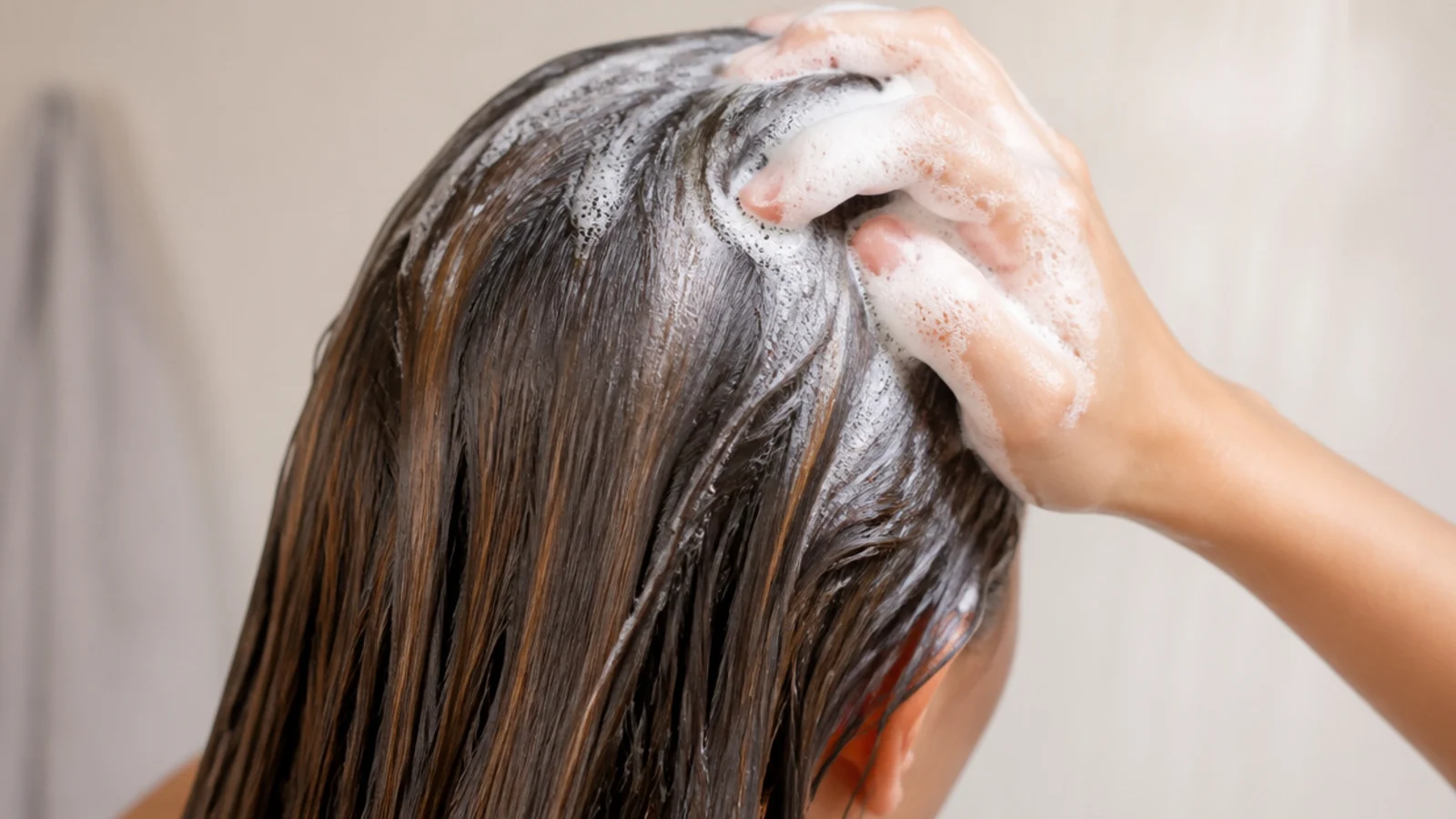
Shampoo belongs on the scalp, where oil and buildup actually are. Conditioner belongs on the mid-lengths and ends, which are the oldest and most fragile part of your hair and get none of your scalp's natural oil. Most people do the opposite, scrubbing the lengths and skimming the roots, which leaves the scalp congested and the ends stripped. Work shampoo into the scalp with fingertips for 30 to 60 seconds, let the rinse water carry the suds down the lengths, then condition from the ears down.
Who it suits: All hair types; essential for dry ends with an oily scalp.
Tip: Two short shampoos beat one long one if you use a lot of product or dry shampoo.
8. Deep Condition for 20 Minutes Once a Week
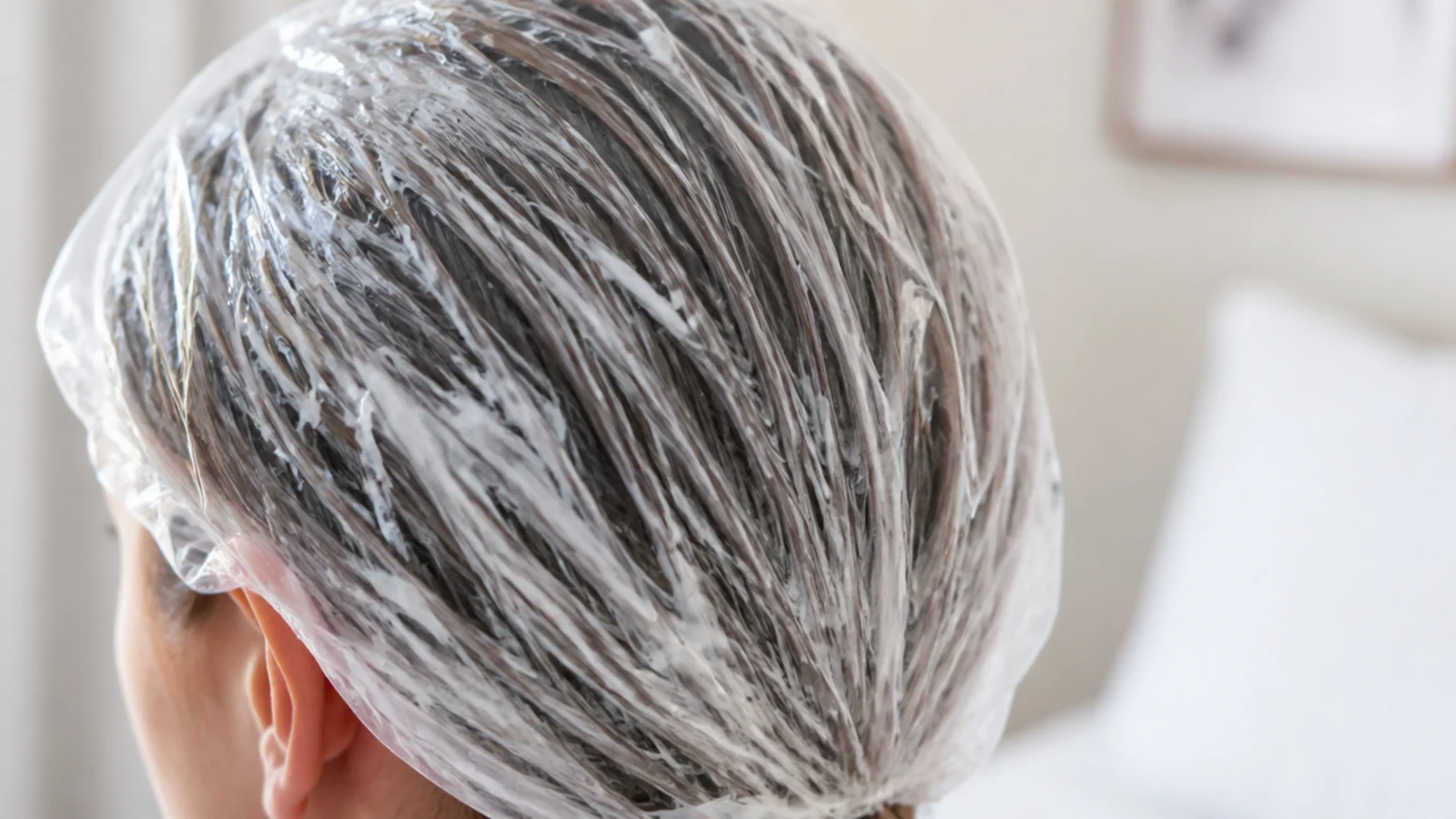
A weekly mask left on for 15 to 20 minutes under a plastic cap does more than a five-minute rinse-out conditioner ever will, because gentle heat and time let the conditioning agents actually sit on the cuticle. Alternate a moisture mask with a protein or bond-building treatment roughly every third wash if your hair is color-treated, relaxed or heat-styled. Over-proteining makes hair stiff and snappy, so read the reaction rather than following a fixed schedule. See hair mask for frizzy hair for mask picks.
Who it suits: Color-treated, curly, coily, relaxed and heat-styled hair.
Tip: Sit under a warm towel or shower steam for 10 of the 20 minutes for better absorption.
9. Cap Hot Tools at One or Two Sessions a Week
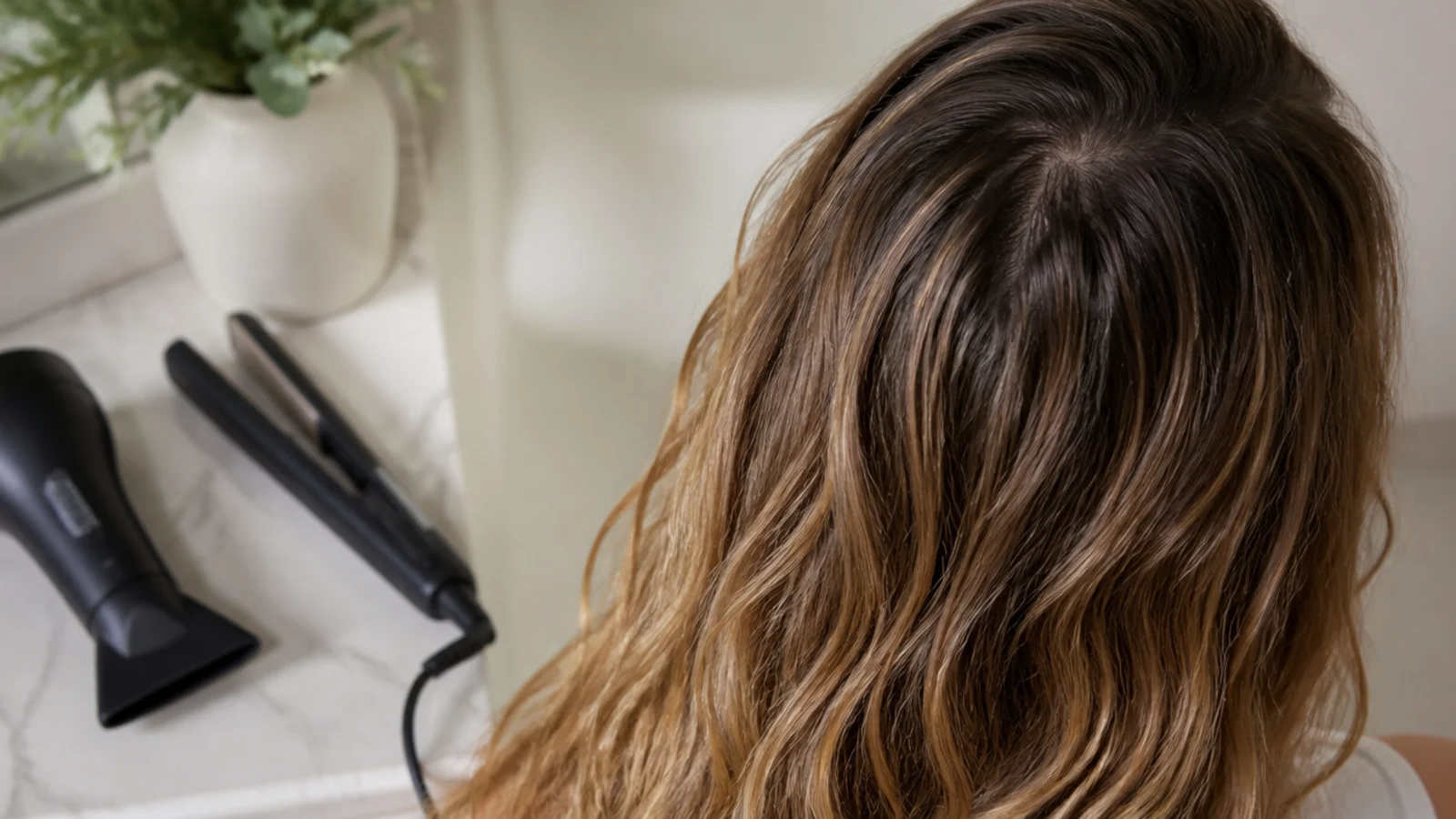
Heat damage is cumulative and permanent; the cuticle does not heal, it only grows out. Two heat sessions a week is a realistic ceiling for most hair, and one is better if you are color-treated or fine. Fill the gap with styles that need no heat: braids, buns, twist-outs, an overnight braid wave, or a wash-and-go. Always use a heat protectant, and never run an iron over damp hair, which boils the water inside the shaft and causes the small hollow bubbles that snap later.
Who it suits: Anyone straightening or curling more than twice a week.
Tip: Book heat-free days on the calendar rather than deciding each morning.
10. Flat Iron at 300 to 350 Degrees, Not 450
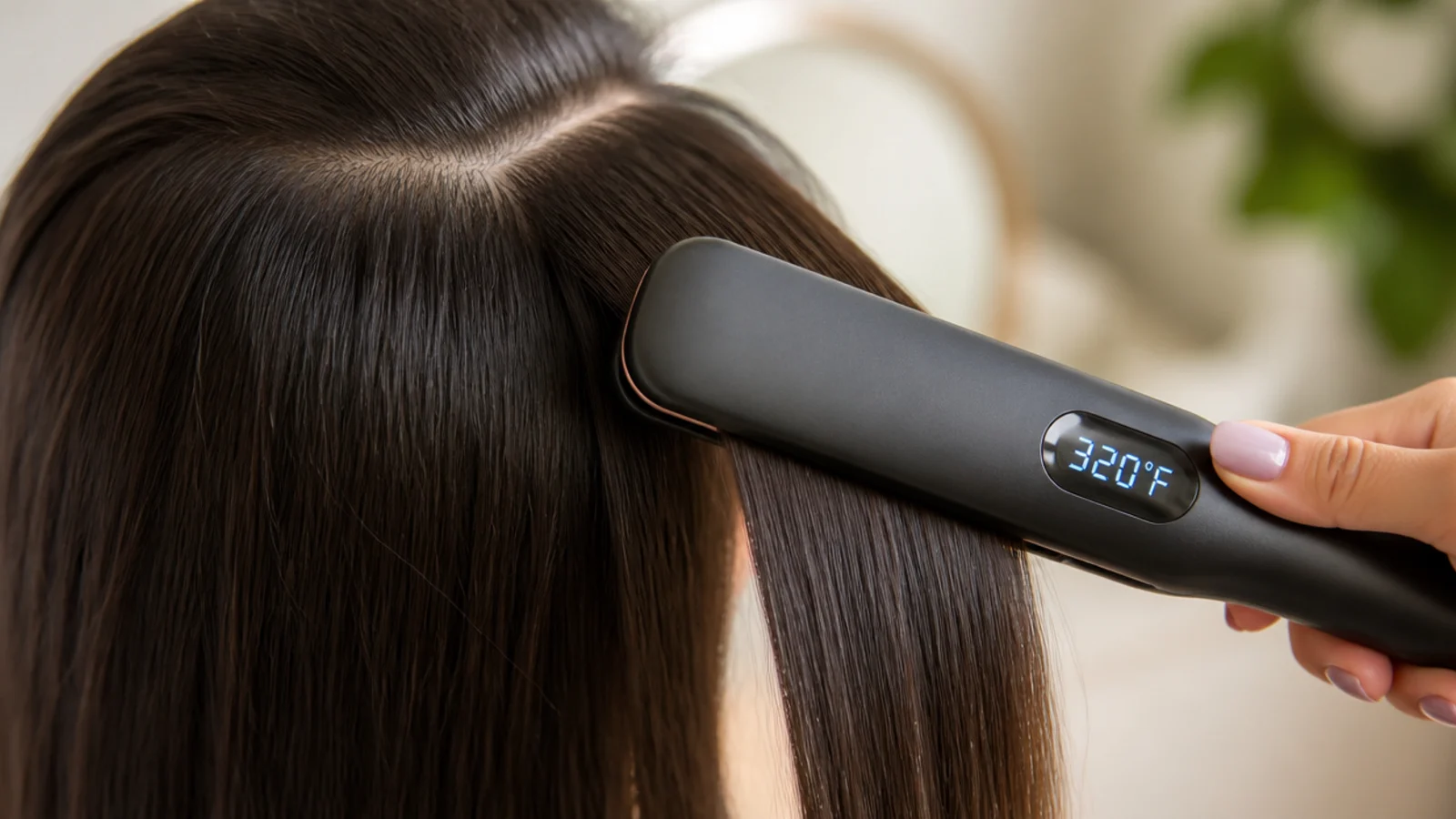
Most irons ship set near their maximum, and almost nobody needs it. Fine or color-treated hair straightens at 300 to 330 degrees Fahrenheit, medium hair at 330 to 360, and coarse or coily hair at 360 to 400. Above about 420 you are into the range where keratin damage climbs sharply for very little styling gain. One slow pass at a lower temperature beats three fast passes at a high one. If the hair sizzles or you smell anything, the setting is too high or the hair is not dry. Lower heat also holds a layered mid-length cut in better condition between salon visits.
Who it suits: Anyone who owns a flat iron with adjustable temperature.
Tip: Section into one-inch pieces; thick sections are why people crank the dial up.
11. Squeeze Water Out With a Cotton T-Shirt

Terry towel loops catch the cuticle and rough it up, and vigorous rubbing on wet hair, its most fragile state, is a quiet source of frizz and mid-shaft breakage. Squeeze and blot with an old cotton t-shirt or a microfiber towel instead, working from the ends toward the roots. Then let the hair air-dry to about 80 percent before any tool touches it. This one habit changes how frizzy hair looks more than most products do, which is why it leads any frizzy hair routine.
Who it suits: Curly, wavy, fine and frizz-prone hair.
Tip: Never twist hair into a tall towel turban; the weight pulls at the hairline for an hour.
12. Rinse Your Last Conditioner With Lukewarm Water
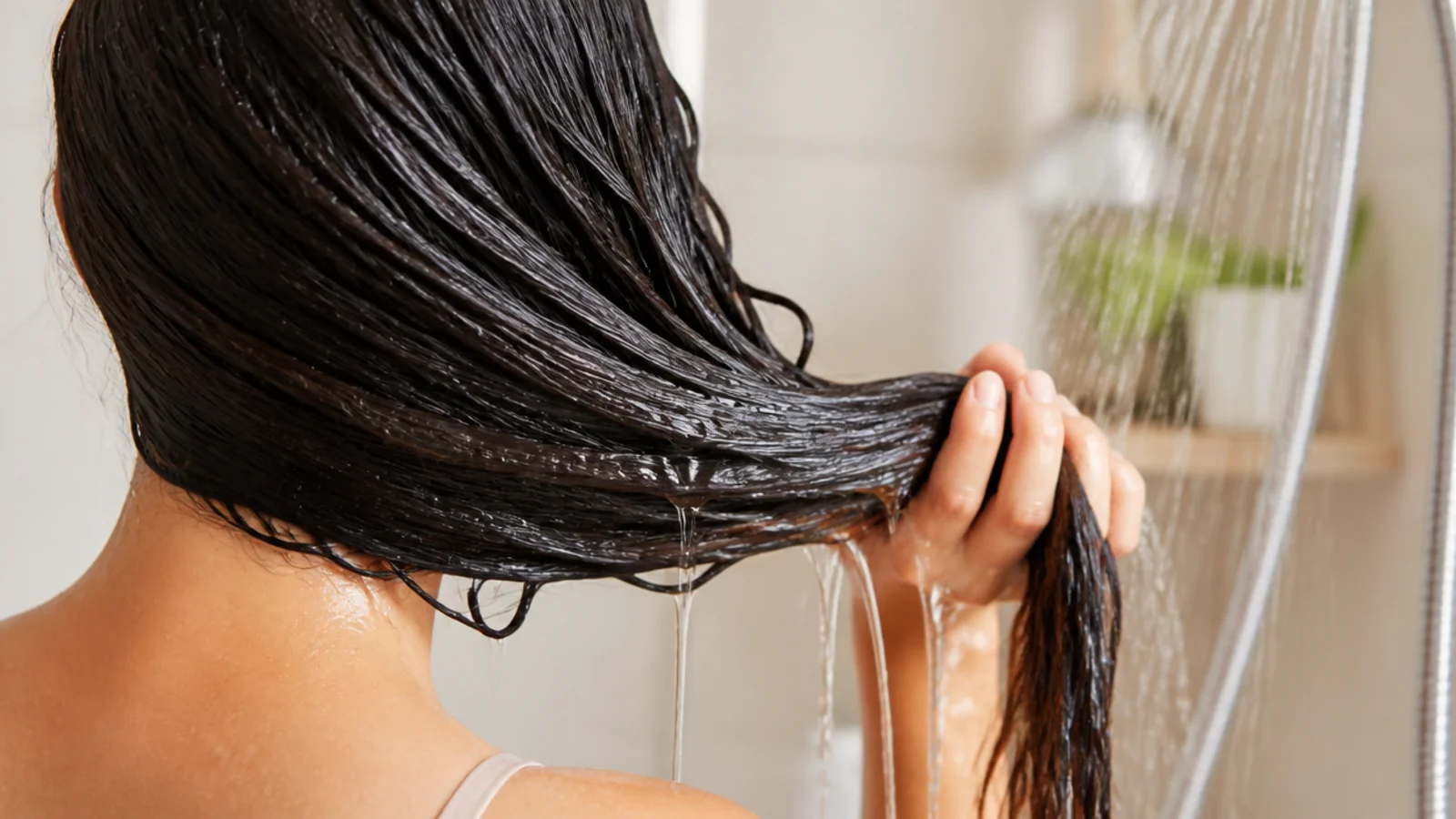
Hot water swells the cuticle and strips the scalp, which makes hair feel rough on the way out of the shower and pushes the scalp to overproduce oil. Wash warm if you like, but drop the temperature for the final conditioner rinse. You do not need a shocking cold blast; lukewarm is enough to let the cuticle lie flatter, which is what shine actually is. It is free, takes 20 seconds, and is one of the easiest tips for hair growth to make automatic.
Who it suits: Everyone, especially anyone with a scalp that gets oily fast.
Tip: If cool water is unbearable, at least rinse the ends cool and keep the scalp warm.
13. Wear a Protective Style Two or Three Days a Week
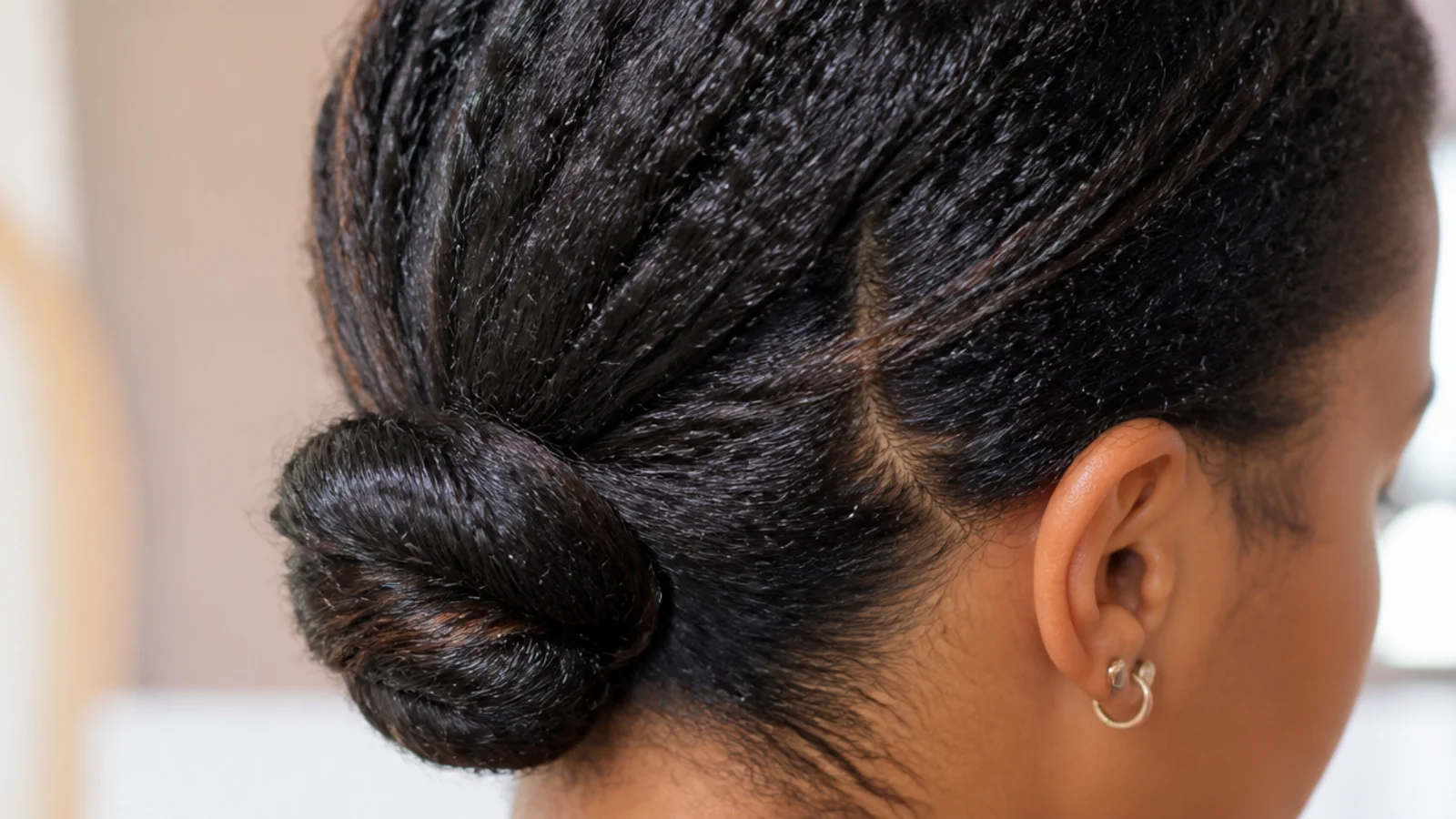
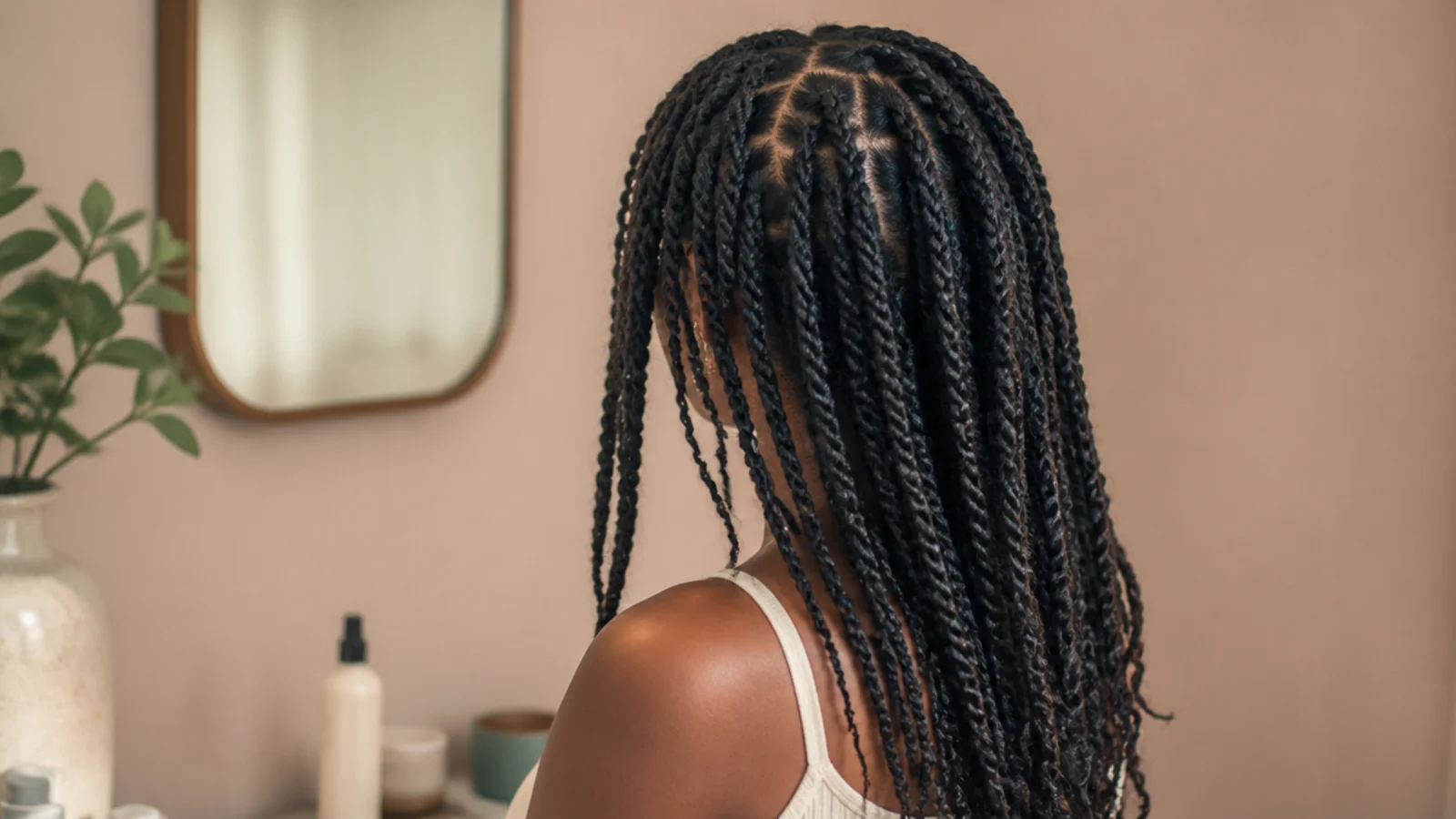
A protective style tucks the ends away so they are not rubbing on collars, coats and car seats all day. It does not have to be braids or a weave; a low bun with the ends tucked, two flat twists, or a loose french braid counts. The rule that separates protective from damaging is tension: it must never hurt, and it should come down or be redone within a week or two. Try an easy mermaid braid when you want the style to look deliberate.
Who it suits: Long hair, curly and coily hair, and anyone in a coat all winter.
Tip: Moisturize the ends before you tuck them; a style seals in whatever state they are in.
14. Clarify Your Scalp Once a Month
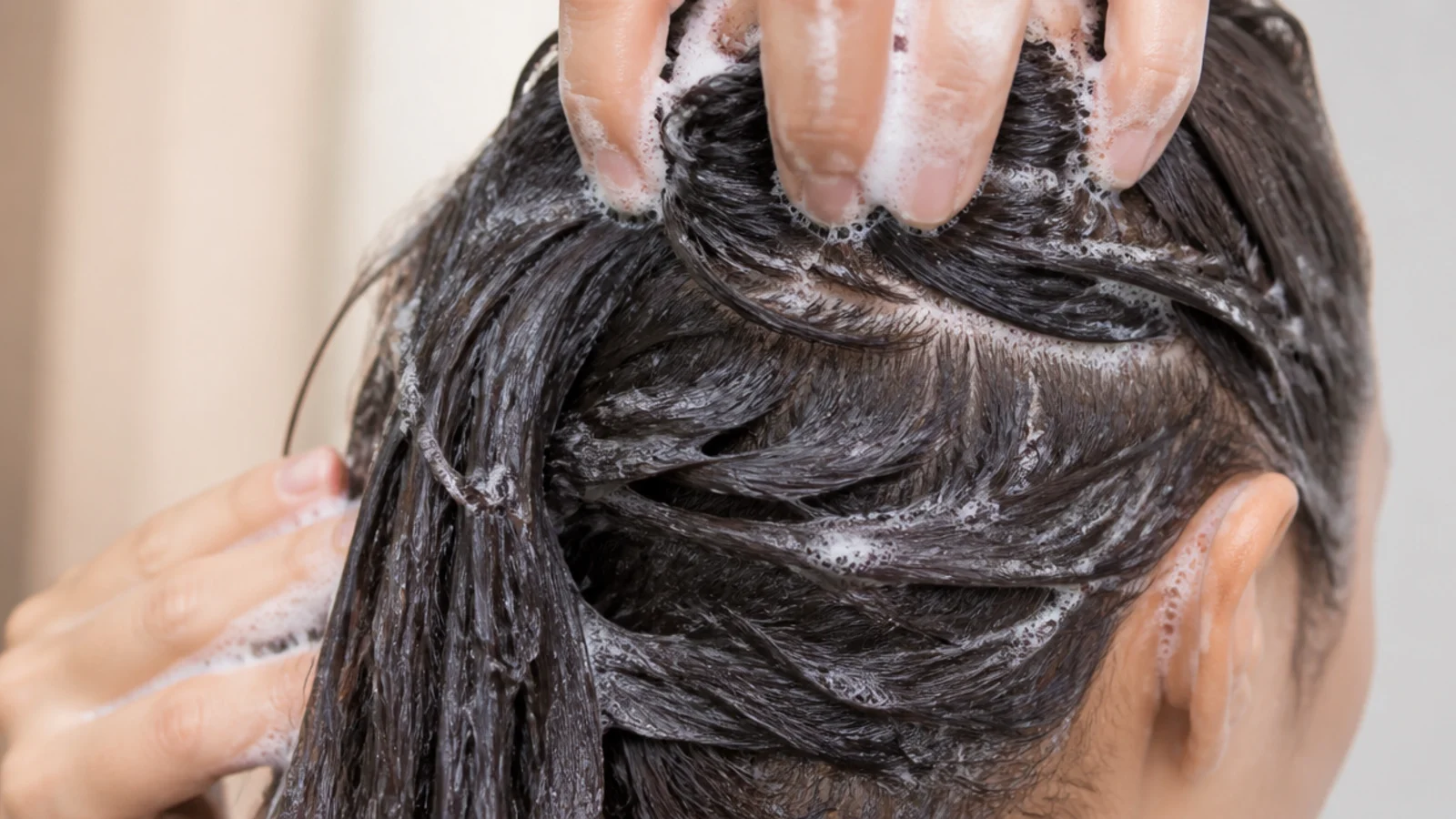
Silicones, oils, dry shampoo, hairspray and hard water minerals stack up on the scalp and coat the hair until conditioner stops absorbing and everything feels flat and coated. A clarifying or chelating shampoo once a month resets it. Follow it immediately with a deep conditioner, because clarifying strips deliberately. If you have flaking that comes back within days, that is more likely dandruff than buildup and wants an antifungal shampoo instead, used twice a week with two to three minutes of contact time.
Who it suits: Heavy product users, swimmers, hard water areas and dry shampoo devotees.
Tip: Clarify the night before a deep condition so the mask lands on a clean cuticle.
15. Trim a Quarter Inch Every 8 to 12 Weeks
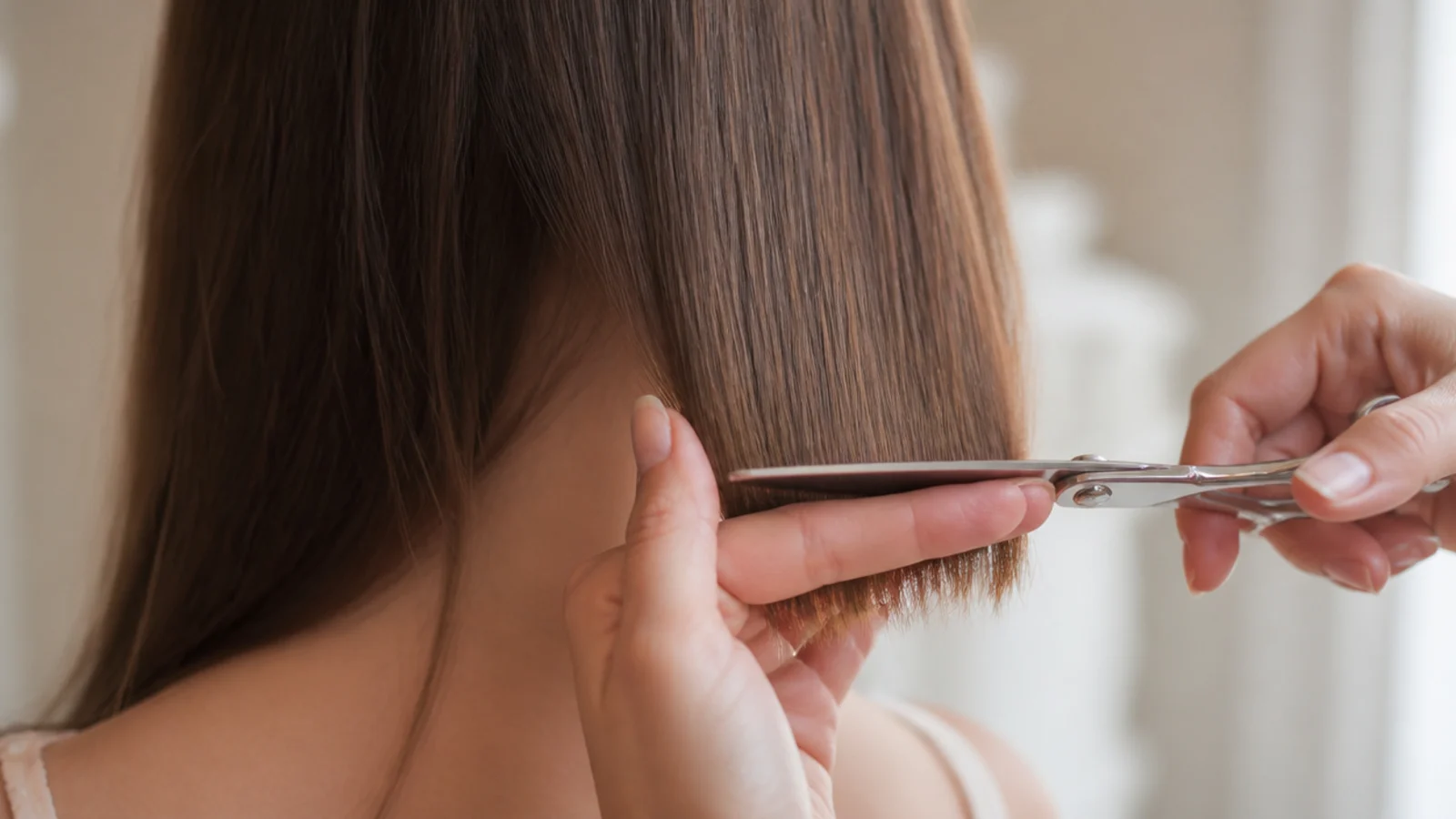
A trim does not make hair grow; the follicle has no idea what happened three feet away. What a trim does is remove split ends before they travel up the shaft and cost you two inches instead of a quarter. Every 8 to 12 weeks is the standard interval, and at half an inch of growth a month you are still netting length. Ask for a dusting or a quarter inch off, and say the goal is length retention, or you will leave with two inches gone. More on this in hair growth tips faster.
Who it suits: Anyone growing hair out, especially past the shoulders.
Tip: Book the next appointment as you leave; drift is how ends get away from you.
16. Take a Same-Spot Length Photo Every Month
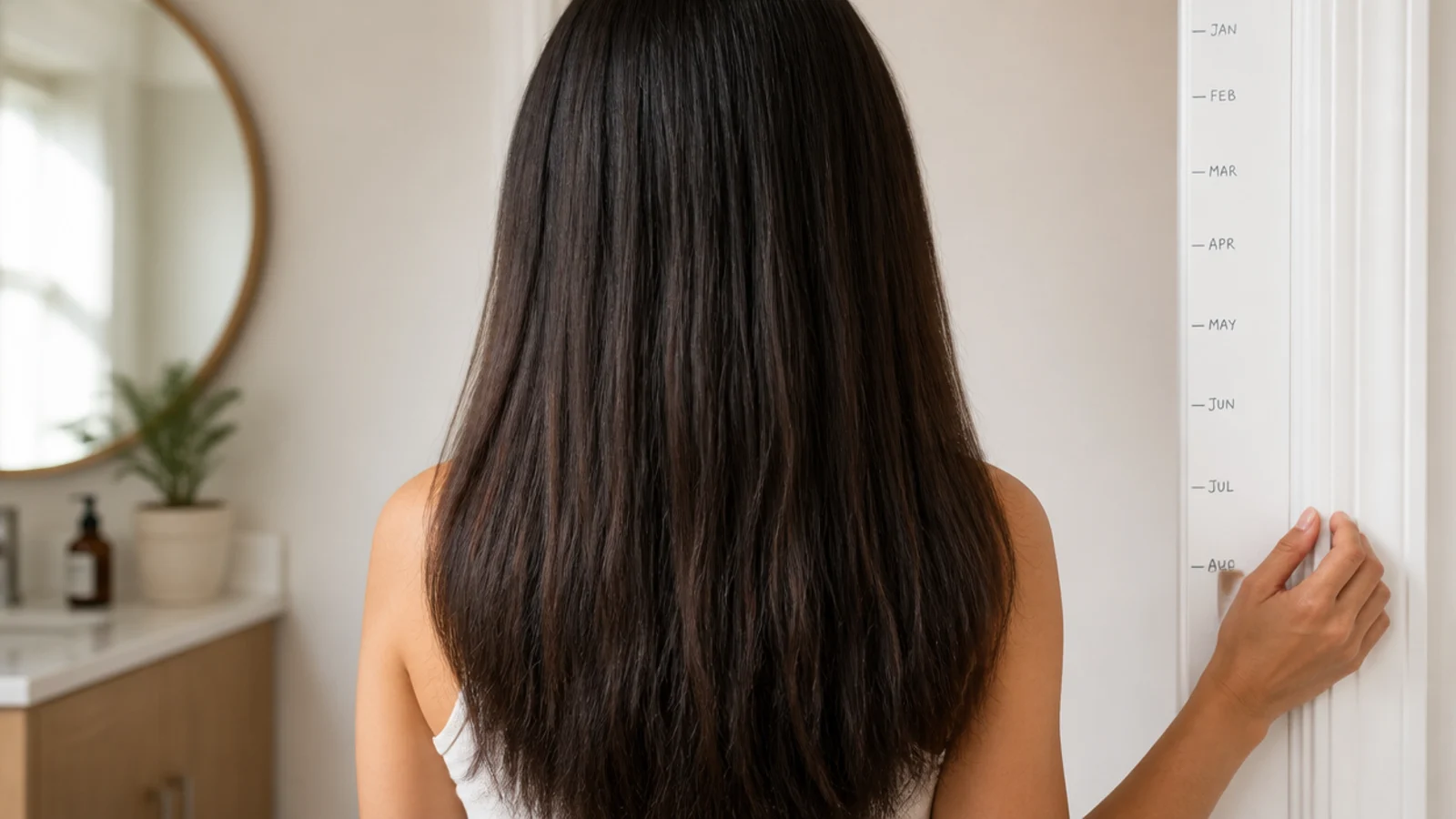
Half an inch a month is invisible in the mirror, which is why people quit good routines at week six. On the first of every month, take a photo in the same place, same light, hair pulled straight down the back, ideally against a fixed reference like a doorframe or a shirt seam. Compare in six months, not in six days. If your hair shrinks, stretch it first with a twist-out or a blowout so you are measuring length rather than curl pattern.
Who it suits: Everyone, and non-negotiable for curly and coily hair with heavy shrinkage.
Tip: Photograph the ends up close too; thicker, blunter ends show progress before length does.
17. Rest Between Braids or Weaves for Two Weeks
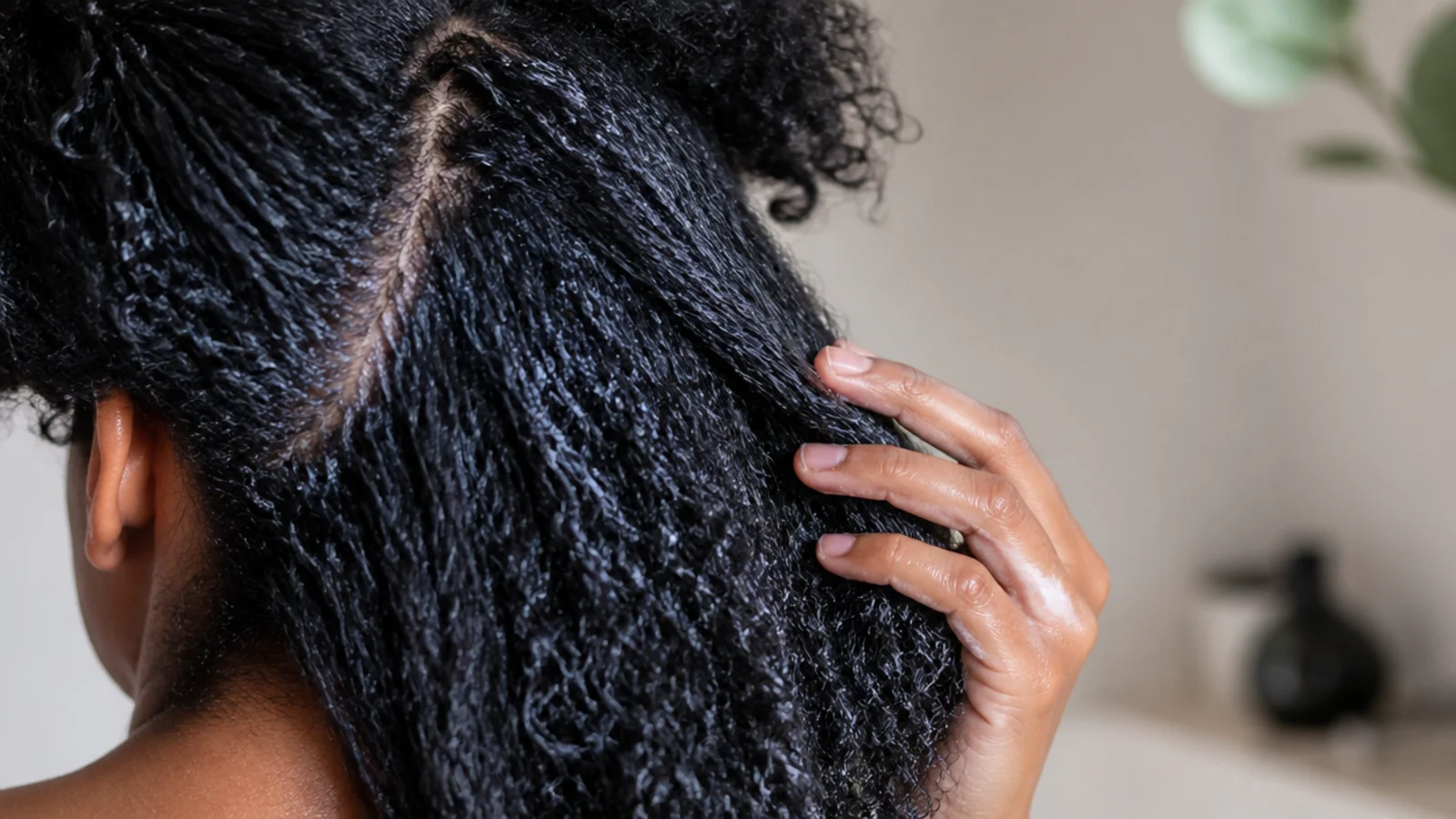
Back-to-back installs are how protective styling turns into traction damage. Keep braids, twists, cornrows and sew-ins to six to eight weeks maximum, then leave the hair loose and low-manipulation for one to two weeks: cleanse, deep condition, detangle slowly, trim if needed. Take down slowly and in sections rather than in one long evening. If the install hurts on day one, have it loosened that day; pain is not a normal part of a new style.
Who it suits: Anyone who wears braids, twists, weaves or wigs on rotation.
Tip: Cleanse the scalp while the style is in, using a nozzle bottle of diluted shampoo along the parts.
18. Space Color and Relaxer Services 8 to 10 Weeks Apart
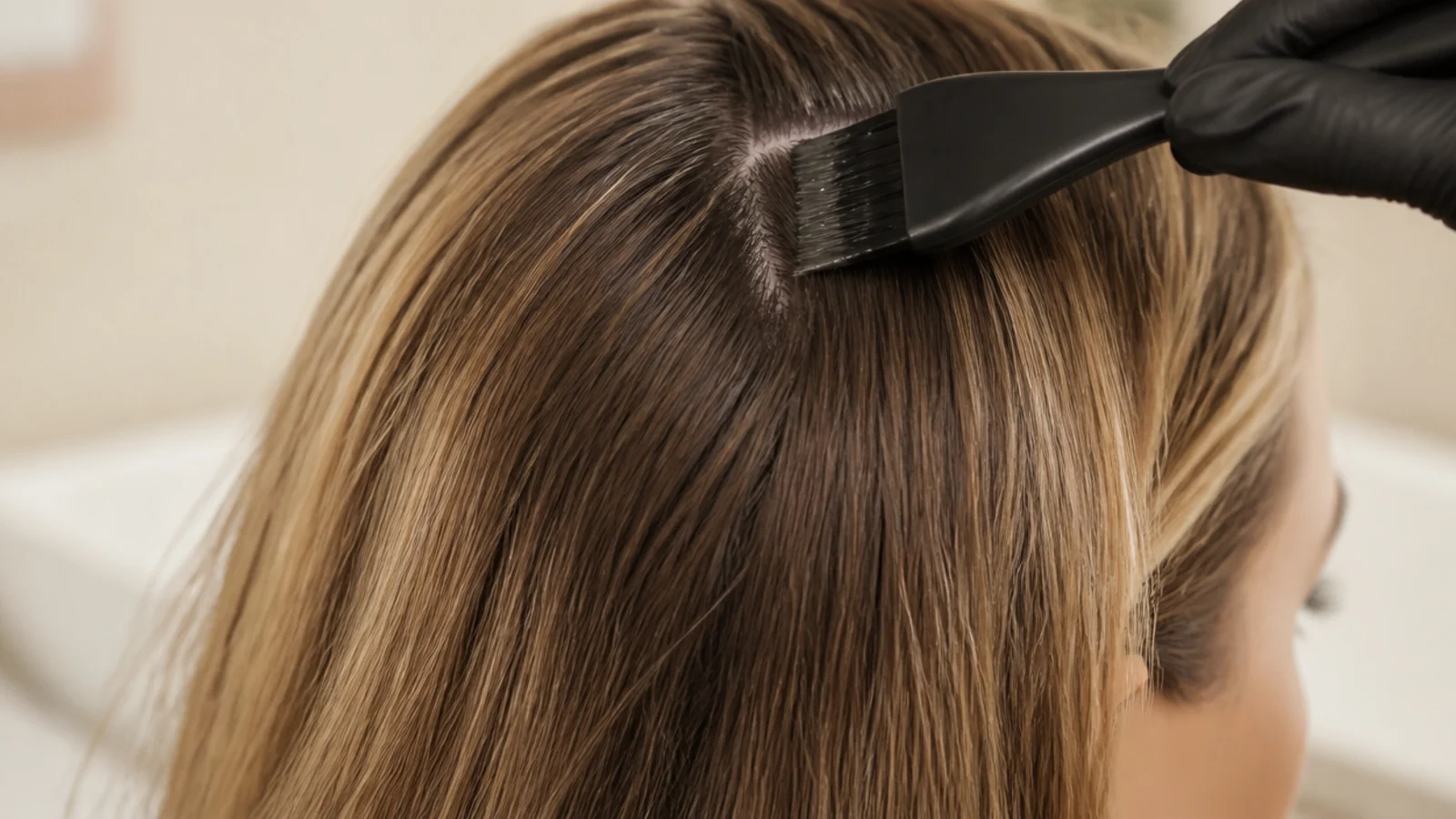
Bleach, permanent color and relaxers all break bonds inside the shaft, and overlapping them onto already processed hair is the fastest way to lose length. Space services 8 to 10 weeks apart and ask for roots only, so the chemical lands on new growth rather than on lengths that have taken it two or three times. Bond-building treatments in the salon and at home genuinely help here. If you want less commitment, gloss and demi-permanent color are far gentler than lift.
Who it suits: Anyone coloring, bleaching, relaxing or texturizing.
Tip: Never do color and a relaxer in the same two weeks; ask your stylist to schedule them apart.
19. Get Iron, Ferritin, Vitamin D and Thyroid Checked Yearly
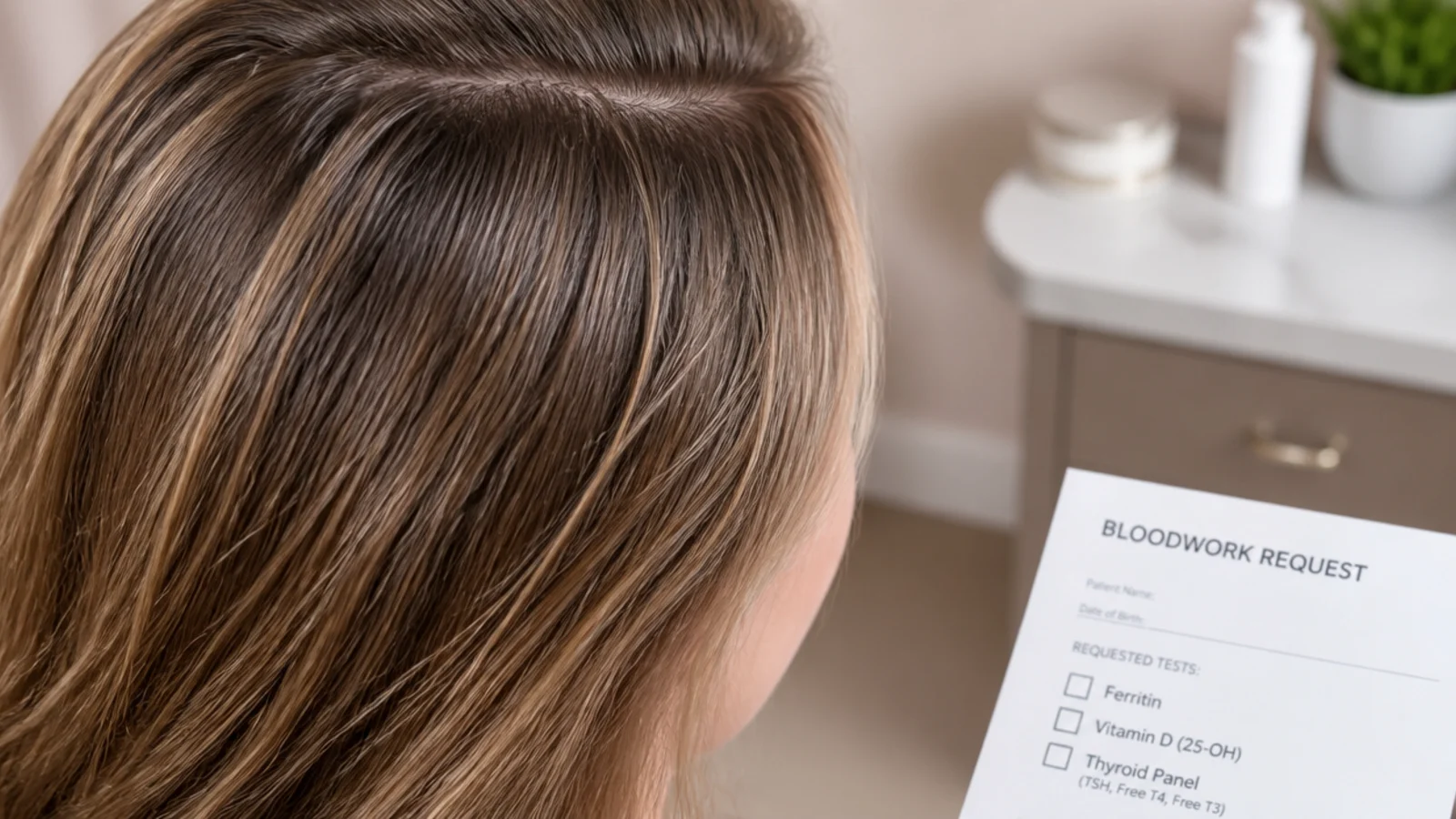
Supplements only help when a real deficiency exists, so the useful habit is testing rather than guessing. Low ferritin, low vitamin D and thyroid problems are common, treatable causes of diffuse shedding, and they are invisible without a blood test. Ask your doctor about ferritin specifically, since standard iron panels can look normal while stores are low. This is a medical conversation, not a shopping decision; do not start high-dose iron on your own, since excess iron is genuinely harmful.
Who it suits: Anyone with increased shedding, heavy periods, or a restrictive diet.
Tip: Take the biotin out for two weeks before bloodwork; it can skew thyroid results.
20. Wash Out Chlorine and Salt the Same Day
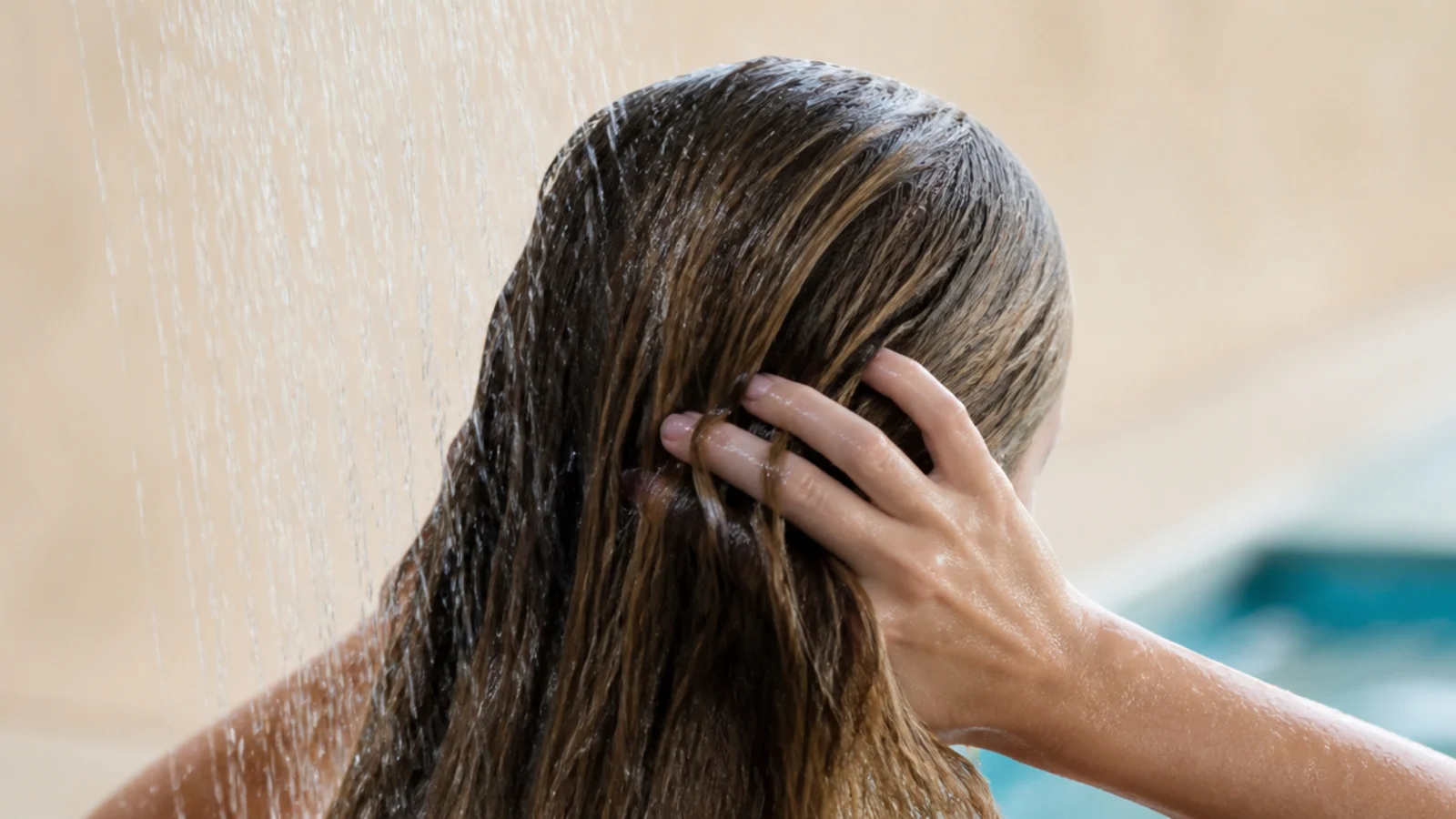
Chlorine and salt sit on the cuticle and keep drying hair long after you leave the water, and chlorine plus copper in pool water is what turns blonde and lightened hair green. Soak hair in plain water and a leave-in conditioner before you get in, so the shaft is already full and absorbs less. Rinse thoroughly within the hour and cleanse properly that evening. Add UV protection on long sun days too, since sunlight degrades both keratin and color the same way it fades fabric.
Who it suits: Swimmers, beach holidays, and anyone with lightened or color-treated hair.
Tip: A swim cap over pre-wet, conditioned hair beats any post-swim product.
How Fast Hair Actually Grows and What You Control
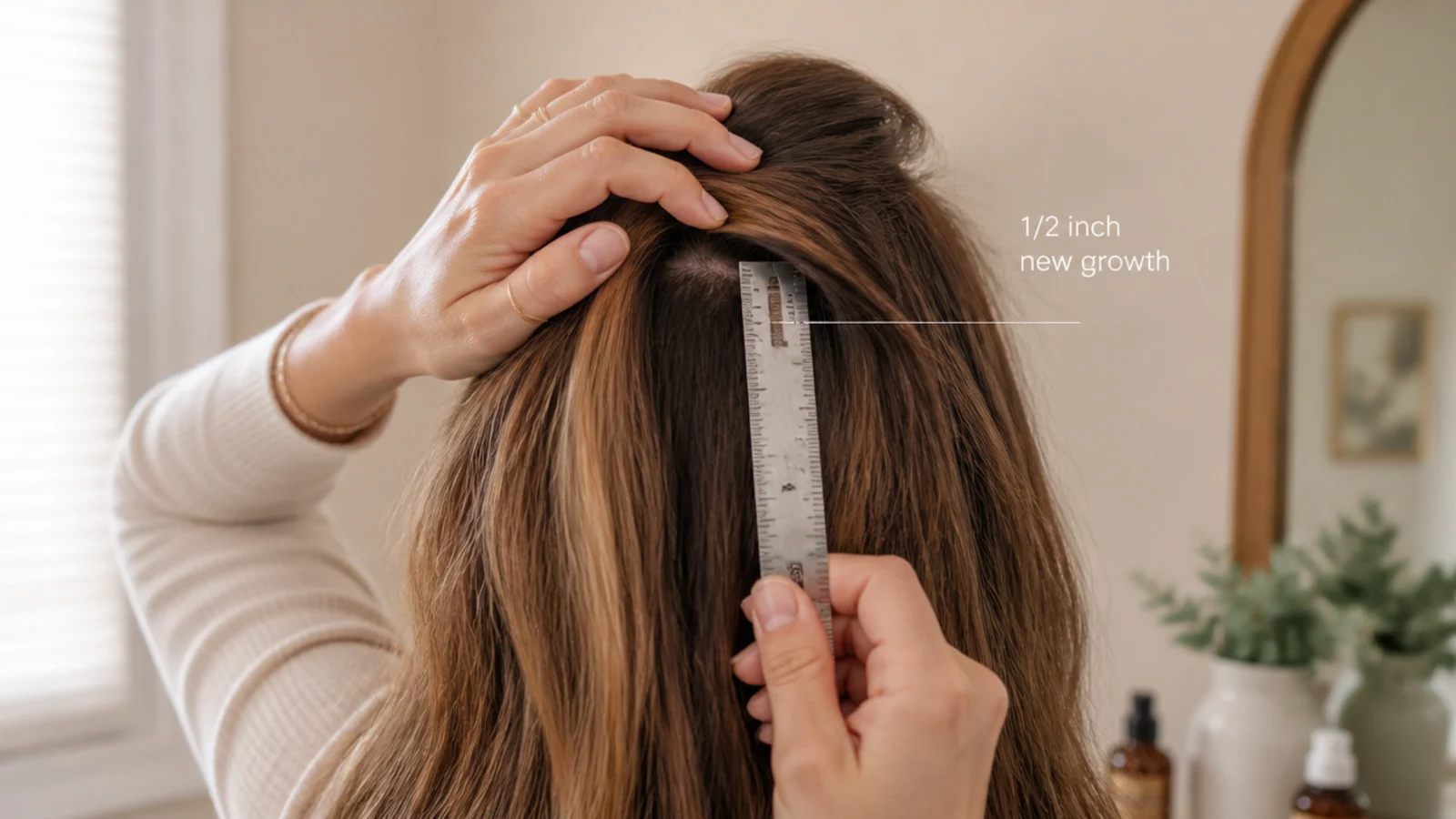
Scalp hair grows at roughly half an inch a month, which works out to about six inches a year. That number moves a little with age, health, hormones and hair type, and it is genuinely slower for some people than others, but it is not something a shampoo changes. Your genetics also set a terminal length, the point at which each hair reaches the end of its growing phase and sheds regardless of how well you treat it. Some people's growing phase runs two years and their hair stops near the shoulders; other people's runs seven and their hair reaches the waist. Nothing topical rewrites that. What you do control is everything in between the follicle and the ends: friction, tension, heat, chemical processing and how gently you handle wet hair. That is a genuinely large amount of control, because those five things account for the vast majority of the length people lose. Reframing the goal from speed to retention is the whole shift, and every habit in this list follows from it. The same logic drives hair growth tips faster at home.
Breakage vs Growth: Why Your Hair Is Stuck at One Length
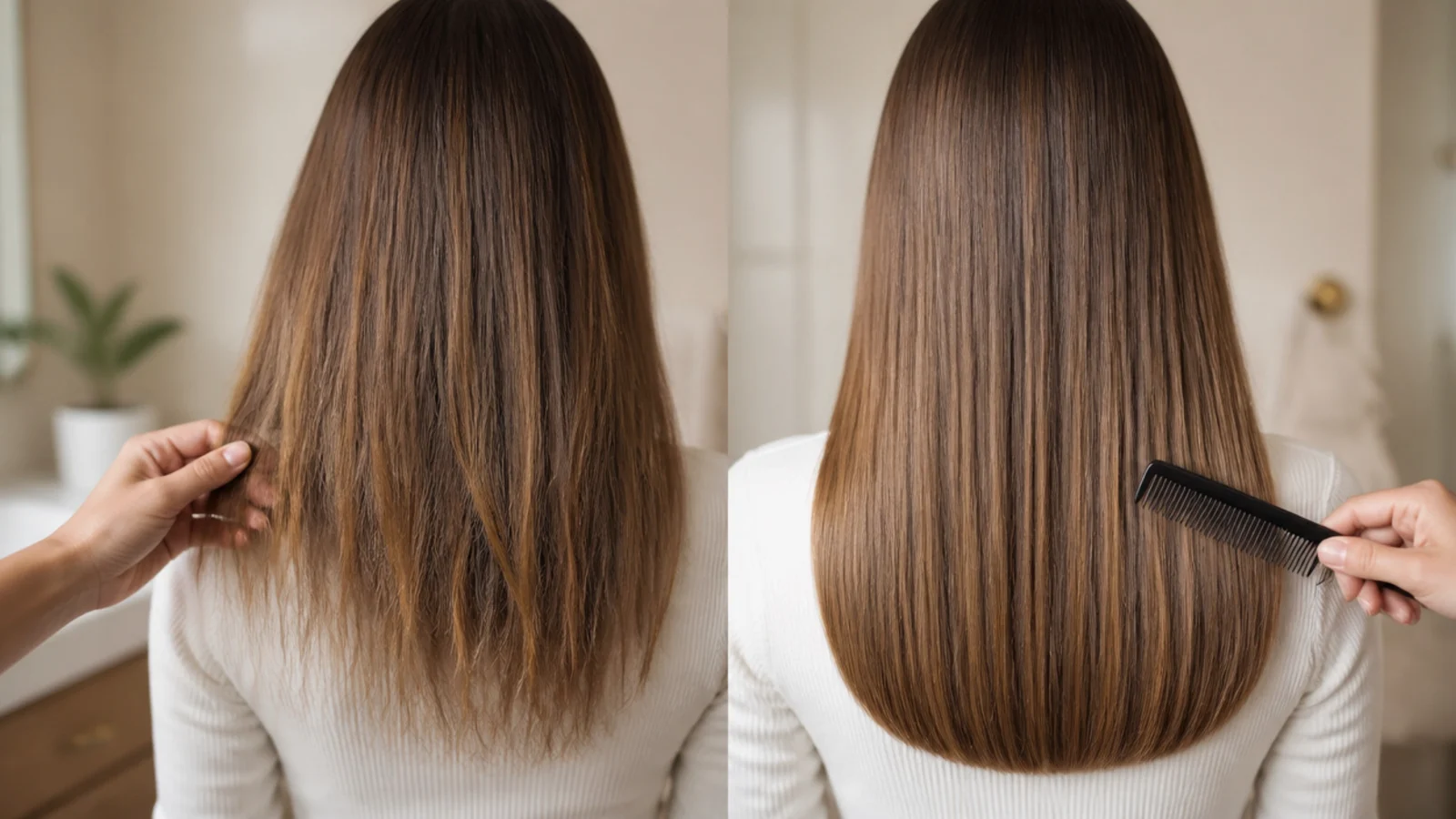
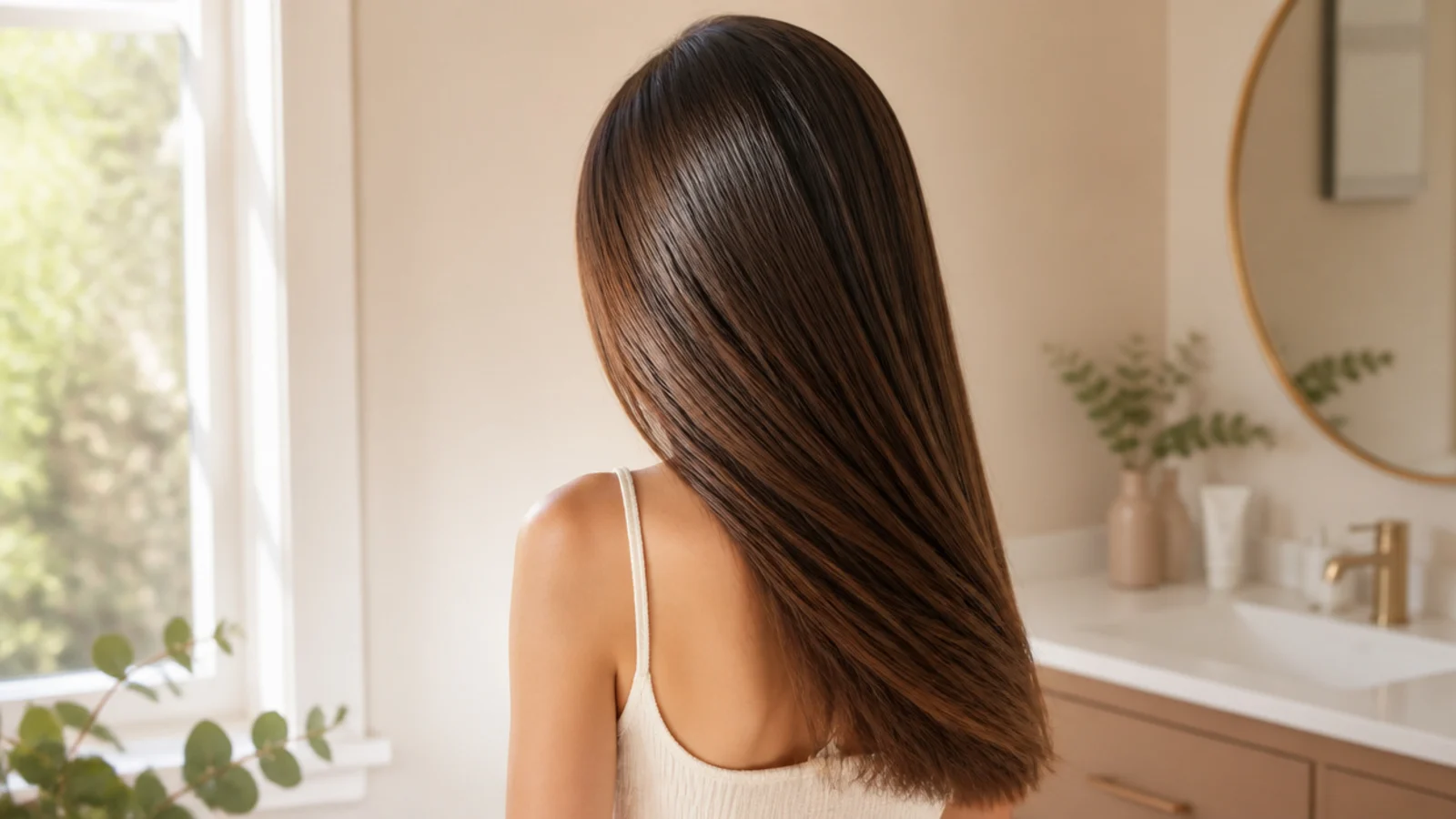
If your hair has sat at the same length for a year, the roots almost certainly grew six inches. The ends broke off six inches at the same time. This is the most useful diagnosis in hair care and almost nobody leads with it. You can confirm it yourself in about a minute: hold a section up to the light and look at the ends. Thin, see-through, wispy ends that taper to nothing mean breakage. Blunt ends that are as thick as the mid-lengths mean your length is holding. Short broken hairs that pop up around the crown and along the part, all the same length, are another sign, especially where a ponytail elastic sits. The fix is not a growth serum. It is removing the causes, one habit at a time, then cutting off the damage that has already happened so it stops traveling upward. Expect the ends to look better within four to six weeks and the length to move visibly around the six-month mark. For a breakage-first read on frizz, see how to get rid of frizzy hair.
Scalp Health Habits That Support the Follicle
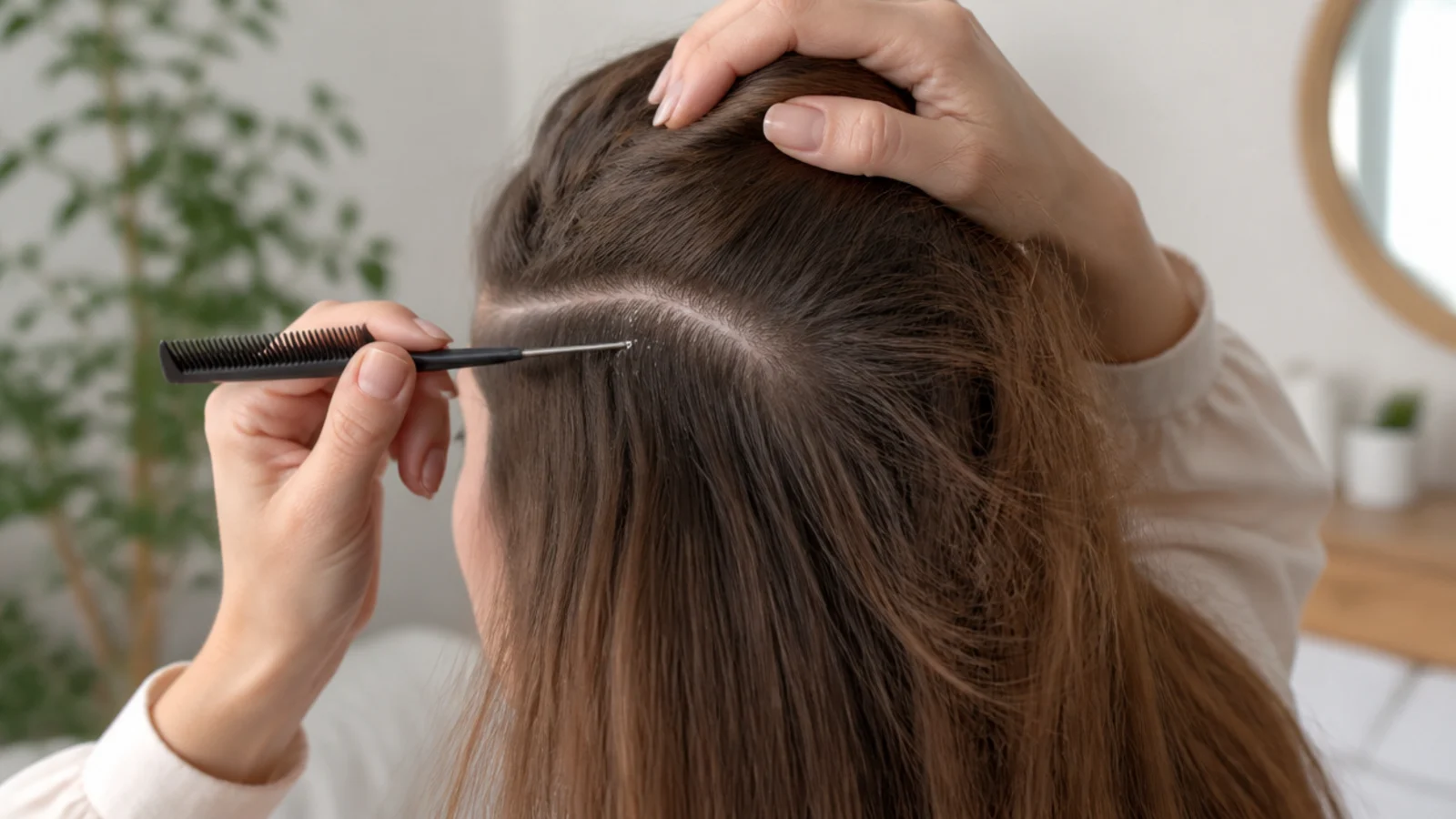
Think of the scalp as skin, because that is what it is. A scalp with heavy buildup, active flaking or constant itching is an irritated environment, and irritated skin is not the best place for hair to grow from. The habits are unglamorous: wash often enough that the scalp is genuinely clean, which for most people means every two to four days and for very coily or very dry hair may mean weekly; clarify monthly; massage a few times a week; and treat dandruff as a condition rather than a cleanliness problem, with a medicated shampoo left on for two to three minutes. Resist the temptation to pile oils onto a flaky scalp, because most flaking is fungal and oil can feed it. What scalp care cannot do is more than the follicle is capable of. A clean, comfortable scalp supports normal growth; it does not exceed it. If the scalp is sore, scaly, painful or losing hair in patches, that is a dermatologist visit, not a product problem.
Diet and Supplements for Healthy Hair Growth: The Honest Limits
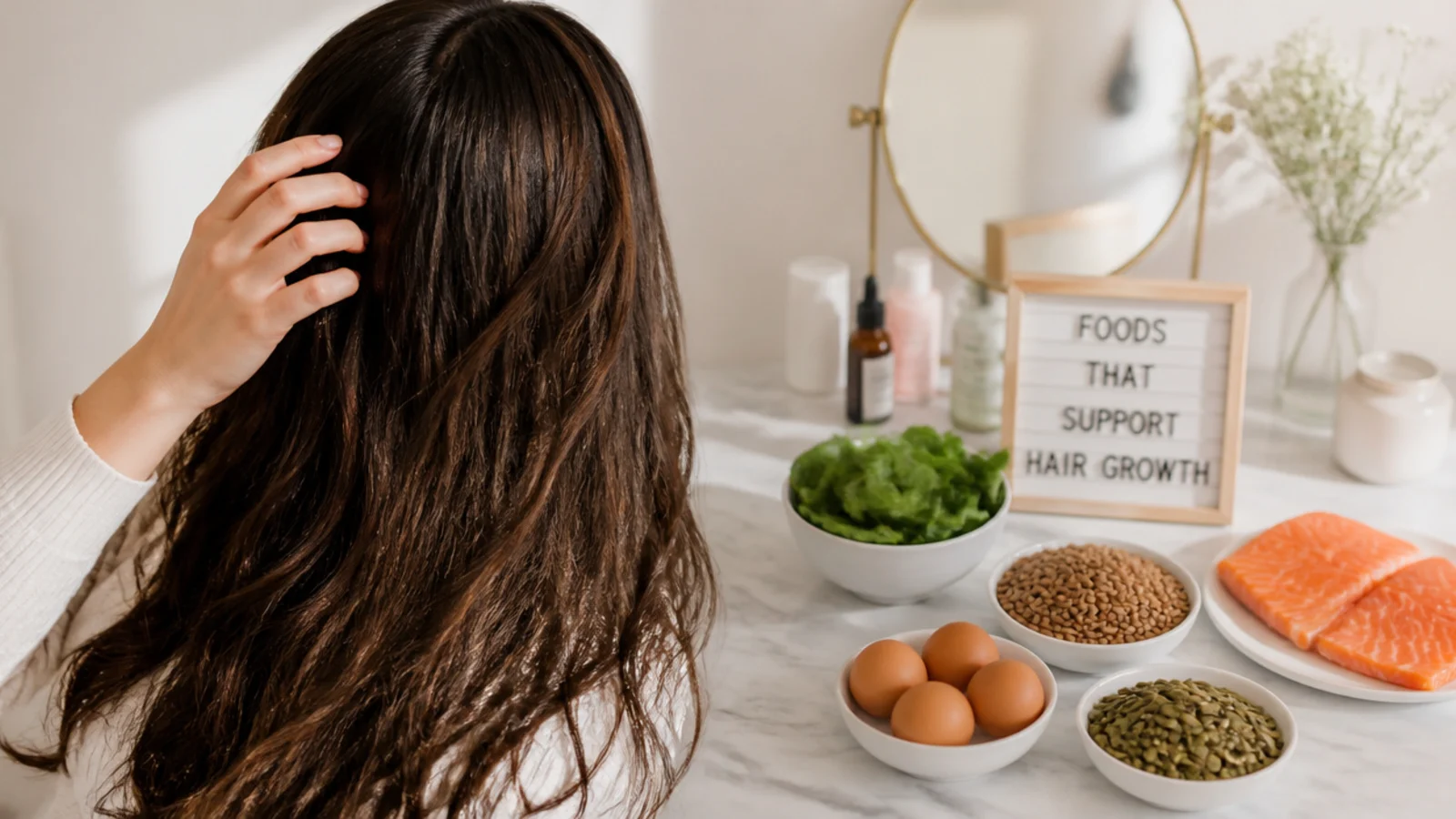
Here is the part most articles get wrong. Supplements correct deficiencies; they do not accelerate normal growth. If your iron, ferritin, vitamin D, zinc, protein and thyroid function are all in range, adding biotin will not make hair grow faster, because there was nothing missing for it to fix. Biotin deficiency is genuinely rare in people eating a normal diet, and high-dose biotin can also interfere with thyroid and cardiac blood tests, which is a real clinical nuisance. Where nutrition matters enormously is on the downside: crash dieting, very low calorie intake, low protein, untreated iron deficiency and postpartum hormonal shifts all cause visible shedding, usually two to three months after the trigger. So build the plate first: protein at every meal, iron-rich foods with a source of vitamin C, omega-3 fats, and enough total calories. Then test rather than guess, and treat what the test shows with your doctor. More food specifics sit in tips for hair growth.
Healthy Hair Growth Habits for Edges, Thinning, 4C and Postpartum Hair
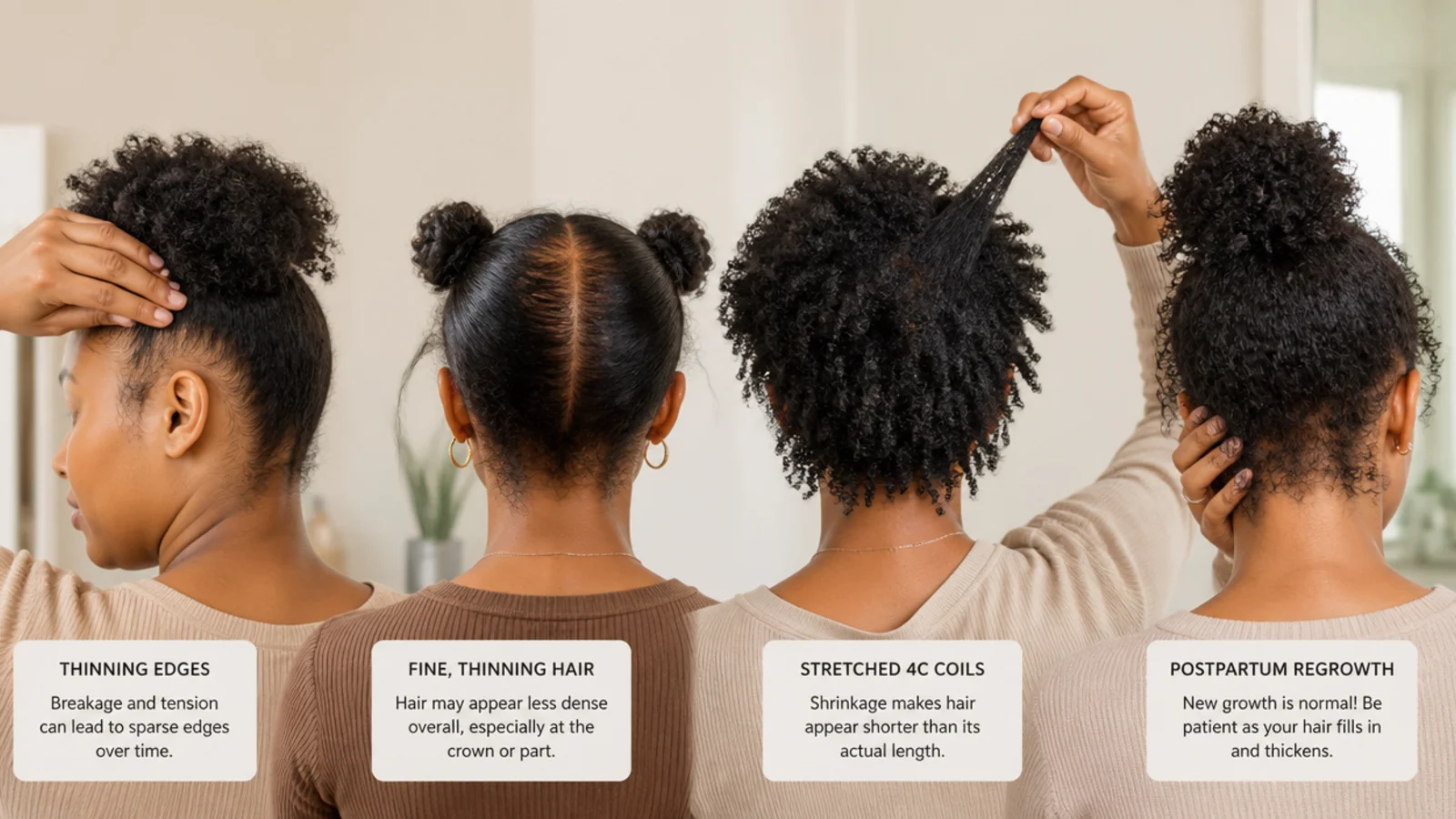
Different concerns need different habits. Thinning edges are usually tension, so the priority is loosening styles, ending pain-tight installs, rotating part lines and giving the hairline weeks of genuine rest; caught early this often improves, and left for years it may not. Fine or thinning hair benefits most from cutting heat, avoiding heavy oils that flatten the roots, and getting bloodwork done early rather than late. 4C and other tightly coiled textures grow at the same rate but shrink up to 75 percent, so length looks static when it is not; stretch before you measure, keep moisture high, detangle only when damp and slippery, and treat protective styles as rest, not as a permanent state. There is a full list in hair growth tips for black women. Postpartum shedding is hormonal, extremely common, usually starts two to four months after birth and generally settles by around a year; be gentle with it and mention it to your doctor if it does not.
When to Stop Buying Products and See a Doctor or Trichologist
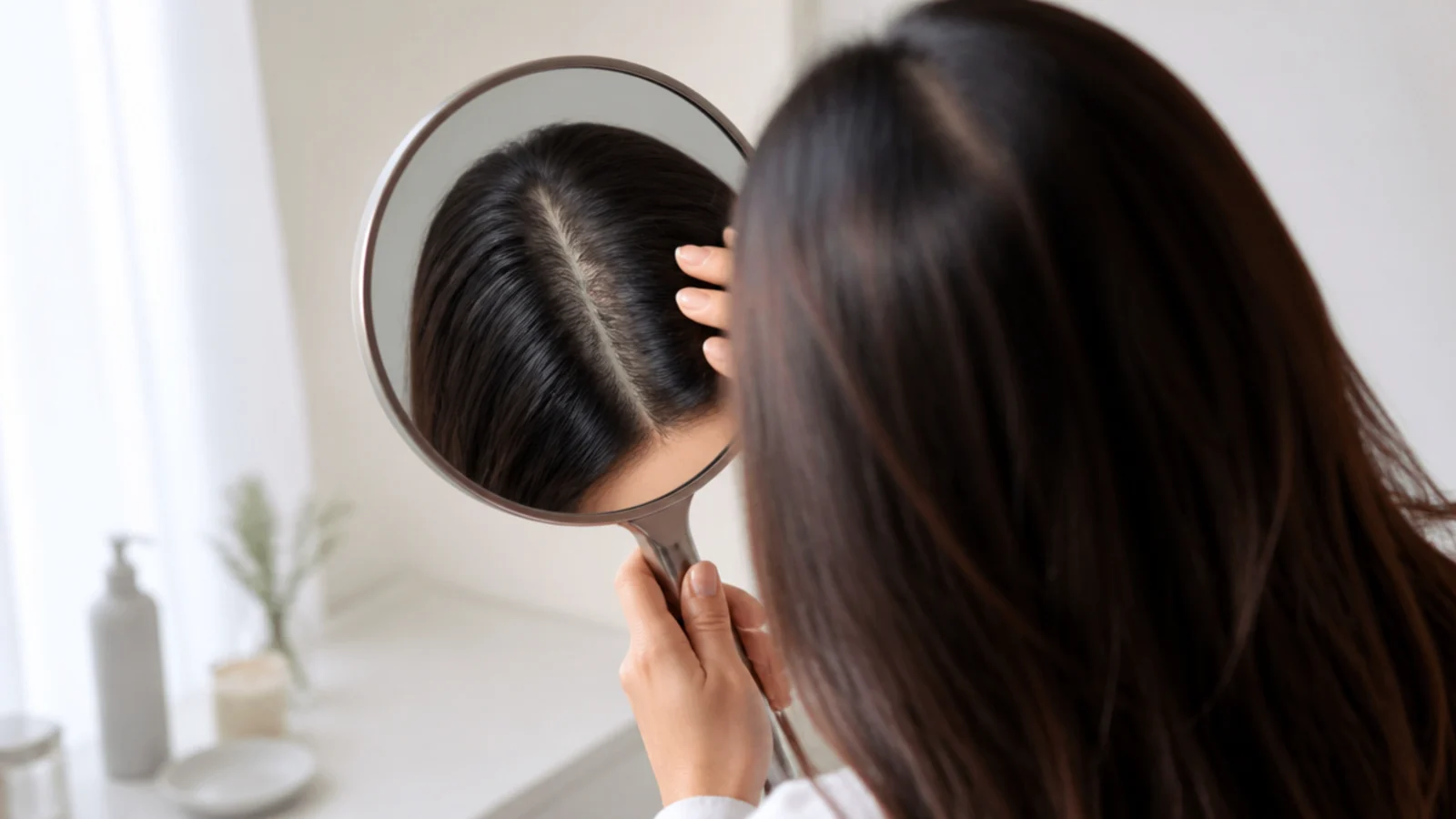
Habits handle breakage. They do not handle hair loss, and knowing the difference protects both your hair and your time. Book an appointment with a doctor, dermatologist or trichologist if your part is visibly widening, if you are losing hair in round or patchy areas, if your ponytail circumference has noticeably shrunk, if the scalp is painful, scaly, red or scarring, if shedding has been heavy for more than three months, or if hair loss comes with fatigue, weight change, irregular periods or other symptoms. Those patterns point to conditions with real treatments, and treatments work far better early than late. Once a follicle scars, no habit and no oil brings it back, which is exactly why waiting is the expensive choice. Nothing in this article is medical advice, and no product on a shelf is a substitute for a diagnosis. Keep the habits running in the meantime, since they protect the hair you have while the medical side gets sorted out. Keep the daily habits running from the hair growth tips board in the meantime.
Frequently Asked Questions
How can I increase my hair growth naturally?
You cannot meaningfully increase the rate, but you can keep far more of what grows. Sleep on satin, detangle from the ends up, limit heat to one or two sessions a week, keep ponytails loose, deep condition weekly, and trim a quarter inch every 8 to 12 weeks. Eat enough protein and total calories. Those habits are what changes visible length over six months.
Which hairstyles promote healthy hair growth?
Low-tension styles that tuck the ends away: loose buns with ends tucked, loose braids, two-strand twists, and soft low ponytails on a fabric scrunchie. The rule is simple, no style should ever hurt. Avoid slicked-back high ponytails worn daily, tight cornrows, and anything that leaves your scalp sore, since that tension is what thins edges over time.
What foods make hair grow faster?
No food speeds up growth beyond your normal rate, but shortfalls slow it down. Prioritize protein at every meal from eggs, fish, chicken, Greek yogurt, lentils or tofu, iron-rich foods like red meat, spinach and beans paired with vitamin C, omega-3 fats from salmon and walnuts, and zinc from pumpkin seeds. Enough total calories matters more than any single ingredient.
Can you really grow hair faster overnight?
No. Hair grows about half an inch a month, so overnight growth is roughly one sixtieth of an inch, which is invisible. What can change overnight is how hair looks: a satin pillowcase, an overnight braid and a leave-in conditioner all reduce friction and frizz, so hair reads smoother and thicker in the morning. That is styling, not growth.
How long does it take to speed up hair growth?
If a real cause is fixed, such as iron deficiency, a thyroid problem or crash dieting, expect roughly three to six months before regrowth is visible, because the follicle cycle is slow. If you are simply reducing breakage, ends look noticeably better in four to six weeks and length becomes obvious around six months. Judge any change at three months minimum.
What shampoos can help regrow hair?
Shampoo is on the scalp for a minute or two, so no shampoo regrows hair on its own. Medicated dandruff shampoos help by calming an irritated scalp, and clarifying shampoos remove buildup that makes hair look thinner. Products marketed as thickening usually coat the shaft for temporary volume. For actual regrowth, talk to a doctor about proven treatments.
What herbs can promote hair growth?
Rosemary oil has the most interesting early evidence, from a small study comparing it with a topical treatment, and it is inexpensive to try diluted in a carrier oil. Peppermint and castor oil are popular but thinly studied, and castor oil is heavy enough to cause tangling. Coconut oil is well supported for reducing protein loss during washing, which prevents breakage rather than causing growth.
Can you stop hair loss?
It depends entirely on the cause. Tension damage, breakage, and shedding driven by deficiency, stress, illness or postpartum hormones often improve once the trigger is addressed. Pattern hair loss is progressive and needs medical treatment to slow it. Scarring types need a doctor urgently, since scarred follicles do not return. That is why diagnosis comes before any purchase.
Does trimming your hair make it grow faster?
No. The follicle in your scalp has no connection to what happens at the ends, so cutting them cannot change growth rate. What trimming does is remove split ends before they travel up the shaft and cost you inches instead of a quarter inch. Trimming every 8 to 12 weeks is why people who trim regularly end up with more length, not less.
Which hair growth tips look are you saving?
If you keep only one idea from these 20 habits, keep this one: you are not trying to make hair grow faster, you are trying to stop losing what already grew. Satin at night, detangling from the ends up, lukewarm rinses, heat capped at one or two sessions a week, and a quarter inch trimmed every 8 to 12 weeks will do more for your length in six months than any serum on the shelf. Start with the three daily habits tonight, add the weekly ones this weekend, and put the monthly ones in your calendar so you are not relying on memory. If shedding keeps getting worse, or your part is widening, see a doctor or trichologist rather than buying another bottle. For more, browse the hair growth tips hub or read natural hair growth tips.